Cement Manufacturers & Suppliers in the Boston Market

High-Performance Concrete Solutions & Architectural Cast Elements for New England Infrastructure

Request Specifications & Quote
C150
ASTM Compliance
<0.1%
Expansion Rate
5000+
PSI Max Strength
LEED
v4.1 Certified

1. Cement & Concrete Landscape in the Greater Boston Area

The Greater Boston construction market, spanning from the bustling laboratory hubs of Kendall Square in Cambridge to the transit-oriented high-rises of the Seaport District, operates under some of the most stringent engineering and environmental mandates in the United States. In New England, cement formulation and concrete mix designs must not only provide high load-bearing structural integrity but also withstand brutal freeze-thaw cycles, sub-zero winter temperatures, and coastal salt air exposure.

Under Boston's Building Energy Reporting and Disclosure Ordinance (BERDO 2.0) and Massachusetts' aggressive net-zero carbon goals for 2050, the demand for low-carbon cement formulations, Portland-limestone cement (Type IL), and supplementary cementitious materials (SCMs) has skyrocketed. Developers, landscape architects, and municipal structural engineers are prioritizing materials that minimize embodied carbon while guaranteeing long-term durability. The local supply chain relies heavily on robust marine terminals along Boston Harbor (such as Chelsea Creek and the Port of Boston) and strategic rail links to bring in bulk cement, aggregates, and specialized precast components.

Key Engineering Focus for Boston Projects: Precast architectural components, structural concrete mixes, and decorative streetscape installations must conform strictly to the Massachusetts State Building Code (780 CMR) and ACI (American Concrete Institute) guidelines. Specifically, structural concrete exposed to freeze-thaw cycles requires air-entrainment levels between 5% and 7% to prevent micro-cracking and spalling.

2. Global Commercial Trends and Macro Industry Solutions

On a global scale, the cement and concrete industries are undergoing a massive technological revolution centered on decarbonization, automation, and material optimization. Modern manufacturing plants are shifting away from traditional carbon-heavy clinker production by utilizing alternative fuels, waste heat recovery systems, and carbon capture, utilization, and storage (CCUS) technologies.

As a leading supplier with over 12 years of specialized experience in decorative cement, architectural concrete, and ceramic composites, Value Deco Limited bridges the gap between global manufacturing efficiencies and local structural requirements. By utilizing advanced raw material sourcing, automated high-density vibration molding, and precise curing kilns, we produce cement-based items and planters that exhibit significantly lower porosity, higher flexural strength, and superior resistance to chemical degradation compared to traditional artisanal casting methods.

Strategic Material Alternatives in Global Sourcing:

  • Portland-Limestone Cement (PLC / Type IL): Reduces greenhouse gas emissions by up to 10% compared to standard Type I/II cement while maintaining identical strength development profiles.
  • Glass Fiber Reinforced Concrete (GFRC): Utilized extensively for lightweight architectural cladding and heavy-duty commercial planters, providing tensile strength that standard cement cannot match.
  • Ultra-High-Performance Concrete (UHPC): Delivering compressive strengths exceeding 17,000 PSI, allowing for ultra-thin profiles, sophisticated architectural detailing, and unparalleled resistance to environmental stressors.

3. Localized Applications in Boston's Urban and Commercial Spaces

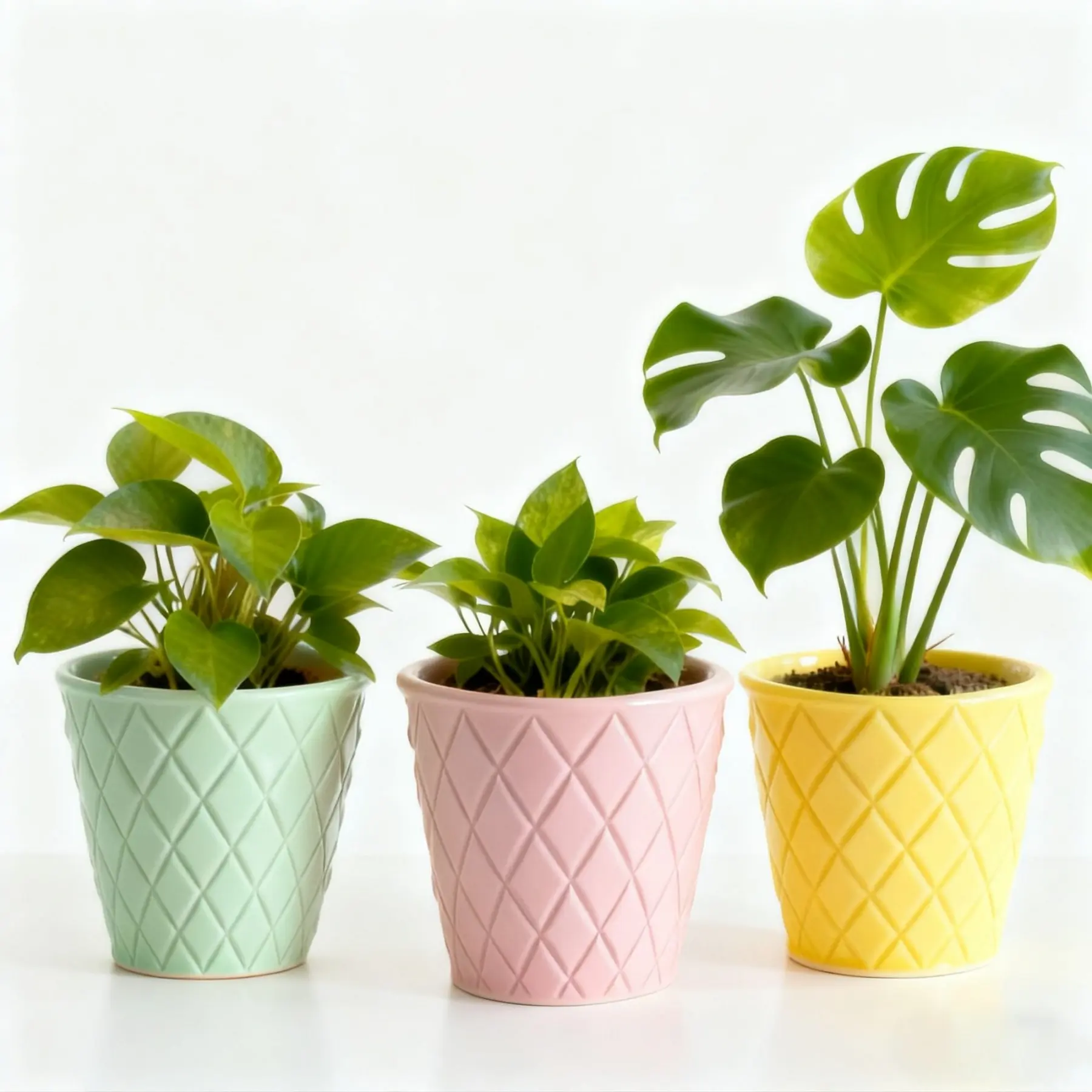
In municipal developments, campus extensions (such as Harvard, MIT, and Boston University), and private retail projects, the choice of cementitious site furnishings directly impacts the visual appeal and longevity of public areas. Architectural cement pots, heavy-duty barrier planters, and custom-molded statuary serve a multi-functional role in Boston's urban layout:

  1. Hostile Vehicle Mitigation (HVM) & Perimeter Security: Heavy-duty, high-mass cement planters placed along high-traffic corridors like Washington Street or near South Station act as aesthetic vehicular barriers, protecting pedestrian plazas from potential collisions.
  2. Stormwater Management & Bioretention: Large-scale cast cement containers are integrated into urban landscape plans to manage runoff, act as biological filters, and support native New England flora.
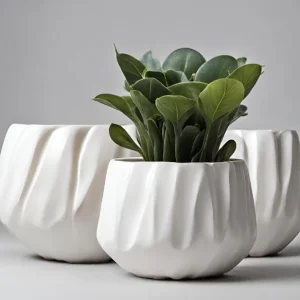
  3. Biophilic Office Design in Tech Hubs: Boston and Cambridge developers utilize modern geometric ceramic and cement planters inside corporate lobbies to clean indoor air and improve employee well-being.
Value Deco Limited

Your One-Stop Purchasing Destination for Premium Decoration Categories

Value Deco Limited is a leading developer and manufacturer of high-quality ceramic and cement architectural decorations based in China. With over 12 years of dedicated industry experience, we have earned a global reputation for producing exceptional collections of flower pots, vases, candle holders, home decor, garden items, and dinnerware. All our product designs track current trends and satisfy strict structural requirements for commercial, residential, and municipal spaces.

To ensure focused customer service and optimized supply lines, we operate through specialized business divisions:

  • Value Deco - Flower Pots Division: Dedicated site offering specialized architectural, ceramic, and cement containers (www.valuedeco.com).
  • Pride Deco - Home & Garden Decor Division: Specializing in lifestyle accessories, dinnerware, and custom cast stone decor (www.pridedeco.com).

Core Product Catalogues

Holiday & Seasonal Solutions

4. Localized Support, Technical Compliance, and SCM Guidelines

Architects and project specifiers in Massachusetts must compile meticulous submittal packages detailing material origins, physical properties, and safety certifications. Choosing cementitious and ceramic products from Value Deco Limited ensures smooth project approvals by meeting local quality metrics:

ASTM Certification Alignment:

  • ASTM C150 / C150M: Standard Specification for Portland Cement. Our structural cement bases confirm to standard strength and setting-time baselines.
  • ASTM C33 / C33M: Concrete Aggregates quality metrics, ensuring the sand and gravel used in our concrete castings are free from organic impurities that cause internal scaling.
  • ASTM C97: Absorption and Bulk Specific Gravity testing for architectural cast stone, verifying water absorption remains below 6% to resist freeze-thaw damage.

LEED Rating System Contribution:

Our manufacturing and logistical pathways are optimized to support green building practices. By using recycled supplementary cementitious materials (such as fly ash or slag cement) and local distribution hubs, our products help projects secure key credits under LEED v4.1: Material and Resources (Building Product Disclosure and Optimization), Low-Emitting Materials, and Regional Materials.

5. Technical Roadmap: 2025–2030 Evolution of Concrete & Ceramics

As the construction and design industries evolve, Value Deco Limited is investing in key material research areas to deliver advanced products for future New England projects:

Nano
Silica Admixtures
-30%
Embodied Carbon
Hydro
phobic Sealants
3D
Cement Printing

Our long-term development roadmap focuses on four primary pillars:

  1. Smart admixtures: Incorporating nano-silica into the concrete slurry to refine the pore structure, yielding faster early strength development and minimizing micro-crack propagation under load.
  2. Advanced sealing coatings: Transitioning to eco-friendly, silane-siloxane penetrating water repellents that bond chemically with the concrete. This keeps moisture out of the material while allowing vapor to escape, extending the lifespan of products in damp climates.
  3. Weight optimization: Developing high-performance cellular concrete formulations that reduce the weight of large architectural planters by 40% without compromising structural strength, lowering shipping costs and structural loads on roof decks.
  4. Bio-Based Concrete Materials: Investigating self-healing concrete formulations that use biological nutrients to heal hairline cracks naturally when exposed to air and water.
Available Digital Catalogues

Download our technical sheets, CAD drawings, and complete design catalogs.
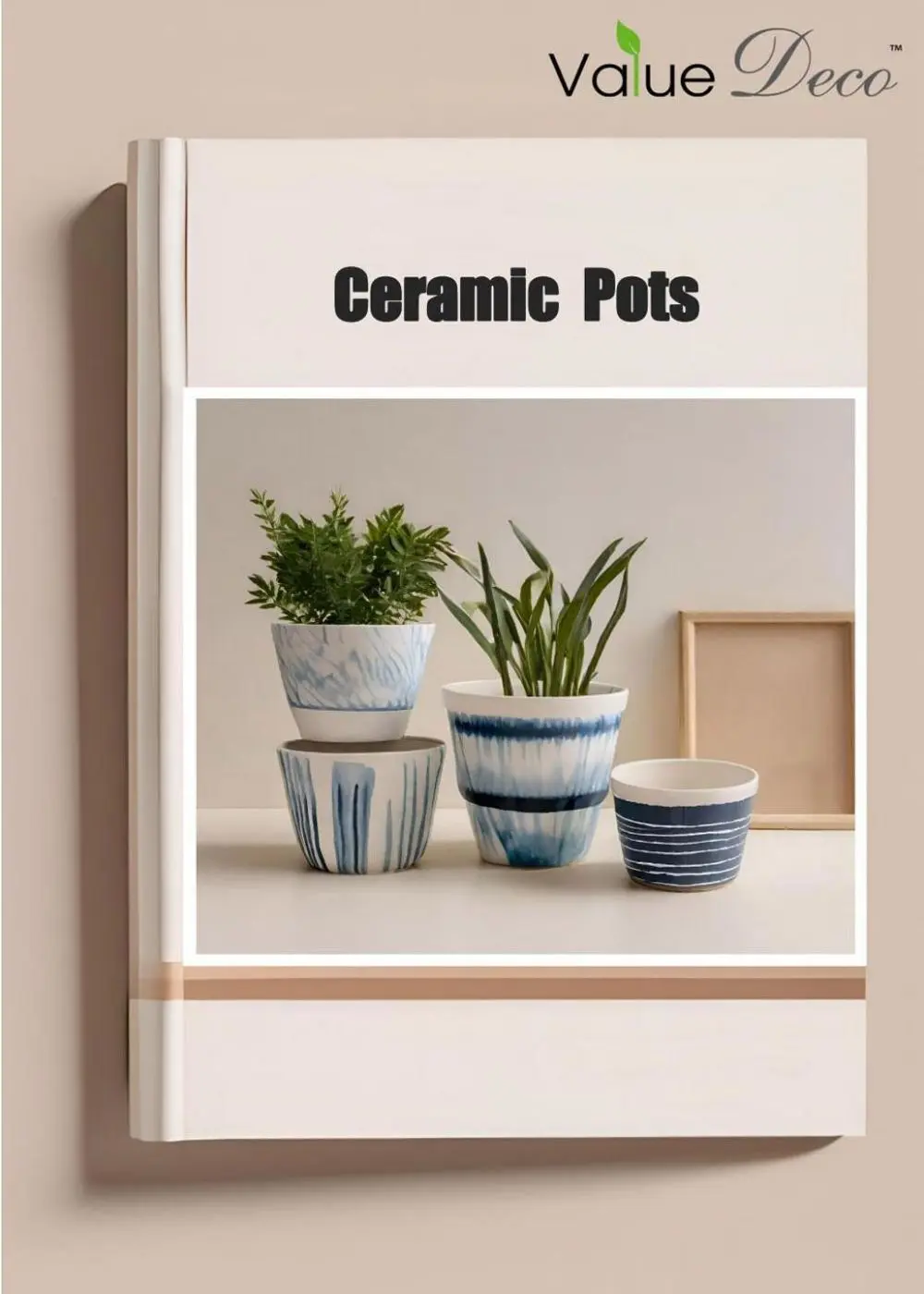
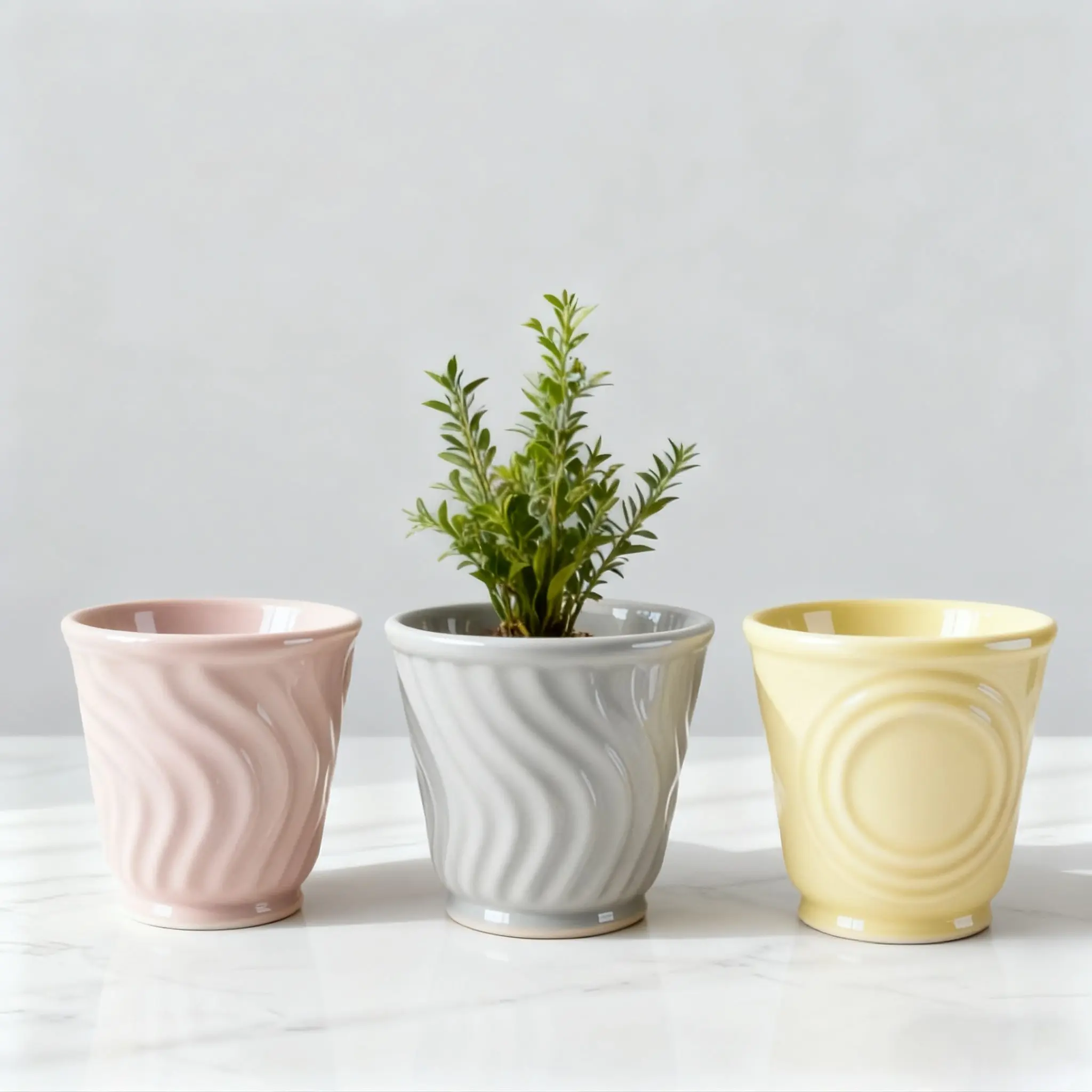
Ceramic Pots Catalogue

Ceramic pots

Standard architectural profiles for residential and corporate interior schemes.
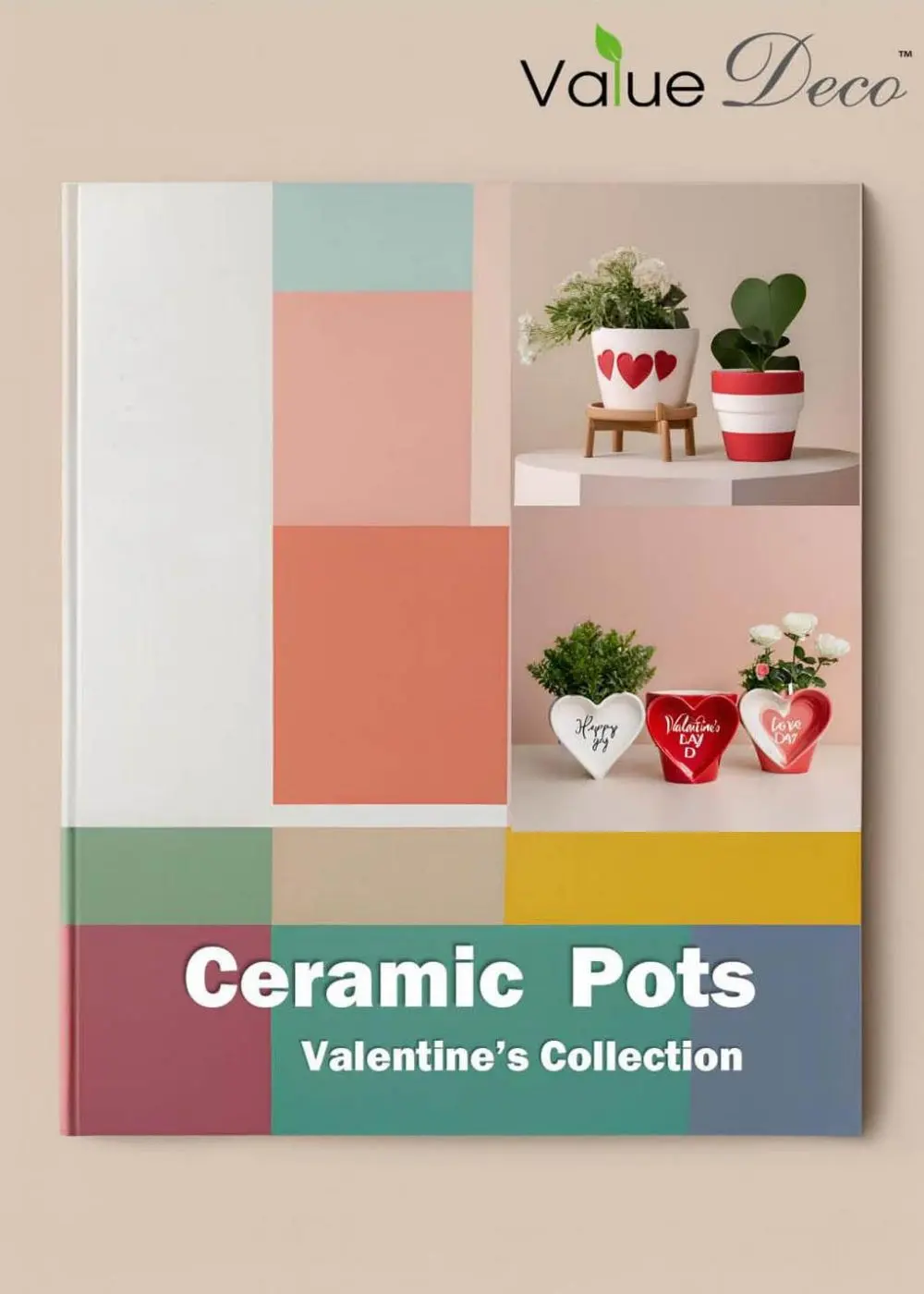
Ceramic pots Valentines & collection Catalogue

Ceramic pots Valentines & collection

Custom structural shapes designed for seasonal promotions.

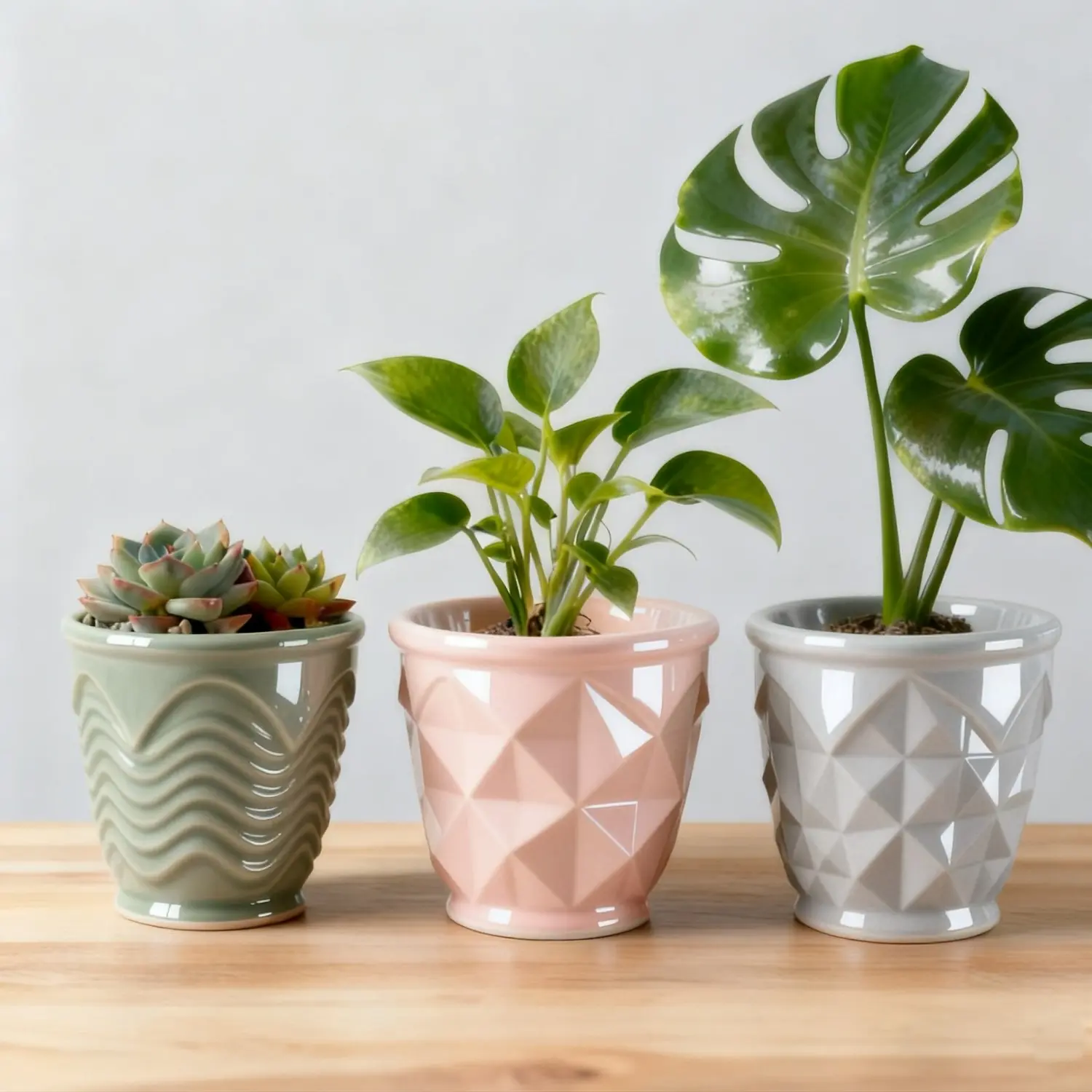
Ceramic Pots Motivating Color Catalogue

Ceramic Pots Motivating Color

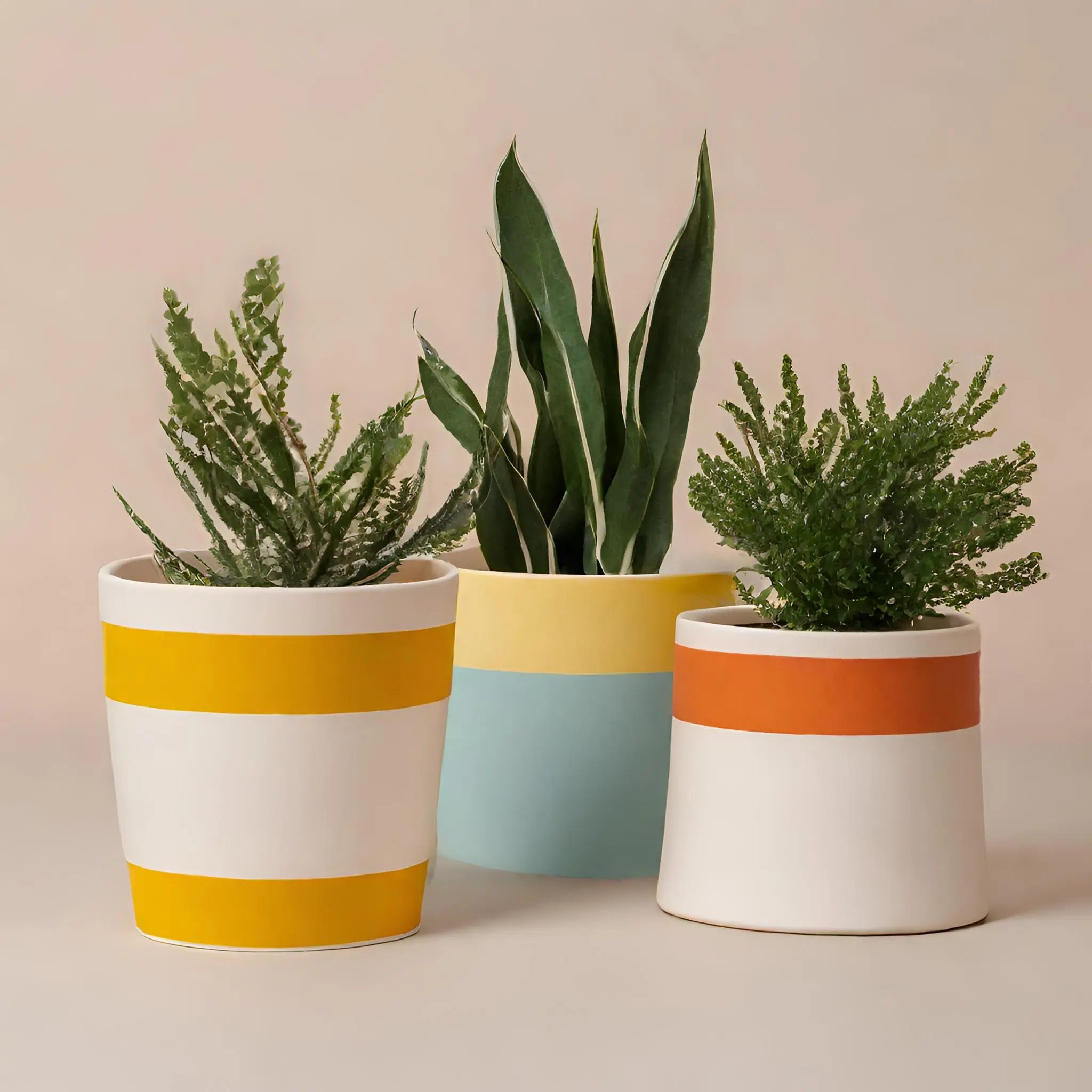
Bright glazed palettes designed for creative commercial environments.
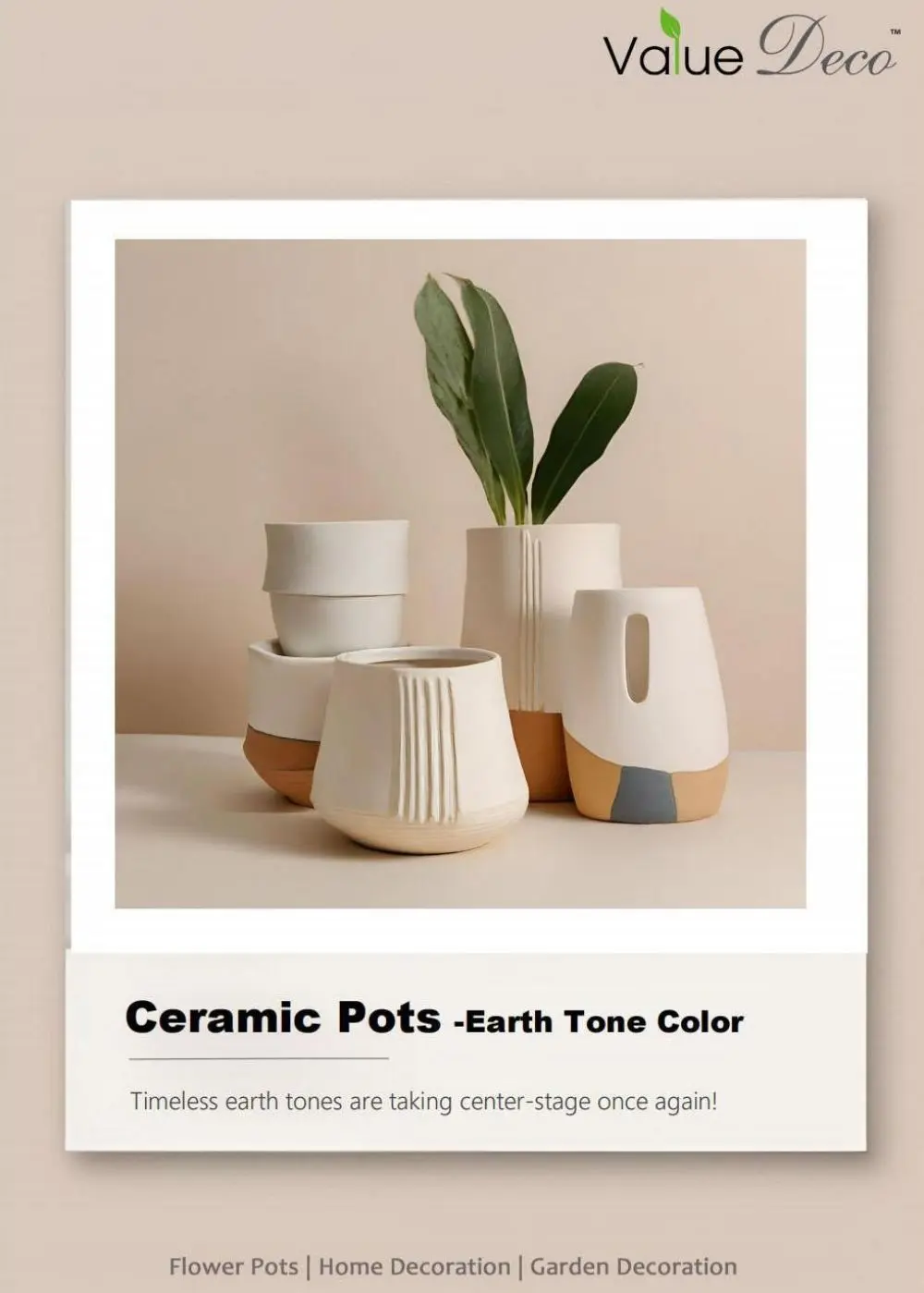
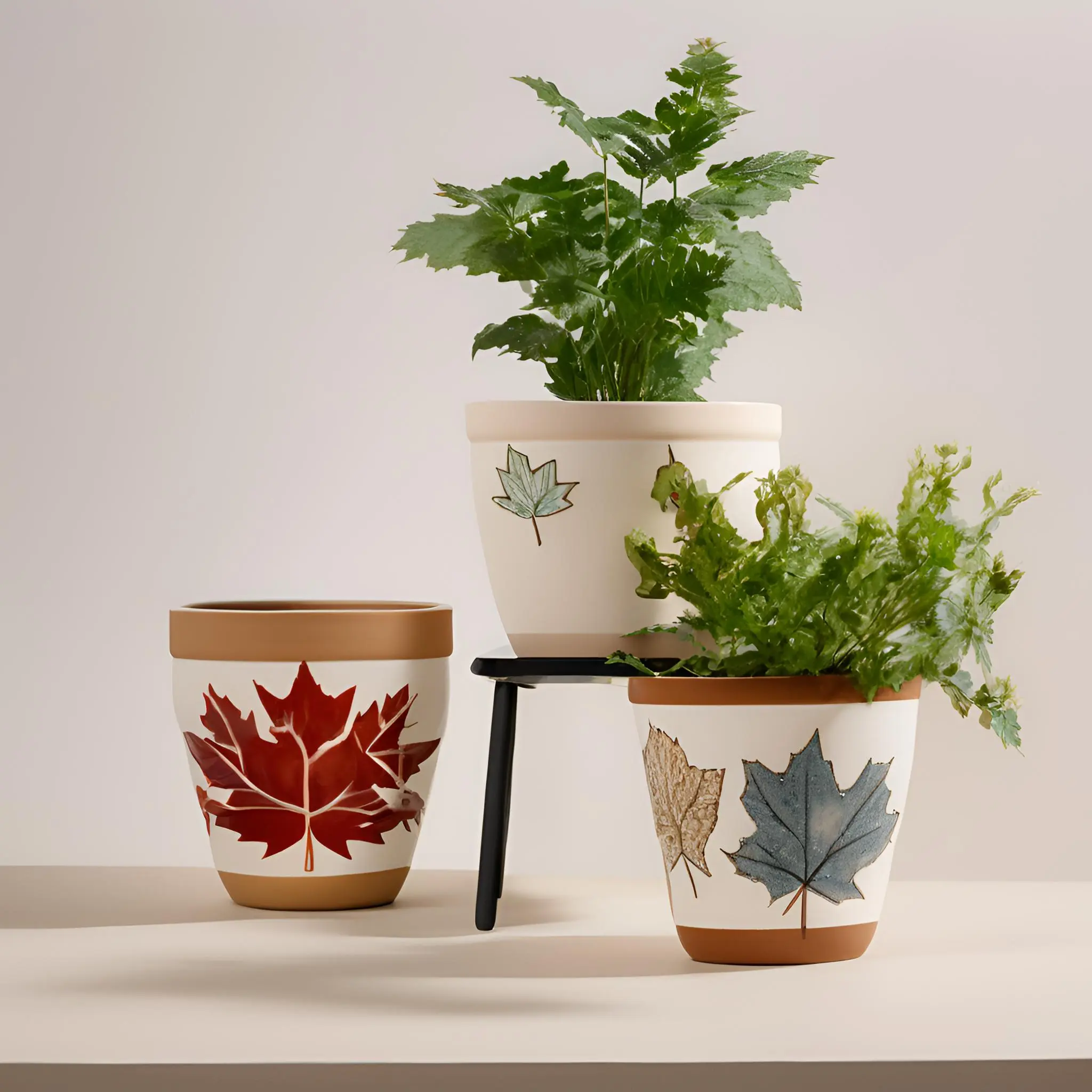
Ceramic pots Earth tone color Catalogue

Ceramic pots Earth tone color

Natural raw clay finishes and matte sand-cast styles.
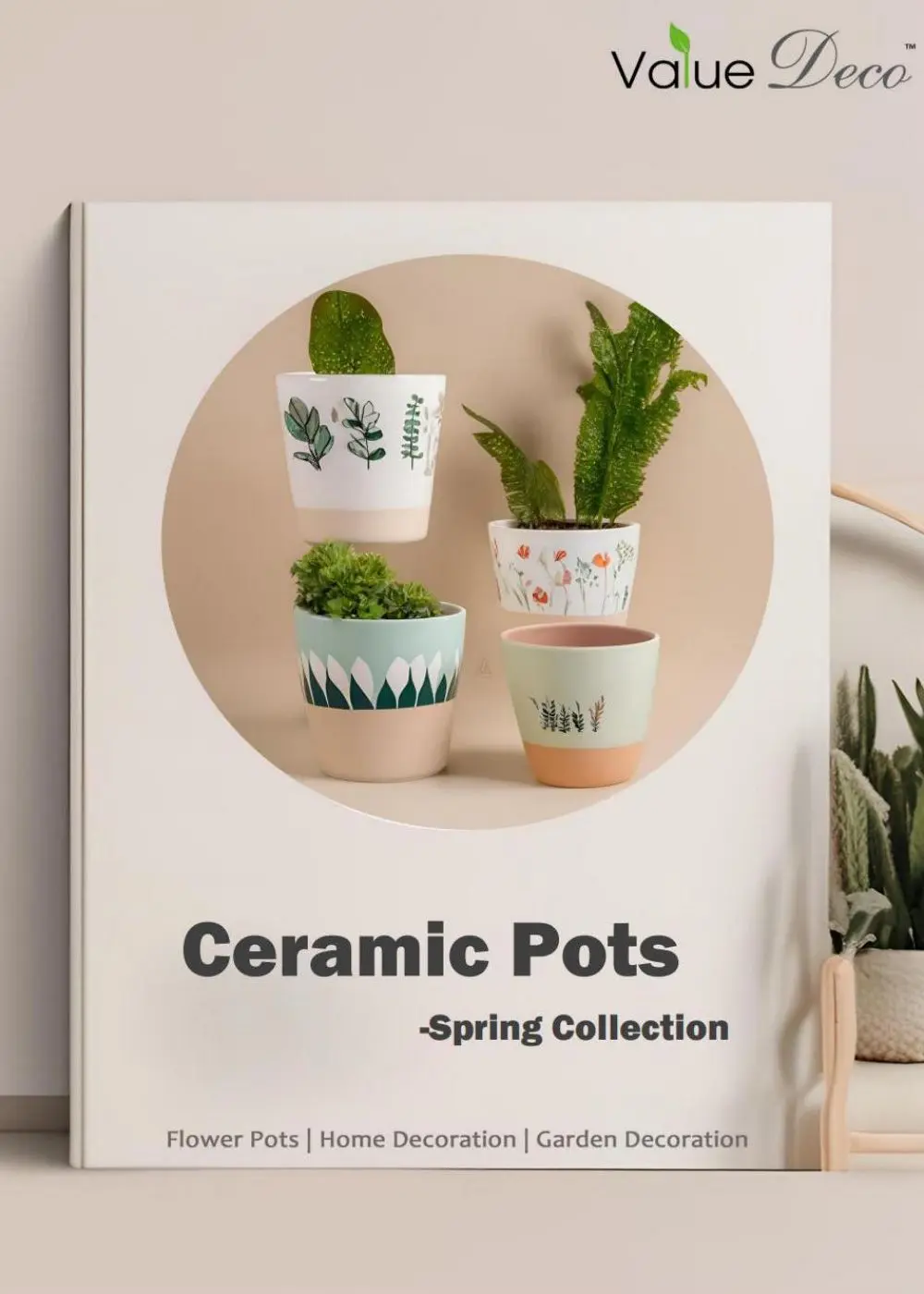
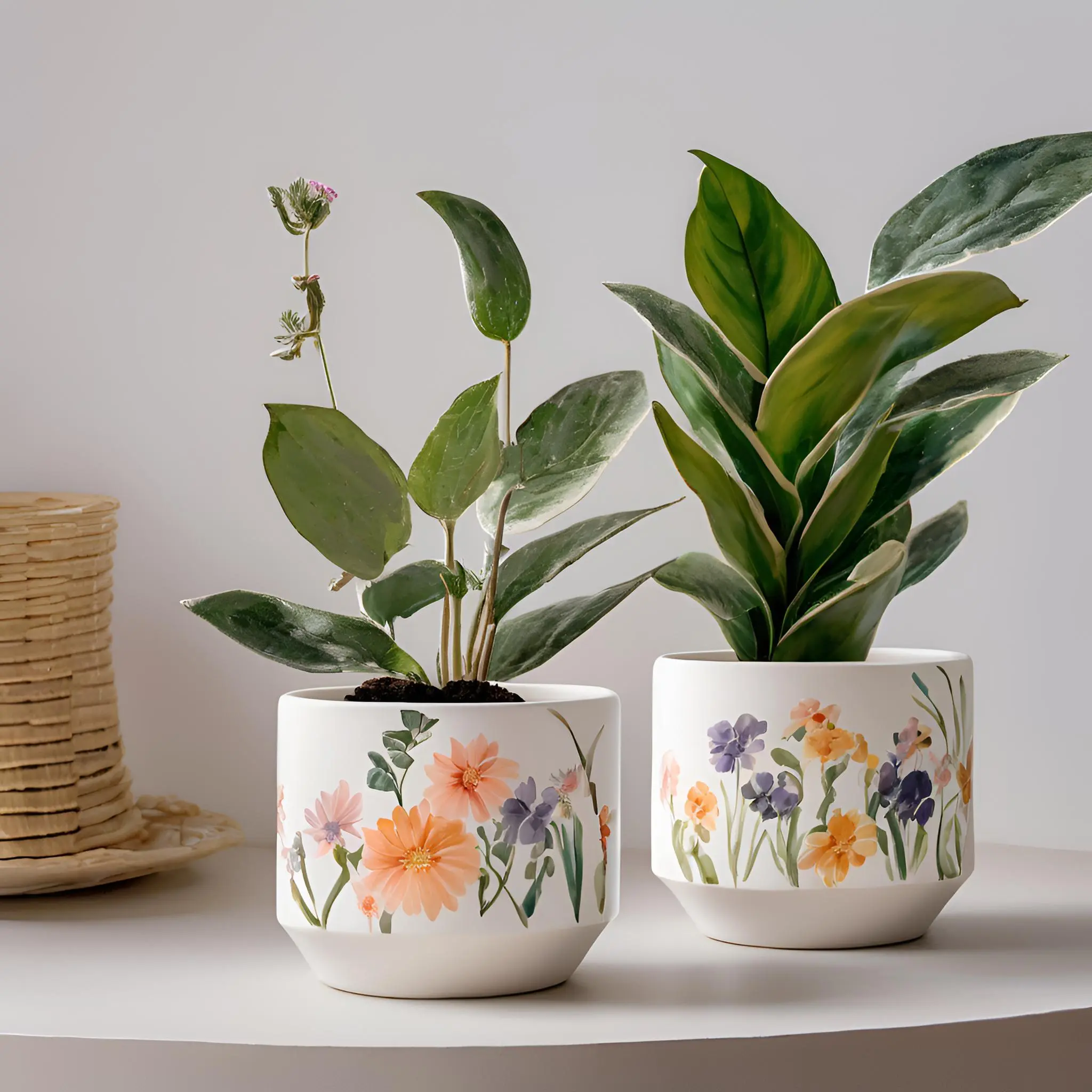
Ceramic Spring collection Catalogue

Ceramic Spring collection

Lightweight floral vessels designed for outdoor display spaces.
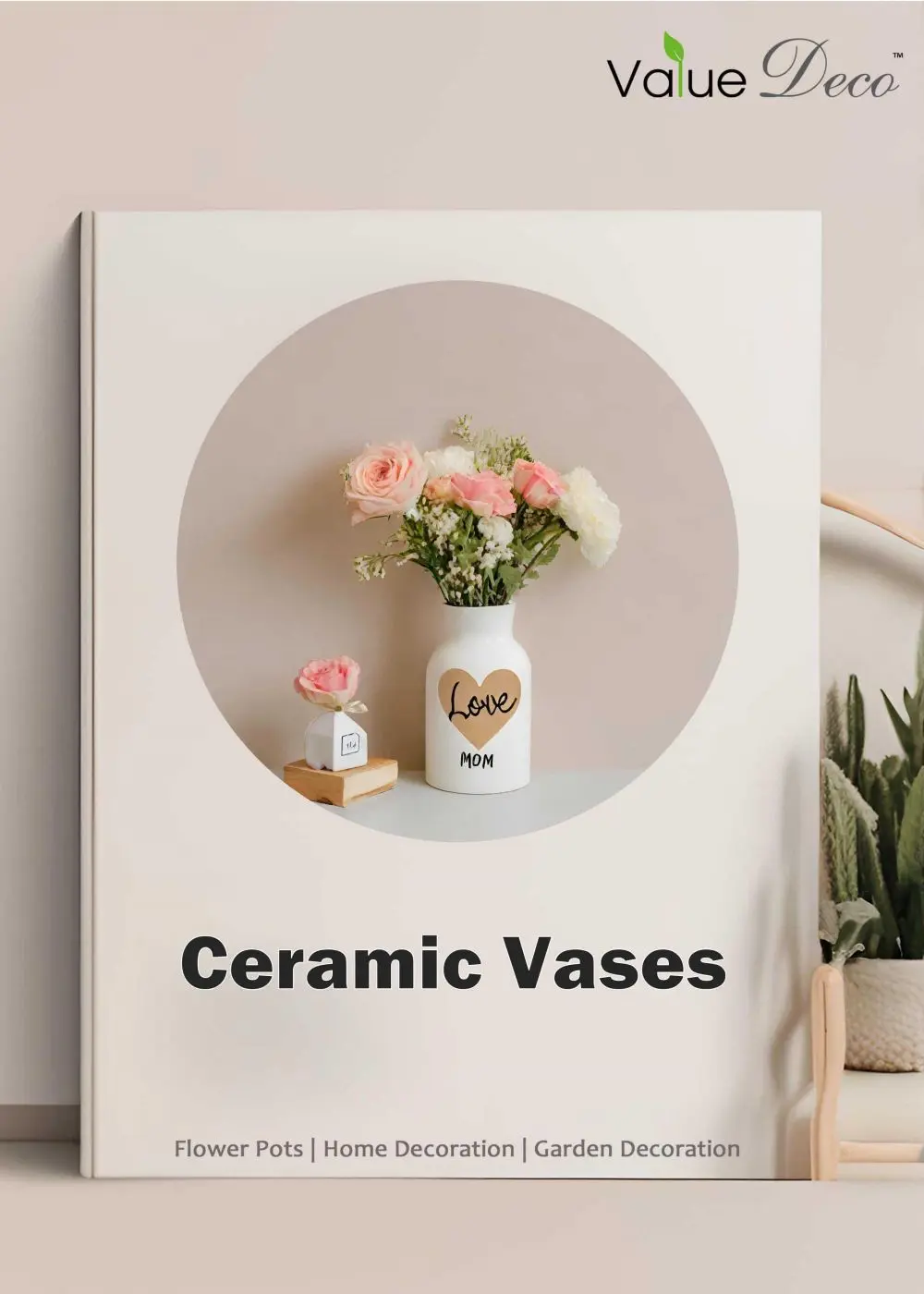
Ceramic vases Catalogue

Ceramic vases

Artisan tabletop accents designed for luxury hospitality venues.

Frequently Asked Questions

Technical answers regarding cement sourcing, architectural installation, and delivery to New England.

Do your cement pots and planters withstand the harsh winter freeze-thaw cycles in Boston?
Yes. Our cement products are formulated with dense aggregates, low water-cement ratios, and specialized air-entraining admixtures that comply with ASTM standards. This prevents structural water penetration, allowing the products to expand and contract without cracking during rapid temperature changes. We also recommend applying a silane-based sealer for added protection in coastal areas.
What lead times can Boston-based commercial projects expect for custom cement or ceramic shipments?
For bulk custom manufacturing orders, the standard production timeline is 30 to 45 days at our factories. Shipping via sea freight to the Port of Boston (Conley Terminal) typically takes 35 days. We recommend initiating planning 3 months prior to installation deadlines to ensure timely delivery.
Are your architectural cement products compliant with LEED green building guidelines?
Yes. We incorporate fly ash, ground granulated blast-furnace slag (GGBFS), and recycled stone aggregate options into our raw material blends. This reduces the carbon footprint of the cement binder and earns points under the Materials & Resources category for green building projects.
Can we order custom sizes, shapes, or corporate logo impressions for structural planters?
Absolutely. Our engineering team can work directly from your CAD files or physical blueprints. We use precision CNC-milled molds to accurately cast custom textures, geometric shapes, and clean brand engravings.
What is the structural weight difference between standard cast concrete and your lightweight GFRC options?
Glass Fiber Reinforced Concrete (GFRC) uses high-strength alkali-resistant glass fibers embedded in a concrete matrix. This allows for wall thicknesses of just 0.5 to 0.75 inches, making the final products up to 50% lighter than traditional precast concrete planters while retaining equal or higher tensile strength.