Premium architectural micro-cement planters designed for commercial structures and landscaping in the Czech Republic.



A B2B technical exploration of local production capacities, material composition standards, and procurement dynamics in Central Europe.
The Czech Republic boasts a robust, highly developed cement and concrete manufacturing network deeply integrated into the Central European supply chain. Positioned as a key industrial hub, the country leverages rich limestone deposits found in major geological areas, such as the Bohemian Karst (Český kras) and parts of Moravia. Major global conglomerates operate heavy production kilns across the region, serving not only domestic civil engineering demands but also exporting high-quality Portland cement and structural precast elements to Germany, Austria, and Poland.
Key manufacturing nodes include Heidelberg Materials (operating through Českomoravský cement with key plants in Radotín near Prague and Mokrá in Moravia), Cemex Czech Republic (with their strategic kiln in Prachovice), and Lafarge Cement (operating in Čížkovice). These operations employ state-of-the-art dry-process rotary kilns with preheaters and precalciners, facilitating high-capacity outputs that collectively exceed 4 million metric tons of clinker annually. For global sourcing professionals, understanding this landscape is vital: the Czech cement industry is characterized by high consolidation, strict adherence to European standards, and a rapid transition toward low-carbon technologies.
Procuring cementitious products in the EU requires compliance with rigorous harmonized standards. All cement produced by Czech factories conforms to EN 197-1, which classifies common cements into five main types:
Beyond heavy structural cements, Czech Republic has seen a surge in demand for architectural micro-cement (sometimes referred to as micro-concrete). Micro-cement engineering involves blending ultra-fine Portland cement with specialized polymers, quartz aggregates, and color-fast pigments. This material achieves compressive strengths exceeding 40 MPa while maintaining a thickness of only 2-3 mm. Because it provides a seamless, water-resistant, and highly durable surface, it is heavily used by urban designers and architectural manufacturers to fabricate minimalist interior features, modern furniture, and high-end planters.
"High-performance Glass-Fiber Reinforced Concrete (GFRC) represents the pinnacle of micro-cement engineering, combining tensile strength and weather resistance with lightweight properties. This technology is crucial for designing modern, thin-walled planters that can withstand the freeze-thaw cycles typical of Czech winters."
For global buyers looking to import cement-based products or source materials directly from Central Europe, a thorough understanding of shipping logistics and tariff barriers is crucial. The Czech Republic's landlocked position is offset by highly developed logistics:
Logistical Corridors: Czech cement factories utilize rail freight (ČD Cargo) to move bulk commodities directly to Baltic or North Sea ports (such as Hamburg or Szczecin) for ocean transport. For regional projects, road transport via the Trans-European Transport Network (TEN-T) ensures delivery within 24-48 hours to any EU destination.
Total Cost of Ownership (TCO) Matrix: Sourcing from the Czech Republic provides distinct benefits in terms of reliability, strict quality control (under CE marking rules), and low intellectual property risk. However, energy costs in Europe—exacerbated by EU Carbon Permits (ETS)—have driven up clinker prices. To optimize TCO, procurement managers often partner with manufacturers who utilize alternative fuel sources (such as biomass and municipal solid wastes) to offset carbon taxes. Additionally, importing pre-cast custom cement designs (like GFRC planters or decorative items) from audited off-shore partners who strictly adhere to EU specifications remains an incredibly cost-effective strategy.
Explore our extensive catalog covering home and garden décor, structural pots, and functional dinnerware collections.




Value Deco Limited is an industry-leading manufacturer and supplier of top-tier cementitious and ceramic products. Backed by over 12 years of specialized development, we support builders, municipal planners, and architectural landscape designers in Germany, Czech Republic, France, and beyond.
Our dedication to strict quality compliance ensures our products satisfy target standards like the EN 197-1 concrete specifications. By integrating robust Chinese production efficiencies with precise European structural guidelines, we offer unmatched performance and beautiful aesthetics for modern urban landscapes.
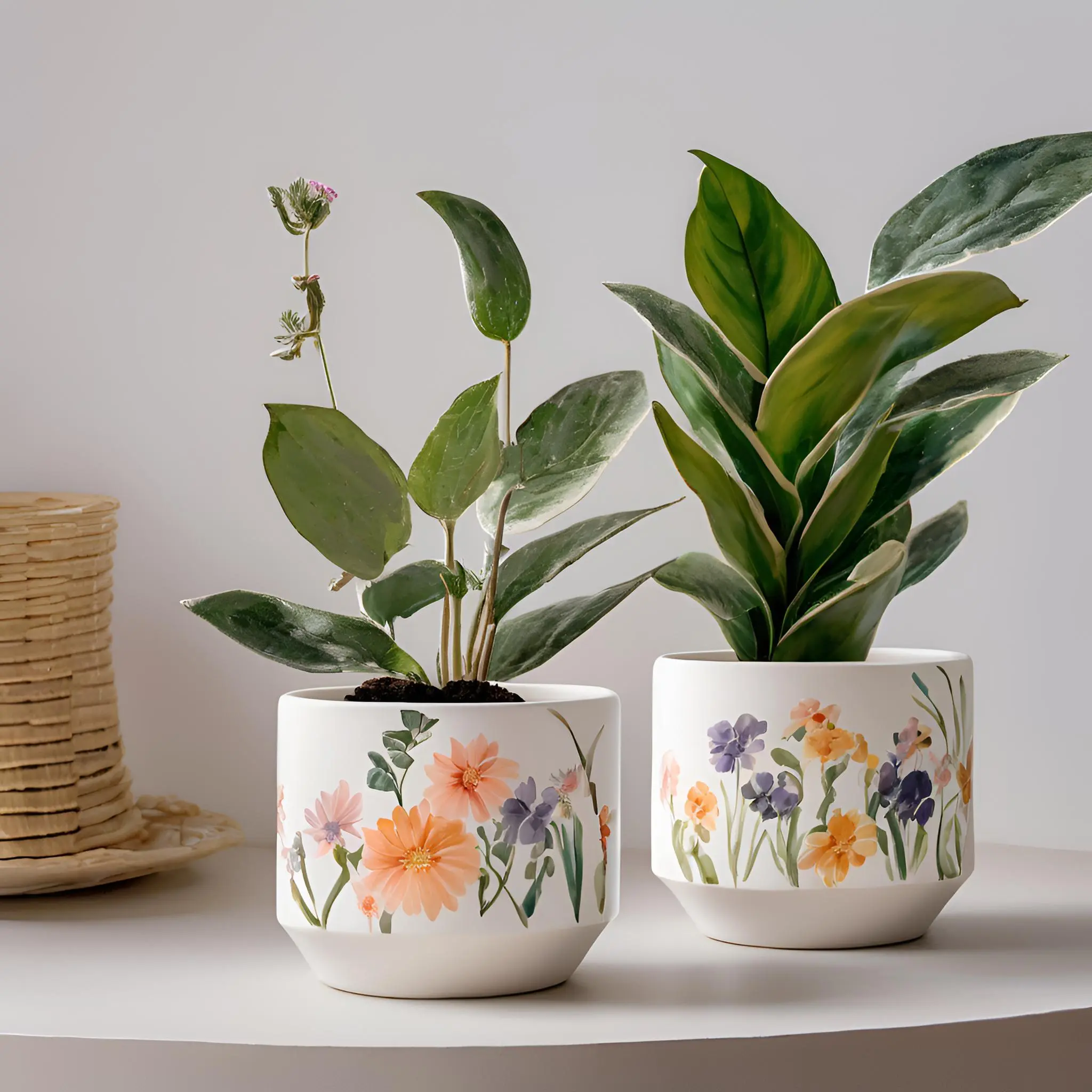
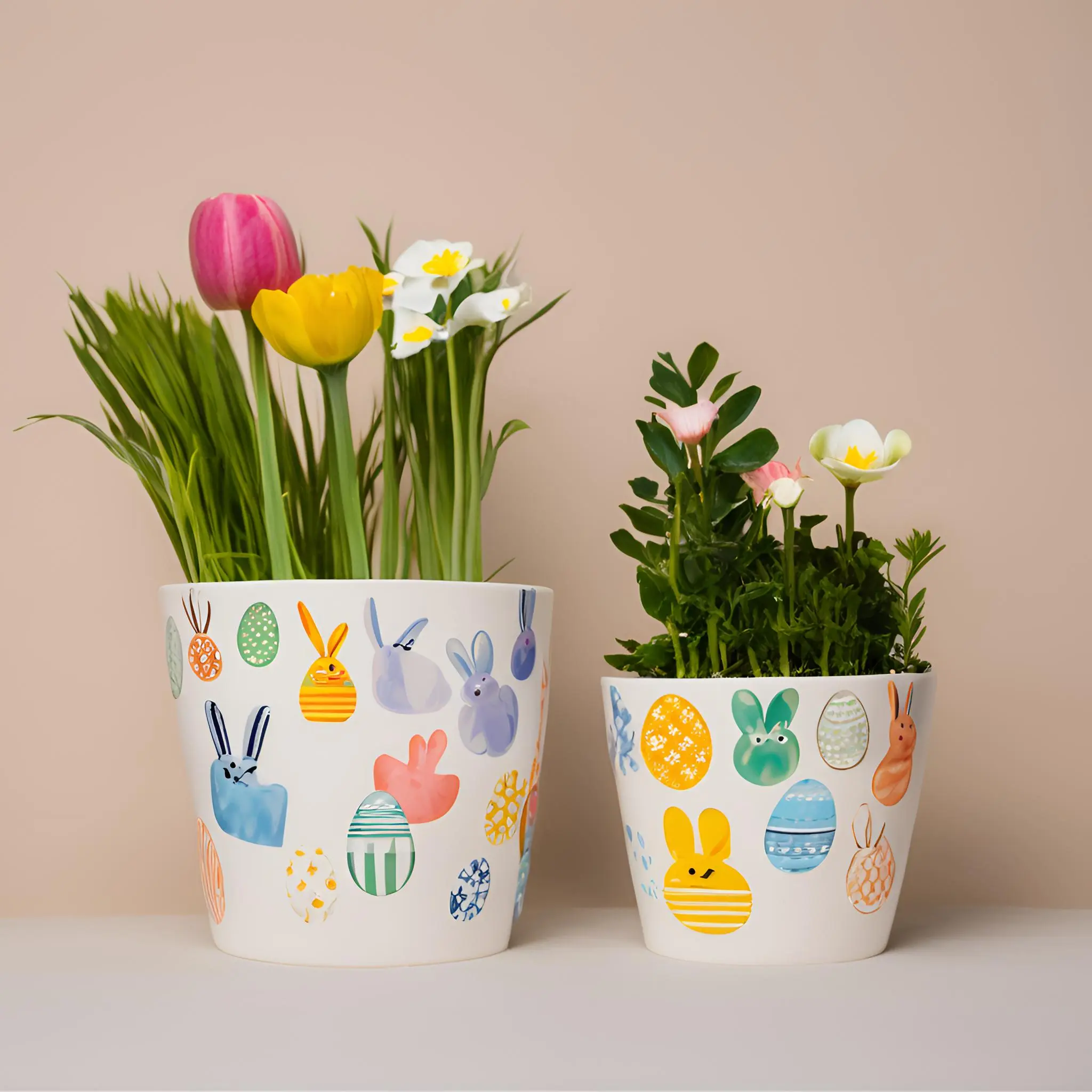
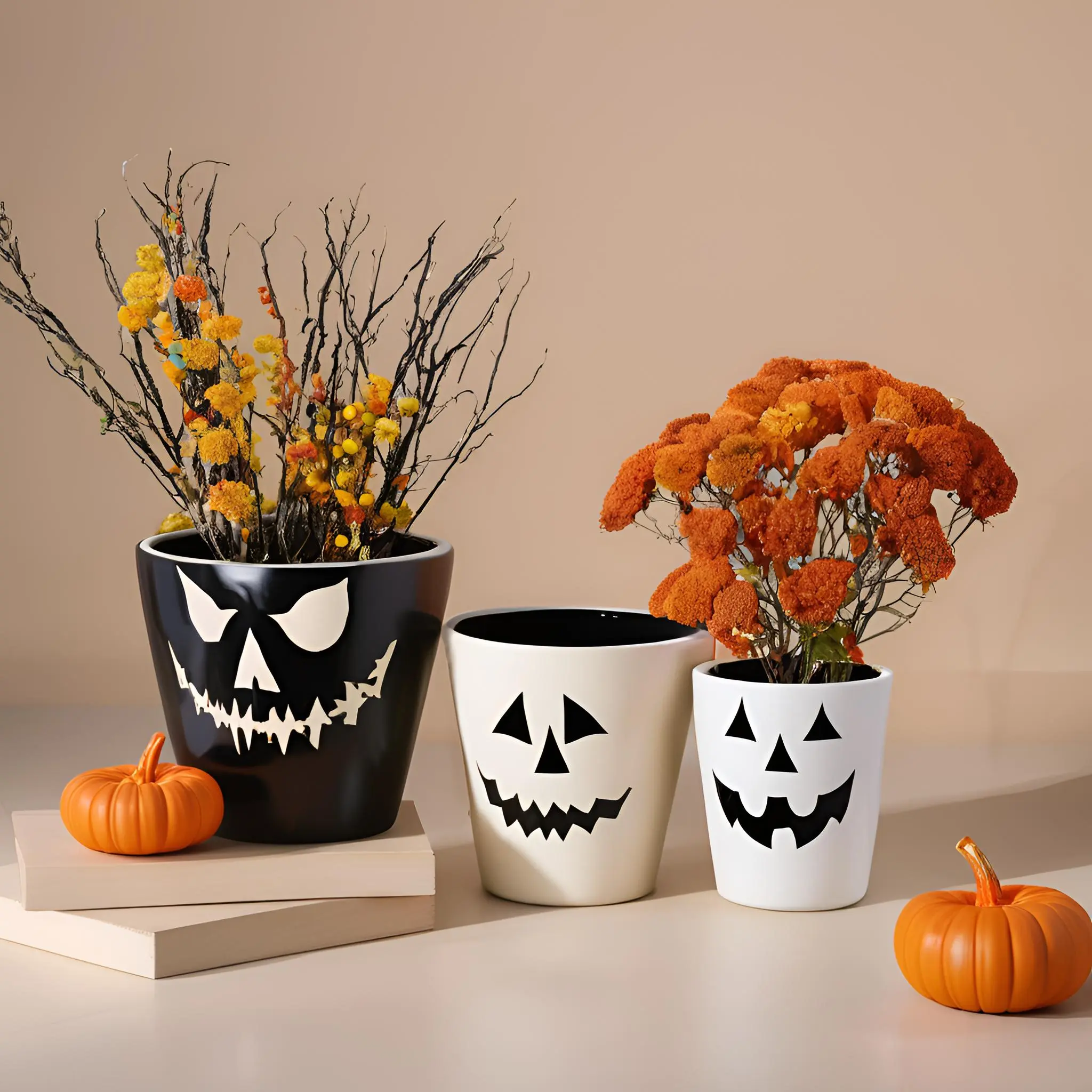
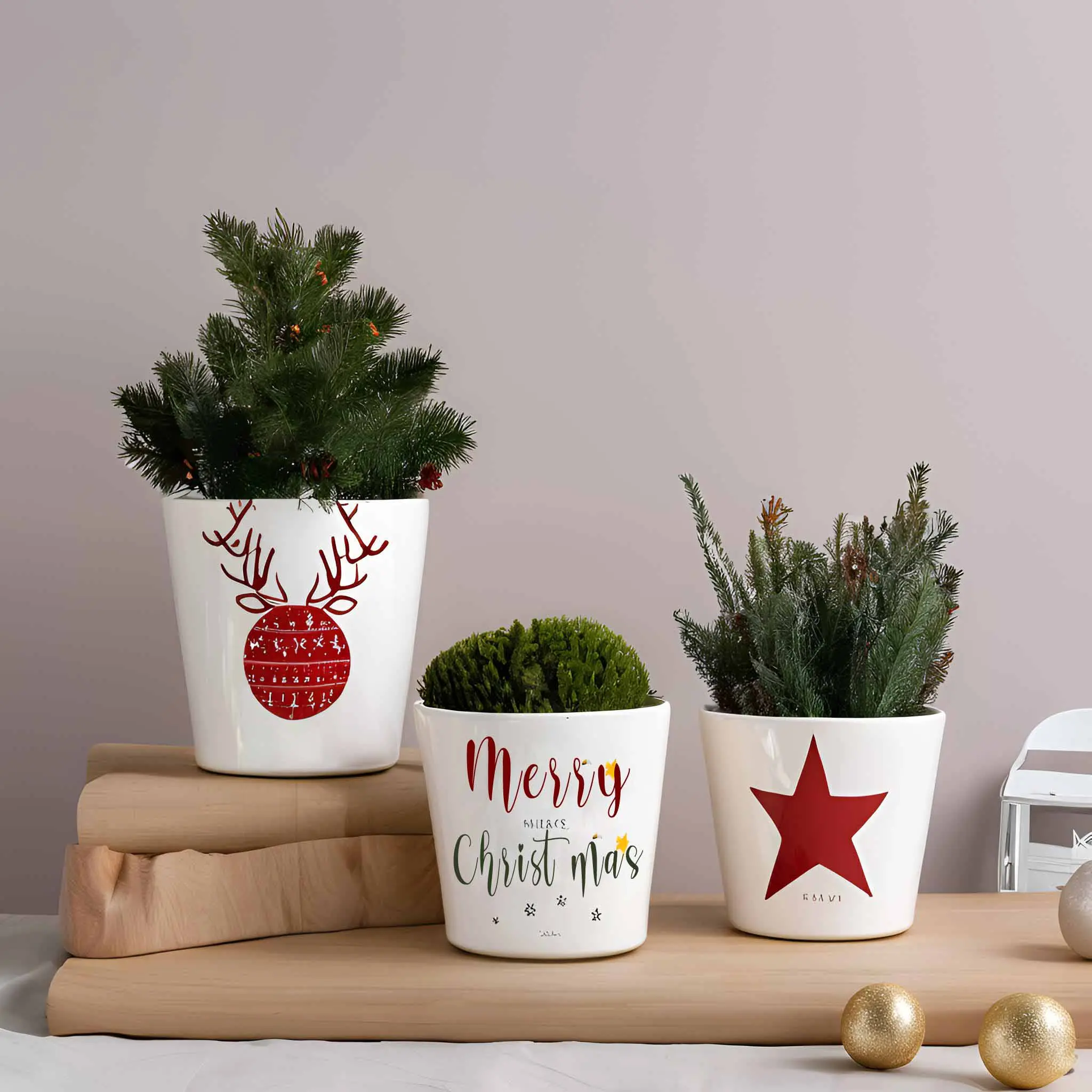
B2B custom product campaigns tailored to global seasons and festive calendars.


The European Union’s commitment to achieving net-zero greenhouse gas emissions by 2050 has placed substantial pressure on high-emission sectors. Cement manufacturers in the Czech Republic are actively pursuing aggressive decarbonization strategies. The primary mechanism is clinker substitution, replacing carbon-heavy clinker with alternative cementitious materials (SCMs) like calcined clays, slag, and silica fume. By doing so, producers can lower CO2 emissions per ton of cement produced.
Additionally, pioneering Carbon Capture, Utilization, and Storage (CCUS) projects are currently entering pilot phases across major Czech plants. Transitioning kilns to handle 100% alternative fuels (such as sorted municipal plastic wastes, biomass, and sewage sludge) is already standard practice. These adaptations ensure that purchasing agents sourcing cement-derived objects from the European economic area are sourcing from plants dedicated to ecological preservation and low embodied carbon footprints.
When procuring architectural concrete structures or cement products globally, several legal and technical regulations must be met:
CE Marking & DoP: Any structural cement or precast item used within the EU must possess a Declaration of Performance (DoP) confirming compliance with EN standards. This guarantees key mechanical properties, including fire rating and load capacity.
REACH Regulations: Chemical compositions, particularly in micro-cement sealers and polymer additives, must comply with REACH limits to ensure zero outgassing of harmful Volatile Organic Compounds (VOCs) inside residential or commercial spaces.
Frost Resistance (ČSN 73 1322): Given the heavy sub-zero conditions in Czech winter months, concrete products must exhibit excellent resistance to freeze-thaw cycles, a durability standard achieved through proper air-entrainment and structural fiber reinforcements during mixing.
Review comprehensive B2B specifications, dimension matrices, and texture options.
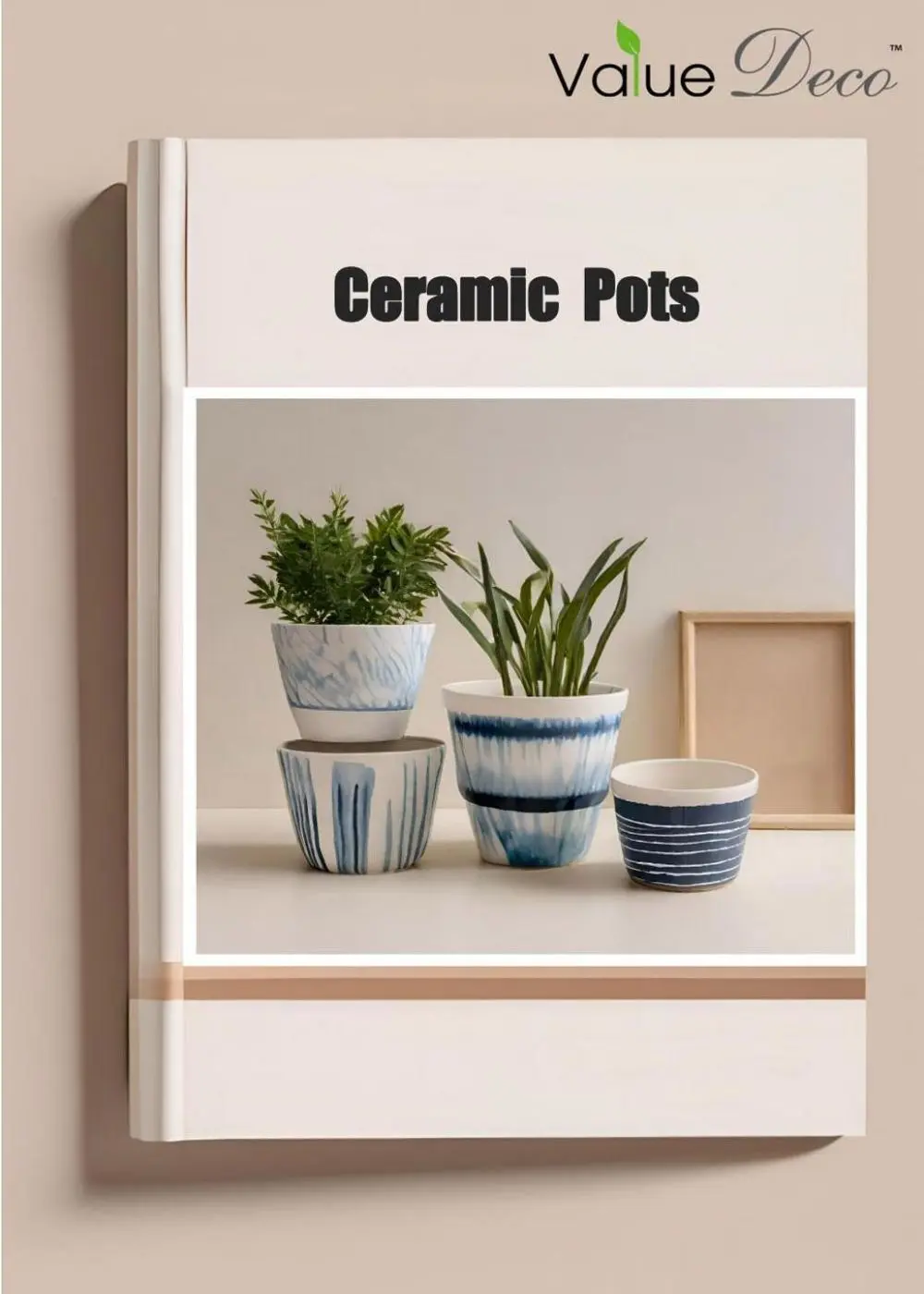
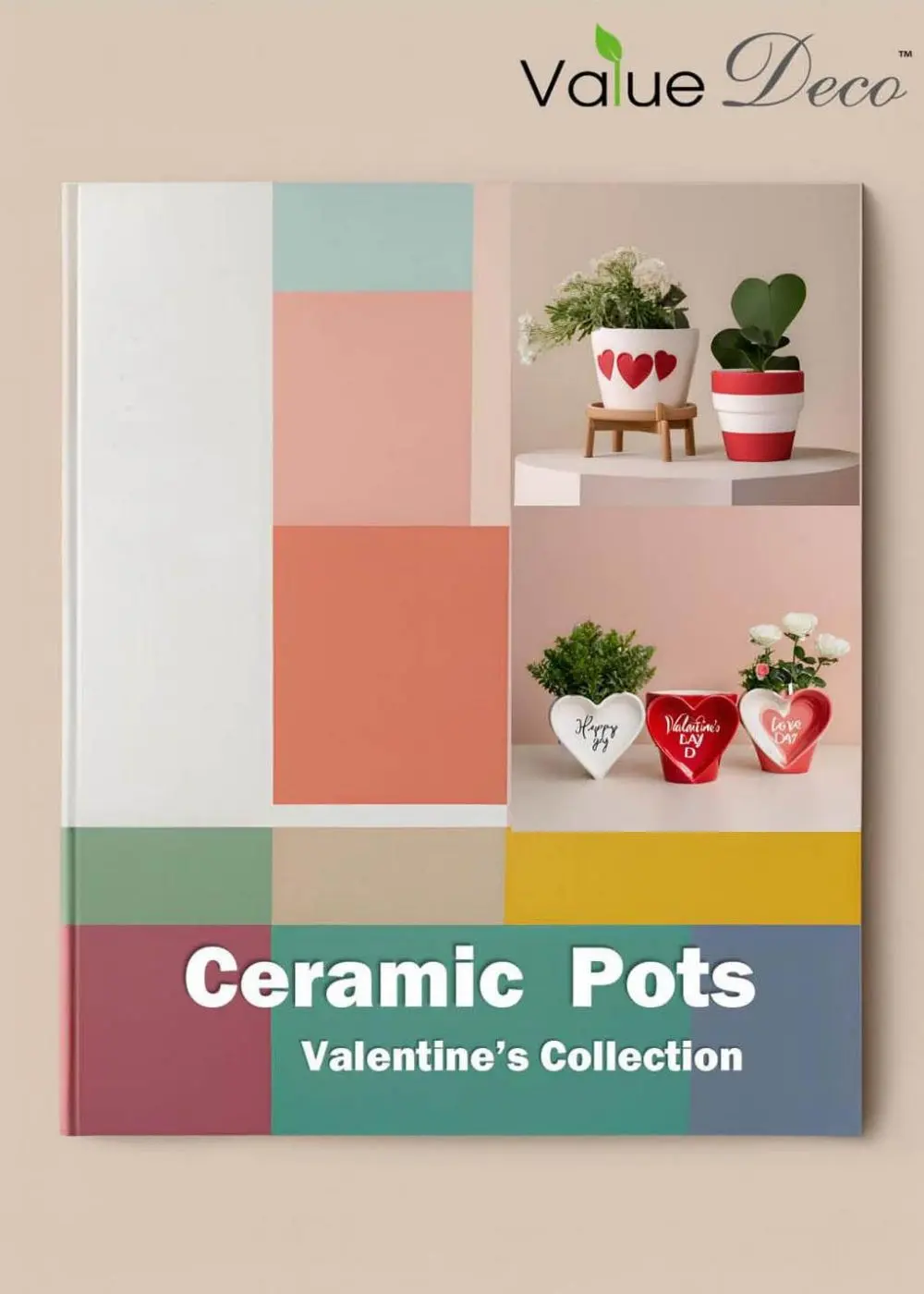

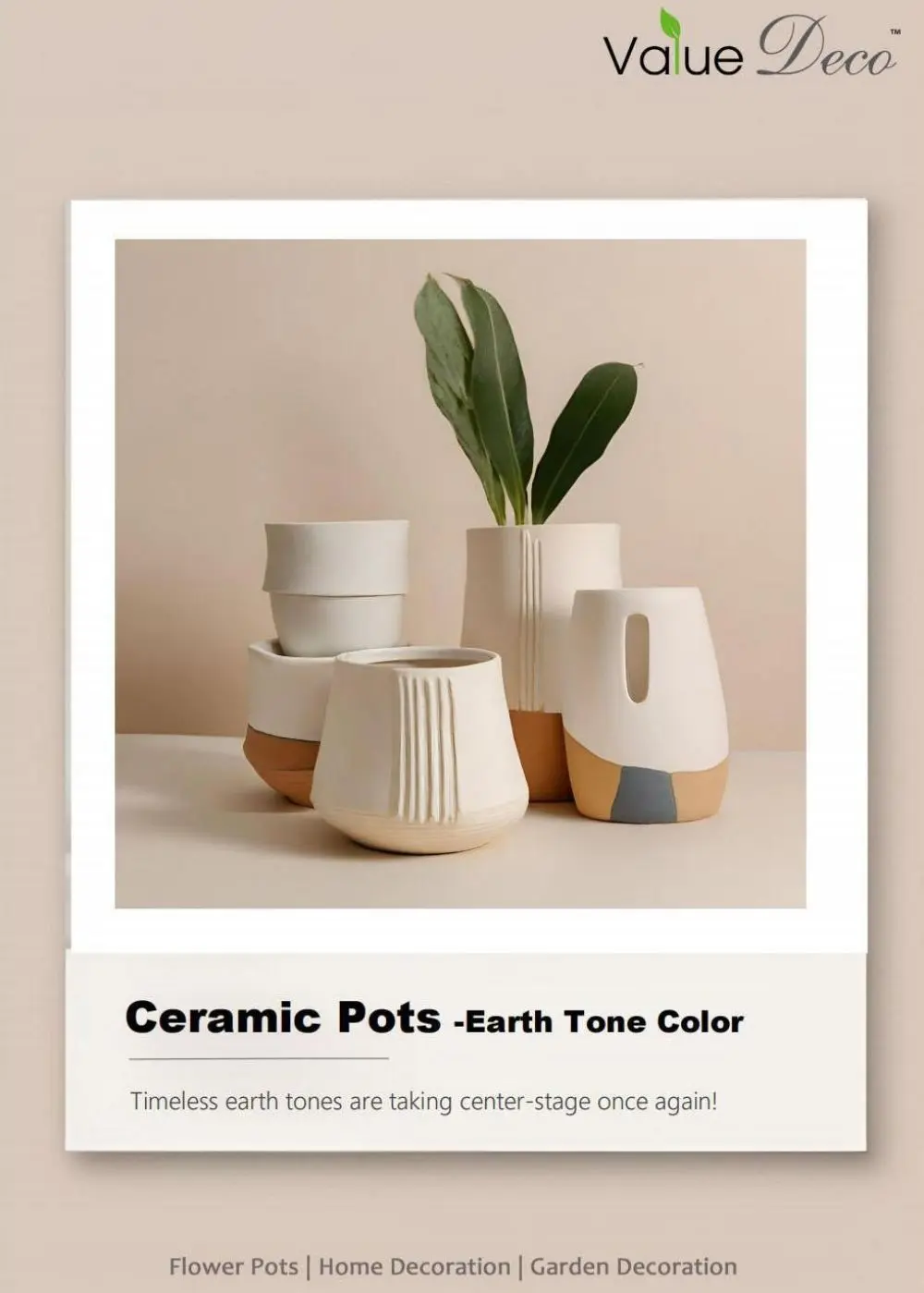

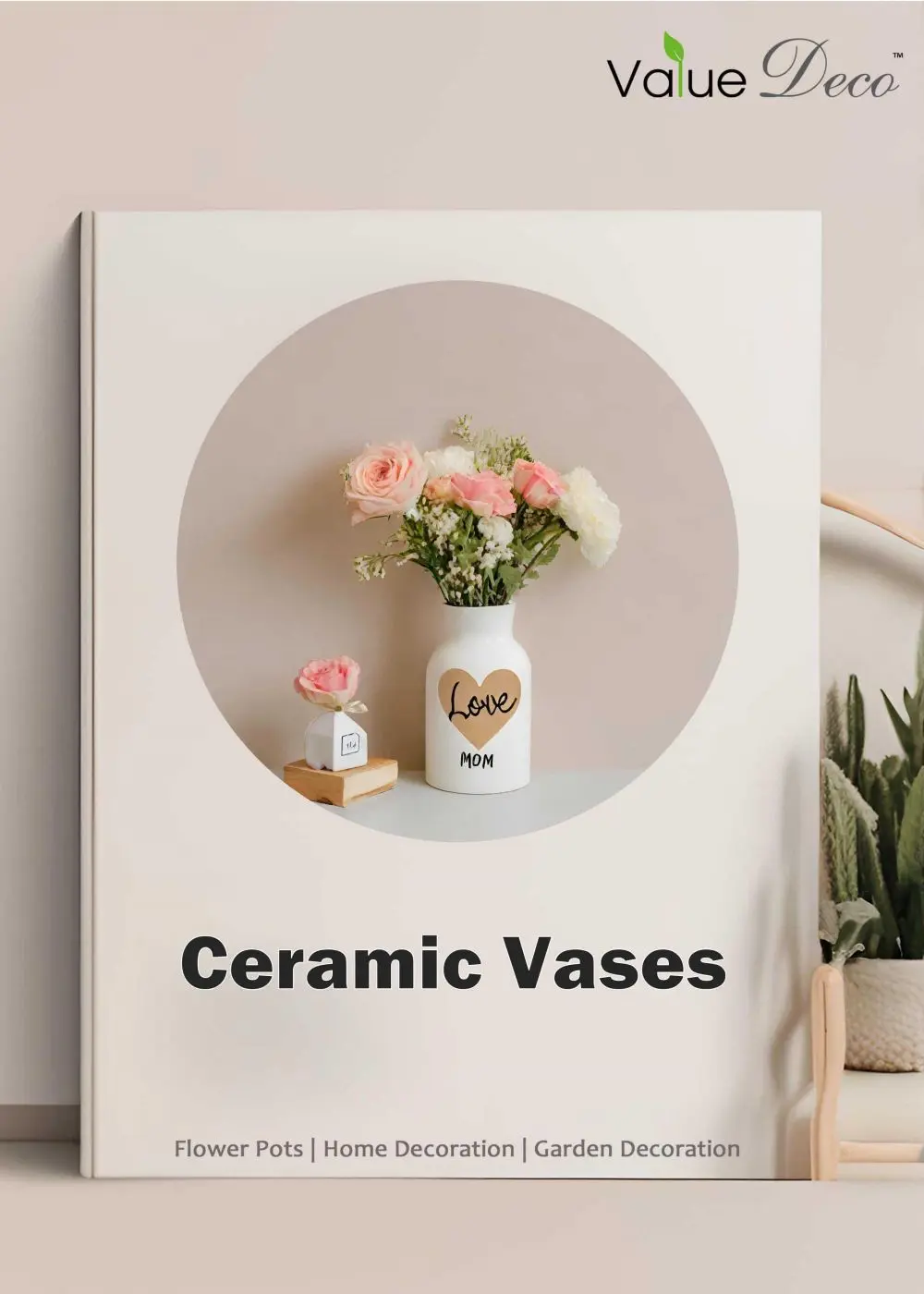
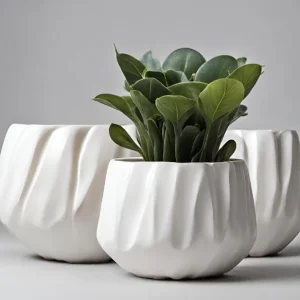
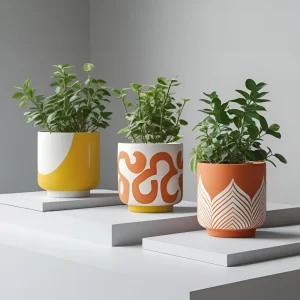
Premium textured finishes and geometric architectures for structural integration.
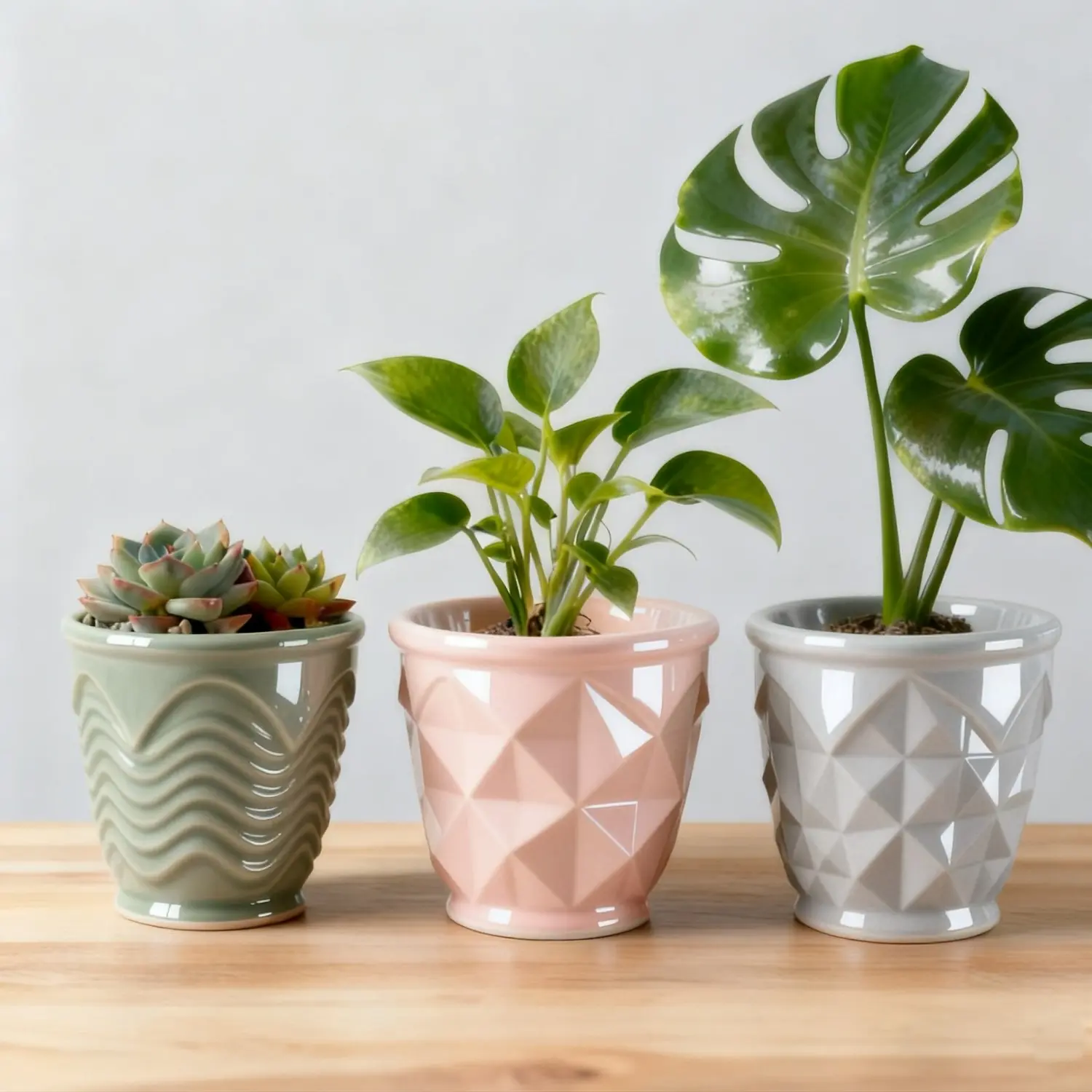
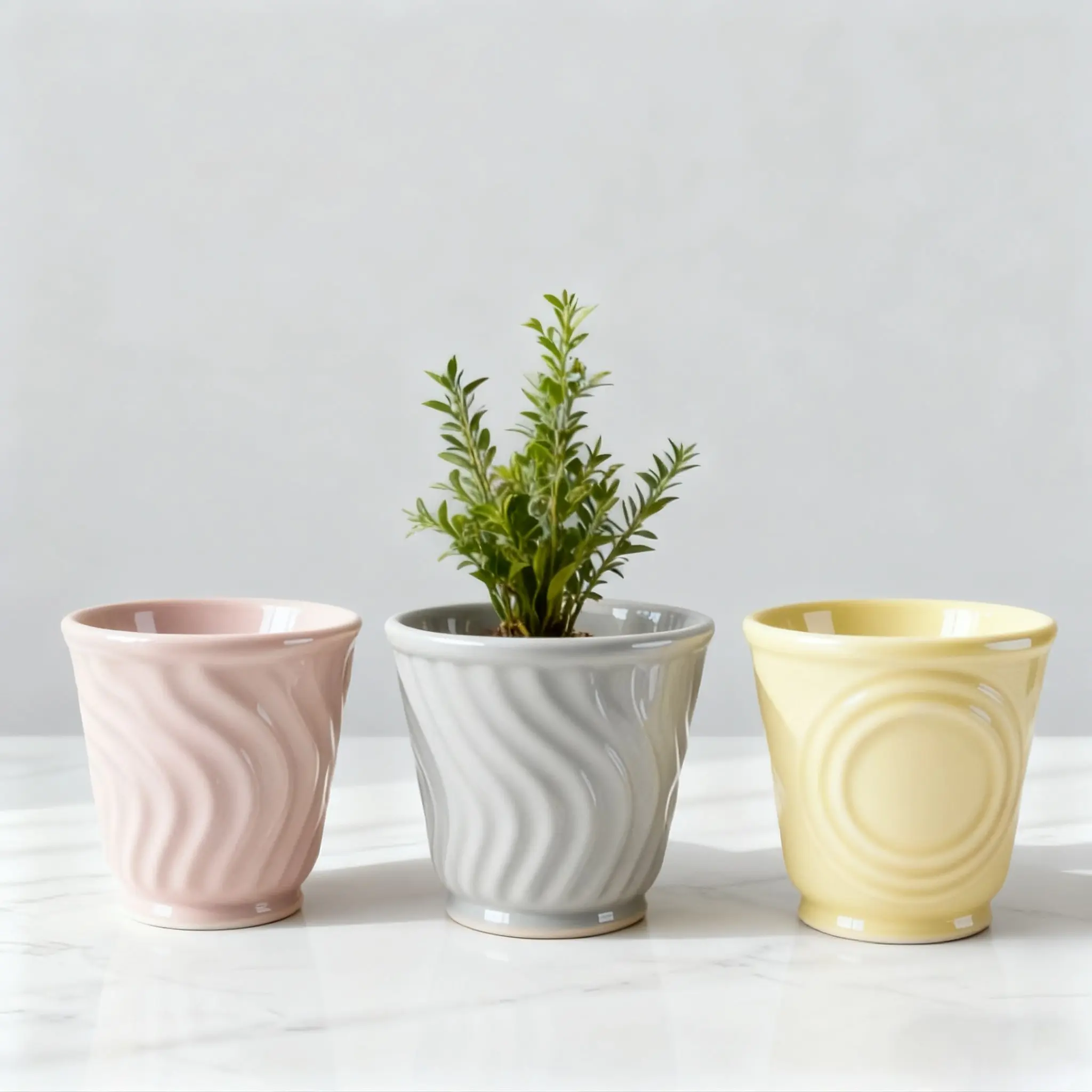
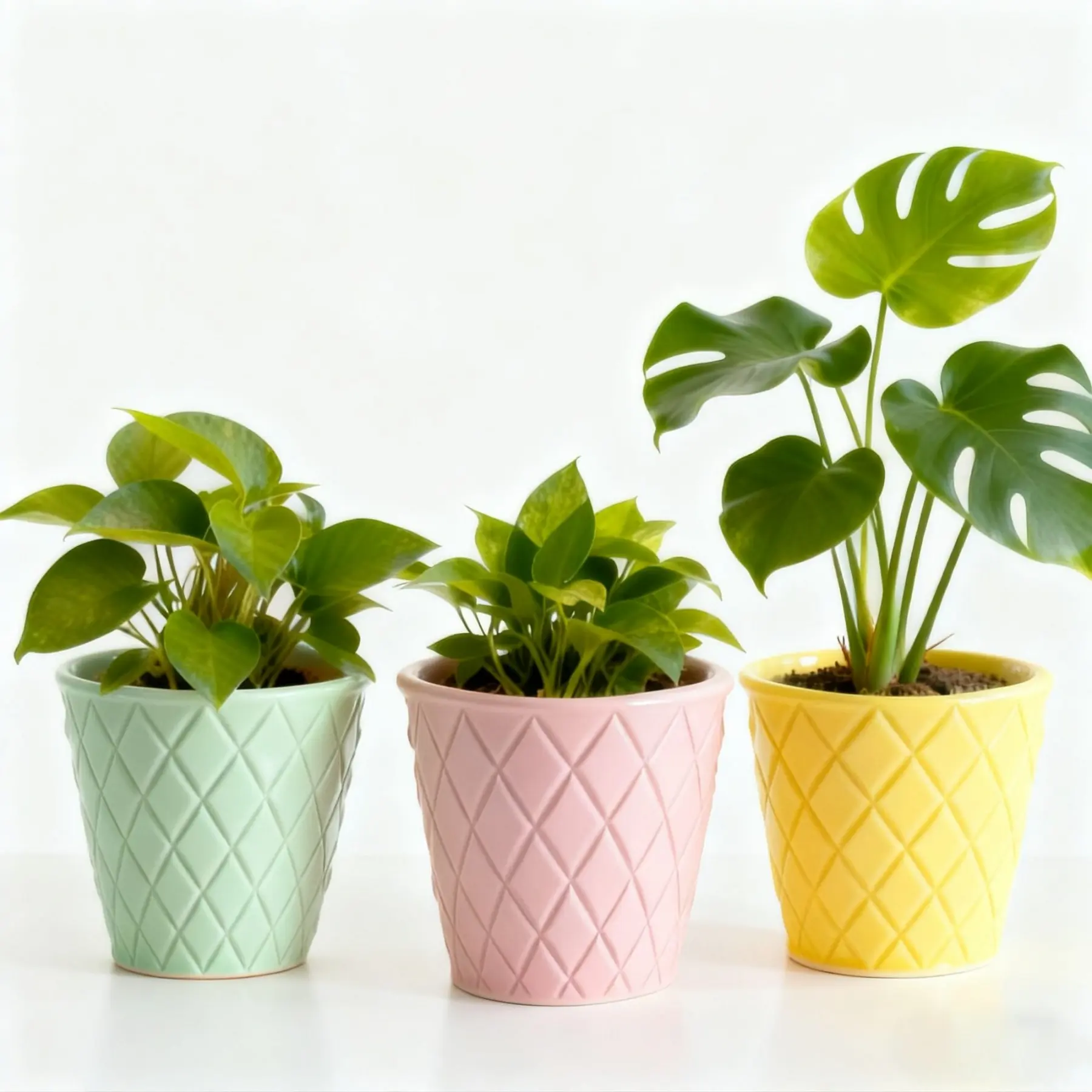
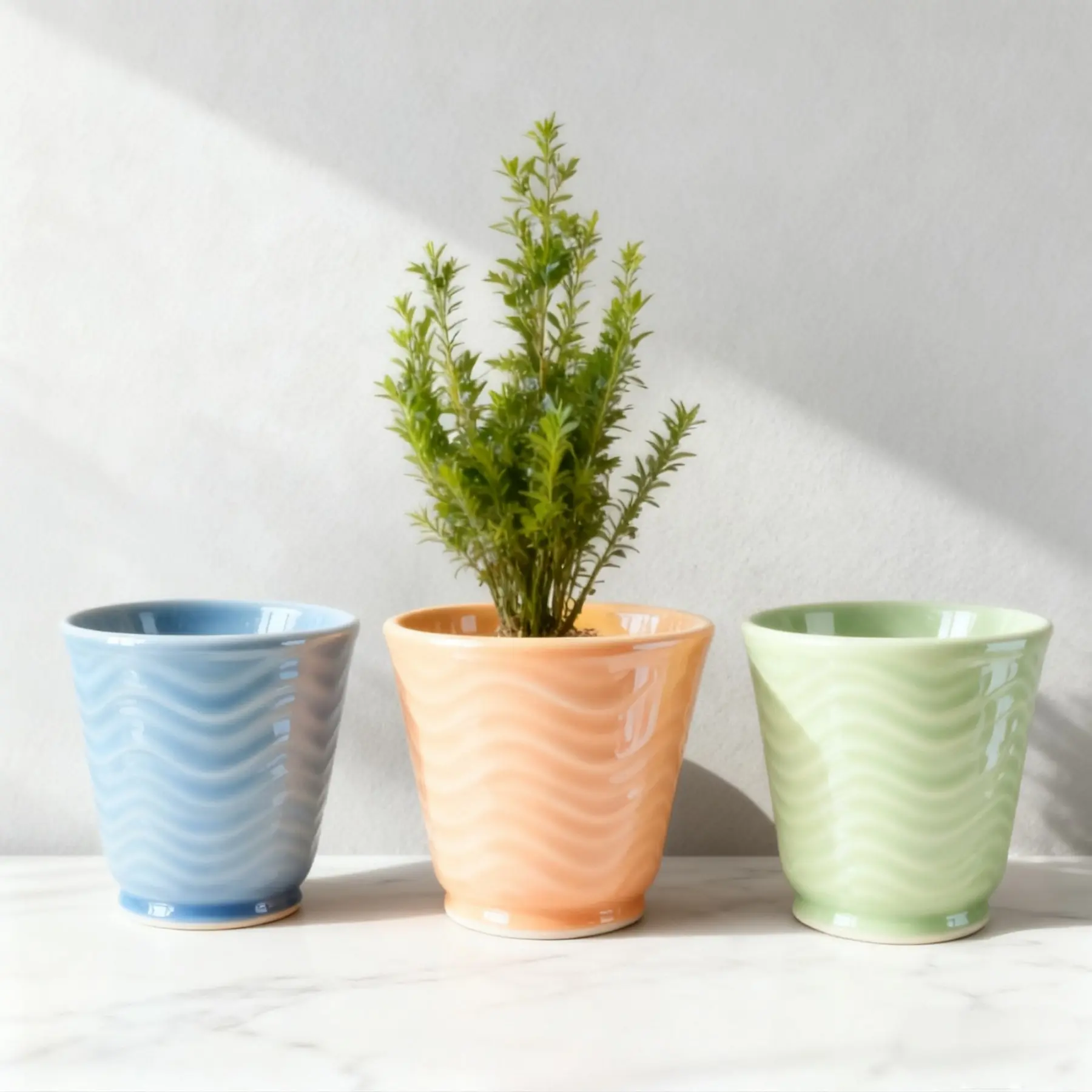
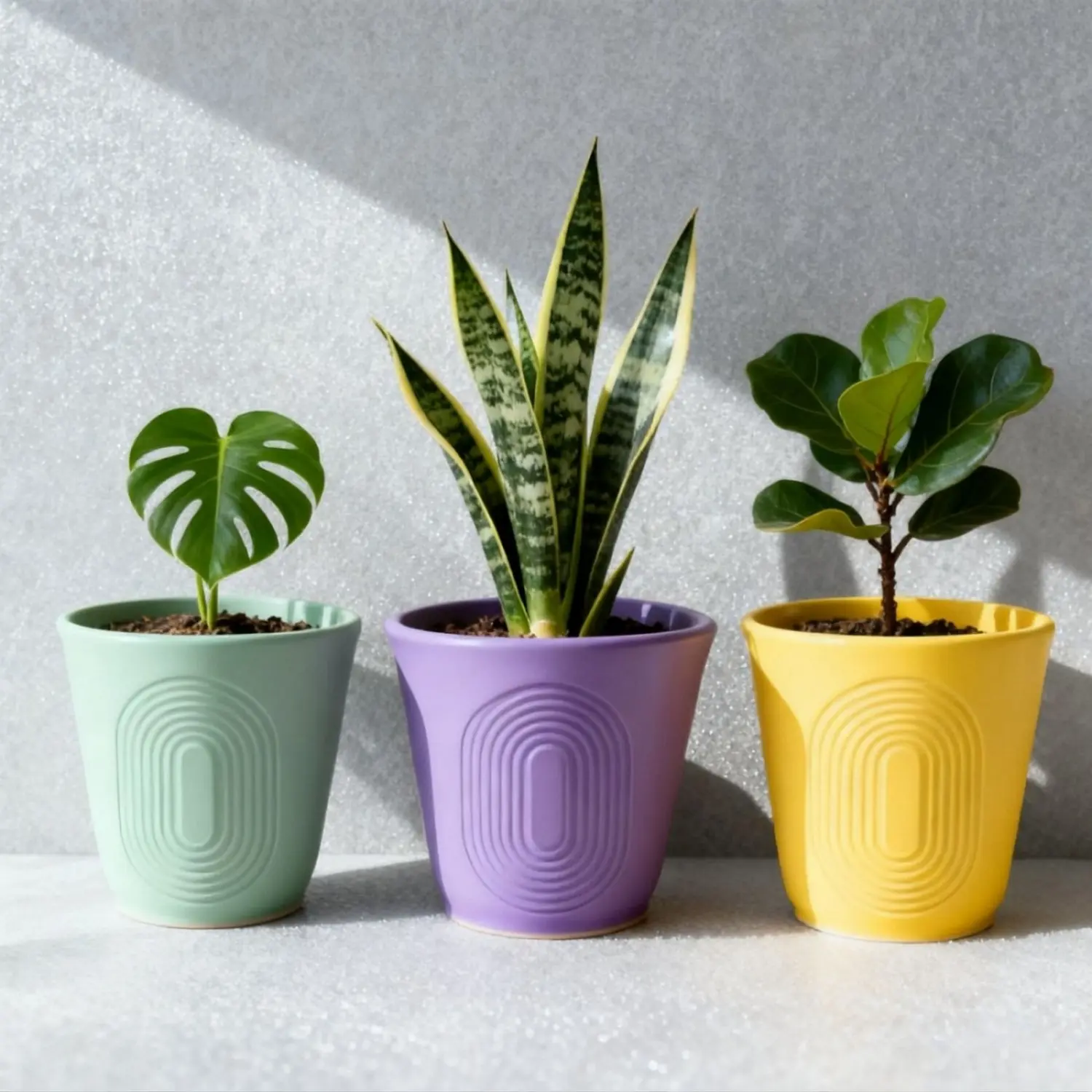
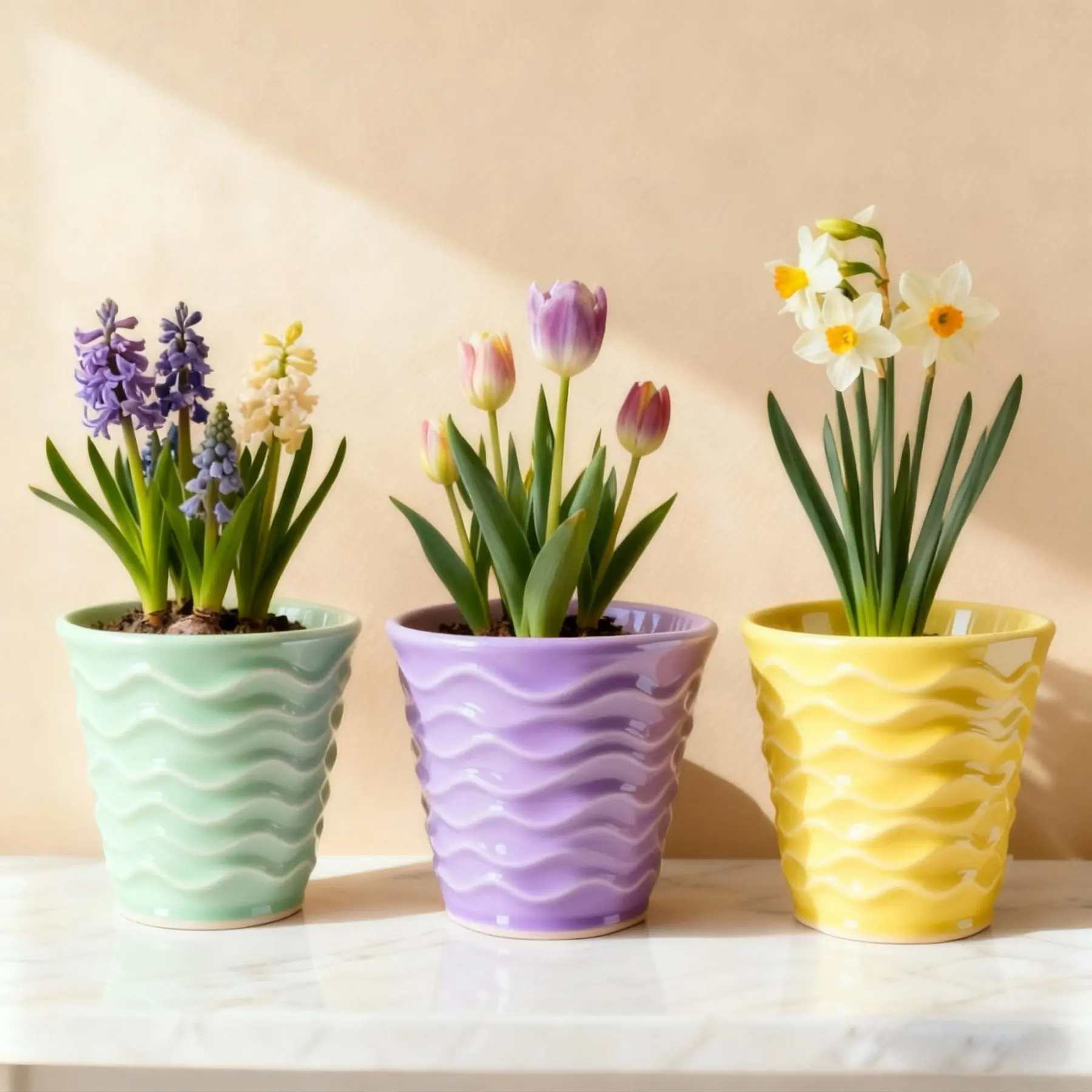
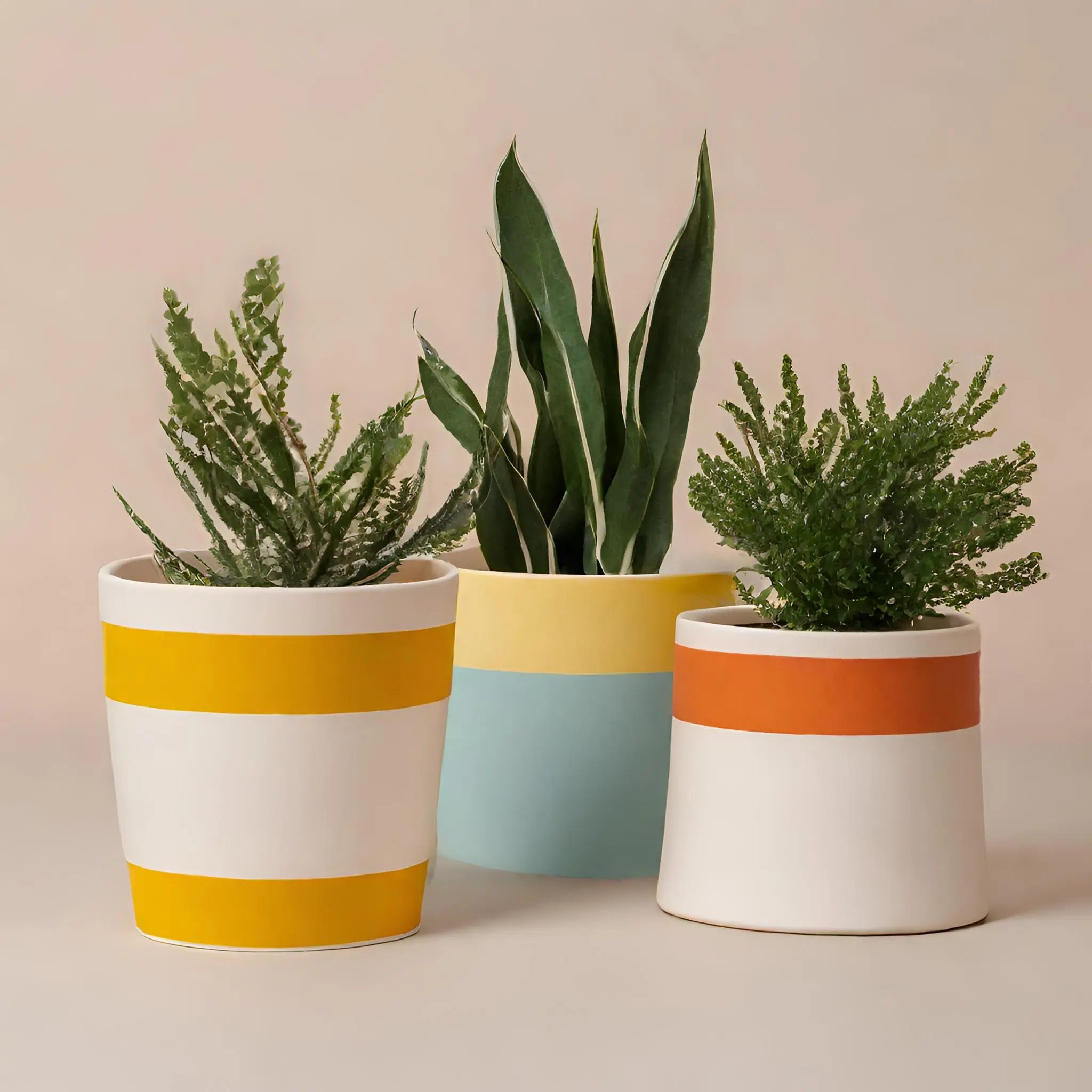
Explore our deep catalog of custom planters and ornaments designed for B2B distribution and construction contracts.





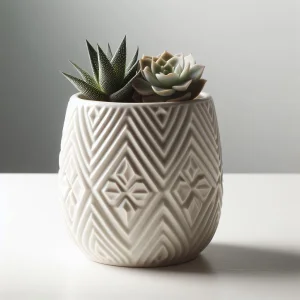

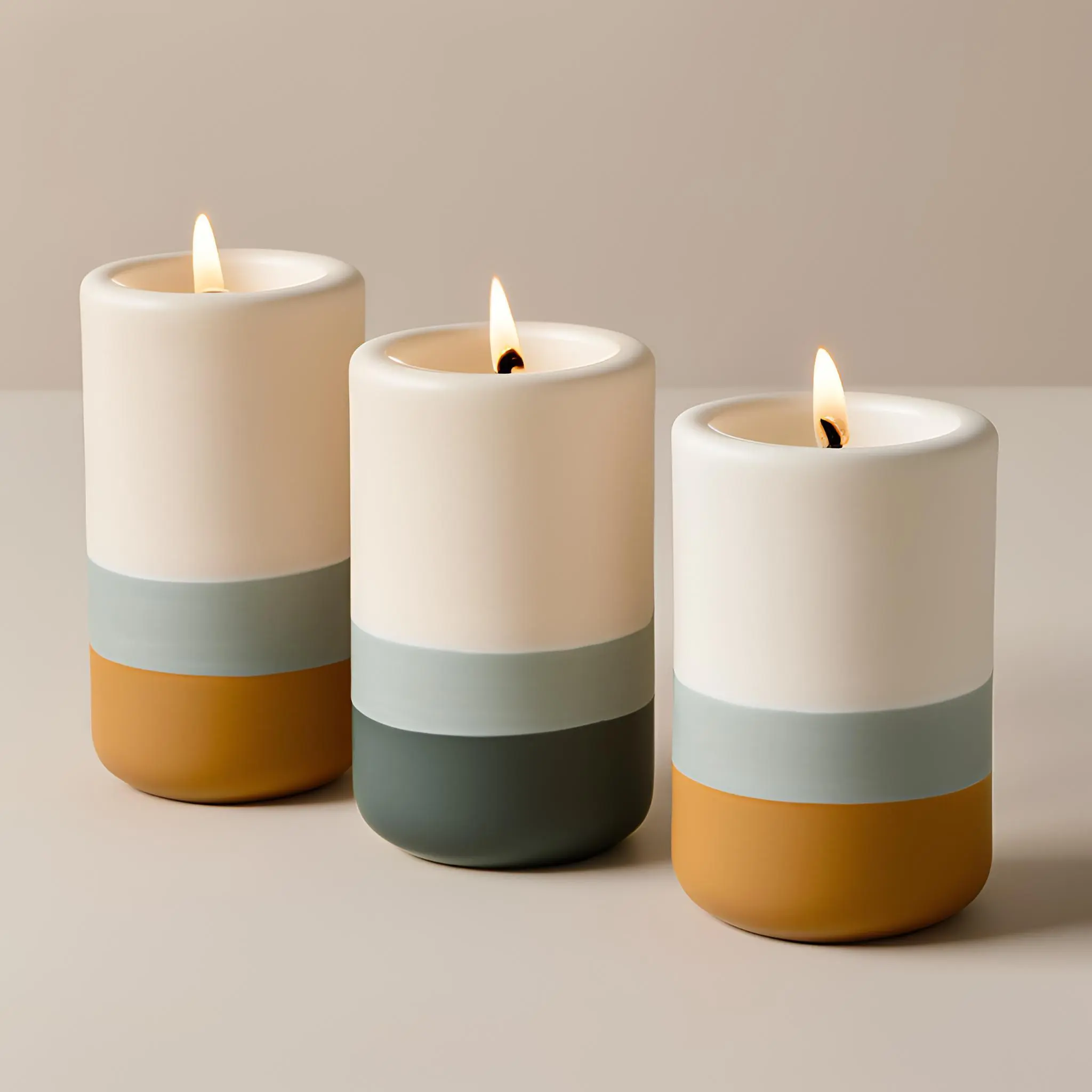
Intricate, design-forward solutions perfect for modern commercial projects and residential green design.


Common inquiries regarding structural cement types, EU shipping logistics, and custom production specifications.
For products sourced directly from our Chinese manufacturing divisions, the typical maritime transit time to European ports (such as Hamburg or Gdansk) ranges from 28 to 35 days. Upon customs clearance, inland transport to warehousing hubs in Prague, Brno, or Pilsen takes approximately 2 to 3 business days via road or rail network connections.
Our cement formulations are engineered for maximum freeze-thaw durability. We blend the primary raw cement matrix with precise amounts of silica fume, plasticizing polymers, and structural glass fibers. This composition achieves an ultra-low porosity of under 3%, preventing internal water absorption and subsequent structural cracking during freezing temperatures down to -25°C.
Yes, all our decorative cement, pottery, and ceramic bowls are verified for REACH compliance. We use 100% heavy-metal-free mineral colorants and organic-solvent-free coatings, guaranteeing zero hazardous VOC emissions and ensuring safe application within public buildings, commercial offices, and private properties.
We provide full Original Design Manufacturing (ODM) services. Using advanced multi-axis CNC milling, we fabricate custom mold profiles for cement structural castings. Clients can submit their CAD design specifications or work directly with our engineering team to design custom planter shapes, structural textures, and embossed corporate logos.