Engineered high-performance materials optimized for sub-zero climate resistance, architectural precision, and heavy structural applications.



Moscow is currently undergoing one of the largest metropolitan transformations in Eastern Europe. The massive urban development program, known as the Moscow Renovation Scheme, alongside the construction of the Moscow Central Ring (MCC) and the Central Diameters (MCD) transport corridors, requires a continuous, high-volume supply of specialized structural cement. Moscow's local geological profile, combined with the region's climate conditions, demands highly specific grades of concrete materials. As a critical manufacturing node, Moscow-based cement factories and supply chains are shifting toward the production of cement that conforms to strict GOST standards, particularly focusing on frost resistance (F-rating) and water-permeability (W-rating).
Unlike southern regions, cement produced for the Moscow oblast must endure extreme freeze-thaw cycles. This requires localized manufacturers to blend clinker with high-grade mineral additives such as granulated blast-furnace slag and silica fume. These additions optimize the calcium silicate hydrate (C-S-H) gel formation, lowering porosity and preventing capillary water intrusion. In the regional market, there is a surge in demand for Portland Cement CEM I 42.5N and CEM II/A-S 42.5N, which provide rapid early strength development—vital for the short, intensive summer construction seasons in central Russia.
On a global scale, the cement and concrete sector is navigating a critical transition. Responsible for roughly 8% of global carbon dioxide emissions, manufacturers worldwide are undergoing a paradigm shift towards green manufacturing processes. International regulatory frameworks, including the Carbon Border Adjustment Mechanism (CBAM), have accelerated research into Alternative Raw Materials (ARM) and Supplementary Cementitious Materials (SCMs).
Global leaders are progressively adopting Limestone Calcined Clay Cement (LC3) technology. LC3 utilizes a synergy of calcined clay and limestone to replace up to 50% of ordinary clinker, reducing carbon dioxide emissions by approximately 40% while maintaining equivalent mechanical properties. Furthermore, carbon capture, utilization, and storage (CCUS) projects are being integrated directly into modern kiln systems, indicating a future where zero-emission clinker production is the baseline standard.
Exploring the integration of chemical nanotechnology, self-healing compounds, and optimized thermal performance.
By incorporating nano-silica (SiO2) and carbon nanotubes (CNTs) into the dry mix, we accelerate hydration kinetics. This fills the microscopic voids within the cement matrix, increasing compressive strength by up to 25% and enhancing chemical defense against aggressive sulfate soils typical in Northern Moscow basins.
Micro-encapsulated bacterial spores (such as Bacillus pseudofirmus) are mixed with structural cement. When moisture enters cracks, the bacteria activate, consuming lactate to produce limestone. This seals fractures autonomously, eliminating ongoing maintenance costs in inaccessible municipal foundations.
Merging low-density expanded polystyrene beads or aerogel aggregates with specialty CEM I binders. This creates high-strength, lightweight insulating concrete ideal for high-latitude envelope walls, minimizing thermal bridging and drastically reducing HVAC energy requirements.
High-performance construction relies on localized, systemic material integration rather than commodity supply lines. Industrial cement factories must offer comprehensive Macro-Industry Solutions, providing end-to-end support from chemical raw material customization to batching plant logistics. In the severe Russian winters, logistics management is a major technical challenge. Binders must retain fluid workability in transit while transitioning to quick-setting characteristics upon placement under sub-zero conditions.
By establishing dynamic chemical dosing systems at the batching point, manufacturers can adapt concrete properties in real-time according to fluctuating ambient humidity and temperatures. Advanced formulations ensure that hydration reactions continue down to -15°C without freezing internal pore water, protecting the structural integrity of Moscow’s skyscrapers, subways, and bridges.
Discover our diverse production categories, spanning from industrial structural cement to artistic cast concrete and structural ceramics.




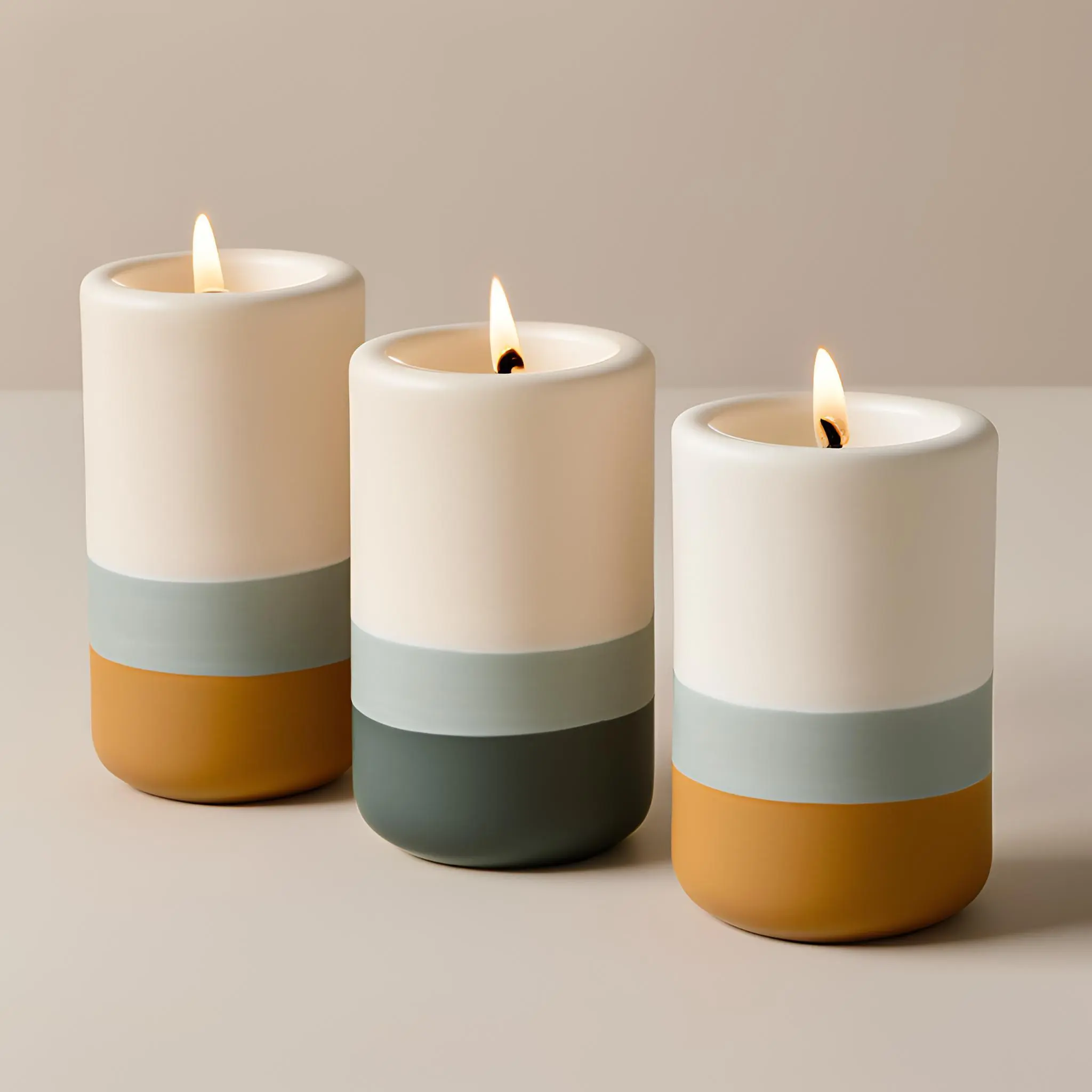

Adapting advanced ceramic and micro-cement casting processes for seasonal global markets.






Value Deco Limited is a leading developer and supplier of high-quality structural ceramics, specialty cement molds, and artistic concrete wares. With over 12 years of experience in the design and material manufacturing industry, we have built an international reputation for supplying durable, frost-resistant, and aesthetically striking products. Our catalog features Flower Pots, Vases, Candle Holders, and Architectural Garden Accents designed to meet strict commercial performance requirements.
By bridging the gap between heavy industrial materials and contemporary design, Value Deco provides developers, architects, and retail brands with high-performance products that maintain structural integrity in challenging climates, including the sub-zero winters of the Moscow region.
Value Deco - Flower Pots Division: www.valuedeco.com
Pride Deco - Home & Garden Décor Division: www.pridedeco.com
Select your target catalog to download physical properties sheets, raw material declarations, and design options.
Innovative textures and structures utilizing our proprietary cement and ceramic compound techniques.
Technical questions answered by structural materials scientists and local construction experts.
Our comprehensive export catalog featuring specialized concrete and ceramic mixtures for indoor and outdoor projects.