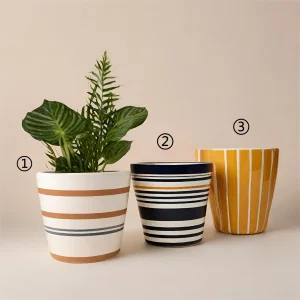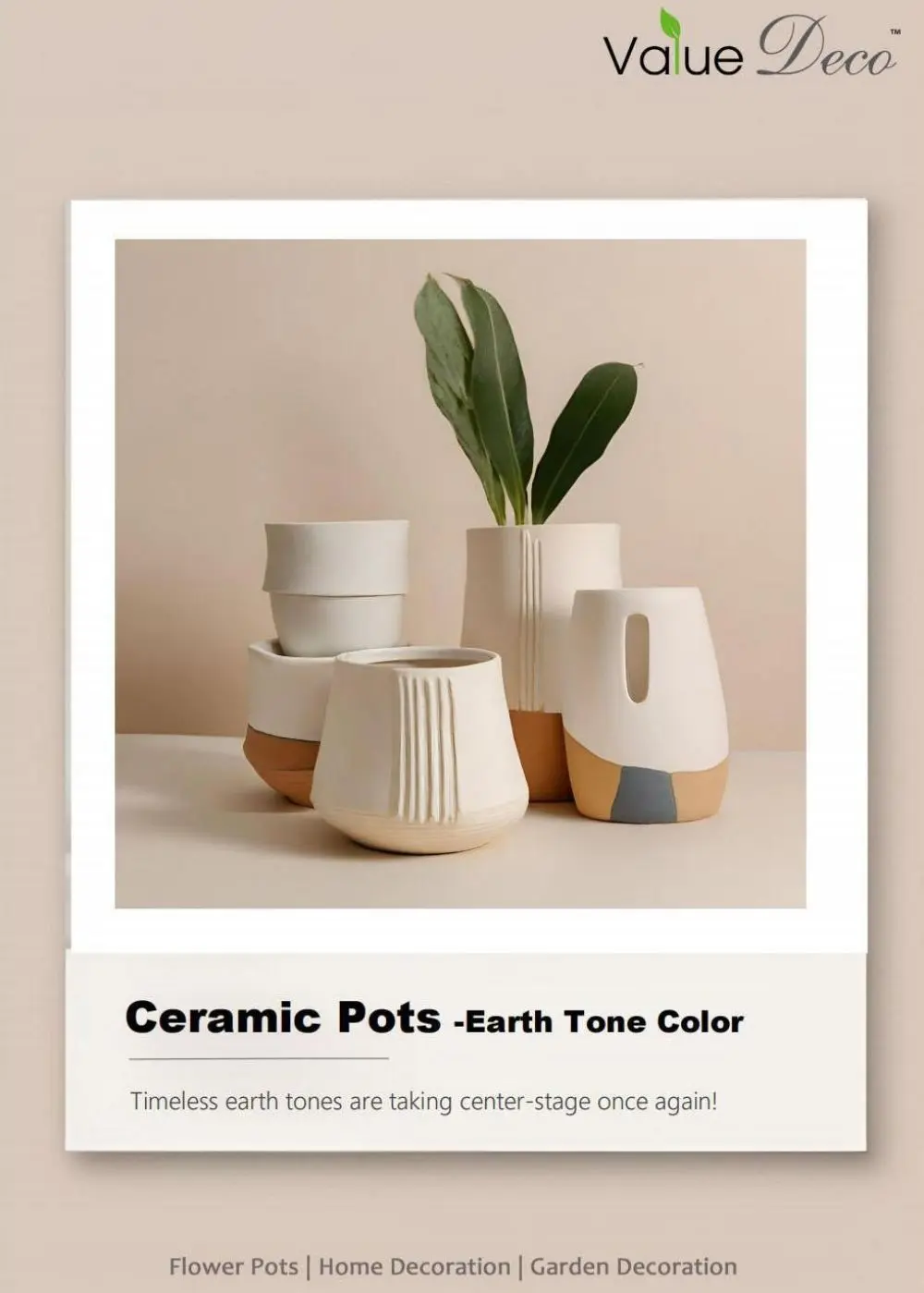

Explore our highly-curated line of heavy-duty, weather-resistant indoor and outdoor vessels, utilizing optimized structural clay matrices designed for global logistics.







A B2B technical guide detailing material engineering, green manufacturing paradigms, and modern supply chain dynamics.
The global pottery and ceramic industry is experiencing a profound paradigm shift driven by technological advances, evolving trade configurations, and consumer demands for structural transparency. Earthenware, stoneware, and porcelain are no longer viewed as static, ancient crafts; instead, they represent precision-engineered materials customized for commercial real estate, corporate hospitality, and dynamic retail distribution channels. Organizations sourcing wholesale pots and home decor must balance raw materials cost, logistics, environmental governance, and physical performance against thermal shocks, degradation, and shipping-induced stress.
Modern industrial pottery relies heavily on slip casting with ultra-refined kaolinite and ball clay formulations. To guarantee long-term durability, factories integrate calcined alumina and talc, dramatically reducing thermal expansion rates and optimizing resistance to micro-fracturing under rapid climatic transitions.
Industrial clay manufacturing is rooted in mineralogical purity. The structural viability of high-grade commercial ceramics relies on a meticulously calibrated ratio of kaolin (for brightness and structural resilience), ball clay (for enhanced plasticity and high green strength), and silica (serving as the foundational glass-former). Compulsory fluxing agents, such as feldspar, are added to lower the overall vitrification temperature inside tunnel and shuttle kilns. The thermal profile defines the structural properties:
As the epicenter of structural ceramics production, Chinese industrial complexes have transitioned from labor-heavy factories into smart manufacturing units. Industry 4.0 integration uses automated slip preparation, robotic spray glaze lines, and continuous telemetry-monitored tunnel kilns. These advancements yield major advantages for B2B buyers:
In addition, modern manufacturing corridors are optimized around coastal ports. This geographic alignment reduces inland transport times, lowers emissions, and offers robust resistance against global supply chain disruptions.
Procuring ceramics on a global scale requires strict risk management. When drafting purchase agreements with manufacturing facilities, B2B buyers should focus on three main operational pillars:
Explore our diverse collections of commercial ceramics and pottery, engineered to withstand the demands of the modern lifestyle market.
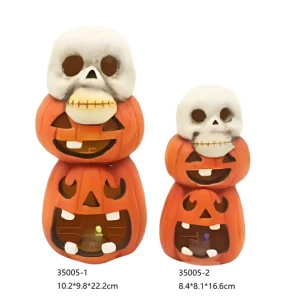
Stay ahead of retail cycles. We offer rapid design iterations and seasonal manufacturing lines tailored for global holidays.
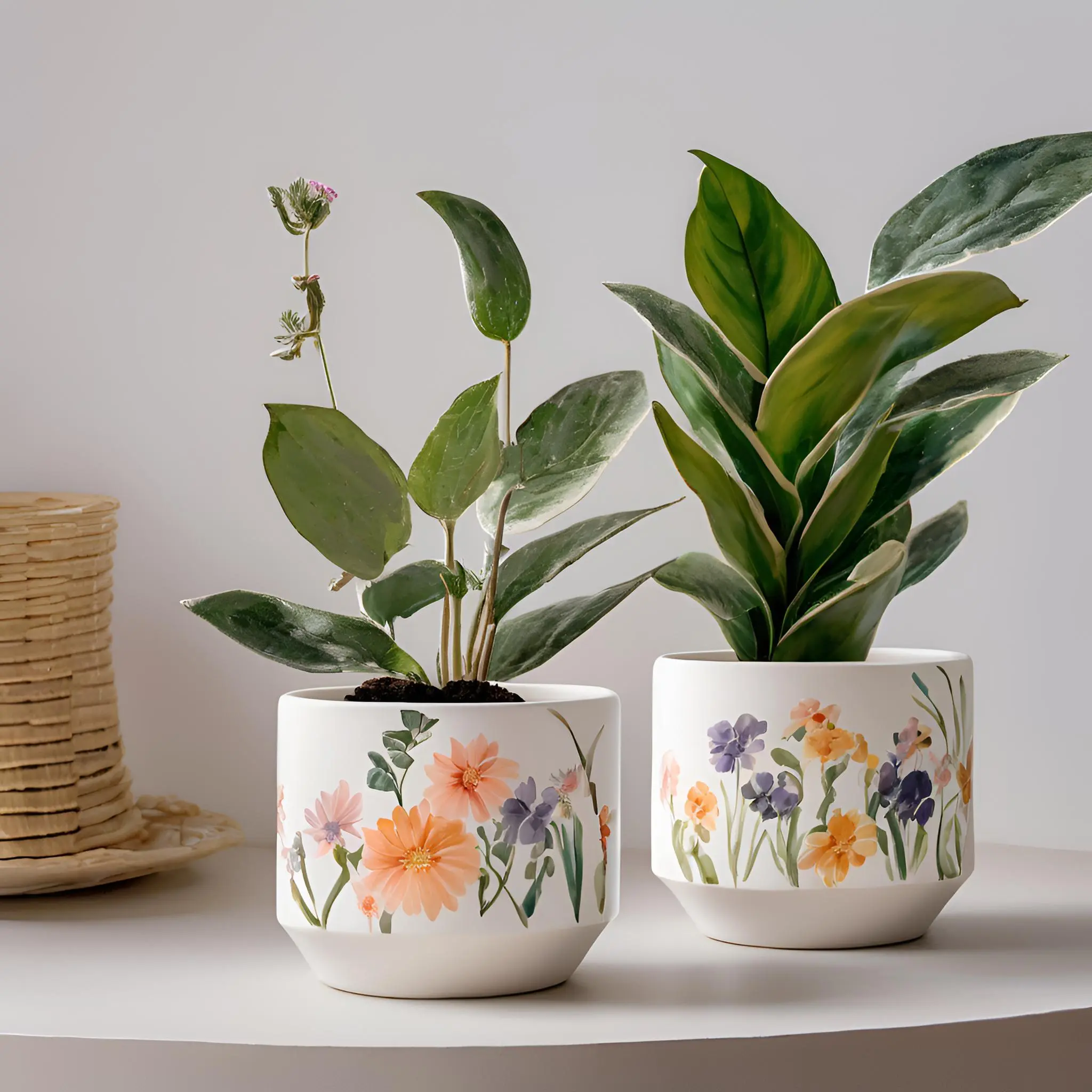





Access our detailed catalog databases containing dimensions, glaze options, packaging specifications, and unit parameters.
Our design team updates our collection quarterly to align with trending international finishes and geometric profiles.



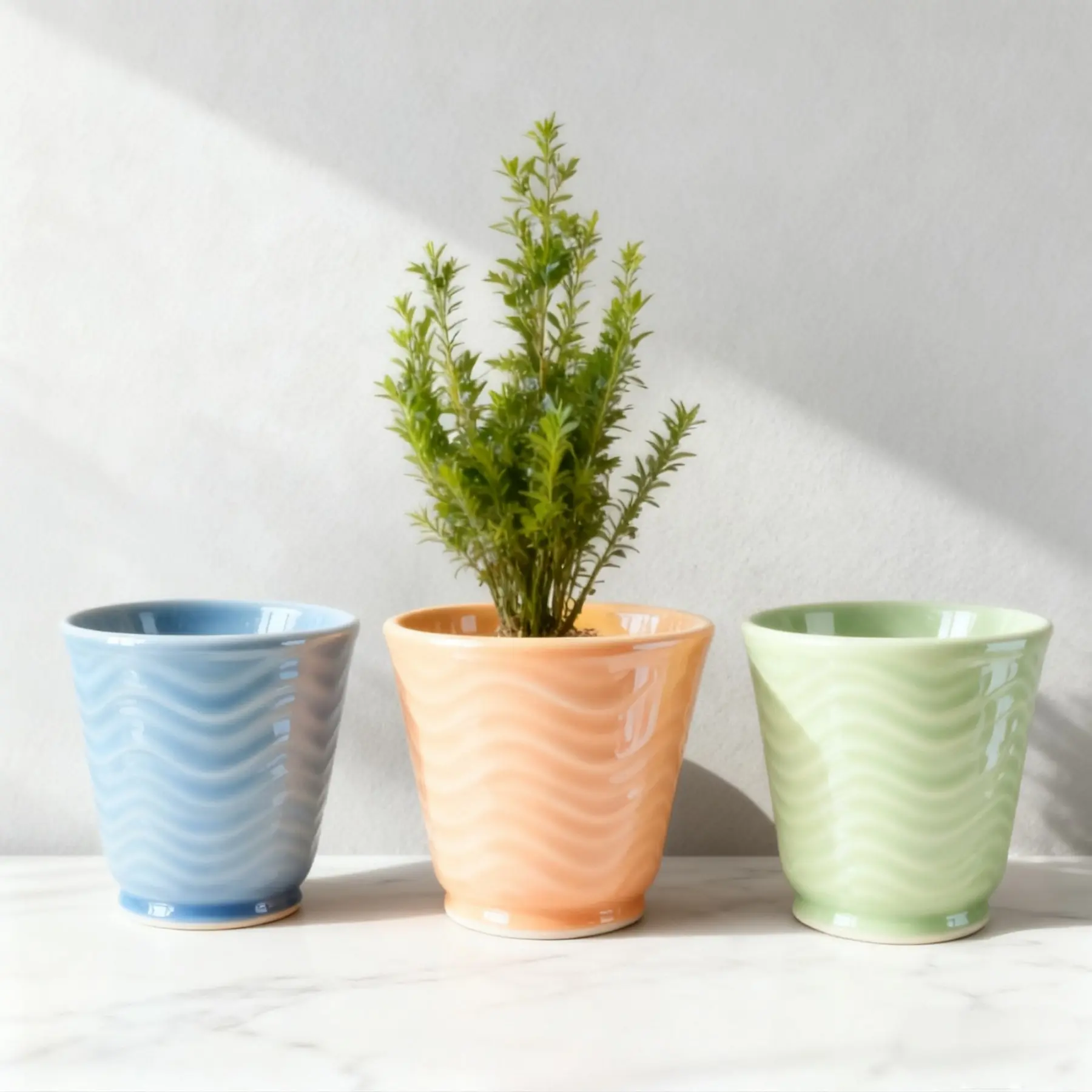
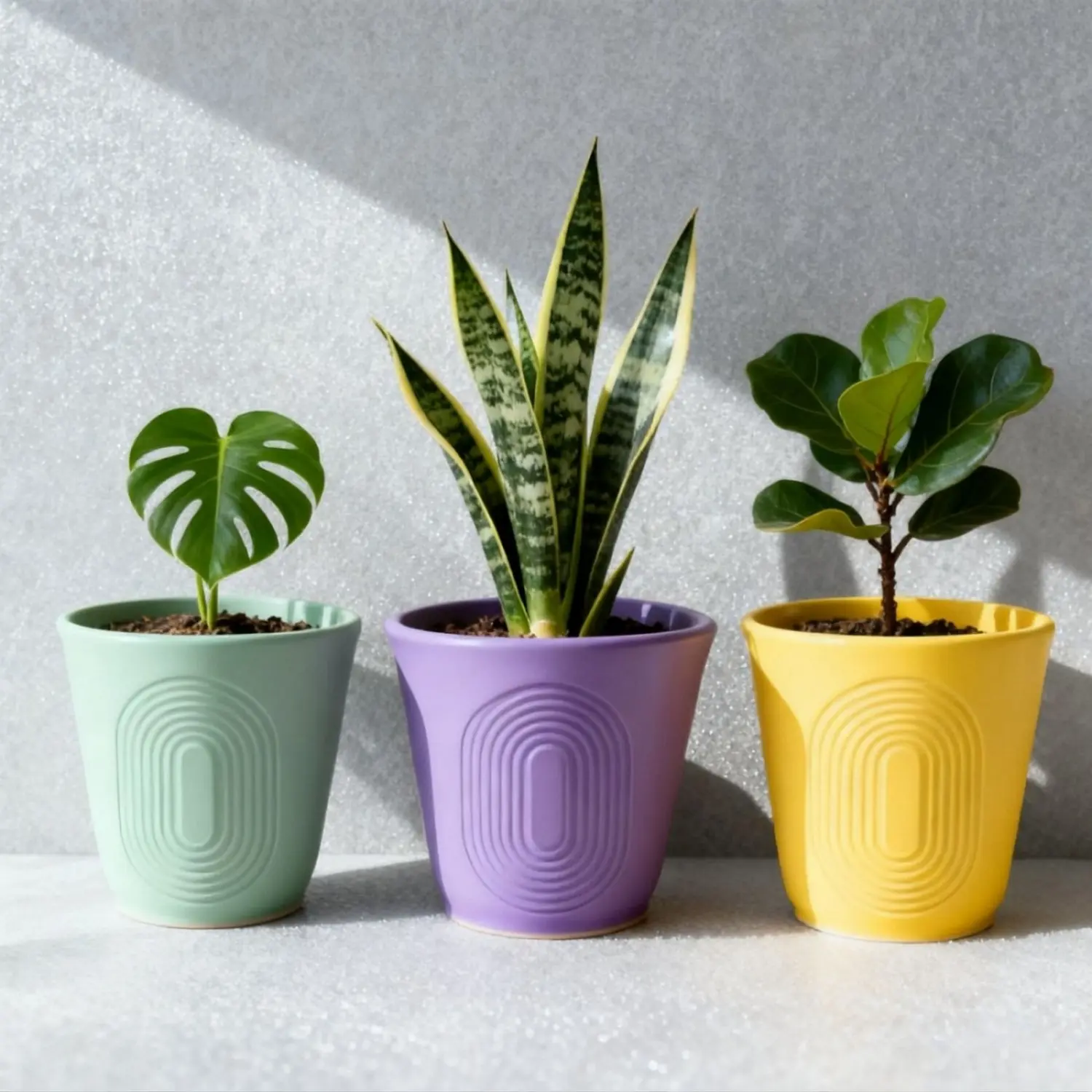

Find technical answers directly from our factory engineers regarding manufacturing methods, material science, and global shipping policies.
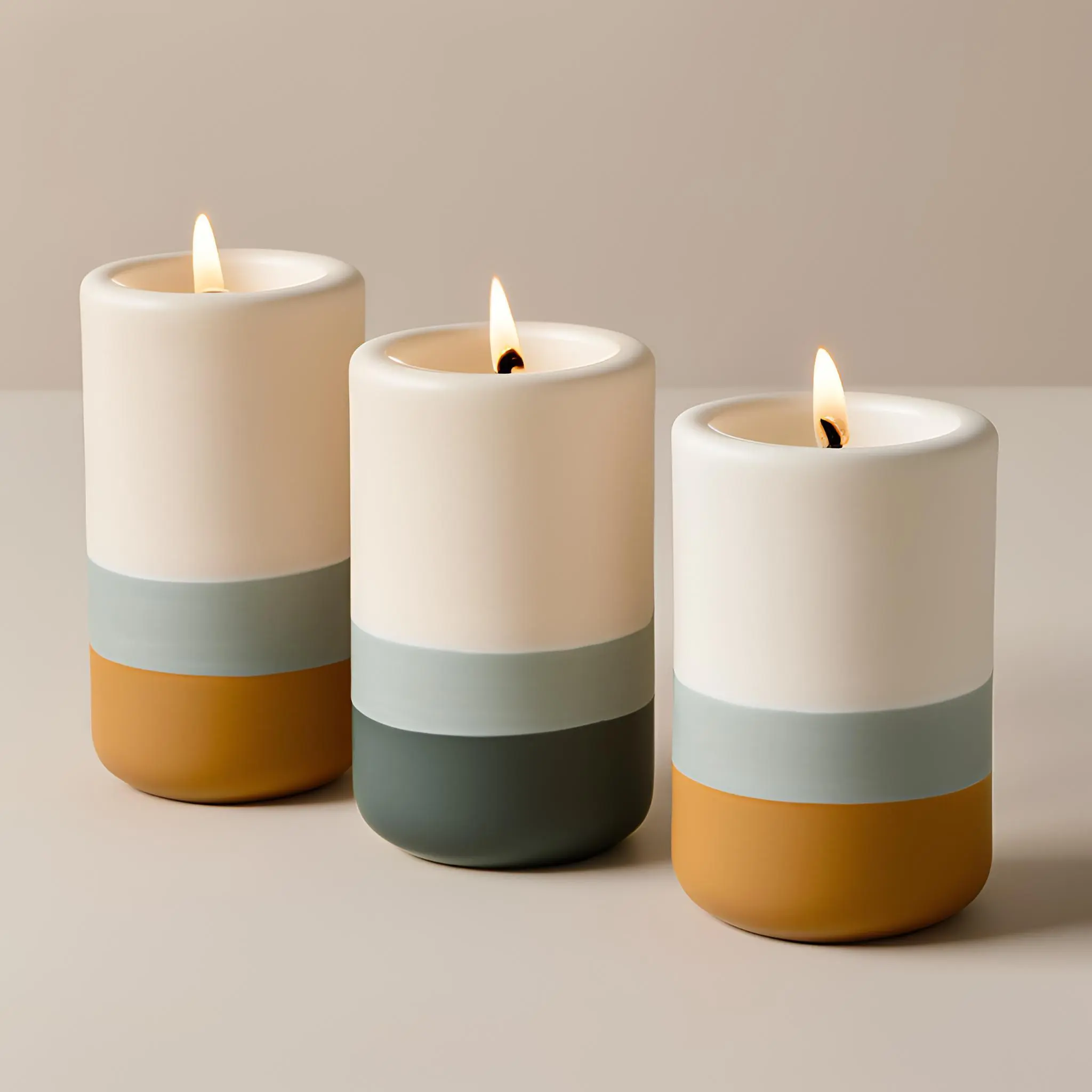
Browse our selection of modern glazed table accents, holiday designs, and multi-functional planters engineered for wholesale procurement.