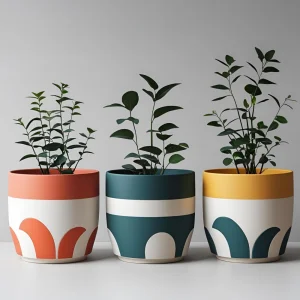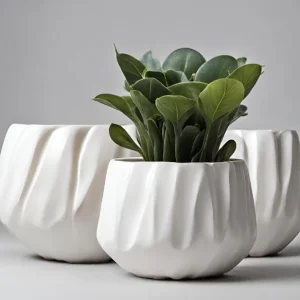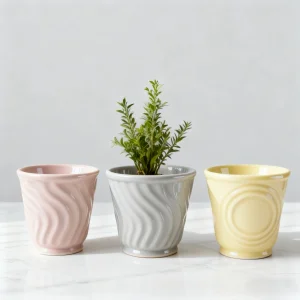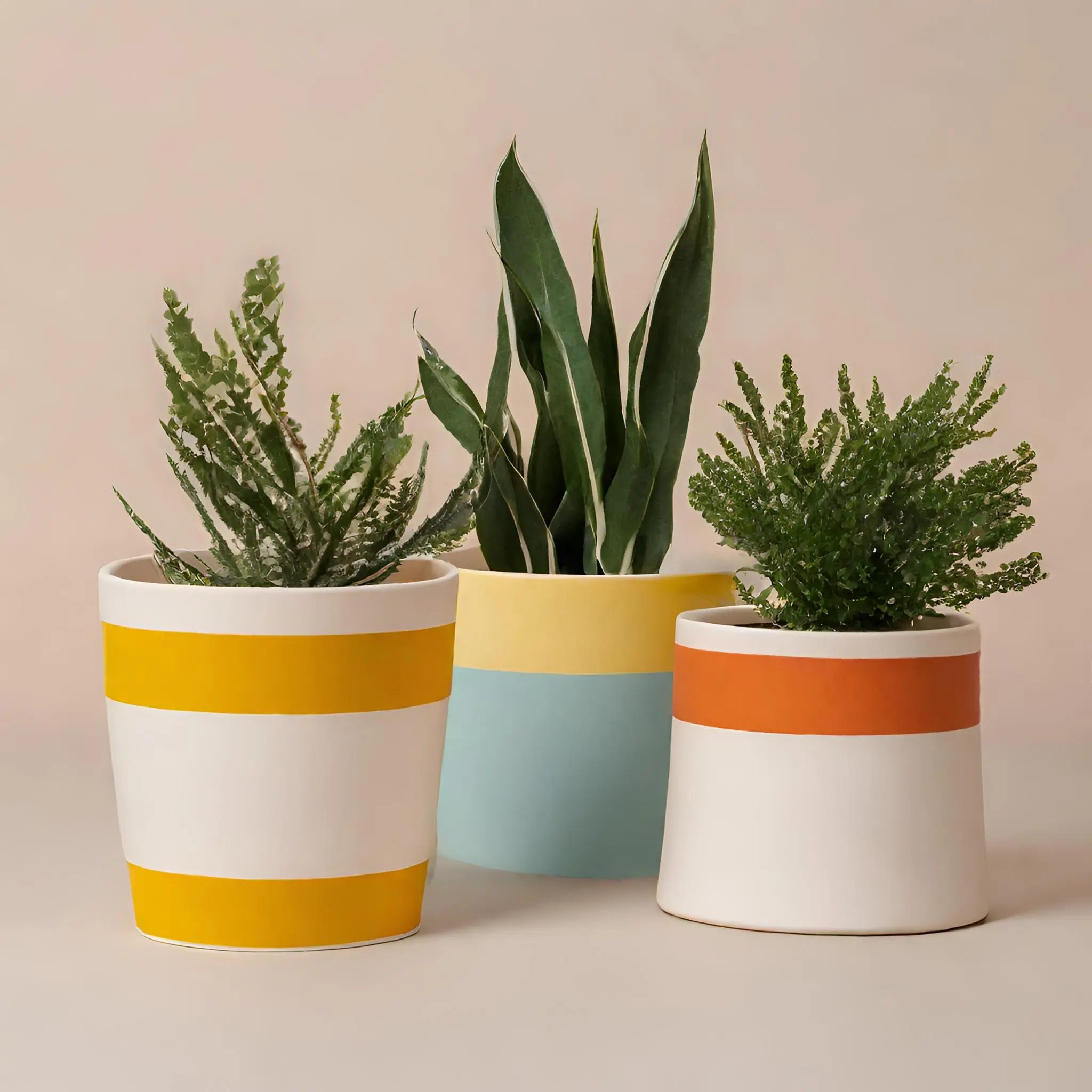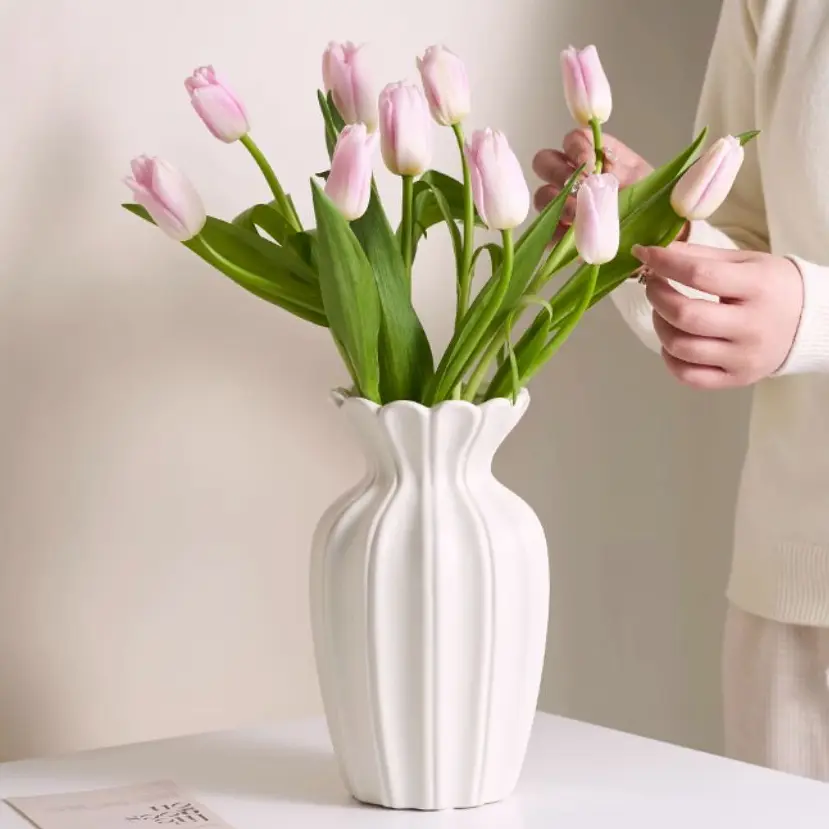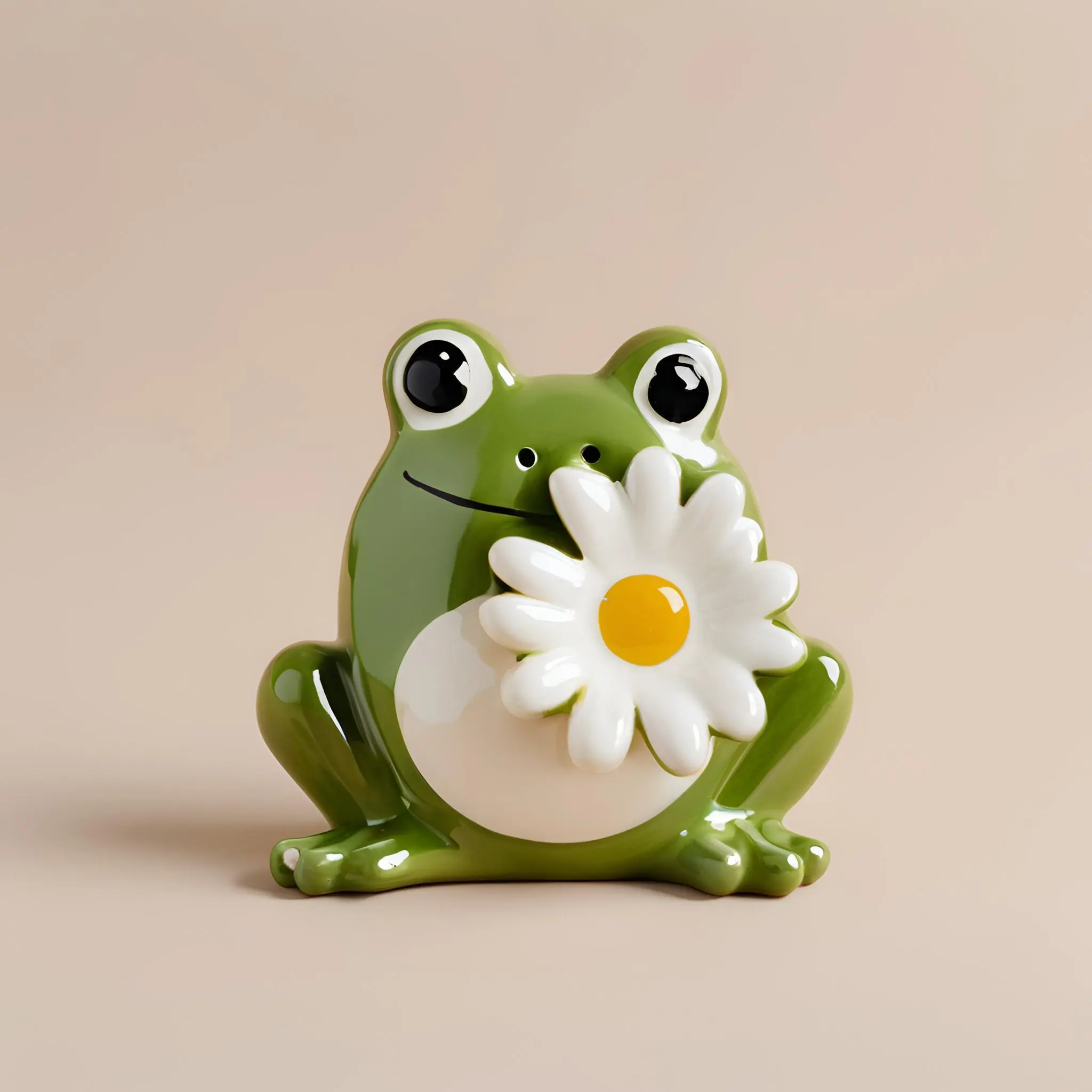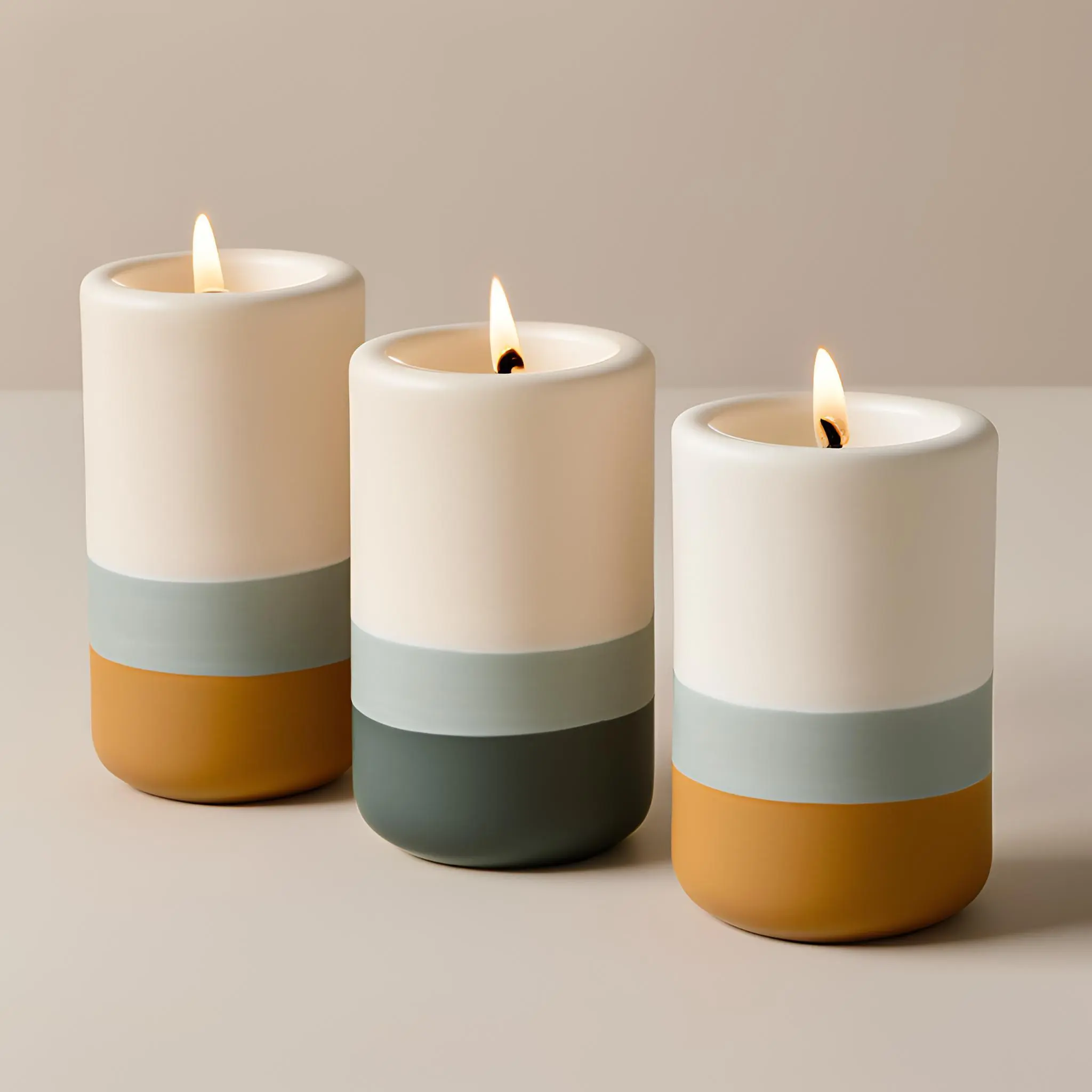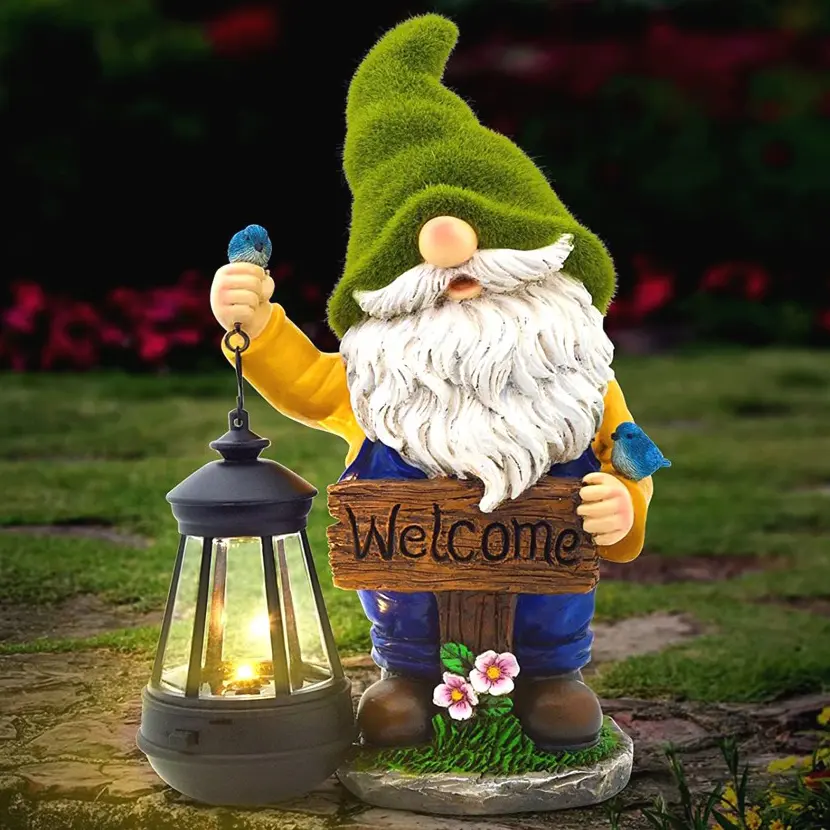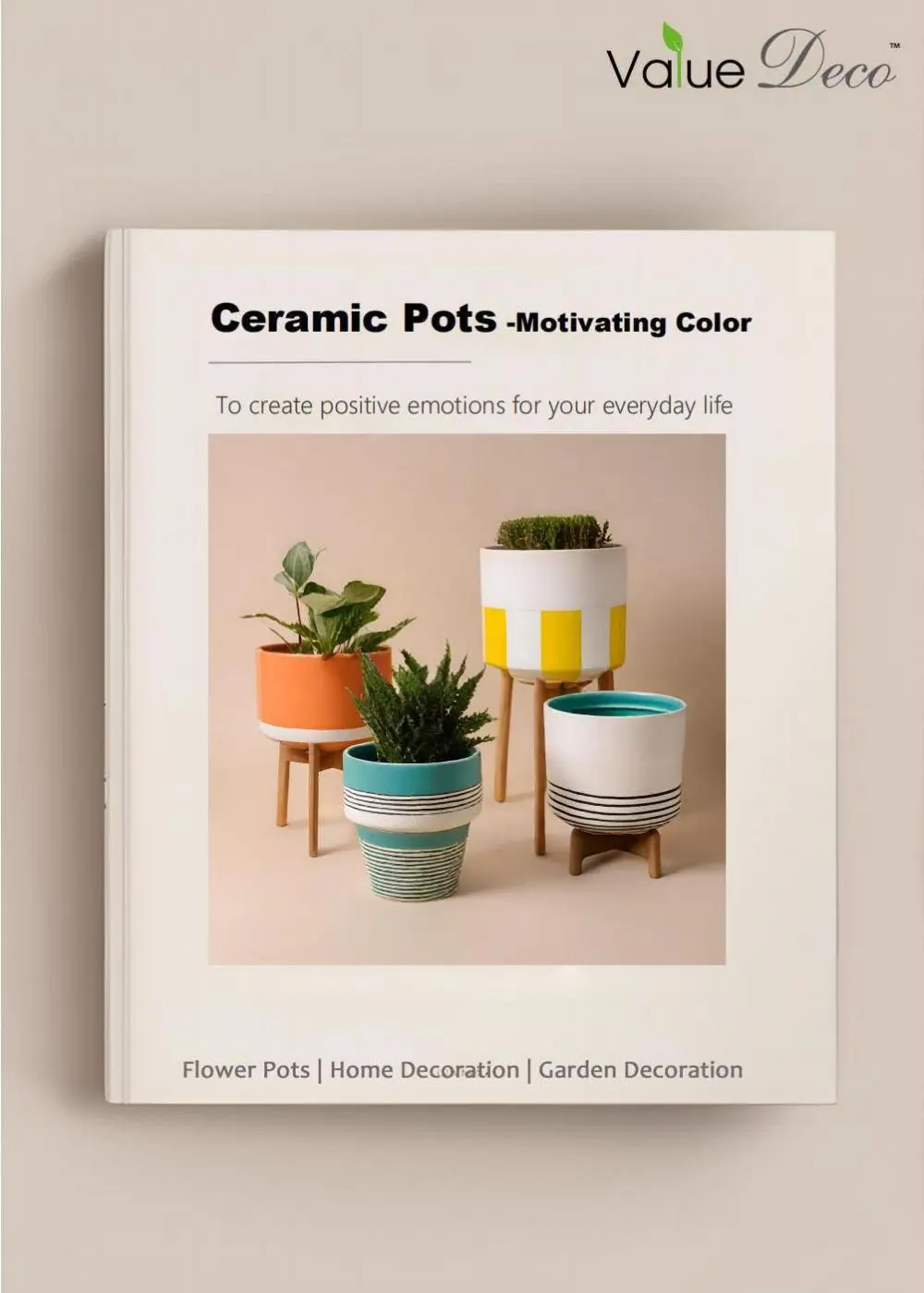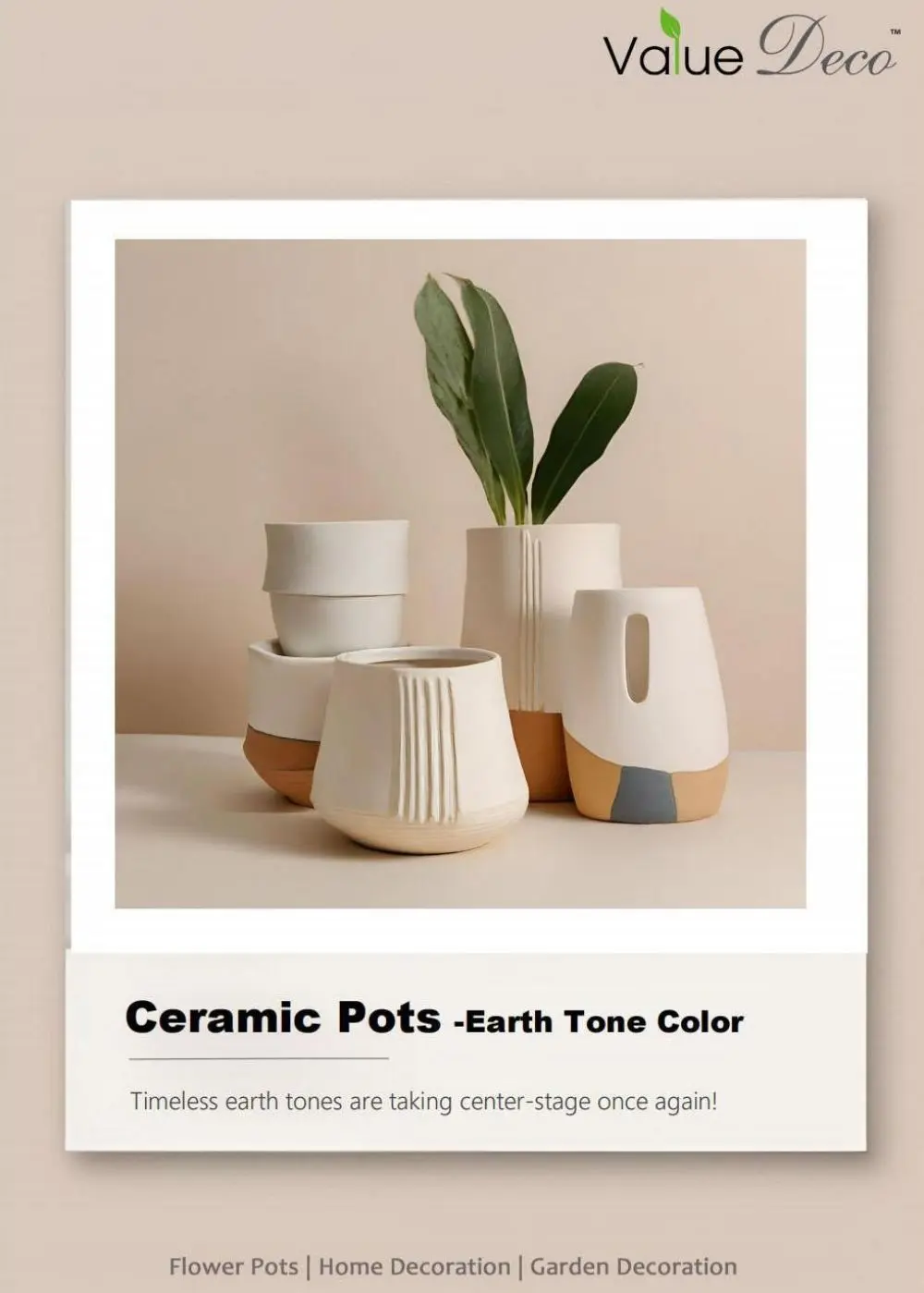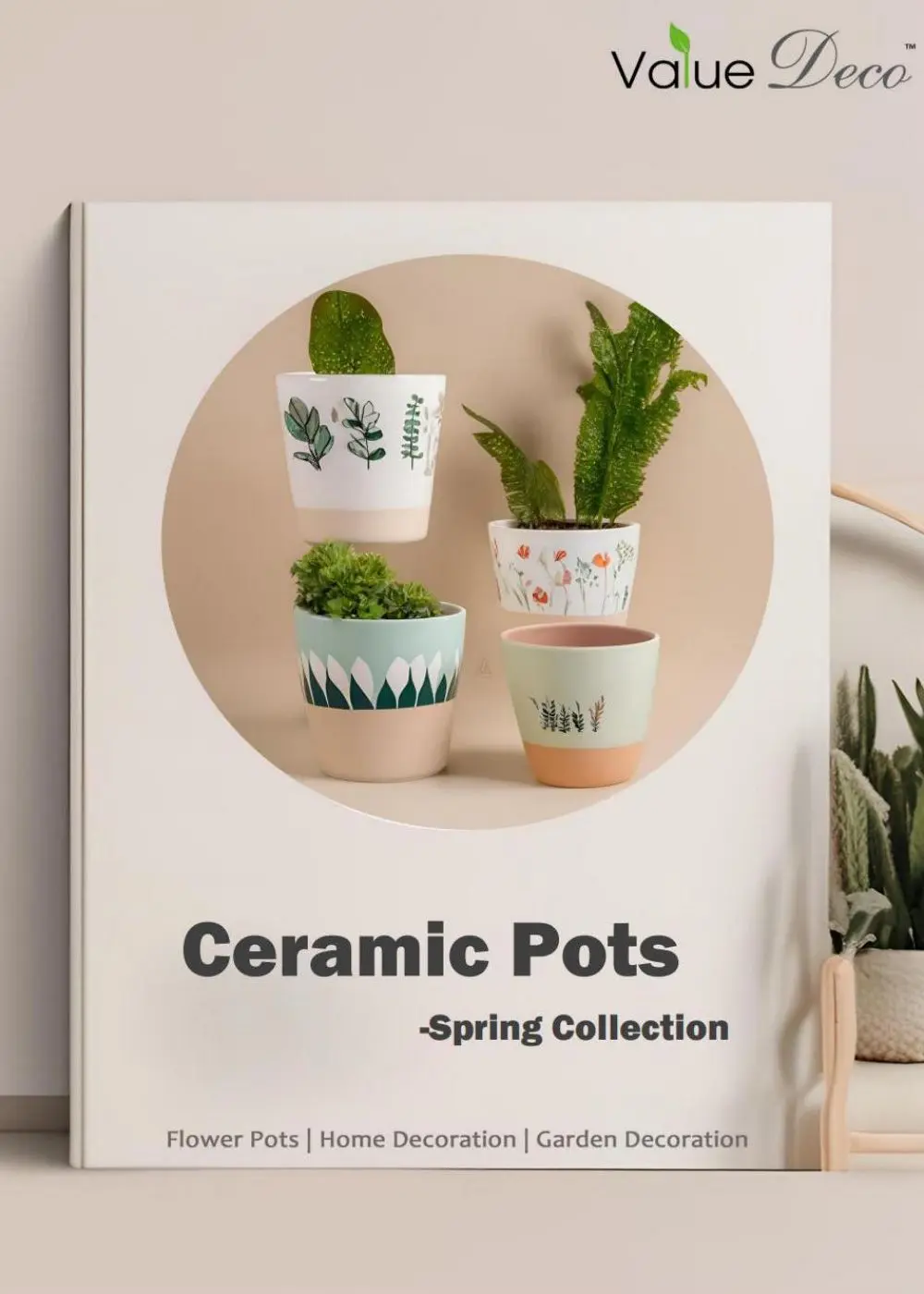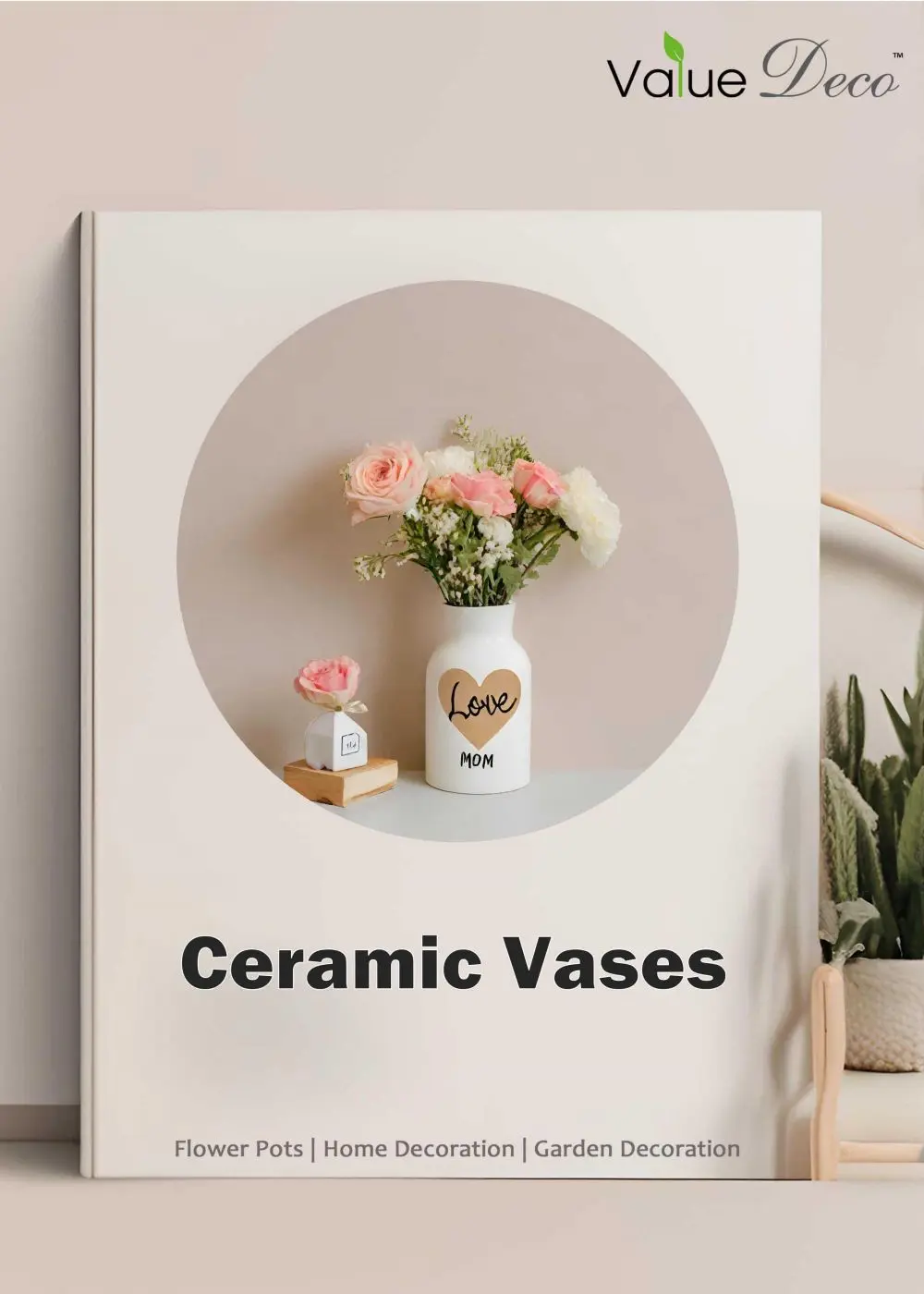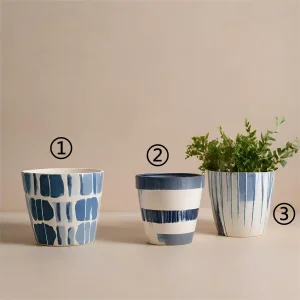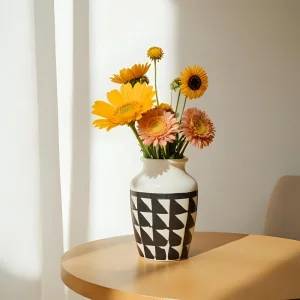
Explore our premium architectural accents and commercial-grade container designs selected for B2B procurement networks.
Combining time-tested clay science with state-of-the-art kiln diagnostics, smart inventory management, and automated thermal verification.
Our raw clay formulas undergo precise mineral blending to ensure natural gas exchange, maintaining optimized root aeration for large plants.
Fired in custom automated tunnel kilns exceeding 1150°C, ensuring structural density, freeze-thaw resilience, and architectural grade load-bearing capacities.
All materials comply with FDA standards, California Prop 65, and European REACH frameworks. Our pots are 100% natural, toxic-free, and fully recyclable.
Using vision-based sorting neural nets, we check for micro-cracks, wall-thickness variations, and geometric consistency before sea packaging.
Terracotta, or baked earth, has served as the foundational medium for global plant cultivation for millennia. However, in the modern commercial landscape—encompassing multi-hectare resorts, luxury residential complexes, urban greening projects, and mass retail distribution networks—sourcing premium large-scale terracotta containers demands highly systematic technical and logistics solutions. For global procurement officers, landscape architects, and wholesale retailers, selecting a manufacturer is not merely about finding a container; it is about securing structural durability, thermodynamic stability, and long-term compliance under diverse outdoor environments.
As micro-climate design, indoor biophilia, and expansive exterior landscape architecture continue to dominate luxury hospitality, civic redevelopment, and corporate offices, the need for stable, breathable planting solutions has skyrocketed. Large terracotta pots—specifically those measuring above 50cm in diameter and height—are no longer merely decorative accessories. They act as protective barriers for slow-growing, highly valuable botanical species, such as mature palms, topiary trees, and complex multi-season arrangements.
Standard plastics, fiber-stone composites, and metallic alternatives lack the natural insulation and porosity characteristics crucial for long-term root health. The high thermal capacity of dense natural clay prevents rapid fluctuations in root-zone temperatures during peak summer months or overnight freezes. Furthermore, the substantial weight of terracotta provides an indispensable mechanical safety feature, preventing tall, wind-exposed plants from toppling over in public spaces and high-wind rooftops.
Why do leading wholesale organizations rely on specialized Chinese industrial ceramic corridors for large-scale terracotta supply? The answer lies in the deep synergy of specialized regional resources, optimized energy pricing for industrial kilns, and unmatched supply chain consolidation. Located in key manufacturing hubs, factories like **Value Deco Limited** leverage decades of localized ceramics expertise combined with continuous technical investments.
A resilient terracotta supply chain relies on three crucial pillars:
"By integrating advanced kiln-heating analytics and digital temperature curves, Value Deco Limited ensures that every large-format pot has a homogenous ceramic body, greatly reducing winter frost splitting in northern European and Canadian climates."
In response to international demand for long-lasting outdoor planters, our R&D initiatives focus on optimizing the raw clay structure. Typical low-fired terracotta absorbs significant amounts of water. In sub-zero temperatures, the absorbed water freezes and expands, causing the surface to peel and flake off (spalling) or causing complete pot breakage.
Our technical roadmap resolves this via two primary innovations:
Analyzing how different global climates and projects demand tailored terracotta container solutions.
Highly populated municipal walkways benefit from the weight of large terracotta planters. They act as natural traffic barriers and can accommodate deep-rooting ornamental shrubs without warping, bowing, or degrading from UV radiation.
Hotels in arid climates (Mediterranean, Middle East, Southwest US) use large terracotta pots to cultivate premium bougainvillea, olive, and citrus trees. The clay's cooling properties prevent root baking, ensuring vibrant green foliage year-round.
Rooftop gardens face intense solar exposure and high winds. Our heavy, wide-base designs provide structural stability against wind gusts, while our composite clay formulas reduce dry-out rates, conserving water usage.
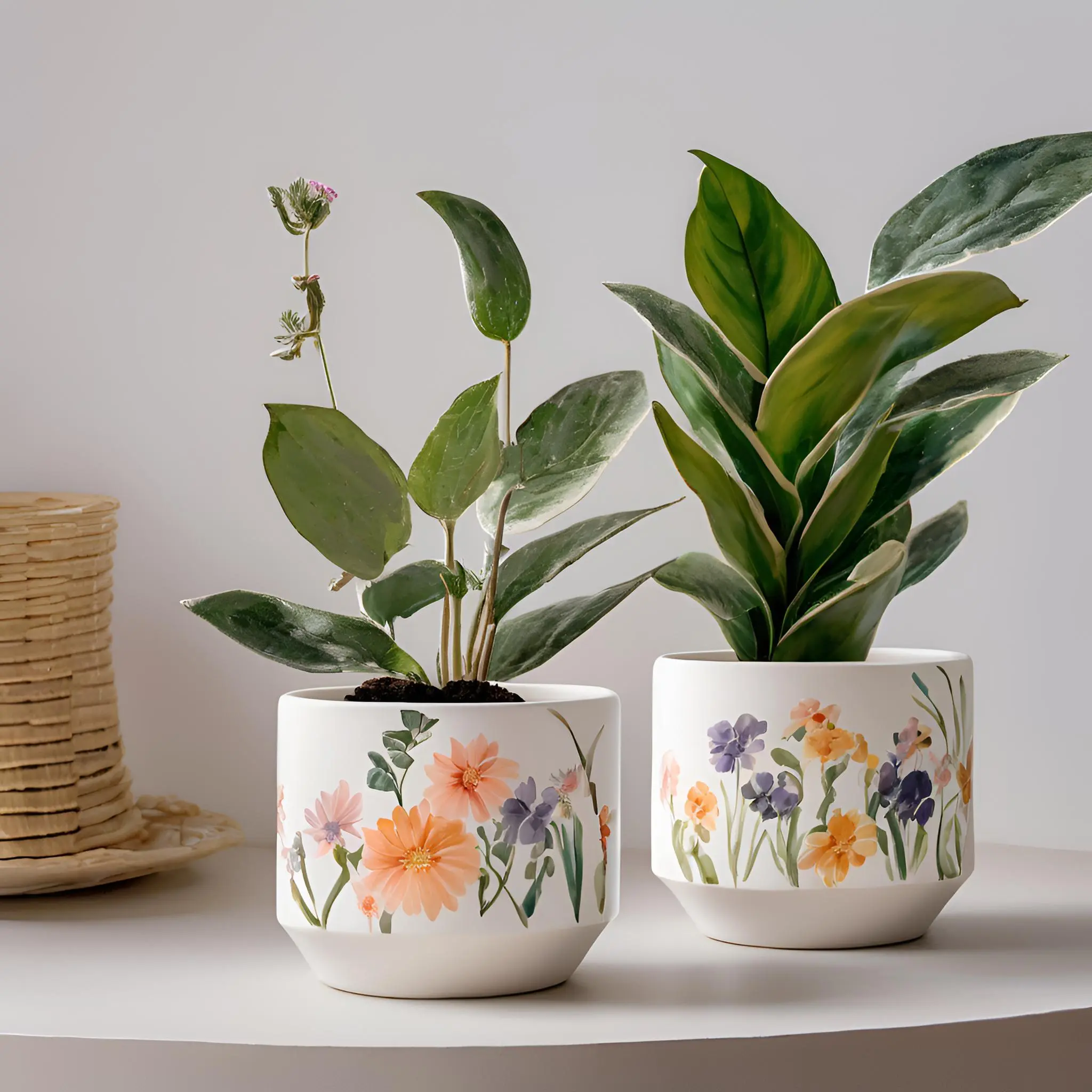
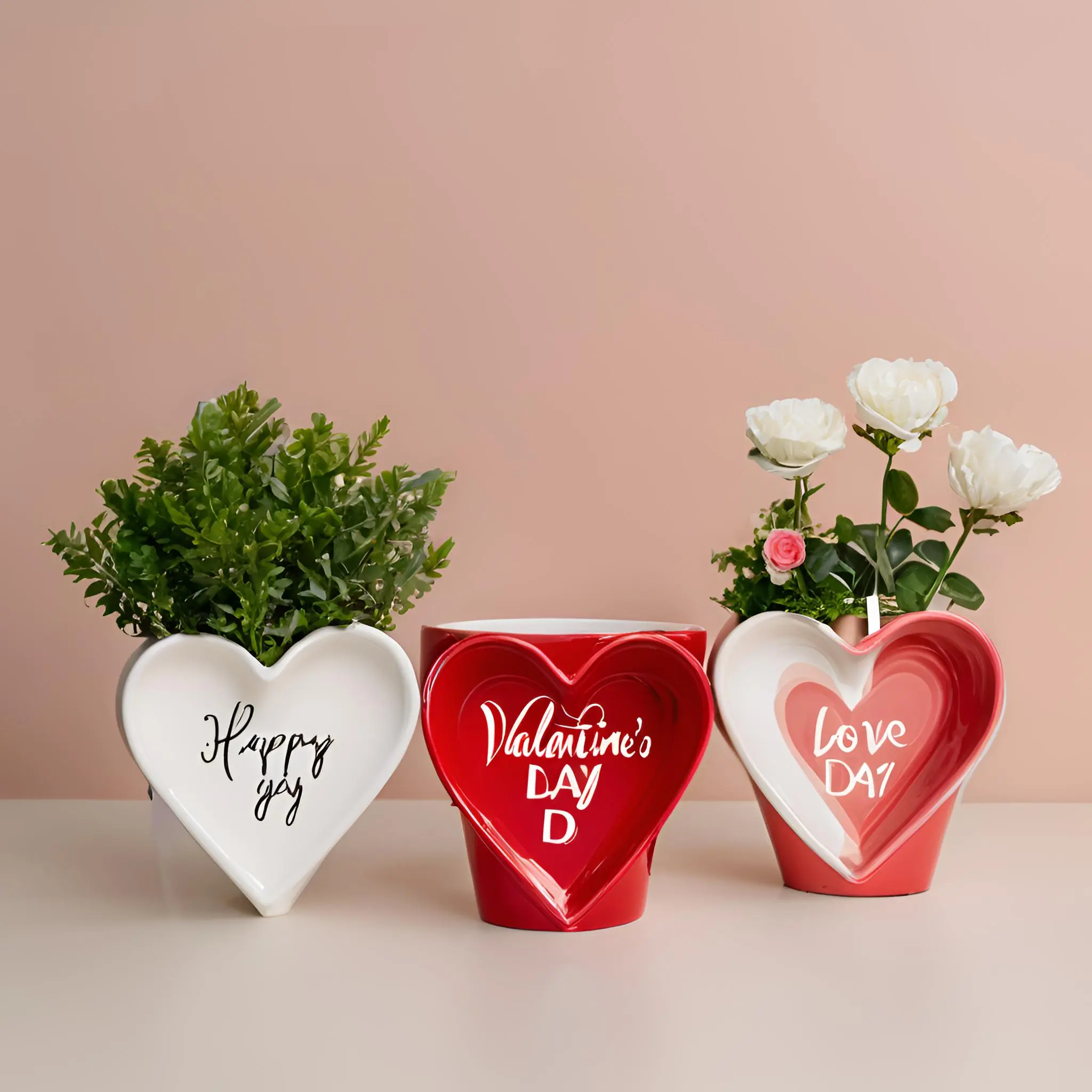
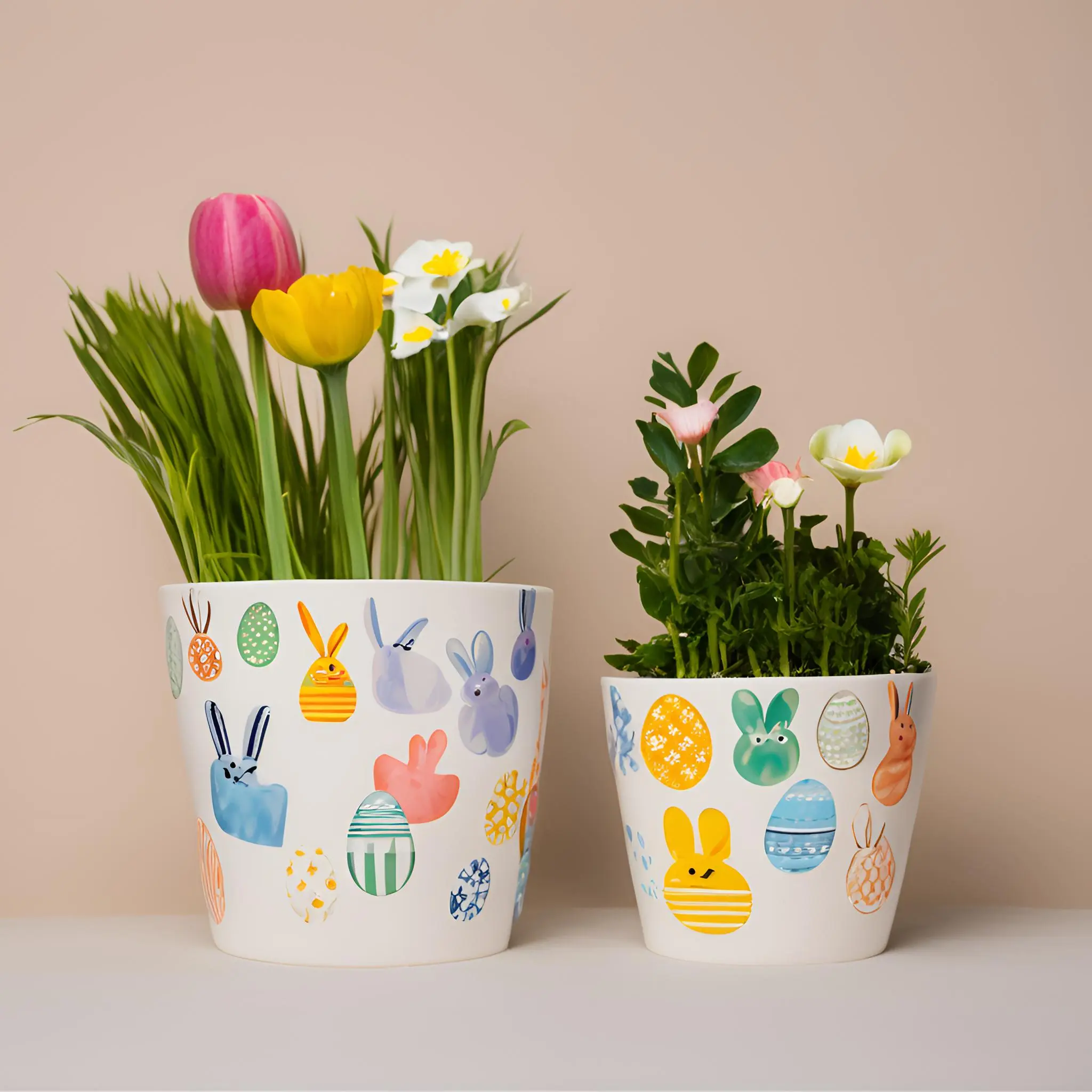
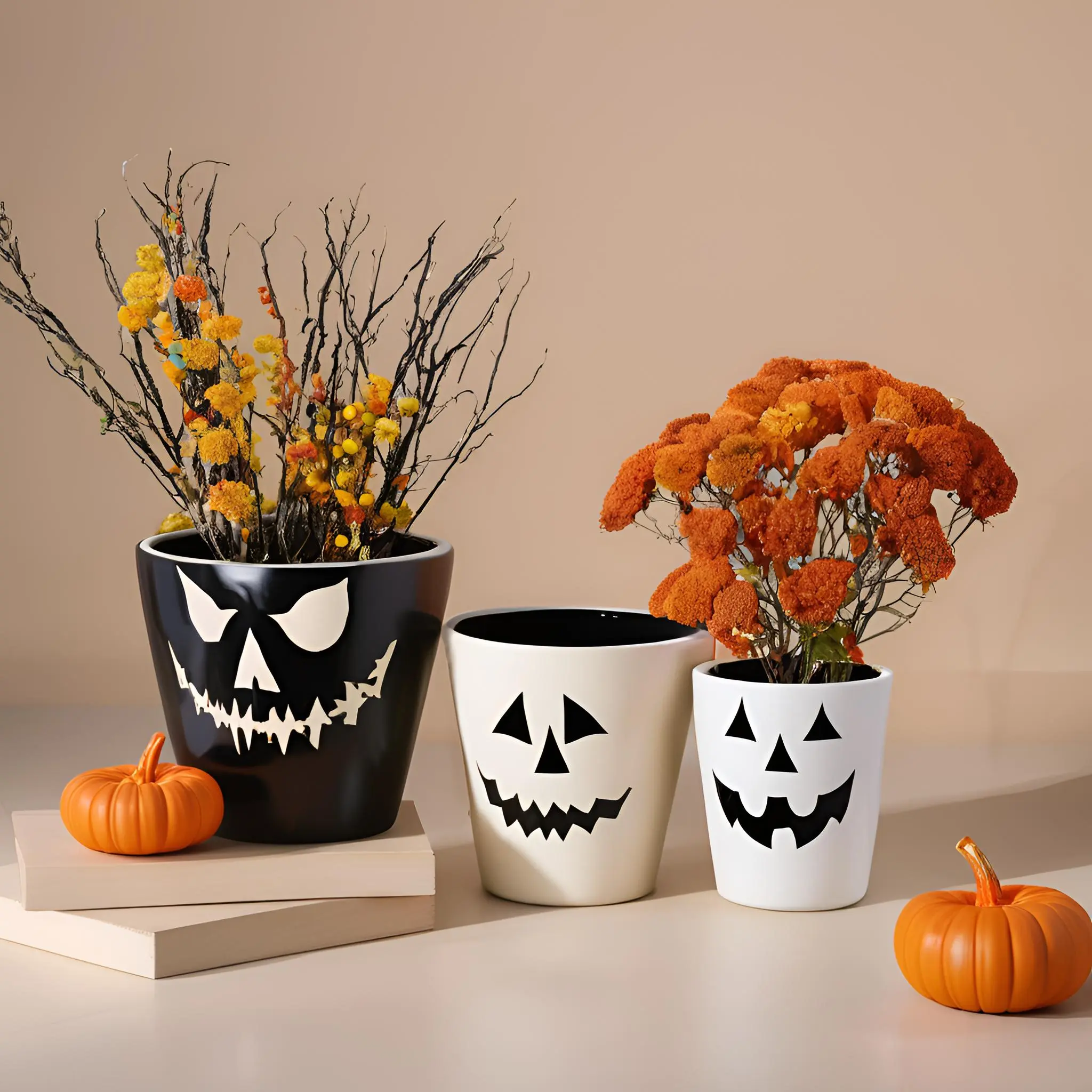
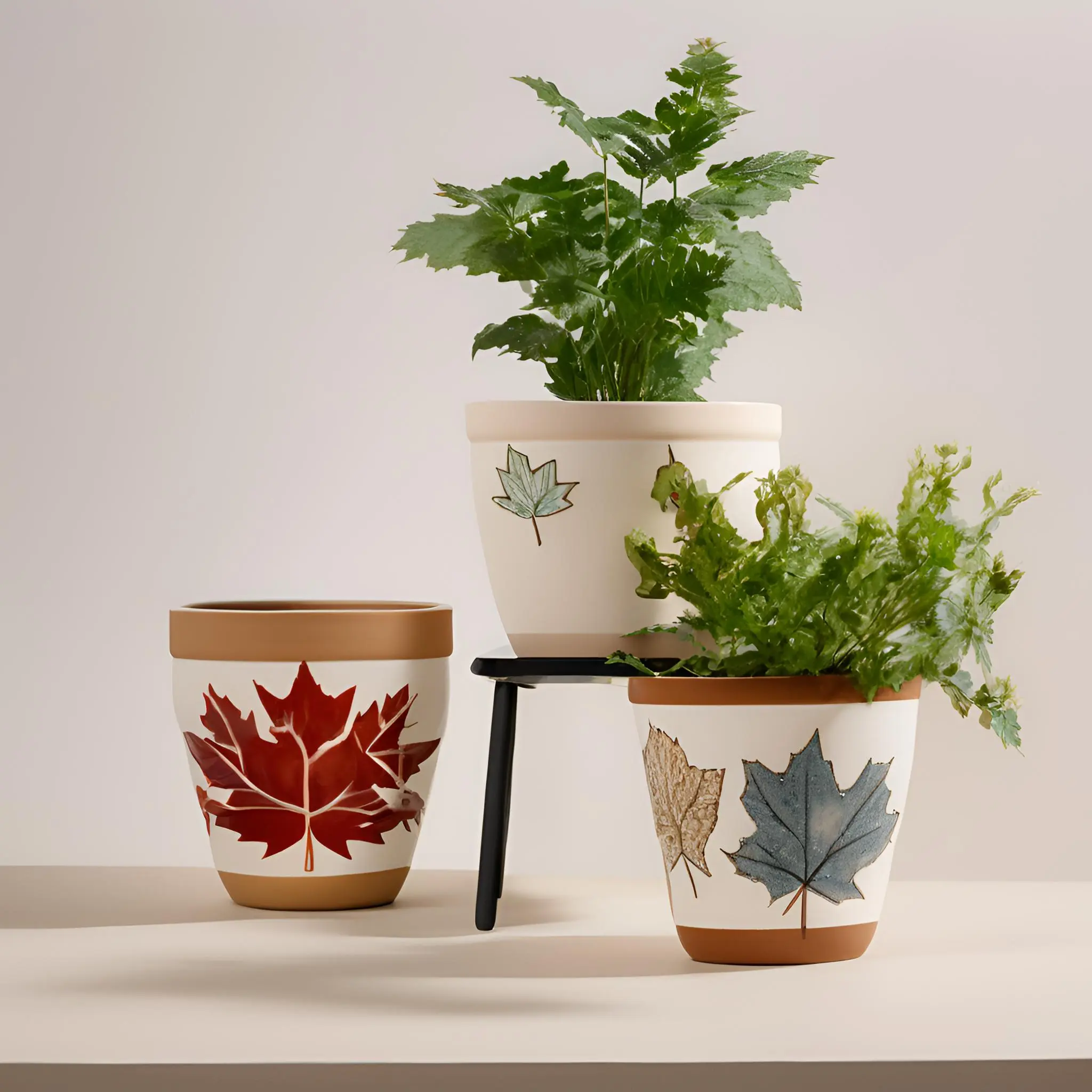
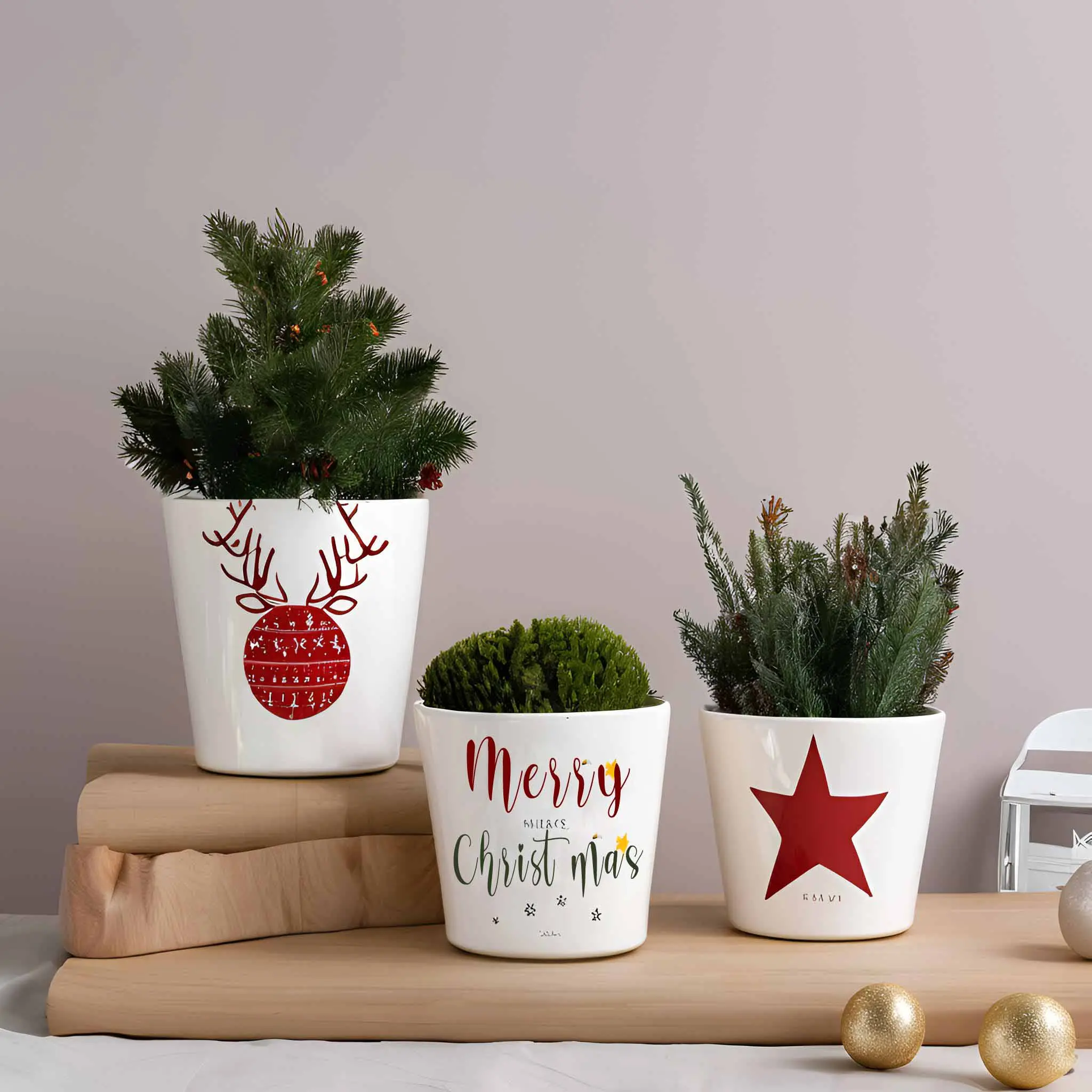
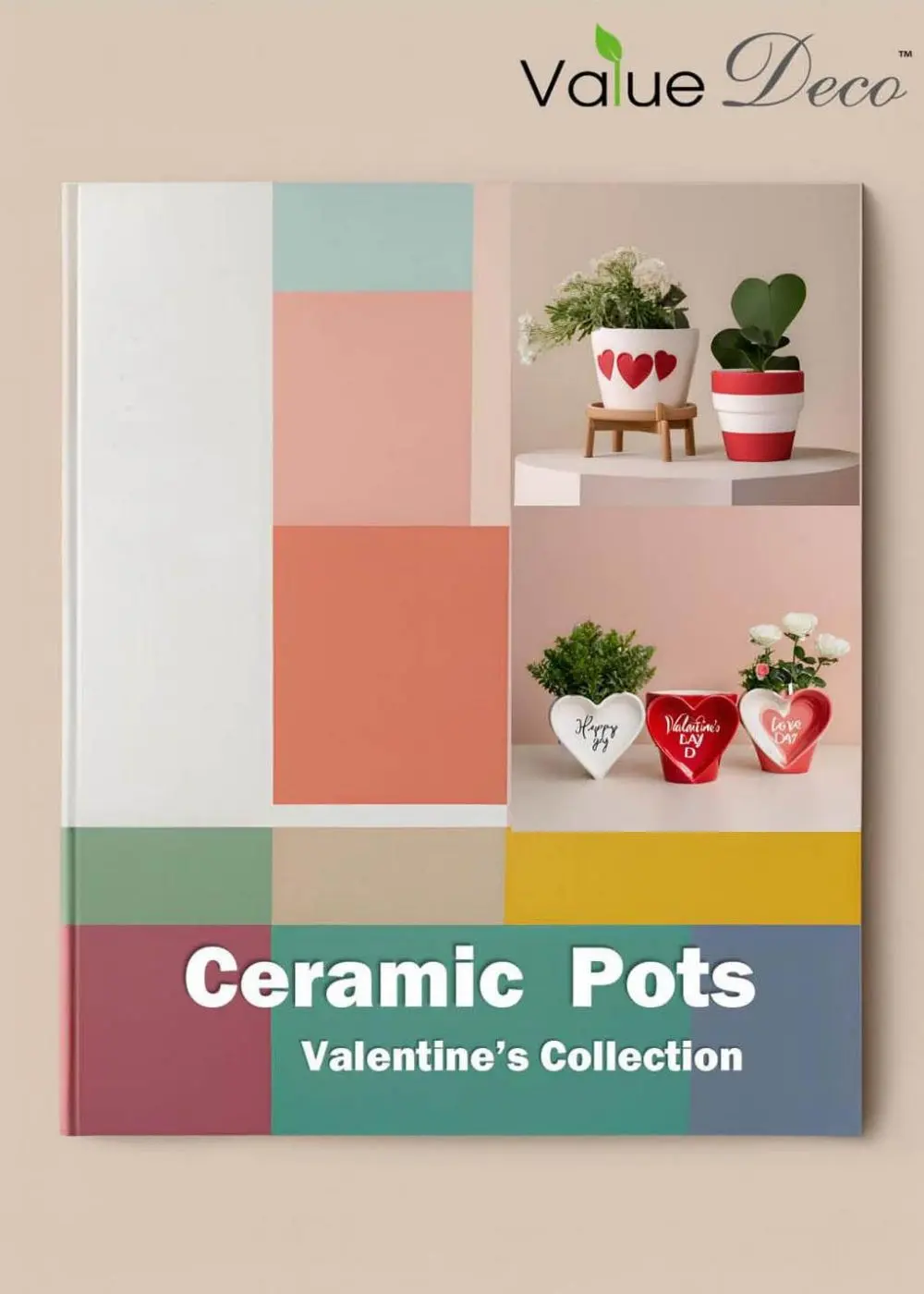
Explore our extensive seasonal collections, holiday designs, and diverse product categories crafted by our international design team.
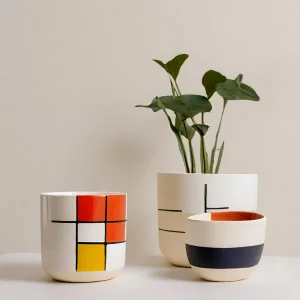
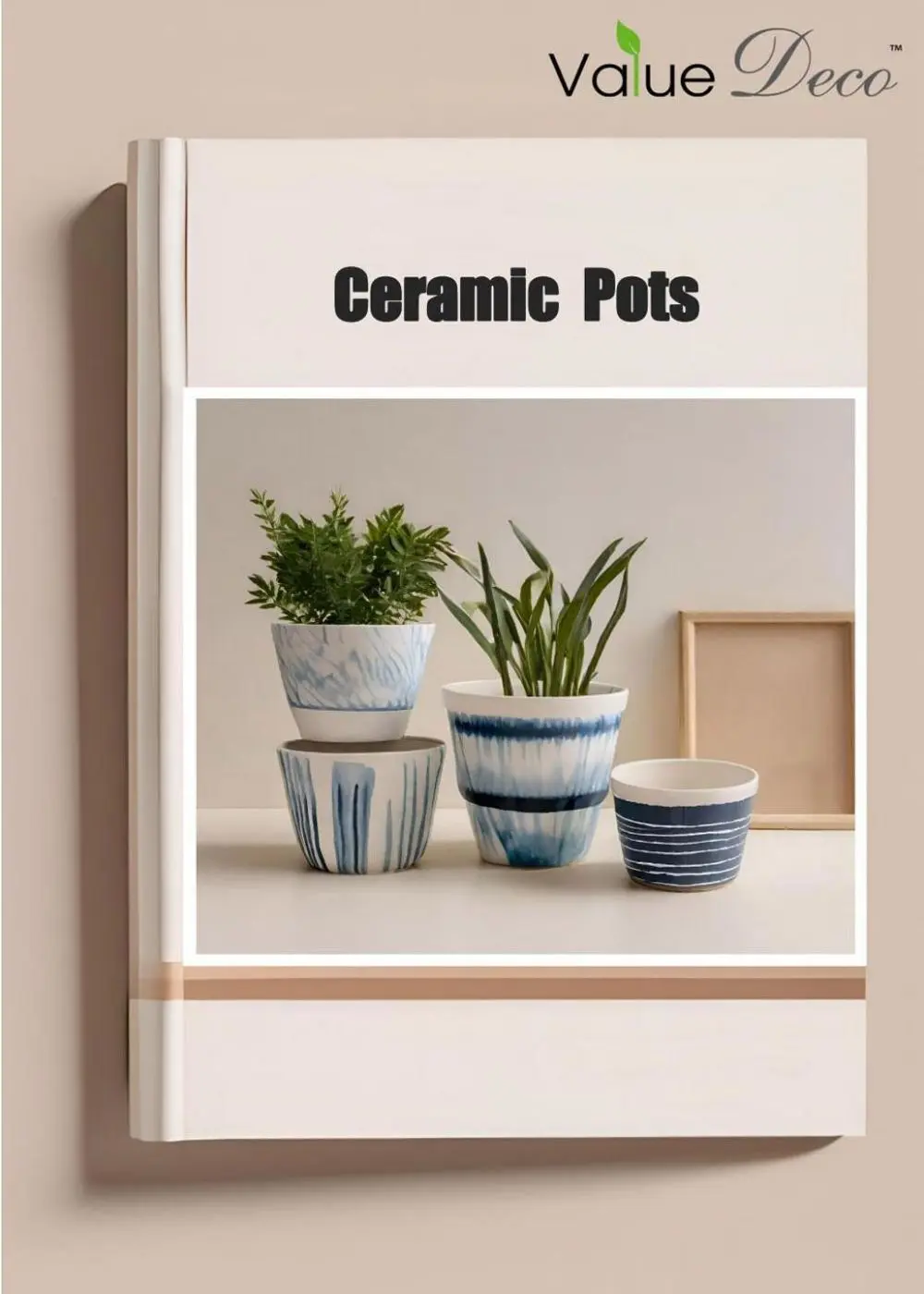
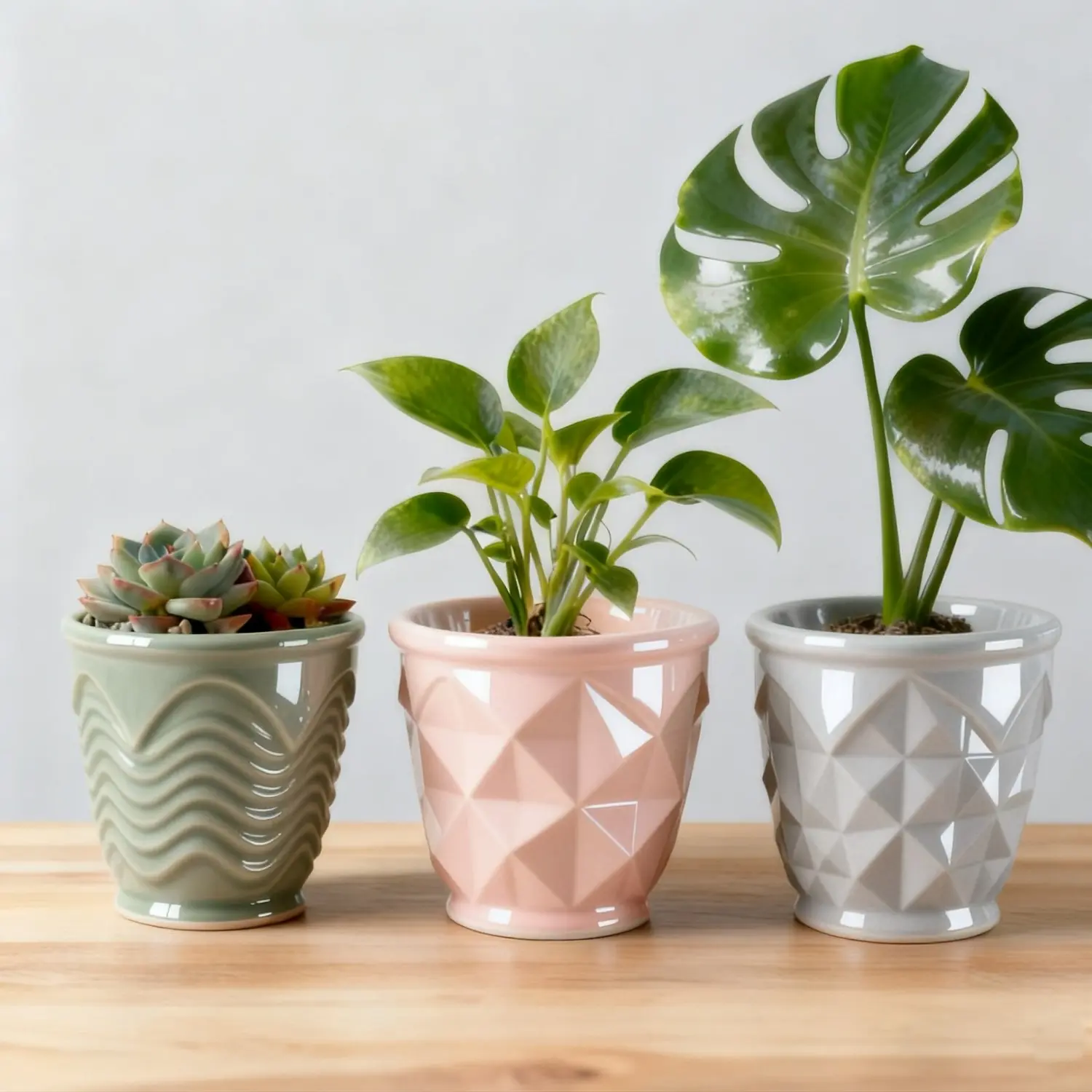
Premium tactile geometries and modern glazed styles crafted to match current global interior and garden decor trends.
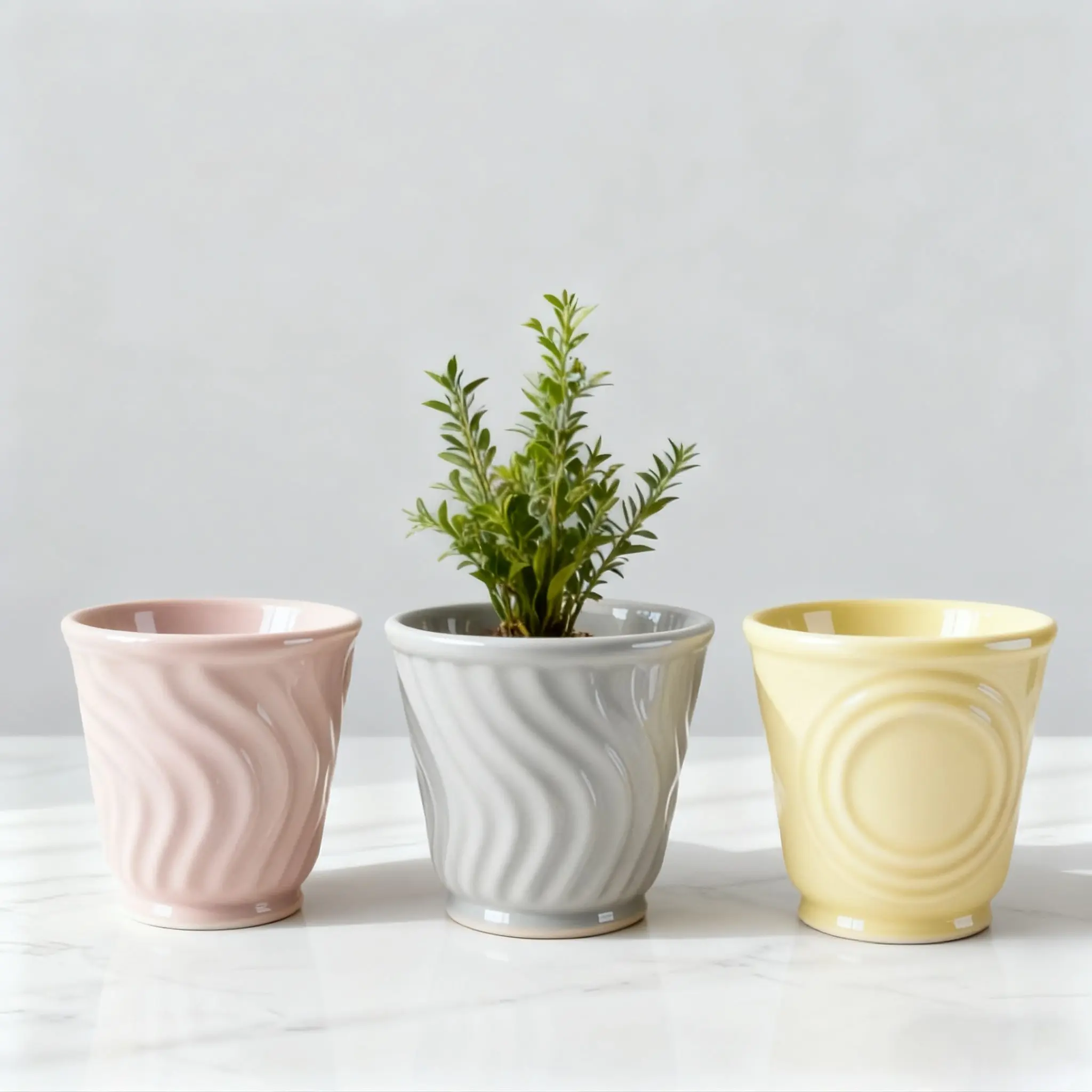
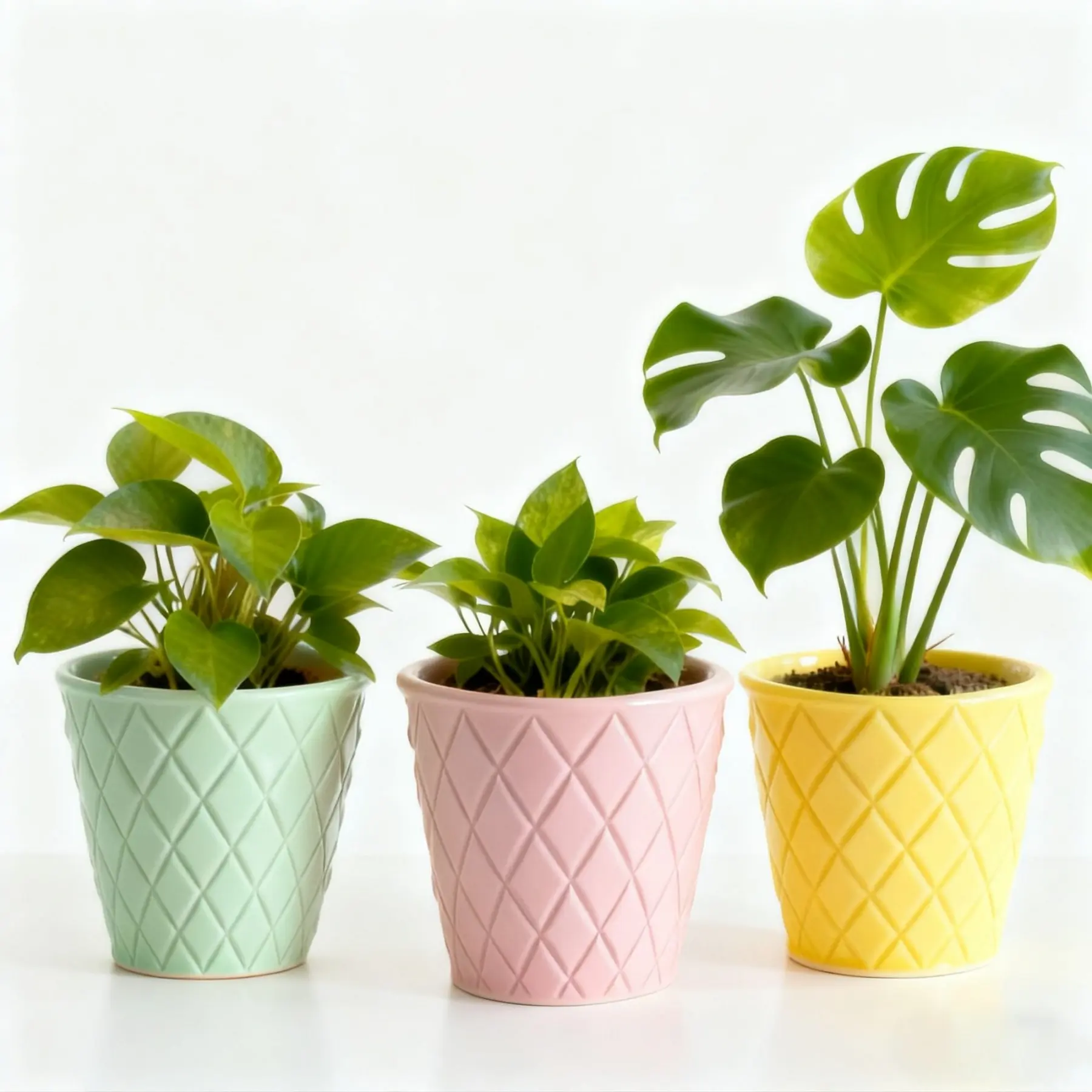
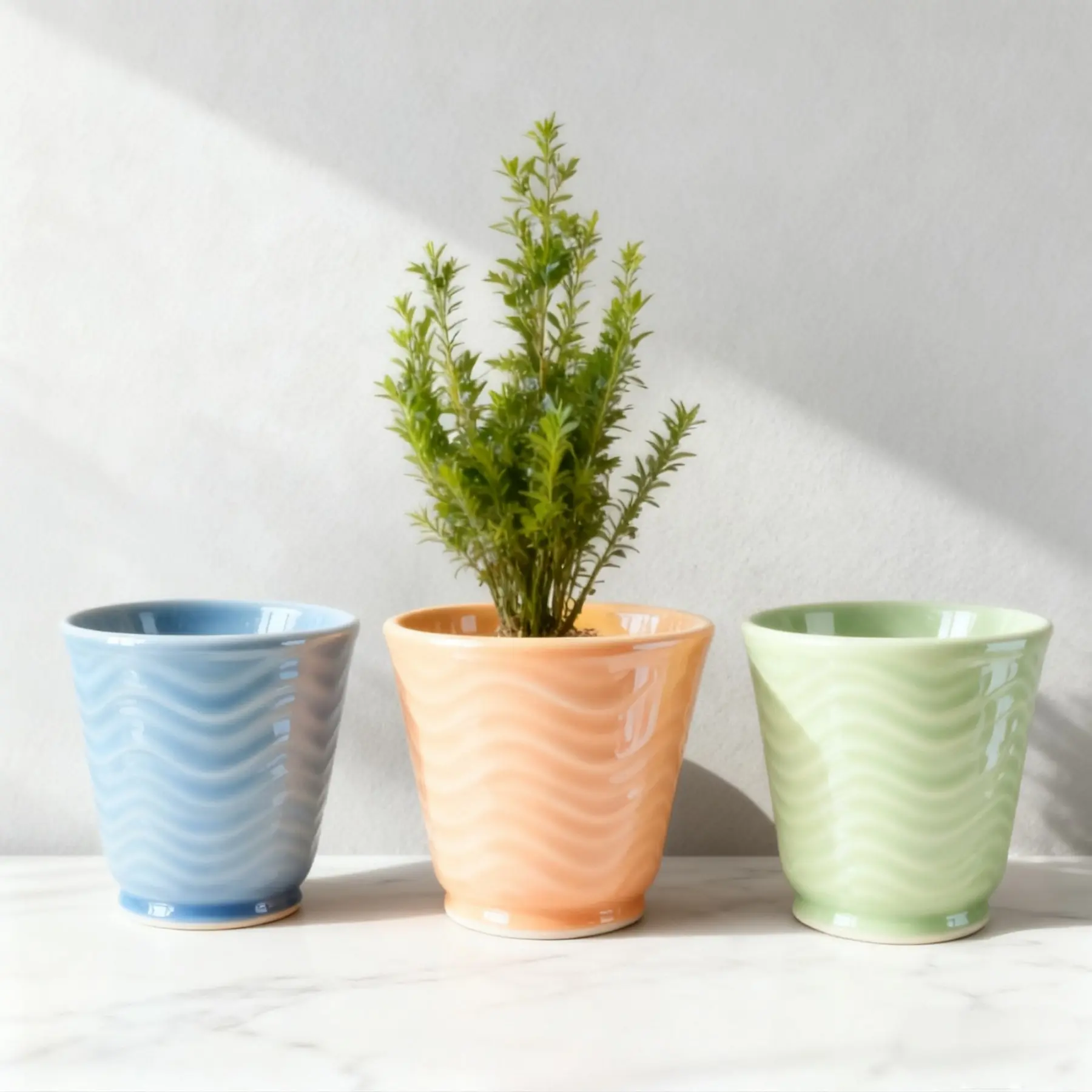
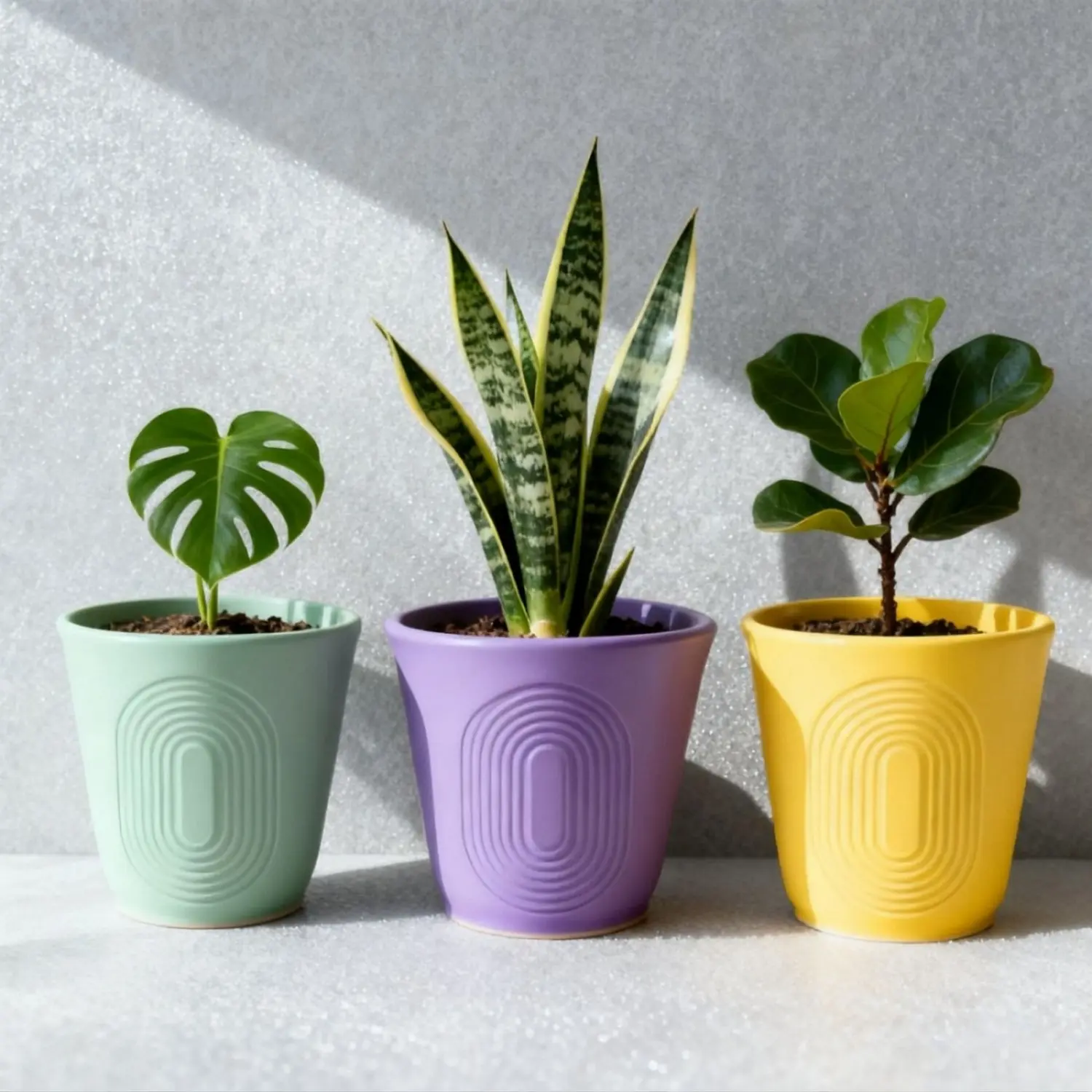
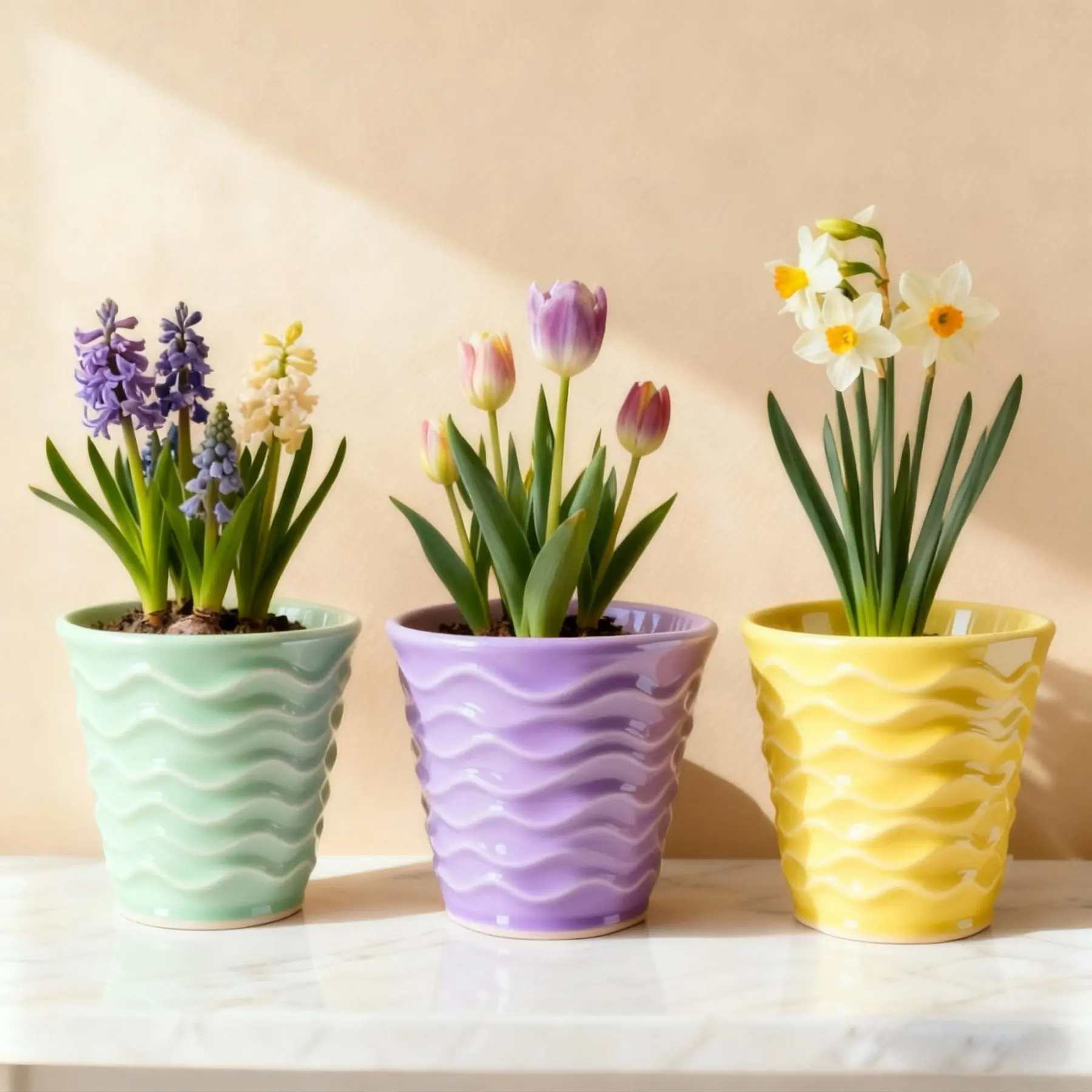
Detailed technical, shipping, and material compliance insights for professional B2B pottery procurement buyers.
To ensure optimal durability and frost resistance, commercial-grade terracotta pots must be fired at temperatures between 1050°C and 1150°C. Standard low-end terracotta fired at lower temperatures remains highly porous and weak, leading to water saturation and rapid splitting during freeze-thaw cycles. Our automated kilns ensure deep heat penetration for structural consistency across every batch.
All our manufacturing processes conform to FDA, California Prop 65, and European REACH frameworks. Raw clays and glaze compounds are tested by third parties for heavy metals like lead and cadmium. This makes our pots, tableware, and interior decorations safe for residential, commercial, and food service environments.
Given the weight and fragility of large terracotta planters, we utilize drop-tested double-wall corrugated cartons, custom foam corner inserts, and structural internal supports. Cartons are secured to heat-treated ISPM-15 export pallets using PET strapping and heavy-duty shrink wrapping. This guarantees pallet stability during maritime transit and handling at ports of entry.
Terracotta offers natural clay porosity that allows soil to breathe, preventing root rot from overwatering. In contrast to plastic or fiberglass, it provides structural weight, keeping plants upright in windy exterior spaces. Additionally, terracotta retains a premium natural appearance and high thermal mass, protecting sensitive root zones from extreme heat.
Review additional architectural planter sets and ornamental designs available for mixed container shipping.