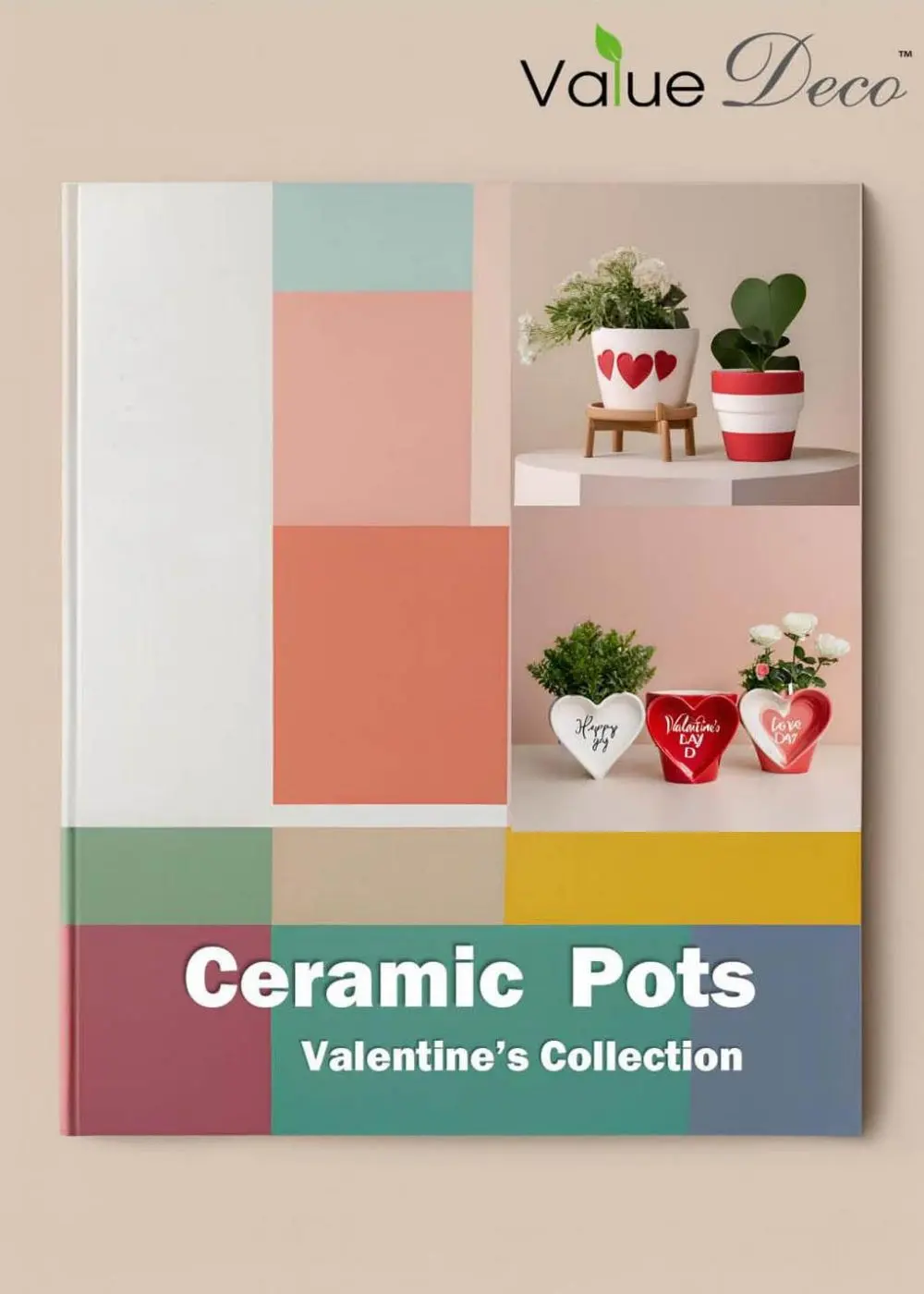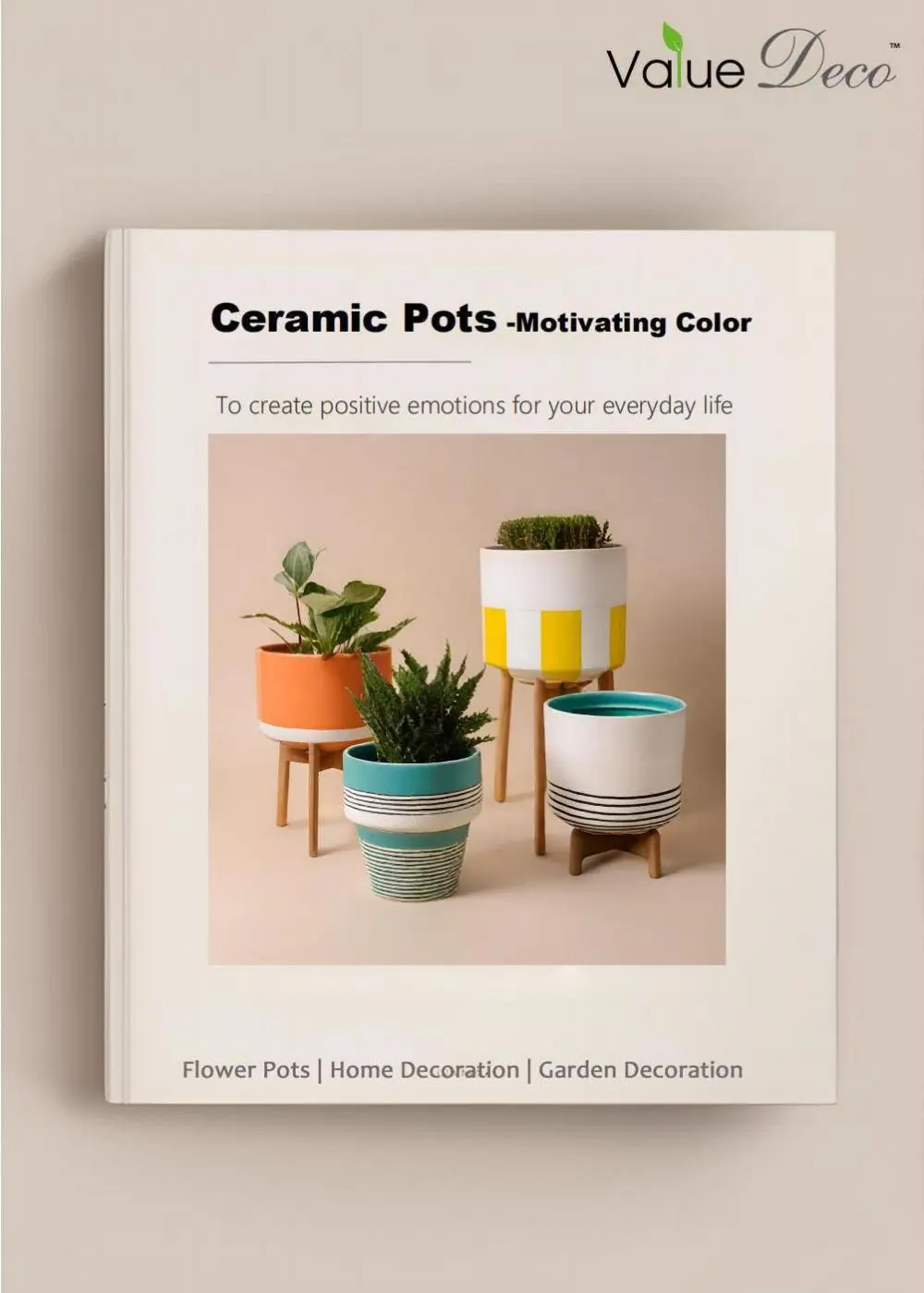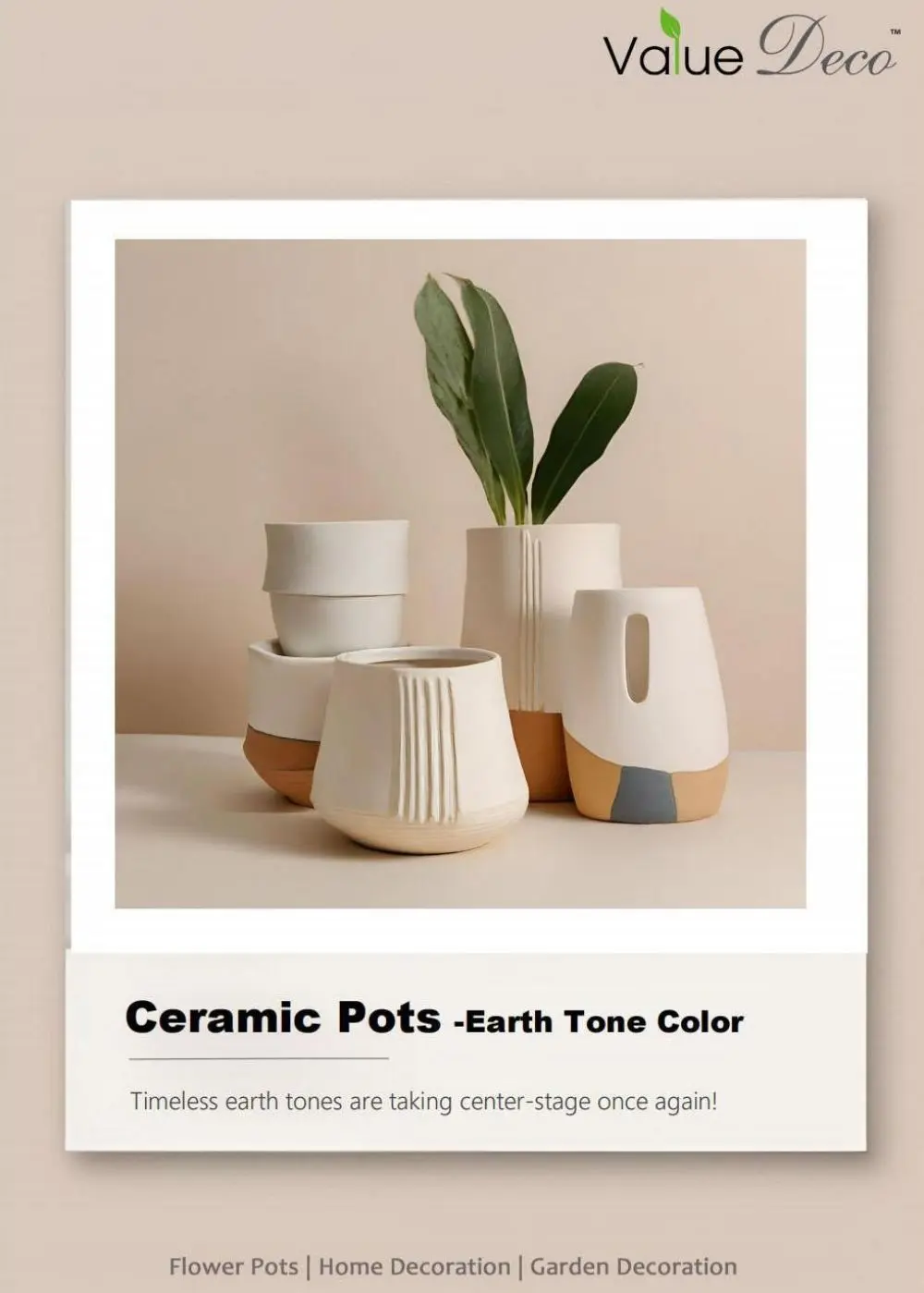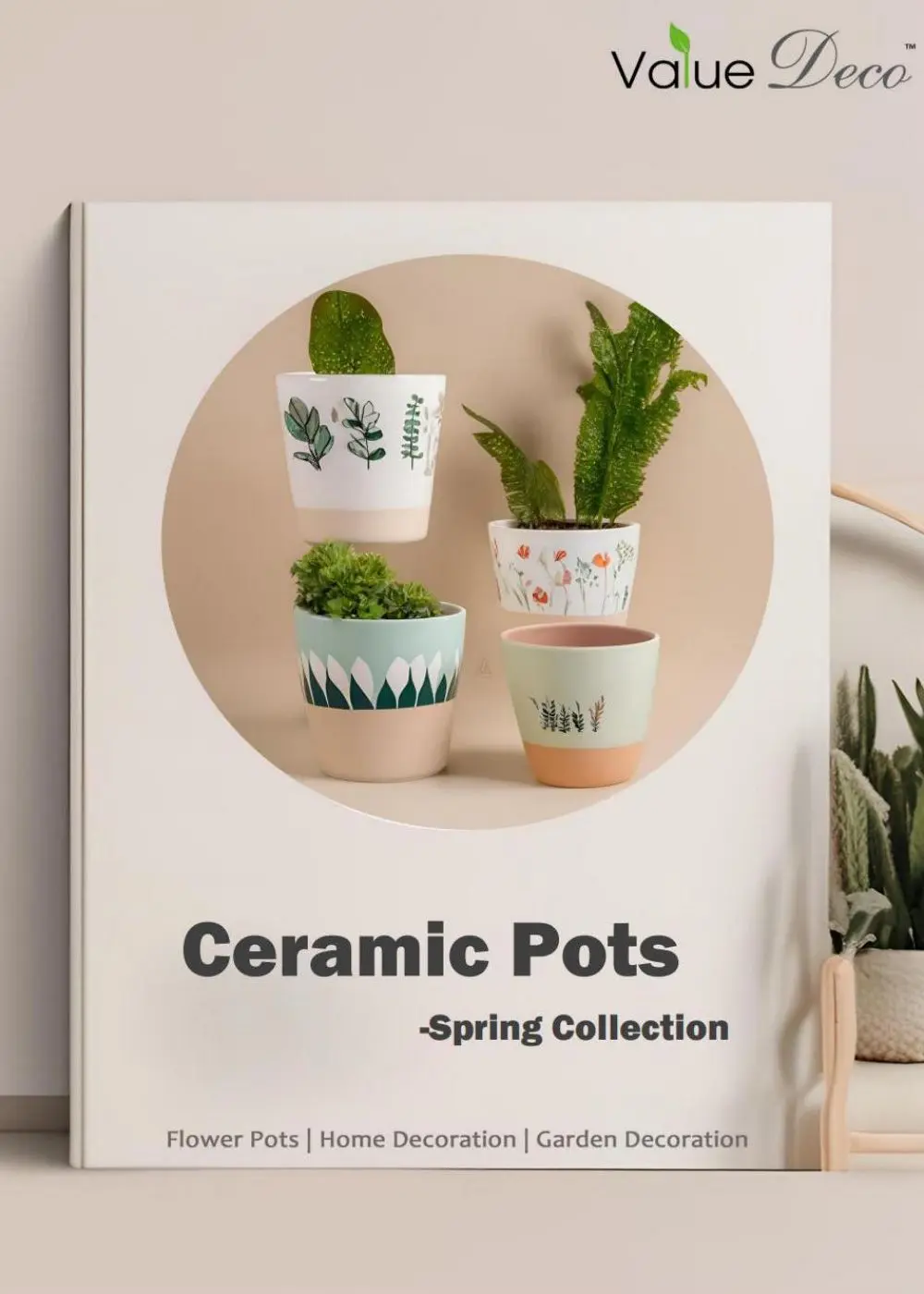

In modern commercial architecture and municipal design schemes, large garden pots have evolved from simple aesthetic vessels into core components of urban micro-ecosystems and green zoning infrastructures. In B2B sourcing environments, procurement decisions cannot rely solely on the appearance of containers. Enterprise buyers, real estate developers, and international horticultural distributors require containers designed to endure structural loads, extreme climatic shifts, and chemical interactions with soil substrates.
From clay vitrification processes to structural reinforcement, modern large-format planter manufacturing is grounded in material sciences. The selection of materials directly dictates the longevity of the installation. For instance, high-fired stoneware fired at temperatures exceeding 1200°C develops a vitrified structure that keeps water absorption below 1%. This prevents spalling and fracture events in sub-zero climates, which are common points of failure for low-fired terracottas.
Commercial development and sustainable landscape architecture are undergoing a fundamental transformation. Rapid urban expansion has placed a premium on green roofs, elevated terrace planting, and modular outdoor partitions. Large garden pots serve as flexible modular tools, allowing developers to create temporary and permanent plant installations without the need for structural ground alterations.
When specifying containers for large-scale projects, engineers face distinct challenges across various applications:
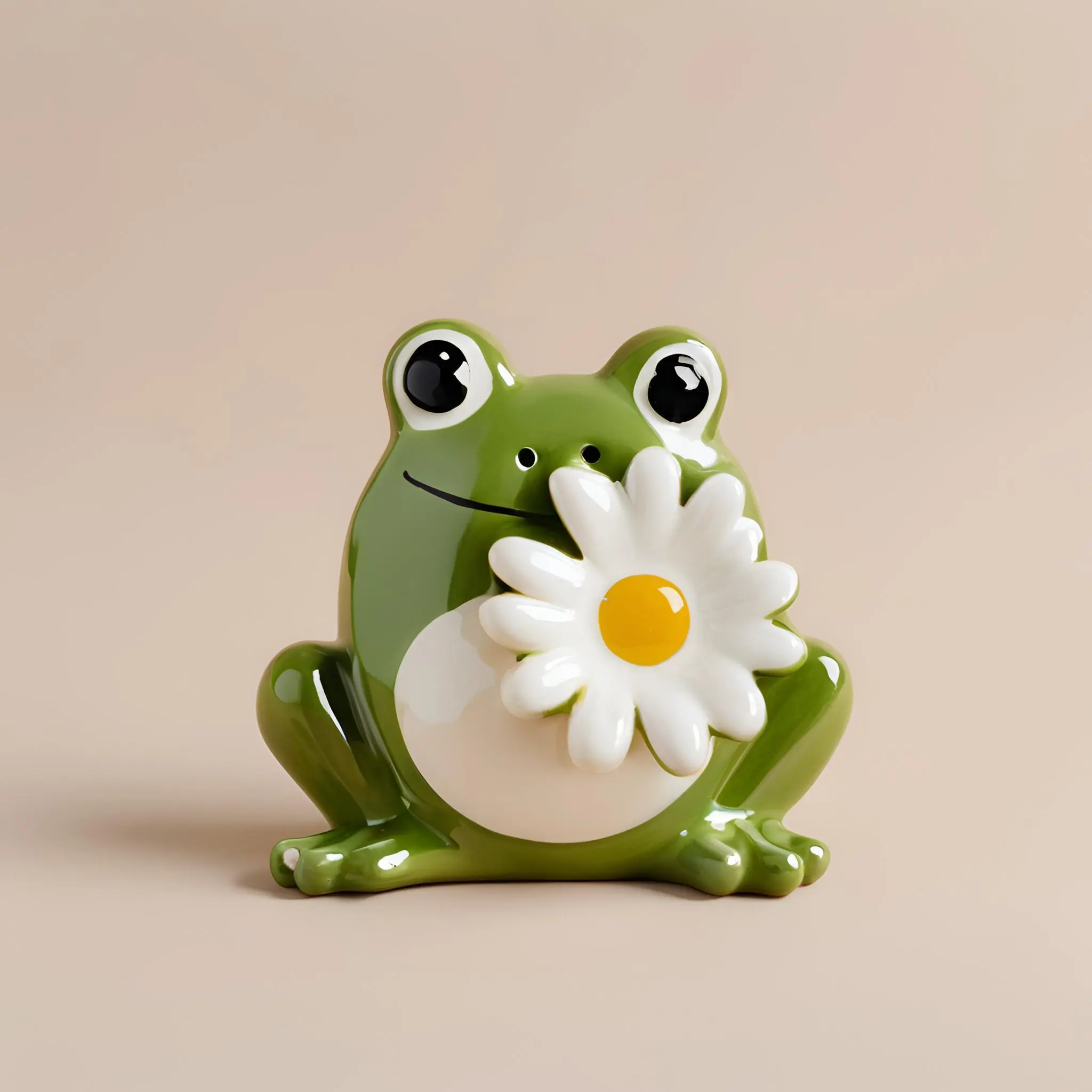

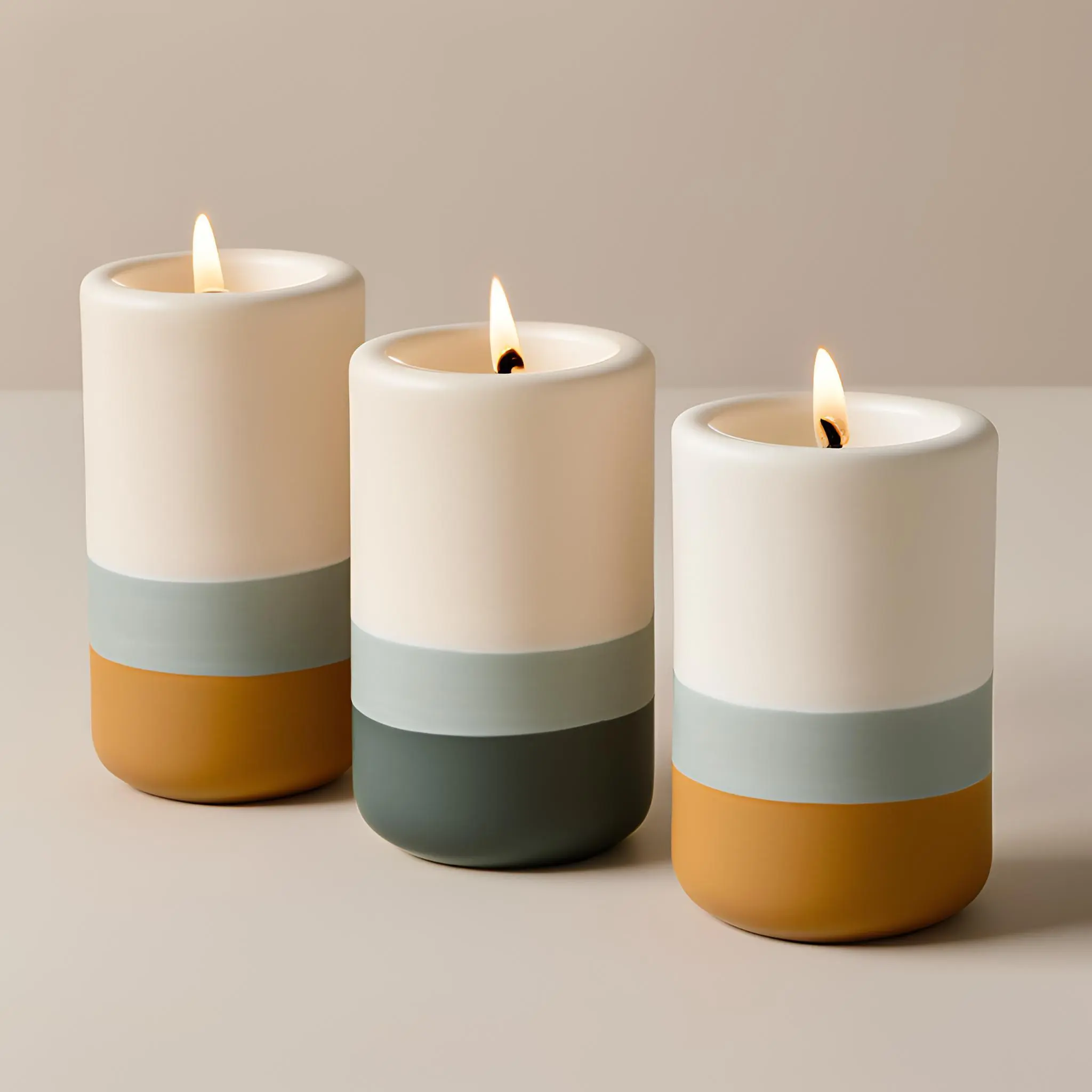

Sourcing high-volume large garden pots from China is no longer just about low labor costs. Modern manufacturing centers around the implementation of "Factory 4.0" structures. This approach integrates precision machinery, automated raw material processing, and advanced environmental emission compliance. At Value Deco Limited, we operate with optimized quality controls to guarantee that every batch of pots displays consistent material composition, structural integrity, and color uniformity.
The manufacturing process begins with raw clay preparation. Traditional manual mixing often results in micro-air pockets and uneven mineral distribution, which can lead to stress cracks during high-temperature firing. Our partner factories utilize automated vacuum pug mills and high-capacity slip-blending systems. This ensures that the moisture content is balanced at precise levels, and all organic impurities are filtered out before shaping.
Firing large ceramic pots requires careful temperature management to prevent structural failure. Large items are highly sensitive to thermal gradients. Our production facilities utilize computerized, gas-fired continuous tunnel kilns stretching over 100 meters. The temperature profile is programmed and monitored via sensor arrays, guiding the greenware through three critical heating phases:
Our manufacturing operations align with international ecological standards. Our facilities are equipped with particulate scrubbing systems and heat-recovery modules that recycle kiln exhaust to pre-heat drying chambers. This integration reduces carbon output by up to 30% compared to traditional standalone kilns. We also meet strict local environmental audits, protecting your supply chain from sudden regulatory shutdowns.
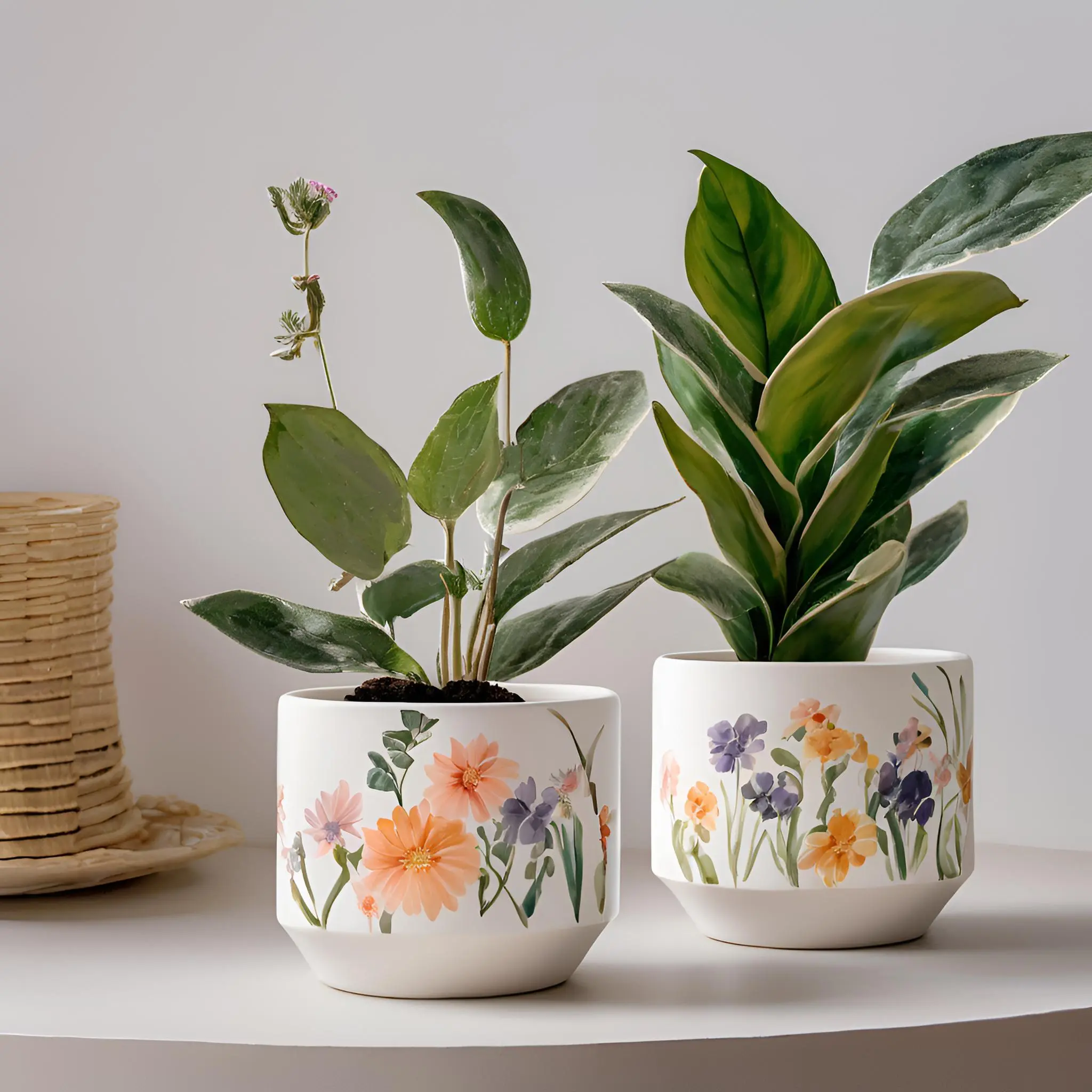
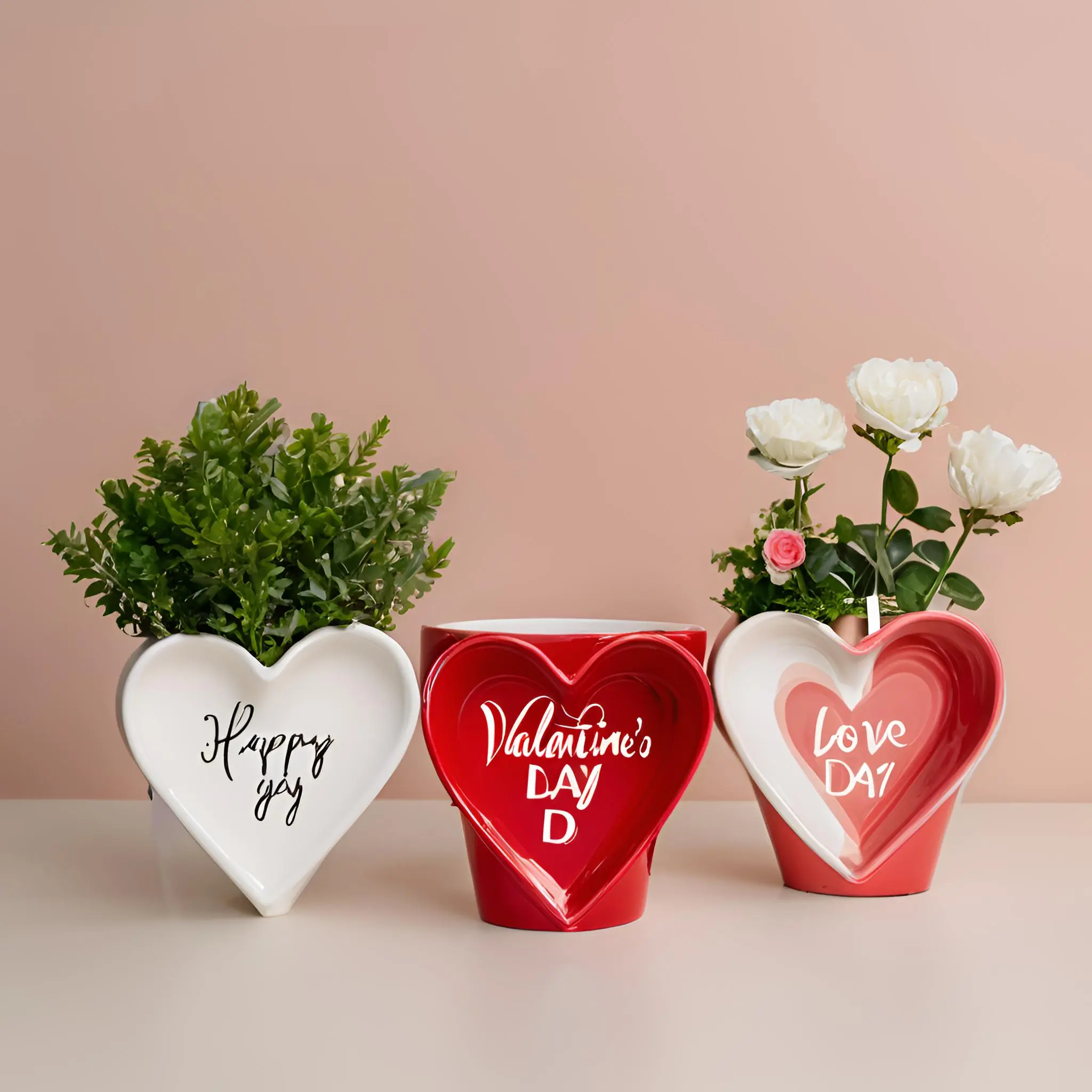
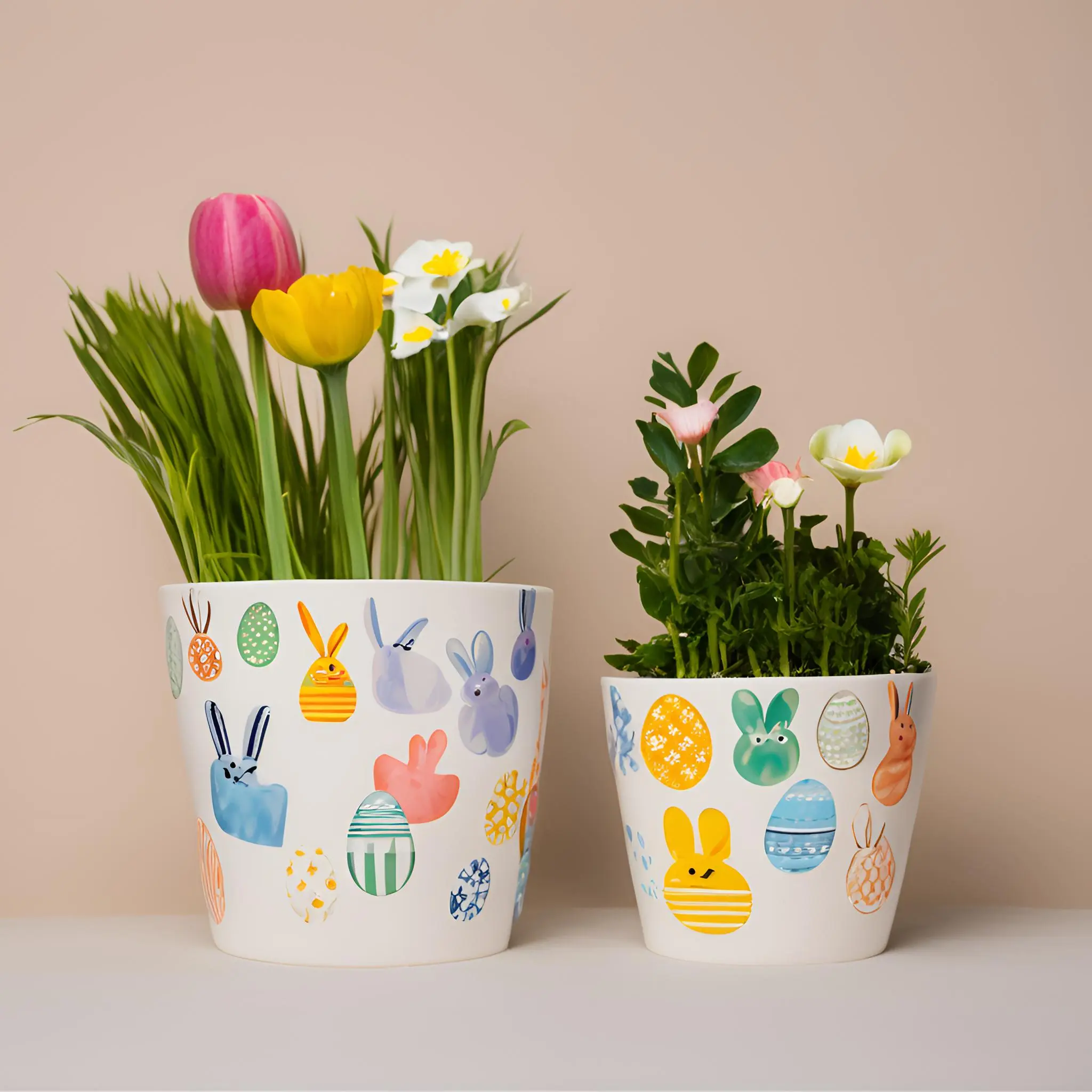
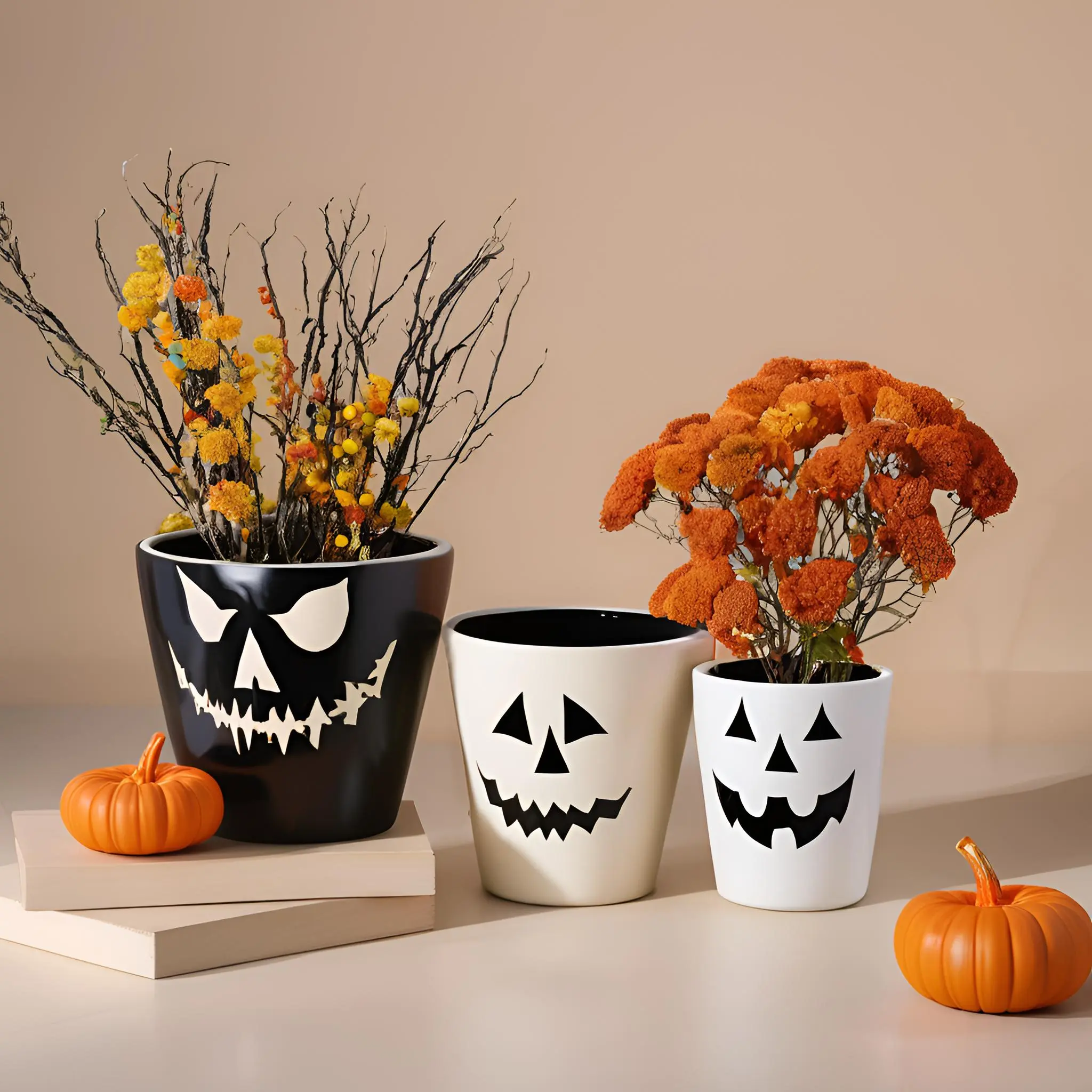

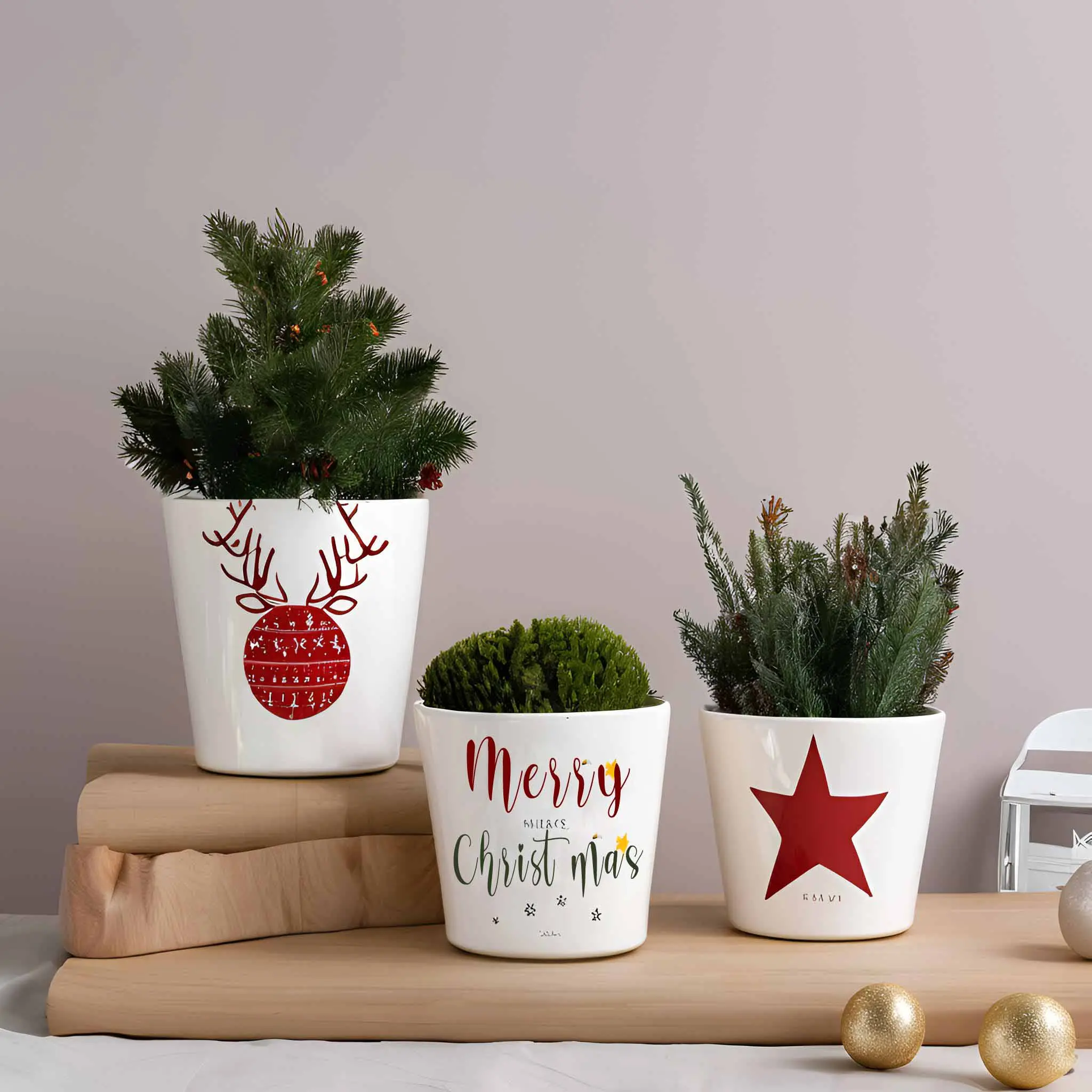
Value Deco Limited is a specialized developer and supplier of high-performance ceramic, terracotta, and cement decorative planters based in China. With over 12 years of industry experience, we offer a comprehensive catalog of flower pots, vases, candle holders, home decor, garden ornaments, and dinnerware. Our products blend modern design with reliable functionality, serving international B2B clients, garden centers, and distributors worldwide.
By operating two focused manufacturing and development divisions, we ensure that specialized product standards and quality controls are maintained for every product line.
Specialized R&D on frost-resistant exterior planters, heavy-duty clay slip casting, and commercial glazing techniques.
Visit Flower Pots Division Site →Dedicated to designer home accessories, ceramic dinnerware, candle holders, and holiday-themed display ornaments.
Visit Home & Garden Decor Site →The future of industrial commercial planters lies at the intersection of biology, materials science, and IoT technology. The industry is moving away from passive clay containers toward active, plant-nurturing architectural elements. Value Deco Limited is investing in manufacturing technologies designed to address upcoming challenges in landscape design:
Future glaze compositions will do more than just provide color. We are testing titanium dioxide (TiO2) photocatalytic coatings. When exposed to sunlight, these coatings break down organic pollutants in the air and destroy mold spores, keeping the pots clean in high-traffic urban areas. We are also researching interior glazes that slow down moisture loss in highly porous clays, reducing watering frequency by up to 25%.
For landscape managers, maintenance costs are a significant operational challenge. Future large garden pots will increasingly feature integrated sub-irrigation chambers and sensor recesses. These systems utilize capillary action to deliver moisture directly to the root zone, reducing evaporation losses. Recessed chambers can house IoT soil-moisture and temperature sensors, allowing landscaping teams to monitor soil health across large commercial installations remotely.
While traditional ceramics remain popular for premium projects, we are expanding our production of composite materials like fiber-reinforced clay and lightweight geopolymers. These composites deliver the visual appeal and texture of natural stone or terracotta while reducing weight by up to 60%, lowering shipping costs and easing installation logistics.
Exporting fragile, heavy materials globally requires strict compliance with international transport standards and safety regulations. Our products undergo rigorous testing protocols to ensure safe transit and long-term durability:
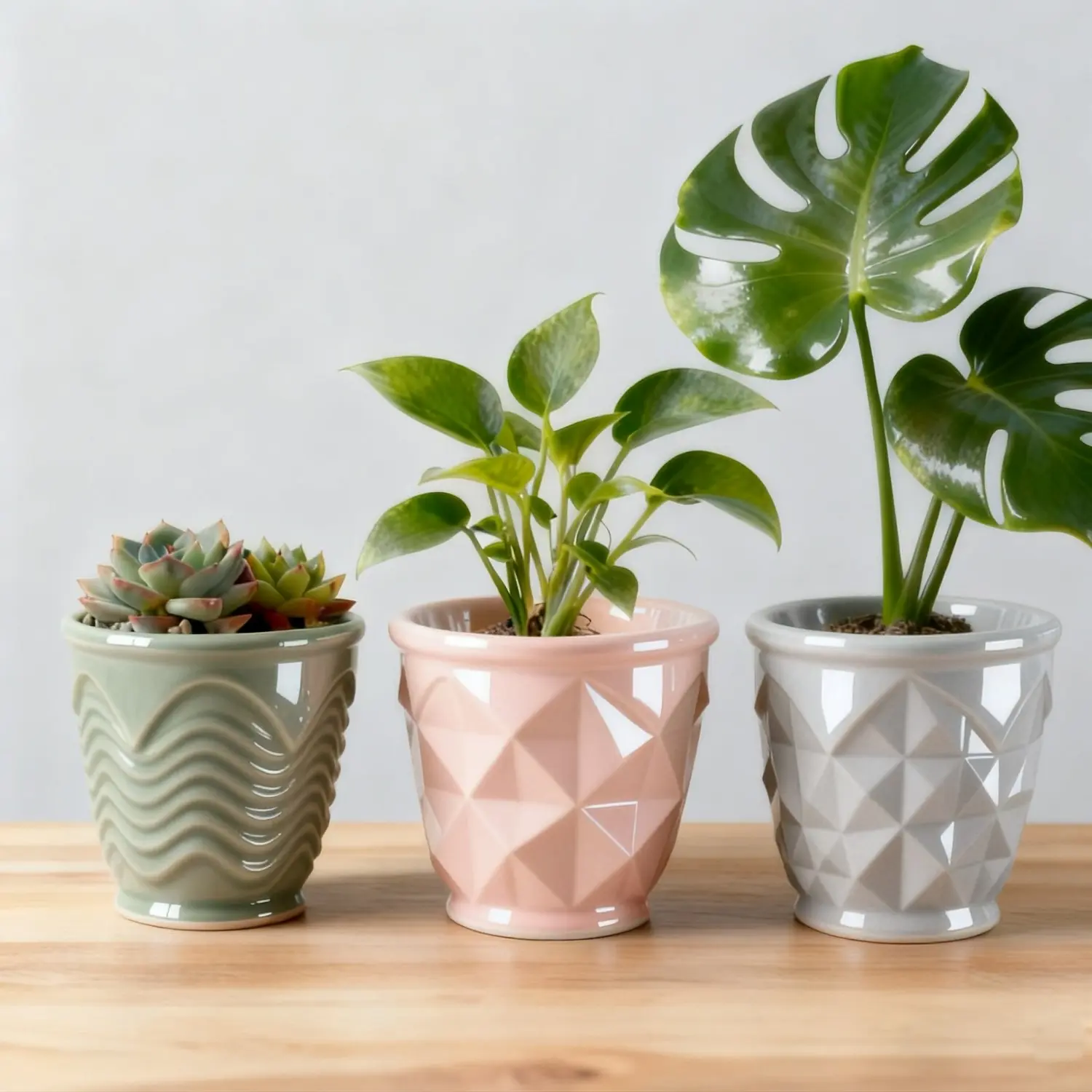
Our standard production MOQ for custom designs and specific glaze formulations is 500 units per style or 1,000 units per order. We also offer lower MOQs for standard items that are currently in production or stocked in our warehouse.
We source selected clays and fire them at high temperatures (1200°C - 1280°C) to ensure full vitrification. This keeps moisture absorption below 1%, protecting the structural integrity of our pots against winter freeze-thaw cycles.
The sampling process, including mold creation and firing trials, typically takes 14 to 21 days. Mass production averages 45 to 60 days from final sample sign-off, depending on design complexity and current kiln schedules.
Yes, our glaze lab offers precise Pantone and RAL color matching. We formulate specialized matte, high-gloss, reactive, and textured glazes designed for architectural landscape standards.
We package products using ISTA-tested drop-safe boxes, high-density foam padding, and reinforced cardboard separators. Heavy containers are shipped on heat-treated, fumigated pallets wrapped in durable stretch film to prevent movement.
Yes, our glazes are certified lead-free and conform to FDA standards, California Proposition 65, and European REACH regulations, making them safe for home and office environments.
Our production lines run on energy-efficient natural gas kilns equipped with heat recovery systems. We recycle our raw clay waste and utilize water filtration loops to reduce waste and lower carbon output.
Yes, our sales and logistics teams work with major freight forwarders to offer FOB, CIF, and DDP shipping solutions, handling customs clearance and final delivery to your warehouse.