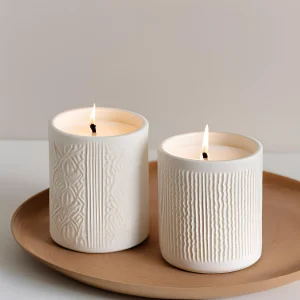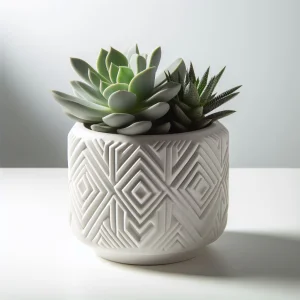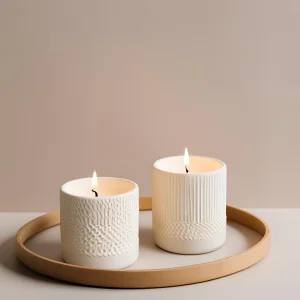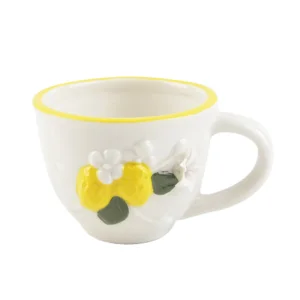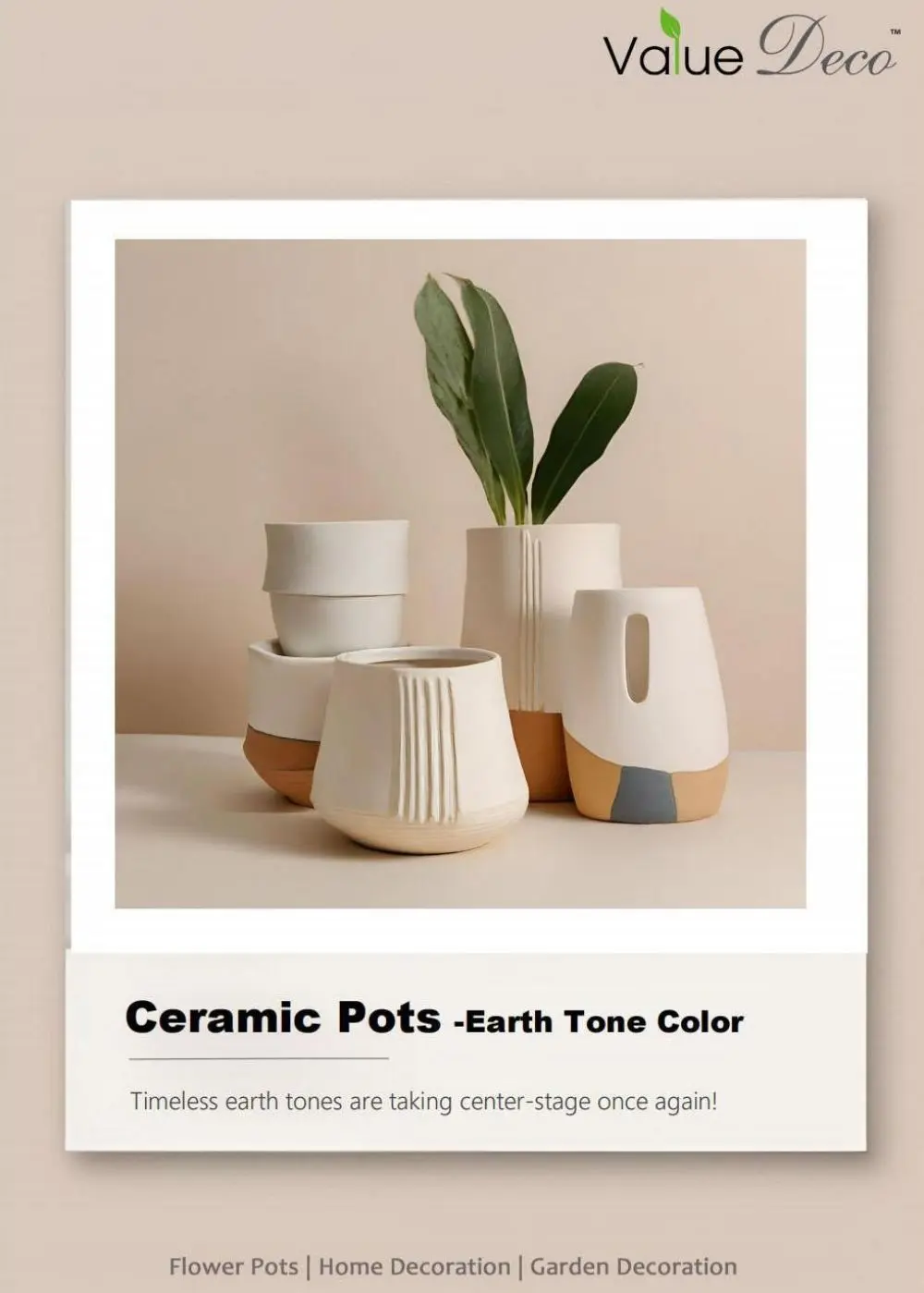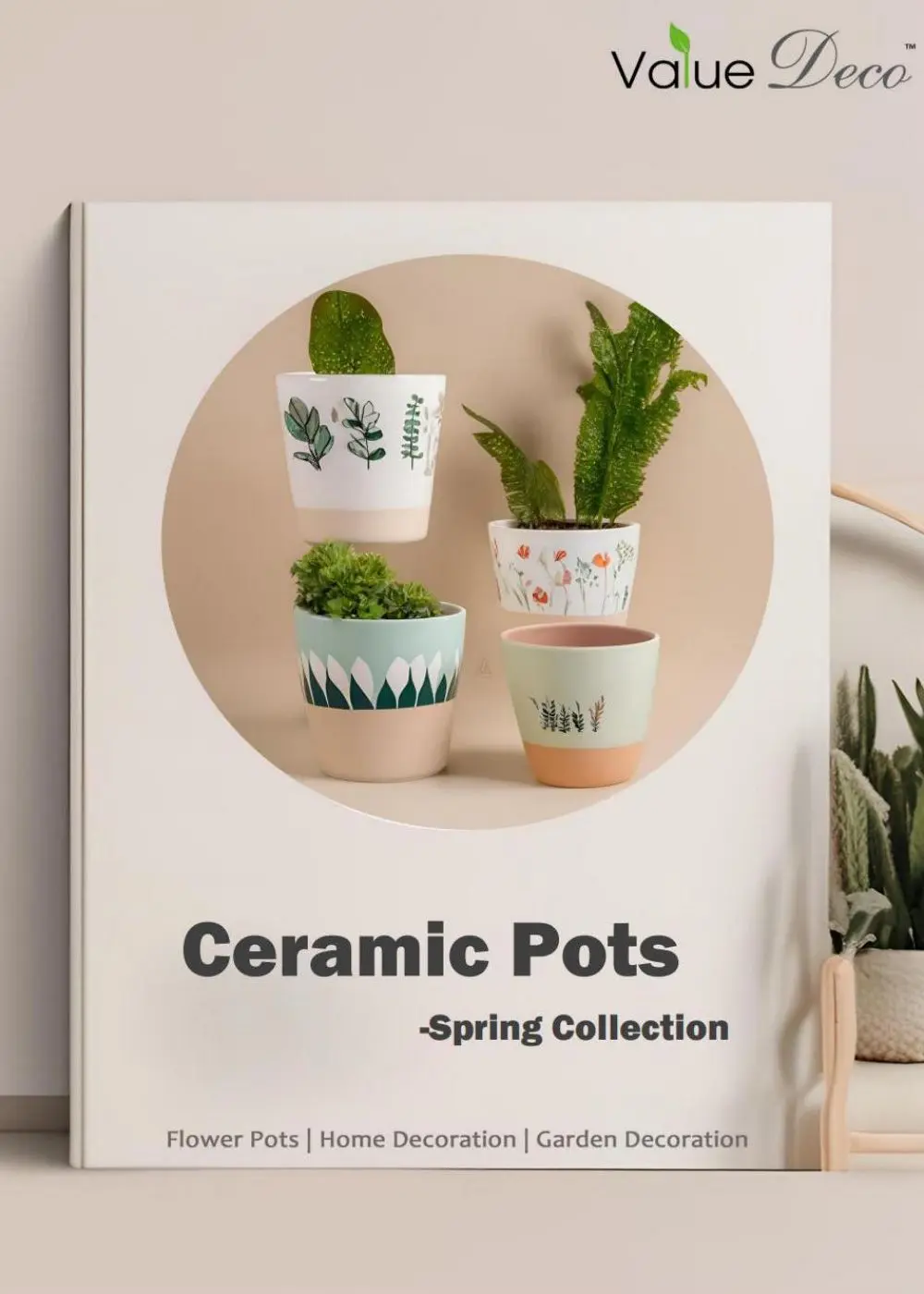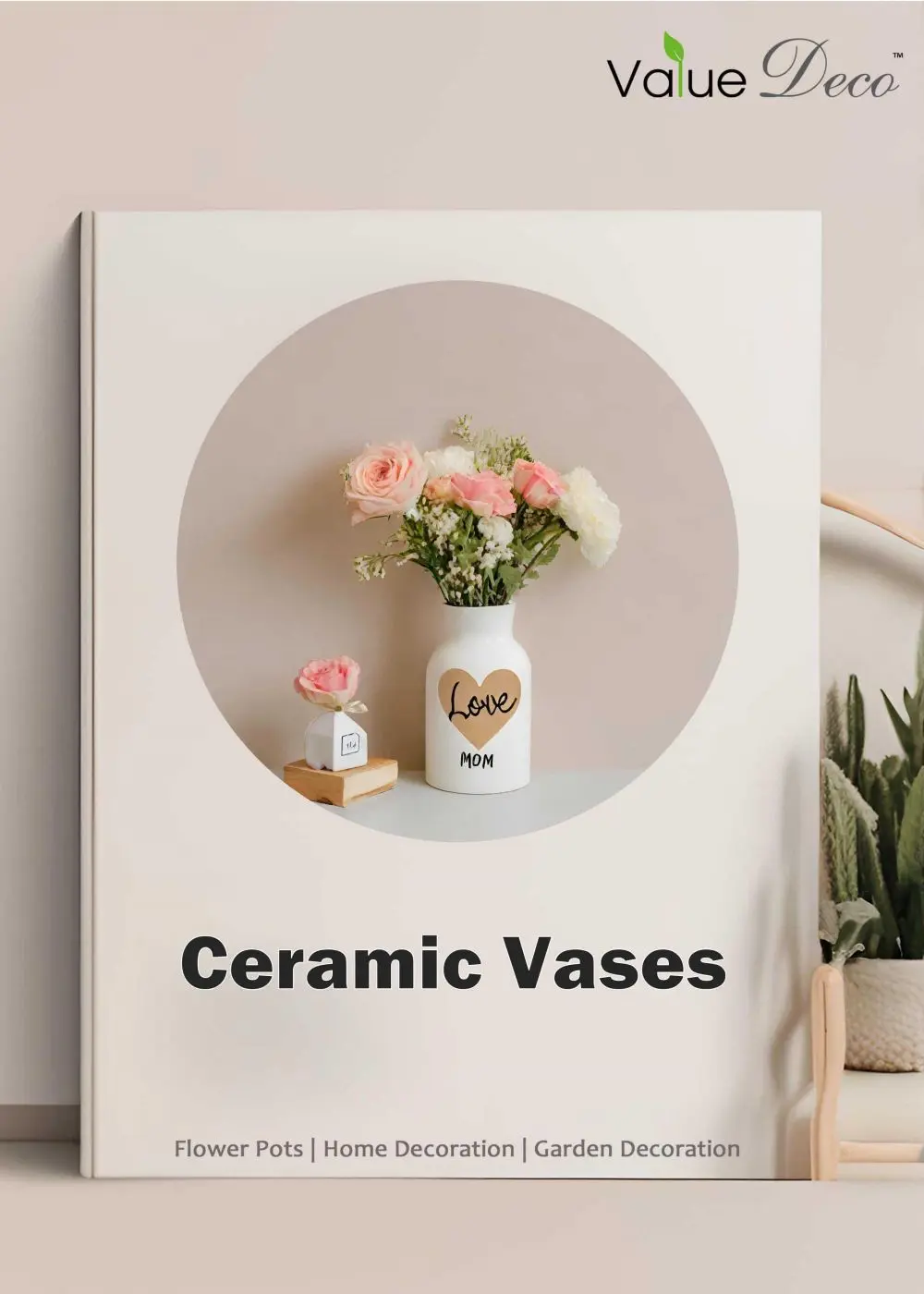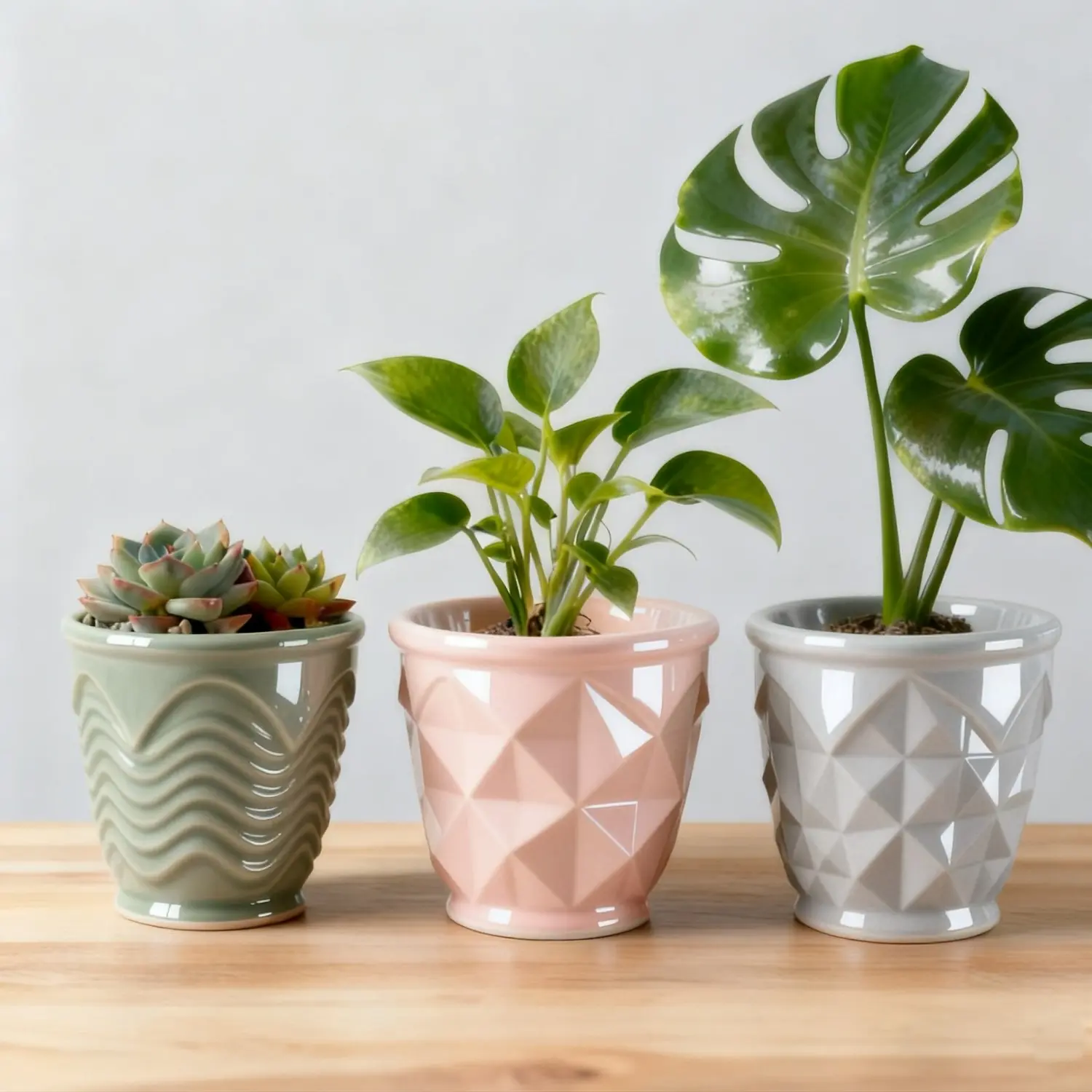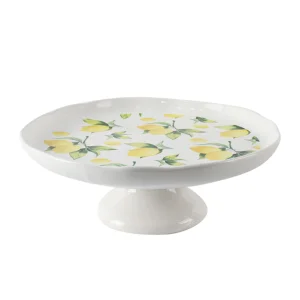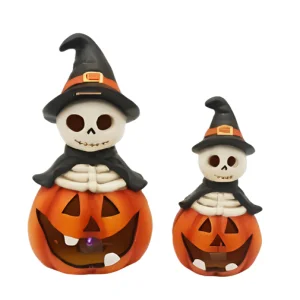
Explore our elite collection of commercial-grade potting solutions, seasonal ceramics, and outdoor decorative pieces engineered for resilience and functional elegance.
Unpacking supply chain metrics, commercial structures, and manufacturing processes of industrial-grade terracotta.
The global market for horticultural containers, specifically clay potting pots, has experienced structural transformations driven by shifts in consumer preferences toward organic materials, municipal greening policies, and agricultural efficiency. As a natural, porous medium, clay—particularly terracotta—remains the gold standard for root aeration, temperature regulation, and water filtration. Understanding the dynamics of B2B clay container procurement requires analysis of both raw material extraction and industrial logistics.
Historically concentrated in local, artisanal clusters, contemporary production of clay potting pots has transitioned to highly automated hubs capable of standardizing density, thermal shock resistance, and aesthetic consistency. Major manufacturing centers in Asia, particularly in regions such as Guangdong (Chaozhou), Fujian, and Jiangsu (Yixing) in China, have established optimized ecosystems that process raw clay with high iron oxide content, firing at precise temperatures to achieve specific porosity and structural integrity.
The standard terracotta pot relies heavily on the balanced presence of silica, alumina, and iron oxides. The firing temperature (ranging from 950°C to 1100°C) determines whether the pot remains highly porous (ideal for arid climates and succulent production) or approaches vitrification (suitable for cold-weather regions requiring frost resistance). B2B buyers must prioritize this structural variance to align with their localized distribution markets.
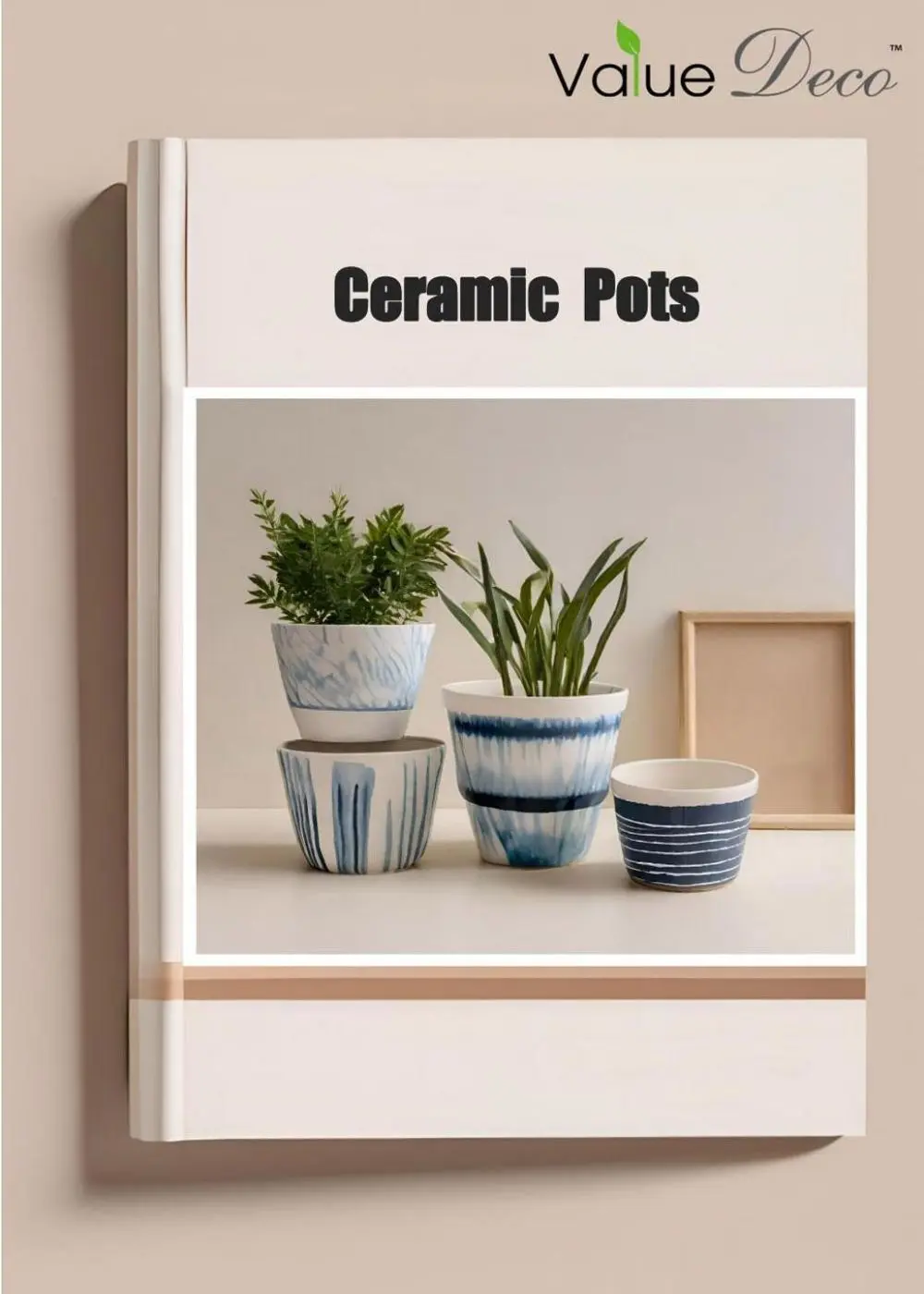
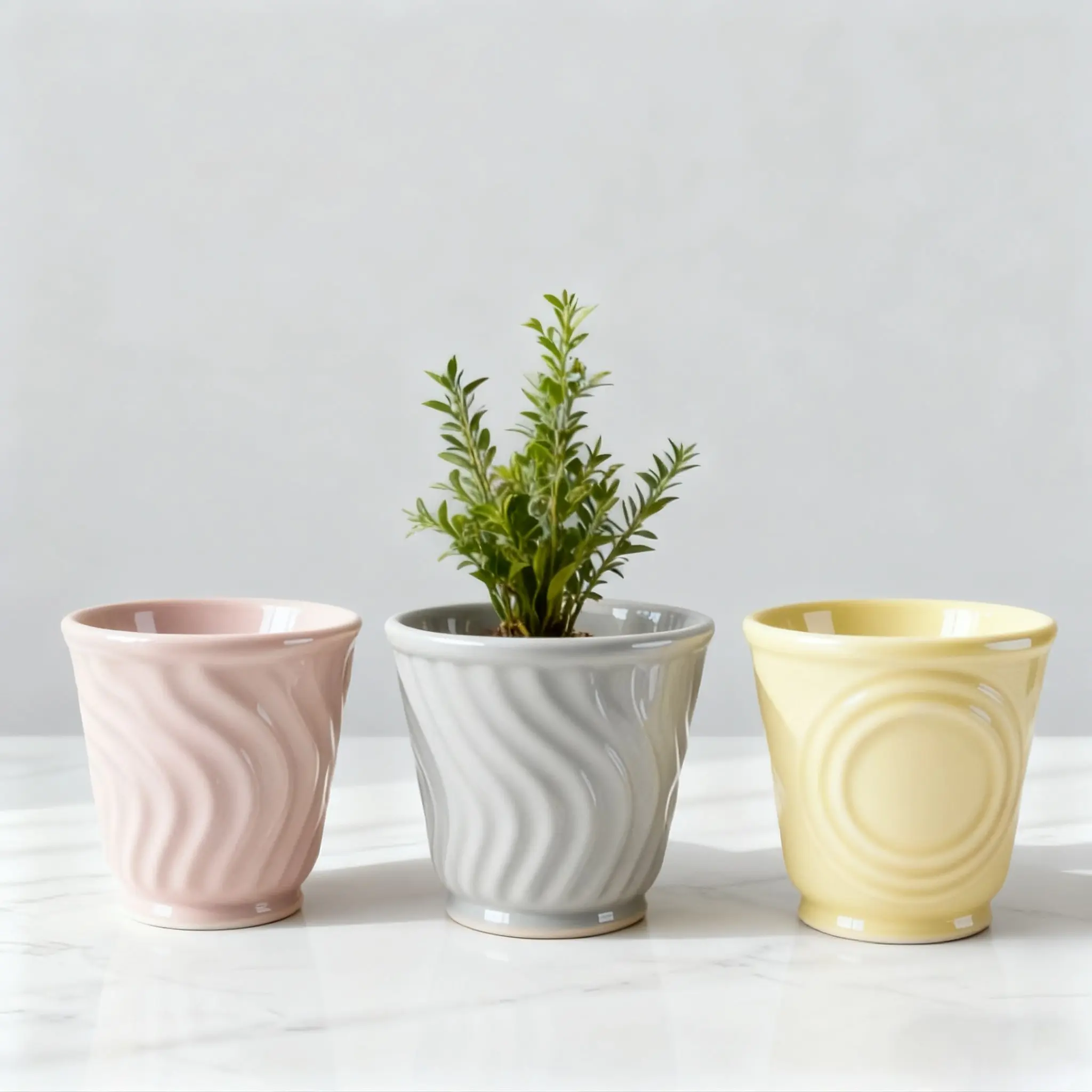
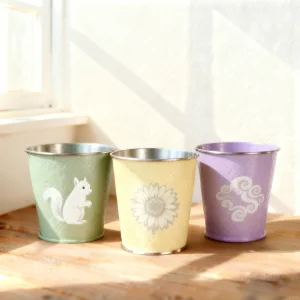
Diversified decorative and functional solutions developed for B2B buyers.
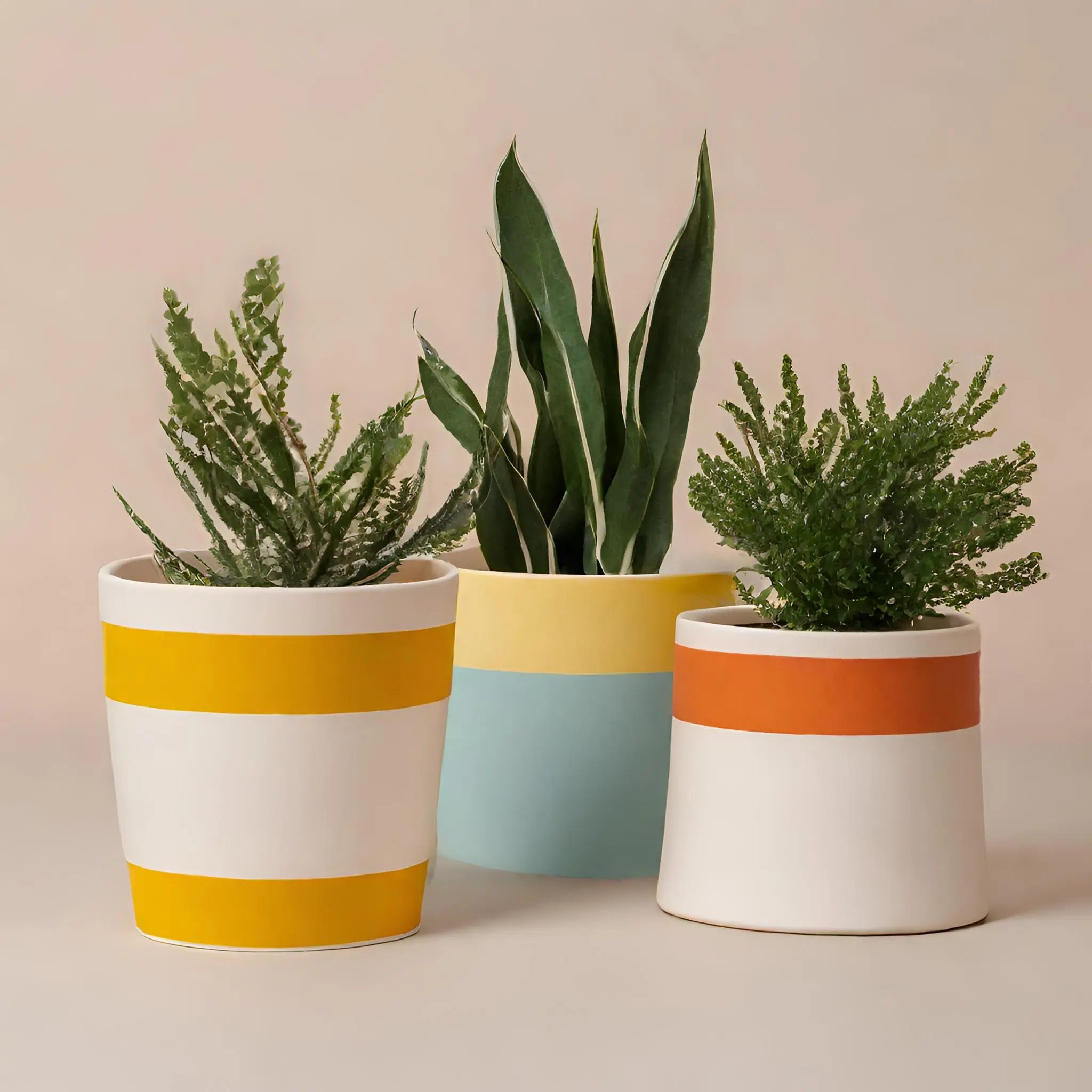
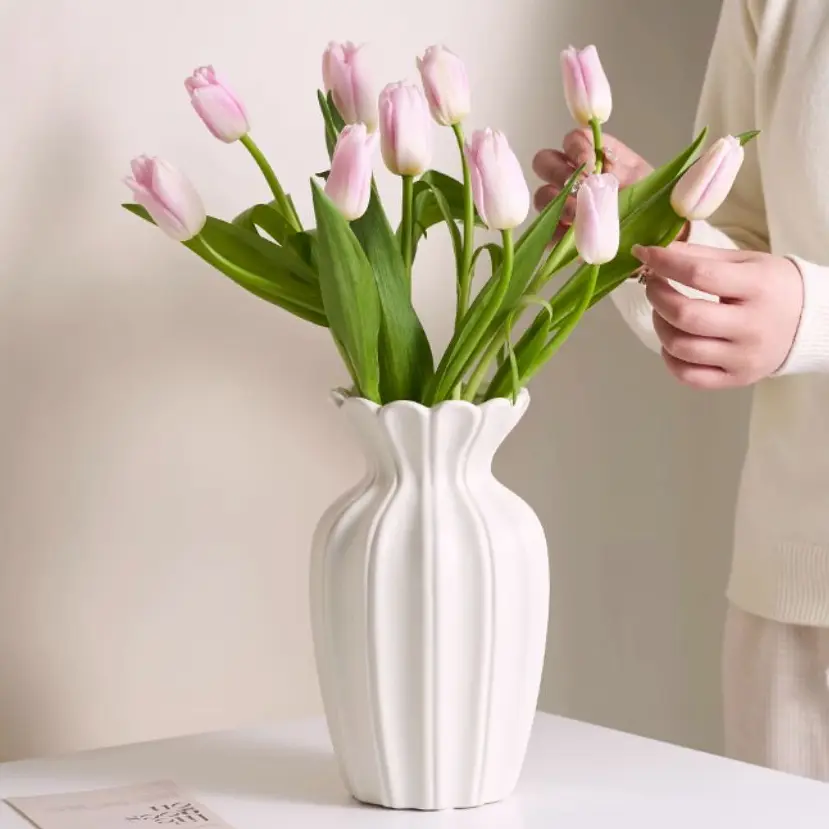
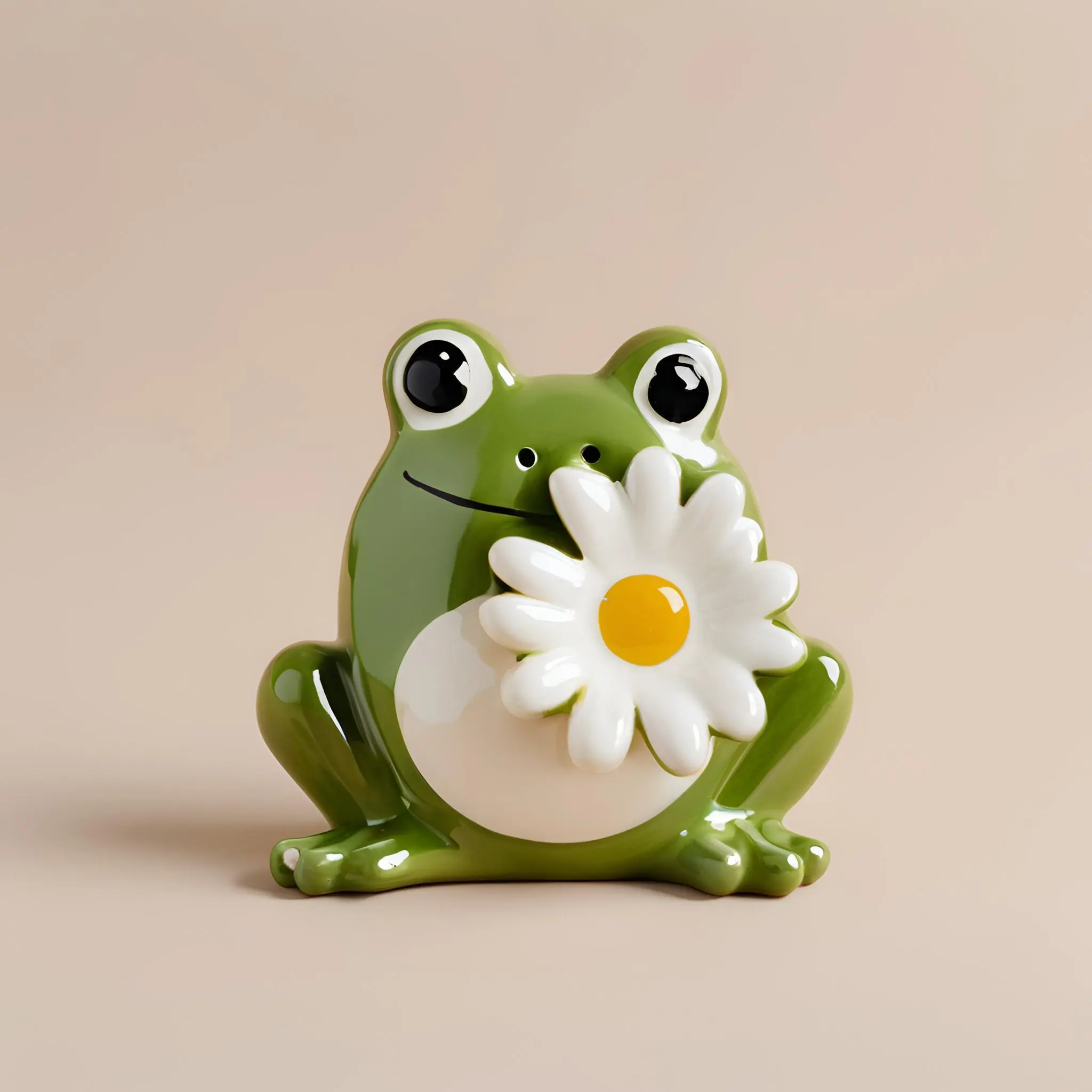

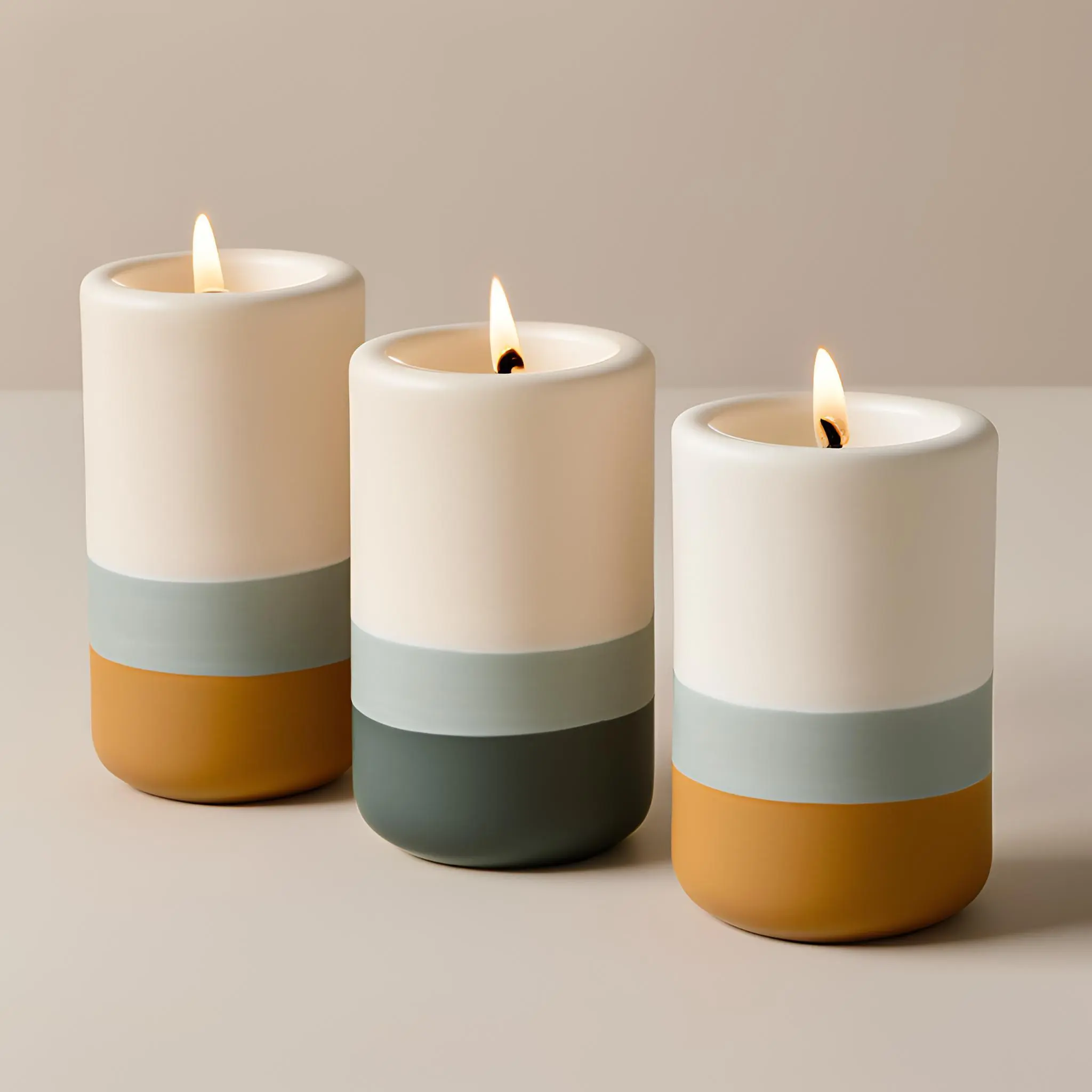

The ceramic pottery sector is undergoing rapid modernization. Buyers who evaluate suppliers based on E-E-A-T criteria are no longer focused solely on unit prices. The integration of modern manufacturing practices and ecological advancements has transformed the industry landscape.
1. Material Optimization and Specialized Porosity: Growers and nurseries now demand varying levels of permeability. Clay potting manufacturers have optimized formulation processes to deliver specific density thresholds, offering porous walls that facilitate oxygen penetration to roots while reducing waterlogging risks.
2. Climate-Adaptive Engineering: Freeze-thaw damage is a significant challenge for outdoor clay containers in northern hemispheres. By shifting firing curves to higher temperatures (often categorizing products as high-fired terracotta or stoneware), manufacturers are improving structural durability against micro-fracturing in cold climates.
3. Integration of Intelligent Smart Glazes: Modern glaze applications incorporate antimicrobial oxides, helping prevent fungal propagation within nurseries. These functional glazes provide structural benefits while maintaining aesthetic variety, meeting the needs of both functional and decorative markets.
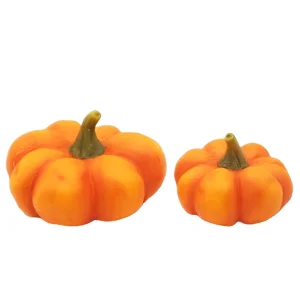
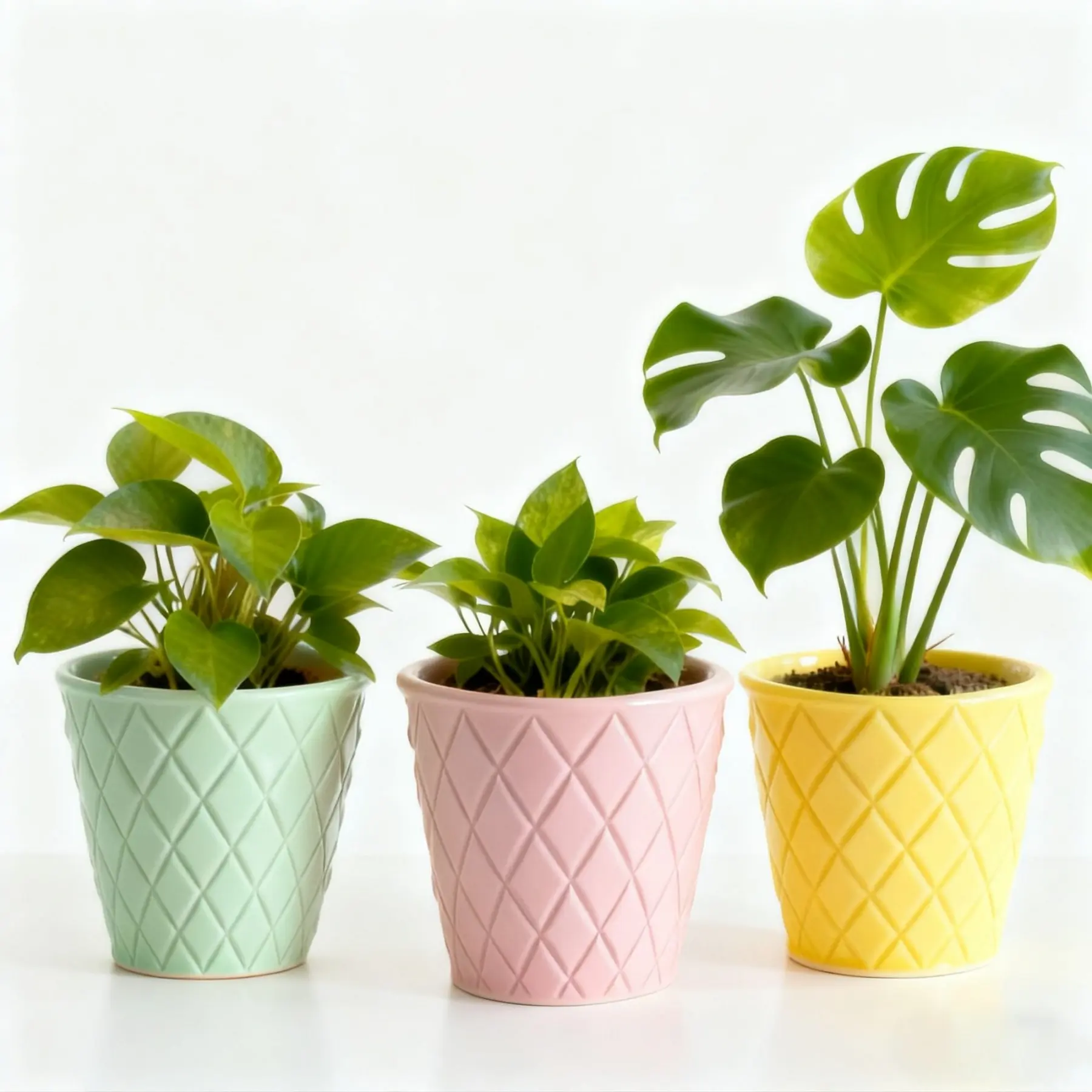
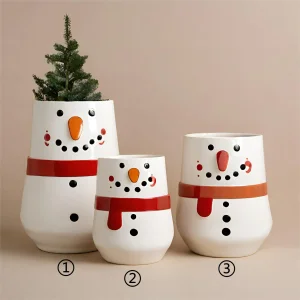
Explore our specialized design portfolios curated for seasonal distribution and holiday collections.
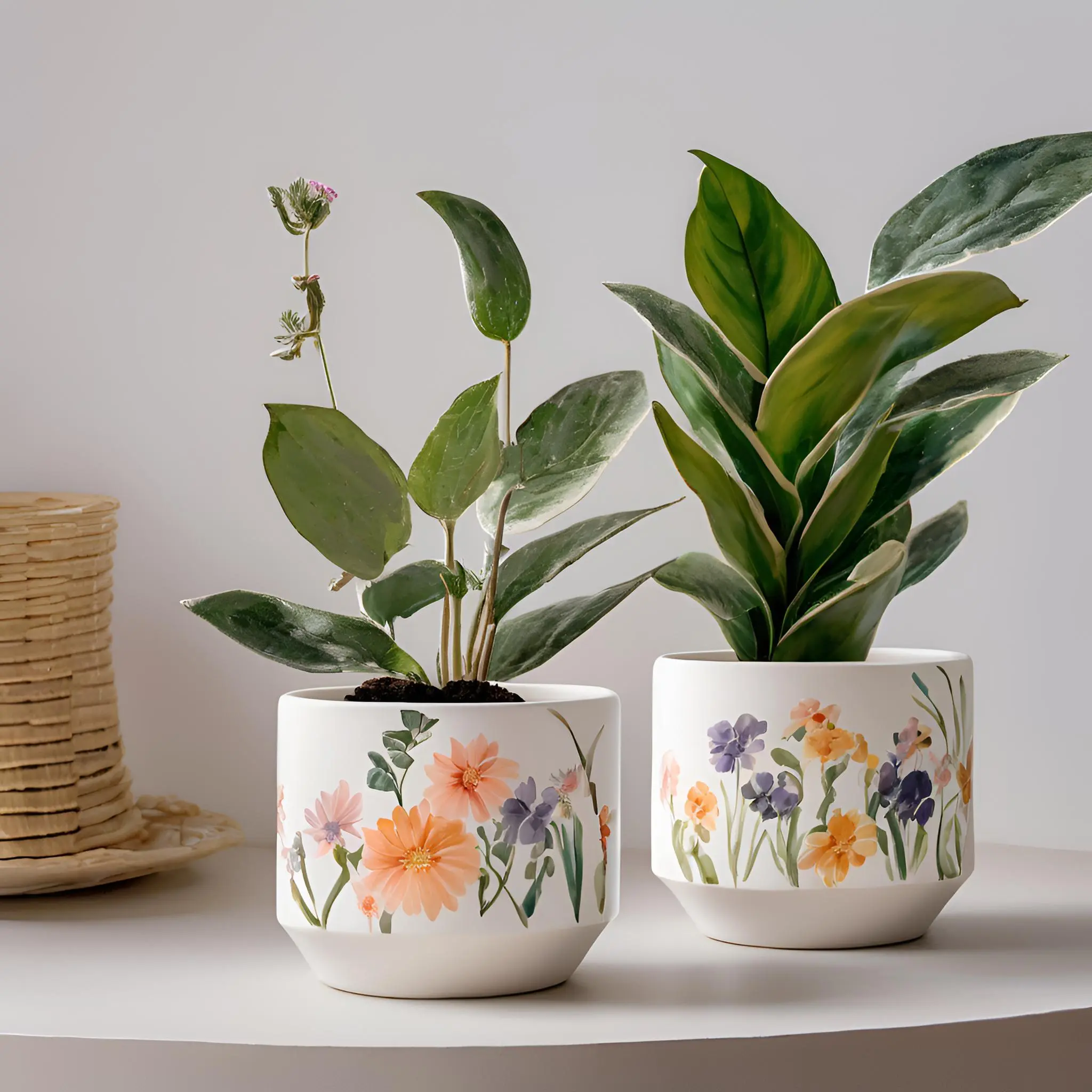
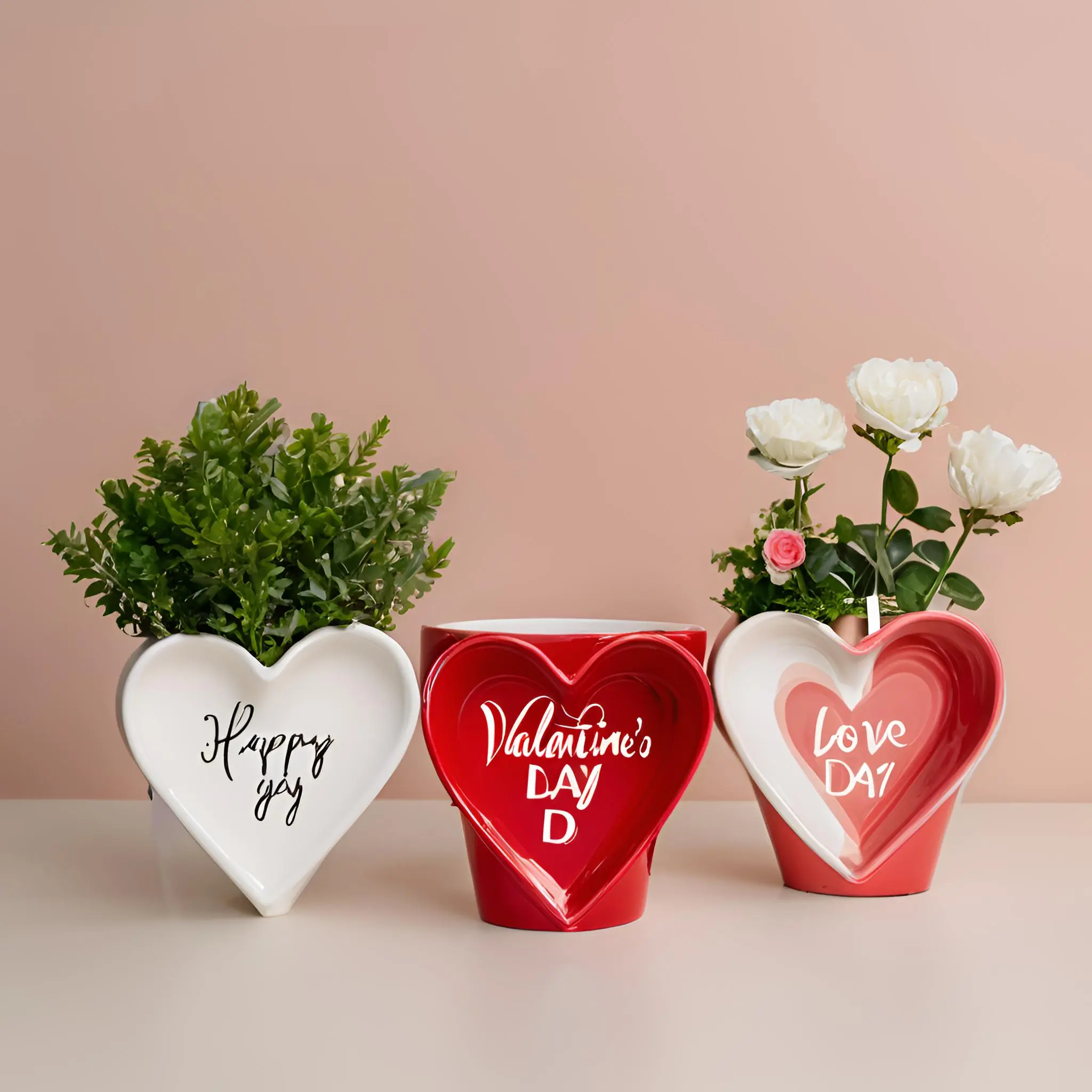
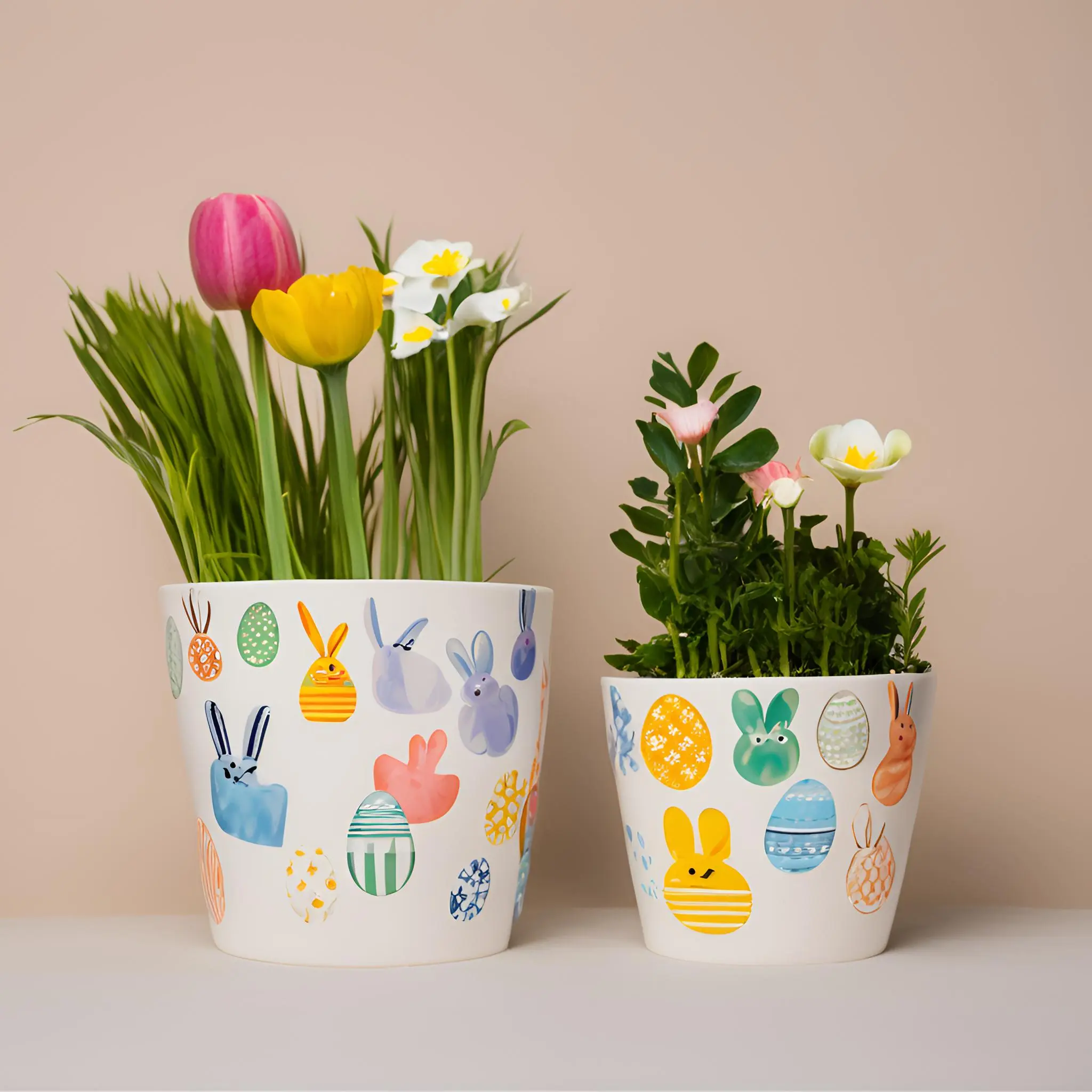
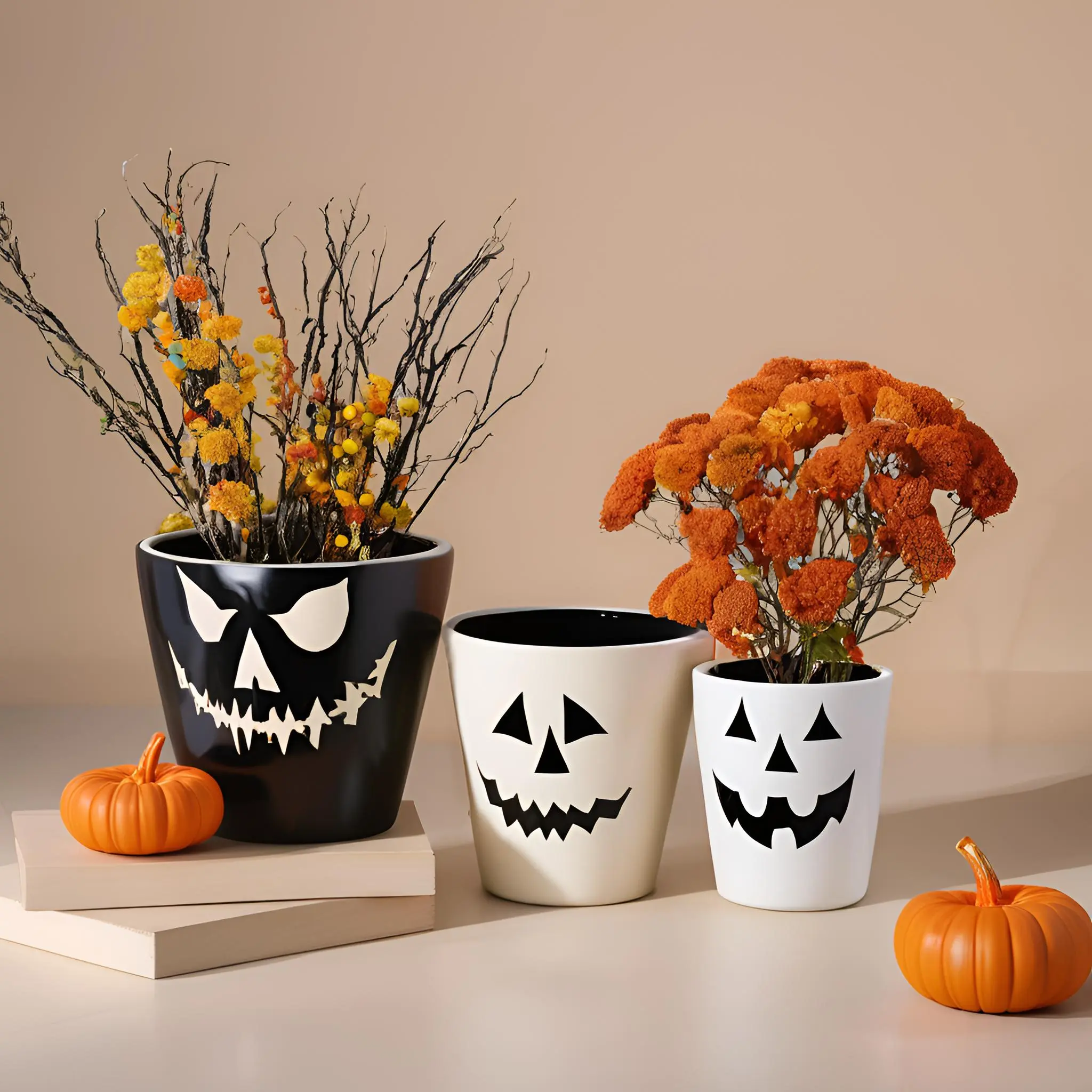
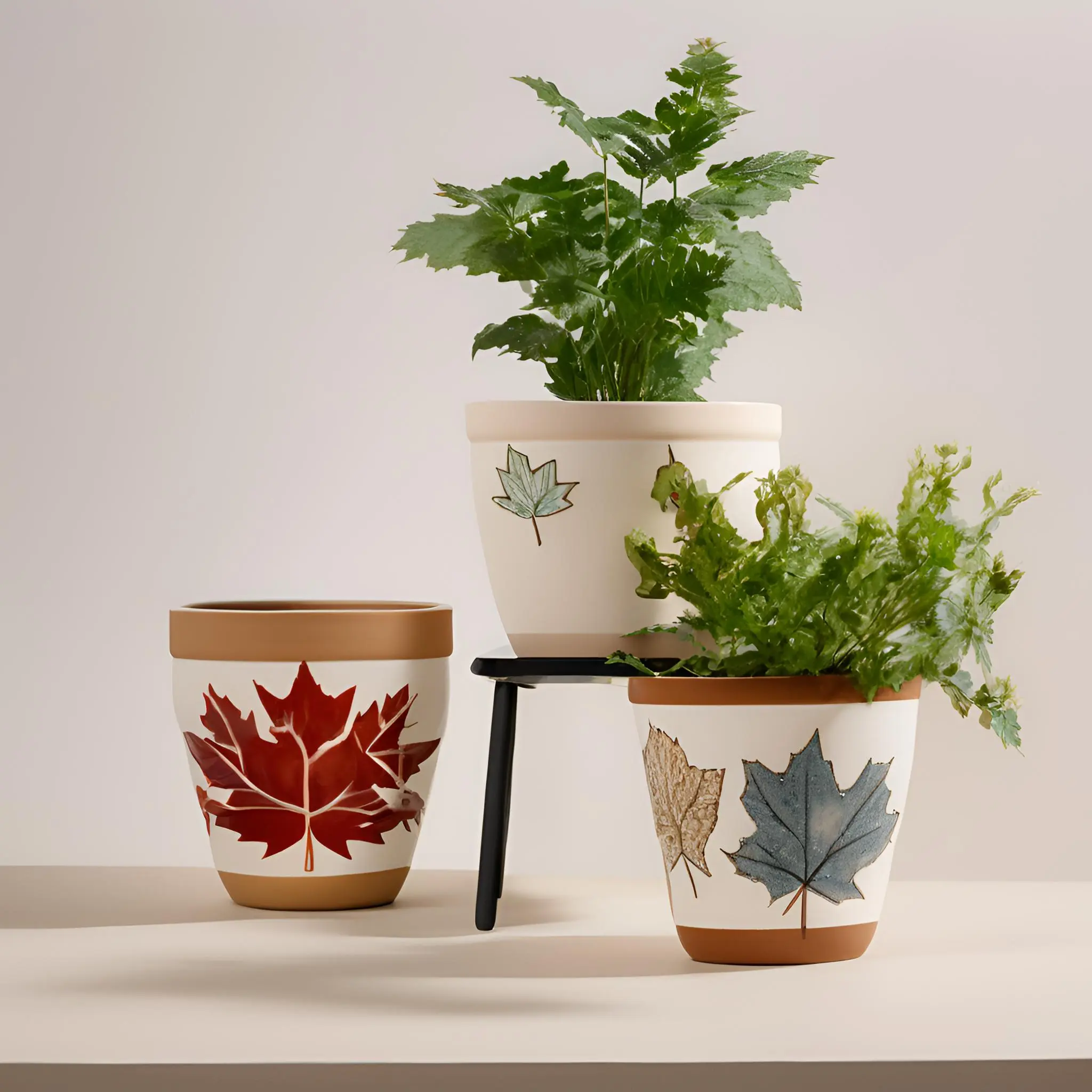
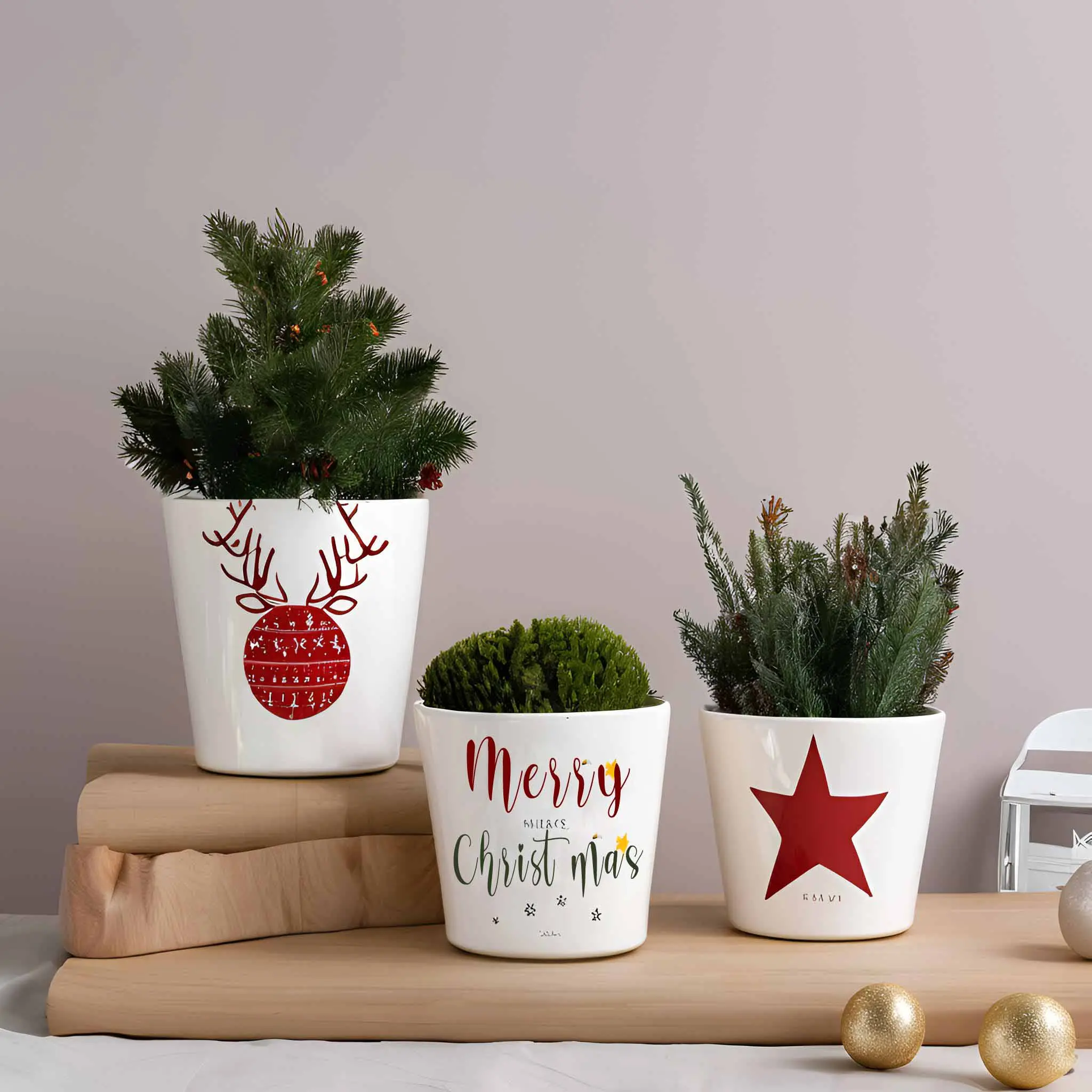
The physical behavior of clay pots varies across different global microclimates. B2B procurement strategies should account for these geographical demands:
Transit damage represents a major risk in the ceramic supply chain. Leading manufacturers manage this through structured container planning and advanced packing protocols:
1. Nested Packing Configurations: Products of varying diameters are nested with protective padding to maximize shipping density and reduce transit movement.
2. High-Density Shock Absorption: The use of custom-molded pulp trays and expanded polyethylene (EPE) inserts protects fragile rims and structural points from impact.
3. Palletization and Stabilizing Wraps: Secure shrink-wrapping and robust wooden pallets prevent load shifting inside marine containers, reducing micro-fracturing risks over long sea transits.
Value Deco Limited is a leading developer and exporter of high-quality ceramic and clay products based in China. With over 12 years of specialized industry experience, we offer an extensive portfolio including flower pots, vases, candle holders, home decor, garden items, and dinnerware, tailored for diverse seasonal and retail needs.
Our products combine functional durability with contemporary styling to enhance diverse commercial and residential spaces. We operate through dedicated divisions to provide focused service across product categories:
Value Deco - Flower Pots Division: www.valuedeco.com
Pride Deco - Home & Garden Division: www.pridedeco.com
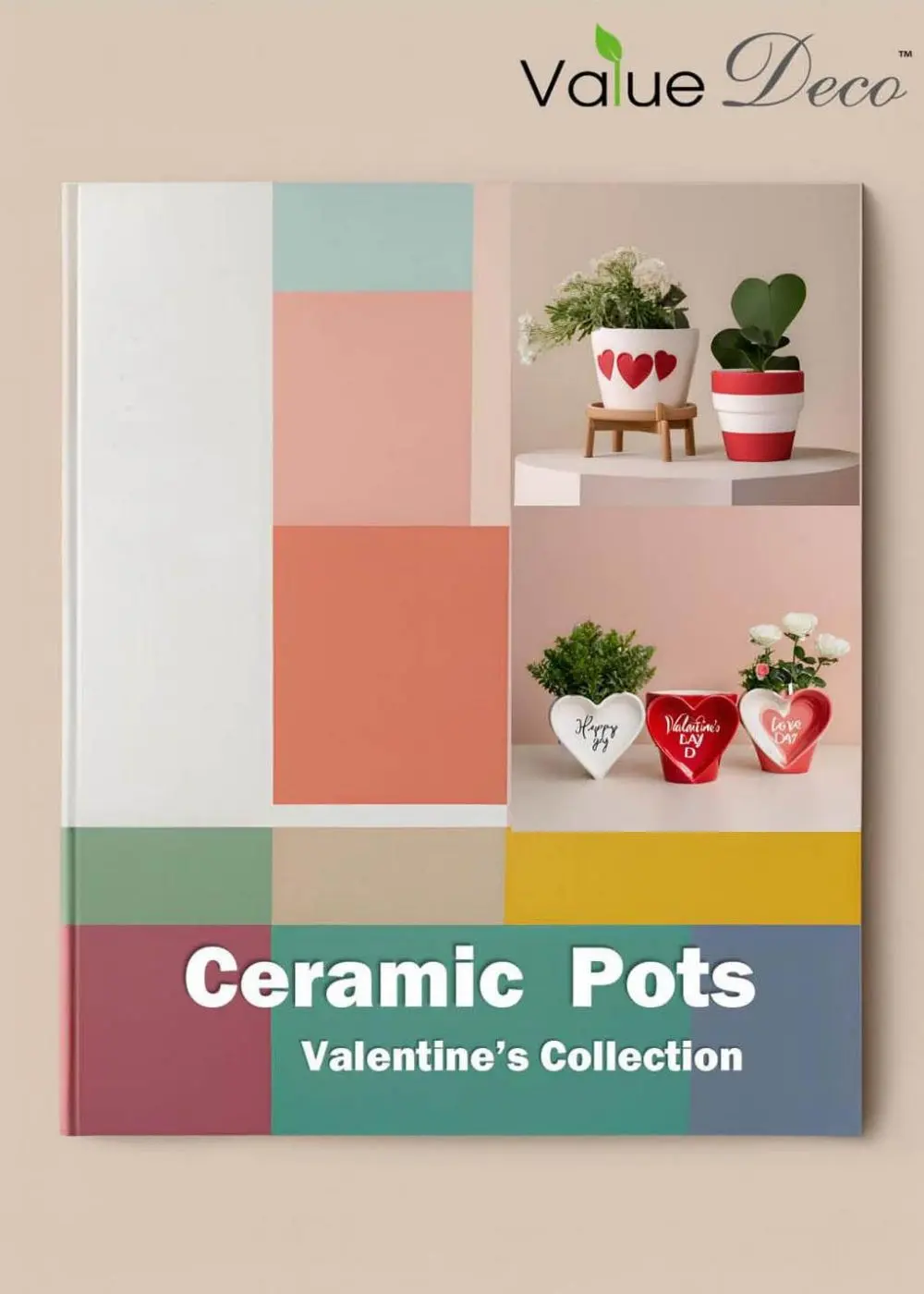
Access our comprehensive catalogs featuring modern finishes, earthy tones, and seasonal collections.
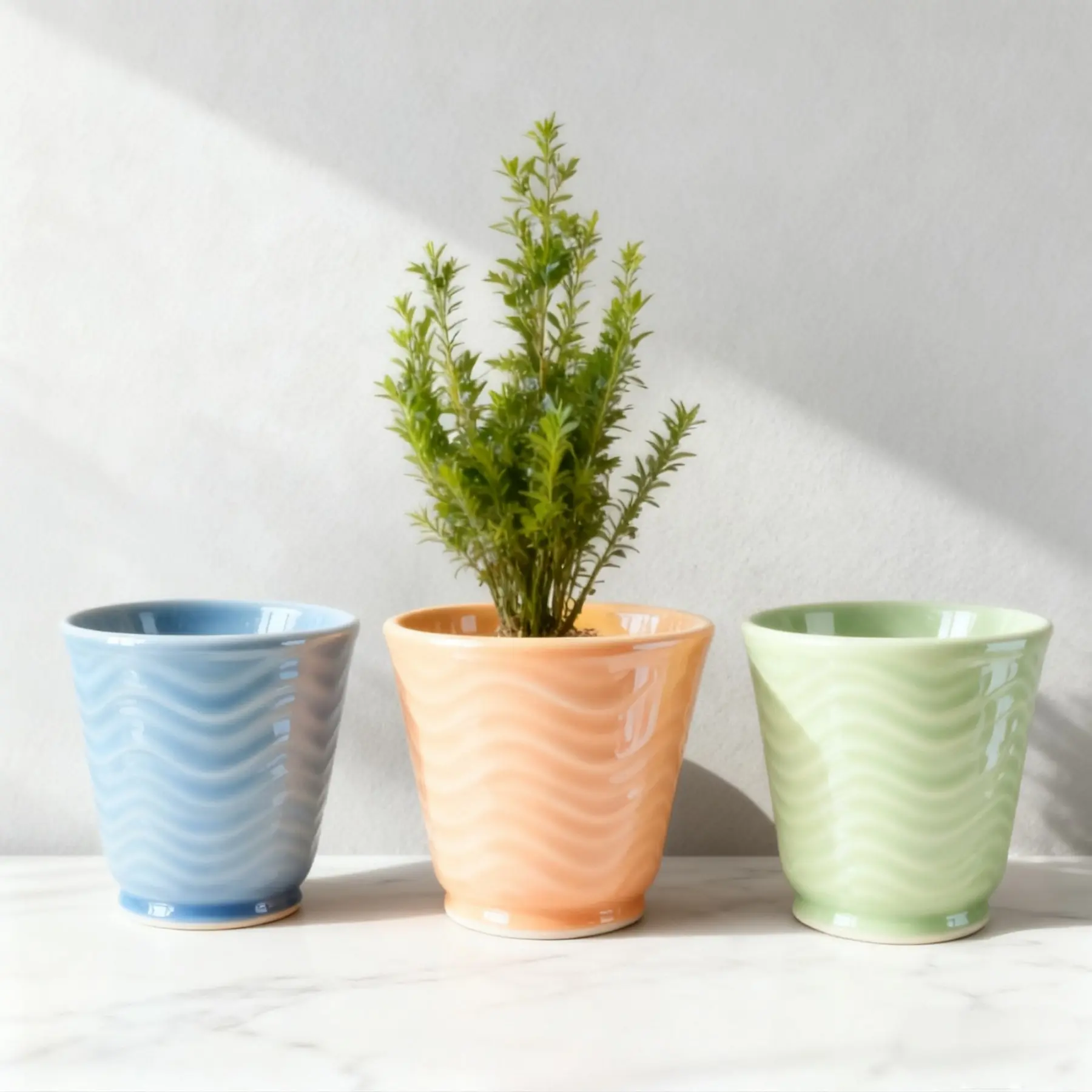
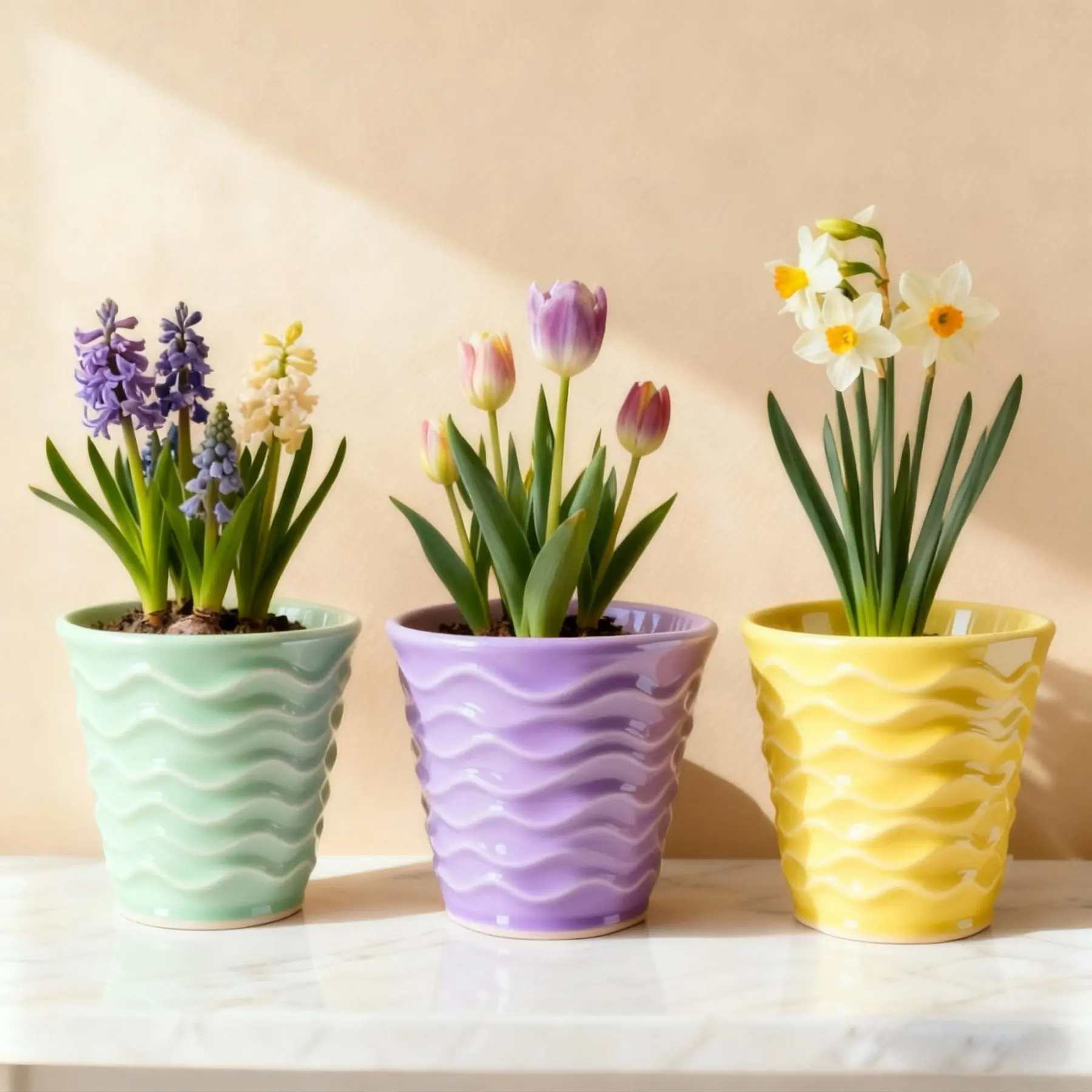
Explore our latest releases showcasing modern textures, embossed profiles, and unique glaze finishes.
For enterprise-level sourcing, product consistency is critical. Quality control in clay pot manufacturing is managed through several technical metrics:
1. Precision Kiln Control: Computer-controlled tunnel kilns regulate temperature profiles to prevent uneven shrinkage, maintaining consistent structural tolerance across large production runs.
2. Glaze Stability and Testing: Glazed ceramics undergo testing to ensure lead and cadmium limits meet regulatory standards (FDA, LFGB), making them suitable for domestic retail distribution.
3. Standardized Moisture Resistance: Testing absorption rates under standardized water immersion helps confirm appropriate porosity for different product classes, ensuring consistent performance.
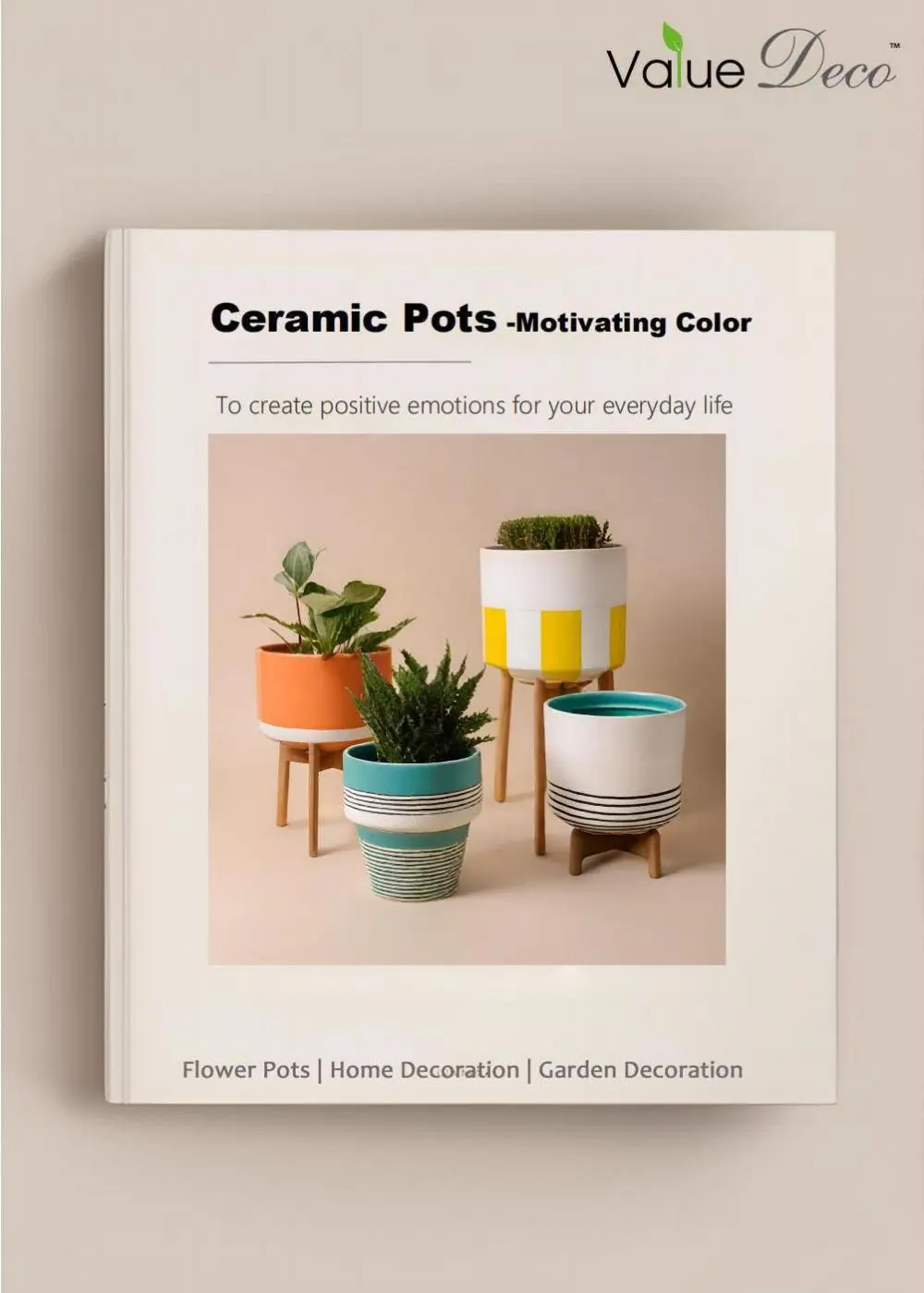
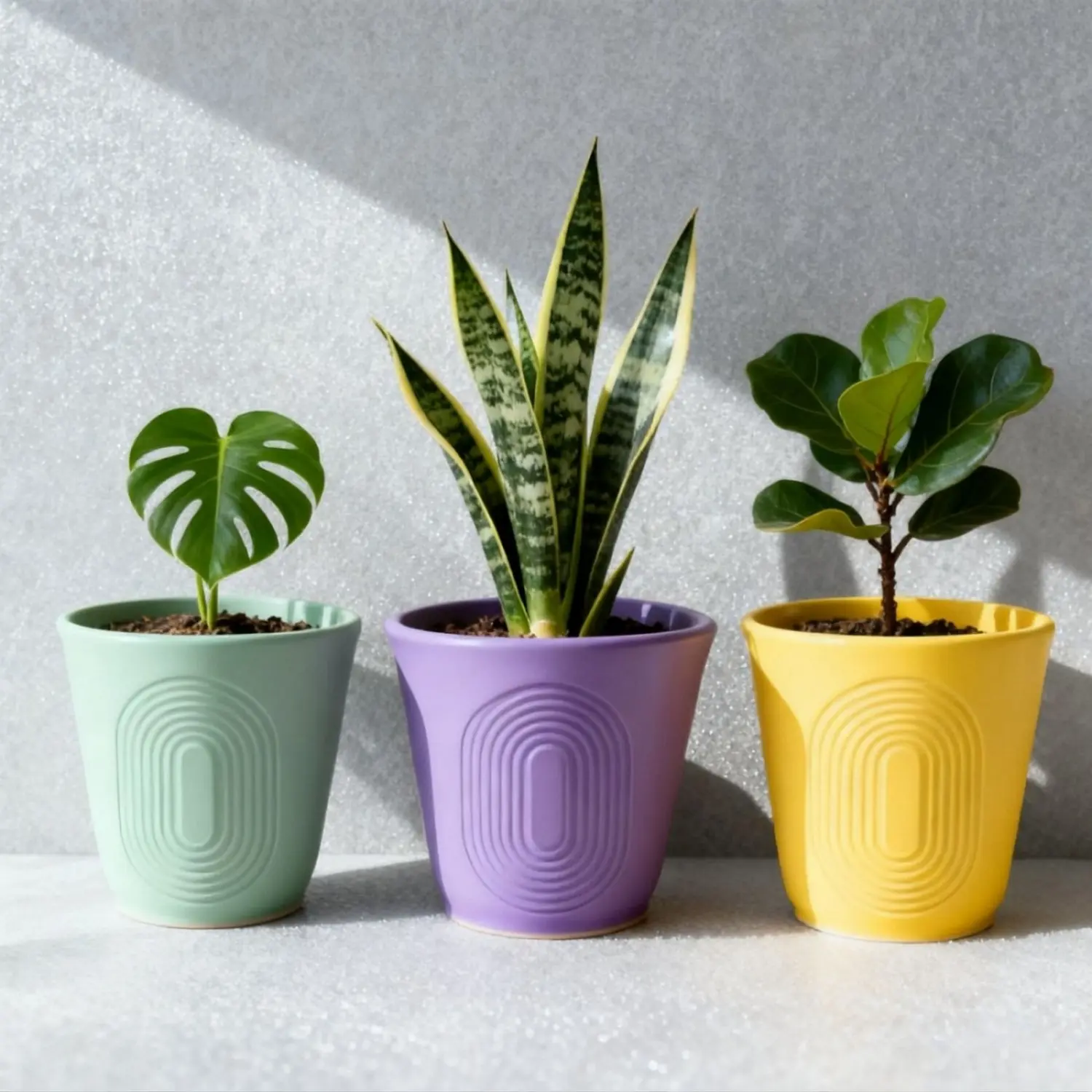
Browse our expanded line of commercial-grade planters, custom home decor, and seasonal ceramics.
Essential insights on sourcing, material specifications, and global B2B procurement logistics.
High-fired terracotta is processed at temperatures exceeding 1050°C. This closes core capillary channels, reducing water absorption and providing greater resistance to frost and mechanical shock. Low-fired versions retain high porosity, which benefits root respiration but makes them more vulnerable to cracking in freezing temperatures.
We utilize nesting techniques combined with custom-molded pulp trays, inner cartons, and heavy-duty, moisture-resistant master cartons. Completed pallets are wrapped in multi-layered polymer stretch film and secured with polyester straps, ensuring stability during maritime transport.
Yes. All glazed pots, dinnerware, and mugs are tested for lead and cadmium content, meeting FDA and LFGB requirements. We implement certified waste treatment processes in our production lines to manage material disposal responsibly.
We provide full-cycle OEM/ODM services, including initial CAD model creation, 3D prototypes, and custom slip-casting mold production. Clients can specify custom surface details, custom glazing finishes, and debossed branding elements.
Standard lead times range from 45 to 60 days following sample confirmation and deposit receipt, depending on order size and design complexity. For seasonal collections, we recommend planning procurement 4–6 months in advance.