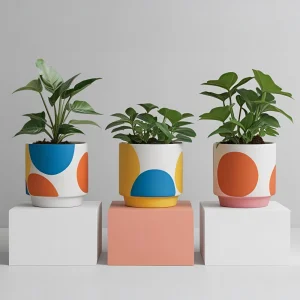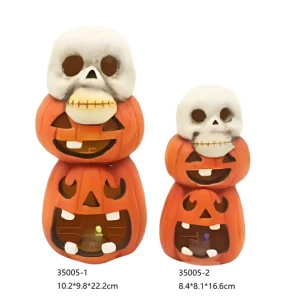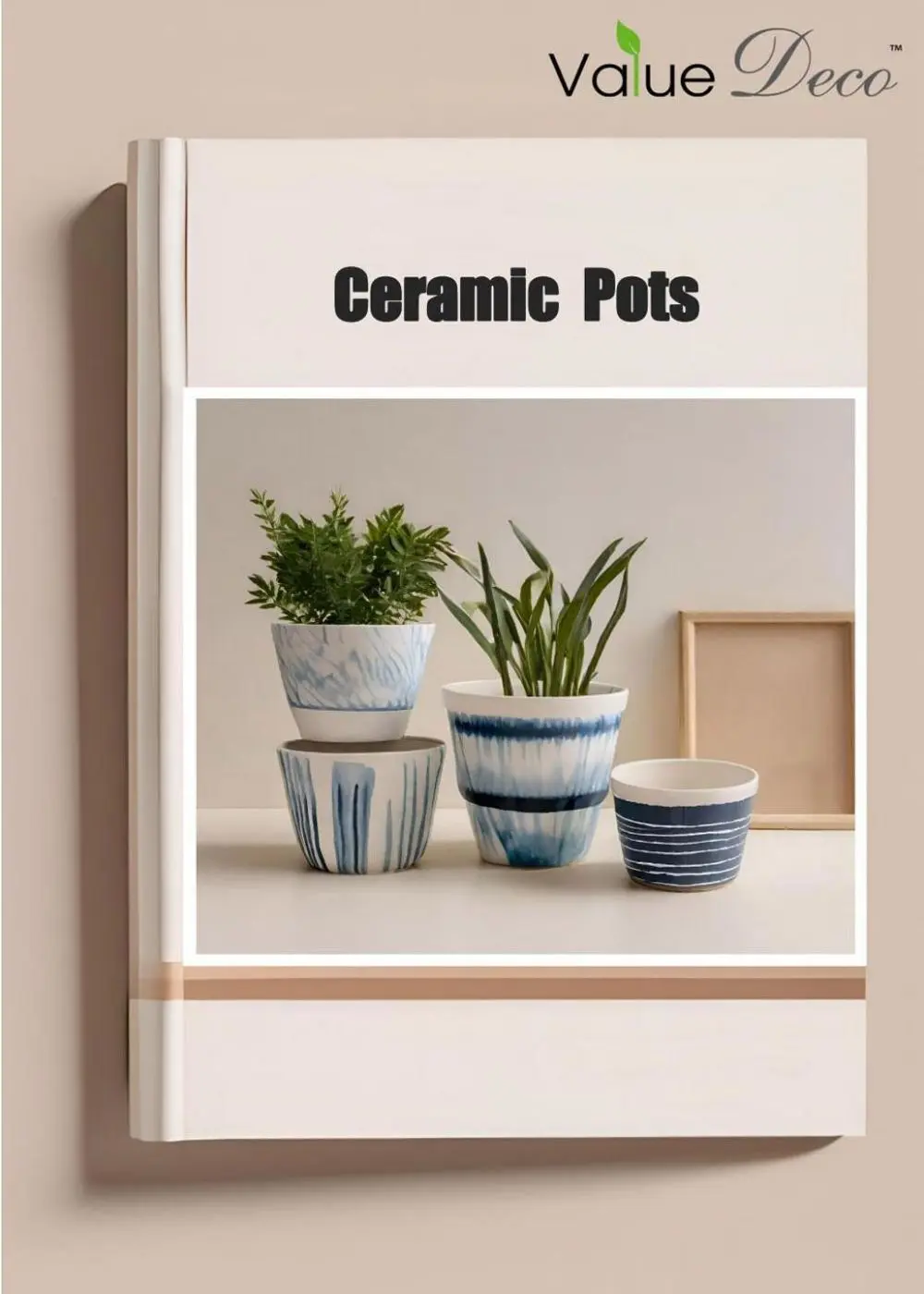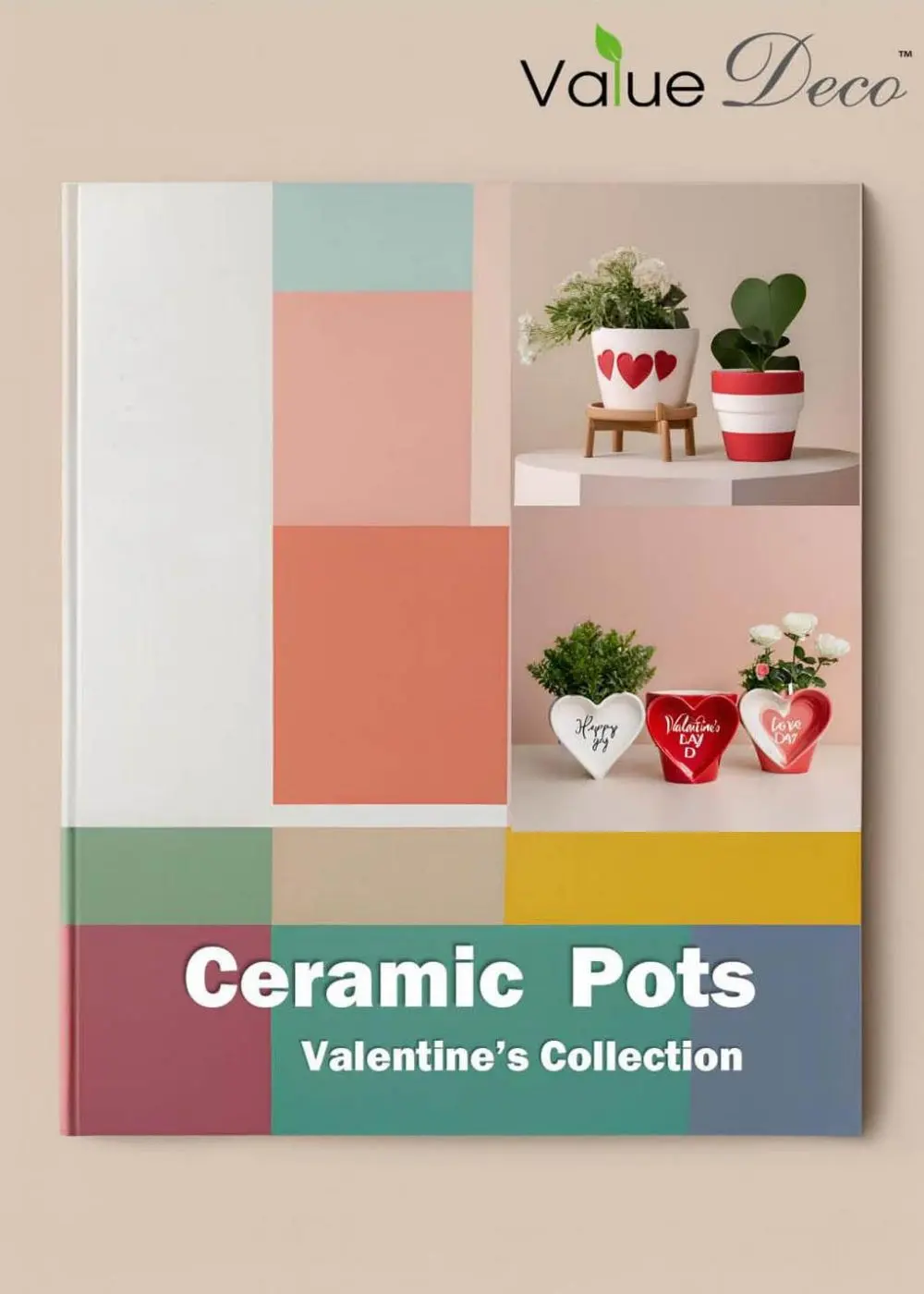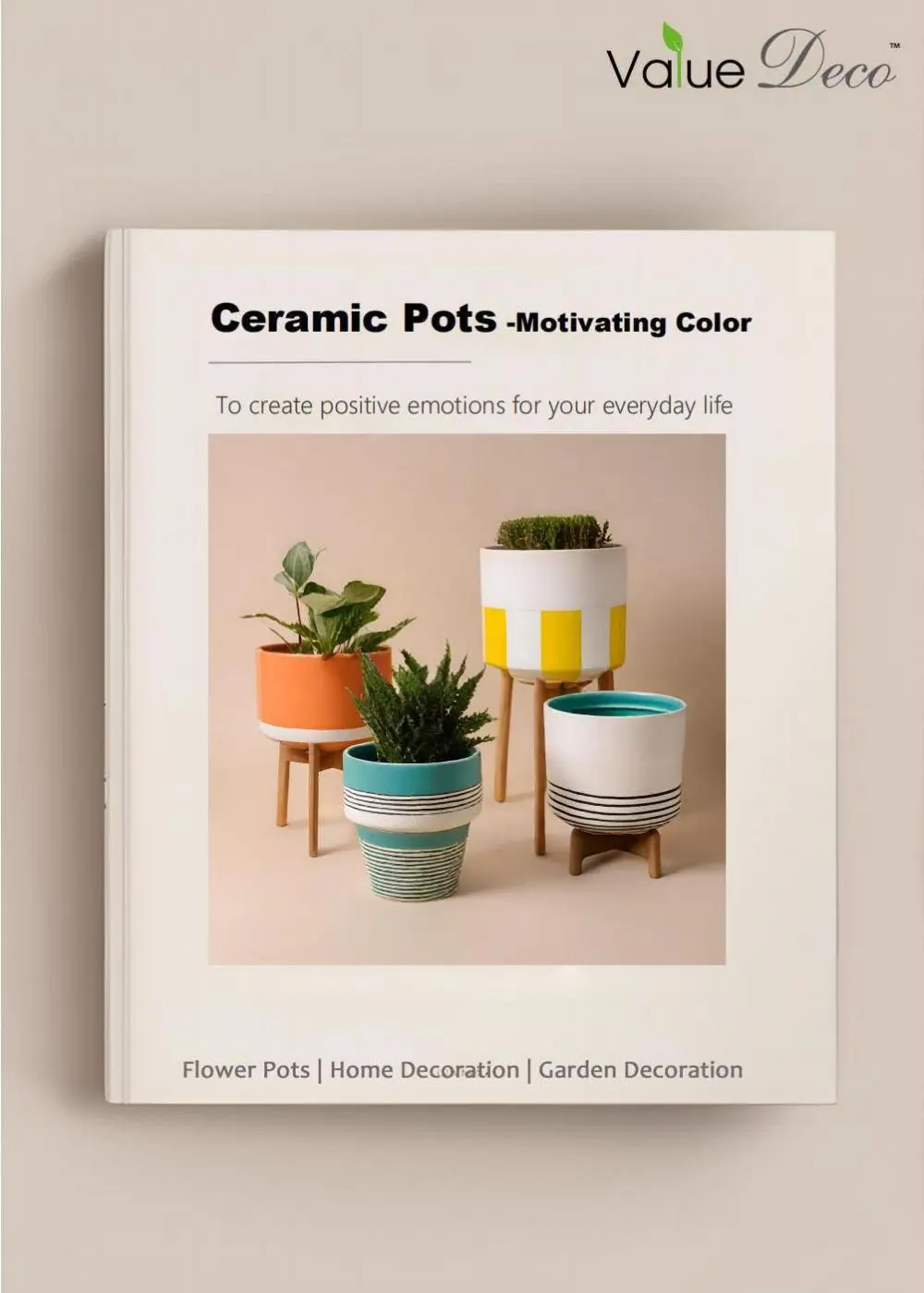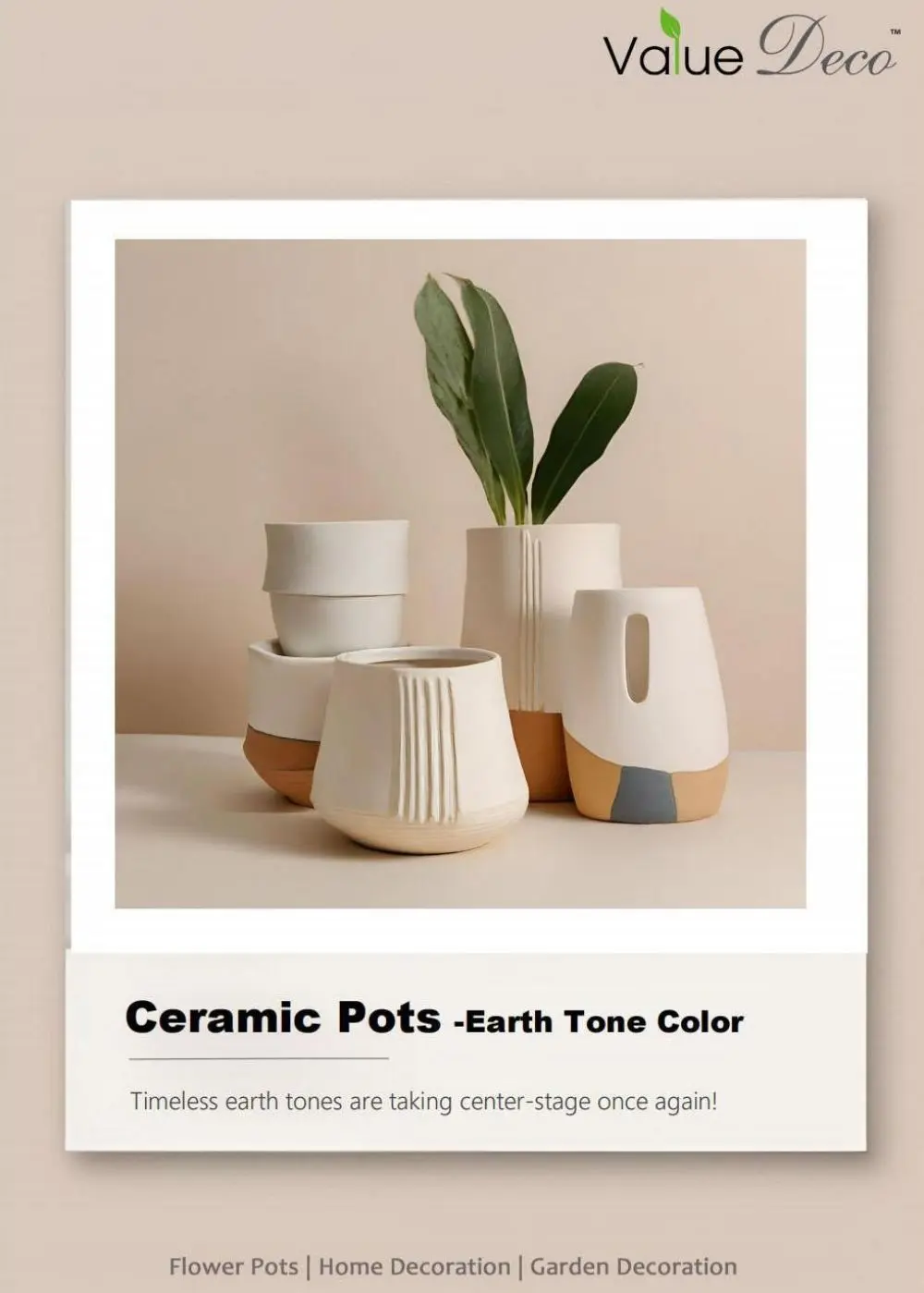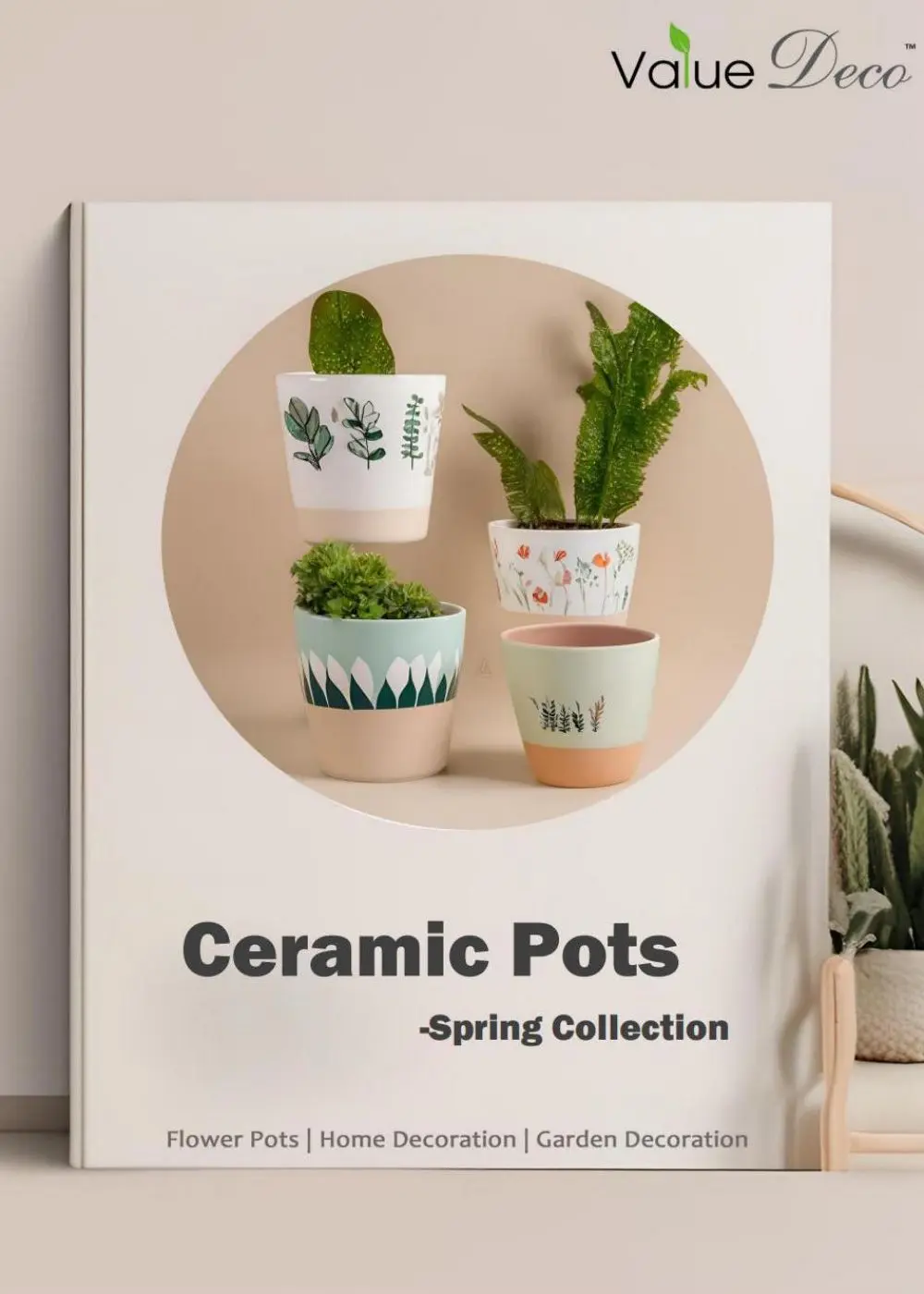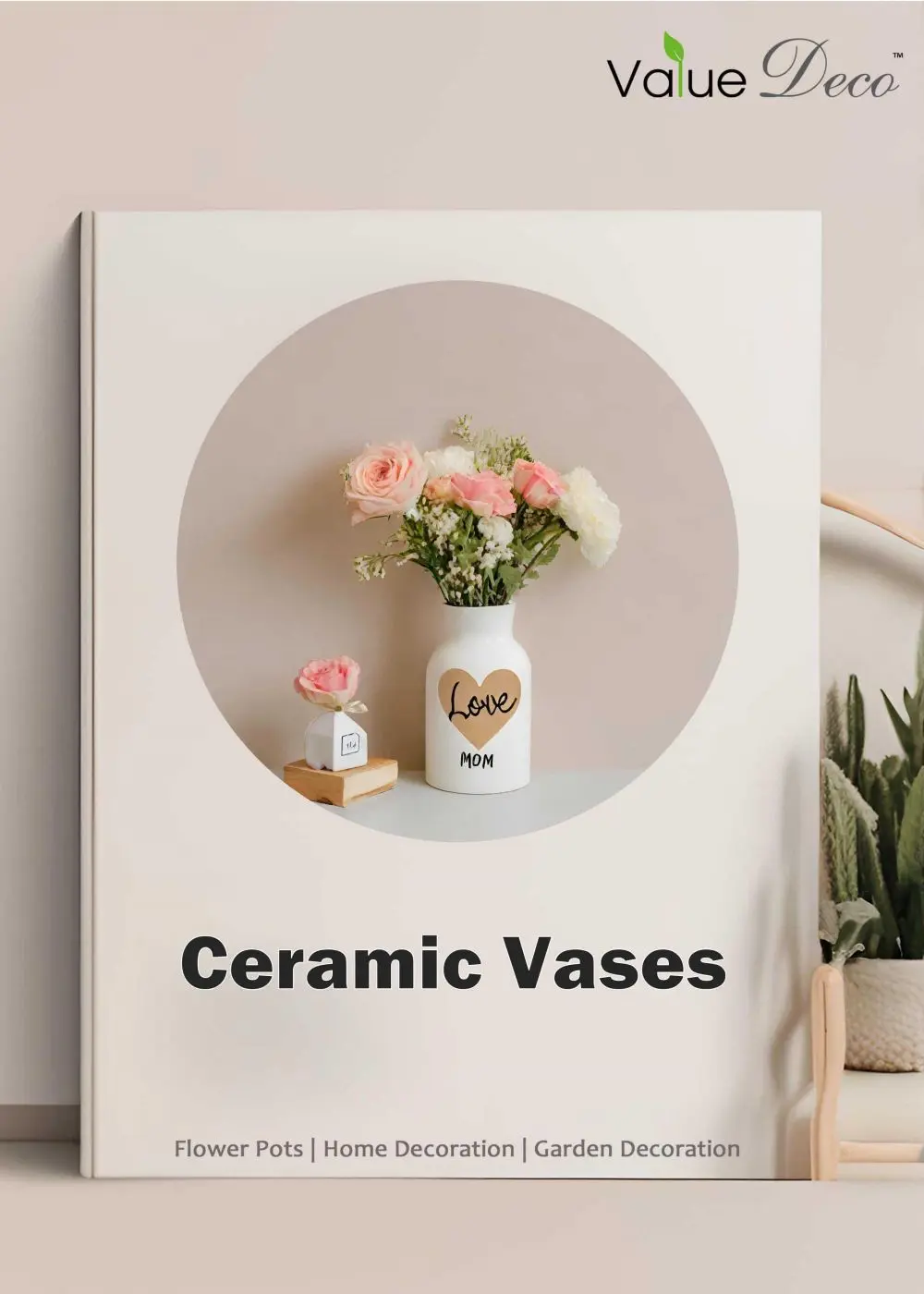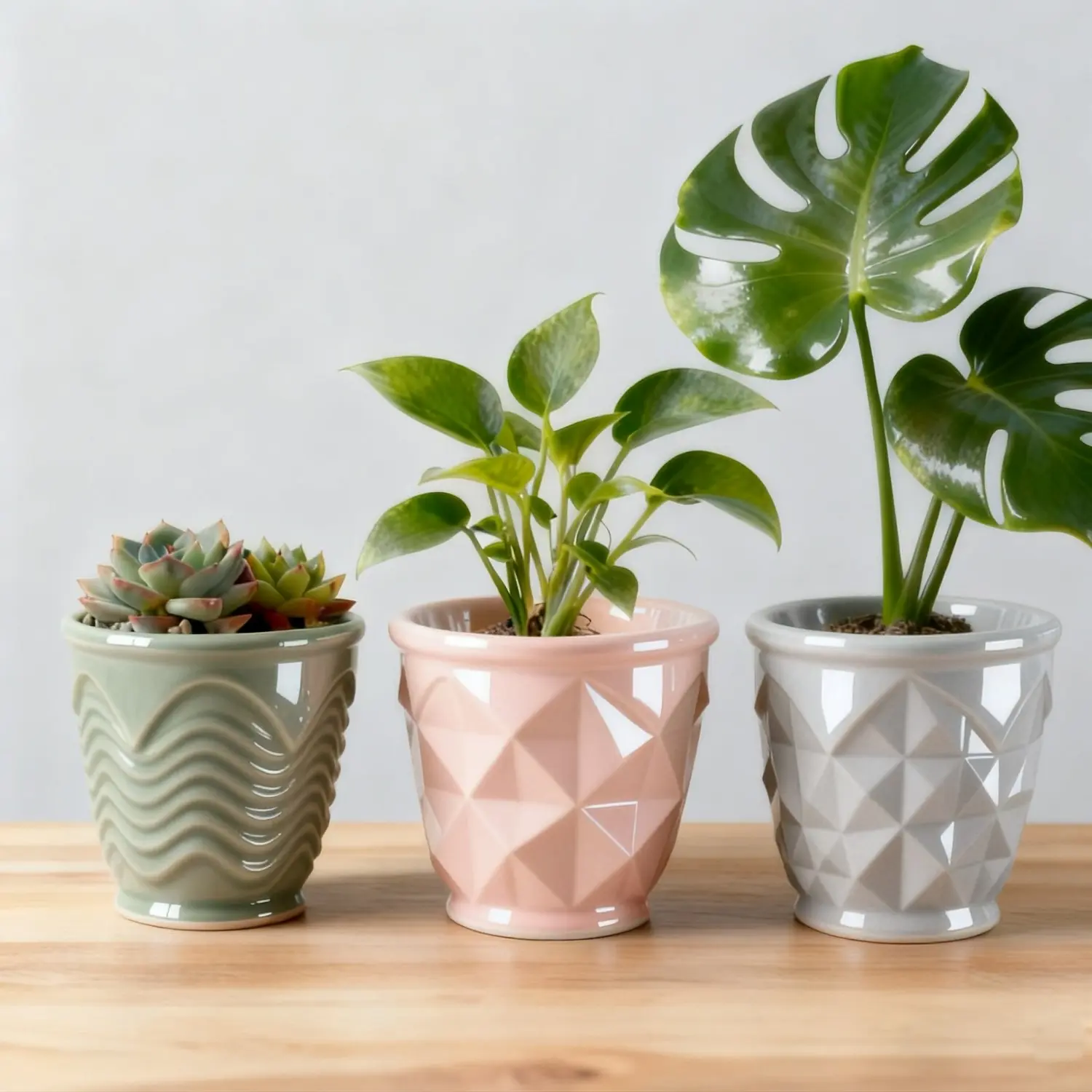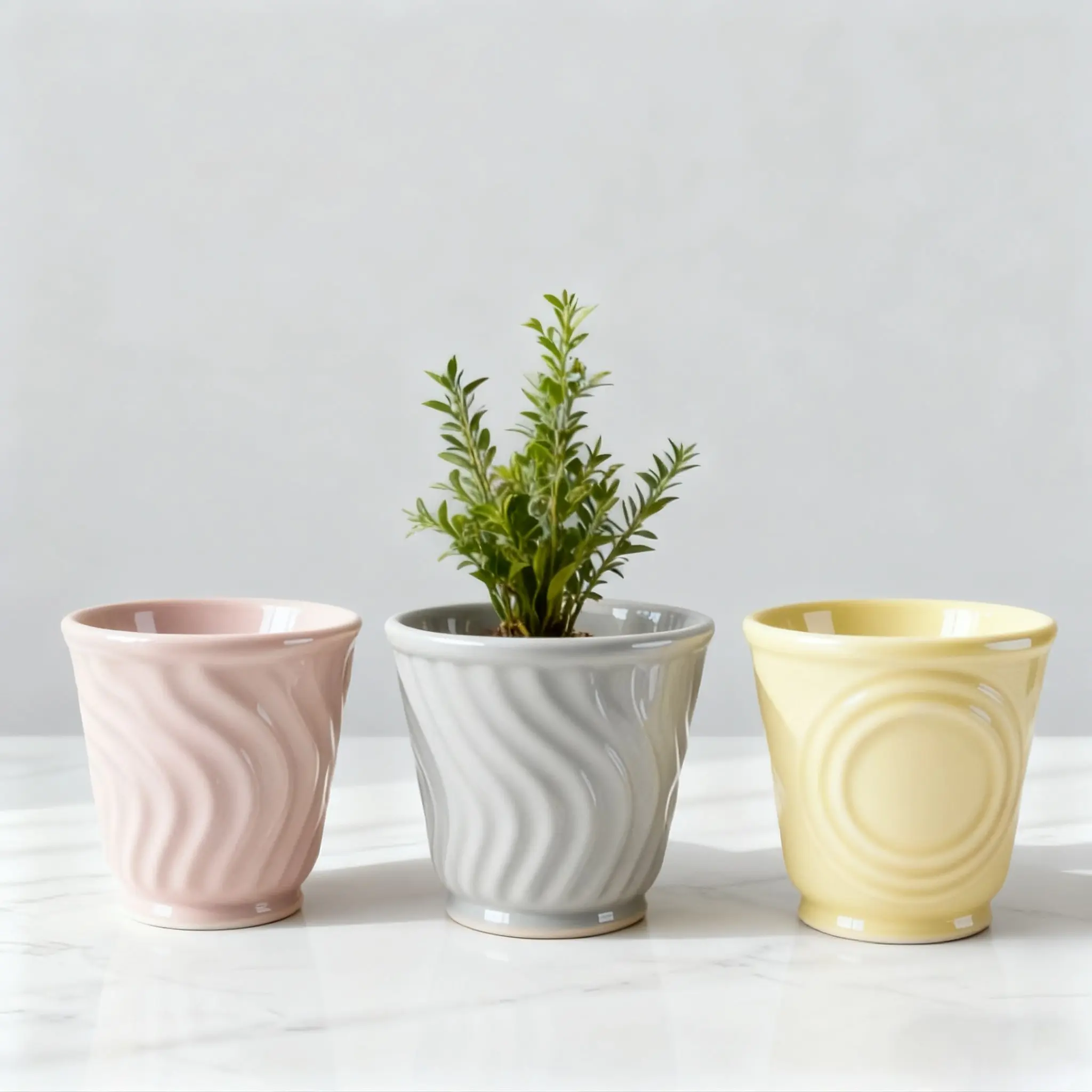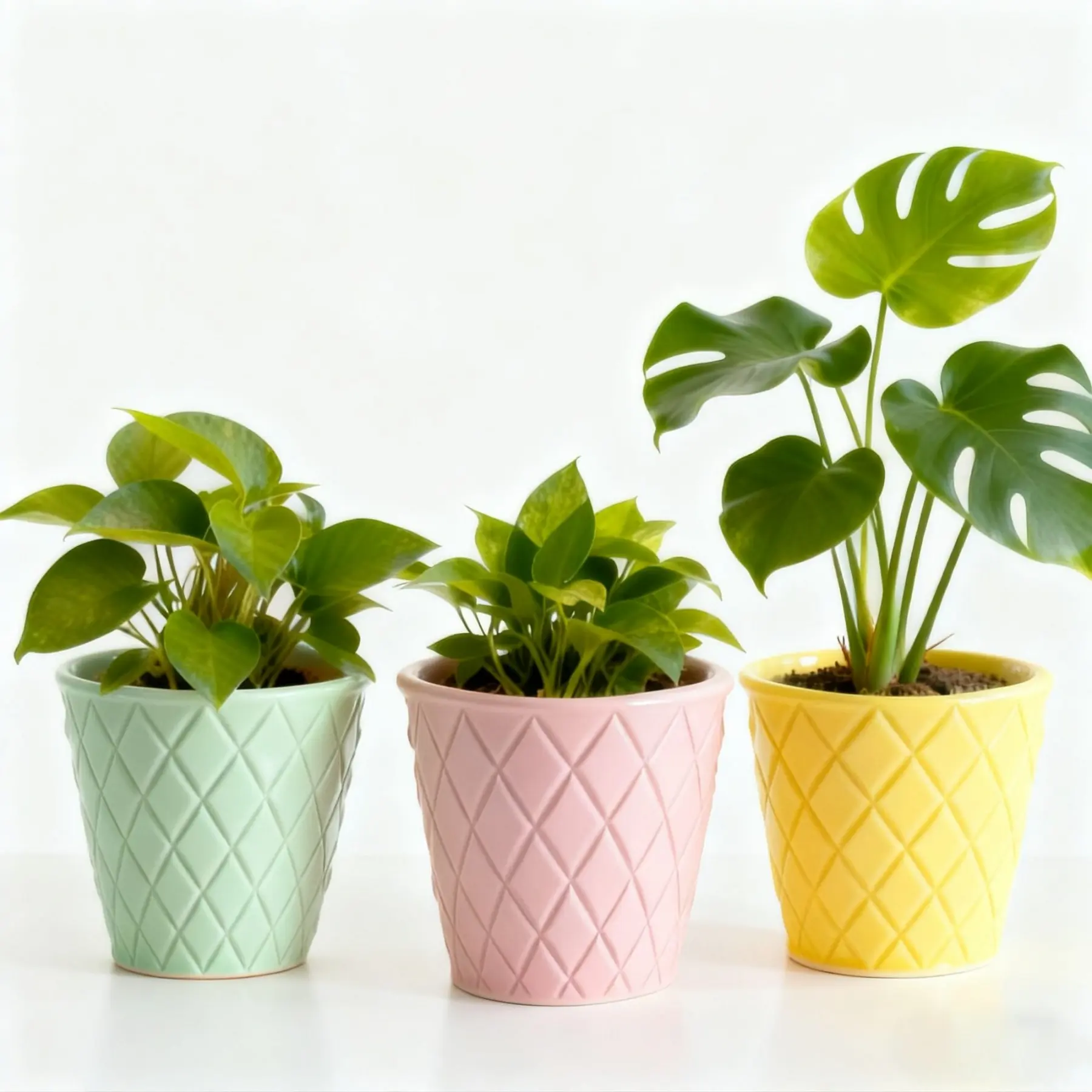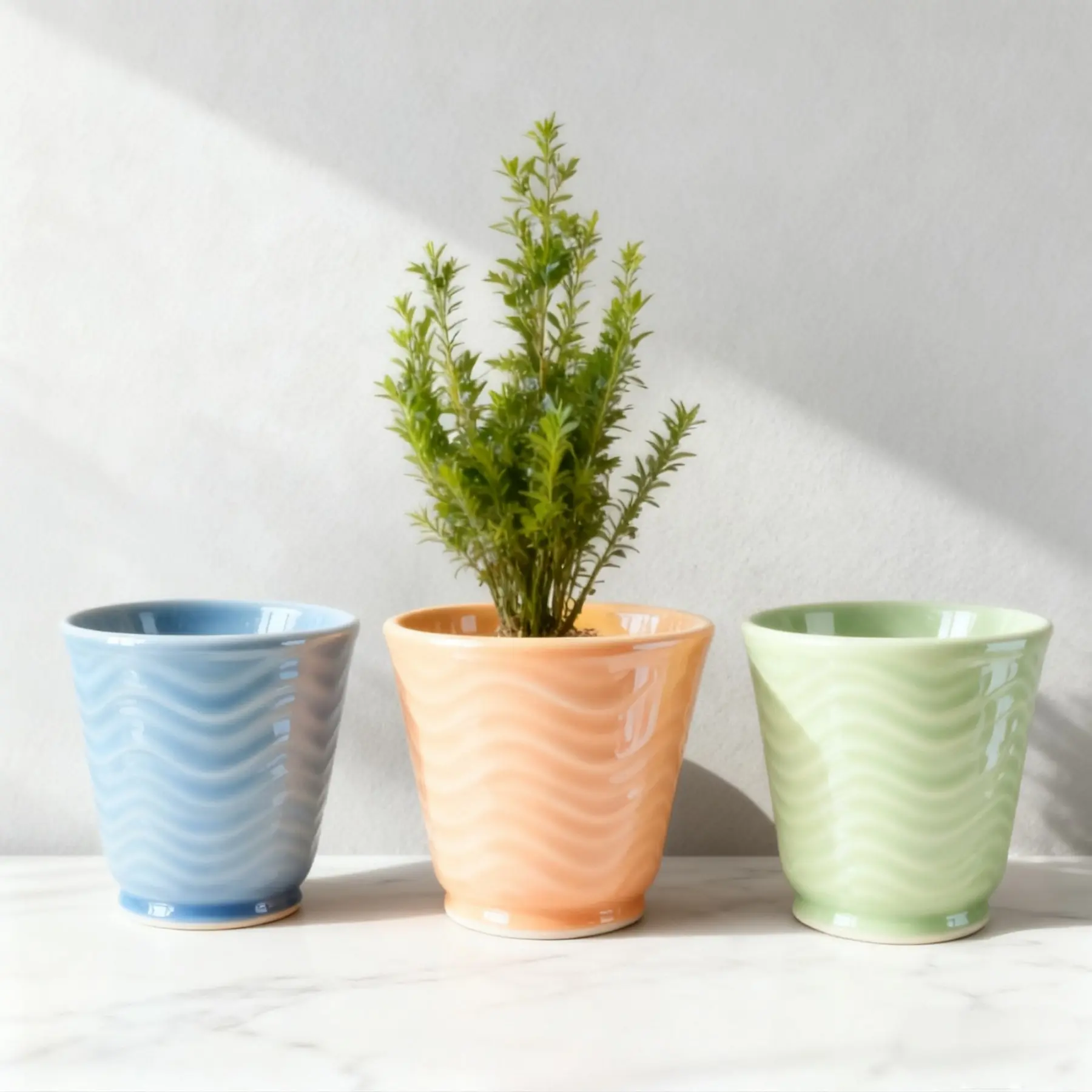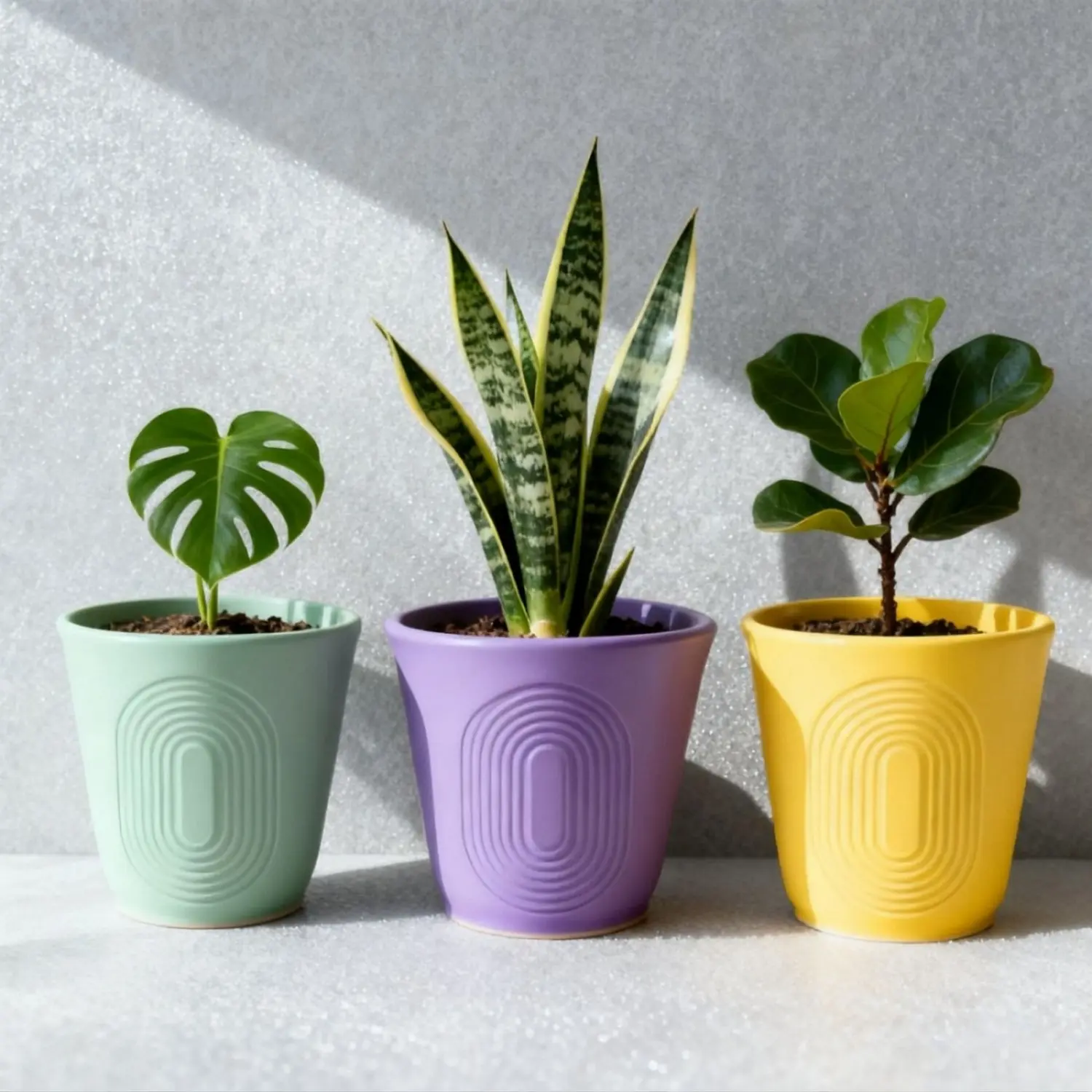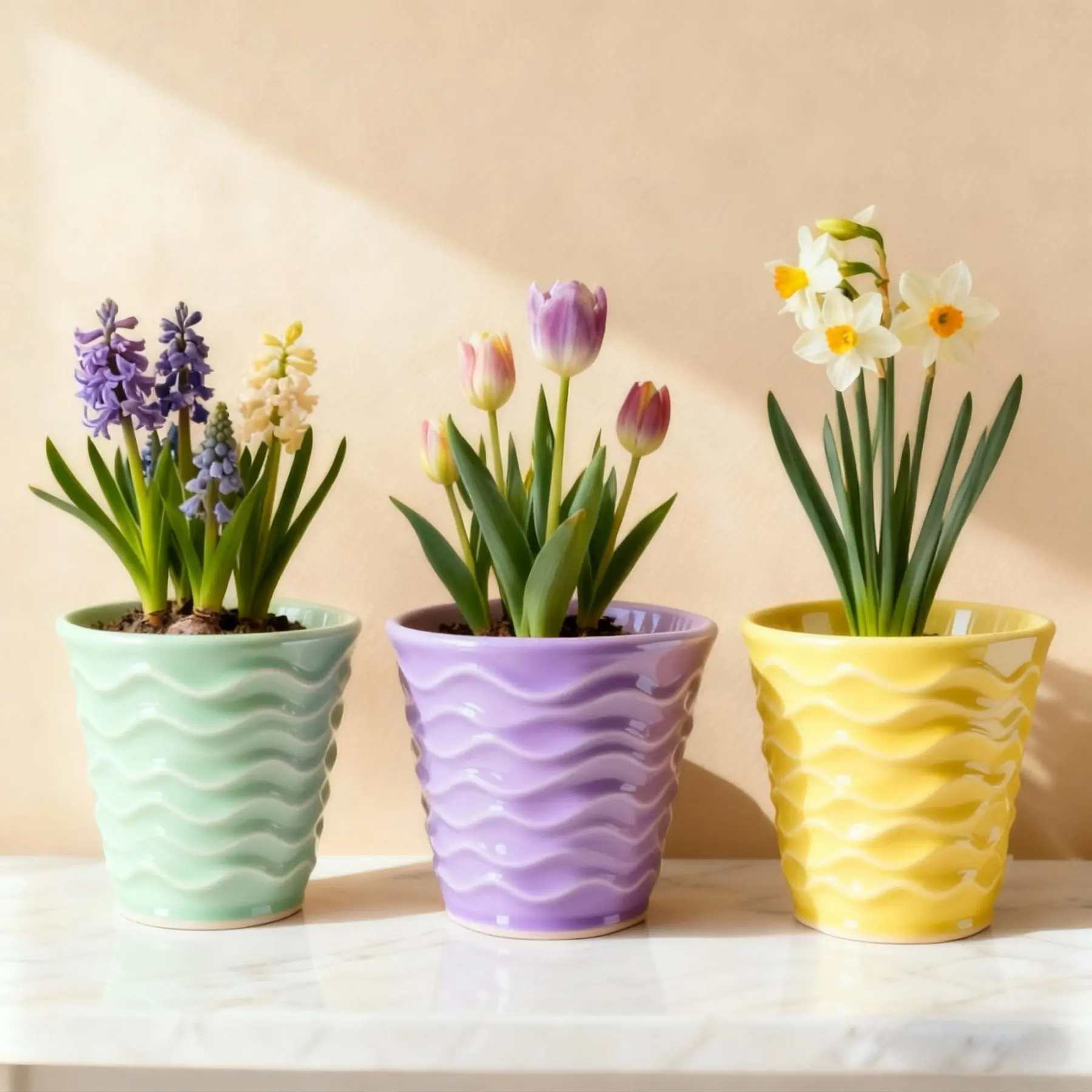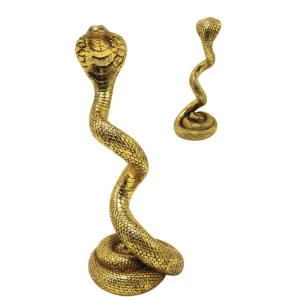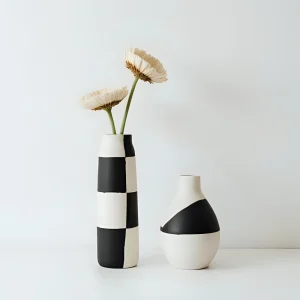
Explore our foundational range of structural ceramic crafts, vessels, and designer objects utilizing custom industrial glazes.

Years of Industrial Export Expertise
Lead-Free & Food-Safe Compliant
Proprietary Glaze Formulas Developed
Countries Supplied Globally
An in-depth analysis of chemical formulations, supply chain optimization, and global regulatory standards.
Ceramic glaze engineering requires precise control over the silica-to-alumina (SiO2:Al2O3) molecular ratio and fluxing oxides. This ratio determines the melting temperature, viscosity, and chemical durability of the glaze, preventing surface defects like crazing or shivering.
Meeting FDA 21 CFR, EU Directive 84/500/EEC, and California Proposition 65 requires strict lead-free raw materials. Sourcing from certified factories guarantees toxicological safety for all consumer-facing ceramic products.
China's ceramic clusters (such as Chaozhou, Dehua, and Jingdezhen) offer unmatched scale and efficiency. Co-locating raw material preparation, modern firing kilns, and packaging pipelines ensures cost competitiveness and quality stability.
At an industrial level, a ceramic glaze is a layer of glass fused to a ceramic body through thermal processing. The primary components include silica (the glass former), alumina (the stabilizer/refractory), and fluxes (sodium, potassium, calcium, or zinc oxides) which lower the melting point of the silica. The thermal expansion coefficient (COE) must be precisely calculated to match the clay body beneath. A mismatch leads to mechanical failure: if the glaze contracts more than the clay during cooling, tension results in a network of fine cracks (crazing); if the glaze contracts less, compression causes the glaze to flake off (shivering).
Technical Insight: High-performance commercial tableware typically requires a glaze with a COE slightly lower than the clay body. This keeps the glaze under mild compression, significantly improving the mechanical impact resistance and overall durability of the ceramic ware.
To achieve different aesthetic finishes, factories utilize various additives. Opacifiers such as zirconium silicate or tin oxide scatter light to turn clear glazes white and opaque. Transition metal oxides (iron, copper, cobalt, chrome) are introduced for coloring. The firing atmosphere—either oxidizing (rich in oxygen) or reducing (oxygen-starved)—radically alters the final oxide color states, producing the iconic reactive glazes that characterize contemporary home decor and designer tableware.
| Glaze Category | Composition Characteristics | Optimal Firing Temp | Primary Commercial Application | Compliance Considerations |
|---|---|---|---|---|
| Fritted Borosilicate Glazes | Pre-melted glass frits rich in boron and silica. Low solubility. | 1020°C – 1150°C | High-volume decorative planters, seasonal ornaments. | Highly stable; low risk of soluble heavy metal leaching. |
| High-Alumina Matte Glazes | Elevated Al2O3:SiO2 ratio with microcrystalline phase separation. | 1180°C – 1250°C | Modern minimalist vases, structural pots, architectural panels. | Excellent abrasion resistance; requires stable raw material inputs. |
| Reactive & Effect Glazes | Formulated with multi-oxide combinations and high fluid viscosities. | 1200°C – 1300°C | Artistic dinnerware, premium home decor accents. | Requires thorough migration testing due to heavy iron/copper load. |
| Zircon-Opacified Sanitary Glazes | Zirconium silicate base with high silica content for durability. | 1180°C – 1280°C | Commercial sanitary ware, high-traffic institutional ceramics. | Highly scratch and chemical resistant. Extremely low leach risk. |
The global ceramic supply chain relies heavily on Chinese manufacturing ecosystems, particularly within Guangdong and Fujian provinces. The consolidation of raw mineral processing, frit production, and industrial firing technology inside these clusters creates a massive efficiency loop. Rather than shipping individual components, Chinese factories prepare customized ready-to-use wet or dry glazes tailored to specific clay bodies, reducing shipping volumes and ensuring consistency across batches. Advanced automated batching systems and continuous rotary frit kilns guarantee chemical homogeneity, a critical factor for large-scale production runs where variance can lead to thousands of rejected units.
Sourcing ceramics for European and North American markets demands absolute compliance with environmental and consumer safety regulations. Sourcing agents must verify that factories utilize lead-free raw materials and implement clean firing processes. Today's leading Chinese manufacturers utilize natural gas-fired tunnel and roller kilns, dramatically reducing carbon footprint and sulfur emissions compared to coal-fired facilities of the past. Wastewater treatment systems recycle glaze runoff, recovering expensive metal oxides and preventing environmental contamination. Heavy metal leaching tests (under ISO 6486-1 and FDA guidelines) are conducted on every batch of food-contact materials to guarantee consumer safety.
Our comprehensive production capability covers multiple ceramic sectors, finished with specialized industrial glazes.
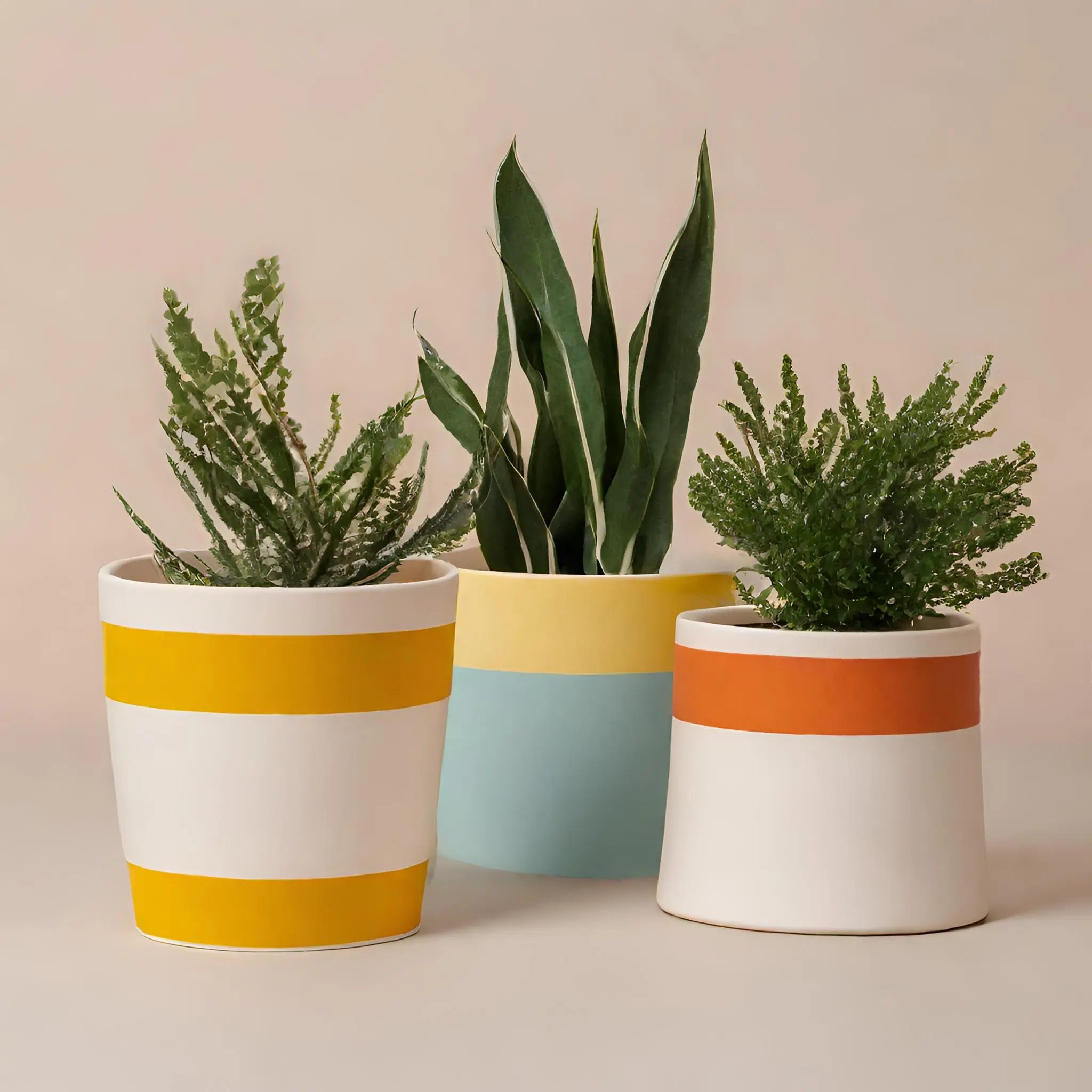
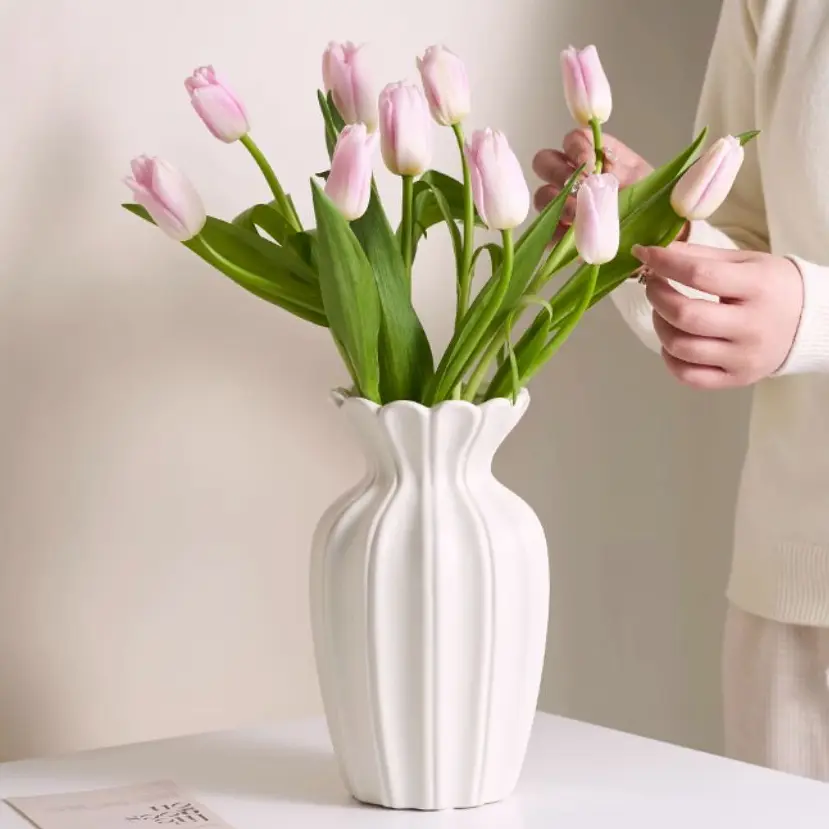


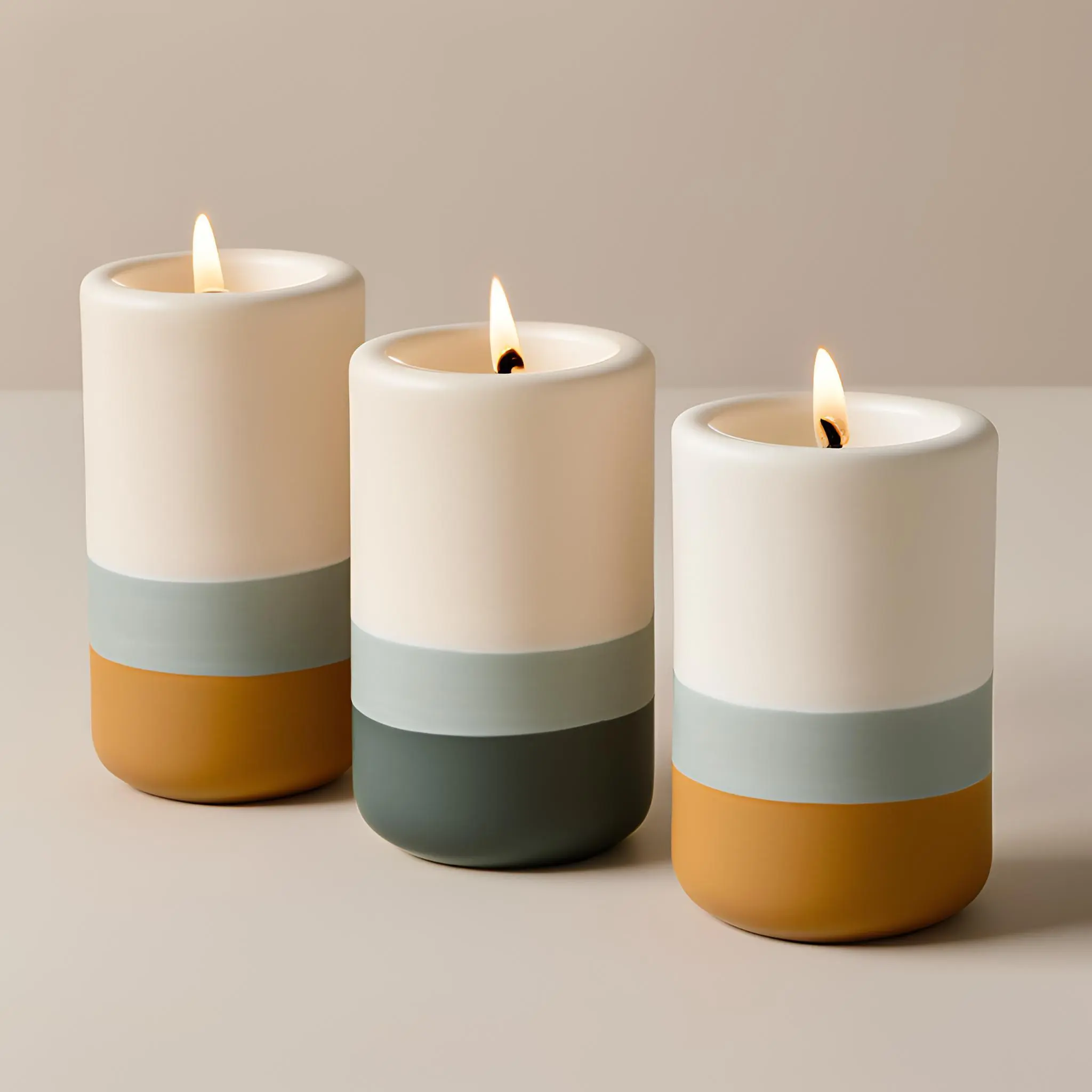

Tailor-made surface textures and colors designed for seasonal consumer retail spikes.
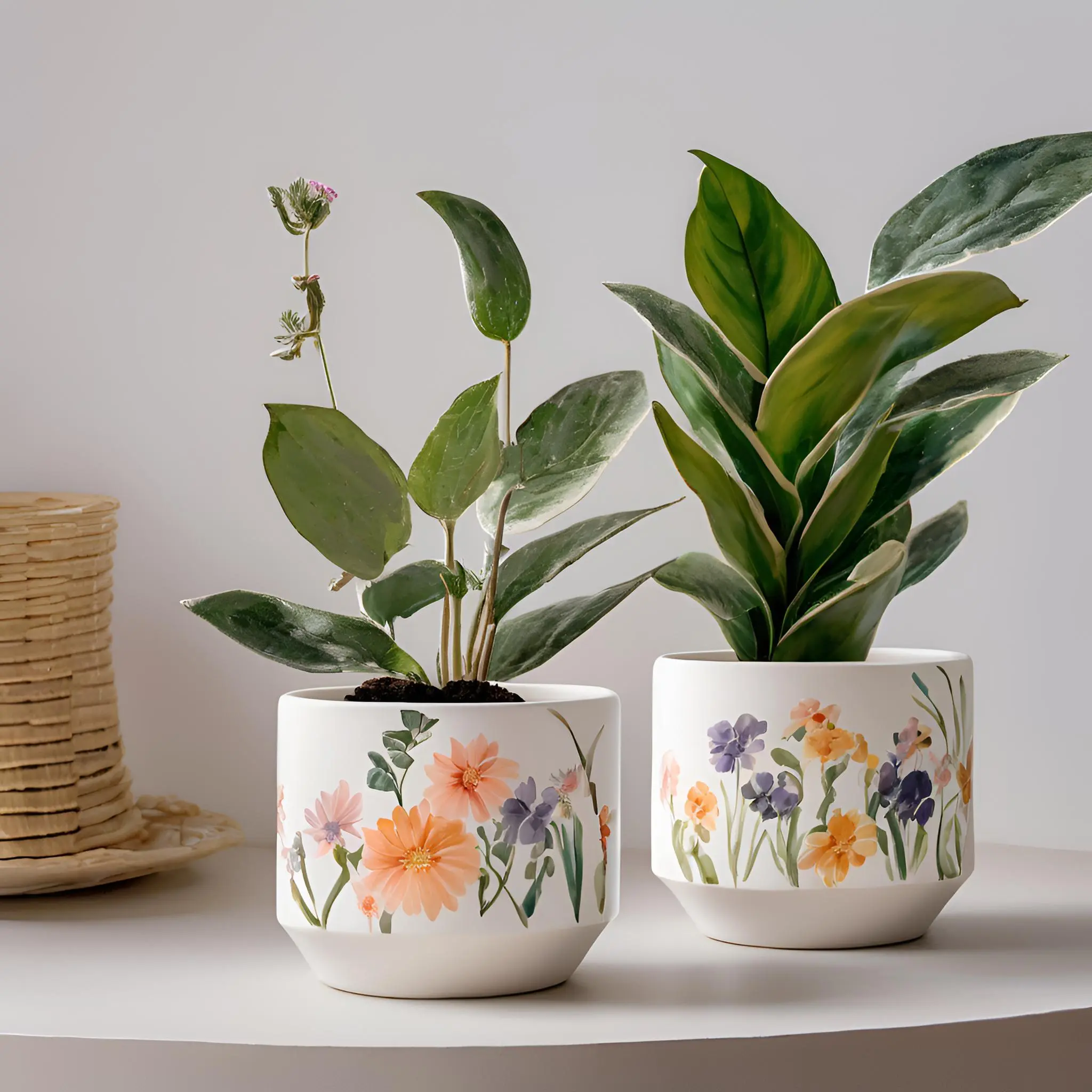
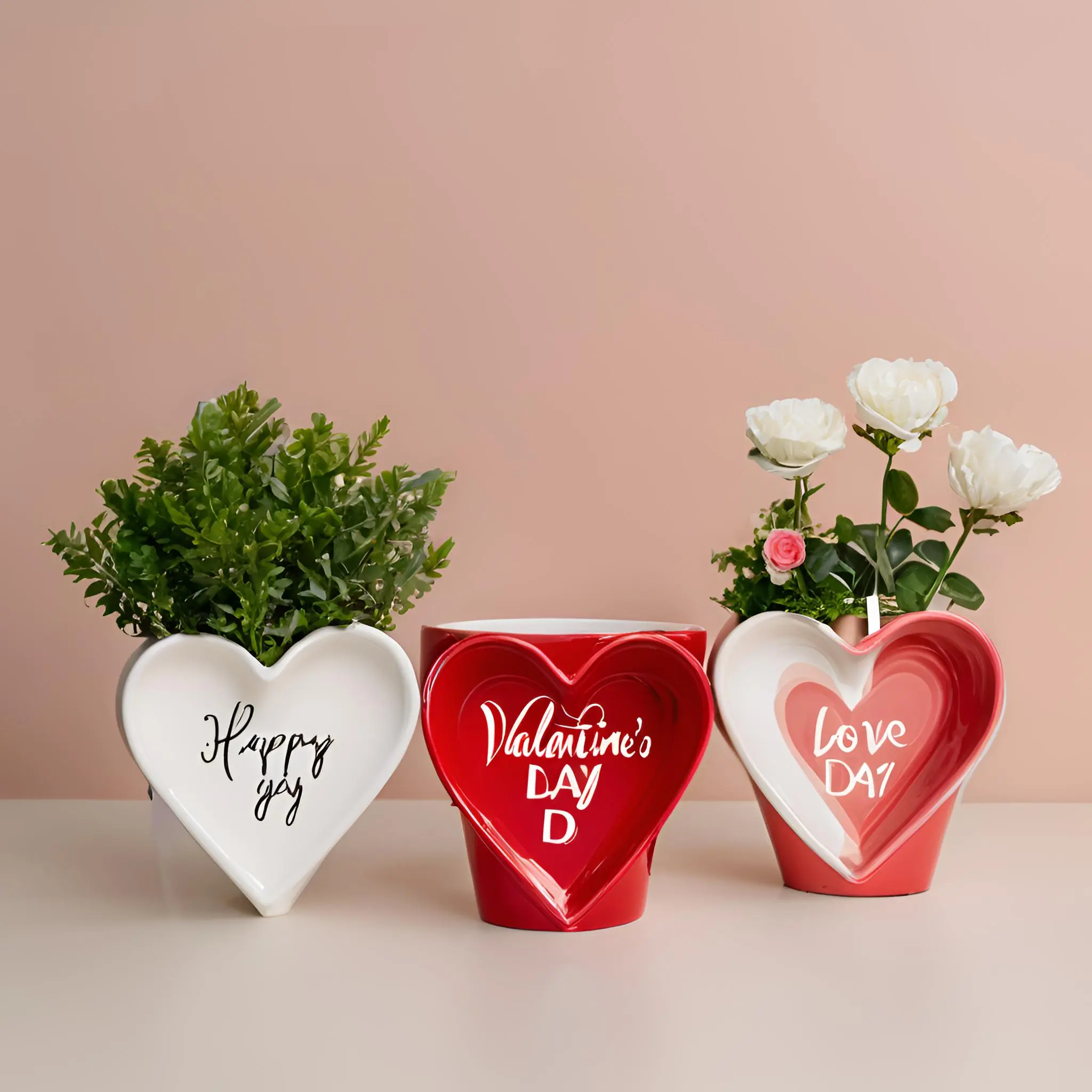
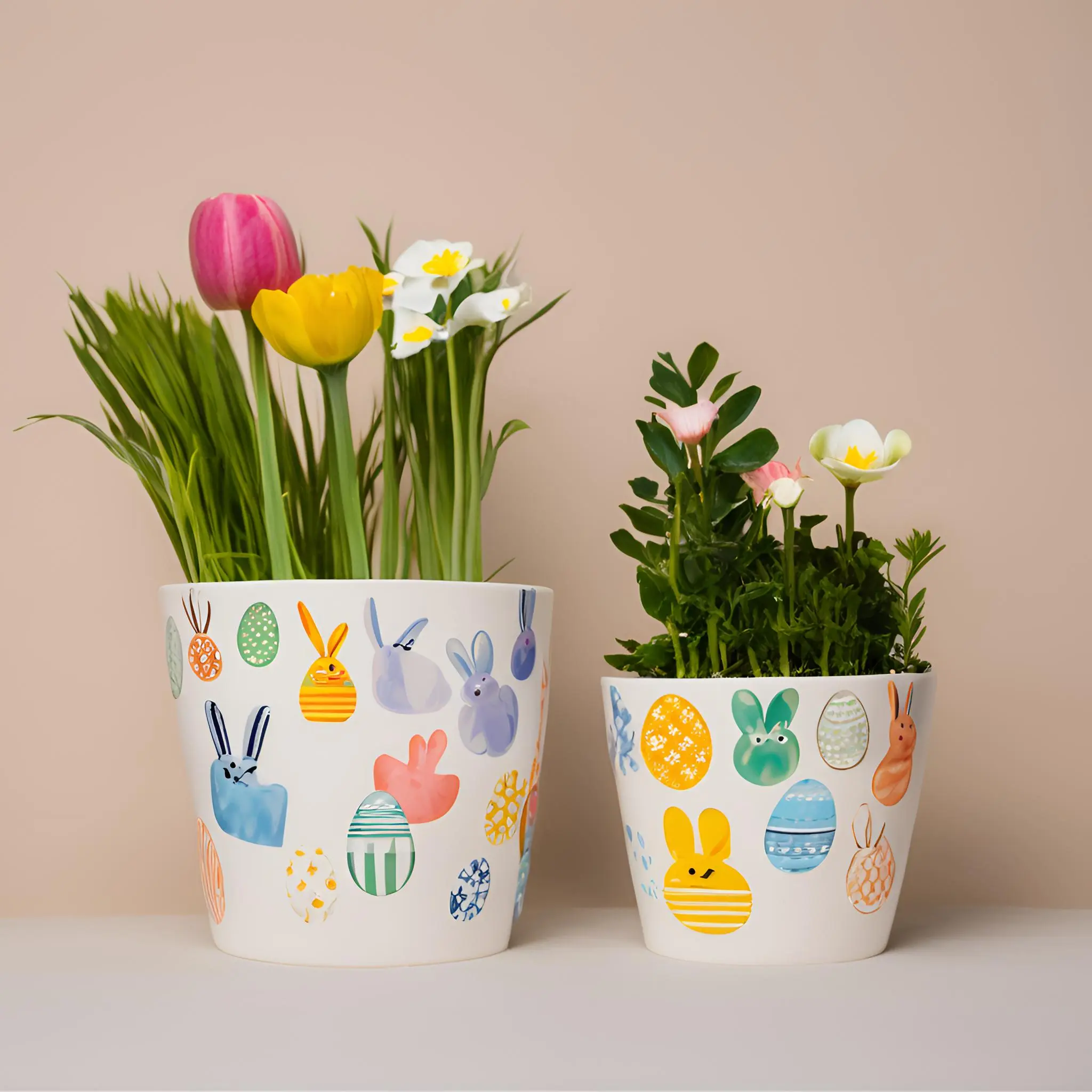
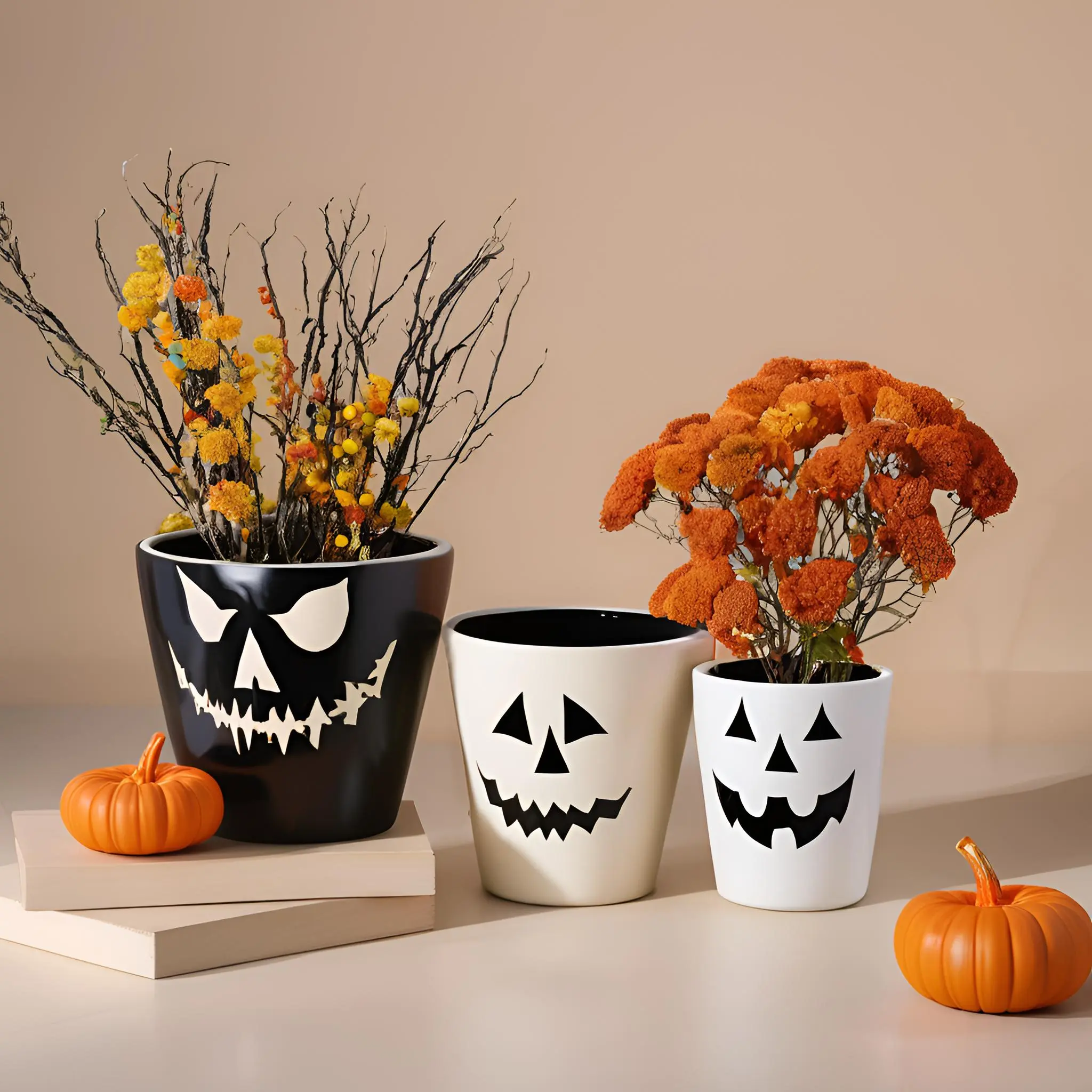
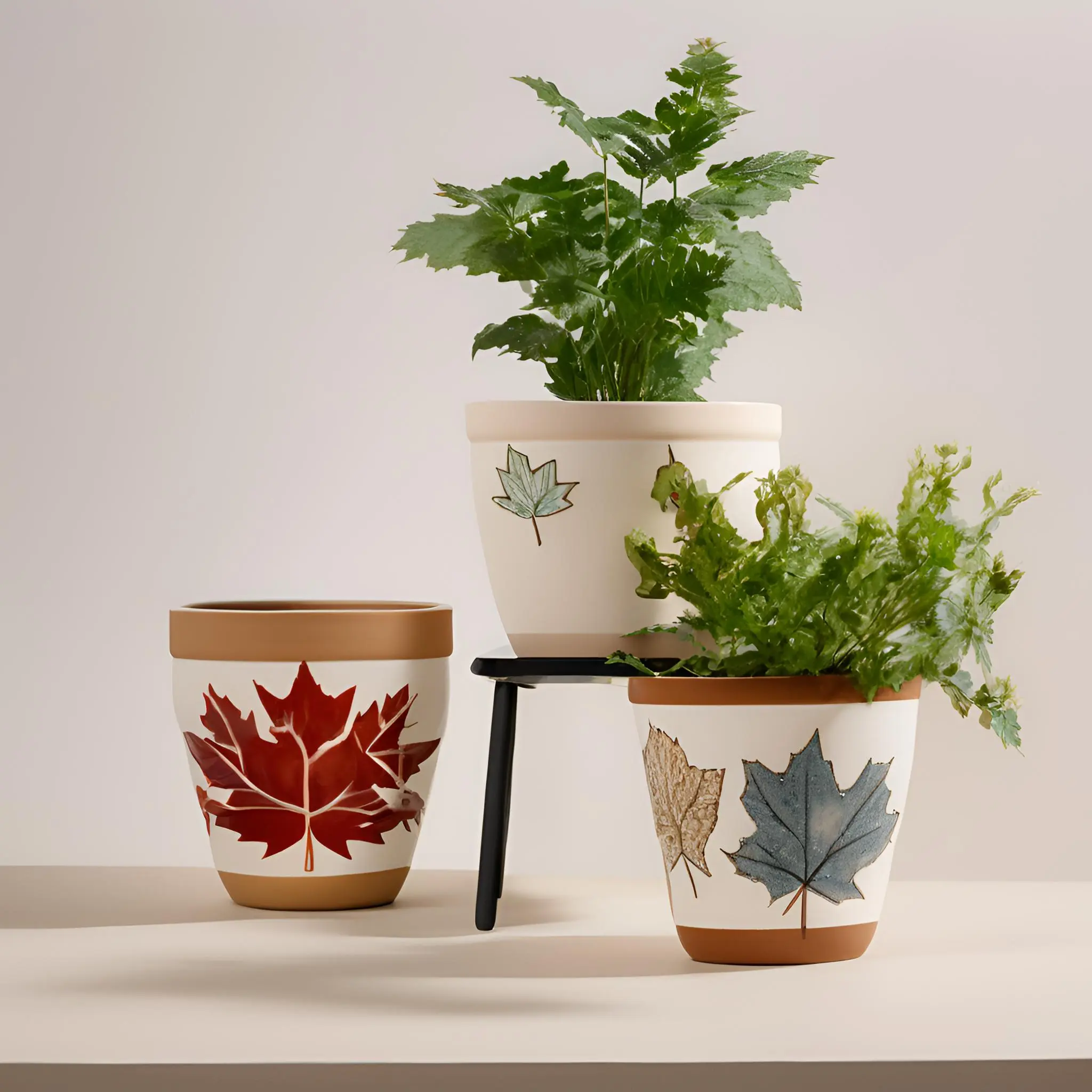
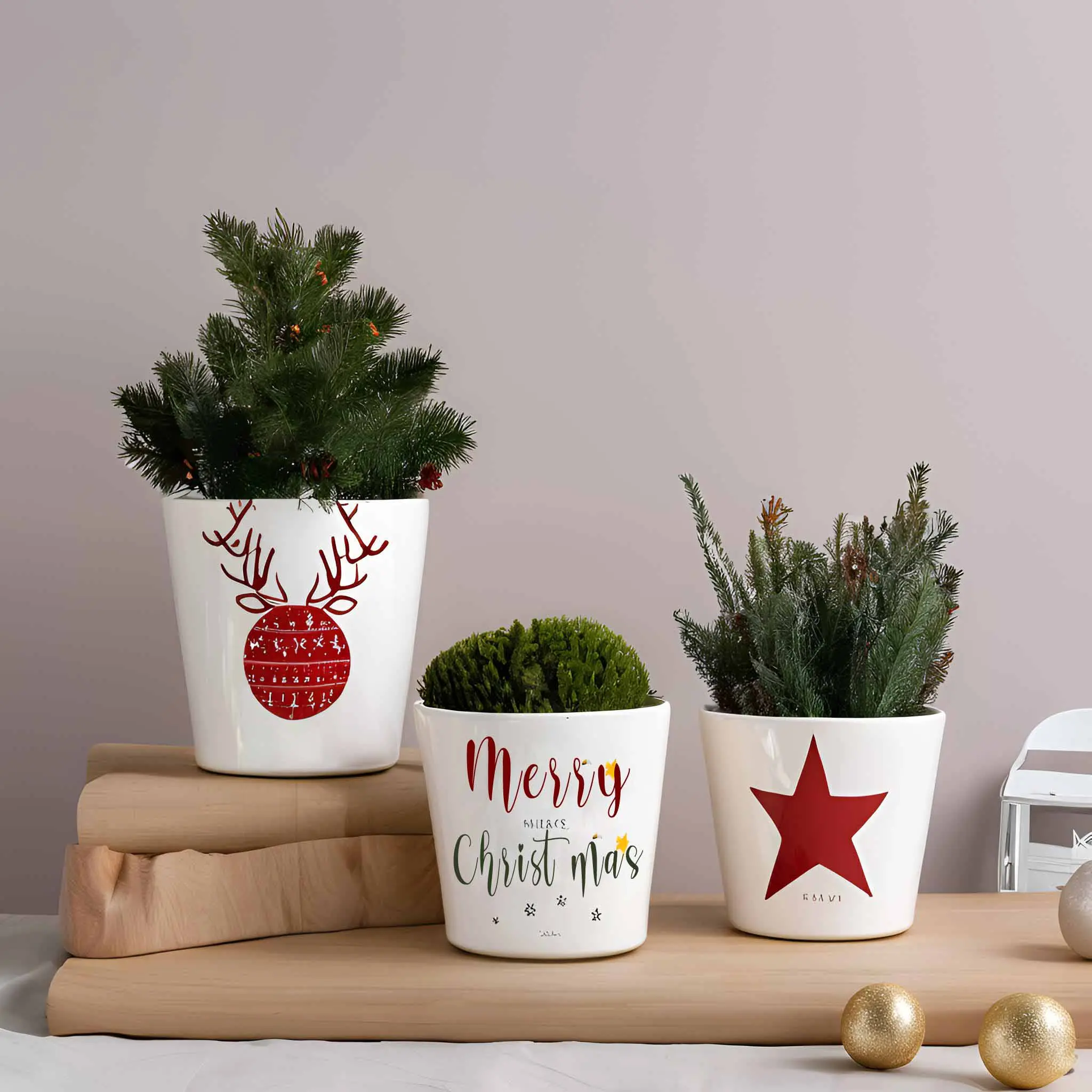
Value Deco Limited is a leading supplier of high-quality ceramic pots based in China. With over 12 years of experience in the decoration industry, we have built a strong reputation for offering a diverse range of Flower Pots, Flower Vases, Candle Holders, Home Decoration, Garden Decoration, and Dinnerware, suitable for various seasons and applications. Our products are designed to meet modern trending designs, ensuring that they not only serve a functional purpose but also enhance the aesthetic appeal of any space.
Value Deco - Flower Pots Division:
Sub-Website for Flower Pots: www.valuedeco.com
Pride Deco - Home & Garden Decor Division:
Sub-Website for Home Decor, Candle holders, Dinnerware, Garden Decor: www.pridedeco.com
Industry Experience
Custom Formulation
FOB, CIF, DDP Solutions
FDA & Prop 65 Certified
Access our detailed product specifications, chemical glaze lists, and design collections for commercial procurement.
Featuring cutting-edge surface aesthetics, textured reliefs, and advanced glaze formulations.
Direct technical answers from our chief ceramic engineers on compliance, testing, and quality control.
Choosing a lead-free glaze requires balancing the alkali flux ratio (like sodium and potassium) with alkaline earth oxides (calcium, zinc, and magnesium) to match the melting point without sacrificing stability. High-durability commercial applications also require a proper balance of silica and alumina to form a robust, scratch-resistant surface that complies with FDA and EU heavy metal leaching regulations.
Glaze crazing occurs when the glaze contracts more than the underlying ceramic body during cooling, creating tensile stress. Engineers match the COE of the glaze slightly lower than that of the body. This places the cooled glaze under mild compression, which prevents cracks, enhances mechanical strength, and prevents liquid penetration during usage.
Tableware and food-contact ceramics must pass rigorous acid extraction tests. The primary US standard is FDA 21 CFR, while the EU applies Directive 84/500/EEC. Additionally, California Proposition 65 has much stricter limits for lead (under 0.1 ppm) and cadmium leaching. Factories must run certified atomic absorption spectroscopy (AAS) or ICP-MS tests on random batch samples to ensure compliance.
China's production clusters consolidate raw mineral extraction, automated glaze preparation, and precision tunnel-kiln firing. This clustering reduces inner-province transport costs, standardizes raw material compositions, and allows rapid development of custom glazes (such as reactive finishes or specific matte textures) with high batch-to-batch consistency and short lead times.
The industry is moving rapidly toward lower firing temperatures (fast-fire glazes) to reduce carbon emissions and fuel consumption. Other major developments include digital inkjet glazing (which allows photographic textures to be glazed directly on tiles or vessels) and antimicrobial glaze additives (using copper-zinc ions to prevent bacterial growth on household surfaces).
Expanding your sourcing potential with seasonal accents, lifestyle accessories, and hand-decorated objects.