China Pottery Wheel Manufacturer & Factories

Empowering Global Ceramic Brands, Craft Studios, and Industrial Production Lines with Cutting-Edge Ceramic Machinery and High-Value Ceramic Output Solutions.

1. Executive Whitepaper: The Strategic Landscape of China Pottery Wheel Manufacturing

The global ceramics industry is undergoing a significant renaissance, driven by the convergence of digital fabrication, school educational curricula, and the expansion of boutique craft businesses. At the heart of this expansion lies the demand for robust, high-efficiency machinery: specifically, the pottery wheel. As the world's primary manufacturing hub, China plays a vital role. Finding a reliable China Pottery Wheel Manufacturer is key to maintaining supply chain efficiency and product quality.

This whitepaper addresses the core technical roadmaps, quality control parameters, and international trade compliance structures that global sourcing managers must navigate when procuring pottery wheels. Our focus on E-E-A-T principles provides searchers with actionable information on manufacturing capabilities in China's industrial zones.

12+
Years Sourcing Expertise
98.8%
QA Inspection Pass Rate
50+
Exporting Countries
Zero
Compliance Recalls

2. Technical Specifications & Engineering Roadmap

Modern pottery wheels are no longer simple mechanical turntables. Industrial demands require high torque, precise speed modulation, low noise emission, and high energy efficiency. Let's explore the key technical specs defined by top-tier Chinese factories:

Advanced Motor Architecture

Transitioning from traditional carbon-brushed motors to Brushless DC (BLDC) motors. This eliminates brush wear, reduces EMF noise, and improves torque at low RPMs.

Precision Control Systems

Micro-controller units (MCUs) manage foot pedal resistance, ensuring linear speed response. Feedback loops adjust voltage in real-time, preventing wheel stalling under high pressure.

Safety & Water Isolation

IPX4 or IPX5 ingress protection ratings are critical for electronics exposed to water and wet clay. Factories run leakage current testing before shipping.

Below is a comparison matrix outlining typical factory tiers across China:

  • Tier 1 Manufacturers (Industrial Grade): Use cast aluminum alloy wheel heads, integrated splash pans, advanced BLDC motors (350W-450W), and maintain operational noise levels below 50dB.
  • Tier 2 Manufacturers (Educational/Studio Grade): Standard brushed or simplified brushless motors (250W-350W), plastic splash guards, and standard pedal mechanisms.
  • Tier 3 Manufacturers (Hobbyist/Consumer Grade): Compact tabletop units, smaller wheel head diameters (15cm-25cm), and basic speed knobs for entry-level use.

3. Global Procurement Strategy & Supply Chain Management

Procuring pottery wheels and related ceramic production equipment (kilns, extruders, slip casters) requires careful supply chain oversight. When importing from China, global procurement teams face risks related to logistics, component failures, and regulatory compliance.

Quality Assurance Framework (The Golden Rule)

Reliable Chinese factories employ a three-tier quality control protocol:

  1. IQC (Incoming Quality Control): Inspection of raw materials, including copper wiring, aluminum ingots, steel bearings, and polymer housings.
  2. IPQC (In-Process Quality Control): Dynamic balancing tests of the rotary wheel head to ensure run-out tolerances stay below 0.2mm.
  3. FQC (Final Quality Control): Run-in tests under load for 4 hours to monitor temperature rises in the motor and controller boards.

VALUE DECO LIMITED

Your One-Stop Purchasing Destination for Decoration Category!

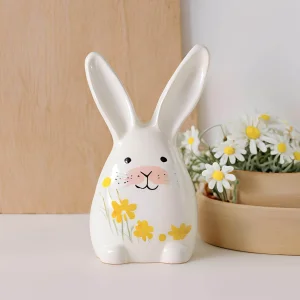
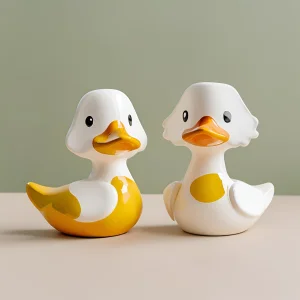
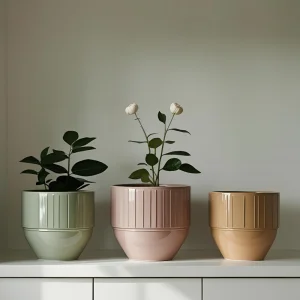
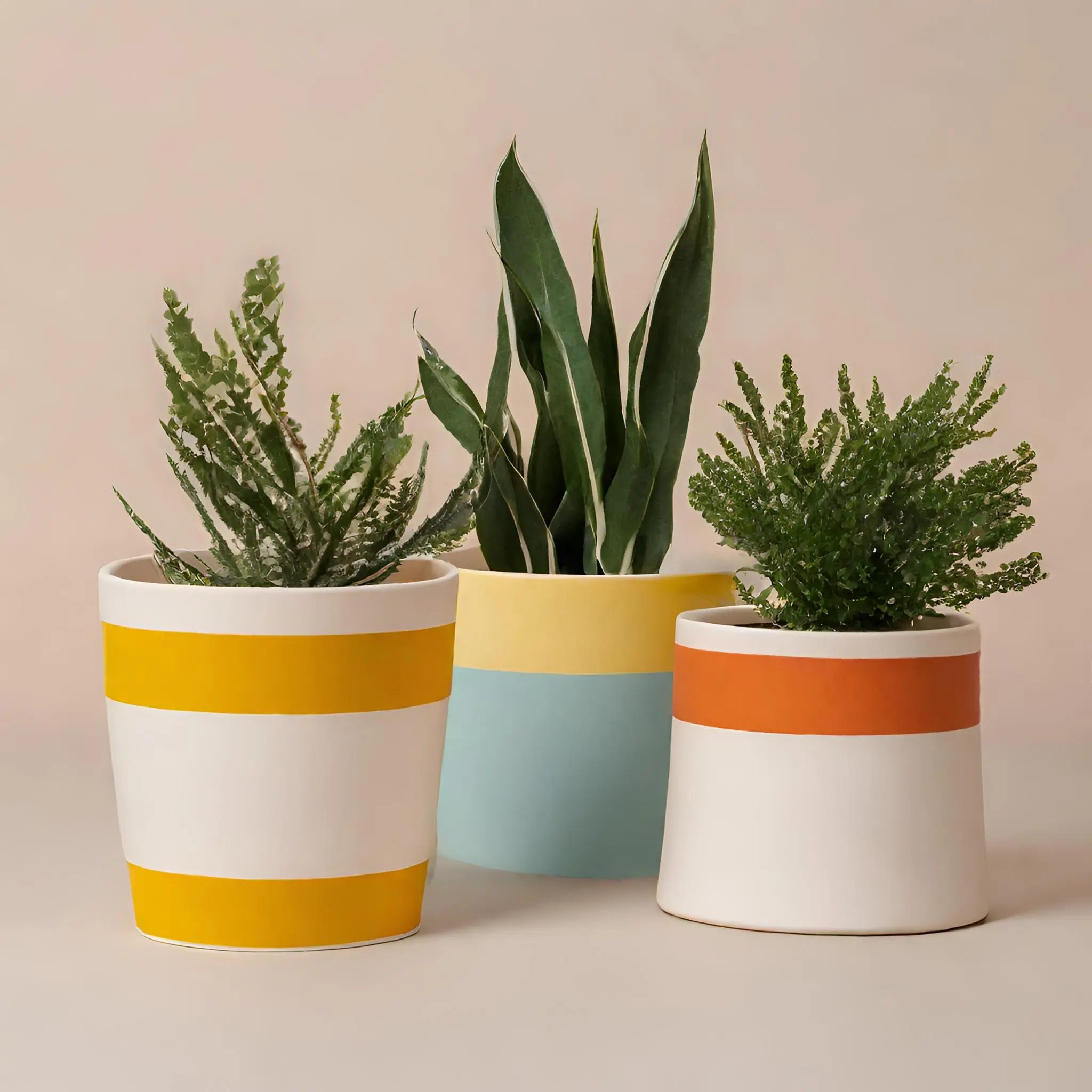
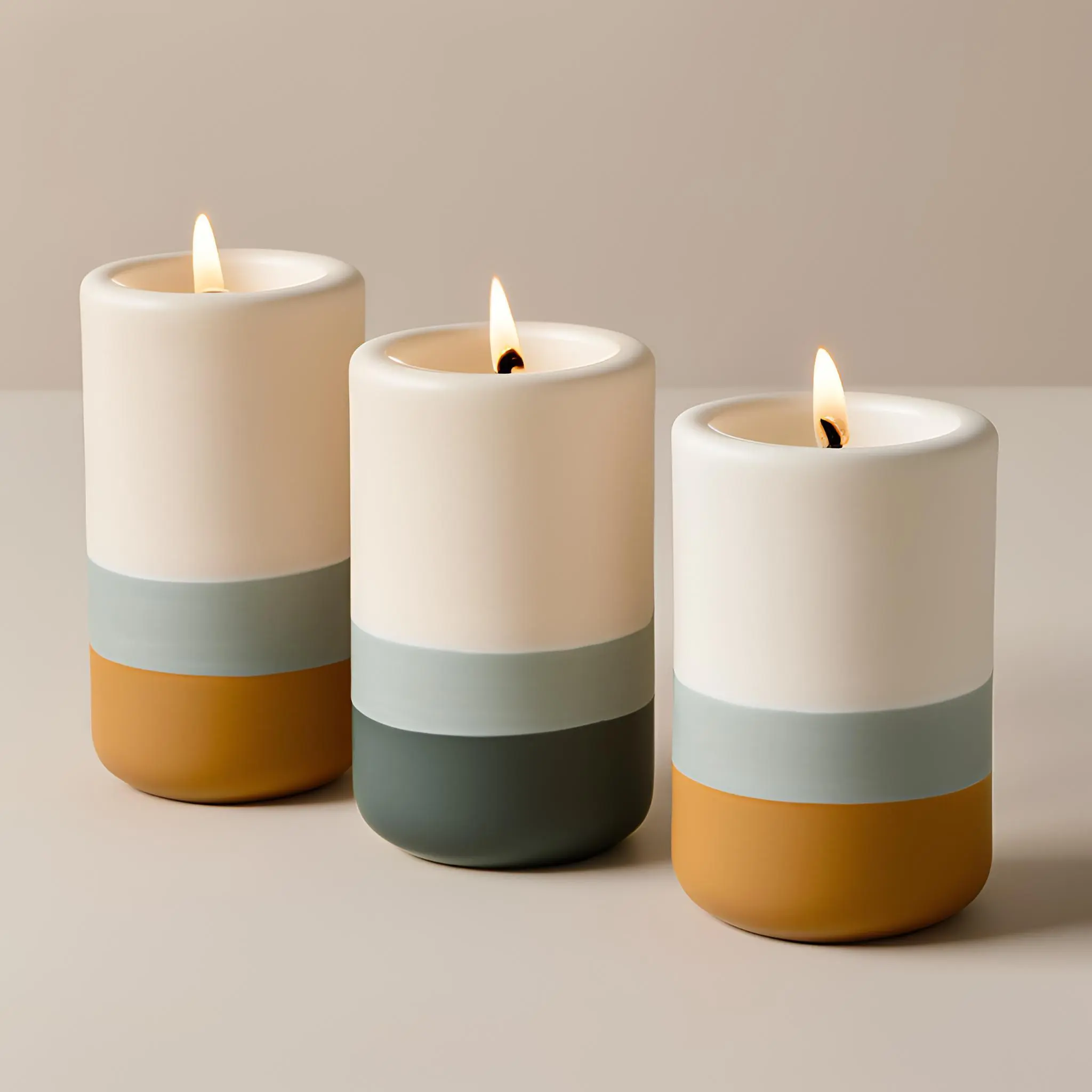
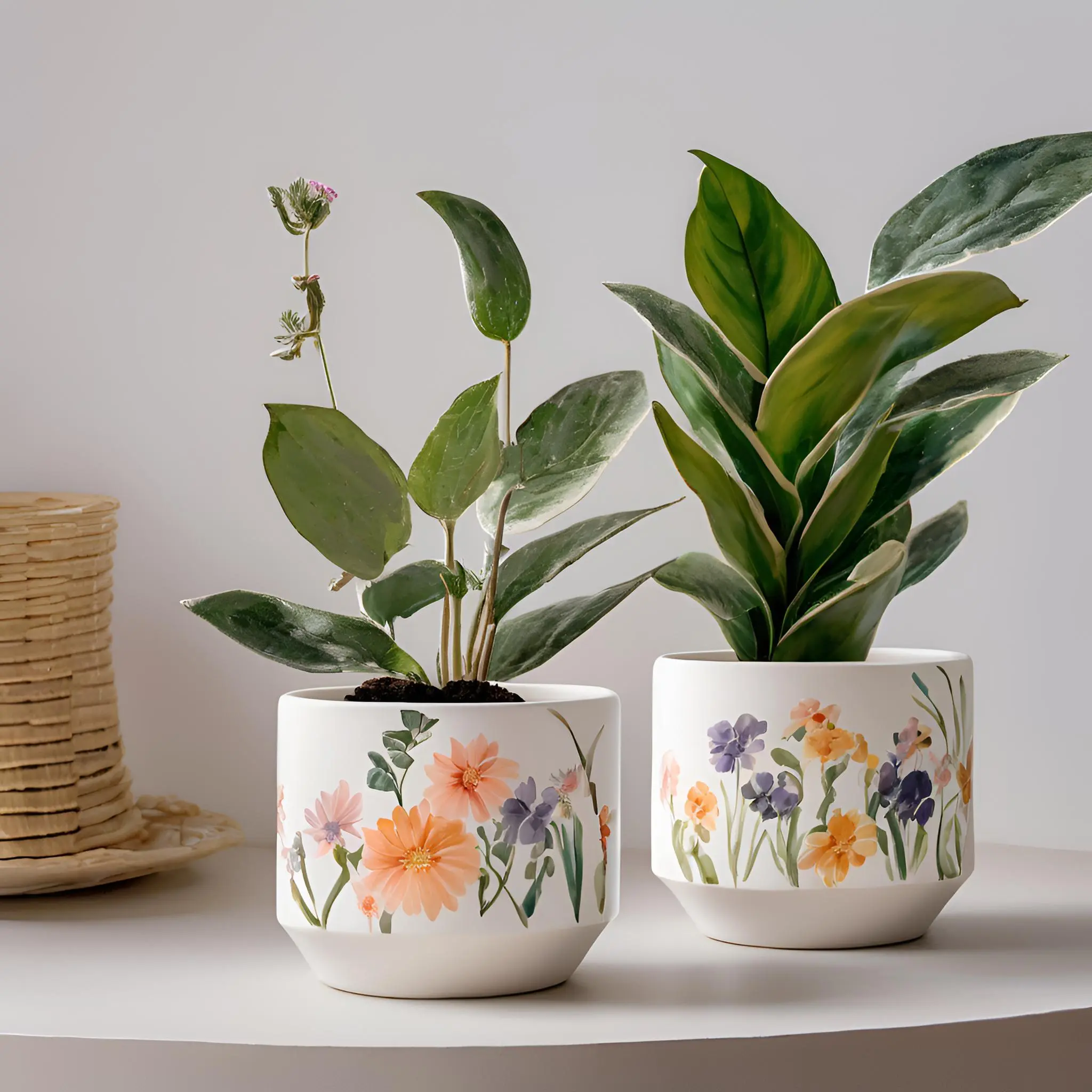
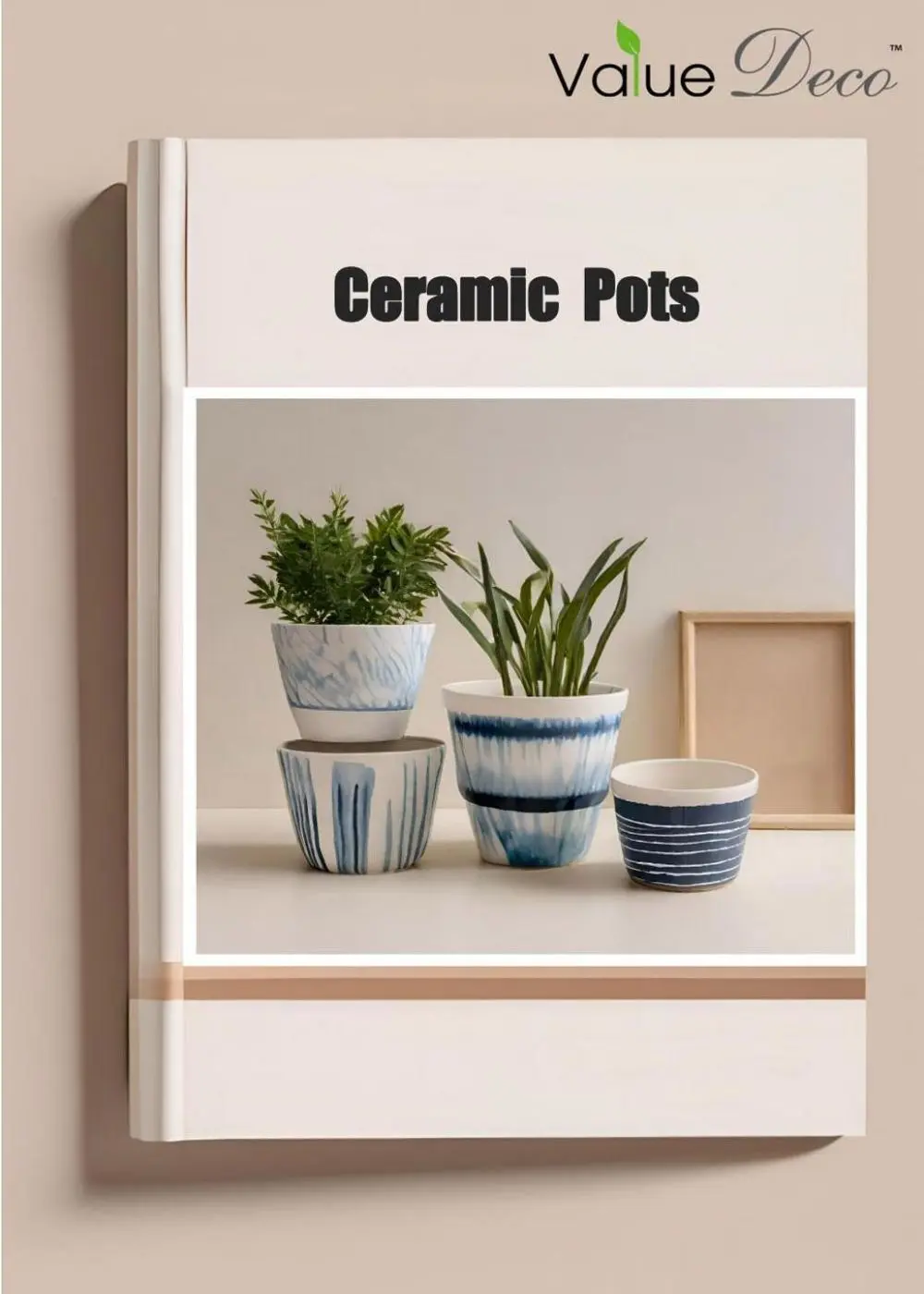
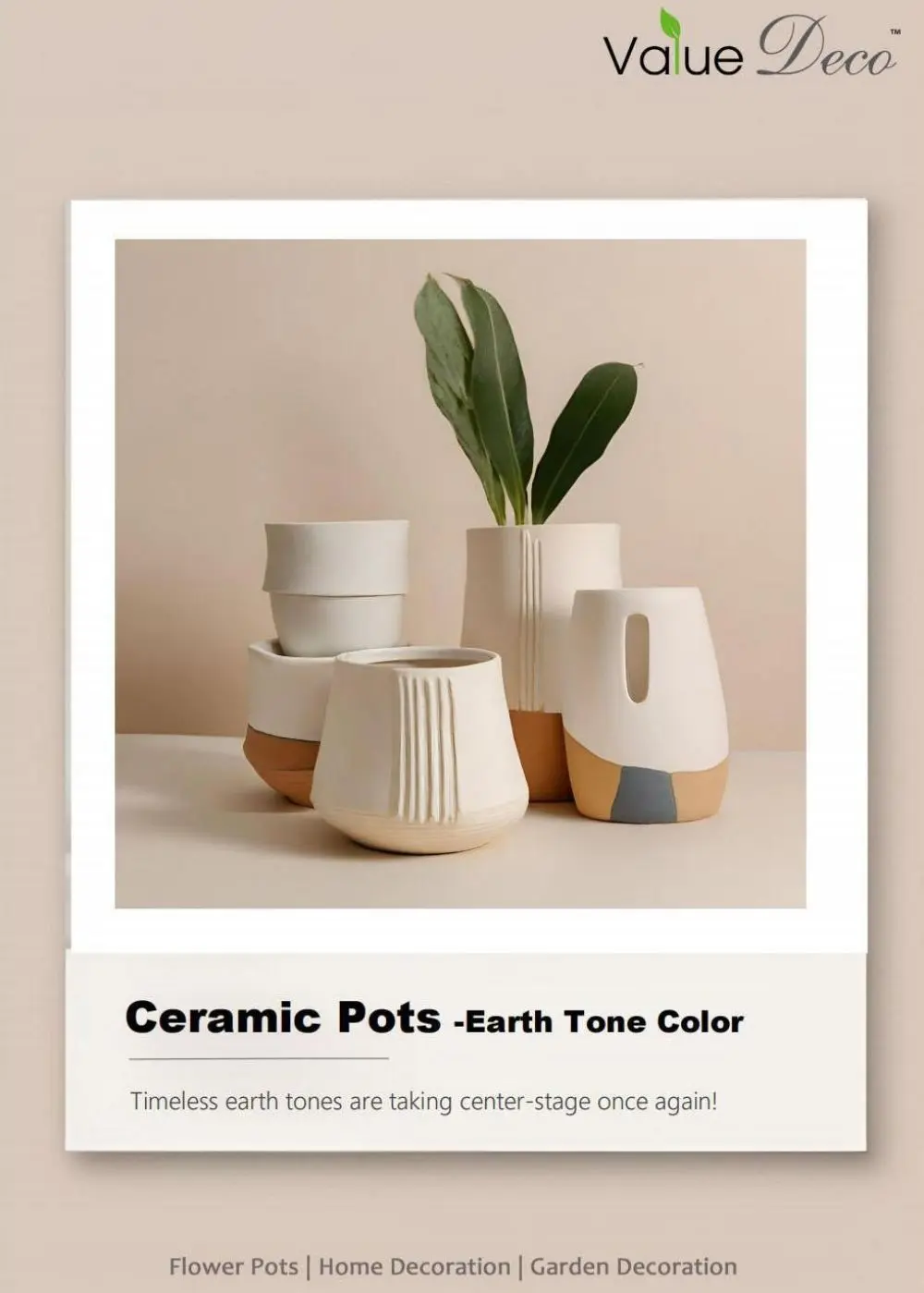
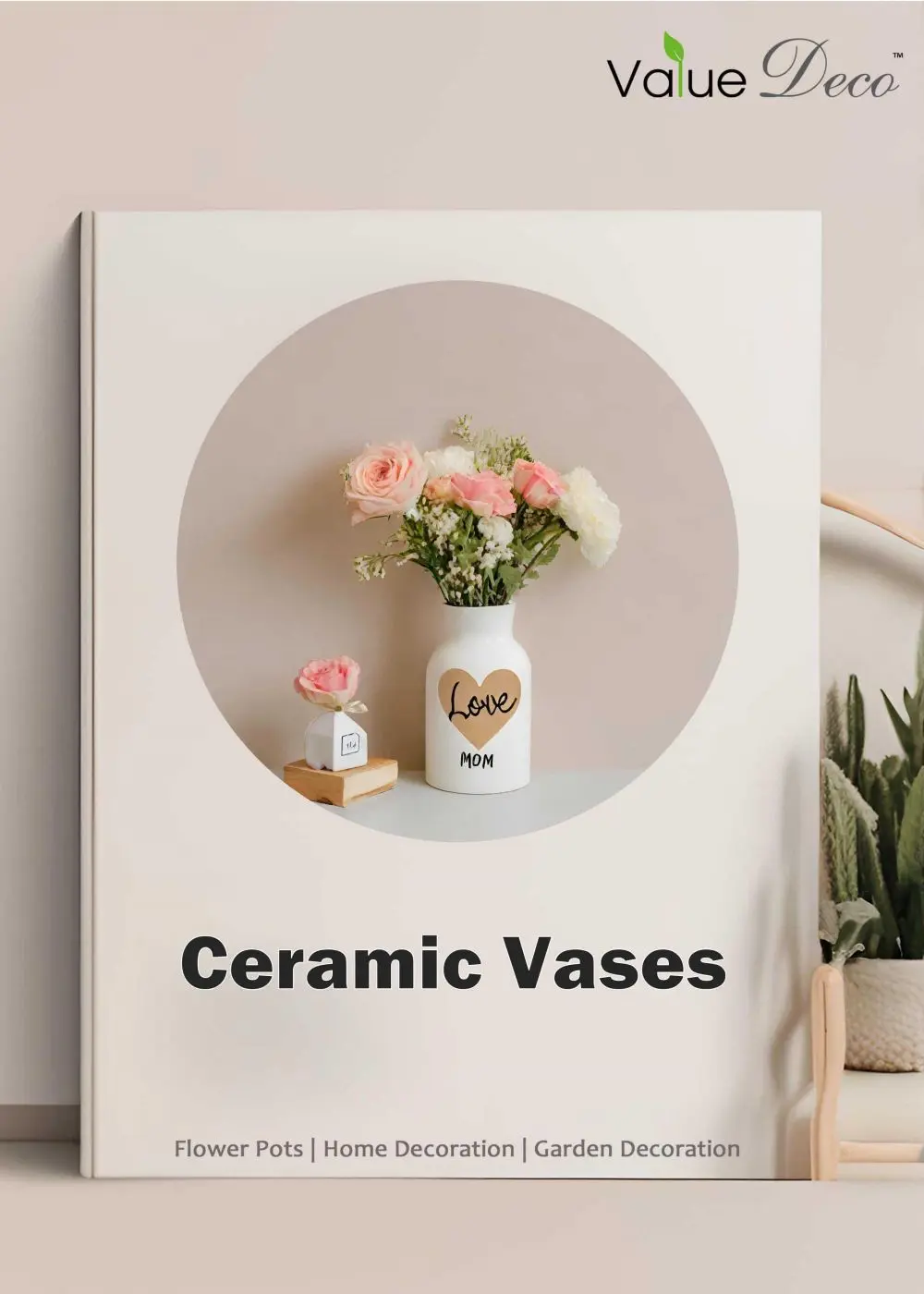
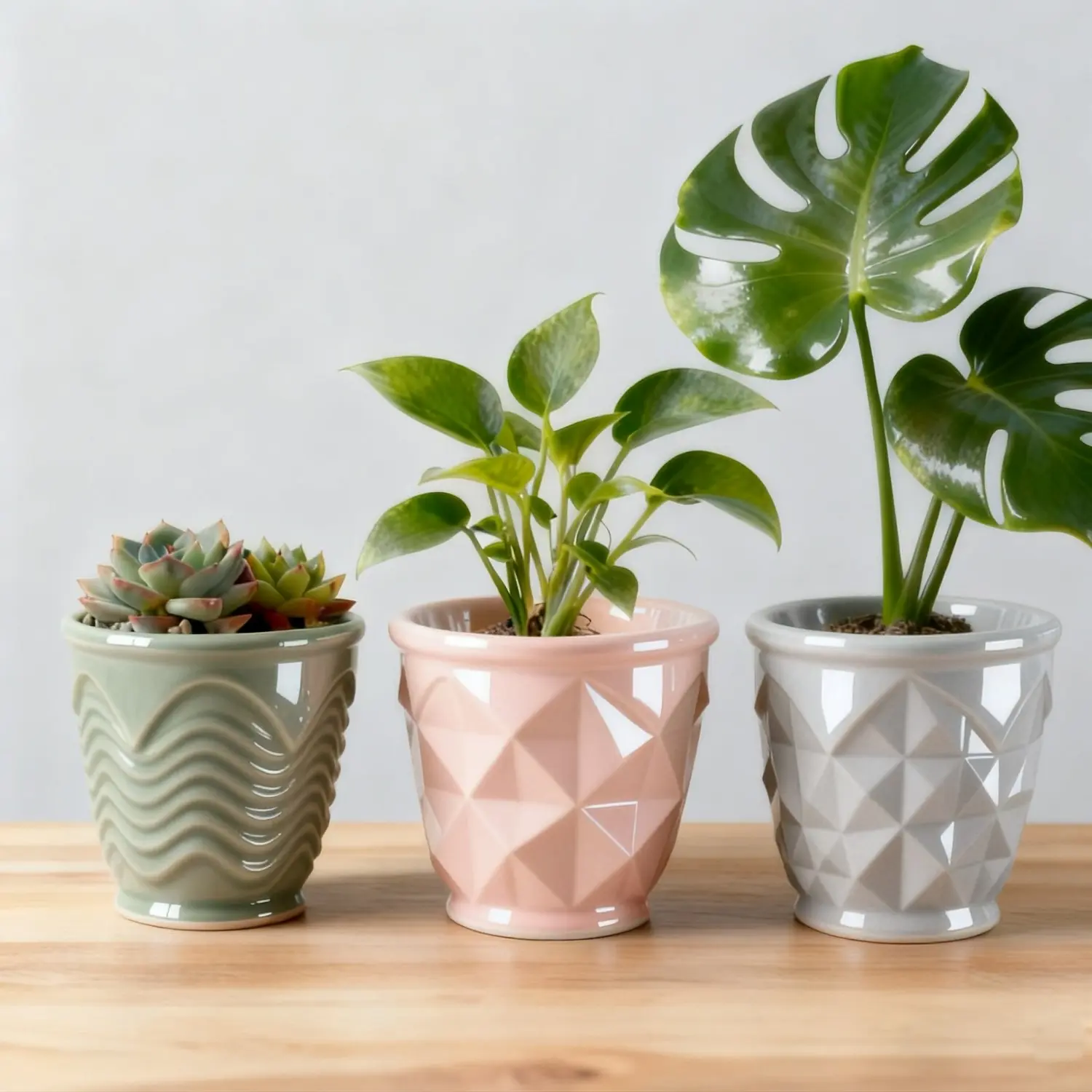
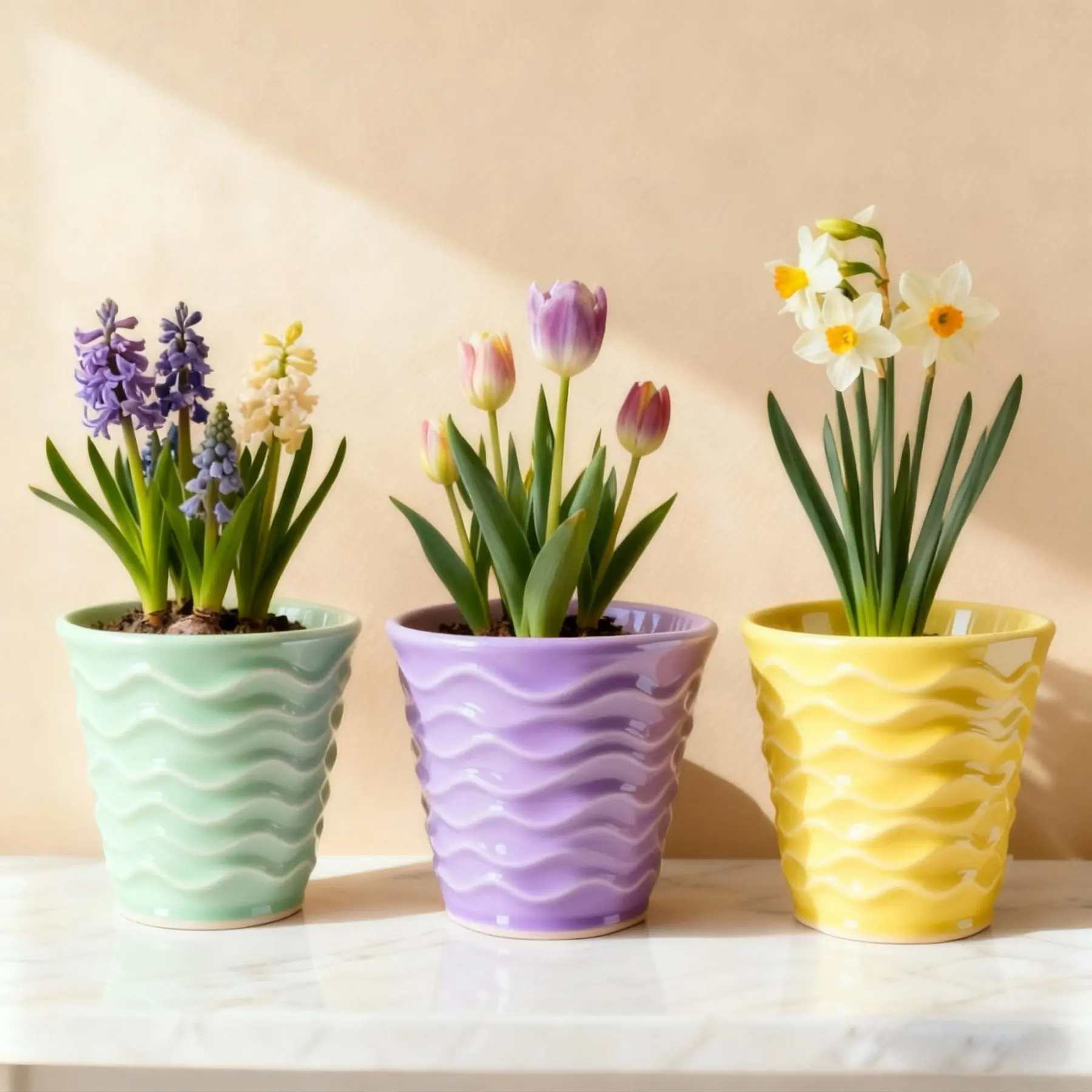
Value Deco Limited is a leading supplier of high-quality ceramic pots based in China. With over 12 years of experience in the decoration industry, we have built a strong reputation for offering a diverse range of Flower Pots, Flower Vases, Candle Holders, Home Decoration, Garden Decoration, and Dinnerware, suitable for various seasons and applications. Our products are designed to meet trending designs, ensuring that they not only serve a functional purpose but also enhance the aesthetic appeal of any space.

Learn More About Value Deco

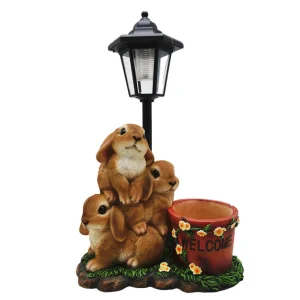
Our Product Categories

Explore our wide selection of ceramic products manufactured to the highest standards.

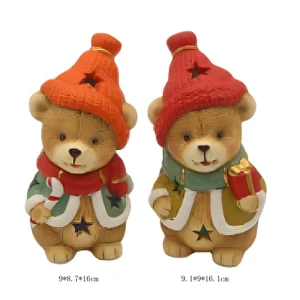
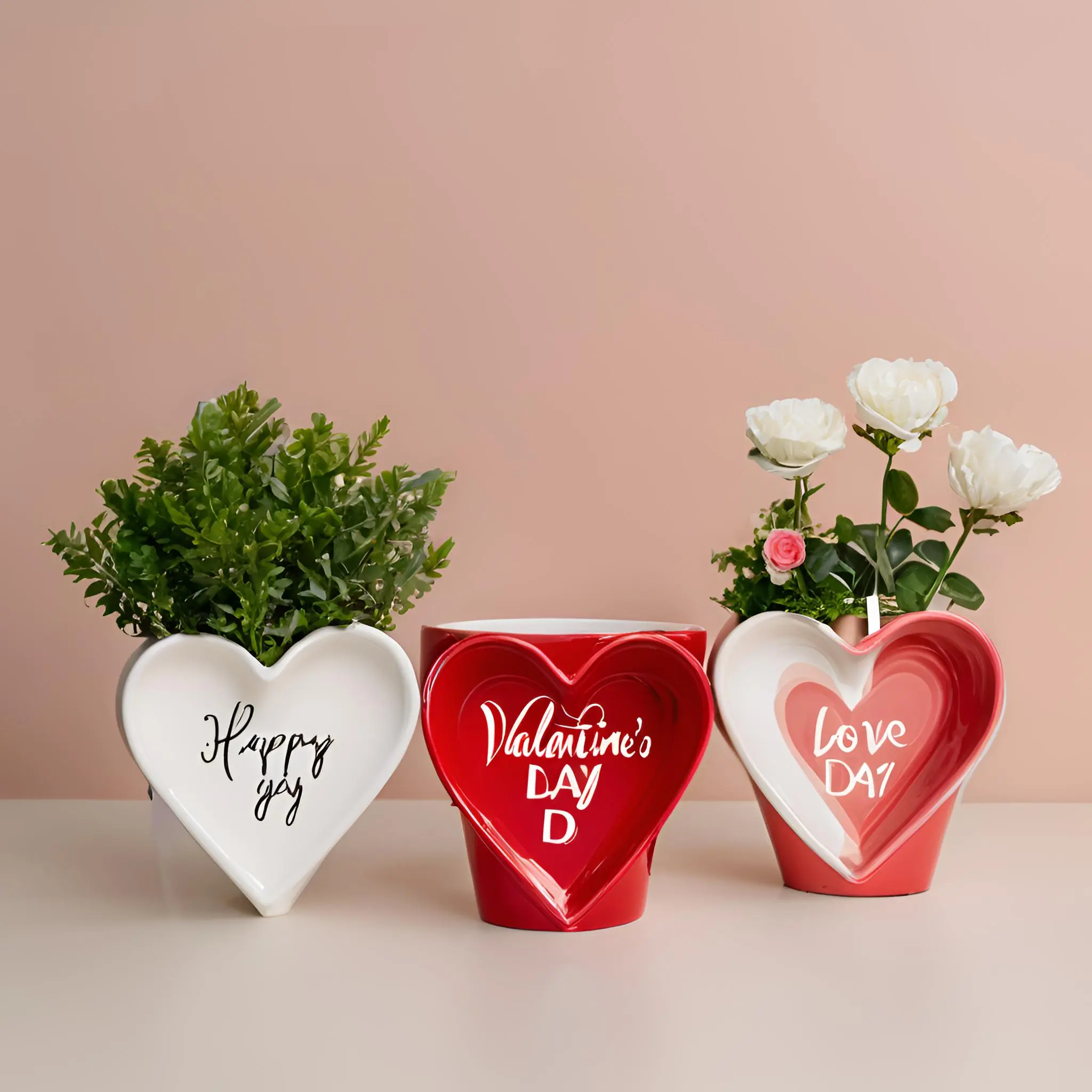
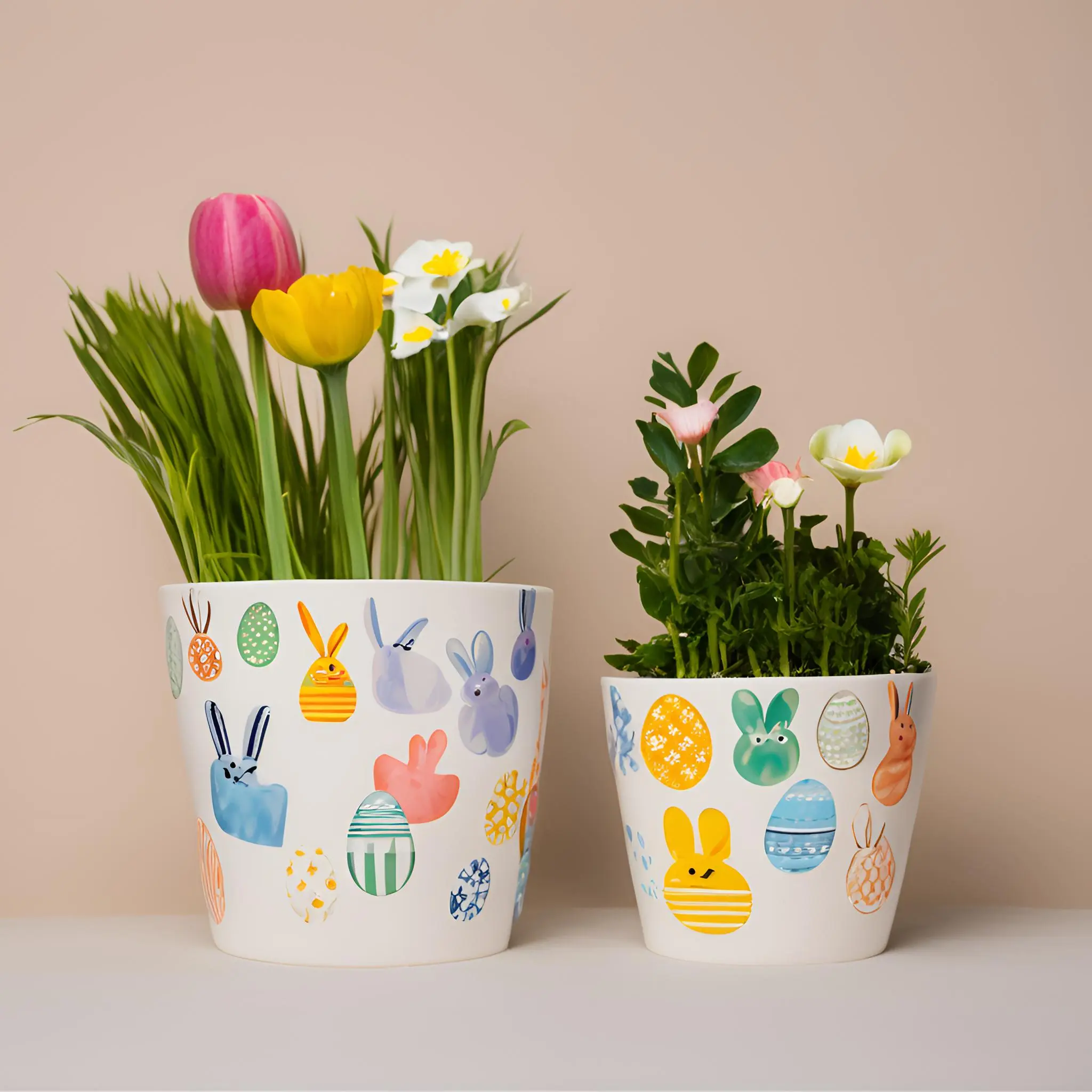
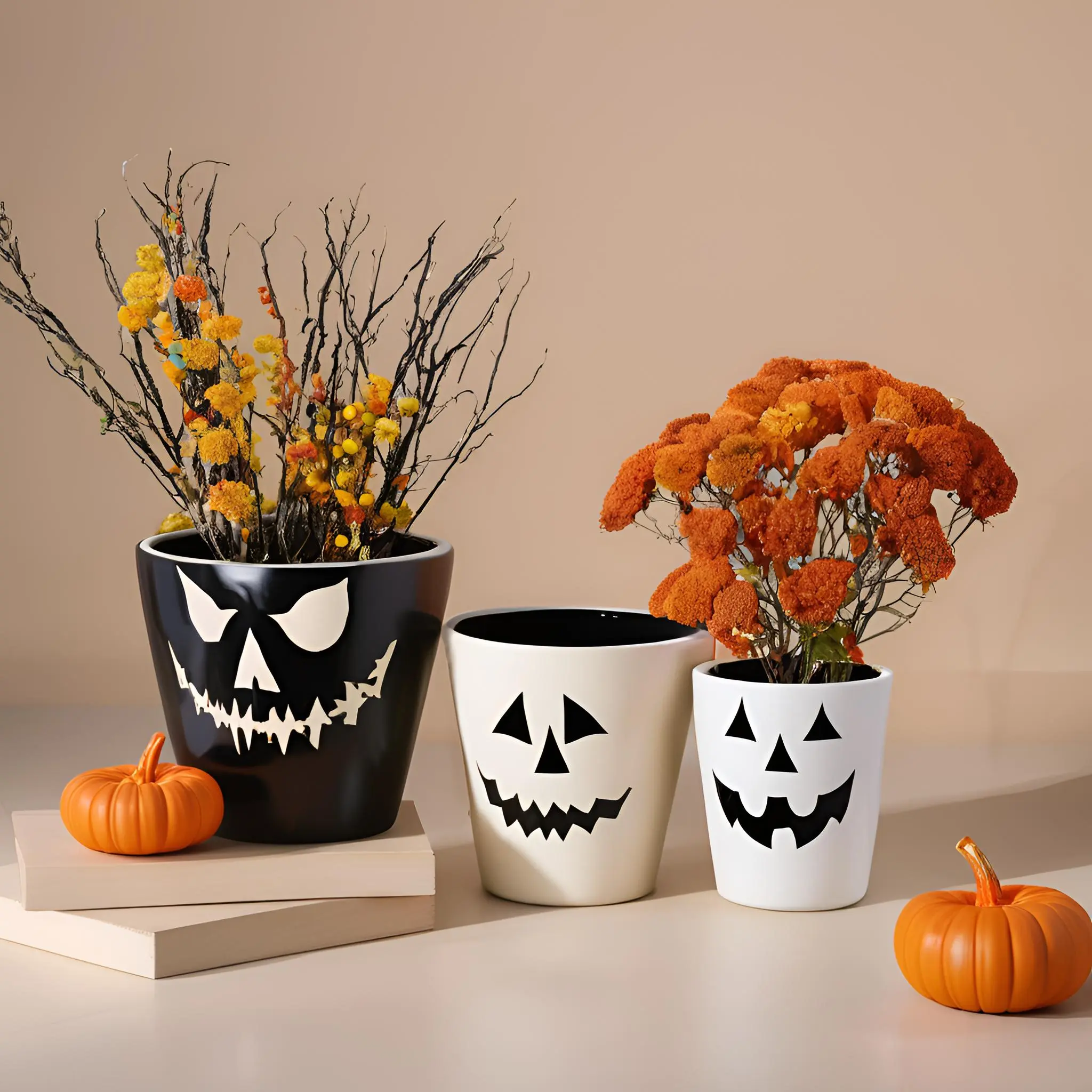
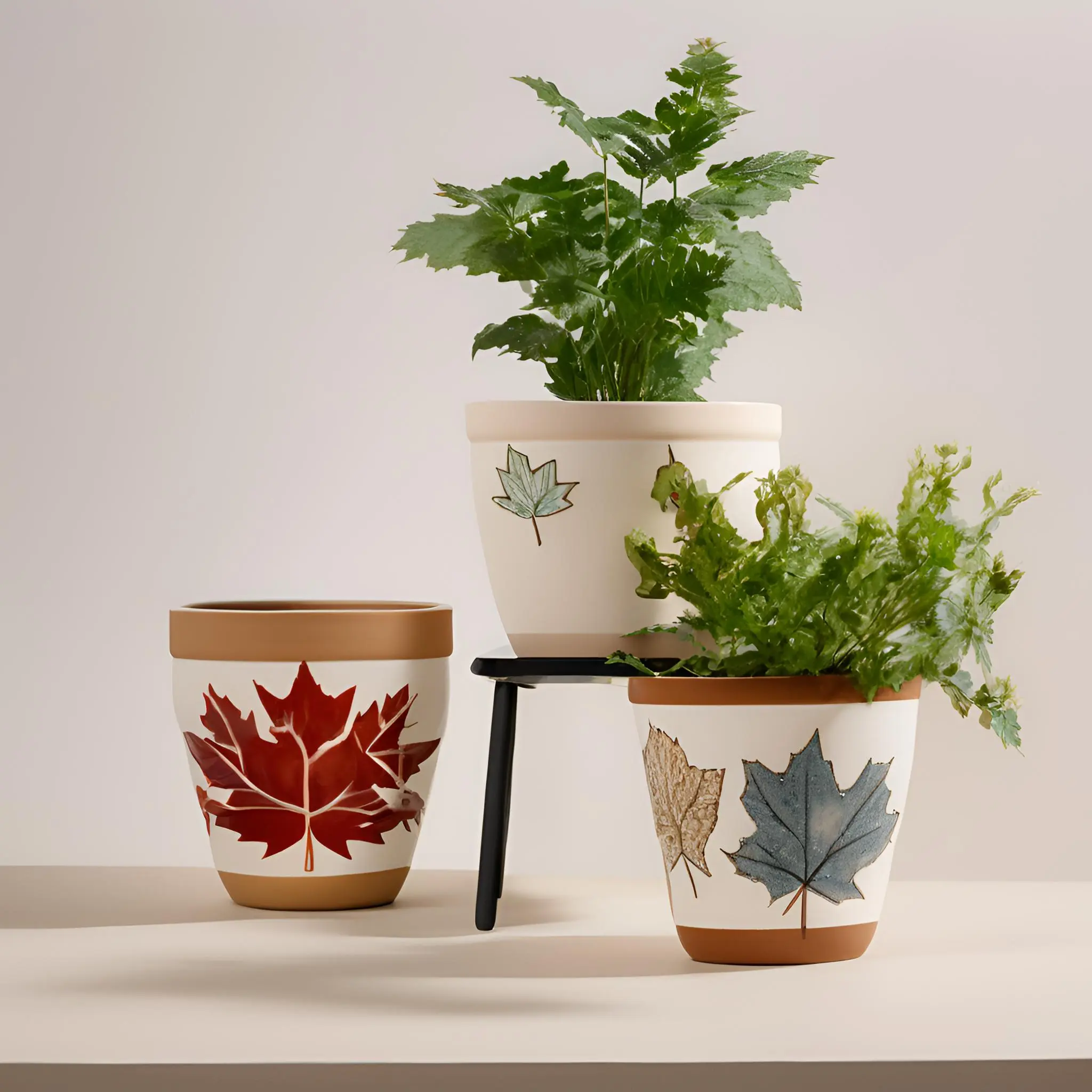
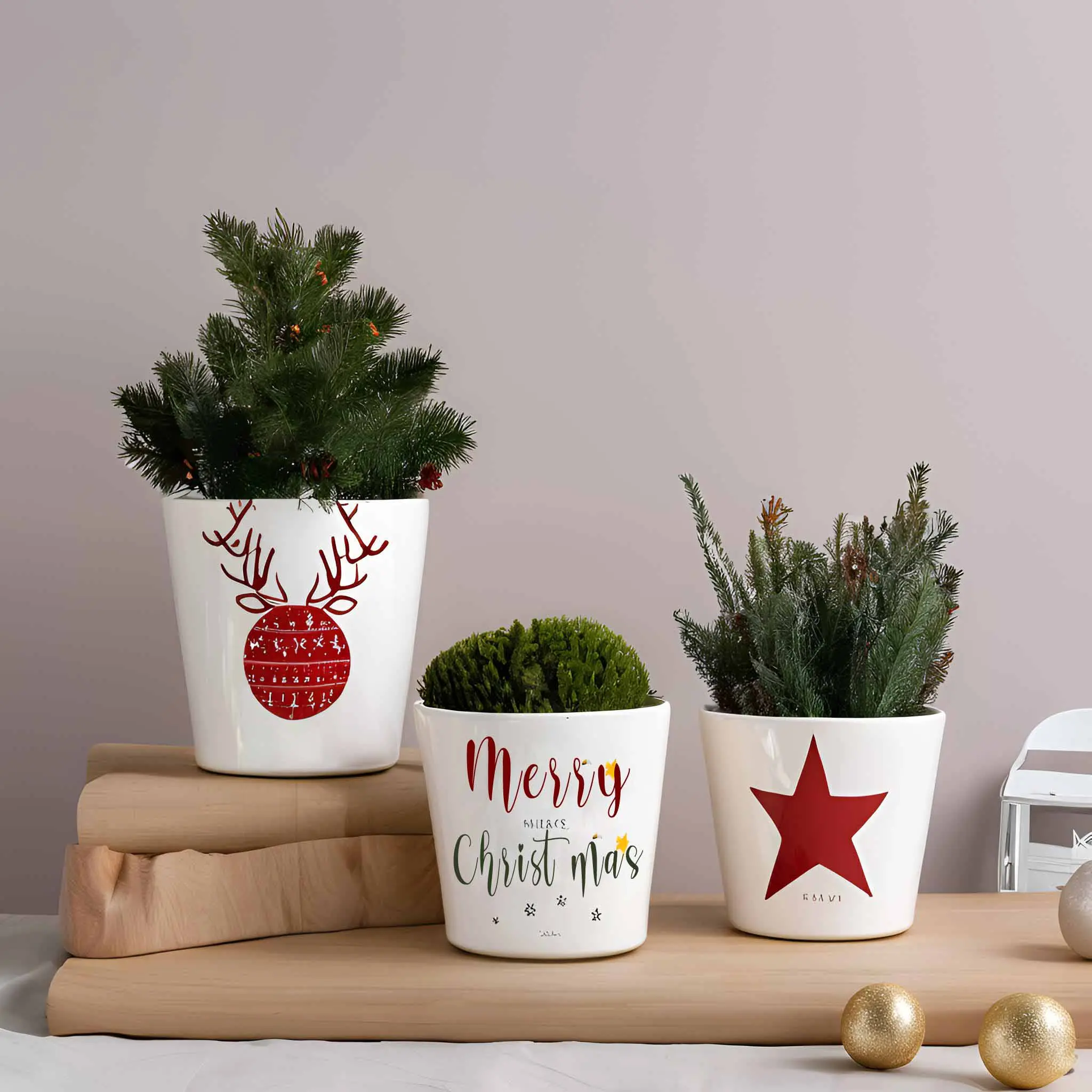
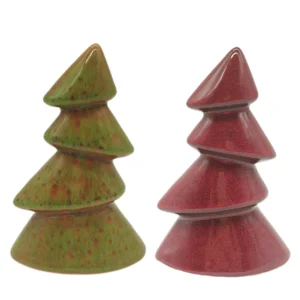
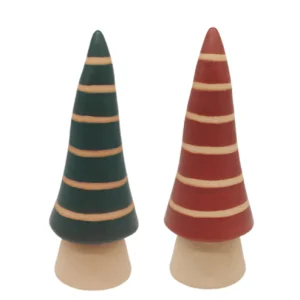
Holiday & Seasonal Collections

Seasonal trends play a vital role in consumer demand. Explore our curated catalog for every season.

4. Global Commercial Landscape and Regional Requirements

The demand for pottery wheels varies by region, presenting different requirements for manufacturers:

  • North America (US & Canada): Focuses on UL/CSA certifications, 110V/60Hz grid compatibility, and stable warranty services. Distributors prioritize models with high torque for heavy stoneware throwing.

  • Europe (UK & EU): Emphasizes CE marking, RoHS compliance for electronic components, and eco-friendly packaging. Multi-voltage adaptors (220V-240V/50Hz) are required.
  • Asia-Pacific & Emerging Markets: Focuses on durability and cost efficiency. The growing educational market in Australia, Japan, and Southeast Asia drives demand for compact, quiet, and stackable tabletop pottery wheels.

5. Environmental Sustainability and Compliance Standards

Manufacturing processes must align with global environmental standards. Responsible factories are switching to recyclable materials for motor housings and structural frames. Additionally, they use non-hazardous powder-coat finishes rather than solvent-based wet paints. Key regulatory compliance frameworks include:

  • WEEE Directives: Ensuring proper recycling paths for electrical and electronic equipment at the end of its lifecycle.

  • RoHS & REACH: Guaranteeing that plastic parts, wiring insulation, and silicon seals are free from lead, mercury, and phthalates.
  • ISO 14001: Implementing environmental management systems that reduce industrial waste during factory casting and CNC machining processes.

6. Technical Roadmap: AI-Driven Diagnostics & IoT Integration

The pottery wheel market is moving toward smart diagnostic systems. Next-generation prototypes feature:

  • IoT Monitoring: Smart sensors that record operating temperatures, RPM telemetry, and total run time, sending predictive maintenance alerts via Bluetooth.
  • AI Adaptive Torque: Algorithms that detect heavy clay loads and dynamically adjust power delivery to keep rotation speeds constant without user adjustment.
  • Regenerative Braking Systems: Direct-drive motors that recover energy during deceleration, reducing overall energy use in busy educational studios.

Catalog Available

Explore our diverse catalogs showcasing unique designs and collections for global markets.

Frequently Asked Questions (FAQ)

Find answers to common questions about sourcing pottery wheels and ceramic products from China.

Q1: How do you choose the right pottery wheel motor power for studio use?
For educational and standard studio settings, a brushless DC motor ranging from 250W to 350W is typical. For industrial settings or throwing large amounts of clay (above 15kg), a 450W high-torque motor is recommended to prevent speed changes under pressure.
Q2: What certifications are required when importing pottery wheels to the EU and US?
Imports to the US typically require FCC compliance and UL listing for electrical components. For the EU market, CE certification, RoHS compliance for lead-free circuitry, and Low Voltage Directives (LVD) are required.
Q3: Can pottery wheel manufacturers customize foot pedals and speed control systems?
Yes. Leading manufacturers offer ODM services, including customized ergonomic pedals, digital LCD speed displays, dual-direction toggle switches (for left or right-handed use), and specialized splash guards.
Q4: How does Value Deco Limited ensure quality for overseas buyers?
Value Deco Limited leverages over 12 years of experience. We implement strict QC standards, including pre-shipment inspections, material certifications, and drop-tests for packaging, ensuring high-quality products arrive intact.
Q5: What are the standard lead times for bulk ceramic and equipment orders?
Standard OEM production runs average 30 to 45 days after deposit confirmation and sample approval. Peak holiday manufacturing runs (e.g., for Christmas or Easter orders) should be scheduled 4 to 6 months in advance.