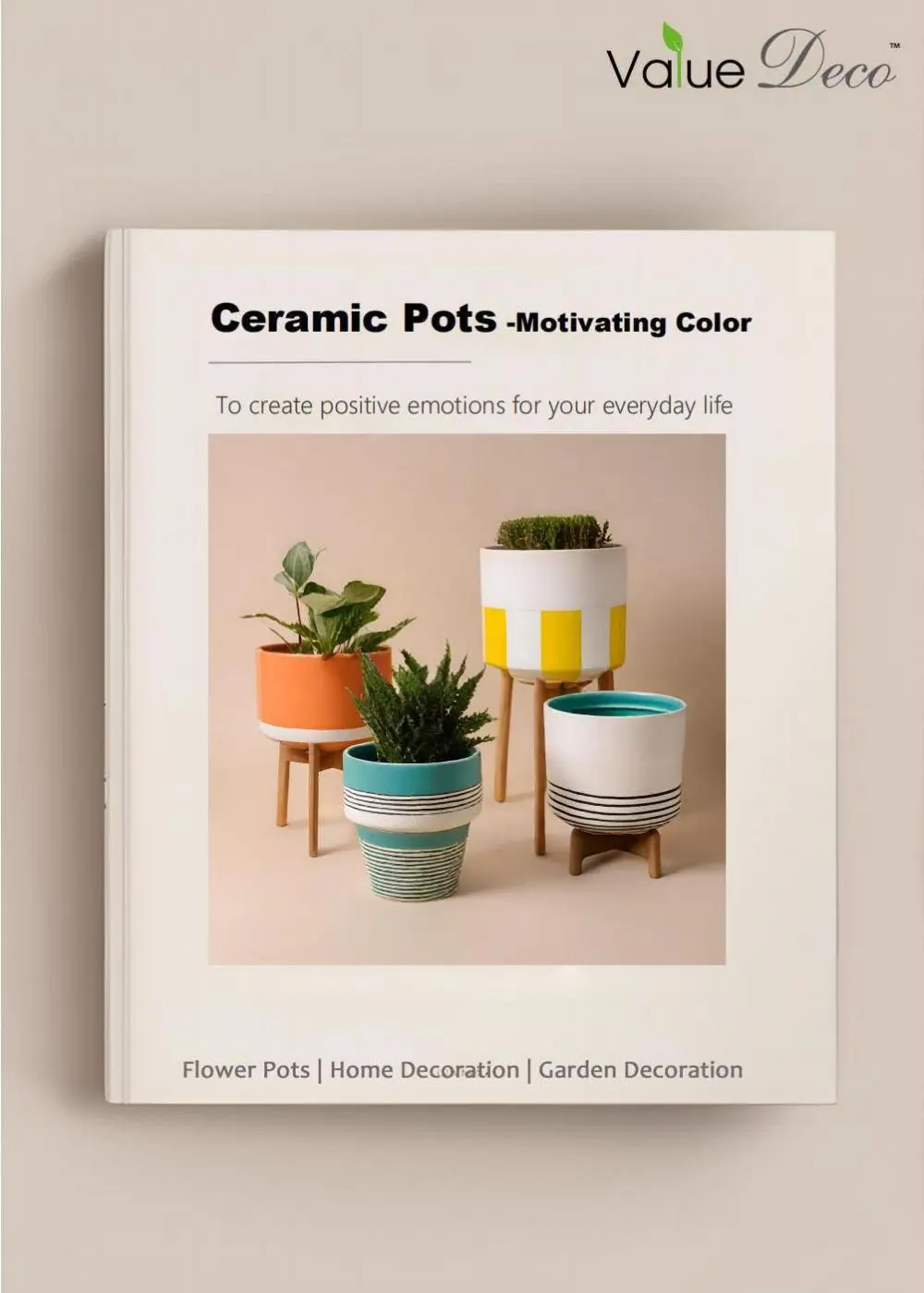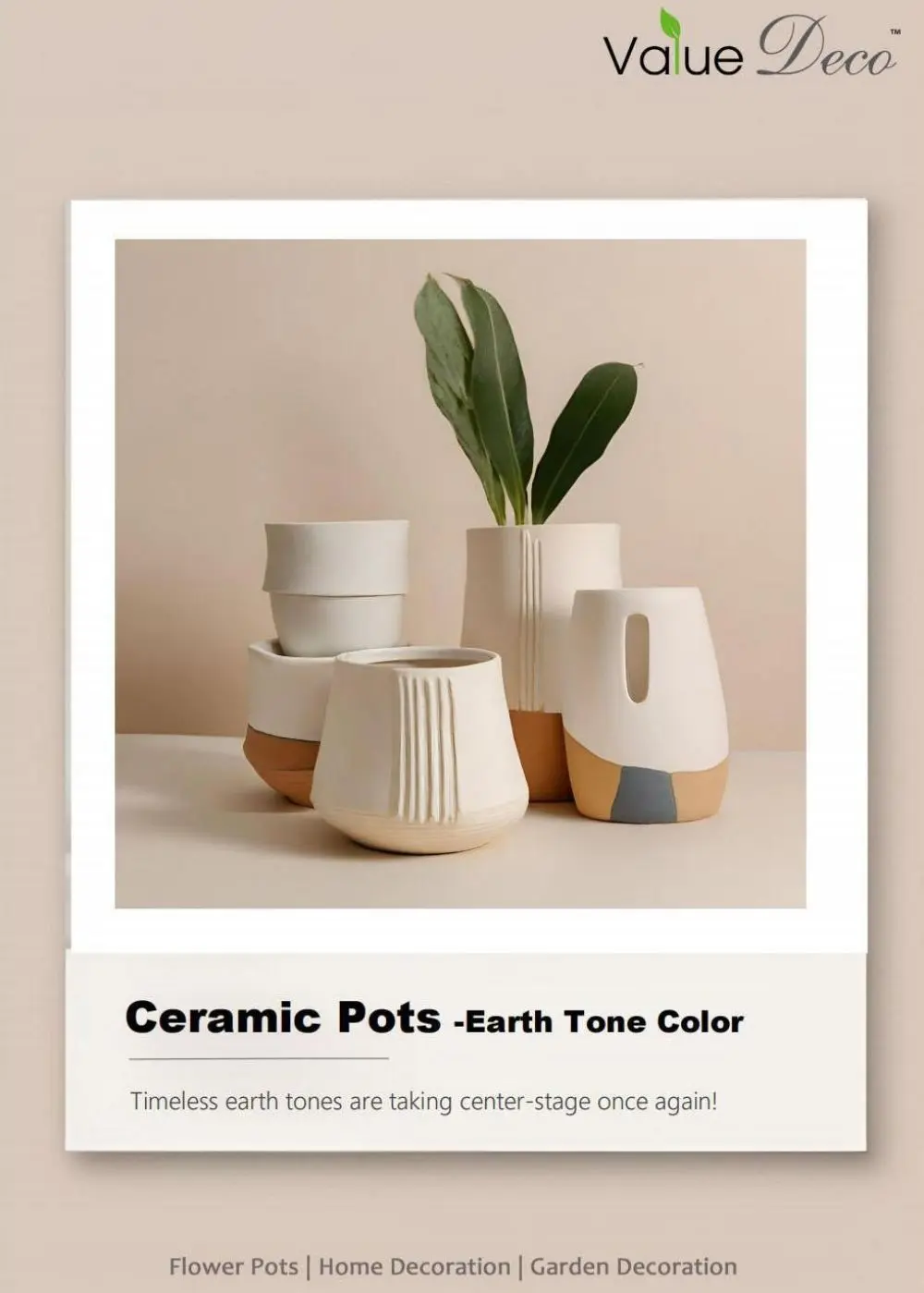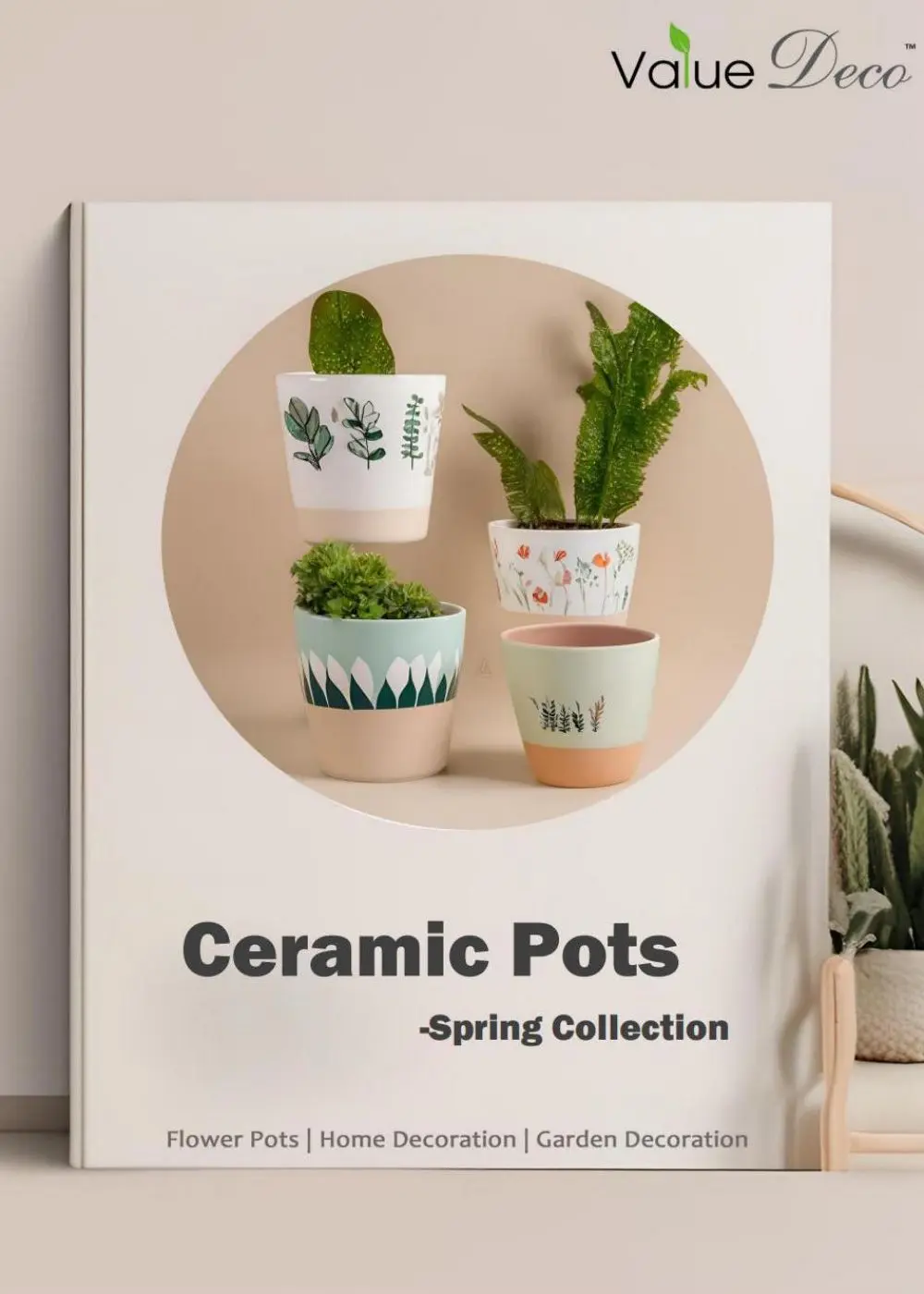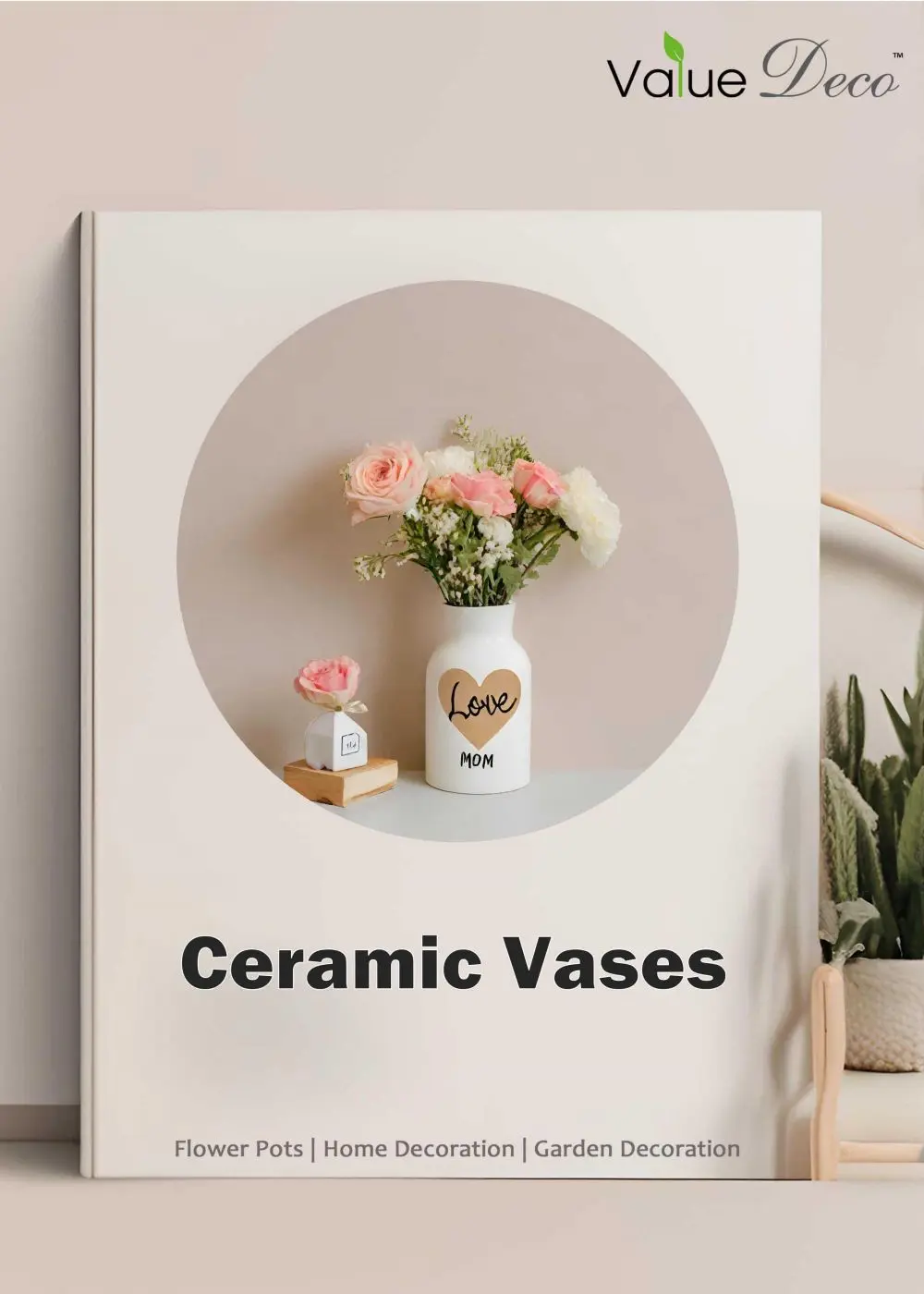
Explore our highly curated pottery solutions engineered for international retail and wholesale distribution.
Deep-dive analysis of raw materials, market demands, and industrial evolution.
The global pottery and ceramics market is undergoing a structural paradigm shift driven by technological innovations in material science, kiln thermal efficiency, and evolving consumer intent. Once categorized strictly as a traditional art or localized handcraft, commercial-scale pottery manufacturing has transformed into a high-precision, capital-intensive industry. Globally, the demand for stoneware, terracotta, and porcelain vessels spans multiple massive industry sectors: home decor, landscape architecture, hotel and culinary hospitality, and commercial real estate planning.
In modern sourcing matrices, procurement directors from global retail chains, import distributors, and brand owners no longer look solely for low cost. Instead, they prioritize supply chain transparency, compliance with food-safety standards (such as FDA and California Prop 65), frost-resistance ratings, and carbon-efficient production. This technical evolution separates raw clay artisans from advanced industrial manufacturers who can maintain consistency across high-volume production lines.
As sustainability regulations tighten in North America and the European Union, the carbon footprint of pottery production has become a primary metric. Global brands require suppliers to utilize modern tunnel kilns powered by natural gas rather than outdated coal systems, significantly lowering emissions. Additionally, custom glaze chemistry is meticulously engineered to prevent toxic metal leaching, guaranteeing that consumer products like the FDA-Certified VDLK2404912 Cheerful Get Well Mug or custom-designed dinnerware perform safely and durably under commercial dishwasher heat cycles.
Analyzing raw material cluster dynamics, automated scale, and production cost efficiency.
Southern Chinese manufacturing hubs sit atop massive, high-purity kaolin clay and feldspar deposits. This natural clustering minimizes domestic transport costs and provides factories with immediate access to consistent raw materials crucial for high-quality slip casting.
Advanced factories utilize computer-controlled gas tunnel kilns that maintain precise temperature curves. Firing stoneware at temperatures exceeding 1200°C ensures complete vitrification, giving the products excellent density and resistance to cracking under thermal shock.
Proximity to Shenzhen, Xiamen, and Ningbo ports allows for optimized container loading schemes. Specialized packaging labs conduct ISTA-1A drop tests to design custom drop-resistant packaging, lowering the transit breakage rate to under 0.5%.
The efficiency of a Chinese pottery supplier lies not only in low-cost labor but also in highly advanced regional specialization. Coastal clusters in Guangdong and Fujian provinces integrate raw clay processing, glaze synthesis, mold-making, kilns, and packaging under single supply chain corridors. This localization allows companies like Value Deco Limited to quickly move from digital design drafts to tangible samples in as little as 7 to 10 days, a speed unmatched by competitors in other manufacturing regions.
Meeting diverse market intent through tailored categories and seasonal retail planning.
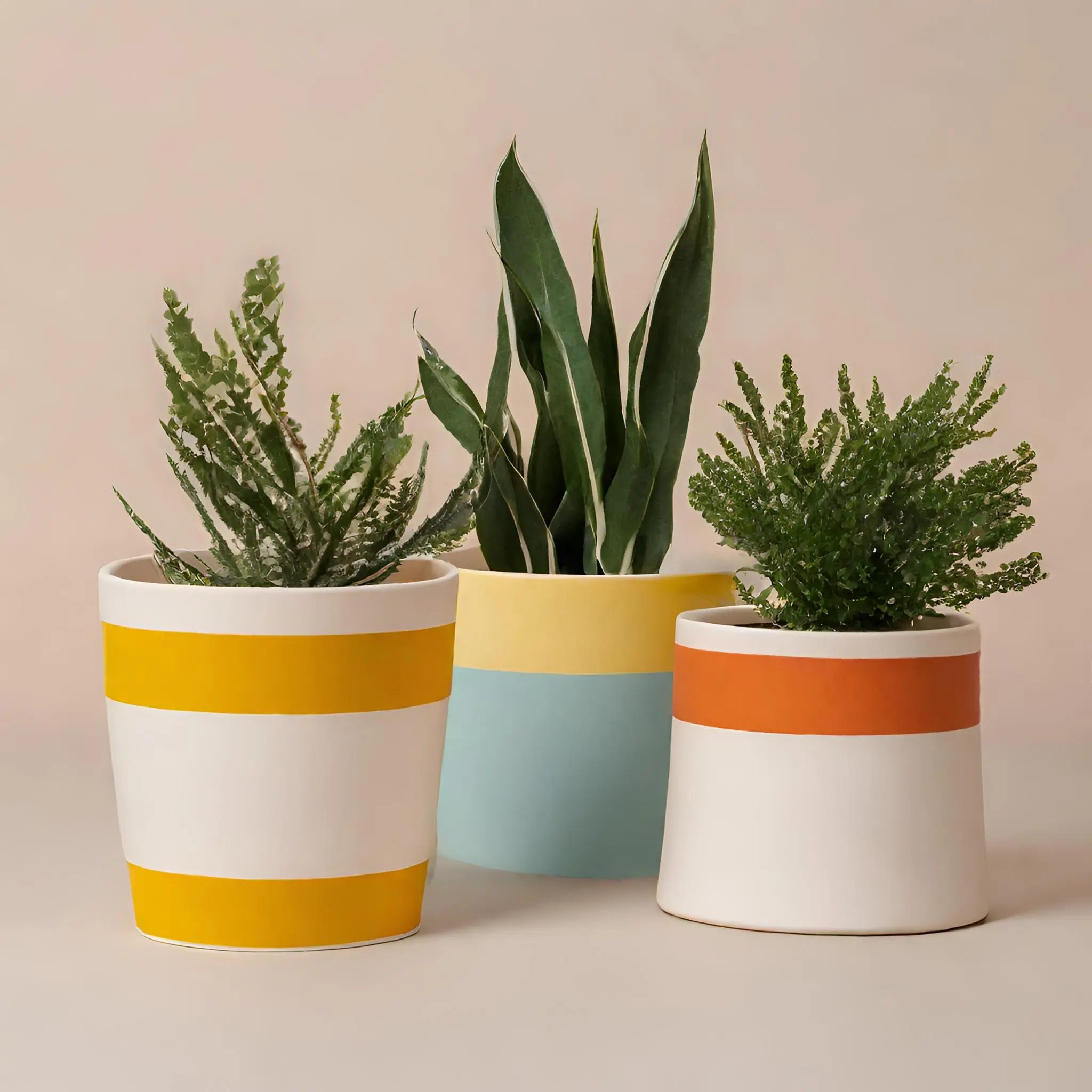
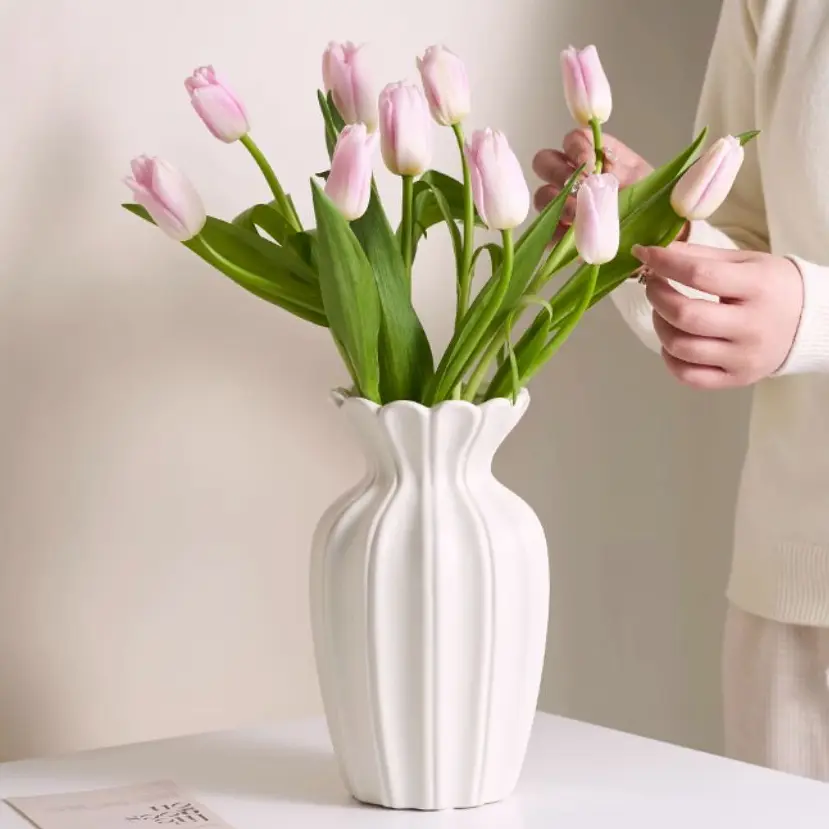
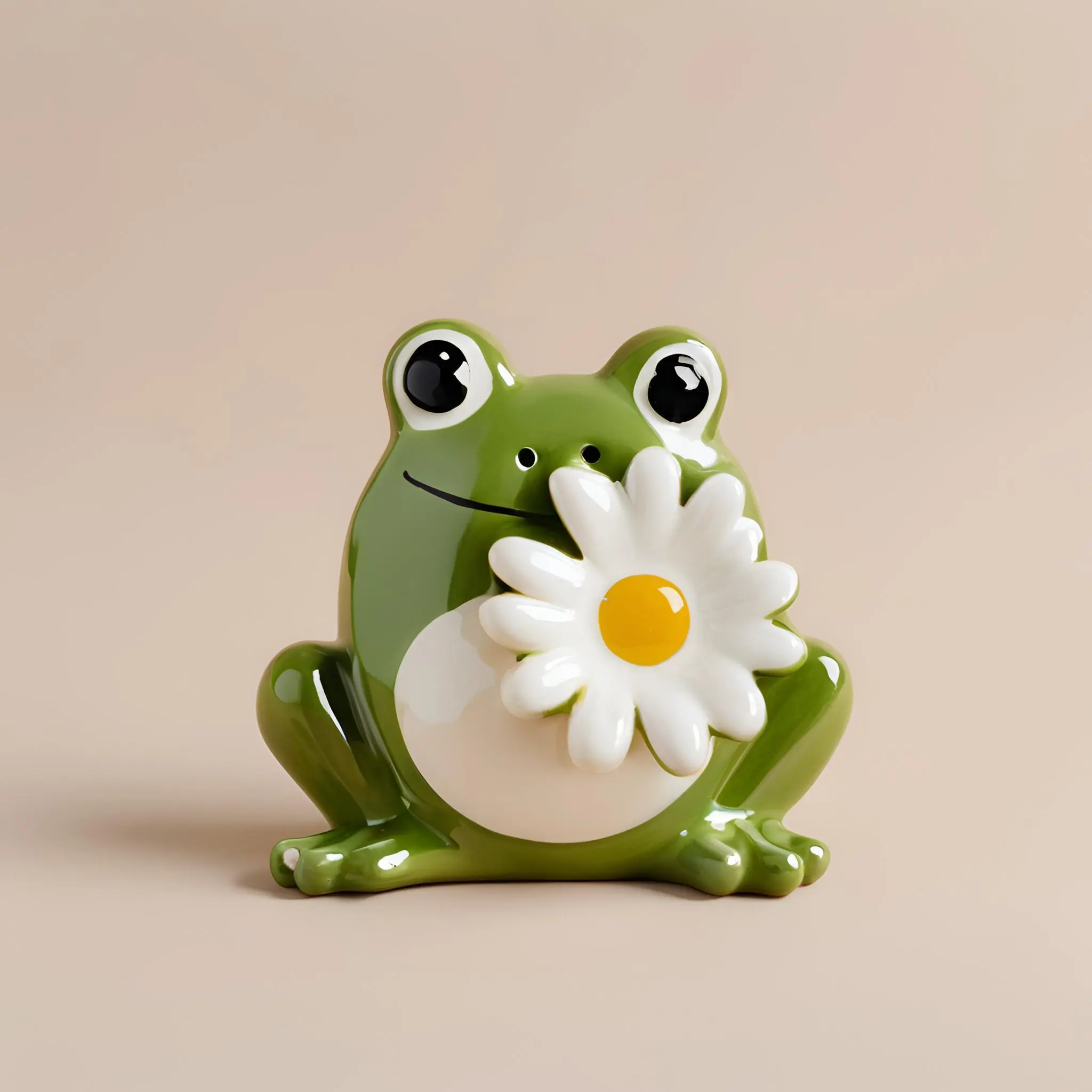

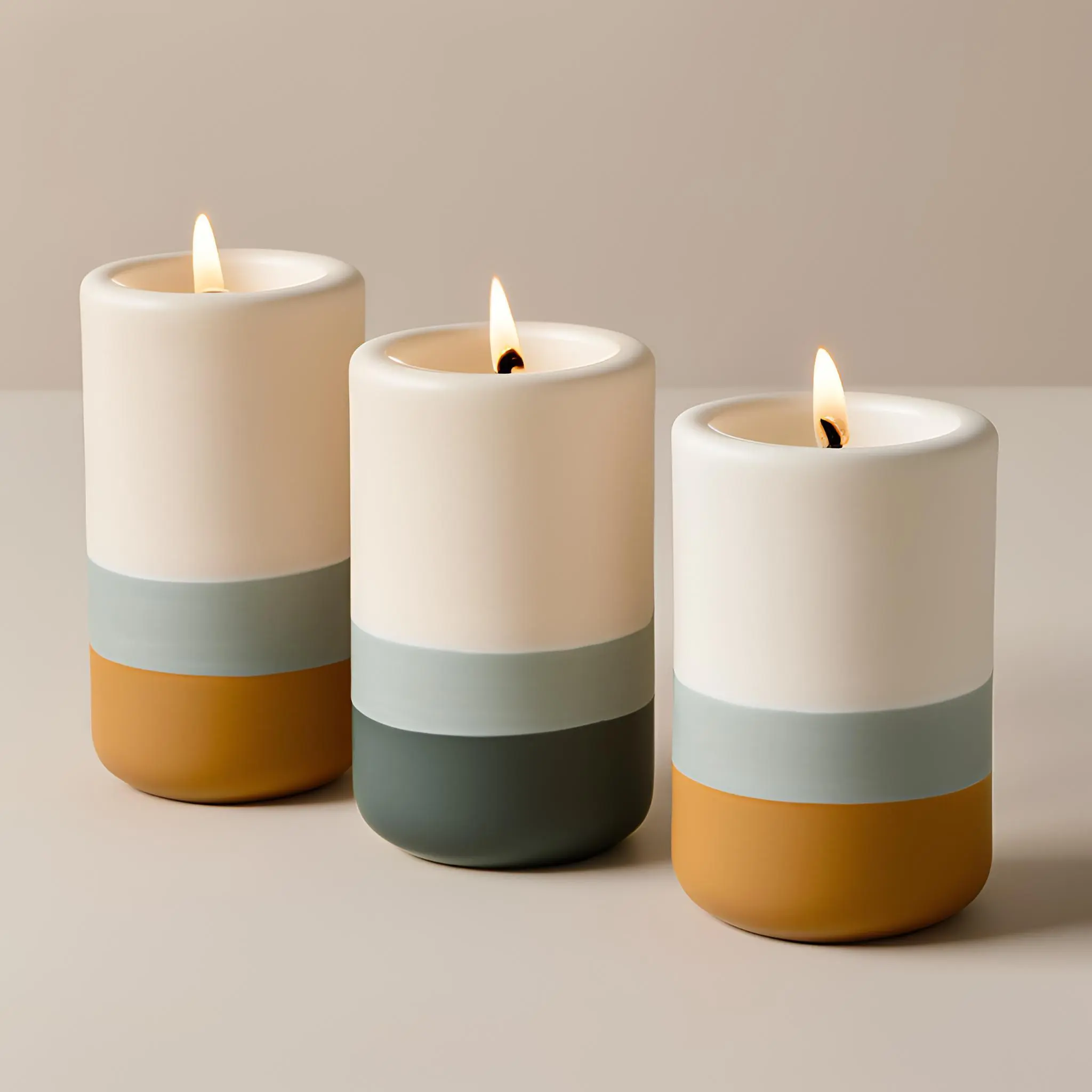

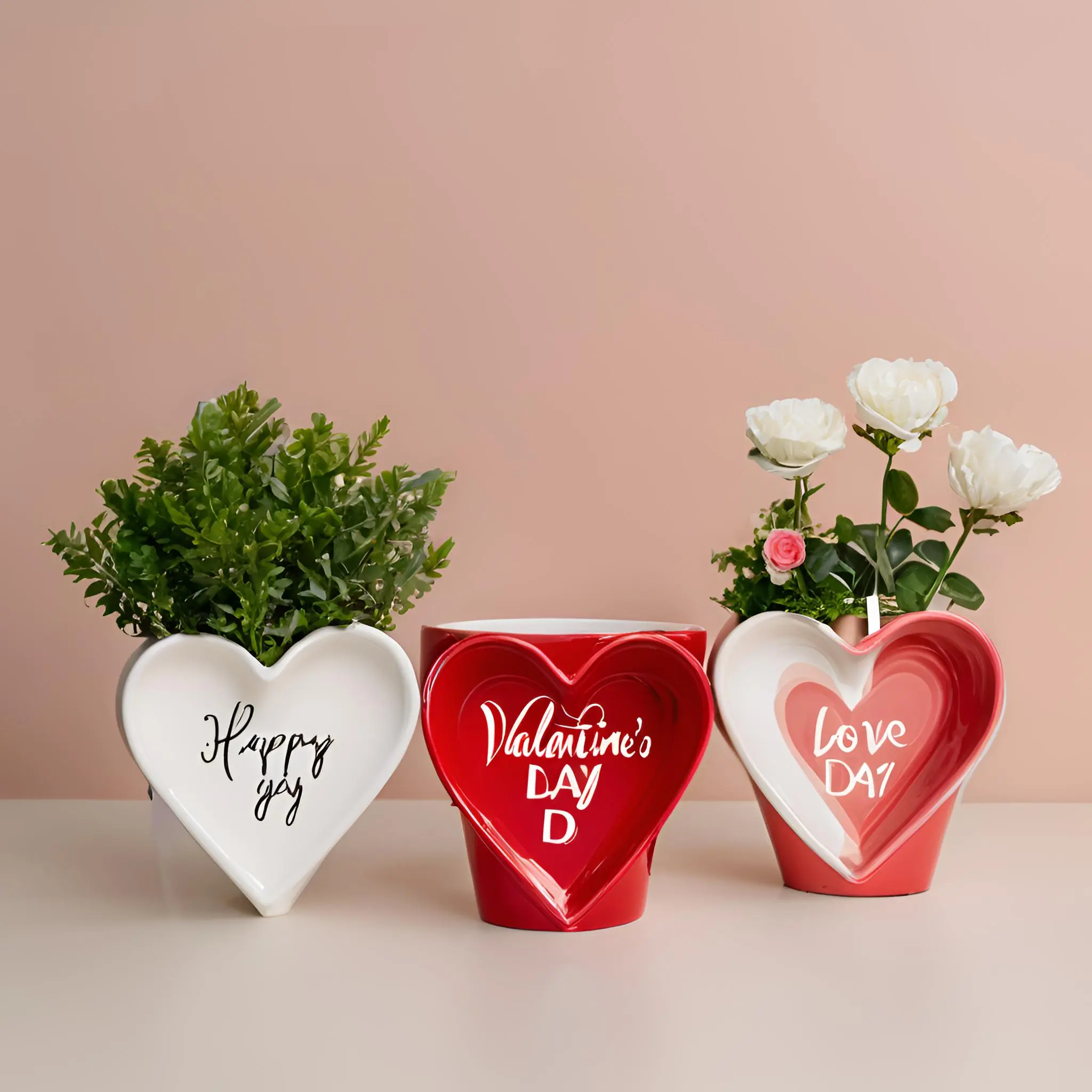
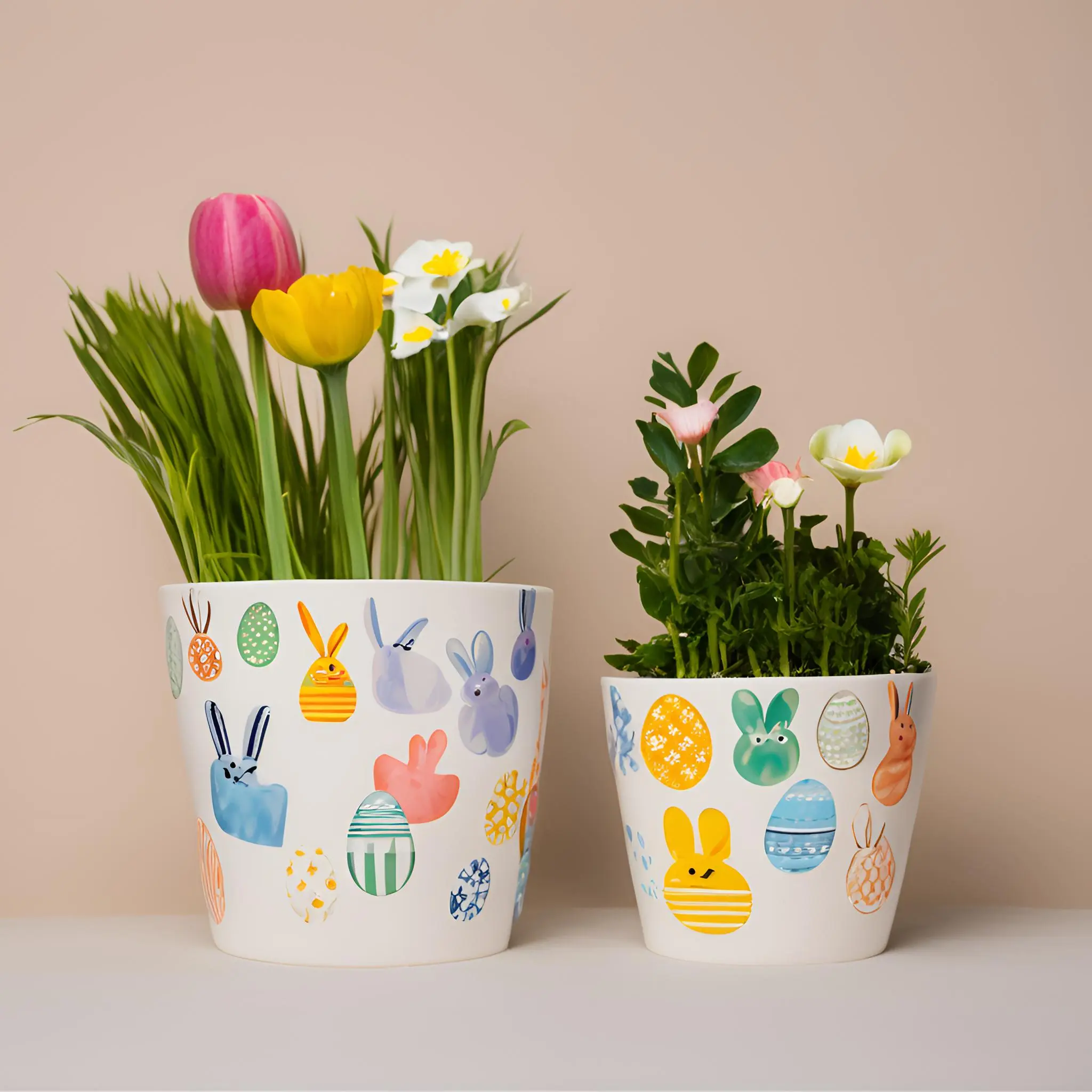
Retail pottery sourcing is highly cyclical. Global importers build their pipelines months in advance to align with seasonal retail trends. A well-rounded manufacturer must offer dedicated designs for key commercial holidays, transforming raw ceramics into emotionally resonant gifts and decorations.
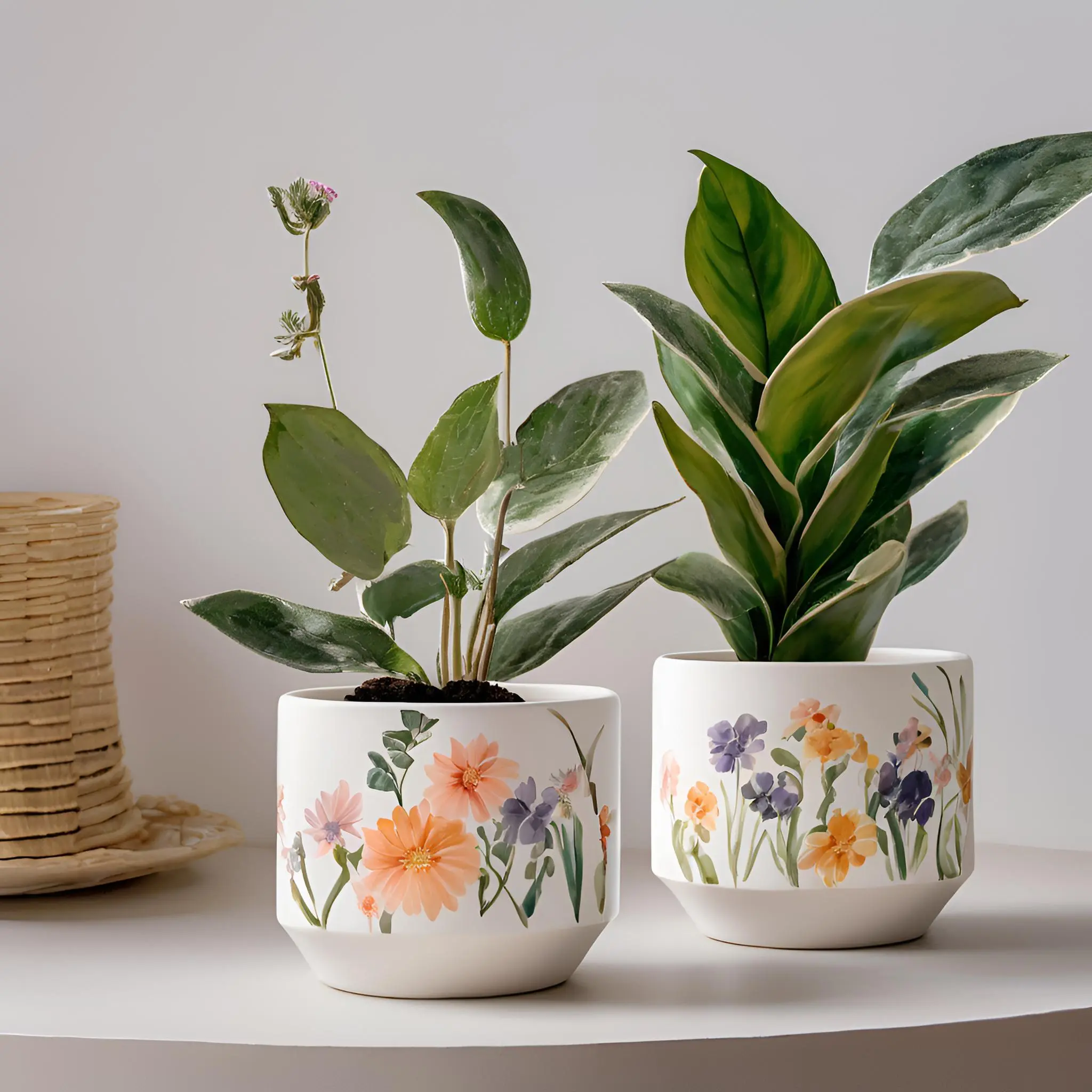
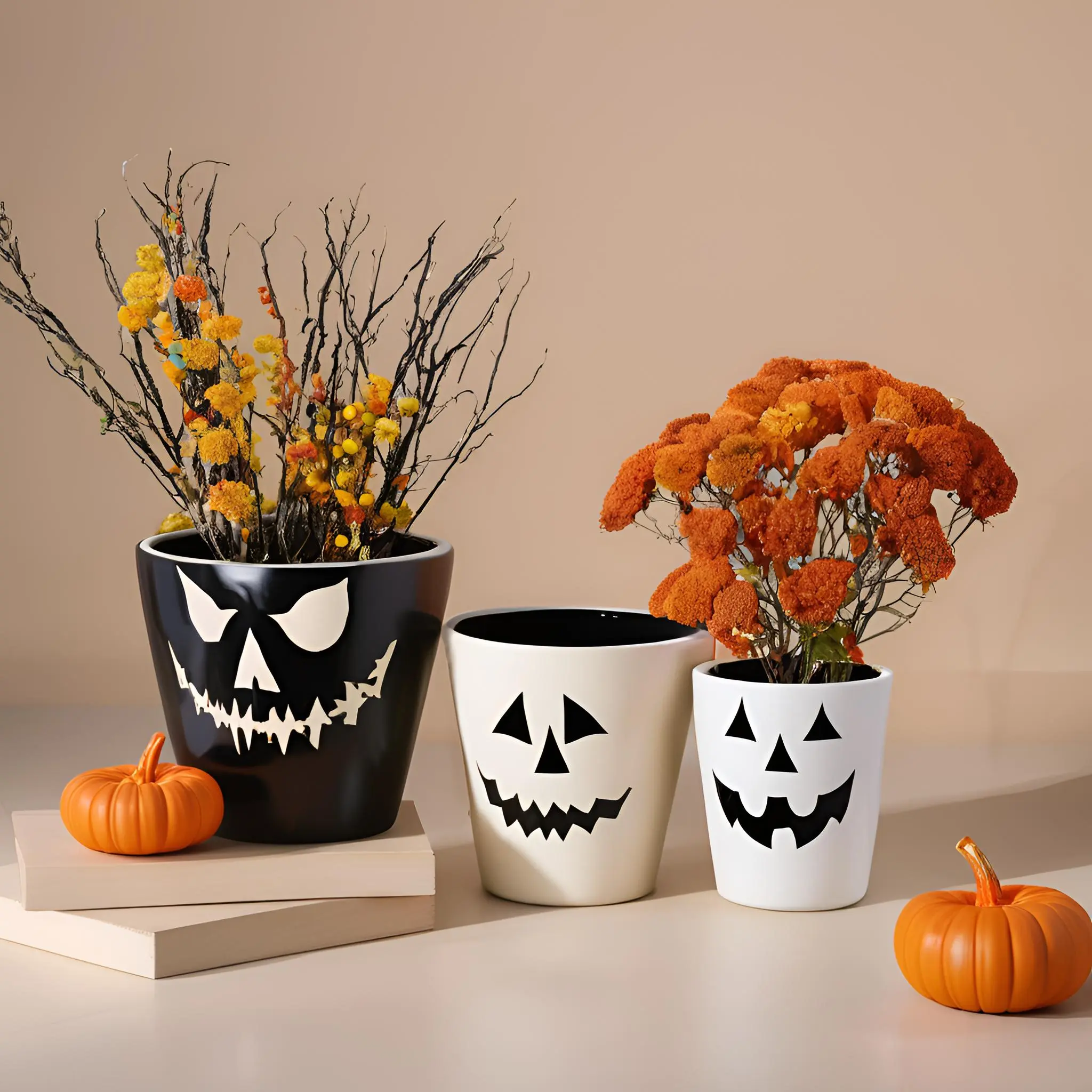
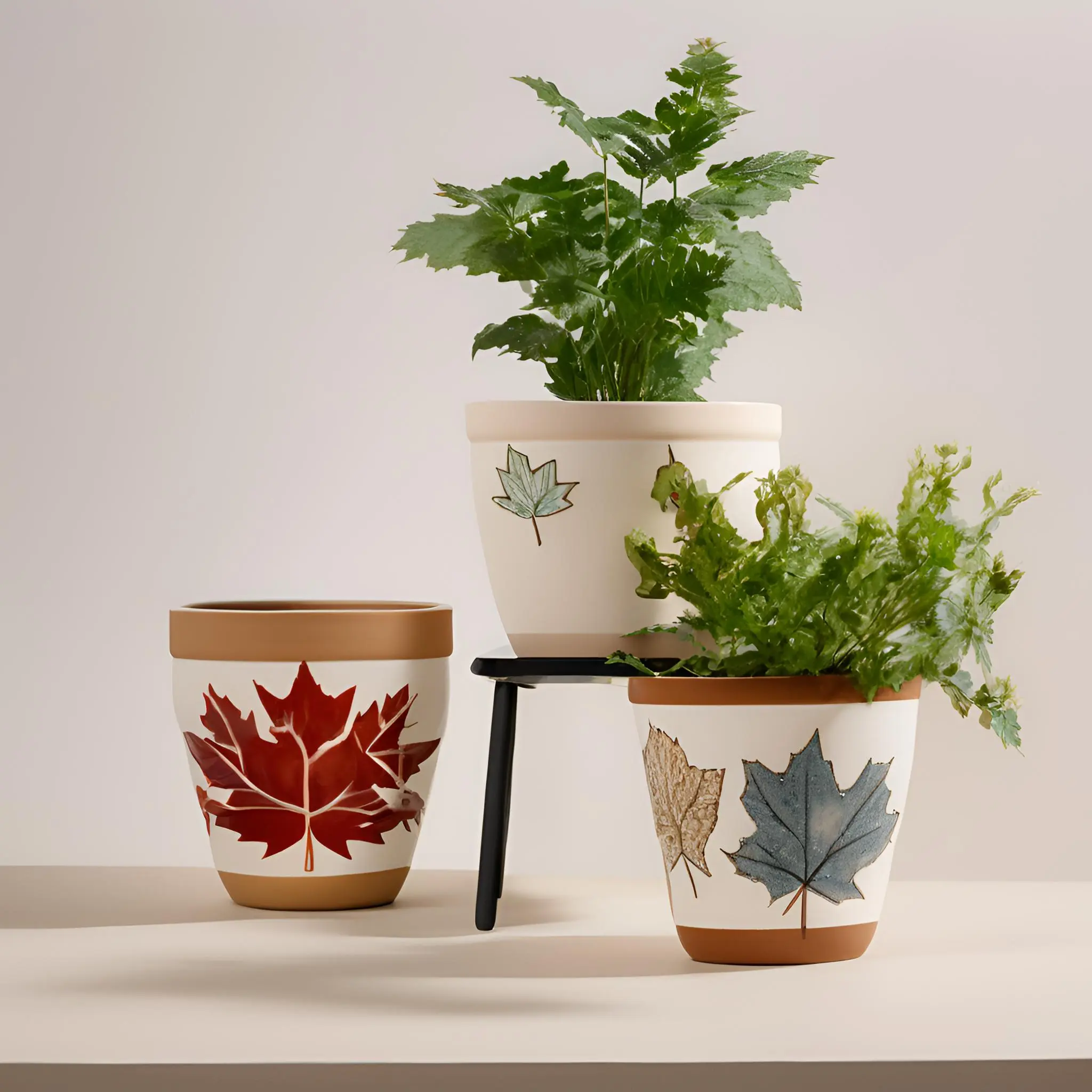
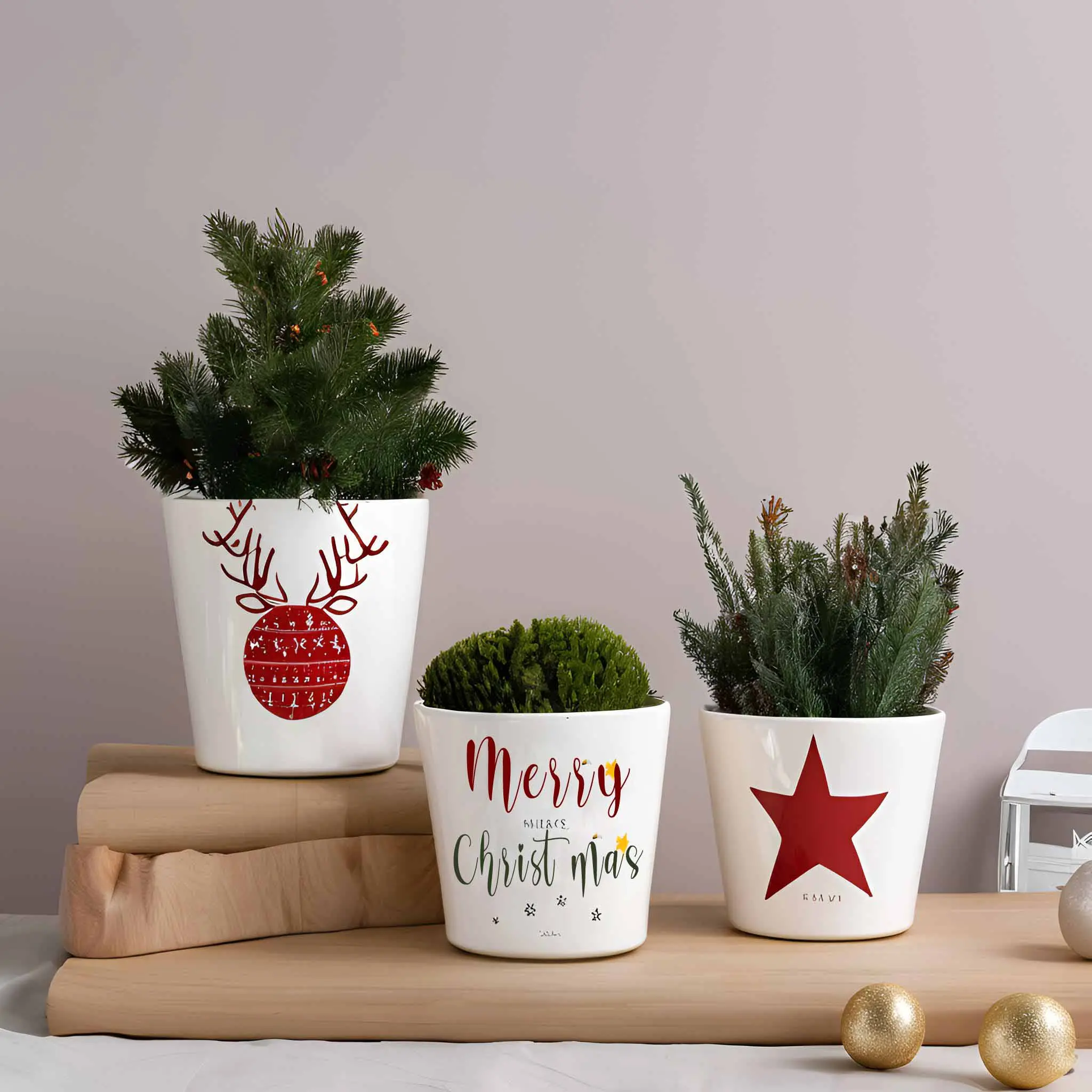
With more than 12 years of specialized export experience, Value Deco Limited has established itself as an authoritative supplier of commercial pottery and home decor in China. We design, manufacture, and export a comprehensive selection of Flower Pots, Vases, Candle Holders, Dinnerware, and Garden Decor.
Our operational model is built around two distinct, specialized sub-divisions that focus on target market segments to ensure deep engineering expertise and customer support:
We streamline complex procurement processes by offering certified products, flexible MOQ tiers, custom glaze development, and fully integrated shipping services. This reliable supply chain approach minimizes risk for distributors worldwide.
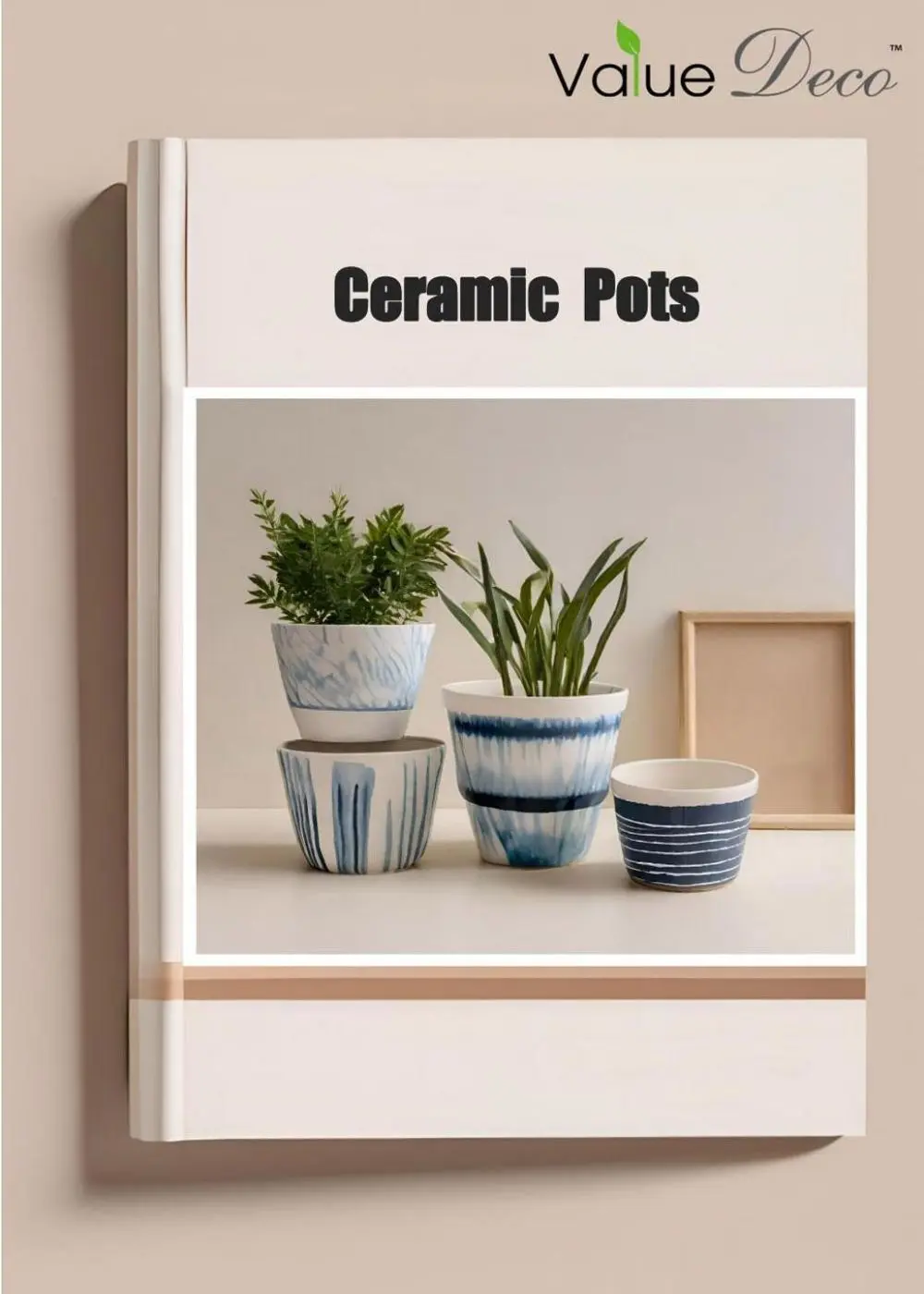
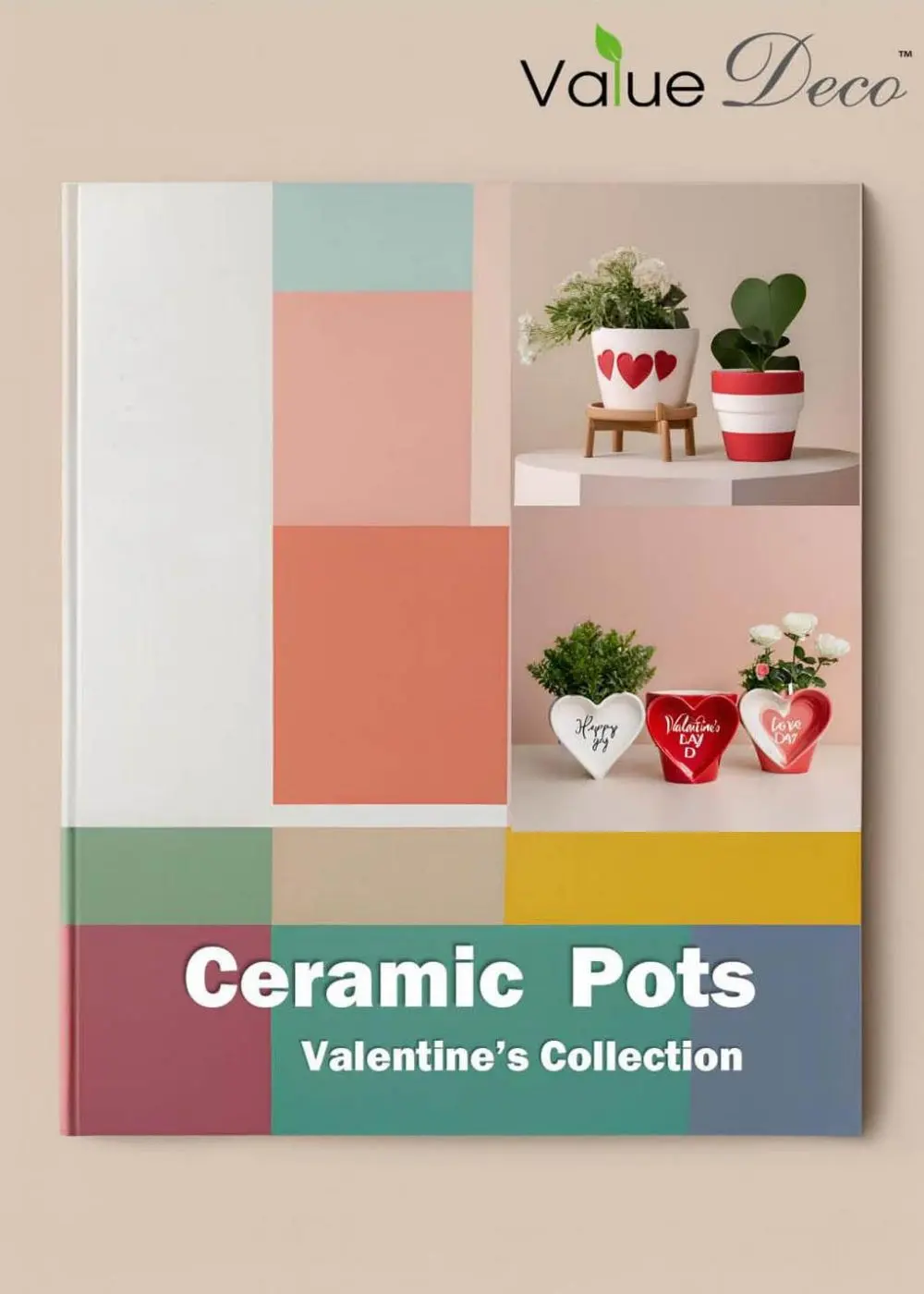
Review our specialized catalogs categorizing clay recipes, color palettes, and surface finish formulations.
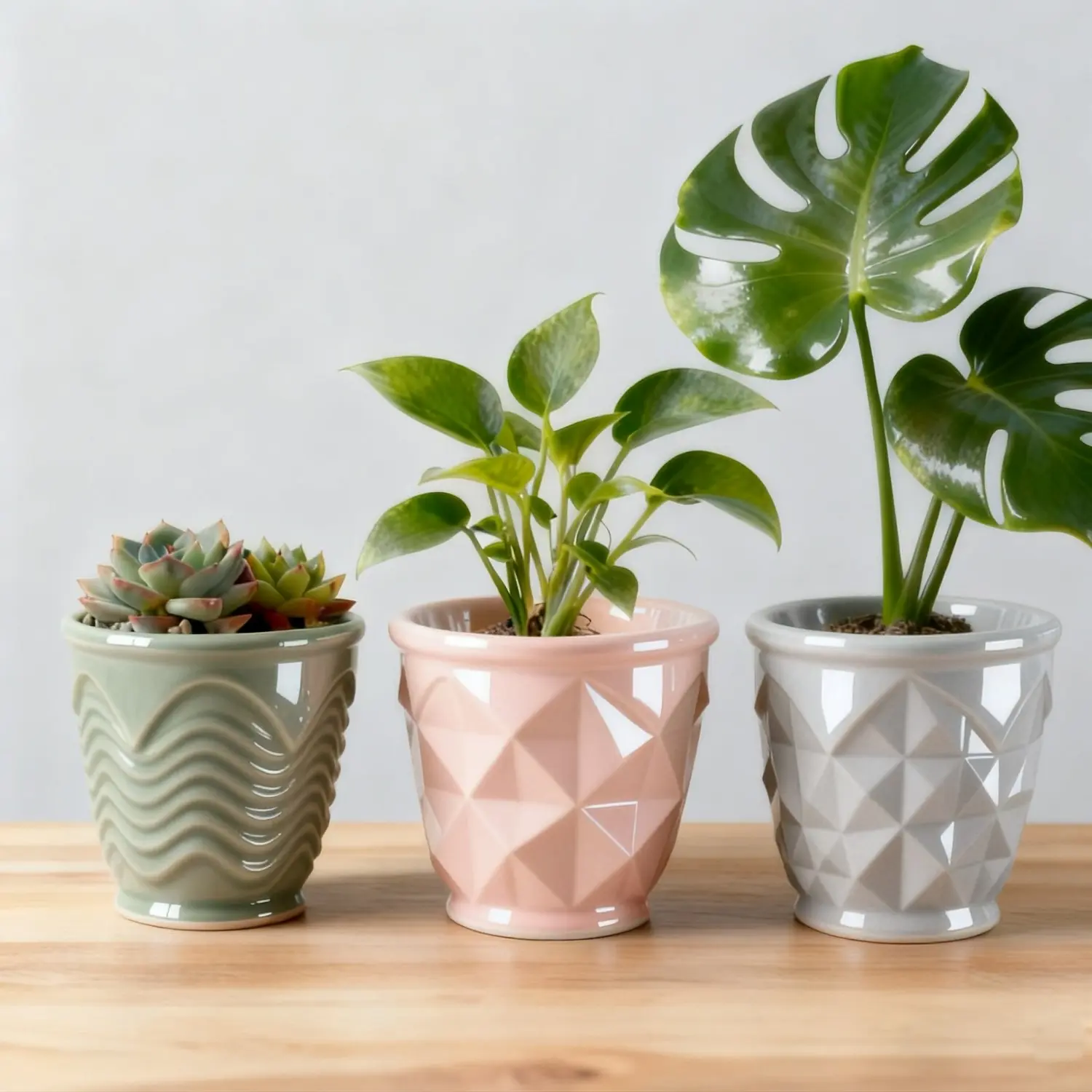
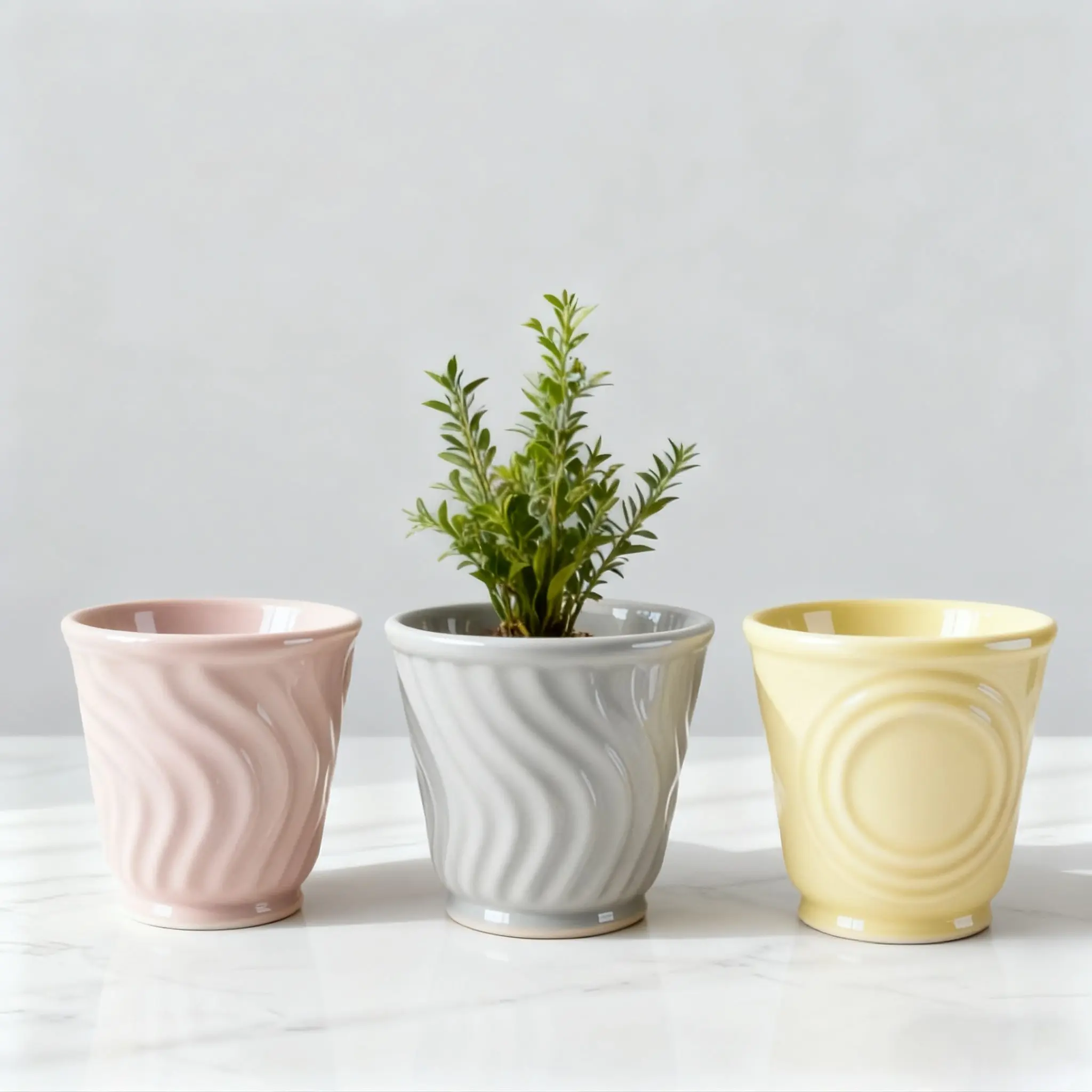
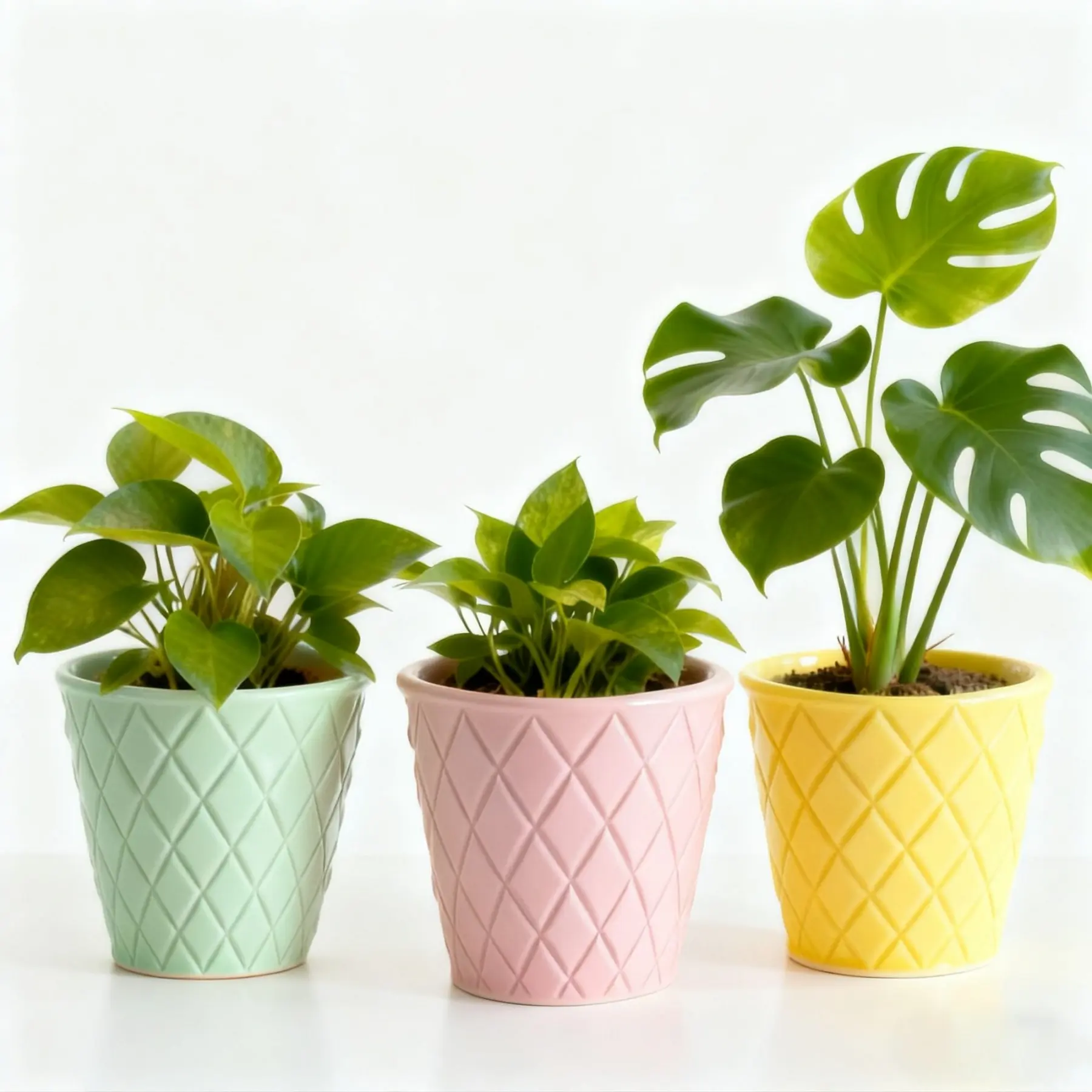
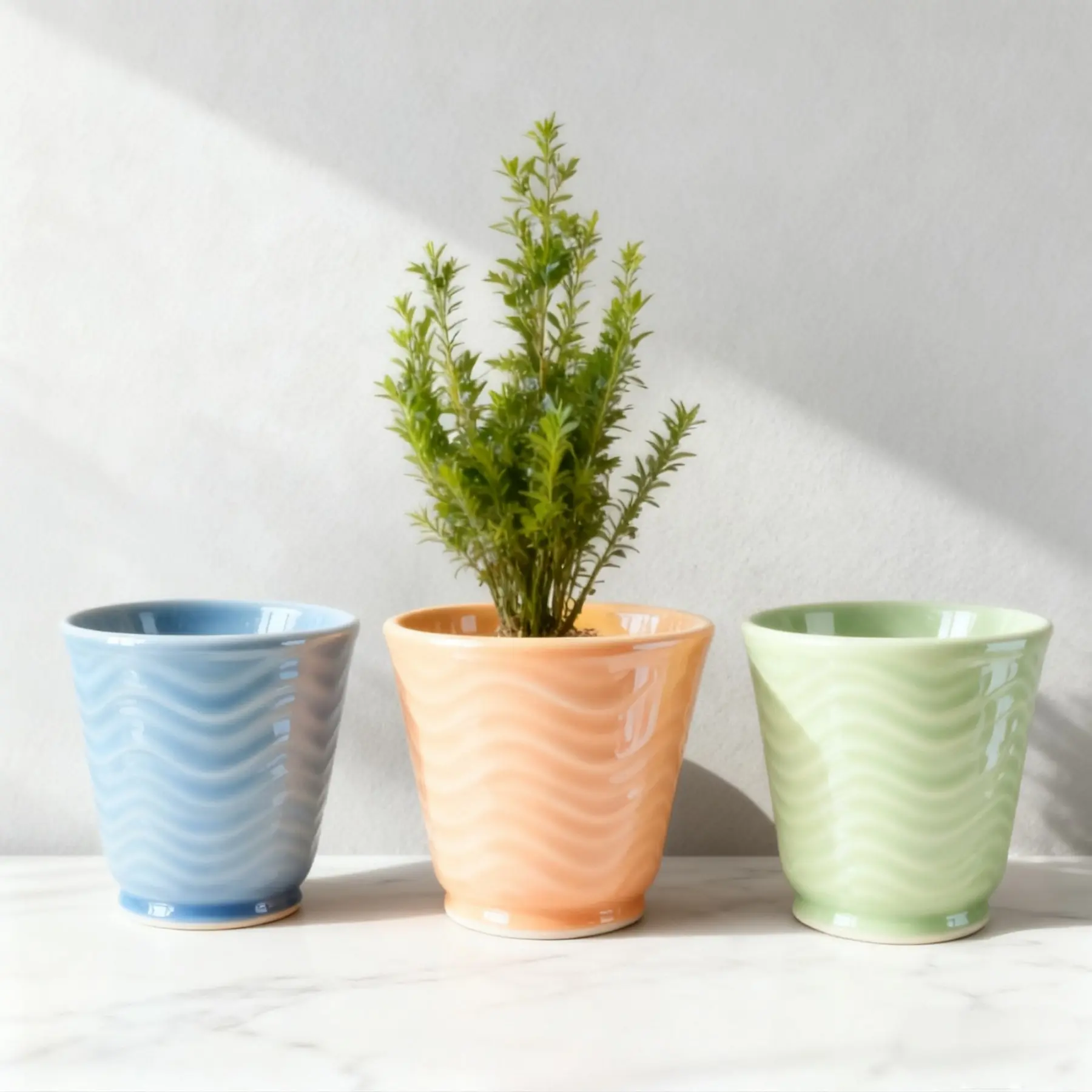
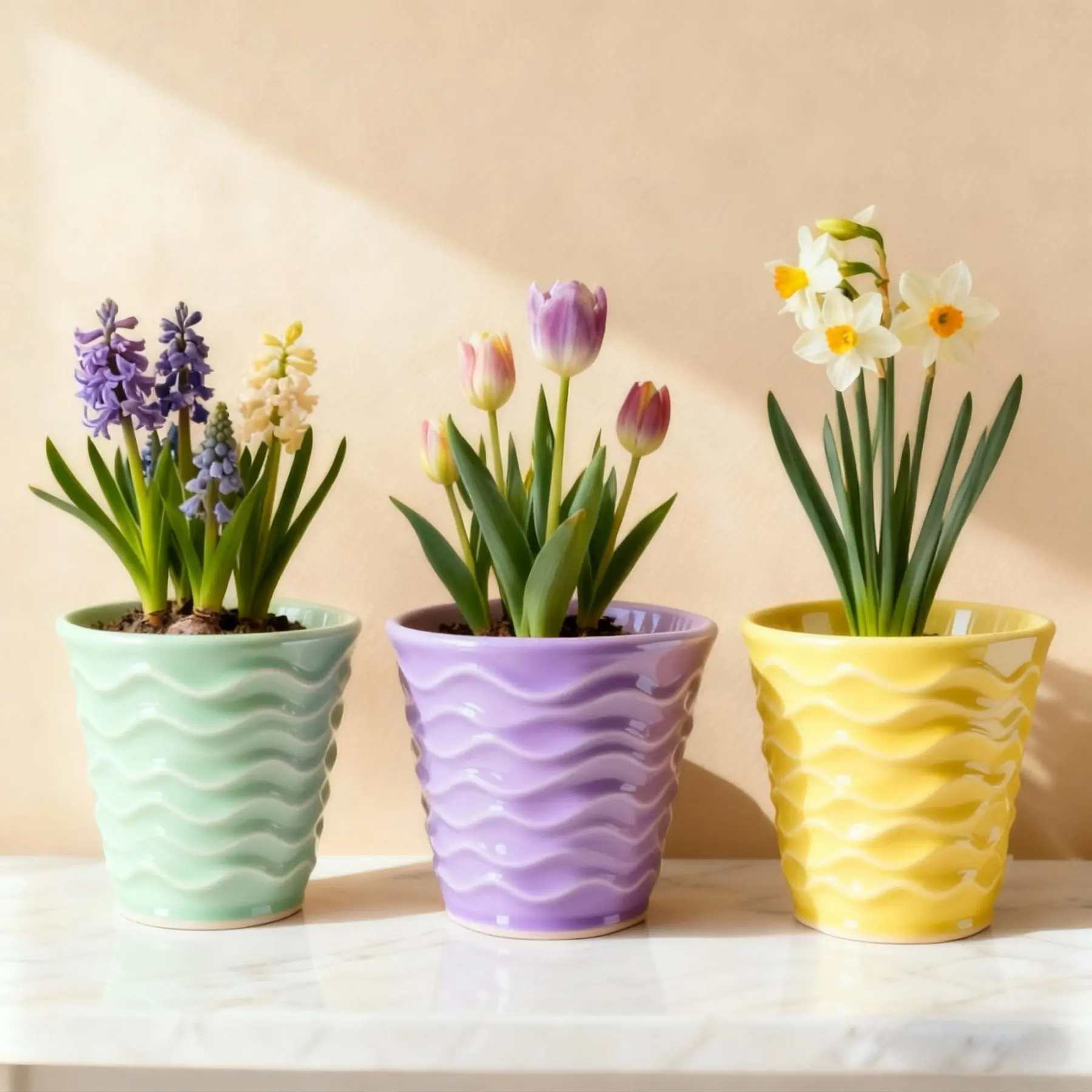
Discover our newest releases featuring geometric textures, reactive glazes, and minimalist forms designed for modern interiors.
How our structural ceramics fit into target environments worldwide.
Large-scale pottery manufacturing must cater directly to localized environments and commercial scenarios. Our products are engineered to meet specific design and durability requirements across a variety of markets:
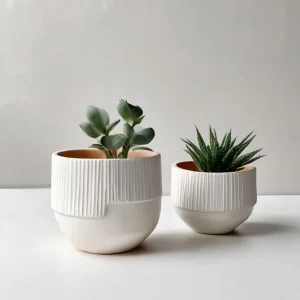
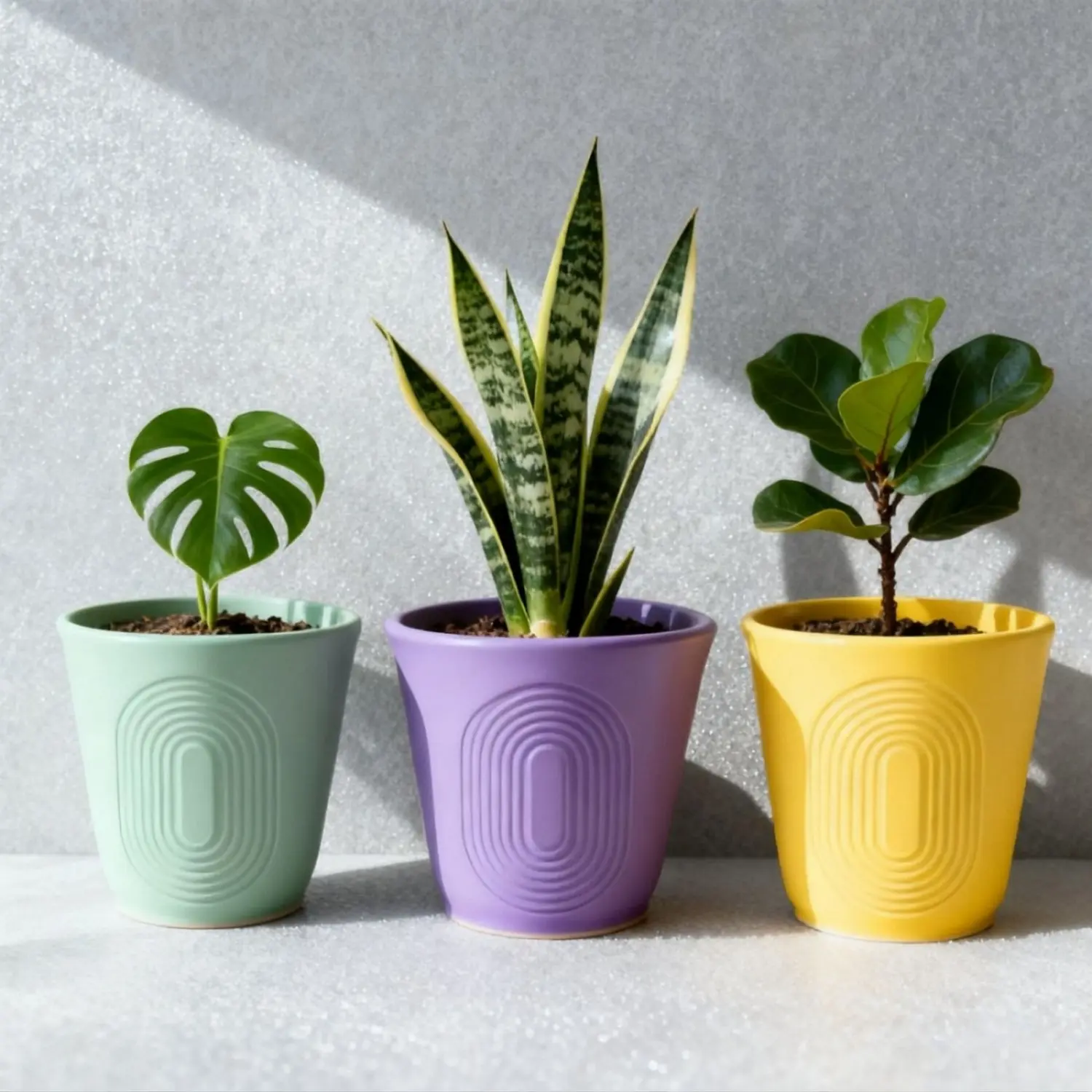
Modern corporate offices heavily integrate biophilic design to improve air quality and employee well-being. Planters like the China Vertical Stripe Ceramic Planters VDMK2402014 feature clean vertical grooves and soft matte finishes that blend seamlessly into minimalist workspaces. The clay bodies are fired to prevent condensation from seeping through to hardwood flooring or electrical conduits.
Bespoke mugs, cups, and dinnerware used in commercial restaurants and hotels face rigorous cleaning schedules. The China Sympathy & Strength Ceramic Cup VDLK2404922 is crafted using high-density kaolin clay fired to 1280°C. This vitrification process makes the ceramic body non-porous and highly resistant to edge-chipping, even during intense daily handling and sanitization cycles.
In colder regions like Northern Europe and North America, outdoor pottery must withstand freeze-thaw cycles. Earthenware will crack under these conditions due to moisture absorption. Our engineering department uses low-absorption stoneware recipes and high-temperature firing, ensuring our planters withstand sub-zero temperatures without surface flaking.
Answering key compliance, material science, and supply chain management questions.
Our raw glazes undergo strict testing using ICP-MS spectrometry to ensure they are free of lead and cadmium. We run routine third-party laboratory audits with SGS and TÜV Rheinland to verify food-contact safety compliance before exporting any product, including dinnerware and customized beverage mugs.
The primary differences lie in the clay composition and firing temperatures. Stoneware is fired at 1200°C–1300°C, producing a dense, vitrified body with a low water absorption rate (under 1.0%), making it ideal for durable dinnerware and outdoor planters. Dolomite, fired at lower temperatures (950°C–1050°C), allows for bright colors and detailed designs but is more porous. Terracotta remains porous, providing excellent breathability for root systems in garden planting.
We follow a structured 3-phase development workflow. First, we create 3D CAD models of your design within 48 hours. Once approved, we output a resin model using 3D printing to check proportions. We then produce the physical plaster molds for production. All custom designs are protected by strict non-disclosure agreements (NDAs) to keep your intellectual property secure.
We use customized corrugated packaging, heavy-duty inner divisions, and shock-absorbing molded pulp or polyfoam inserts. We run drop tests based on ISTA standards, stack pallets with secure corner protectors, and optimize container loading to prevent shifting during transit, keeping damage rates below 0.5%.
Complete your catalog sourcing with these top-performing vases, planter sets, and artistic ceramics.