Engineered to deliver aesthetic dominance and structural performance in residential and commercial settings.
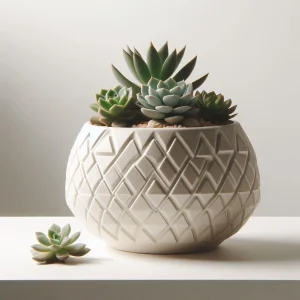

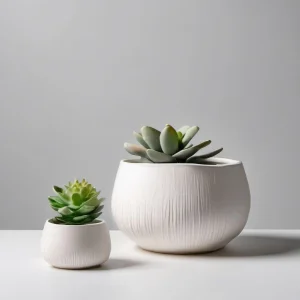
Analyzing the role of structural planters in modern urban landscape development, green buildings, and micro-climate management.
The contemporary architecture landscape has shifted from passive decorative gardening to active, integrated biophilic urbanism. Large plant containers are no longer mere vessels for soil; they are key structural and engineering components in commercial complexes, hotel atrium designs, civic plazas, and transit hubs. Globally, the demand for large-scale outdoor planters is growing, driven by strict green building guidelines such as LEED (Leadership in Energy and Environmental Design) and BREEAM certifications.
In high-density metropolis environments like New York, London, Tokyo, and Singapore, large-scale plant containers serve as structural barriers, micro-climate controllers, and stormwater management buffer systems. Architects and landscape engineers rely heavily on premium, industrial-grade planter fabrication to support mature root structures, manage sub-surface hydration, and withstand wind loading on high-rise terraces.
Municipal departments utilize massive, double-walled planters to introduce mature trees along street corridors, serving as acoustic buffers and mitigating the urban heat island effect.
Corporate headquarters, shopping malls, and upscale residential communities deploy high-end geometric planters to define walking lanes, secure perimeters, and foster restorative workplaces.
Resorts and five-star hotels leverage massive ornamental ceramic and composite pots to anchor design schemes in large lobbies, structural entryways, and sky decks.
Quantifying the demand, reliability metrics, and material growth vectors within the commercial planter landscape.
A comprehensive engineering comparison of primary commercial plant container materials and structural profiles.
Modern architectural landscape engineering demands materials that deliver high strength-to-weight ratios, reliable thermal insulation, chemical stability against acidic soil, and lasting resistance to frost and UV radiation. Choosing between traditional vitrified ceramics, fiber-reinforced plastics (FRP), and lightweight cement compounds requires a clear understanding of their performance trade-offs.
| Planter Material | Structural Durability | Weight Profile | Thermal Insulation Value | Primary Application Use Case |
|---|---|---|---|---|
| Vitrified Stoneware / Ceramic | High (High Scratch & UV Resistance) | Heavy (Wind Stable) | Excellent (Buffer against hot/cold cycles) | Premium Hotels, Corporate Entranceways, Courtyards |
| Fiberglass (FRP) | High (Flexural Strength) | Very Light | Moderate (Requires foam core insulation) | Rooftops, Balconies, High-load Raised Terraces |
| Glass Fiber Reinforced Concrete (GFRC) | Extremely High (Impact Resistant) | Heavy | Excellent | Municipal Squares, Public Spaces, Perimeter Security |
| Rotomolded Polyethylene | Moderate (High Impact, Low Rigidity) | Lightweight | Low | High-traffic Retail, Playgrounds, Budget Offices |
Value Deco Limited bridges these technical gaps by selecting specialized clay bodies, optimizing firing curves at high temperatures (up to 1250°C), and integrating fiberglass reinforcement layers. This ensures our large-scale ceramic and composite pots resist the internal structural stresses caused by root growth and water retention.
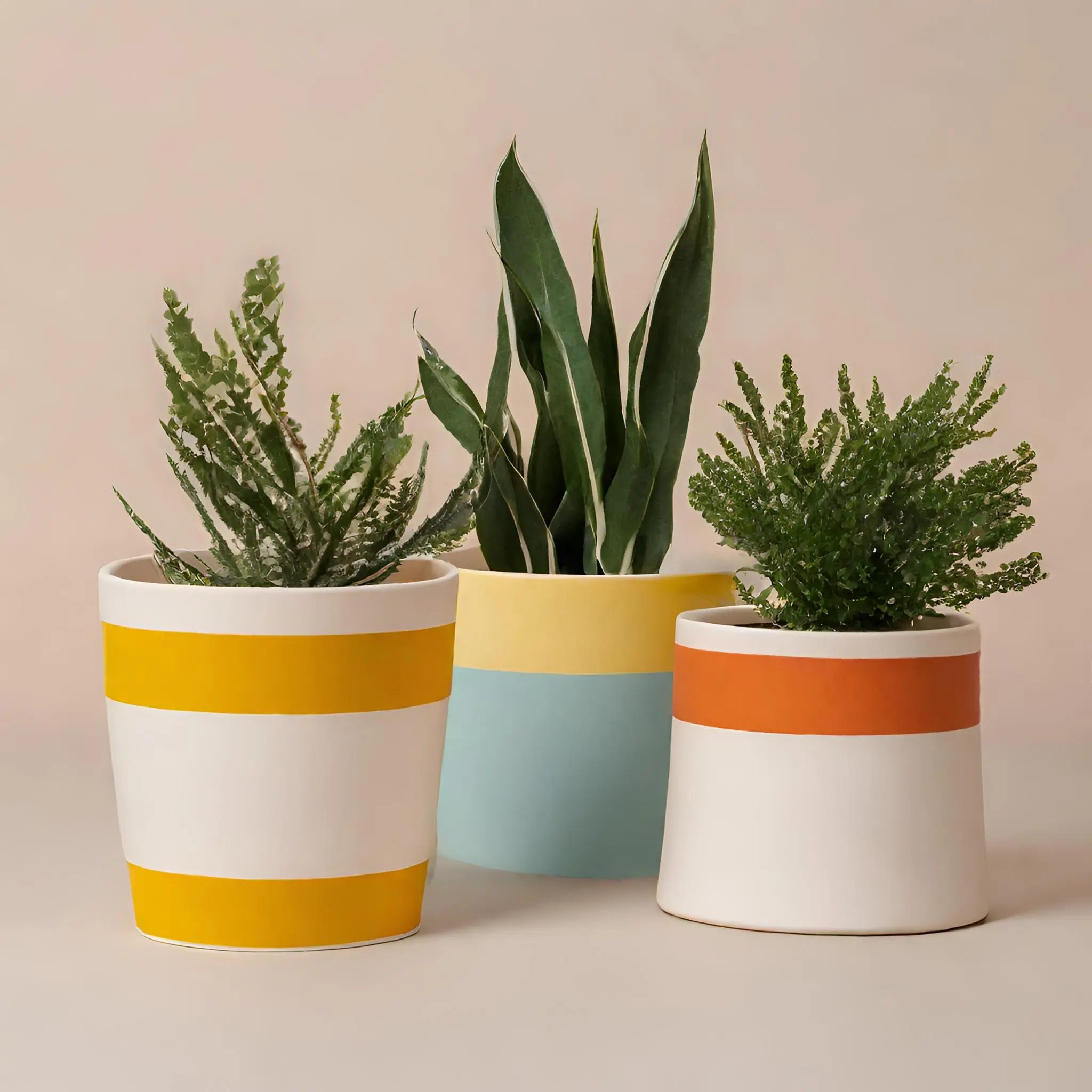
Your One-Stop Purchasing Destination for Decoration Category!
Value Deco Limited is a leading supplier of high-quality ceramic pots based in China. With over 12 years of experience in the decoration industry, we have built a strong reputation for offering a diverse range of Flower Pots, Flower Vases, Candle Holders, Home Decoration, Garden Decoration, and Dinnerware, suitable for various seasons and applications. Our products are designed to meet the trending designs, ensuring that they not only serve a functional purpose but also enhance the aesthetic appeal of any space.
To support global supply chains, we operate structured manufacturing and sourcing divisions:
Value Deco - Flower Pots Division:
Sub-Website for Flower Pots: www.valuedeco.com
Pride Deco - Home & Garden Décor Division:
Sub-Website for Home Decor, Candle holder, Dinnerware, Garden Decor: www.pridedeco.com
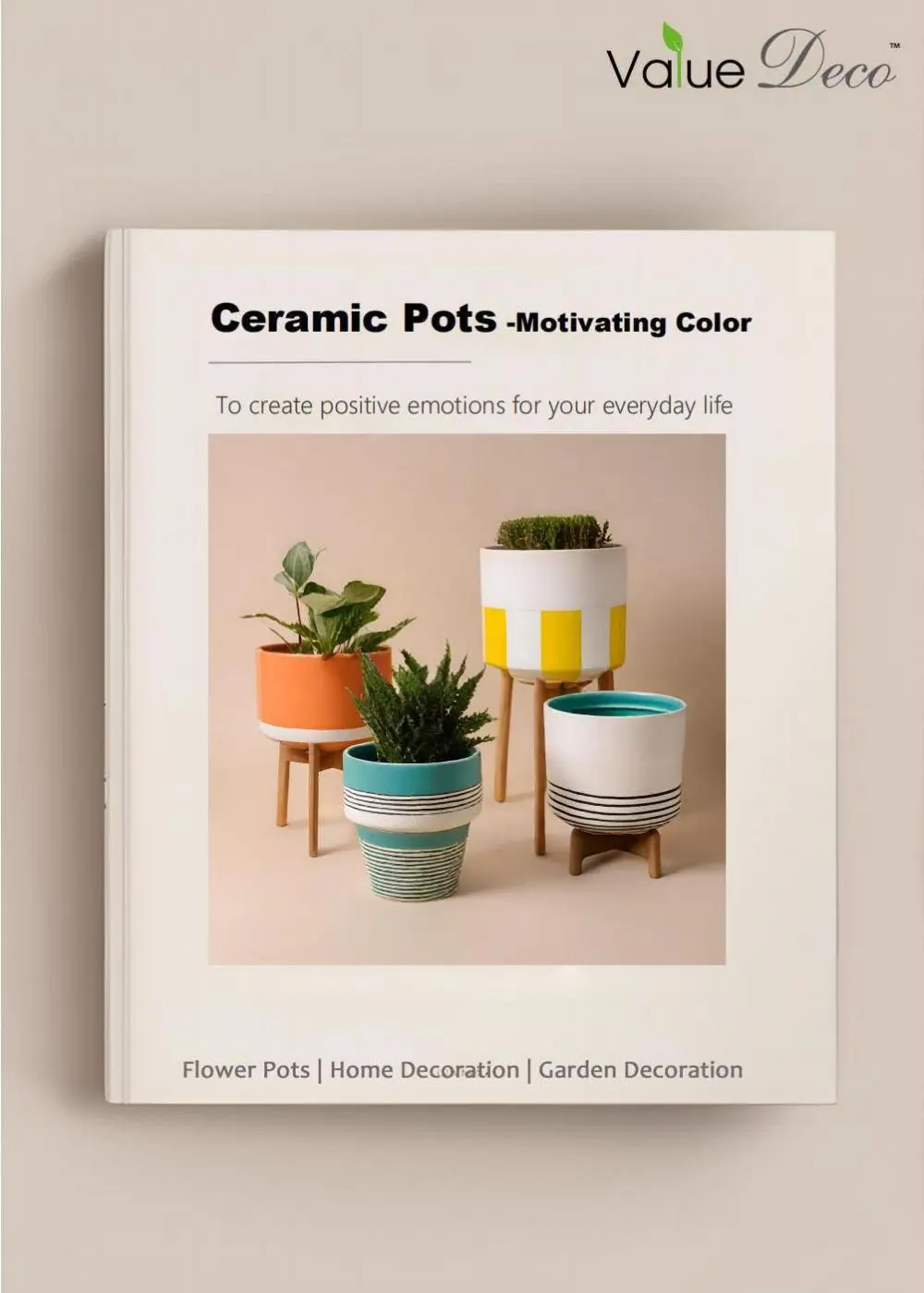
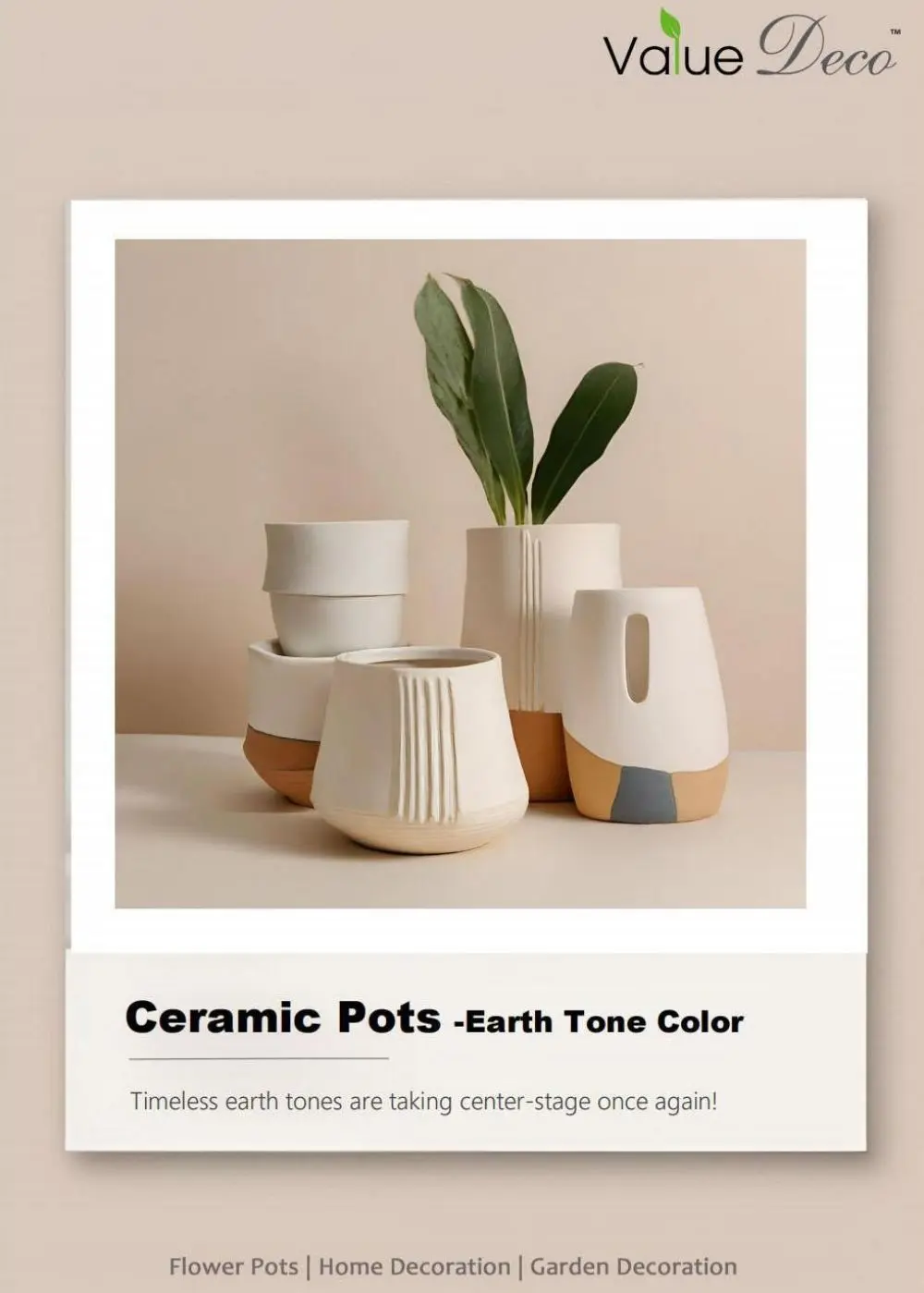
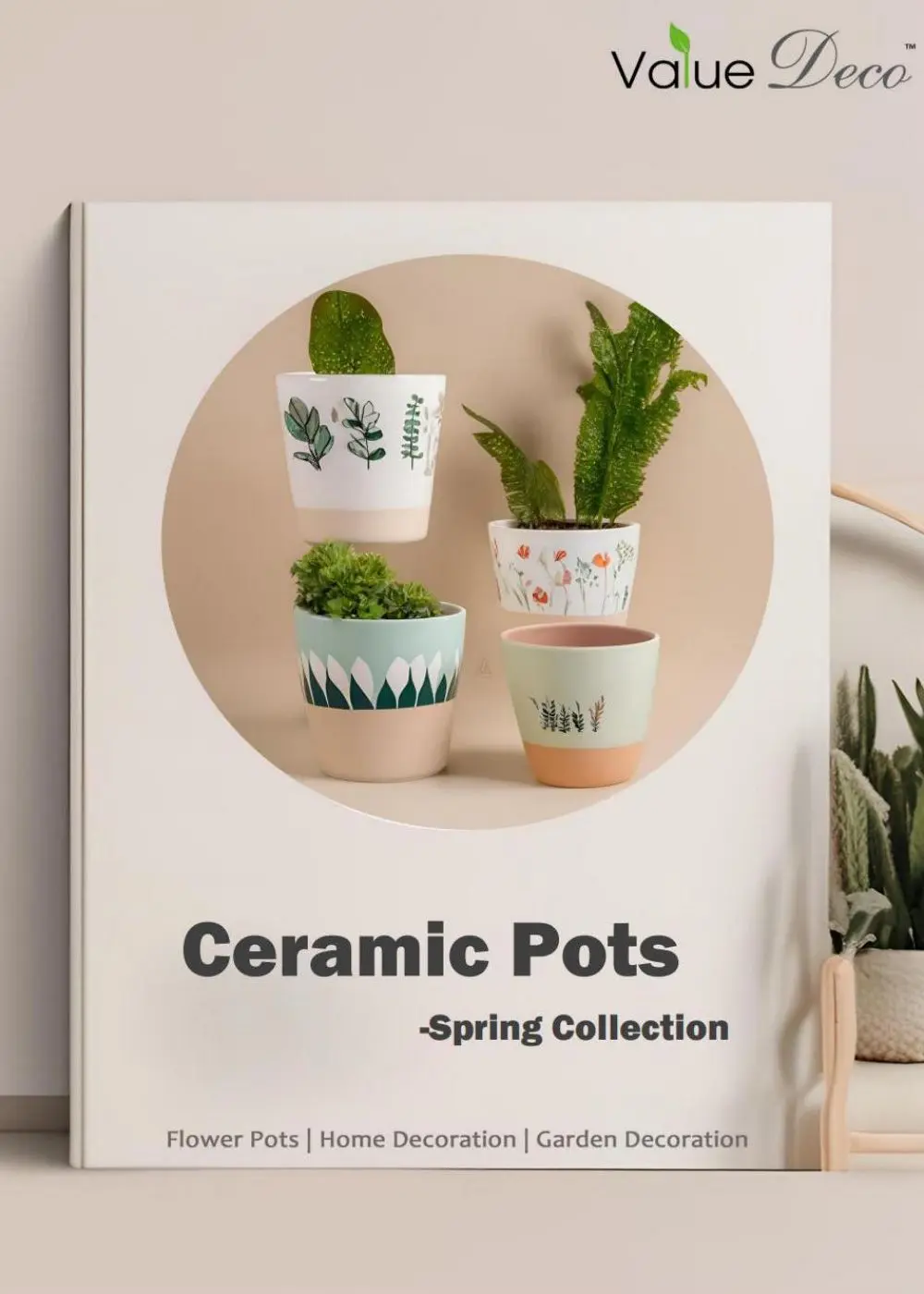
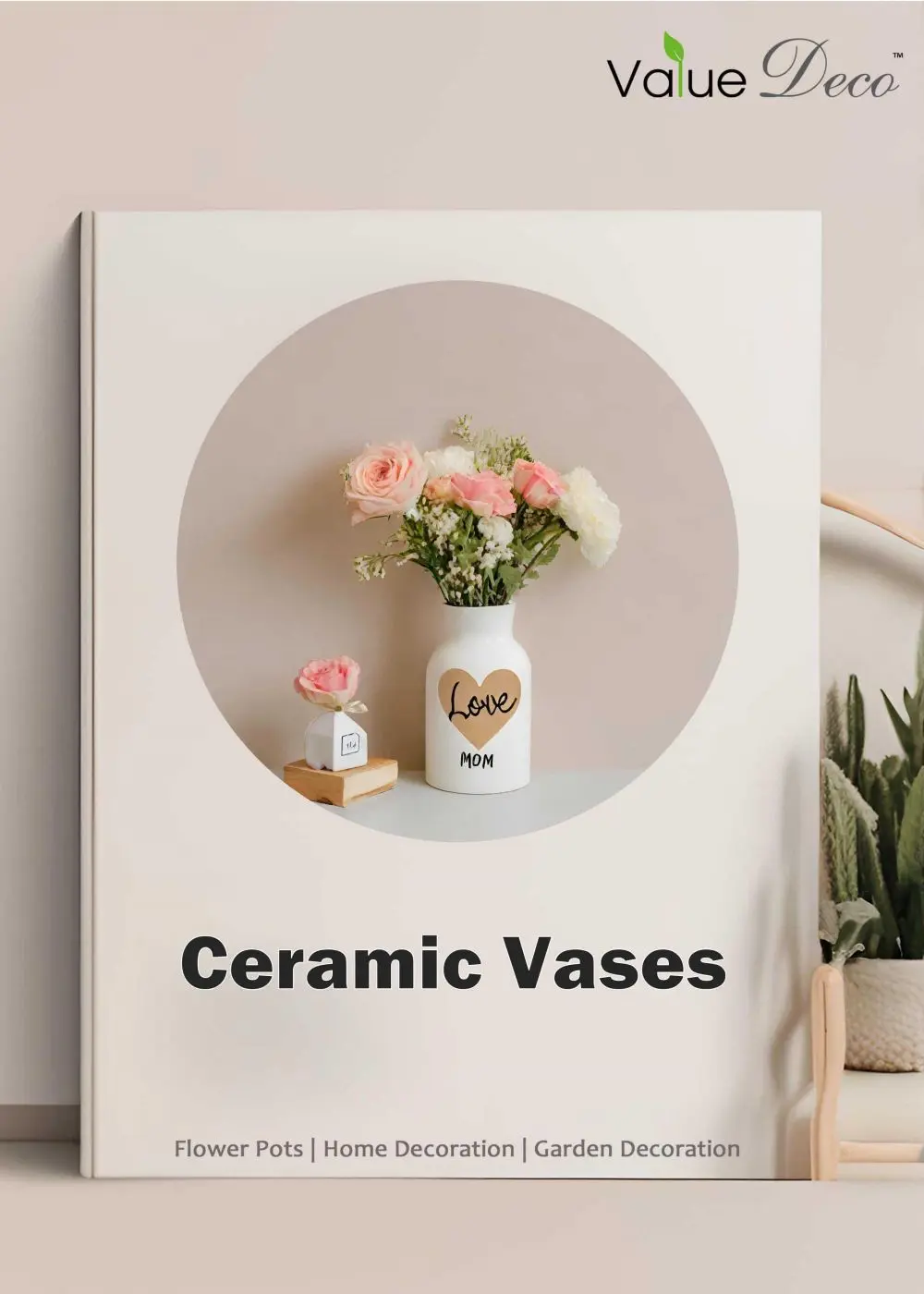
Browse our extensive collections designed for both permanent architectural deployment and seasonal retail displays.
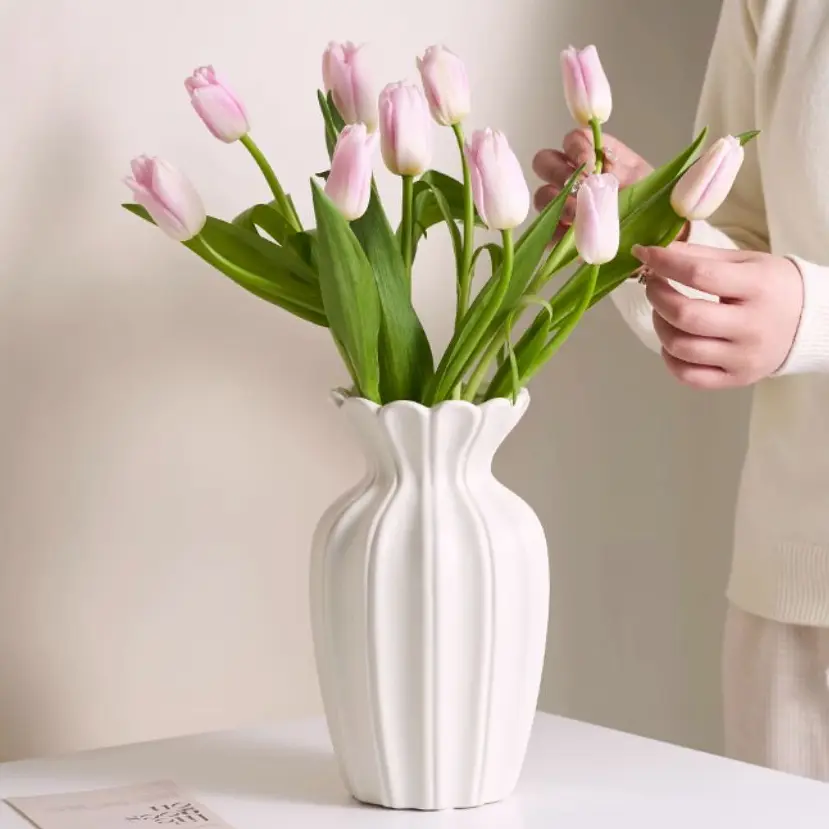
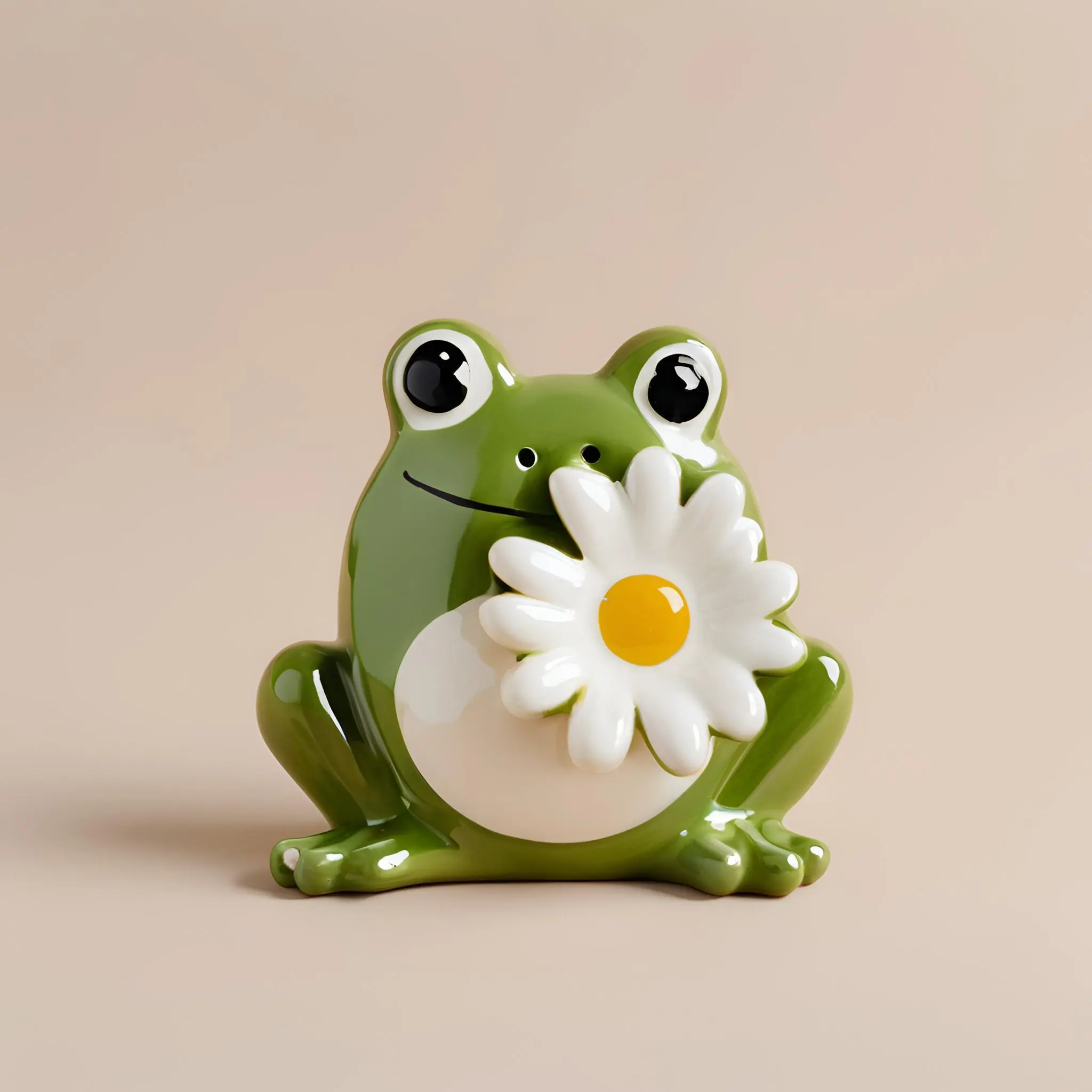

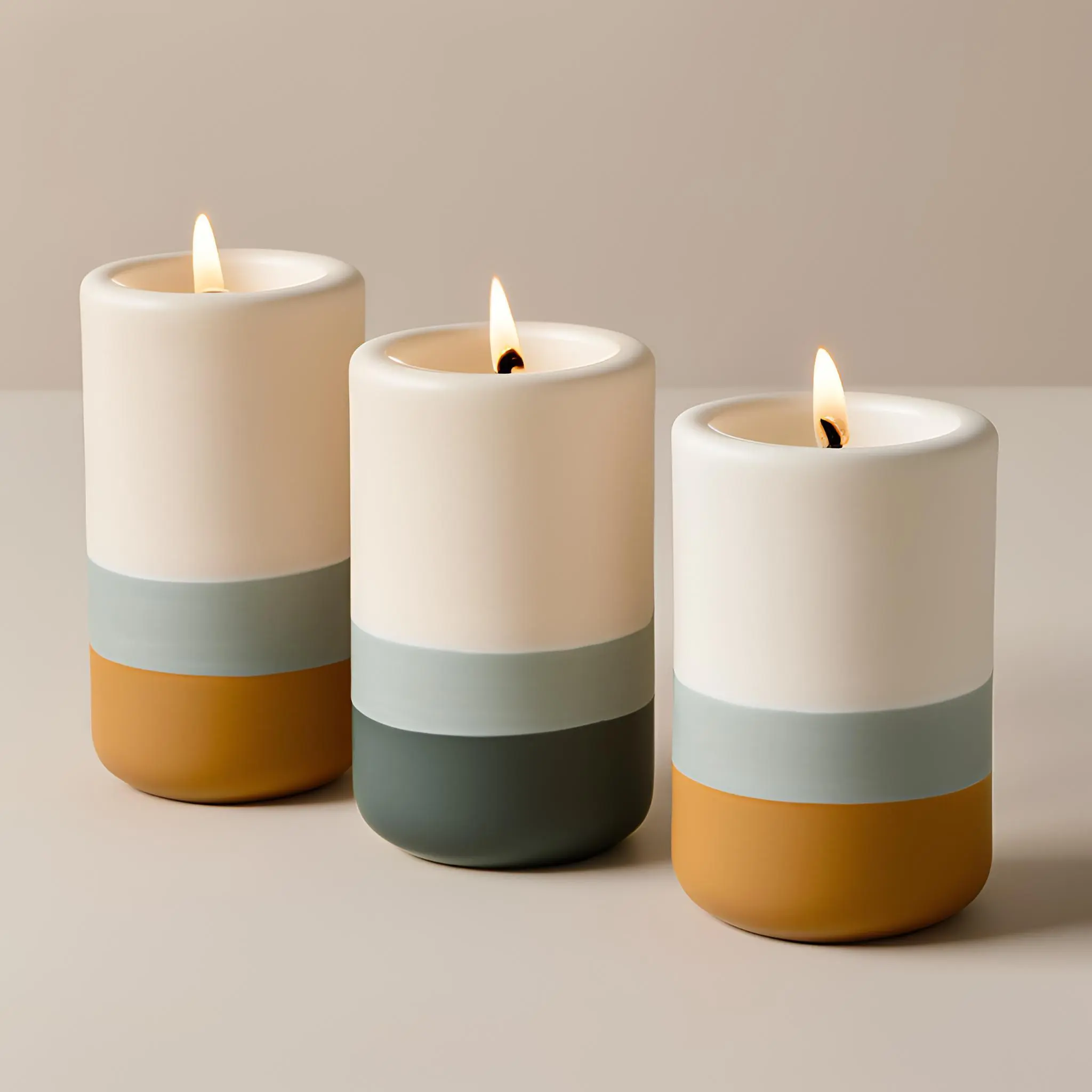
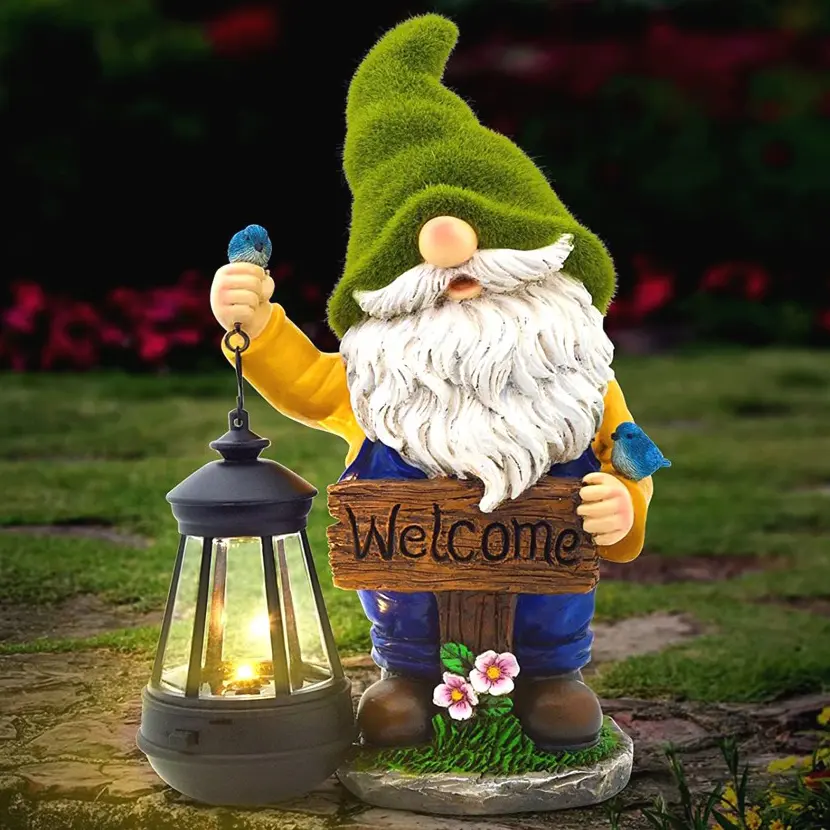
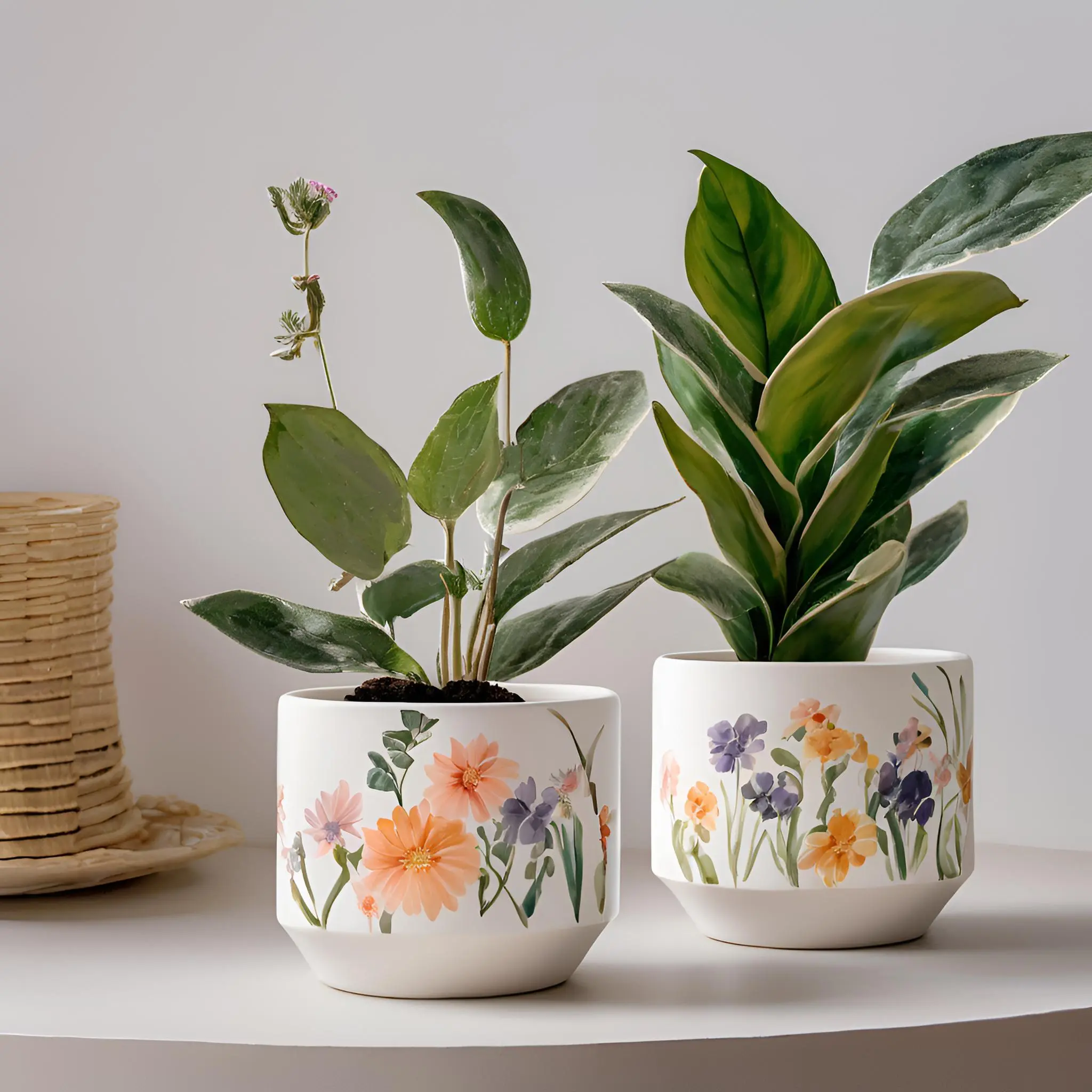
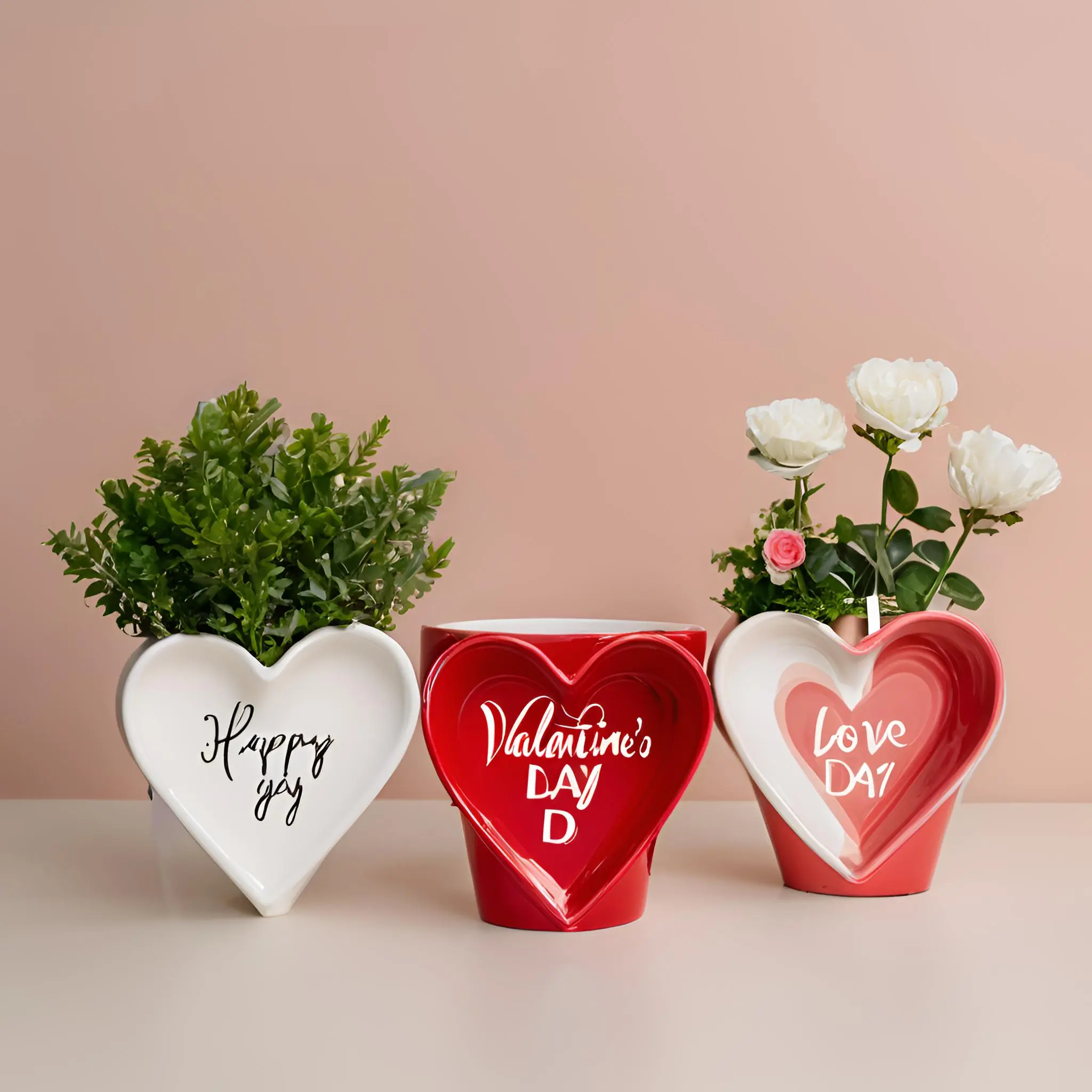
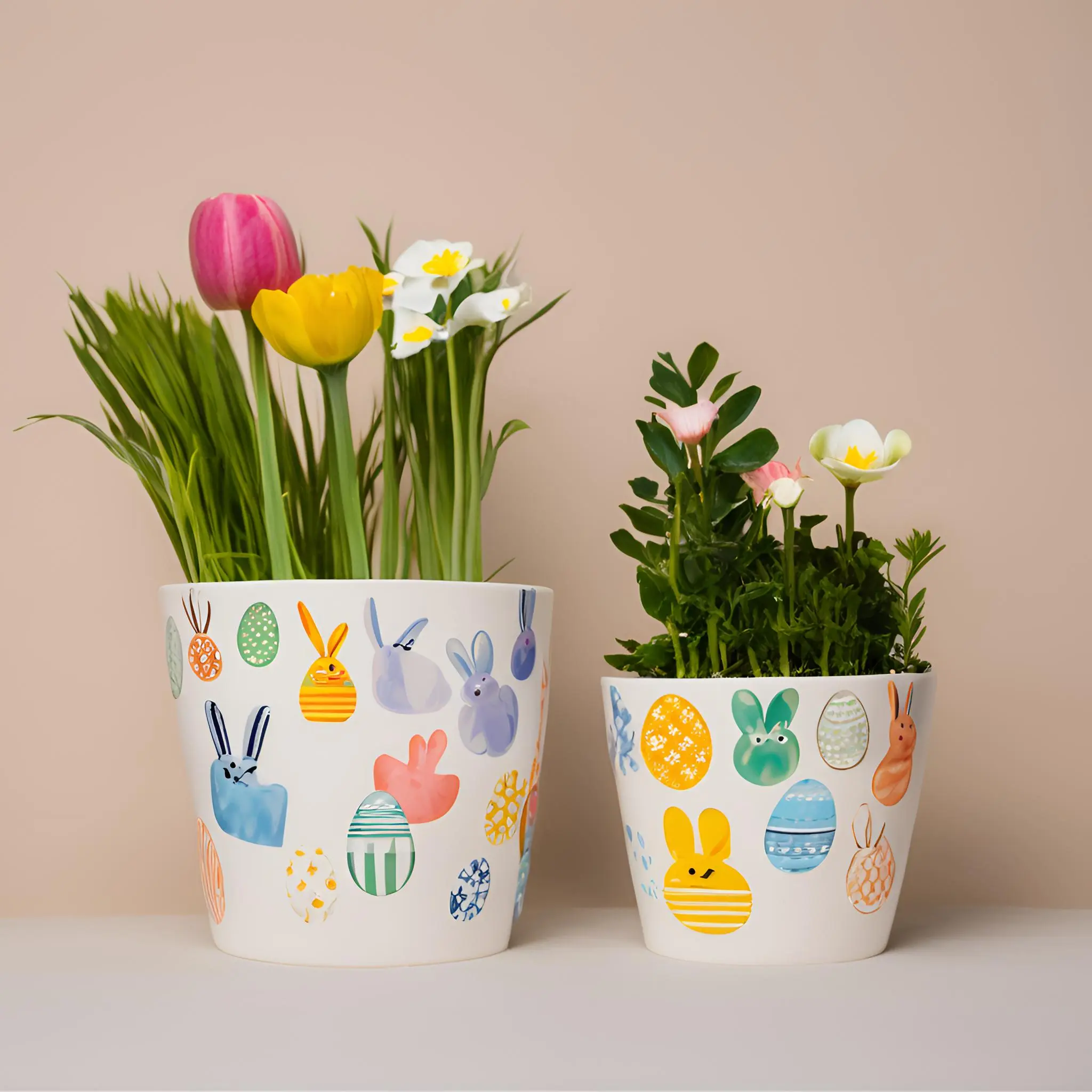
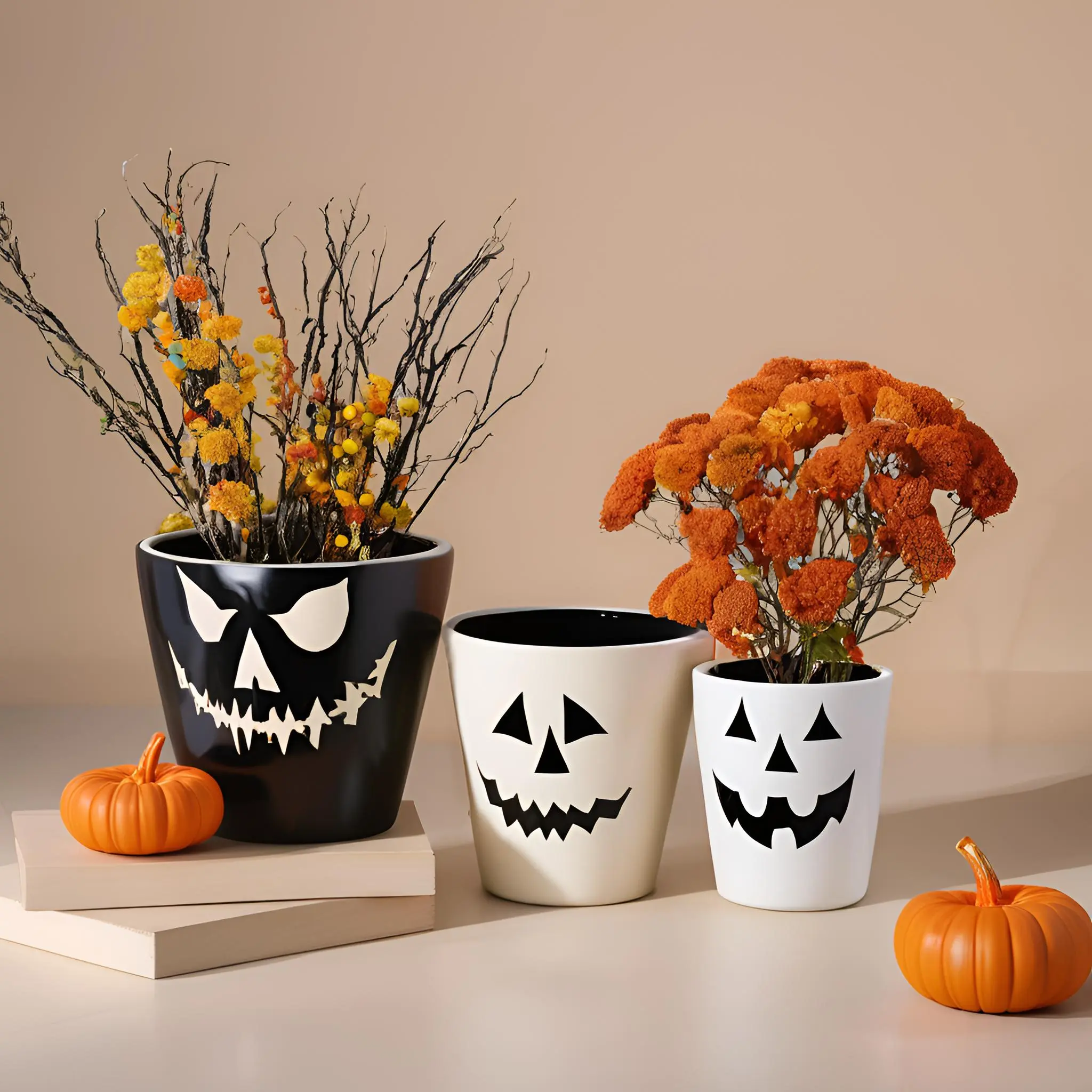
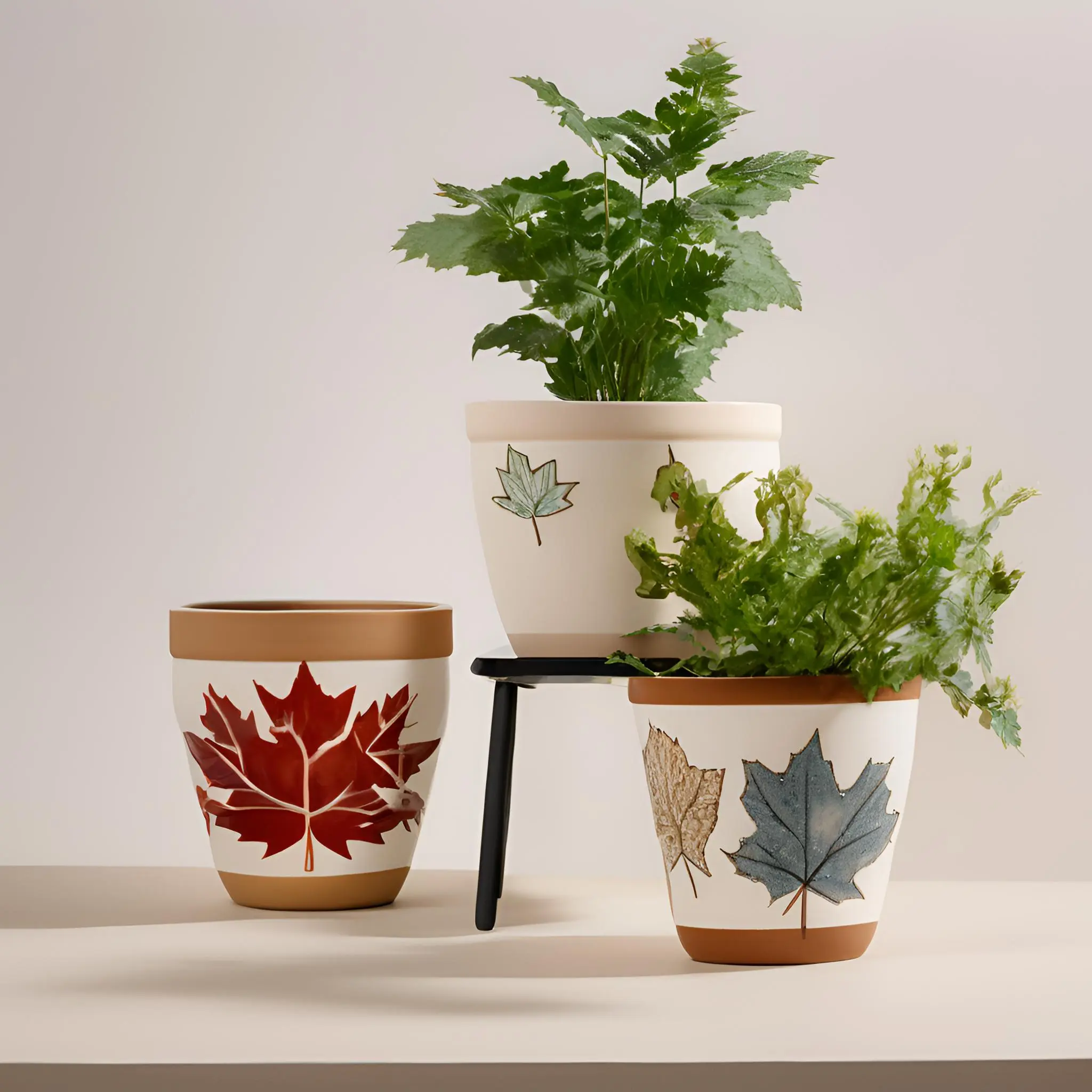
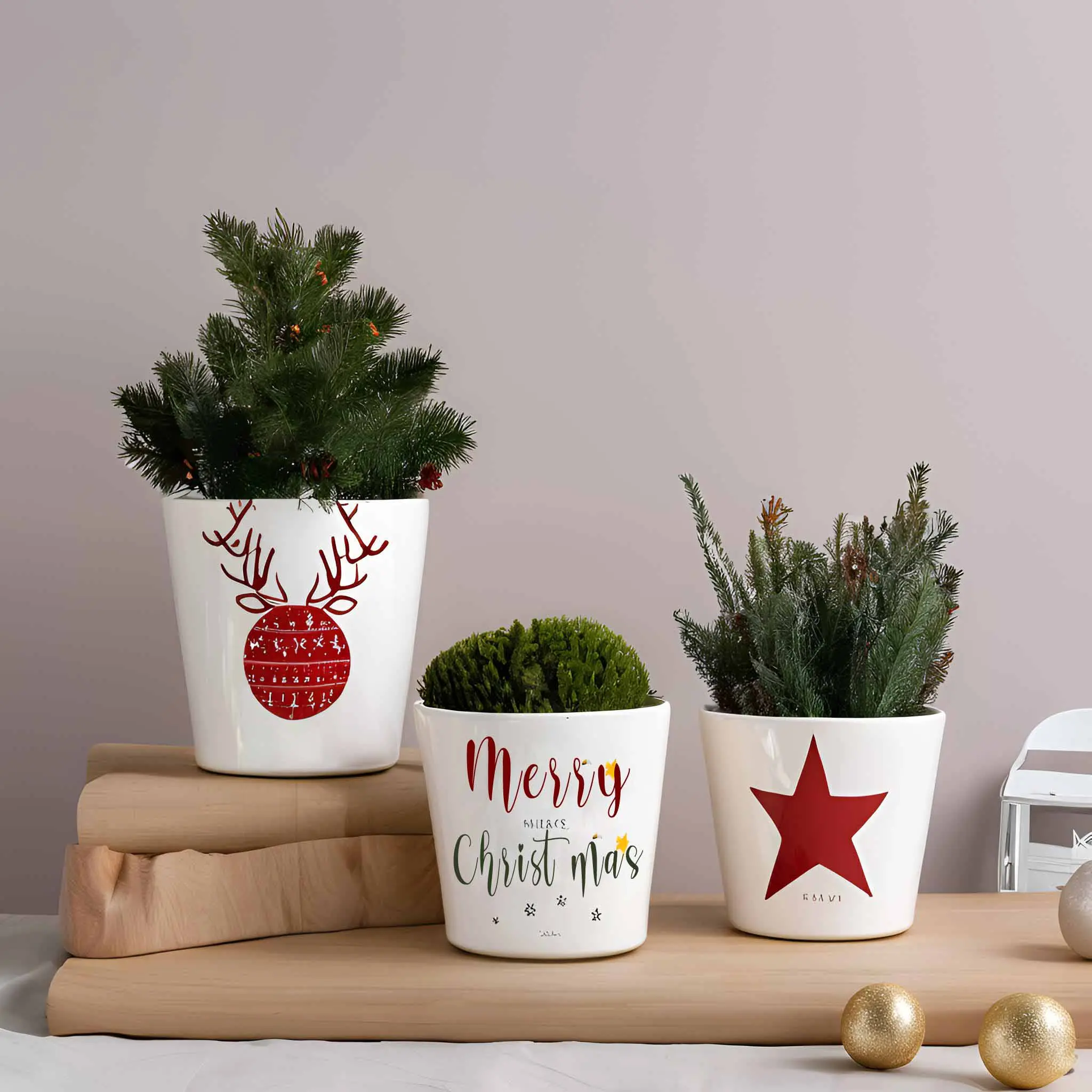
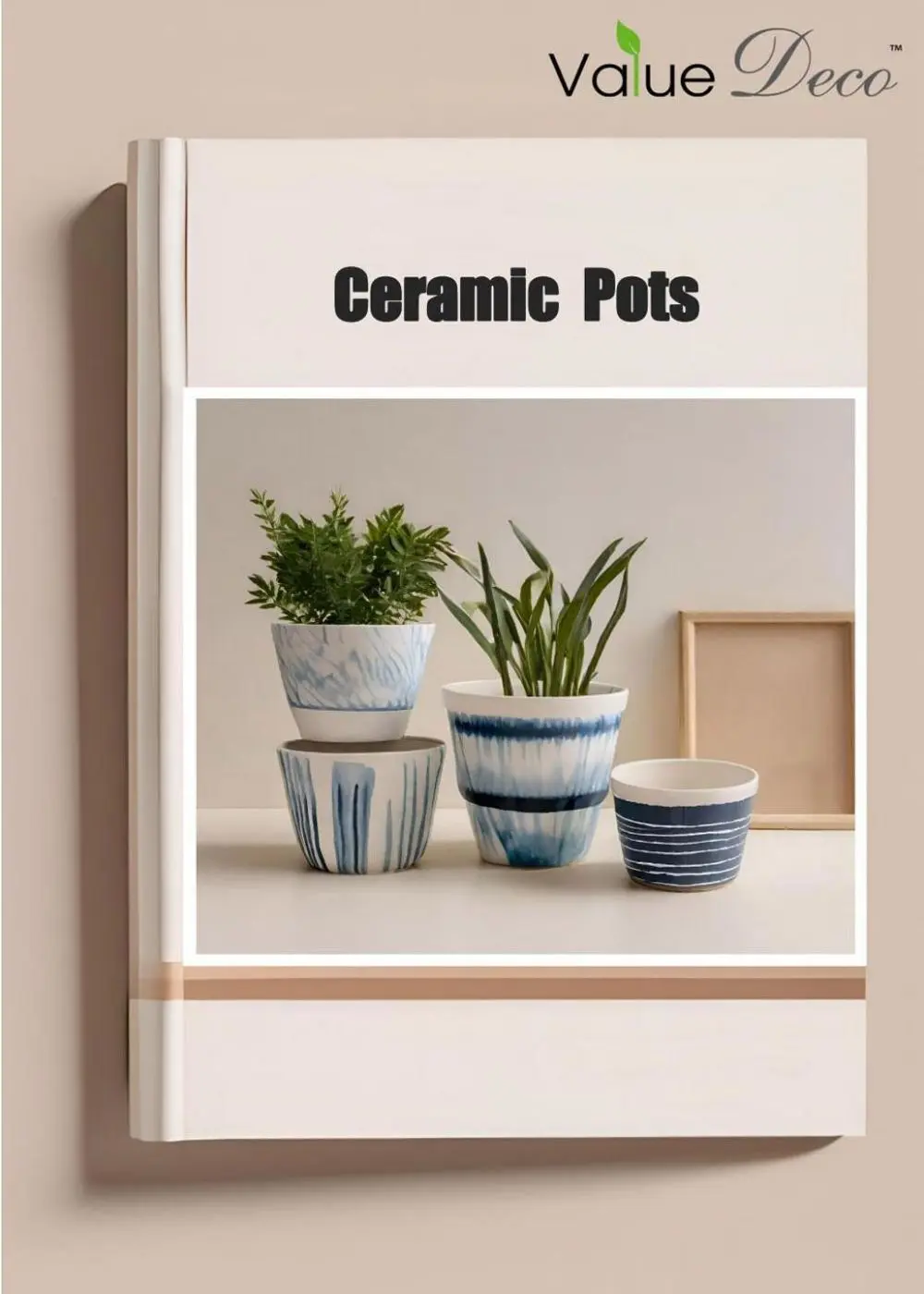
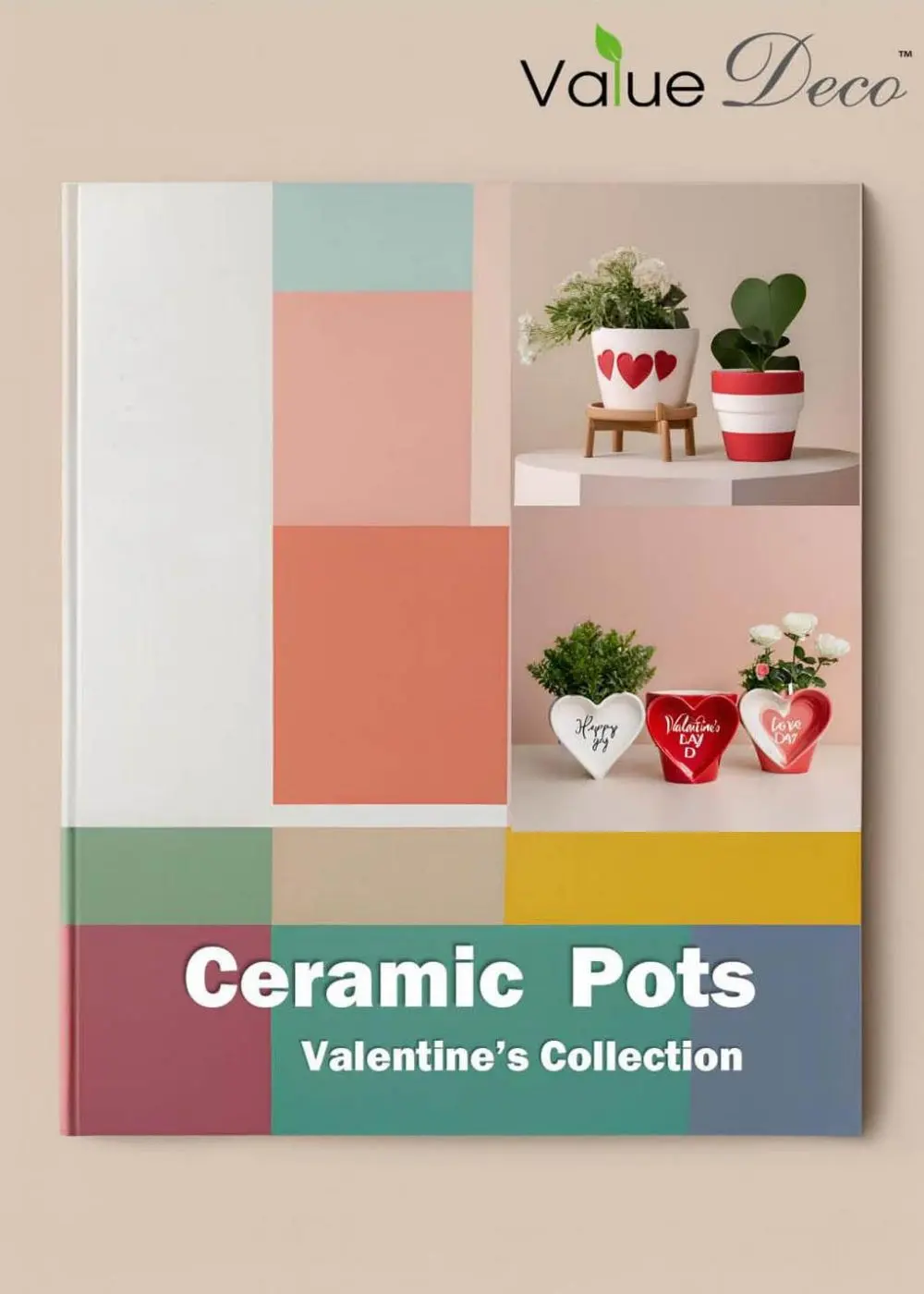
Analyzing industry transformations including sub-irrigation integration, bio-active materials, and computerized kiln optimization.
Commercial landscaping faces high maintenance costs and water waste. Our design research focuses on integrating sub-irrigation inserts directly within large-scale planters. By establishing water reservoirs below the root barrier, these systems minimize evaporative water loss and deliver steady moisture levels. Furthermore, smart cities are integrating IoT-enabled soil moisture and salinity sensors directly into our large pots, enabling automated, data-driven municipal watering systems.
As corporate real estate moves toward carbon neutrality, the environmental impact of raw materials is highly scrutinized. Our development pipeline explores the addition of recycled geopolymers and industrial aggregate by-products to clay bodies. This matches standard strength profiles while lowering kiln firing temperatures, significantly reducing the carbon footprint of wholesale container manufacturing.
Large structural ceramics are highly susceptible to micro-fractures during shipping and sub-zero freeze cycles. To combat this, we use computer-optimized tunnel kilns that maintain precise temperature holds. This process achieves deep vitrification, ensuring the silica structure is completely fused. It eliminates porous pockets that absorb moisture and expand during winter weather, preventing cracking and structural failure.
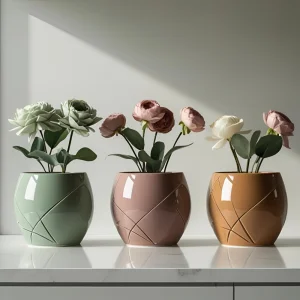
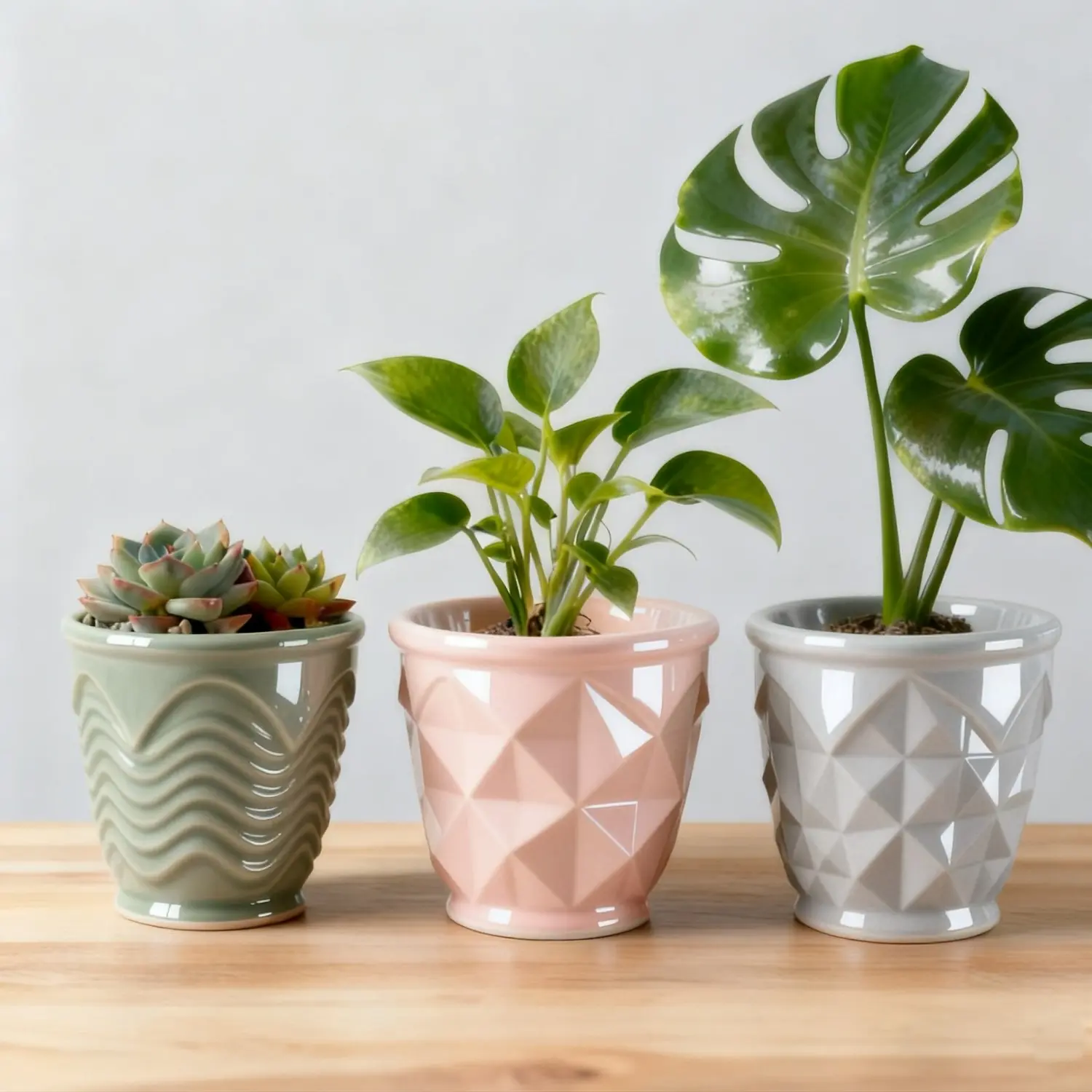
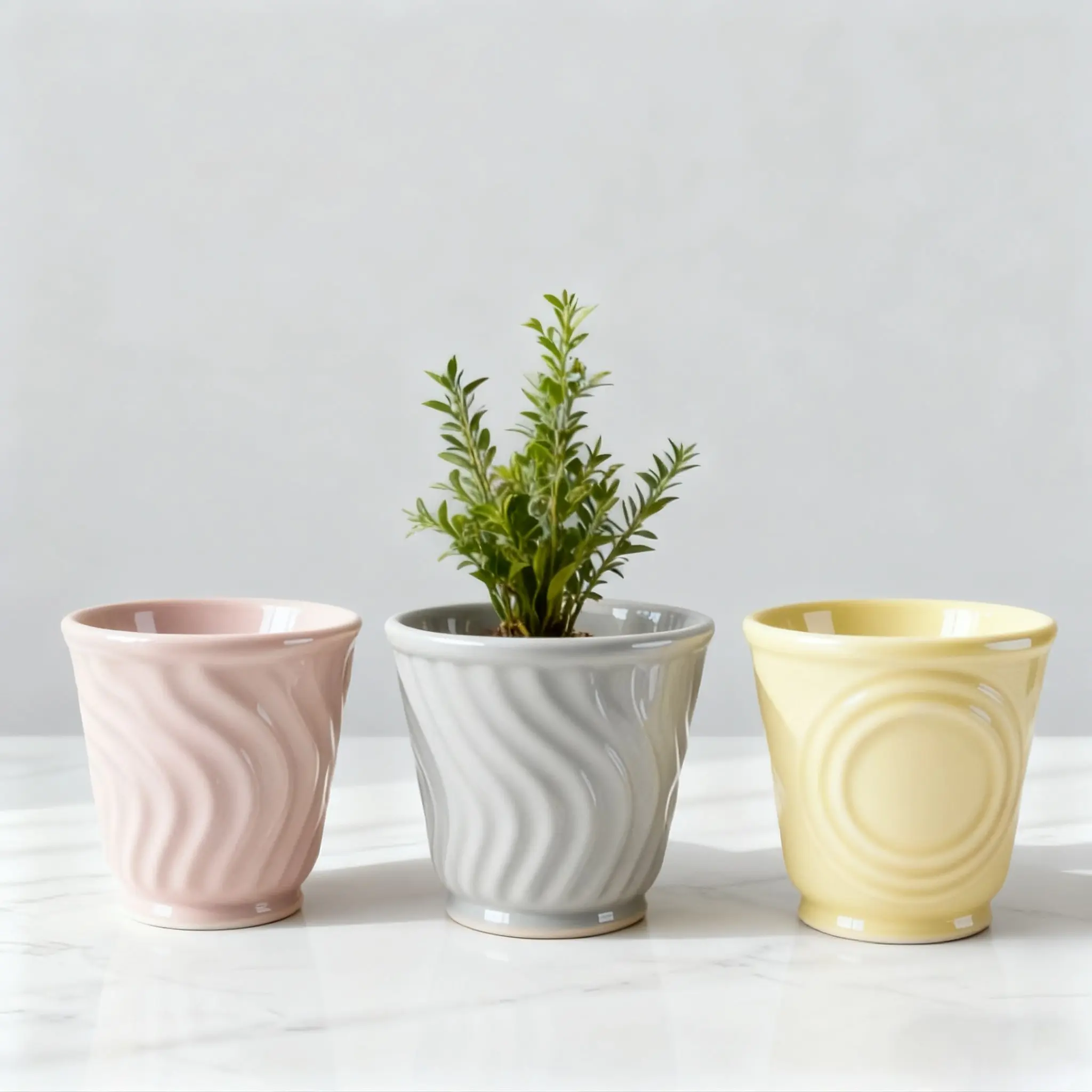
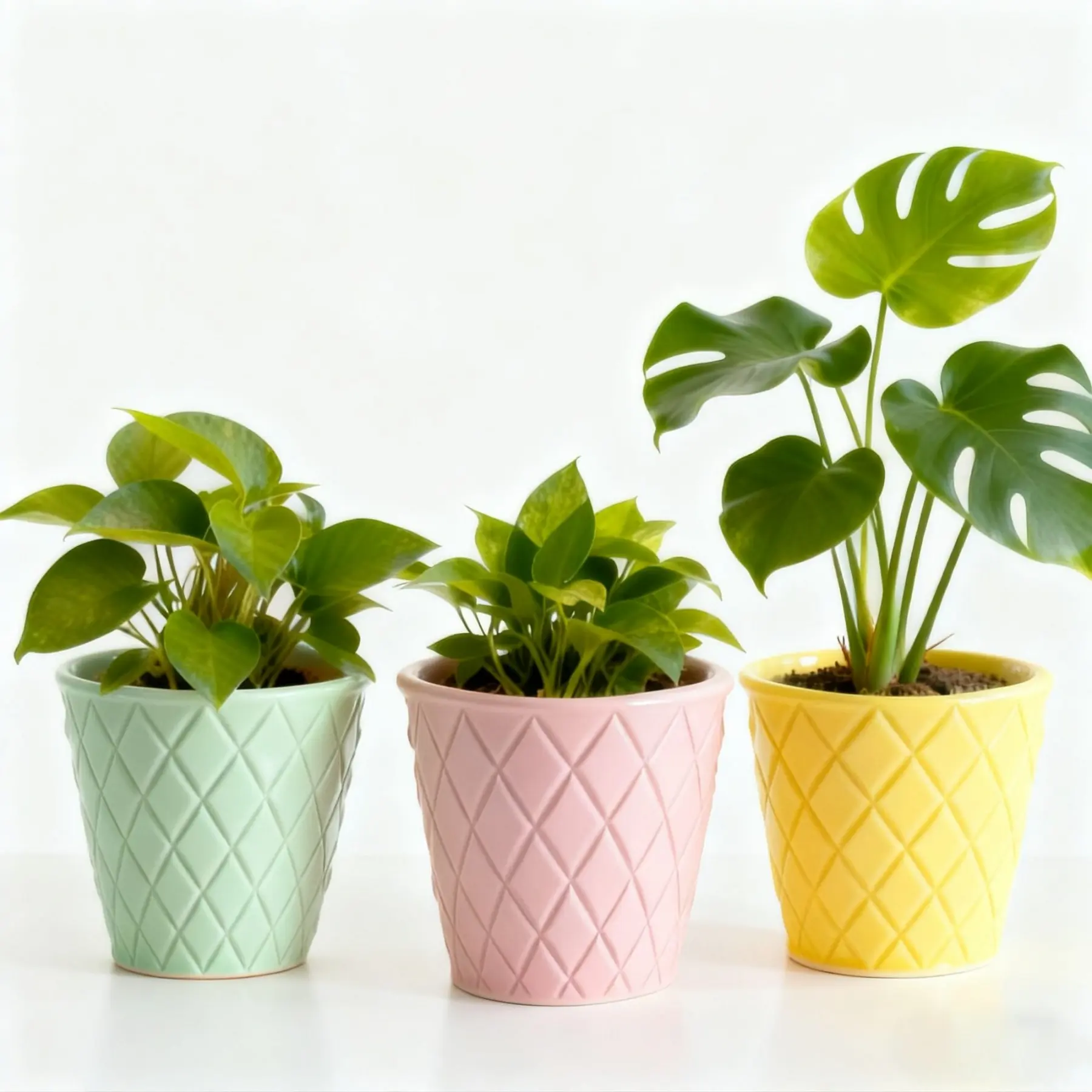
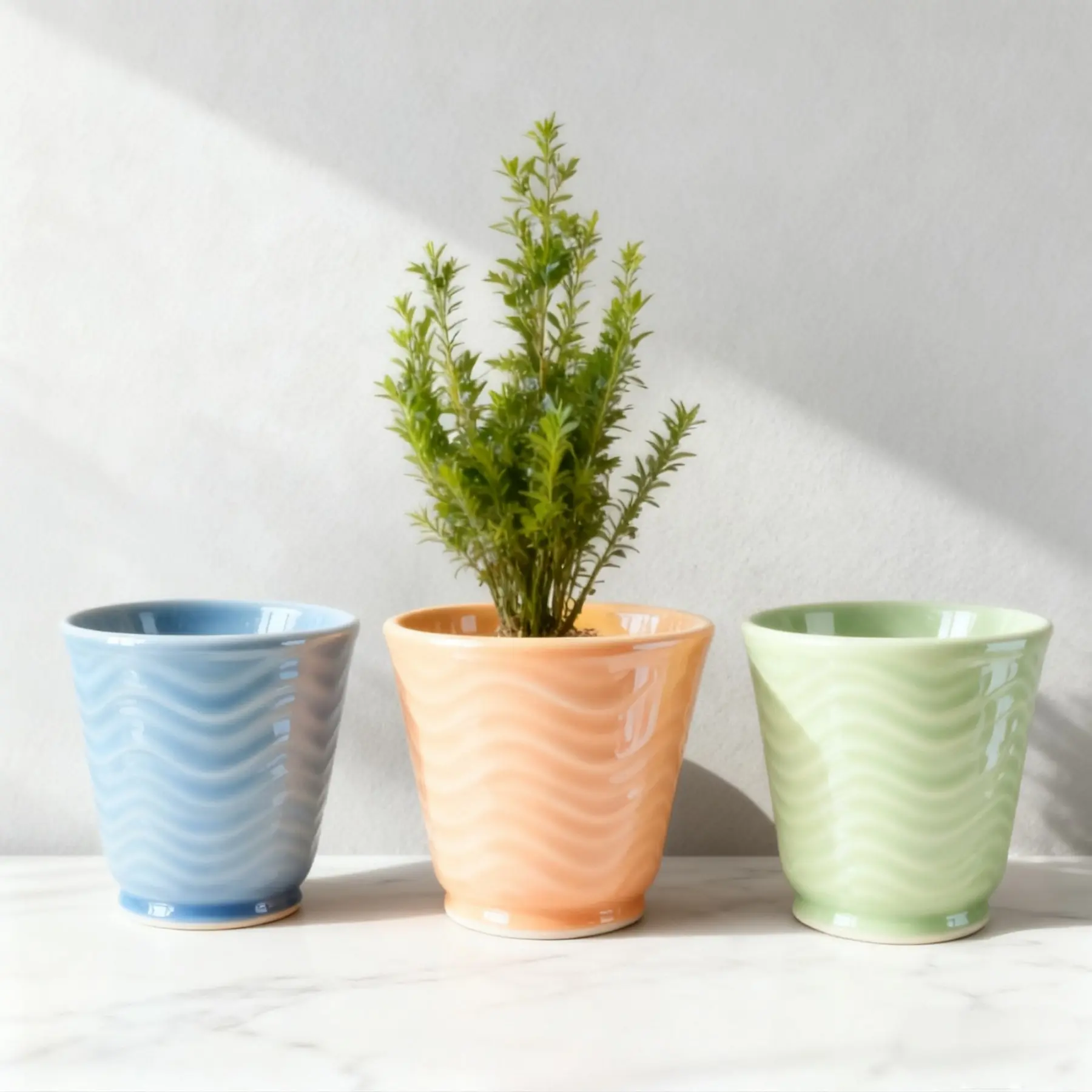
Explore our latest aesthetic profiles, combining structured geometry with organic glaze textures.
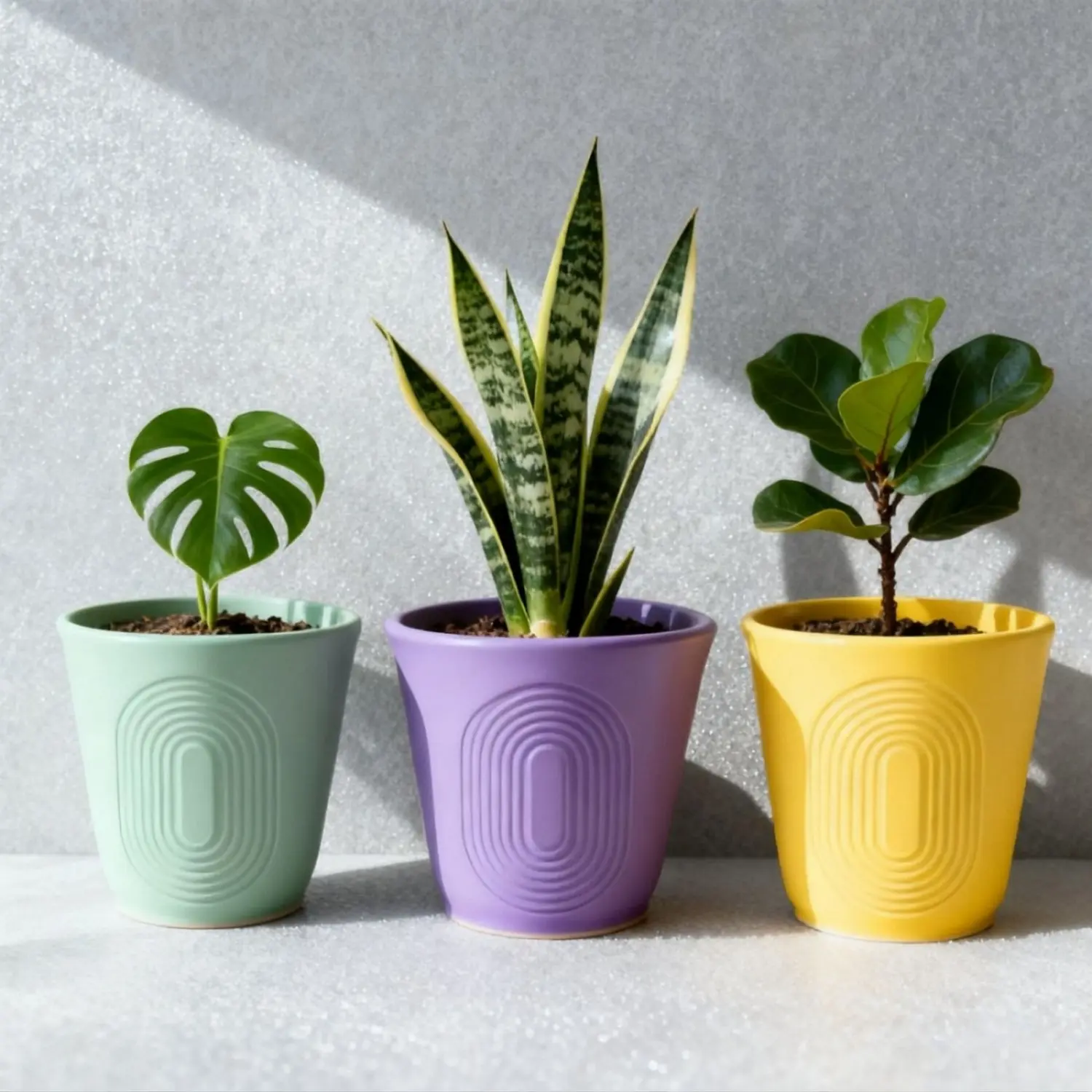
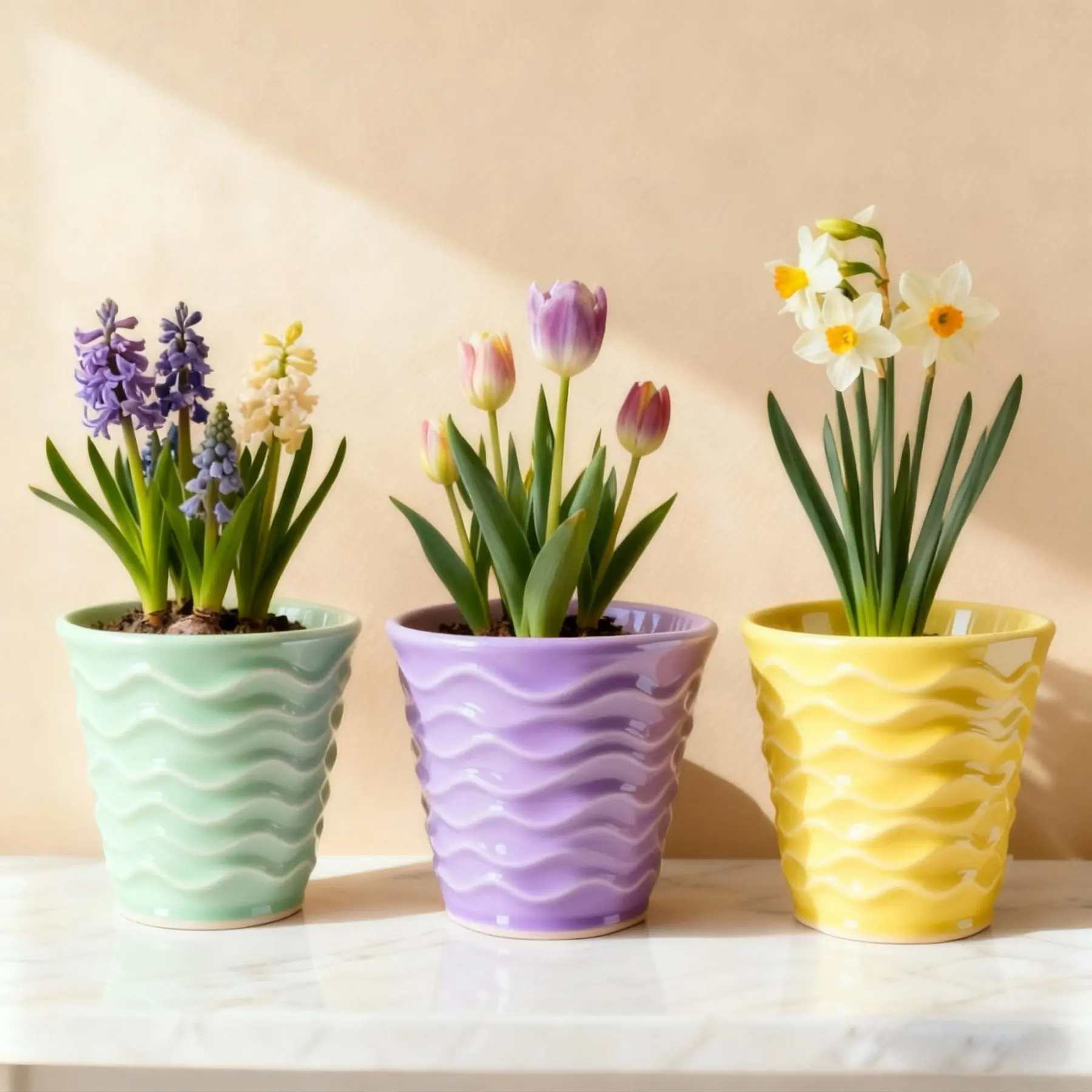
Essential validation checklist for wholesale importers, procurement managers, and commercial interior buyers.
When sourcing large plant containers from China, buyers face several common issues, including structural damage during shipping, inconsistent glaze finishes across production runs, and delays in transit. To help streamline your procurement, we recommend using this structured quality assurance checklist:
Answering high-intent questions from landscape architects, commercial buyers, and supply chain managers.
Commercial-grade pots from Value Deco Limited are made using proprietary, high-density clay blends and are fired in high-temperature tunnel kilns. This process vitrifies the clay body, producing high structural strength, minimal water absorption, and excellent frost resistance. Standard retail pots are often fired at lower temperatures, leaving them more porous and prone to cracking under soil pressure or during winter freeze-thaw cycles.
Planters crack in winter when water is absorbed into the pot's walls and freezes, expanding in the process. We prevent this by keeping porosity levels below 1% through high-temperature vitrification. Additionally, we recommend integrating structural drainage layers using geotextiles and drainage aggregates. This prevents standing water from accumulating at the base of the container.
Yes, our design division provides full OEM and ODM services. We work directly with your CAD drawings or 3D models to create custom molds. Our glaze laboratory can match specific Pantone, RAL, or Federal Standard paint colors. This ensures your large plant containers coordinate perfectly with the building's overall color palette and architectural finishes.
To guarantee safe delivery, we package all large containers on custom-sized, heavy-duty wooden pallets. Each planter is secured with high-density EVA foam and wrapped in industrial stretch film. We ship globally using standard ocean freight containers (FCL). This allows us to load the containers efficiently, maximize space, and minimize handling, reducing the risk of damage during transport.
For standard catalog designs, our typical production lead time is 45 to 60 days, depending on our current kiln schedule and order volume. Custom OEM designs require an additional 15 to 20 days for tooling development, sample production, and approval. We recommend planning your orders at least 4 to 6 months before your project installation date to allow for ocean freight transit times.
Add character and festive appeal with our specialty garden designs, holiday collections, and decorative accents.