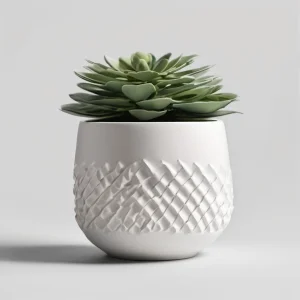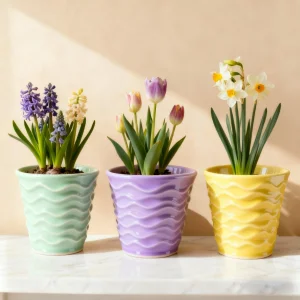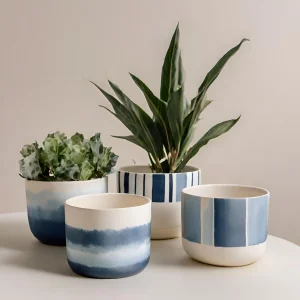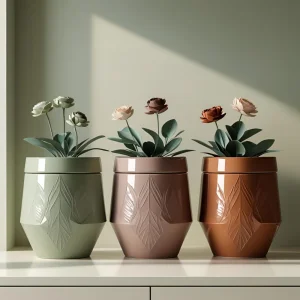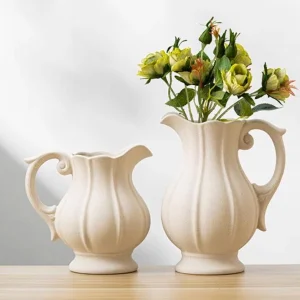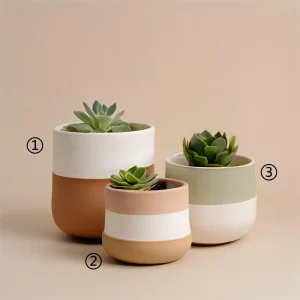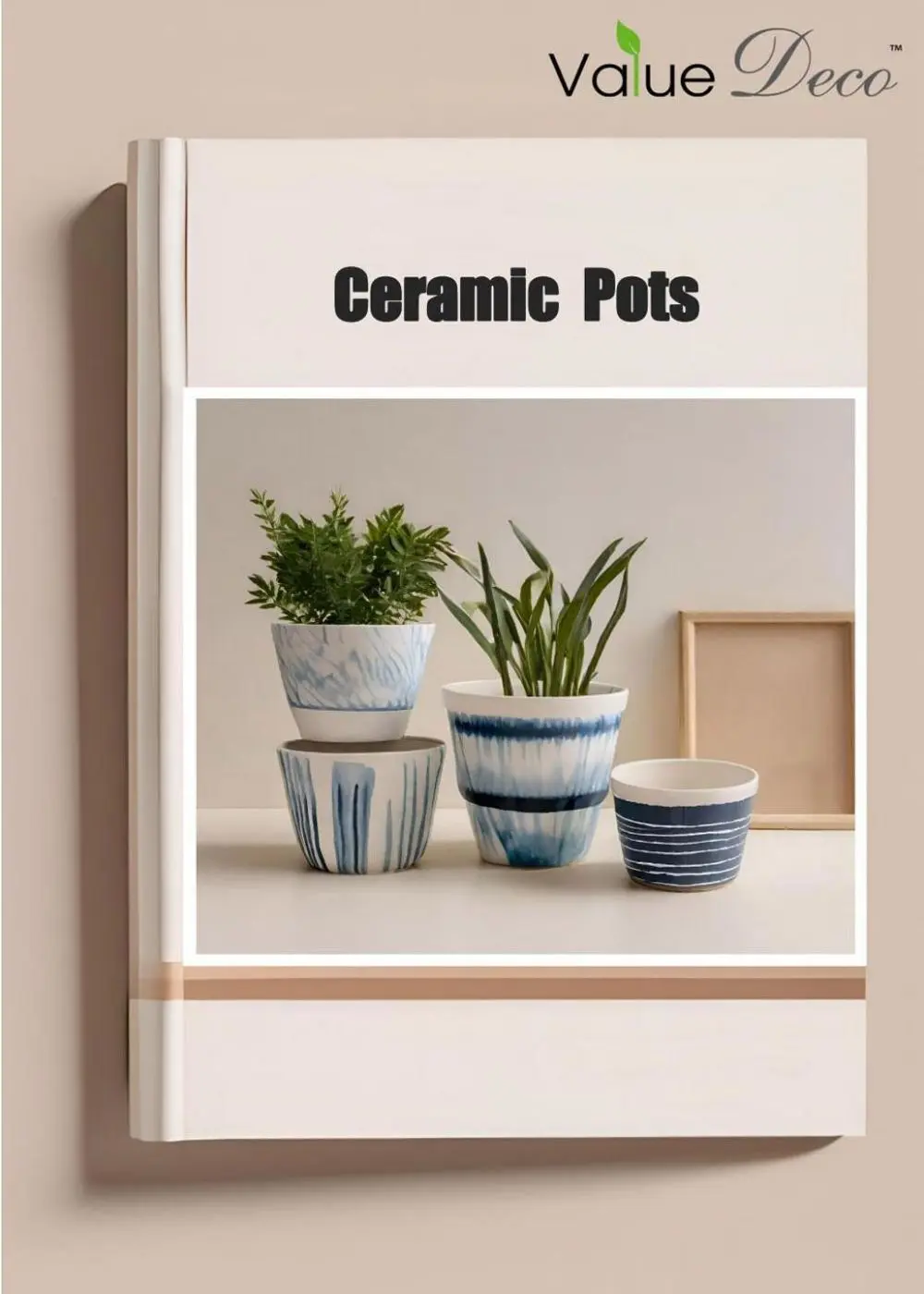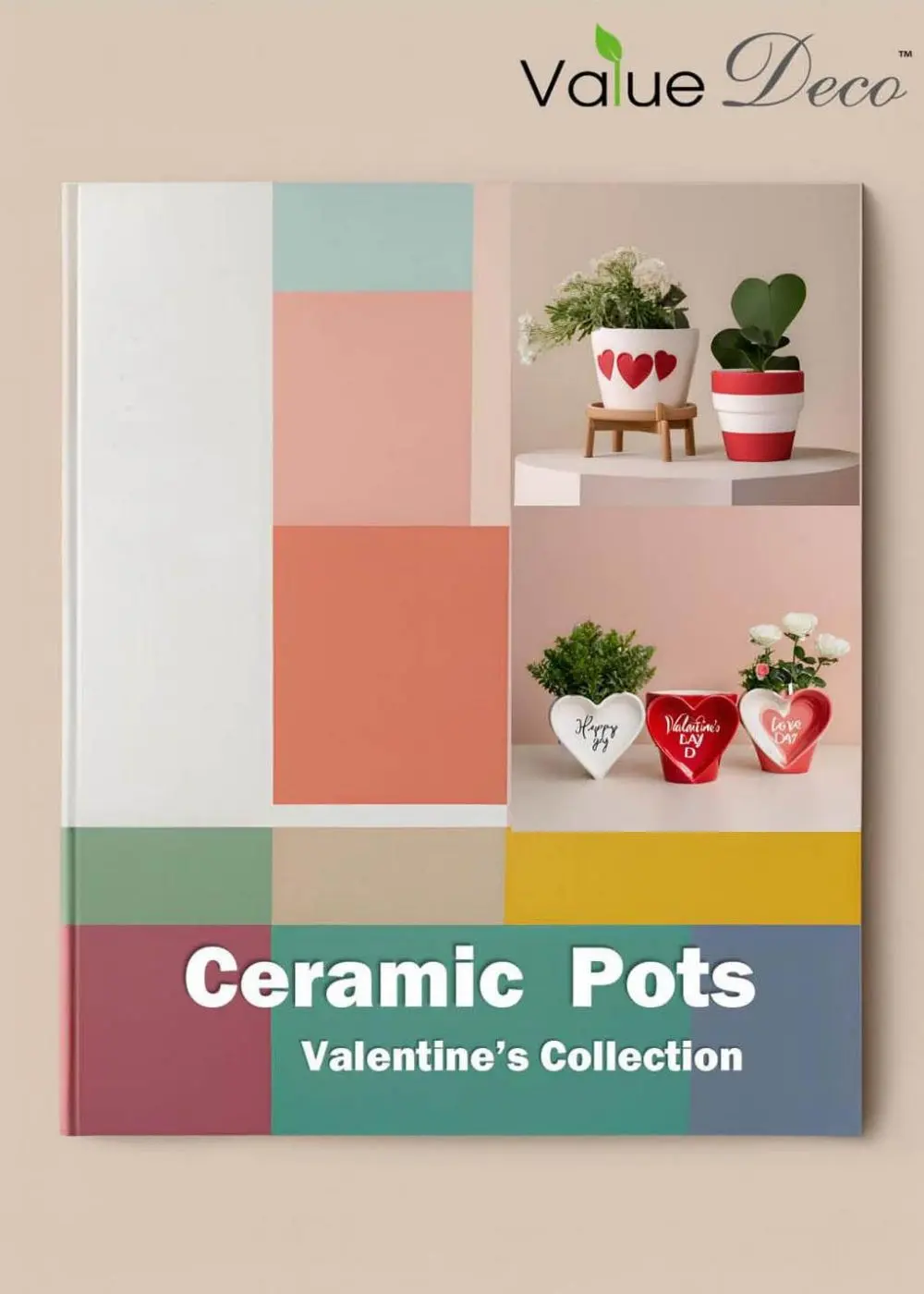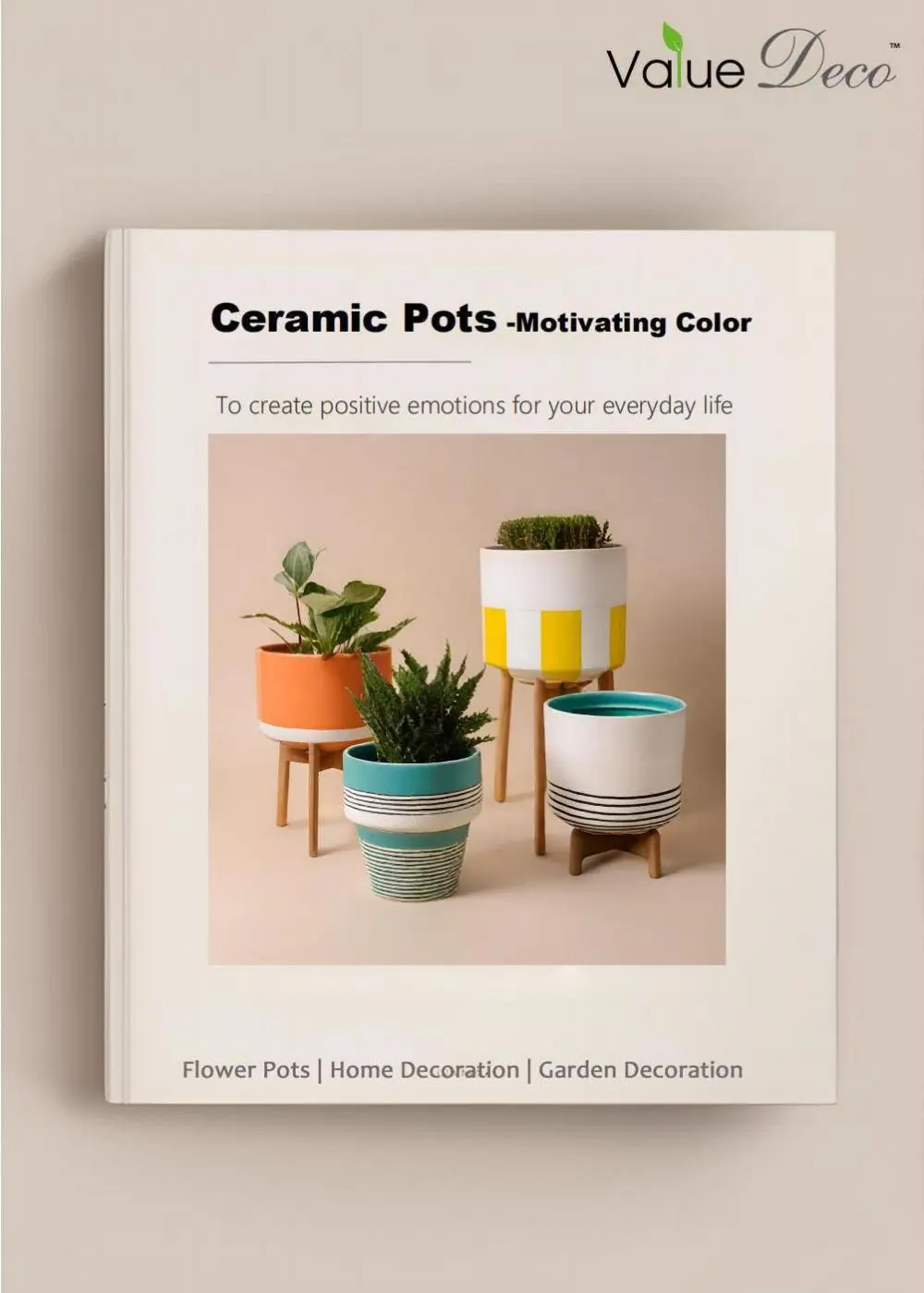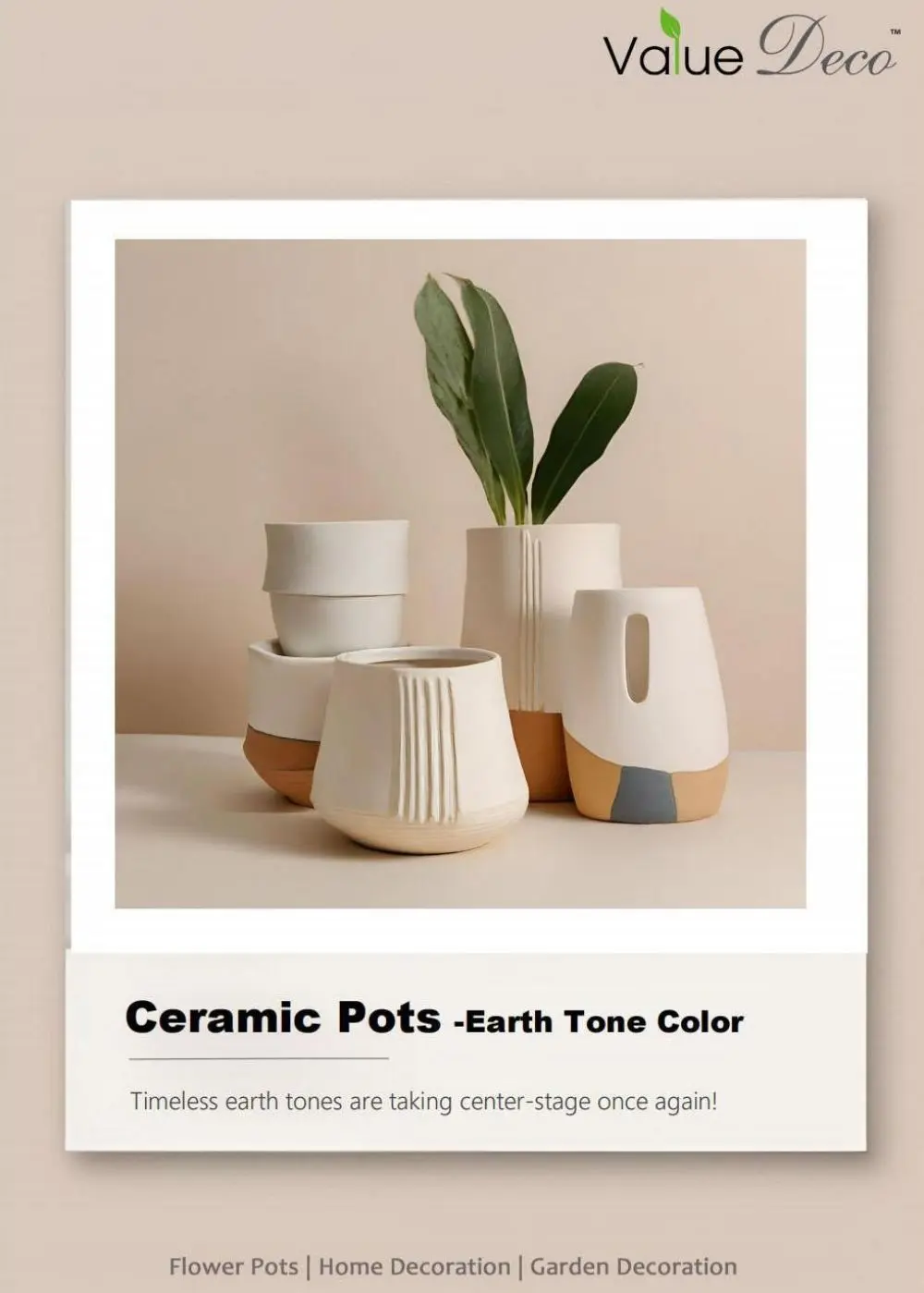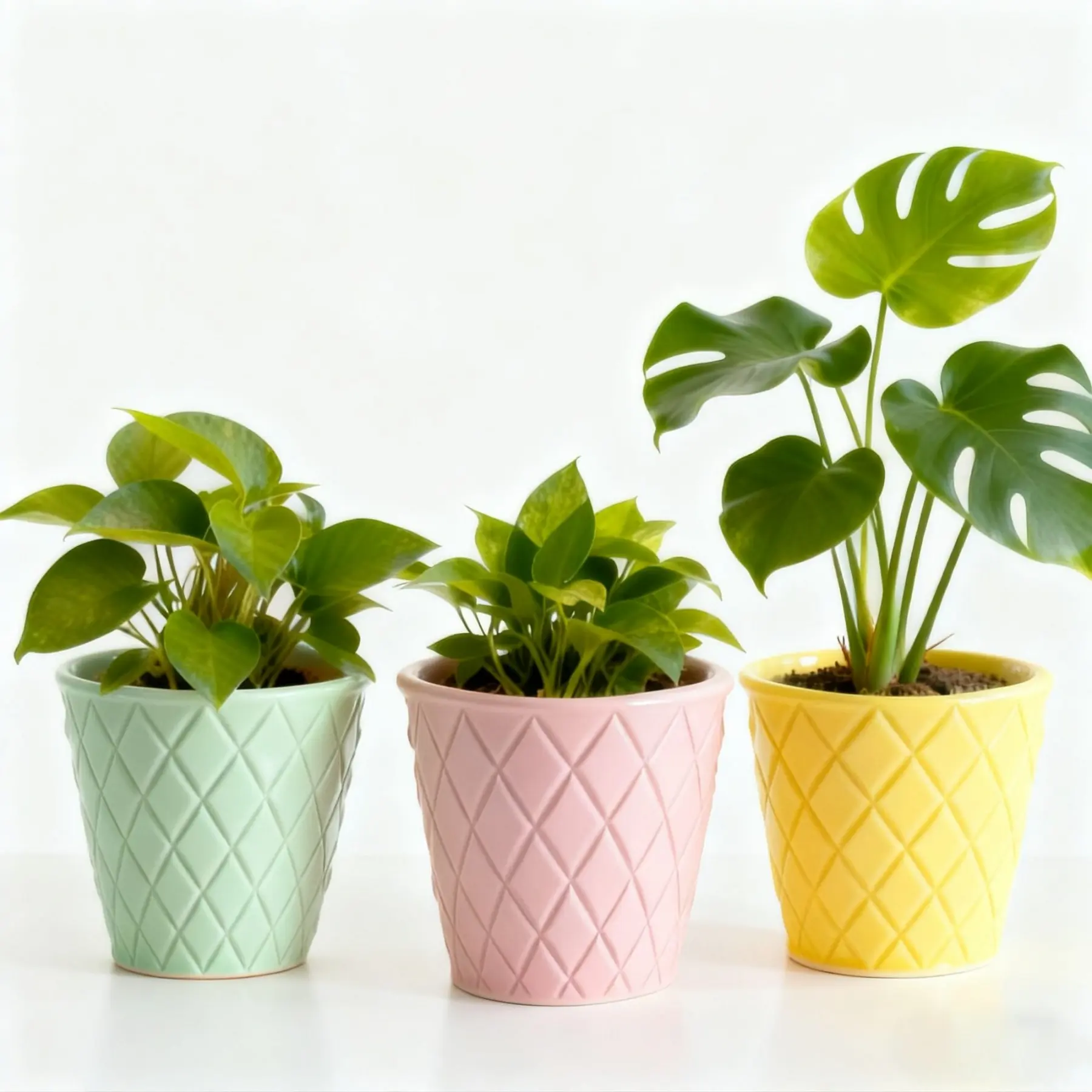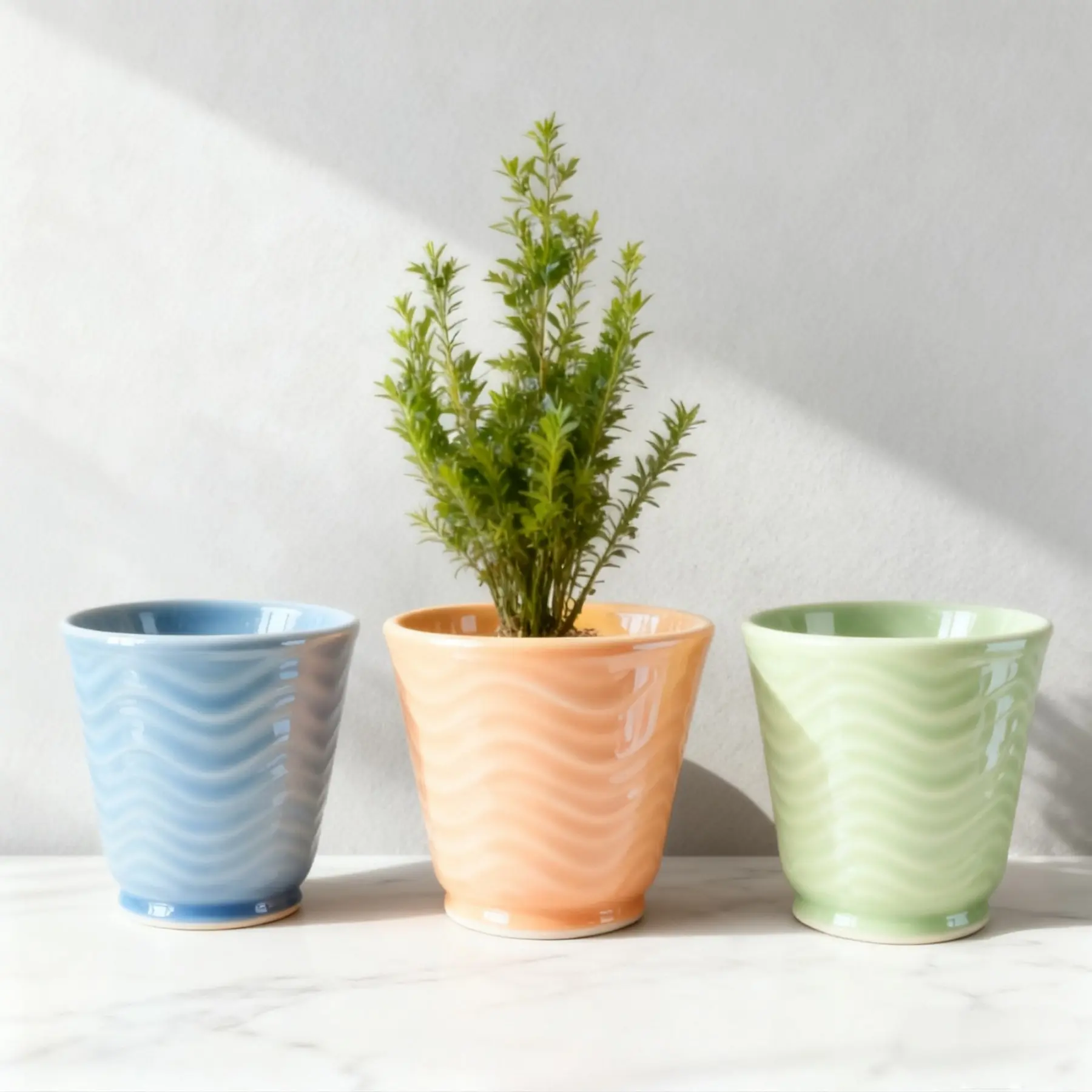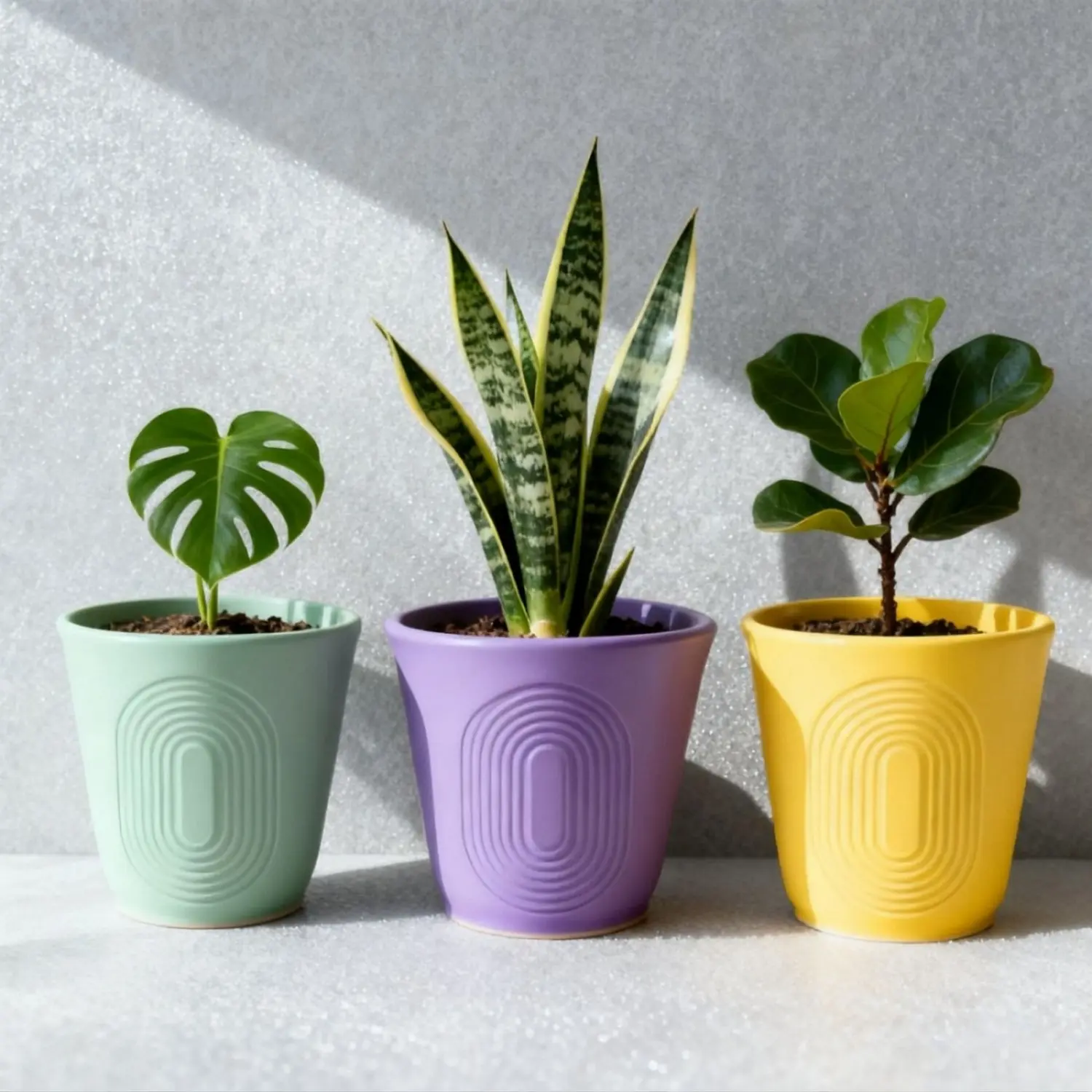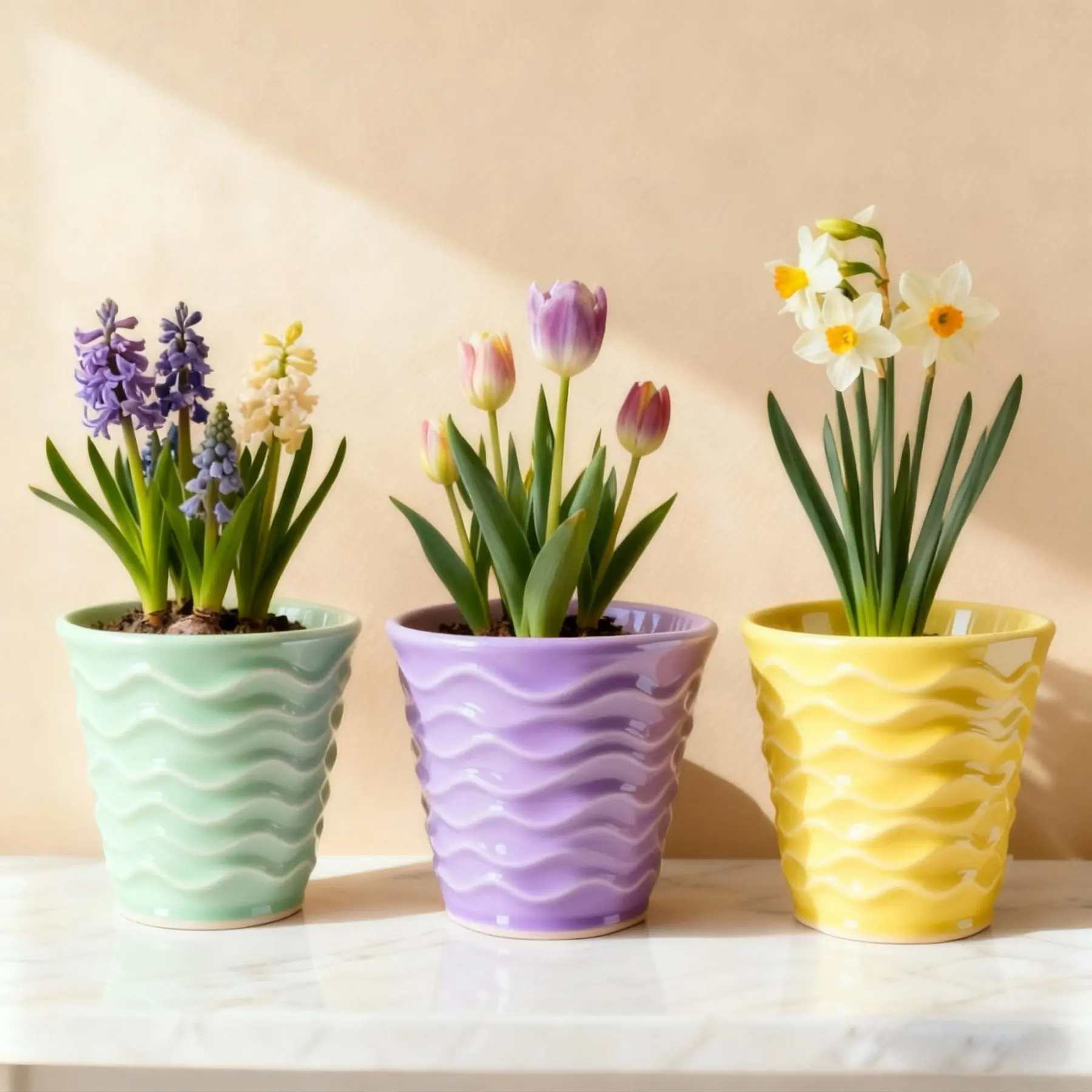
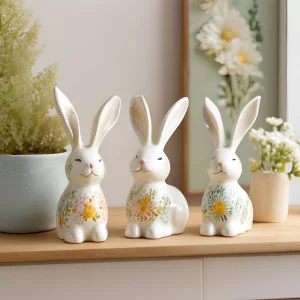
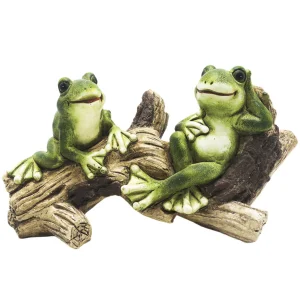
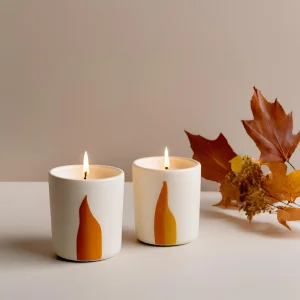

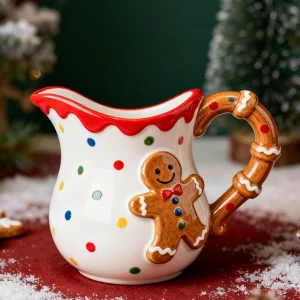
The global floral and home decor industry has undergone a monumental shift, progressing from basic functional container production to sophisticated design-centric manufacturing. Modern flower vases and planter structures serve as pivotal anchors in interior architecture, hospitality environments, residential projects, and large-scale corporate event designs. Valued at multiple billions globally, the demand for premium ceramic pots, textured flower vases, and high-durability garden ware is experiencing sustained growth.
According to current market intelligence, the demand driver is no longer purely utilitarian. Today’s businesses—ranging from bulk retailers, lifestyle brands, and boutique distributors to e-commerce giants—look for structural durability, aesthetic versatility, and low-toxicity glazes. The commercial sector demands ceramic and resin products that align with contemporary design philosophies (such as Japandi, organic modernism, and biophilic design) while maintaining extreme performance criteria, such as resistance to UV degradation, thermal stability in high-temperature kilns, and structural resistance to shipping micro-fractures.
SEO Information Gain Insight: The semantic shift from searching for "cheap decorative vases" to "sustainable, customized B2B ceramic containers" highlights the premium global buyers place on chemical certifications (FDA compliance, Lead & Cadmium free) and sustainable, low-emission kilns.
As the undisputed global epicenter of ceramic and resin manufacturing, China continues to offer unparalleled manufacturing efficiency. The competitive advantage of Chinese factories lies not in low cost alone, but in the highly optimized industrial clusters located in ceramic capitals like Chaozhou, Dehua, and Yixing. These clusters integrate raw material extraction, automated processing plants, expert sculptors, and direct logistical hubs, creating a frictionless, vertical supply ecosystem.
Modern Chinese ceramic factories utilize continuous computer-controlled gas tunnel kilns that maintain uniform thermal profiles. This technology virtually eliminates color variations and micro-cracks, ensuring the production of high-strength ceramic pots and vases at scale.
The speed at which a design concepts transitions to a physical sample is crucial for seasonal launches. Utilizing 3D printing and CAD files, Chinese manufacturers can refine designs in hours, reducing product development cycles from months to days.
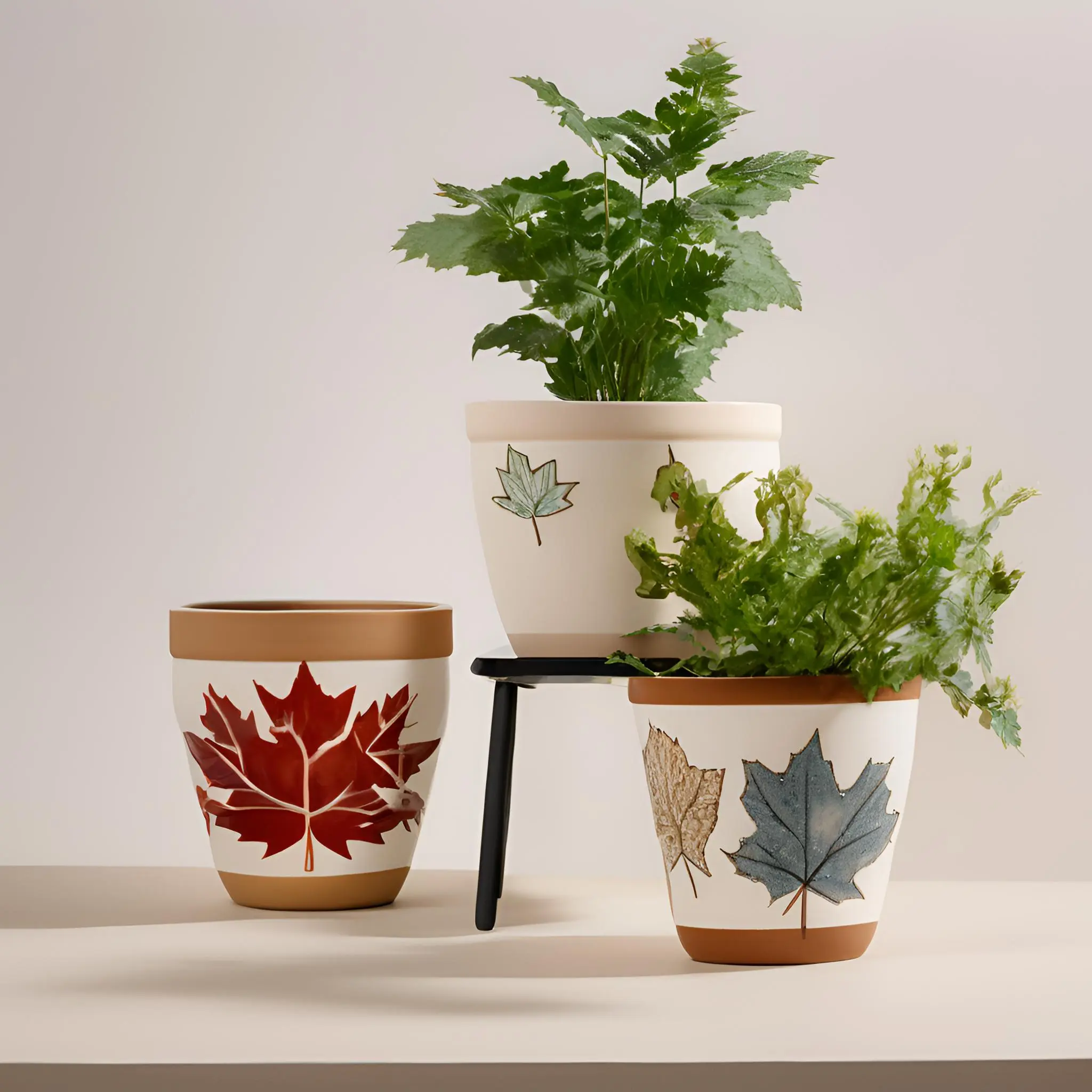
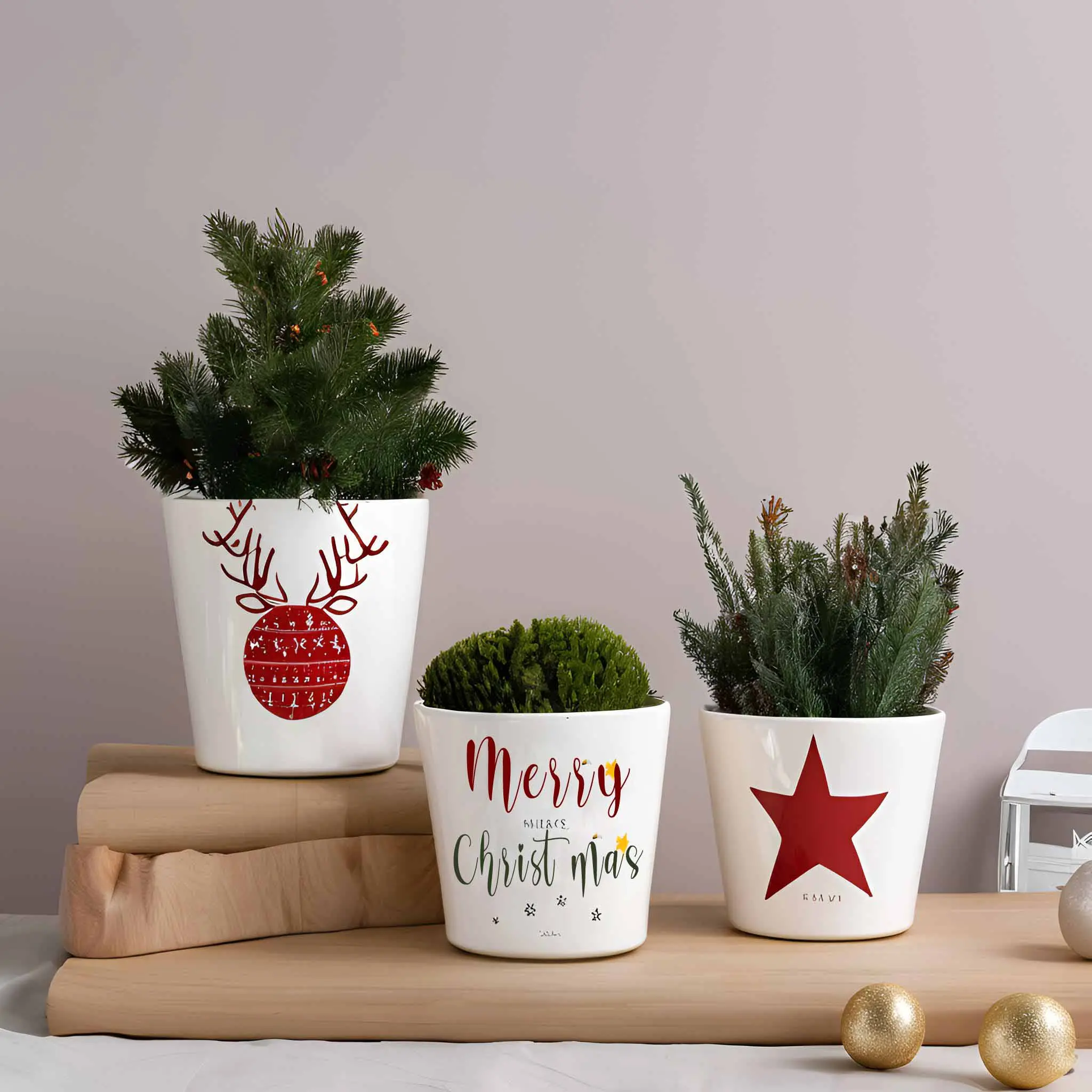
For high-end texturing, debossed finishes, and hand-painted seasonal motifs (such as autumn leaves or festive characters), Chinese craftspeople bring generations of expertise that machinery alone cannot match. This creates products with a unique artisan character suitable for high-margin retail.
Proximity to key raw materials—including premium kaolin clay, non-toxic chemical glazes, and durable polymer resins—insulates Chinese factories from global material price spikes, stabilizing production costs for multi-year contracts.
Flower vases, ceramic pots, and garden statues are not standalone objects; they are vital components of curated visual spaces. Depending on the target regional market and the specific commercial channel, products must satisfy distinct parameters:
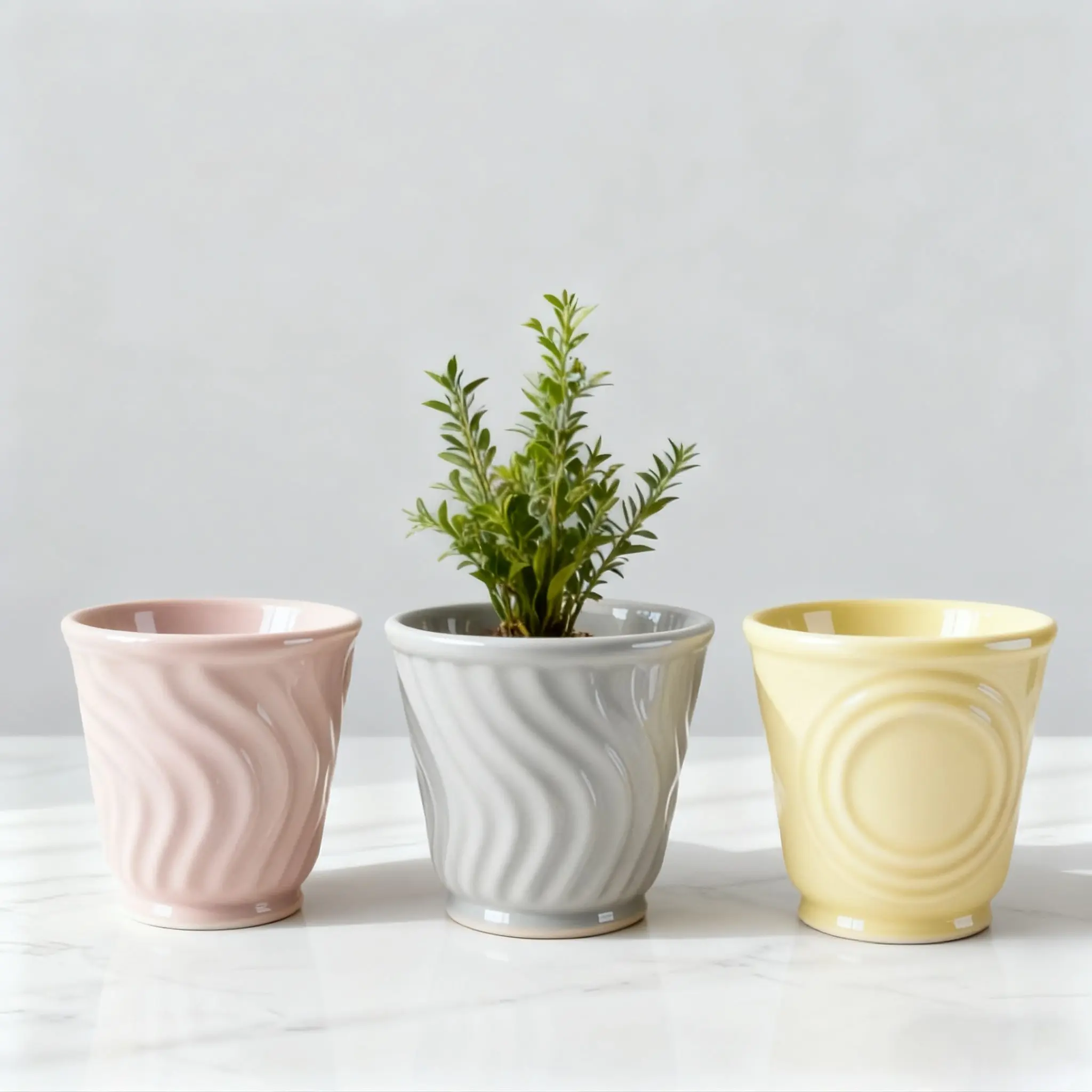
The hospitality industry requires heavy-duty ceramic vases with wide, stable bases to prevent tipping in high-traffic corridors. Glazes must be highly resistant to acidic floral feed, water staining, and frequent industrial sanitization processes. Matte, neutral-toned ripple surfaces are highly favored for minimalist modern aesthetics.
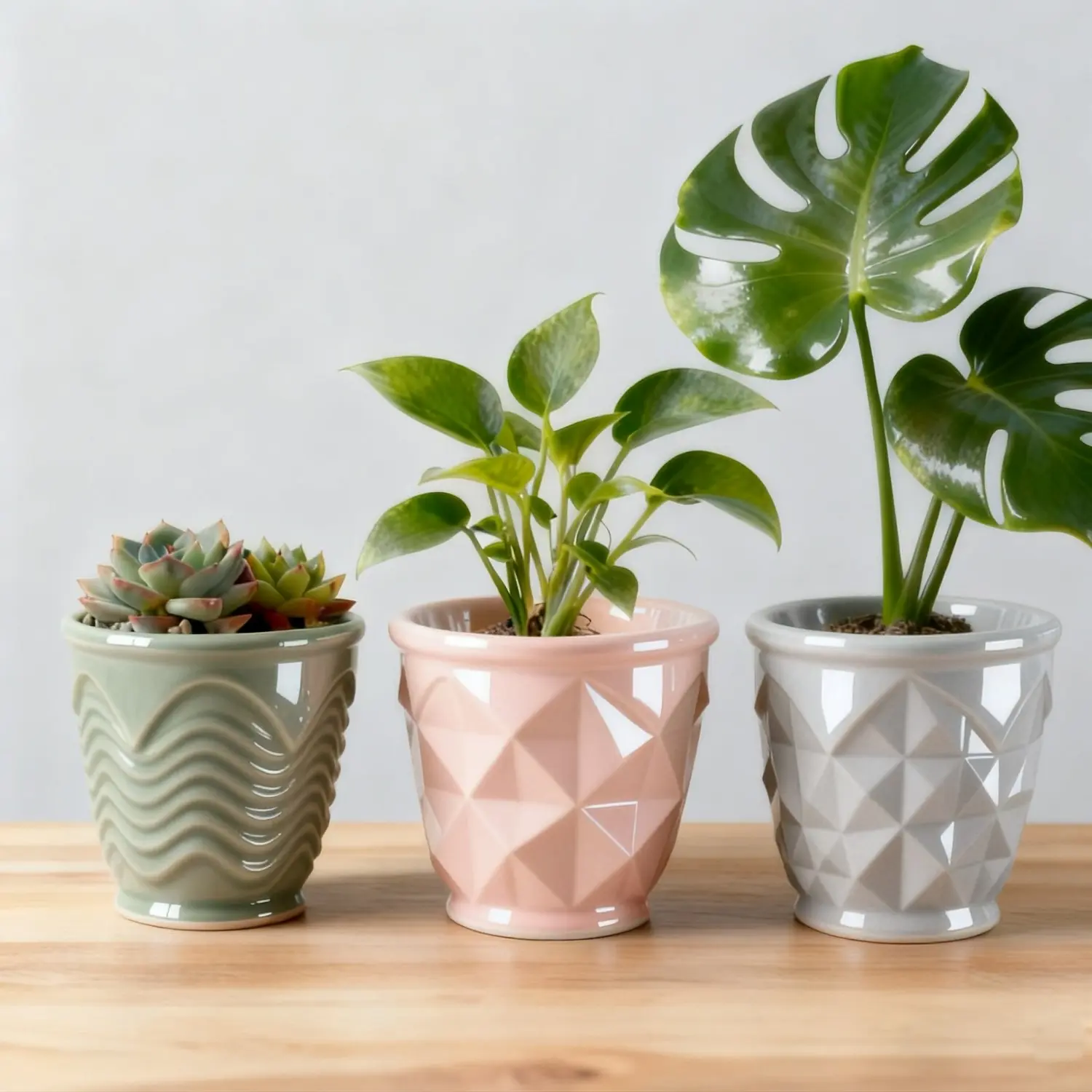
Large-scale office complexes utilize oversized ceramic planters and geometric textured pots to incorporate biophilic design concepts. These items reduce environmental noise, clean indoor air, and elevate employee wellness. In this space, customized dimensions and uniform neutral finishes are critical.
Online retailers demand lightweight options (like high-durability, thin-wall resin or compound ceramics) to reduce international shipping costs. Products must be packaged in drop-test approved mail-order boxes to eliminate returns due to shipping damage. Retailers also require dynamic, trending styles like pastel arch-textured pots.
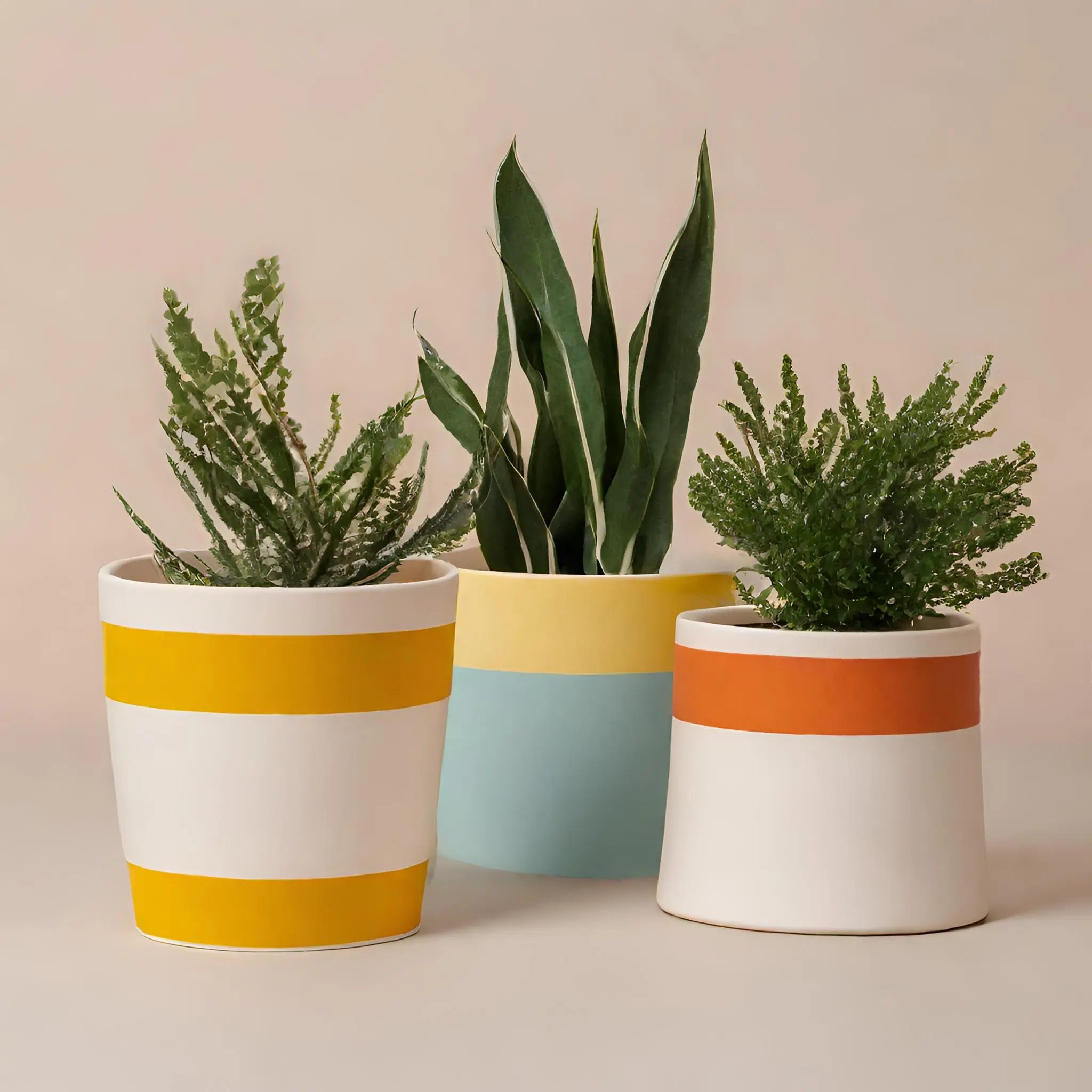
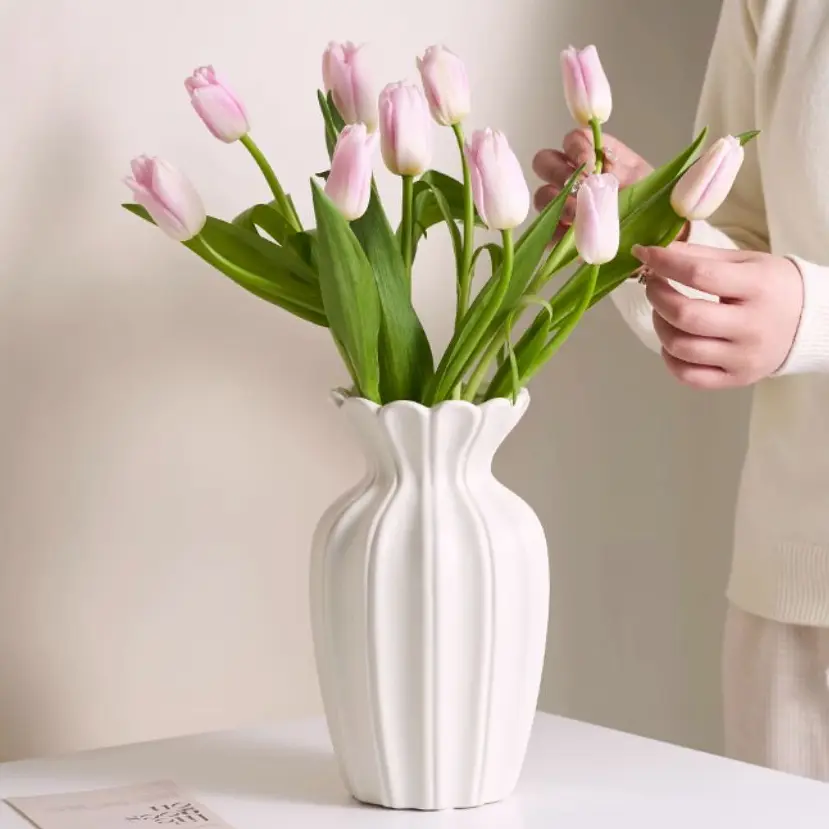
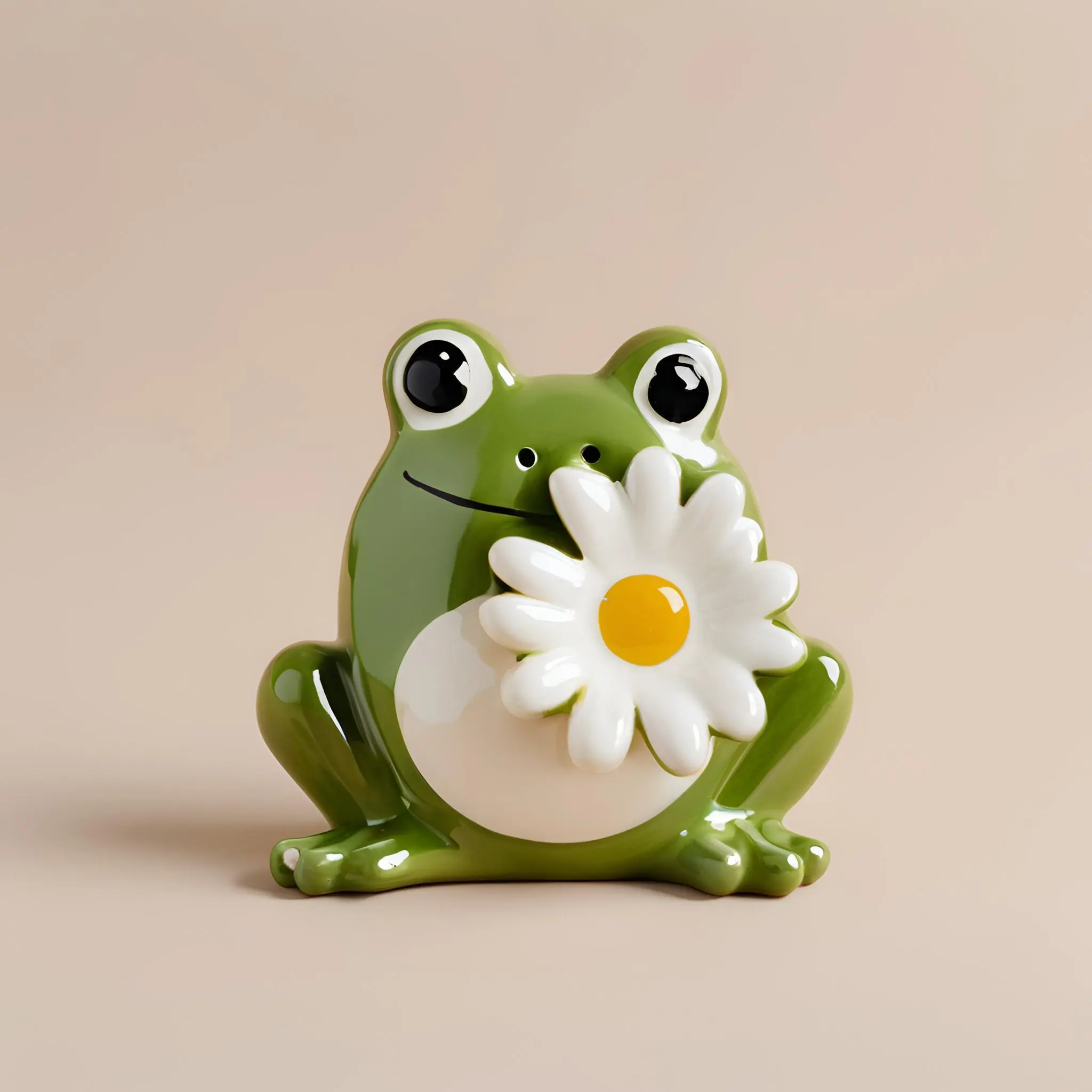

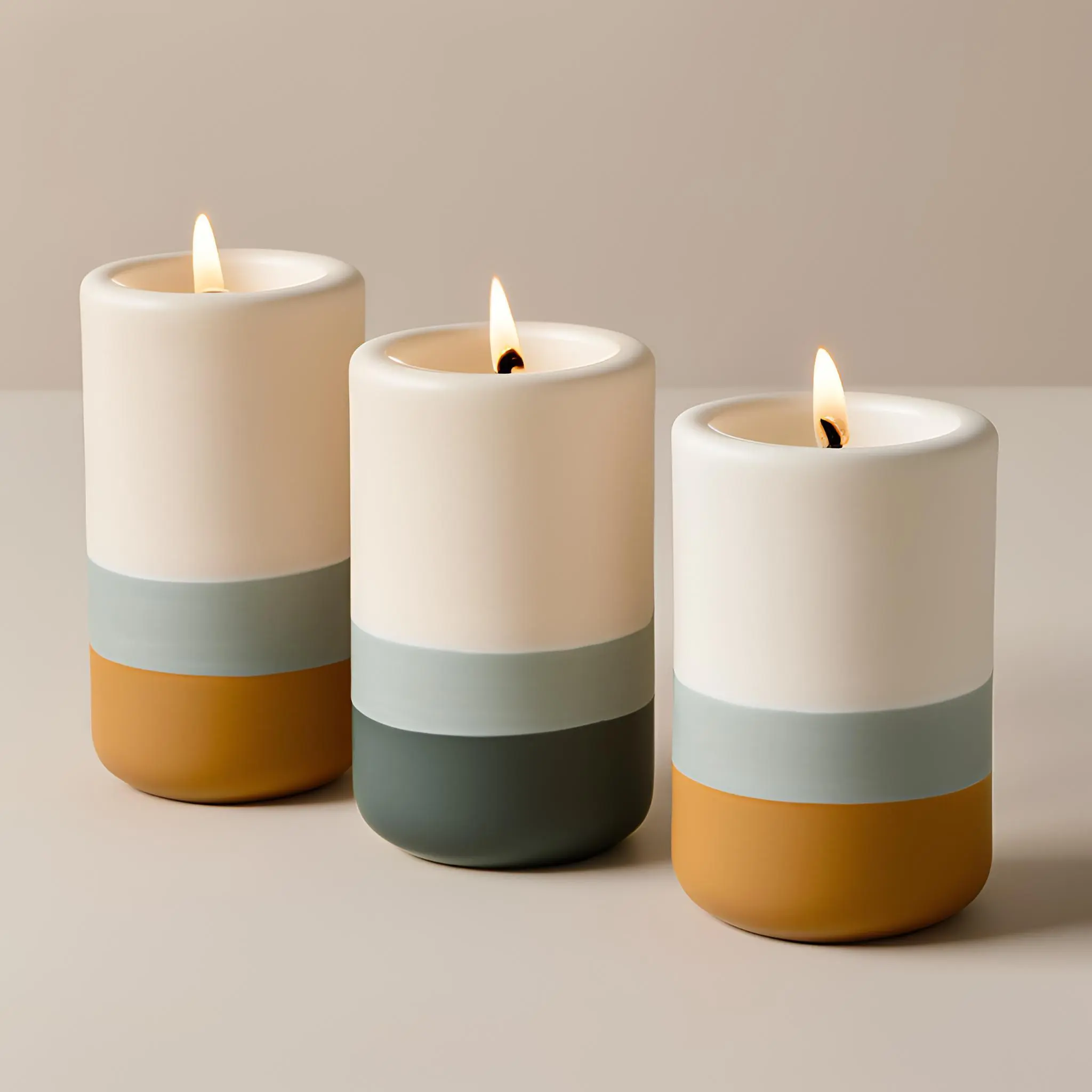

As the global market trends toward circular economics, designers are demanding sustainable production practices. The ceramic and resin manufacturing sectors are undergoing rapid transformations to minimize their carbon footprints. Main trends driving this industry change include:
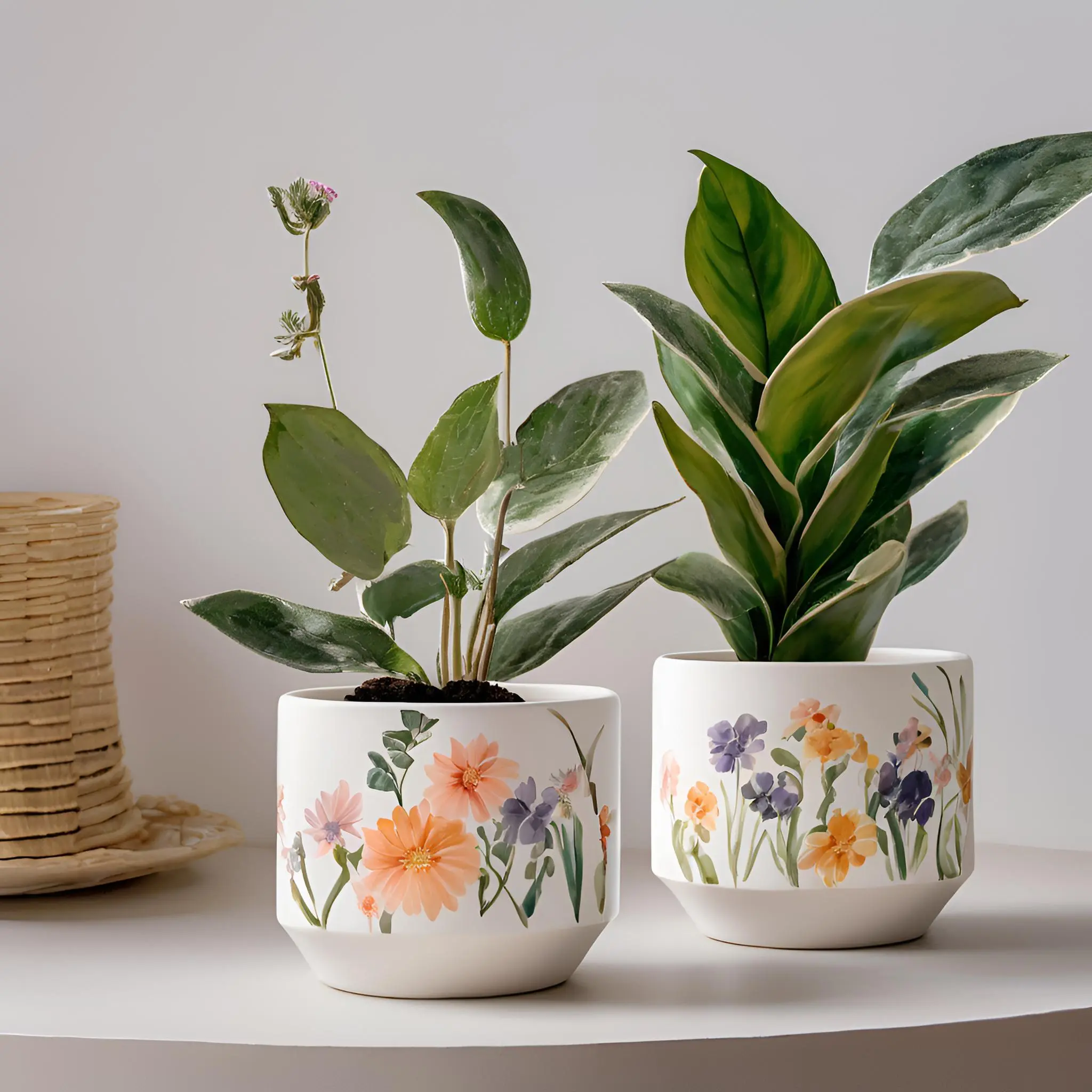
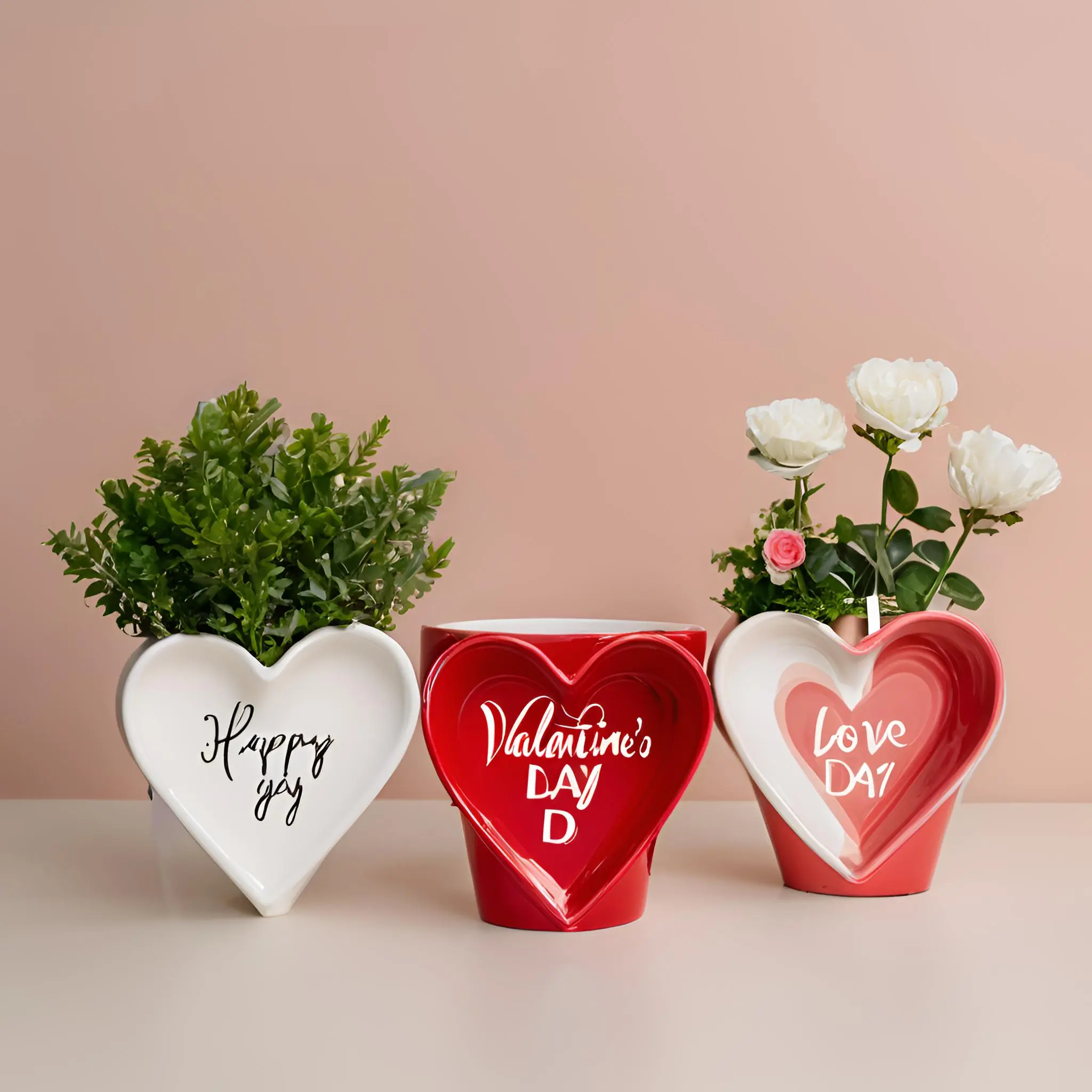
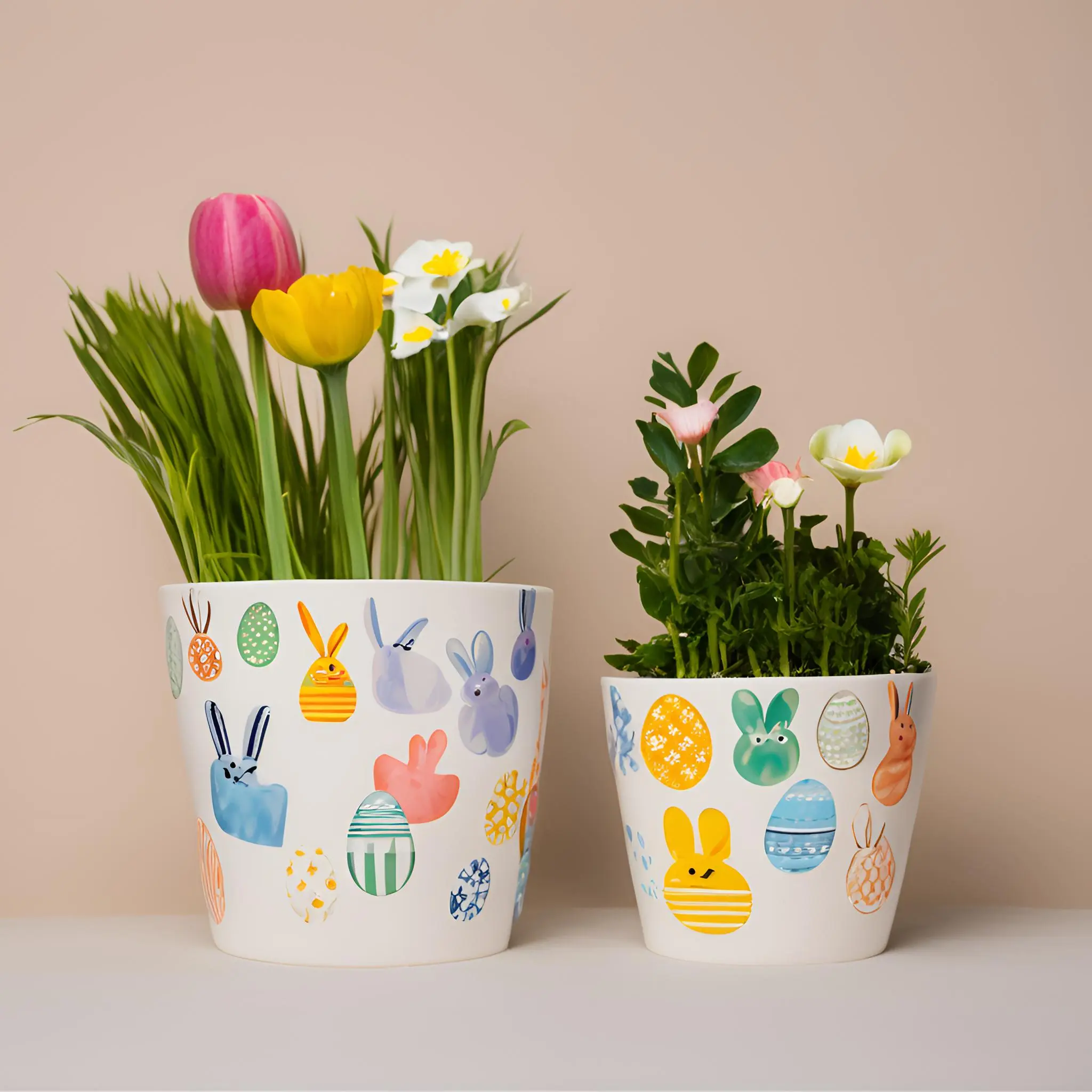
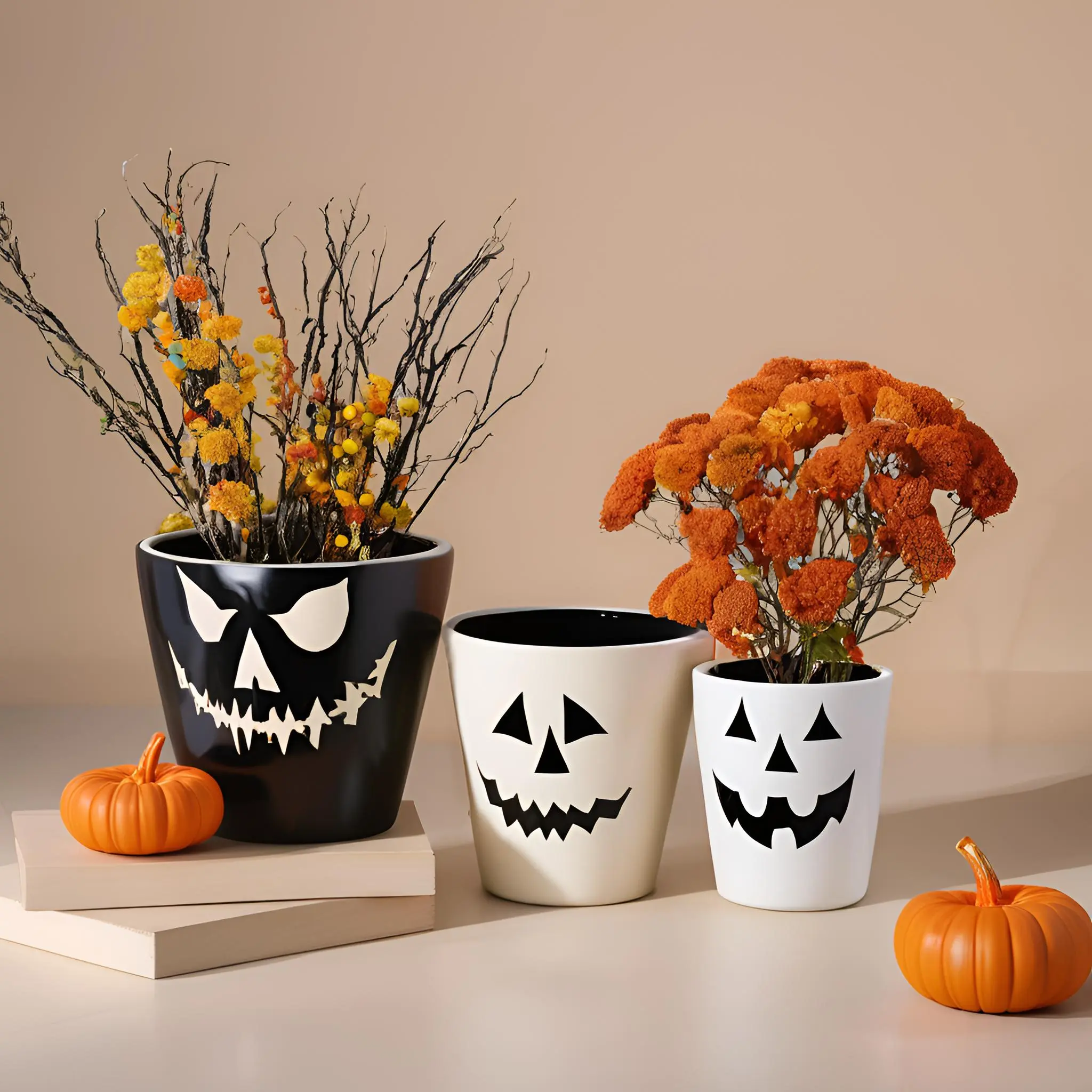
Sourcing large volumes of delicate ceramic flower vases requires careful preparation. B2B buyers must implement structured testing and audit frameworks to ensure reliable deliveries. A robust sourcing roadmap should include the following stages:
Validate that the factory operates under certified management protocols (e.g., ISO 9001, BSCI, Sedex). Regular audits ensure fair labor practices, safe factory floors, and consistent production pipelines.
Perform regular checks, including drop tests from various heights, thermal shock evaluations (moving pottery between extreme temperatures to test glaze stability), and checking for pinhole leaks.
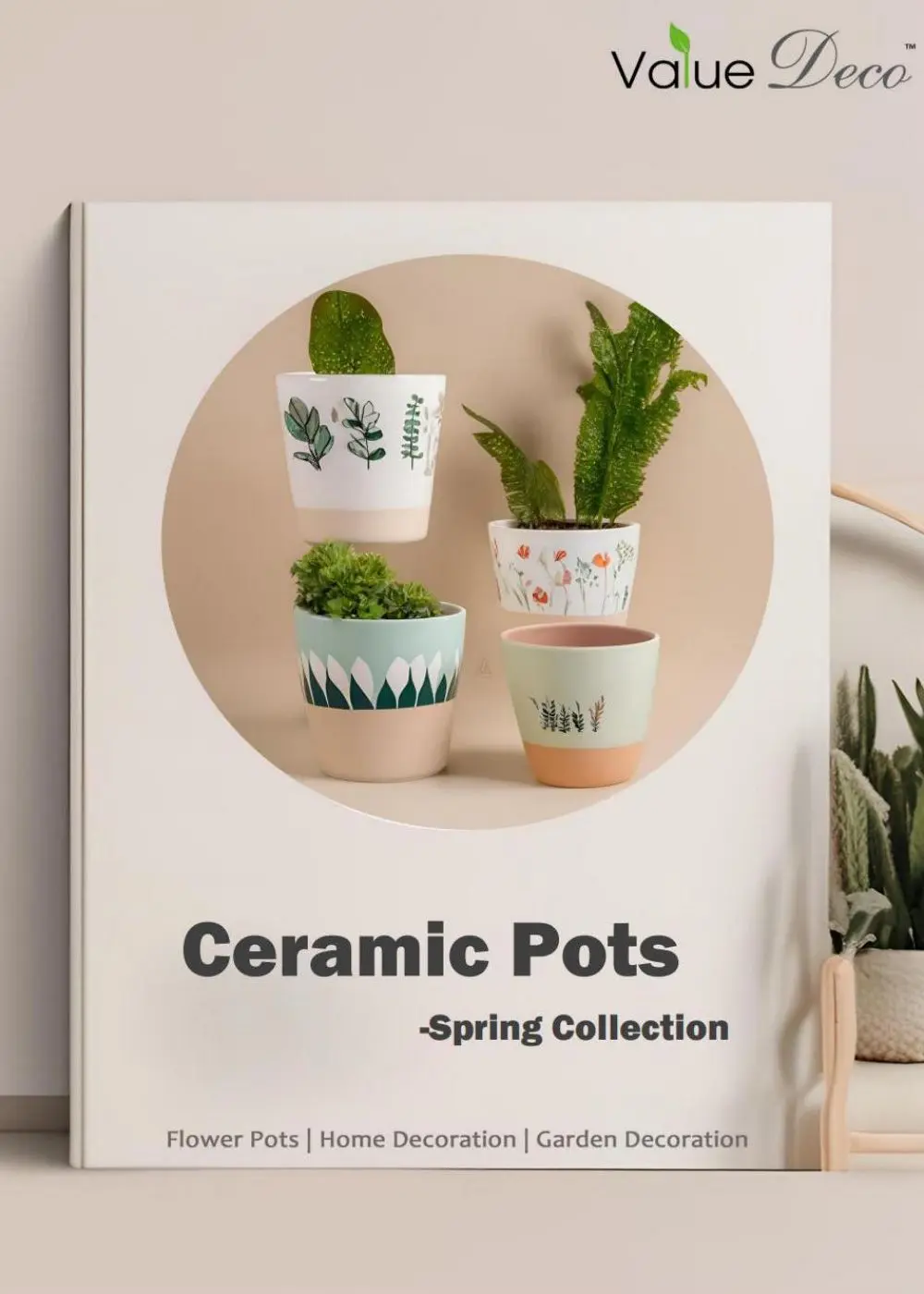
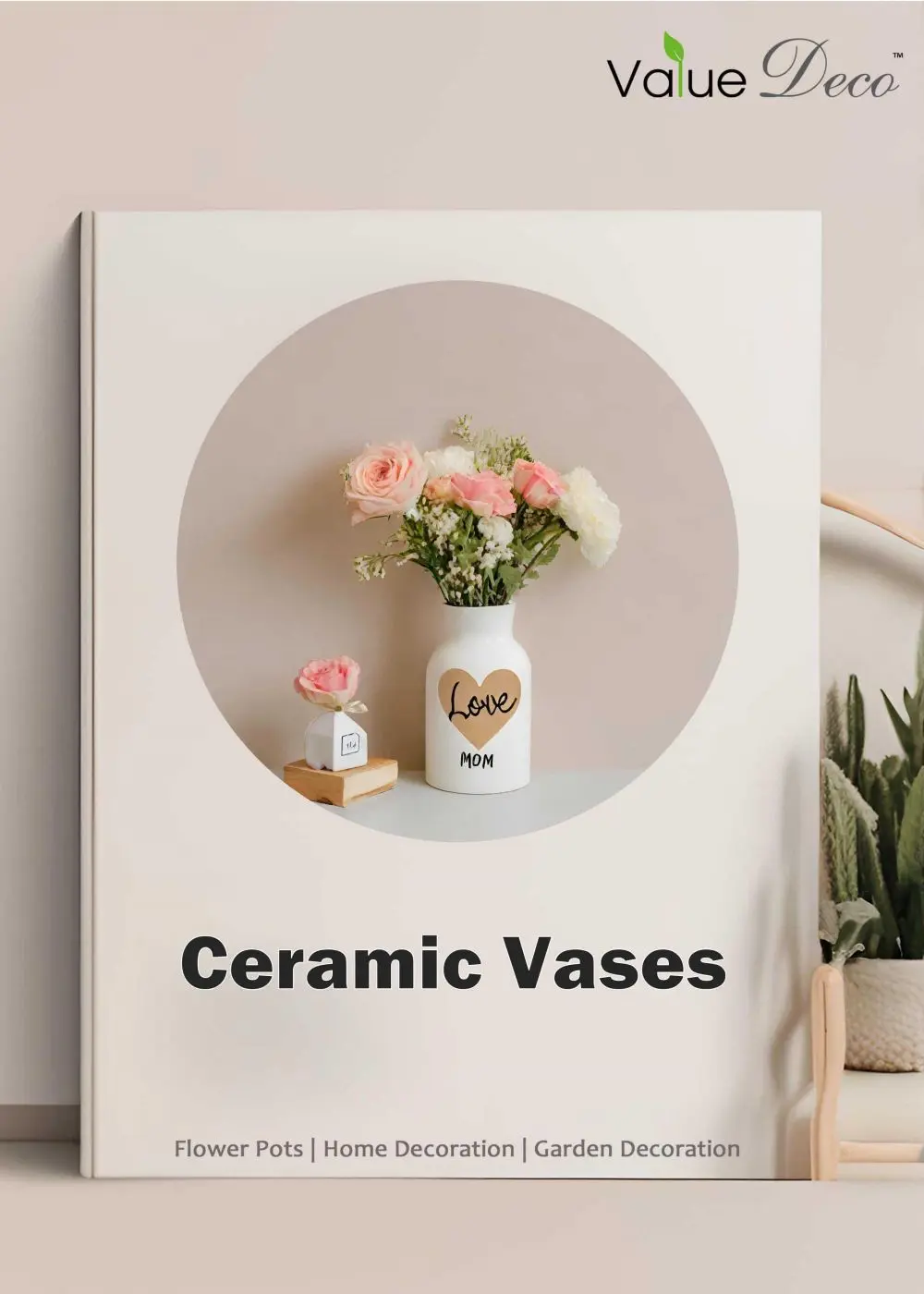
Value Deco Limited is a premier designer and supplier of high-quality ceramic pots and vases based in China. With over 12 years of hands-on expertise in the global decoration industry, we have earned a stellar reputation for delivering a comprehensive portfolio of Flower Pots, Flower Vases, Candle Holders, Home Decoration items, Garden Decors, and Dinnerware. Our product lines are carefully engineered to meet the latest global aesthetic trends, ensuring they provide robust utility while dramatically elevating the design quality of any residential or commercial space.
Value Deco - Flower Pots Division:
Discover our specialized flower pot division at: www.valuedeco.com
Pride Deco - Home & Garden Decor Division:
Explore our home accent designs, tablewares, and garden series: www.pridedeco.com