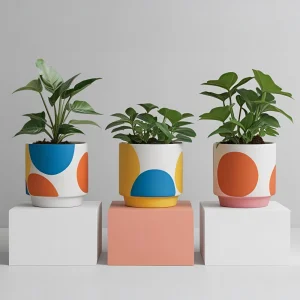
Explore our curated selection of high-durability concrete and ceramic containers manufactured utilizing advanced silica matrices and precision firing systems. These architectural components are optimized for extreme weather durability and structural resilience in commercial applications.
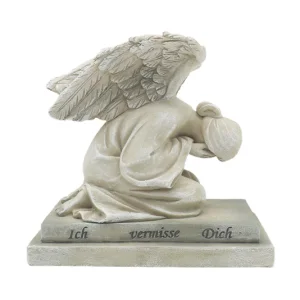
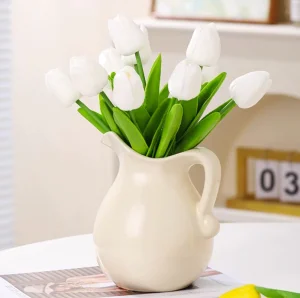
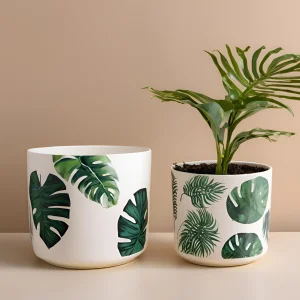
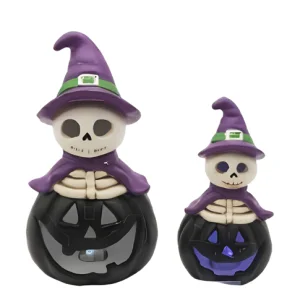
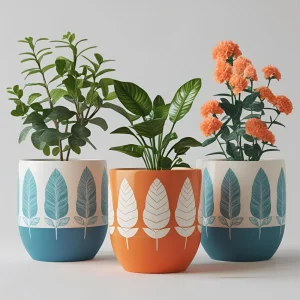
In the realm of modern landscape architecture and high-end urban planning, concrete planters have evolved far beyond mere containment units for soil. They represent core structural assets designed to meet complex urban design challenges. From thermal insulation for sensitive root systems to functioning as ballistic-rated security barriers in municipal centers, architectural concrete planters represent a highly engineered intersection of aesthetics and utility.
Global sourcing professionals increasingly look to the robust manufacturing clusters of China, particularly in regions like Fujian, Guangdong, and Zhejiang, to fulfill large-scale requirements. As urban greening initiatives gather speed globally under stringent ESG mandates, the request for heavy-duty, zero-maintenance architectural planters has grown. However, successful procurement depends on an intimate understanding of raw material science, structural reinforcing technologies, and manufacturing methodologies. This whitepaper serves as an industry roadmap to help global commercial procurement offices navigate the complex ecosystem of Chinese concrete planter manufacturing, evaluate factory capabilities, and realize substantial project efficiencies.
Our comprehensive manufacturing ecosystem is segmented into specialized divisions to maintain strict quality standards across different ceramic and concrete matrices. Below are our primary structural product ranges:
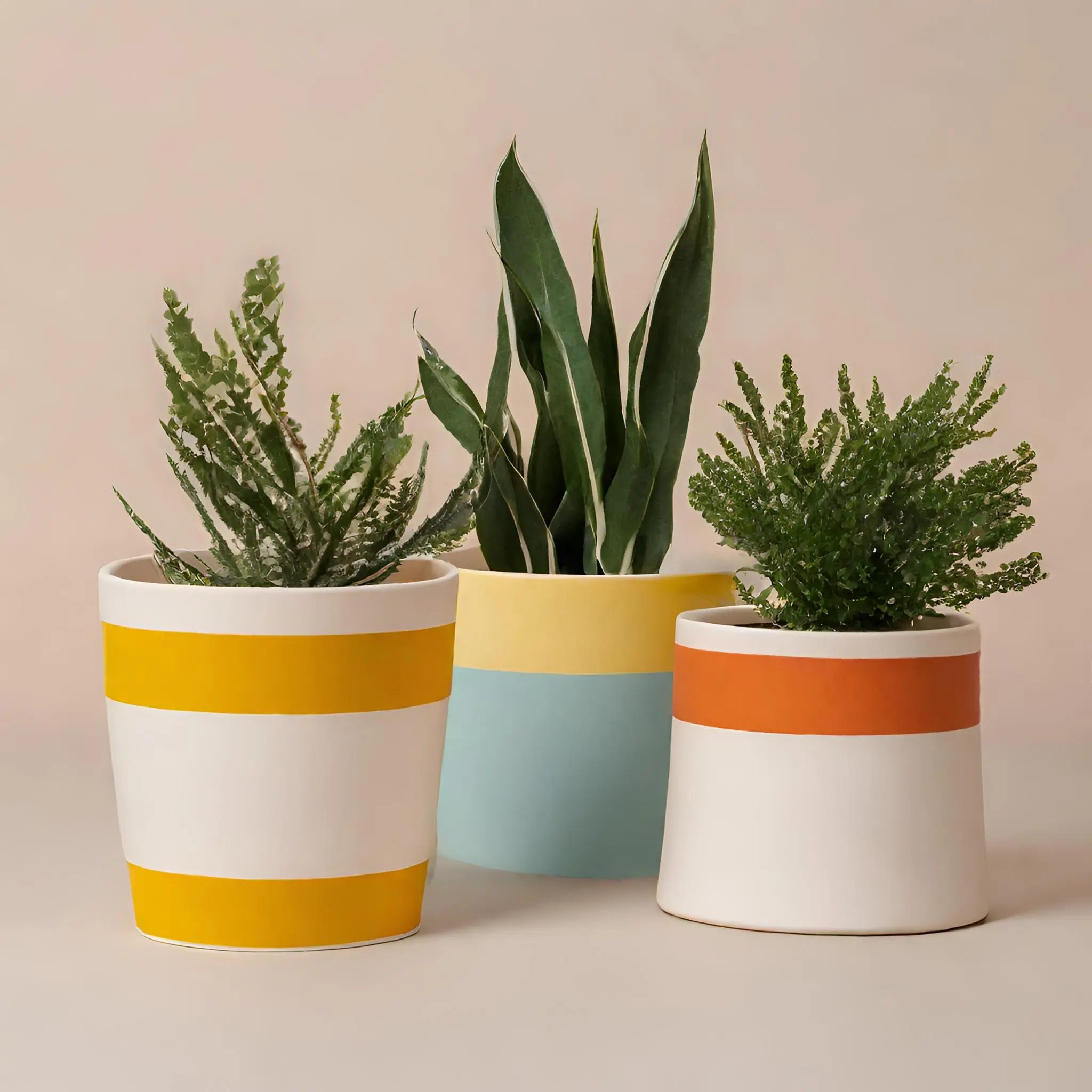
Architectural GFRC, classic cast stone, and heavy-duty concrete pots designed for deep root species.
Explore Pots Range →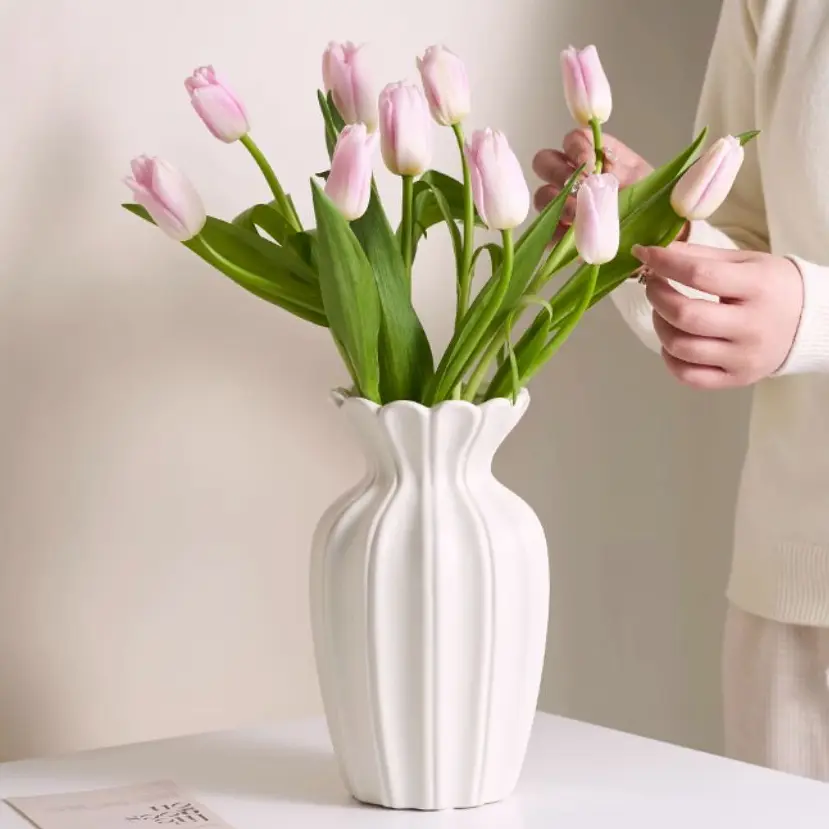
Precision-crafted indoor and outdoor vases featuring complex surface microtextures.
Explore Vases Range →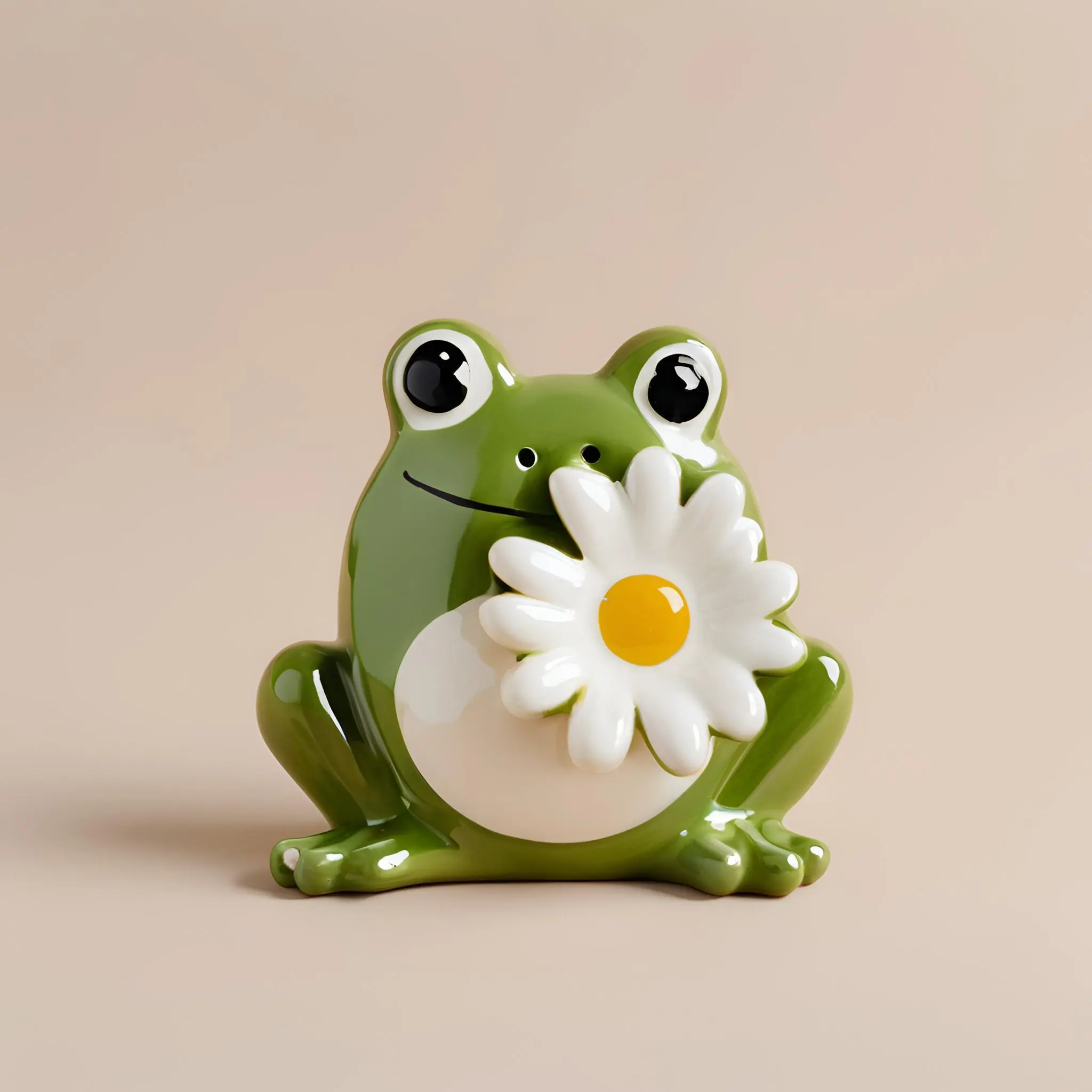
Fine-grain tabletop concrete structures, geometric objects, and artistic accent items.
Explore Decor Range →
Food-safe ceramic and concrete composites engineered with durable, lead-free glazes.
Explore Dinnerware Range →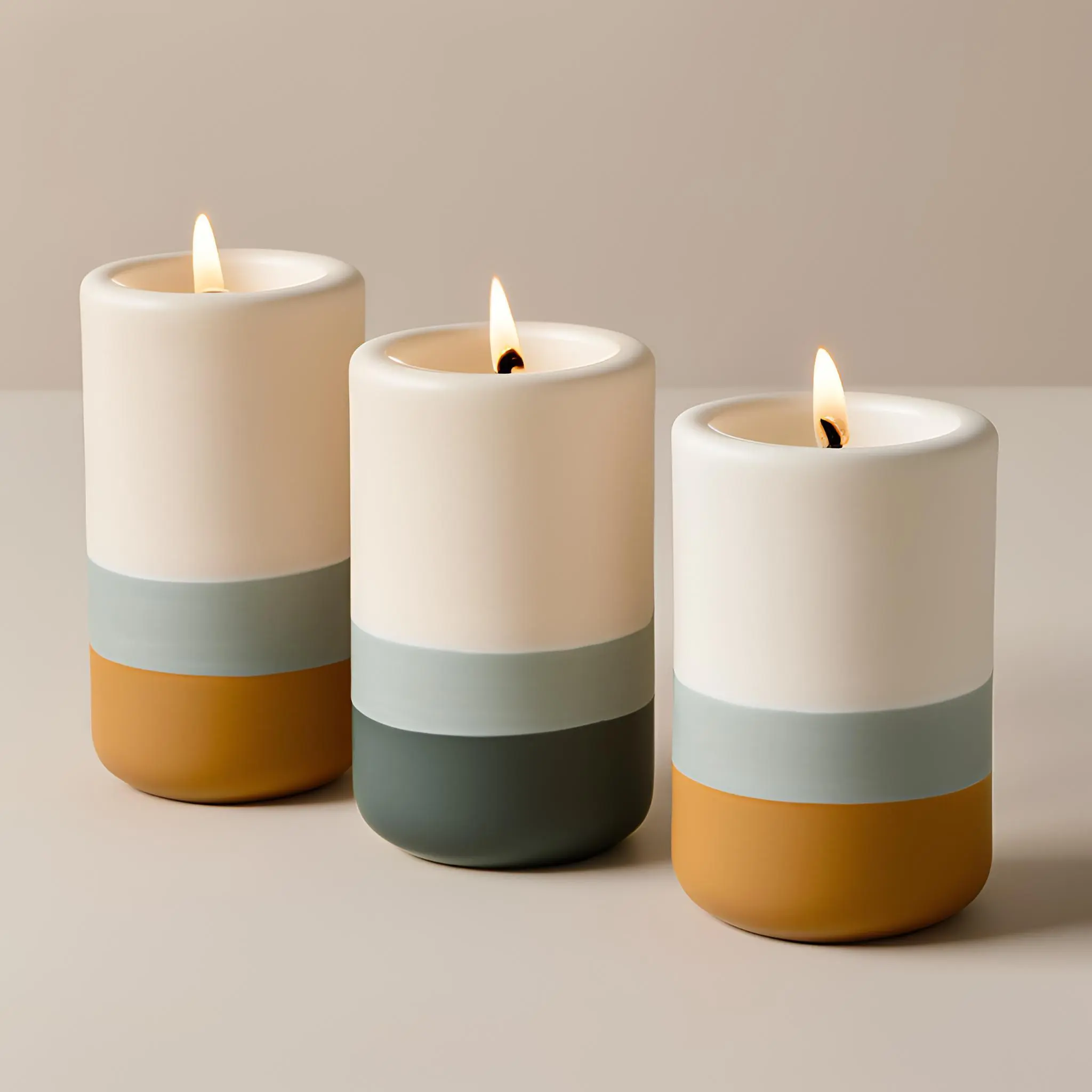
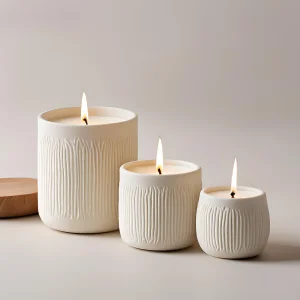
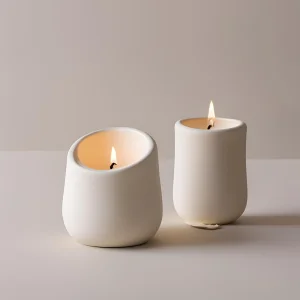
Refractory cement and ceramic candle vessels designed to withstand thermal expansion cycles.
Explore Candle Holders →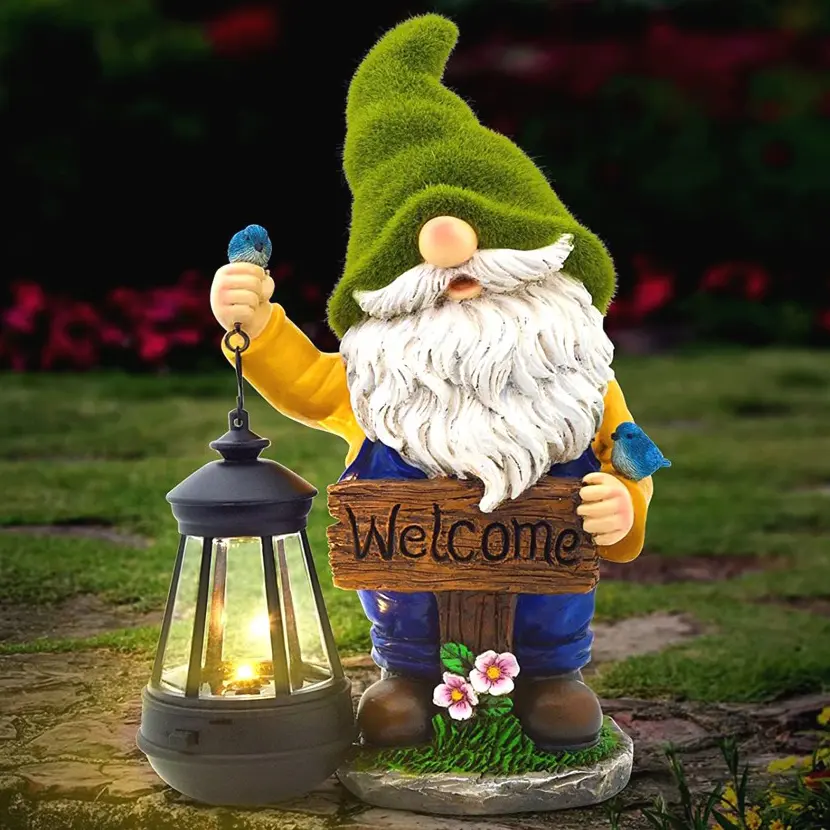
Large-scale commercial outdoor items, bollard planters, and custom landscape installations.
Explore Garden Range →The modern Chinese concrete factory has moved far beyond traditional wet-cast production lines. Factories are now material research hubs adopting highly controlled automation protocols to construct lightweight yet exceptionally strong mixtures. Key technological transitions include:
GFRC has emerged as the industry gold standard for commercial planters. By incorporating alkali-resistant (AR) glass fibers (typically 3% to 5% by weight) into a premium portland cement matrix, the tensile strength of the concrete increases dramatically. This allows for a wall thickness of only 15-20mm (compared to 50-70mm in traditional cast concrete), resulting in weight savings of up to 75%. Reduced weight reduces transport emissions and simplifies installation on rooftops, elevated decks, and urban pathways.
For demanding high-traffic areas or extreme municipal requirements, UHPC represents the next frontier. Compressive strengths exceeding 120 MPa (compared to 30 MPa for standard concrete) are achieved through optimized particle packing. UHPC matrices eliminate macro-porosity using fine sand, silica fume, and high-efficiency water-reducing admixtures. The resulting planters are practically impermeable to water, demonstrating near-zero freeze-thaw degradation over several decades.
Consistency is critical when dealing with thousands of units. Advanced Chinese manufacturers utilize automated dosing and mixing systems that regulate humidity, moisture ratios, and chemical admixtures down to the milligram. Post-casting, the units undergo steam-assisted curing in environmental chambers. This accelerates hydration, bringing the planters to 90% structural design strength within 24 hours, compared to the standard 28 days for field curing.
To accommodate global retail seasonal cycles, we maintain dedicated development tracks for custom decorative and thematic products. These programs leverage rapid prototyping to deliver seasonal collections on compressed timelines.
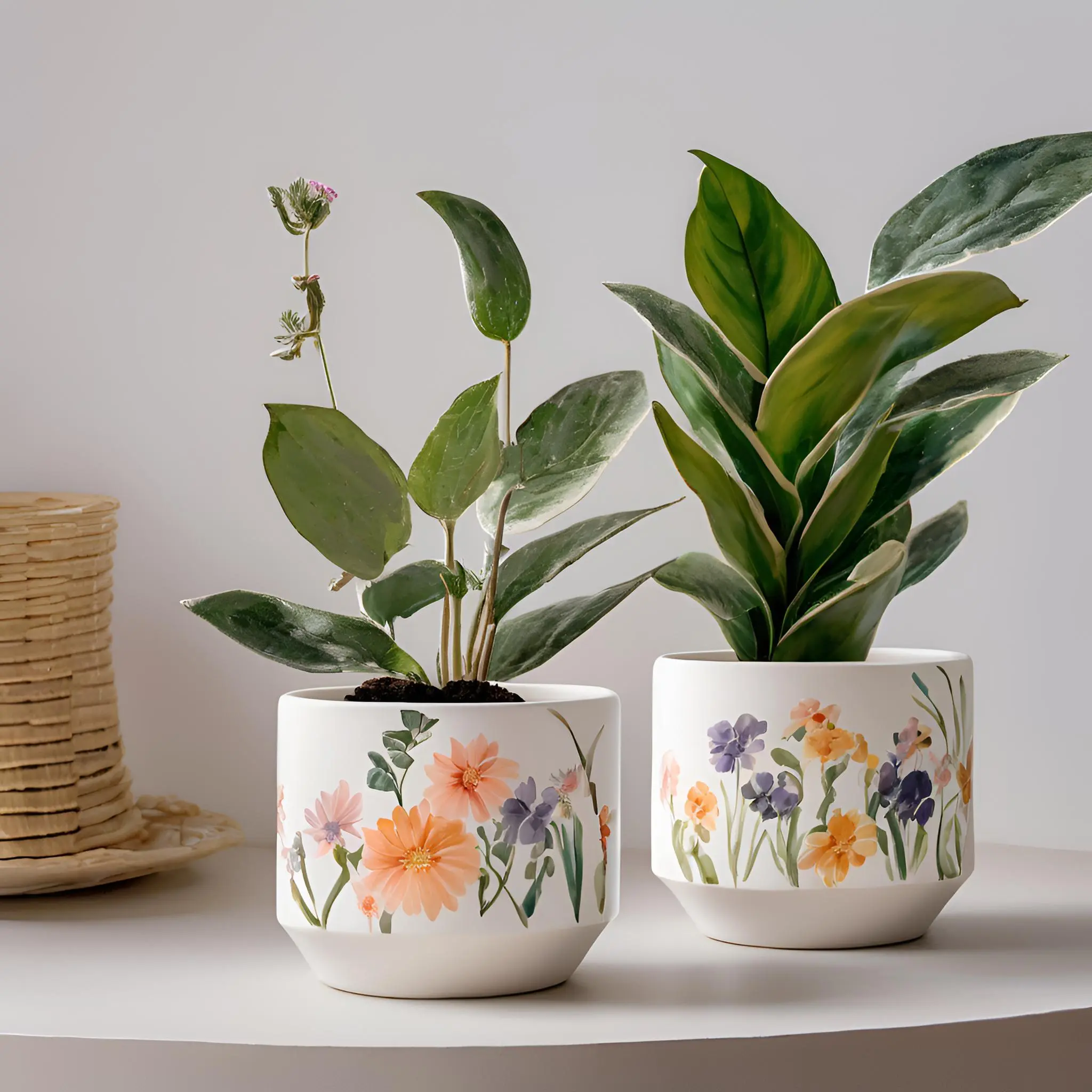
Bright, pastel, and textured designs that mirror early seasonal botanical growth.
Analyze Spring Catalog →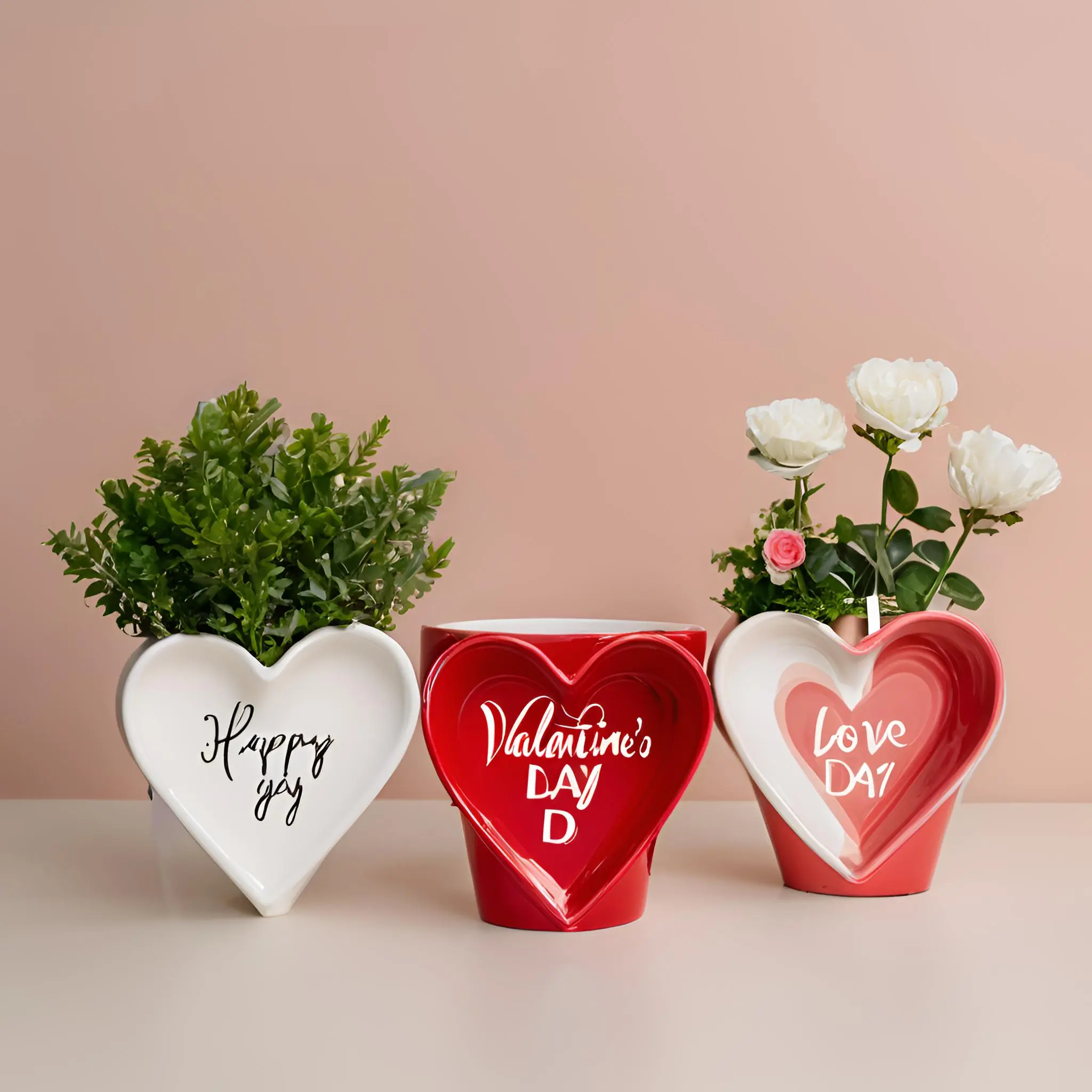
Heart motifs, warm tones, and high-gloss glazes tailored for retail promotions.
Analyze Valentines Program →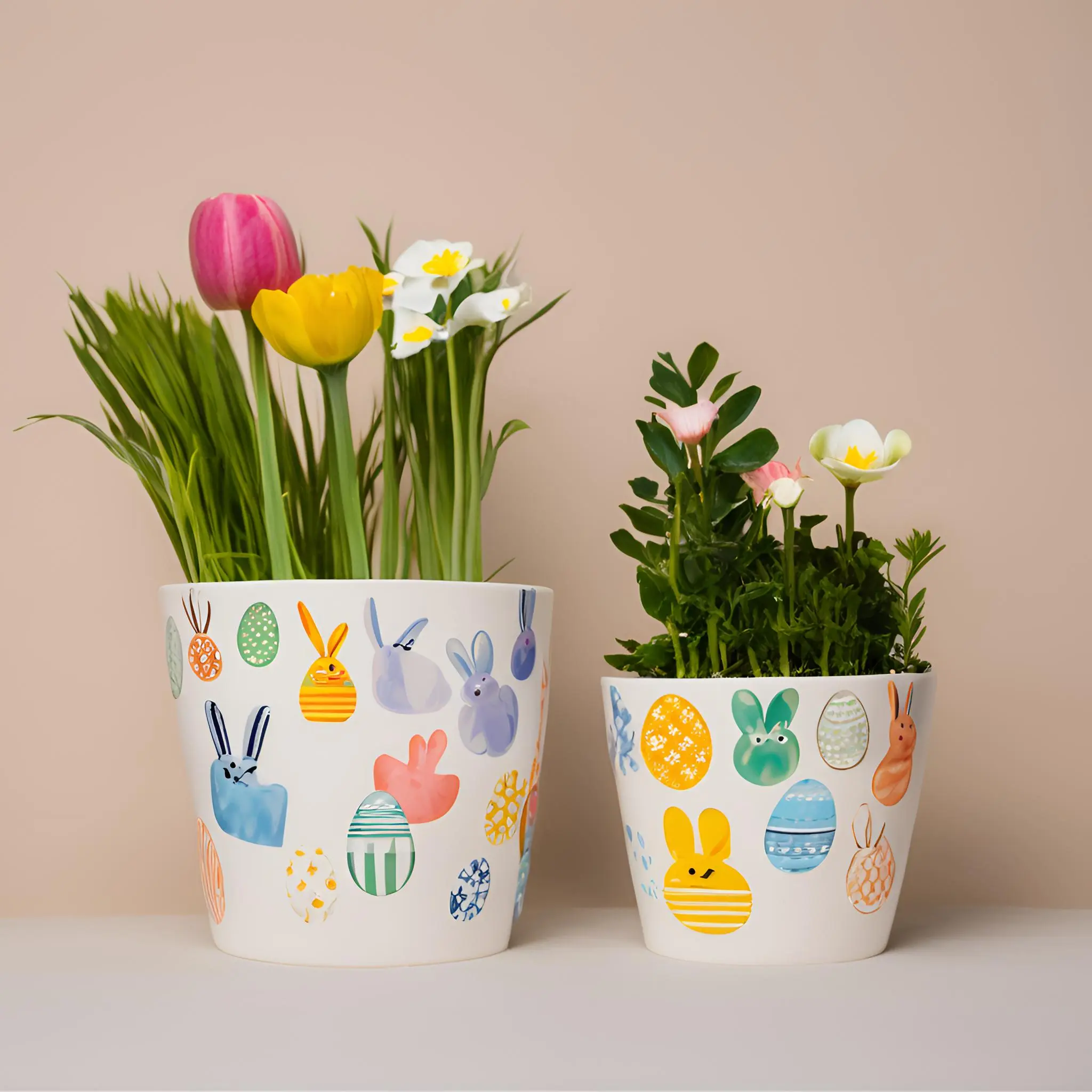
Playful animal figurines, egg-shaped pots, and spring table arrangements.
Analyze Easter Program →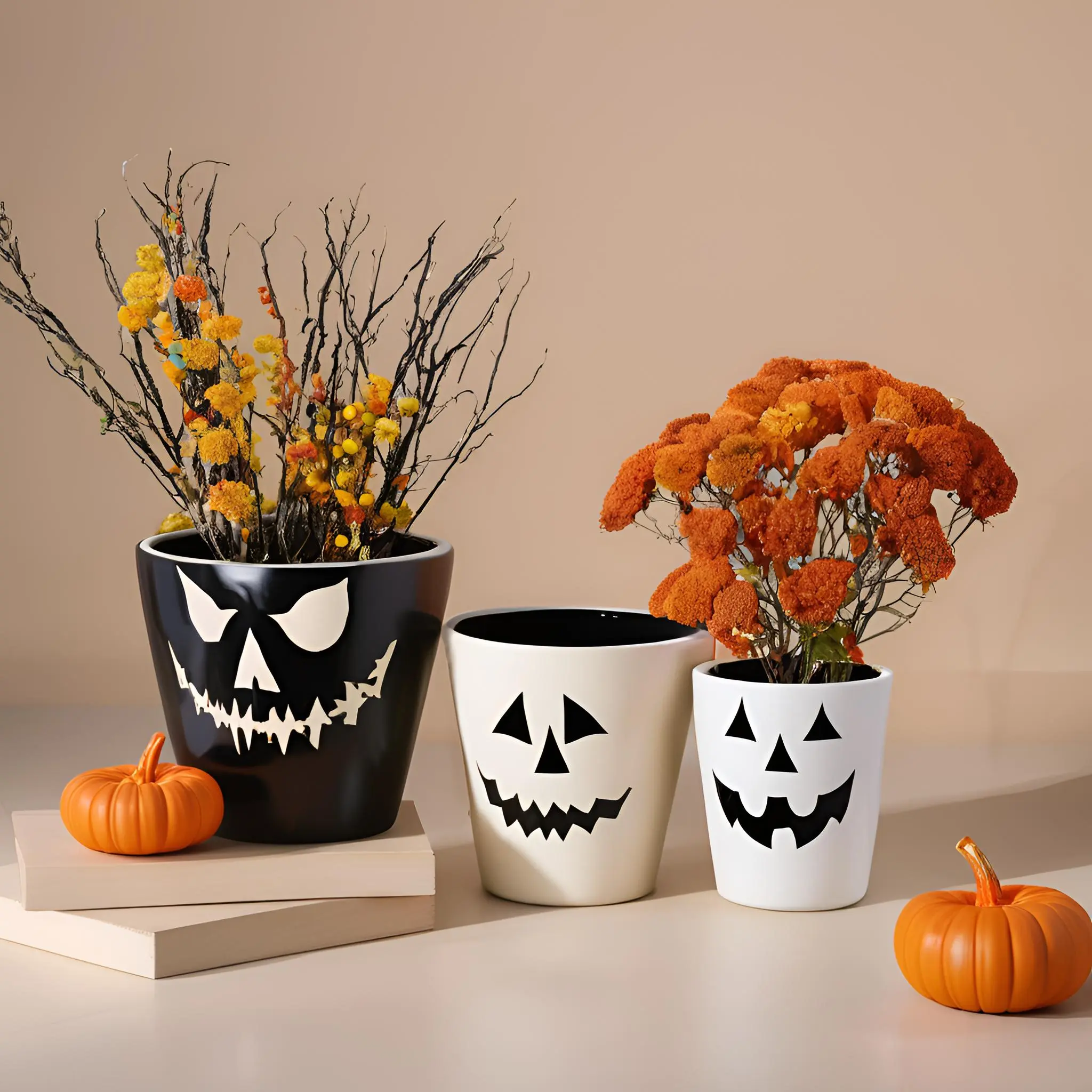
Gothic themes, pumpkin planters, skull shapes, and matte black finishes.
Analyze Halloween Program →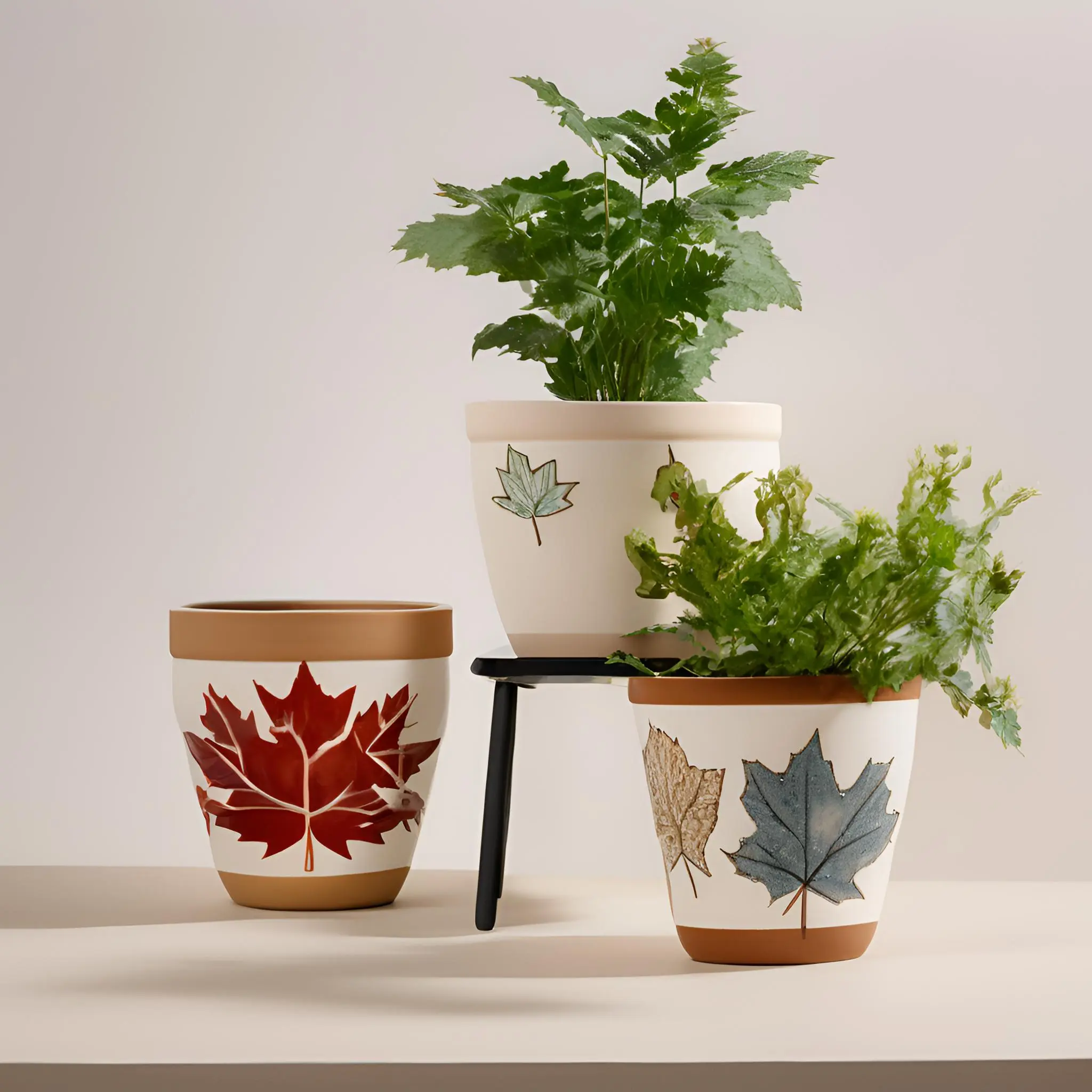
Earth tones, rustic surfaces, and deep, warm terracotta colors.
Analyze Fall Collection →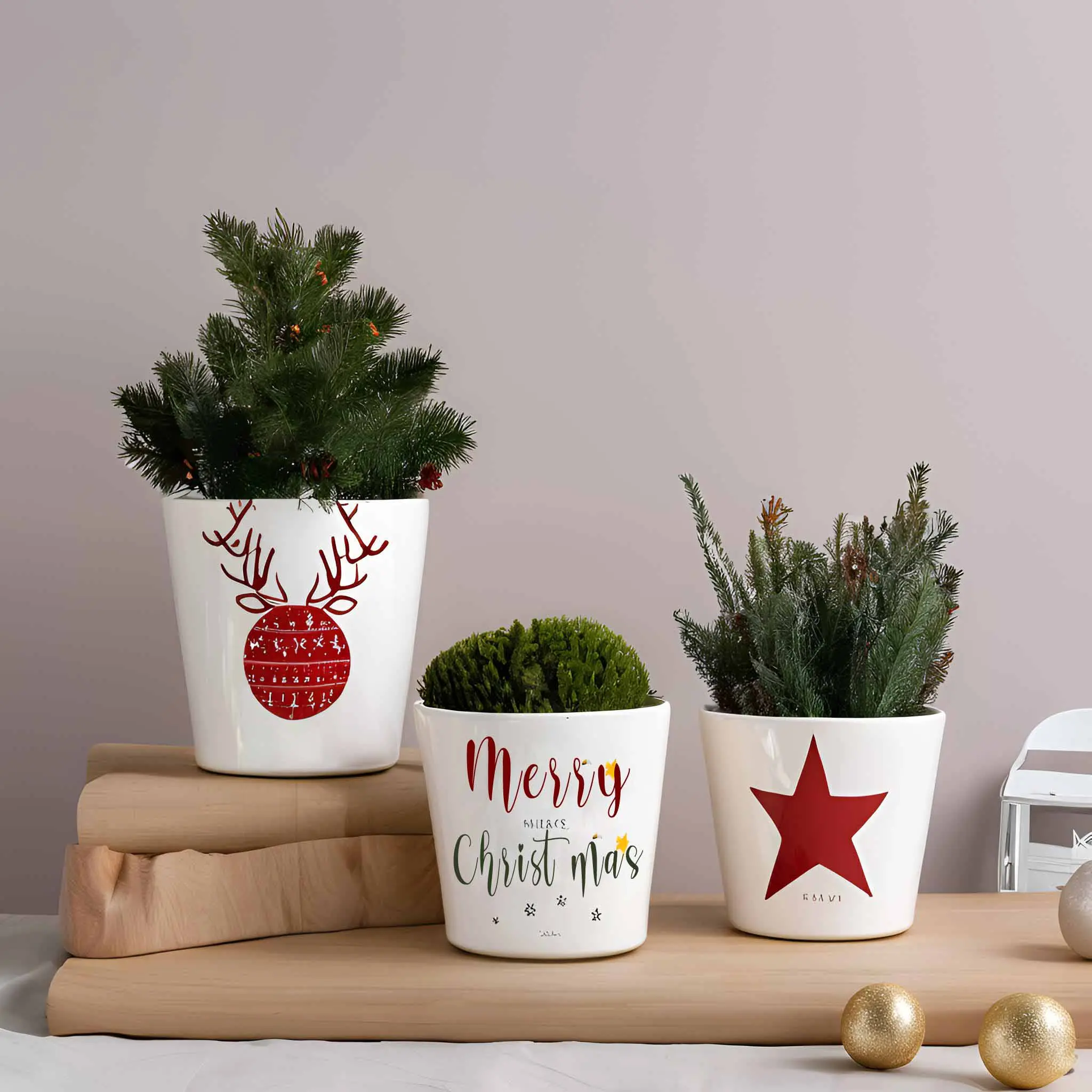
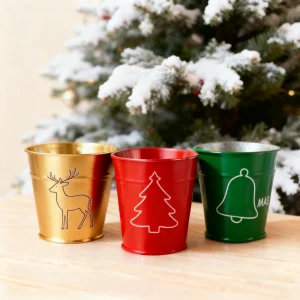
Festive deer, pine cone designs, metallic red and green color treatments.
Analyze Christmas Catalog →Value Deco Limited is a leading developer and manufacturing supplier of high-quality ceramic, resin, and concrete pots based in China. With over 12 years of experience in the international decoration sector, we have built a reputation for offering a diverse range of Flower Pots, Vases, Candle Holders, and Hardscape Ornaments suitable for all seasons. Our products are engineered to align with trending architectural patterns, ensuring high functional utility alongside exceptional aesthetic appeal.
To optimize logistics and engineering specialization, we operate through two distinct divisions, each supported by robust localized production systems and dedicated engineering teams:
This division focuses on botanical containers, large architectural planters, GFRC elements, and plant pots. The facility is equipped with automated casting lines and environmental control chambers.
Visit Division Site (www.valuedeco.com) →This division handles tabletop home decor, ceramic dinnerware, candle holders, and garden ornaments. It supports complex glaze treatments and custom artisan shapes.
Visit Division Site (www.pridedeco.com) →Access our downloadable design catalogs categorized by compound material type and design aesthetic. Select a portfolio to review dimensions, load capacities, and minimum order requirements (MOQs):
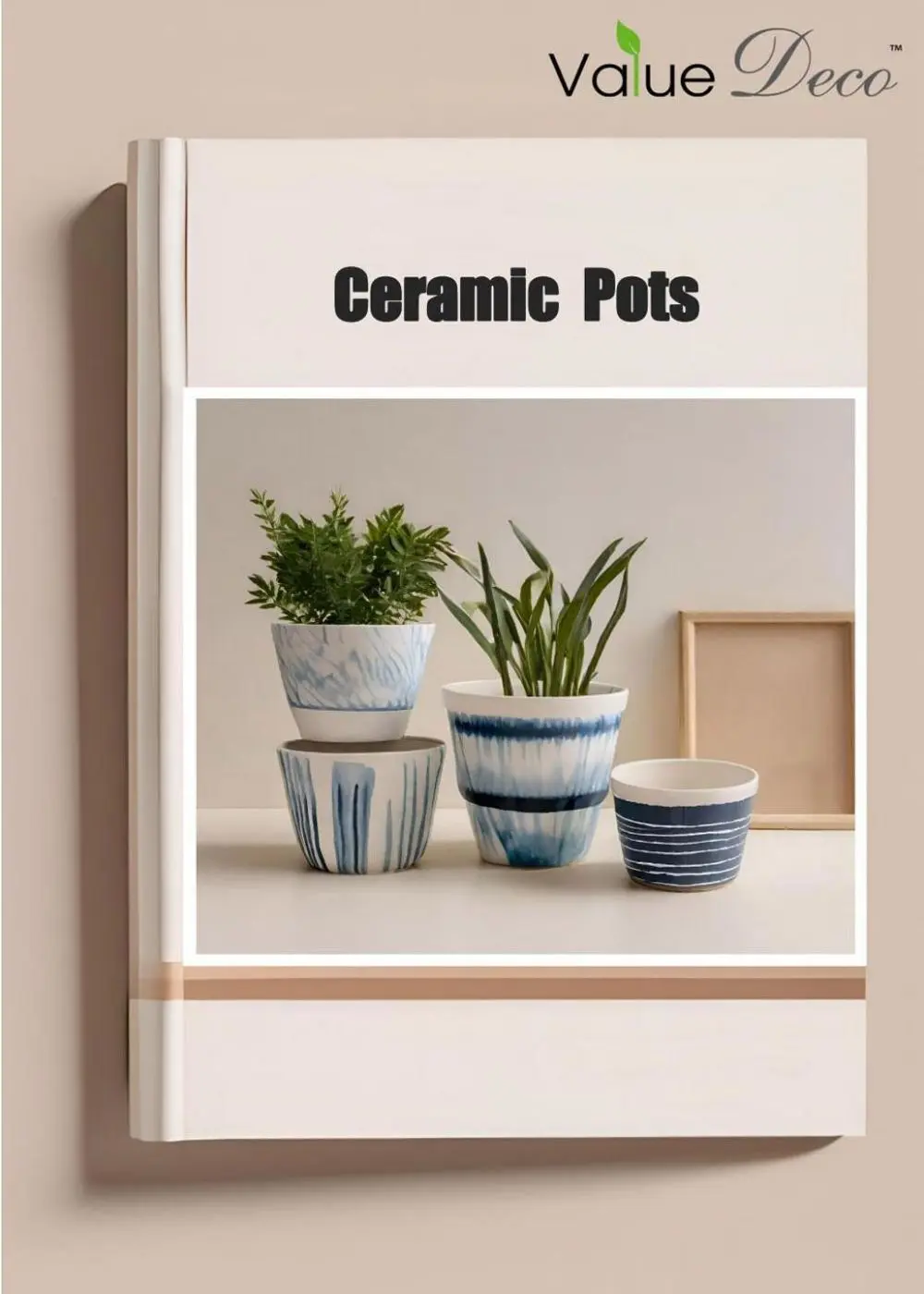
Standard architectural cylinders, boxes, and rectangular troughs constructed for public spaces.
Download PDF Catalog (15.4MB) →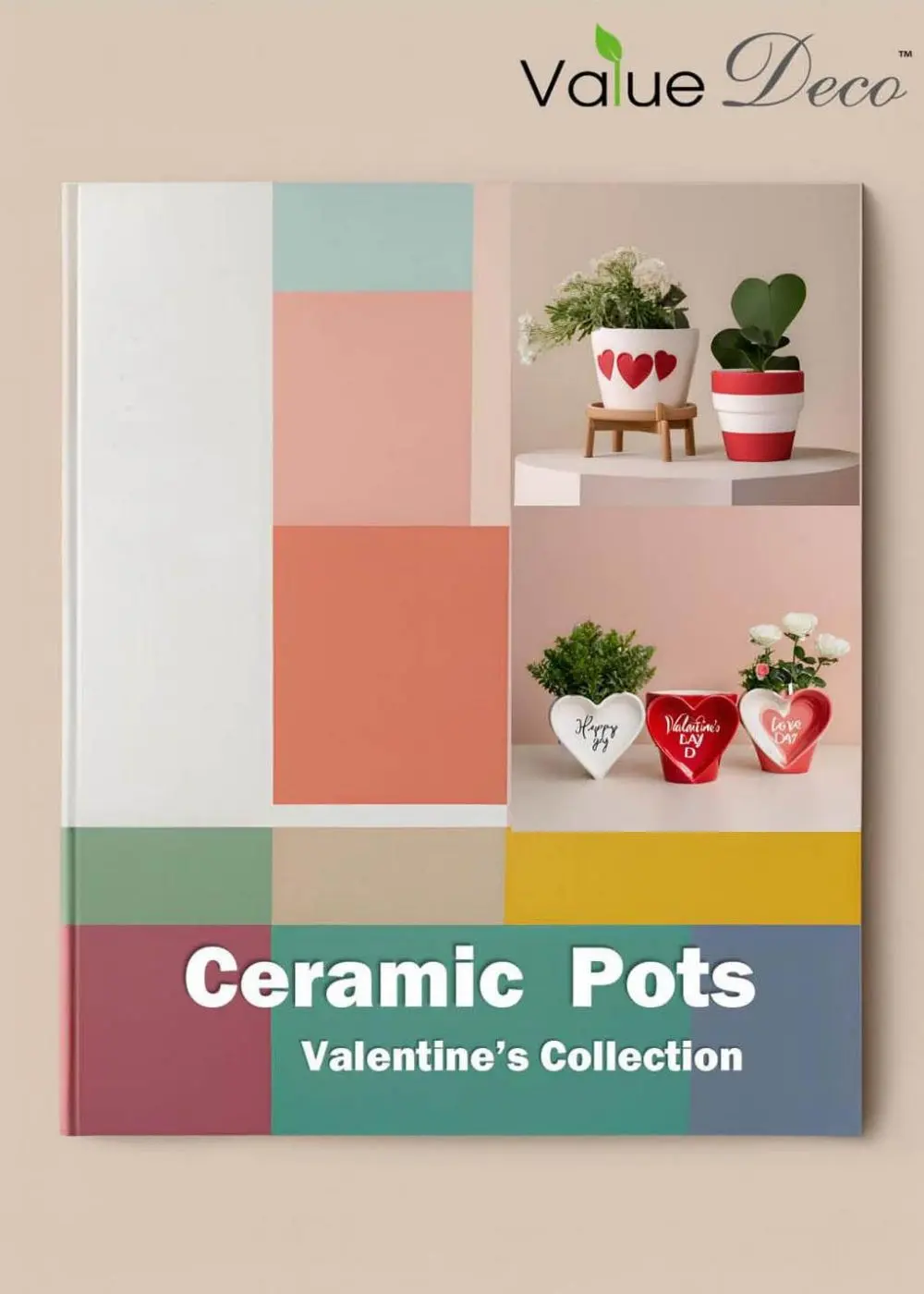
Specially designed thematic lines with low water absorption coefficients and custom branding.
Download PDF Catalog (12.1MB) →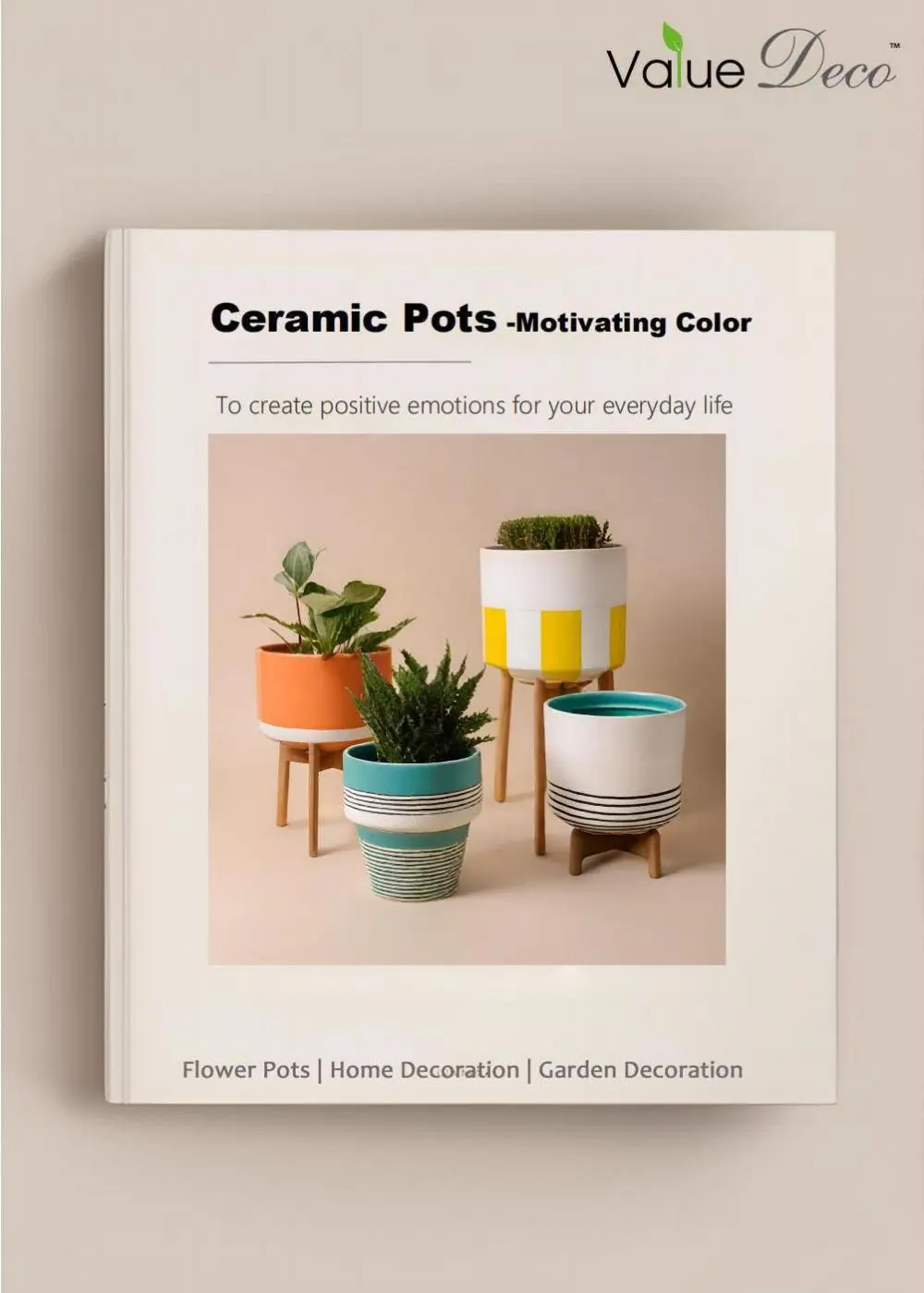
High-impact exterior finishes coated with UV-resistant acrylic pigments and anti-graffiti layers.
Download PDF Catalog (9.8MB) →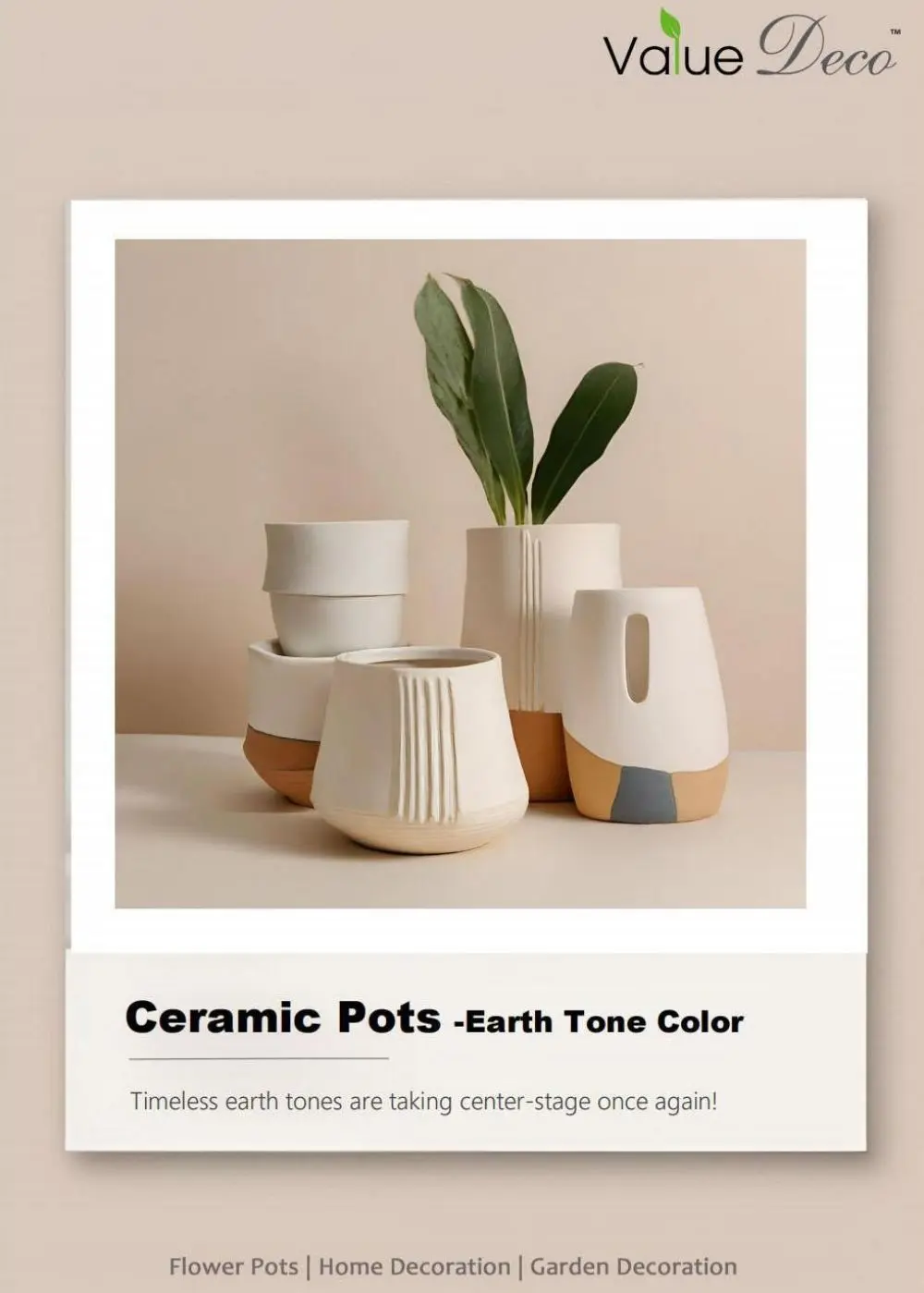
Terracotta-look concrete, mineral-washed textures, and stone composites.
Download PDF Catalog (18.2MB) →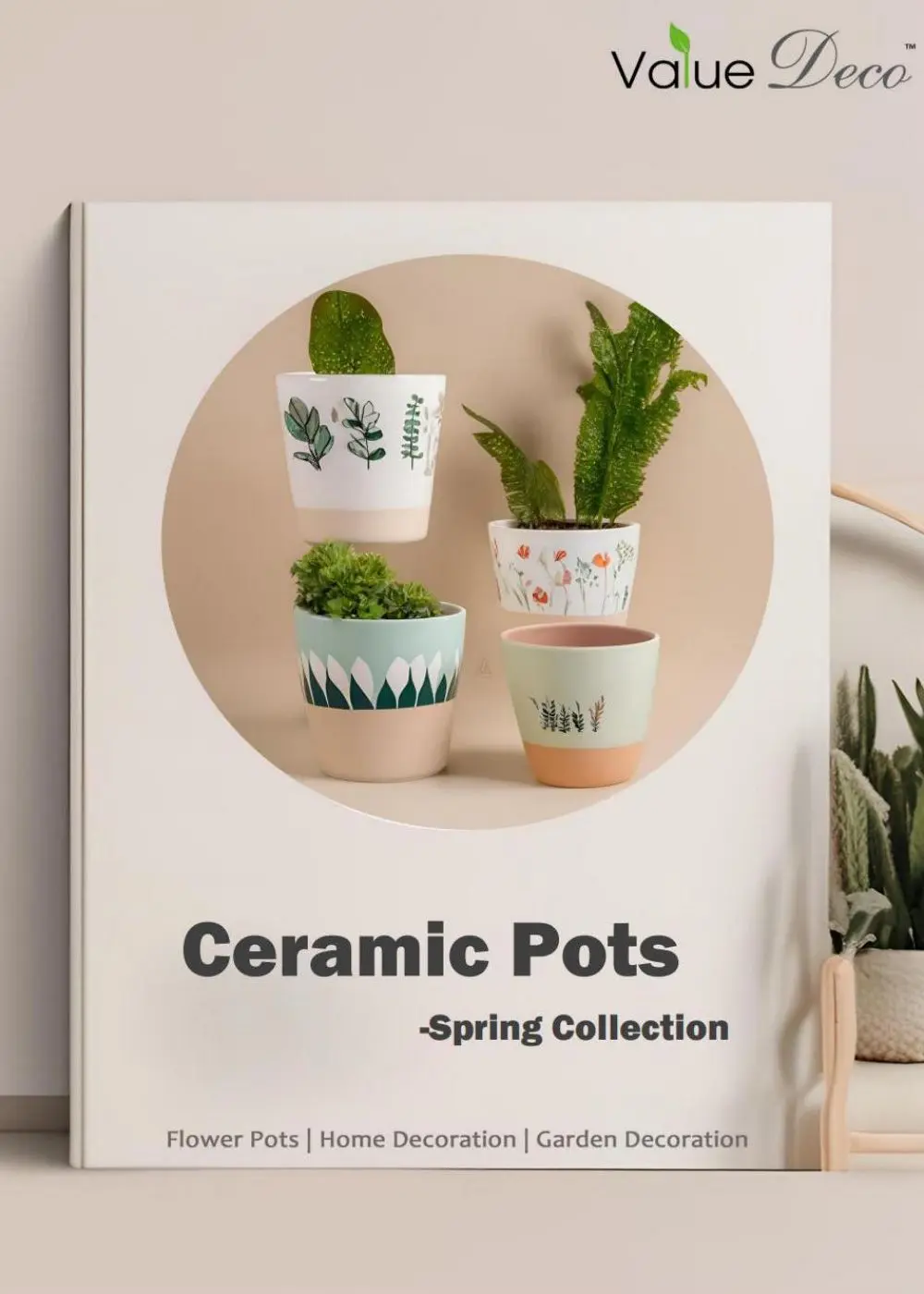
Indoor fine ceramic lines with highly detailed glazed treatments and moisture-barrier bases.
Download PDF Catalog (14.1MB) →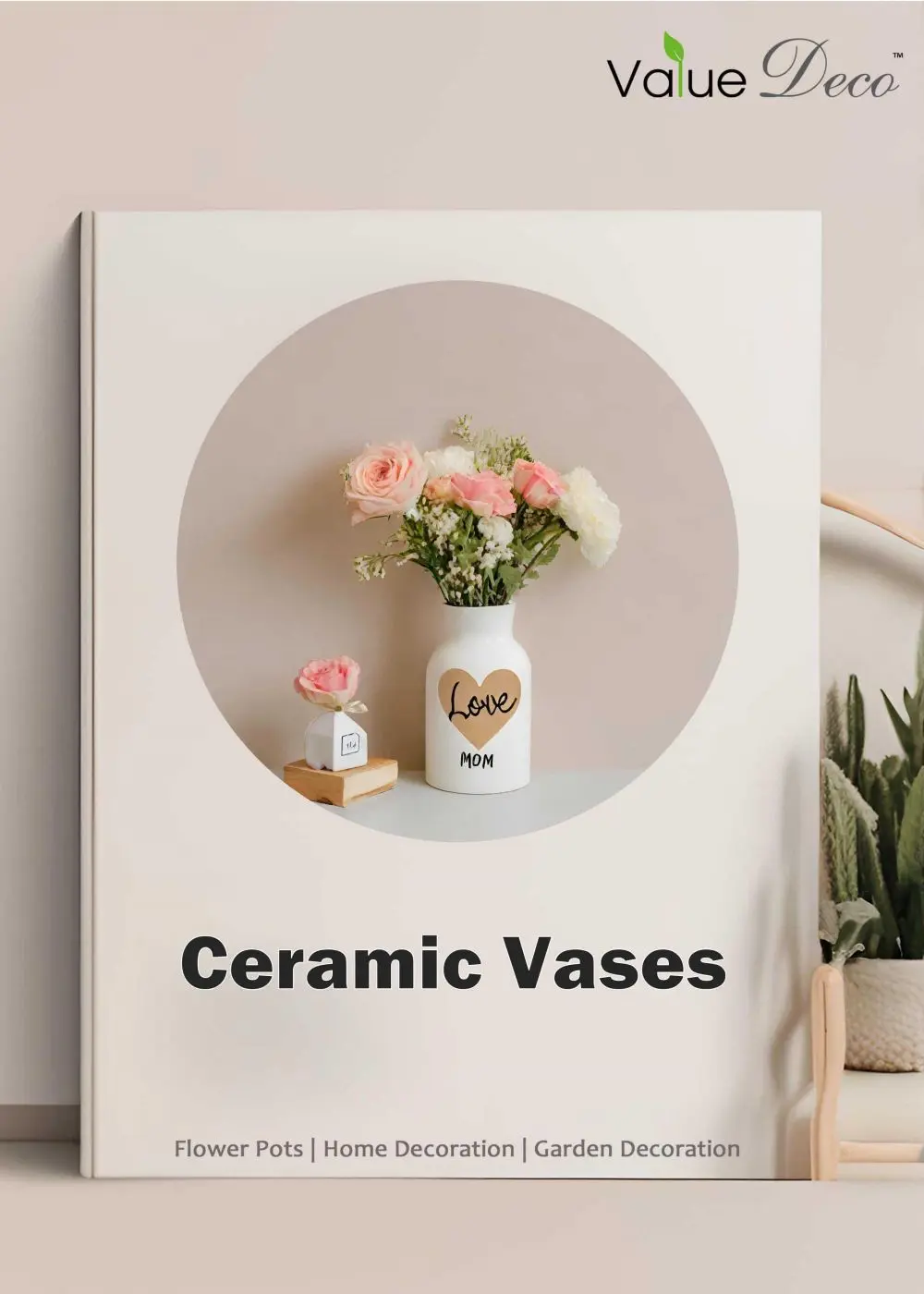
Artisan shapes and double-walled containers engineered for architectural accent placements.
Download PDF Catalog (11.5MB) →Navigating a container order of heavy, fragile, or high-volume concrete products requires robust engineering alignment and logistics planning. In contrast to light consumer goods, concrete planters require precise packaging engineering and pallet optimization to prevent damage during sea transport.
Our engineering cycle begins with CAD/3D modeling. Once the landscape architect's design is submitted, our structural engineers review the draft for thermal stress points, drainage requirements, and weight distributions. From there, we construct steel-reinforced polyurethane or silicone molds. Silicone molds are ideal for complex surface patterns, while steel-jacketed fiberglass molds are utilized for large, flat, commercial planters to ensure flat, warp-free walls.
Untreated concrete is highly susceptible to staining, moisture penetration, and efflorescence—the migration of salts to the surface that creates unsightly white patches. To prevent this, our production lines apply a multi-tier protective sealing process. Concrete can be integrally colored (using iron oxide pigments blended directly into the mix) or acid-stained for a natural, variegated aesthetic. The exterior surface is then sealed with deep-penetrating silane/siloxane water repellents, followed by an optional matte acrylic topcoat to protect against UV degradation and oil staining.
Freight costs are a major factor in international concrete procurement. To optimize shipping, we use custom-engineered nested packaging. Planters are designed with draft angles (tapered sides) that allow smaller units to be nested inside larger ones. This doubles or triples the volume capacity per container, reducing unit shipping costs. Heavy-duty fumigated wooden pallets, custom styrofoam bracing, and steel strapping ensure the items remain secure during transit, maintaining a shipping breakage rate of less than 0.5%.
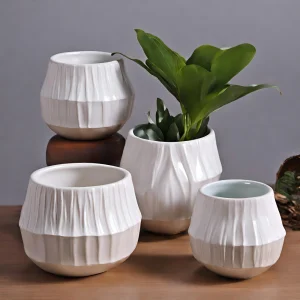
Below are our latest design series releases, featuring textured surfaces, wavy embossments, and pastel tones designed to meet modern architectural trends:
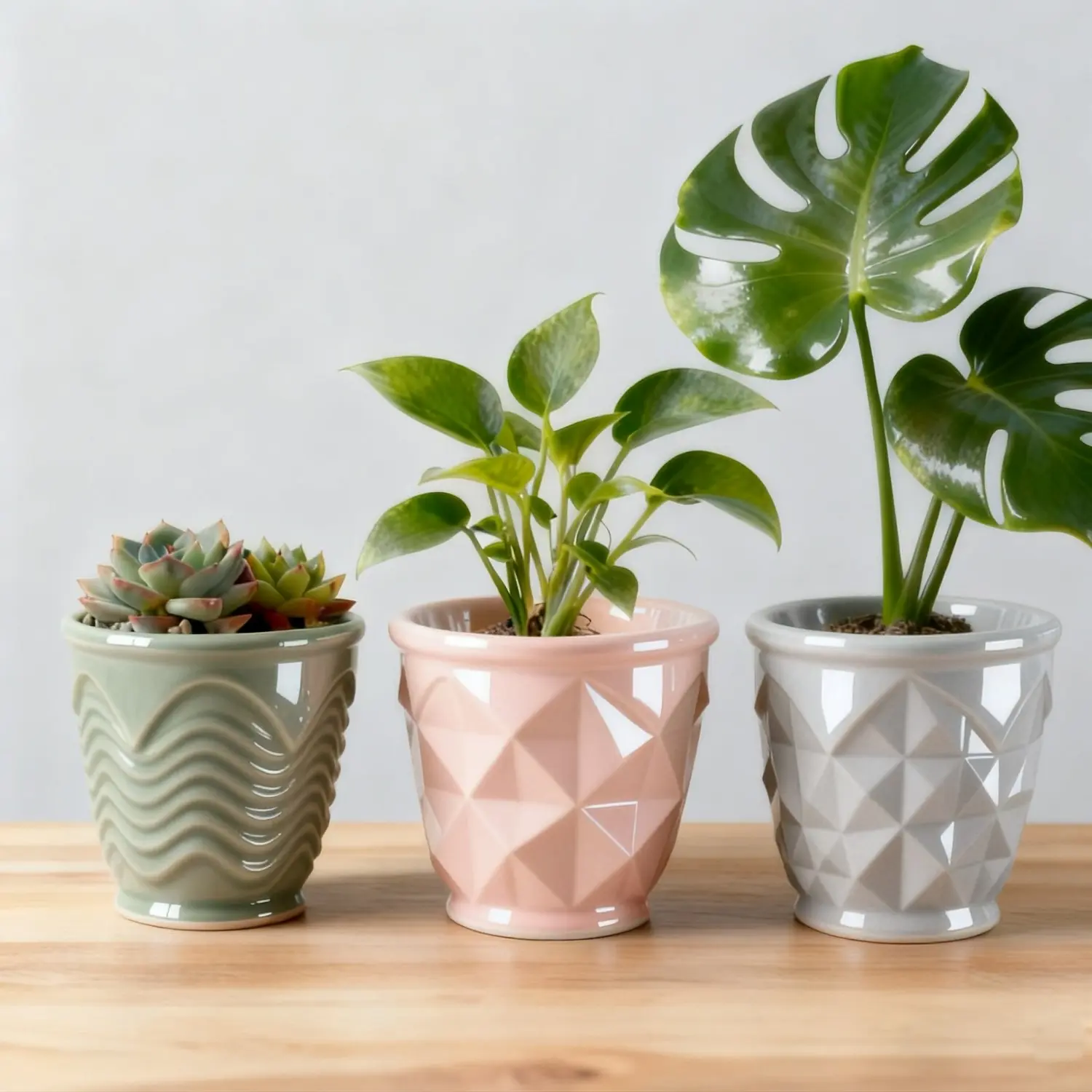
Featuring artistic geometric surface carvings, ideal for minimalist office and reception areas.
Request Spec Details →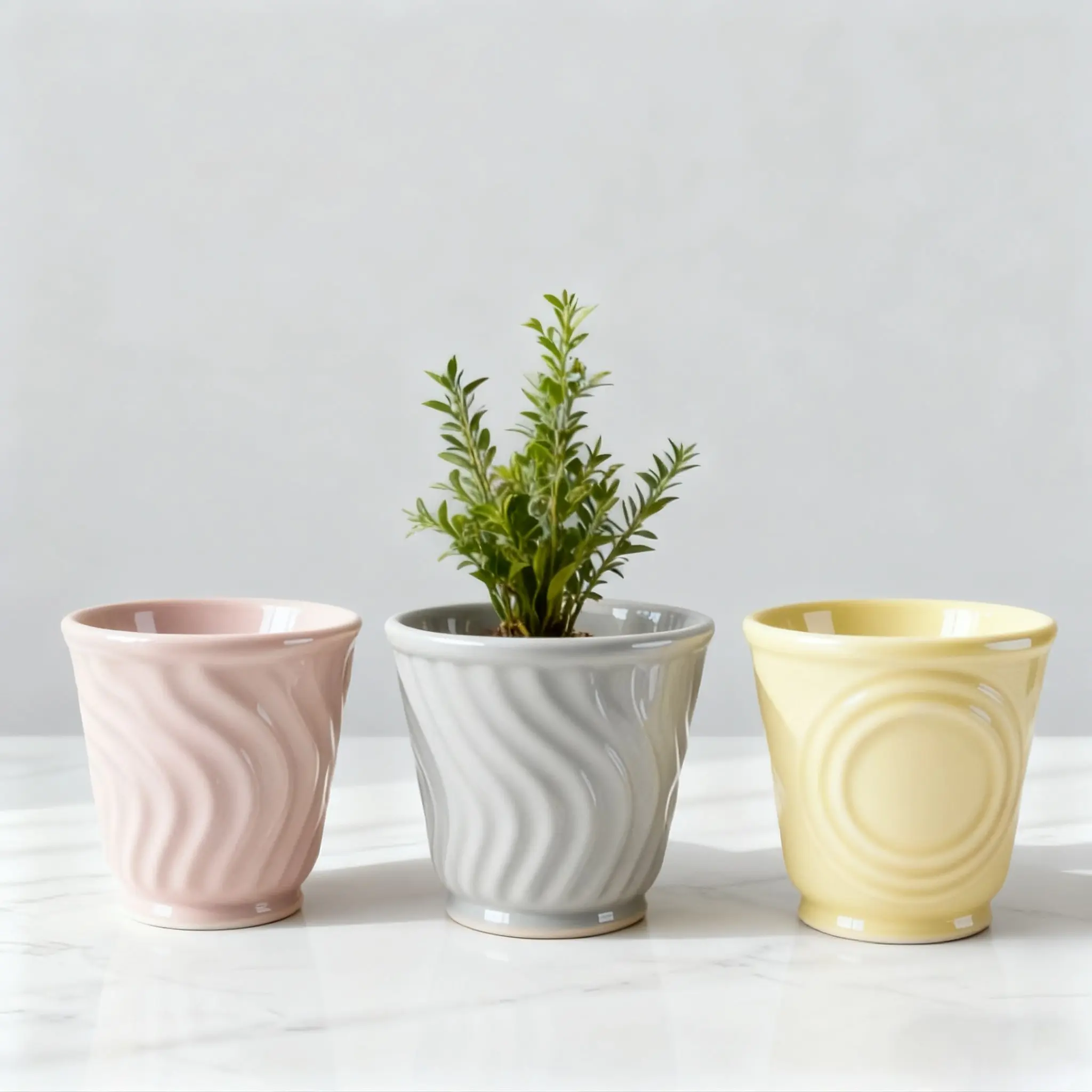
Soft, flowing wave details molded directly into the matrix for a subtle tactile appearance.
Request Spec Details →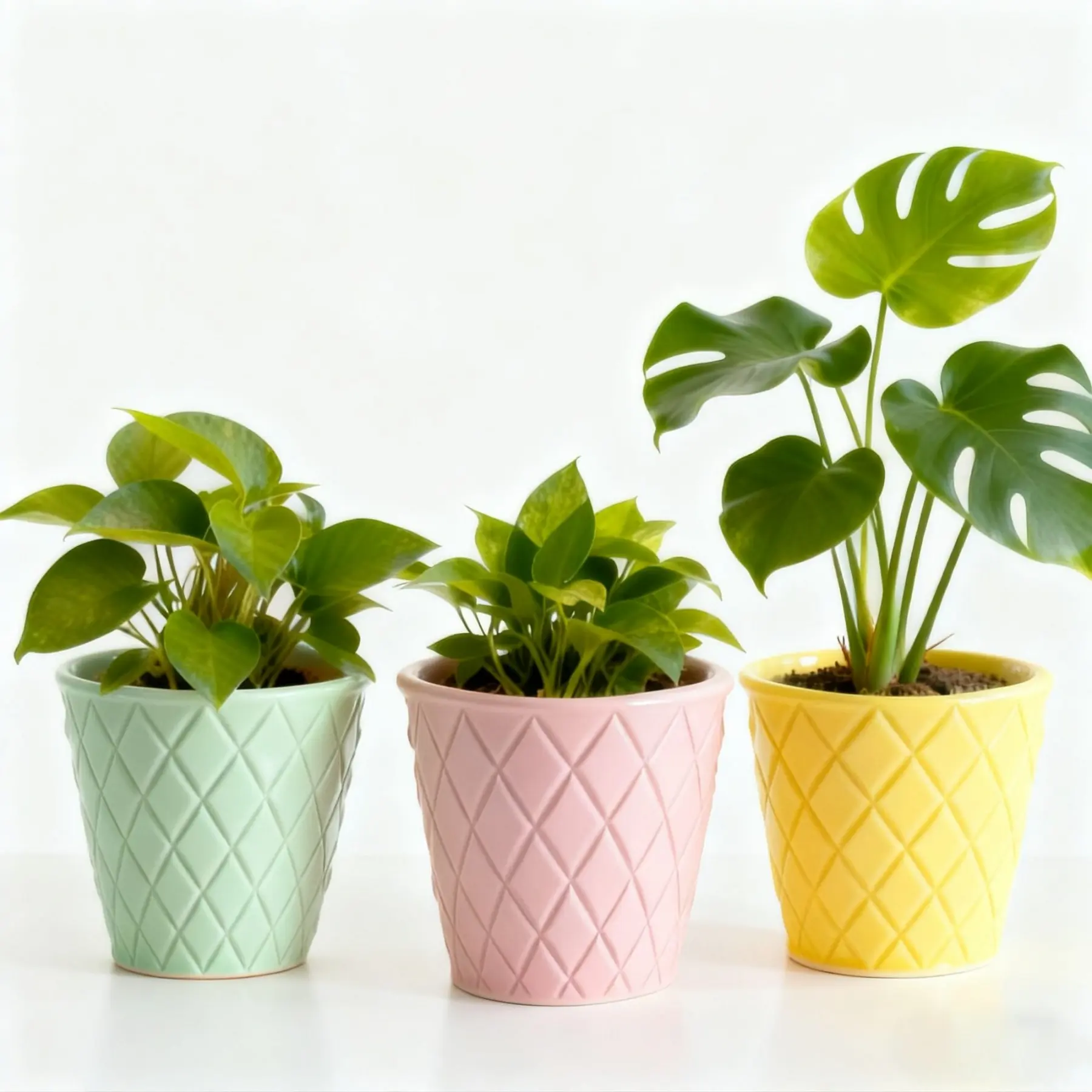
A clean diamond grid design finished in soft pastel glazes, perfect for residential collections.
Request Spec Details →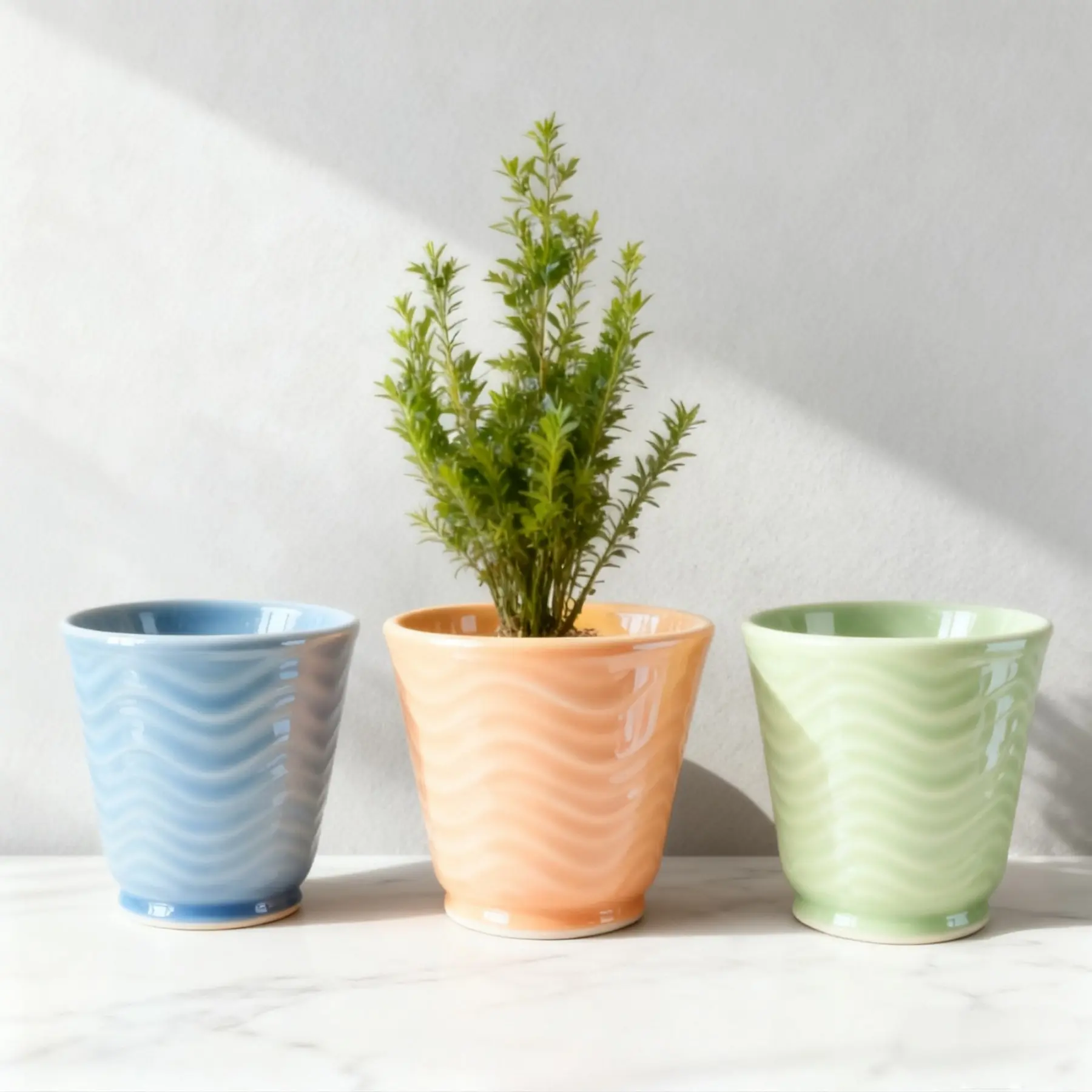
Optimized for small succulent roots, featuring dual-tone pastel glazes and a drainage port.
Request Spec Details →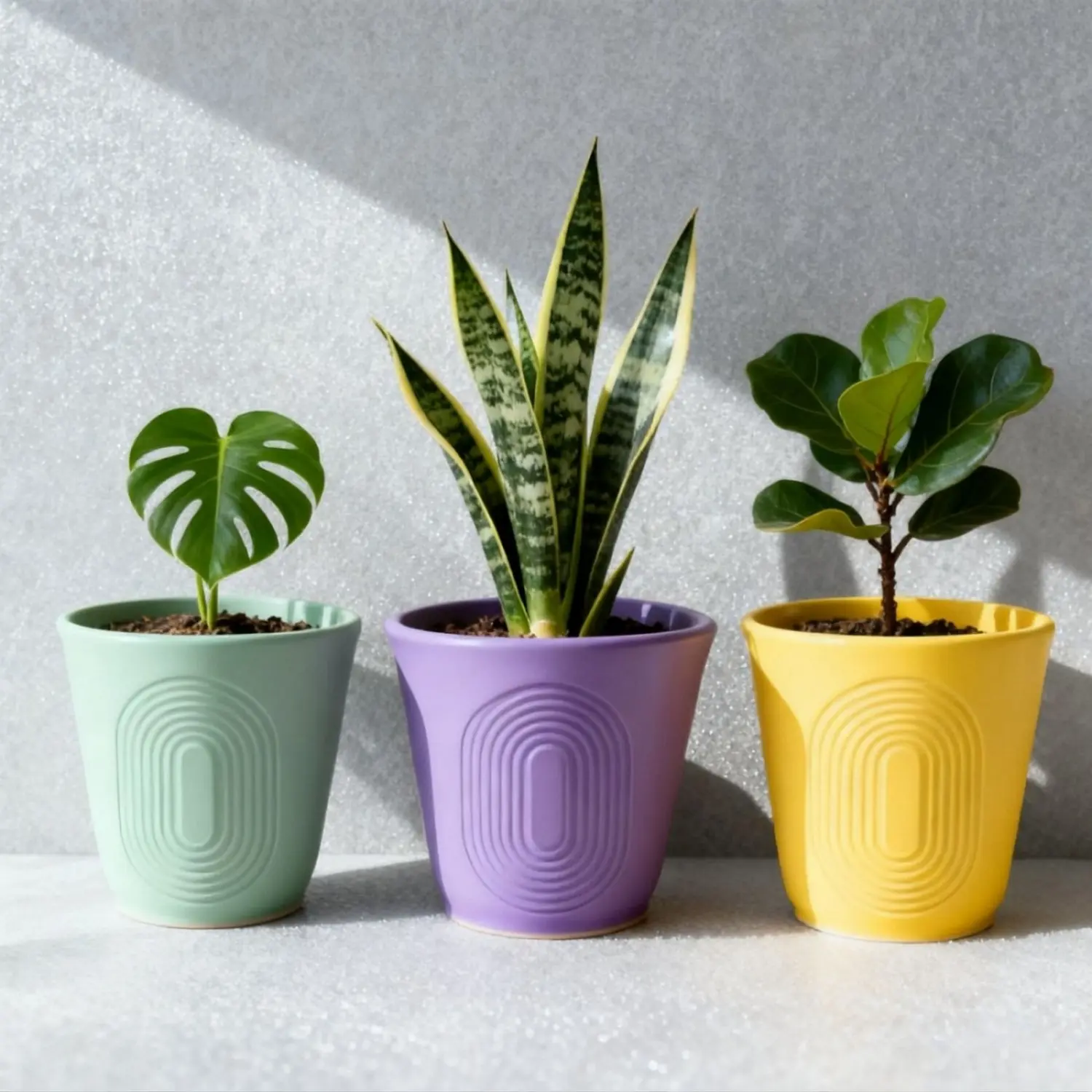
Embossed arches wrap around the body of the pot, creating clean architectural shadow lines.
Request Spec Details →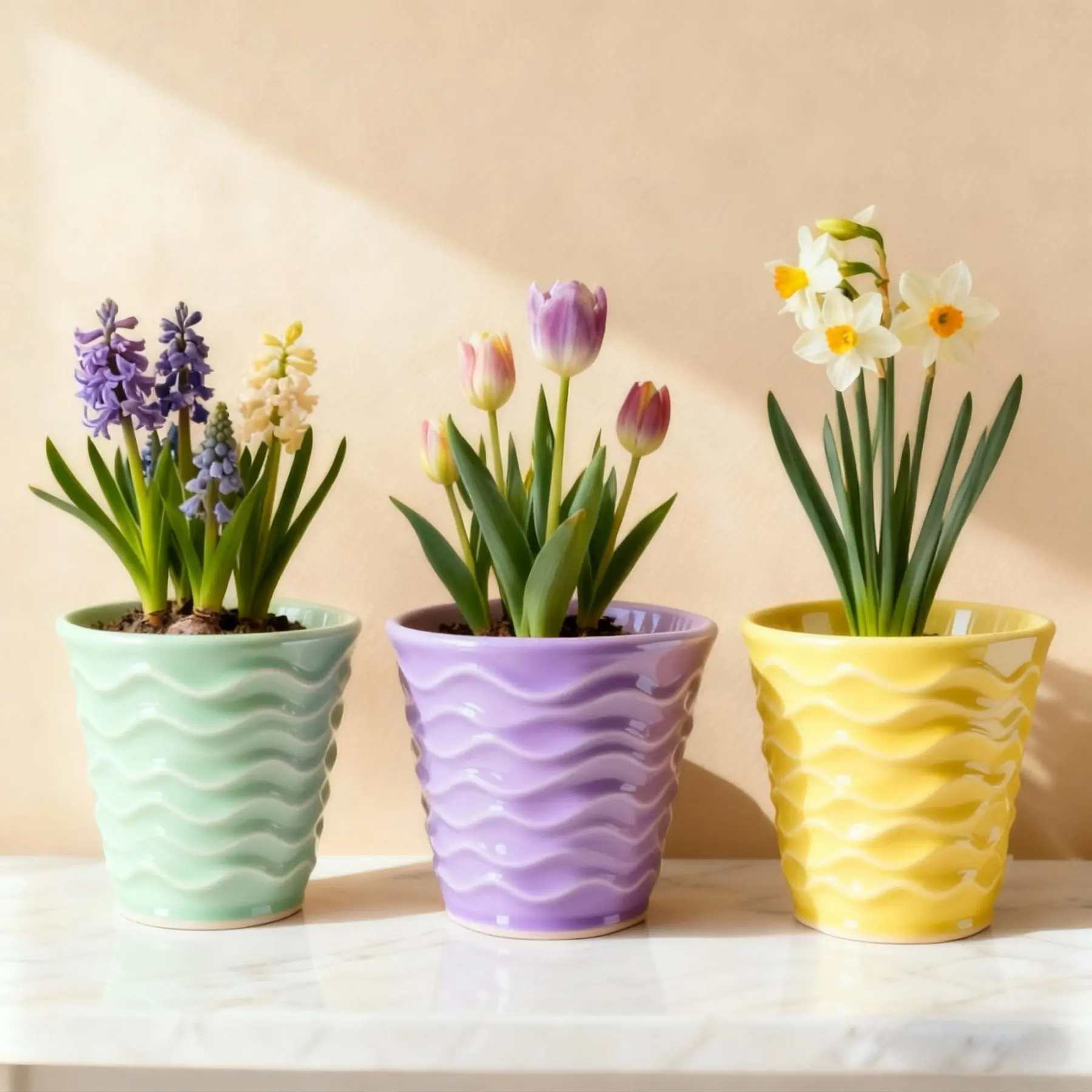
Finished in a high-gloss ripple glaze to provide moisture protection and visual depth.
Request Spec Details →To help you select the optimal material for your commercial projects, our engineering department has compiled a performance matrix detailing physical properties, weight ratios, and durability parameters.
| Performance Metric | GFRC (Glass Fiber Concrete) | Traditional Cast Stone / Concrete | Fine Ceramic / Clay Pots |
|---|---|---|---|
| Average Wall Thickness | 15 mm - 25 mm | 50 mm - 75 mm | 8 mm - 15 mm |
| Dry Weight Index | Low (approx. 45 kg/m²) | Extremely High (approx. 180 kg/m²) | Medium (approx. 25 kg/m²) |
| Tensile Strength | Very High (AR Fiber Matrix) | Low to Medium (requires steel rebar) | Brittle (very low impact resistance) |
| Freeze-Thaw Resistance | Excellent (ASTM C666 certified) | Moderate (prone to scaling) | Poor (glazed surfaces can crack) |
| Maximum Scale Capability | Up to 3000 mm diameter | Up to 1500 mm (due to structural weight) | Typically under 800 mm |
| Environmental (LEED) | Highly favorable (low carbon footprint) | Moderate (high volume cement use) | Moderate (high energy firing kiln) |
Global enterprise projects require compliance with local regulations and international standards. Value Deco Limited maintains certified compliance frameworks across multiple regional jurisdictions:
All clay, glaze, and concrete additives used in our factories are certified lead-free and cadmium-free. We run regular testing protocols with third-party labs (SGS, TUV) to guarantee compliance with California Proposition 65, FDA food contact regulations for dinnerware, and regional heavy metal standards.
For green building certifications, our GFRC planters contribute to key LEED rating points. We source regional raw materials (cement, aggregates, sand) within 500 miles of the factory cluster, qualifying for local materials credits. Additionally, we integrate fly ash and slag—recycled industrial byproducts—to reduce cement consumption.
Our products and packaging comply with EU REACH requirements. We utilize organic, water-based sealers and bio-degradable mold release agents, ensuring no volatile organic compounds (VOCs) are emitted from the finished planter products in indoor or outdoor environments.
Review answers to key logistical and technical questions asked by commercial procurement managers, landscape architects, and supply chain directors:
A: For custom ODM/OEM sizes and configurations, the minimum order quantity (MOQ) typically ranges from 50 to 100 units per size, depending on mold complexity. For our cataloged stock shapes, the MOQ is 20 to 50 units. We also welcome mixed-product containers containing multiple designs and sizes.
A: Freeze-thaw damage occurs when water penetrates the concrete, freezes, and expands. Our GFRC mix uses a low water-to-cement ratio (under 0.35) combined with active air-entraining admixtures. This creates micro-cavities that allow freezing water to expand without cracking the concrete. We also seal all interior and exterior surfaces with deep-penetrating siloxanes.
A: Yes. We can integrate custom logos, signage, or decorative reliefs directly into the planter walls using CNC-milled mold liners. Textured surfaces, including wood grain, natural stone, exposed aggregate, or smooth architectural finishes, are engineered during the mold-making process.
A: Standard production lead time for a 40HQ container of catalog items is 35 to 45 days from deposit confirmation and sample approval. For custom shapes requiring new steel mold fabrication, add 14 to 21 days to the initial production timeline.
A: Our QC protocol includes raw material verification, moisture monitoring, and compression testing using cylinder breaks. Each finished lot is inspected for dimensions, wall thickness, structural alignment, and drainage efficiency. Third-party inspections (SGS, AsiaInspection) are welcome prior to loading.
A: We engineer our planters with draft angles of 2 to 5 degrees to allow nesting. Heavy cardboard spacers, polyethylene foam sheets, and custom-fit EPS blocks separate nested planters. Securely packed pallets are wrapped in stretch film and reinforced with steel strapping to prevent movement inside the container.
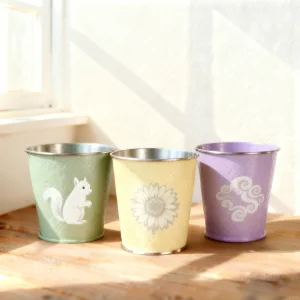
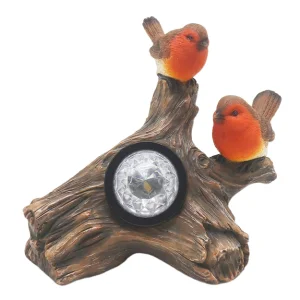
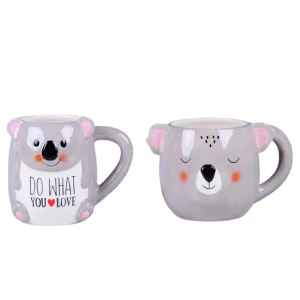
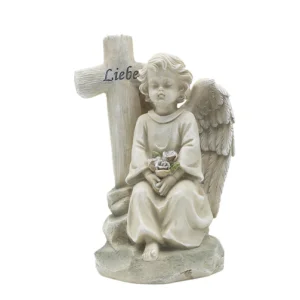
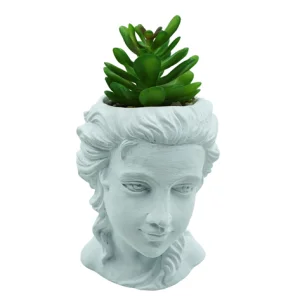
Review our second collection of commercial planter products. This range highlights decorative options, custom cement designs, and holiday-themed ceramics suited for diverse retail displays and commercial designs.
Get in touch with our commercial engineering team today to review your project's CAD plans, material specifications, and logistics options.
Connect With Our Engineering Team