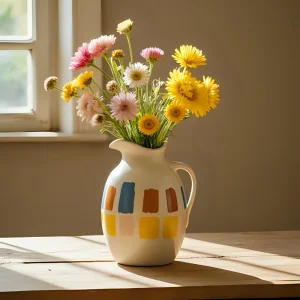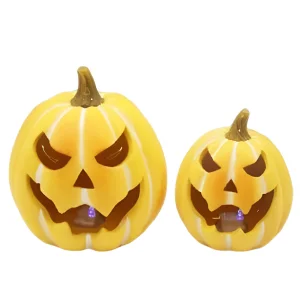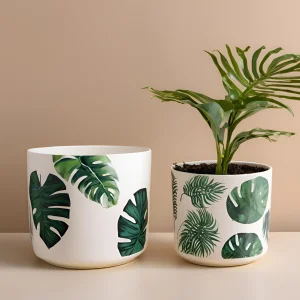
Discover our highly requested B2B items, from advanced solar-integrated outdoor decor to FDA-tested dining ware. Built for durability, export compliance, and trend alignment.

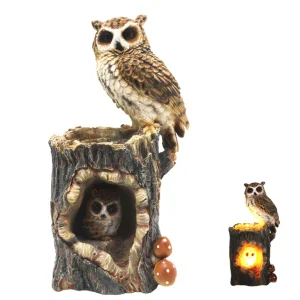
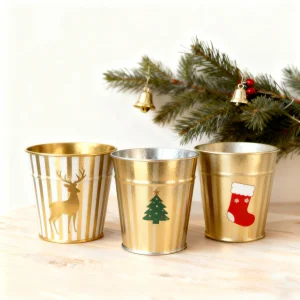
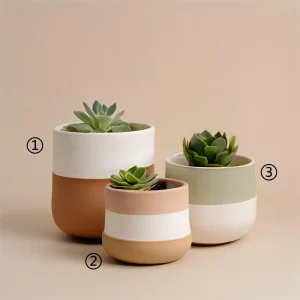


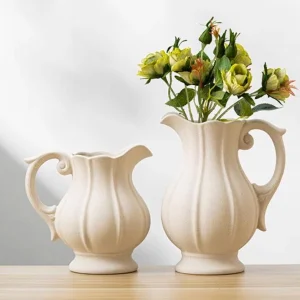
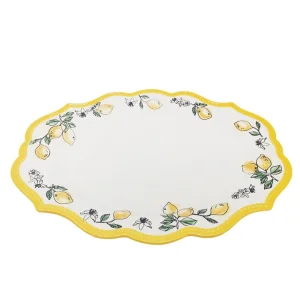
Technical insight into the mineral profile of Southern China's premium clay reserves and its direct correlation to vitrification, durability, and glaze chemical compatibility.
In high-volume B2B pottery manufacturing, the structural integrity of the final ceramic piece is determined in the primary raw material selection stage. Kaolin, popularly referred to as China Clay, is a hydrated aluminum silicate mineral represented by the chemical formula Al₂Si₂O₅(OH)₄. Our factories source kaolin directly from geological veins rich in kaolinite, boasting low iron oxides (Fe₂O₃ < 0.5%) and low titanium dioxide contents. This specific mineral profile guarantees a high-whiteness firing response, enabling clean application of transparent and colored glazes without undertone contamination.
Particle size distribution is kept between 0.2 to 2 microns. This fine dispersion promotes high plasticity during wet forming processes—whether via traditional hand-throwing, slip casting, or automatic hydraulic pressing. Consequently, the clay handles extreme shrinkage during drying (typically 5%–8%) and subsequent kiln vitrification (an additional 8%–12%) without developing micro-fissures or warping.
One of the primary failure vectors in consumer pots and dinnerware is "crazing"—the network of fine cracks that develops in the glaze due to mismatched coefficients of thermal expansion (CTE) between the ceramic body (clay) and the glass coat (glaze). By blending premium kaolin with high-purity quartz and potassium-rich feldspar, our material engineers formulate bodies that expand and contract in perfect synchrony with our lead-free, FDA-tested glazes. The result is structural ceramics that can easily survive rapid temperature changes, passing thermal shock testing parameters from -20°C to 180°C without degradation.
Value Deco Limited offers integrated design and manufacturing services across diverse decorative and functional categories.
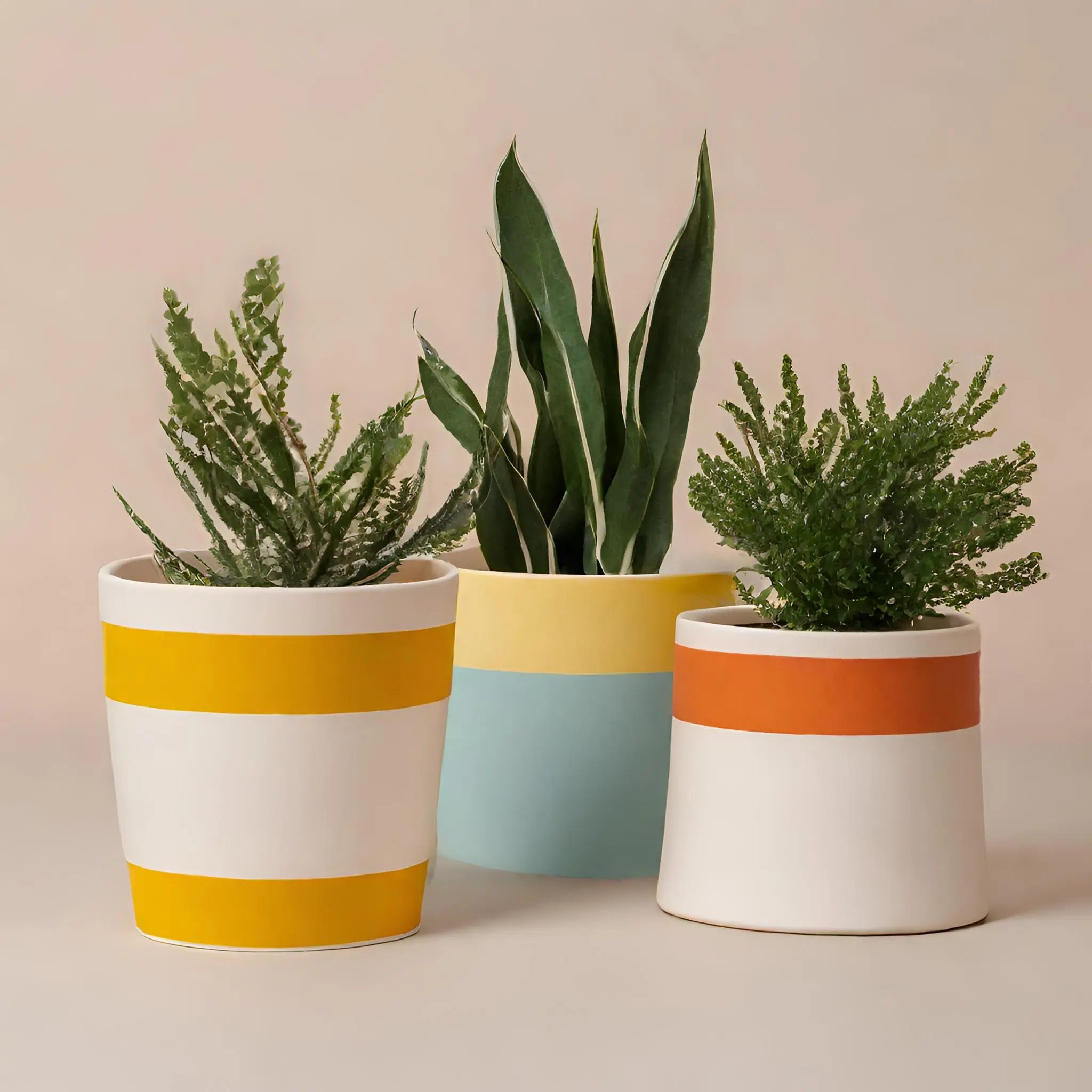


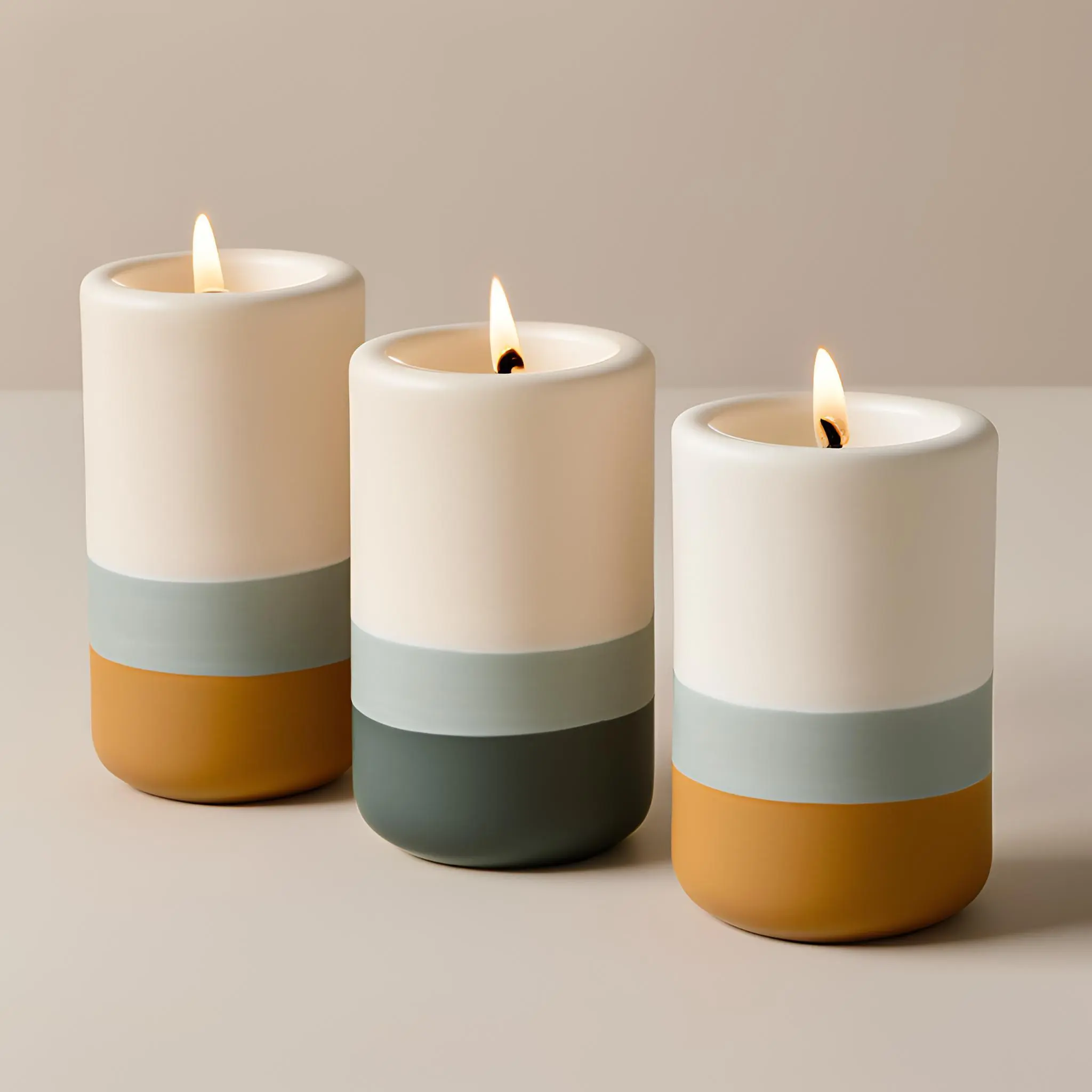

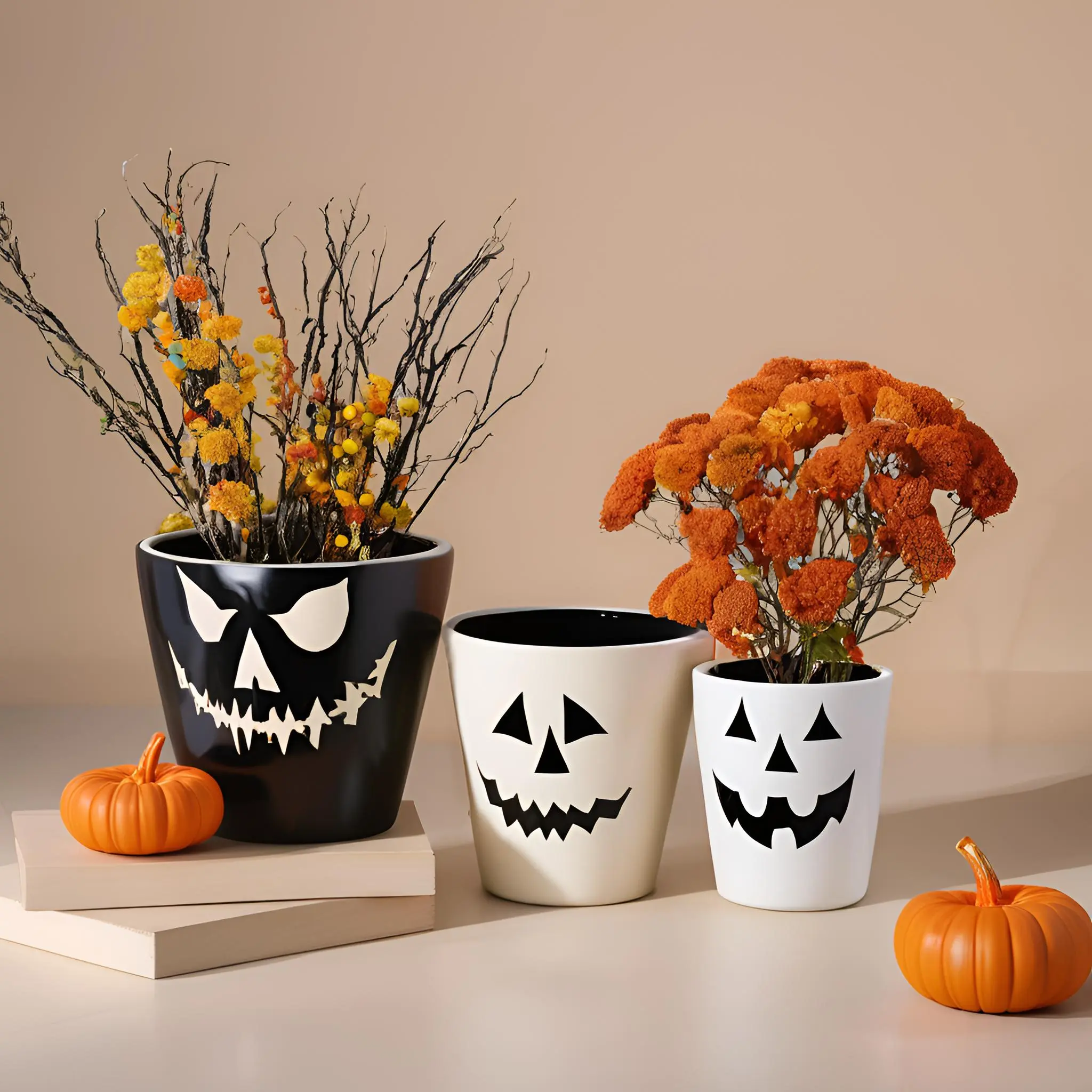
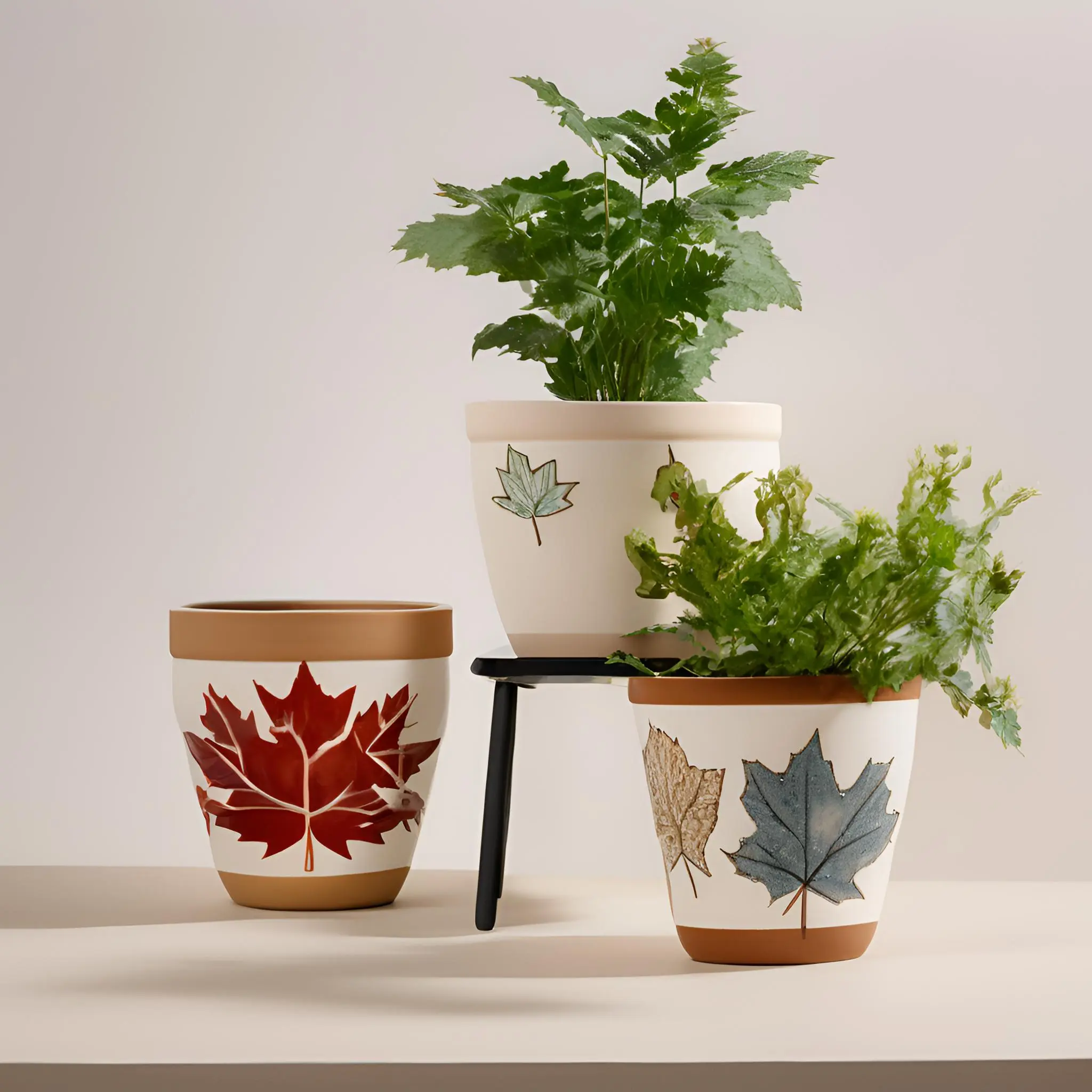
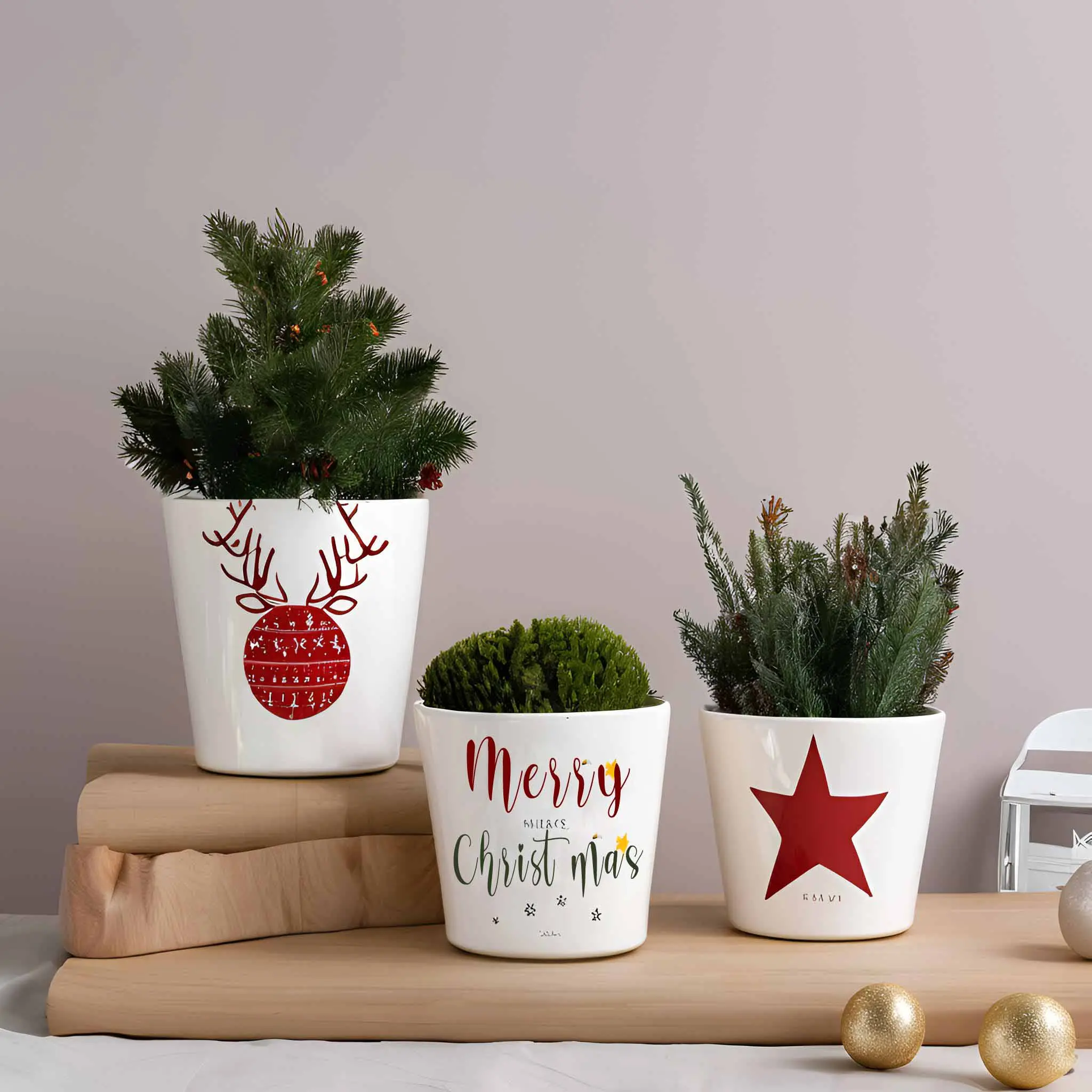
Highly customized, target-market themed collections utilizing specialty glaze effects, unique shapes, and holiday-specific colors.
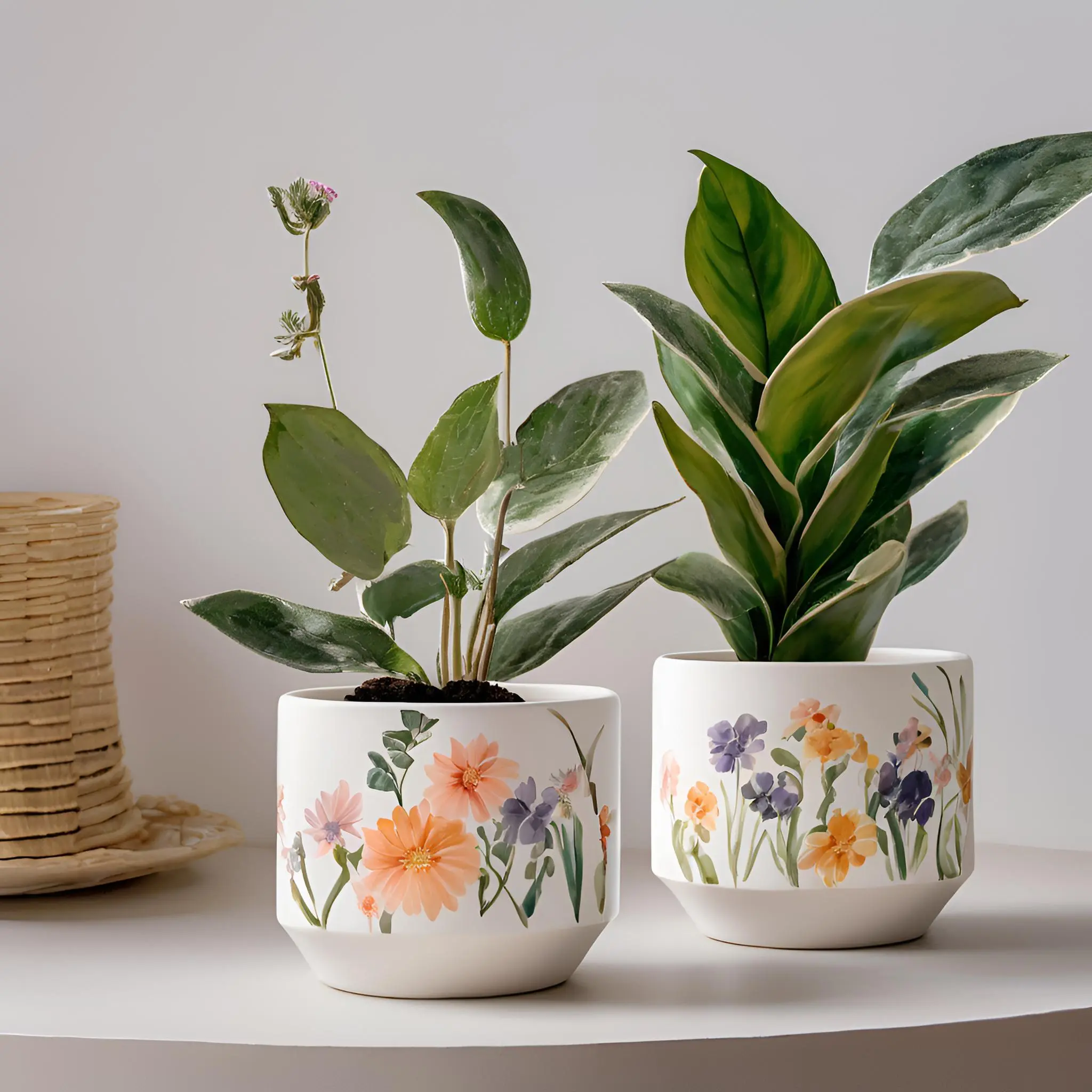
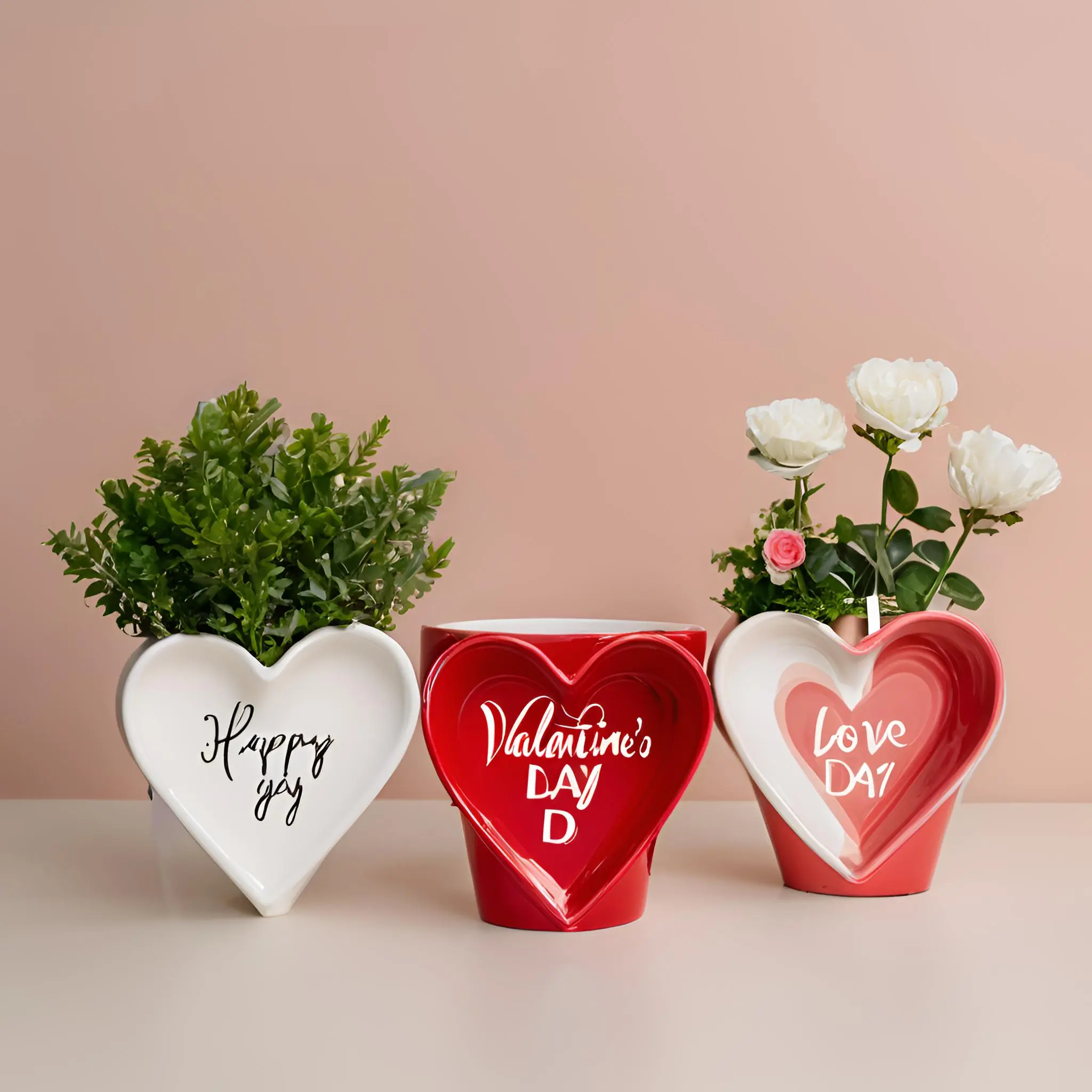
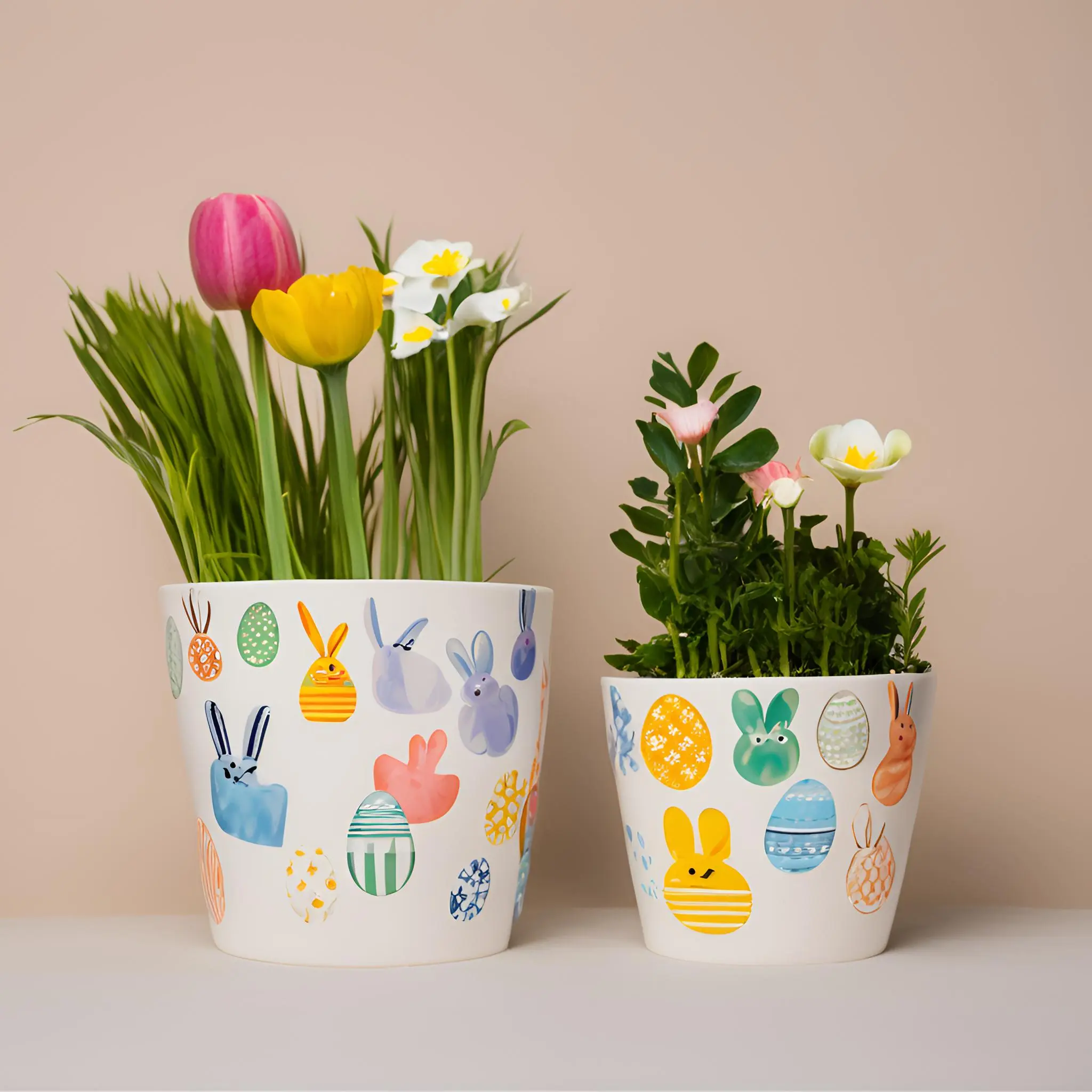
Why the localization of raw materials, raw energy infrastructure, and regional production clusters make Chinese factories the global baseline for cost-to-performance efficiency.
The global clay and pottery trade relies heavily on proximity. Our primary manufacturing hubs are located in key ceramic provinces (including Fujian, Guangdong, and Jiangxi). This raw-material-centric localization means that raw kaolin, feldspar, and silica do not need to be shipped long distances overland, keeping environmental overhead and logistics costs exceptionally low. Downstream processes, such as packaging material factories, decal printers, and glaze formulation labs, are integrated in the exact same industrial zones. This proximity reduces development cycles for custom OEM/ODM shapes from months to mere days.
Firing clay requires continuous, high-intensity energy. Chinese pottery factories utilize high-capacity, computerized tunnel kilns and shuttle kilns powered by natural gas and low-emission clean energy. These kilns feature automated temperature-profile feedback loops, maintaining the internal temperature to within +/- 5°C of the set target. Such tight control is critical: too hot and the clay warps; too cold and the structural vitrification remains incomplete. The consistency achieved here lowers reject rates below 2.5%, ensuring competitive unit pricing on high-volume runs.
While ceramic design is inherently artistic, modern manufacturing requires precision scaling. Automated slip-casting lines and roller-hearth forming systems produce standard pot geometries at speeds up to 10,000 units per shift. Skilled hand-painting artisans, glaze sprayers, and quality assurance personnel handle complex surface modifications, ensuring every planter, plate, and vase retains hand-crafted detail while maintaining industrial uniformity.
Value Deco Limited is a prominent designer, manufacturer, and supplier of premium ceramic pots based in Southern China. With over 12 years of specialized export experience, we have built a robust reputation supplying international brand partners, corporate distributors, and retail chains with functional and decorative items.
Our operation is strategically divided into specialized business divisions to streamline product focus and maintain expertise:
12+ Years Sourcing Infrastructure
We manage the entire lifecycle of ceramic production, from design conceptualization and physical prototyping to final safety certification and customs clearing.
Our partner factories undergo annual social compliance audits (including BSCI and Sedex) and raw chemical screenings to guarantee clean practices for our European and North American clients.
How we address the mechanical vulnerabilities of firing clay and shipping heavy, fragile cargo across maritime shipping routes.
For kitchenware, plant pots, and dinnerware destined for consumer-facing markets, raw material toxicity is non-negotiable. Our clays and glazes undergo rigorous laboratory analysis to verify that heavy metals like lead and cadmium are bound securely within the glass matrix or omitted entirely. This ensures no toxic run-off or leaching occurs when in contact with acidic substances. Our products are fully tested to meet the following key B2B standards:
| Standard / Authority | Target Market | Testing Parameter | Compliance Status |
|---|---|---|---|
| FDA 21 CFR 175.300 | United States / Global | Leaching of Lead & Cadmium in food-contact items | Certified Safe (non-detectable levels) |
| California Proposition 65 | California, US | Extractable Lead (≤ 0.100 ppm) and Cadmium (≤ 1.89 ppm) | Compliant / Safe Harbor Level Achieved |
| EU Regulation No. 1935/2004 | European Union | Migration limits of trace components and additives | Approved for food and plant contact |
| LFGB Testing (Germany) | Western Europe | Organoleptic and sensoric transfer of compounds | Passed Grade A Certification |
Shipping large containers of high-density ceramics requires extensive structural protection. Clay absorbs residual humidity inside containers during ocean transport, which can lead to mold development on natural cardboard packaging or destabilize the pallet structures. We implement a three-tiered protection protocol:
Select catalog volumes focusing on specific materials, colors, seasonal collections, and glazes.
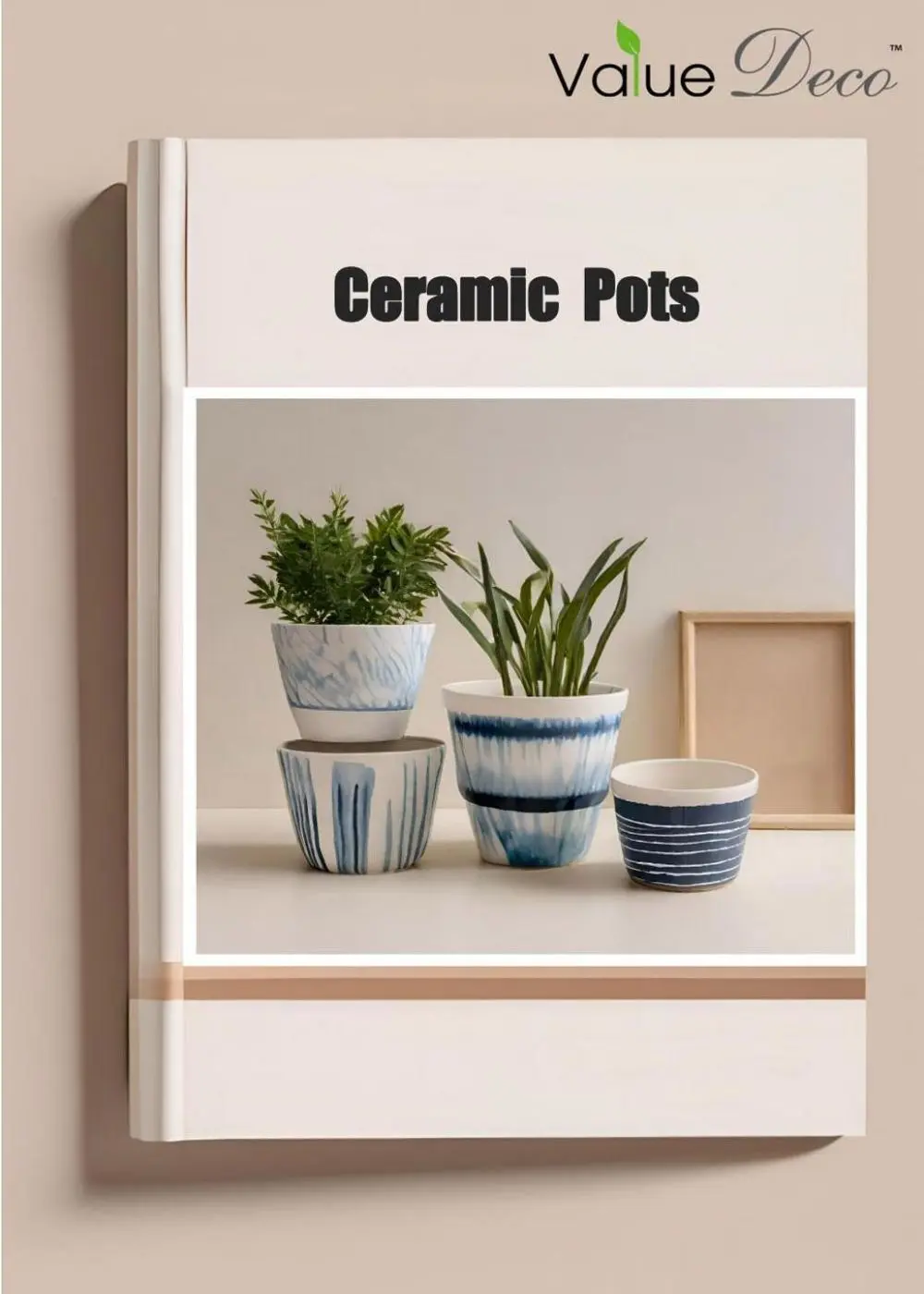
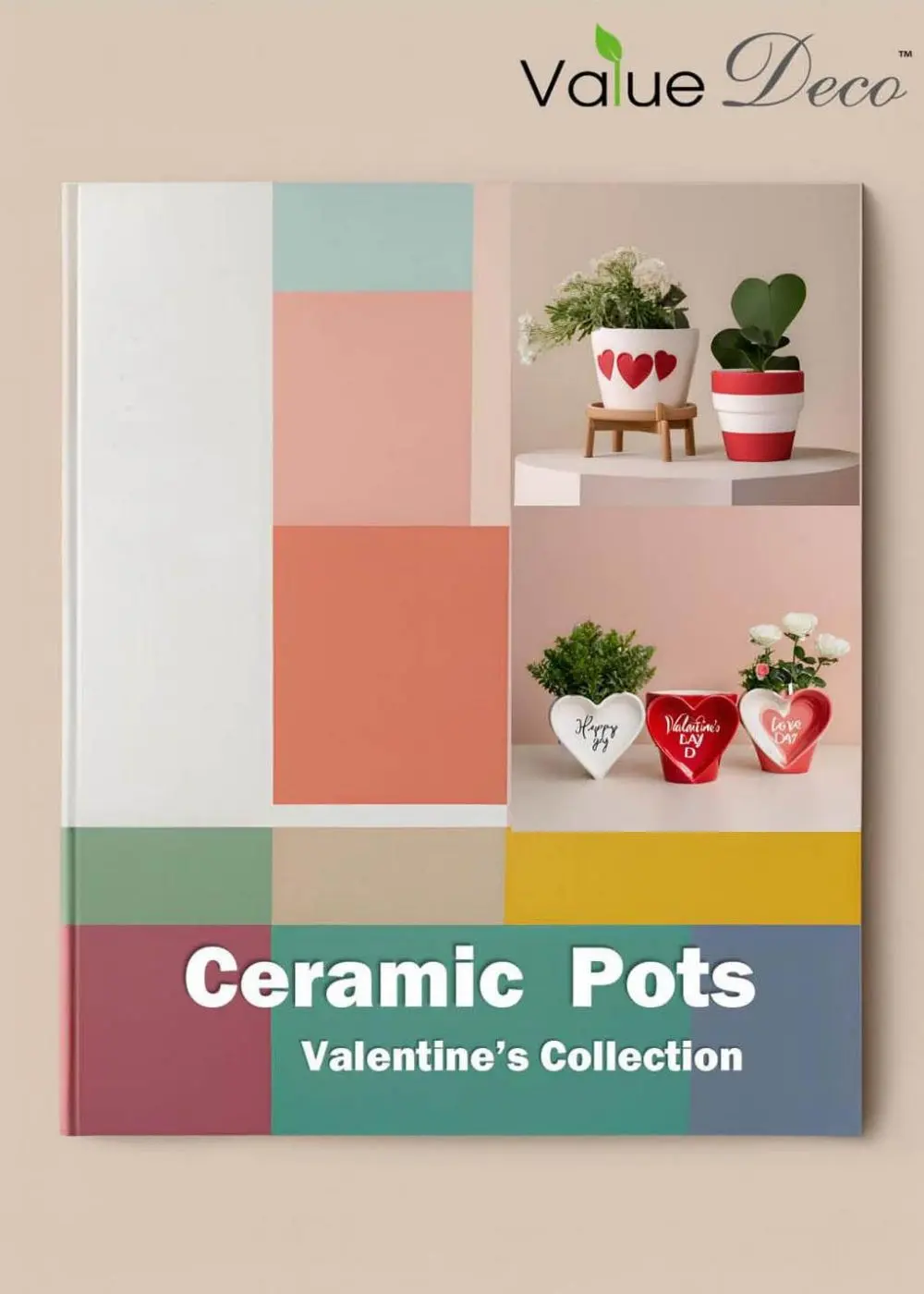
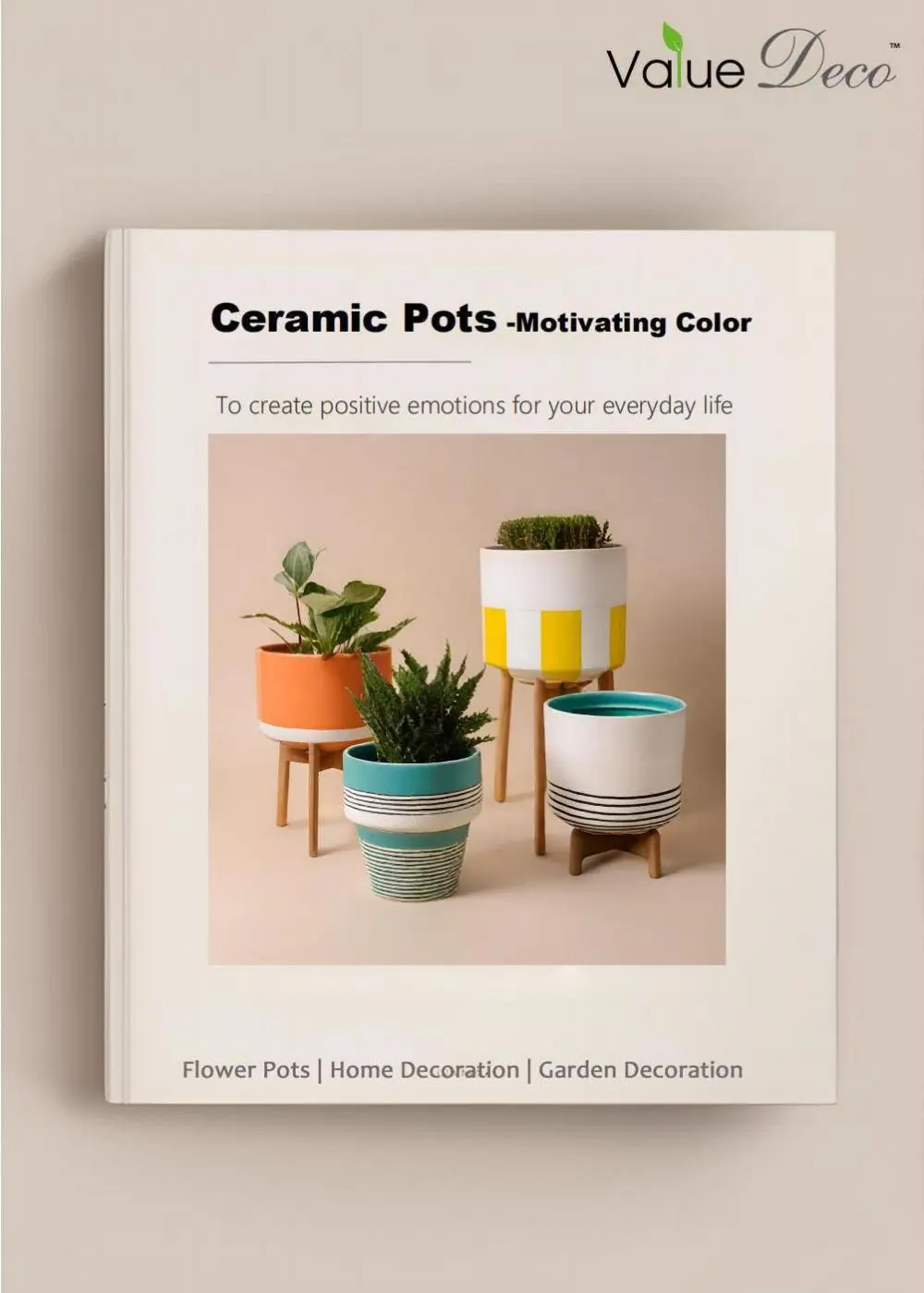
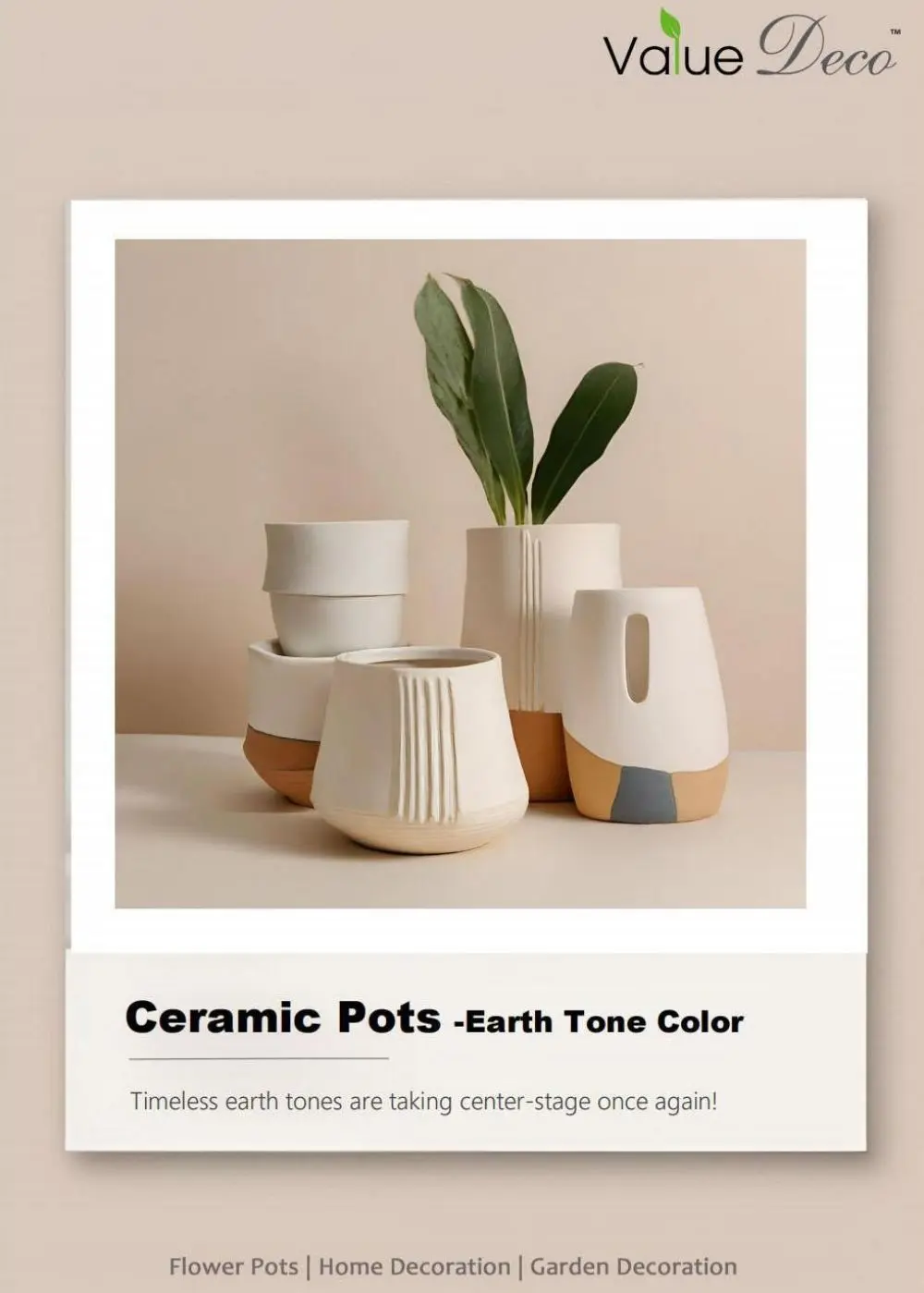
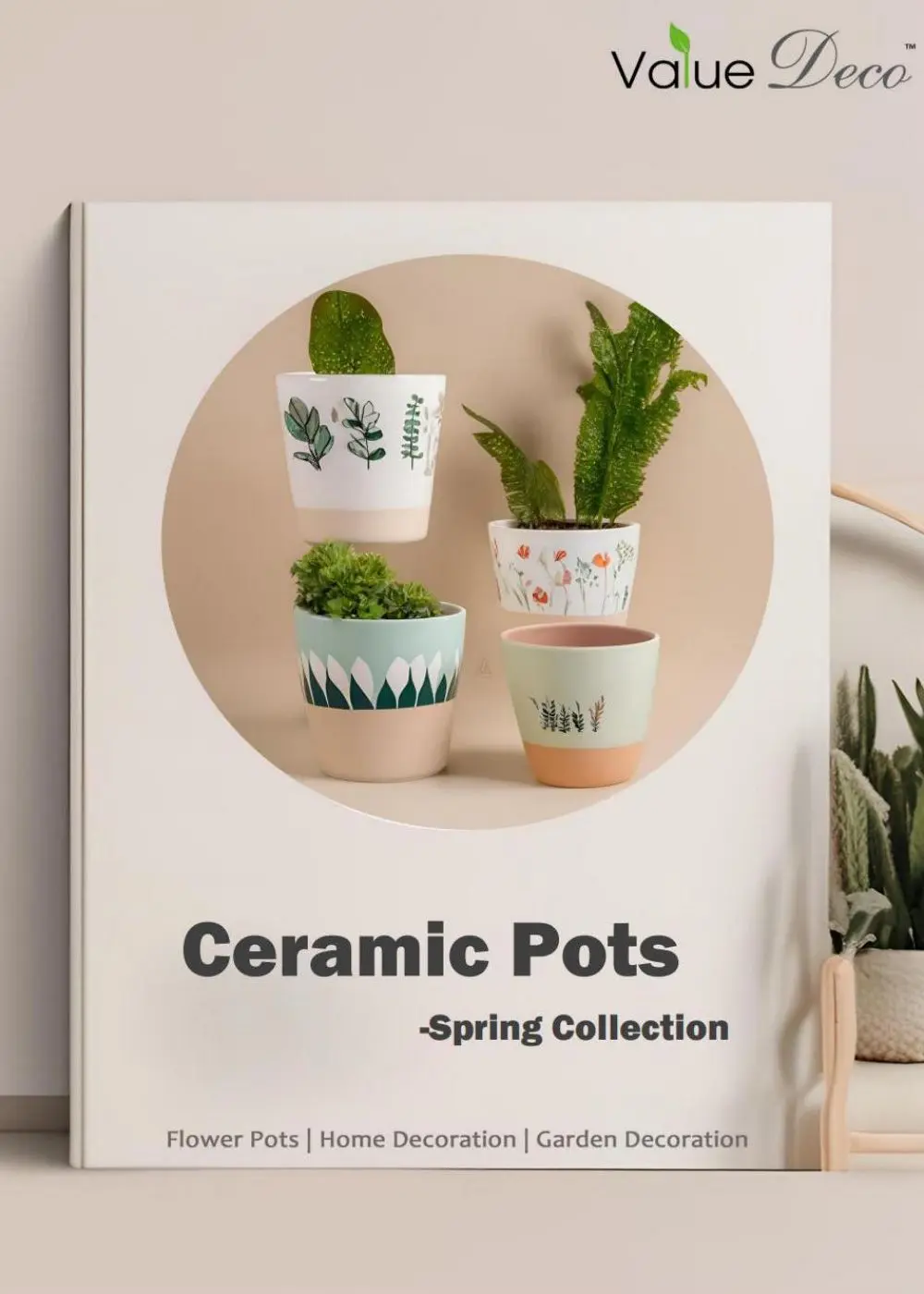
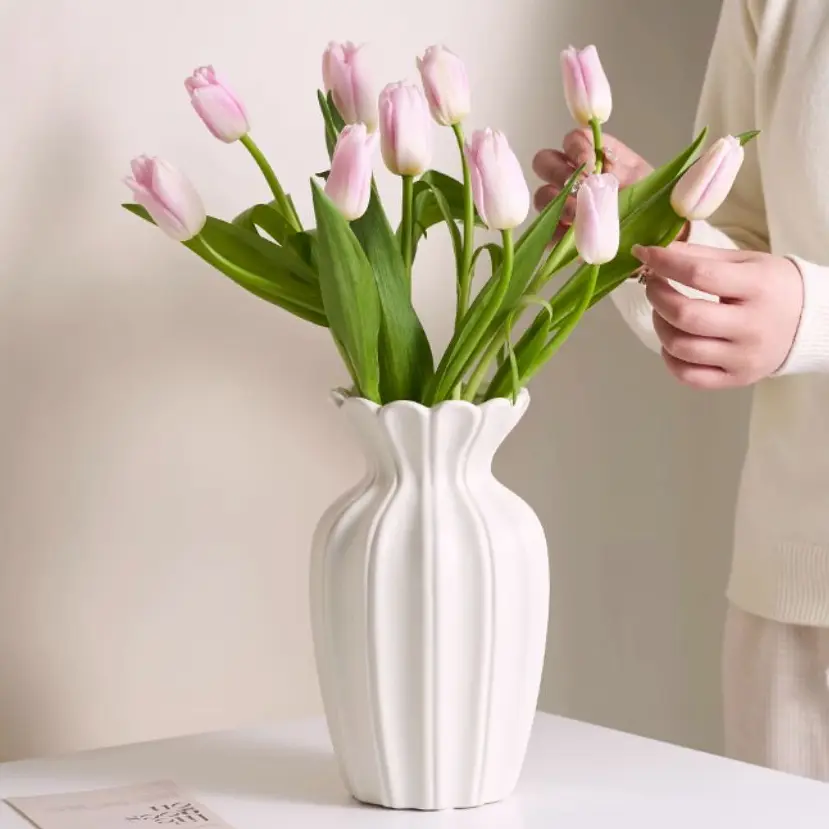
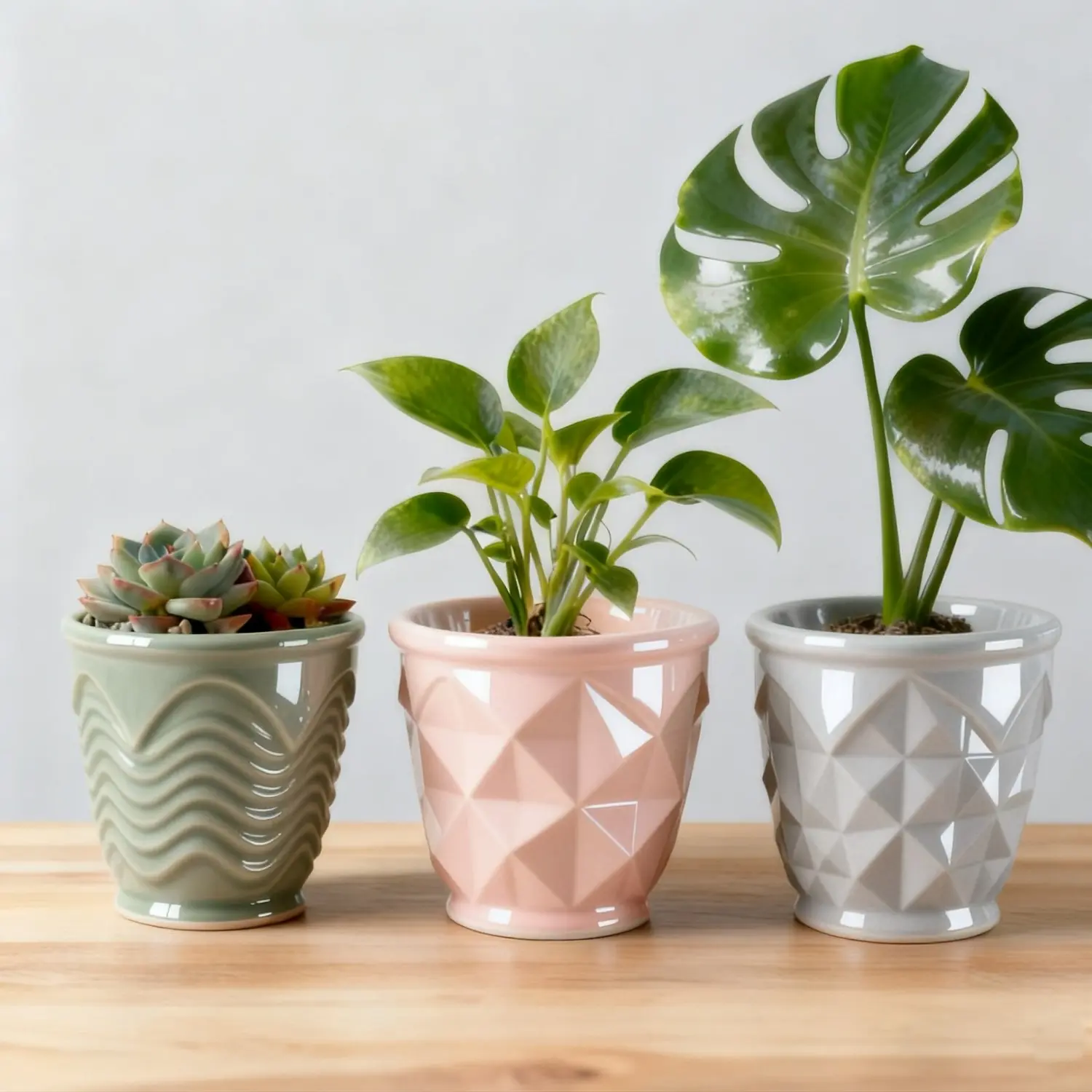
Featuring advanced surface embossing, wavy textures, and pastel glazed applications that align with global interior design trends.
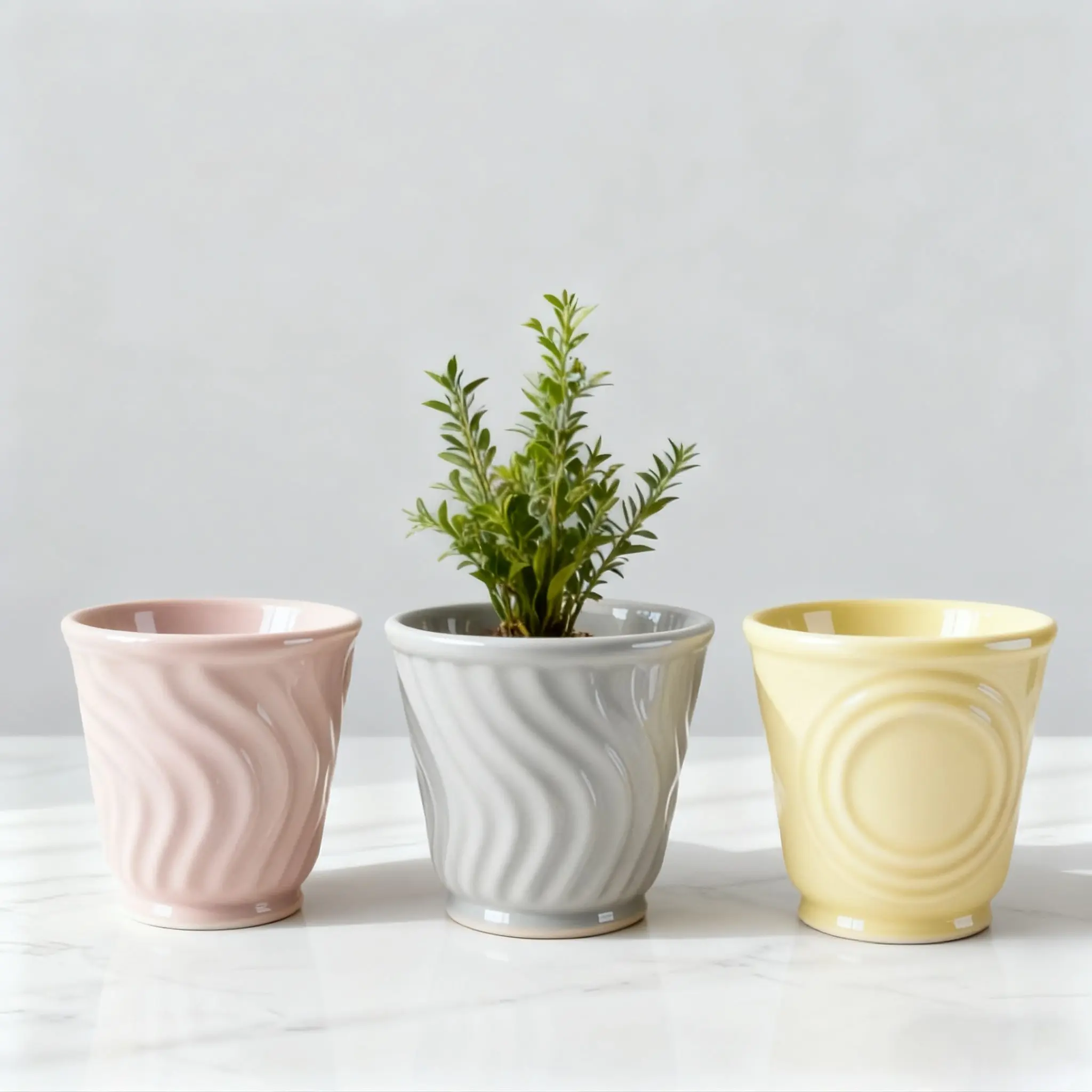
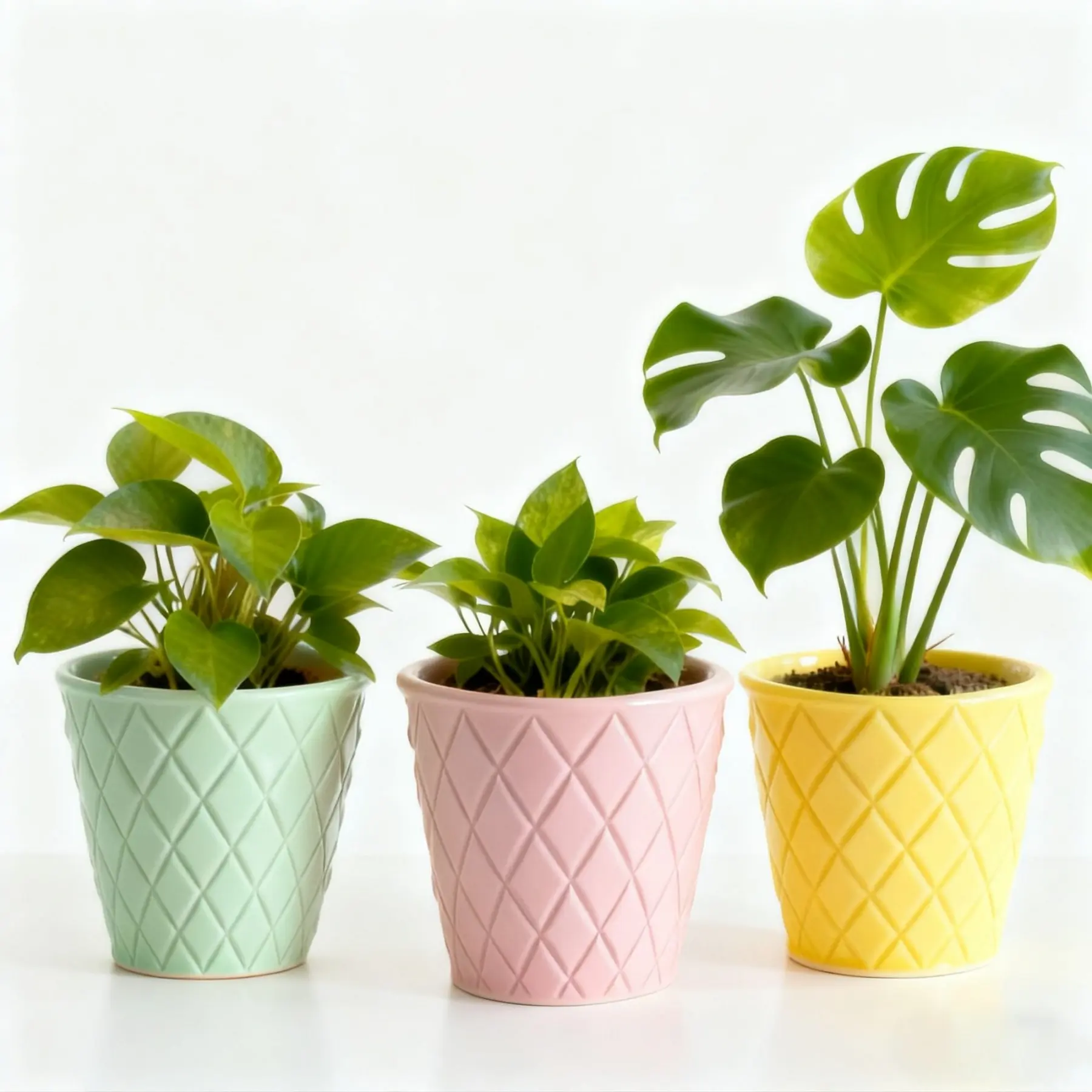
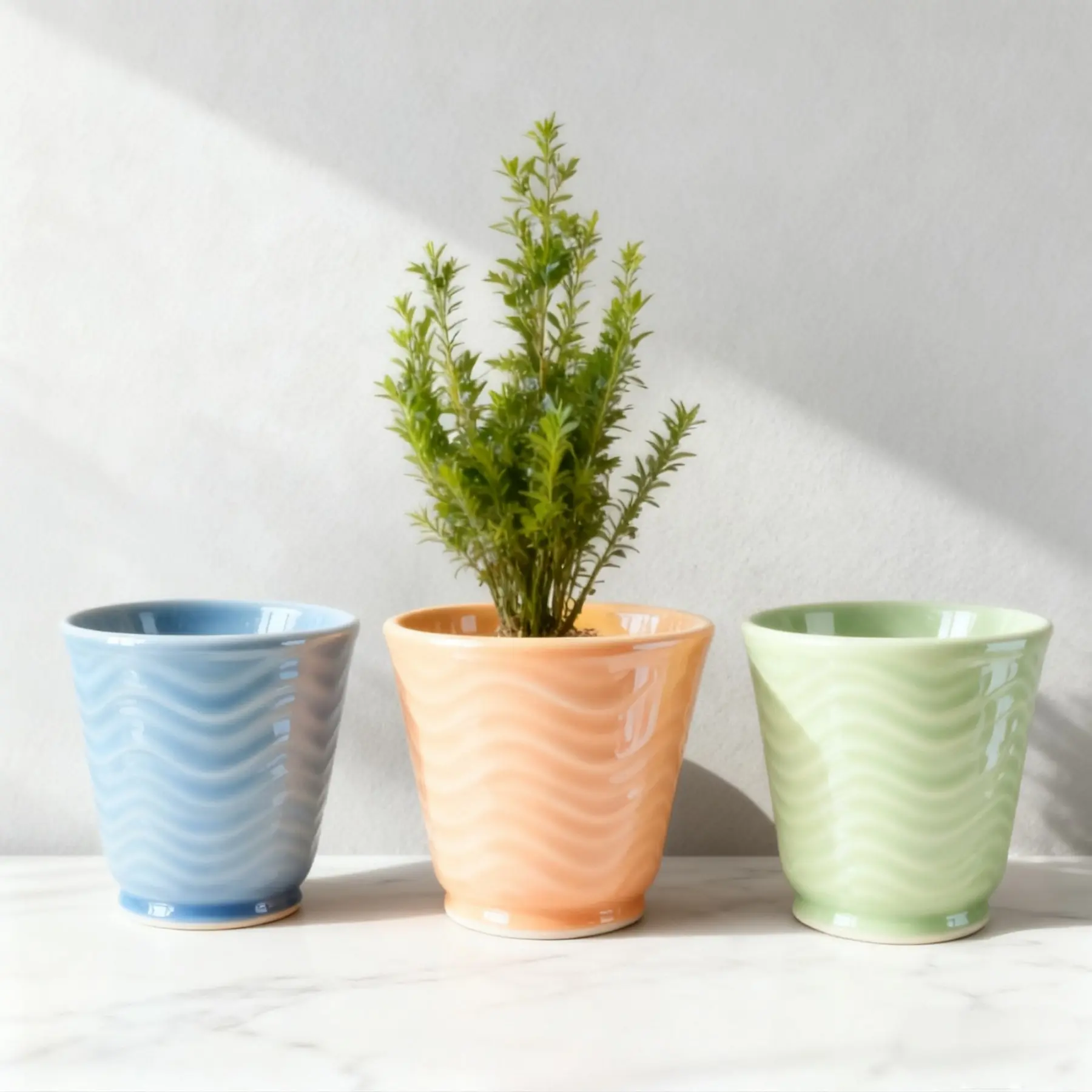
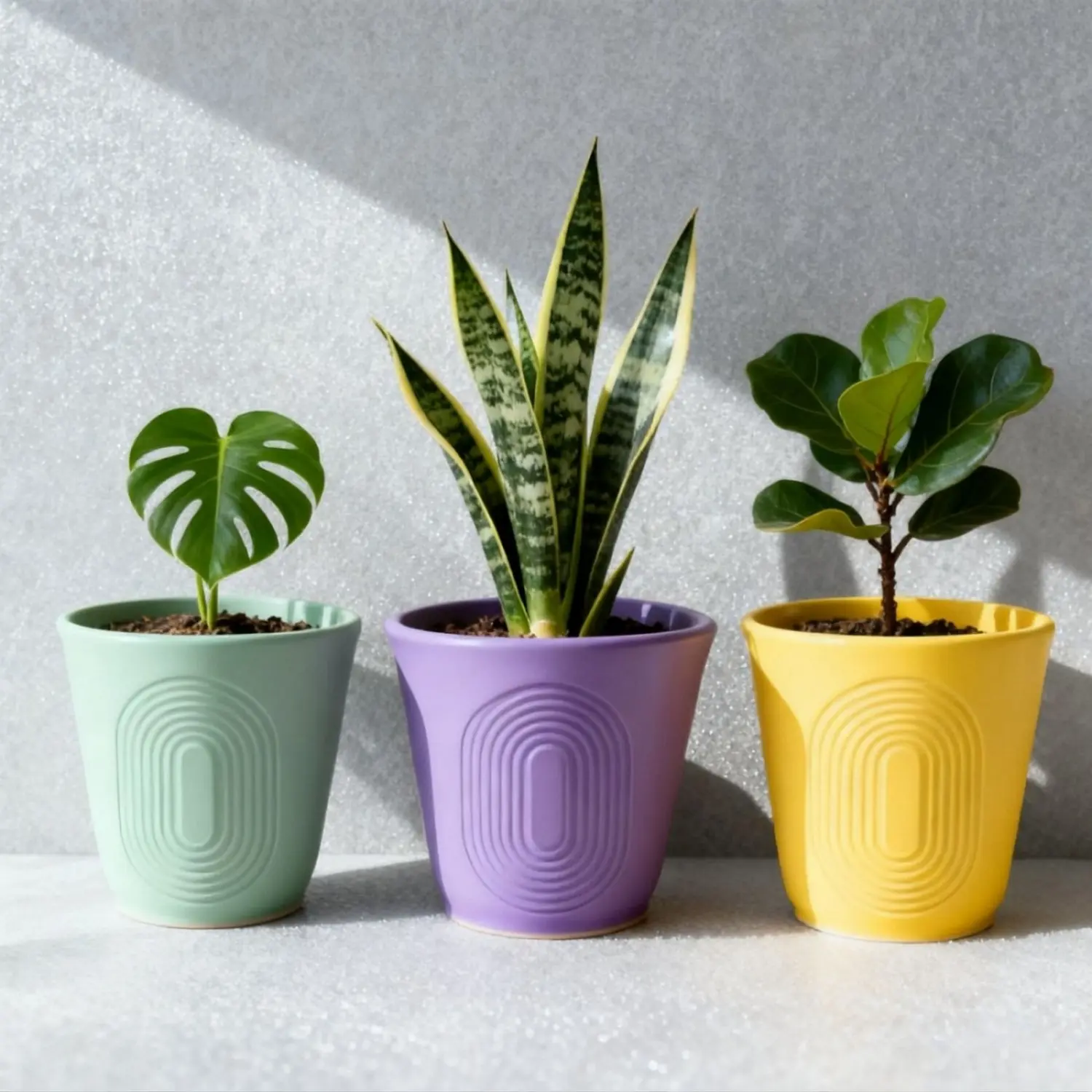
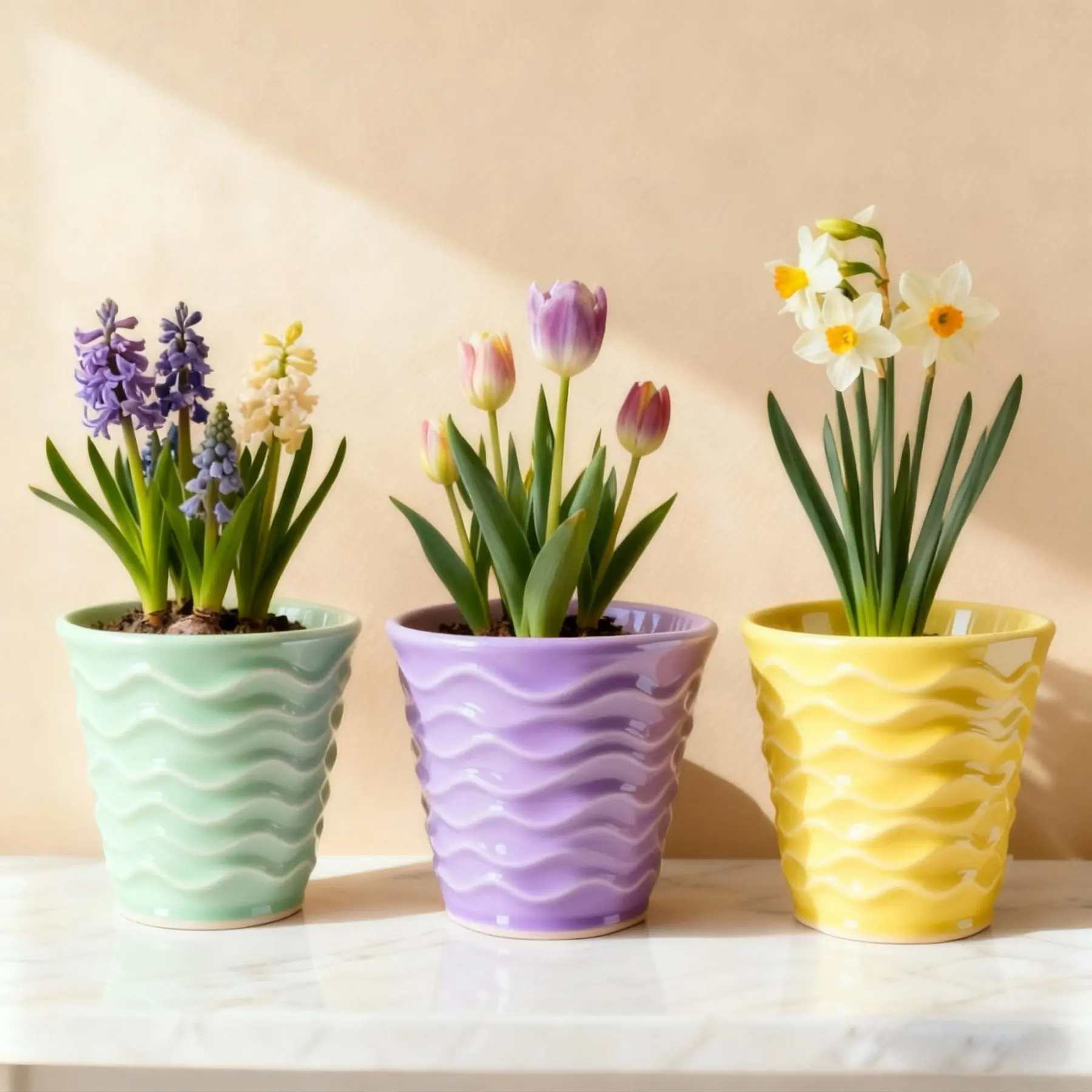
How modern real estate trends, architectural requirements, and environmental policies dictate product development in the pottery sector.
Enterprise procurement professionals are shifting focus from simple cost-per-unit metrics to total cost of ownership (TCO), ESG compliance, and design versatility. Urban growth across major global metropolitan centers has drove record demand for functional greenery systems in both residential apartments and commercial real estate. However, modern buildings require lighter, more resilient ceramics that can support root development while resisting weathering. Our research into lightweight porous clay materials allows us to manufacture planters that are up to 25% lighter than standard high-fired pots, helping developers stay within structural load limit profiles for rooftop and balcony installations.
In response to evolving consumer preferences, we integrate advanced technology into our traditional ceramic lineages. Using 3D computer-aided modeling and AI-driven generative design software, our product development team simulates stress zones under heavy soil loads to optimize wall thickness before firing. This prevents structural deformation during production and extends the life of our pots in high-traffic public installations.
We are also responding to global environmental requirements by researching low-carbon vitrification formulas. By incorporating refined industrial byproducts into our clay bodies, we aim to reduce required firing temperatures by 50°C to 80°C, lowering carbon footprints without sacrificing structural density or glazed aesthetics.
Expert technical answers to critical compliance, logistical, and material questions regarding factory sourcing and bulk procurement.
Explore our holiday and home decor items, designed to complement commercial interior spaces and seasonal retail campaigns.