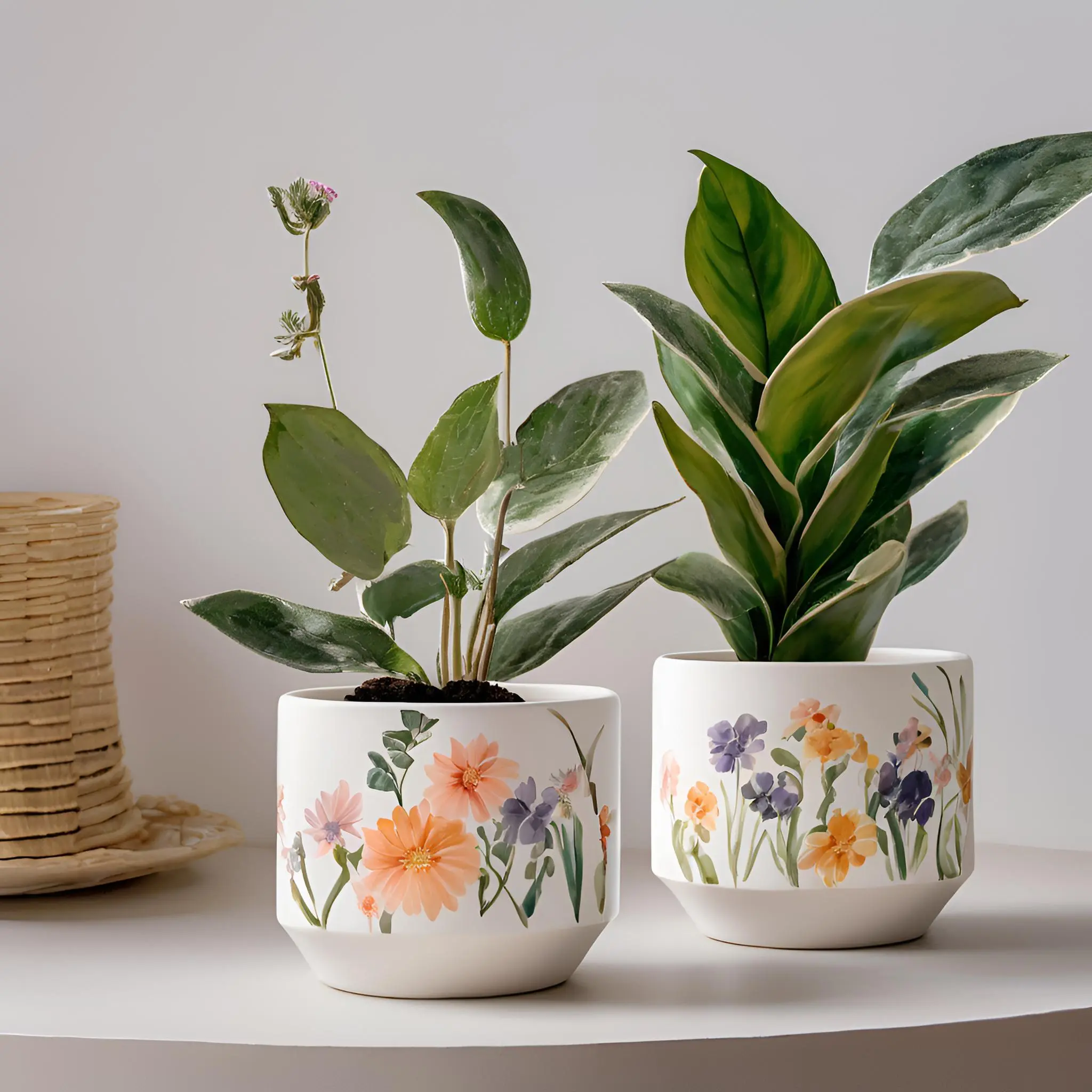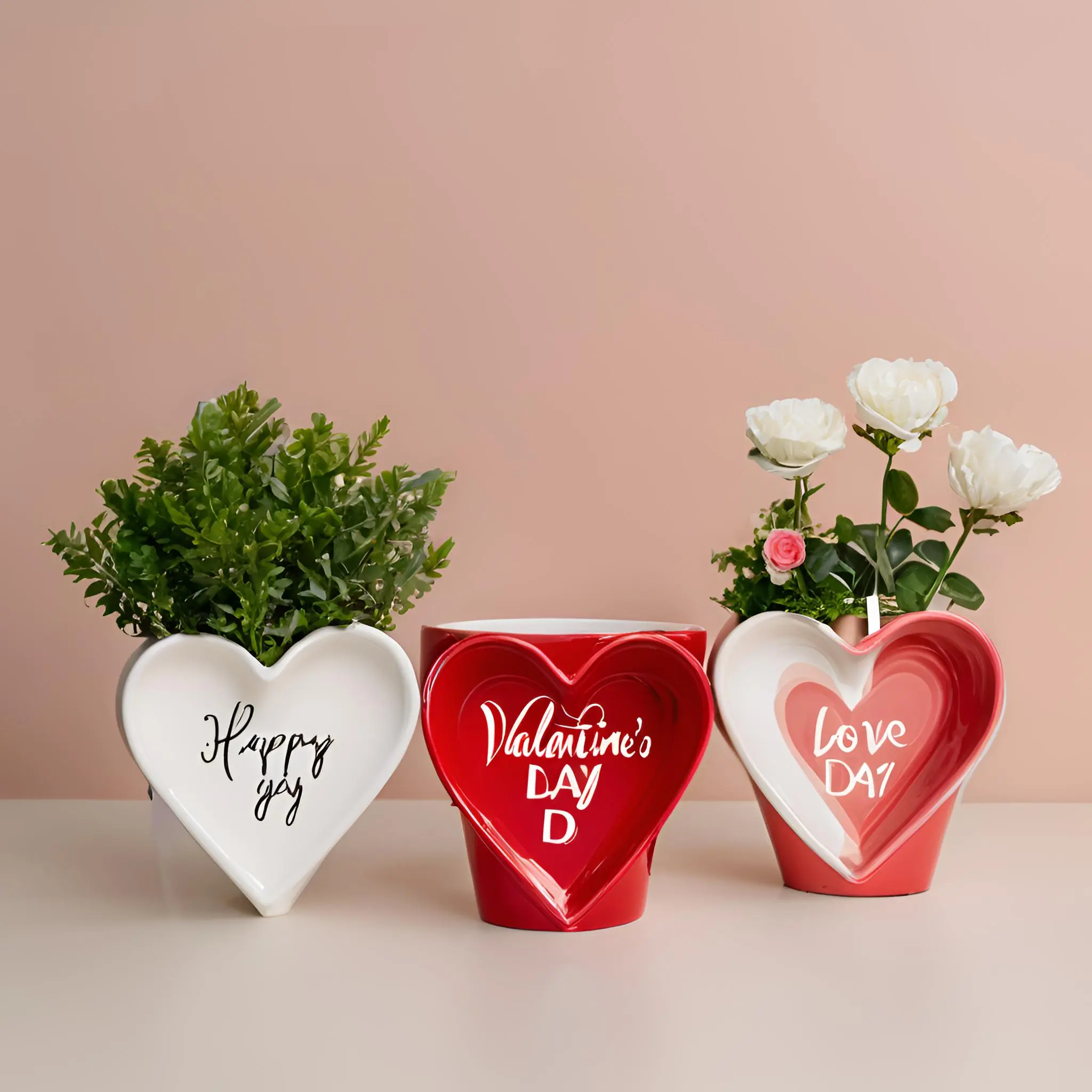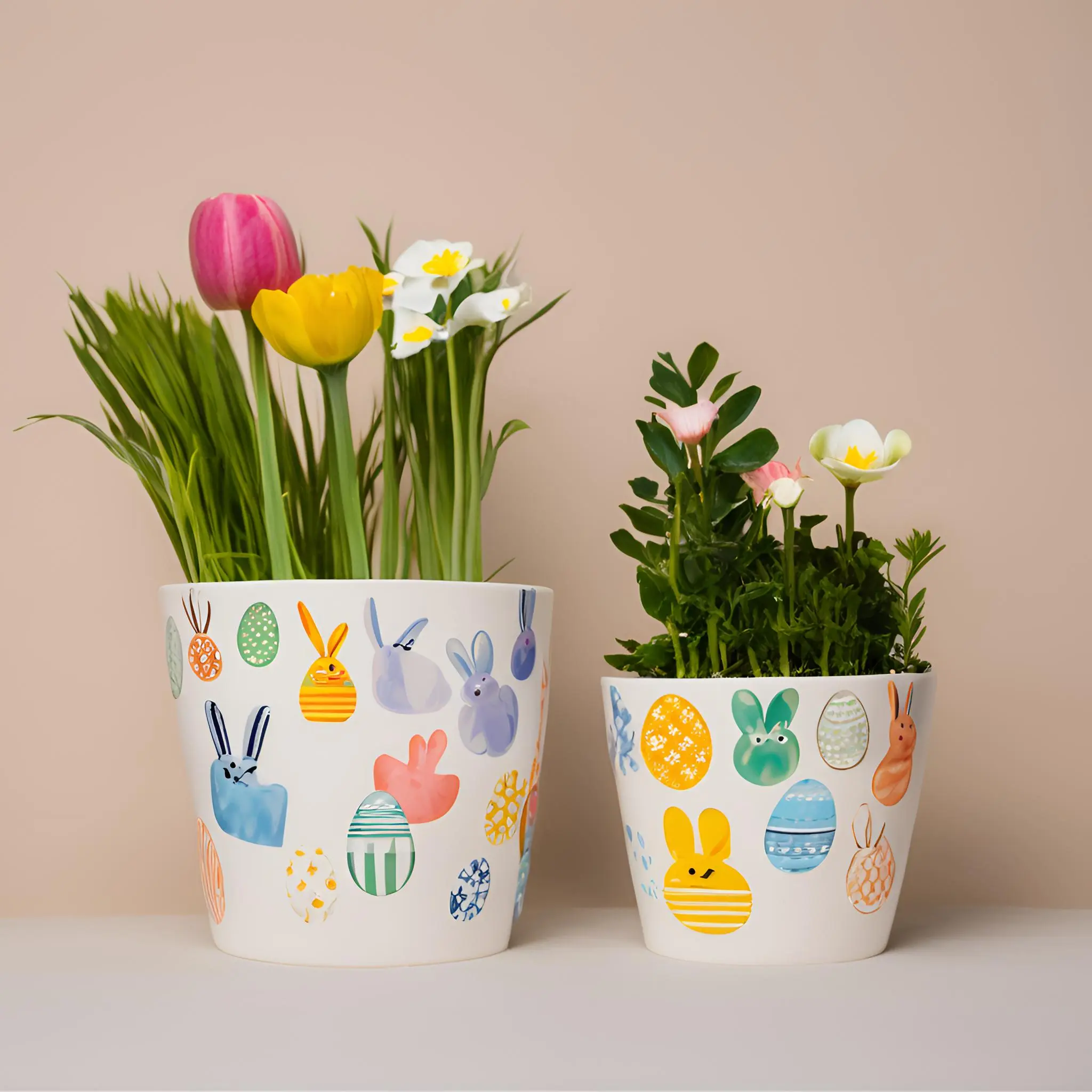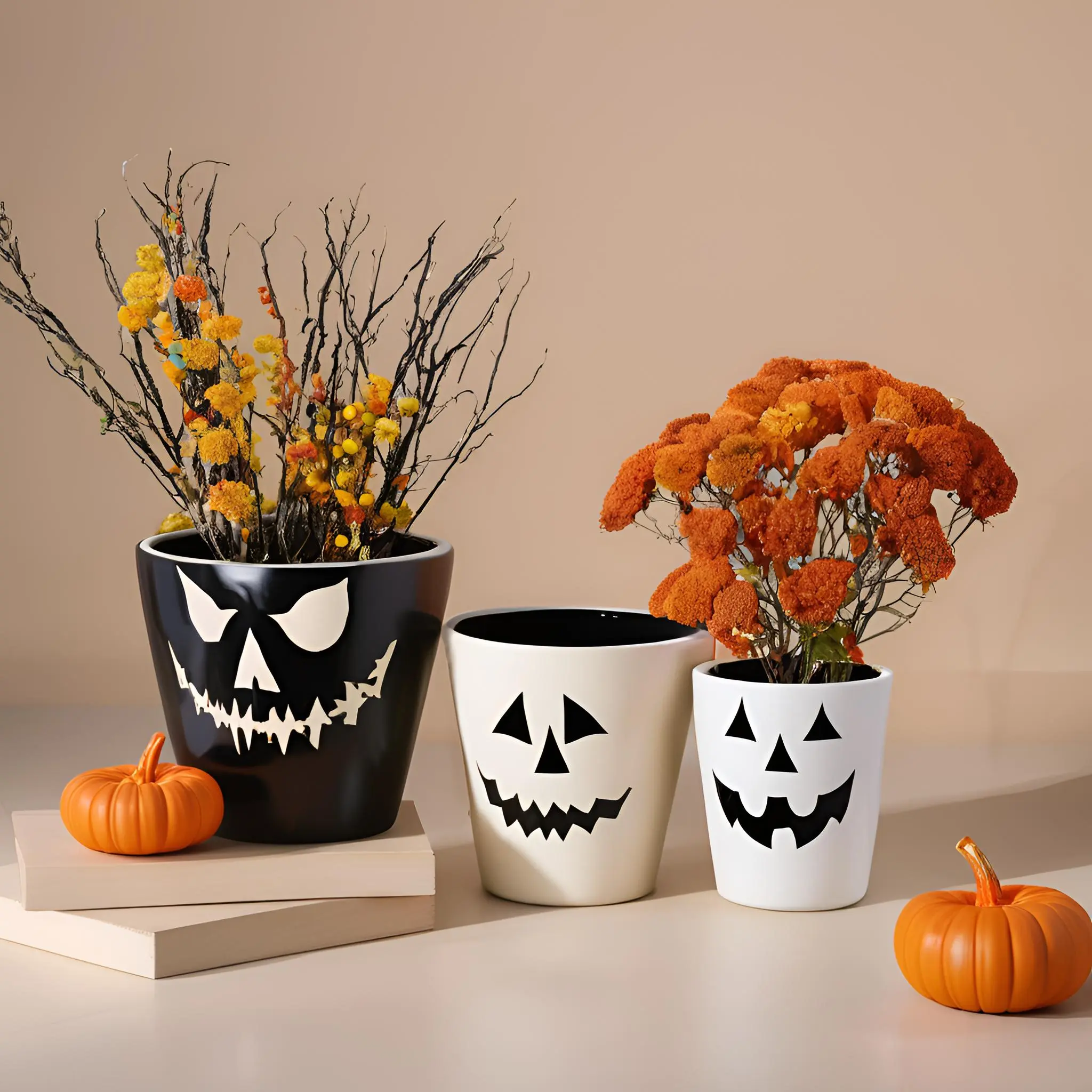
Select premium designs tailored for global hospitality and wholesale distribution
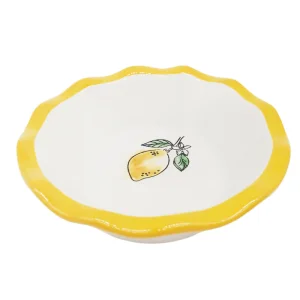
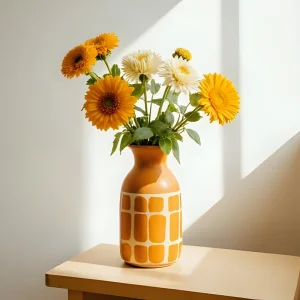
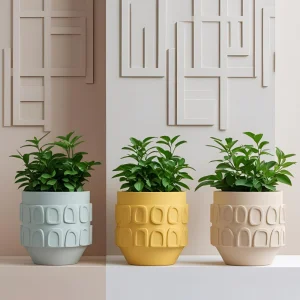

In the modern hospitality, retail, and commercial design sectors, selecting a robust China Ceramic Plate Manufacturer & Factory is no longer just a purchasing decision—it is a critical element of global supply chain optimization. The global dinnerware market size has expanded rapidly, fueled by the revitalization of the hospitality sector (HORECA) and consumers demanding higher aesthetic standards for home dining. In this landscape, Chinese ceramic manufacturers have successfully integrated centuries-old craft traditions with advanced automation and precise quality control protocols.
This industrial white paper provides purchasing directors, global brand owners, and logistics managers with a strategic analysis of sourcing ceramic tableware from China. We discuss technical materials science, safety compliances, logistics, design innovations, and factory audits. Our analysis explains how modern manufacturing practices in key regions like Chaozhou, Dehua, and Liling provide the "Information Gain" needed to make highly profitable and secure procurement decisions.
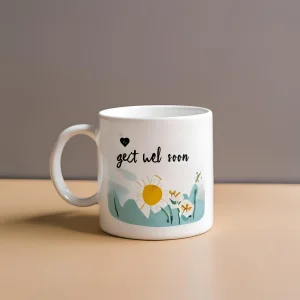
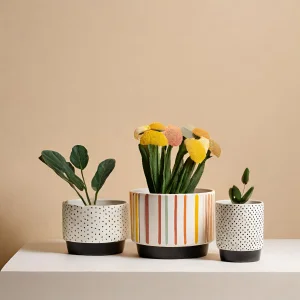
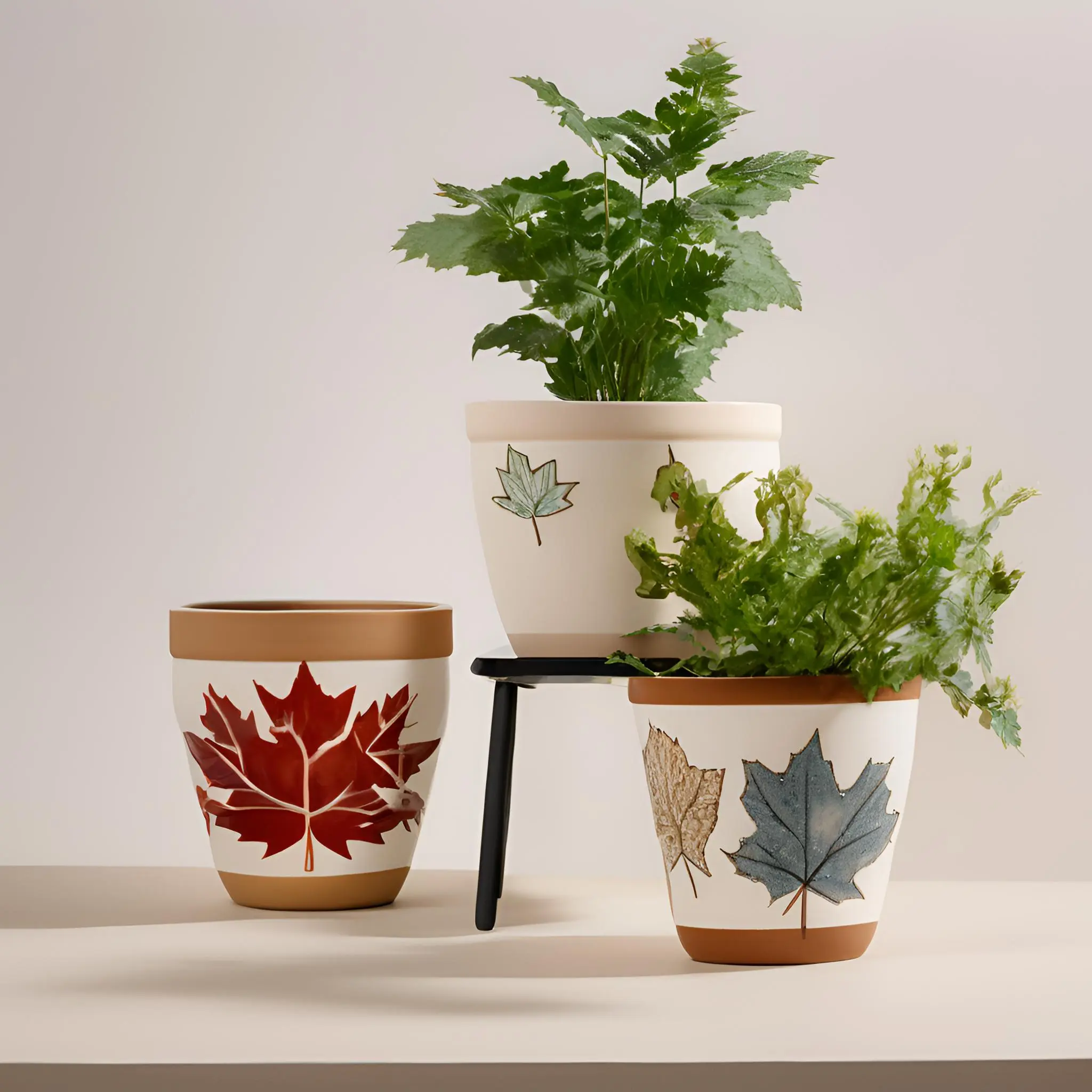
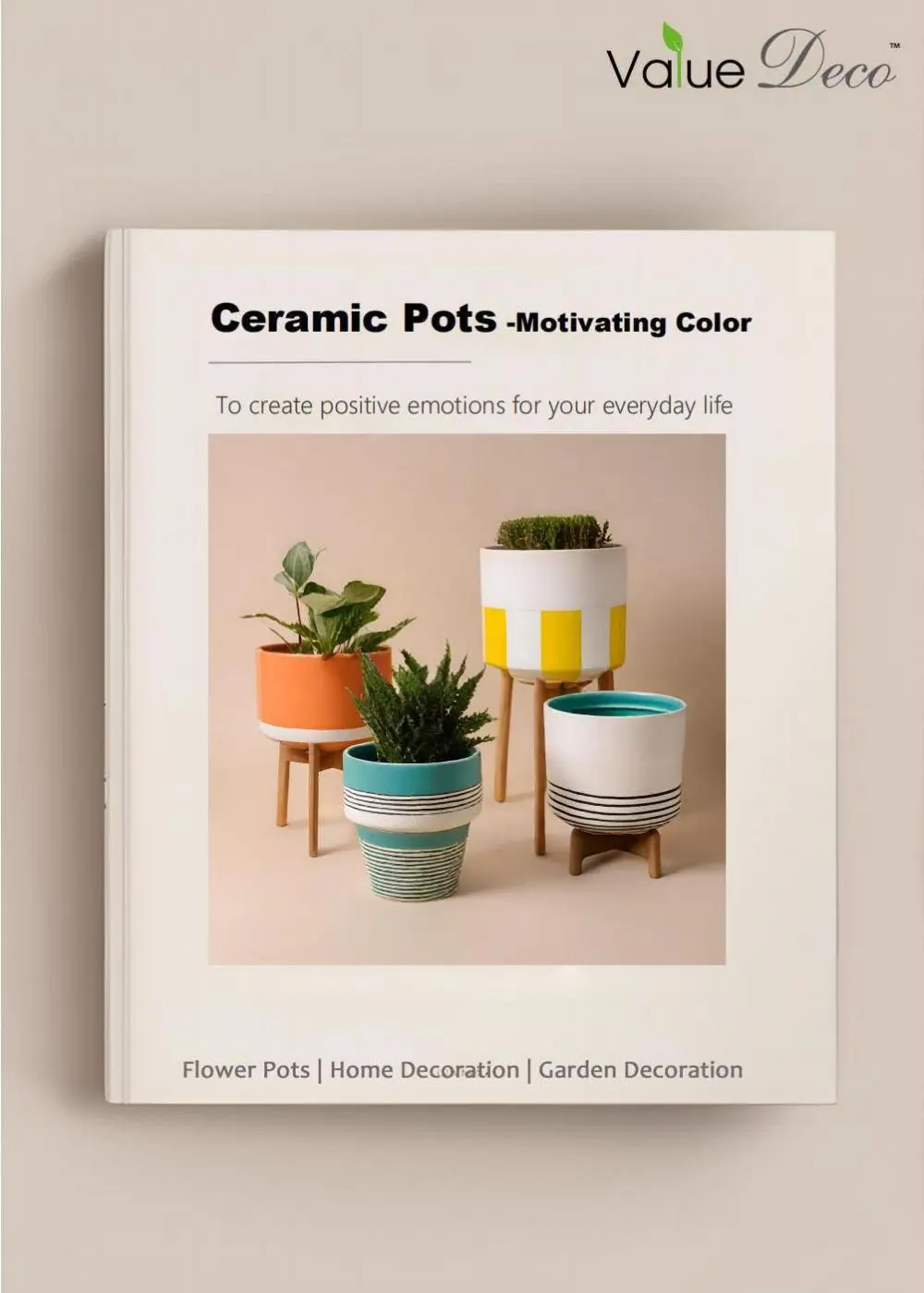
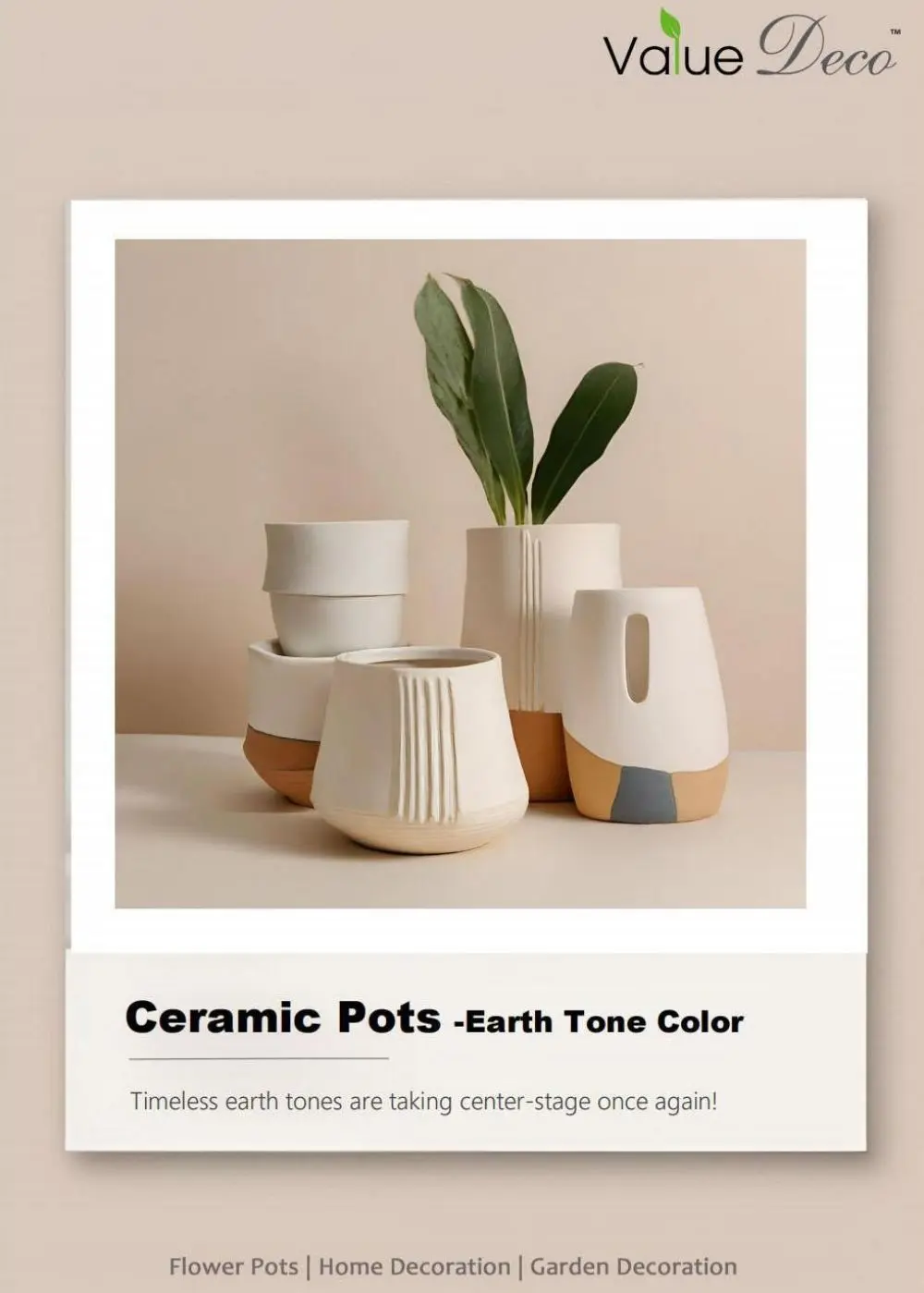
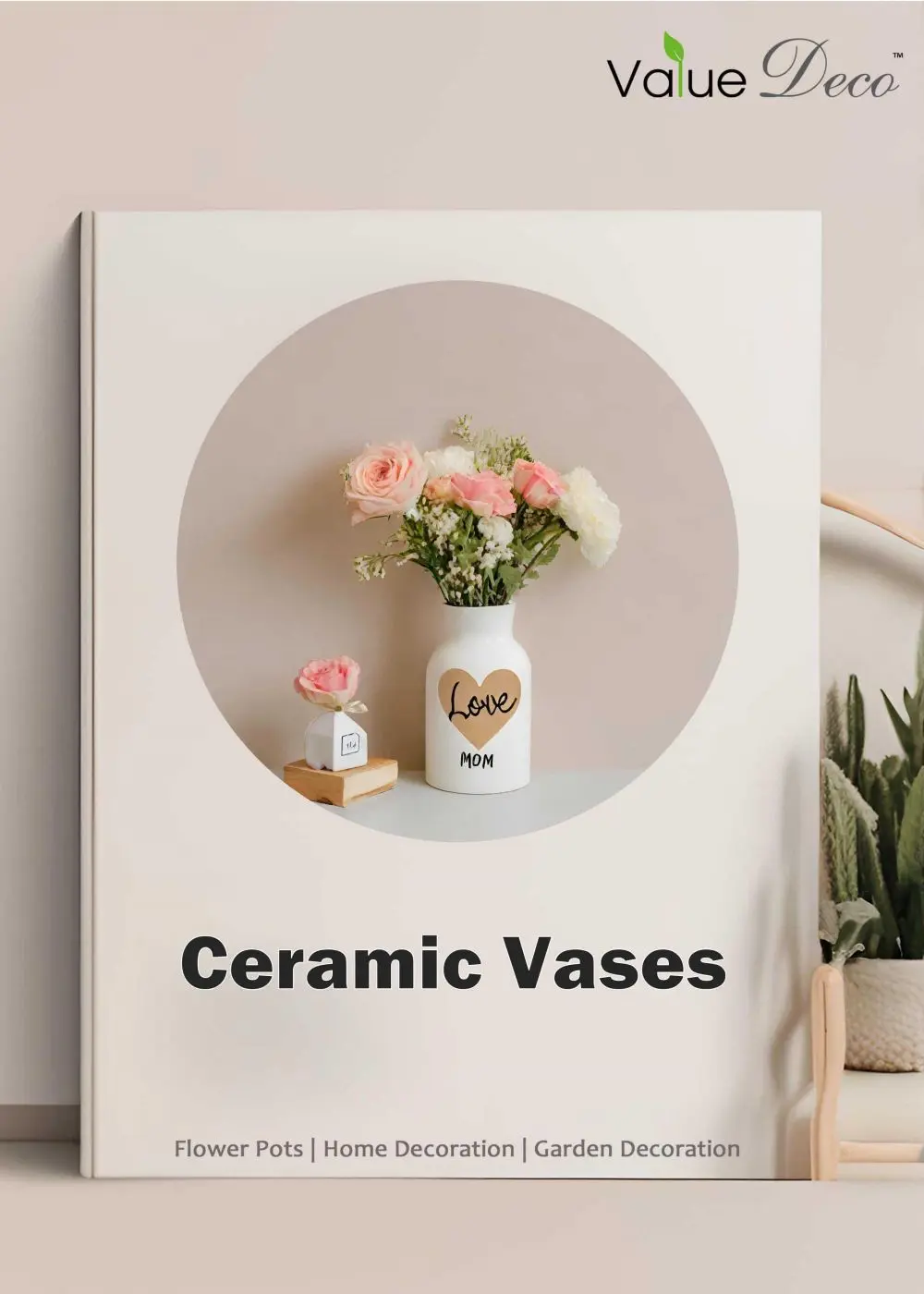
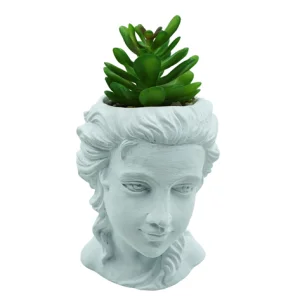
Explore our diverse portfolio spanning functional dinnerware, planters, vases, and home accents
The competitive advantage of a China Ceramic Plate Factory relies on three key elements: specialized industrial clusters, complete raw material supply chains, and advanced kiln technologies. China's ceramic manufacturing regions, such as Chaozhou (the "Ceramic Capital of China") and Dehua, operate as highly integrated industrial ecosystems.
Within these clusters, raw materials, glaze development centers, high-tech tunnel kilns, and global packaging firms operate in close proximity. This high density minimizes inner-provincial transit times, reduces production overheads, and speeds up prototyping.
Additionally, modern Chinese manufacturers utilize computerized tunnel kilns and automated high-pressure casting machines. Unlike traditional batch kilns, continuous tunnel kilns provide precise temperature control, keeping variation within ±5°C. This level of thermal accuracy ensures consistent vitrification, preventing warping, uneven shrinkage, or structural defects across bulk orders.
Utilizing high-speed robotic glazing arms and precise decal printers to guarantee flawless design replication across millions of units.
Sourcing high-grade kaolin clay blended with quartz and feldspar to optimize mechanical strength, thermal shock resistance, and whiteness.
Transitioning to natural gas fired kilns coupled with waste-heat recovery systems to reduce carbon footprint and lower manufacturing costs.
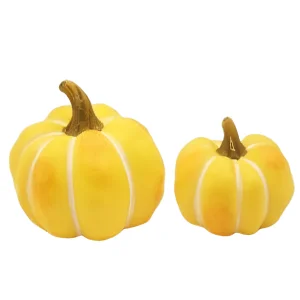
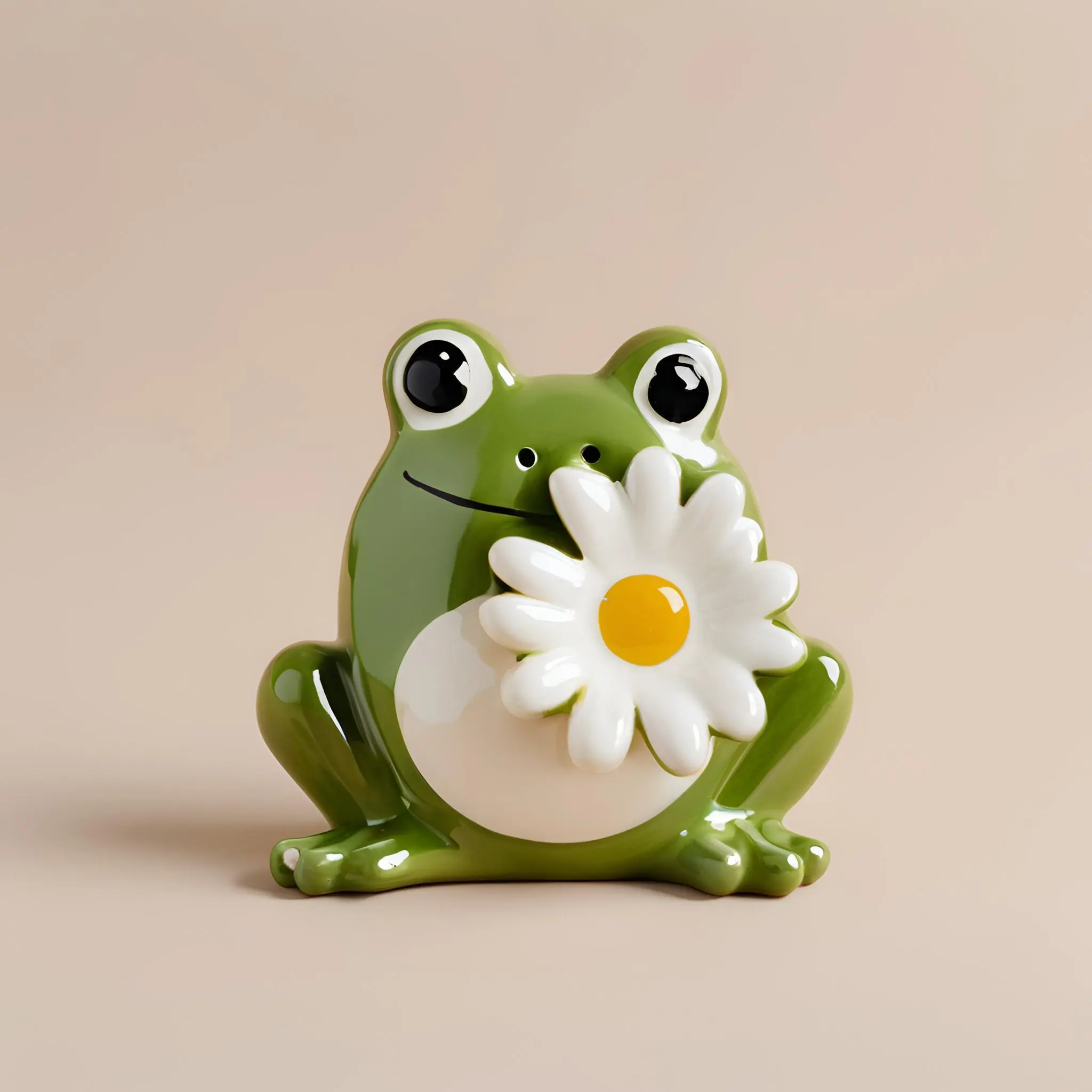
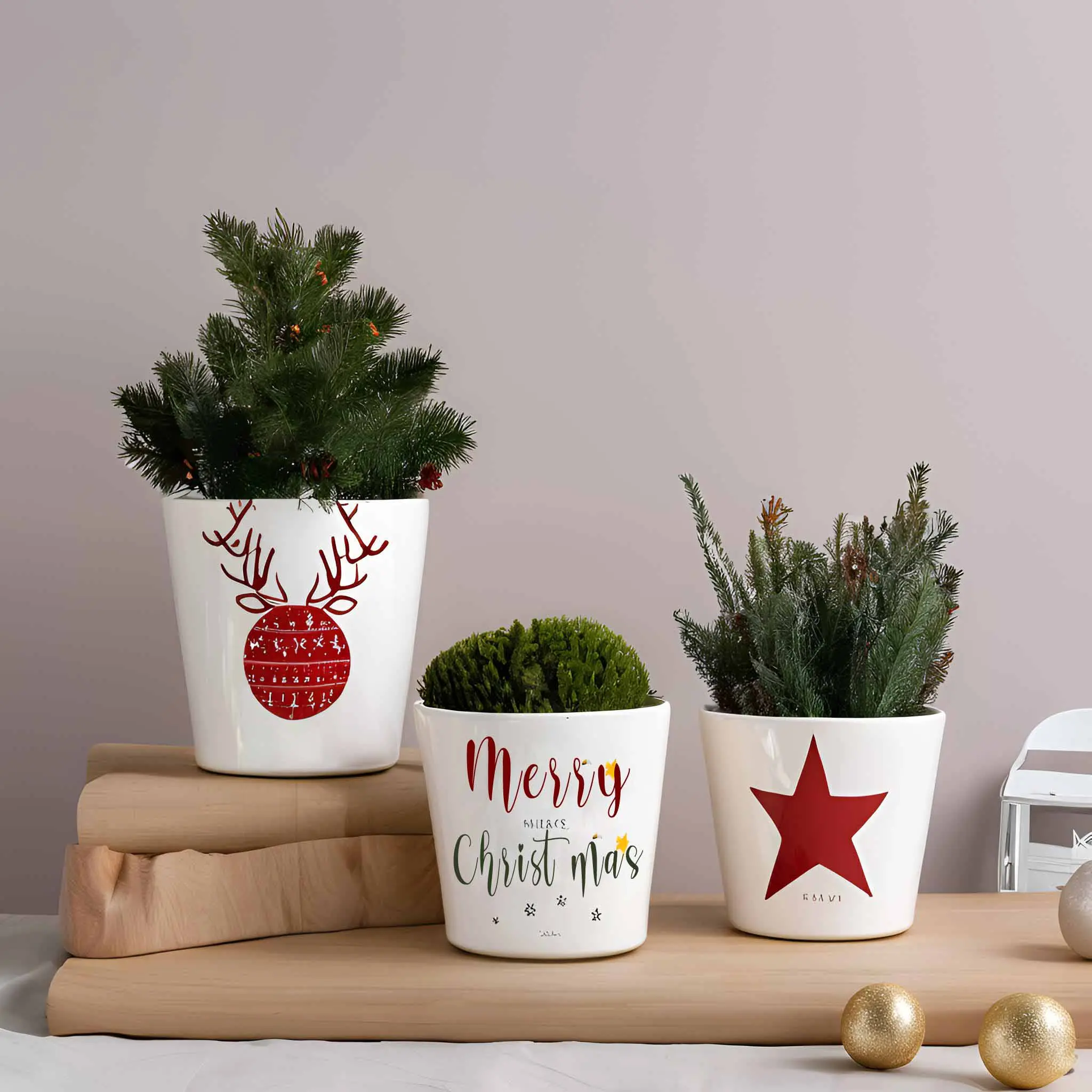
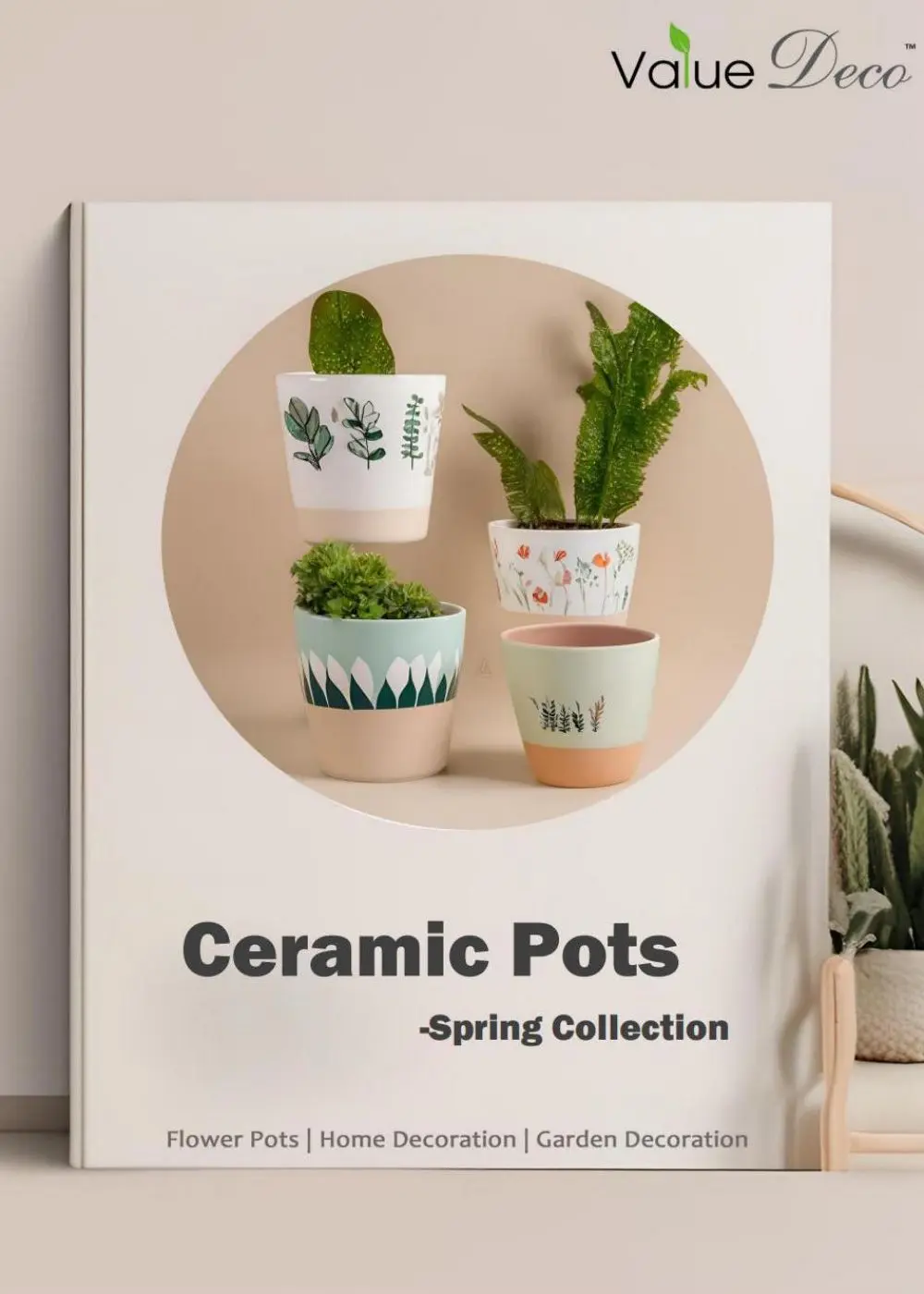
Customized seasonal ranges designed for high sales turnover during major global events
For global distributors and retailers, product safety is a primary concern. Dinnerware comes into direct contact with food, placing it under strict regulatory oversight from agencies like the FDA (United States), LFGB (Germany/Europe), and the European Food Safety Authority (EFSA). The main hazards in substandard ceramic plates are lead and cadmium, which are often found in low-quality overglaze pigments or fluxing agents.
A high-quality China Ceramic Plate Manufacturer & Factory avoids these issues by using lead-free and cadmium-free glazes. During the firing process, the kiln temperatures are elevated to between 1280°C and 1350°C. This high heat vitrifies the clay body and completely seals the glaze, creating an impermeable glass barrier. This barrier prevents lead or cadmium from leaching out, even when the plate is exposed to acidic foods like tomatoes, citrus juice, or vinegar.
Furthermore, reputable manufacturers submit their products to accredited third-party laboratories (such as SGS, TUV, and Intertek) to verify compliance with FDA 7117.06 and 7117.07, as well as California Proposition 65 limits. The table below outlines the standard maximum allowable limits for heavy metal release compared to our export-quality limits:
Value Deco Limited is a leading supplier of high-quality ceramic pots and dinnerware based in China. With over 12 years of experience in the decoration and tableware industry, we have built a strong reputation for offering a diverse range of Flower Pots, Flower Vases, Candle Holders, Home Decoration, Garden Decoration, and Dinnerware suitable for various seasons and applications. Our products are designed to meet modern aesthetic trends, ensuring they serve both a functional purpose and enhance the design of any space.
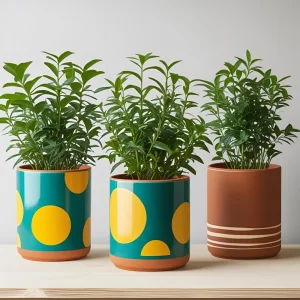
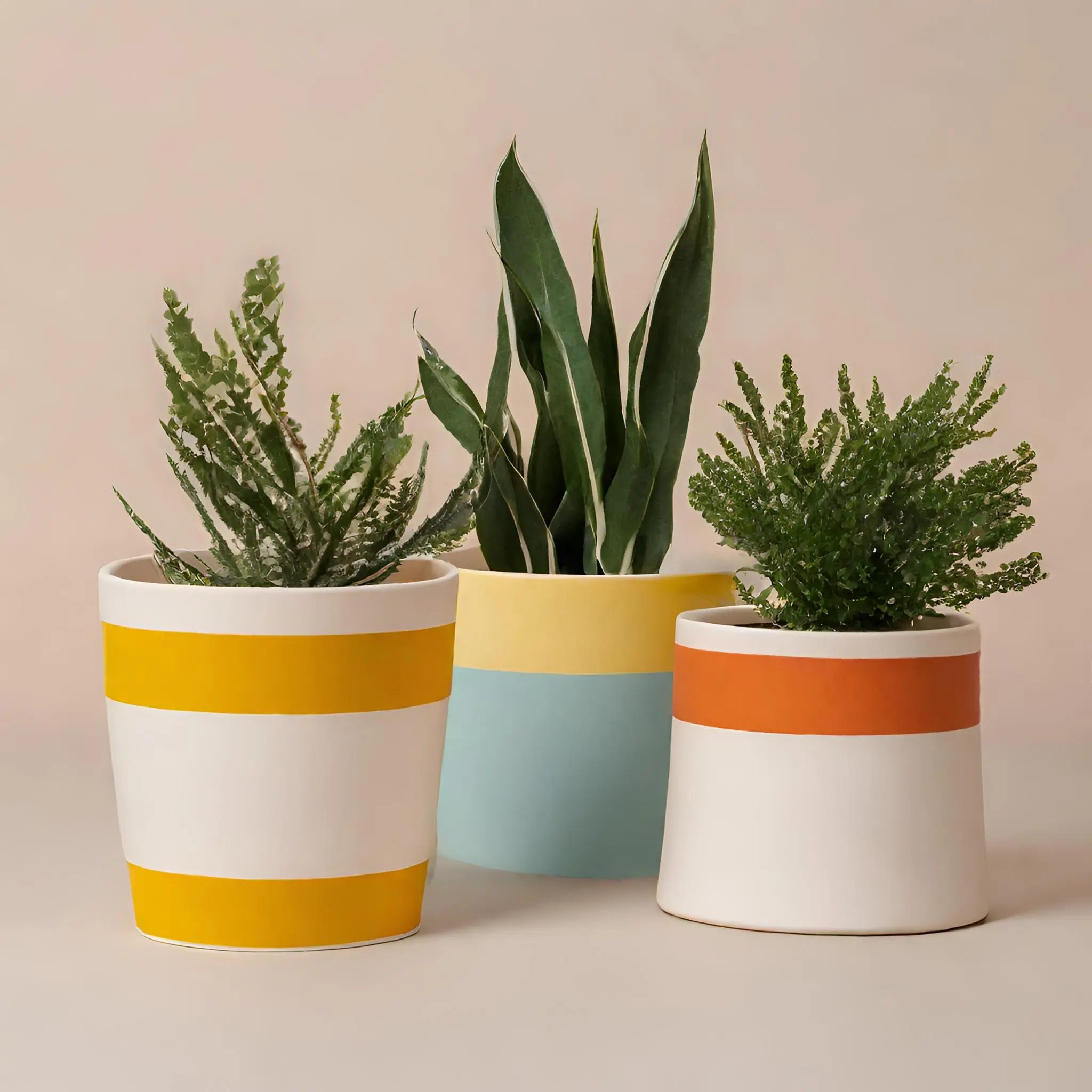
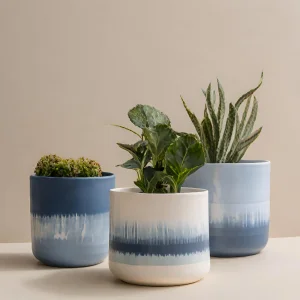
Specialized horticultural and planting solutions for retailers, landscape architects, and plant distributors.
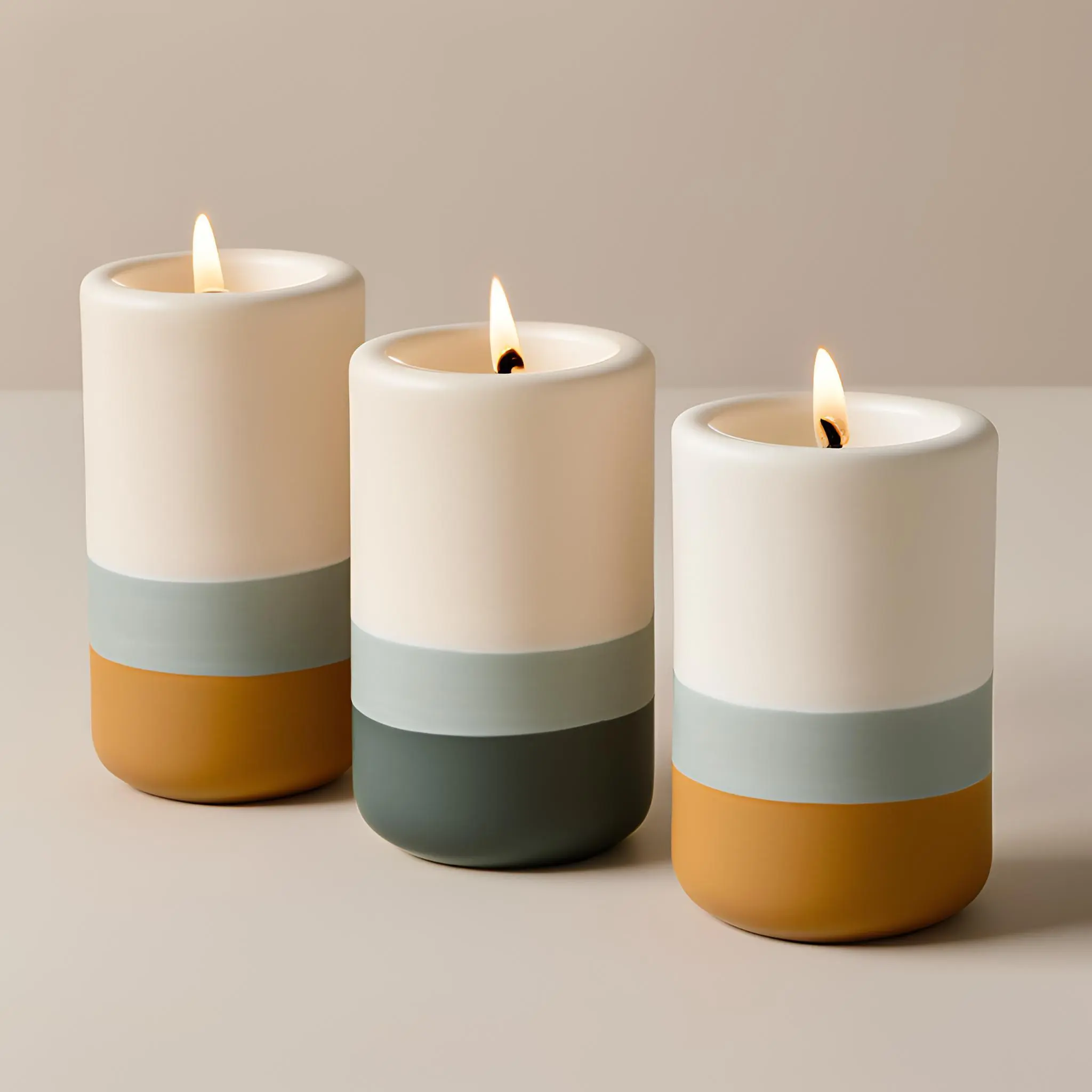
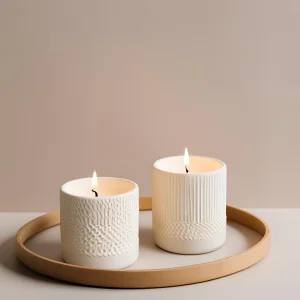
Visit Sub-Website: www.valuedeco.comPremium dinnerware, candle holders, and home accent collections designed for seasonal retail and boutique branding.
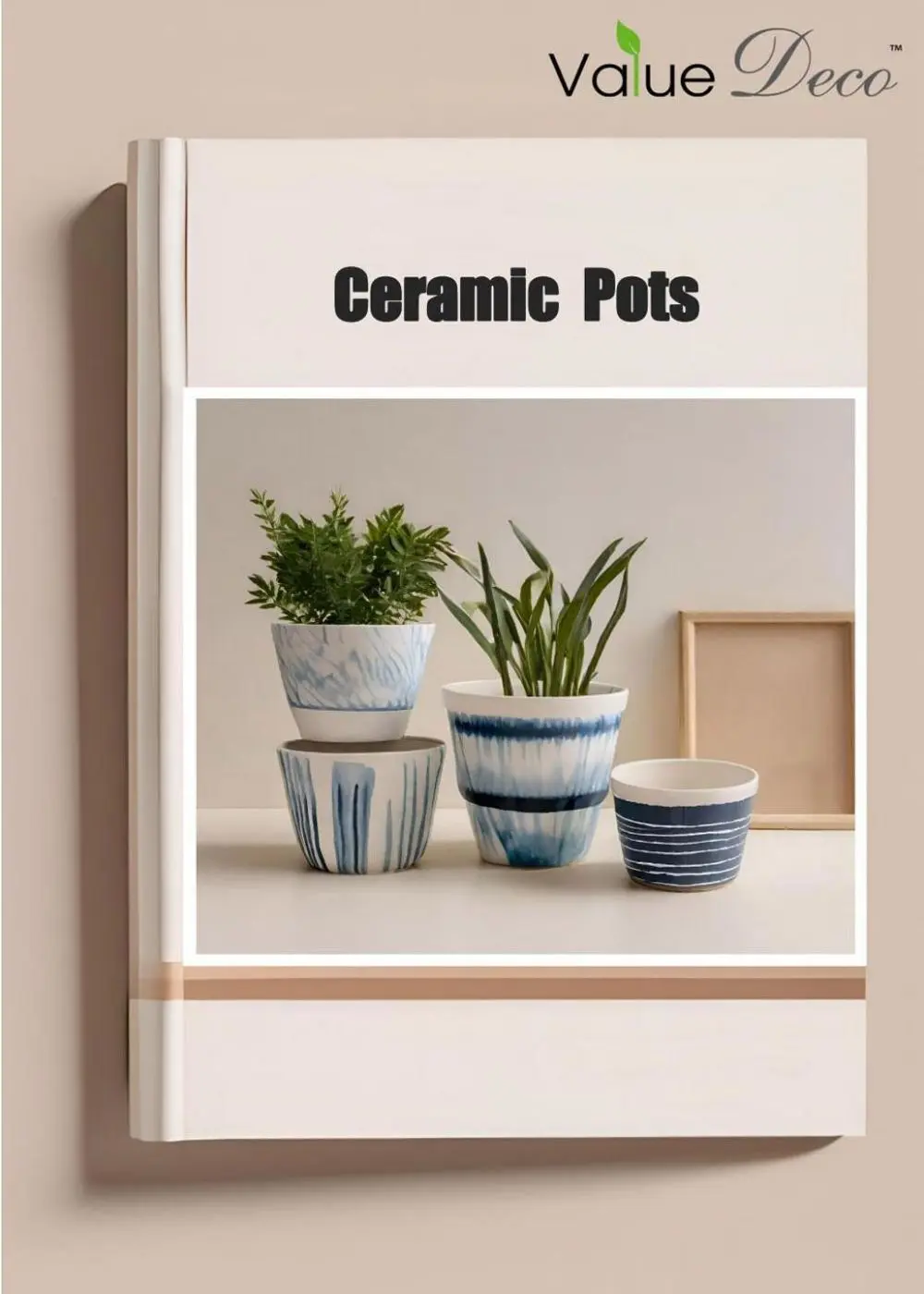
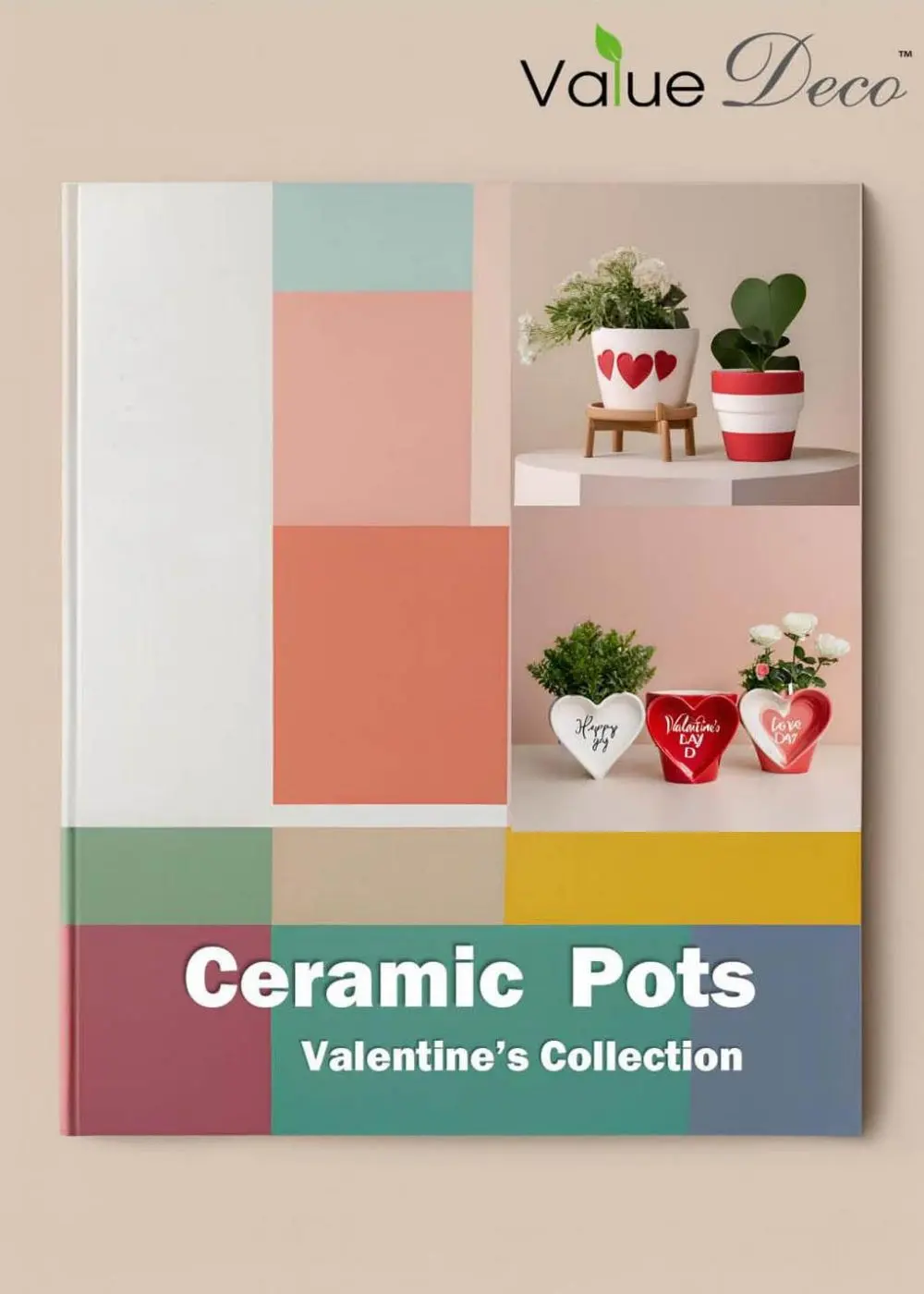
Visit Sub-Website: www.pridedeco.comDownload our digital catalogs to explore wholesale pricing, product dimensions, and packaging specifications
When partnering with a China Ceramic Plate Manufacturer & Factory, establishing clear quality standards and performing regular factory audits are vital steps for risk mitigation. Importers should request verifiable compliance documents rather than relying solely on catalog images. Key certifications to look for include:
ISO 9001:2015: Verifies that the factory operates under a recognized Quality Management System (QMS). This ensures systematic tracing of defects, regular calibration of kiln equipment, and standardized training for workers.
BSCI (Business Social Compliance Initiative) & SEDEX: These social compliance audits verify fair wages, safe working environments, and reasonable hours for factory employees. They are often required by major retailers like Walmart, IKEA, and Target.
AQL 2.5/4.0 Standards: During pre-shipment inspections, products should be checked using the Acceptable Quality Limit (AQL) standard. This process inspects plates for critical defects (pinholes, cracks), major defects (glaze runs, uneven decals), and minor blemishes. This ensures consistent batch quality and helps prevent unsellable inventory from reaching your warehouse.
Contemporary textures and modern glazes matching global design trends
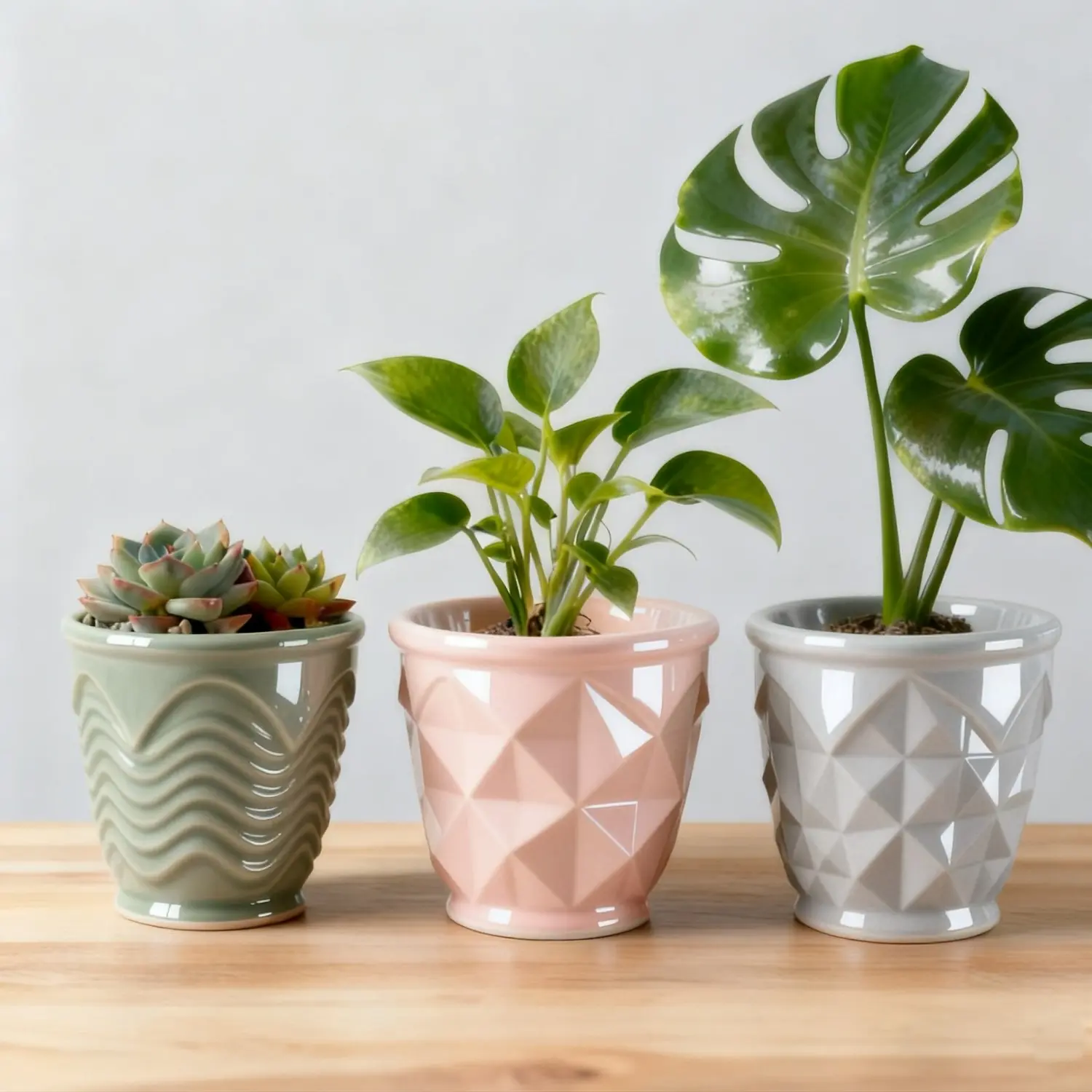
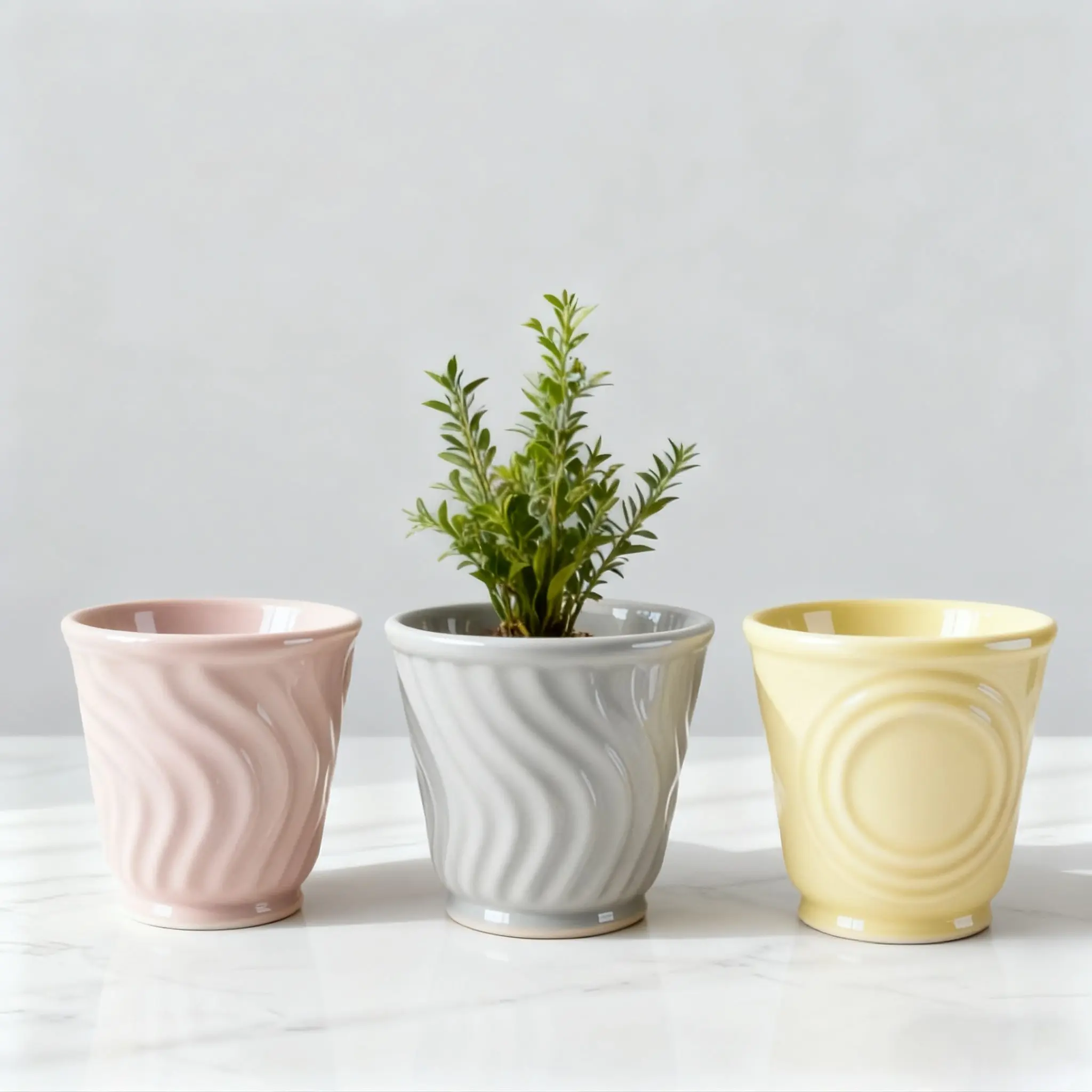
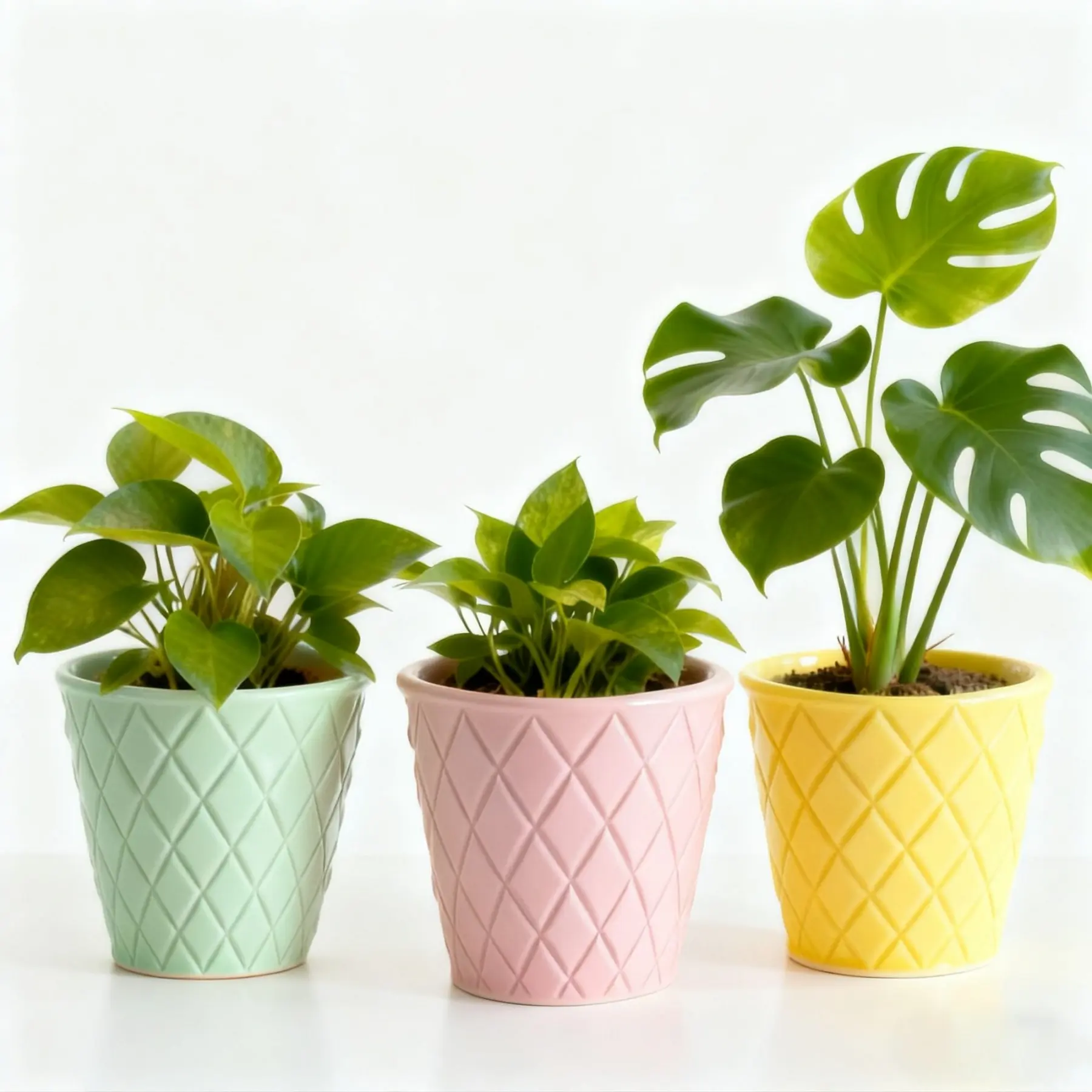
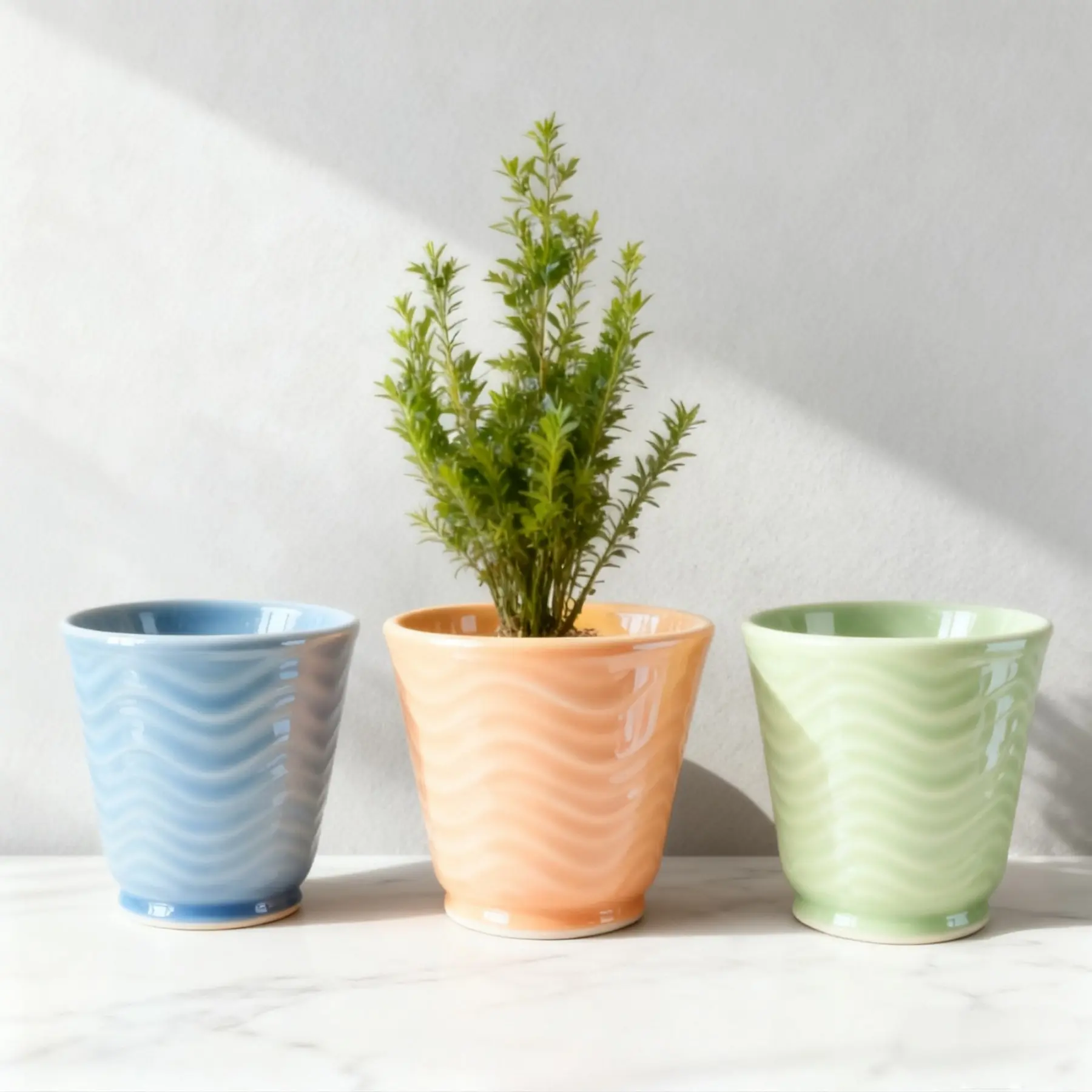
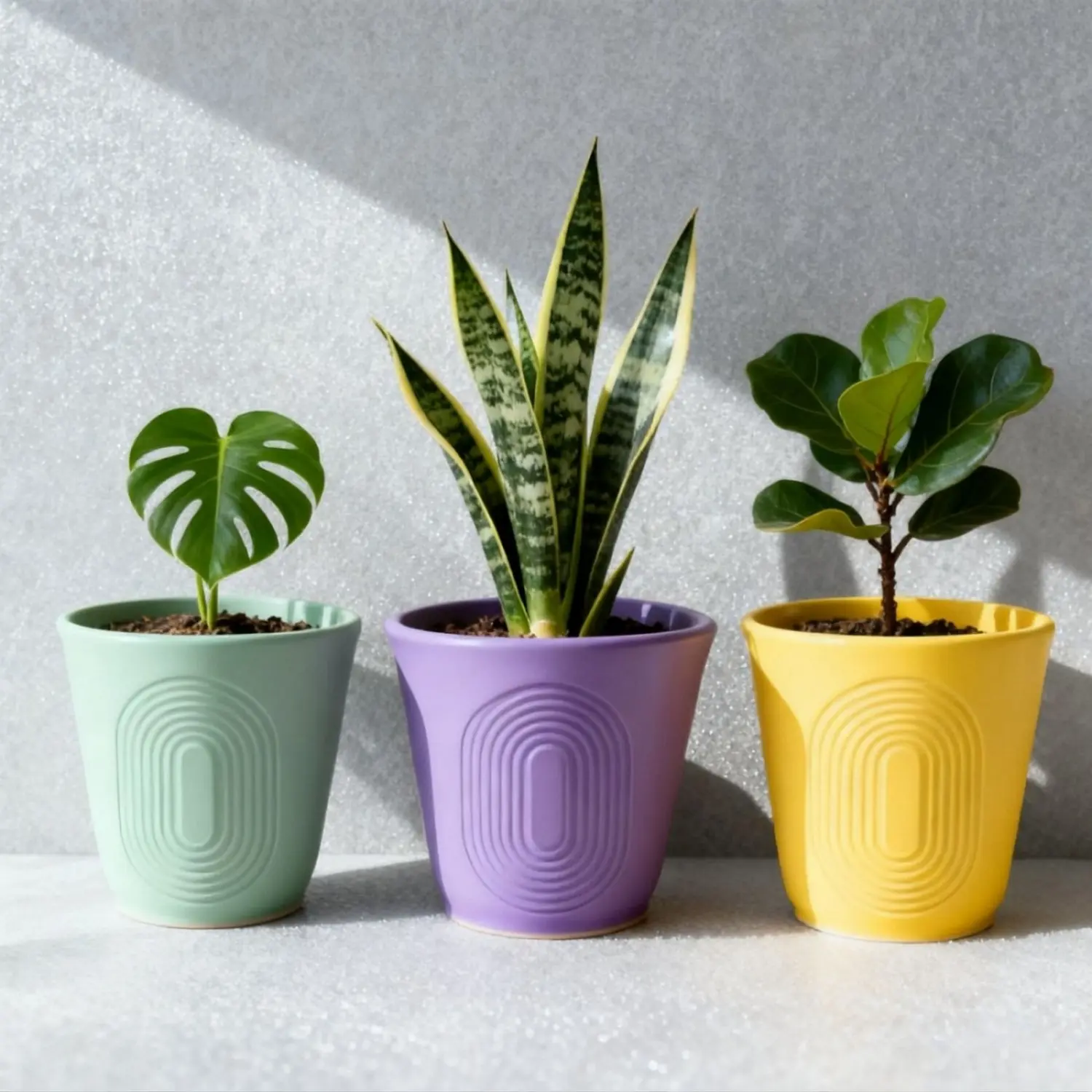
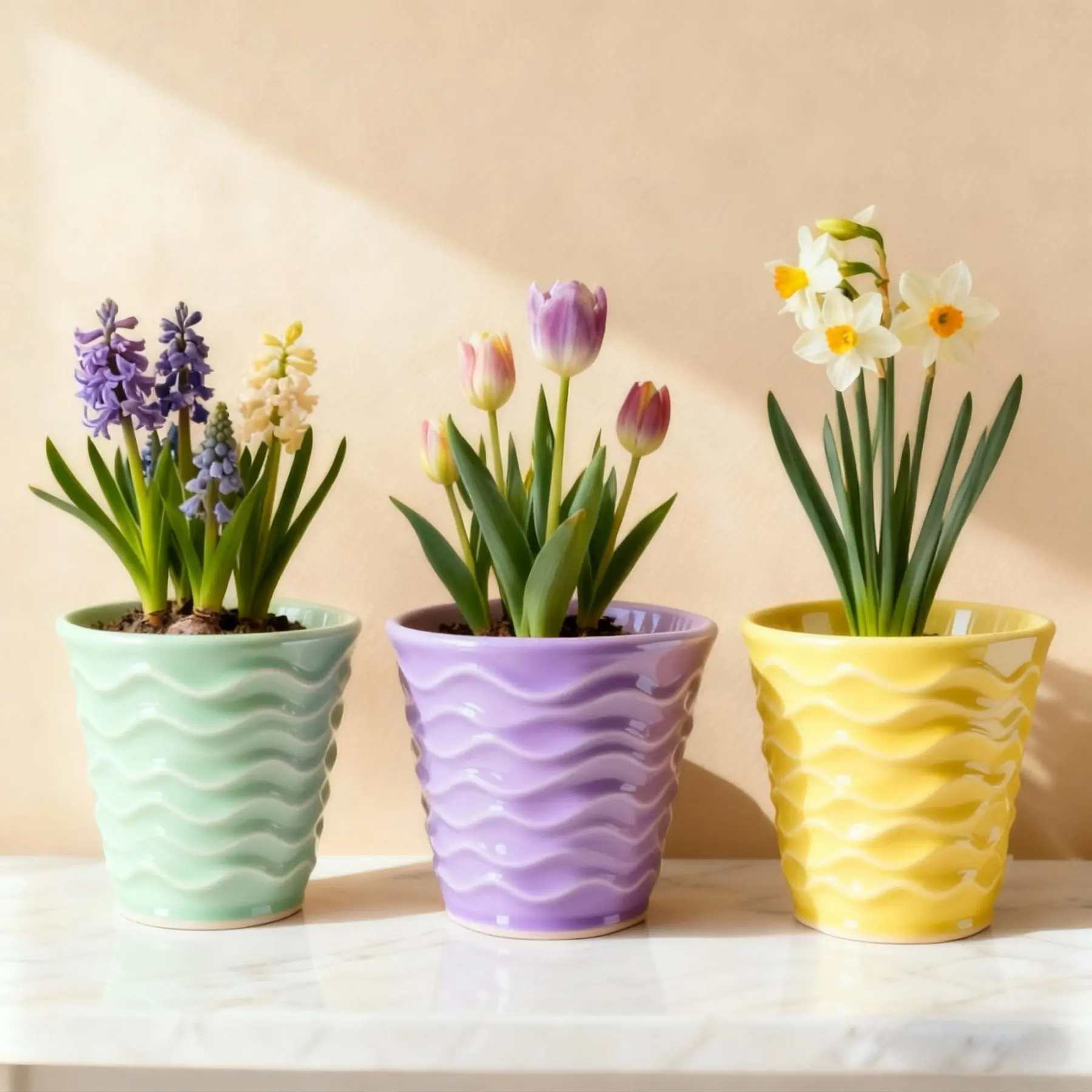
The global ceramic dinnerware market is shifting from plain, high-gloss white plates to tactile, textured surfaces. We observe three dominant trends guiding current retail and restaurant procurement:
1. Reactive Glazes & Organic Imperfections: Modern consumers prefer dinnerware with a handmade look. Reactive glazes create unique variegated colors and textures in the kiln, giving each plate a distinct appearance while maintaining a durable, non-porous surface.
2. High-Alumina Edge Reinforcement: For the HORECA (Hotel, Restaurant, and Café) sector, chipping is a major cost driver. Advanced manufacturers add alumina to the clay body. This mineral reinforcement strengthens the edges, helping the plates resist chipping and withstand high-volume commercial dishwashers.
3. Ergonomic Geometric Embossing: Our recent collections feature raised arches, linear ridges, and diamond patterns. These patterns provide visual interest and improve handling grip, reducing drop-related breakage in busy restaurant environments.
Ceramic dinnerware requires careful, secure packaging during international transit. A reputable manufacturer uses customized drop-tested packaging solutions to prevent breakage during sea freight. Standard packaging configurations include:
Inner Box Isolation: Every plate is separated by EPE foam or corrugated cardboard inserts. This layout prevents surface scratches and dampens vibrations during transport.
Export-Grade Outer Cartons: We use 5-layer double-wall corrugated cartons that are moisture-resistant and have a burst test rating of at least 250 psi.
Palletization & Stretch Wrapping: Shipments are packed onto fumigated wooden or plastic pallets. The pallets are then wrapped in stretch film and reinforced with plastic corner protectors to ensure stability in the container.
Answers to common B2B procurement queries regarding MOQ, customs clearance, and manufacturing lead times
Our standard MOQ is typically 1,000 to 3,000 pieces per design, depending on the plate size and the complexity of the glaze or decal. For standard, ready-to-ship molds, we can often accommodate smaller test batches of 500 pieces.
We source only lead-free glazes and execute our main glaze firing at temperatures between 1280°C and 1350°C. We also run internal lab testing and partner with third-party testing agencies like SGS to certify that every production run complies with FDA and European safety regulations.
Prototyping and sample verification usually take 7 to 10 days. Once the pre-production sample is approved, bulk production requires 35 to 45 days. Ocean shipping times vary by destination, typically taking 15 to 25 days to Asian-Pacific ports, and 30 to 45 days to North America and Western Europe.
Yes. We offer comprehensive OEM/ODM services. Our engineering team can create custom CAD models for new plate shapes, build test molds, and apply custom silk-screen decals. This helps ensure your private label dinnerware is produced to your exact specifications.
We use export-grade, drop-tested packaging to keep transit damage under 1%. In the rare event that defective items or damage are found upon arrival, we offer replacement items or credits in your next order. All claims must be submitted with photos within 30 days of container unloading.
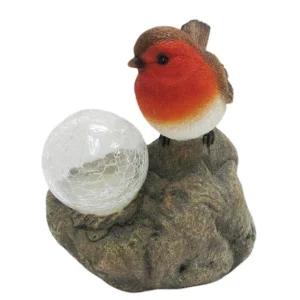
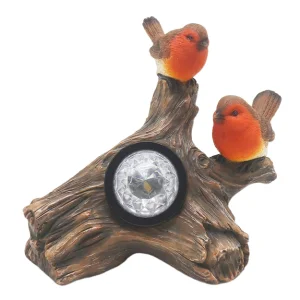
Highly durable ceramic mugs, seasonal tableware, and solar-powered outdoor garden decorations