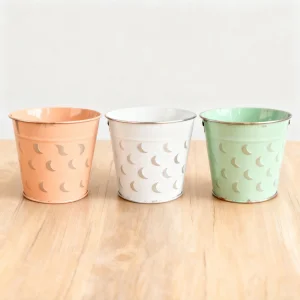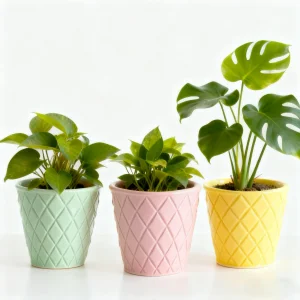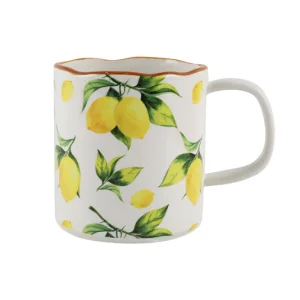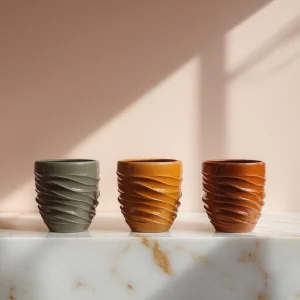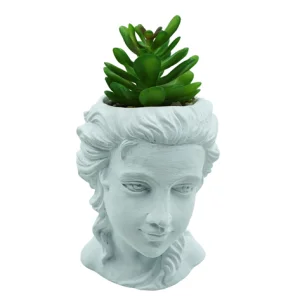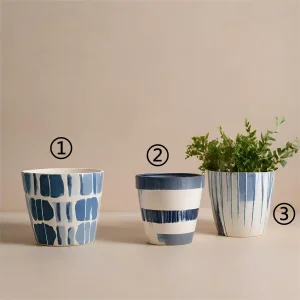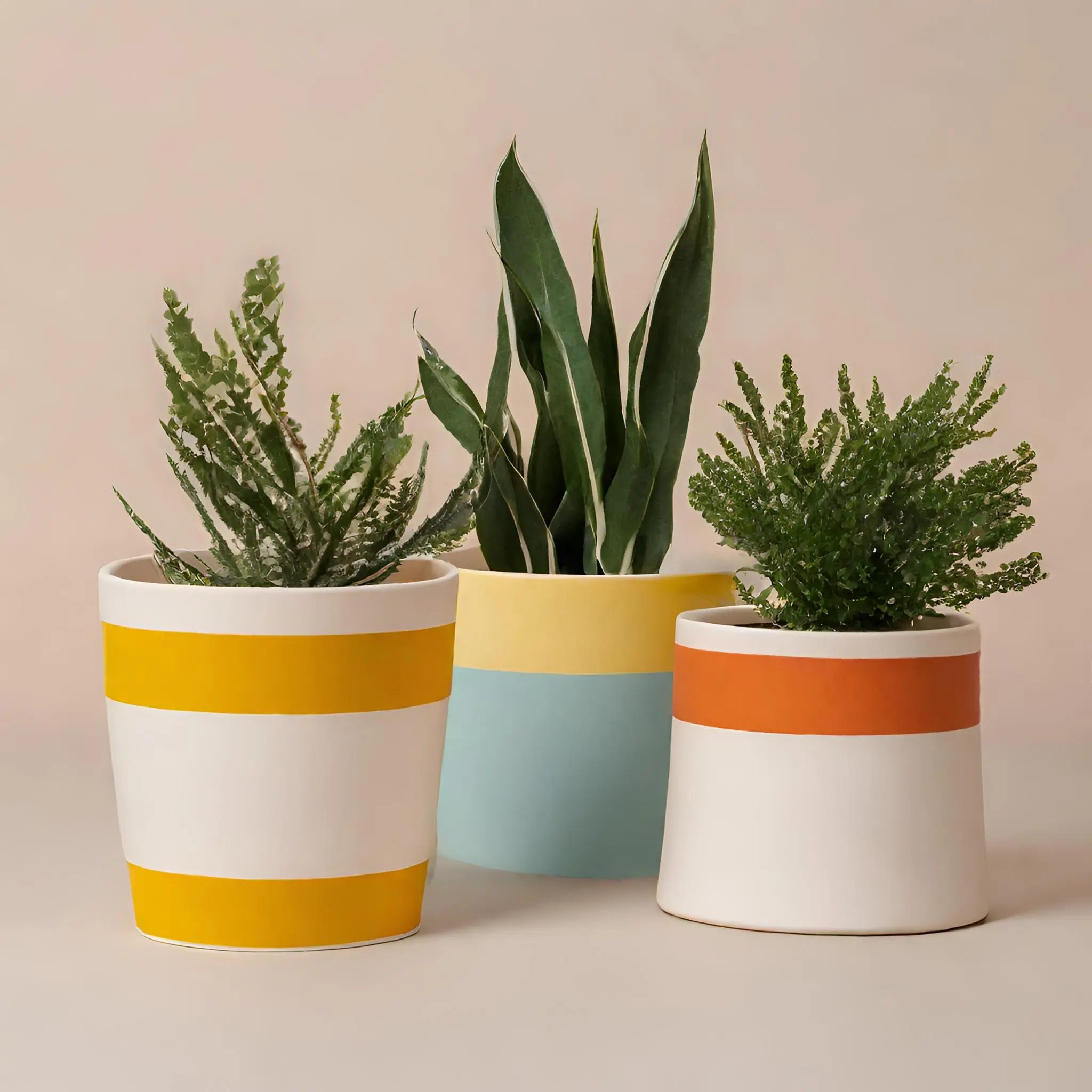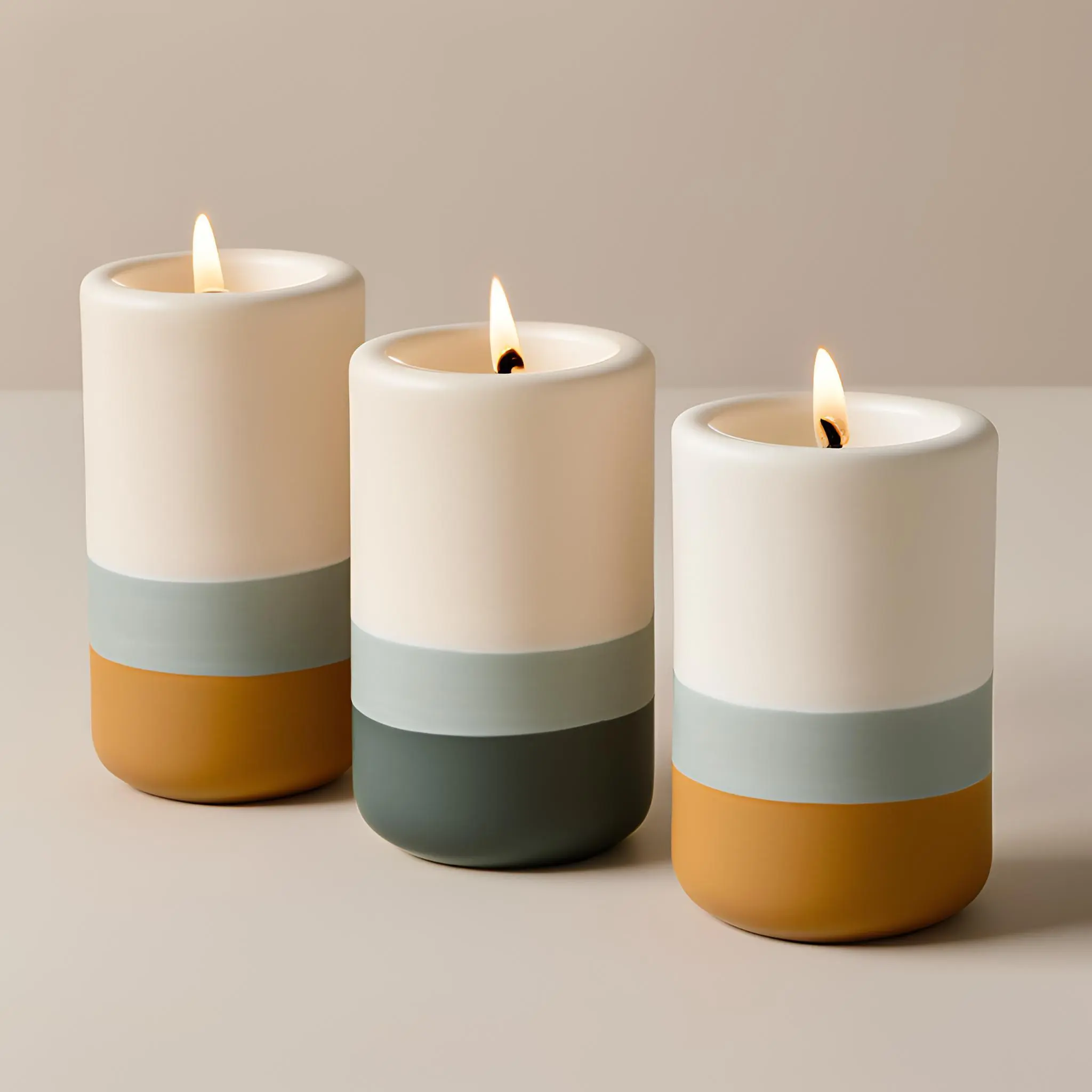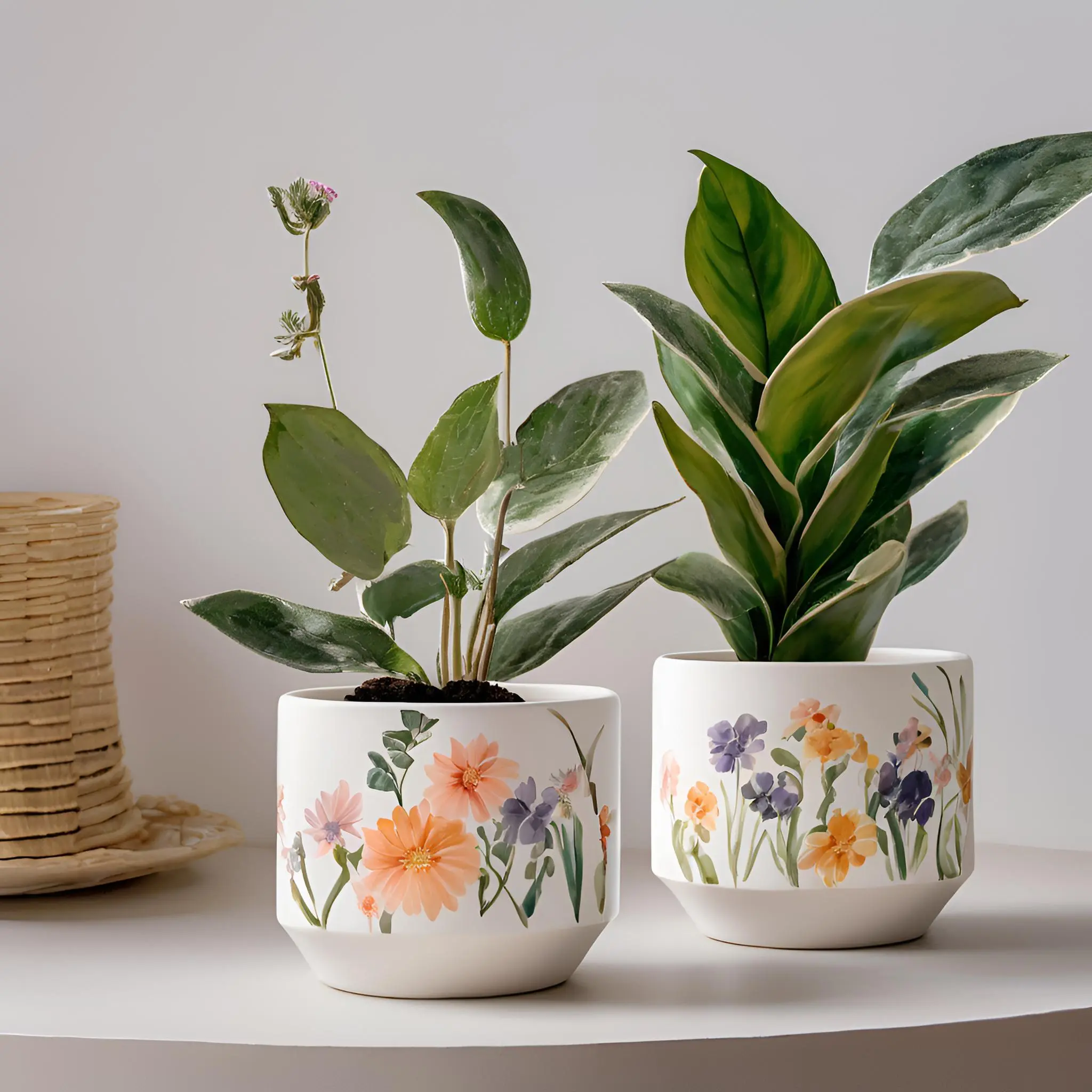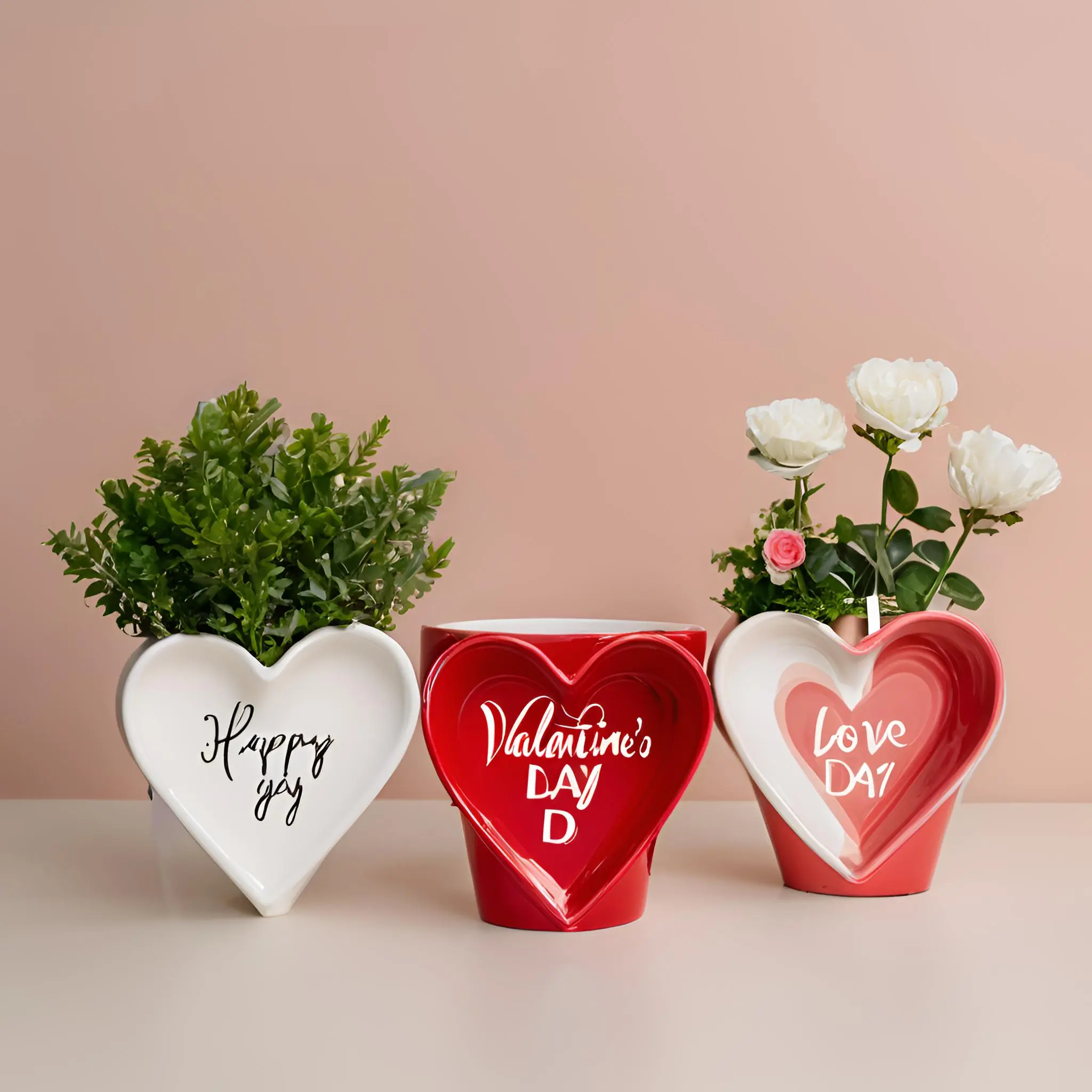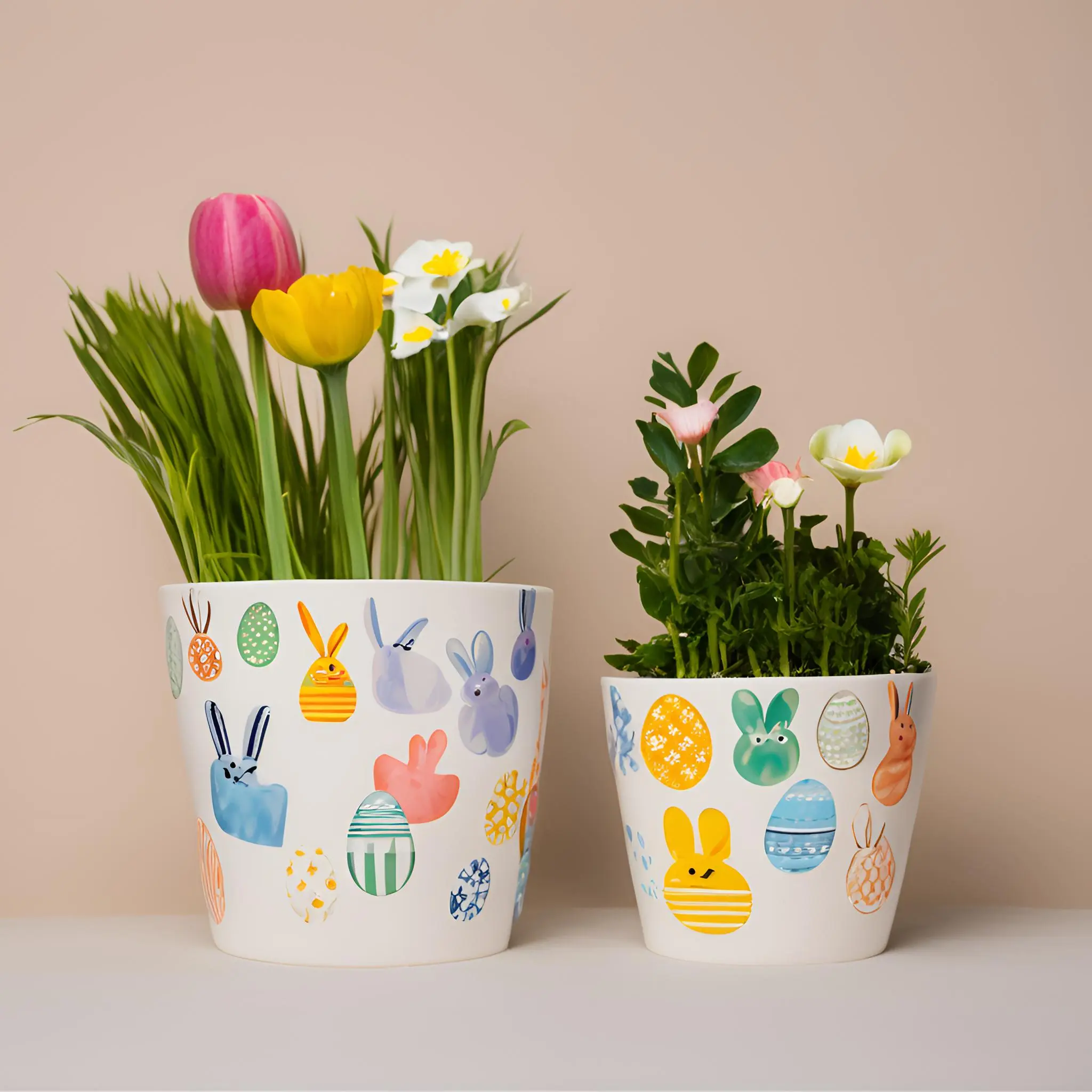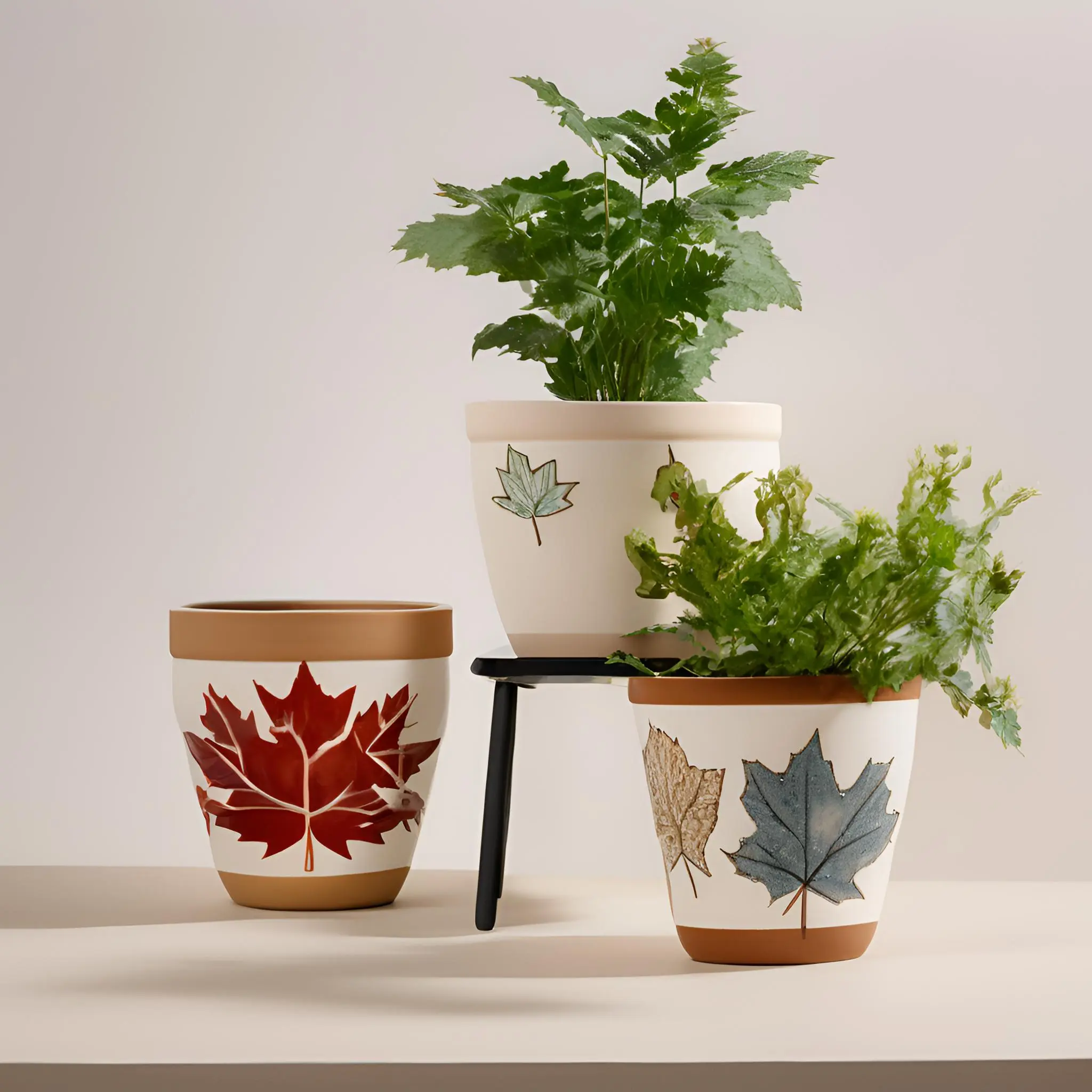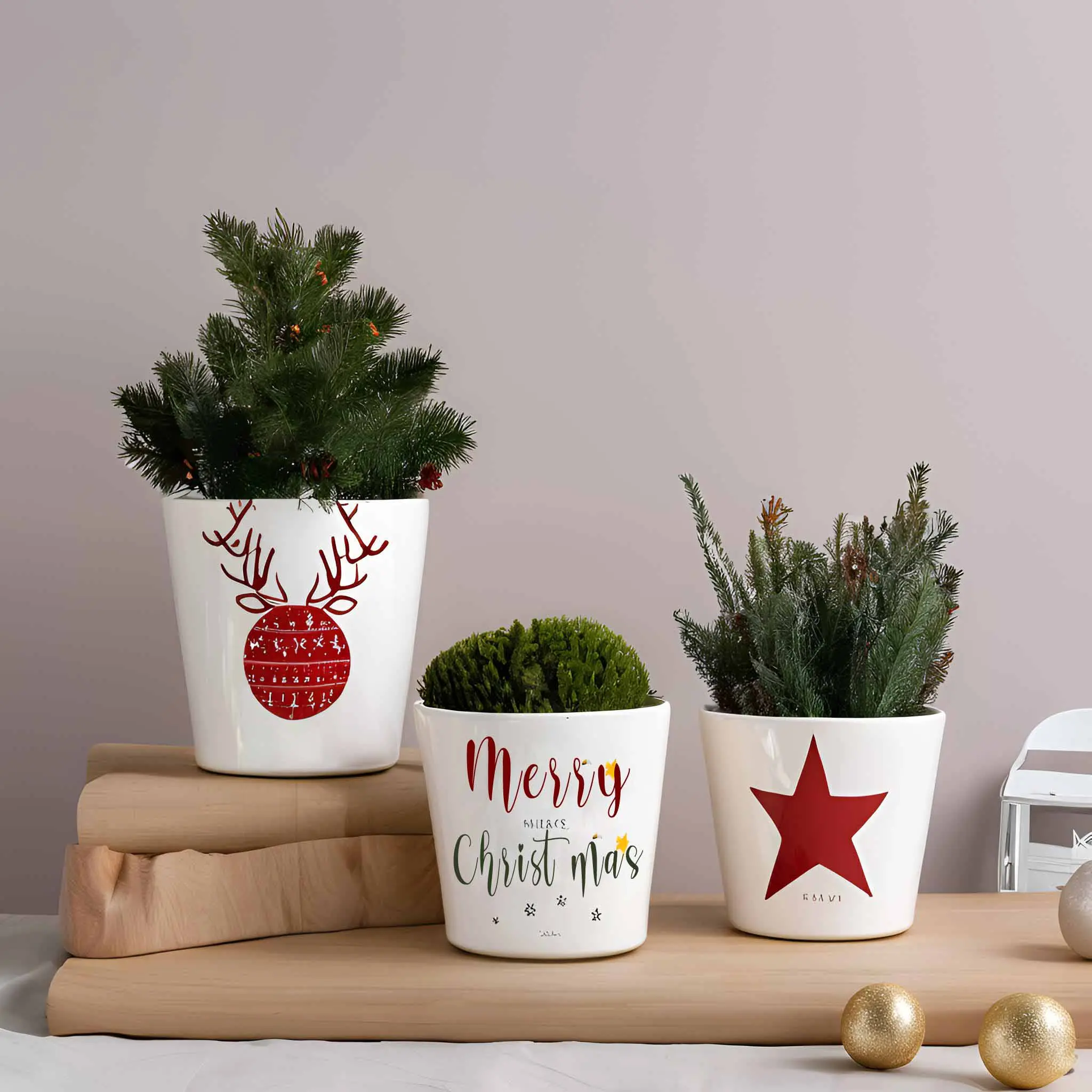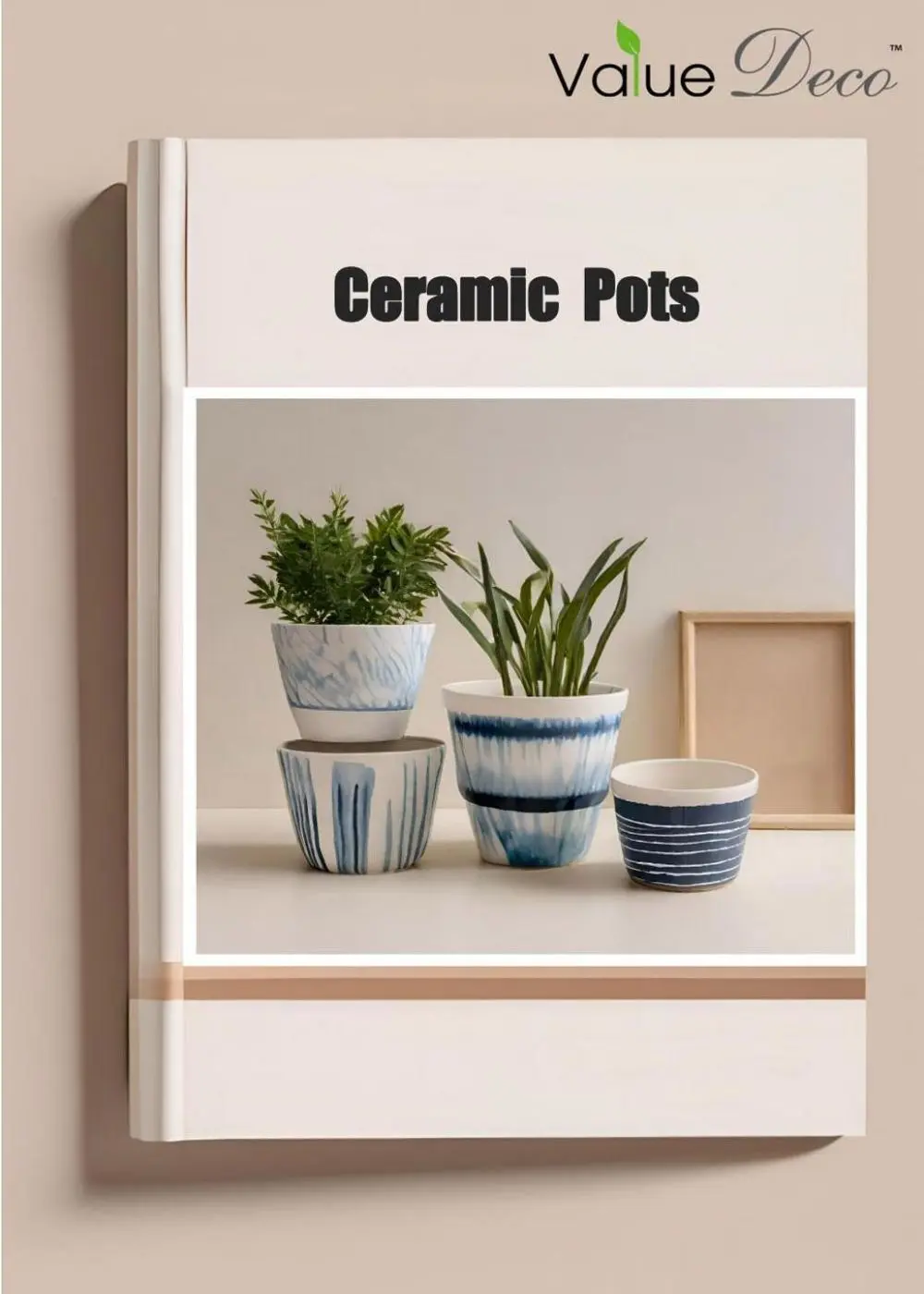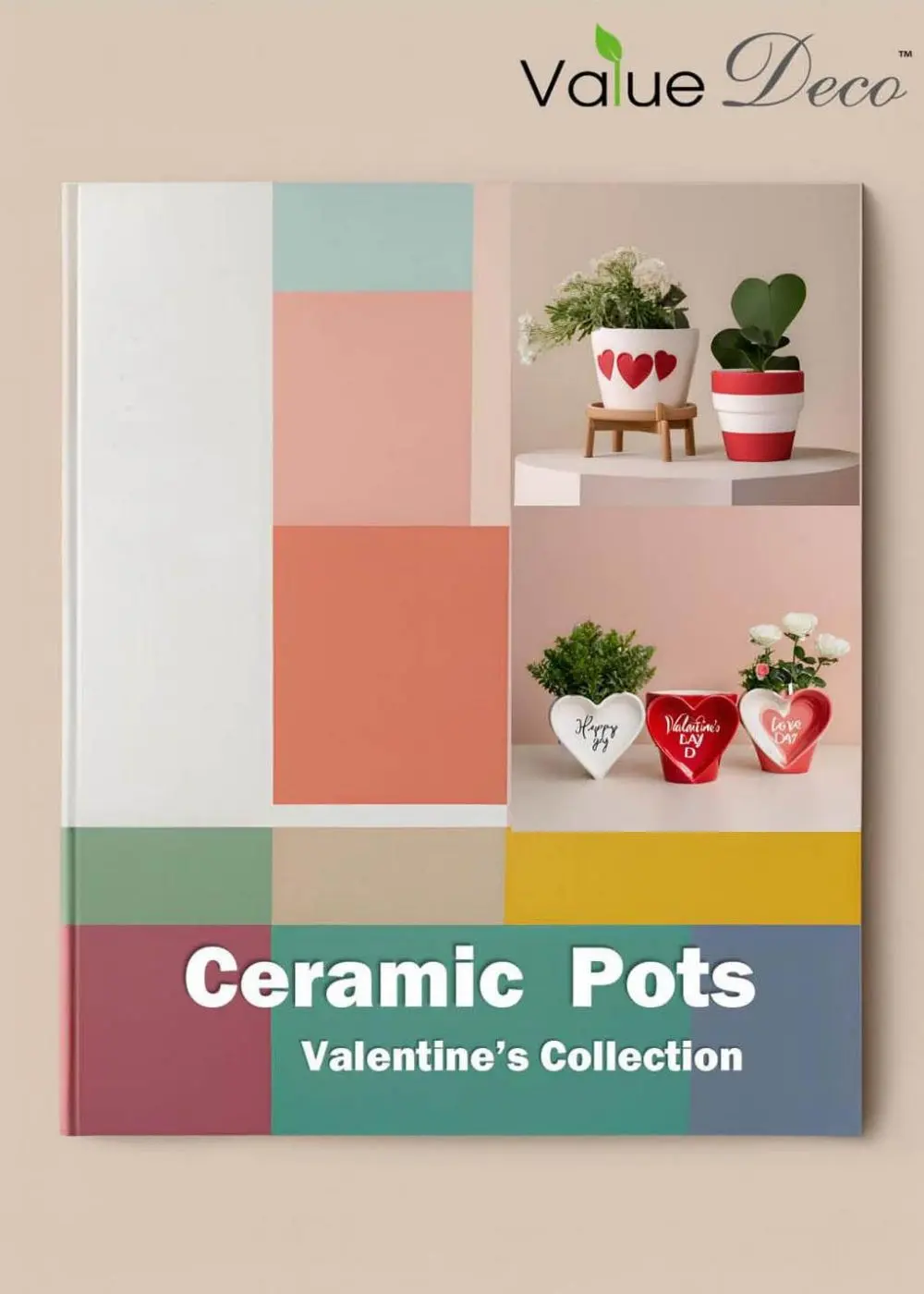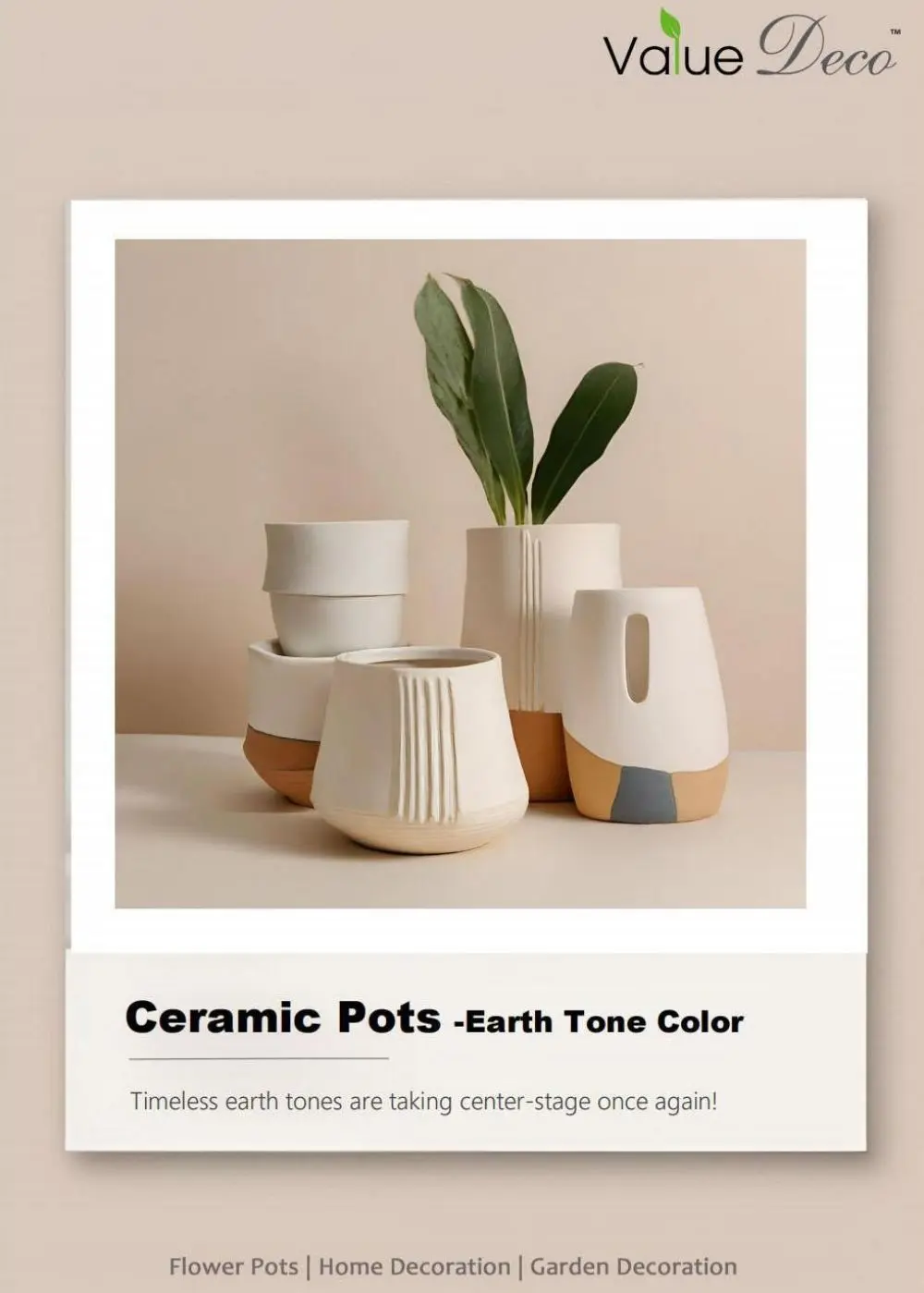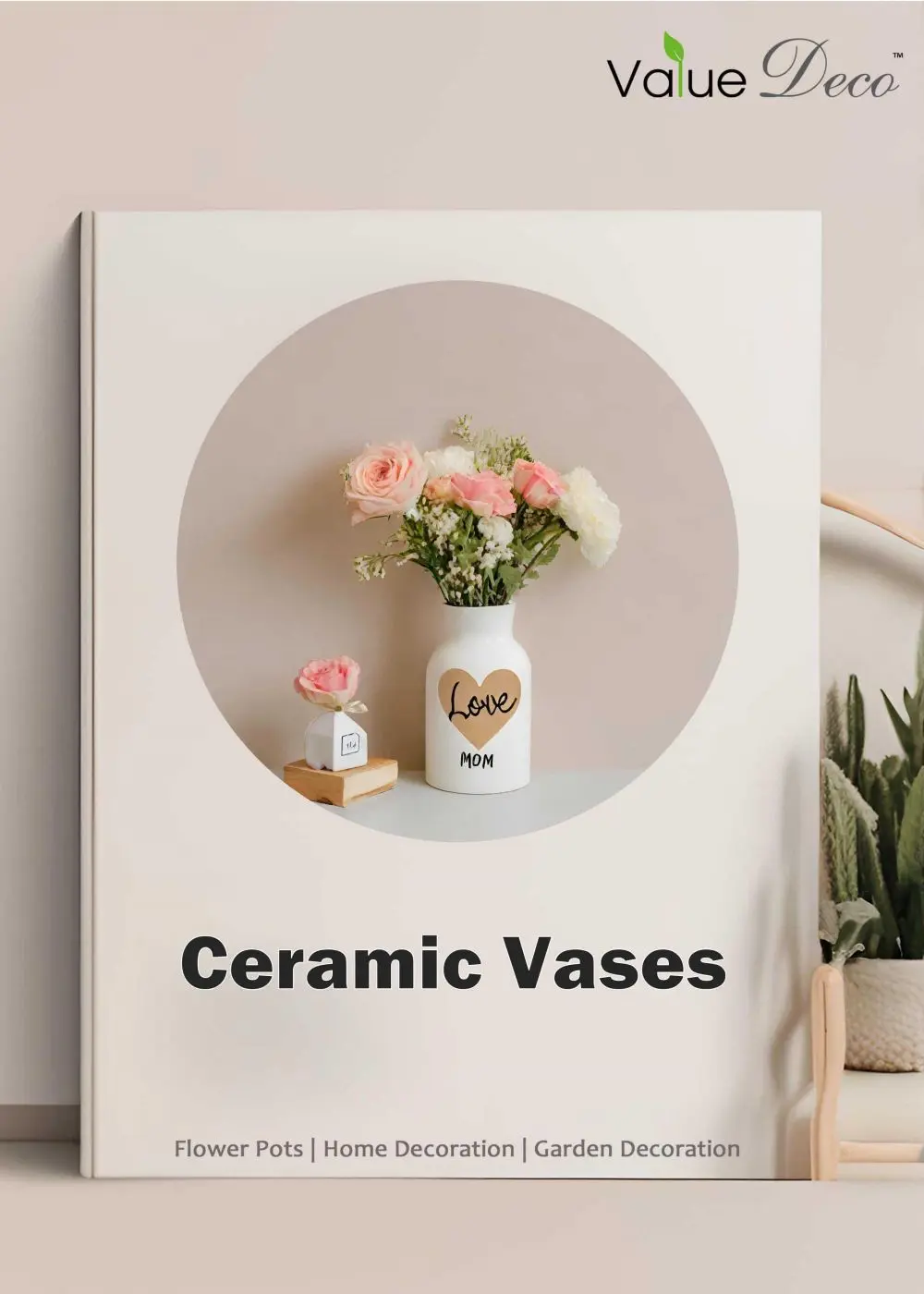
Discover our highly sought-after, competitively priced pottery and seasonal decor configurations direct from our manufacturing lines.
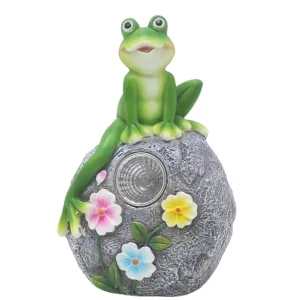

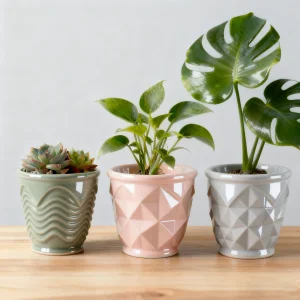


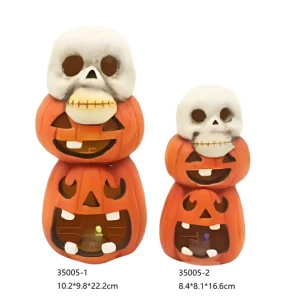

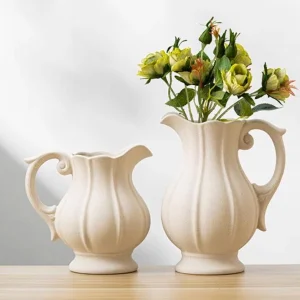
The global clay pottery industry represents a highly dynamic ecosystem that bridges age-old artisanal heritage with state-of-the-art mass fabrication techniques. Clay—primarily comprising hydrated alumina-silicates—remains the premier substrate for functional home décor, industrial sanitaryware, agricultural planters, and tableware. Over the past decade, the global market for pottery and ceramics has scaled dramatically, driven by urban landscaping trends, booming e-commerce distribution networks, and the rising consumer demand for organic, tactile materials in interior environments.
Supply Chain Insight: Global sourcing strategies have shifted from raw cost-minimization toward supply chain resilience, certified eco-compliance, and rapid design-to-market cycles. Today, successful procurement relies on factories that combine cheap clay sourcing with highly efficient, automated kiln systems.
In major manufacturing hubs across Asia, particularly within regions historically rich in high-quality kaolin and ball clay deposits, factories have transitioned from manual wheel-throwing to high-pressure slip casting, automated roller-forming, and advanced shuttle kiln firing systems. This industrial evolution allows manufacturers to achieve cost-efficiency without compromising the physical durability, glaze uniformity, or aesthetic complexity of the finished product. By utilizing local natural clay deposits, factories can maintain lower raw material costs, enabling competitive wholesale pricing for overseas markets including North America, Europe, and the Middle East.
Modern pottery is undergoing a structural transformation driven by both aesthetic trends and scientific innovations. Consumers are increasingly favoring matte textures, rough volcanic slips, and geometric, tactile surface treatments that contrast with the smooth, sterile plastics of previous decades. This shift has placed unique demands on factory-level clay formulations.
Innovative manufacturers are incorporating post-industrial ceramic waste, recycled glass, and organic bio-combustible additives into clay bodies. These components lower the required firing temperature in the kilns, resulting in a substantial reduction in energy consumption and greenhouse gas emissions during production, which aligns with modern global ESG (Environmental, Social, and Governance) targets.
The development of dual-tone reactive glazes, matte mineral finishes, and durable outdoor-grade slips allows for complex, visually striking designs that can withstand harsh weathering. High-pressure glazing techniques prevent micro-cracking (crazing), ensuring that items like outdoor planters and candle holders retain their structural integrity in freezing temperatures.
Pottery products must serve specific, functional demands depending on their ultimate regional and architectural environments. Here is how leading distributors specify product profiles across key B2B sectors:
Explore our core manufacturing capabilities, featuring dedicated production lines for diverse global buyer demands.
Access our newly published collections and technical design specifications for your procurement workflows.
Check out our latest releases straight from our design team, ready for rapid OEM manufacturing customization.
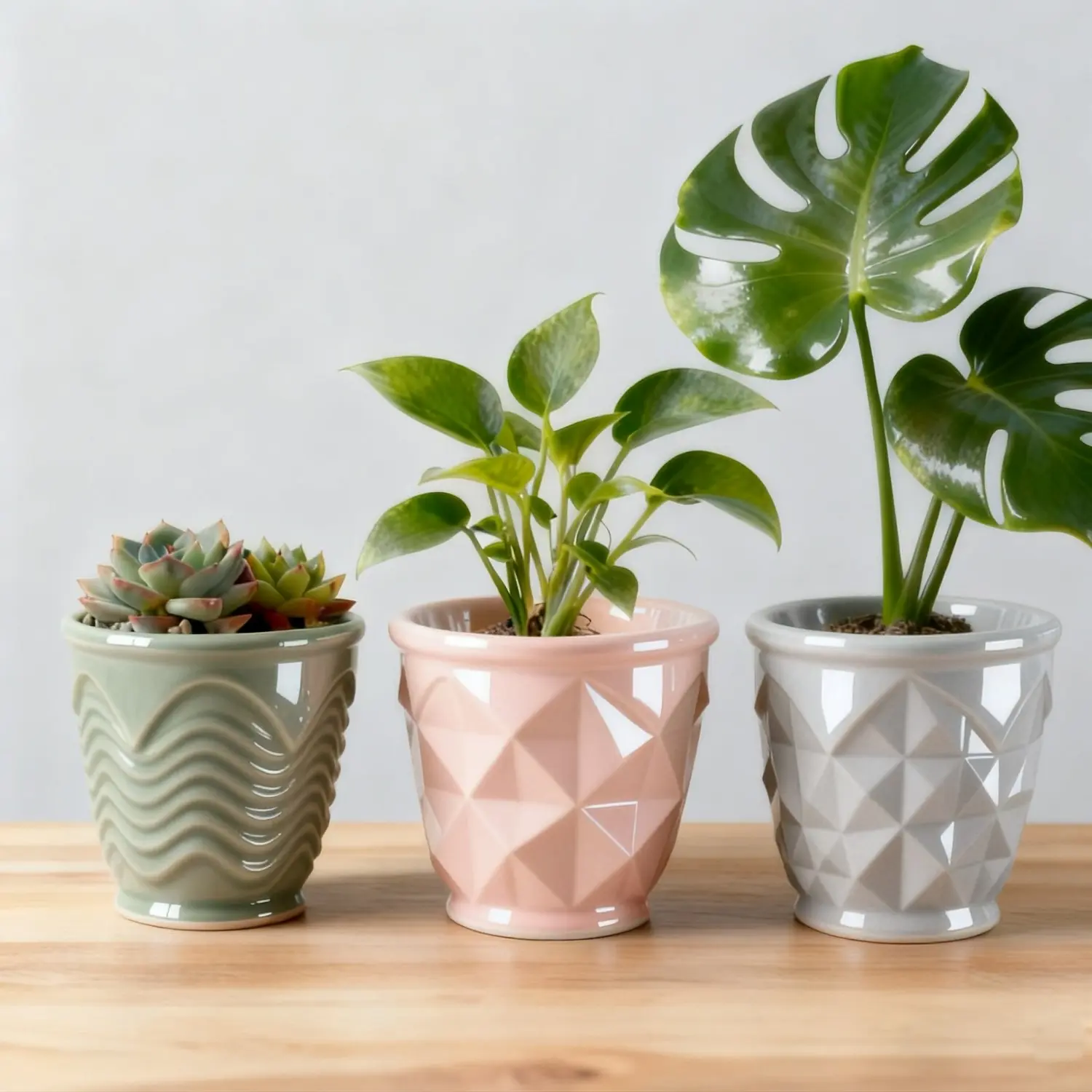
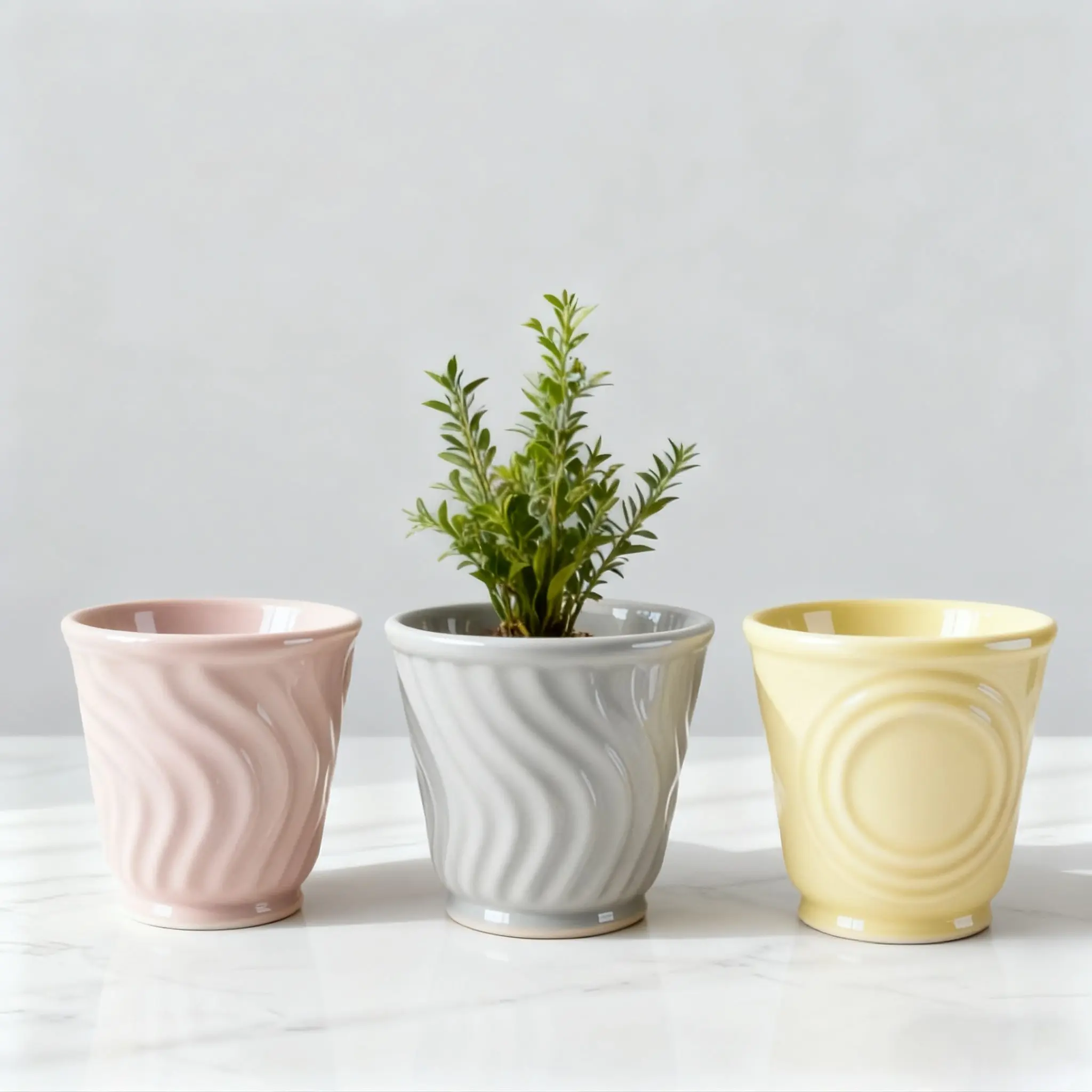
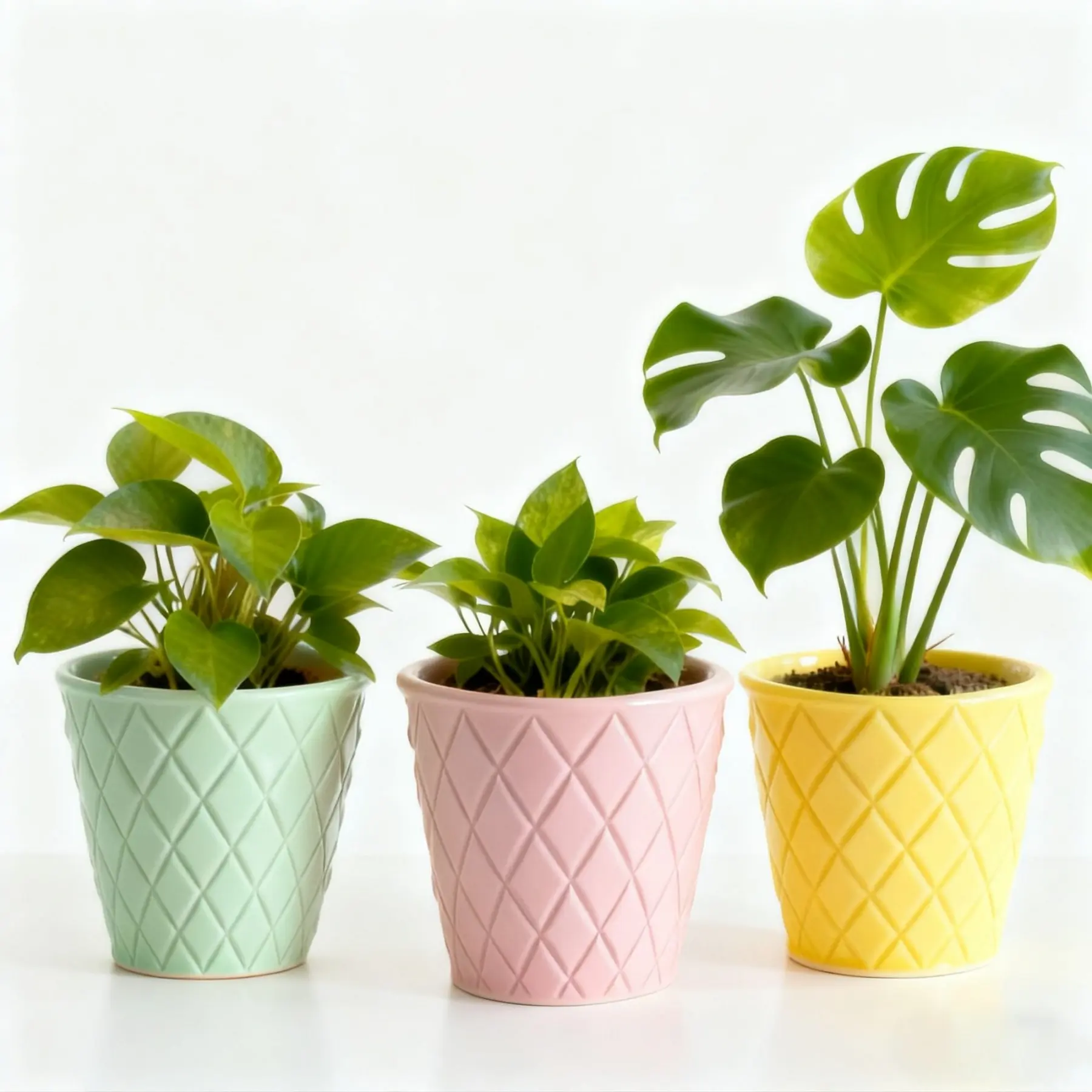
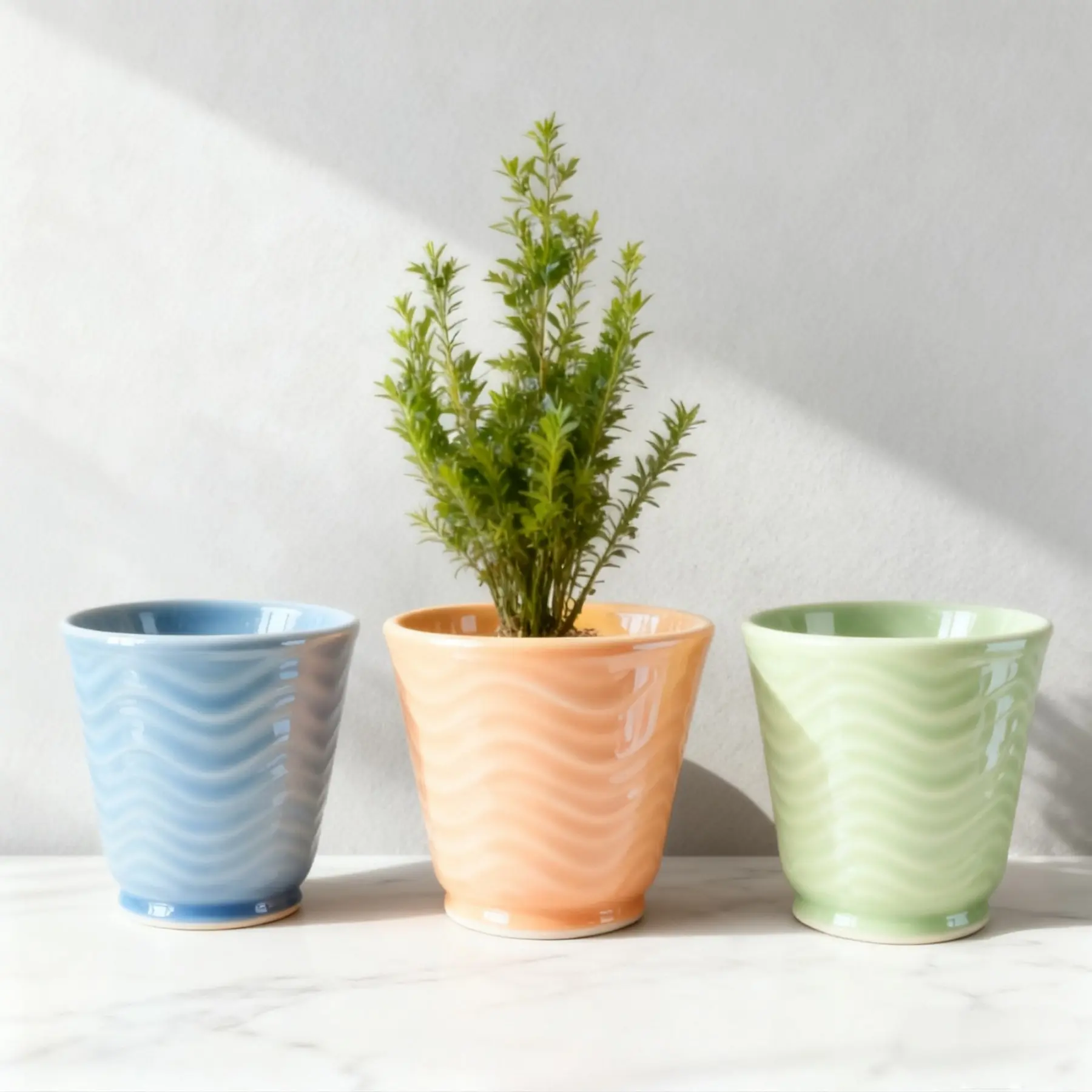
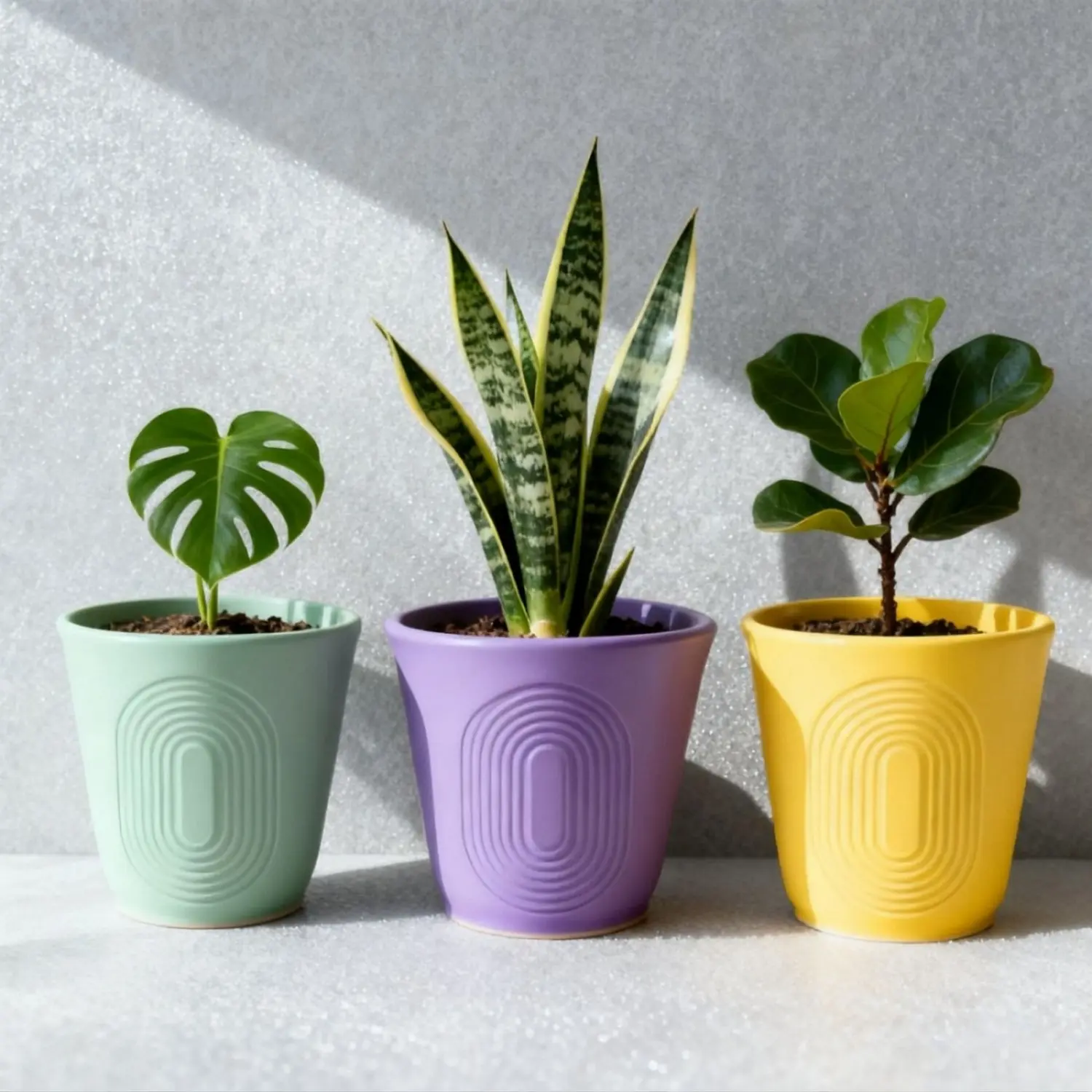
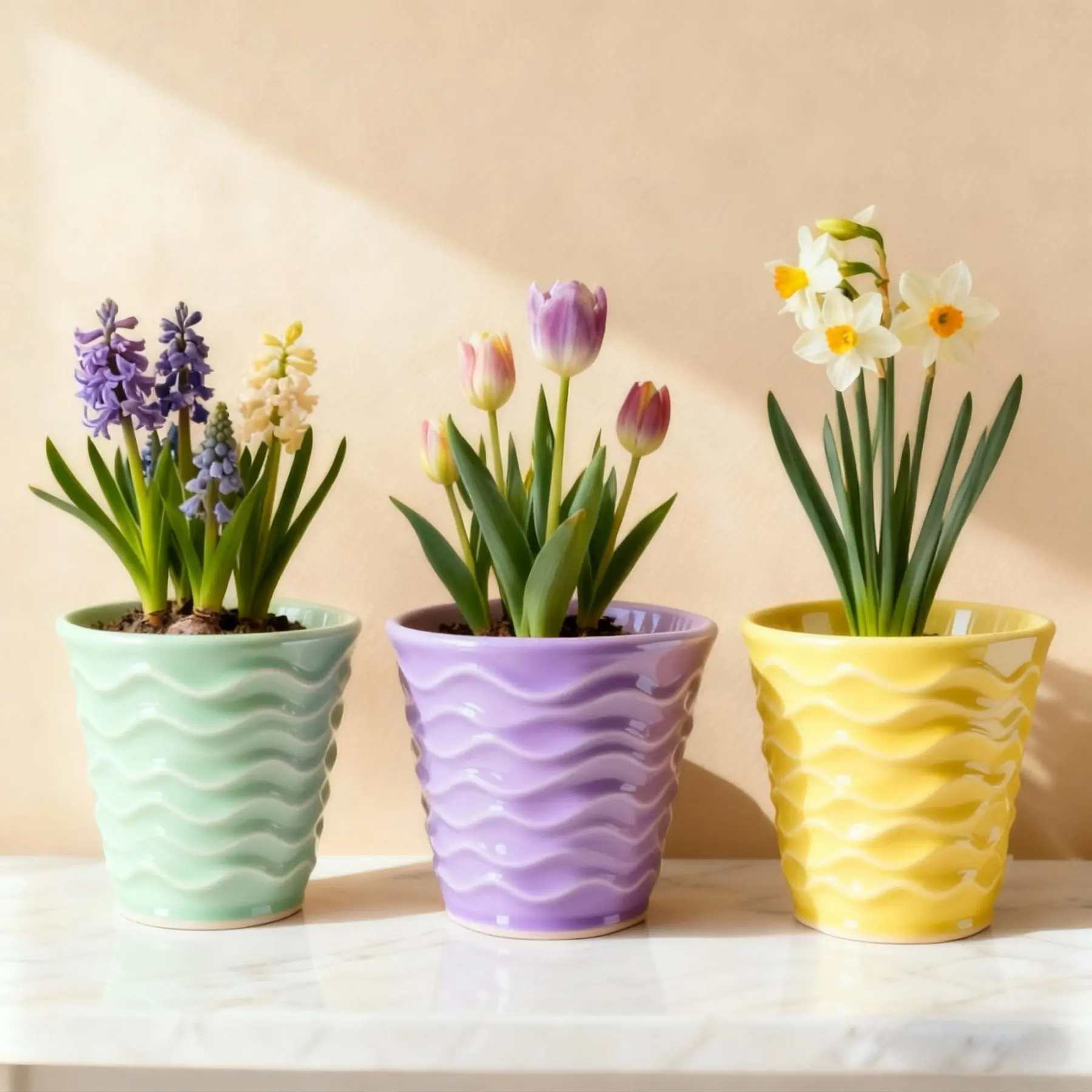
In high-volume clay pottery manufacturing, maintaining low costs should never mean sacrificing quality. Commercial buyers require strict process control to ensure physical strength, dimensional stability, and glaze consistency. Below is our step-by-step quality framework applied to every production run:
Every batch of raw clay undergoes physical moisture analysis, shrinkage testing, and chemical composition checks. This step ensures that raw mineral content remains within tolerances for key oxides (such as silica, alumina, and iron oxide), preventing structural failure during firing.
Once cast or molded, dry greenware is inspected by hand. Any micro-cracks, air bubbles, or surface deformities are flagged and recycled back into the slurry before entering the kiln, ensuring resource efficiency and high structural yields.
Our computer-controlled shuttle kilns run on precise heat profiles. They slowly rise to peak temperature (over 1150°C for terracotta and 1250°C for stoneware), hold that peak to ensure complete vitrification, and cool down slowly. This controlled process eliminates internal stresses within the clay body.
Get professional answers on material properties, logistics, customization capabilities, and wholesale sourcing.
Browse the rest of our premium, high-volume products designed to maximize sales for retail and landscape distributors.