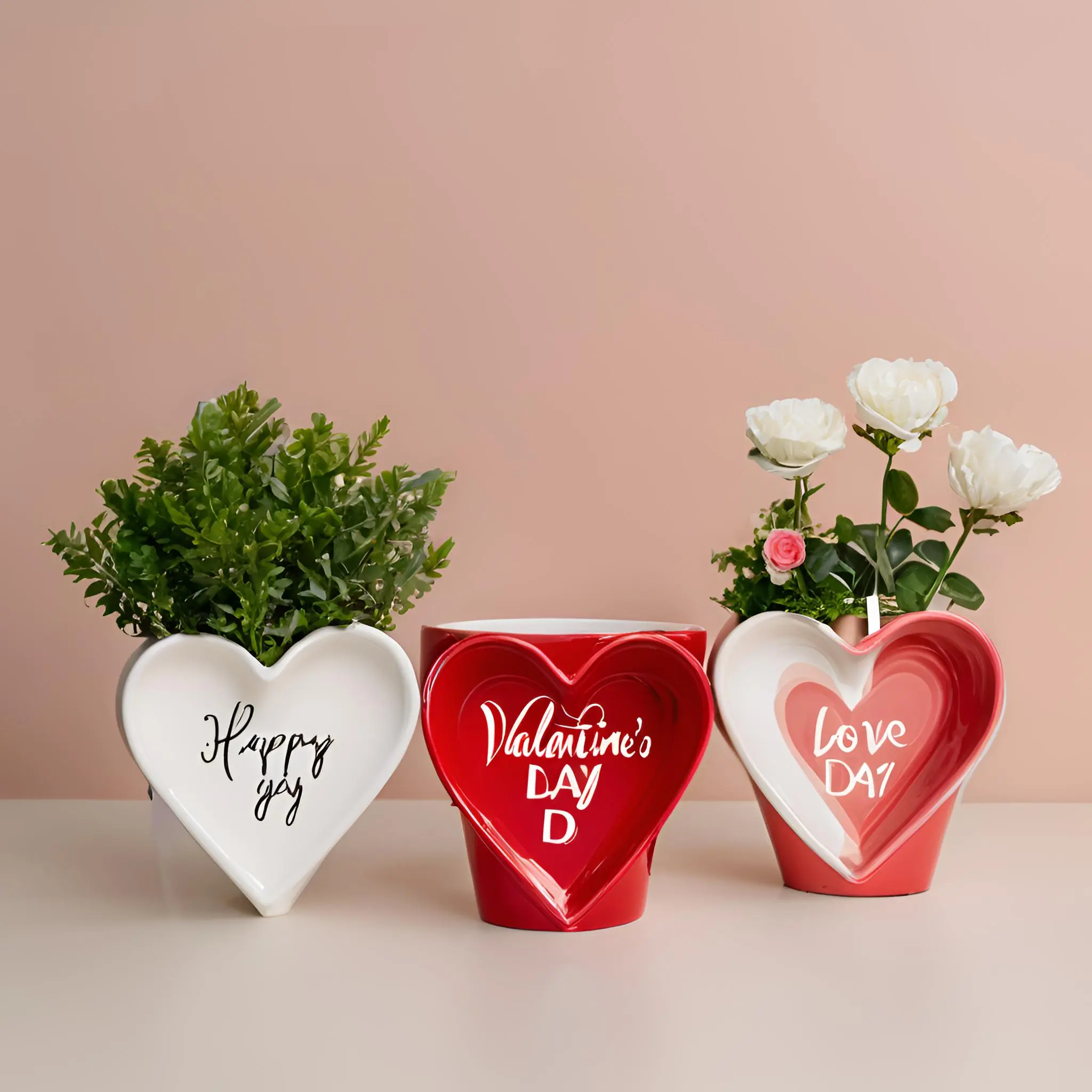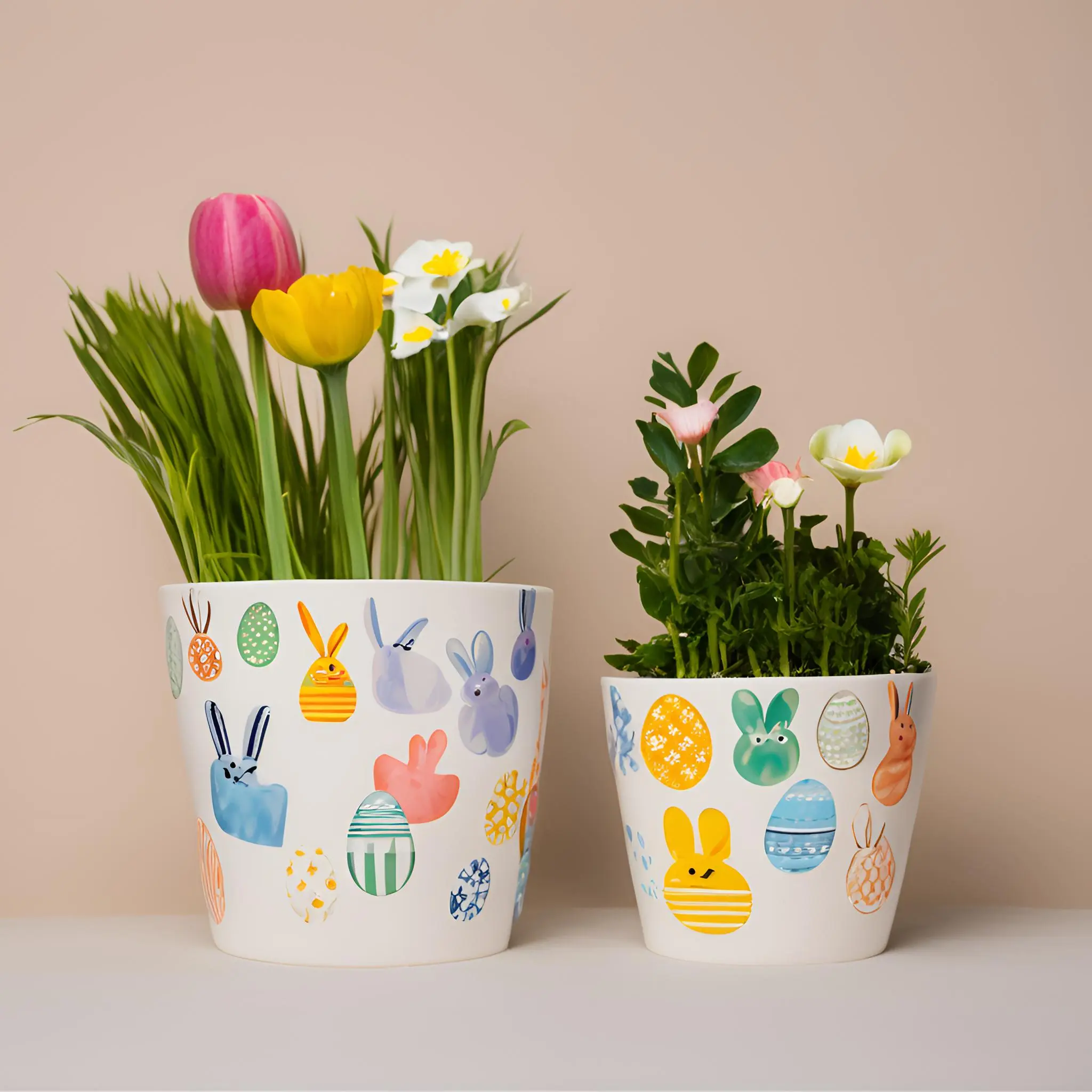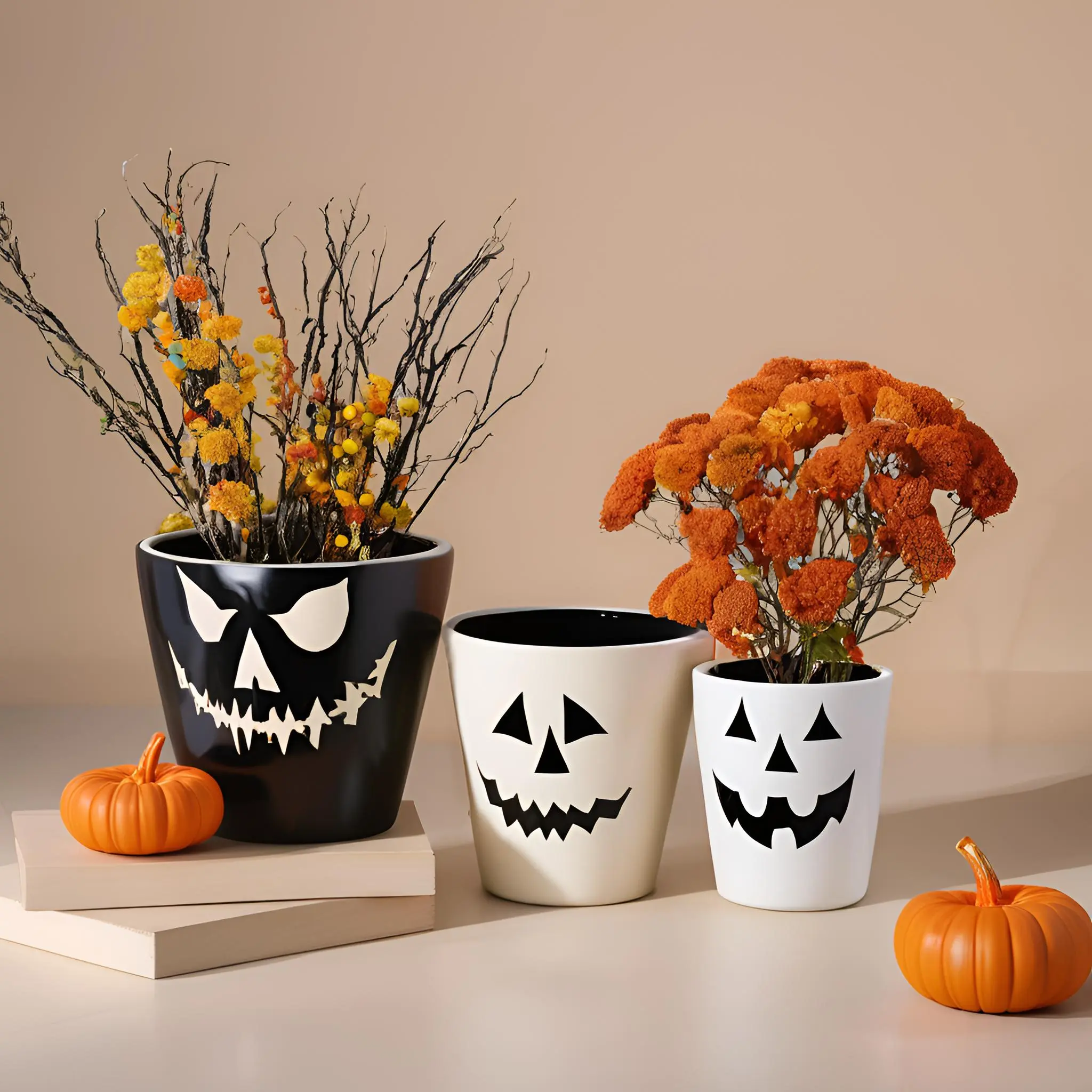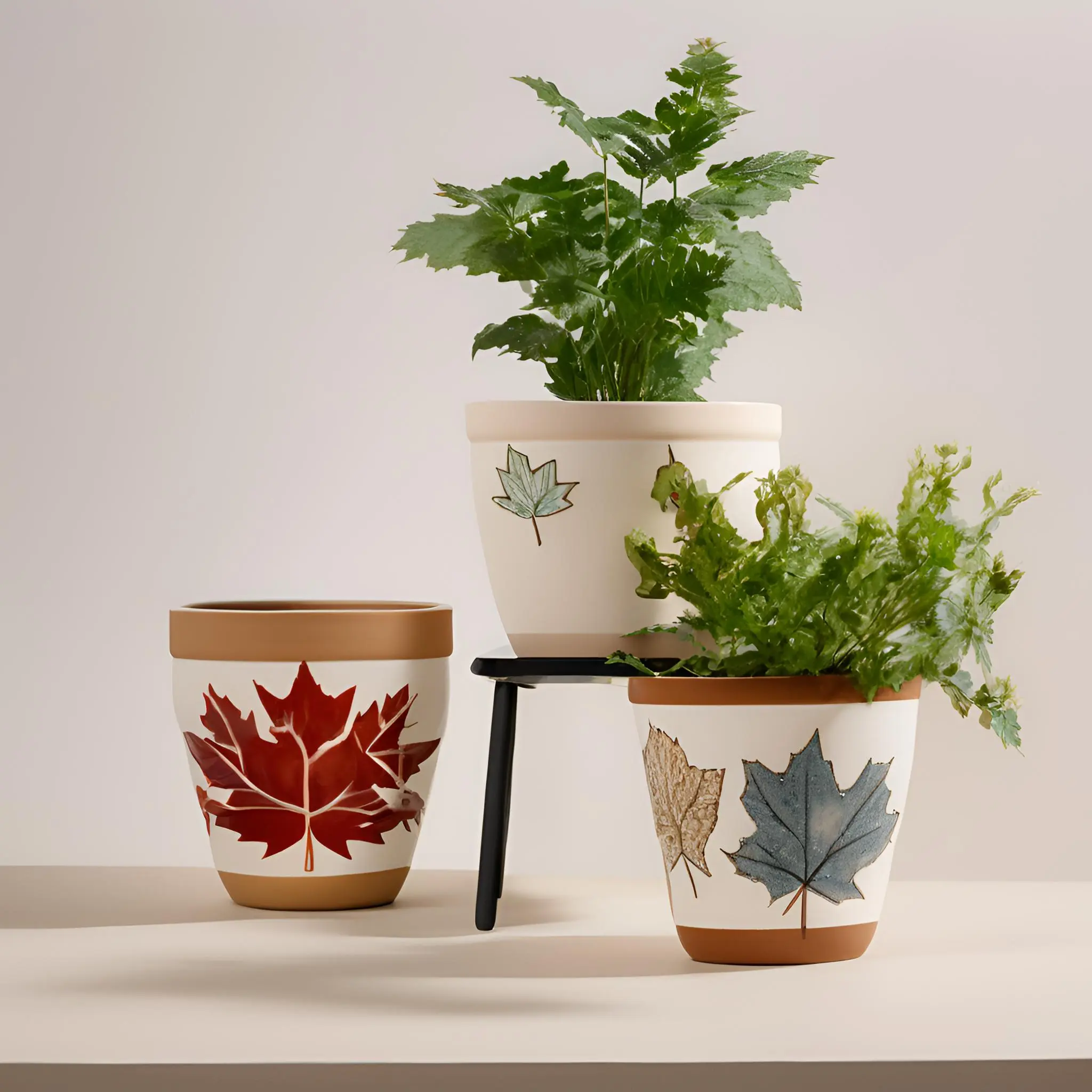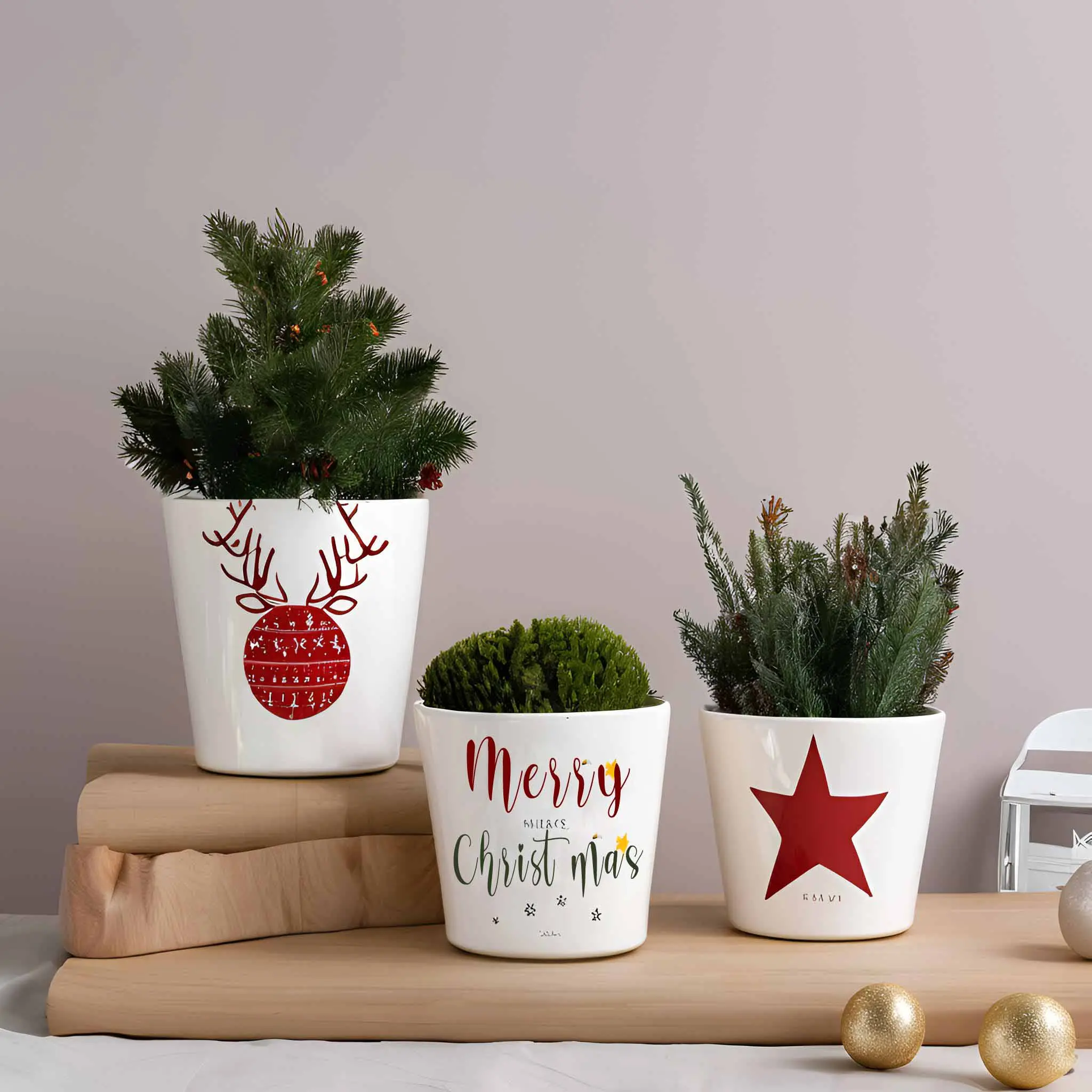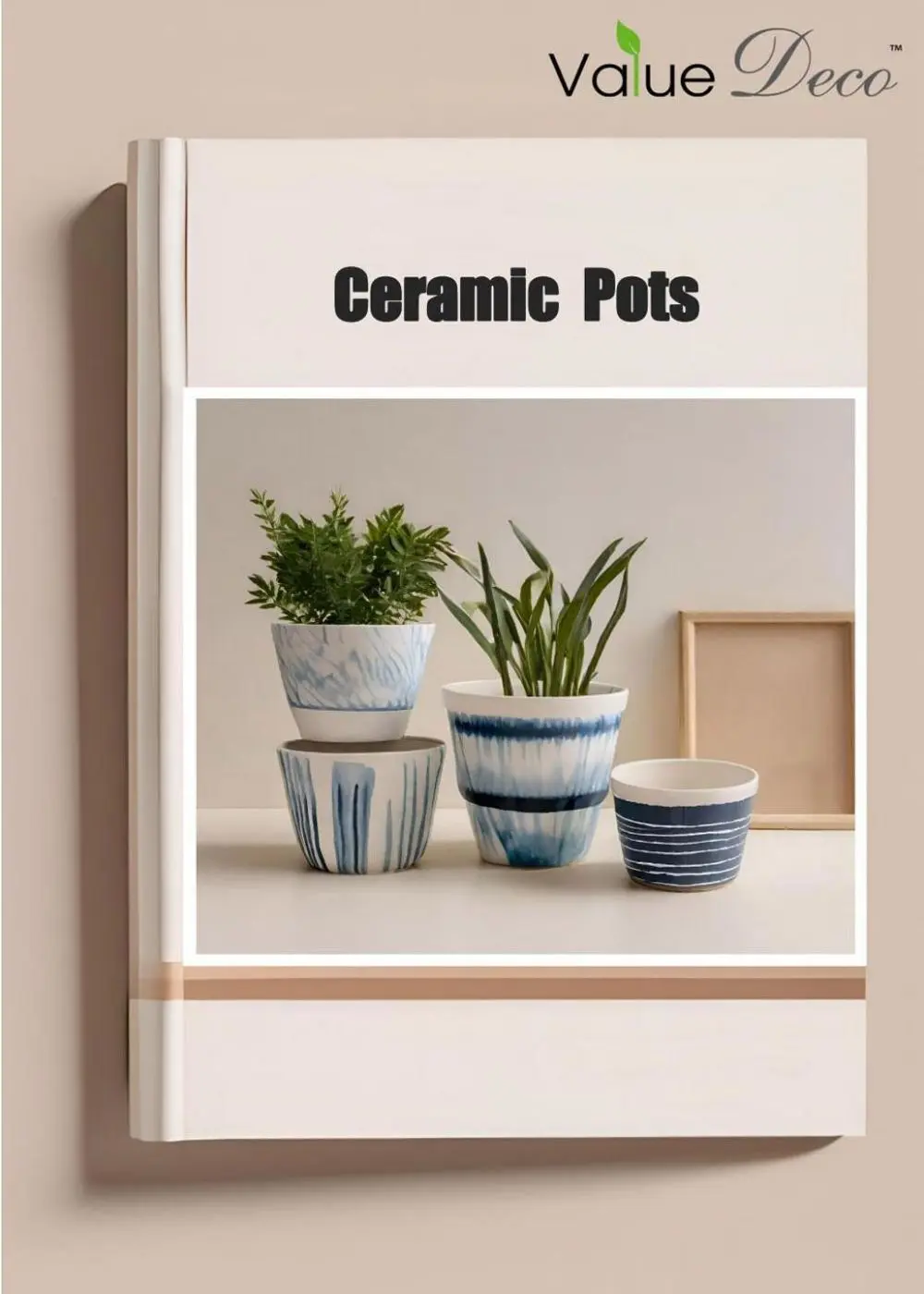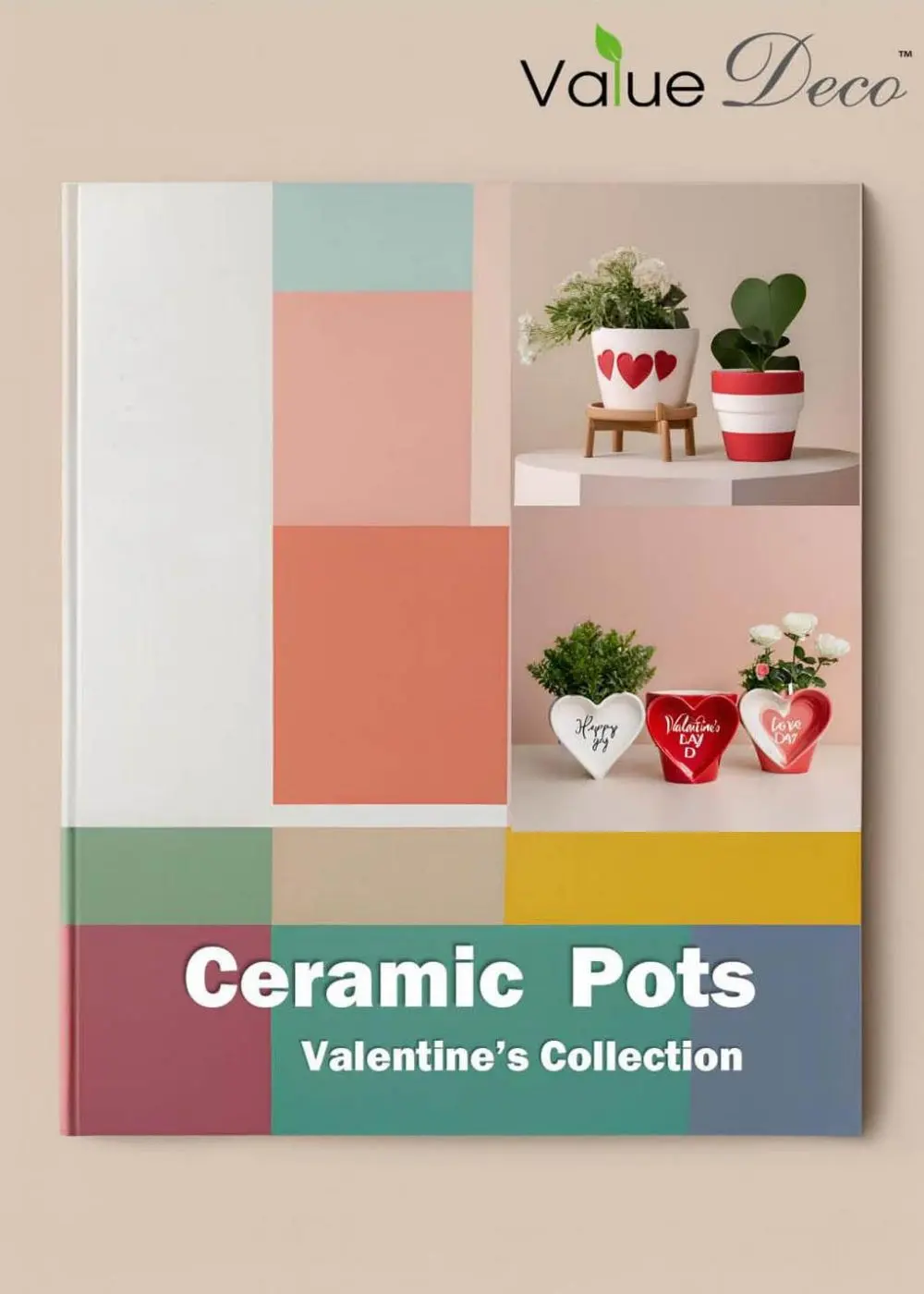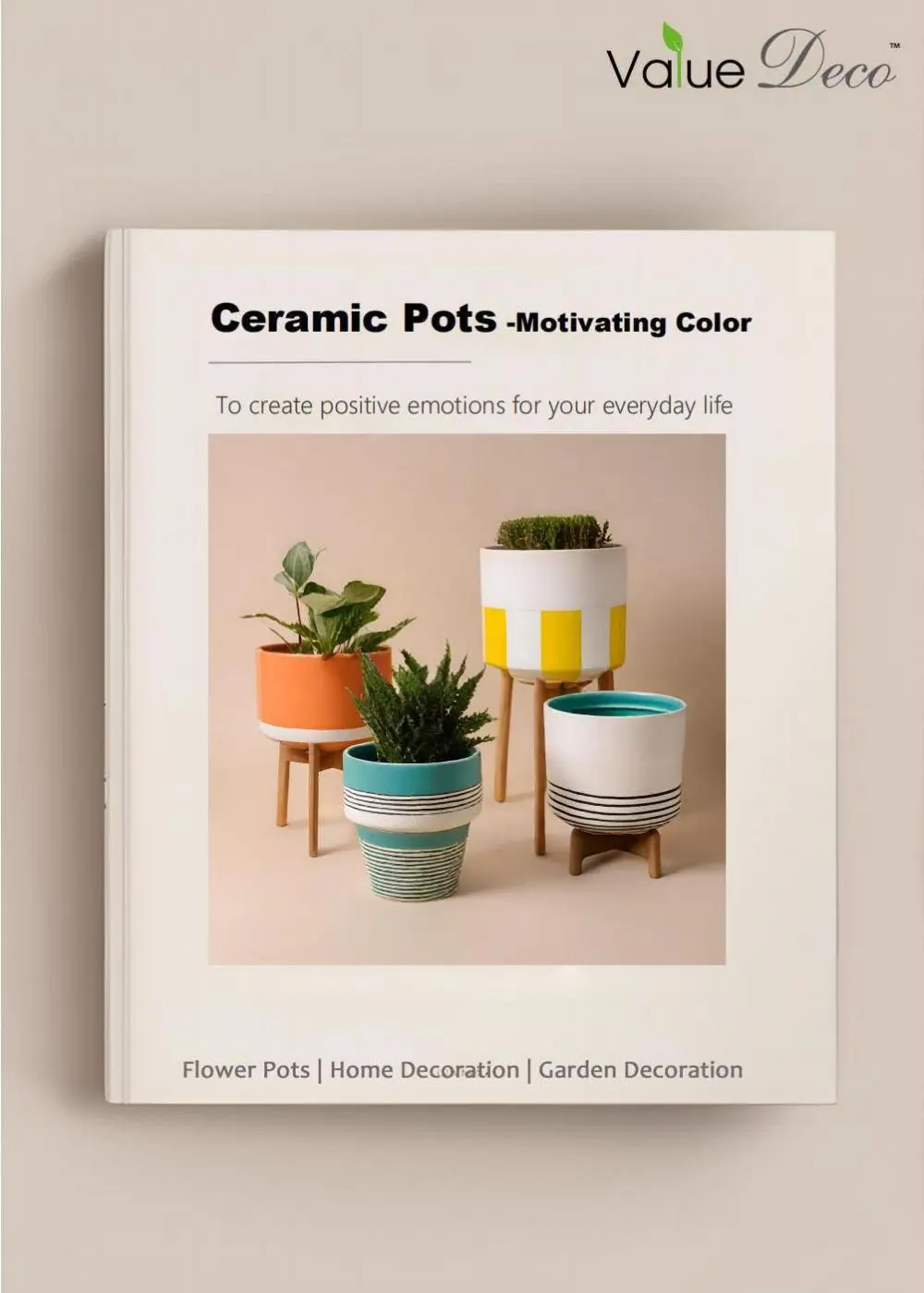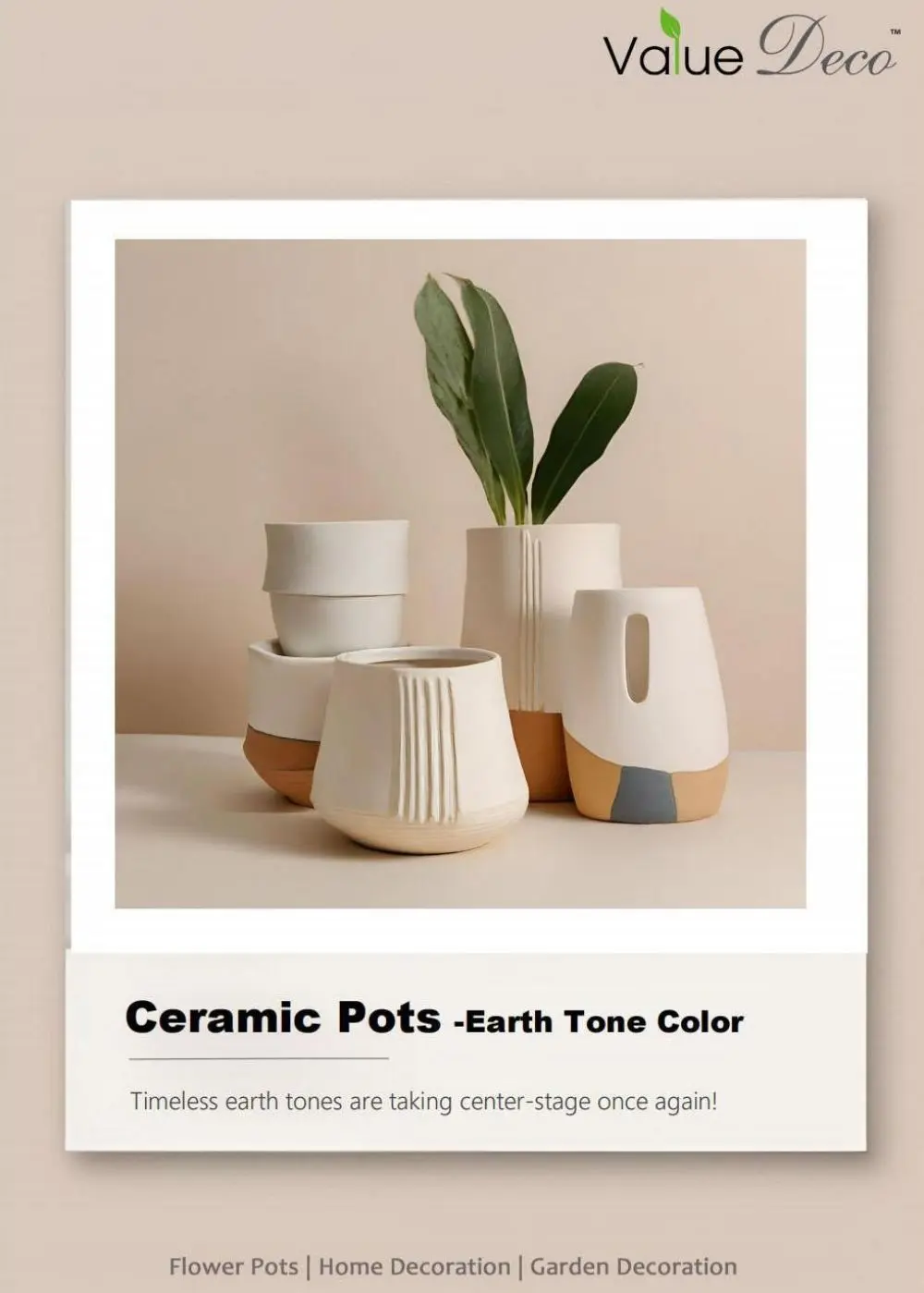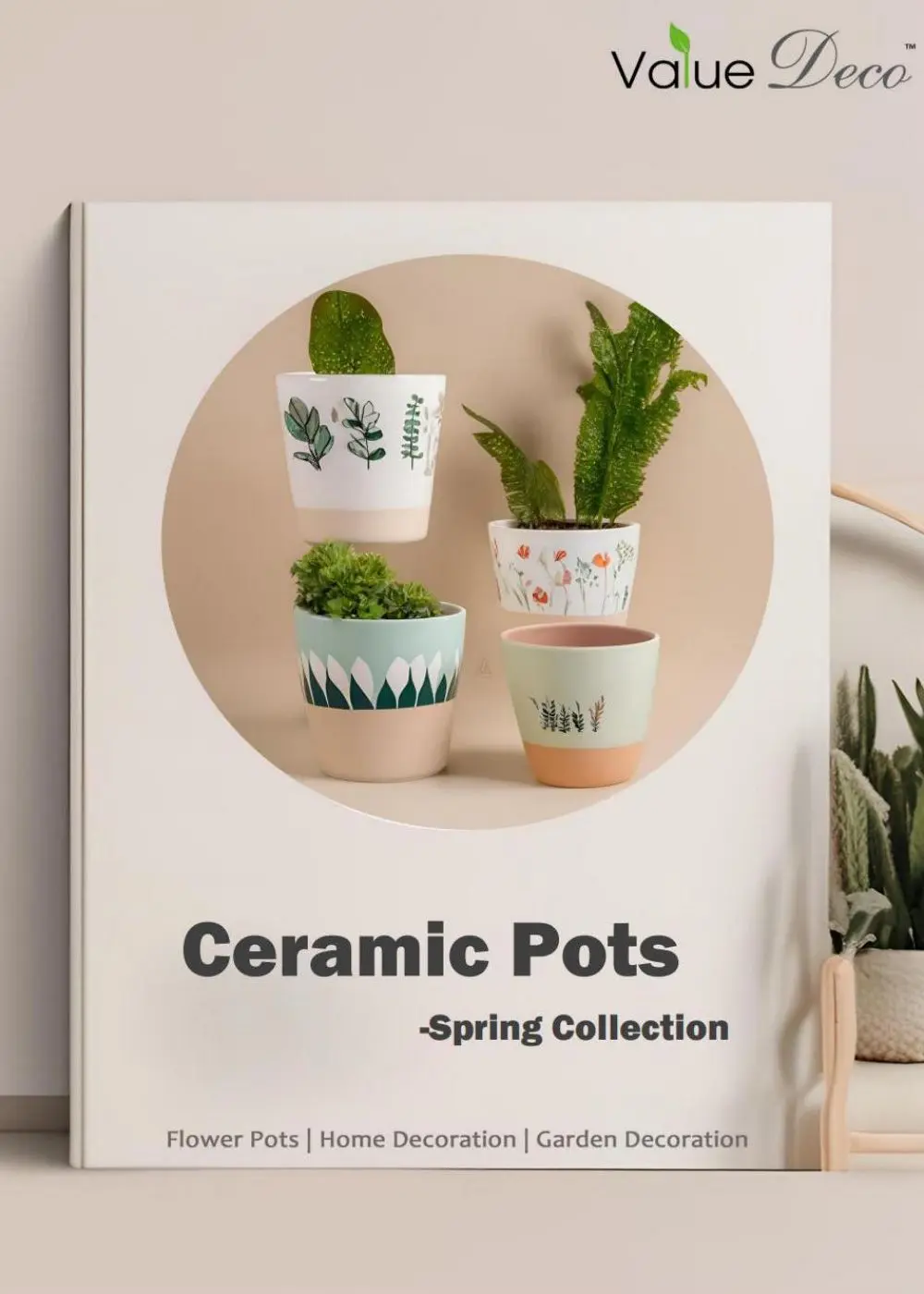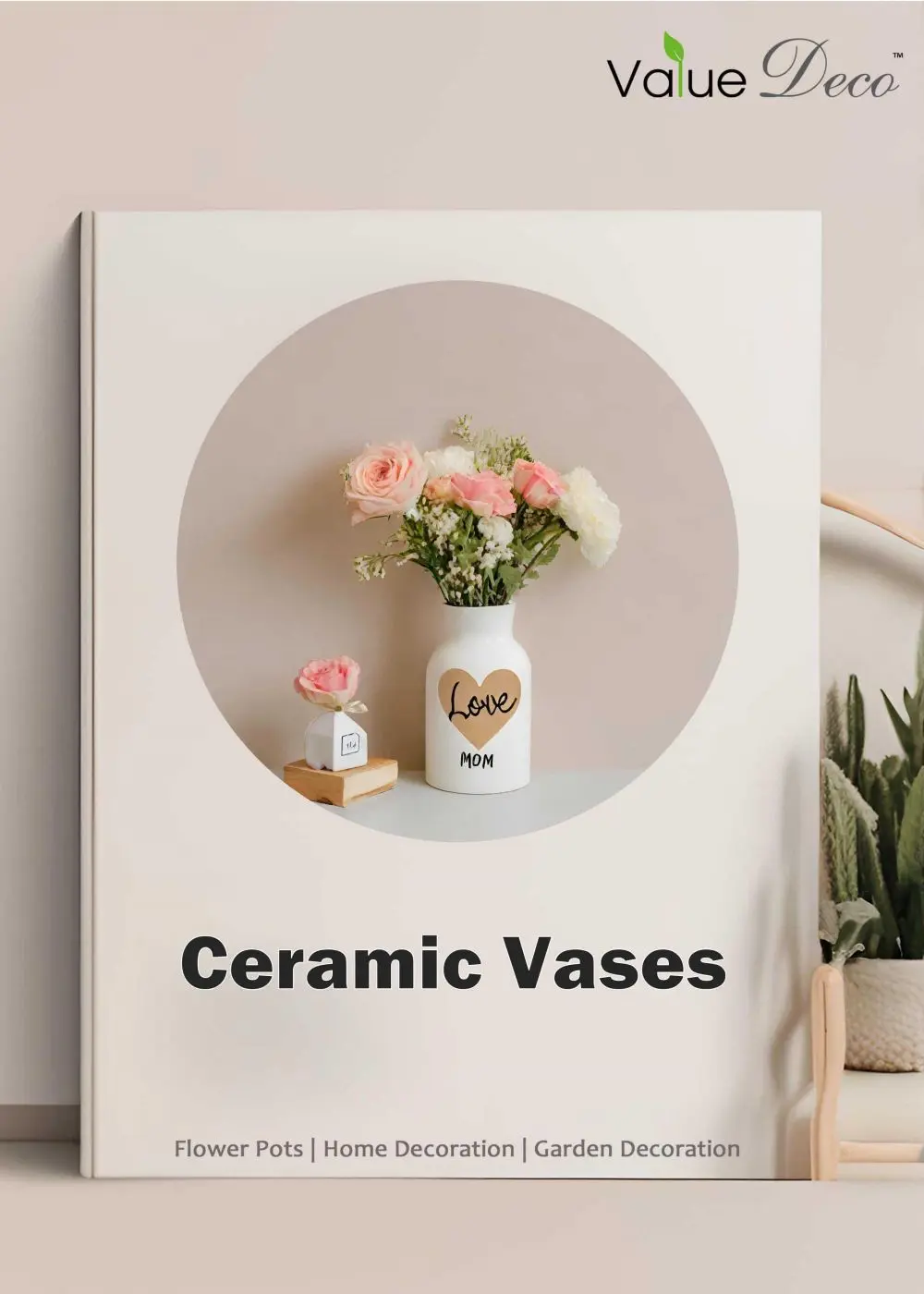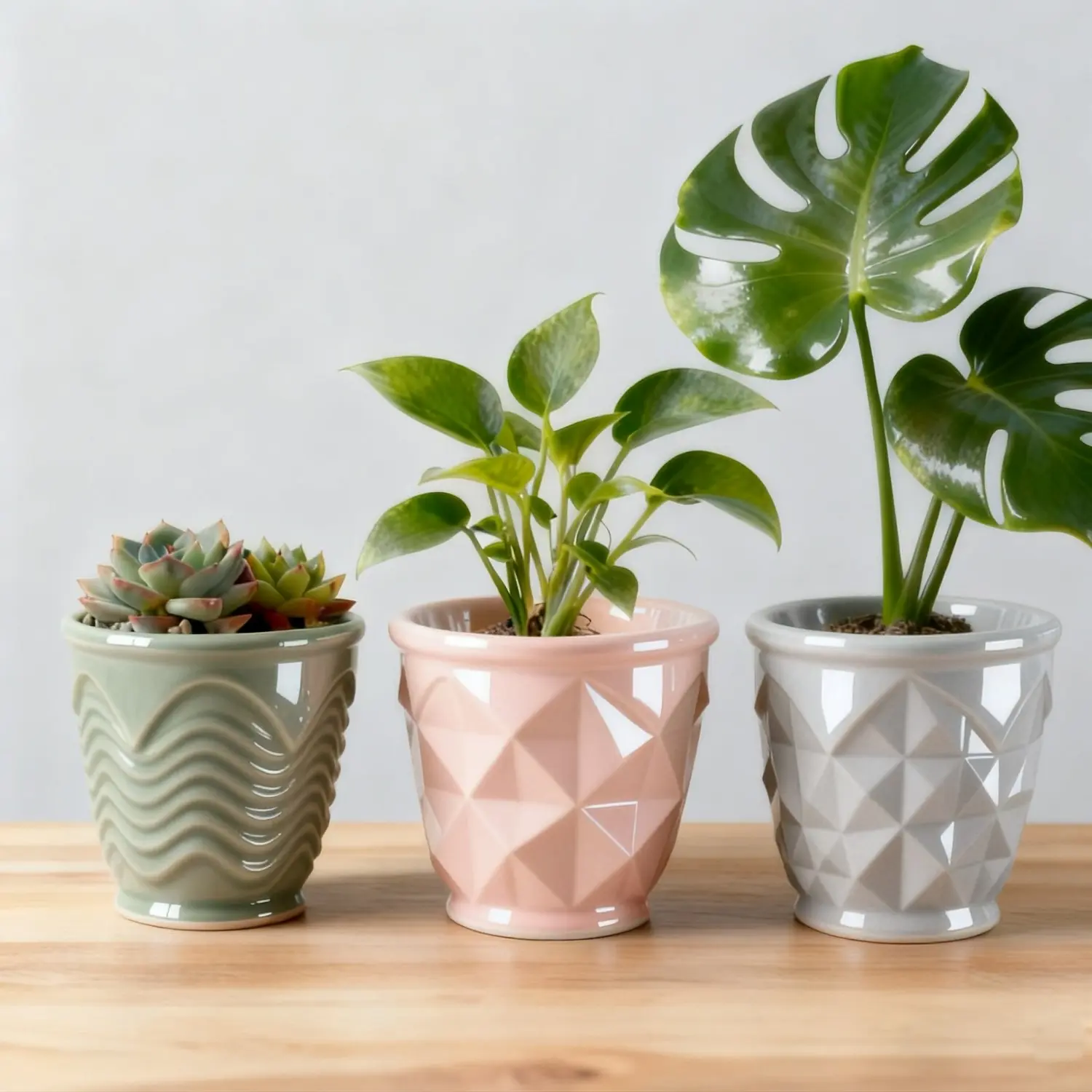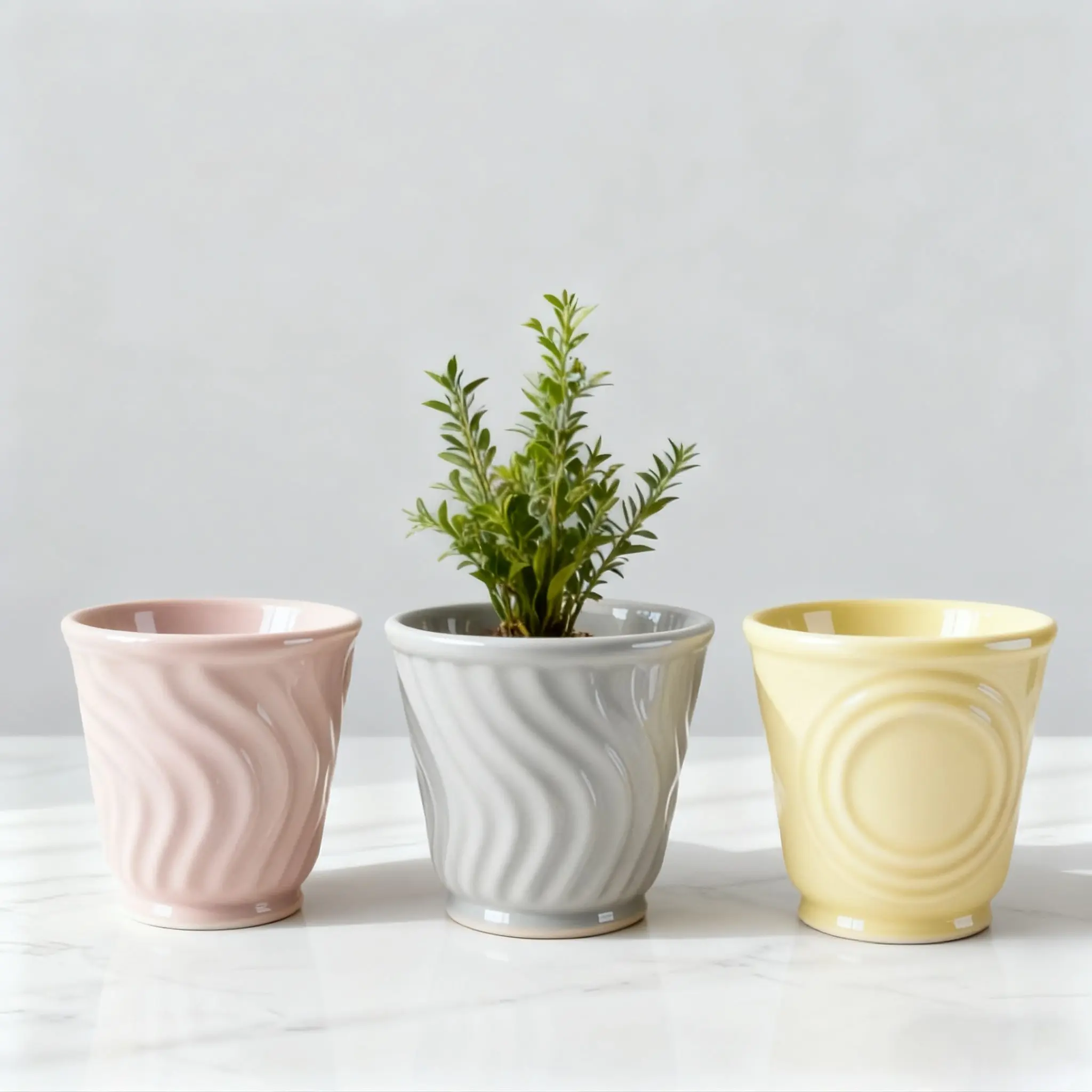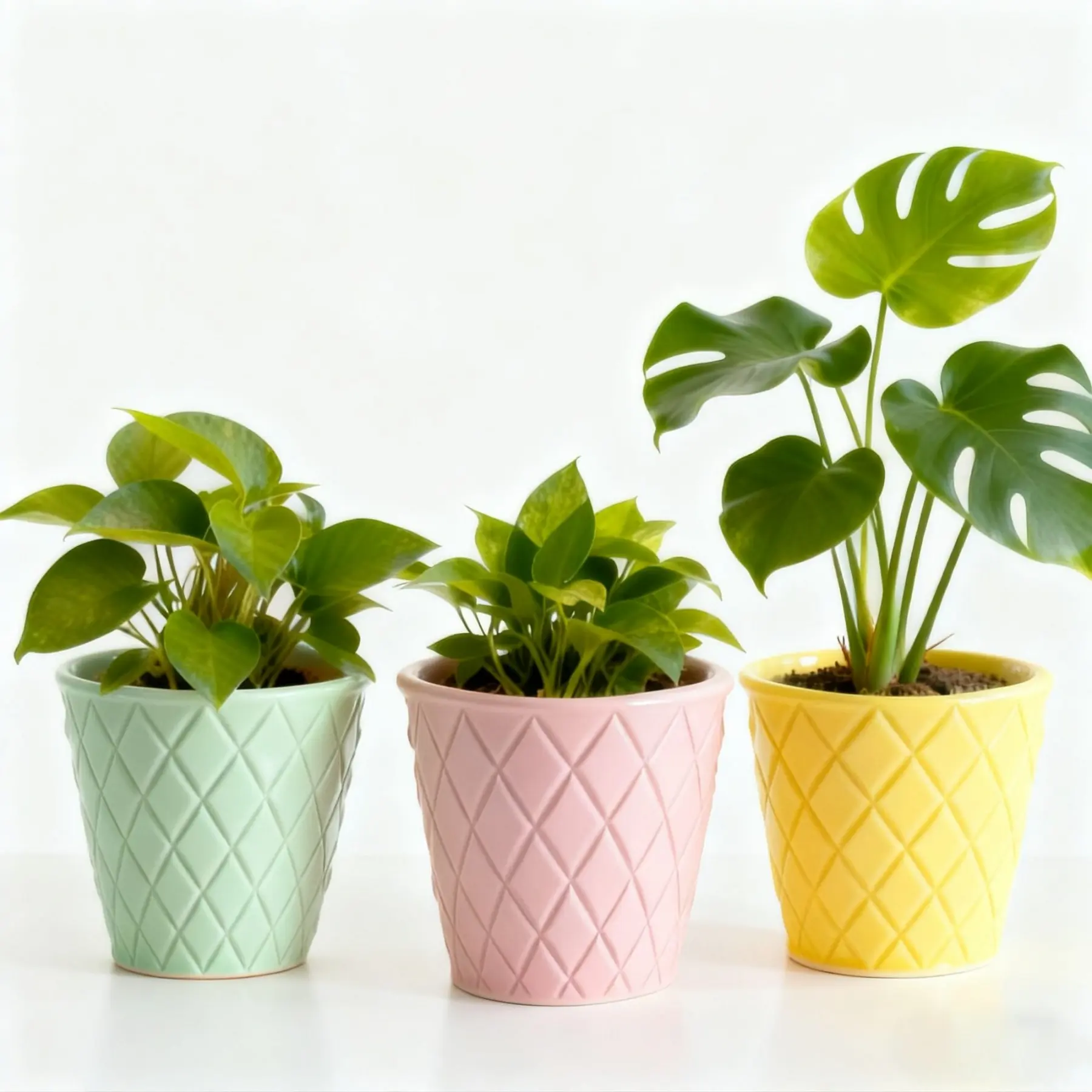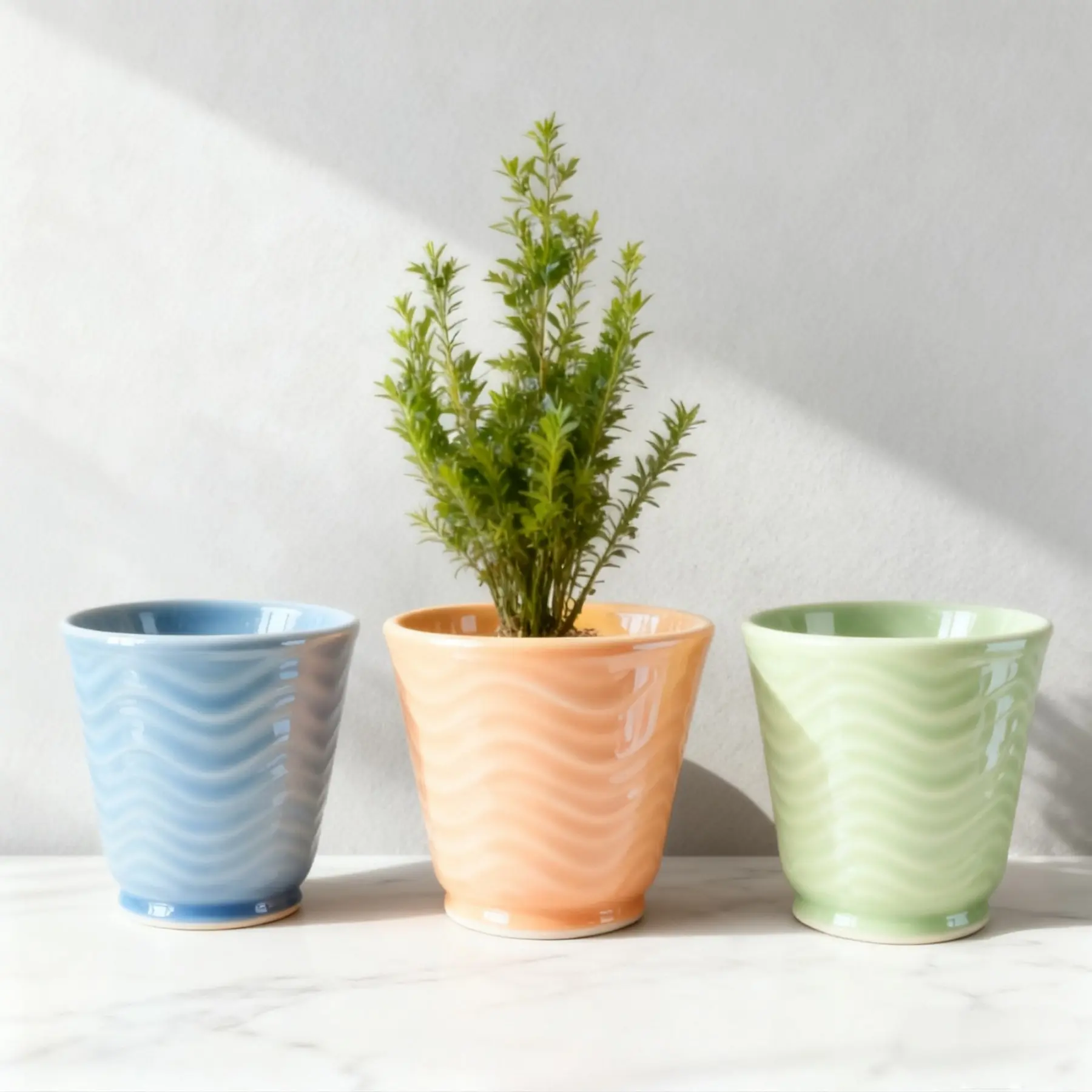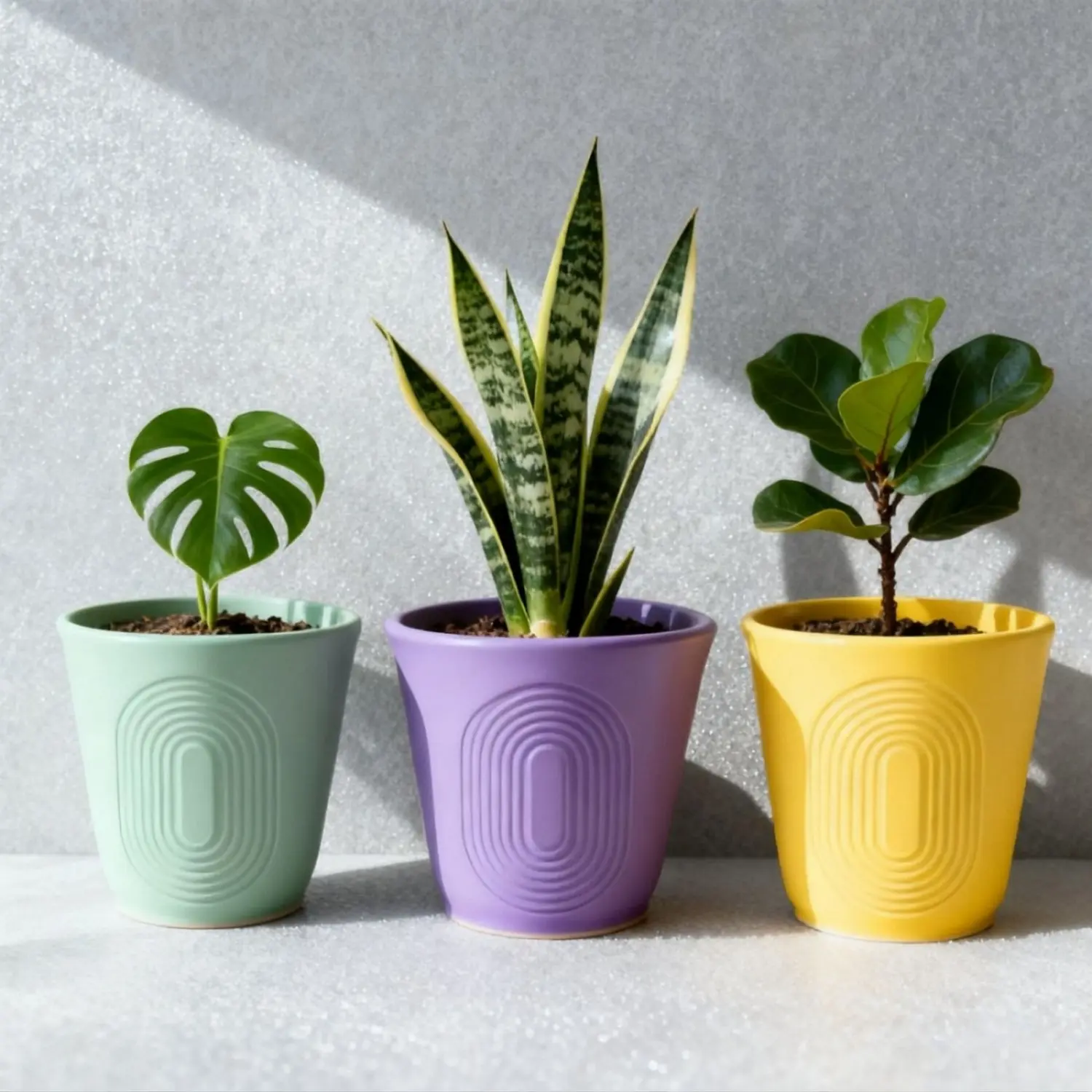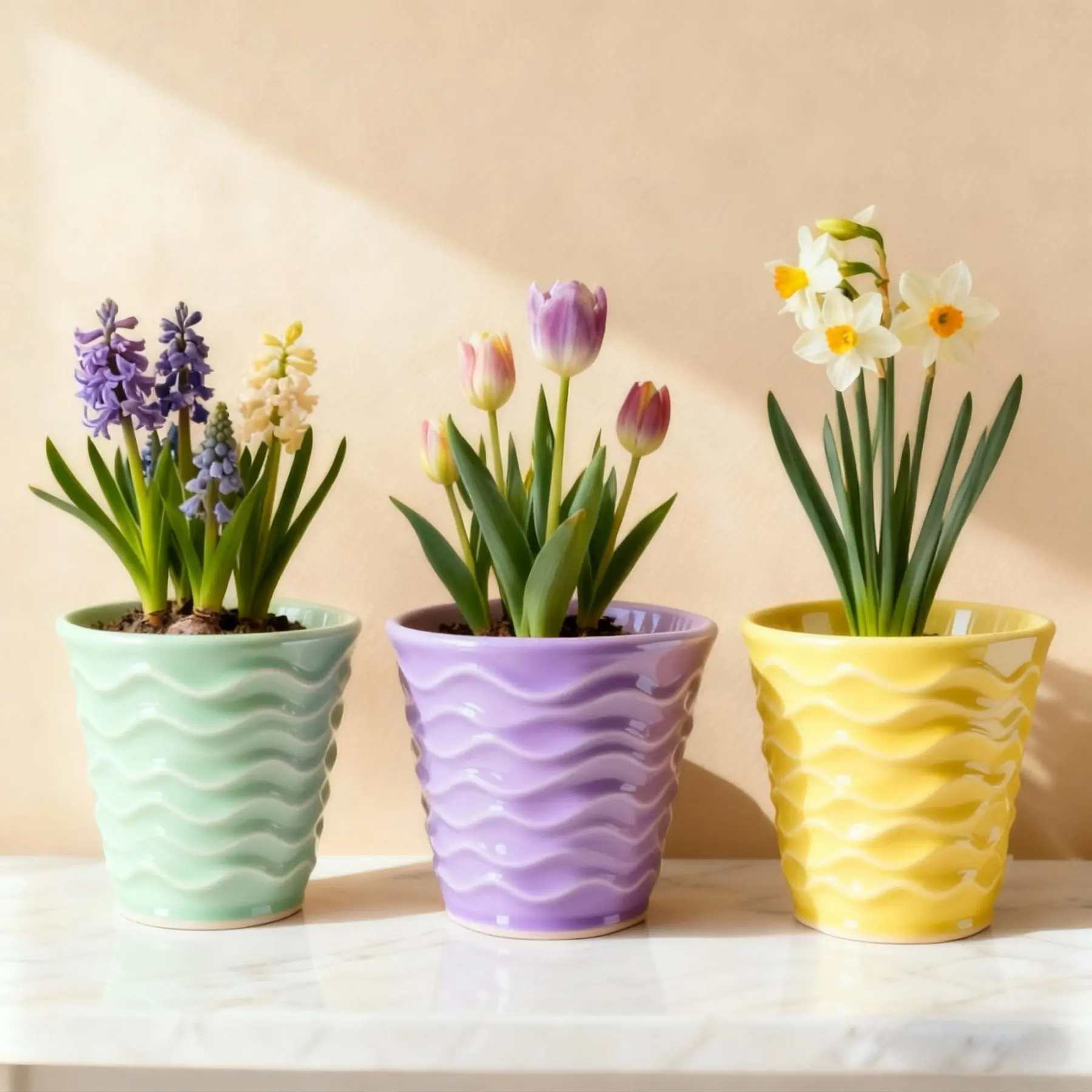
Discover our highly-demanded hand-painted and structured clay collections, manufactured to meet strict international standards with optimized cost margins.

An expert analysis of cost structures, quality grading systems, and industrial capabilities that distinguish Tier-1 manufacturing operations.
In the highly competitive market of ornamental homeware and gardening supplies, finding a cheap pottery painting manufacturer that guarantees structural integrity, glaze safety, and design consistency remains a primary hurdle for global sourcing managers. Hand-painted ceramics are unique because they blend artisanal craftsmanship with industrial scale. The term "cheap" in this context does not mean compromised quality. Rather, it represents optimized thermal efficiency in tunnel kilns, vertical supply chain integration of local clay sources, and standardized painting assembly processes.
According to the Google Search Quality Rater Guidelines, E-E-A-T (Experience, Expertise, Authoritativeness, and Trustworthiness) is the foundation of any reliable commercial transaction. To assist B2B buyers in making informed procurement decisions, we dissect the manufacturing ecosystem of high-volume glazed pots, planters, and decorative figurines.
Industrial scale production of pottery requires a careful balance of clay composition, molding method (slip casting vs. jiggering), drying room moisture management, and multi-stage kiln firing. Modern factories in China leverage automated continuous-car tunnel kilns, which cut energy consumption by up to 35% compared to traditional shuttle kilns, directly lowering the per-unit cost for overseas buyers.
Analyzing the buying intent and distribution requirements across Europe, North America, and the Asia-Pacific region.
Global supermarket chains, home decor franchise brands, and boutique horticultural distributors operate on highly strict shipping and seasonal timelines. Their core intent focuses on three main variables:
By sourcing clay from adjacent regional mines and formulating specialized slip-casts in-house, factories like Value Deco Limited dramatically minimize raw material costs. This geographic advantage is the primary driver of competitive pricing.
Value Deco Limited is a premier designer and manufacturer of high-grade pottery and decorative stoneware based in China. With over 12 years of industry-leading experience, we specialize in high-capacity production of custom ceramic pots, vases, candle holders, and seasonal holiday collections.
Our diverse production lines accommodate both traditional terracotta pots and advanced glazed stoneware dinnerware.
The complete engineering blueprint of how high-quality pottery is designed, molded, fired, and audited.
A resilient supply chain begins with consistent raw material. Pottery painting manufacturers typically employ various grades of clay including dolomite, terracotta, stoneware, and porcelain. For indoor flower pots and motivational decal mugs, refined dolomite provides a bright white finish that optimizes underglaze painting vibrancy. High-firing stoneware clay is preferred for frost-resistant outdoor planters due to its low water absorption properties (typically <3%).
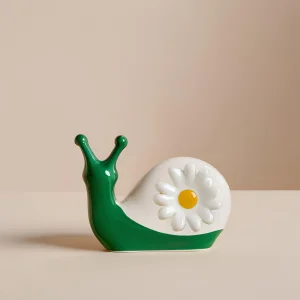
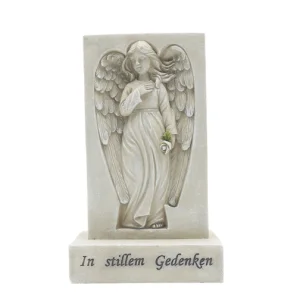
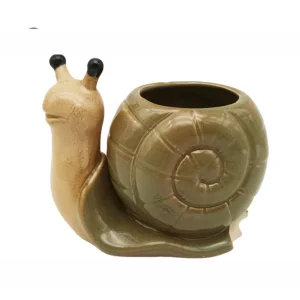
For complex organic geometries (such as snail-shaped planters or lifelike resin and ceramic garden statues), factories utilize specialized plaster molds for slip casting. The slip density, viscosity, and pH level are continuously measured. Automated jiggering lines produce symmetrical shapes like cylinder planters at a rate of 1,200 units/hour, maintaining precise dimensional tolerances crucial for retail shelf alignment.
A reliable factory implements a two-stage firing cycle:
Browse our seasonal and functional pottery catalogs. Click below to inquire and download complete specification listings.
How AI, eco-friendly glazes, and automated material handling are shaping the future of ceramic factories.
As the international community moves toward stricter ESG (Environmental, Social, and Governance) targets, pottery painting manufacturers are experiencing a technological evolution. Leading factories are prioritizing the following innovations:
Traditional cheap pottery painting factories often relied on low-fire leaded glazes to achieve vibrant colors at low costs. Today, leading manufacturers formulate proprietary lead-free and cadmium-free glazes. These modern formulas react predictably in kilns while fully complying with California Proposition 65 and FDA consumer safety regulations.
Kilns consume up to 70% of a ceramic factory's total energy footprint. Next-generation factories incorporate heat-exchanger recovery systems that capture high-temperature exhaust from cooling zones and channel it back to raw clay drying chambers, reducing carbon footprints and lowering operational costs.
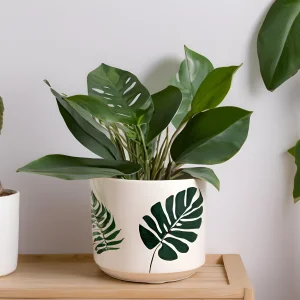
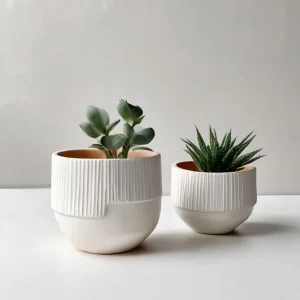
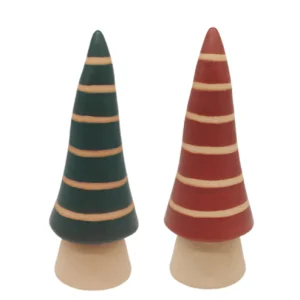
For mass-volume contracts (like our motivational ceramic planters or vertical stripe pots), automatic high-speed screen-printing and decal application machines apply complex graphics with millimeter accuracy before the final fire. Hand-painted accents are then applied selectively, combining efficient production with custom craftsmanship.
Explored and crafted in-house by our design team to capture contemporary retail consumer preferences.
Mitigating risk in international supply chains through proactive chemical testing, factory audits, and transport packaging protocols.
Purchasing wholesale pottery painting products from international factories demands complete regulatory compliance. High-profile B2B clients cannot afford import shipment delays due to incorrect documentation. Our factories ensure that all production lines strictly adhere to international quality benchmarks:
Answers to common operational questions regarding MOQ, custom glazes, lead times, and shipping processes.
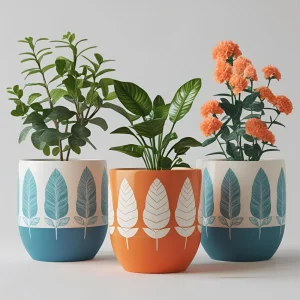
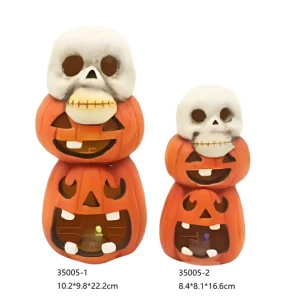
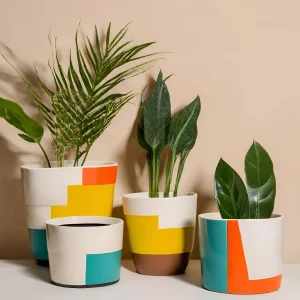
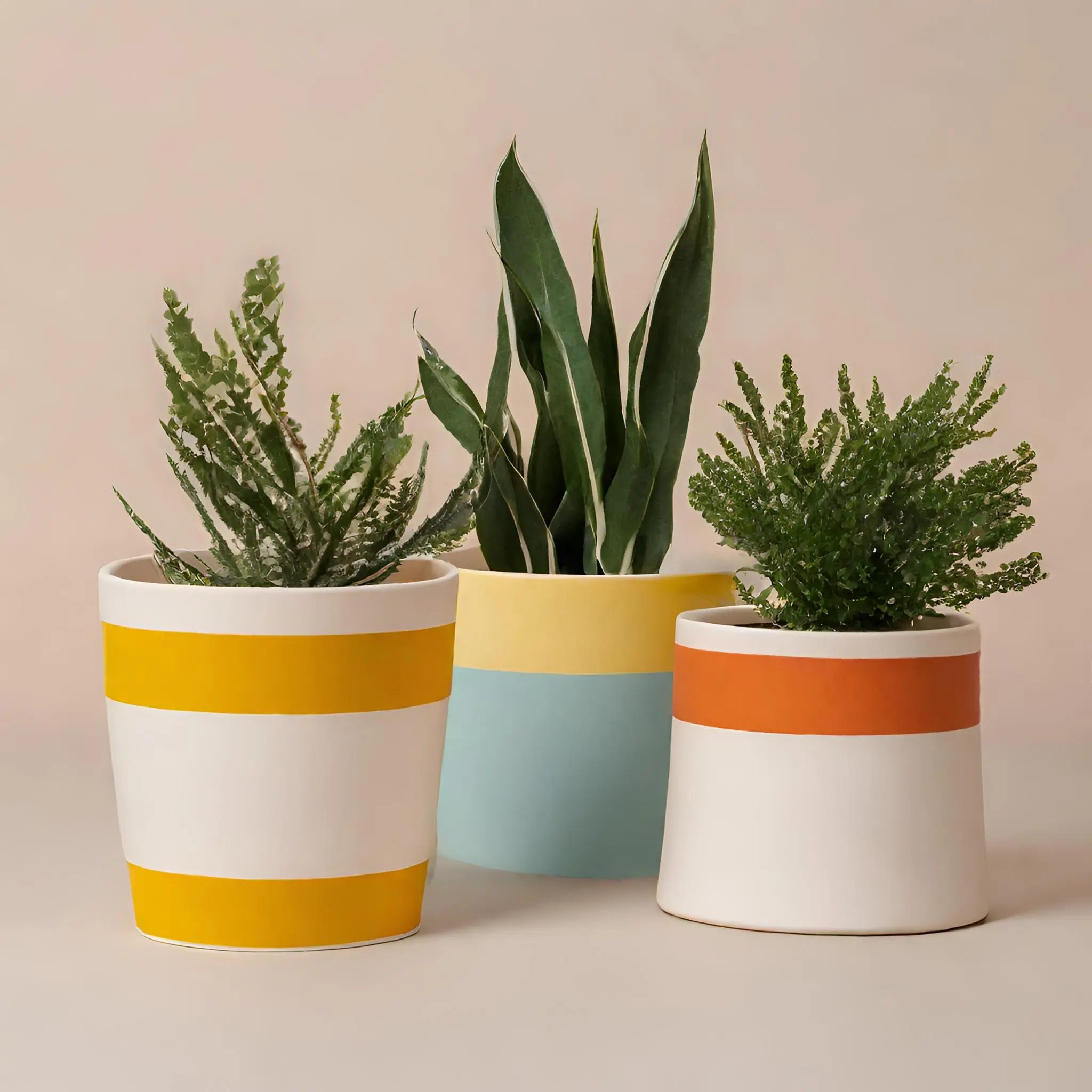
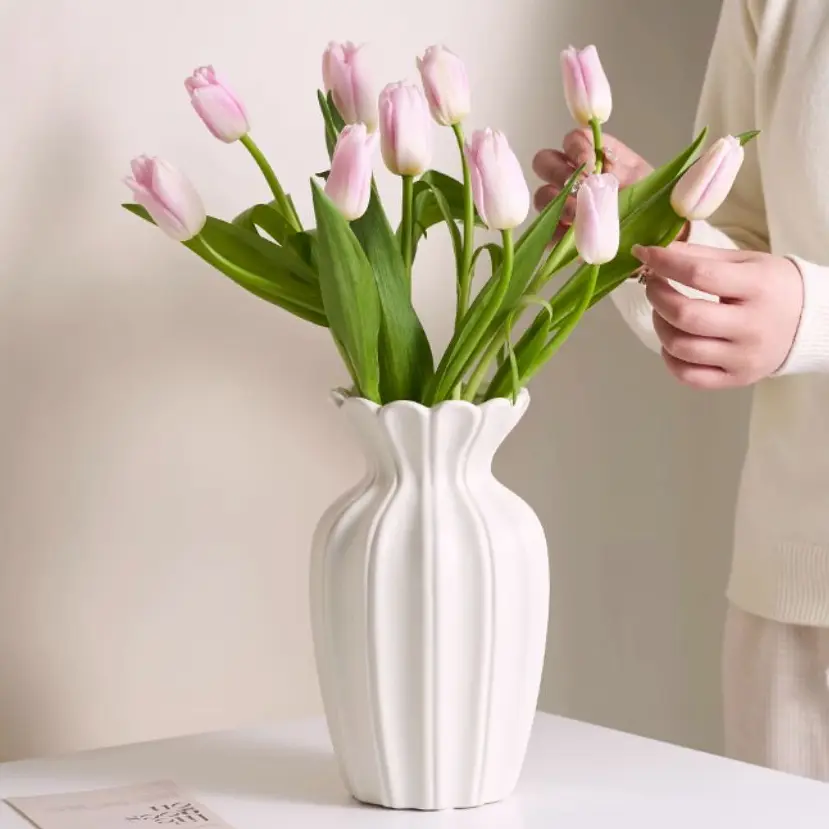
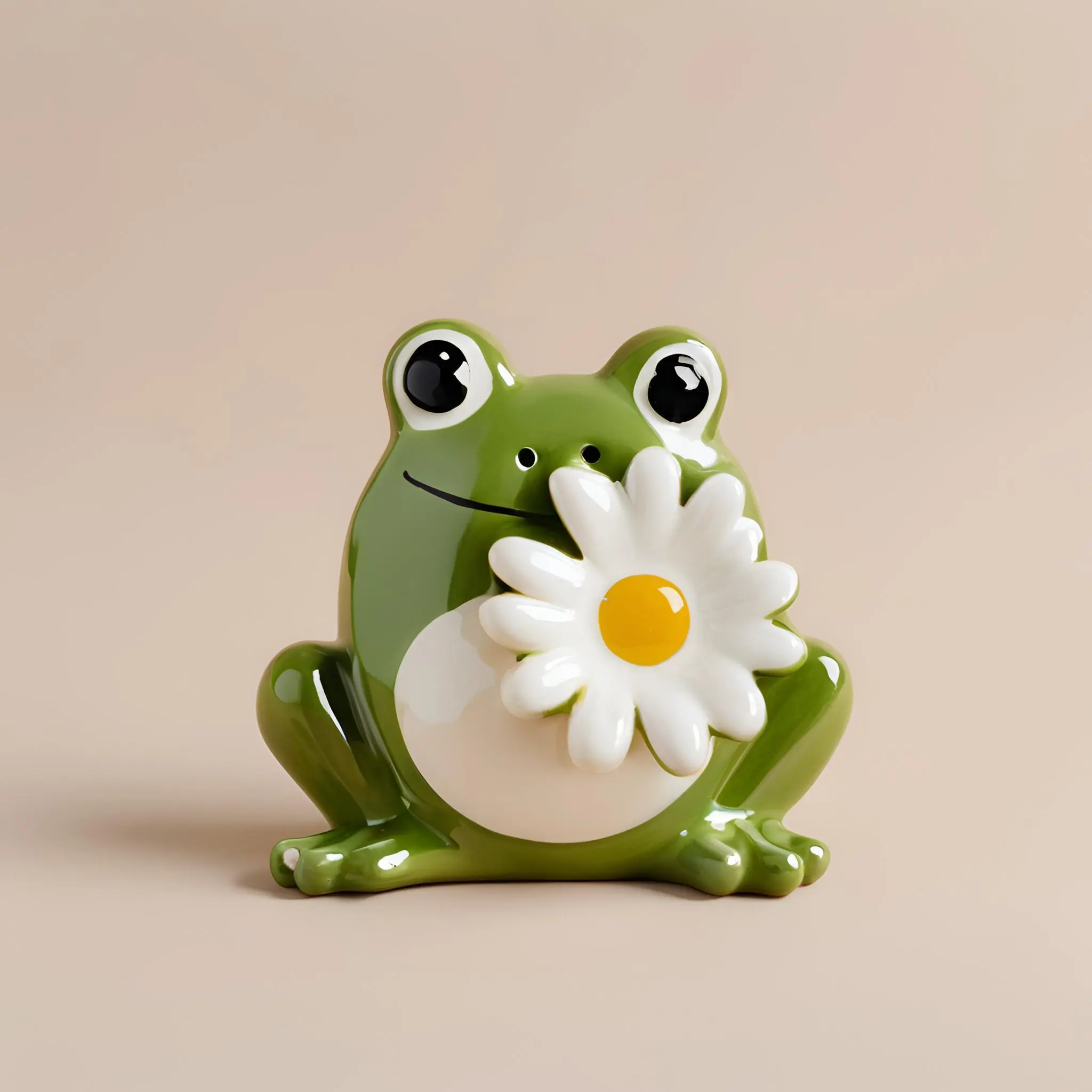
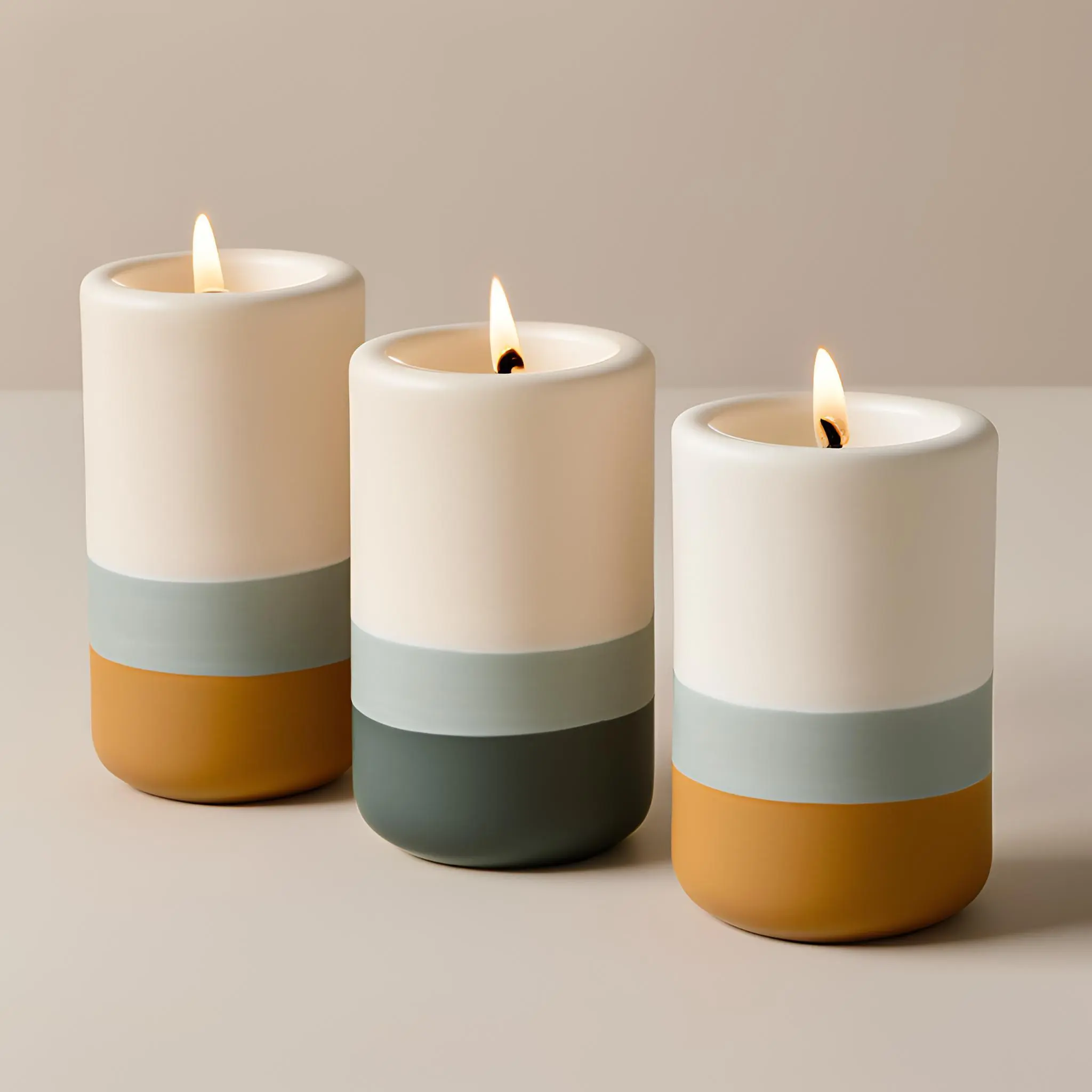
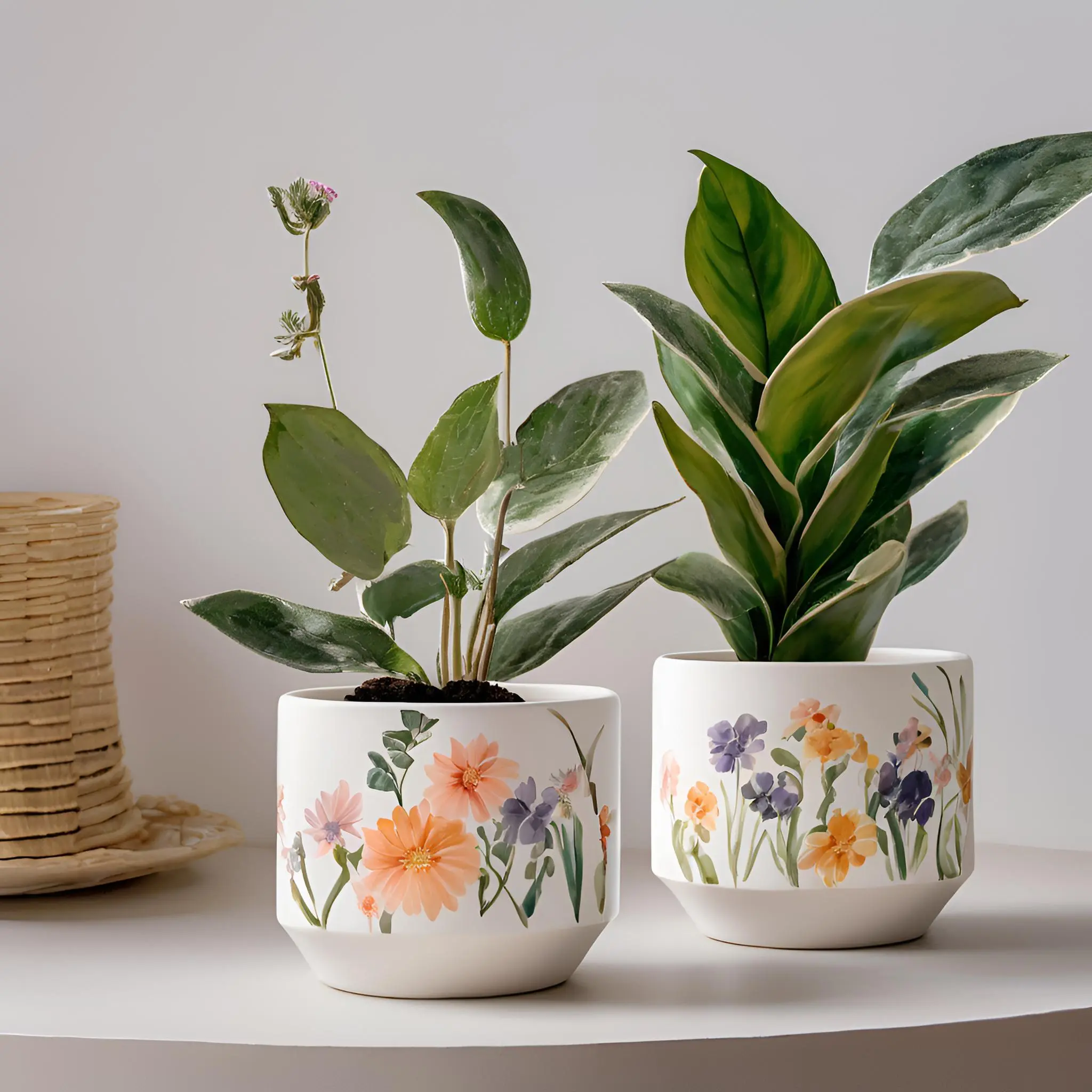
High-quality hand-painted decorative accents, seasonal items, and indoor/outdoor pots designed for high retail demand.