Explore our top-tier collection of high-durability commercial plant displays, memorial statues, and custom glazes tailored for global wholesale procurement.
The commercial landscape and urban development sectors are driving unprecedented demand for structural, lightweight, and durable outdoor planters. As architectural firms prioritize green integration and urban forestry, the role of experienced cheap outdoor planters manufacturers & suppliers has transitioned from mere decor suppliers to key engineering partners. Global import-export flows indicate that the commercial planter sector is expanding at a steady CAGR of 5.8%, driven by developments in luxury hospitality, municipal landscaping, and large-scale residential frameworks.
Geographically, key manufacturing clusters in Southern China, Southeast Asia, and parts of Europe dominate the global supply. These regions offer diverse technological capabilities, from high-volume automated stoneware casting to meticulous artisanal glass-reinforced concrete (GRC) molding. For bulk buyers, managing the procurement value chain requires a granular understanding of material science, shipping optimization, and quality standard compliance.
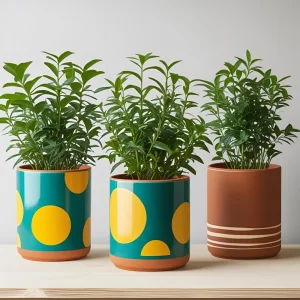
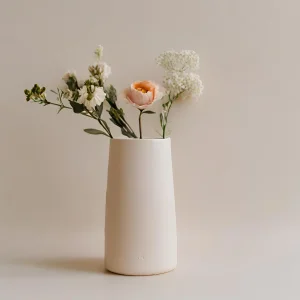
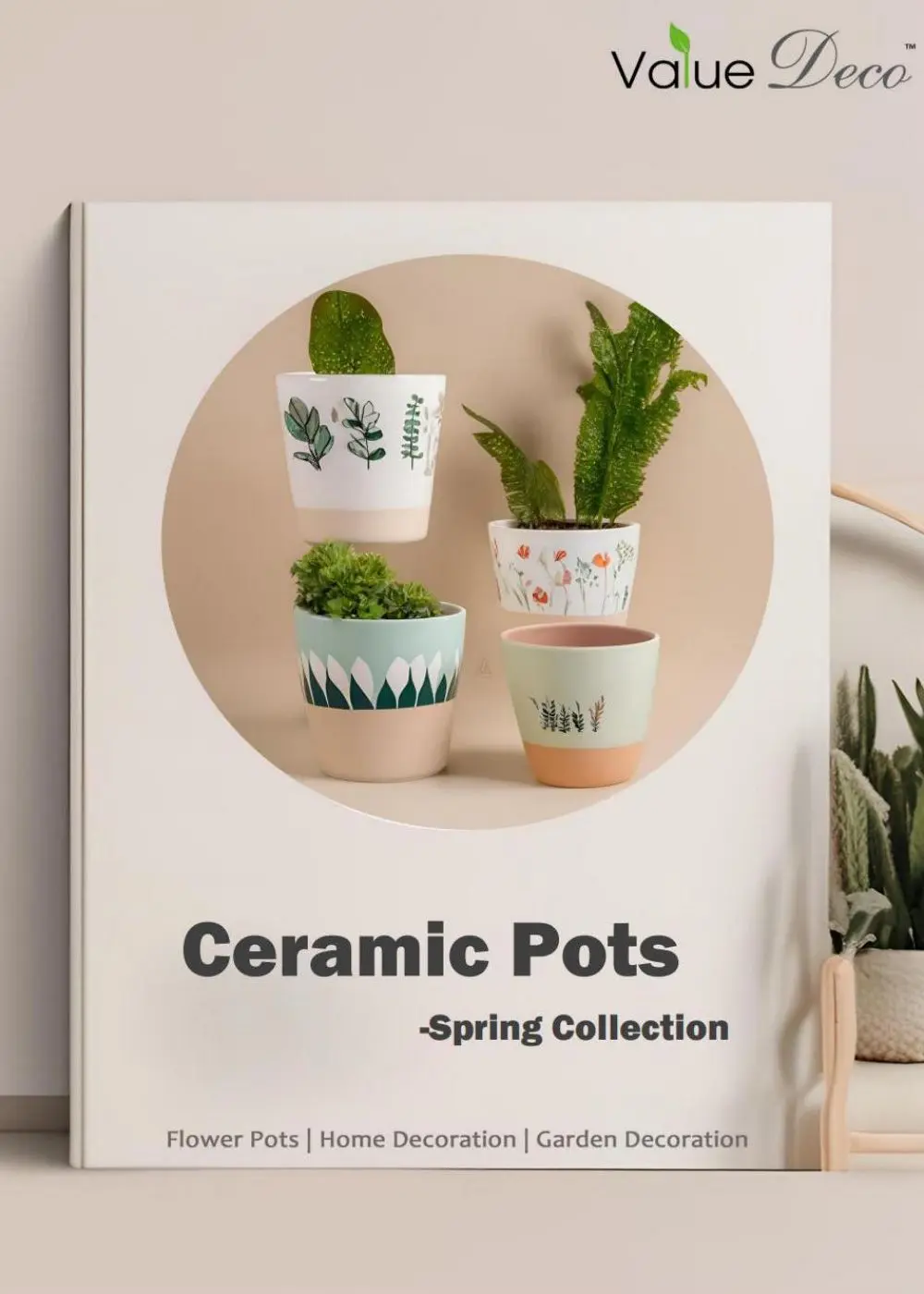
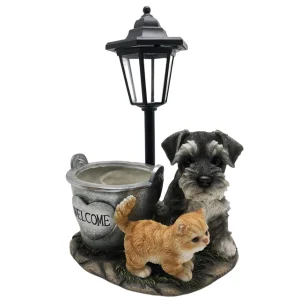
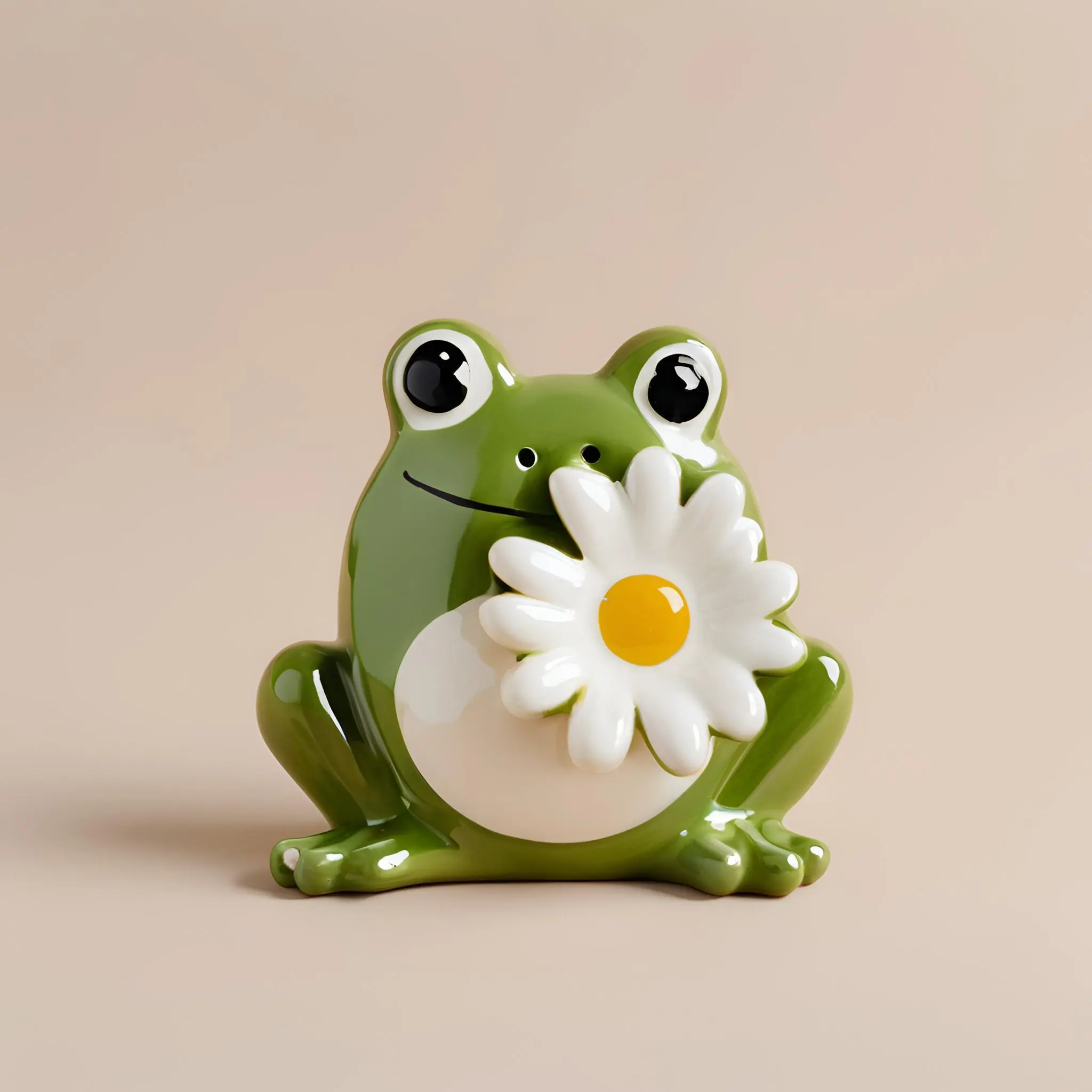
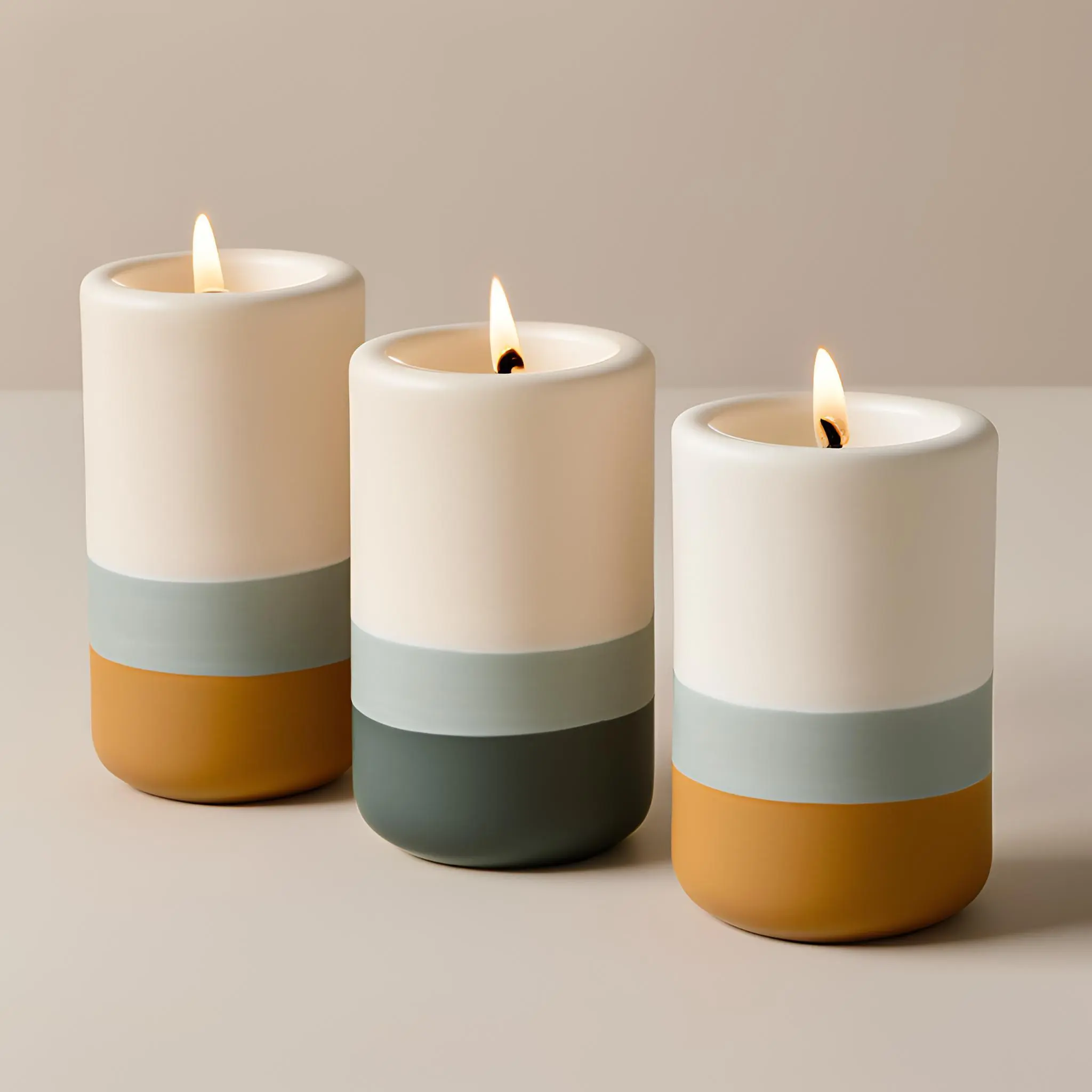
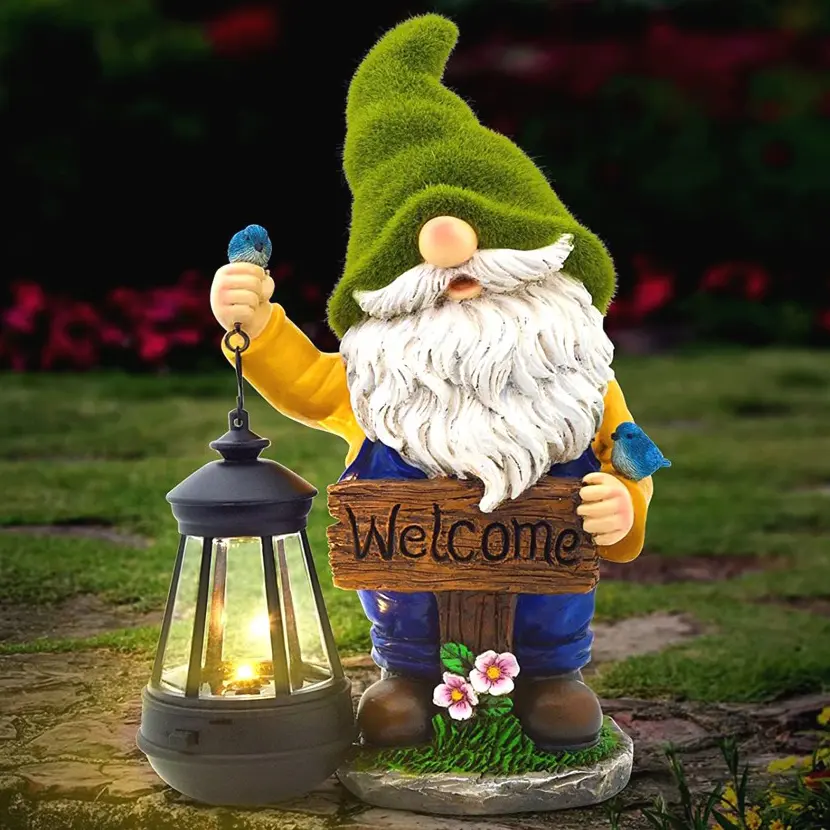
From architectural pots to premium seasonal collections, our manufacturing lines cover the entire spectrum of decorative ceramics and garden elements.

The choice of material determines not only the planter's lifespan but also its suitability for varying climatic zones. Modern manufacturers are moving away from traditional heavy concrete and unstable plastics towards high-fired stoneware, earthenware, and fiber-clay composites. Below is an evaluation of modern material architectures:
Fired at temperatures exceeding 1250°C, vitrified ceramic planters exhibit water absorption rates of less than 0.5%. This creates a molecular structure that resists ice crystal expansion during freeze-thaw cycles, a critical consideration for municipal landscape planning in cold regions. The glaze is bonded at a molecular level, preventing UV degradation and chemical peeling.
By embedding alkali-resistant glass fibers into a concrete matrix, suppliers produce planters with high tensile strength at a fraction of the weight of standard concrete. This enables the production of structural planters up to 2 meters in length, suitable for holding large ornamental trees on elevated structural decks.
Environmental regulations and green building certifications (such as LEED) are prompting suppliers to develop eco-friendly, heavy-metal-free glazes. Recycled ash, natural silicates, and single-firing kiln techniques are reducing carbon footprints, making green-sourced ceramics highly appealing to modern corporate purchasing departments.
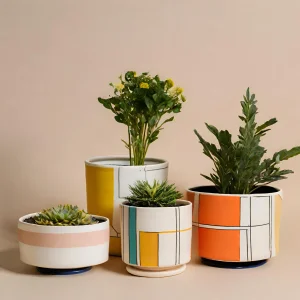
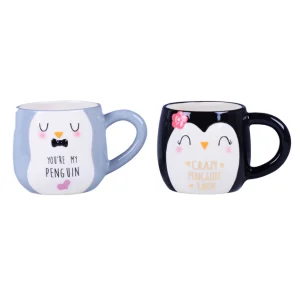
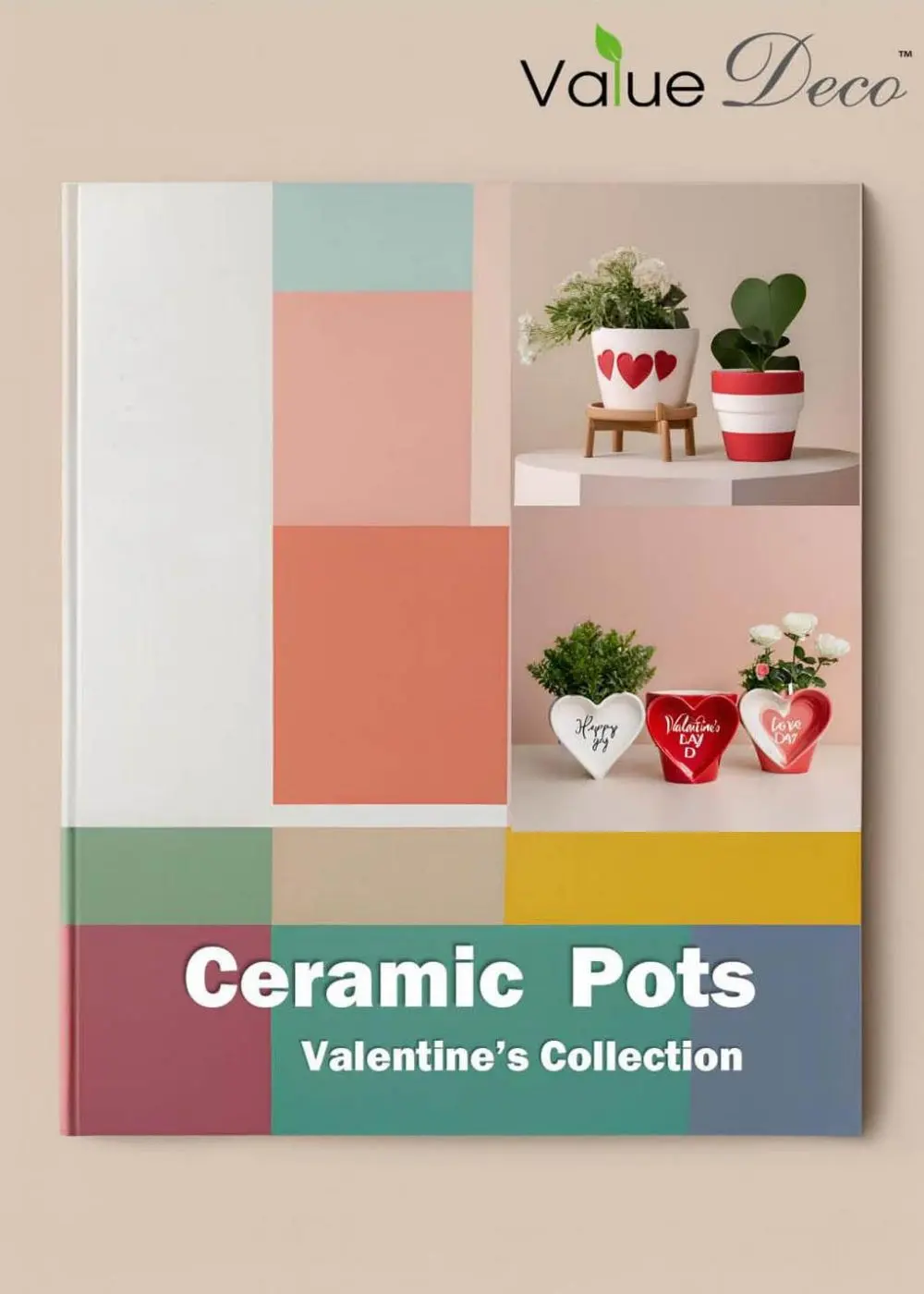
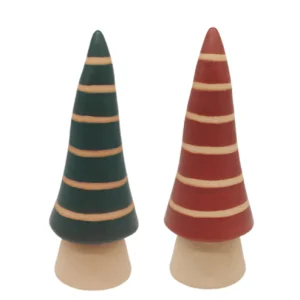
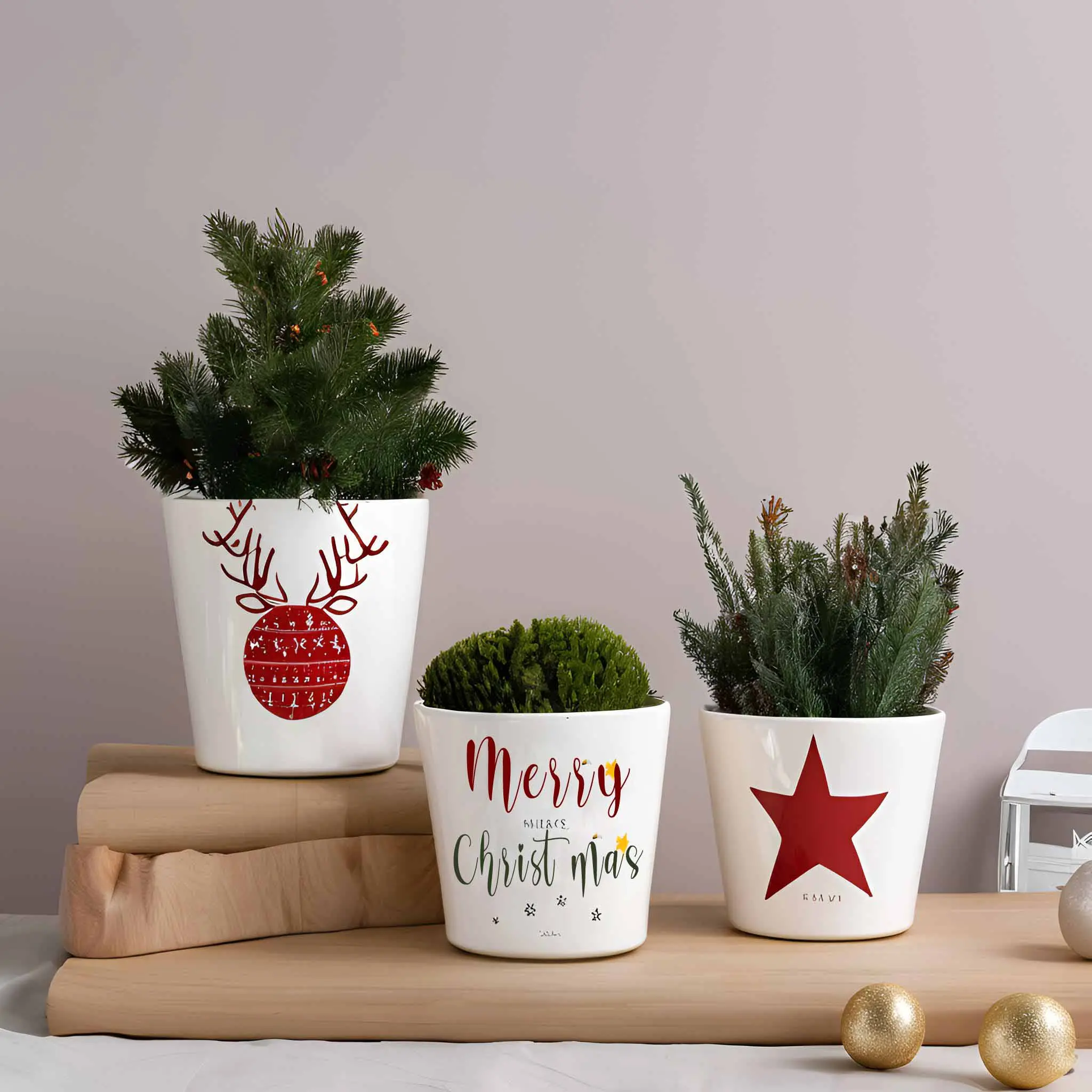
Tailored decorative solutions designed to meet seasonal retail trends and holiday celebrations globally.
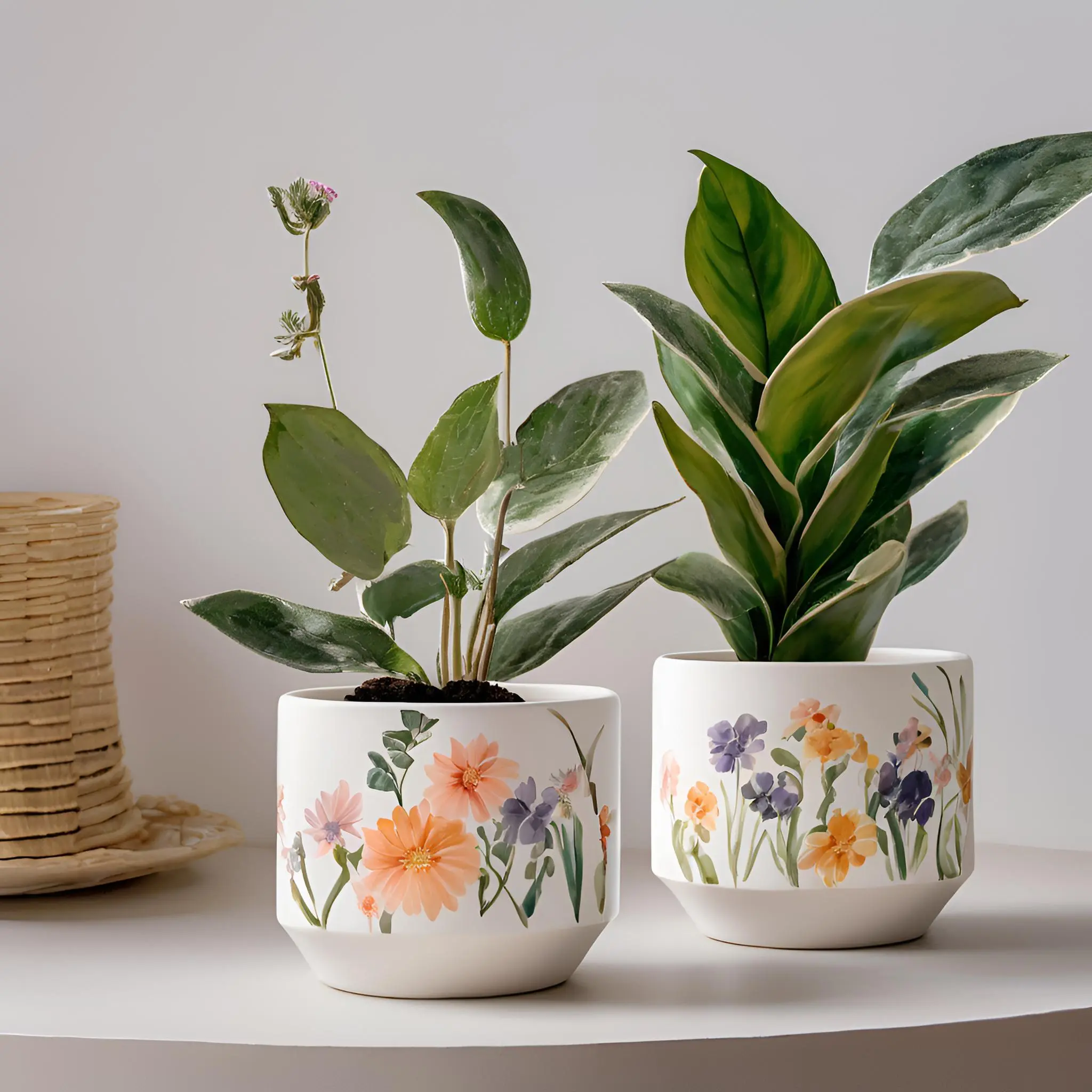
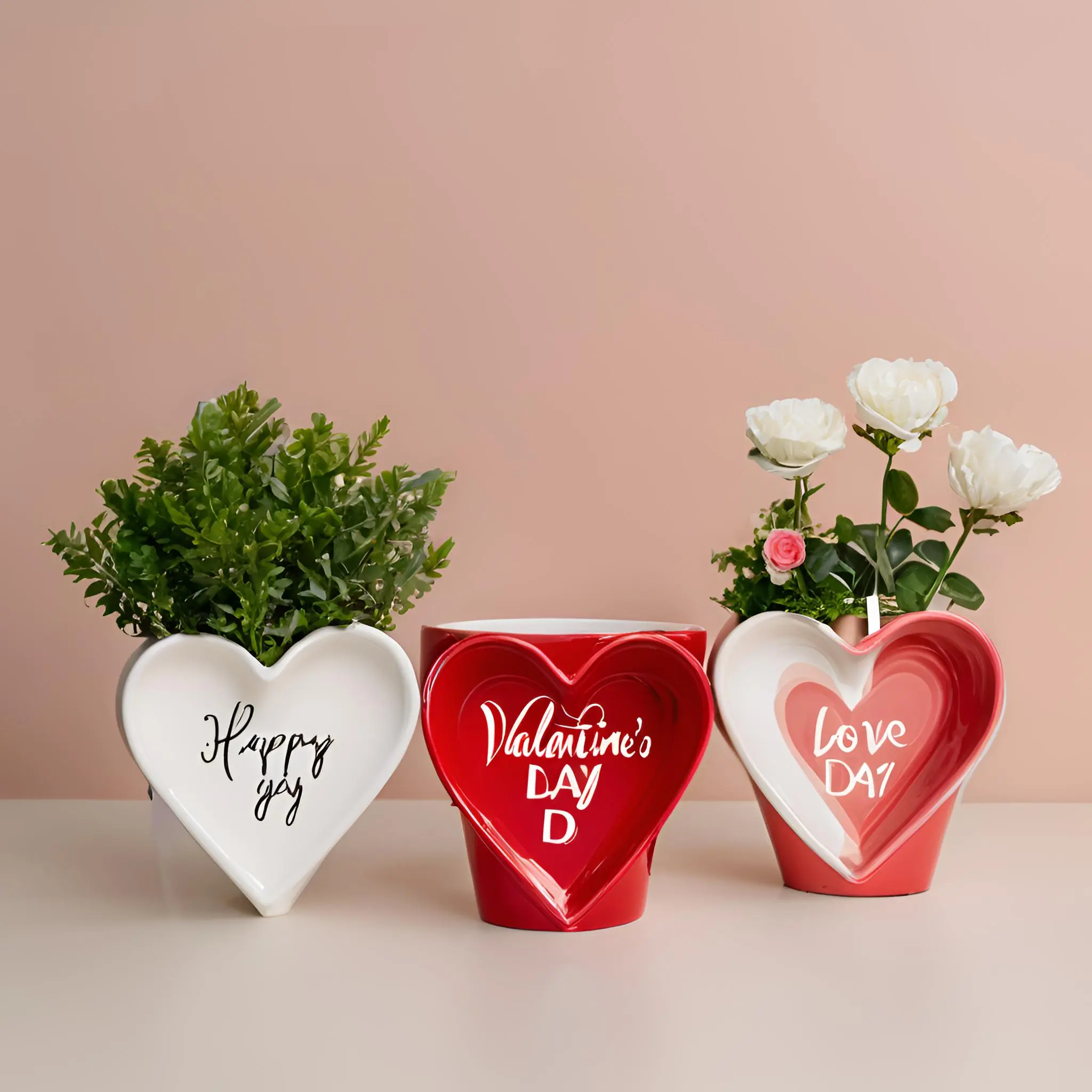
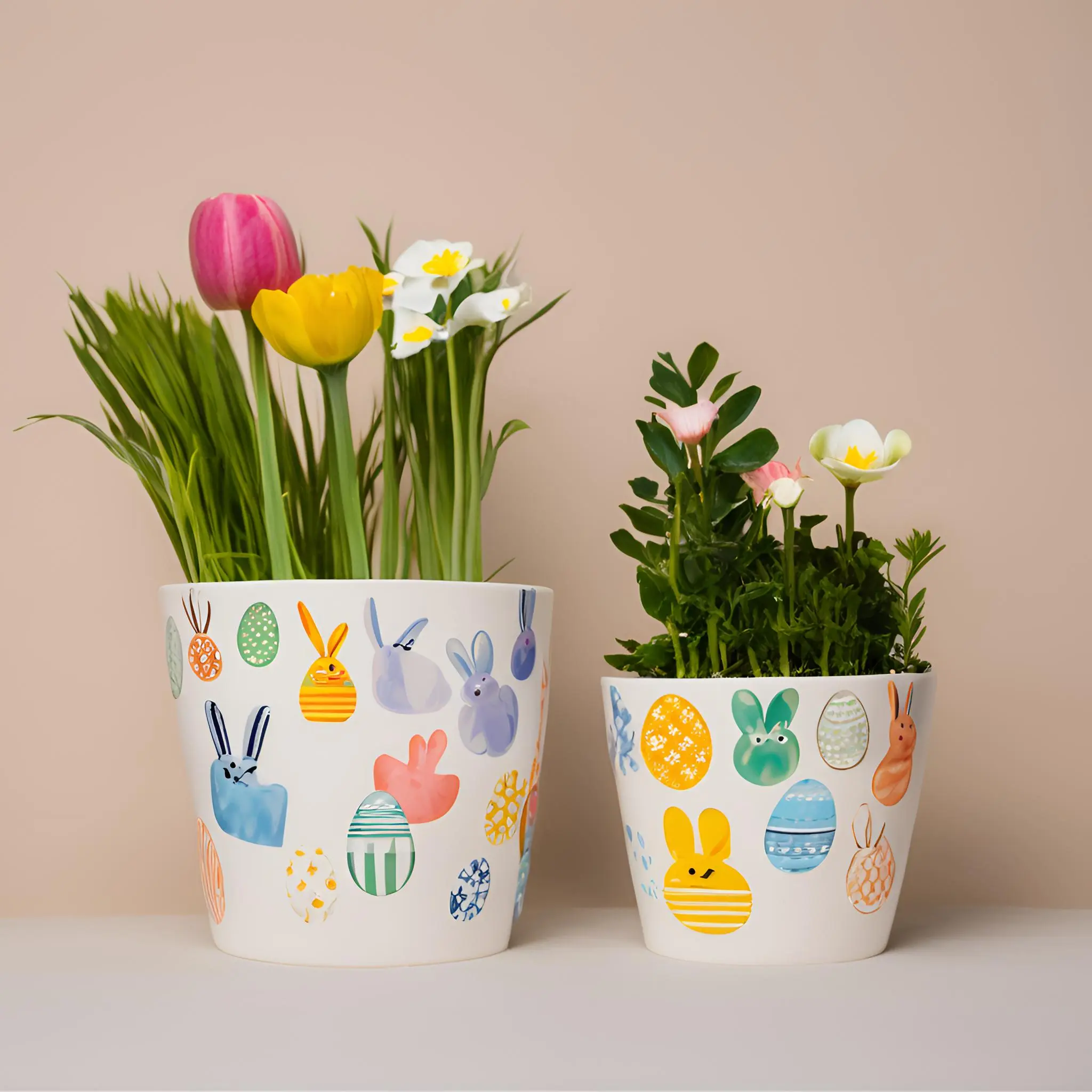
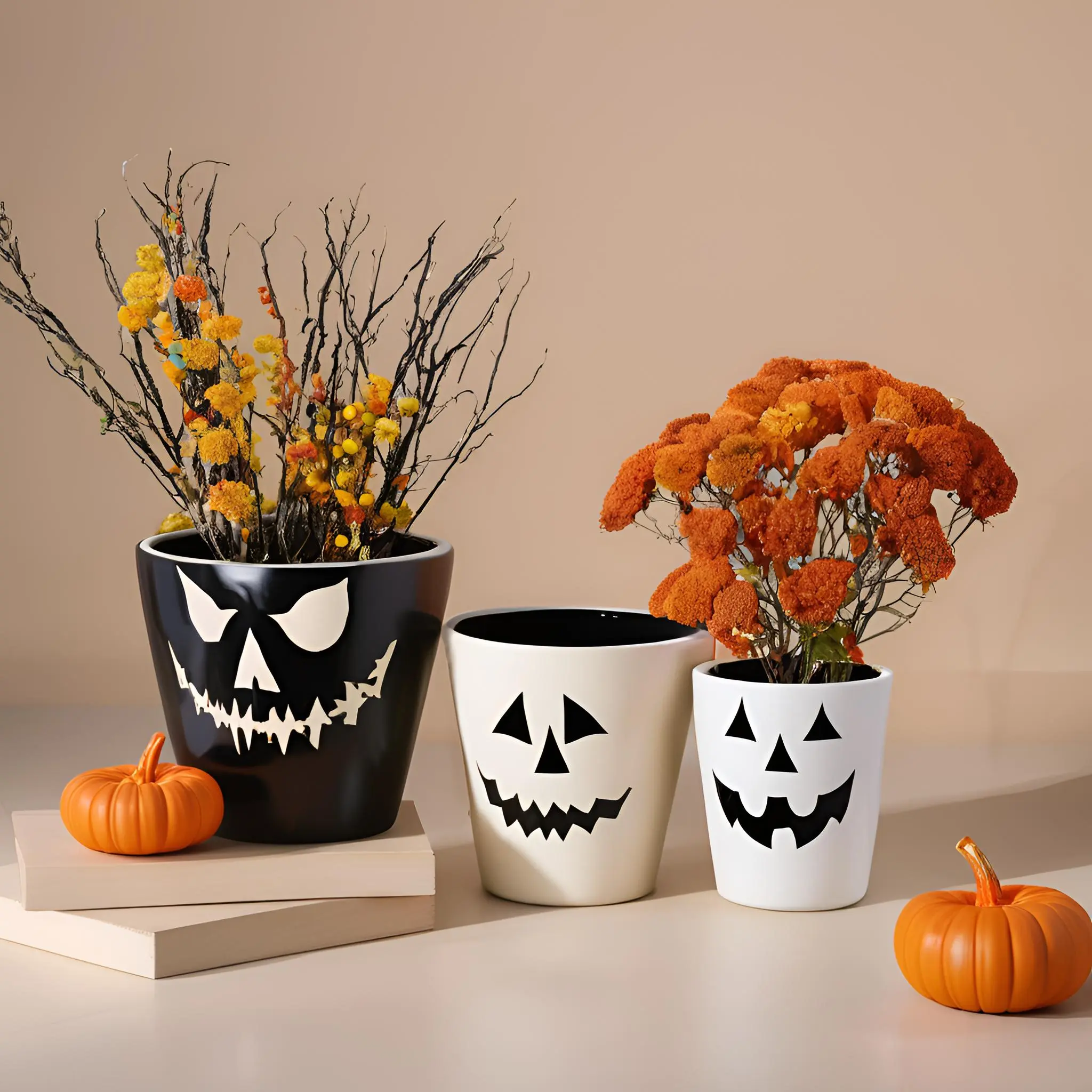
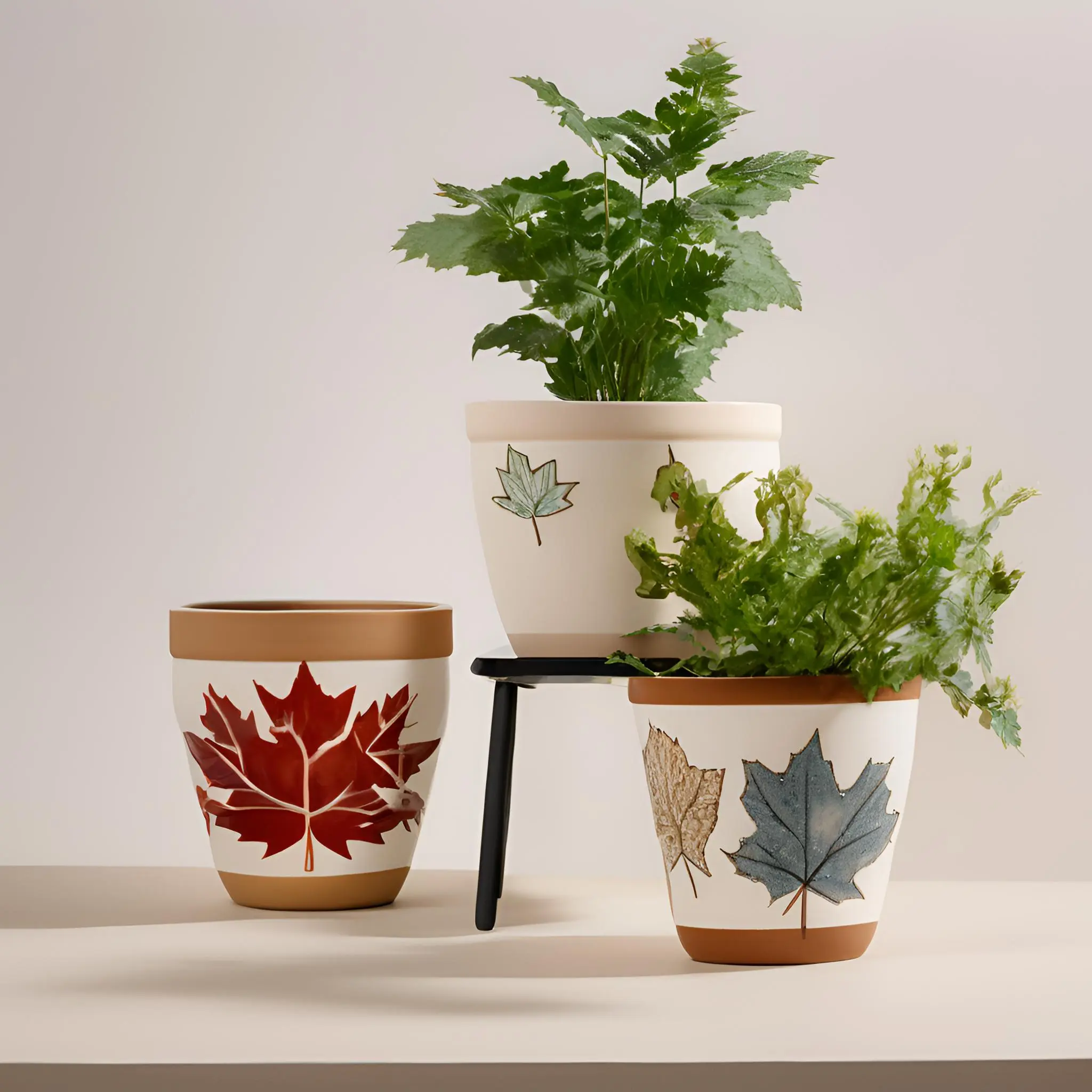
Value Deco Limited is a leading designer and supplier of high-quality ceramic pots based in China. With over 12 years of experience in the international decoration and homeware industry, we have built a solid reputation for offering a diverse range of Flower Pots, Vases, Candle Holders, Home Decorations, Garden Accents, and Dinnerware, designed for multi-seasonal and commercial applications.
Our products combine functional durability with contemporary styling to elevate modern architectural and indoor spaces. Our specialized divisions facilitate targeted wholesale operations:
Value Deco - Flower Pots Division:
www.valuedeco.comPride Deco - Home & Garden Décor Division:
www.pridedeco.com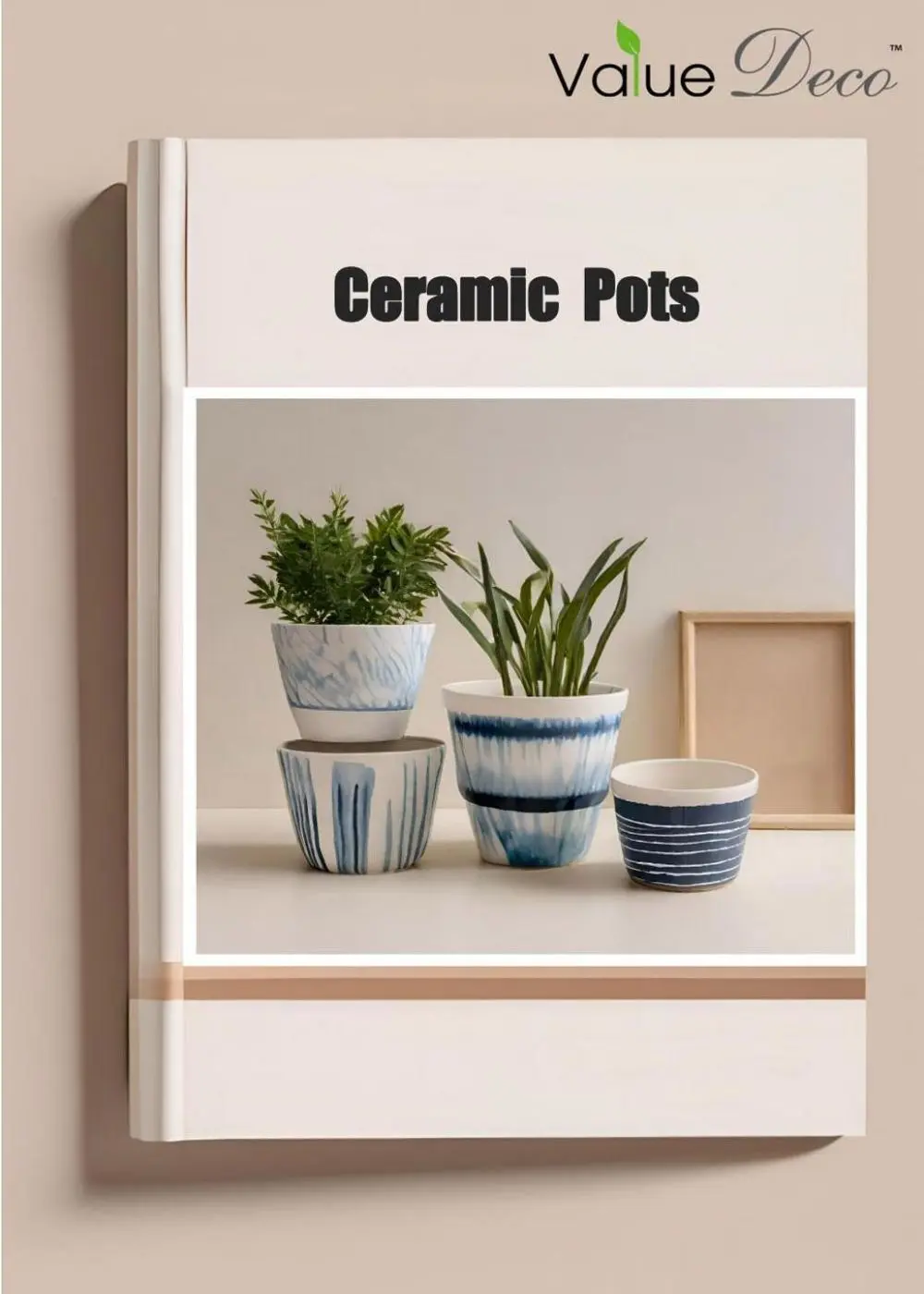
Outdoor planters perform different functional roles depending on their installation environment. Top-tier manufacturers design products to meet these specific regional and functional demands:
In corporate headquarters and public plazas, large outdoor planters are often used as structural barriers or to guide pedestrian traffic. The structural design must withstand external forces and remain stable in high winds. Integrating hidden anchorage systems and thick-walled structures helps prevent vandalism and tipping.
Coastal resorts and boutique hotels require planters that can withstand saline air, intense UV exposure, and constant moisture. In these environments, glazed ceramics and high-performance composites are preferred over metal containers, which are susceptible to corrosion.
Rooftop landscaping is heavily constrained by structural weight limits. Experienced suppliers address this by recommending lightweight fiber-clay or thin-walled textured ceramic planters. These materials reduce the overall dead load of the garden installation, allowing developers to meet green space requirements safely.
Download our current collections categorized by glaze style, seasonal themes, and material composition.
The next generation of plant container manufacturing focuses on integrating functional technologies that assist with landscape maintenance. As cities become smarter, our planter systems are adapting to support green infrastructure through the following development pathways:
Advanced commercial installations increasingly specify integrated sub-irrigation water reservoirs. By using capillary action, water is drawn upwards from a bottom chamber into the root zone, reducing municipal watering frequency by up to 50%. Manufacturers are designing internal support shelves to fit these systems seamlessly.
Applying hydrophobic or titanium dioxide photocatalytic coatings to outdoor pots helps keep surfaces clean. These coatings break down organic dirt when exposed to UV light, allowing rainwater to rinse the residue away. This keeps outdoor displays looking clean with minimal maintenance.
High-end commercial planters are now built with recesses to accommodate soil moisture, pH, and temperature sensors. These sensors feed data back to building management systems, ensuring precise water and nutrient delivery for large-scale landscaping installations.
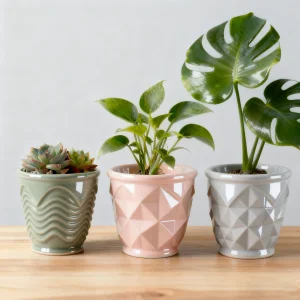
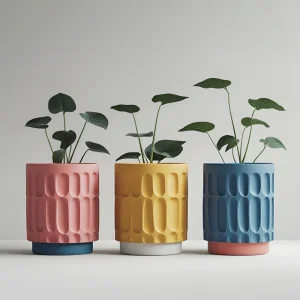
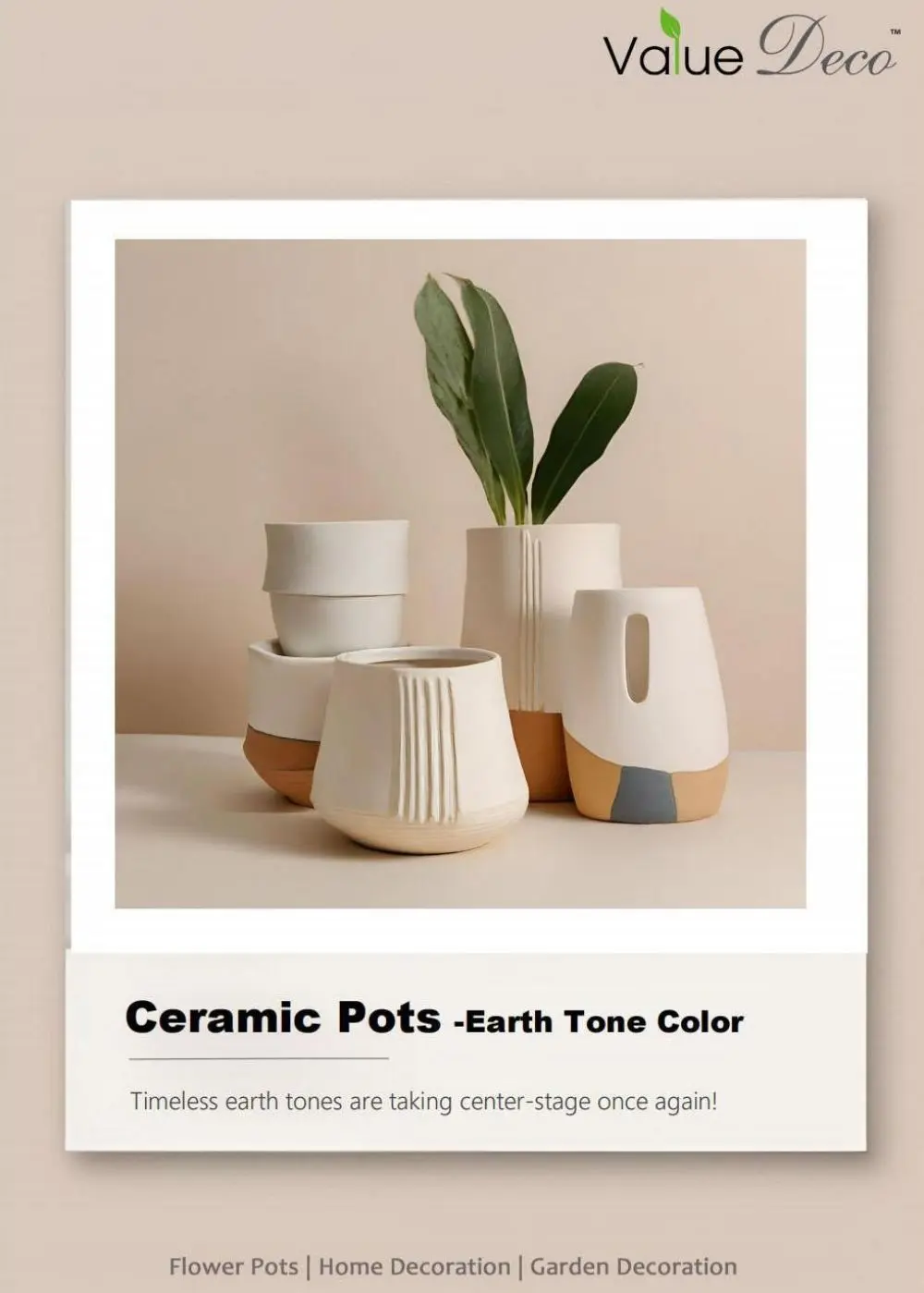
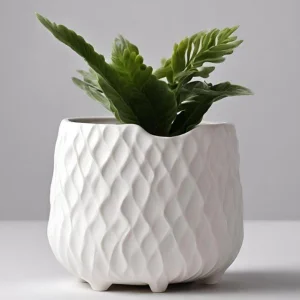
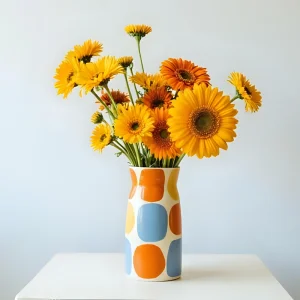
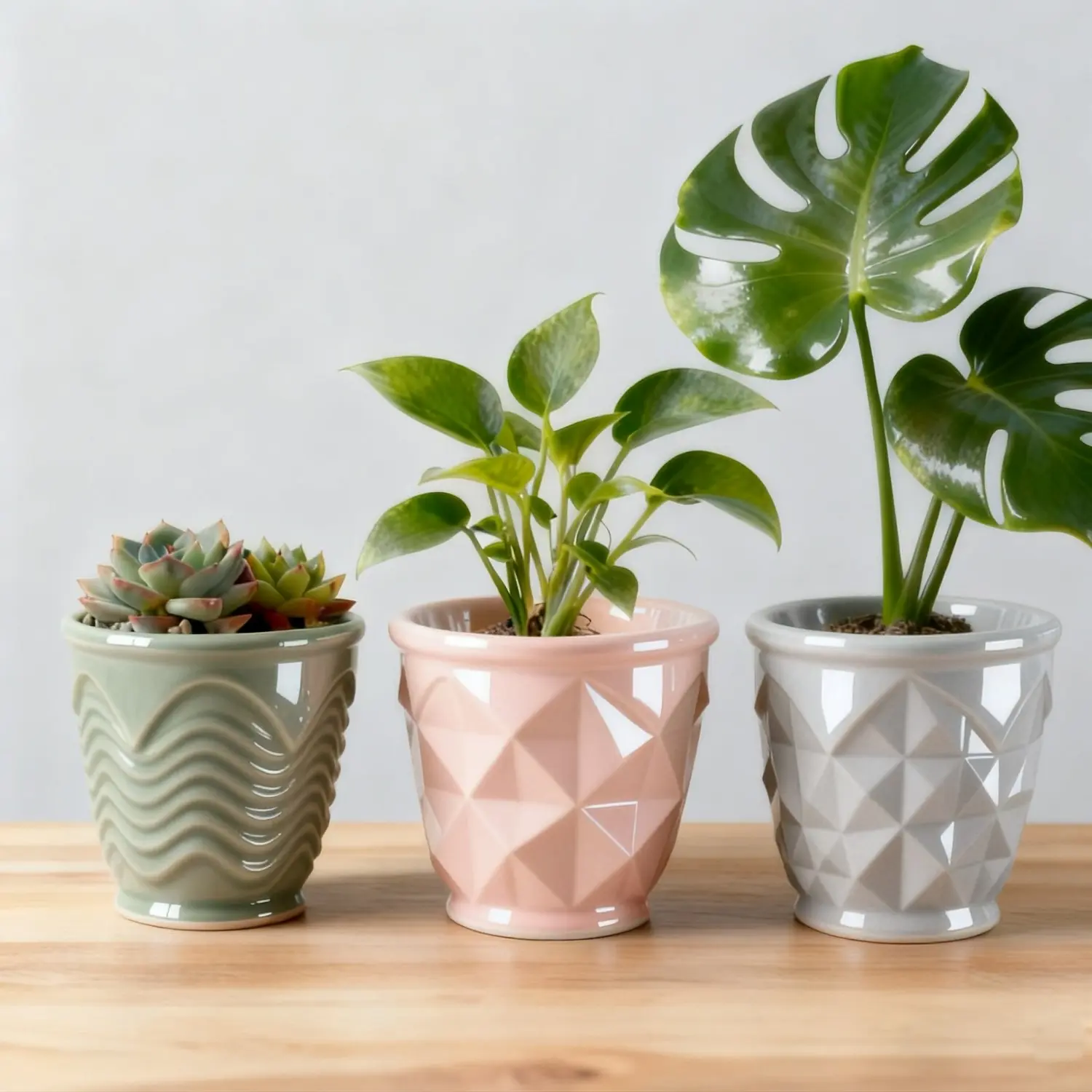
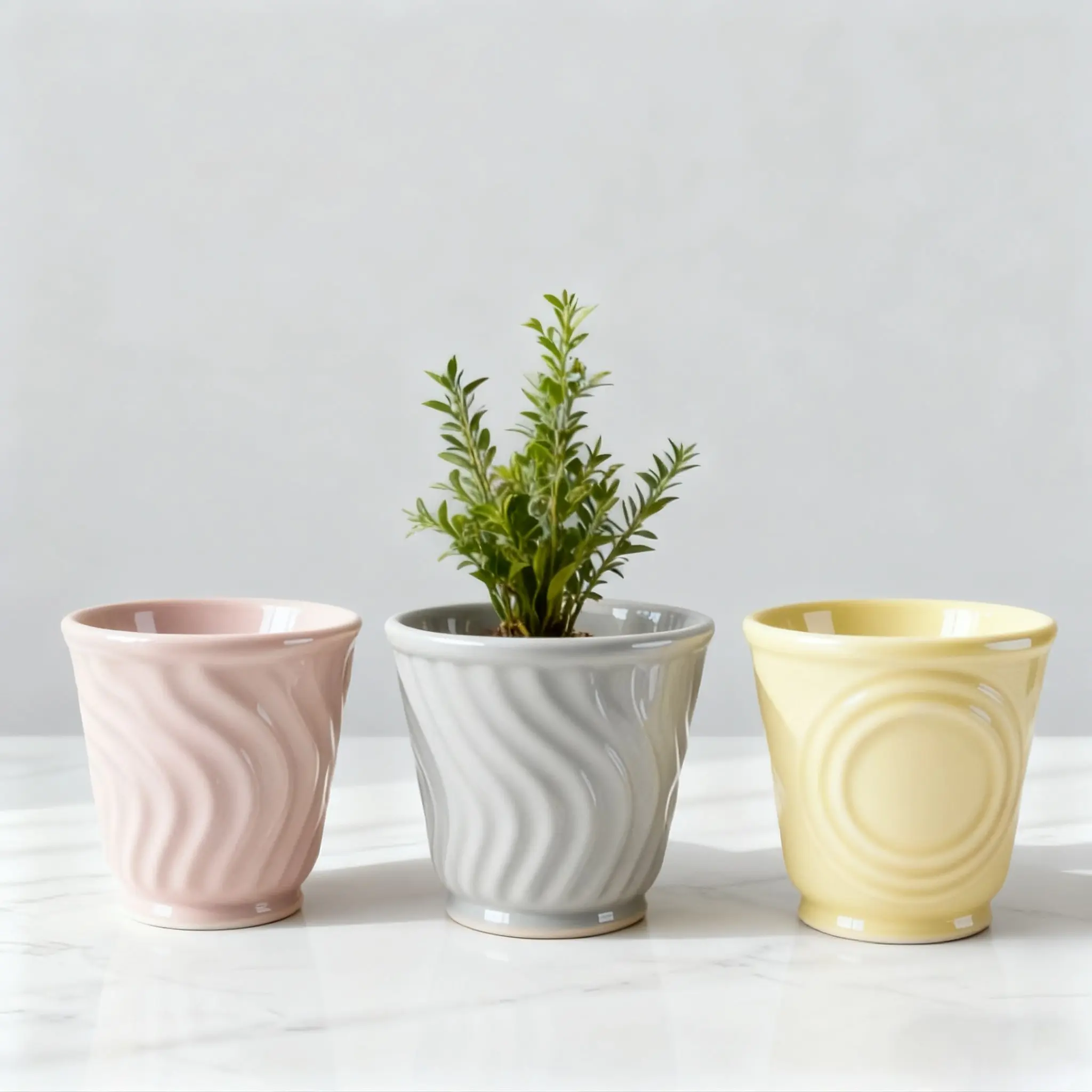
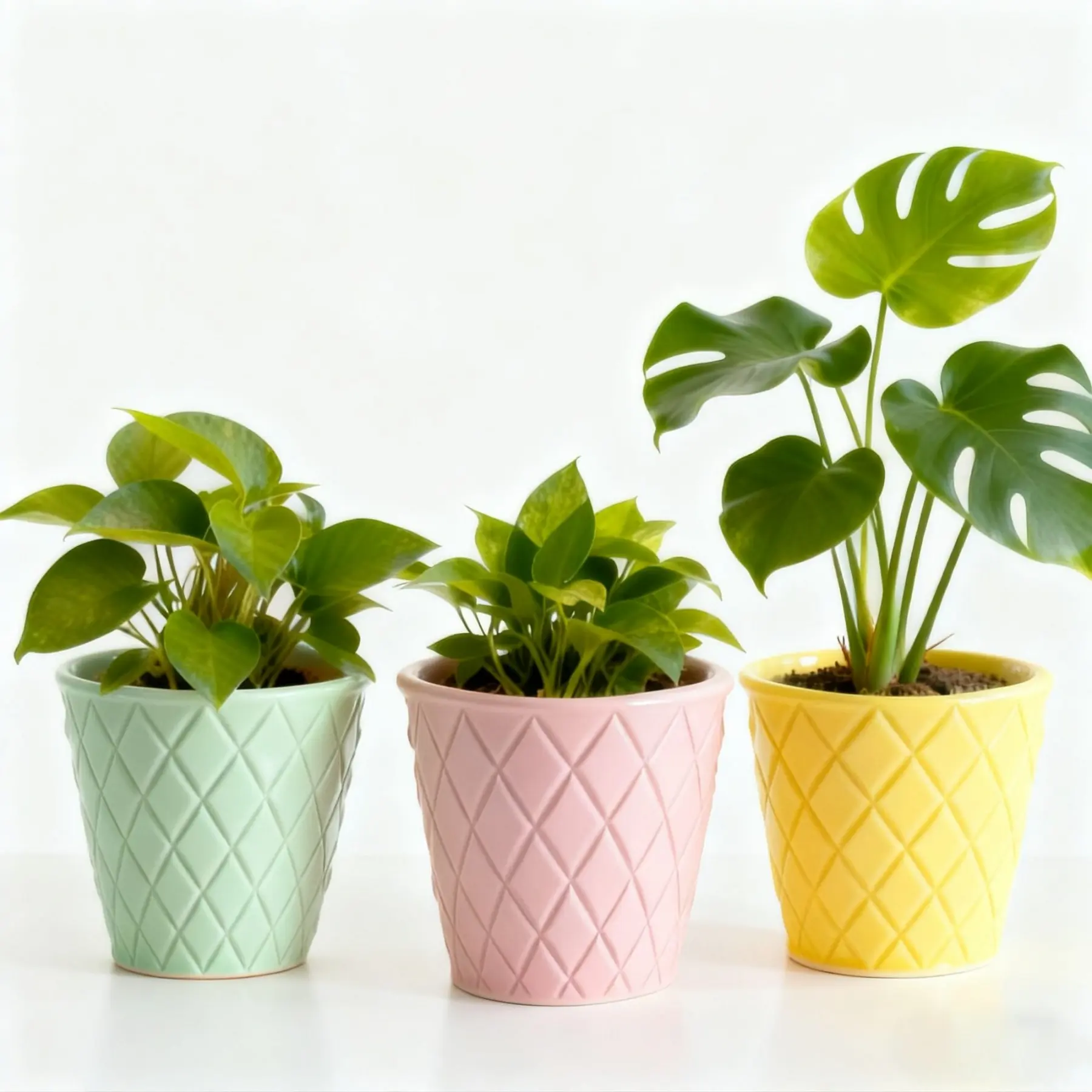
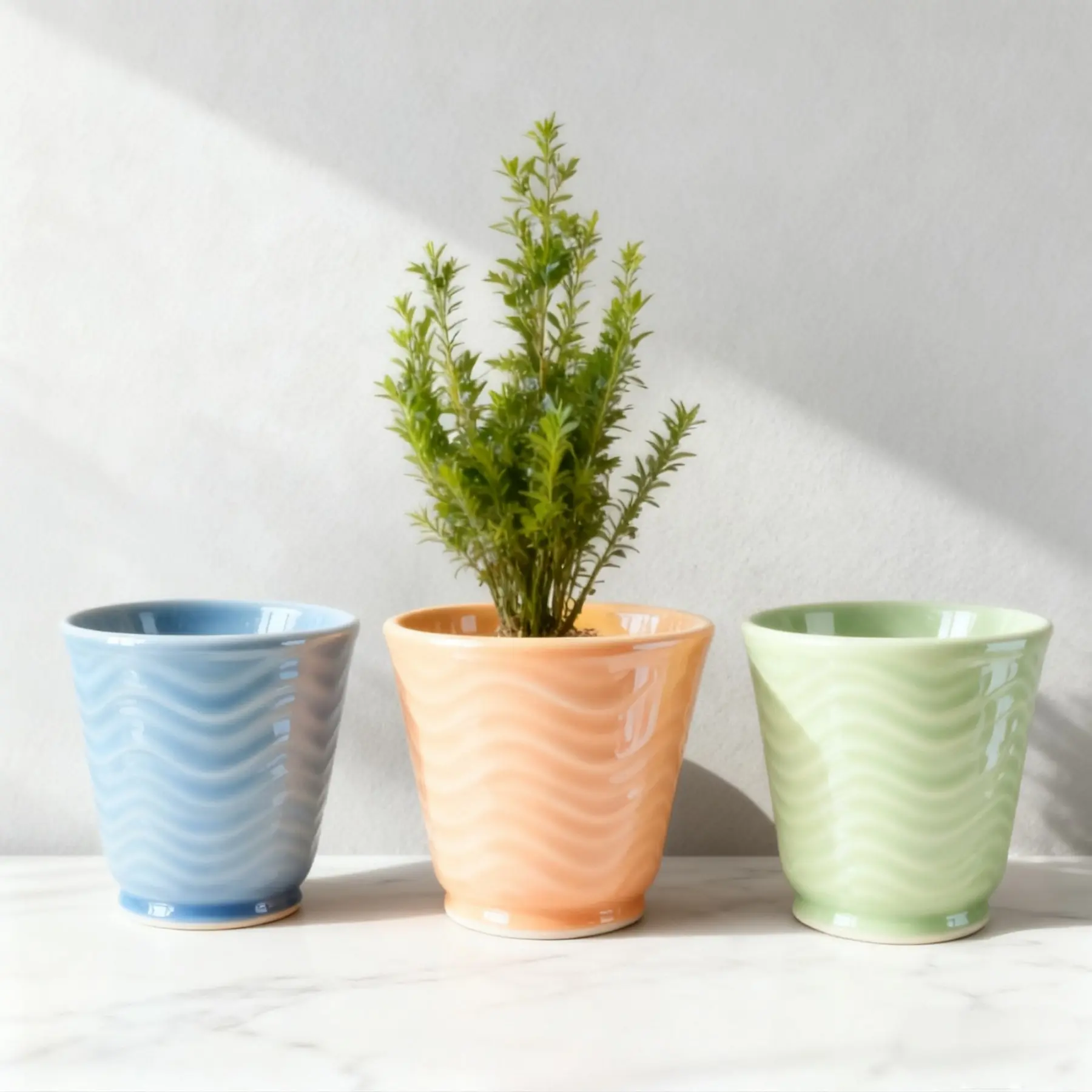
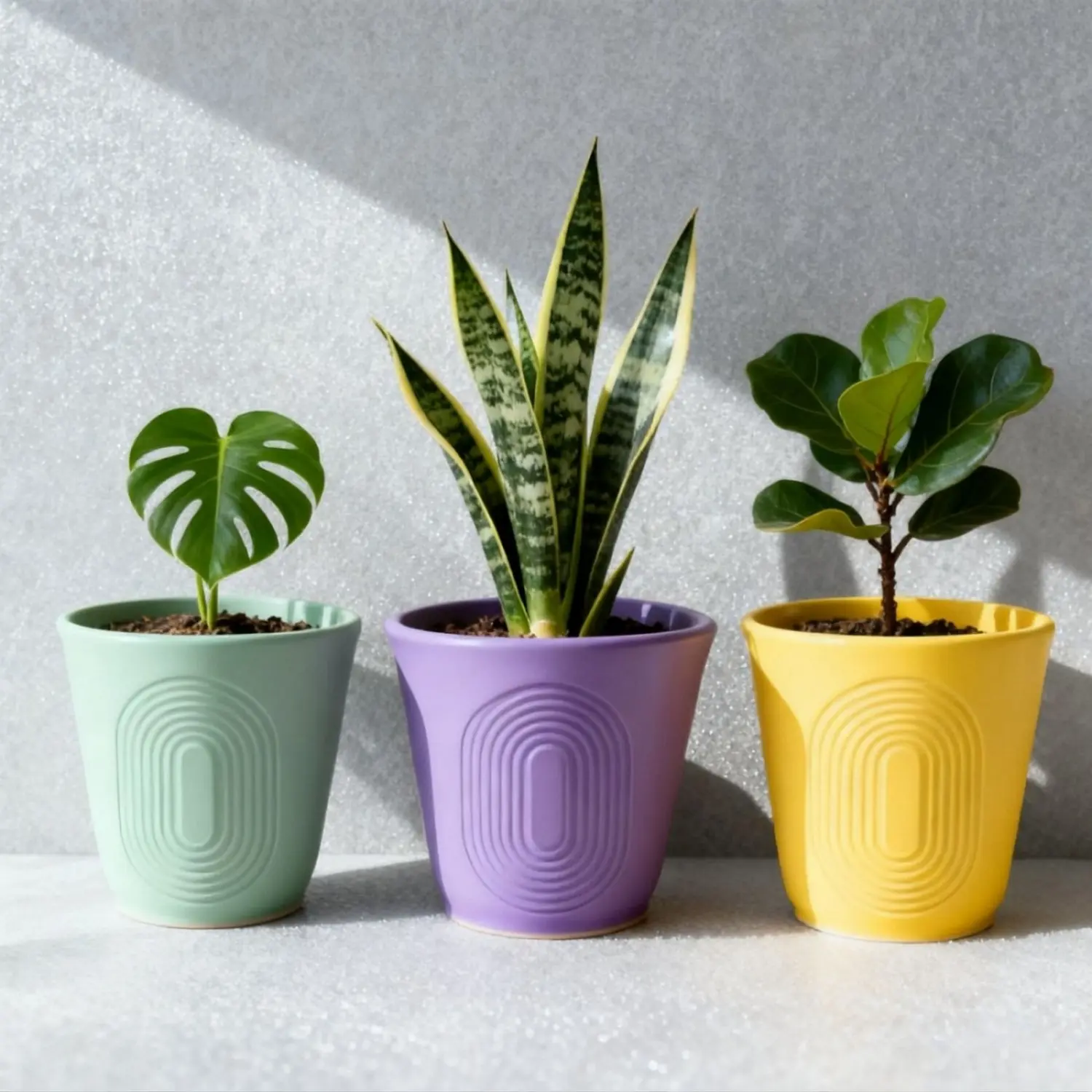
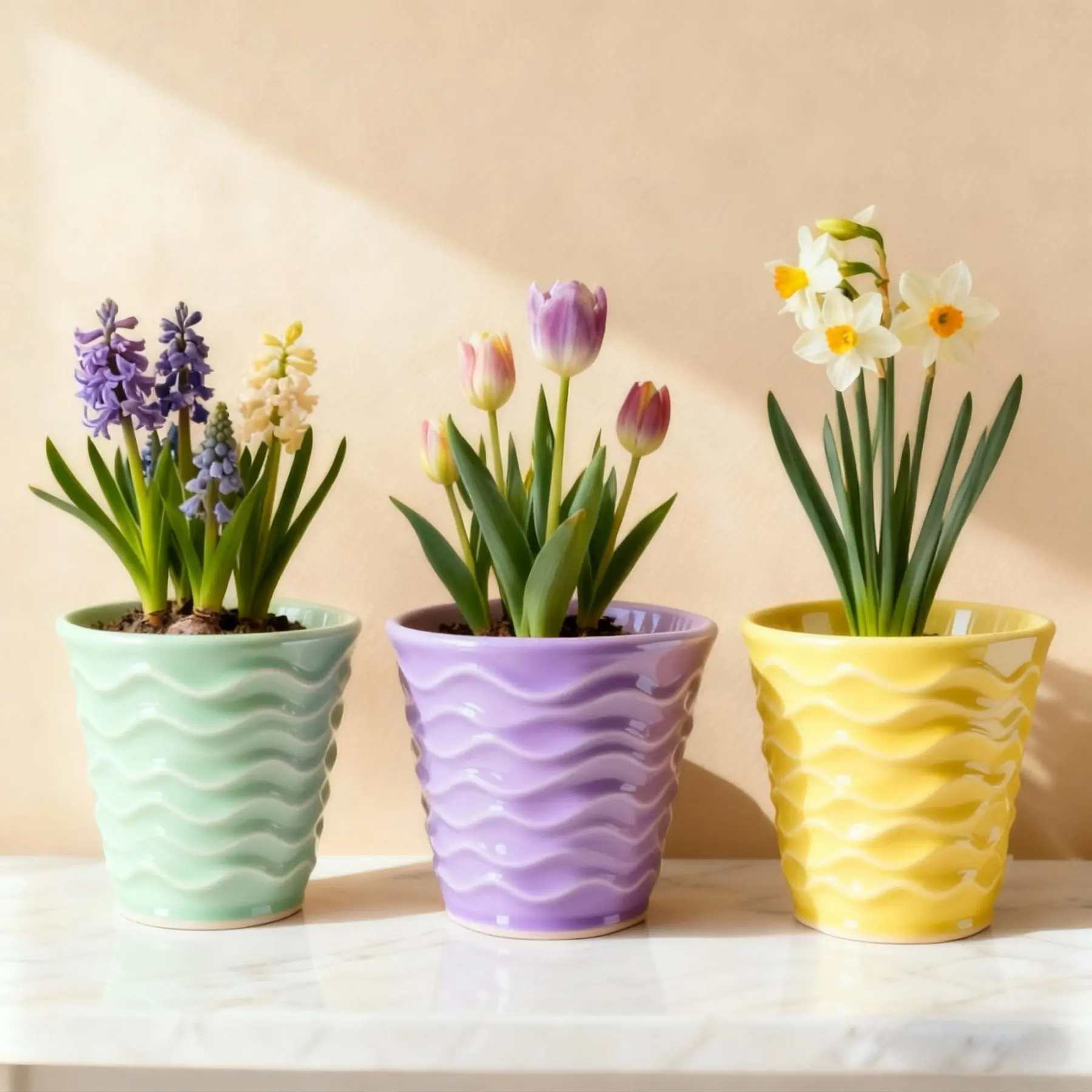
Our newest geometric patterns and soft wave textures, combining modern design with durable construction.
B2B buyers prioritizing long-term durability should evaluate manufacturers using standard technical metrics, rather than unit cost alone. When sourcing, request and confirm the following parameters:
For cold-climate zones, confirm the manufacturer's compliance with ASTM C1026 frost resistance protocols. This test subjects samples to multiple freeze-thaw cycles, ensuring they will not crack when filled with moist, freezing soil.
Large planters require adequate wall thickness to resist bow stresses from soil weight. Solid ceramic pots above 40cm in diameter should have a minimum wall thickness of 12mm, with reinforced rims to support lifting and positioning.
For applications in sensory gardens, child-care facilities, or mixed residential installations, ensure that raw glazing chemicals are heavy-metal free. Ask suppliers for FDA or equivalent third-party chemical safety reports.
Technical specifications, order volume minimums, and shipping capabilities for commercial B2B procurement.
Our standard production MOQ ranges from 100 to 500 units per style, depending on mold sizes and glaze finishes. For standard stock catalog items, lower minimum thresholds may apply.
Our outdoor collections are fired in tunnel kilns at temperatures between 1200°C and 1280°C. This vitrification process lowers water absorption below 1%, ensuring the planters can withstand freeze-thaw cycles without cracking.
Yes, our engineering team provides complete OEM and ODM services. We work with CAD drawings and 3D architectural mockups, providing prototype molds within 14 business days.
Products are individually padded with shock-absorbing foam, nested where appropriate to maximize container volume, and loaded onto export-grade wooden pallets. Our packaging meets international transit safety standards, minimizing claims.
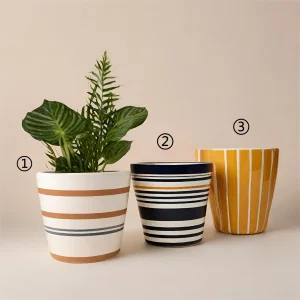
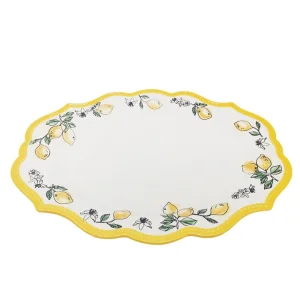
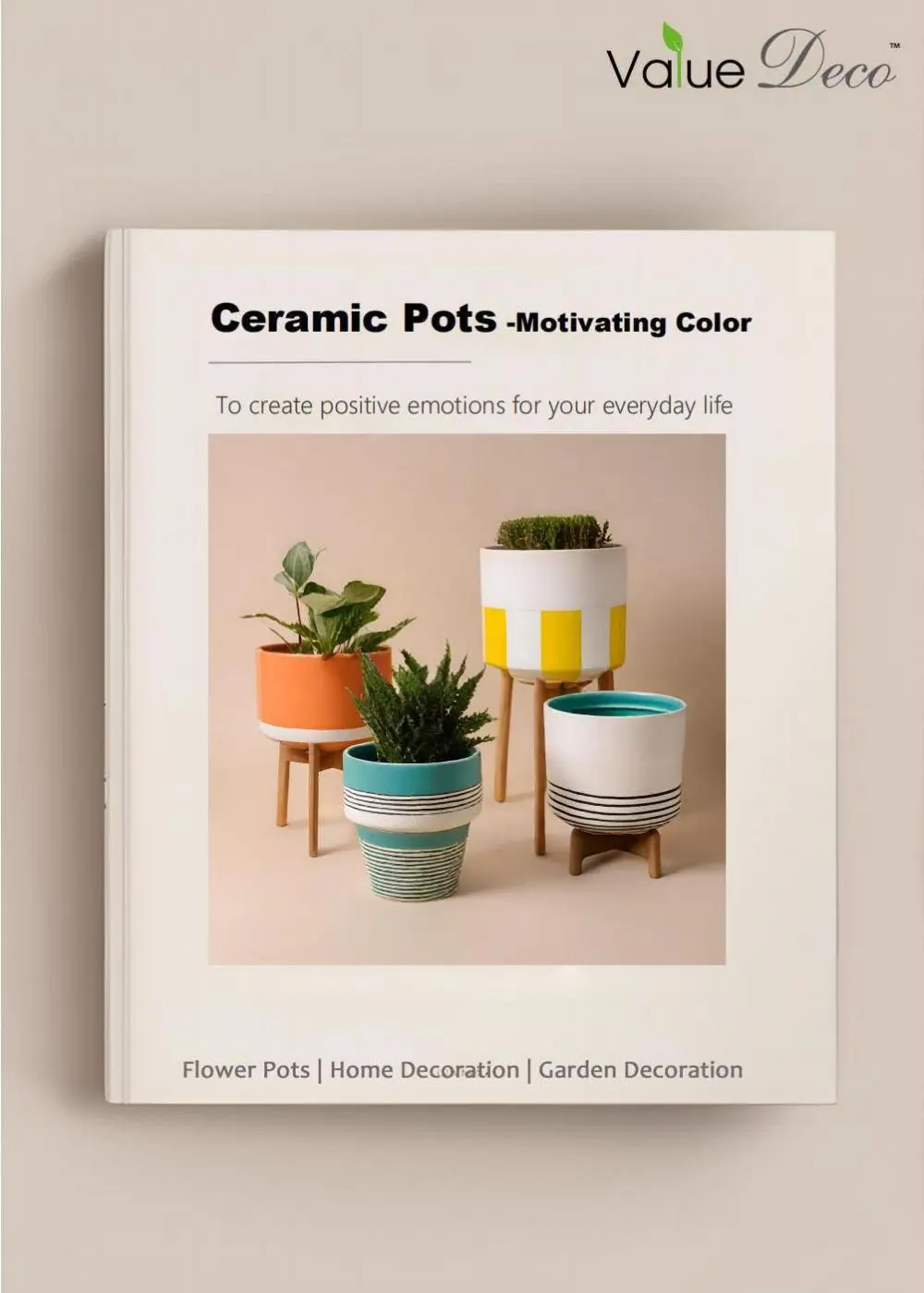
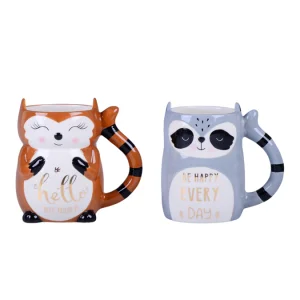
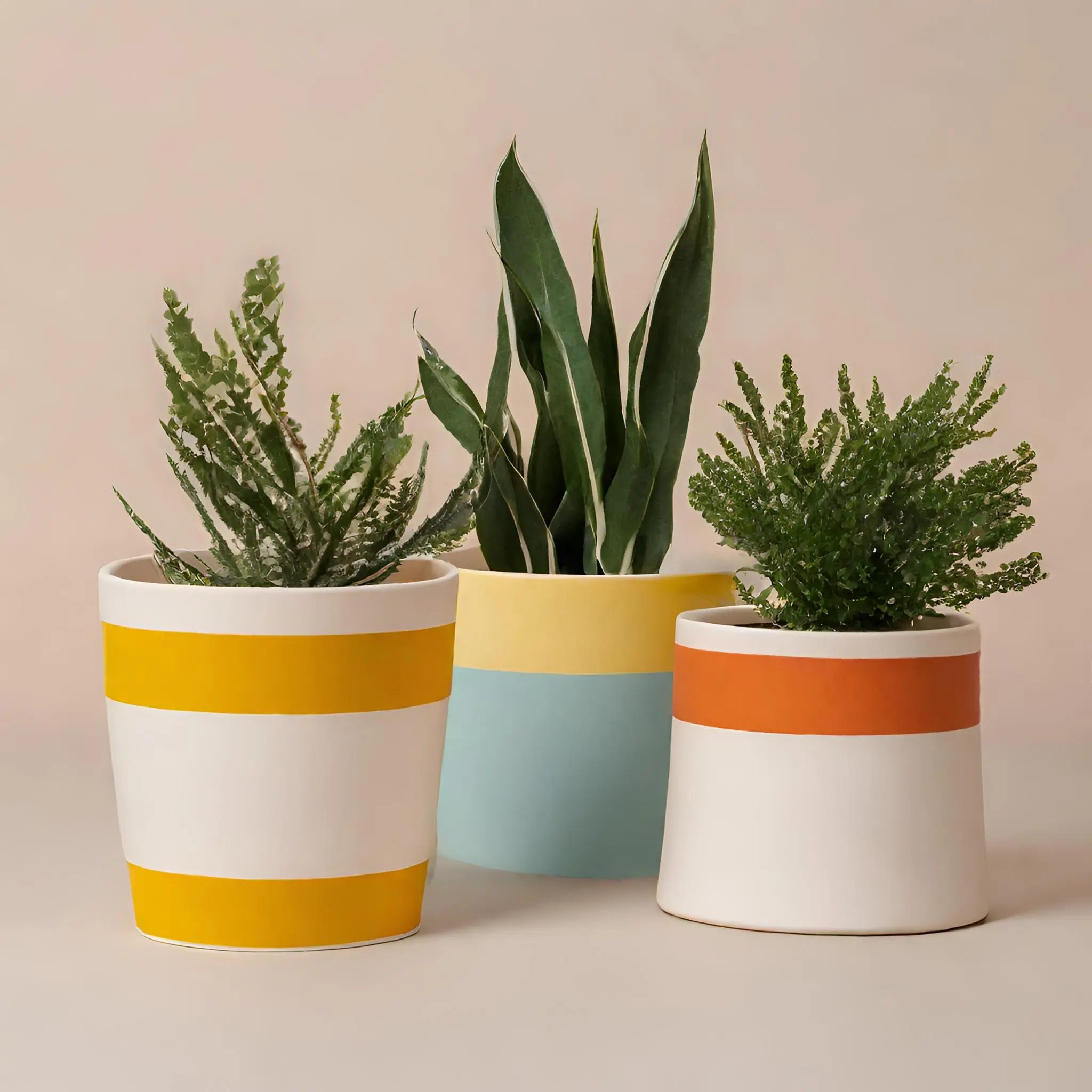
Browse our collection of hand-painted ceramics, stripe-patterned pots, and certified dinnerware, all built to rigorous international standards.