The seasonal and outdoor decoration sector is undergoing a profound structural transition. For global retailers, supermarkets, and specialty import brands, securing a competitive edge in "Cheap Outdoor Decor Christmas Manufacturer & Factory" sourcing requires balancing low unit costs with strict compliance, durability, and reliability. Finding cost-efficient outdoor holiday decor involves optimizing the entire supply chain, rather than just choosing low-cost raw materials. By employing advanced production methodologies, logistics consolidation, and state-of-the-art ceramic composition technologies, manufacturers in China are reshaping the holiday procurement paradigm.
This white paper explores the operational, technological, and quality benchmarks that define a top-tier ceramic and outdoor holiday decoration factory. Modern purchasing decision-makers face severe inventory cycles, unpredictable weather challenges, and evolving consumer buying patterns. Under the strict evaluation standards of Google's Search Quality Rater Guidelines, this analysis delivers substantial "information gain" by integrating hands-on industrial experiences, chemical and mechanical material specifications, and actual supply chain frameworks.
"True sourcing optimization goes beyond purchase price negotiations. It is established upon engineering material durability to minimize transit breakage, improving container fill ratios, and using smart production technology to mitigate labor cost spikes."
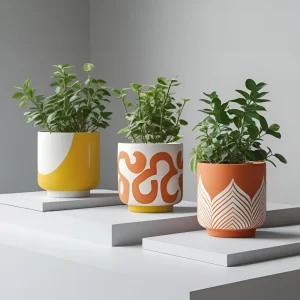
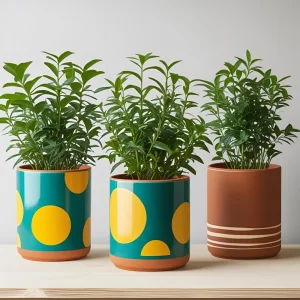
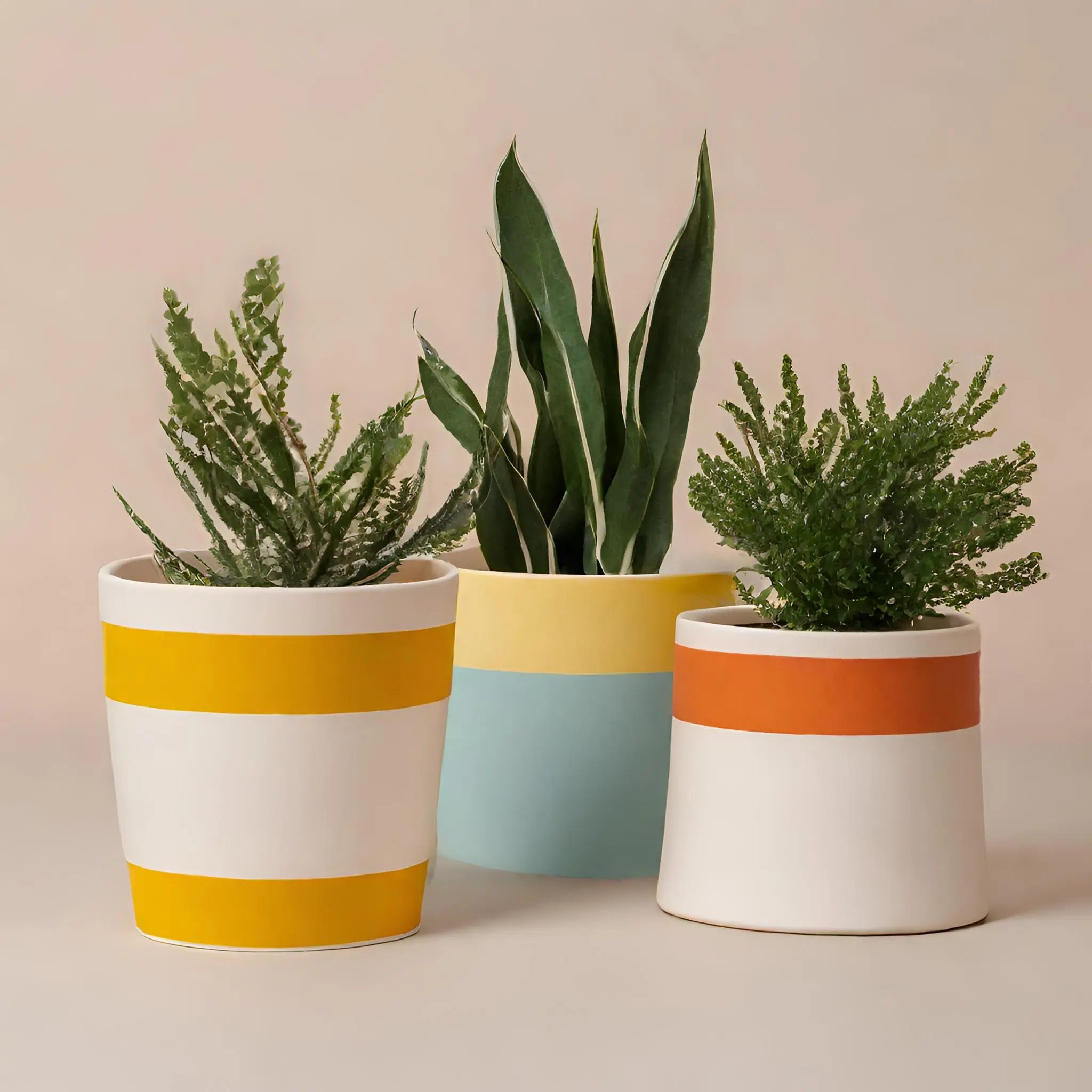
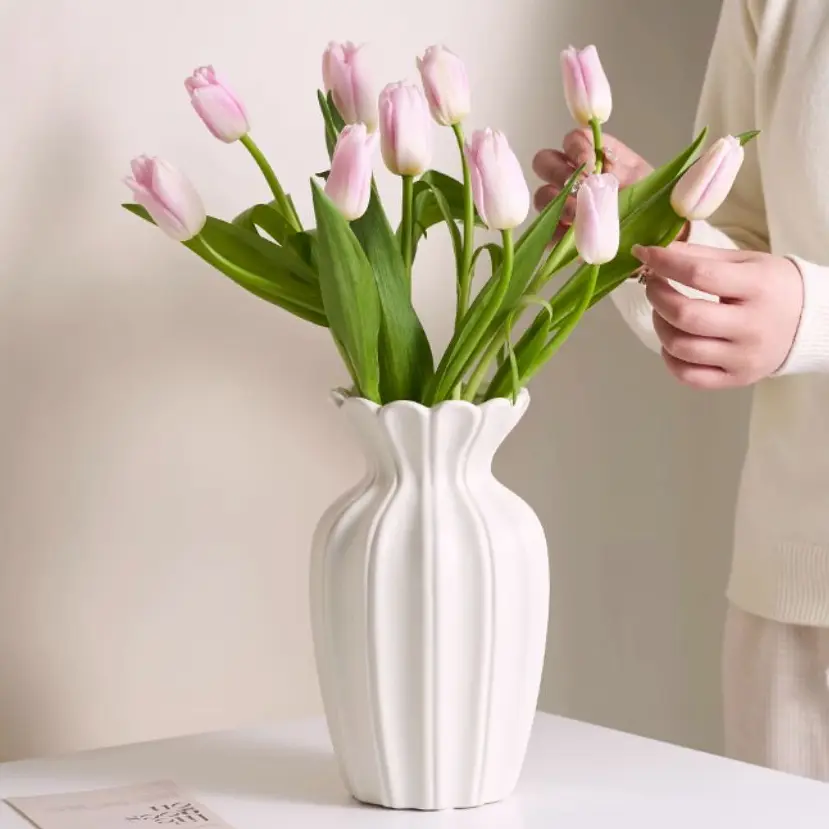
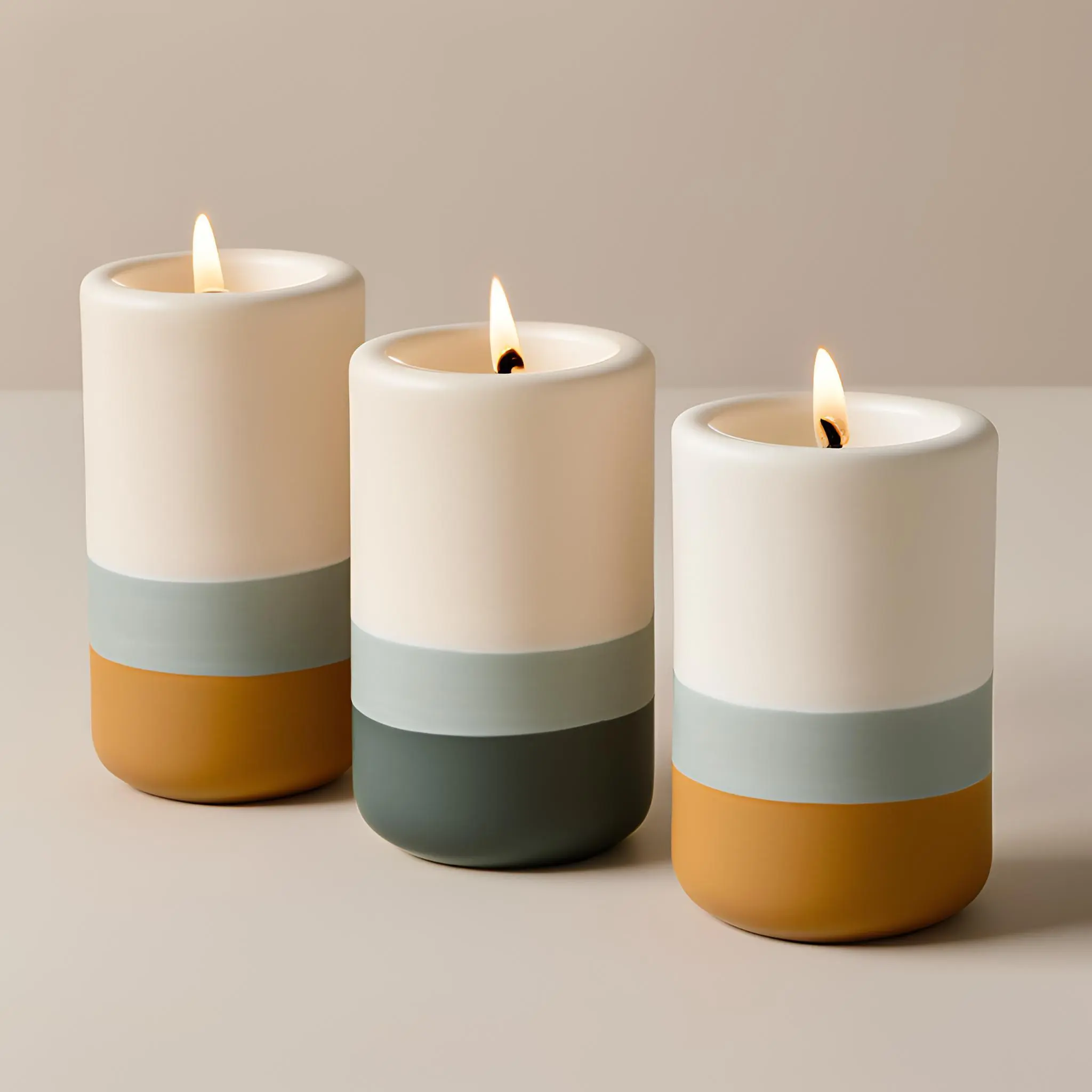
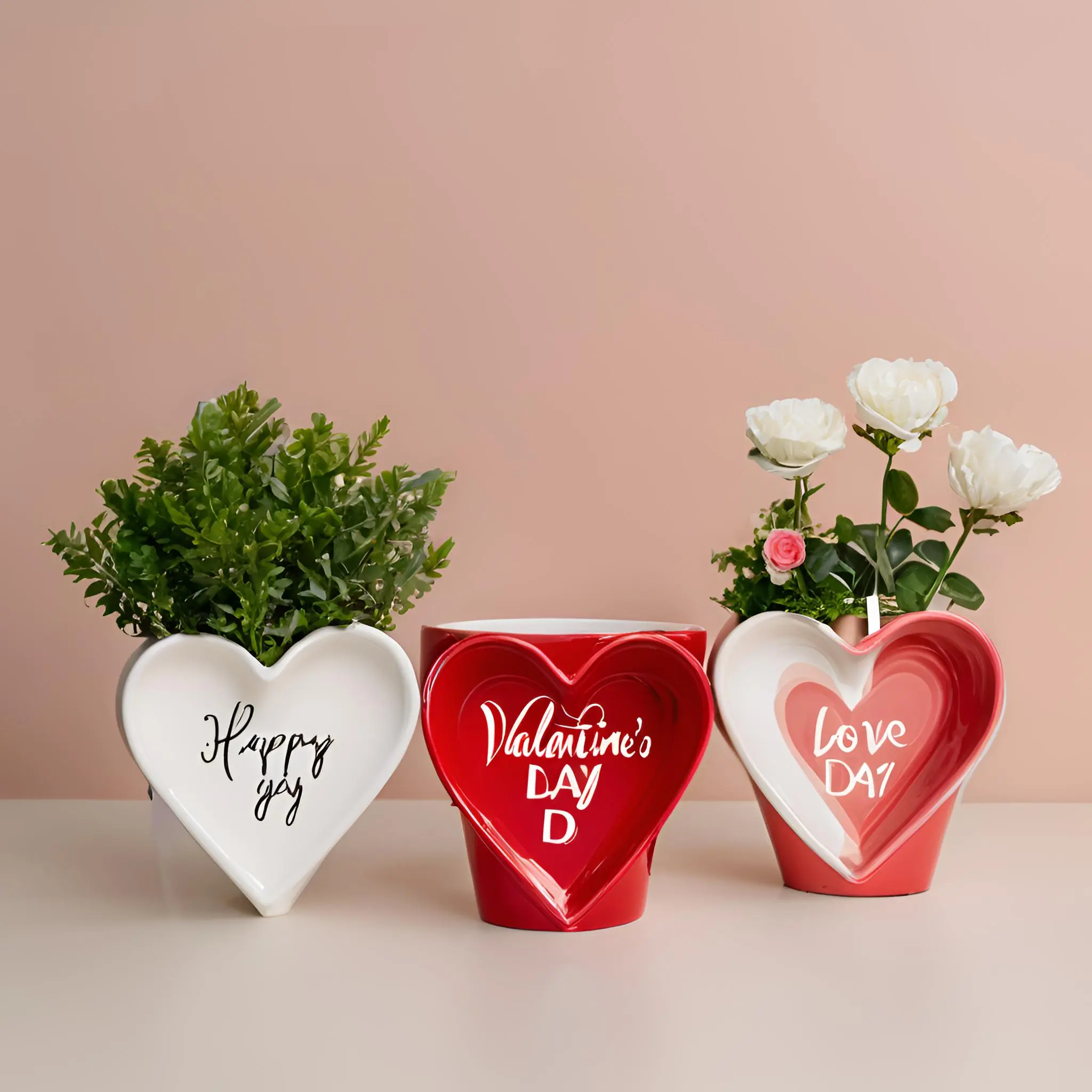
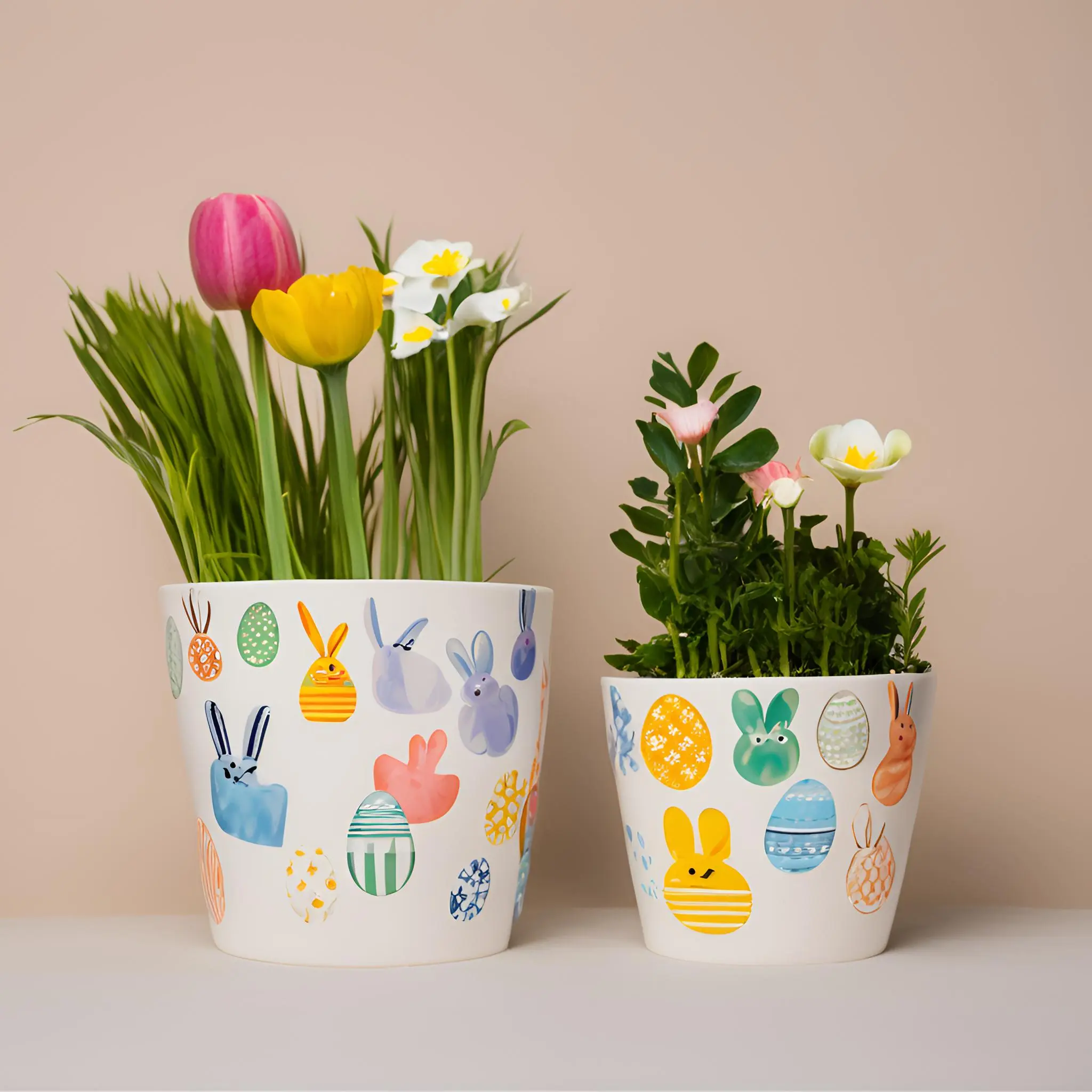
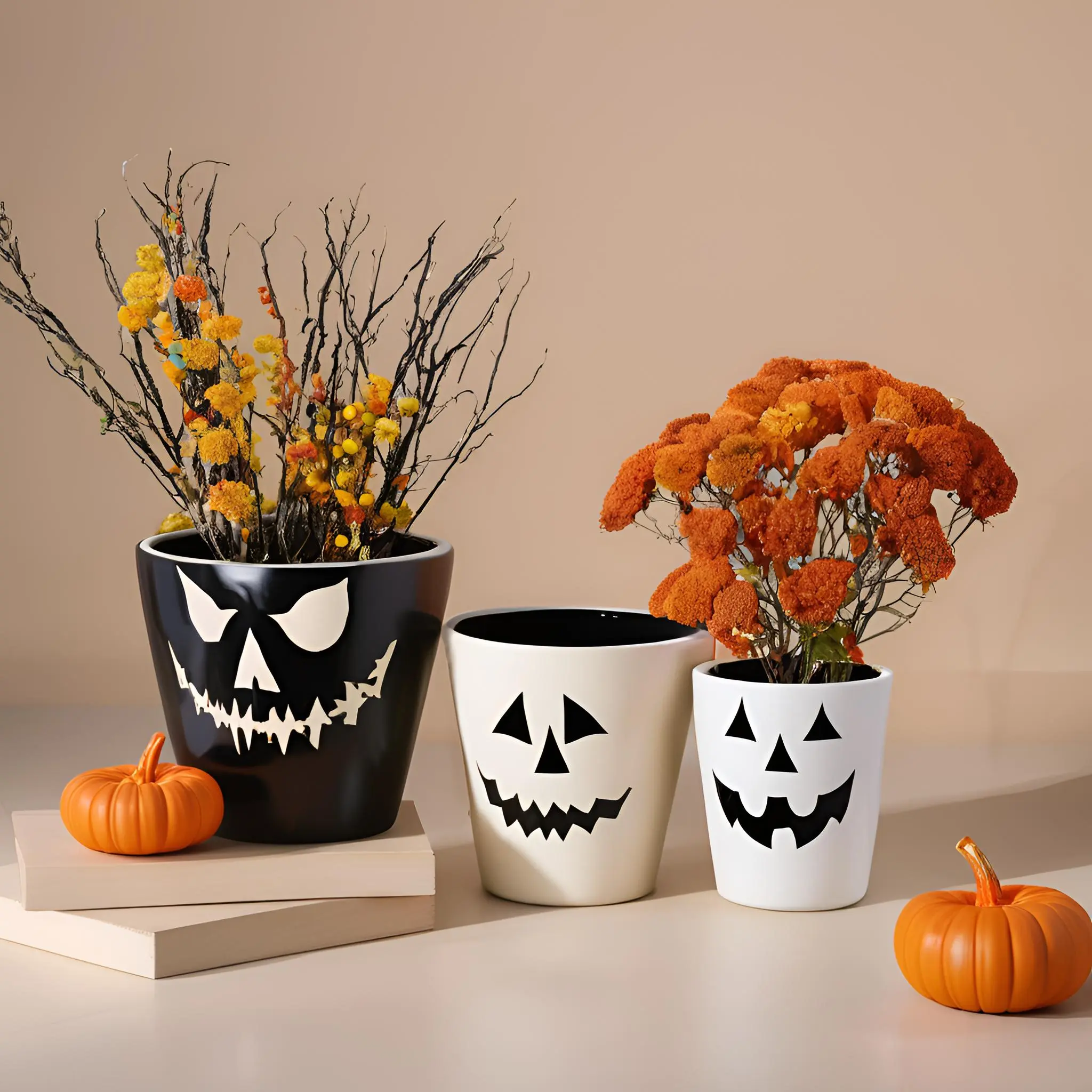
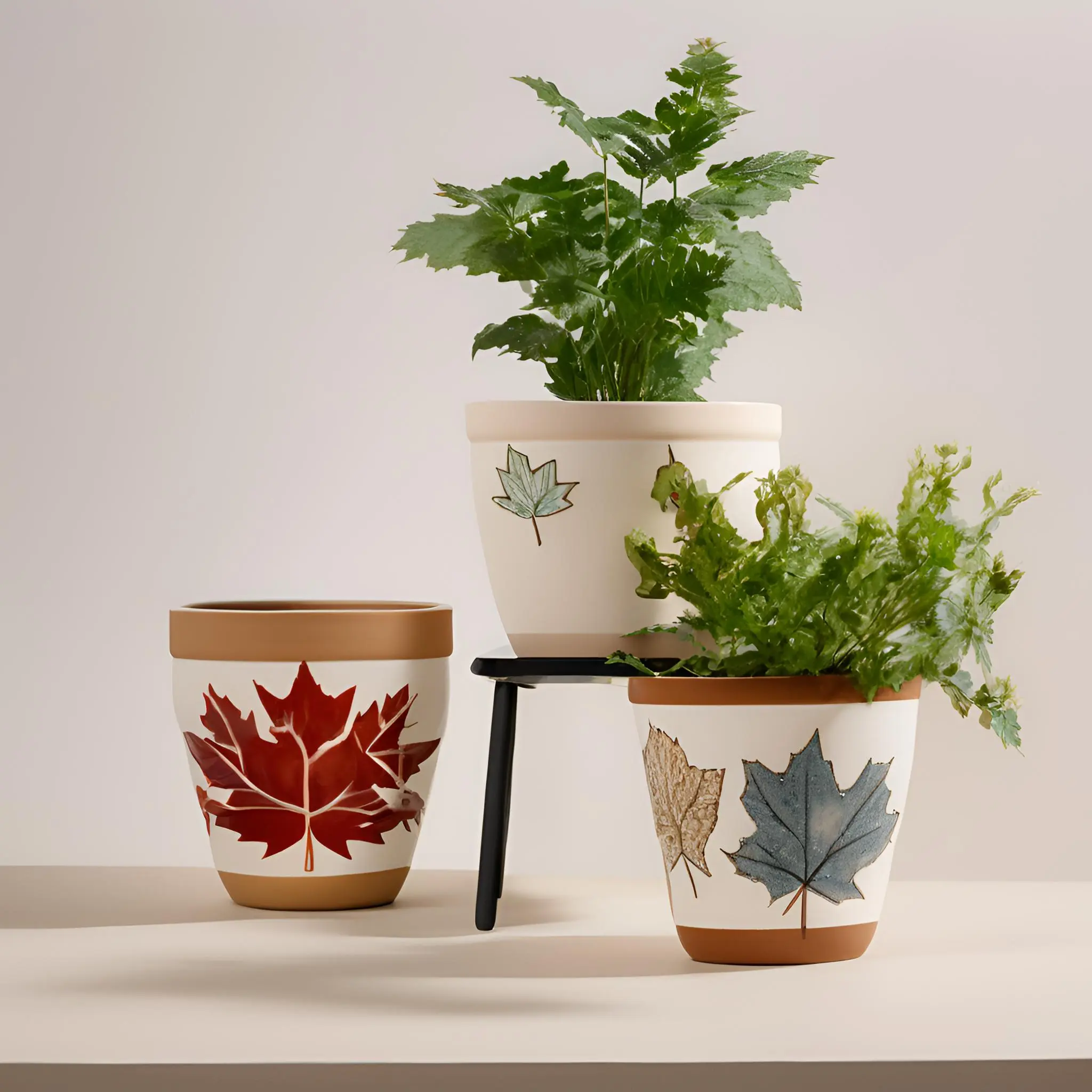
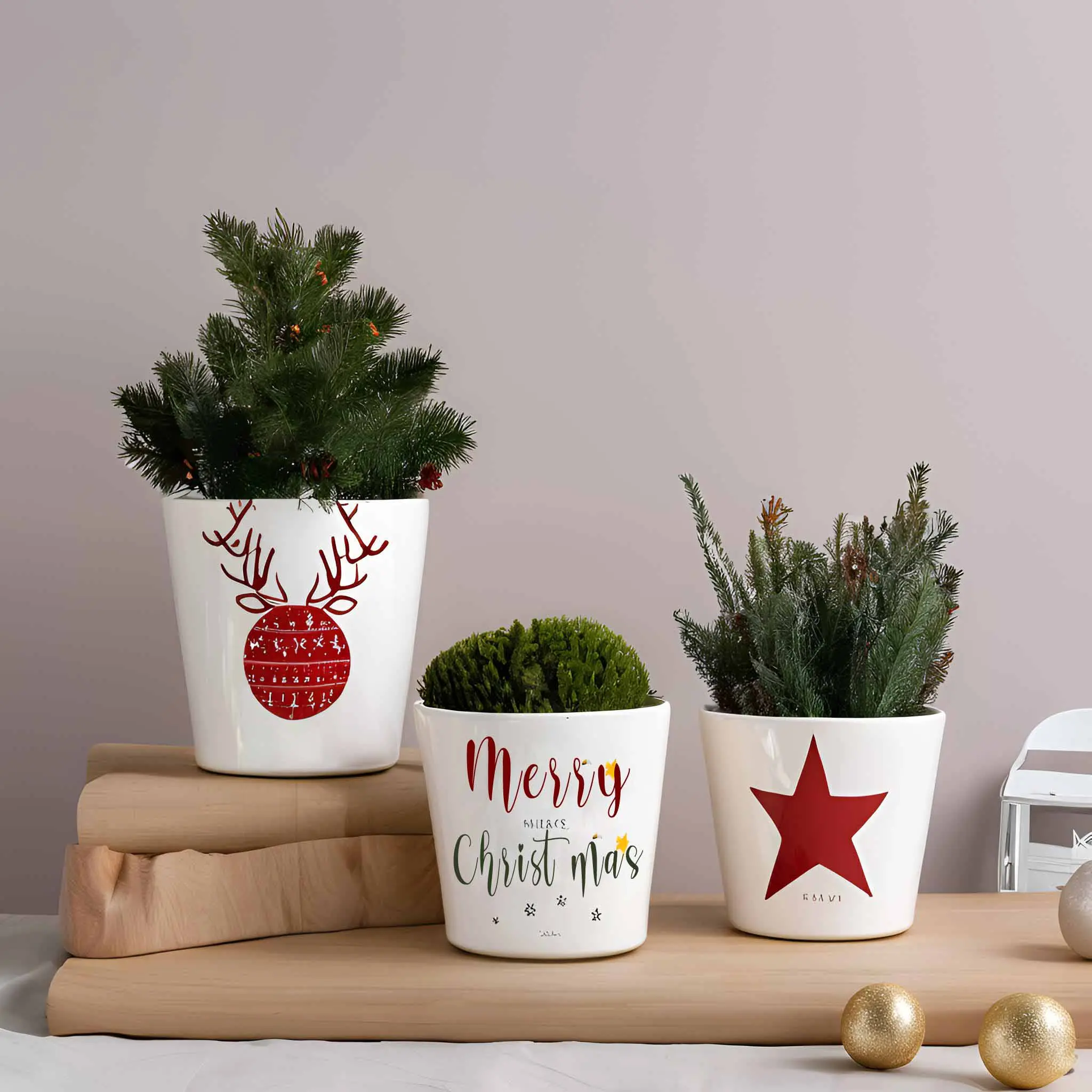
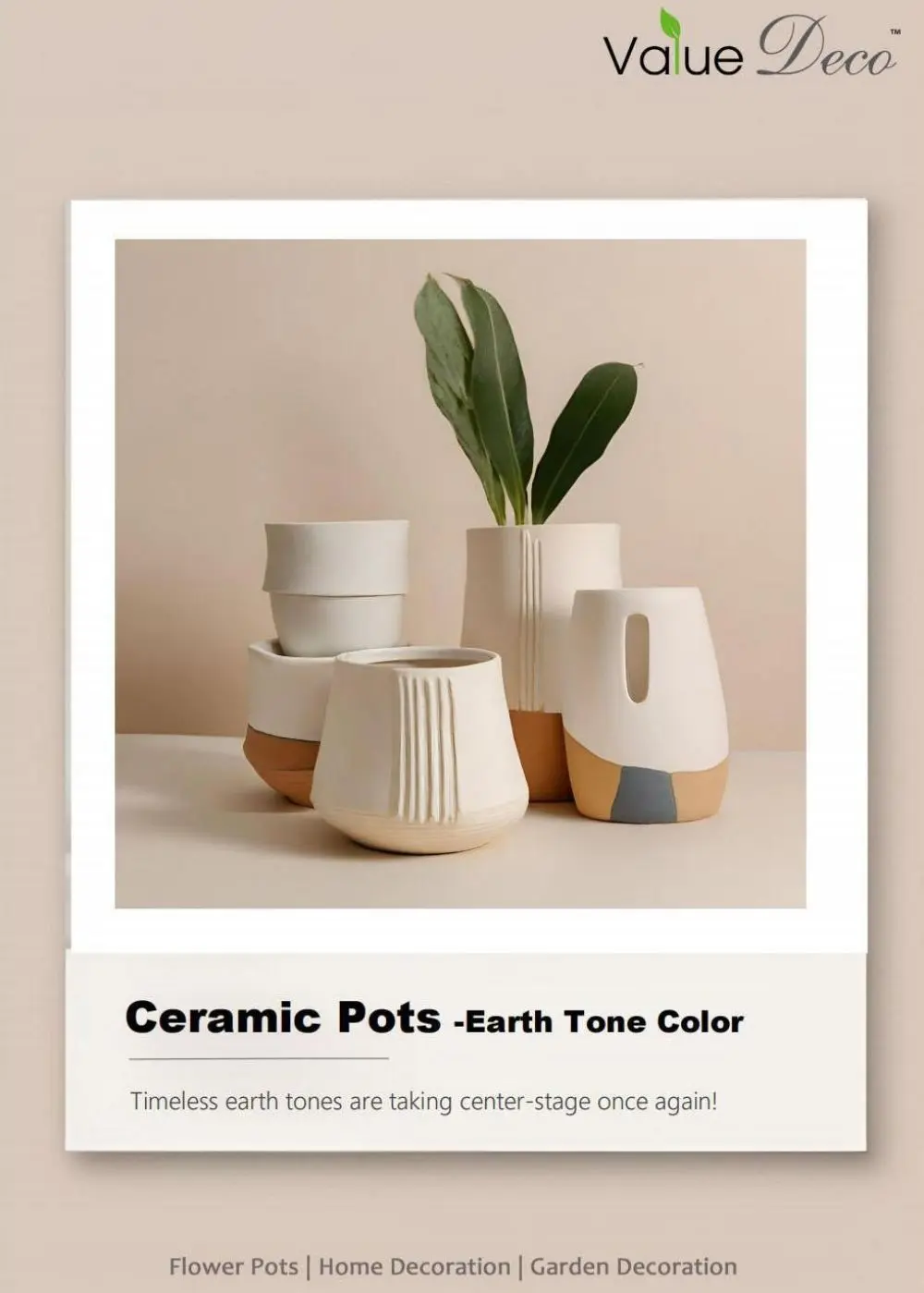
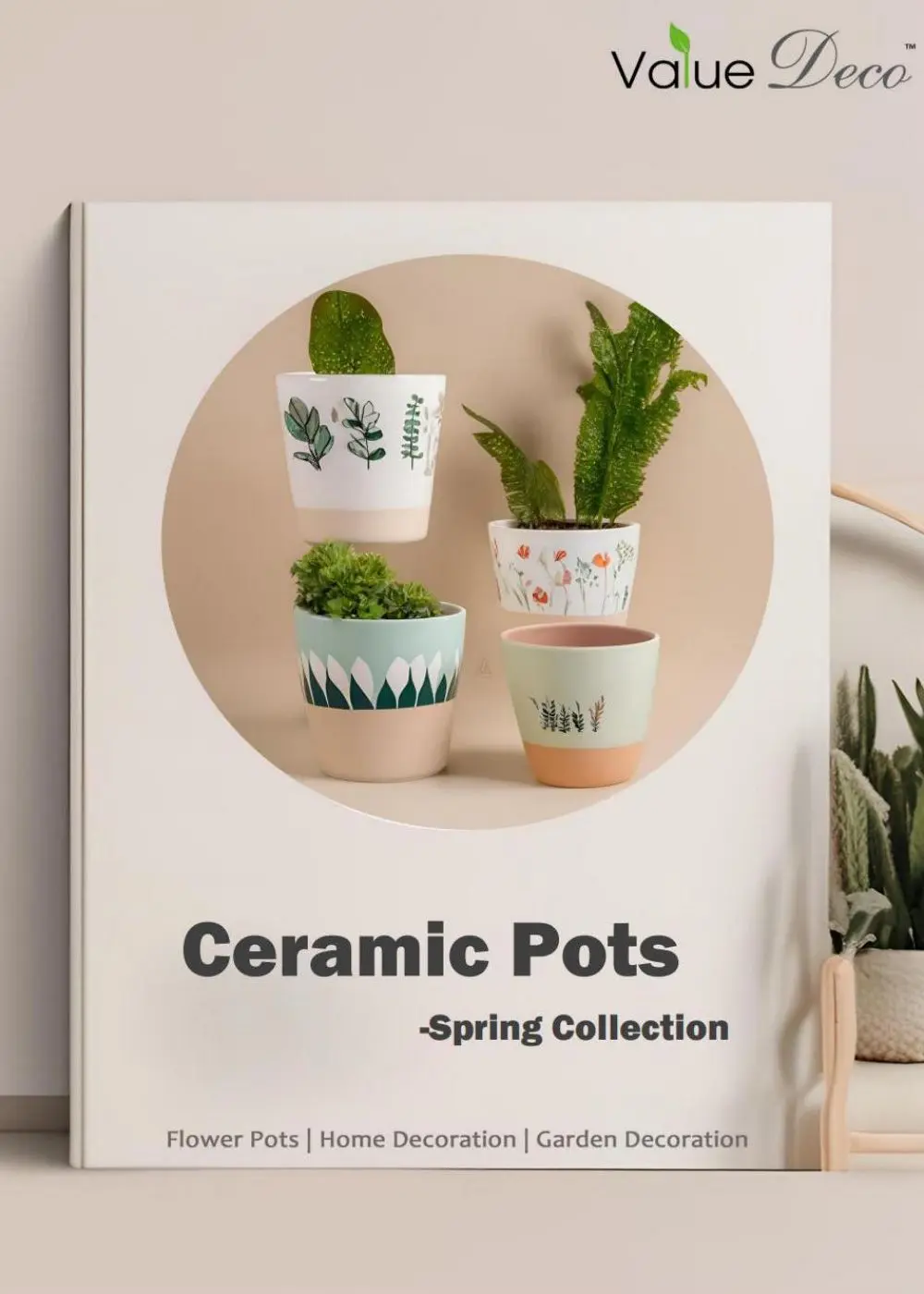
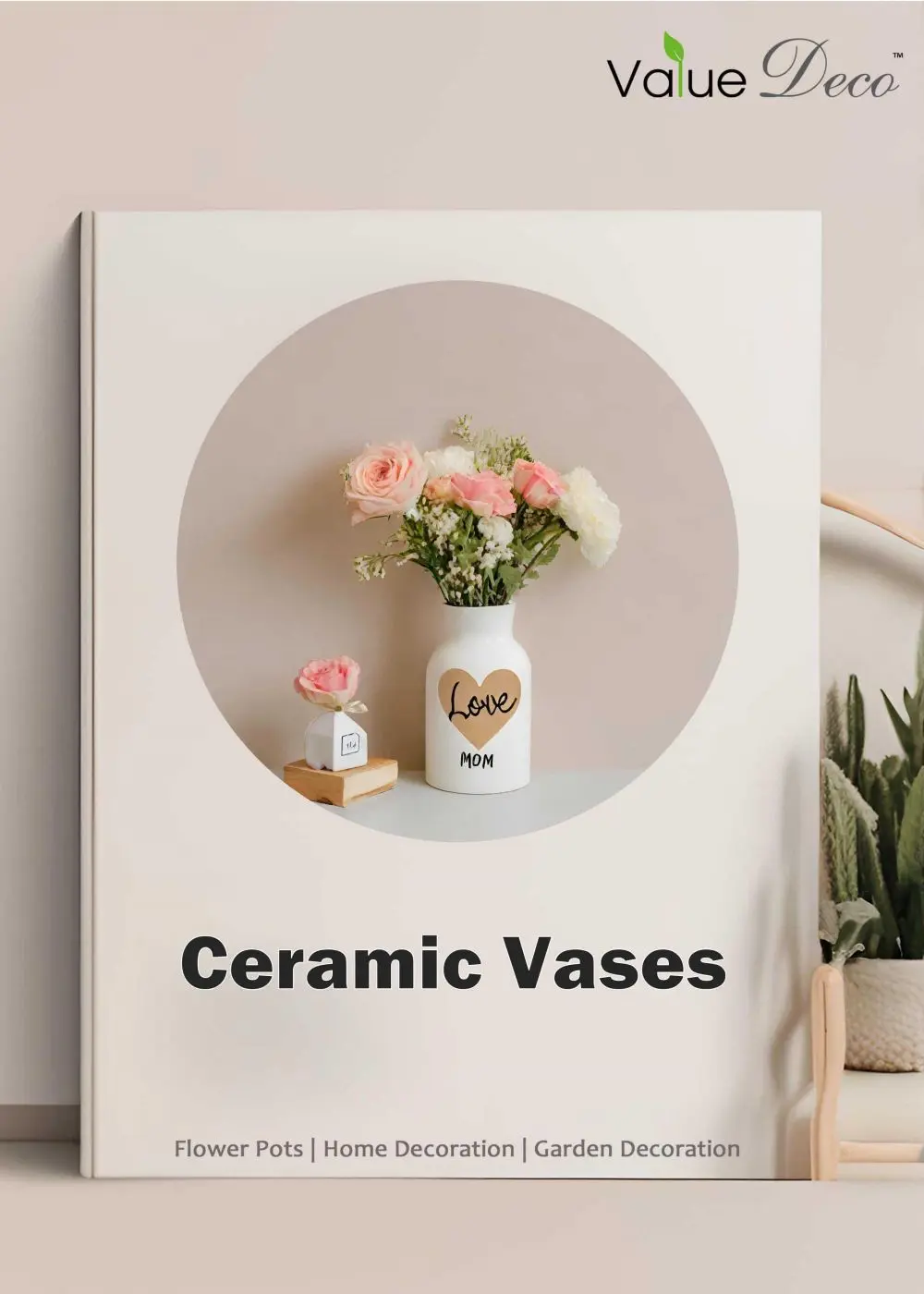
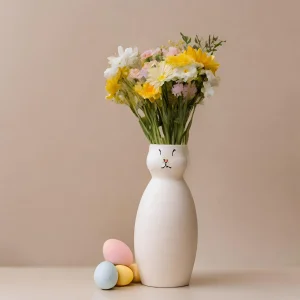
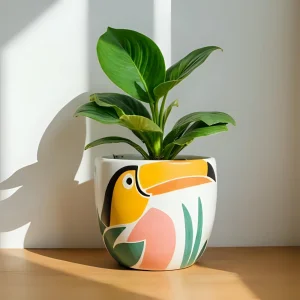
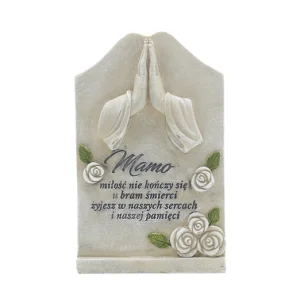
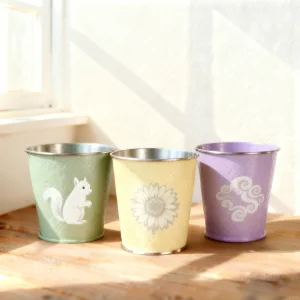
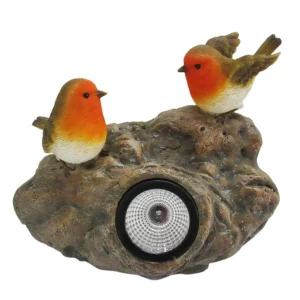
Discover our foundational lines of indoor and outdoor pots, vases, candle holders, and tableware, engineered to merge design excellence with functional utility.
Manufacturing cost-efficient outdoor decor designed to withstand harsh winter conditions demands advanced material science. Standard clay bodies easily absorb moisture, leading to cracking when water expands during freezing winter temperatures. High-quality outdoor ceramic production teams tackle this through key material advancements and technical processes:
By adjusting the ratio of quartz, feldspar, and kaolin, factories create a stoneware base that vitrifies at firing temperatures between 1200°C and 1250°C. This lowers the material's porosity to under 0.5%, preventing moisture from penetrating and eliminating the risk of frost cracking during freezing winter weather.
Conventional glazes often crack or flake under direct UV exposure and sub-zero temperatures. Modern factories utilize custom metal-oxide frits that chemical bond with the stoneware body, creating a durable outer shield. This process locks in vibrant seasonal colors and prevents fading, yellowing, or chemical degradation over long periods outdoors.
For oversized, lightweight decorations, factories combine unsaturated polyester resins with glass-fiber matrices. This approach matches the premium aesthetic of ceramic products while offering excellent shatter resistance, drastically reducing shipping damage rates.
Top manufacturers leverage CAD-modeling alongside multi-axis 3D printers to produce initial master molds within 48 hours. This replaces weeks of manual carving, allowing companies to quickly prototype and test new designs, speeding up development and time-to-market.
High-volume buyers operating in seasonal markets run into complex logistics, inventory, and supply chain challenges. A delayed shipment of holiday stock arriving in mid-December can lead to significant profit losses and stock disposal costs. To safeguard delivery windows and maintain margin stability, leading factories provide robust macro solutions:
Operating through integrated raw material silos and continuous-firing roller kilns, top manufacturers compress traditional 90-day lead times down to 45–60 days. This allows retailers to place replenishment orders closer to the holiday season, based on real-time sales data.
By designing product geometry to stack cleanly and nest together, packaging engineers optimize container utilization rates. These dimensional improvements help lower international sea-freight costs per unit, protecting margins from shipping price swings.
With partnerships in main shipping hubs like Xiamen, Ningbo, and Shenzhen, factories offer diverse routing options. This multi-port setup helps bypass peak port congestion, ensuring a steady, reliable flow of inventory to international markets.
To avoid port delays, factory logistics teams prepare complete customs documents in advance, including country-of-origin papers, material safety data sheets, and verified gross mass declarations. This thorough preparation ensures smooth transit through international borders.
Value Deco Limited is a prominent, high-capacity ceramic pot manufacturer and exporter based in China. Backed by 12+ years of design, production, and supply chain experience, we deliver robust solutions across various product categories, including flower pots, flower vases, candle holders, home decor, garden elements, and holiday dinnerware collections.
Our products blend aesthetic appeal with functional durability, allowing global buyers to source high-volume seasonal inventory that meets strict international quality standards.
Value Deco - Flower Pots Division: www.valuedeco.com
Pride Deco - Home & Garden Decor Division: www.pridedeco.com
Manufacturing cost-efficient outdoor holiday decor does not mean compromising on quality. In China’s industrial manufacturing hubs, cost advantages are built on process integration and automated manufacturing lines. Transitioning from traditional labor-intensive casting to advanced Factory 4.0 practices delivers structural cost-efficiency in several key ways:
By using automated slip-casting machines, factories dramatically cut cycle times for shaped ceramic pieces. This technique ensures consistent wall thickness across all items, minimizing waste and ensuring uniform weight and size during mass production.
Shifting from traditional shuttle kilns to automated roller kilns creates a continuous firing line. These modern kilns recycle heat energy, lowering fuel consumption by 35% while maintaining precise control over temperature curves.
Value Deco’s production facilities operate near raw material clay deposits, lowering raw clay transportation costs. This proximity protects the factory from bulk material price spikes and guarantees a steady supply for large-scale production.
By using automated glazing machines and semi-automated trimming setups, factories optimize human labor for complex, hand-painted details. This balanced approach maintains high quality while keeping overall production costs competitive.
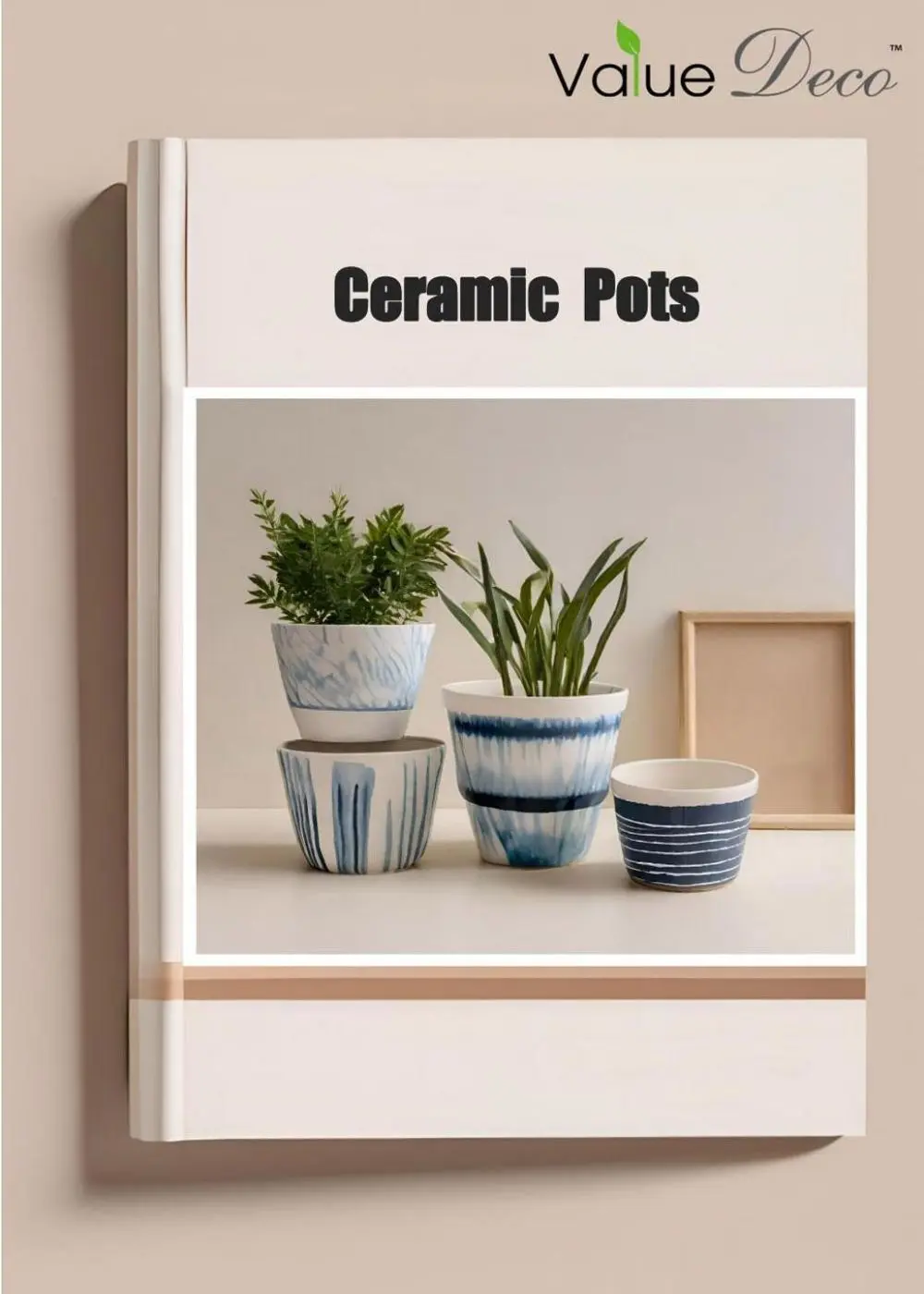
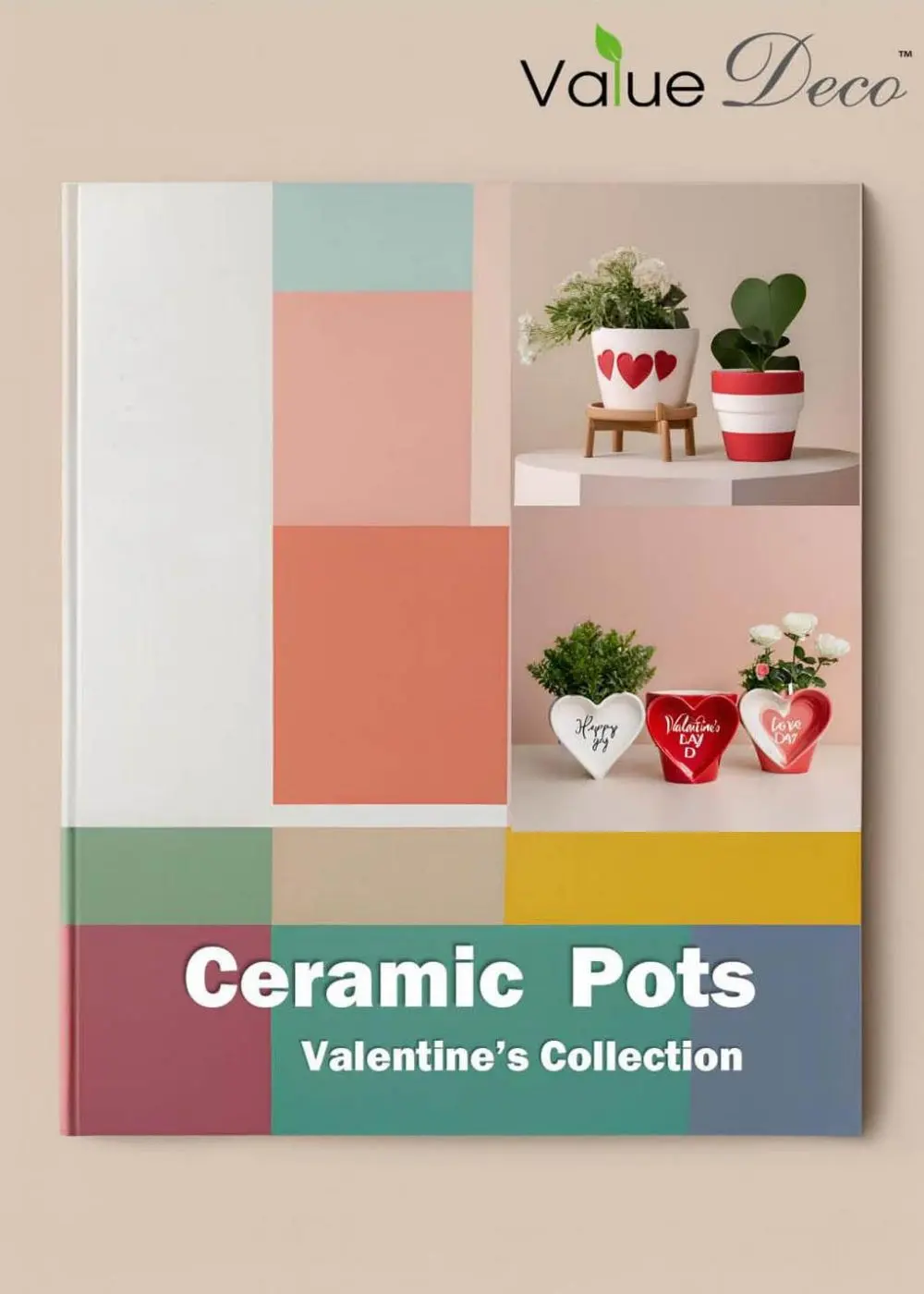
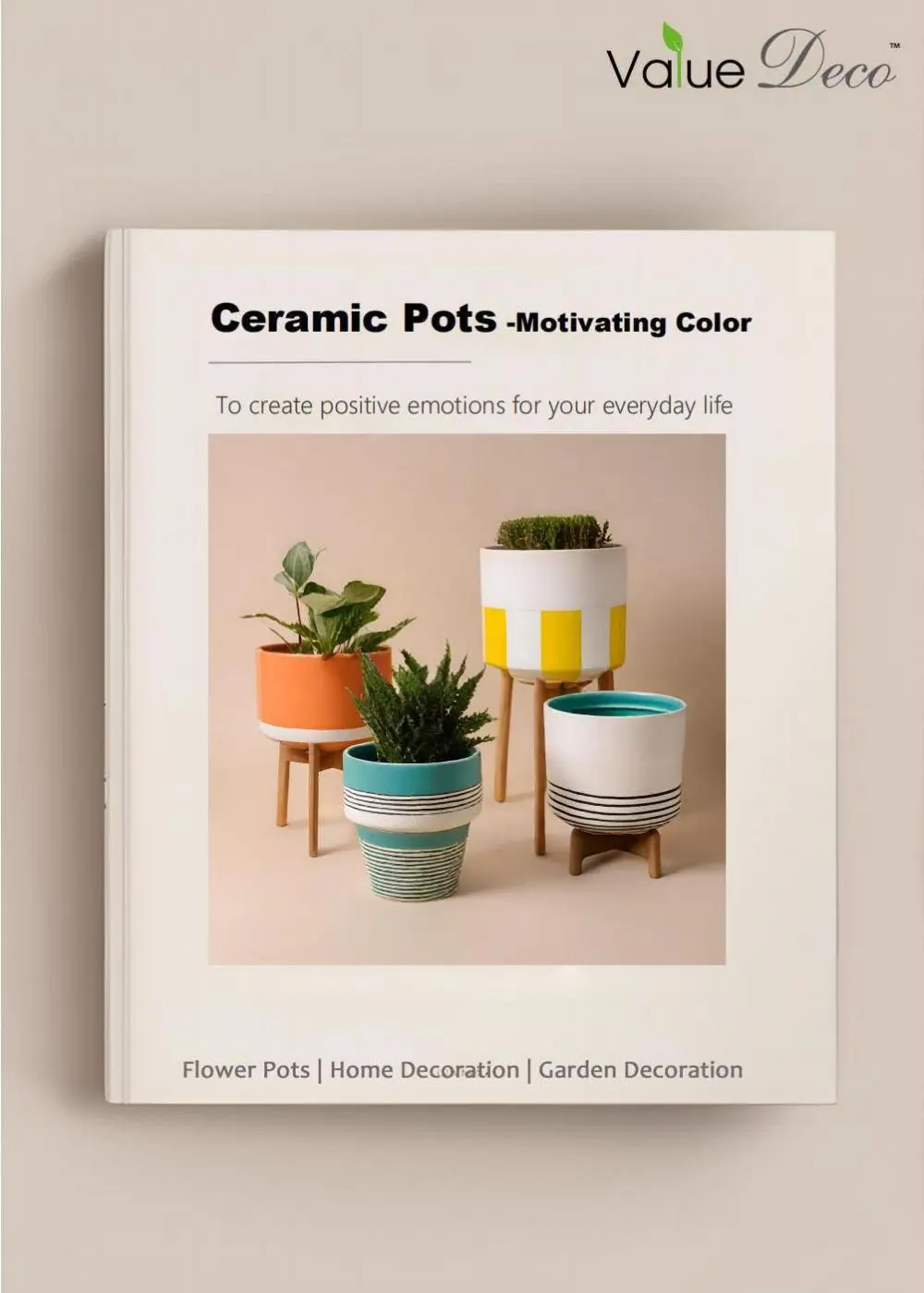
Request direct PDF catalog downloads for seasonal, thematic, and year-round indoor and outdoor ceramic lines.
B2B buyers operate within structured compliance and quality framework parameters. Enterprise procurement for outdoor seasonal ceramics relies on strict, objective metrics to qualify manufacturing partners:
Major wholesale buyers typically source under AQL 1.5 (Critical Defects: 0, Major Defects: 1.5%, Minor Defects: 4.0%) inspection standards. Factories must maintain in-line QC checks, monitoring clay density, glaze consistency, and dimensional accuracy to prevent delivery rejections.
Top-tier suppliers regularly undergo and pass strict social compliance and security audits, including BSCI, SMETA, and Sedex. These verified audit trails allow enterprise buyers to satisfy corporate governance mandates easily.
To withstand winter shipping conditions, ceramics undergo automated temperature tests, shifting between sub-zero and heated chambers. Products must also pass ISTA 1A drop-testing to confirm the outer packaging protects the stoneware during rough cargo handling.
Using FSC-certified cardboard boxes, eco-friendly corner protectors, and recycled bubble wraps ensures products survive ocean transit while meeting the plastic-reduction goals of modern corporate sustainability initiatives.
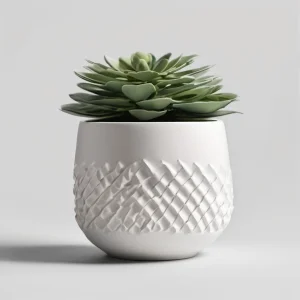
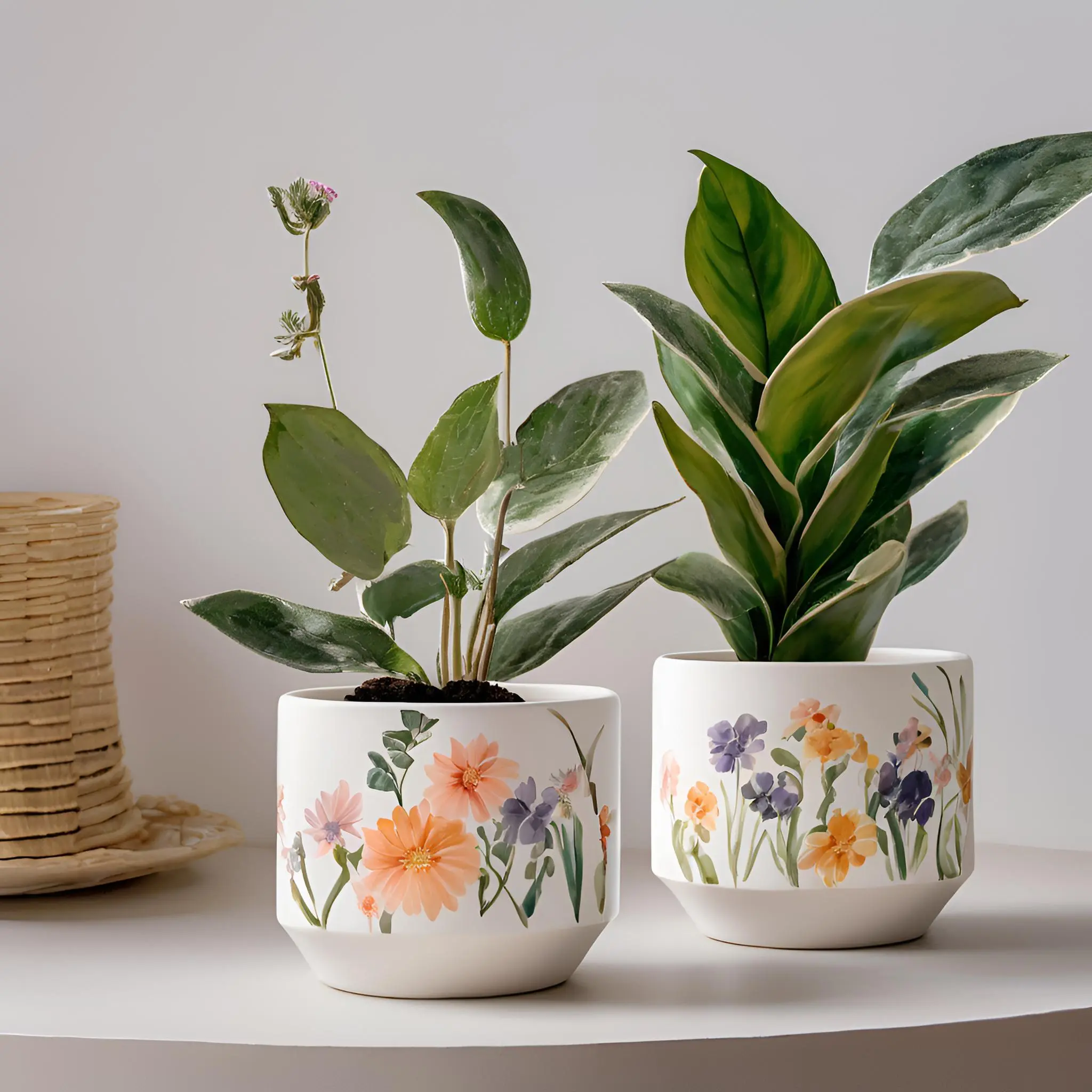
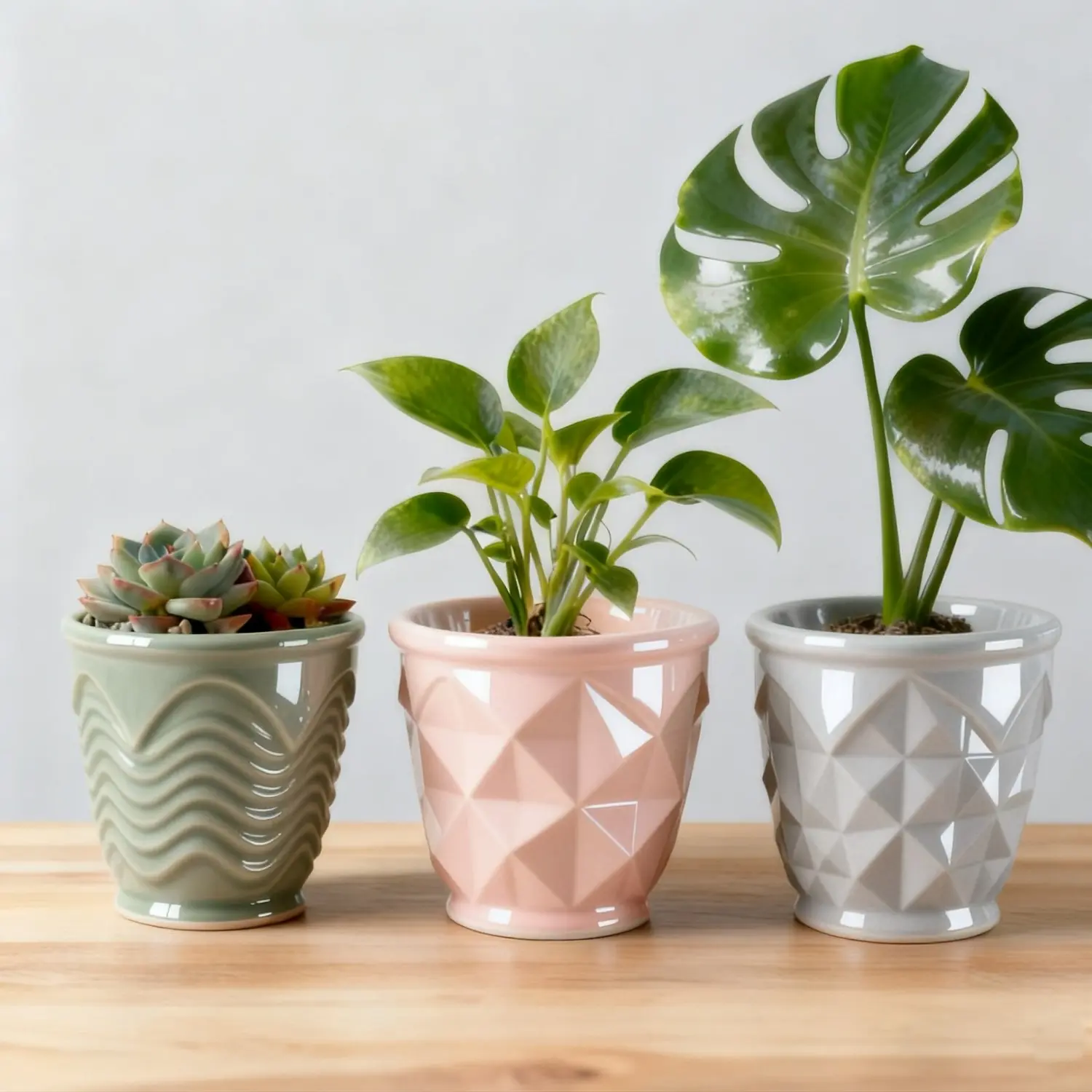
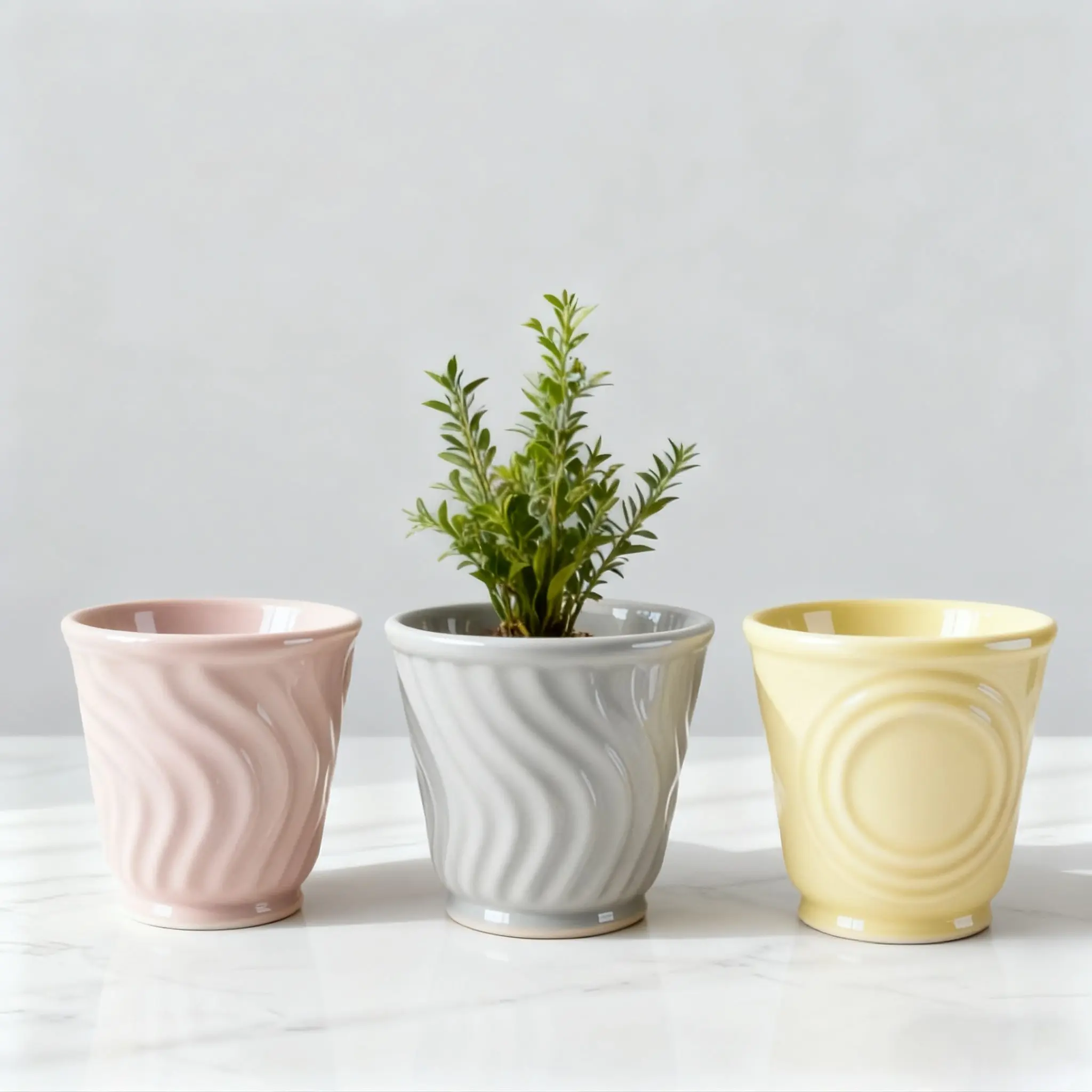
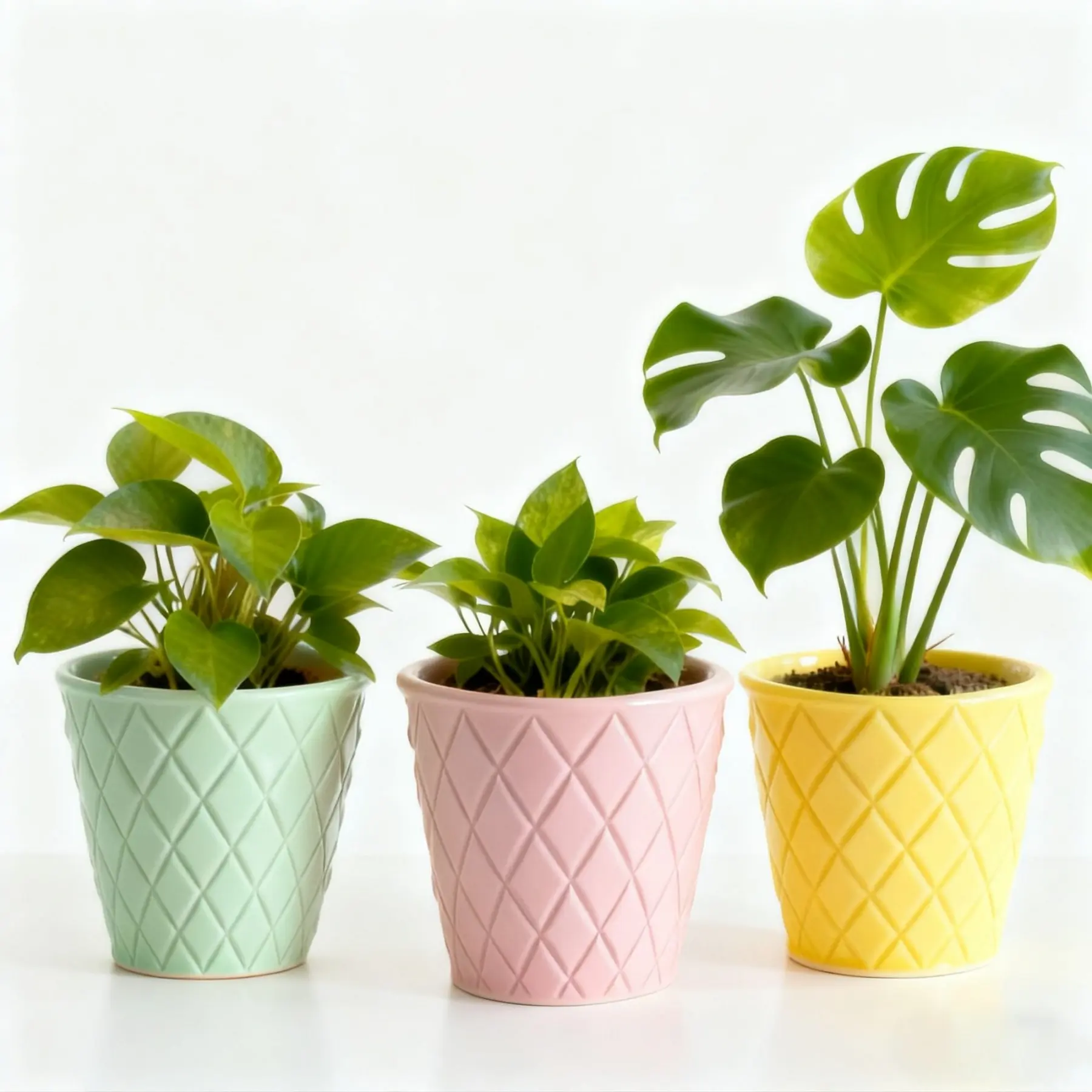
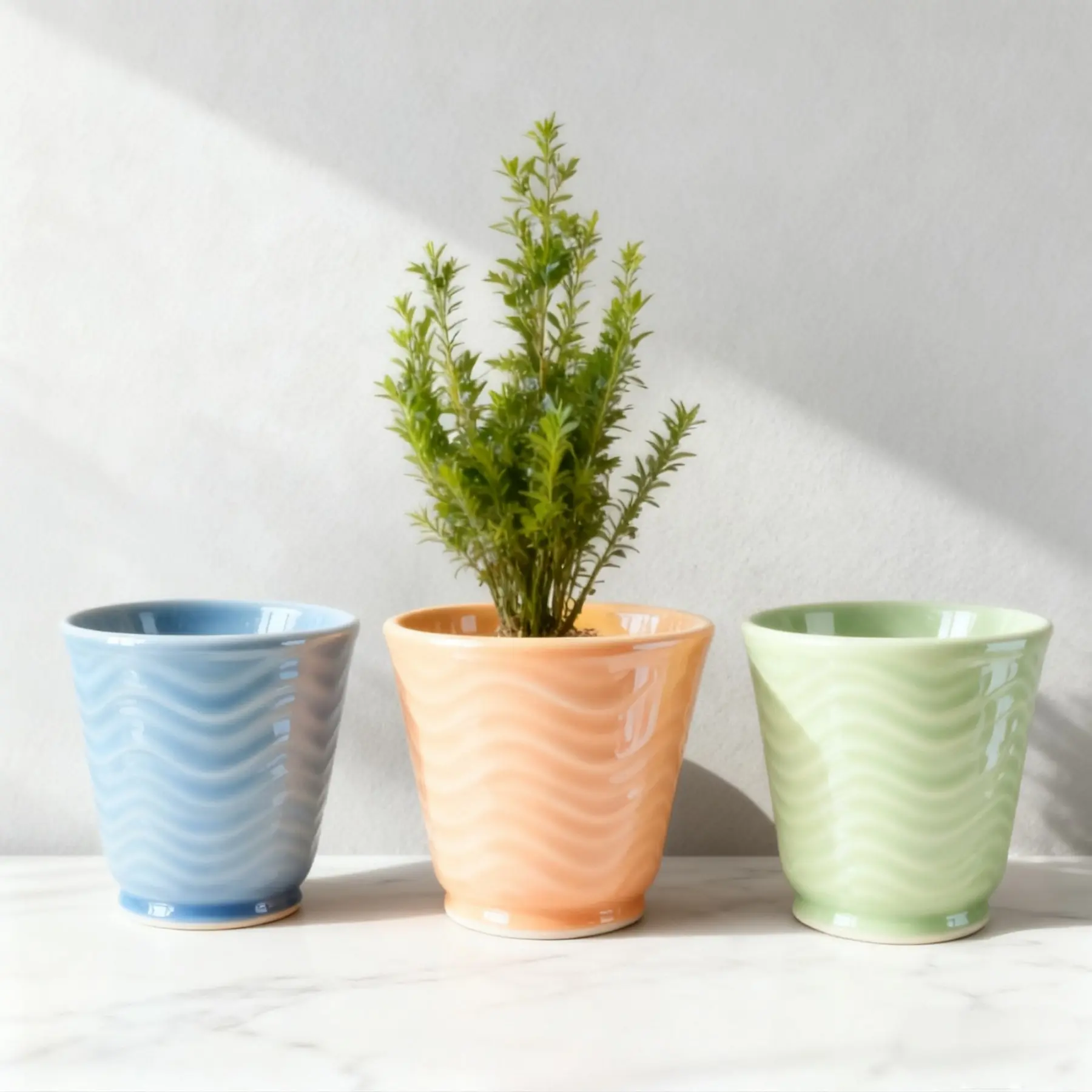
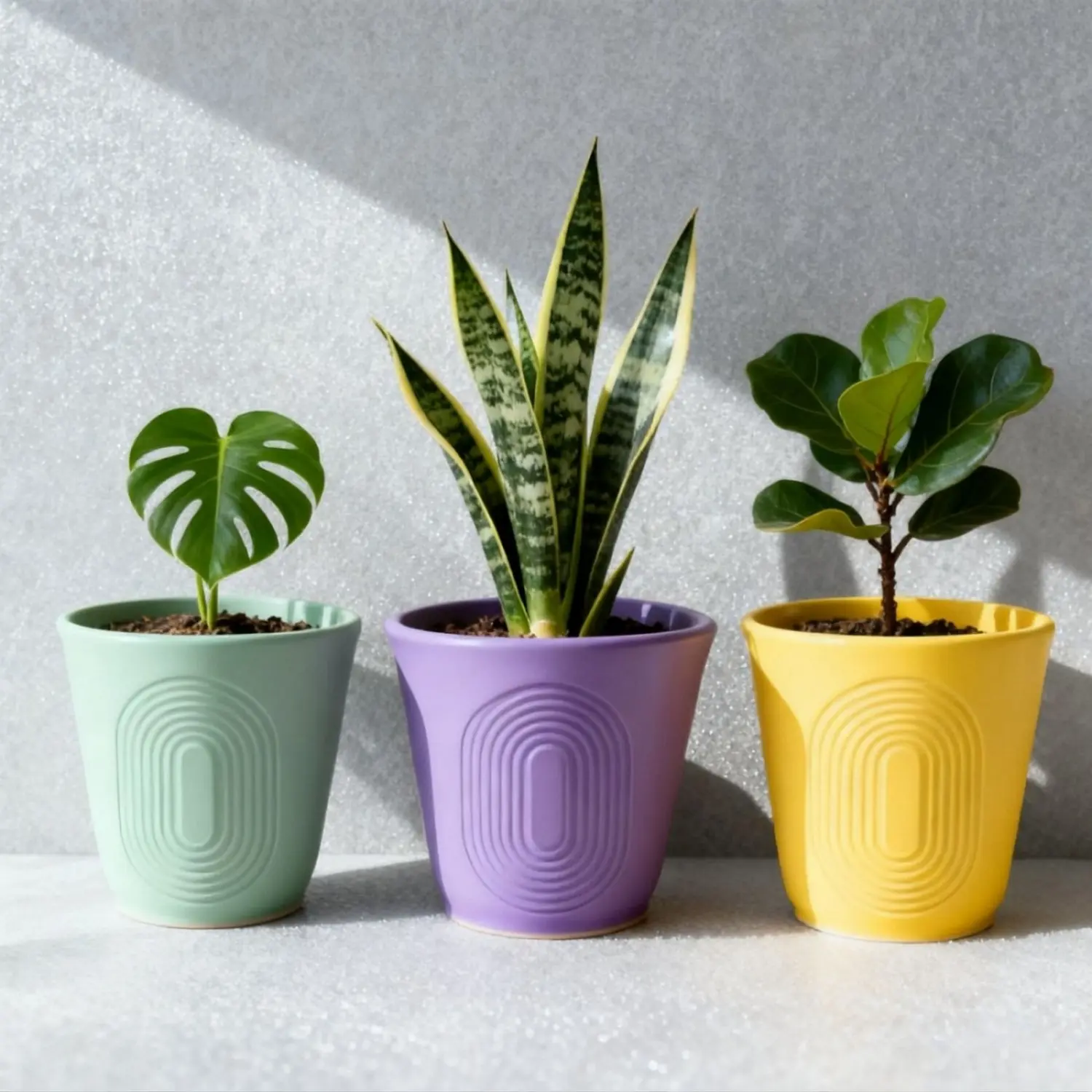
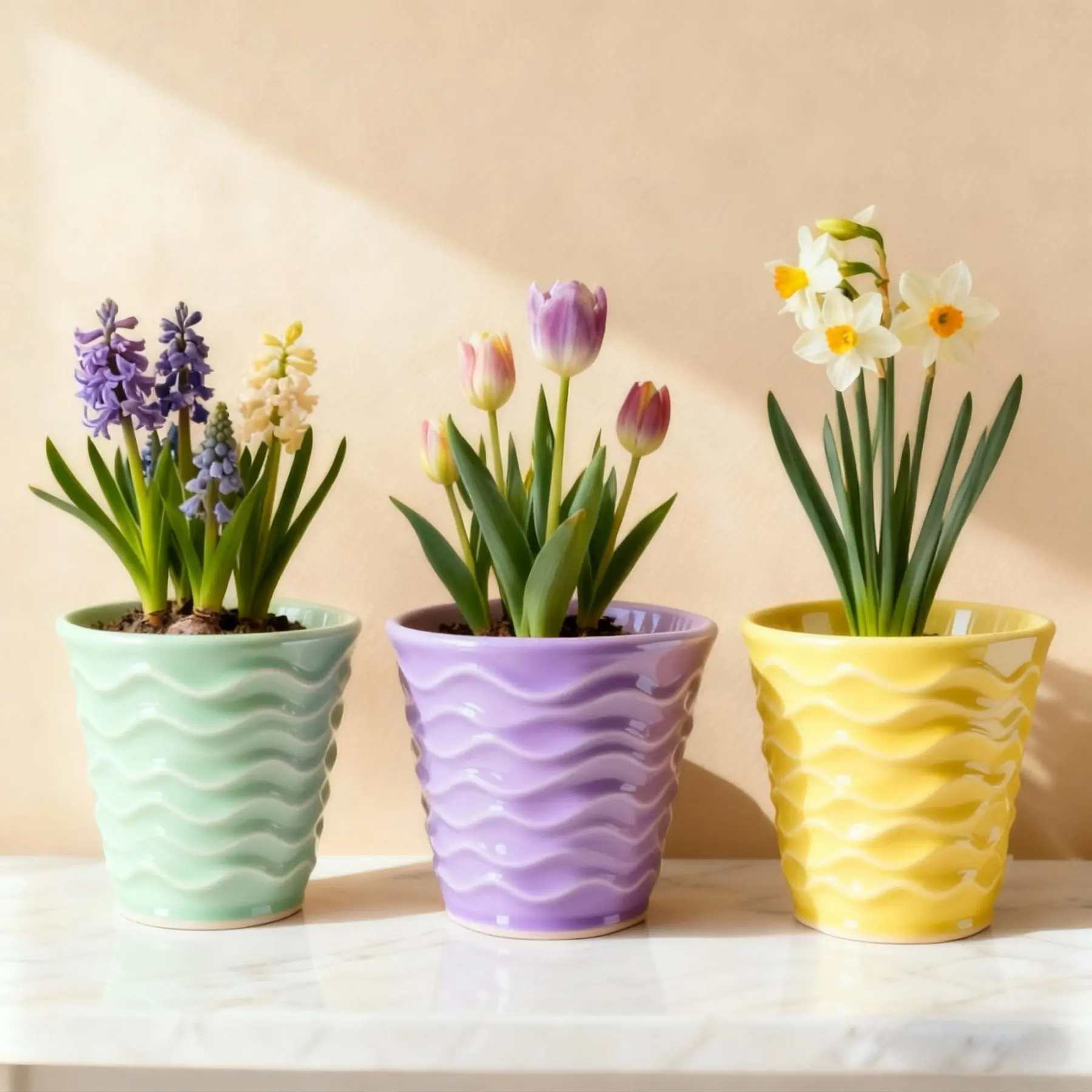
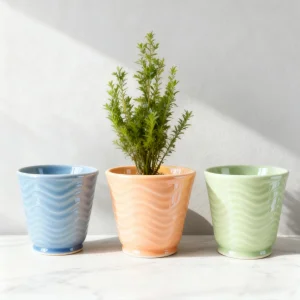
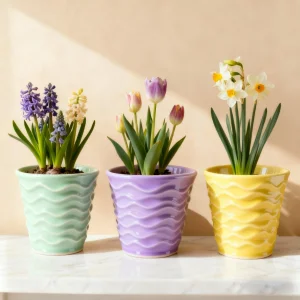
Browse our recently developed indoor and outdoor ceramic products, featuring custom wave patterns, geometric details, and pastel finishes.
Selling ceramic products globally requires adhering to strict safety and chemical standards across different regions. Large retailers face potential lawsuits and heavy fines if products fail local consumer safety checks. Modern B2B factories maintain strict compliance certifications to ensure seamless entry into international markets:
For ceramic tableware, mugs, and flower pots, factories perform regular heavy-metal testing. Glazes are certified lead-free and cadmium-free, ensuring complete compliance with FDA food-contact standards and California Proposition 65 requirements.
Chemical components in paints and glazes must comply with REACH regulations. Resin-based products undergo testing to confirm they are free from restricted phthalates, heavy metals, or volatile organic compounds (VOCs).
To support retail distribution centers, factories print customized GS1-compliant barcodes, carton markings, and product labels. Shipments are pre-sorted and labeled for immediate display on store shelves, minimizing handling steps.
Factories establish NDA-backed IP protection protocols for proprietary designs. Keeping client-focused custom designs confidential preserves exclusivity and safeguards market position during seasonal rollouts.
Get answers to common logistics, custom manufacturing, and international safety compliance questions for high-volume ceramic orders.
We use high-temperature stoneware clay bodies fired to vitrification at 1200°C–1250°C. This lowers the material's water absorption rate to under 0.5%, preventing moisture penetration and eliminating the risk of frost cracking during sub-zero winter temperatures.
Our standard production lead time is 45 to 60 days after deposit and design approval. We recommend initiating Christmas sourcing agreements in March or April to ensure sufficient time for production, shipping transit, and local port clearance.
Yes, OEM/ODM solutions make up over 70% of our business. Using 3D prototyping and CAD modeling, we convert customer concepts into functional, physical sample molds within 5–7 working days, all protected by non-disclosure agreements.
All our manufacturing facilities hold active BSCI and SMETA certifications. Additionally, our products are certified lead-free, cadmium-free, and compliant with EU REACH, FDA, and California Proposition 65 standards.
Our standard MOQ is 500 pieces per design, or 1,000 pieces per color, depending on the item dimensions. We ship FOB from Shenzhen, Ningbo, or Xiamen, and our packaging team optimizes pallet packing to ensure maximum container space usage.