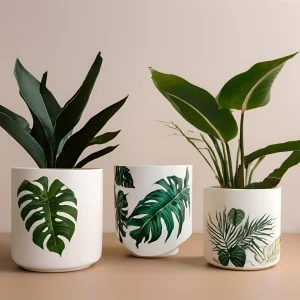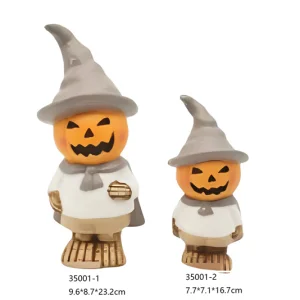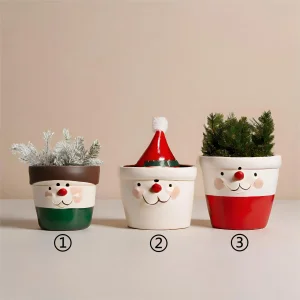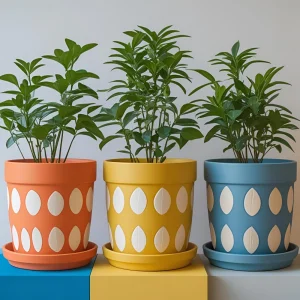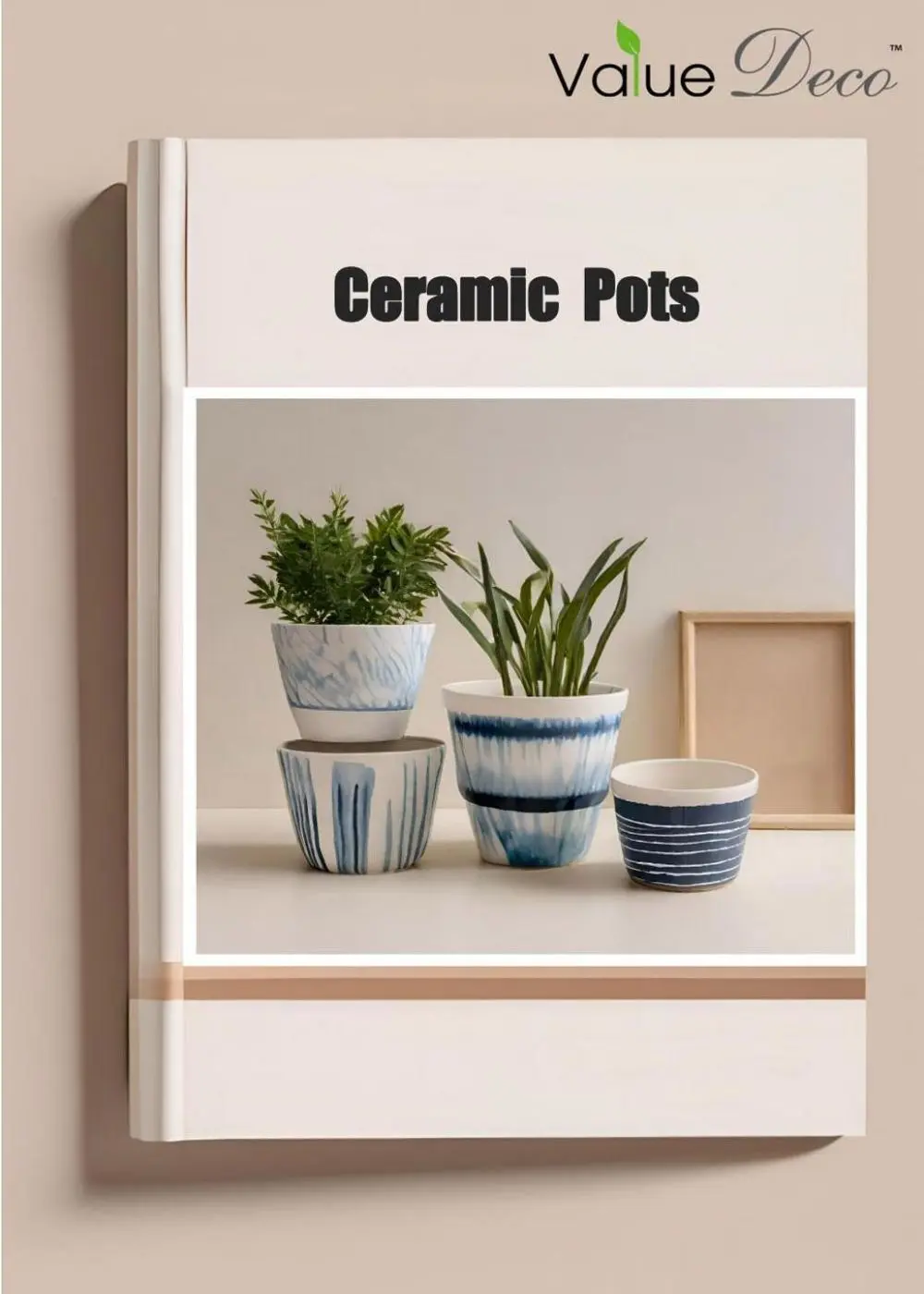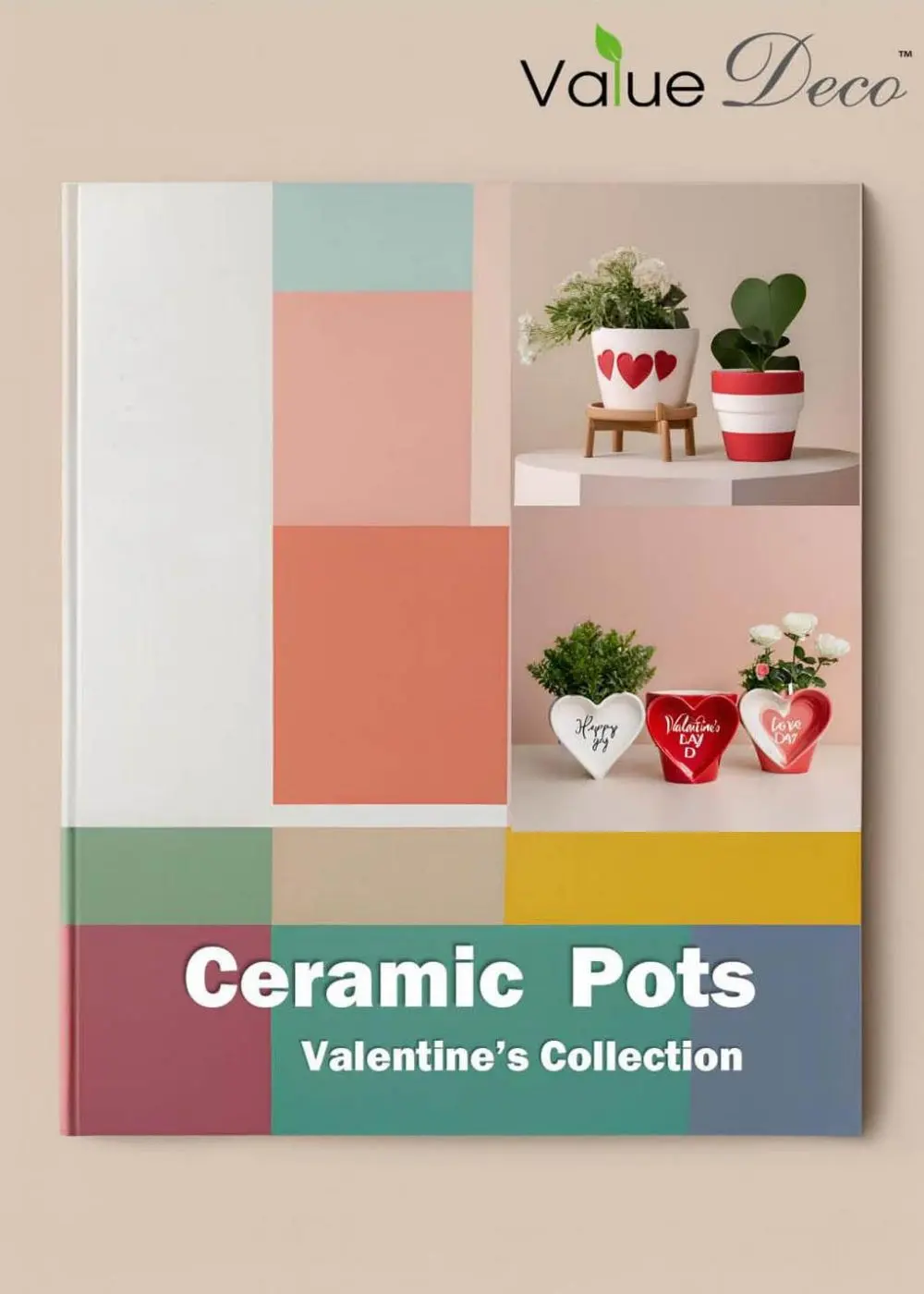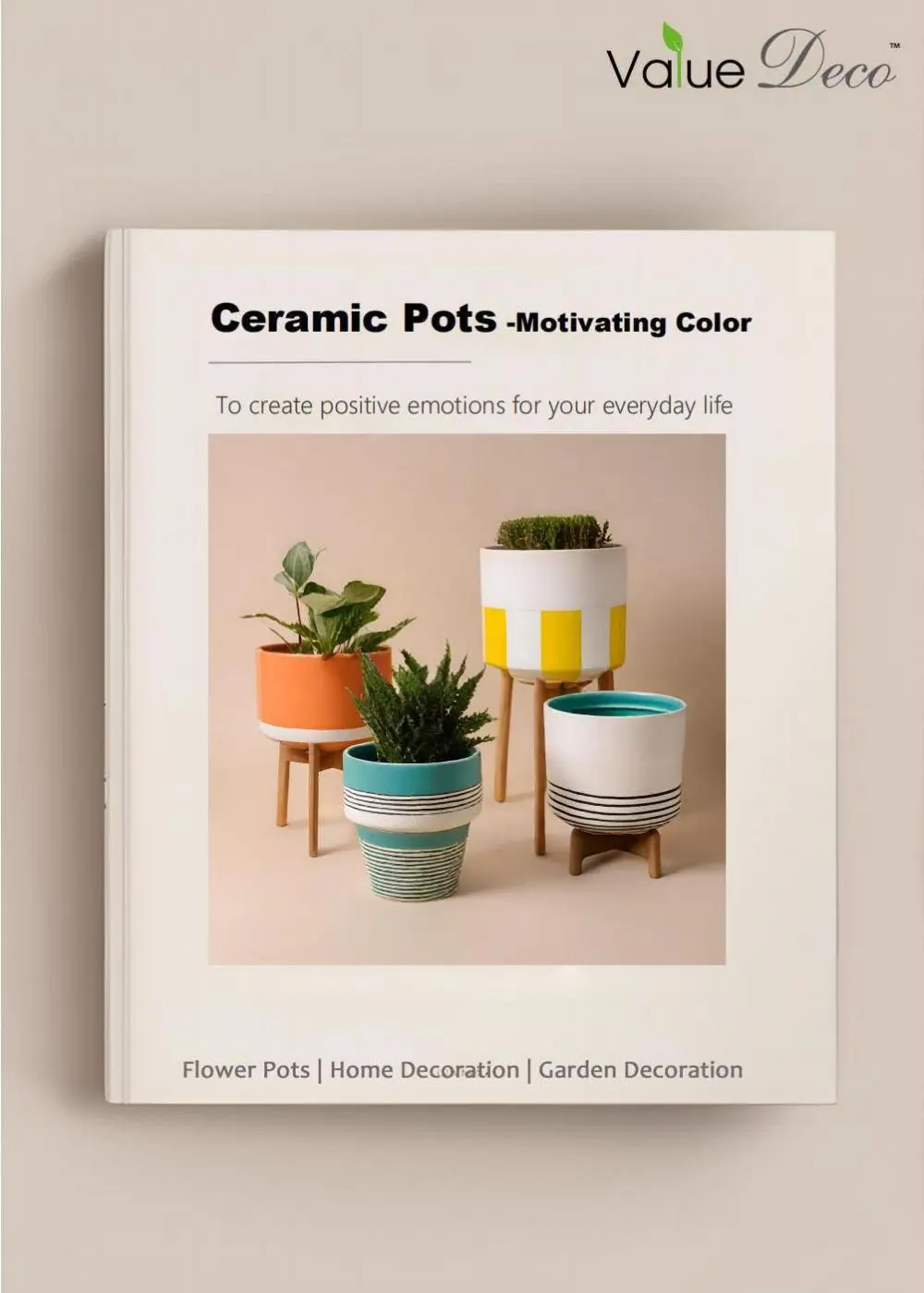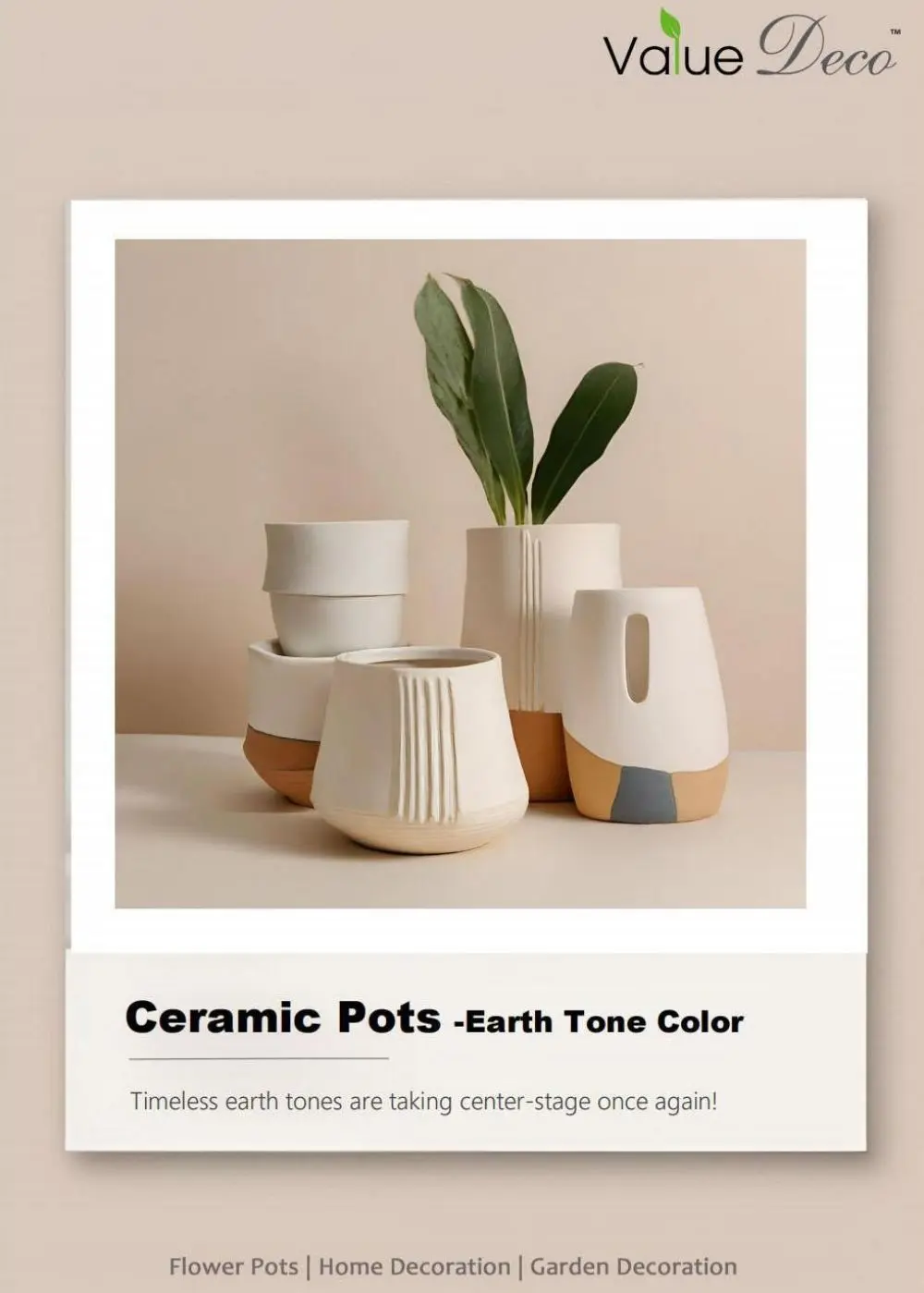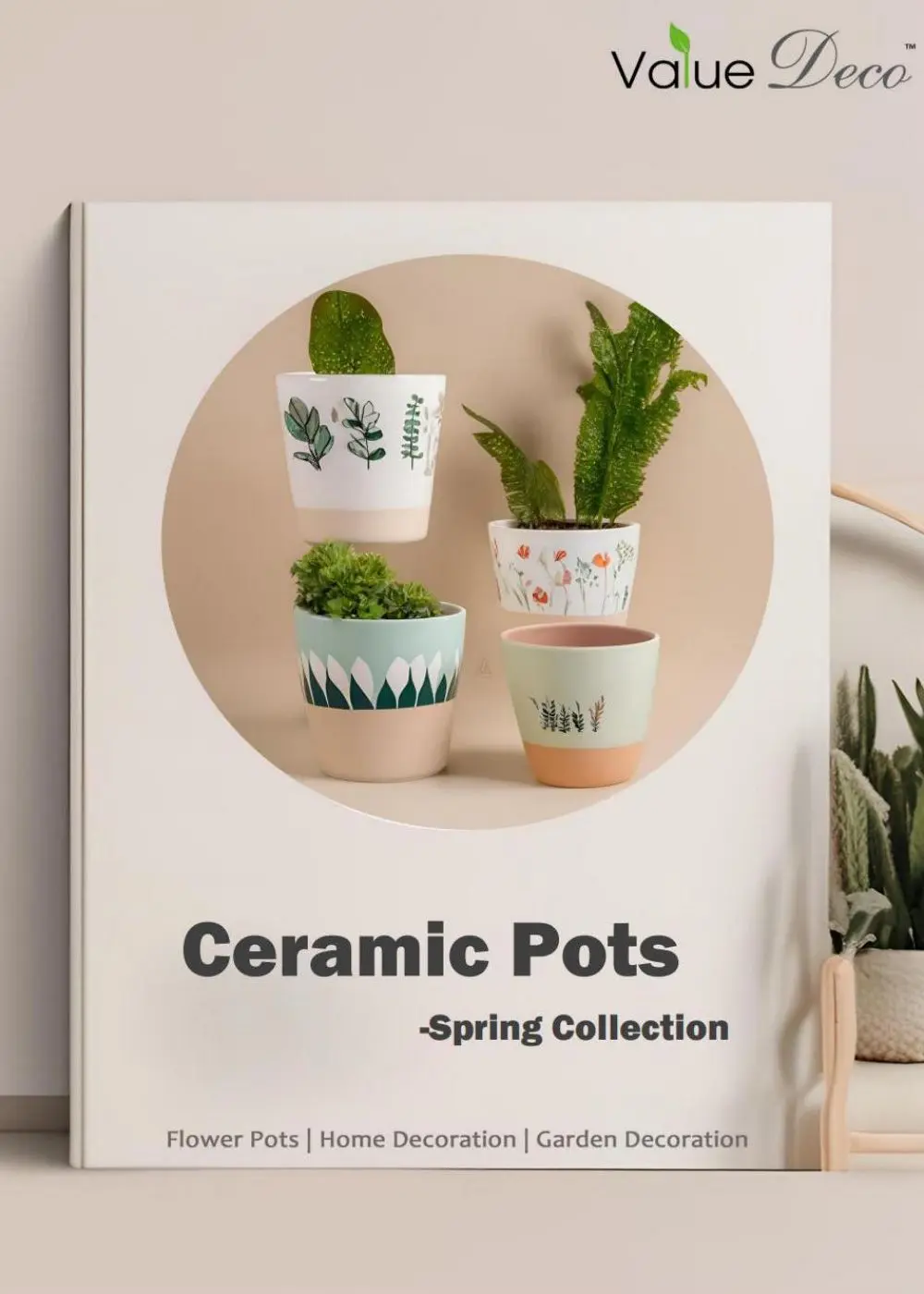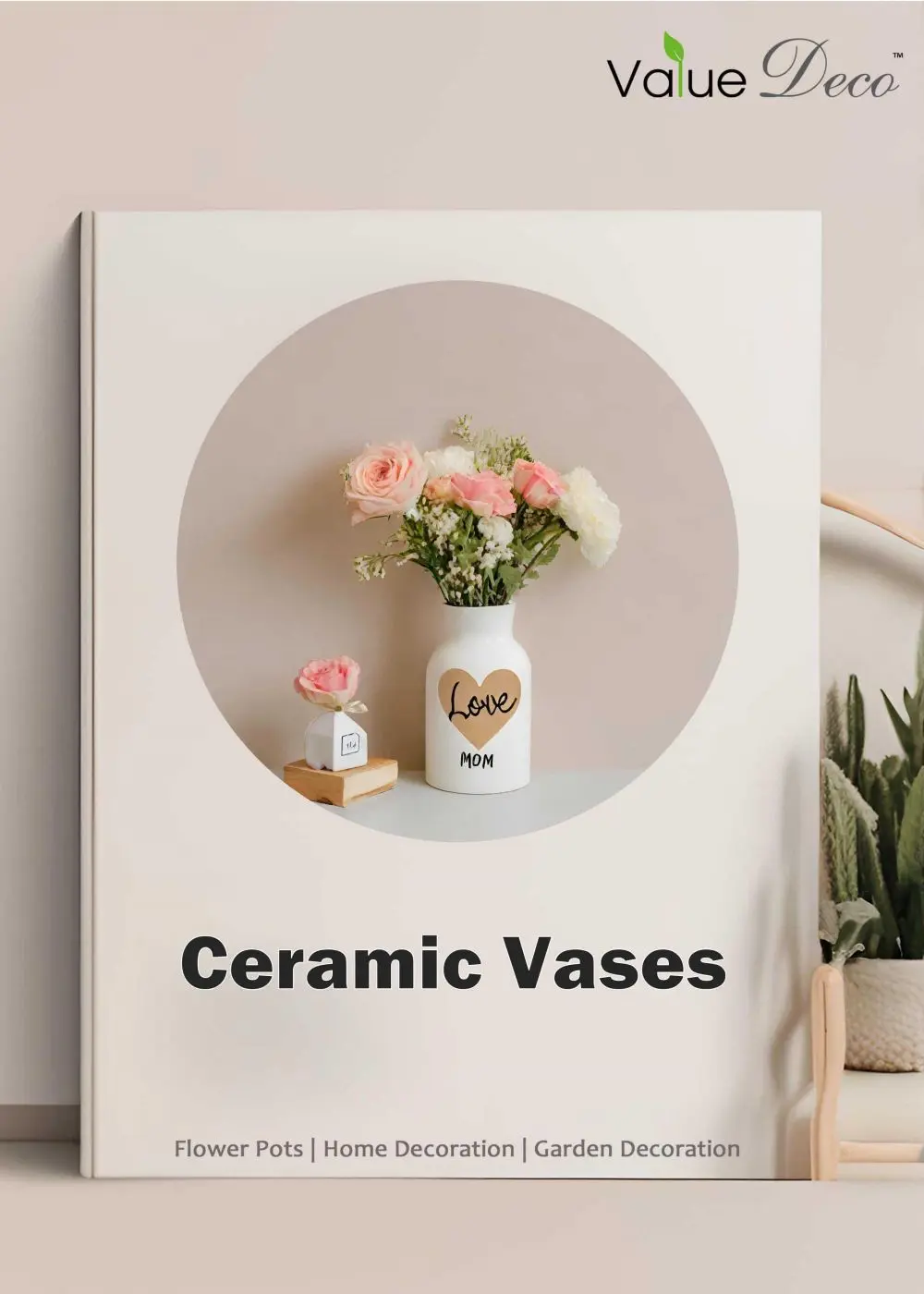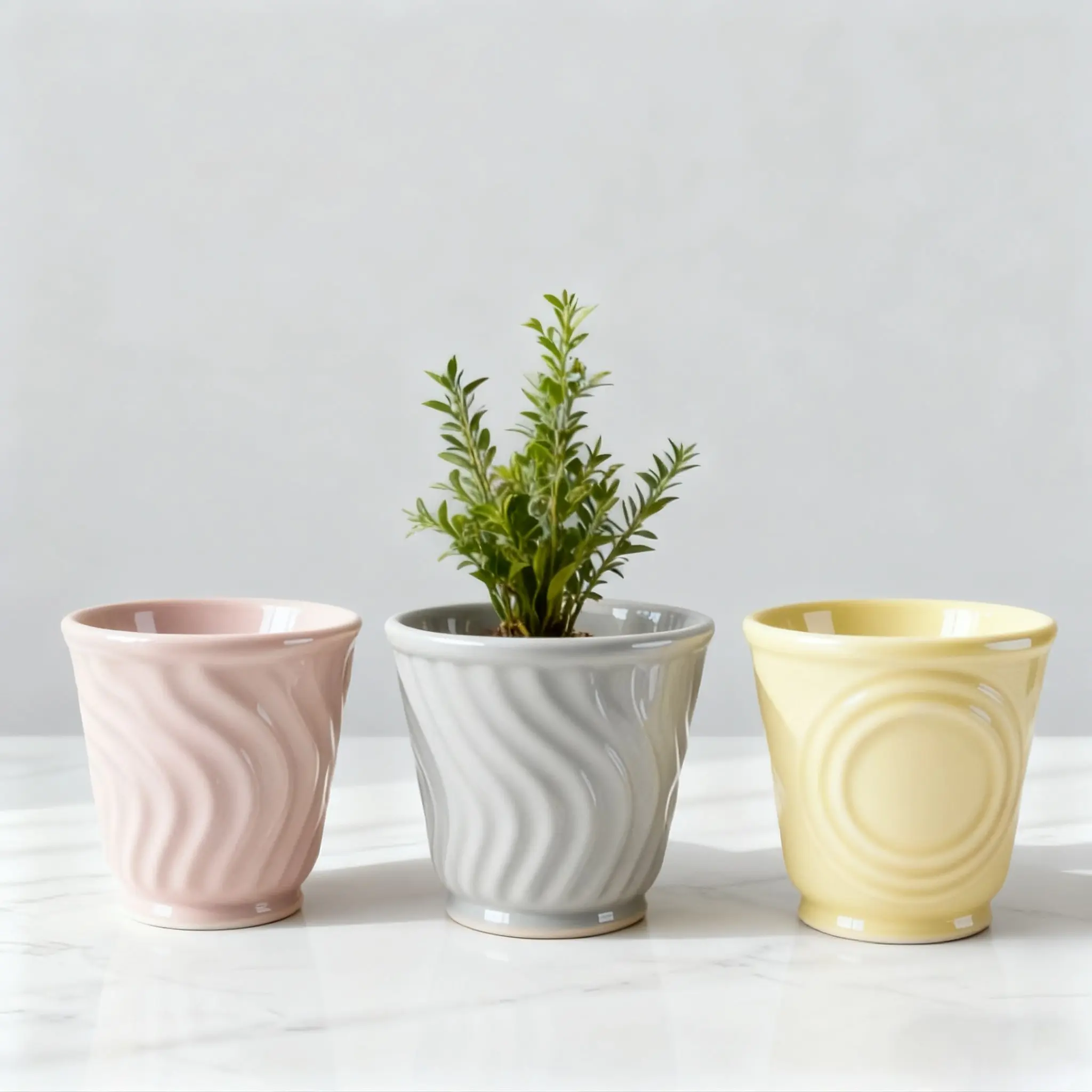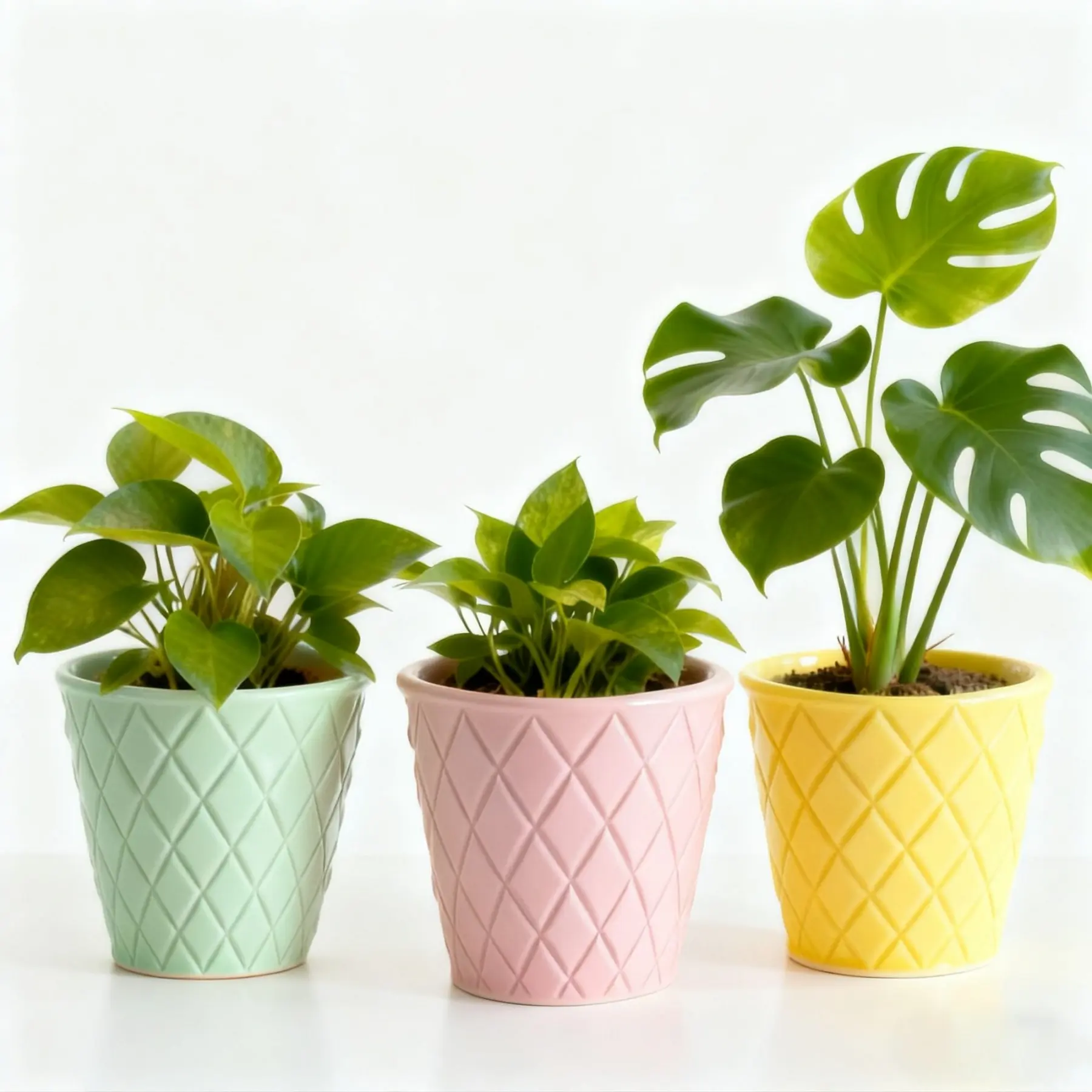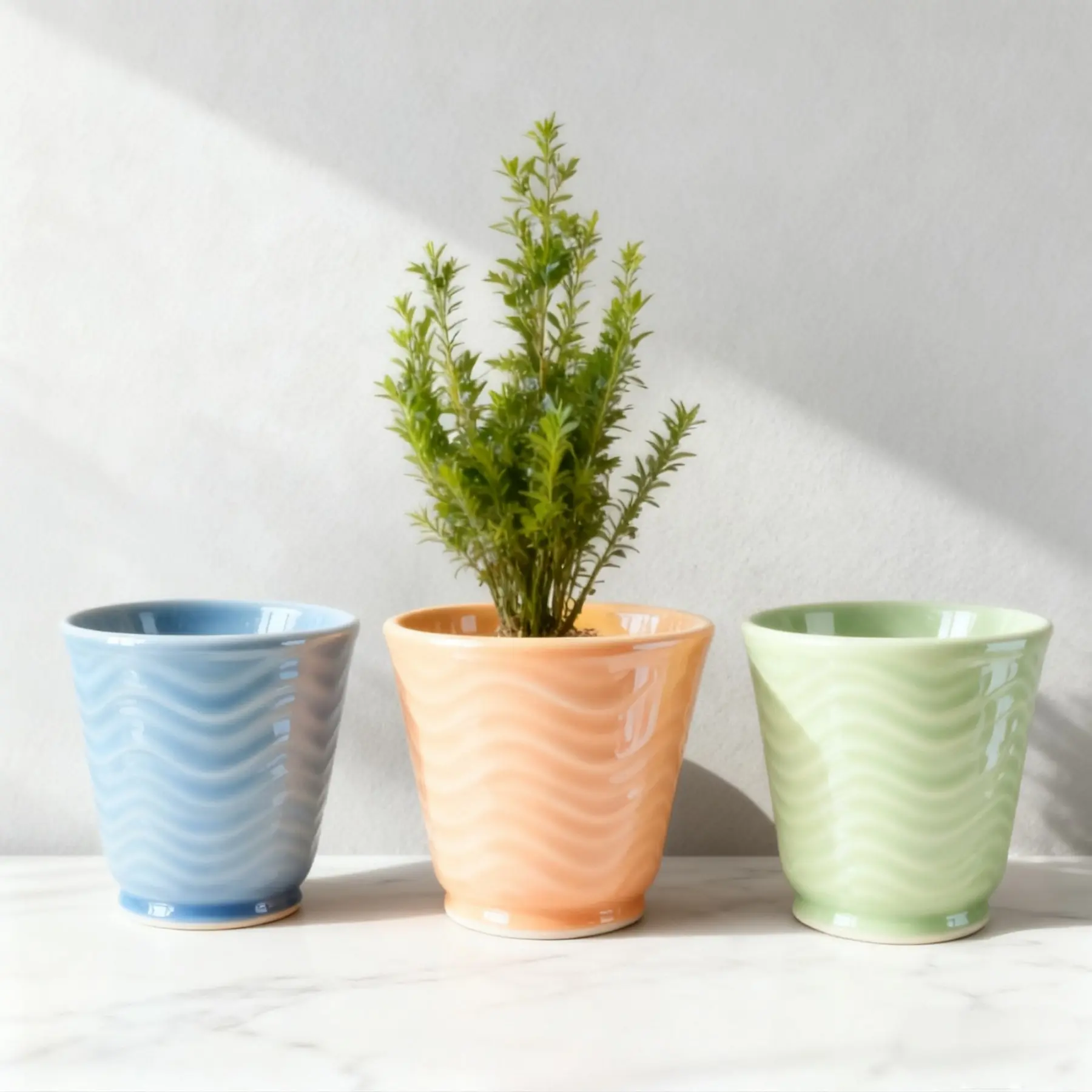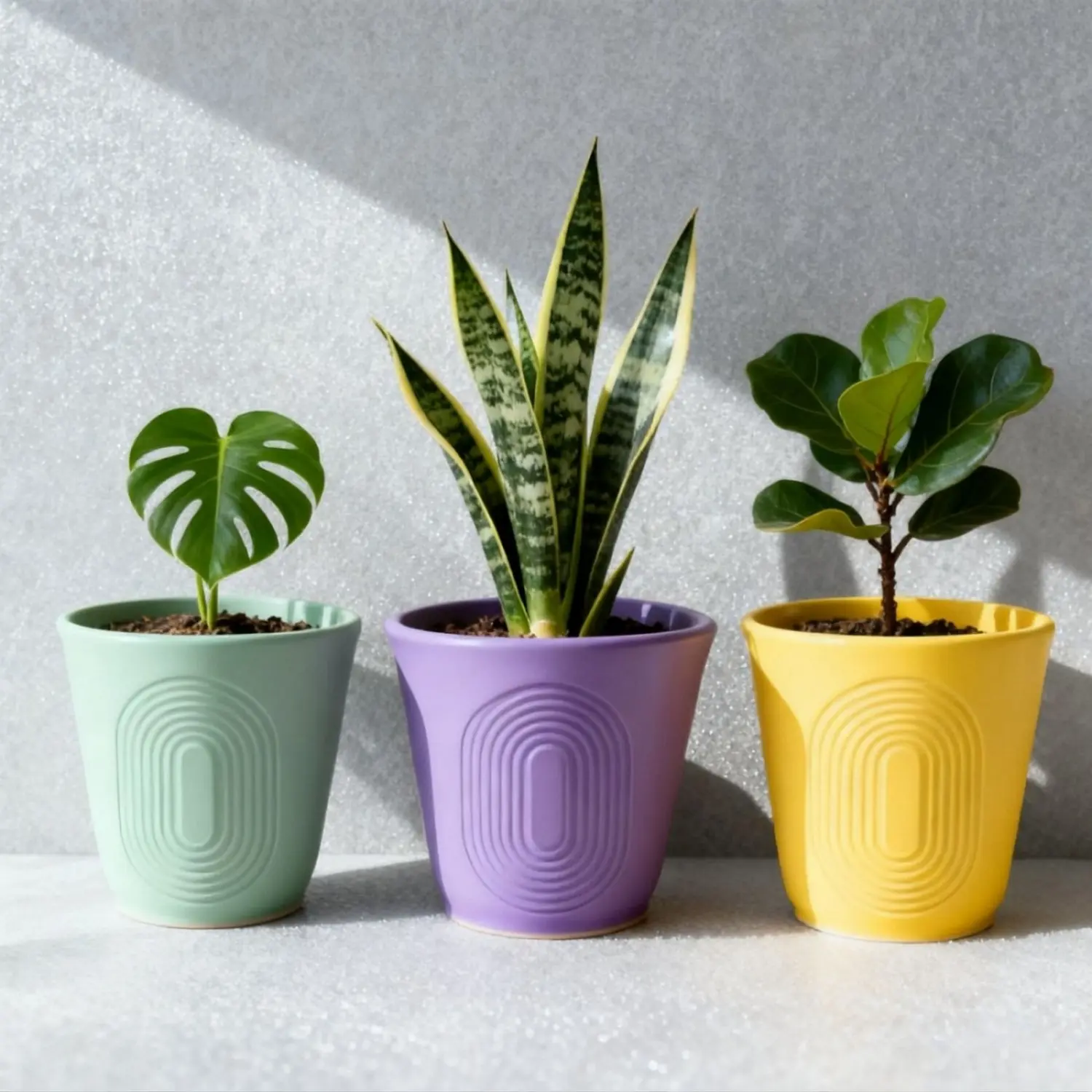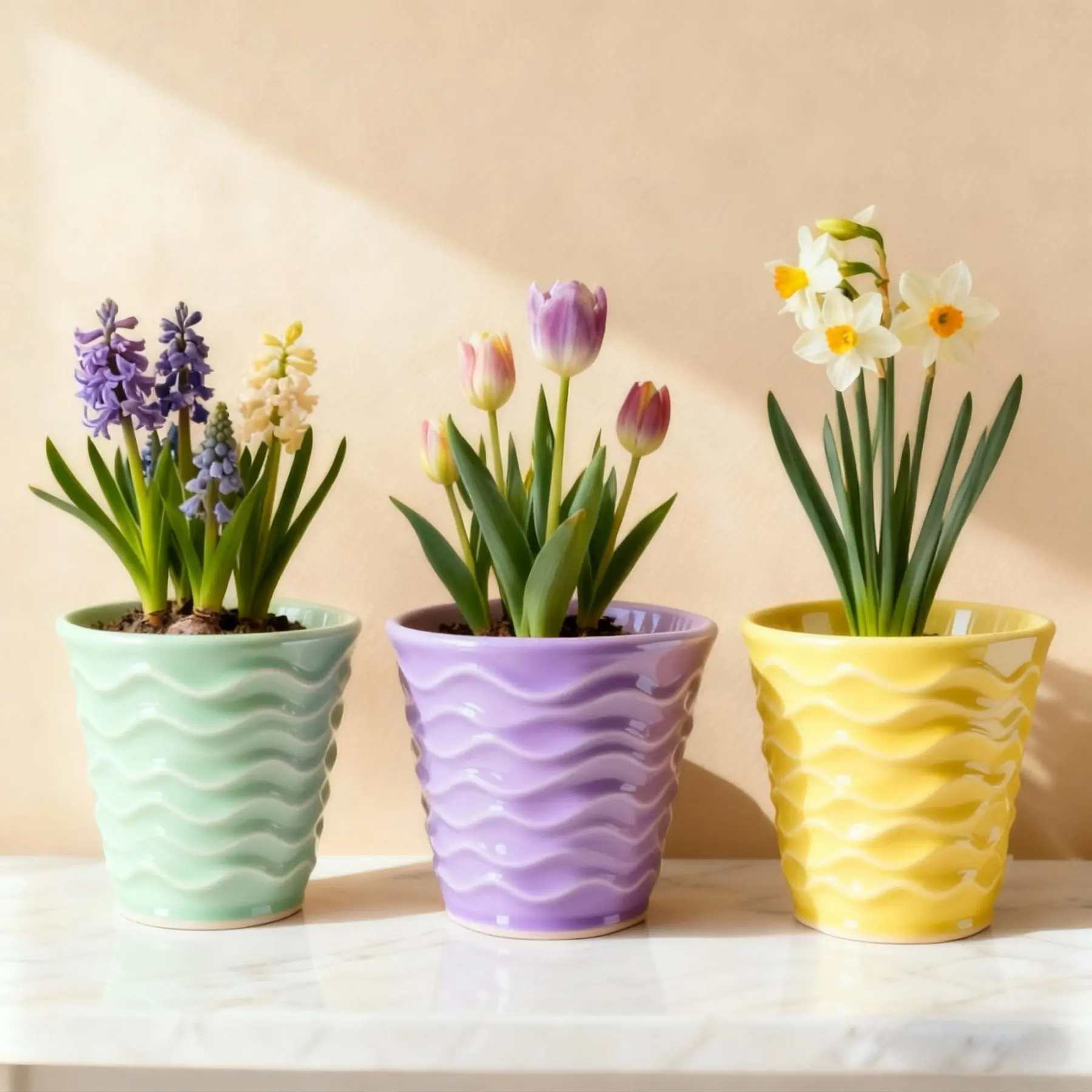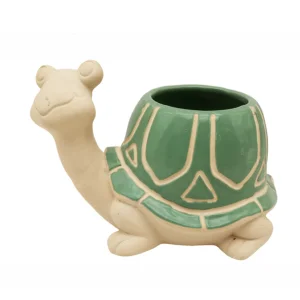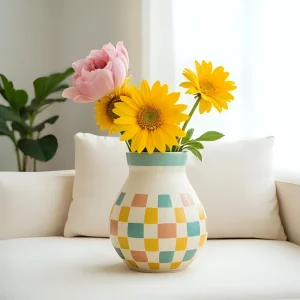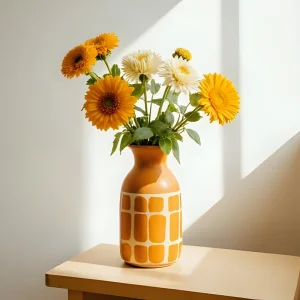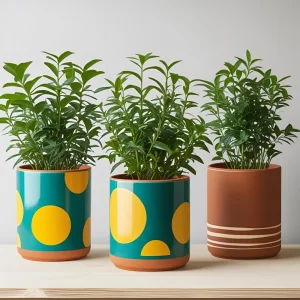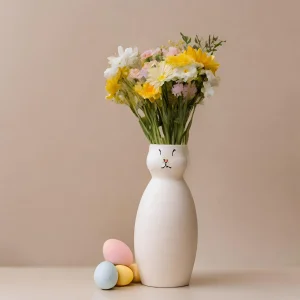
Direct supply line structures featuring optimized designs for specialized retail and structural planting environments.
Why modern horticulture requires specialized structural drainage systems like Orchitop pots.
For decades, horticultural supply chains relied on standard injection-molded pots with minimal base drainage. However, the international rise of epiphyte cultivation—principally orchids—has catalyzed a shift in B2B buyer demands. Standard pots lock moisture inside, establishing anaerobic root zones that trigger pathogenic decay, such as Phytophthora and Pythium root rot. Enter the slotted, aerated "Orchitop" style design: a structural container engineered with vertical columns and perimeter slits that emulate the natural, air-exposed environment of tropical epiphytic root systems.
"Root zone ventilation is not merely a design alternative; it is a metabolic necessity for orchidaceous root networks. Modern nurseries that have switched to slotted, high-ventilation containers report up to a 42% reduction in plant mortality during early development phases."
Global consumer analytics indicate a strong trajectory toward active-aeration containers. Distributors are moving away from generalist suppliers to partner with specialized factories capable of fabricating dynamic geometric profiles. These factories utilize structural food-grade polypropylene (PP) or advanced porous ceramic mixtures, striking a balance between production cost margins and structural longevity. High-quality Orchitop style pots permit structural light exposure (crucial for photosynthetic root development) while preventing soil compaction and root strangulation.
Explore our core design profiles engineered to meet modern interior decor and plant health requirements.
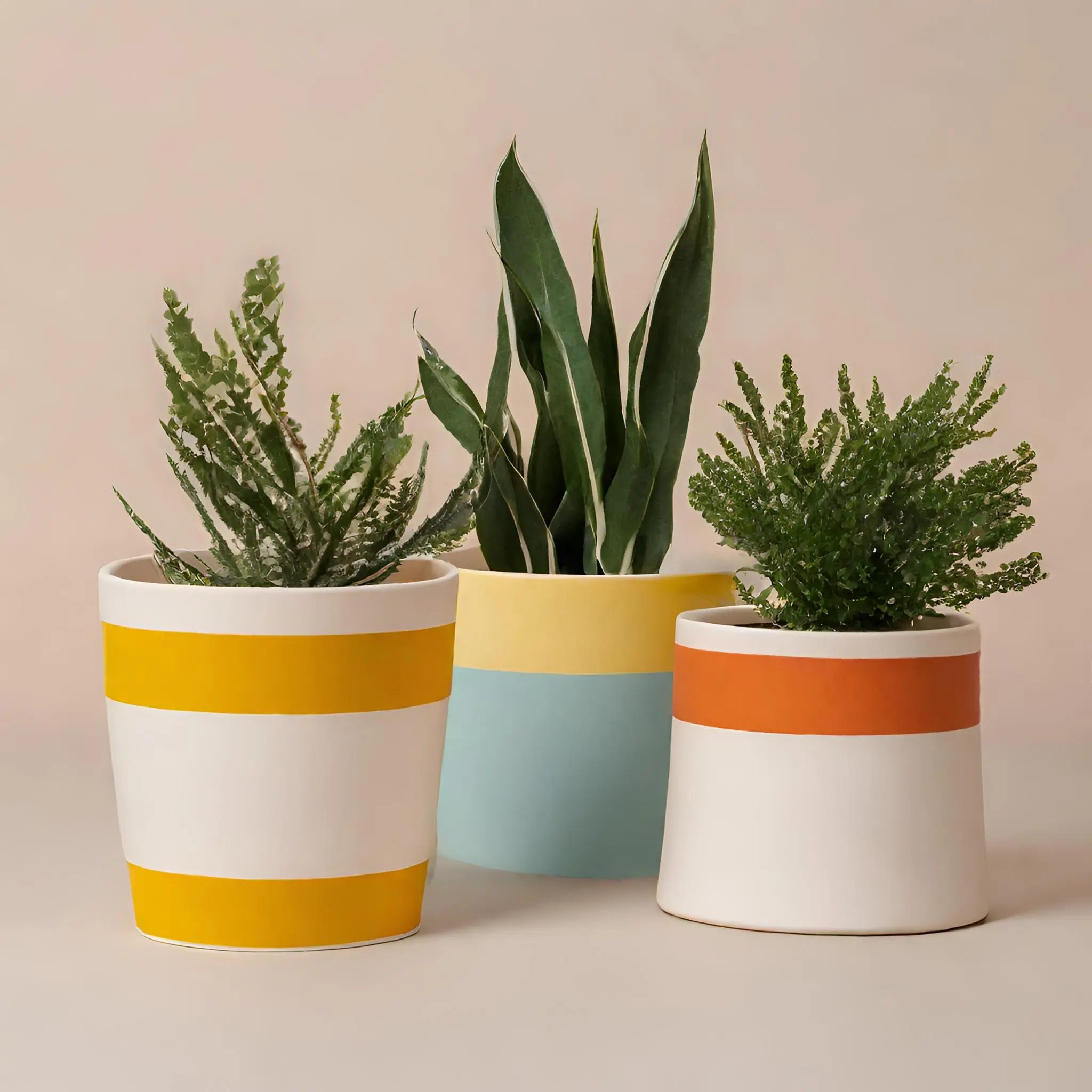
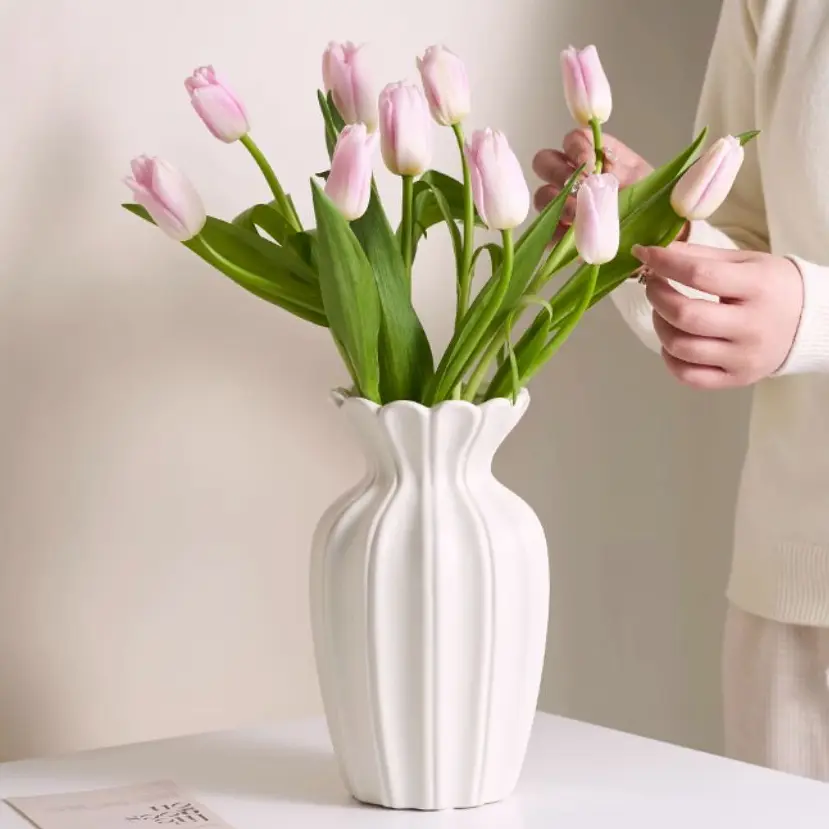


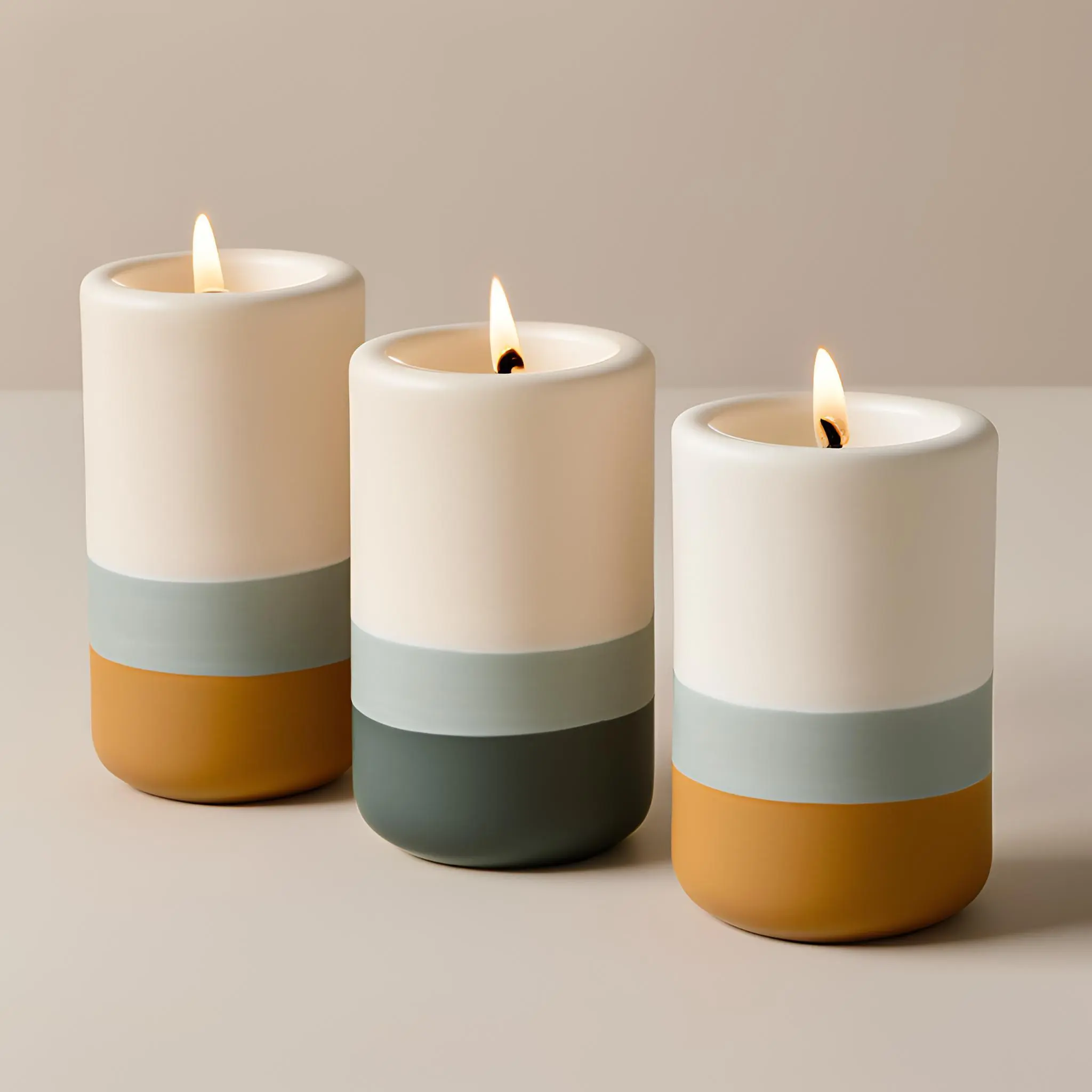

How institutional and wholesale buyers navigate structural quality requirements.
Procuring horticultural and decorative supplies at scale requires strict adherence to international safety, ecological, and chemical standards. For enterprise distributors, botanical pots are not merely plastic or ceramic forms; they are critical touchpoints subject to regional consumer safety laws. Material formulations must be thoroughly vetted to ensure they are free from toxic trace chemicals. In both residential and commercial applications, plant pots frequently interact with domestic runoff, making non-toxic compositions essential.
Enterprise sourcing programs require comprehensive material safety compliance, including **REACH (Registration, Evaluation, Authorisation and Restriction of Chemicals)** certifications for European distributions and **California Proposition 65** declarations for North American markets. High-performance polymer formulations incorporate specialized Hindered Amine Light Stabilizers (HALS) to mitigate photodegradation under high-intensity greenhouse lamps or raw solar radiation, preventing the plastic from cracking or leaching under stress.
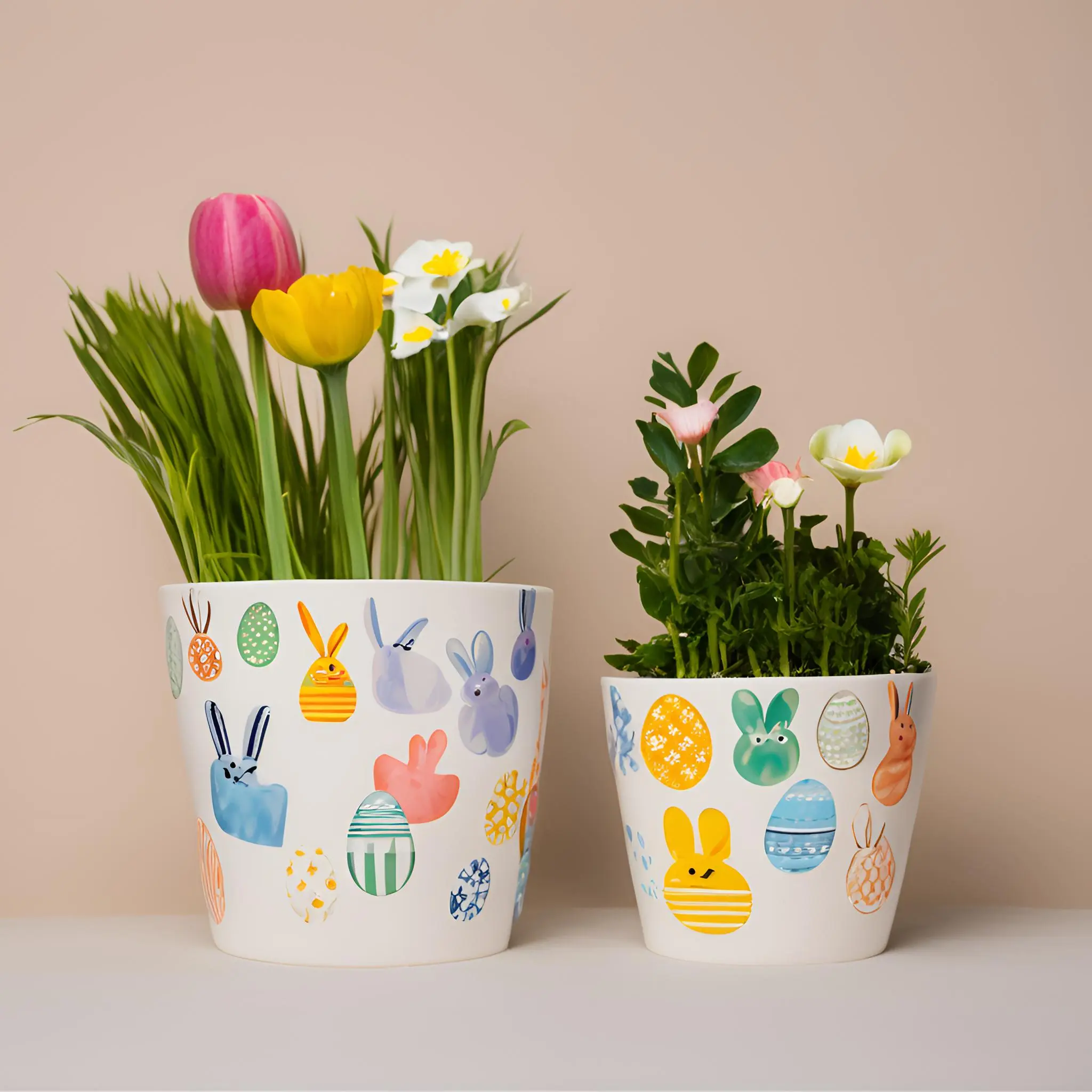
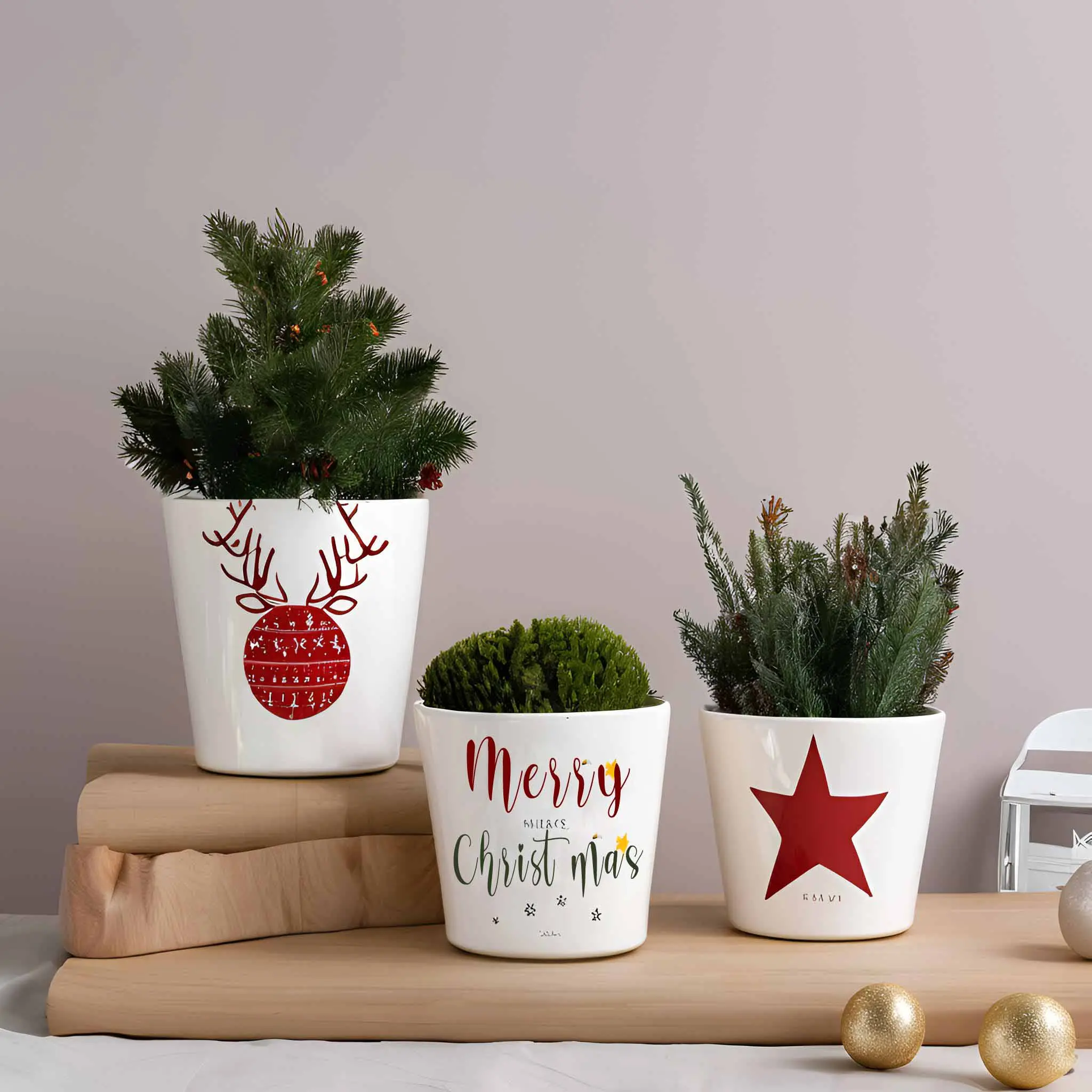
Curated design variants created for major commercial consumer purchasing cycles throughout the year.
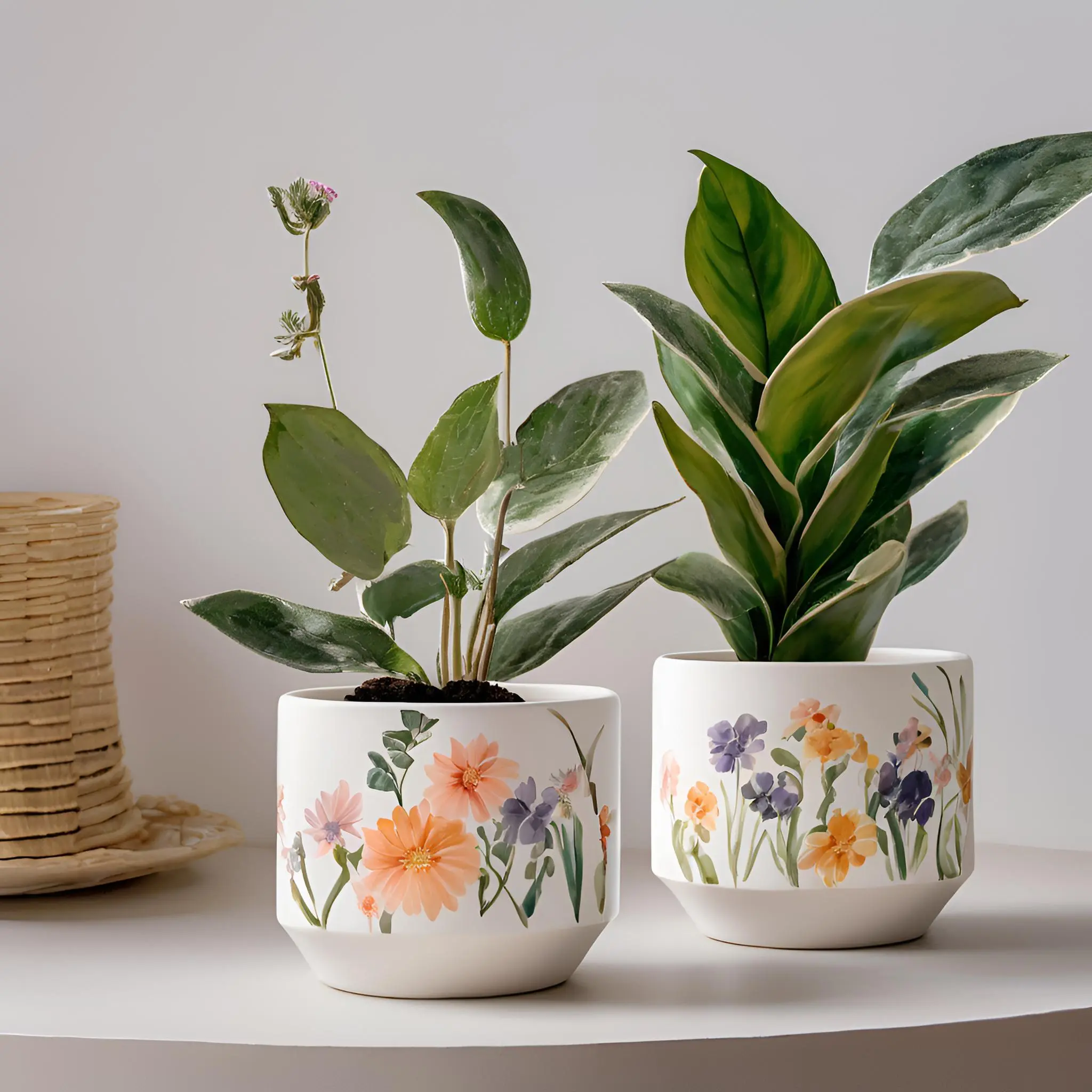
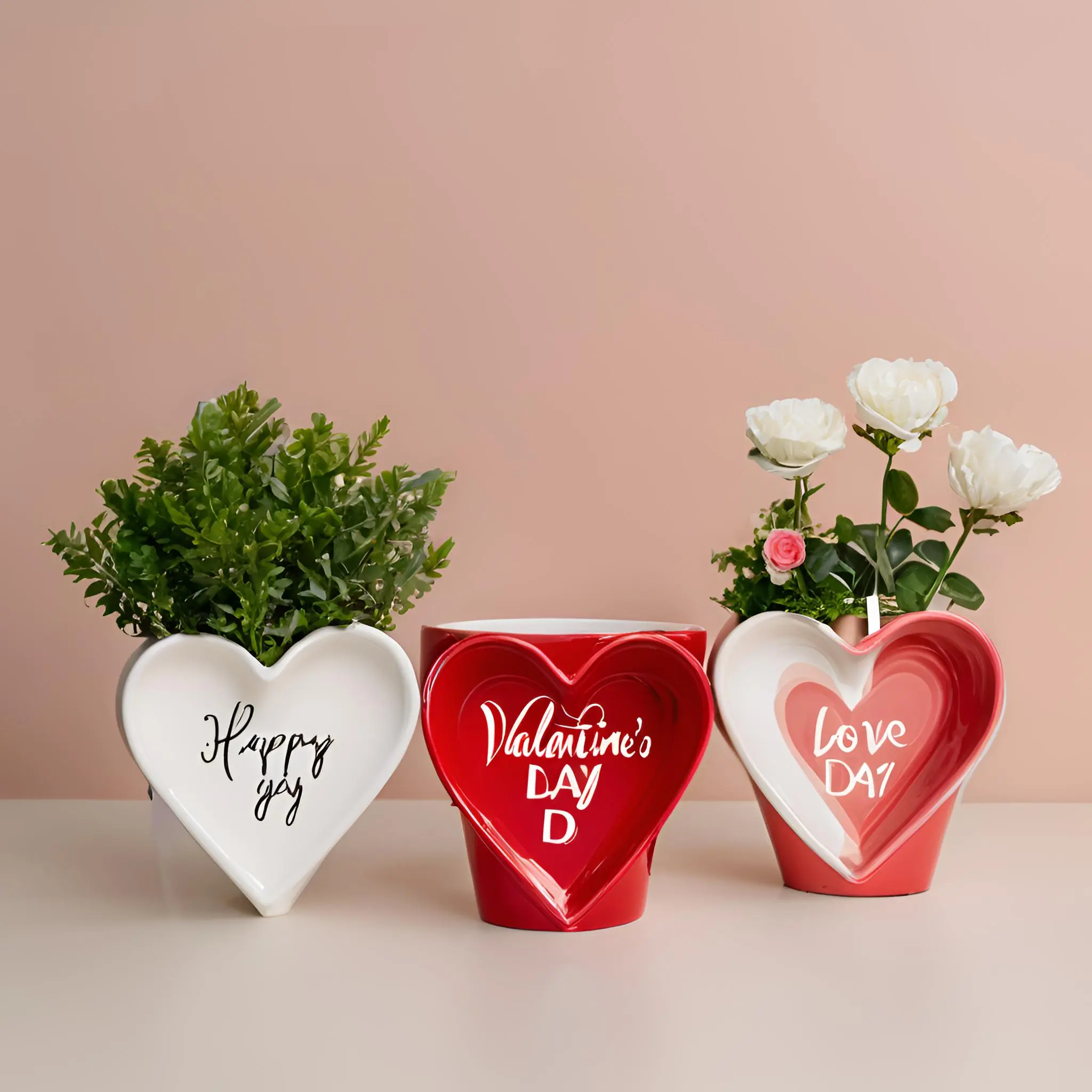


Analyzing the automated fabrication clusters and logistical systems driving global supply chains.
Modern procurement strategies depend on manufacturing ecosystems that minimize supply chain vulnerabilities. Traditional factories often suffer from localized disruptions, raw material pricing volatility, and labor deficits. In contrast, China's modern manufacturing hubs leverage **Industry 4.0 systems** to maintain high output stability. The integration of robotic automation in both plastic injection molding and ceramic preparation allows factories to scale production dynamically while maintaining strict quality control parameters.
By grouping plastic molding infrastructure with premium ceramic manufacturing clusters in southern industrial zones, companies like Value Deco Limited streamline production workflows. The close proximity of raw material suppliers, glaze mills, and automated post-processing facilities helps insulate procurement plans from local raw material spikes or logistical bottlenecks. Computer-controlled kilns and advanced extrusion tooling ensure that dimensional tolerances remain precise across millions of units—a critical requirement for automated commercial growing operations.
Value Deco Limited is a leading supplier of high-quality ceramic pots based in China. With over 12 years of experience in the decoration industry, we have built a strong reputation for offering a diverse range of Flower Pots, Flower Vases, Candle Holders, Home Decoration, Garden Decoration, and Dinnerware, suitable for various seasons and applications. Our products are designed to align with current design trends, ensuring they serve both functional botanical purposes and elevate the aesthetic appeal of any commercial or residential space.
Specialized manufacturing of structural growing pots and modern horticultural designs.
www.valuedeco.com →Premium curation of dinnerware, candle holders, and seasonal outdoor styling elements.
www.pridedeco.com →Access our current product line catalogs for wholesale distribution and direct factory orders.
Exploring localized commercial and municipal installations of advanced aeration containers.
The applications for highly functional pots extend beyond traditional home gardening. Because Orchitop pots balance oxygen levels at the root system, they are increasingly utilized in municipal landscapes, public botanic displays, and indoor corporate offices. In these environments, plant maintenance schedules are often constrained, making structural pots that resist waterlogging and allow air-pruning a highly valuable asset.
Corporate design architectures frequently utilize vertical planting displays. Because standard pots lack effective drainage, they can slowly rot plant roots, requiring costly replacements. Incorporating slotted pots into modular vertical structures ensures constant ambient air circulation, maintaining foliage health. Furthermore, high-volume commercial orchid growers use these specialized pots to reduce growth cycles, accelerating plant readiness for retail distribution.
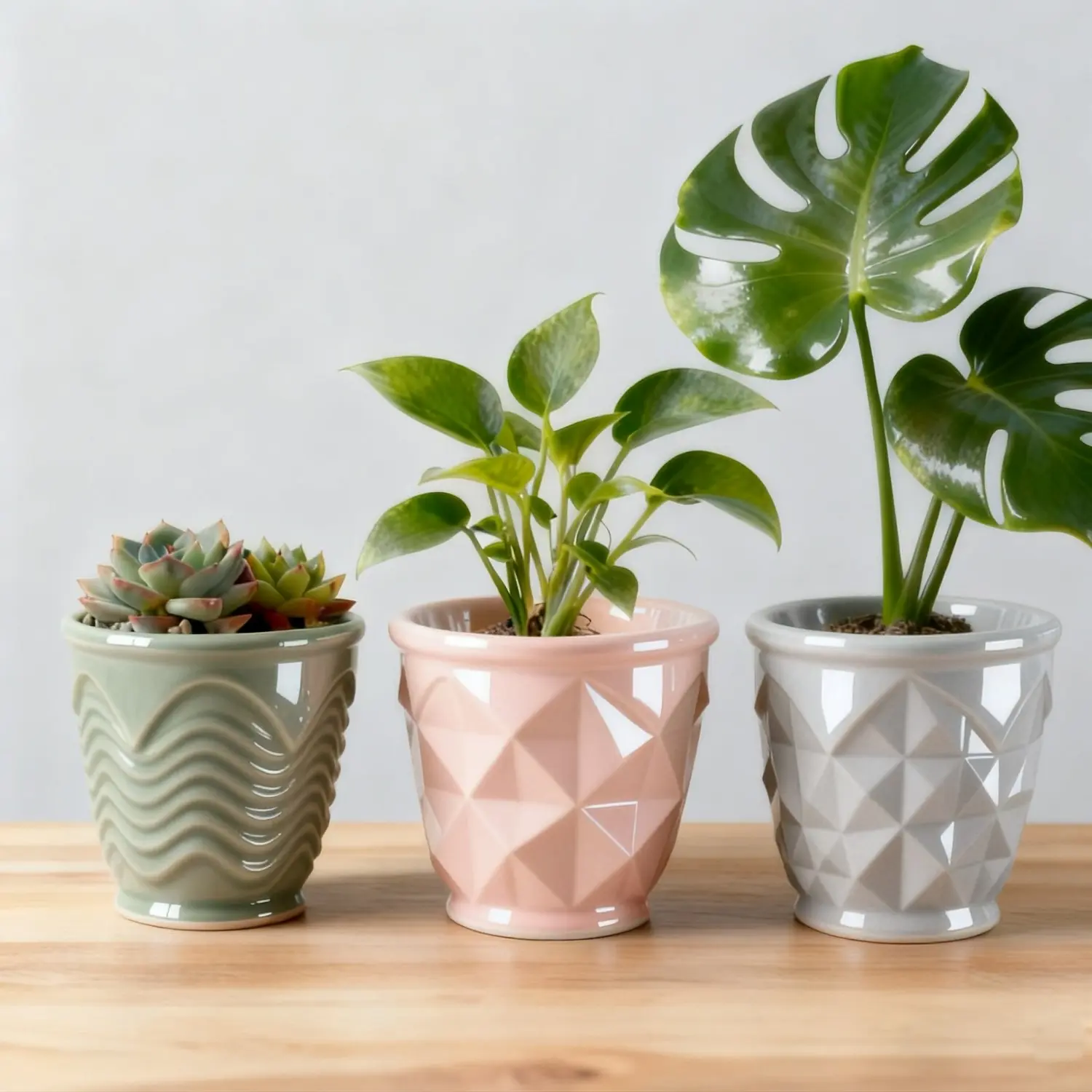
A showcase of our recent textured finishes, engineered for modern interior retail spaces.
Technical guidance regarding procurement logistics, design engineering, and structural quality control.
Additional decorative and structural plant container designs available for direct factory export.