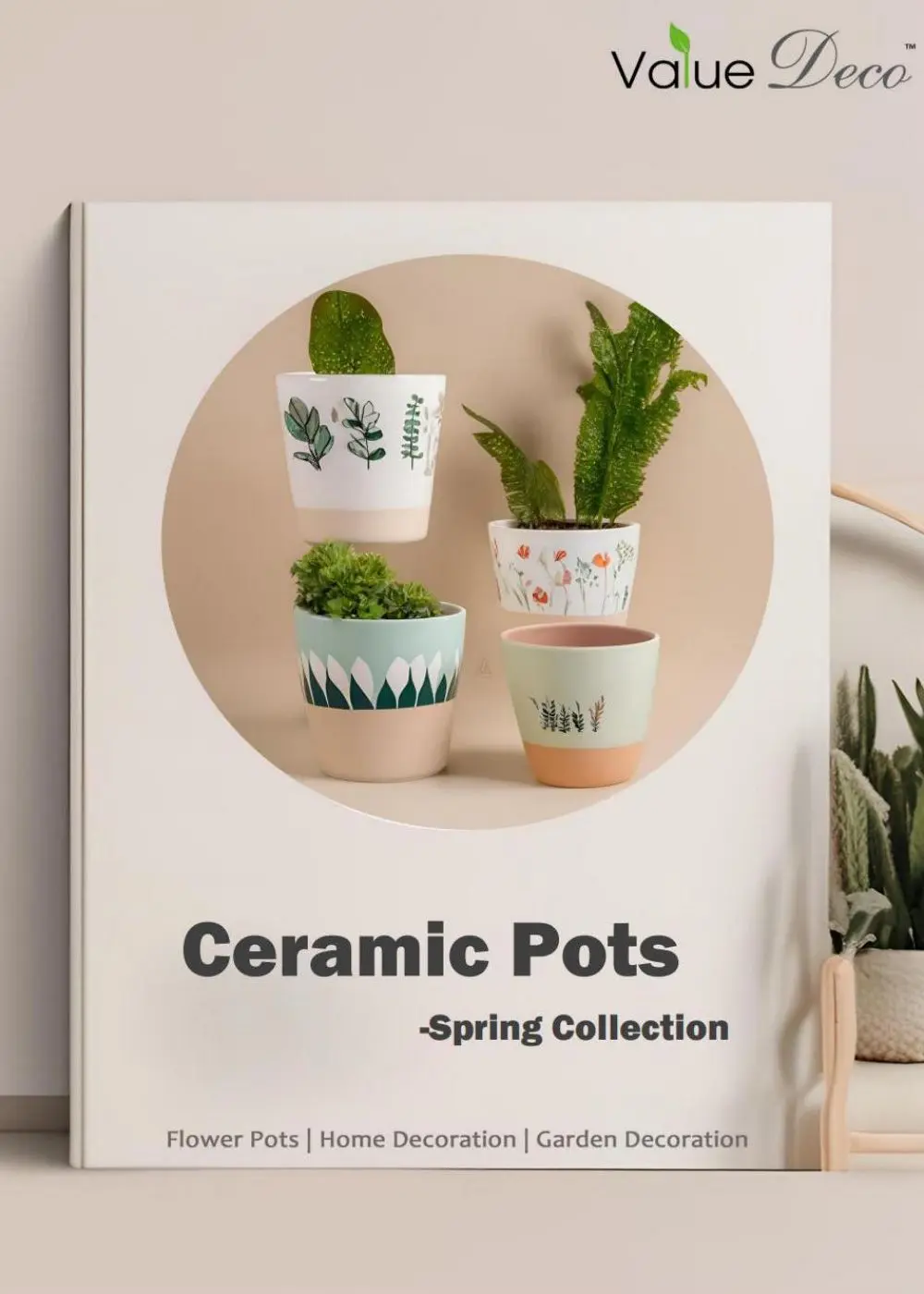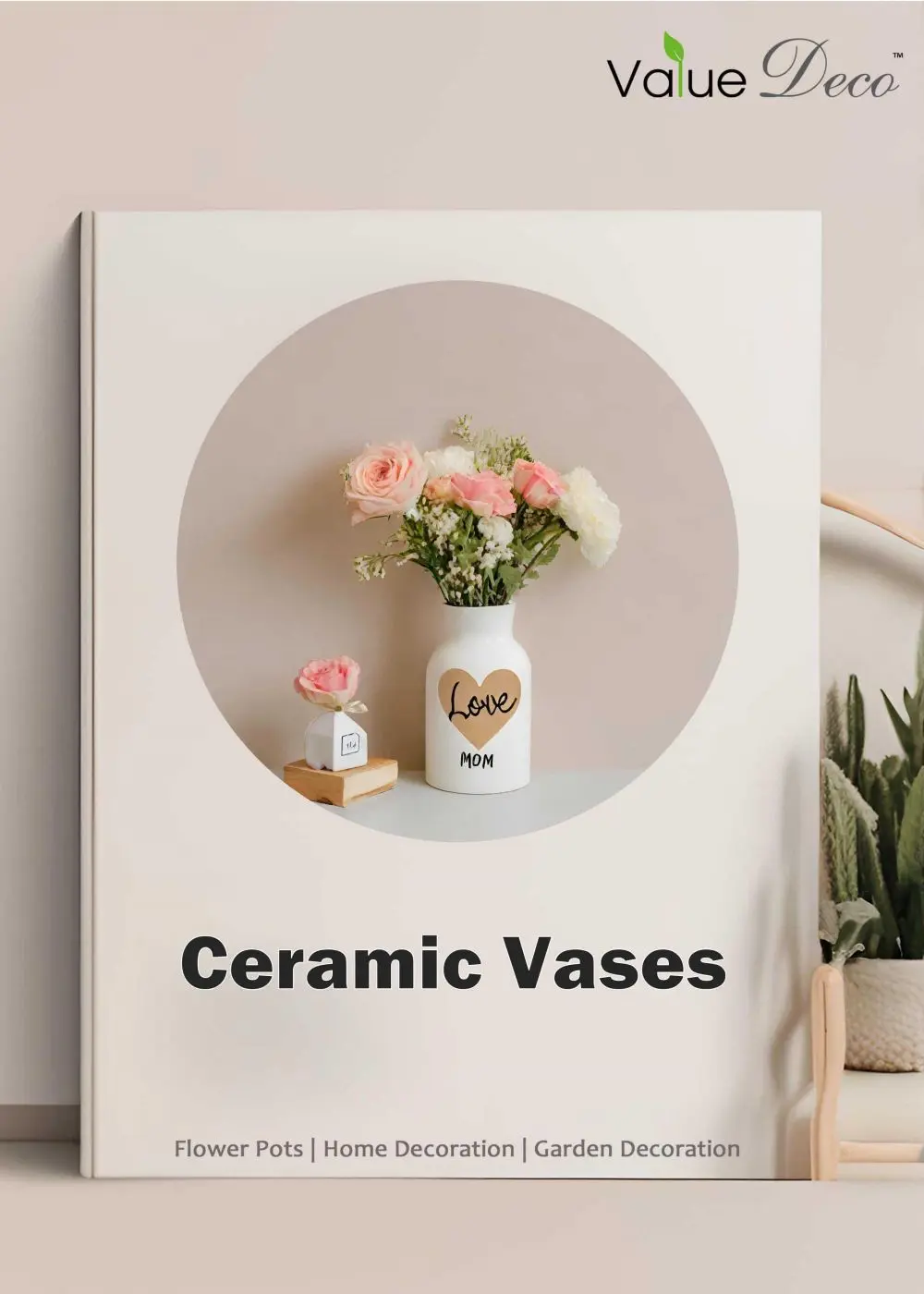
Explore our premium selection of manufactured ceramic vessels, horticultural pots, and seasonal accents designed for large-scale logistics and distribution.

In modern commercial horticulture, the humble nursery pot operates not merely as a container, but as a critical node in automated planting logistics, crop management, and product distribution. With global demand for ornamental horticulture, urban forestry, and indoor botanicals scaling rapidly, commercial operations require sourcing solutions that optimize cost margins without sacrificing structural integrity, automation compatibility, or environmental compliance.
Sourcing cheap nursery pots directly from advanced manufacturing hubs like China allows enterprise buyers to maximize their cost-efficiency. However, strategic procurement directors must evaluate parameters beyond unit cost. The current global landscape dictates a transition toward highly durable, automated-line-compatible, and sustainable polymer-based pots. Systemic design improvements—such as anti-tangling root ribs, high-drainage tiered bases, and calibrated UV stabilizers—insure agricultural enterprises against root rot, mechanical transplant shock, and physical container degradation during overseas shipping.
When searching for "cheap nursery pots suppliers & factories," procurement managers seek margins that match large-scale distribution models. However, "cheap" within the B2B framework does not suggest disposable quality. It means capital efficiency achieved through technological automation, optimized material sourcing, and efficient mold design. The selection process must look at plastic wall thickness consistency, flexibility parameters, and nesting characteristics (anti-jam stacks to allow high stacking ratios in shipping containers and smooth mechanical destacking in automated potting lines).
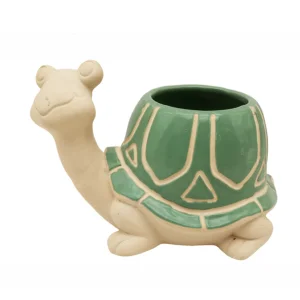
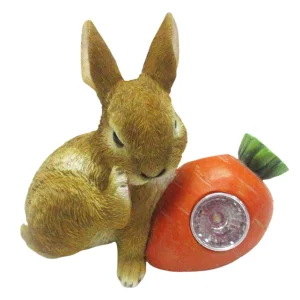
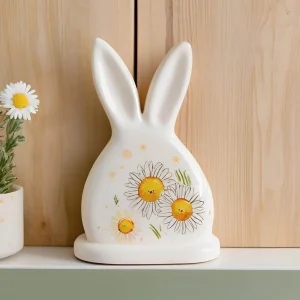
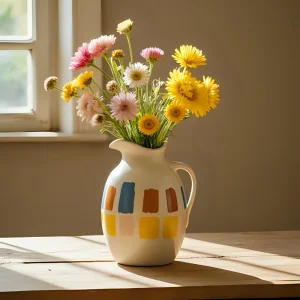
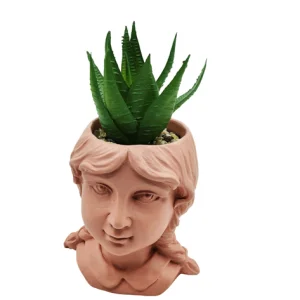
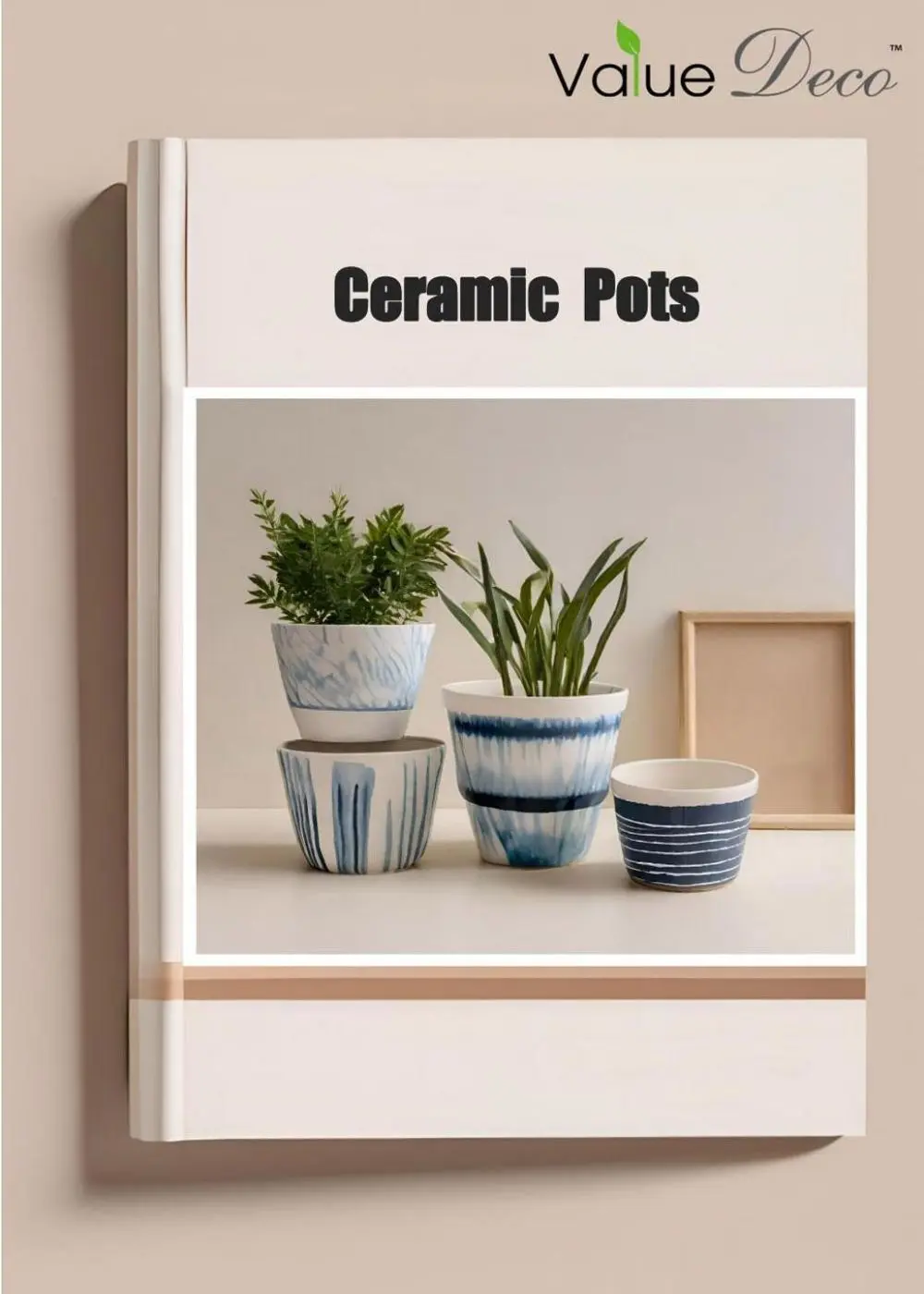
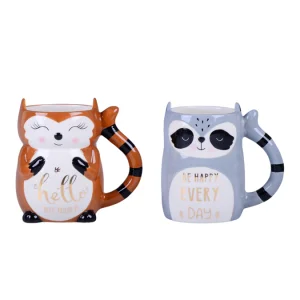
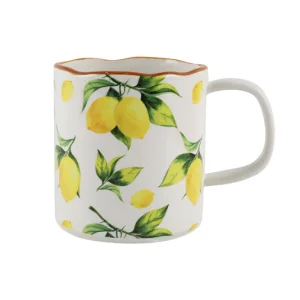
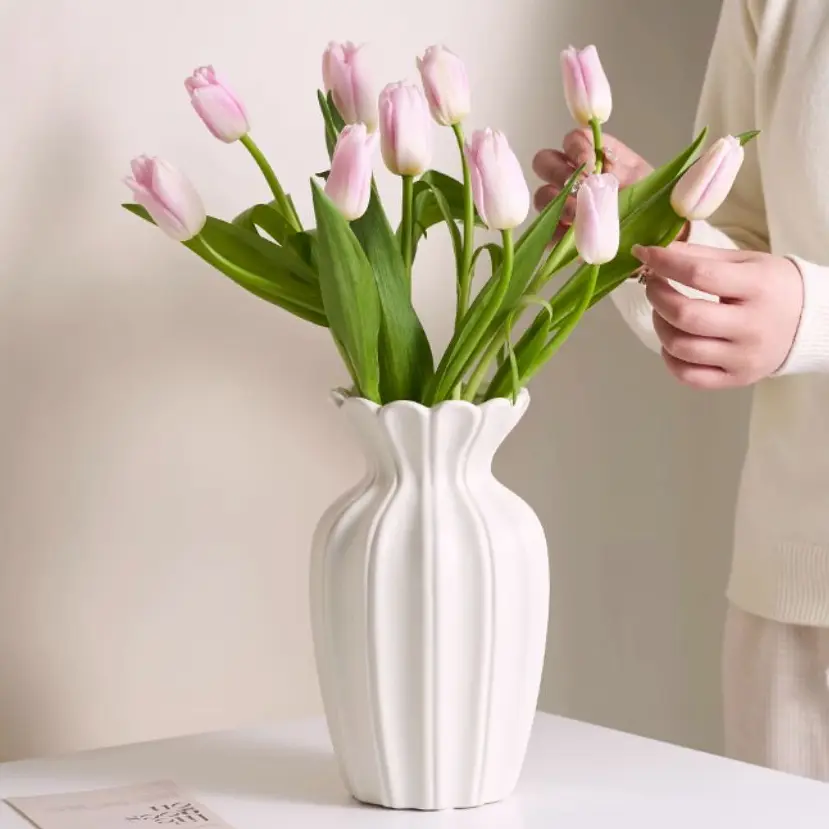
Our extensive manufacturing catalog spans basic horticultural containers, functional ceramic planters, and seasonal interior design vessels.
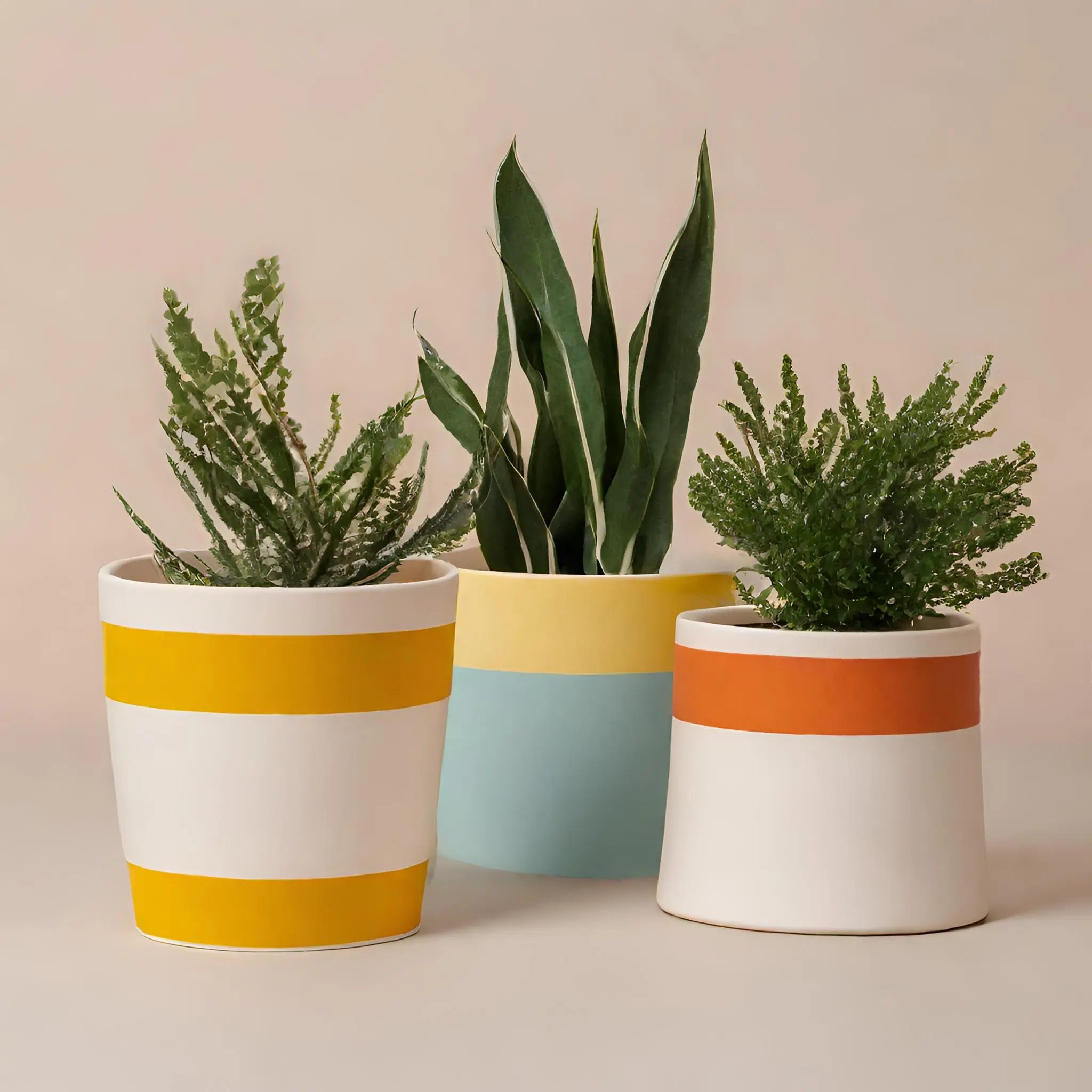

Understanding the distinction between thermoformed and injection-molded pots is critical for bulk supply chain procurement. Thermoformed pots utilize thin-gauge plastic sheets that undergo automated heating and vacuum modeling processes. This strategy delivers lightweight, highly flexible, and incredibly cost-effective pots, optimal for temporary crop cycles or single-use plant propagation.
In contrast, injection-molded pots employ high-pressure molten plastic injection into custom steel cavities. The result is a thick-walled, highly robust planter capable of surviving multiple growth cycles, extreme wind conditions, and heavy mechanical handling. For nurseries looking to optimize total cost of ownership (TCO), choosing the appropriate balance between thin-gauge thermoforming and long-duration injection molds is essential.
As compliance requirements like REACH (Europe) and state-level green initiatives in North America tighten, the nursery industry faces immense pressure to move away from virgin, carbon-intensive plastics. Our factory is at the forefront of this shift, piloting formulations with varying ratios of Post-Consumer Recycled (PCR) Polypropylene (PP) and Bio-polyethylene (Bio-PE).
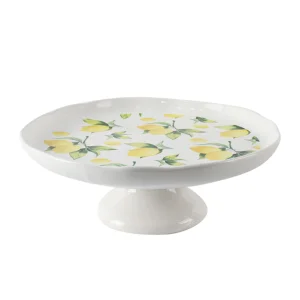
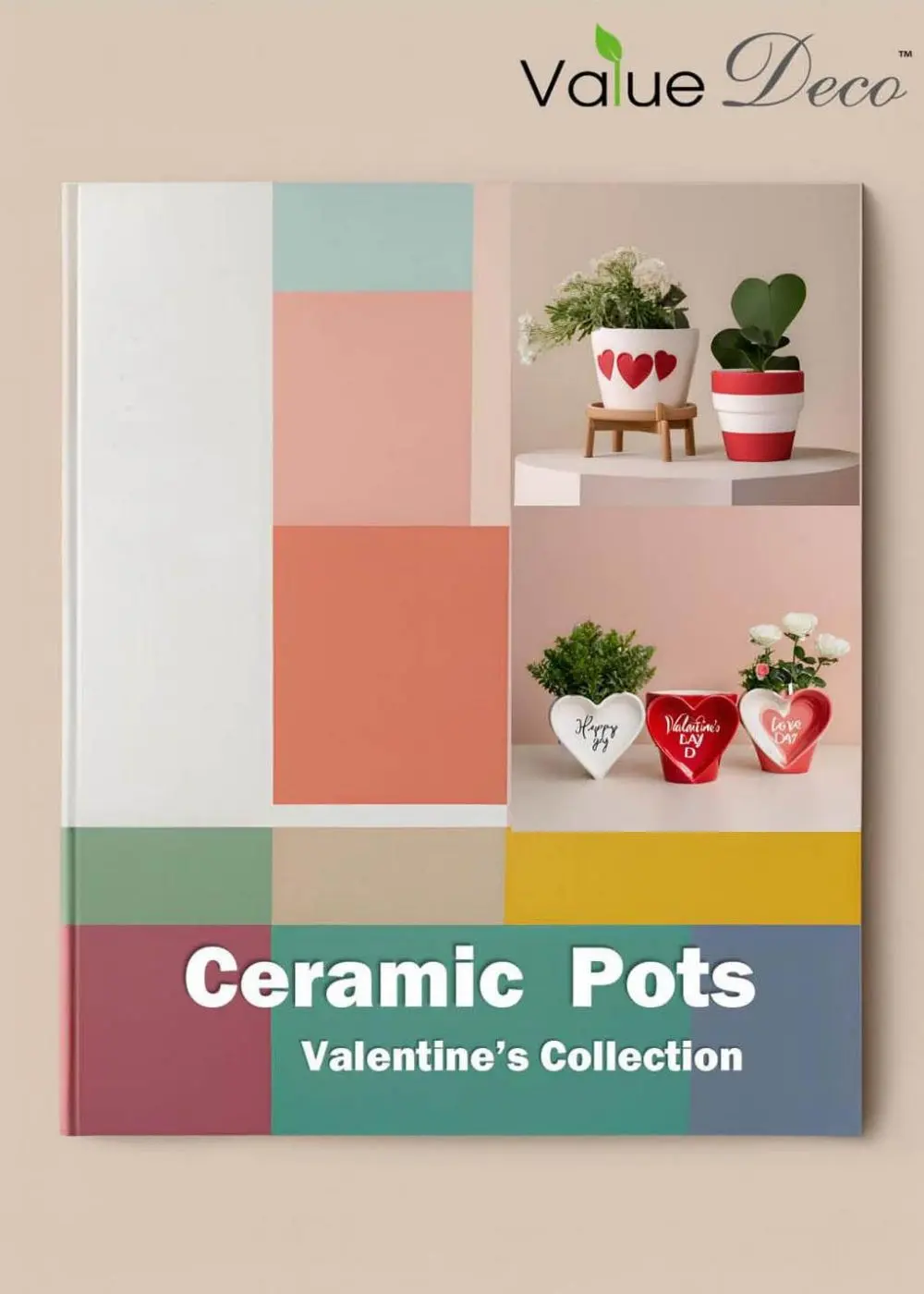
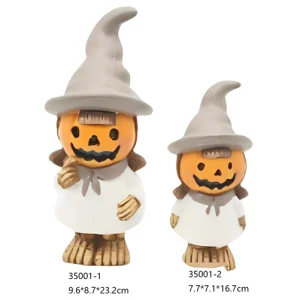
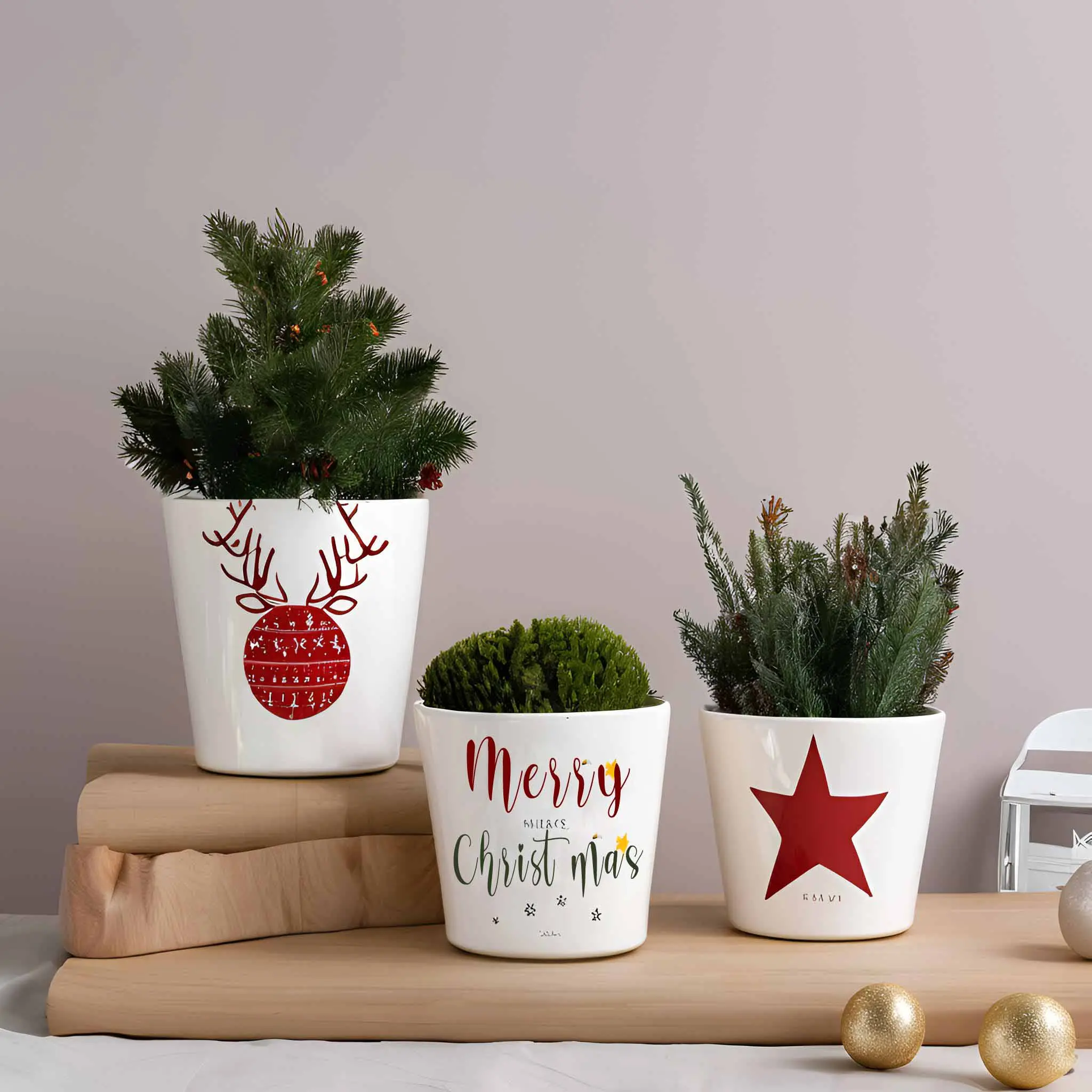
Diversified design systems to capture seasonal demand, bringing unique aesthetic expressions to the marketplace throughout the calendar year.
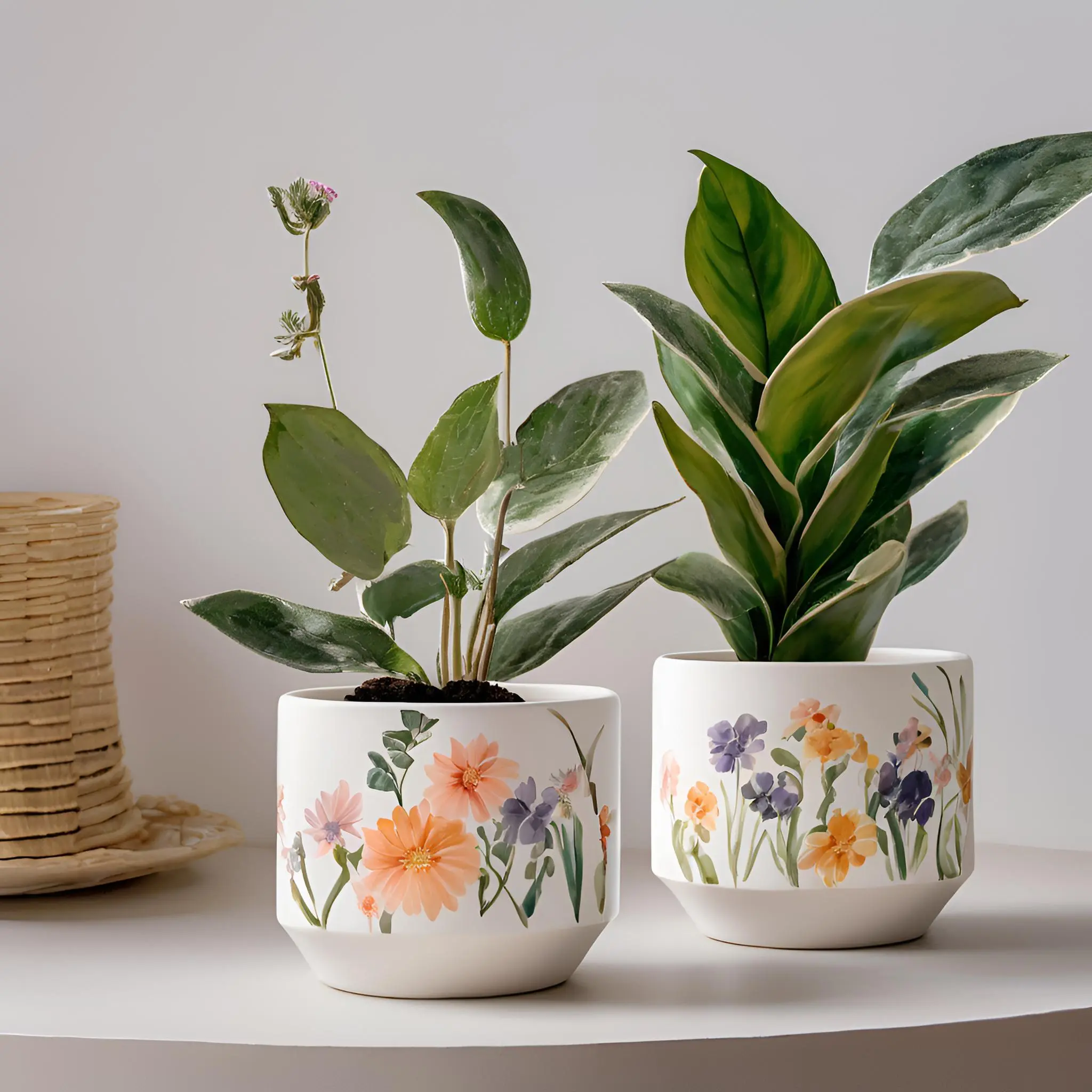
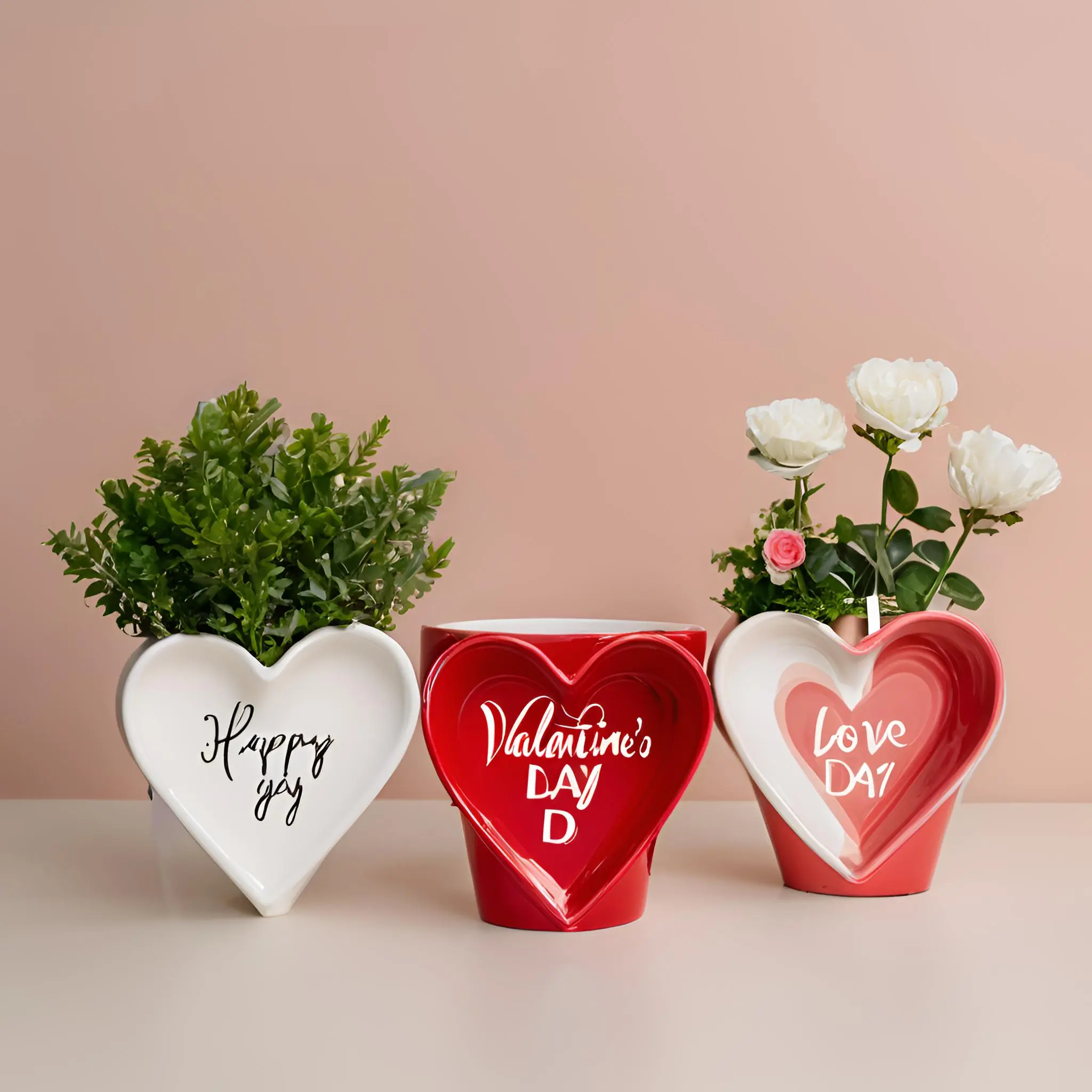
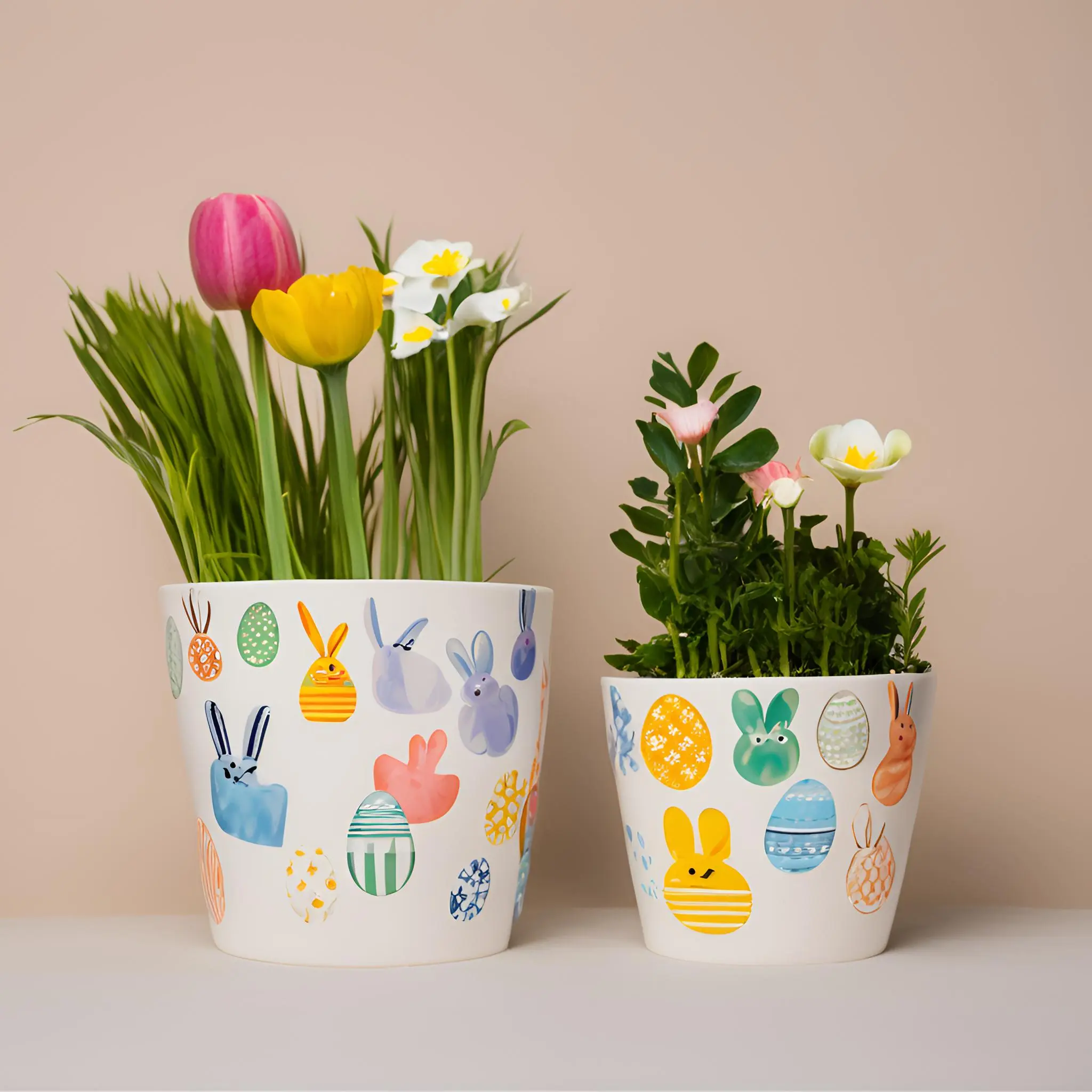
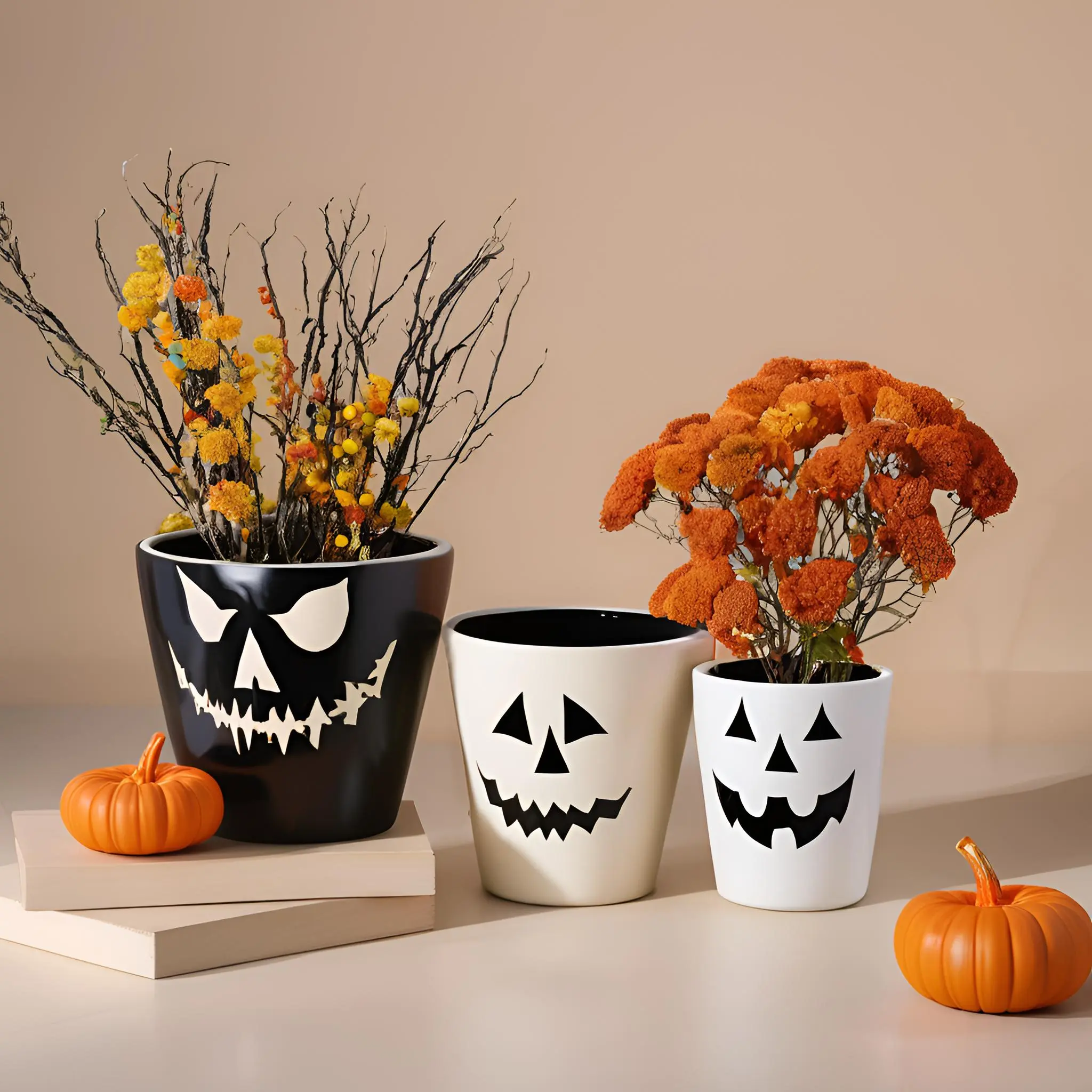
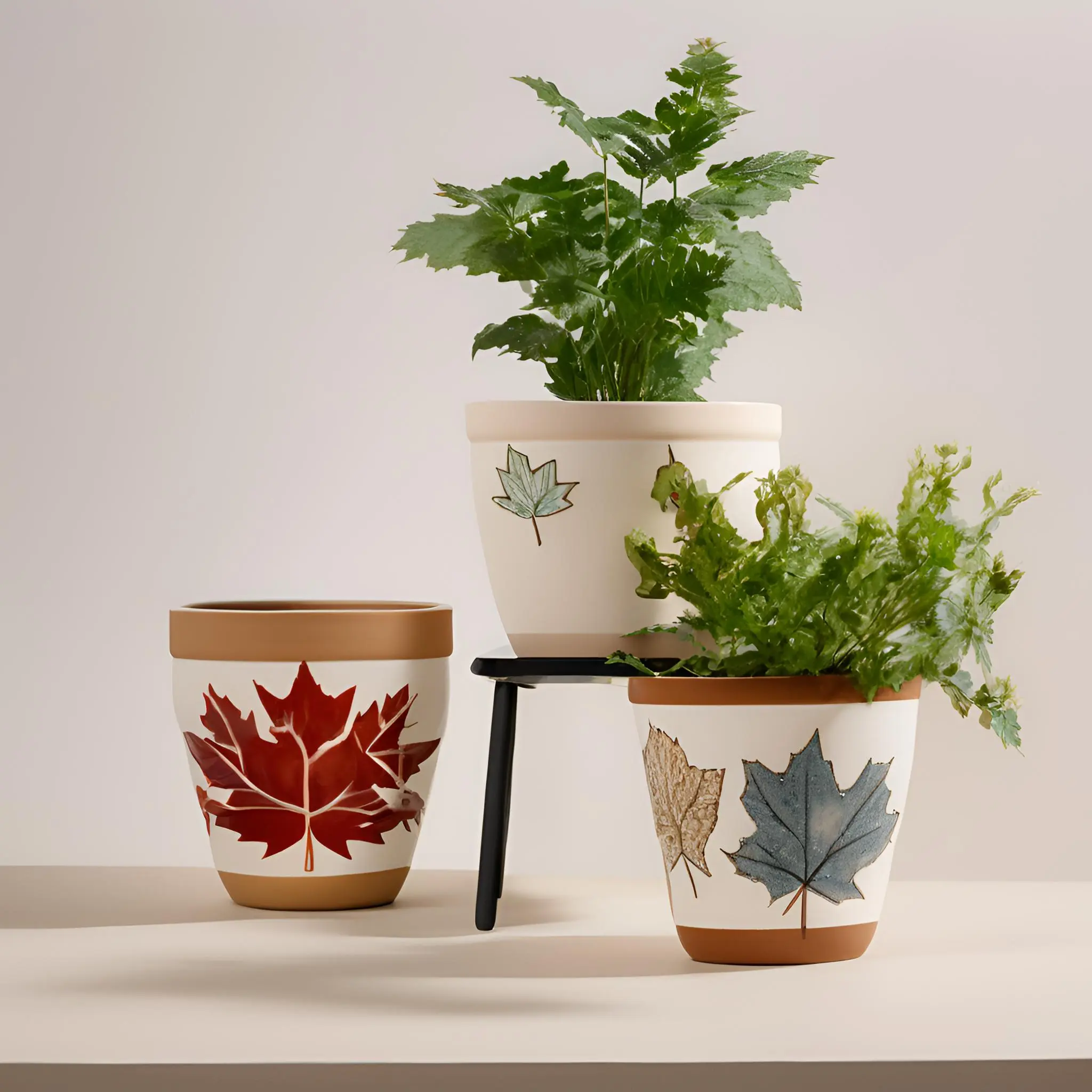
Value Deco Limited stands as a leading, vertically integrated supplier of highly optimized agricultural, horticultural, and decorative planting solutions. With over 12 years of export and design experience in China, we have cultivated a strong reputation for offering a diverse range of Flower Pots, Vases, Candle Holders, Home Decoration, Garden Ornaments, and Dinnerware, designed to fit multiple distribution structures and commercial requirements.
We manage our operations through two specialized business divisions to streamline custom orders and optimize lead times:
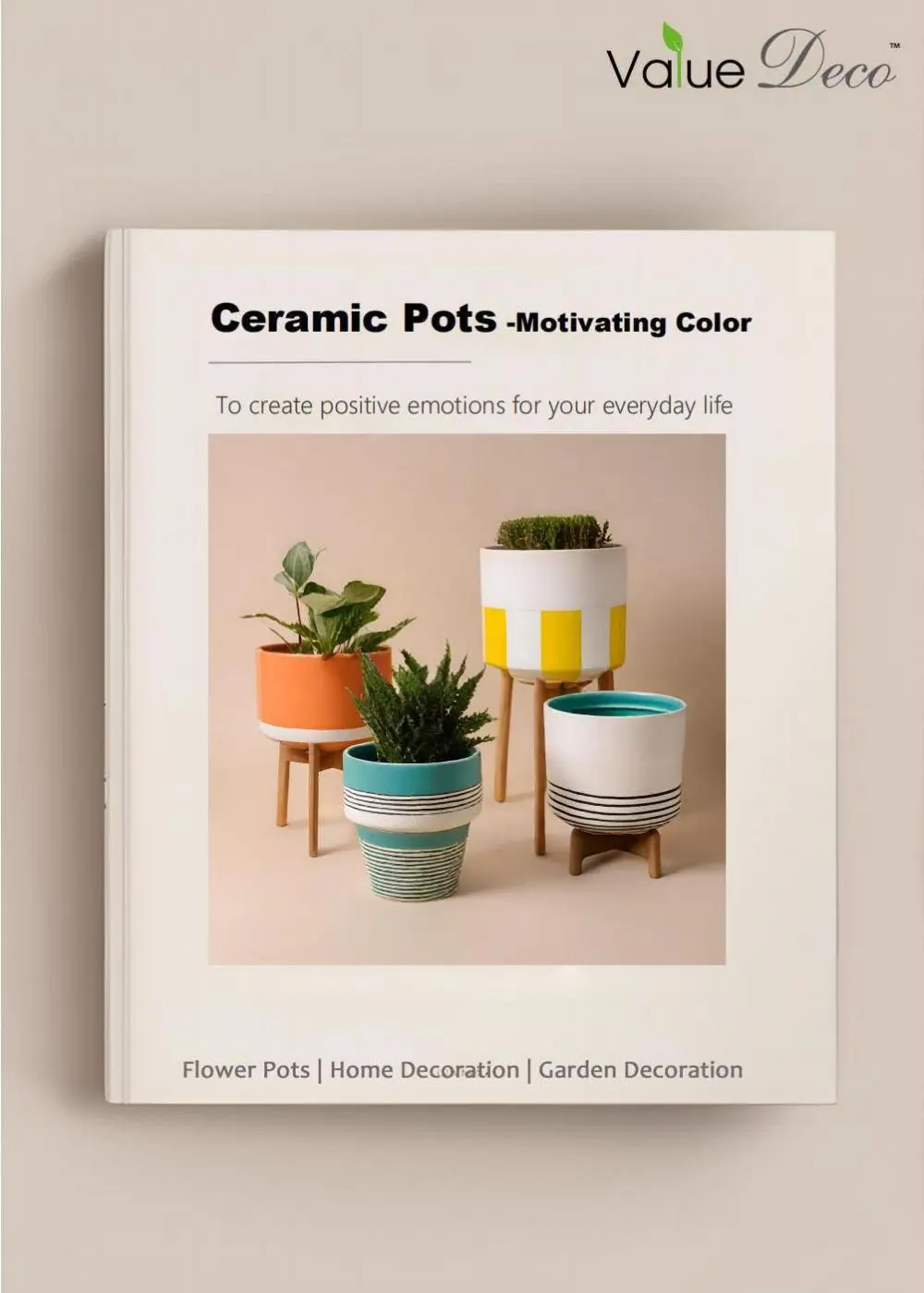
Explore and download our focused collections containing design metrics, technical size charts, and shipping configuration tables.
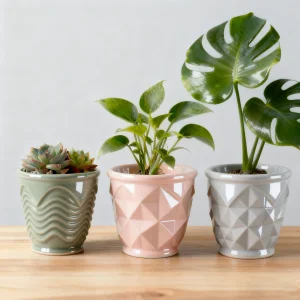
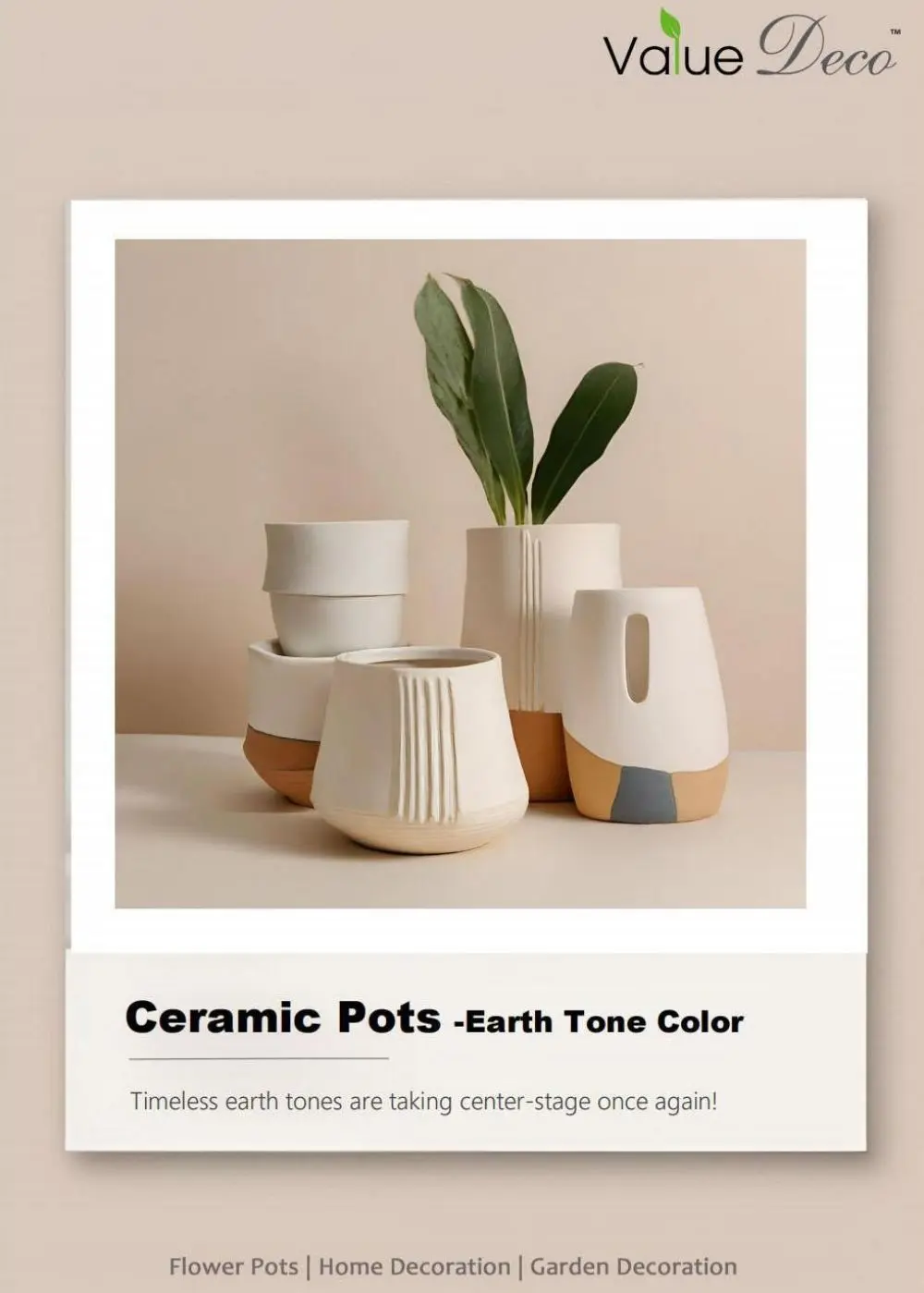
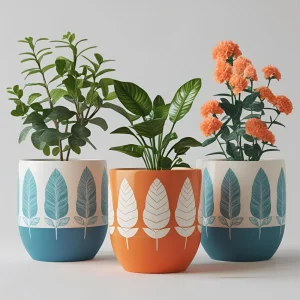
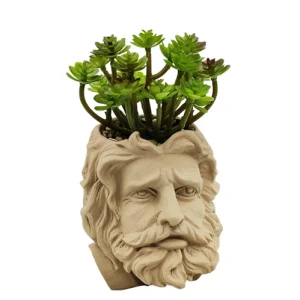
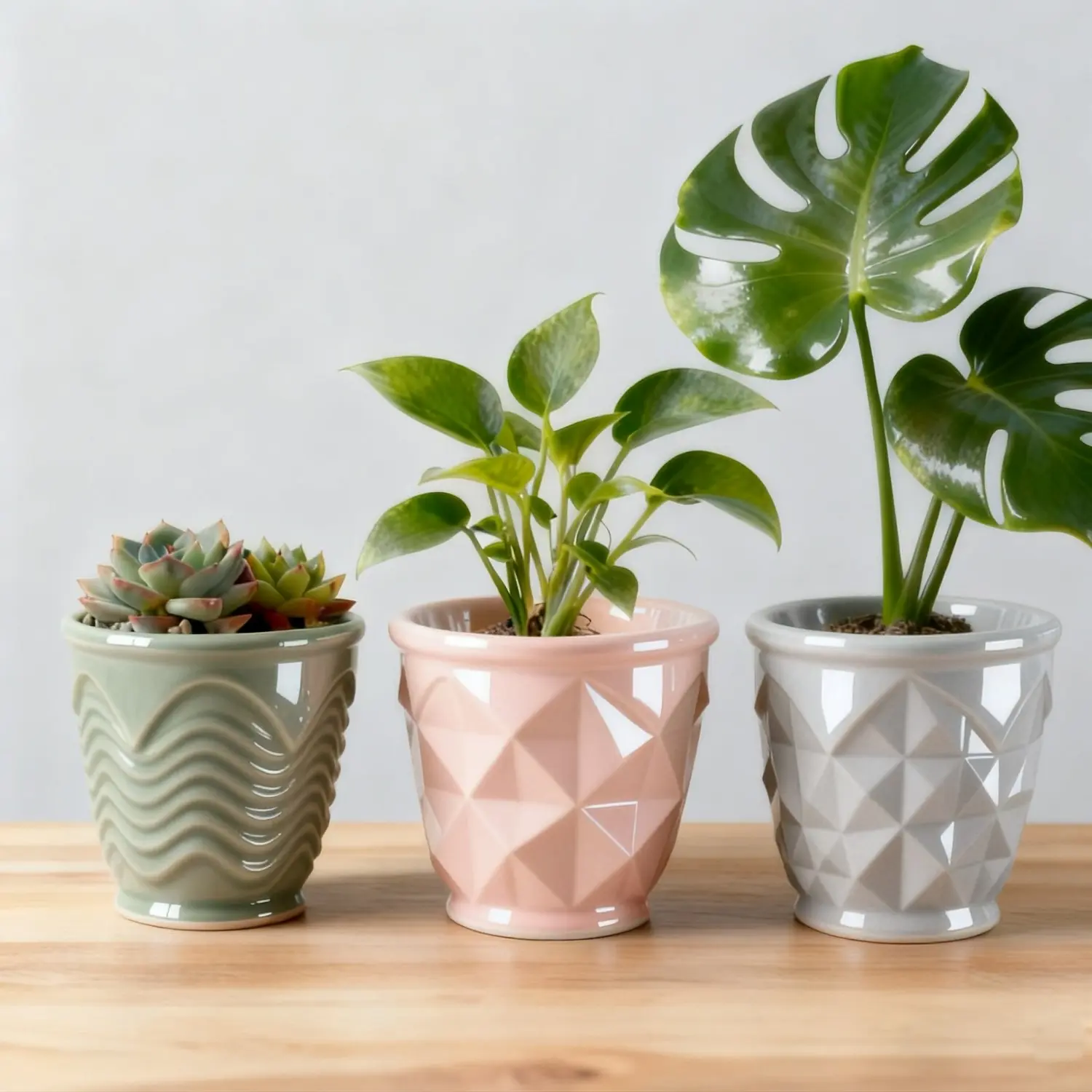
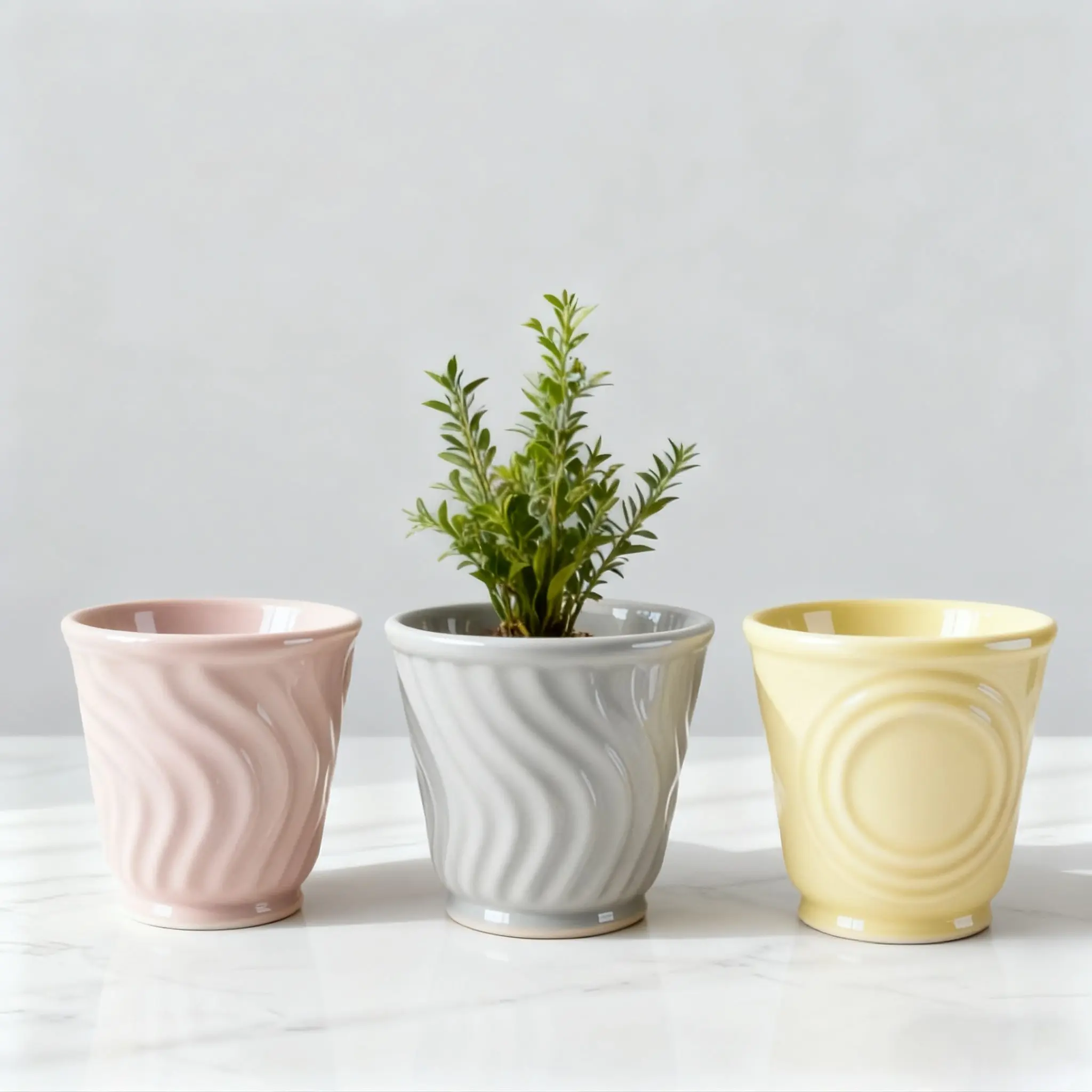
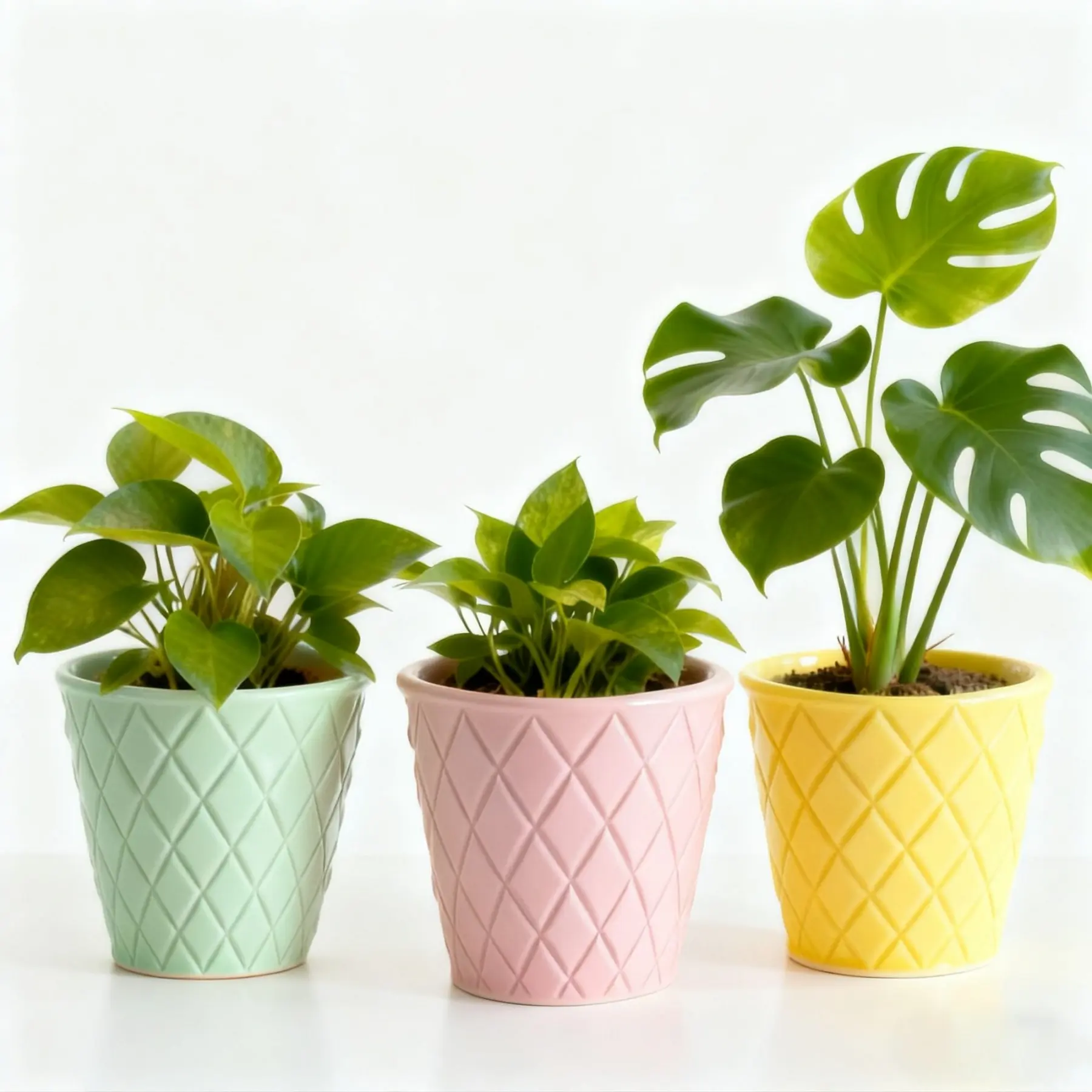
Our newest range of textured ceramic planters incorporating structural engineering principles with contemporary aesthetics.
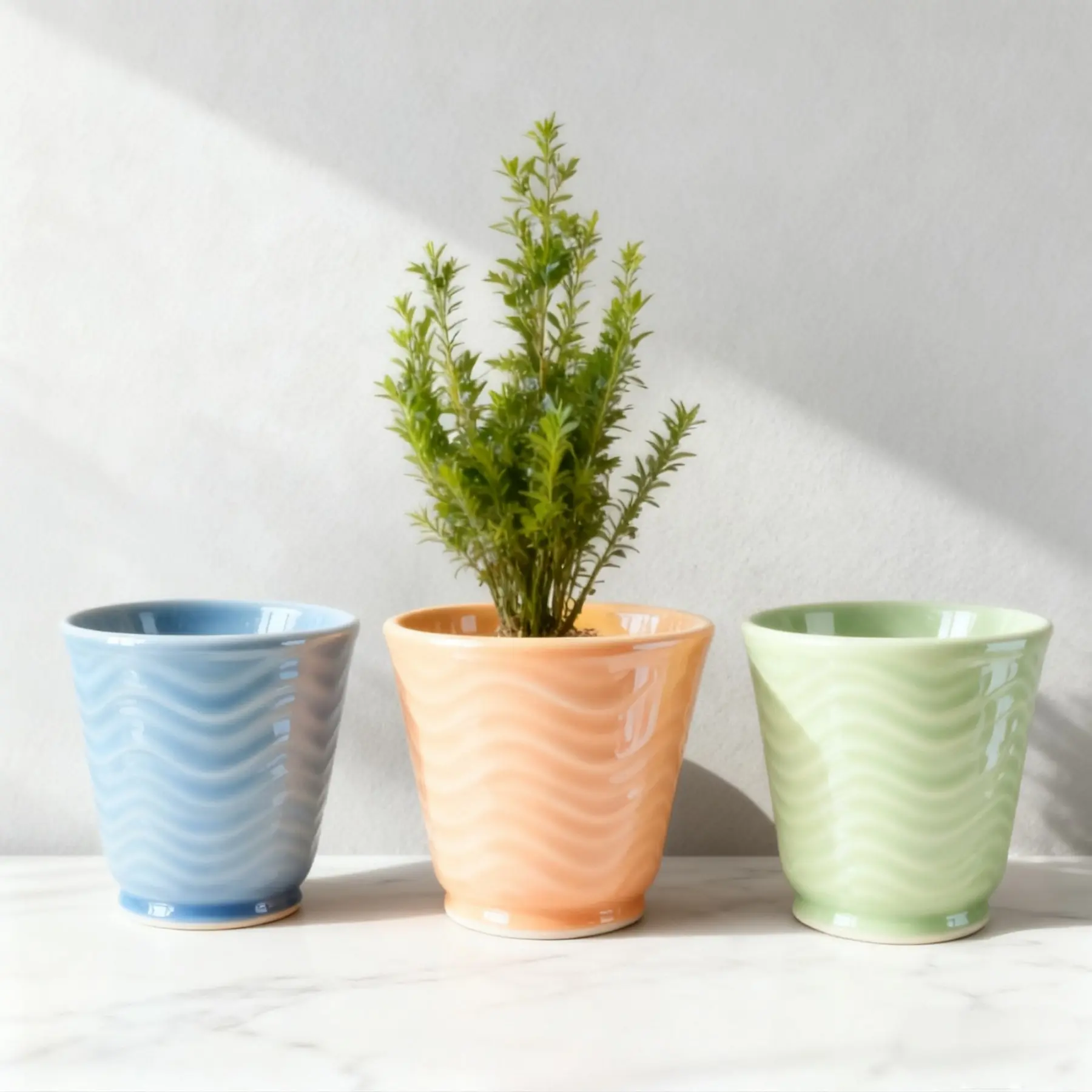
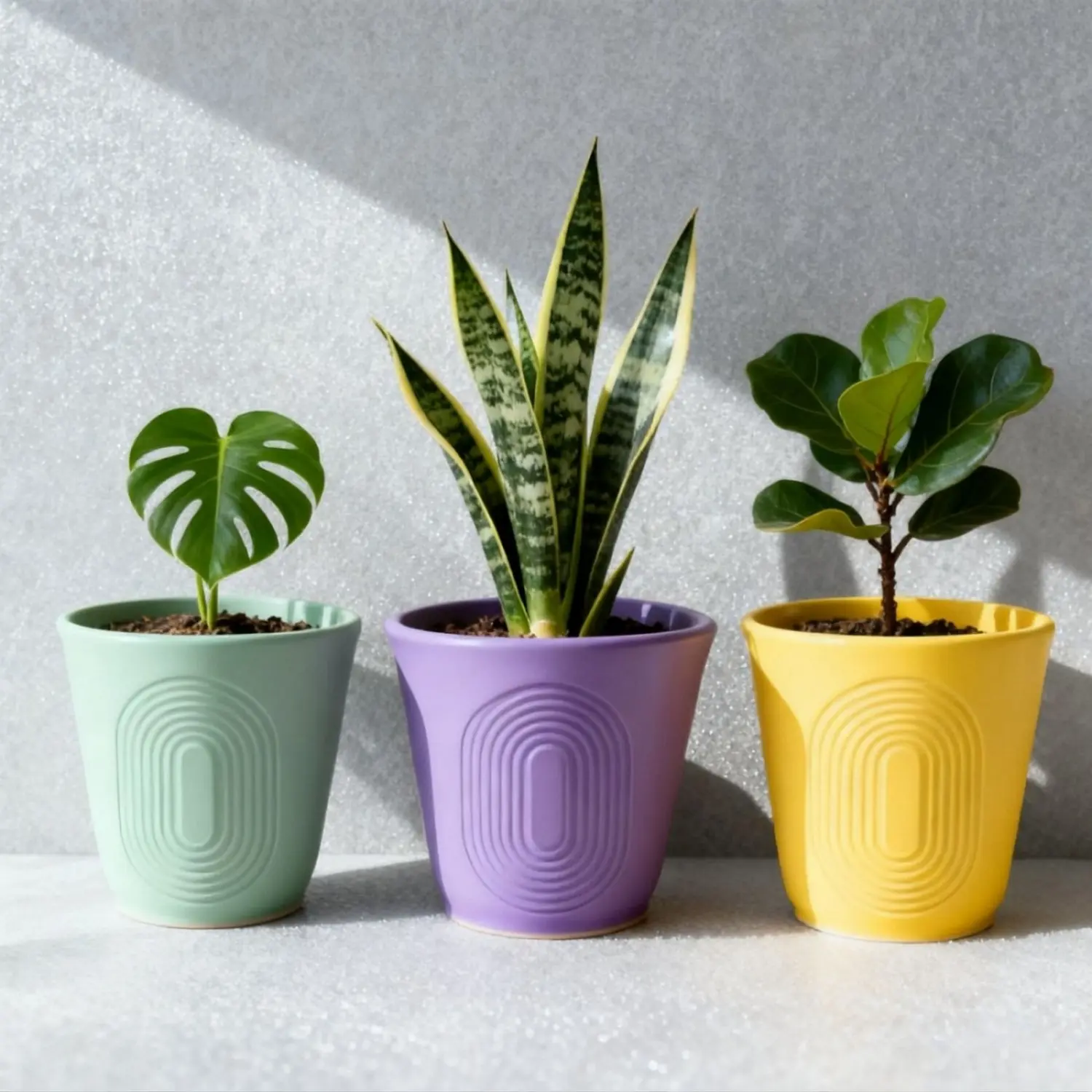
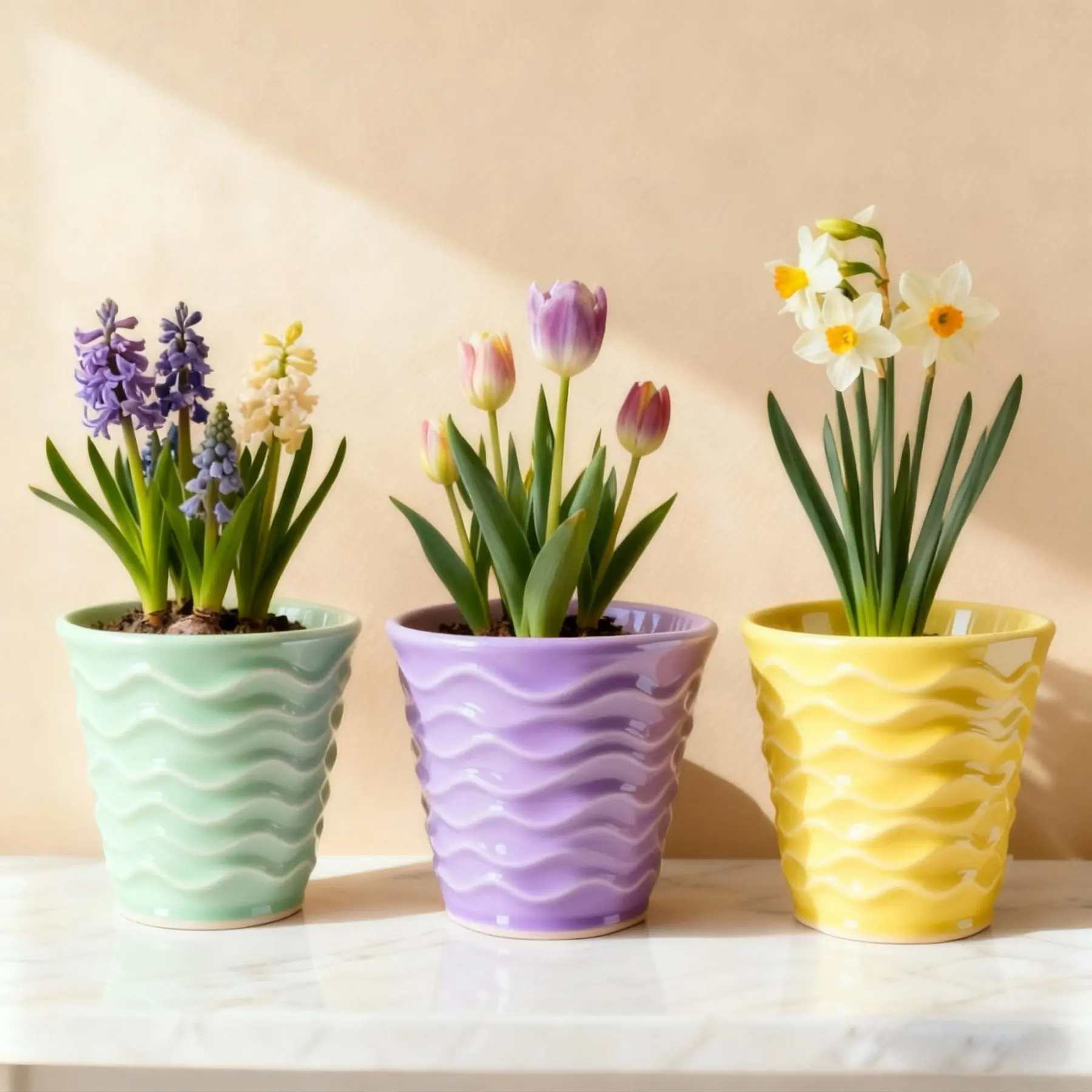
Operating as an international supplier requires compliance with global import safety and environmental frameworks. Whether shipping raw clay ceramics or polymer-based nursery pots, strict QA inspections are embedded at every milestone of production. Our facilities maintain close compliance with testing regulations, ensuring that heavy-metal concentrations (lead, cadmium) are carefully managed, particularly for dinnerware and decorative items meant for retail distribution in highly regulated markets.
Beyond raw materials, supply chain optimization is what makes "cheap nursery pots" financially viable at a distance. When nesting rates are calculated properly, we maximize physical space inside container units. For instance, designing customized lip bevels prevents pots from binding together during transport, which eliminates damage during separation and maximizes the total items loaded per 40ft High Cube Container.
Our current engineering focus is centered on structural improvements that benefit large-scale growing facilities:
Get definitive answers on manufacturing capacities, materials configurations, custom OEM molds, and international transport logistics.
Our standard B2B production run MOQs depend on container sizing and manufacturing processes. For standard thin-gauge thermoformed nursery pots, our minimum runs typically begin at 10,000 units per size category. For specialty injection-molded products or premium glazed ceramic vessels, MOQs start from 500 to 1,000 pieces per color and size, aligned with production setup constraints.
Our polymers are blended with custom ultraviolet stabilizers (HALS - Hindered Amine Light Stabilizers) during the raw material formulation phase. This addition helps protect the pots from degrading, becoming brittle, or discoloring, even under intense solar exposure in field nursery conditions for up to 3 to 5 years, depending on the requested UV grade.
Yes, our in-house engineering and molding division supports full OEM/ODM requests. We can create custom tooling molds to incorporate physical logos, specialized drainage holes, unique heights, or structural ribs. Mold fabrication timelines range from 15 to 25 days, with pre-production samples provided for testing before mass manufacturing begins.
We design our products with a precise nesting angle and stack shoulders. This physical step prevents pots from compressing under their own weight during transport, which avoids sticking and makes sure automated destacking systems can separate them smoothly on potting lines.
Every production batch is tested across three main quality gates: material melt flow rate validation, low-temperature drop testing (to check impact resistance at cold temperatures), and compression loading evaluations. These tests help ensure the pots perform reliably during machine potting, transport, and automated nursery handling.
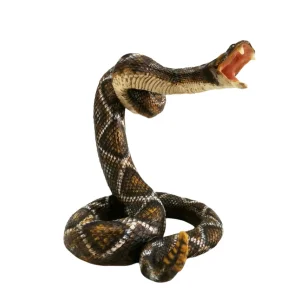
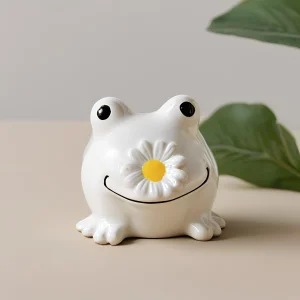
Our extended production catalog includes specialty garden figures, unique textured pots, and custom-glazed designs.