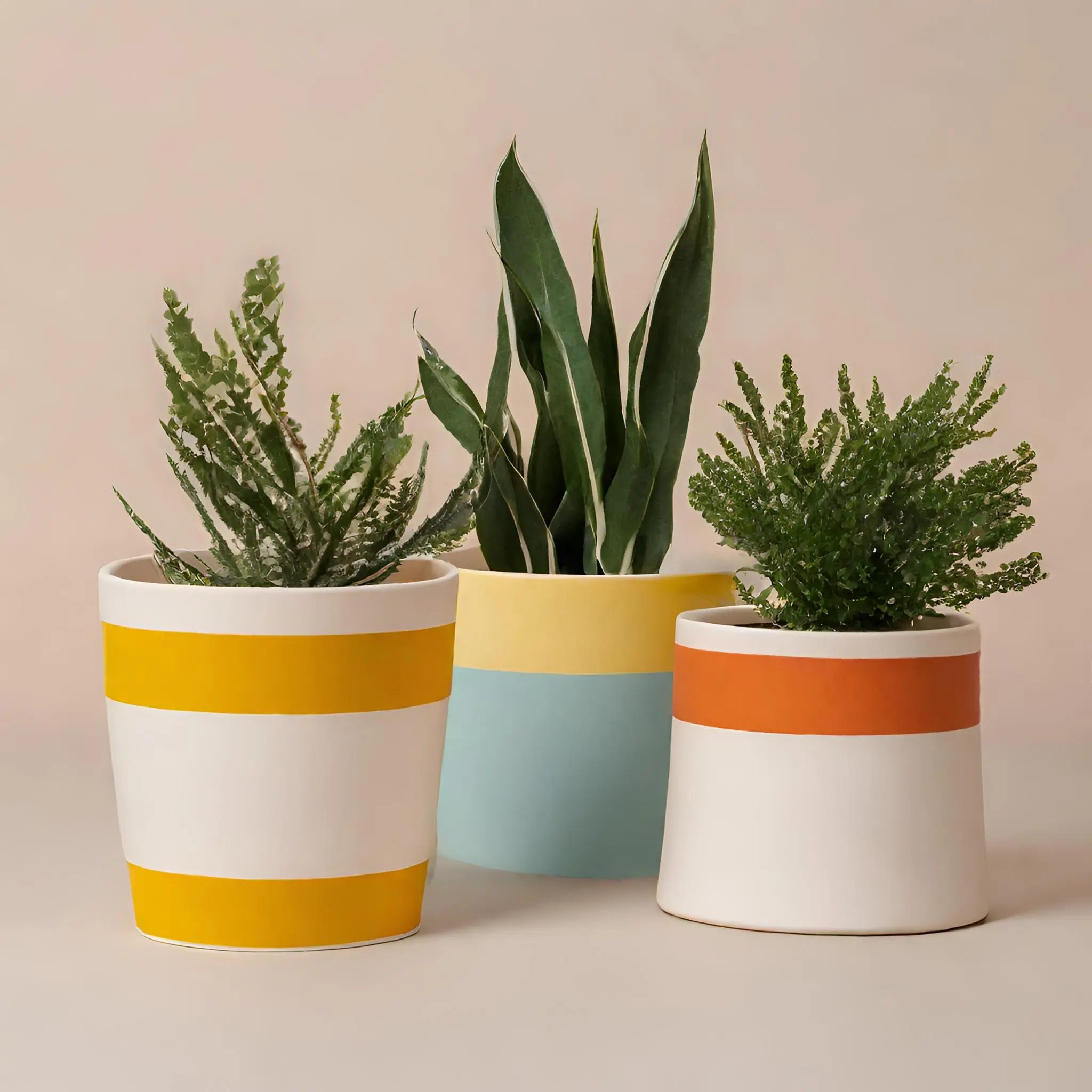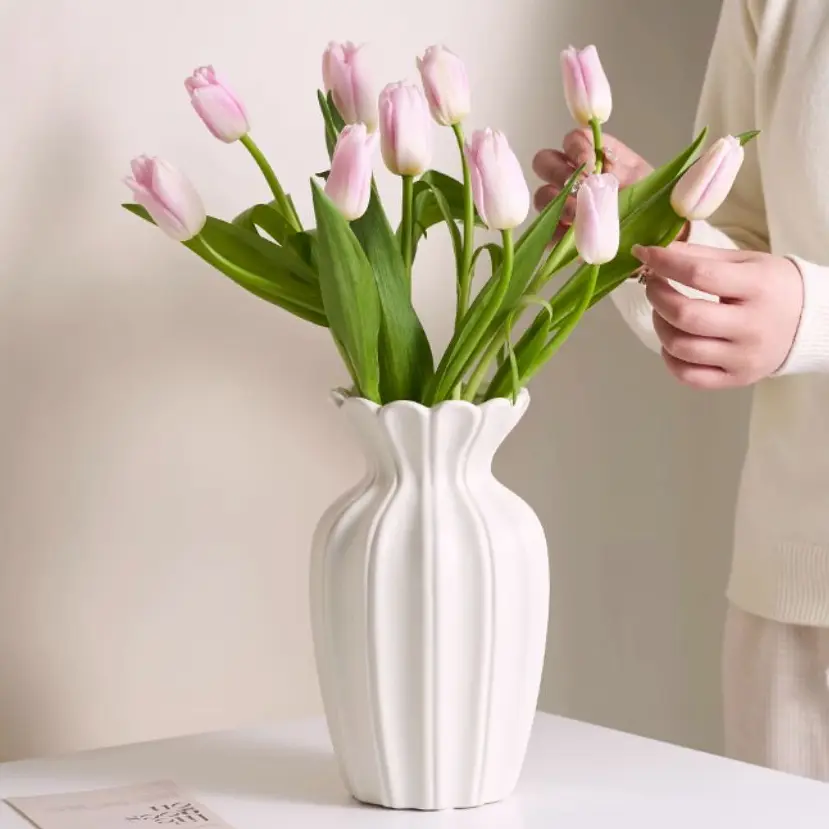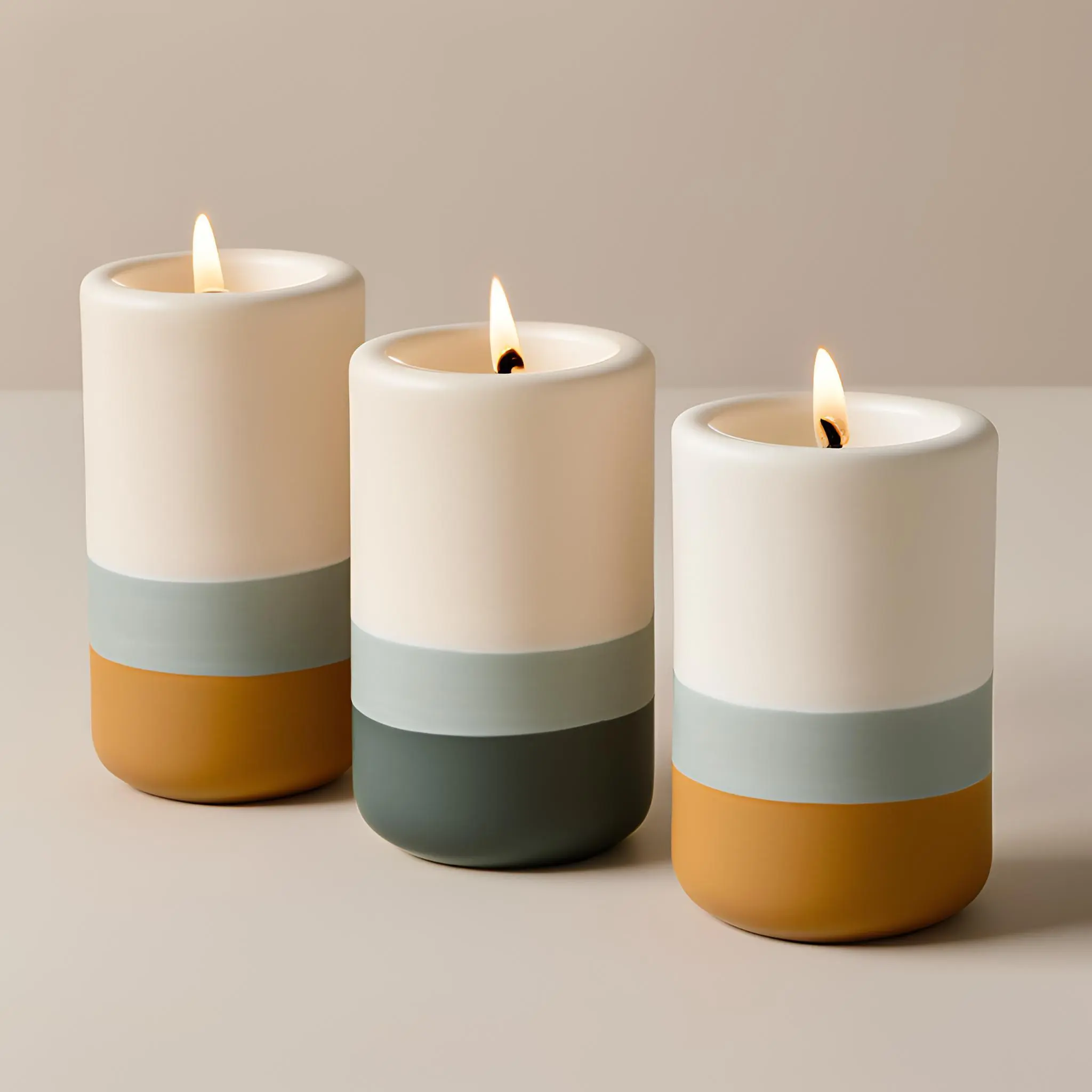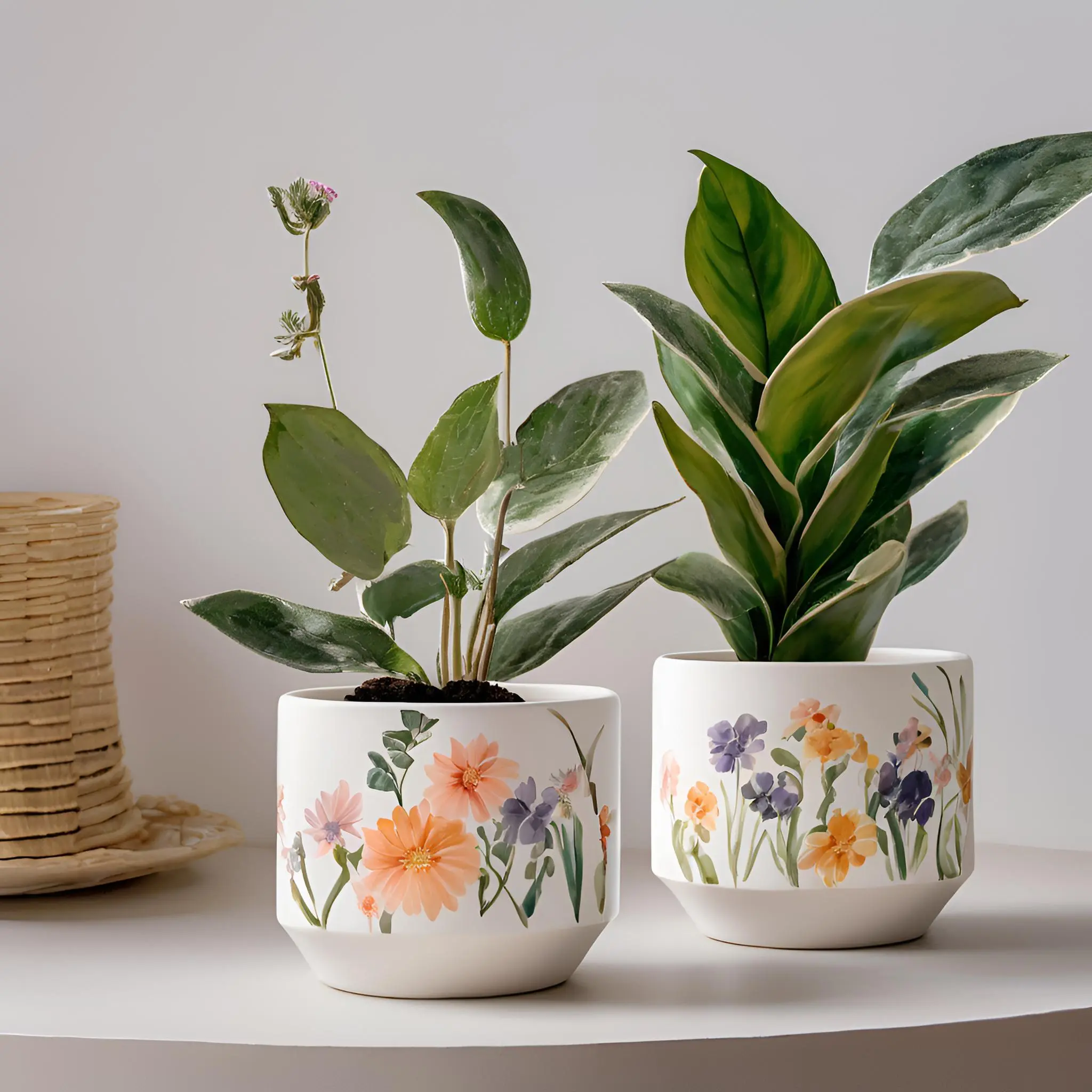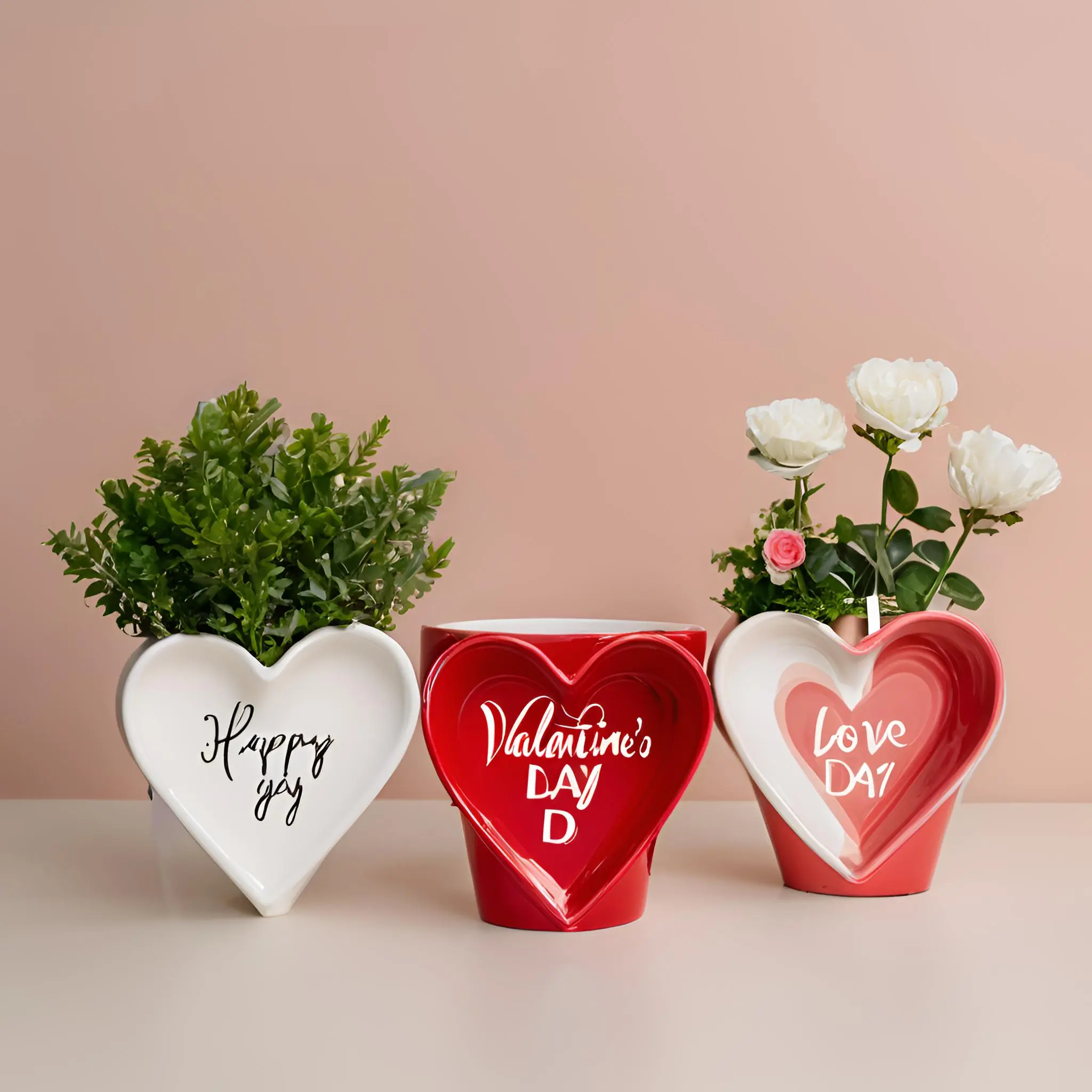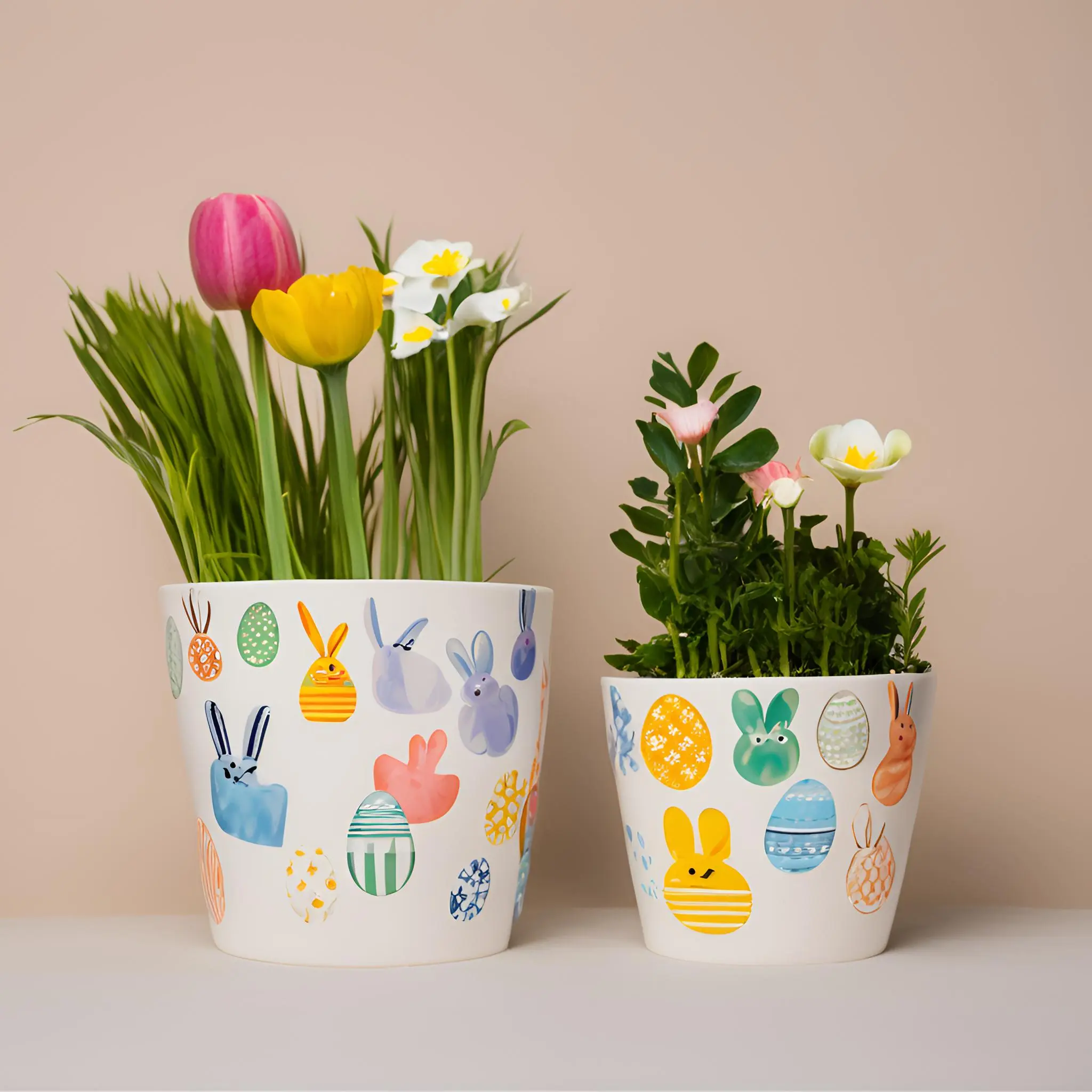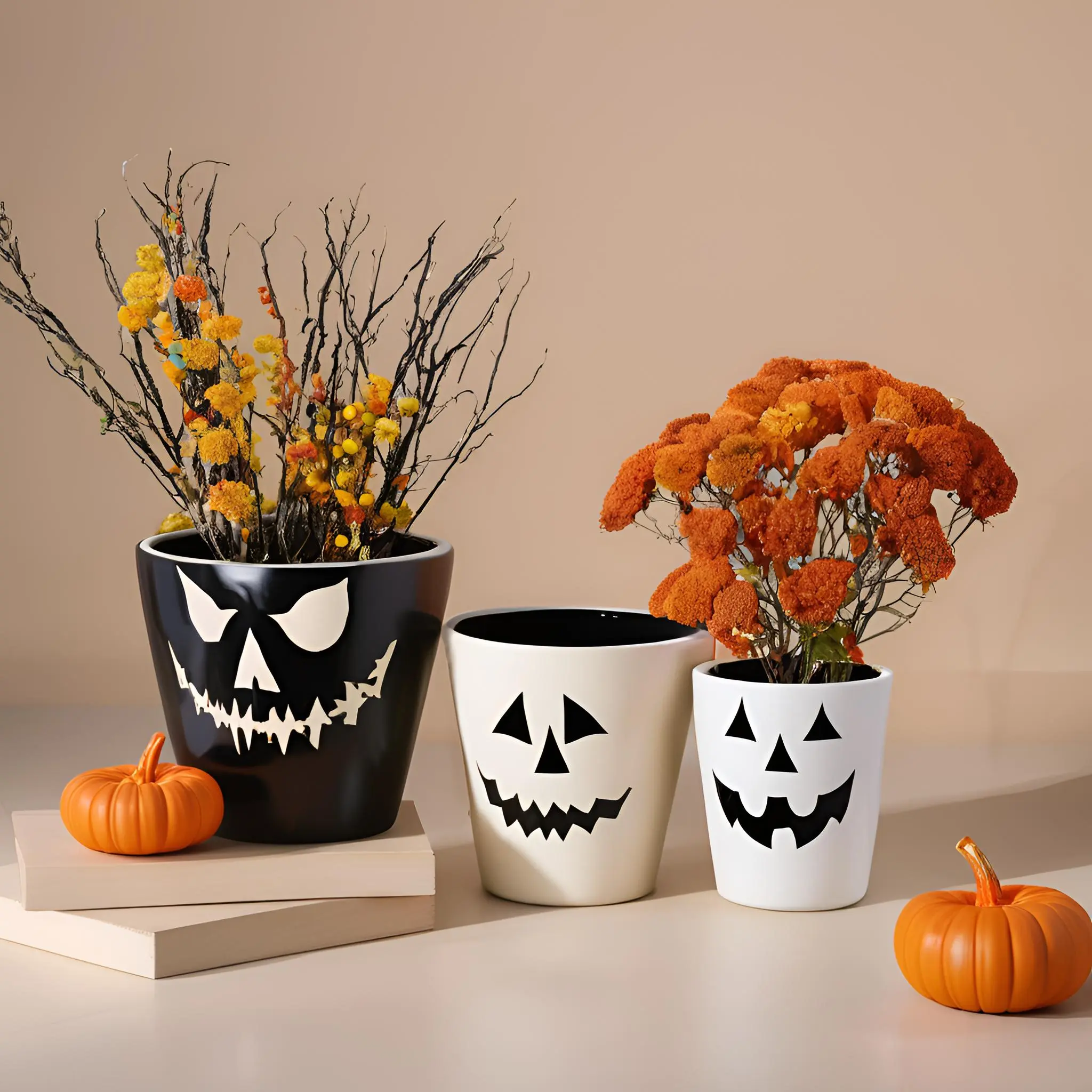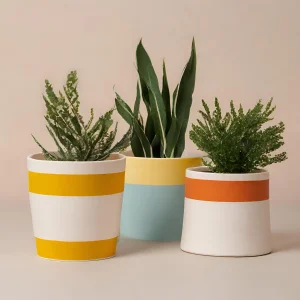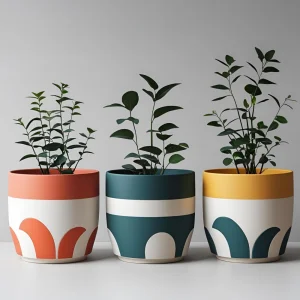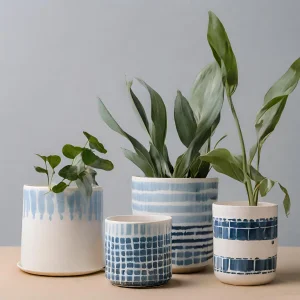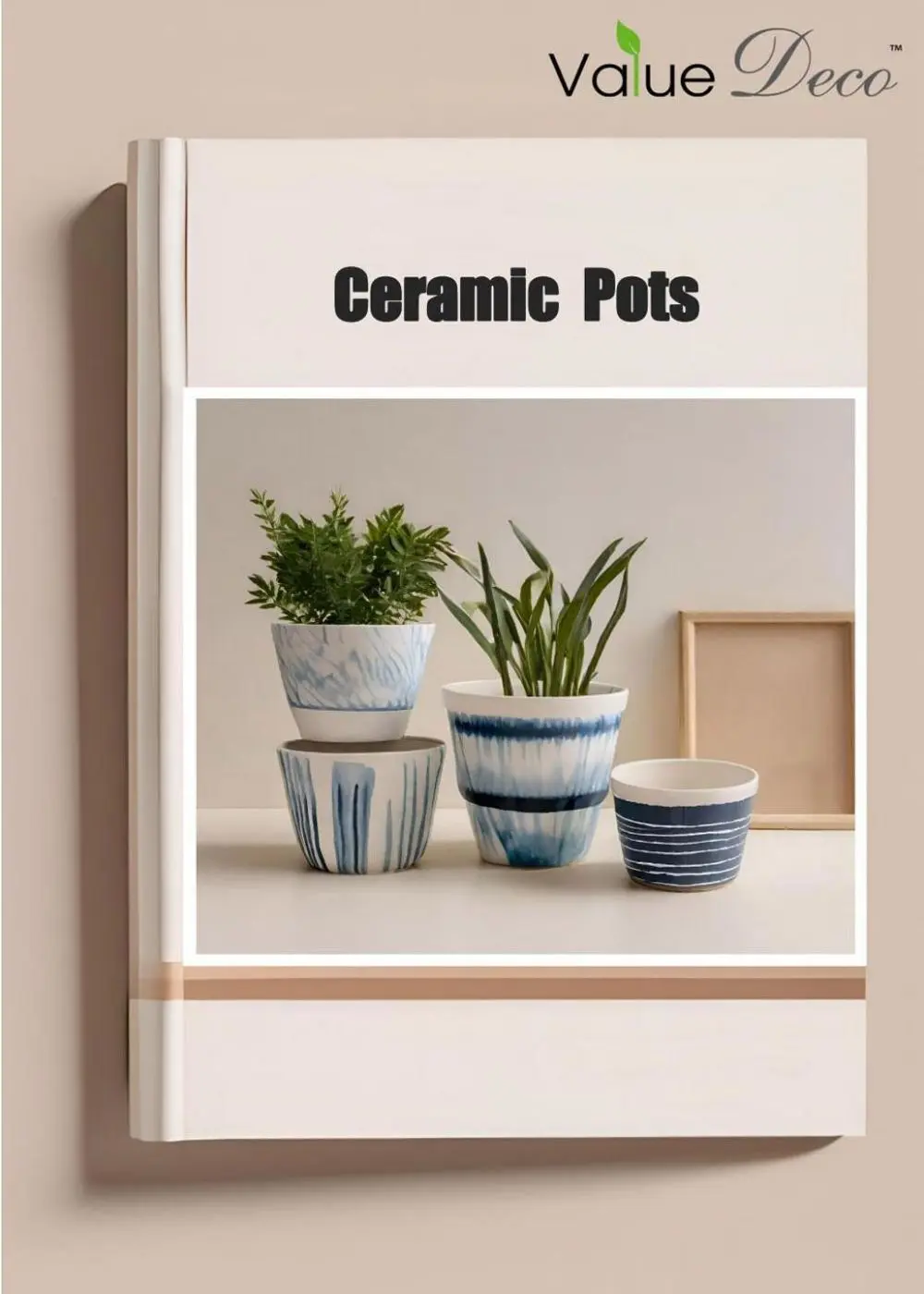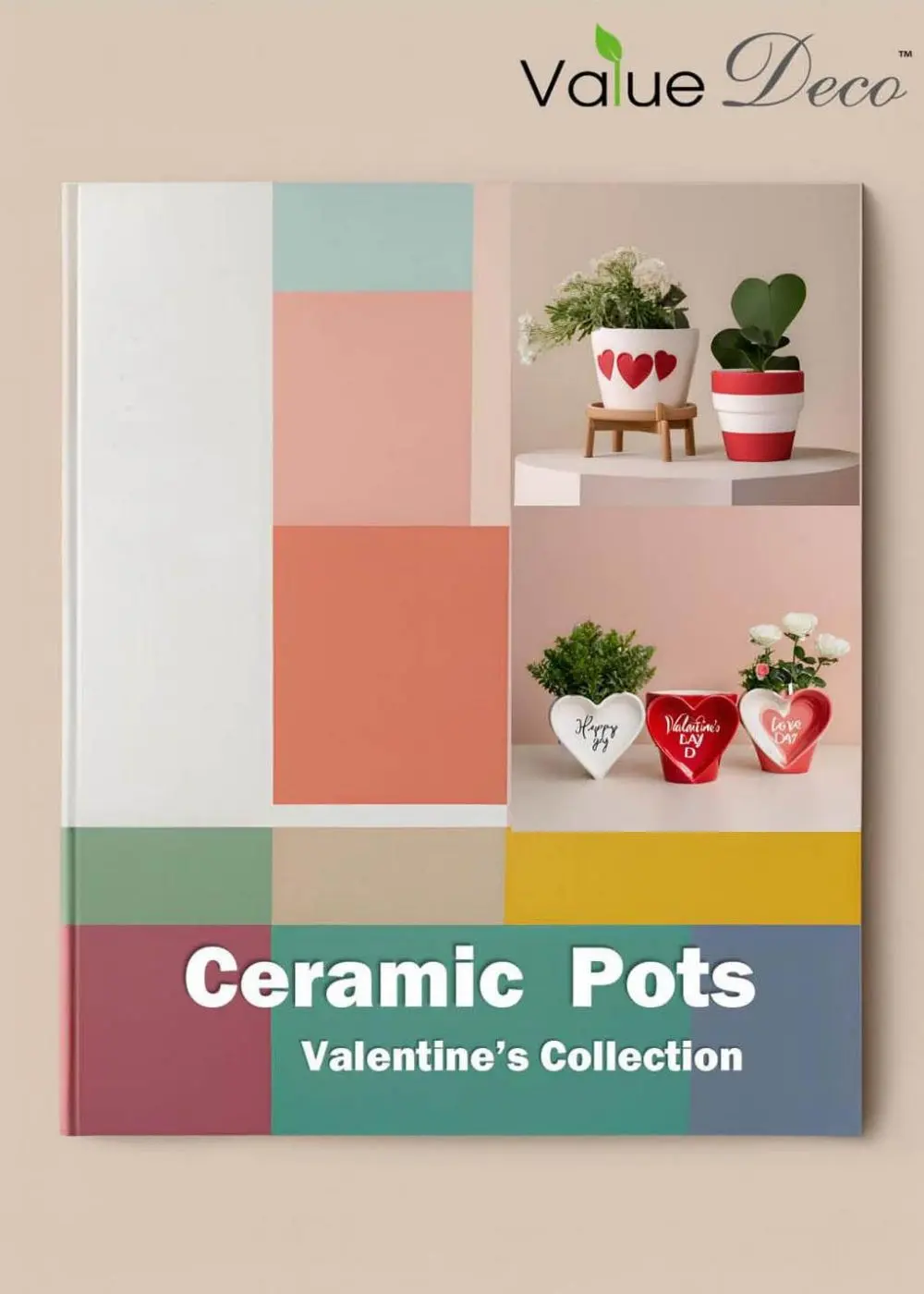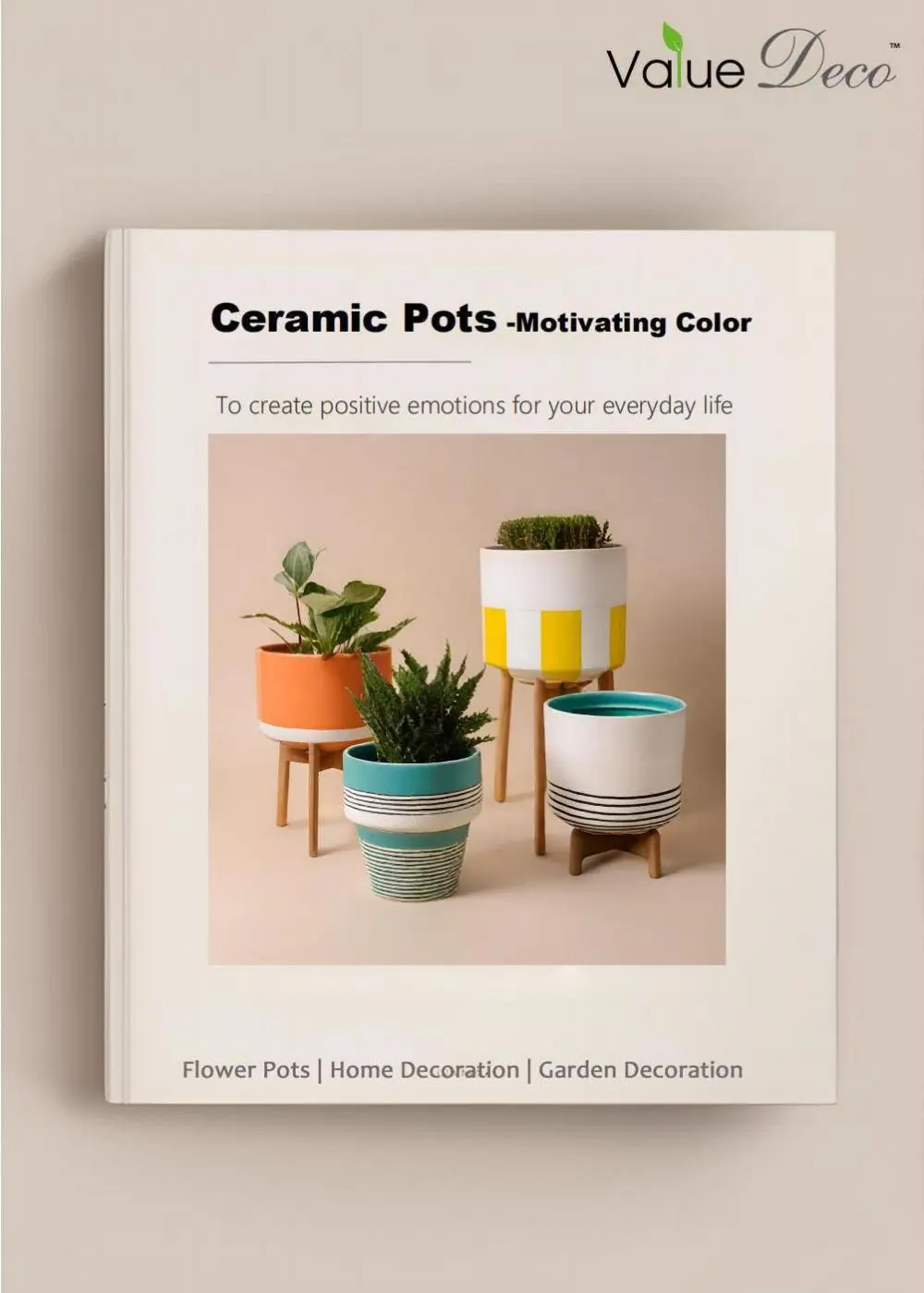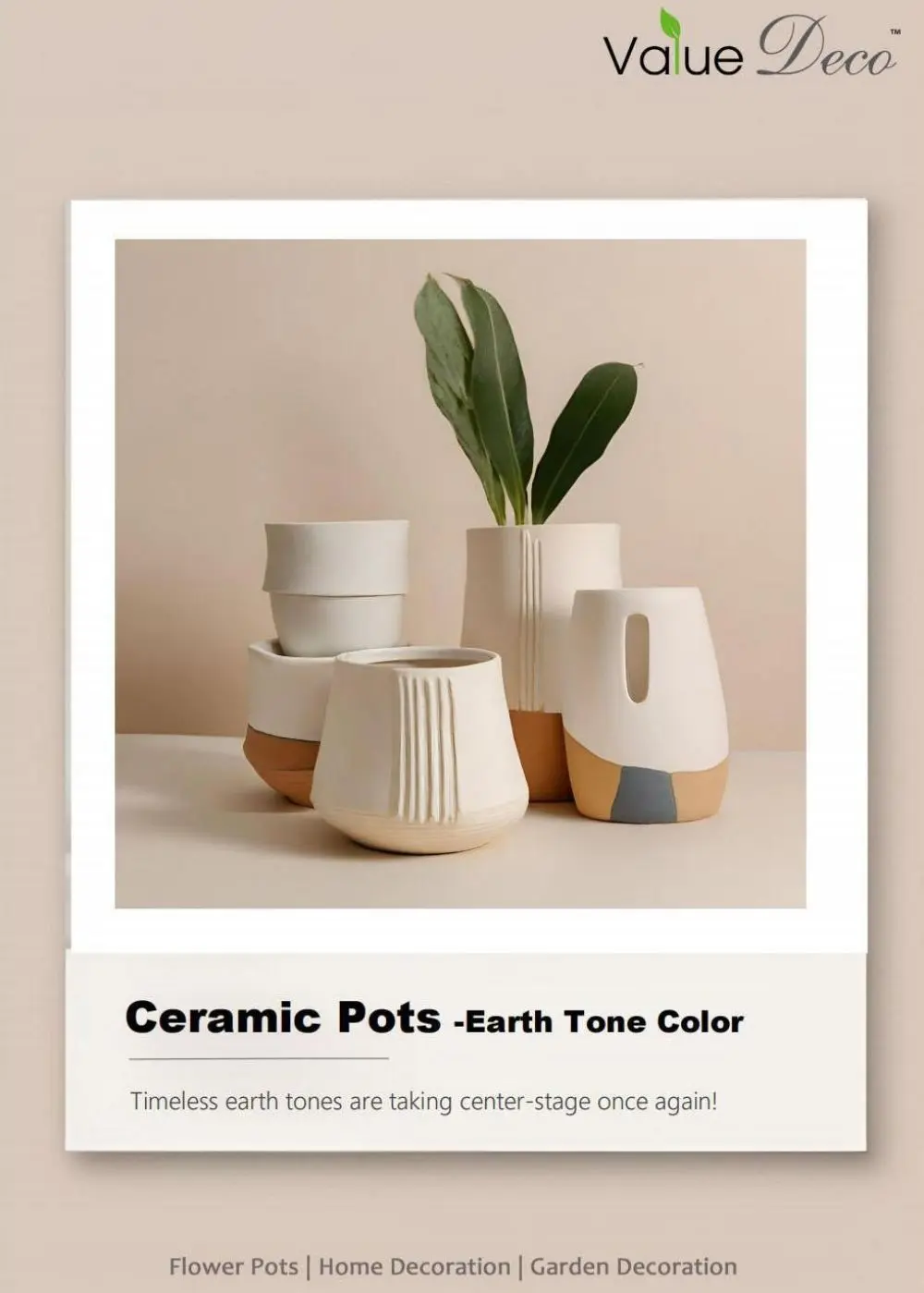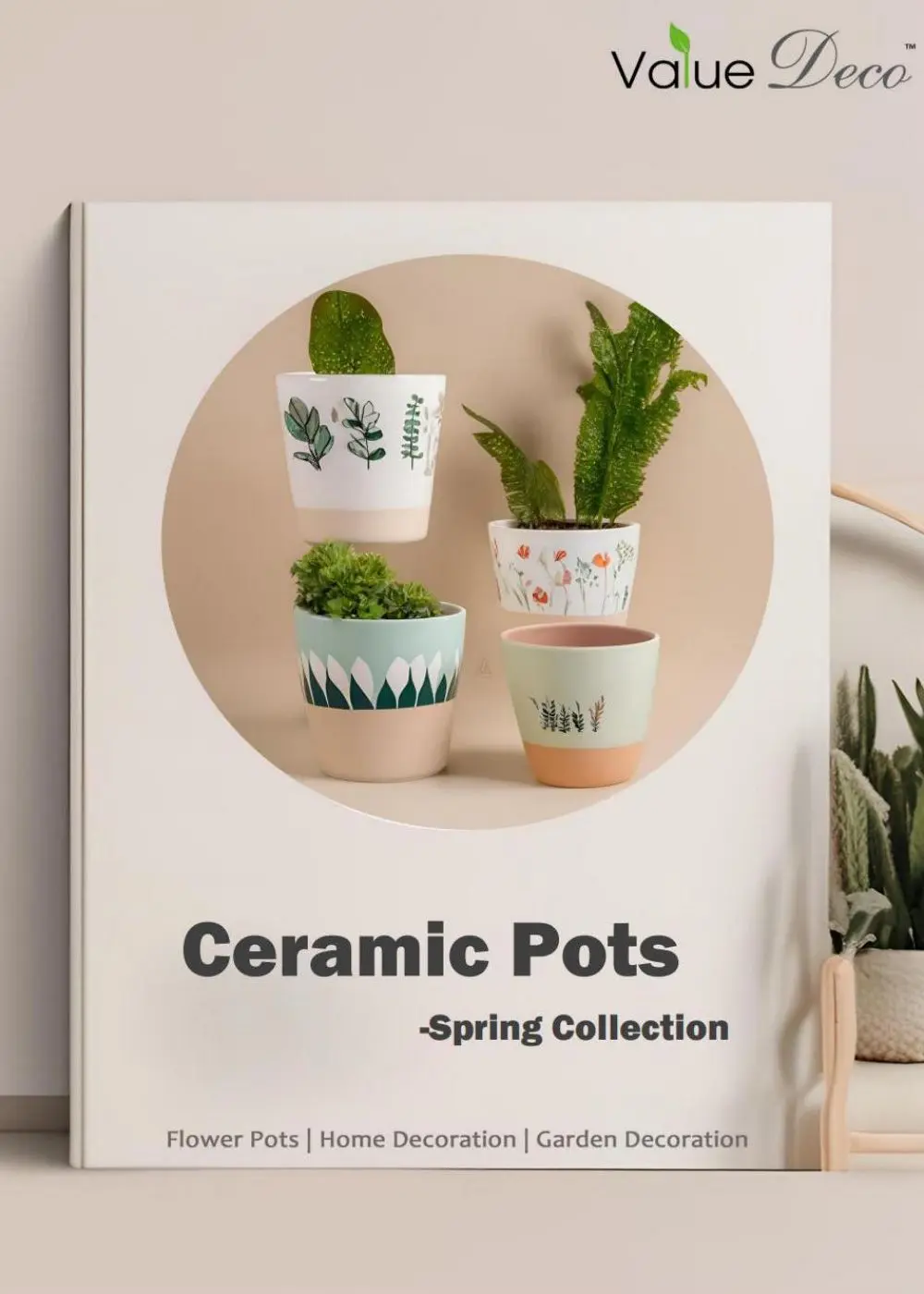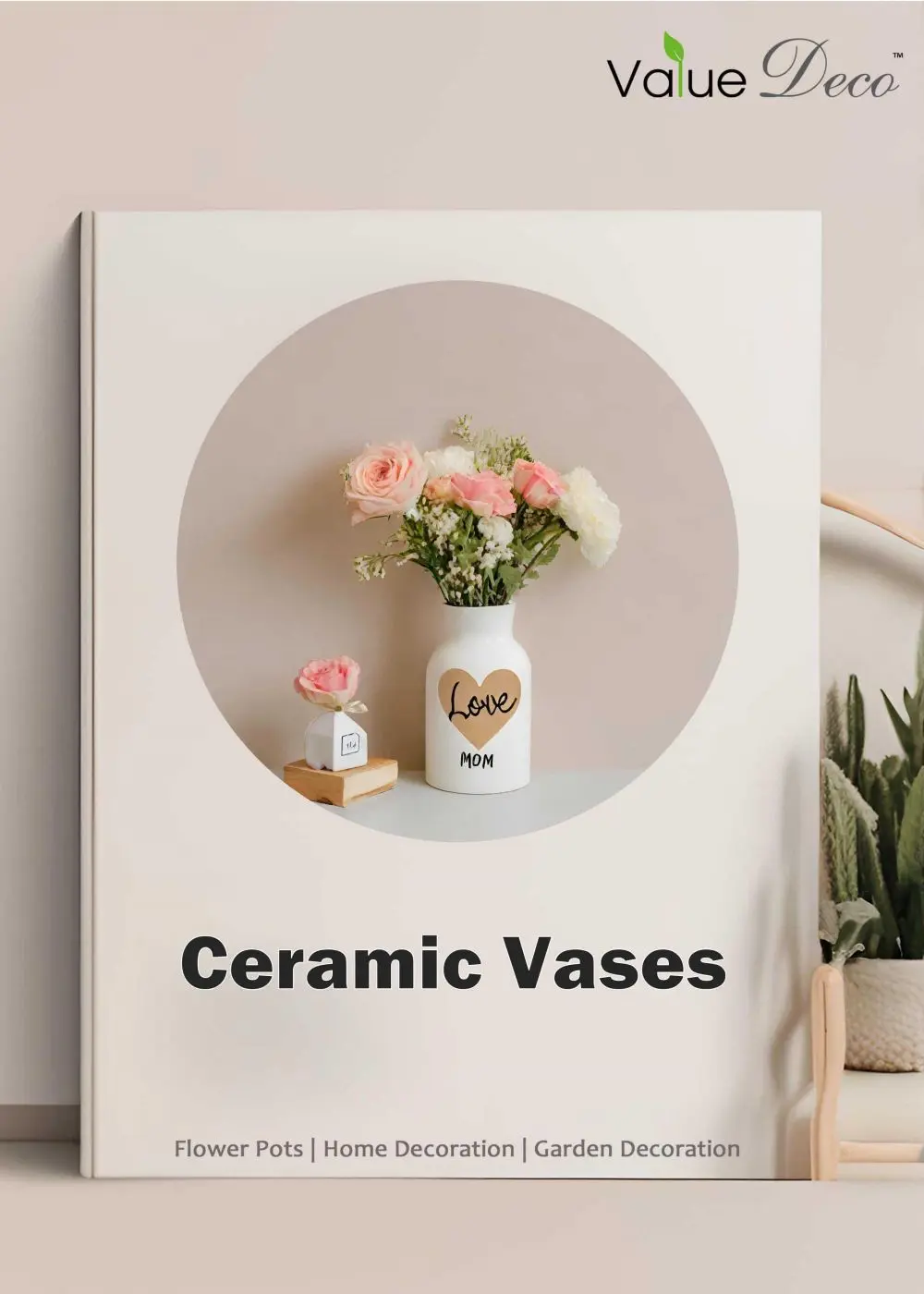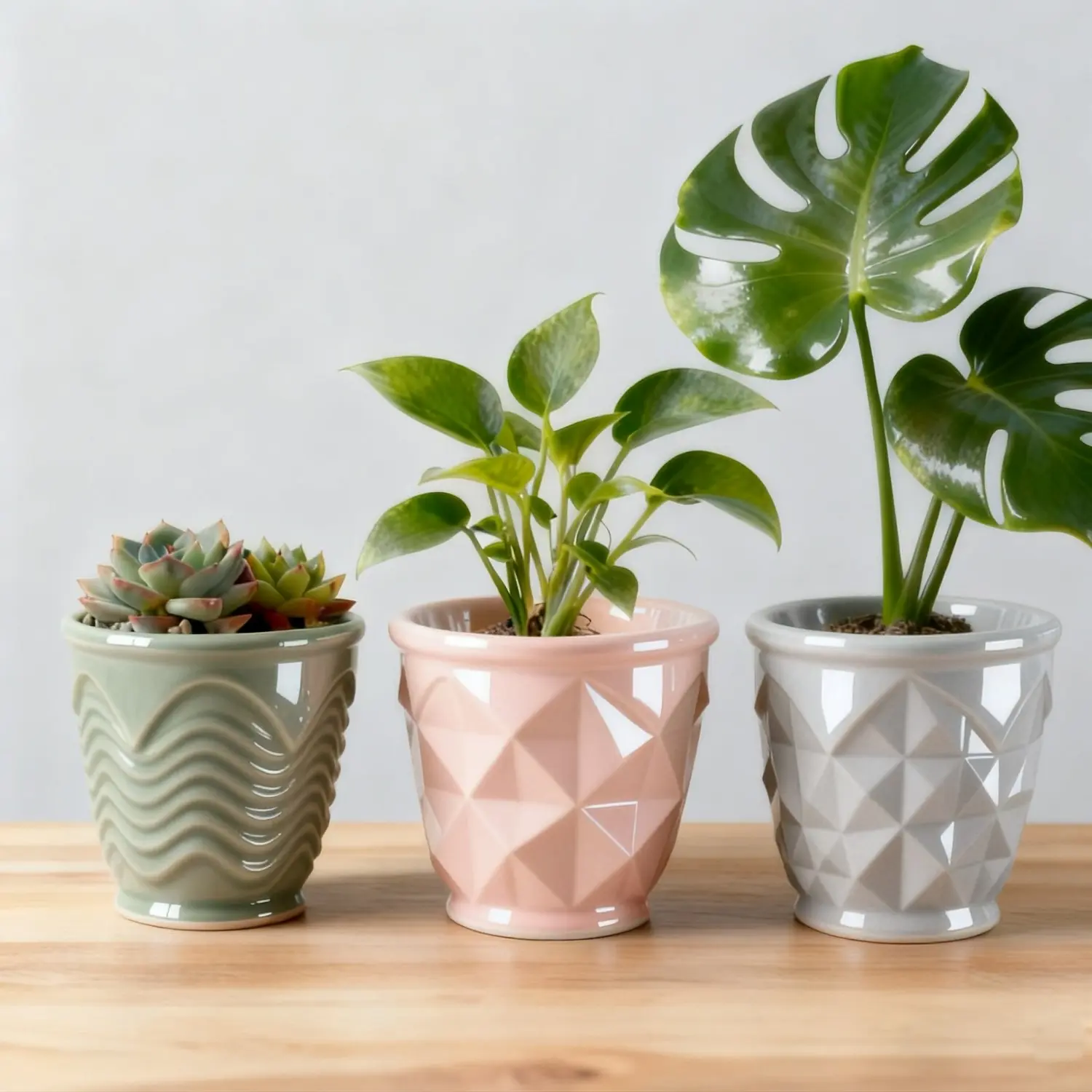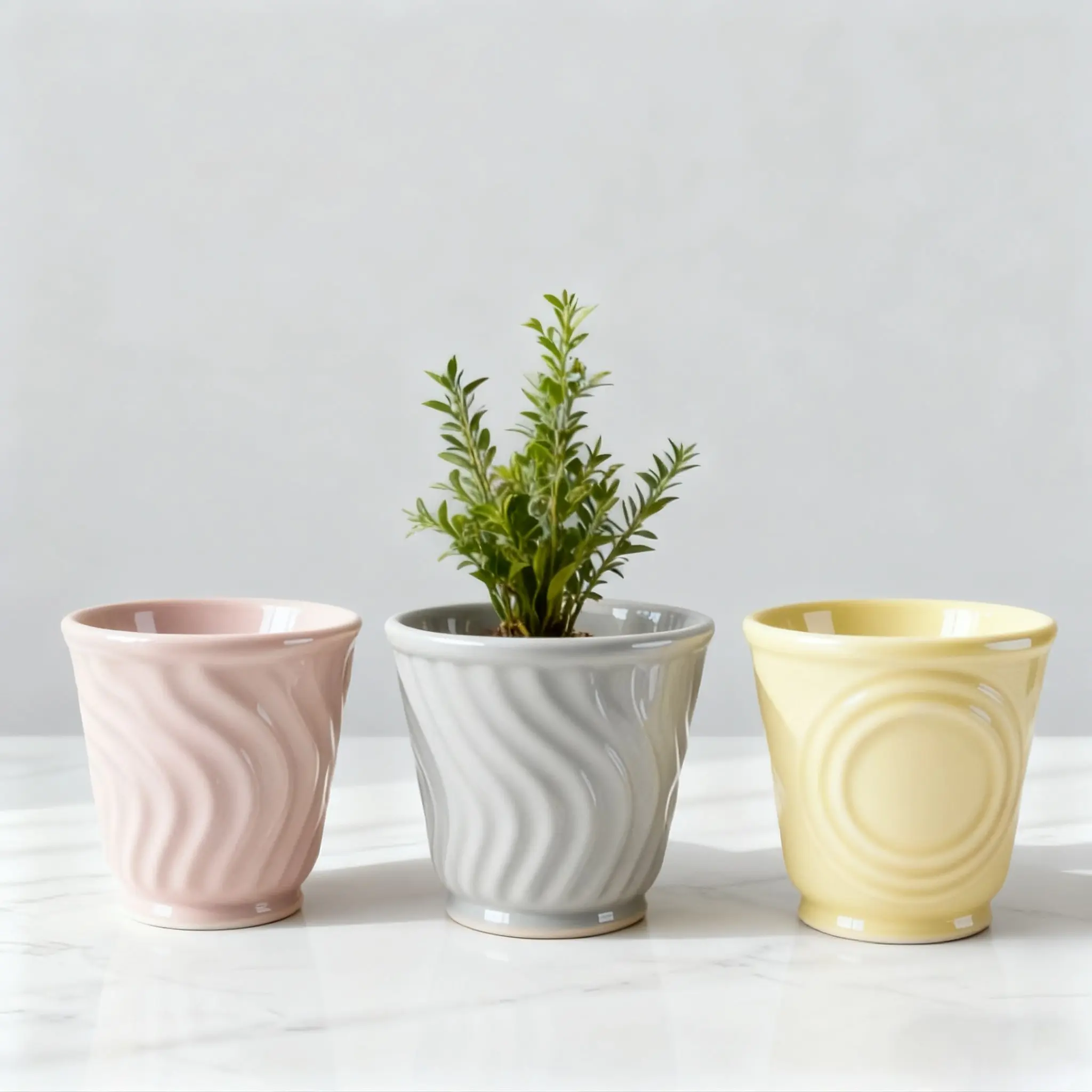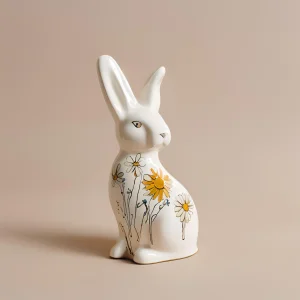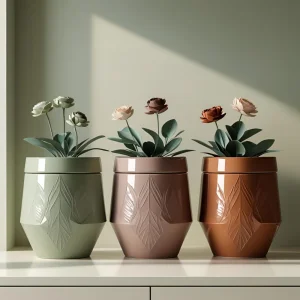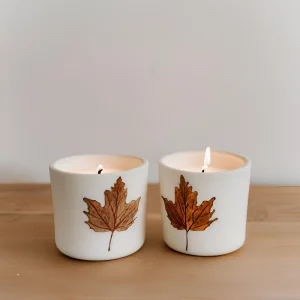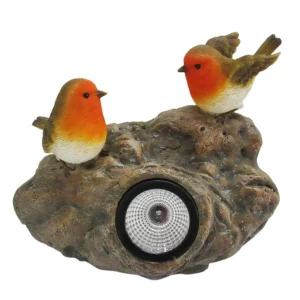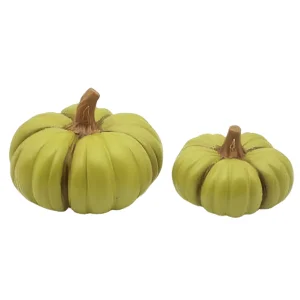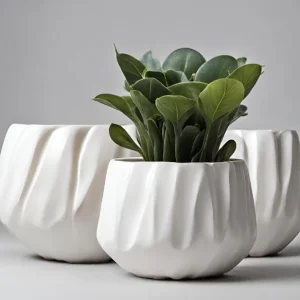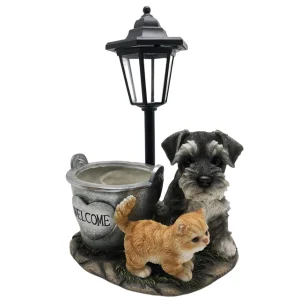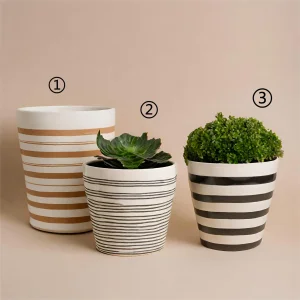
Value Deco Limited is a leading supplier of high-quality ceramic pots based in China. With over 12 years of experience in the decoration and container industry, we have built a strong reputation for offering a diverse range of Flower Pots, Flower Vases, Candle Holders, Home Decoration, Garden Decoration, and Dinnerware, suitable for both various seasons and commercial applications. Our products are designed to meet trending global designs, ensuring that they not only serve a functional purpose but also enhance the aesthetic appeal of any space.
Value Deco - Flower Pots Division: Sub-Website for Flower Pots: www.valuedeco.com
Pride Deco - Home & Garden Décor Division: Sub-Website for Home Decor, Candle Holders, Dinnerware, Garden Decor: www.pridedeco.com
In modern commercial horticulture, container systems are not merely vessels for holding growing media; they are highly engineered components of automated production lines. Industrial growers, propagation nurseries, and large-scale agricultural enterprises must balance optimal root zone environments with strict cost-control measures. This analysis examines the technical specifications, manufacturing paradigms, and global supply chain dynamics that allow professional operators to secure premium, cost-effective nursery containers directly from advanced manufacturing hubs.
Commercial growers operate in an environment where profit margins are heavily influenced by crop cycle times, water utilization rates, and plant mortality. Selecting the appropriate nursery container plays a direct role in mitigating transplant shock and promoting robust lateral root branching.
Modern greenhouses rely on high-speed transplanters, automated pot-fillers, and automated spacing forks. Nursery pots designed for industrial applications must feature precise dimensions, standardized rigid lips for mechanical handling, and anti-nesting tabs to ensure seamless denesting on conveyor belts. If a container collapses or sticks during automated denesting, it can halt the entire line, costing thousands of dollars in lost labor productivity. Our engineering team designs containers with optimized structural ribs and uniform wall thickness to withstand the mechanical stress of automatic grippers and heavy bulk media filling.
Root rot caused by anaerobic conditions is a primary cause of losses in wholesale plant nurseries. Advanced container designs feature multi-level drainage systems that combine bottom holes with side-wall slits. This architecture prevents water perched tables at the base of the container, ensuring that gas exchange occurs continuously at the root interface. Additionally, air-pruning ridges cast into the inner walls guide root tips downward rather than allowing them to circle, which significantly reduces root bounding and improves long-term plant viability once transplanted into the field.
Procuring "cheap" nursery containers does not mean compromising on durability or performance. By leveraging China’s Factory 4.0 smart manufacturing infrastructure, Value Deco Limited achieves significant economies of scale, converting production efficiencies into direct cost savings for international clients.
The cost of thermoplastic resins (polypropylene and polyethylene) directly dictates the unit price of plastic nursery containers. China's dense industrial clusters allow us to source high-grade, post-consumer recycled (PCR) and post-industrial recycled (PIR) polymers at stable pricing. By compounding these materials with UV-stabilizers and impact-resistance modifiers in-house, we produce containers that withstand prolonged outdoor exposure without becoming brittle, all while maintaining a price point that is highly competitive with Western-manufactured alternatives.
Our partner factories utilize fully automated, electric injection molding machines and high-output continuous blow molding systems. These systems operate with minimal human intervention, reducing labor overhead and virtually eliminating manufacturing defects. In addition, the integration of multi-cavity hot runner molds allows us to produce dozens of cell trays or pots in a single cycle, maximizing output per kilowatt-hour. This relentless focus on operational efficiency is what makes us a leading cost-effective nursery containers manufacturer.
B2B buyers face complex logistical hurdles when importing high-volume, low-margin products like nursery pots. Freight costs can quickly erase any manufacturing savings if shipping space is not utilized efficiently.
Horticultural pots are inherently hollow, meaning shipping containers are often filled to capacity by volume long before they reach weight limits. To address this, our engineers meticulously analyze the nesting angles of our pots and trays. Even a 1-degree shift in taper angle can increase the quantity of nested units per pallet by up to 20%. By packing more units into every 45HQ shipping container, we lower the per-unit freight cost, ensuring the overall landed cost remains as low as possible for our customers.
Navigating import duties, anti-dumping regulations, and custom declarations requires deep administrative experience. Value Deco Limited provides complete, transparent documentation, including detailed Harmonized System (HS) code classification, Certificate of Origin, and packing lists. We work with leading global freight forwarders to provide DDP (Delivered Duty Paid), CIF, or FOB terms, allowing B2B buyers to select the shipping arrangement that best suits their internal logistics capabilities.
Every regional market has distinct regulatory frameworks regarding environmental safety, heavy metals content, and chemical leeching. Commercial horticultural operators must verify that the pots they import comply with these localized policies to avoid costly regulatory fines or retail rejections.
The nursery container industry is evolving toward sustainability, automation integration, and biological compatibility. Over the next decade, container manufacturing will shift toward high-performance materials that reduce carbon footprints while maintaining structural integrity.
As single-use plastics face increasing legislative restrictions globally, Value Deco Limited is investing in alternative materials, including PLA (Polylactic Acid), PHA, and fiber-based composites. These containers are engineered to remain stable during the greenhouse cultivation phase but break down naturally once planted in the soil, eliminating container disposal costs and reducing transplant labor to zero.
The rise of smart greenhouses requires pots that integrate with digital tracking systems. We are experimenting with embedded RFID chips and molded QR codes directly onto the rim of our pots. This allows commercial nursery managers to track crop growth cycles, chemical application history, and shipping logistics digitally, streamlining warehouse management and supply chain traceability.