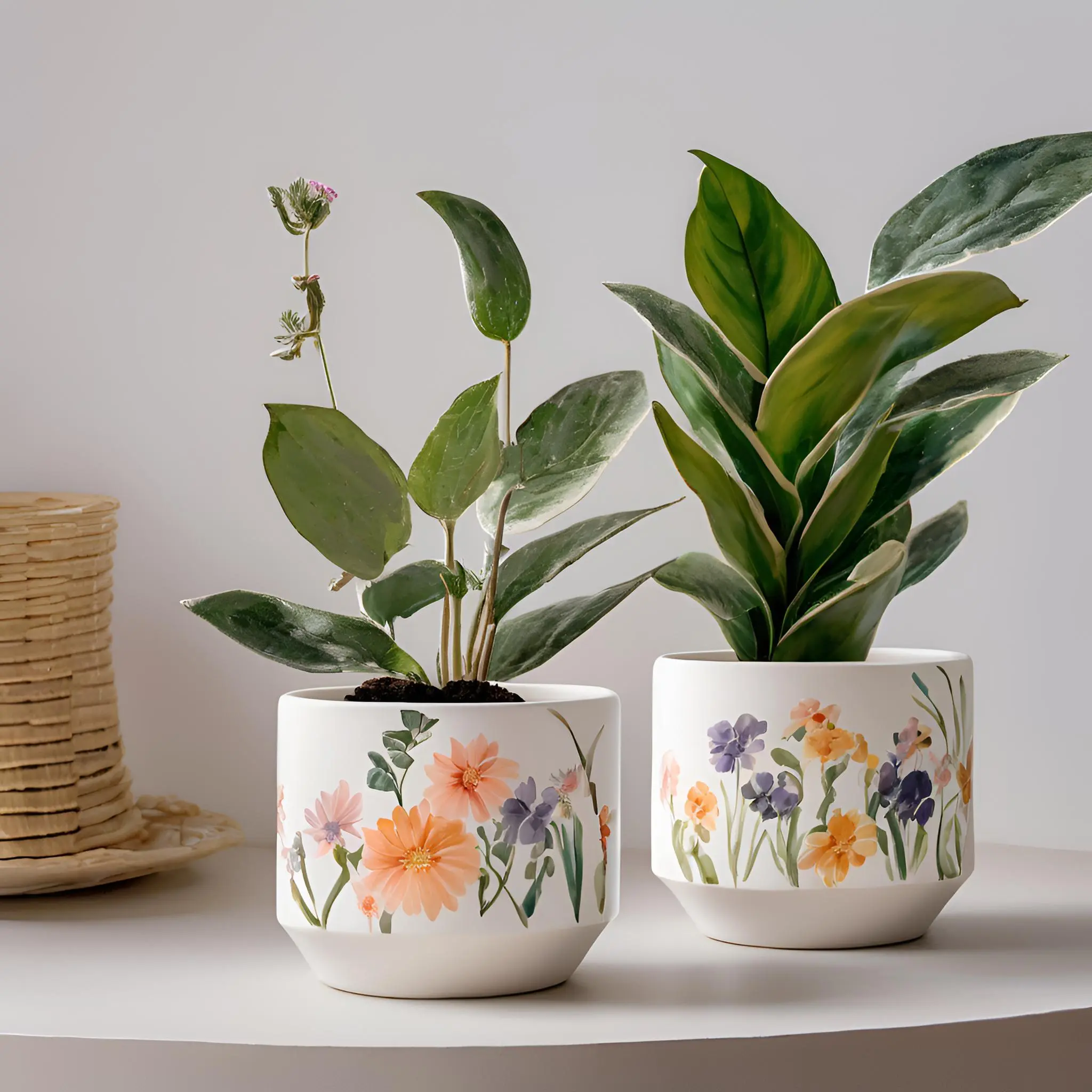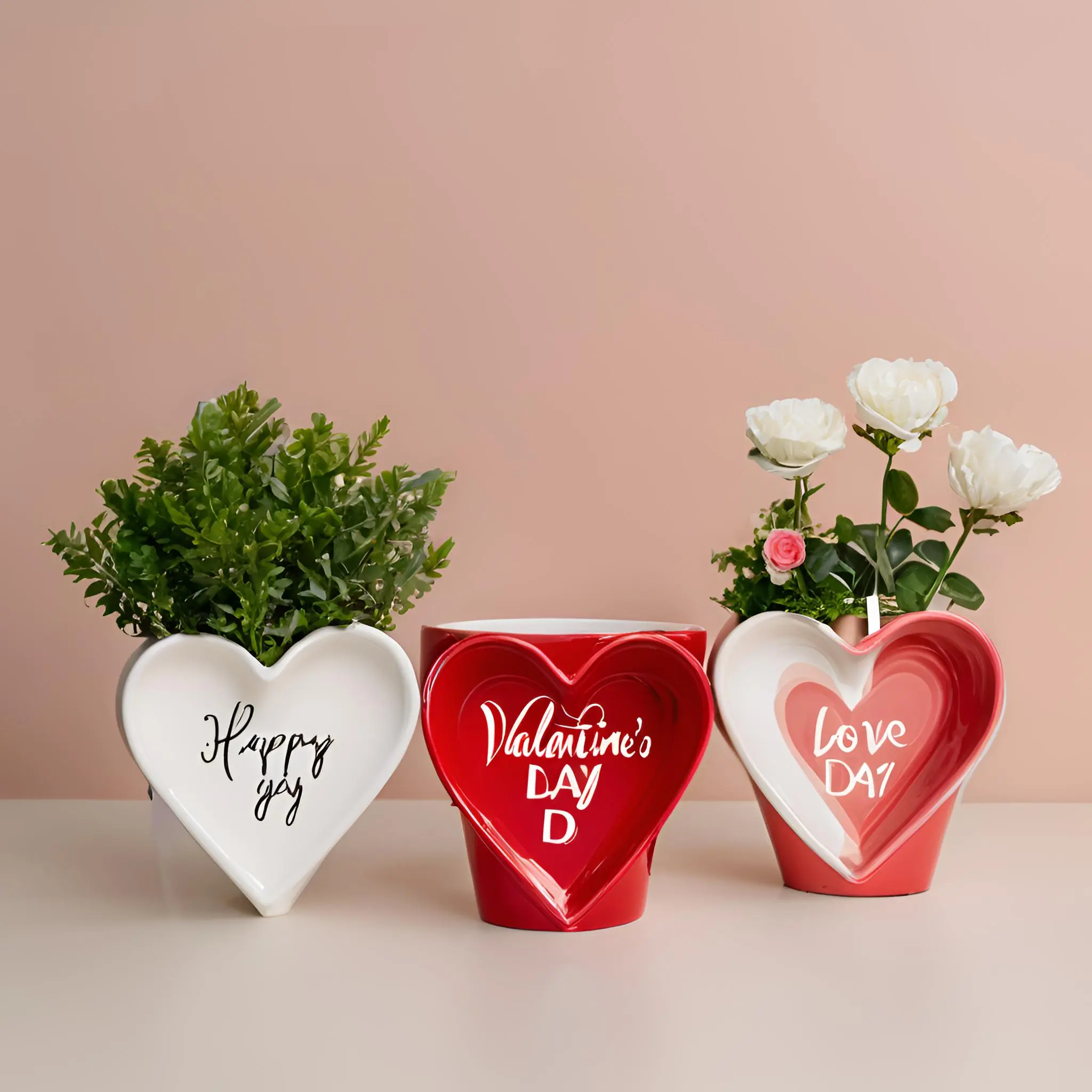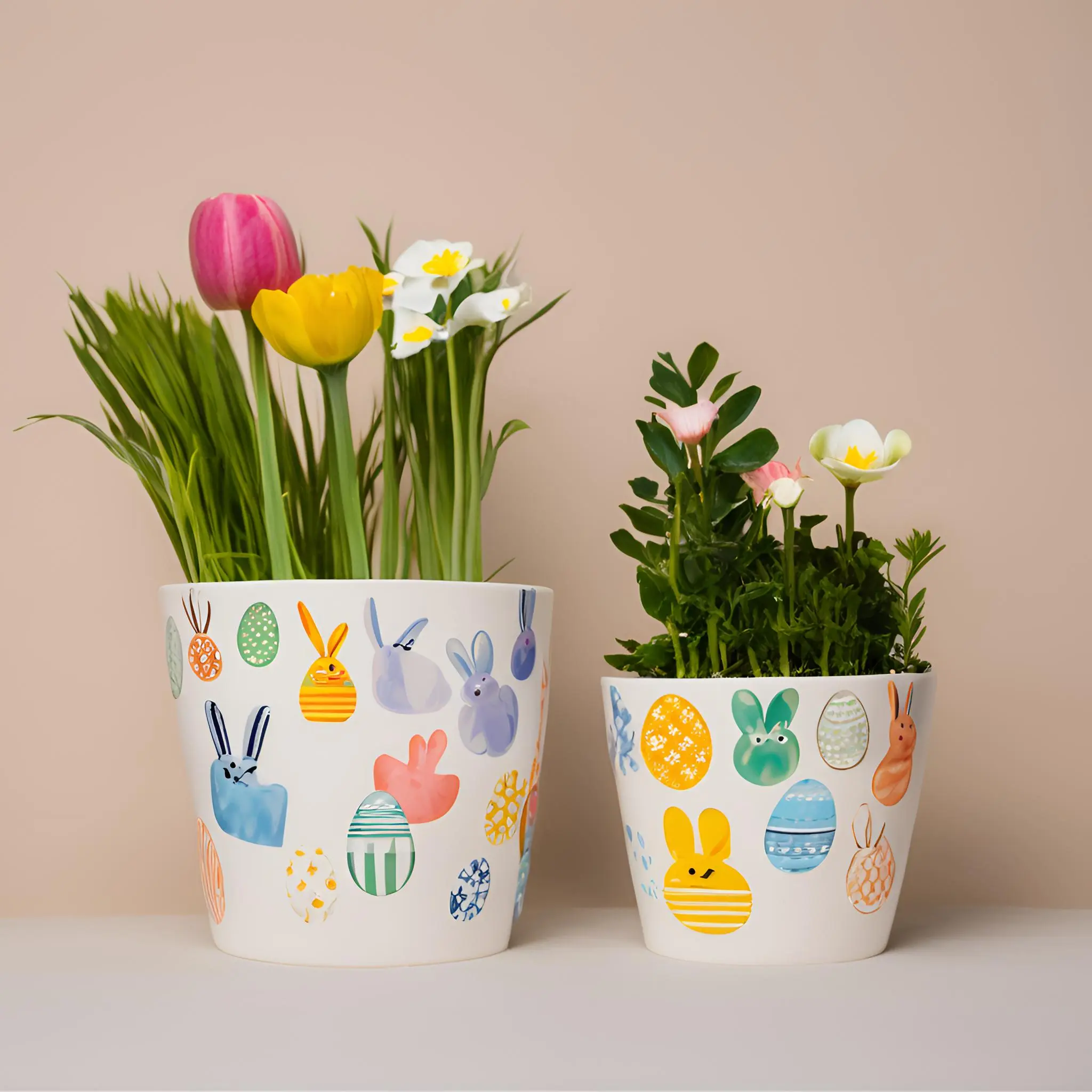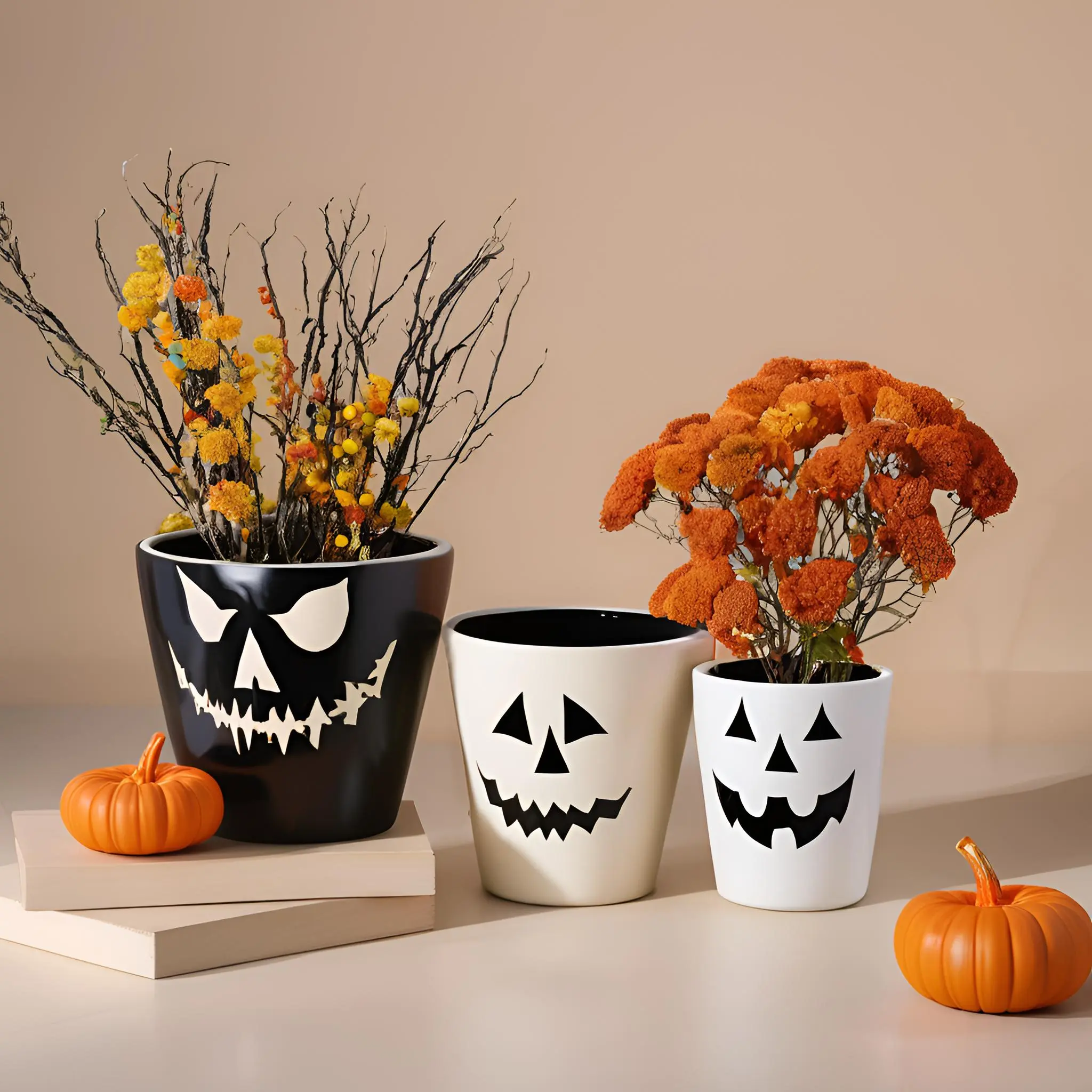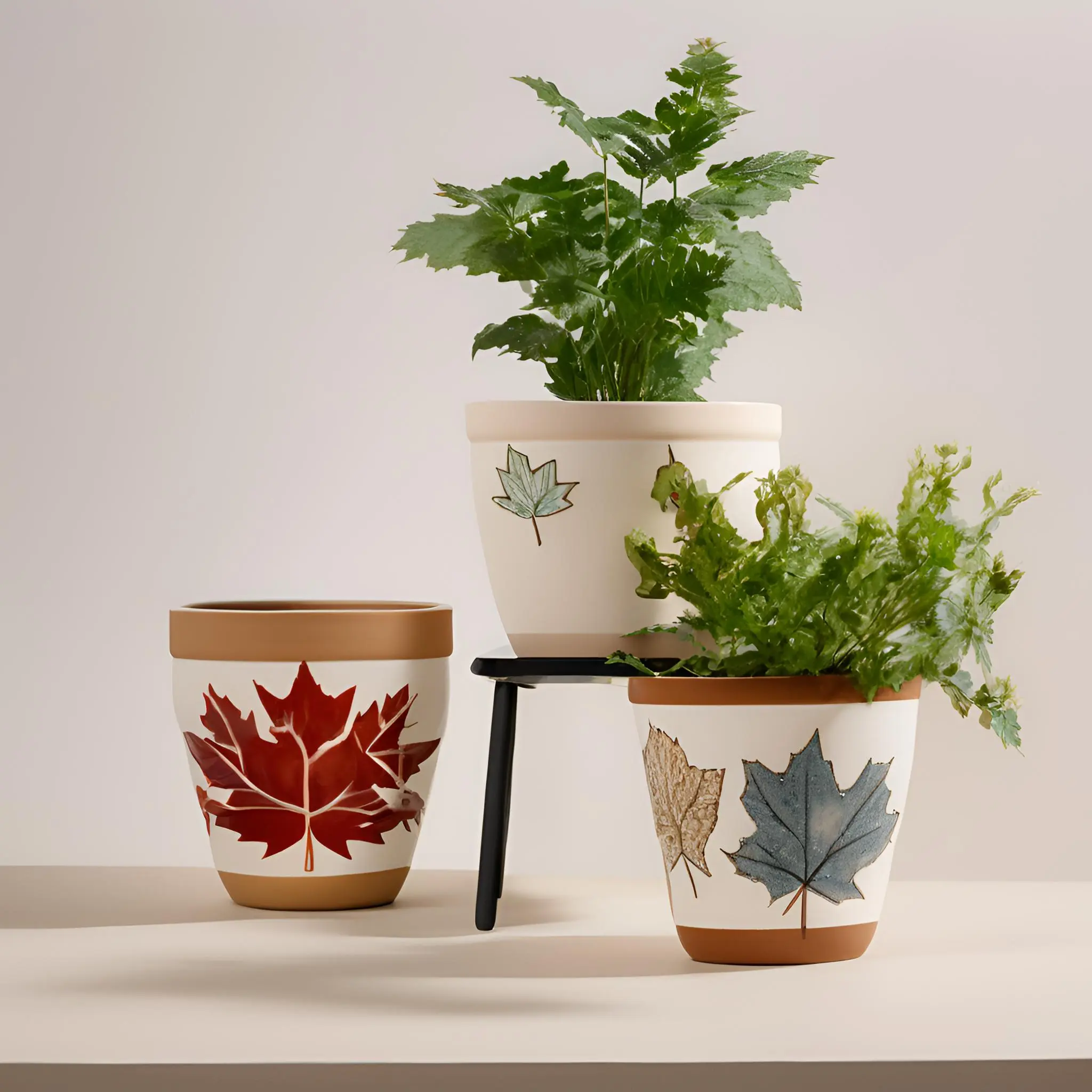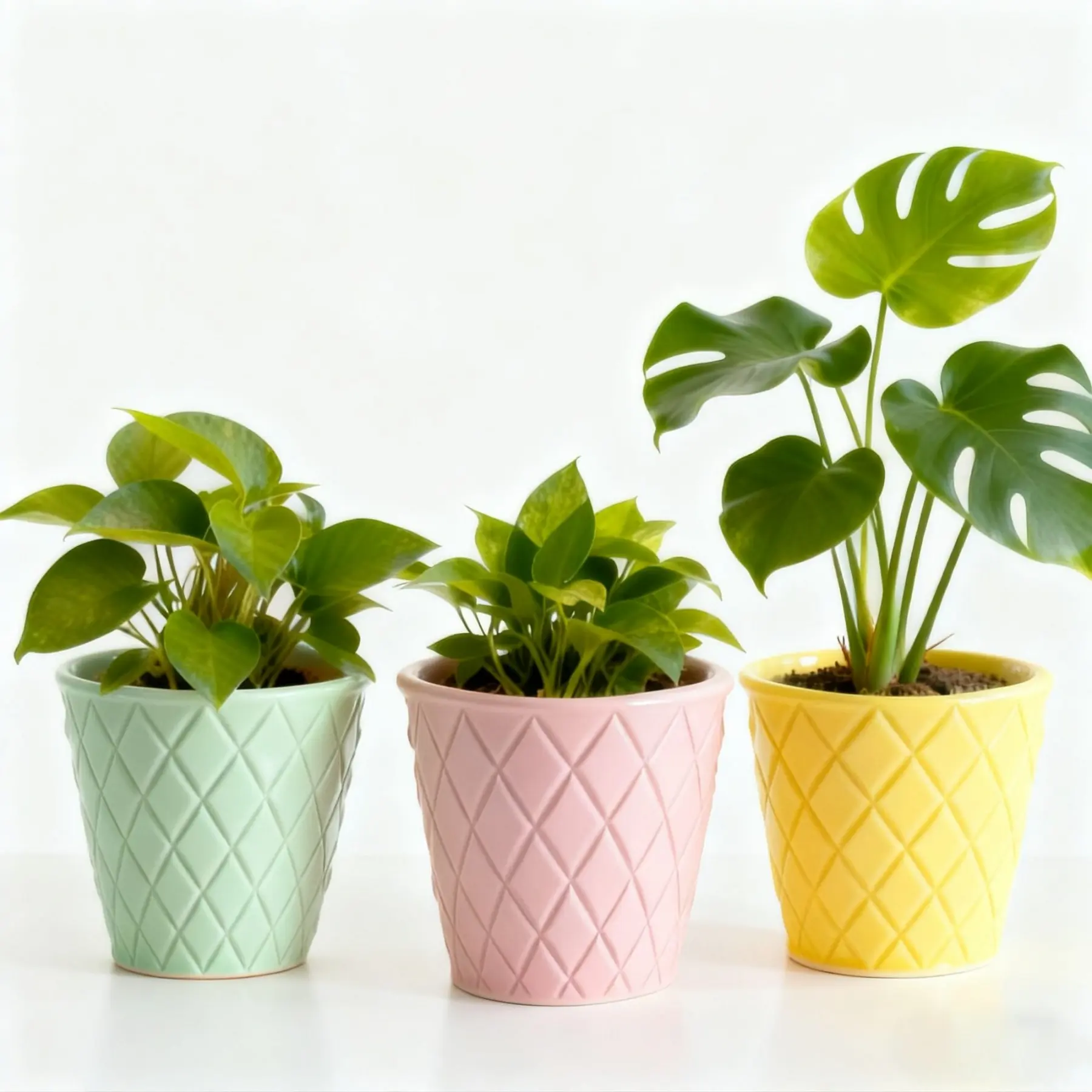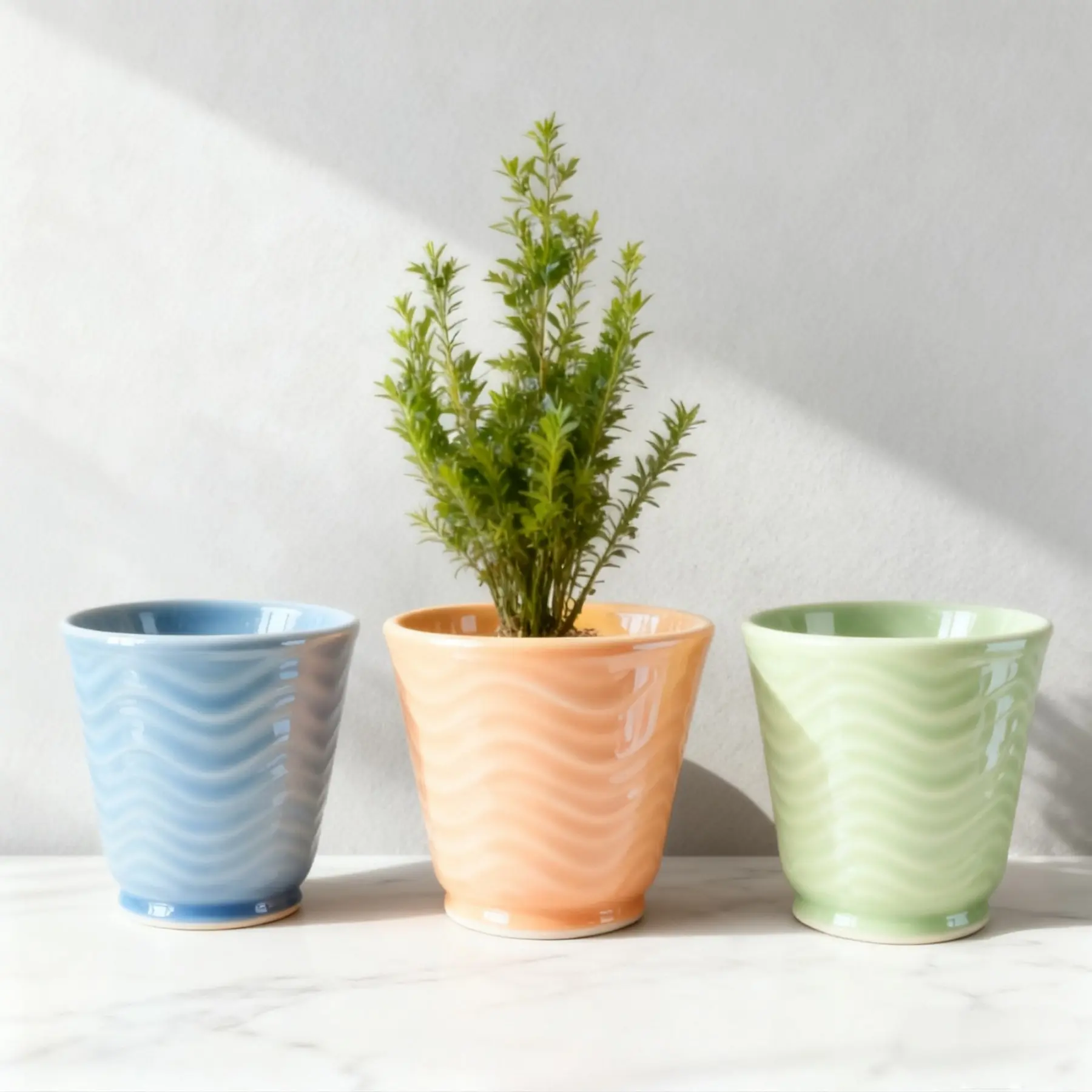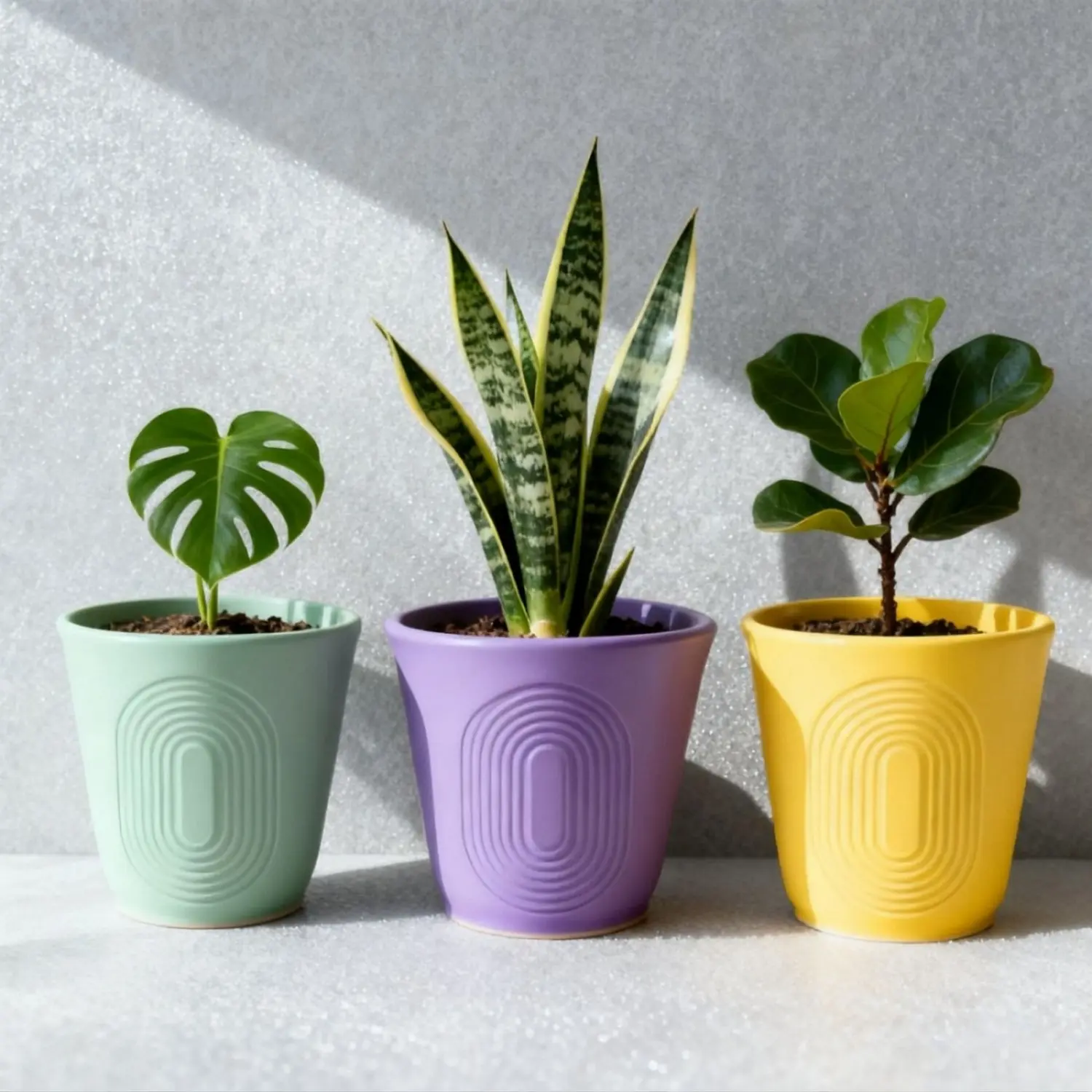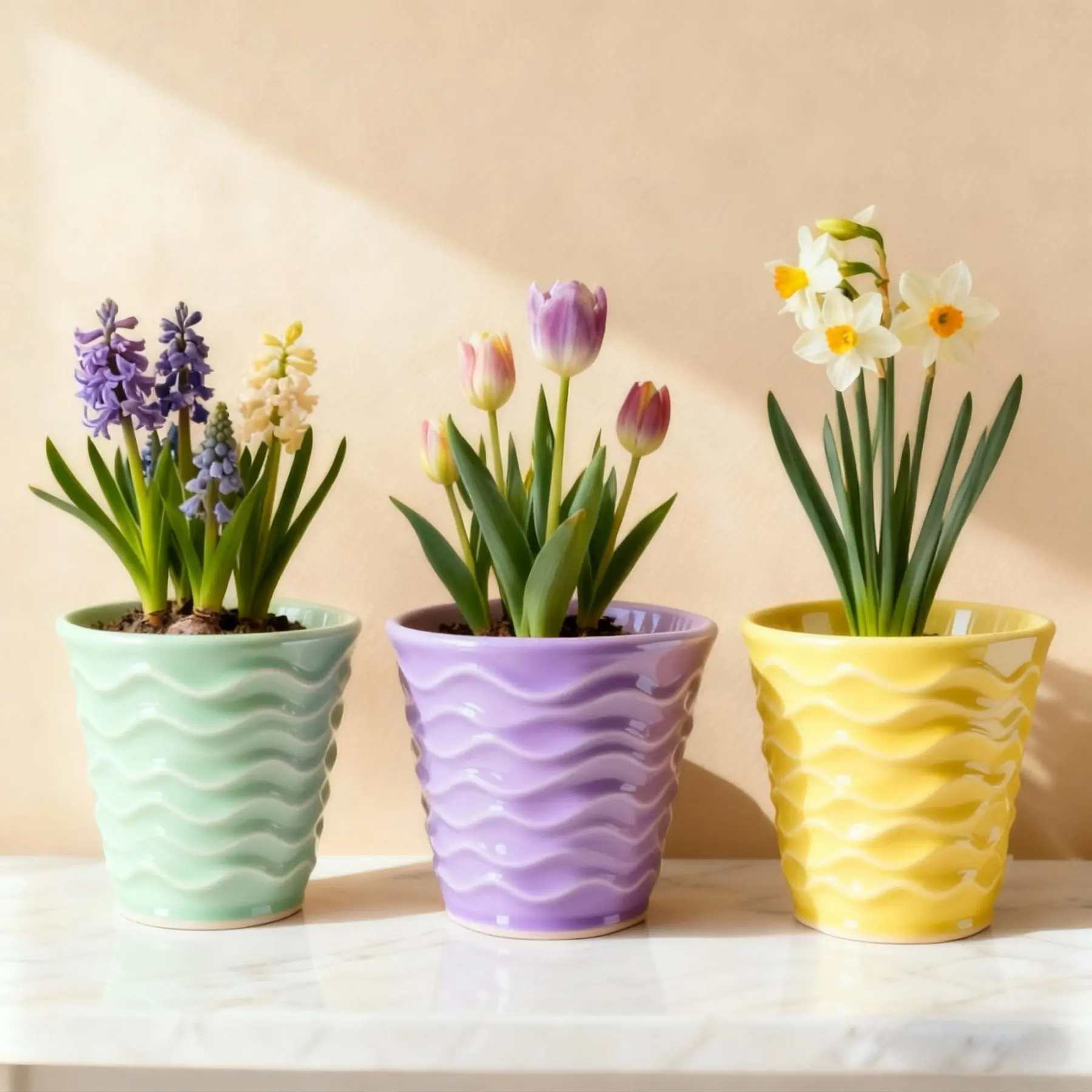
Explore our premium architectural, seasonal, and decorative ceramic ranges, designed and kiln-fired to international durability standards.
An in-depth analysis of raw material optimization, thermodynamic firing curves, global supply chain risks, and localization compliance for large-scale commercial pottery.
Years Industry Experience
Kiln Firing Temperature
Frost-Resistant Testing
Exporting Destination Countries
The global demand for large terracotta flower pots has transitioned from mere aesthetic horticultural requirements to critical architectural and biophilic design elements. Developers, landscape designers, and bulk municipal purchasers are looking for cost-controlled, scalable options without compromising structural stability. The core market tension lies in aligning the keyword definition of "cheap" with the rigorous structural expectations of "large-format architectural terracotta."
For volume distributors, procurement is not just about locating low prices; it requires partnering with factories that employ high-degree kiln vitrification and automated slip-casting or hydraulic-press forming. Raw clay composition directly influences the structural integrity of large-scale planters. A B2B importer must understand the mineral composition of the clay used by manufacturers. A balanced ratio of iron oxide and alumina in the clay ensures the natural reddish-orange tone while preventing micro-fractures during high-temperature thermal contraction.
To produce cost-efficient but structurally indestructible terracotta, manufacturing plants must follow strict thermodynamic roadmaps. The primary process consists of the following steps:
Raw clay is pulverized, hydrated, and passed through industrial vacuum pug mills. This removes all internal air pockets, mitigating the risk of dynamic explosion during firing.
Firing curves must peak between 1,020°C and 1,080°C. This allows the silica in the clay matrix to fuse with carbon elements, producing optimal porosity (8% to 14%) for breathability and structural density.
Large containers over 50cm in diameter are subject to drying shrinkage. Experienced factories use precision steel molds and computerized kiln cycles to keep shrinkage variation within ±2% limits.
Shipping large terracotta containers is complex due to weight and fragility. To keep unit costs ("cheap") low, packing optimization is crucial. High-capacity suppliers implement specialized B2B palletization techniques:
Additionally, global importers in Northern Europe, North America, and parts of Asia require verified frost resistance. High-grade terracotta must endure repeated freeze-thaw cycles without spalling. When water enters unvitrified pores and freezes, it expands by 9%, causing cheaper pots to crack. Industrial-grade factories use added grog (fired clay particles) to act as crack-terminators within the clay matrix.
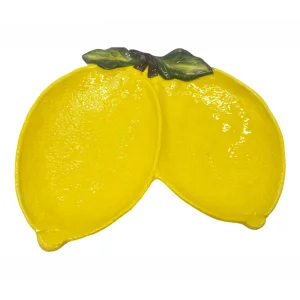
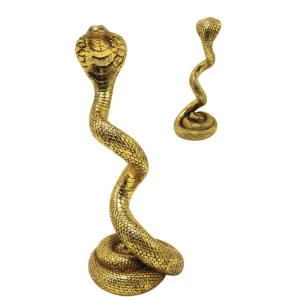
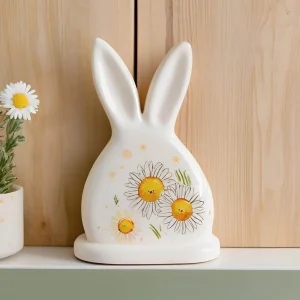
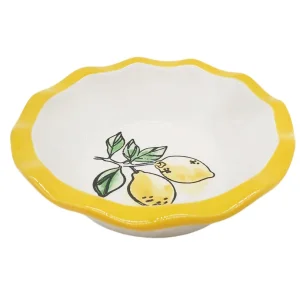
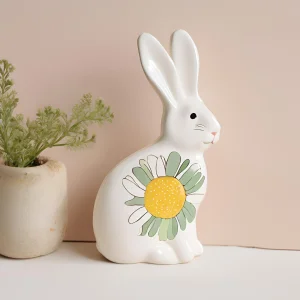
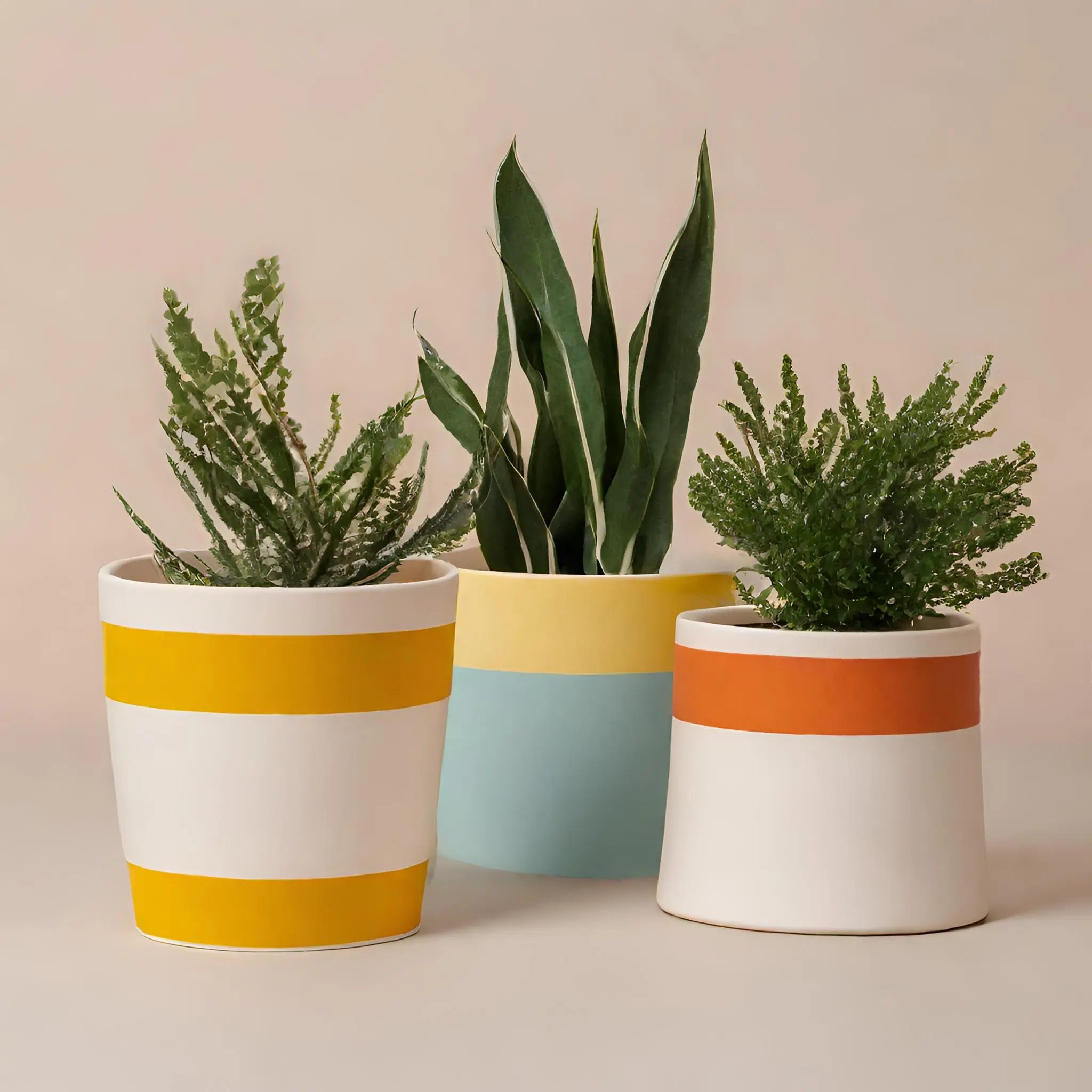
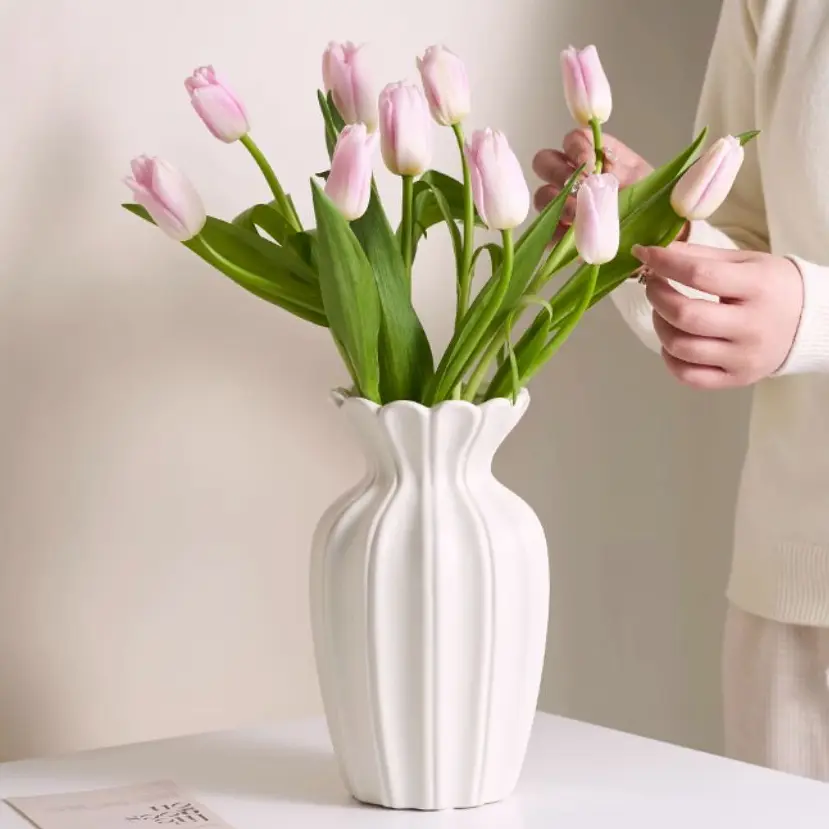
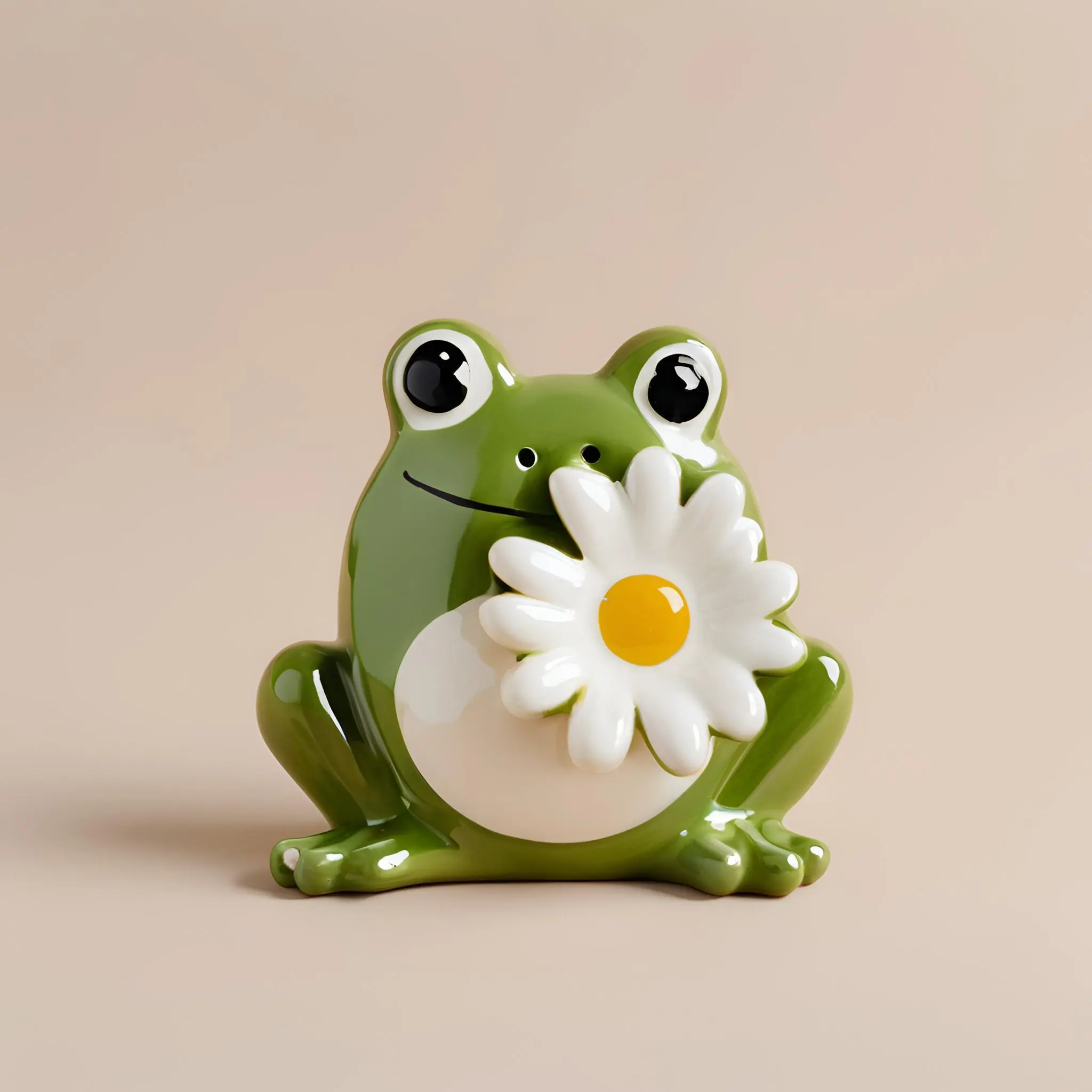
Our industrial production lines extend across multiple ceramic, pottery, and functional home categories to ensure a comprehensive supply chain.

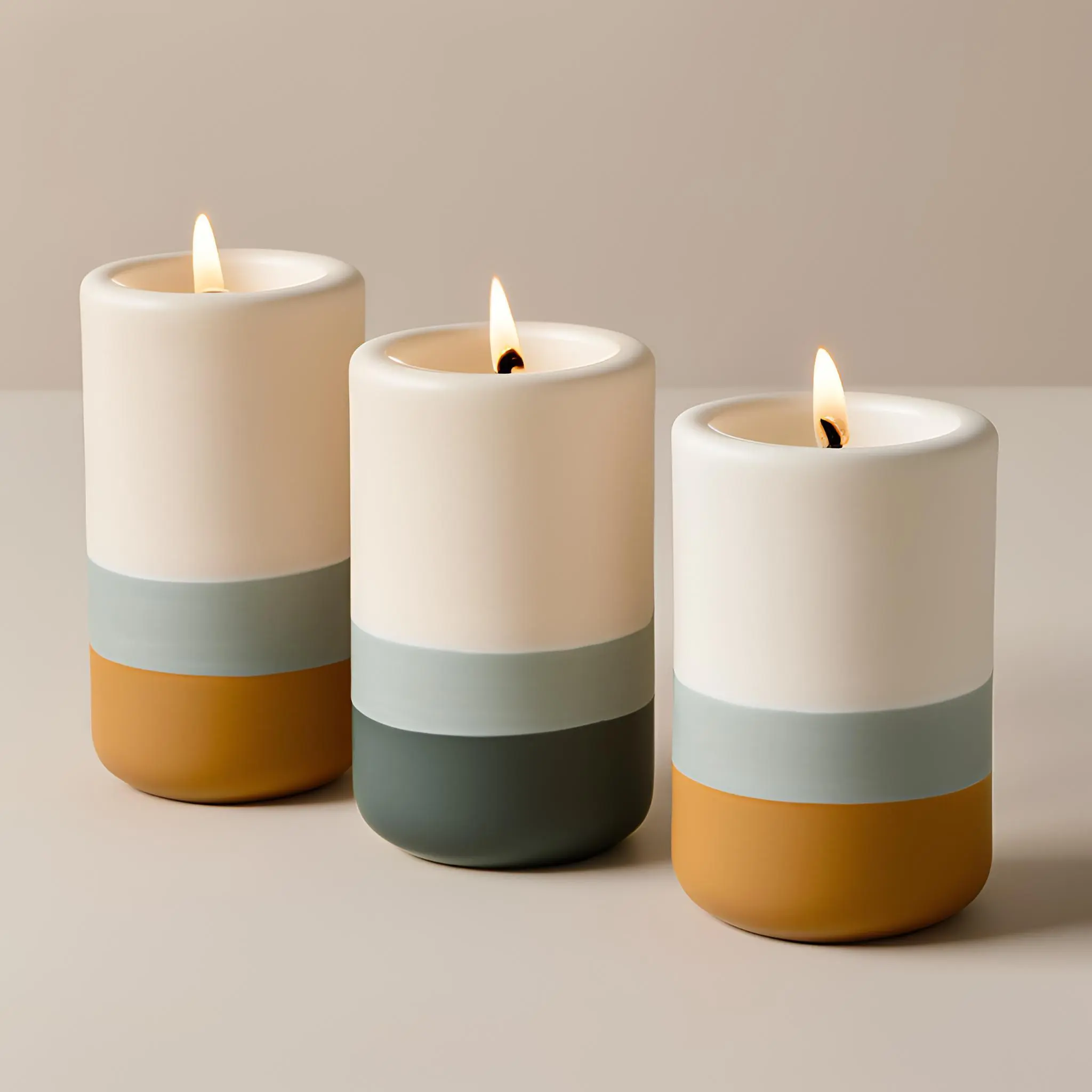

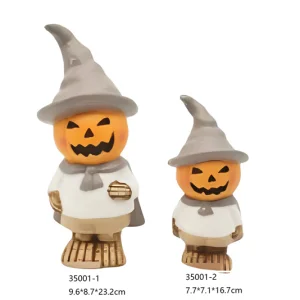
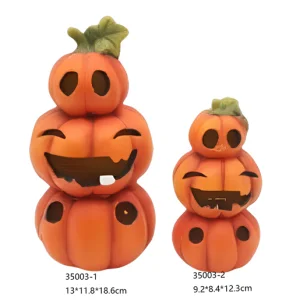
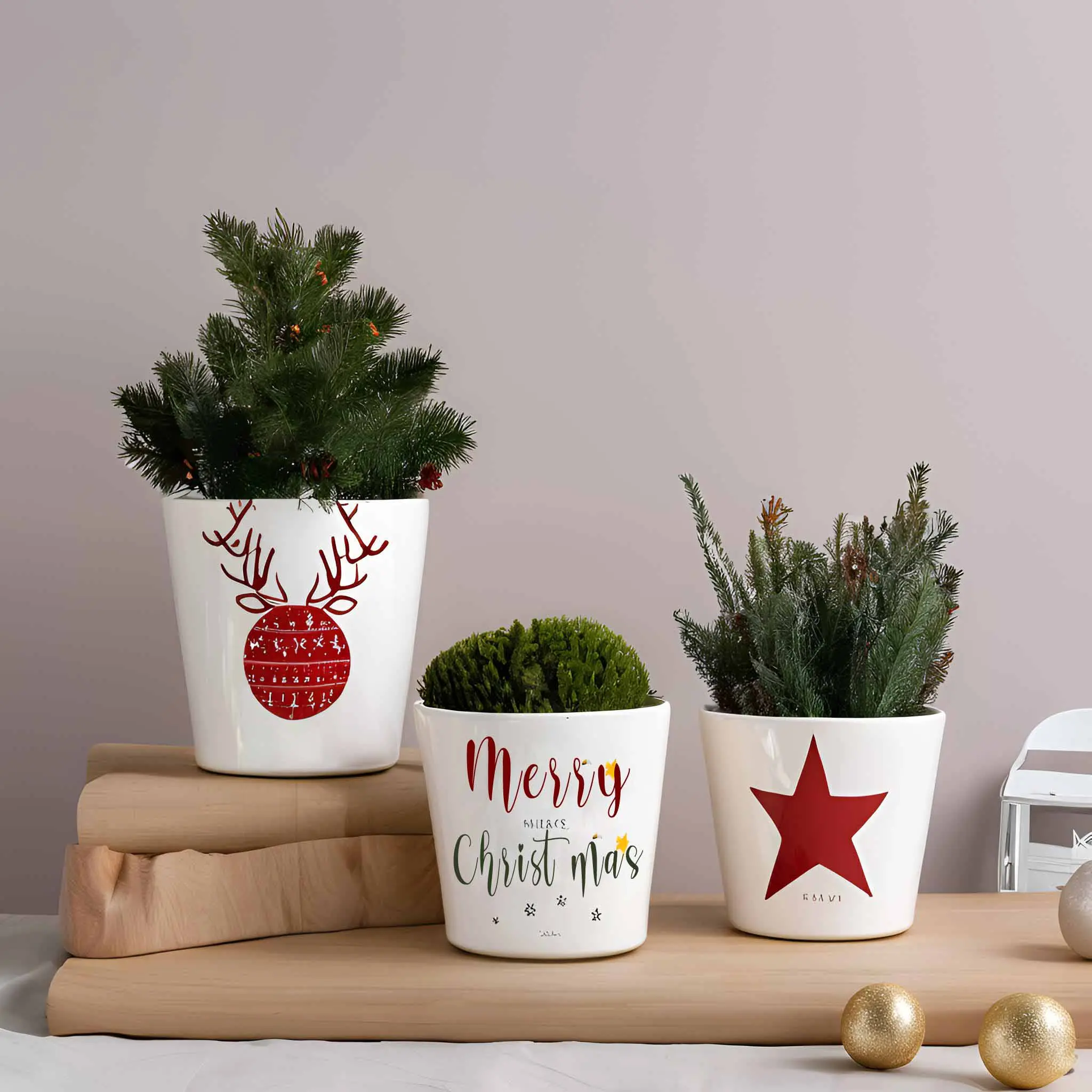
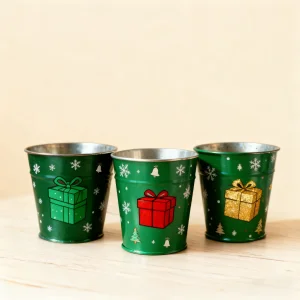
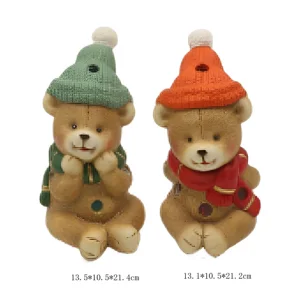
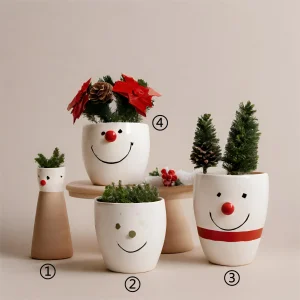
Maximize margins during high-volume seasonal retail cycles with our customized holiday collections.
B2B buyers face stringent customs and environmental product regulations when importing ceramics and flower pots. A qualified manufacturer must demonstrate adherence to international chemical and mechanical safety standards:
The future of clay ceramic manufacturing points toward energy efficiency and smart hydration systems. Current research and development at high-end manufacturing facilities center around reducing the carbon footprint of structural pottery:
1. Heat recovery systems: Capturing hot air exhaust from continuous tunnel kilns and rerouting it back into raw clay dehydration rooms. This reduces gas consumption and lowers production costs for large, heavy containers.
2. Hydrophobic silicate lining: Applying micro-thin interior sealers that preserve the breathability of natural terracotta while preventing mineral efflorescence (unwanted white salt stains) from leaching through the outer clay surface.
Your One-Stop Purchasing Destination for Decoration Category!
Value Deco Limited is a leading supplier of high-quality ceramic pots based in China. With over 12 years of experience in the decoration industry, we have built a strong reputation for offering a diverse range of Flower Pots, Flower Vases, Candle Holders, Home Decoration, Garden Decoration, and Dinnerware, suitable for various seasons and applications. Our products are designed to meet current design trends, ensuring they serve a functional purpose while enhancing the aesthetic appeal of any commercial or residential space.
Value Deco - Flower Pots Division:
Sub-Website for Flower Pots: www.valuedeco.com
Pride Deco - Home & Garden Décor Division:
Sub-Website for Home Decor, Candle Holders, Dinnerware, Garden Decor: www.pridedeco.com
Download our curated product catalogs to explore custom glazes, modern geometric planters, and traditional clay collections.
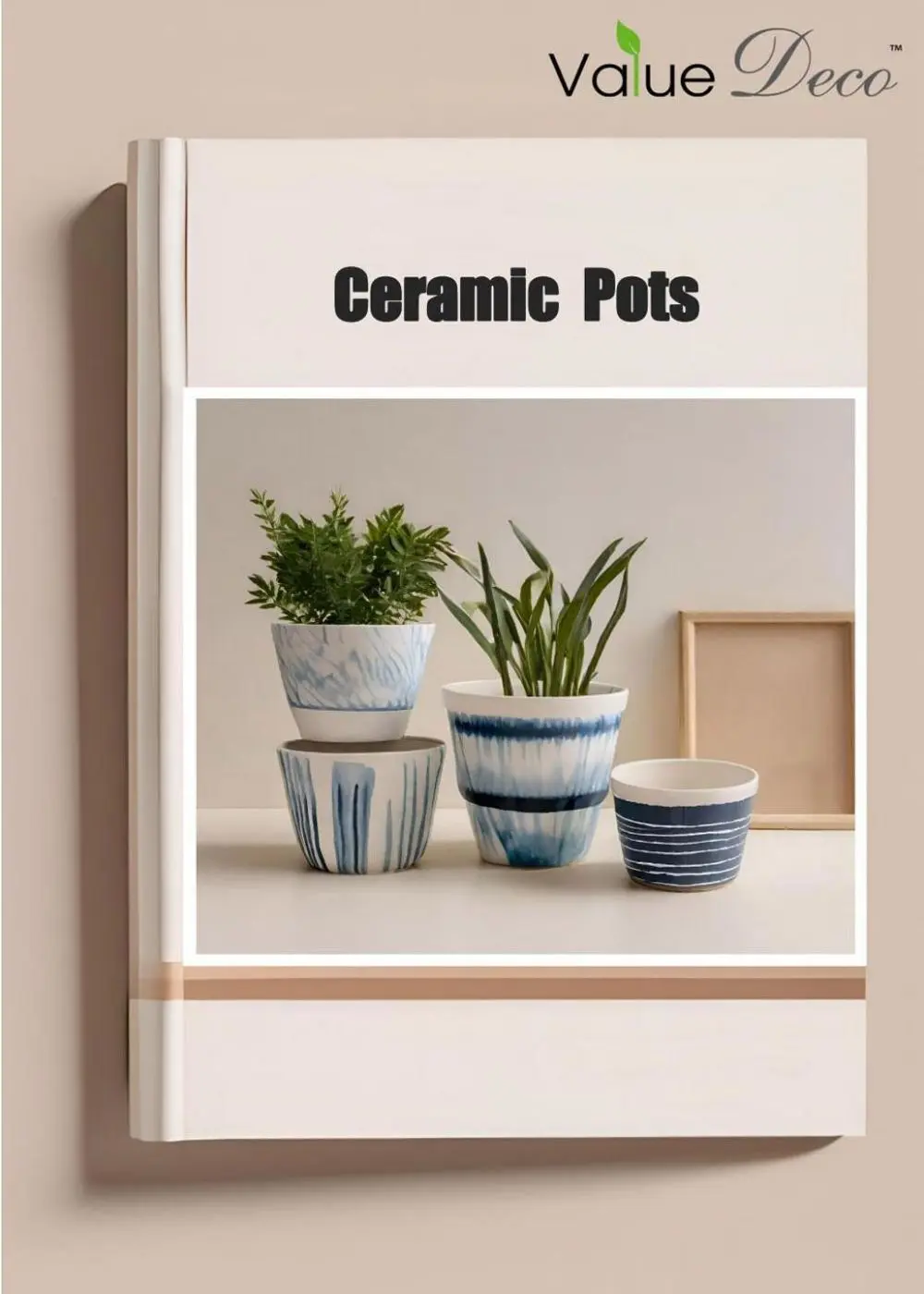
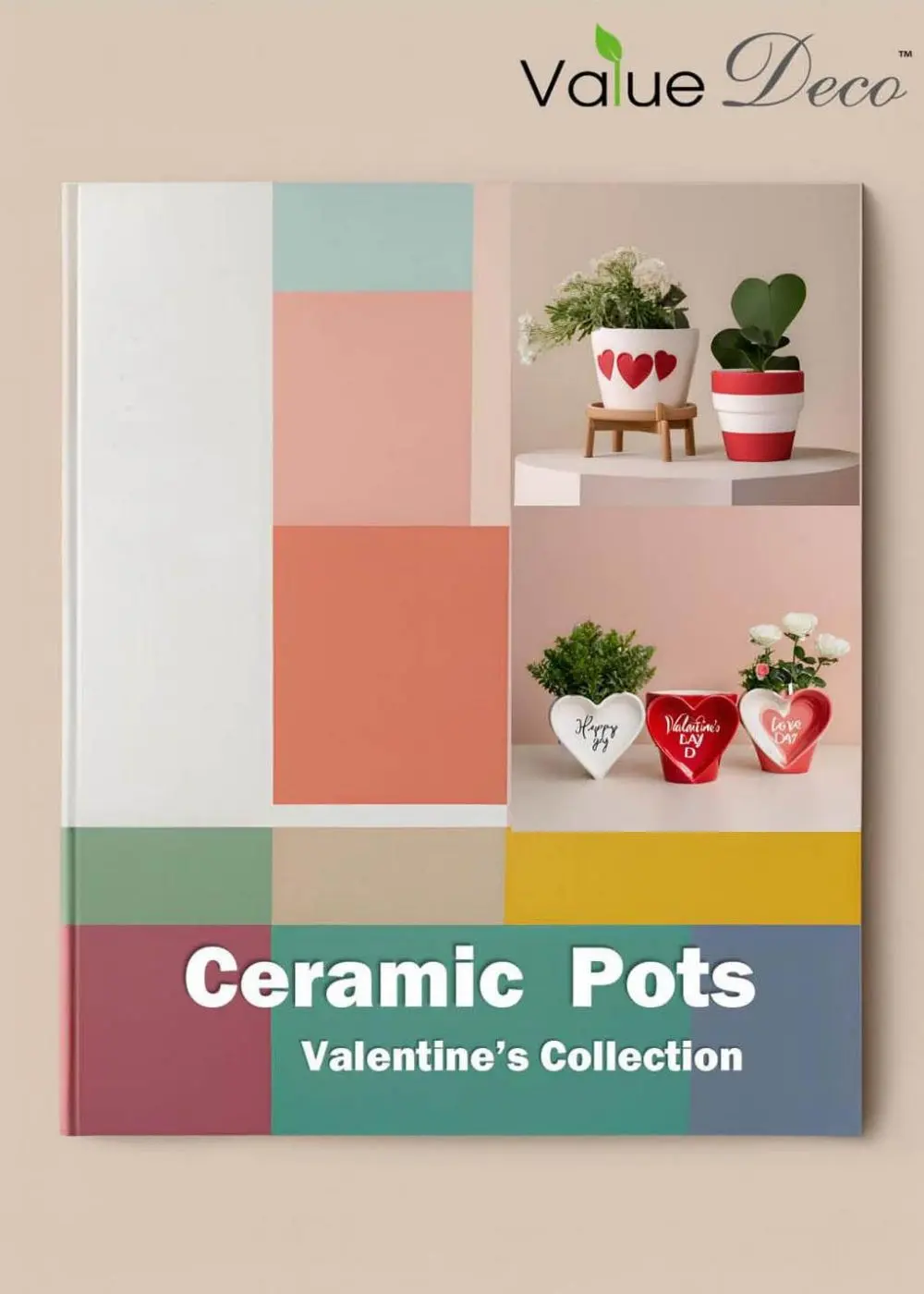
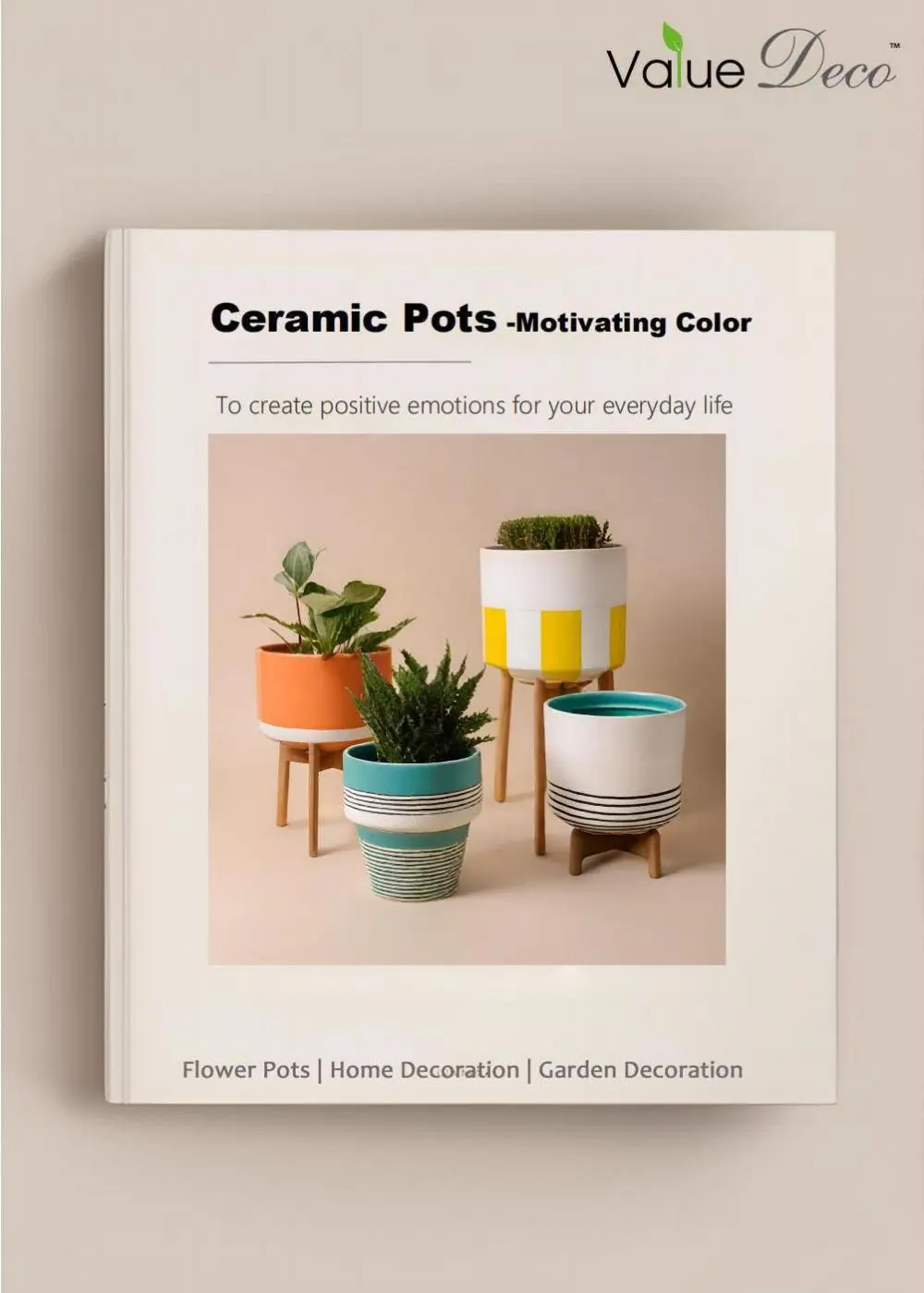
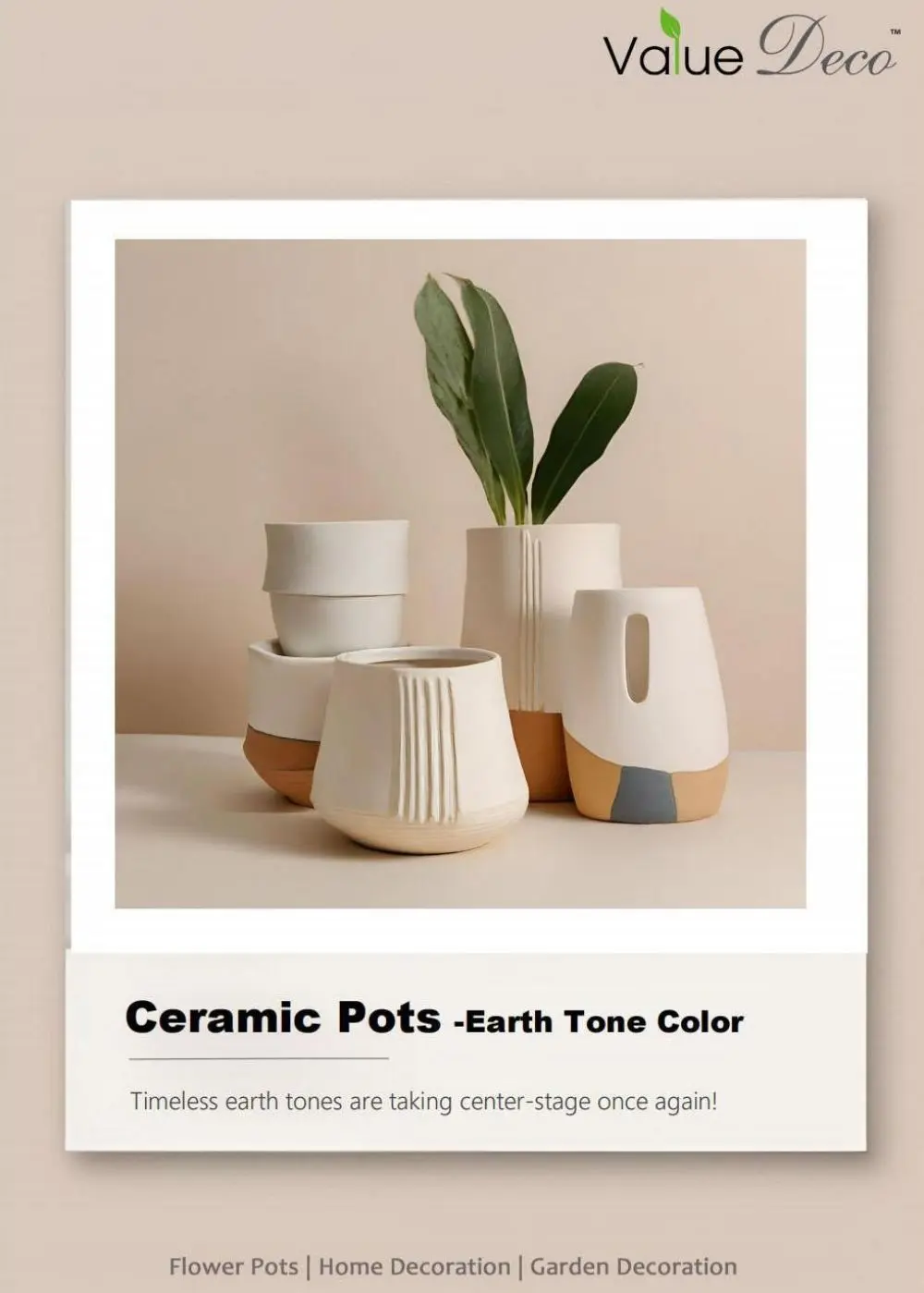
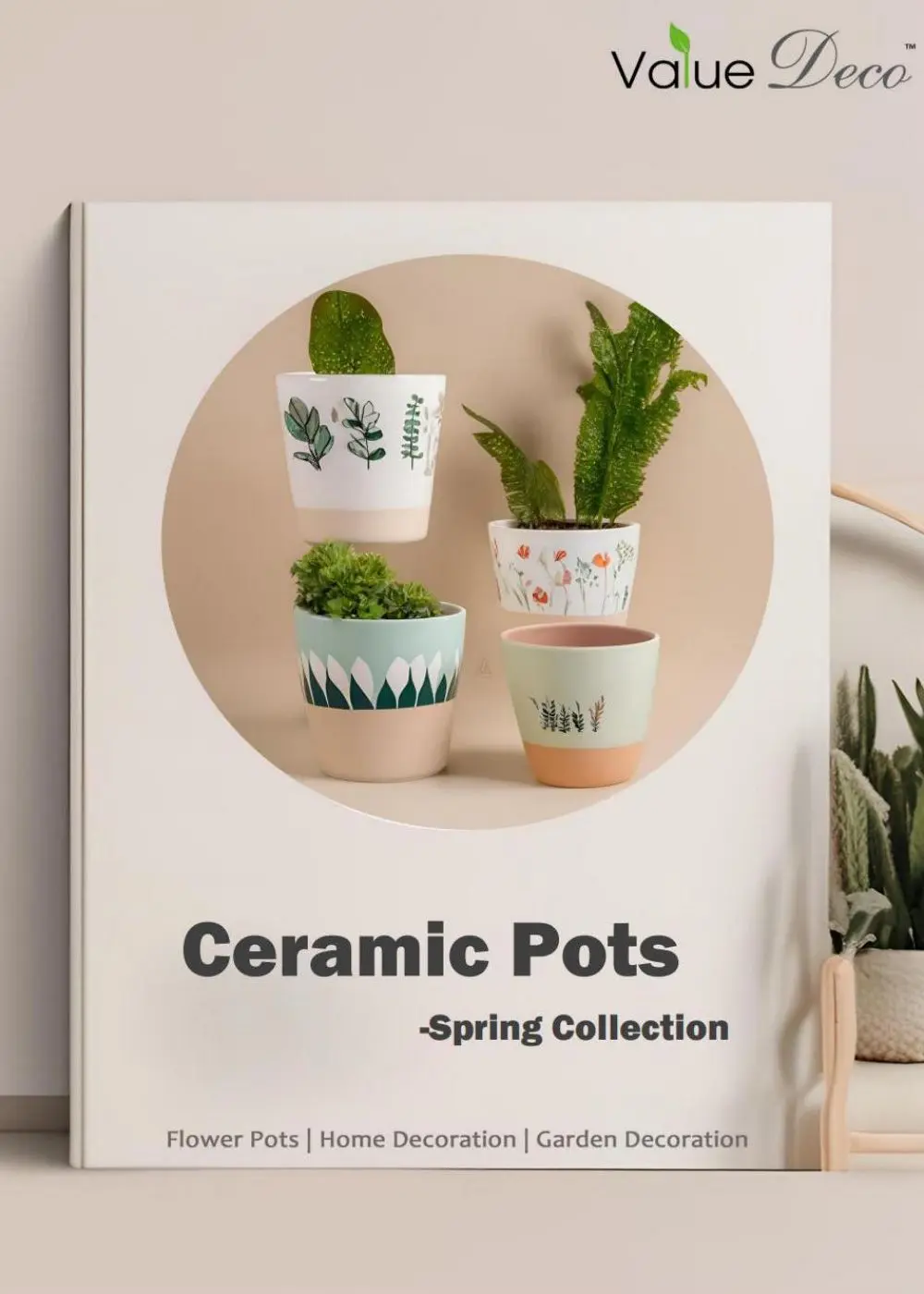
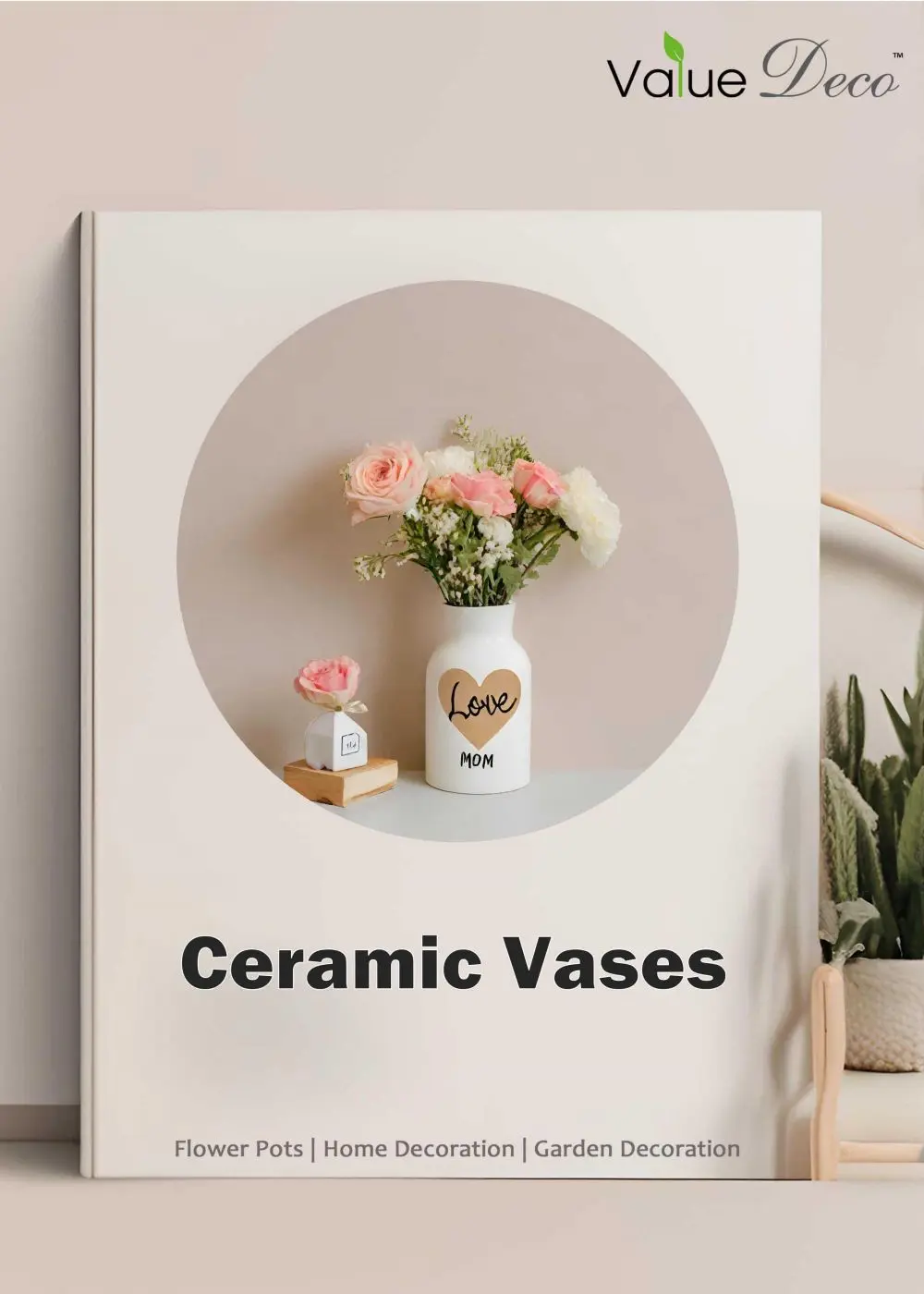
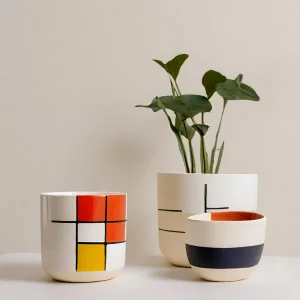
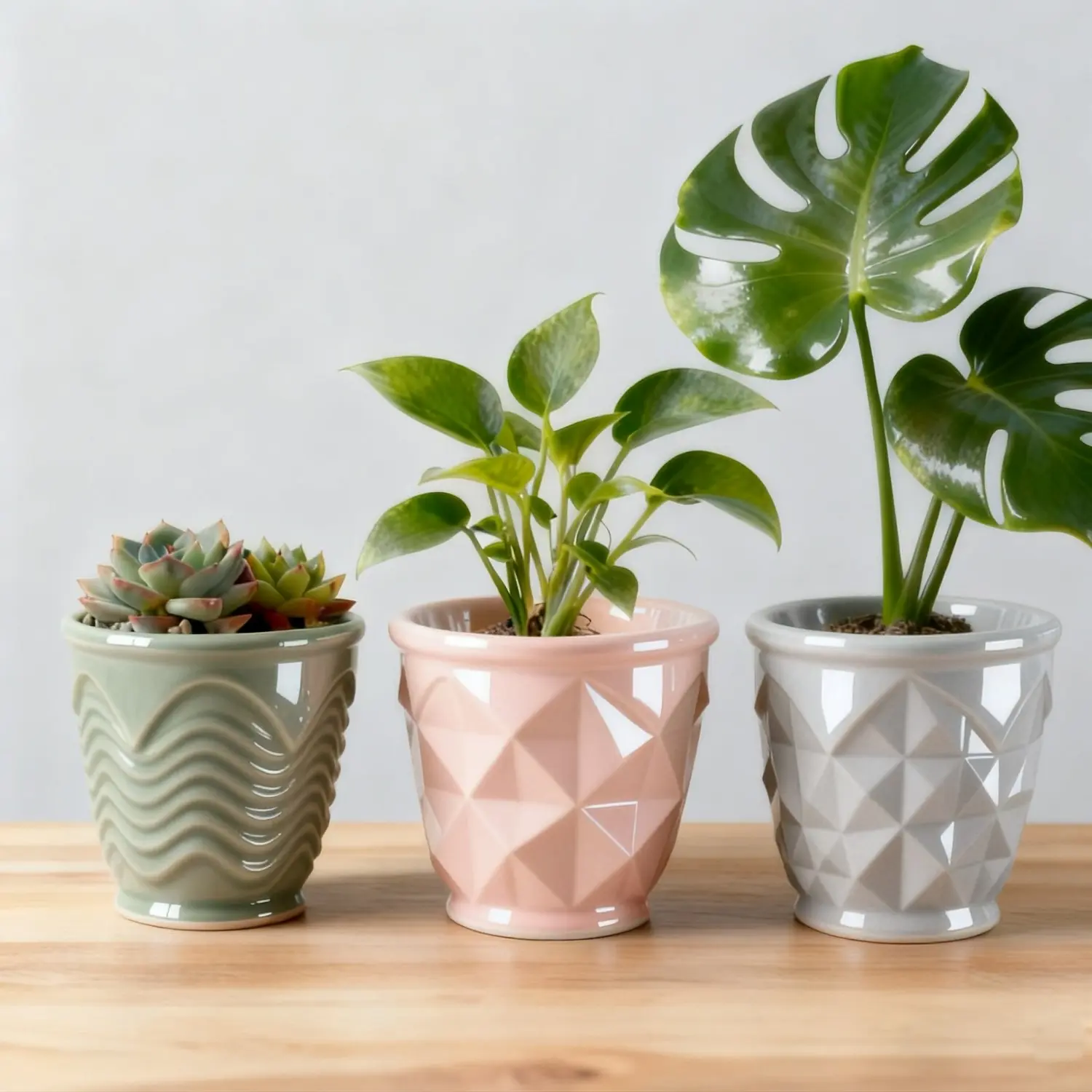
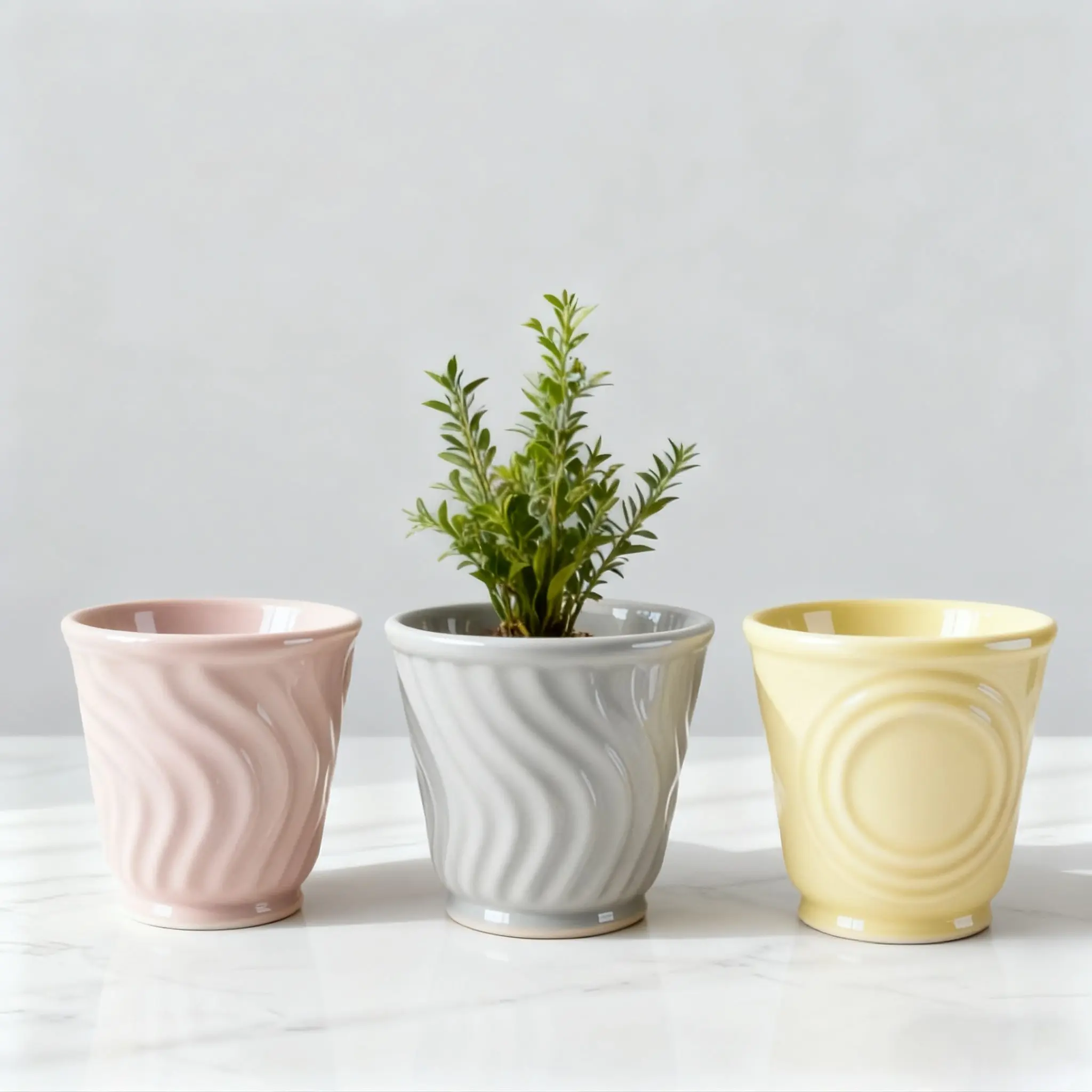
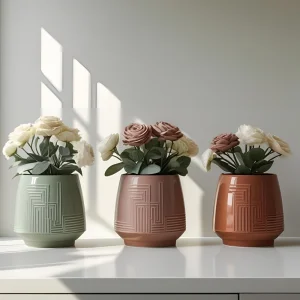
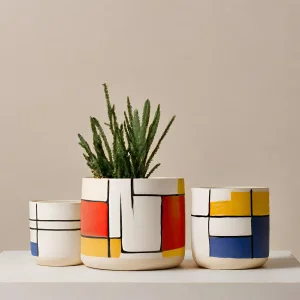
Featuring refined architectural patterns, soft tactile glazes, and modern geometric structures for upscale landscapes.
Technical guidance for architects, procurement managers, and commercial retail distributors looking to source high-durability clay pots.
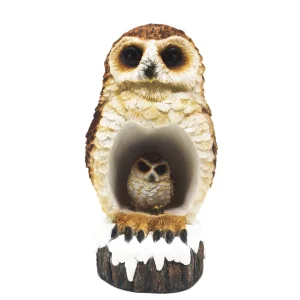
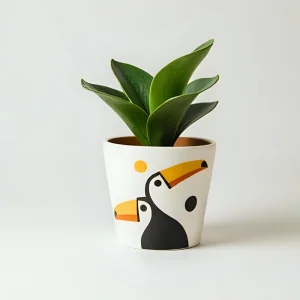
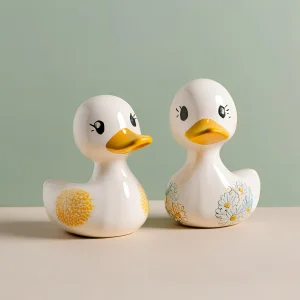
Explore our seasonal, animal-themed, and specialized glazed planter lines designed for global garden centers and gift retailers.