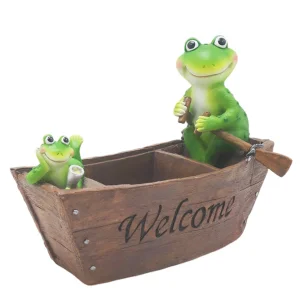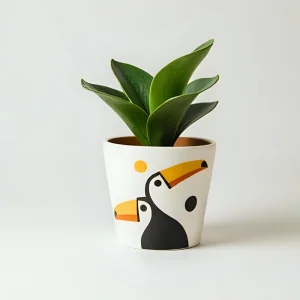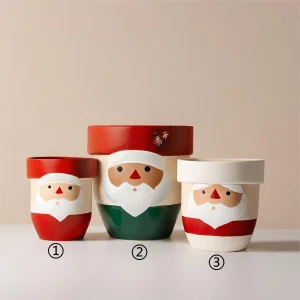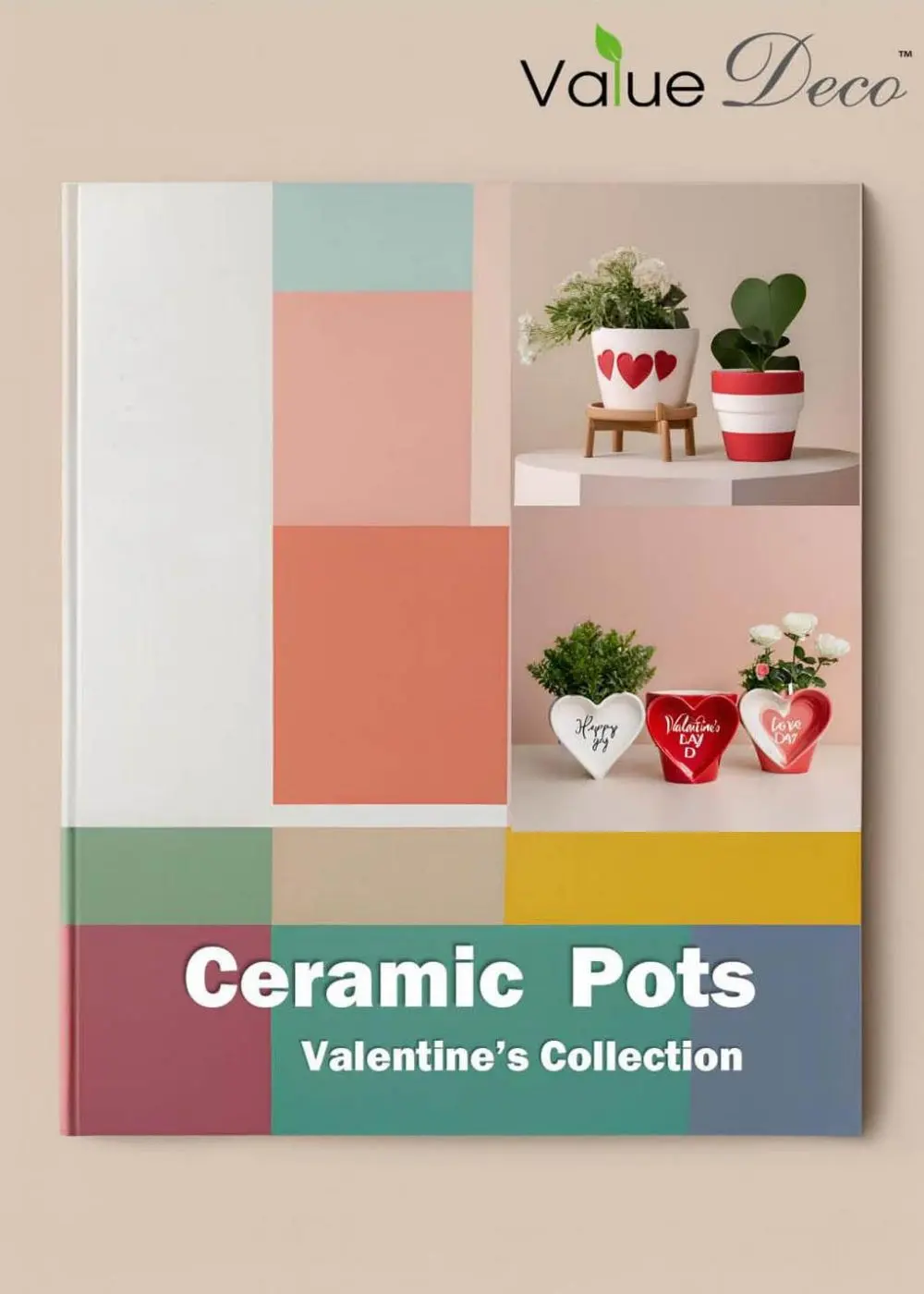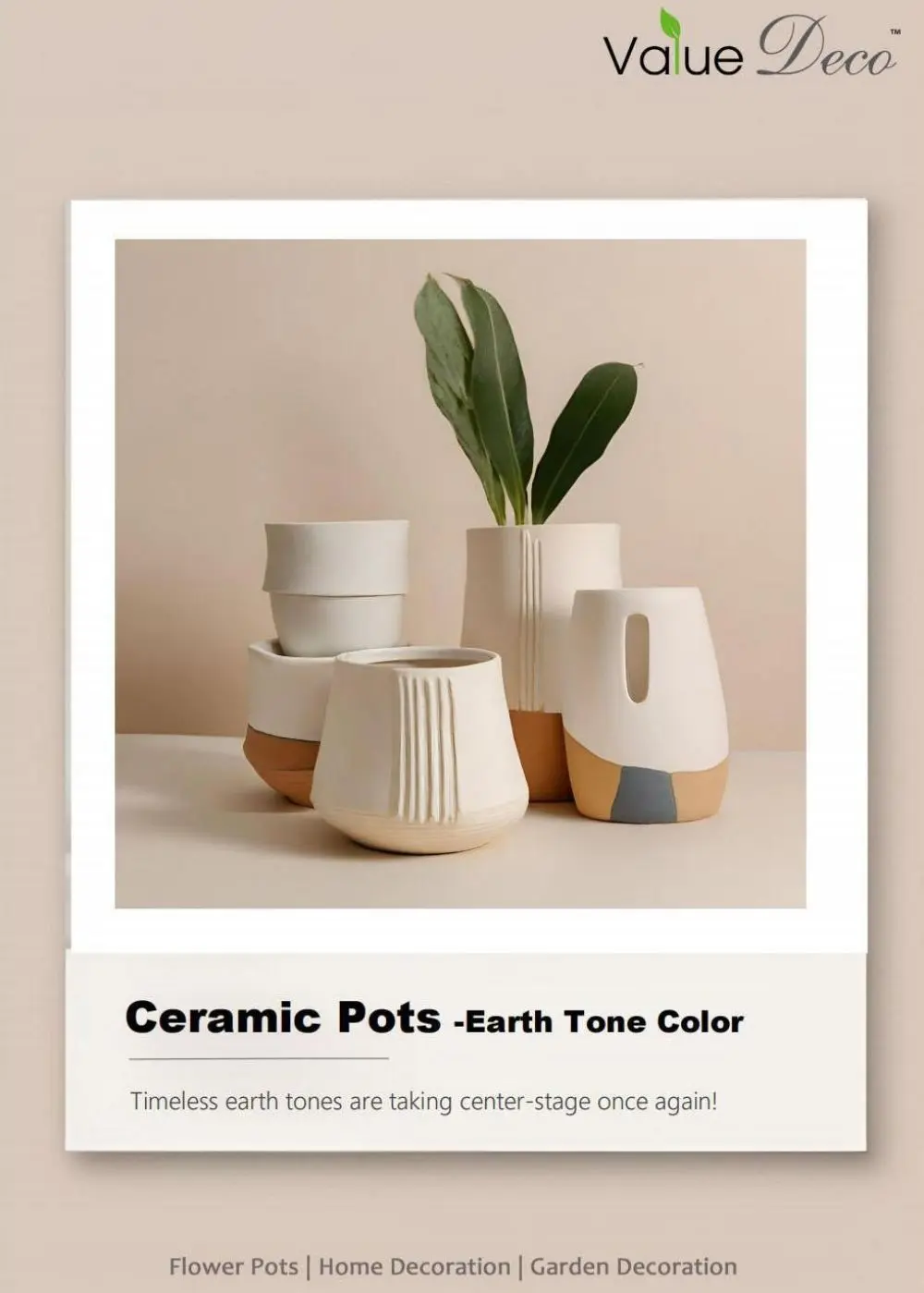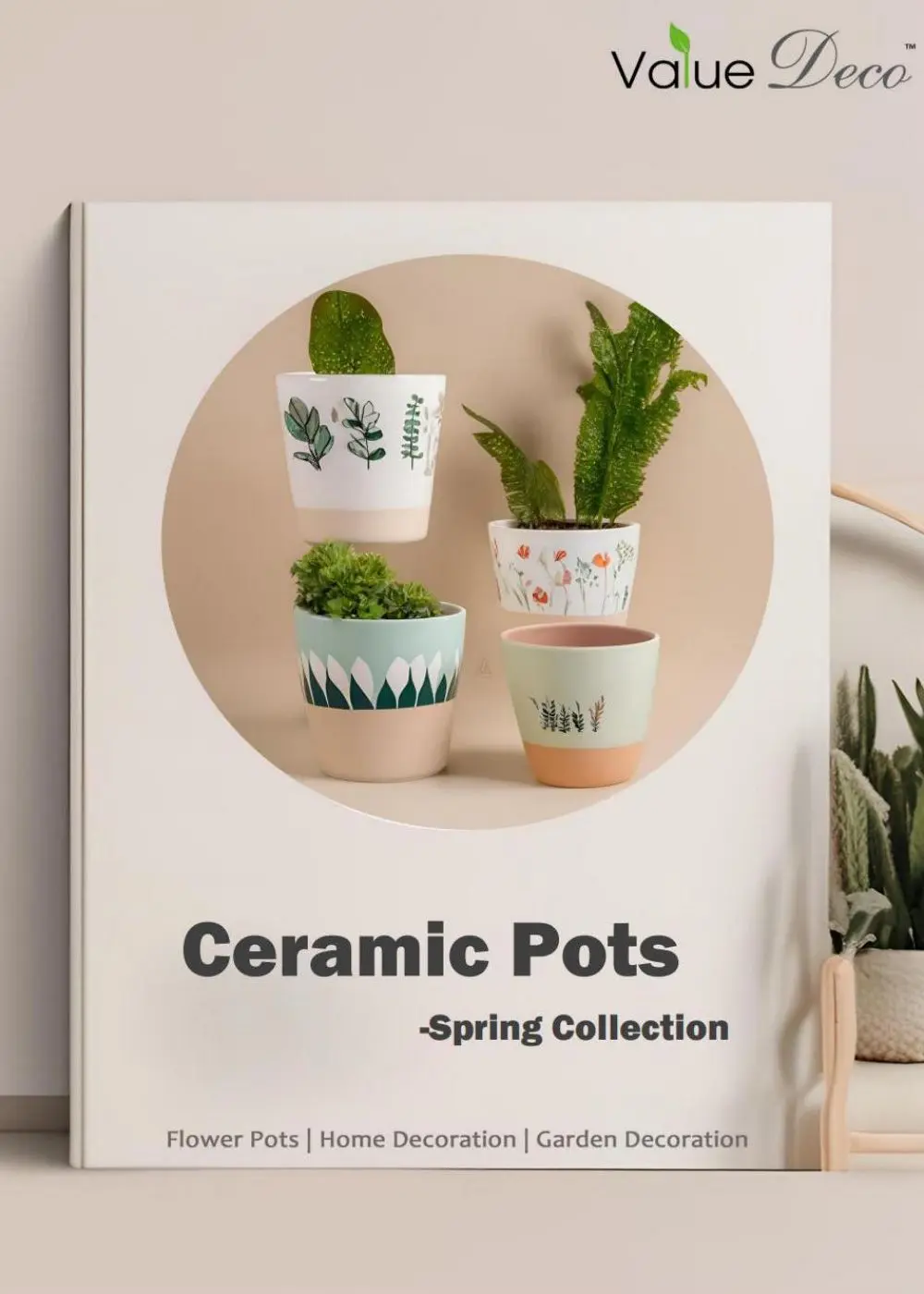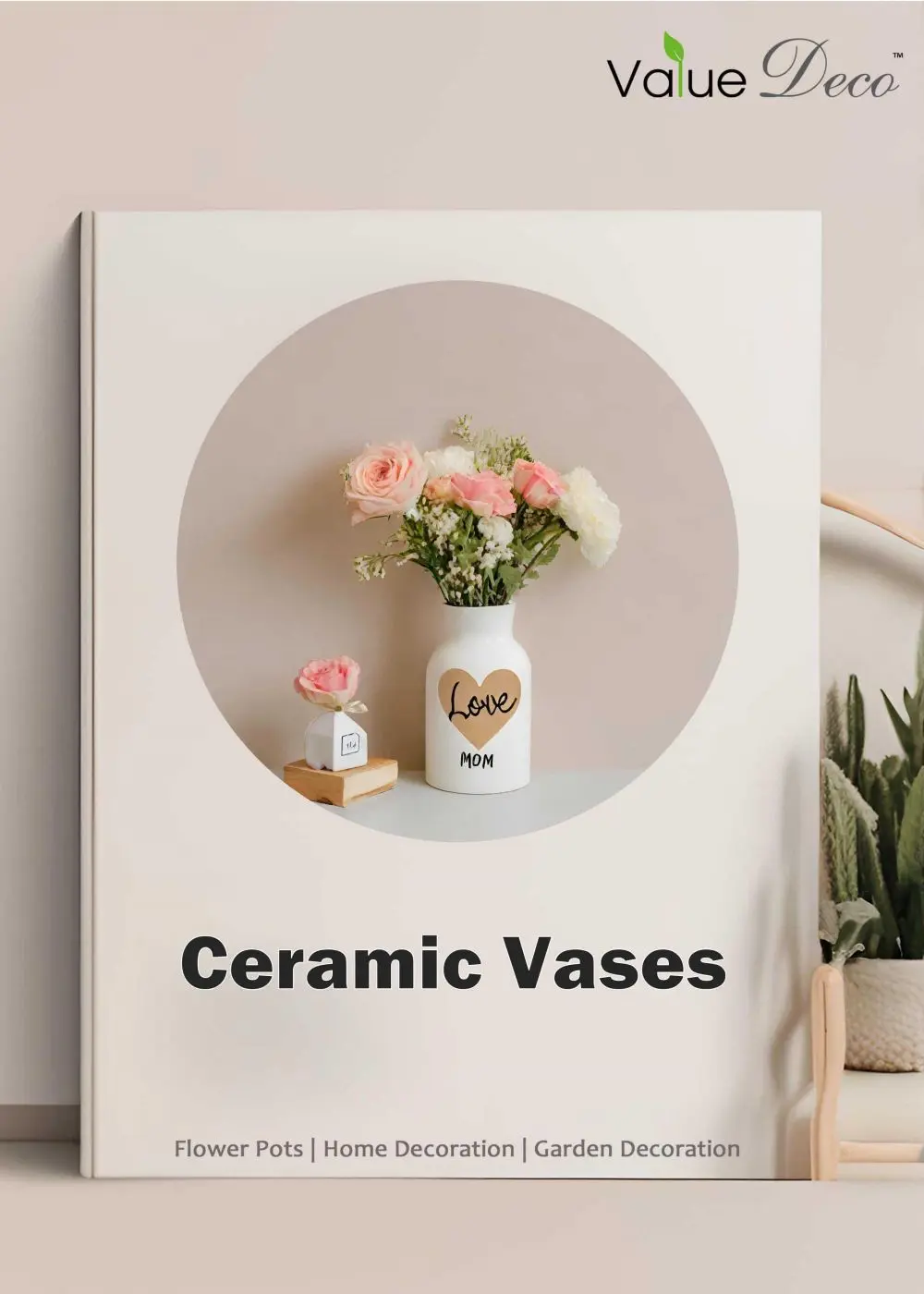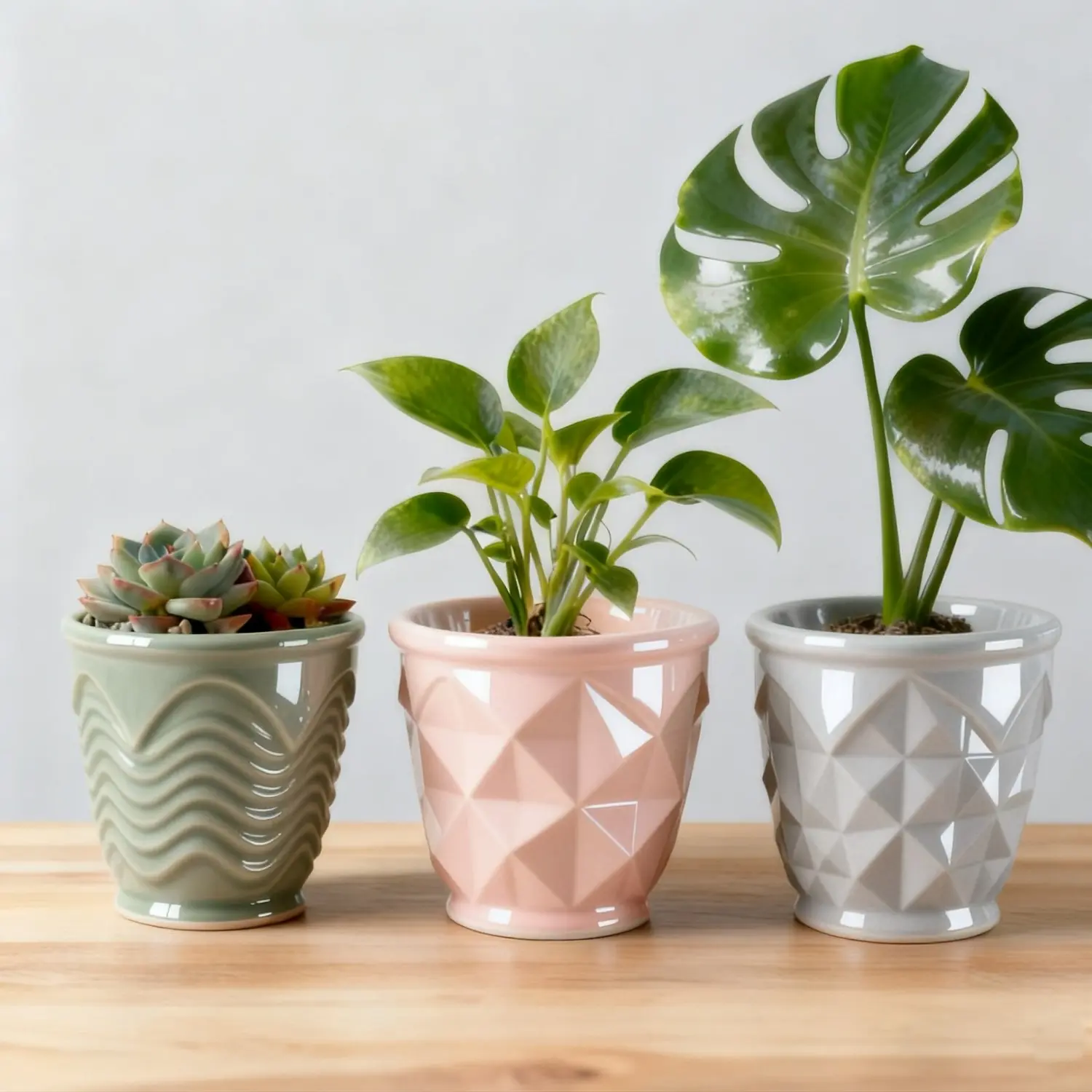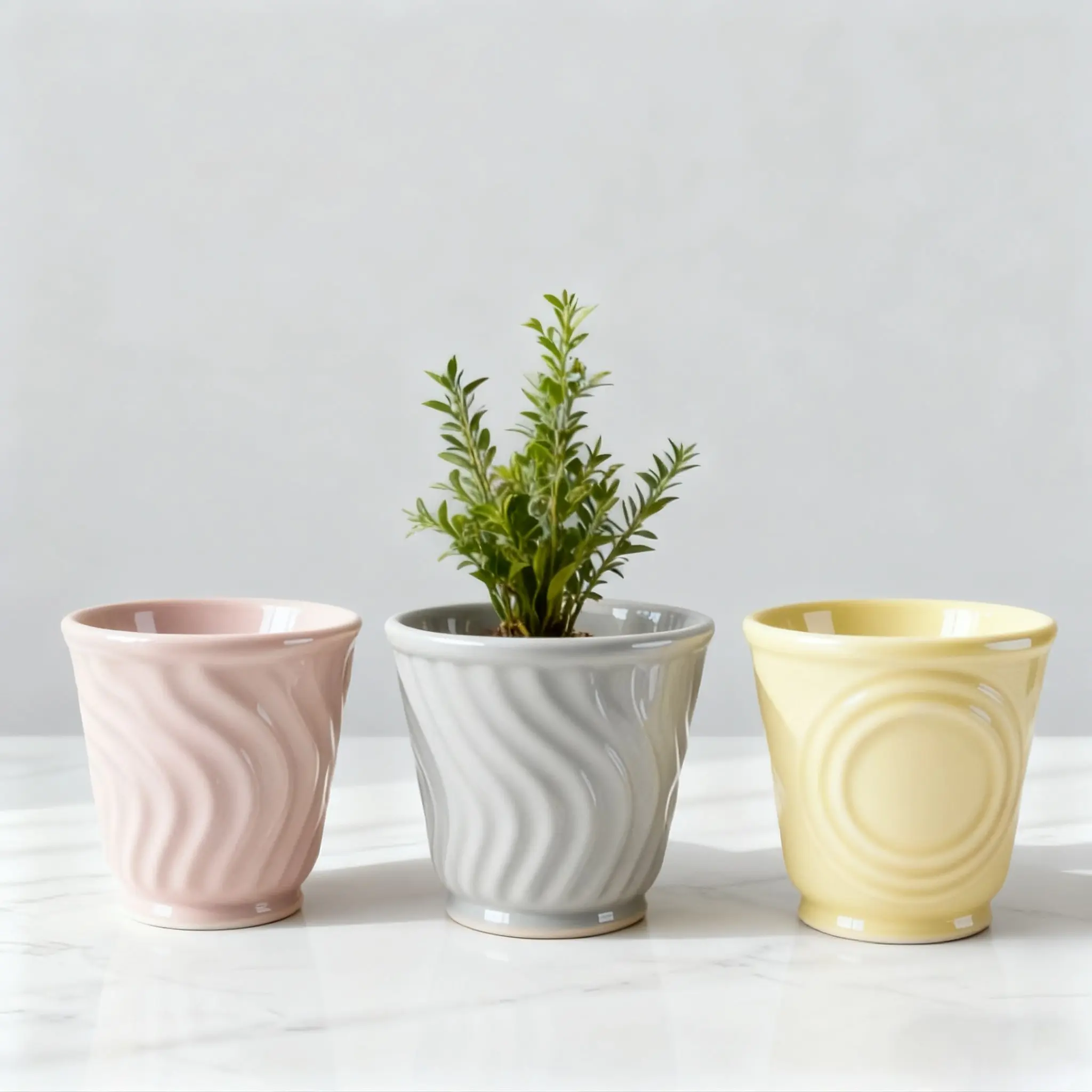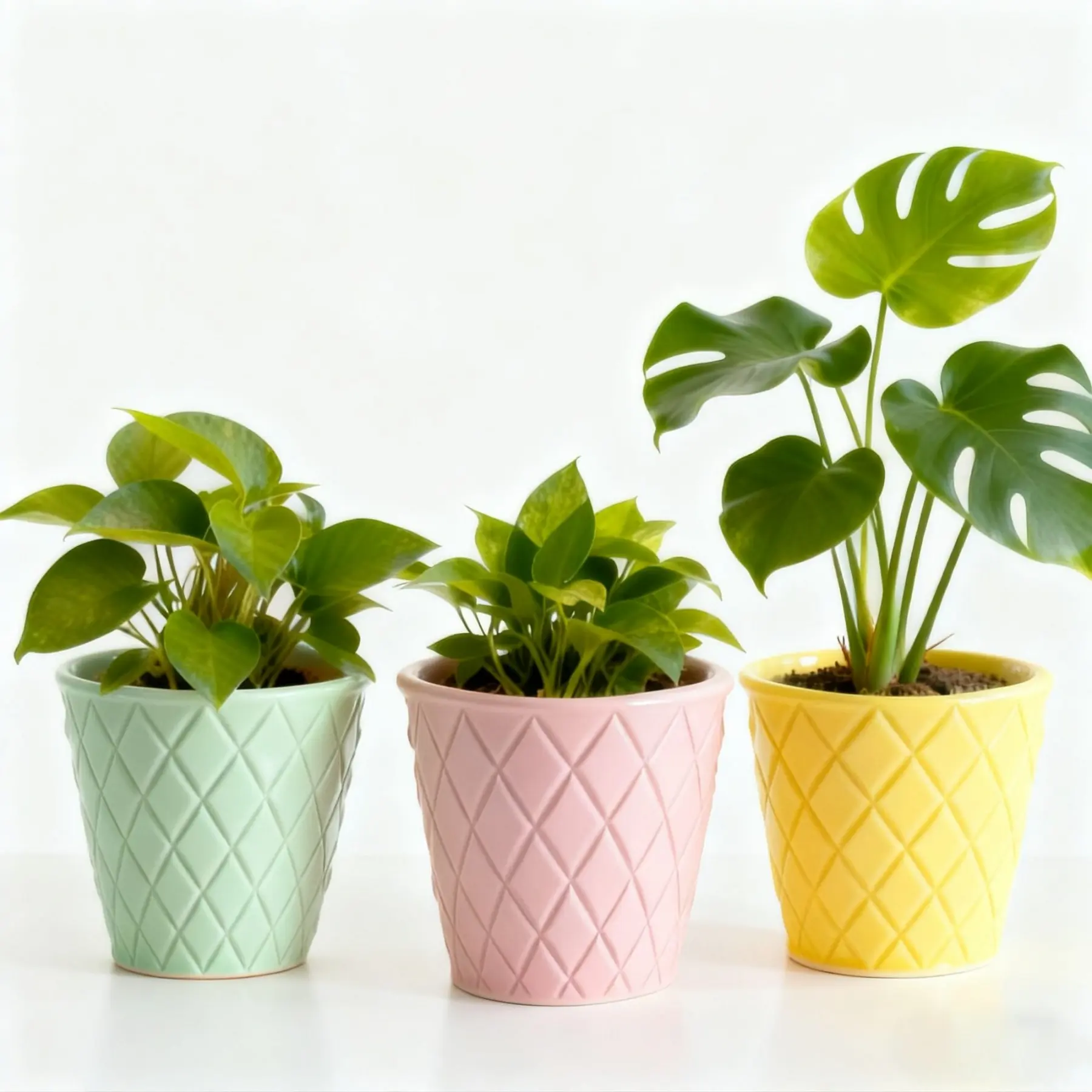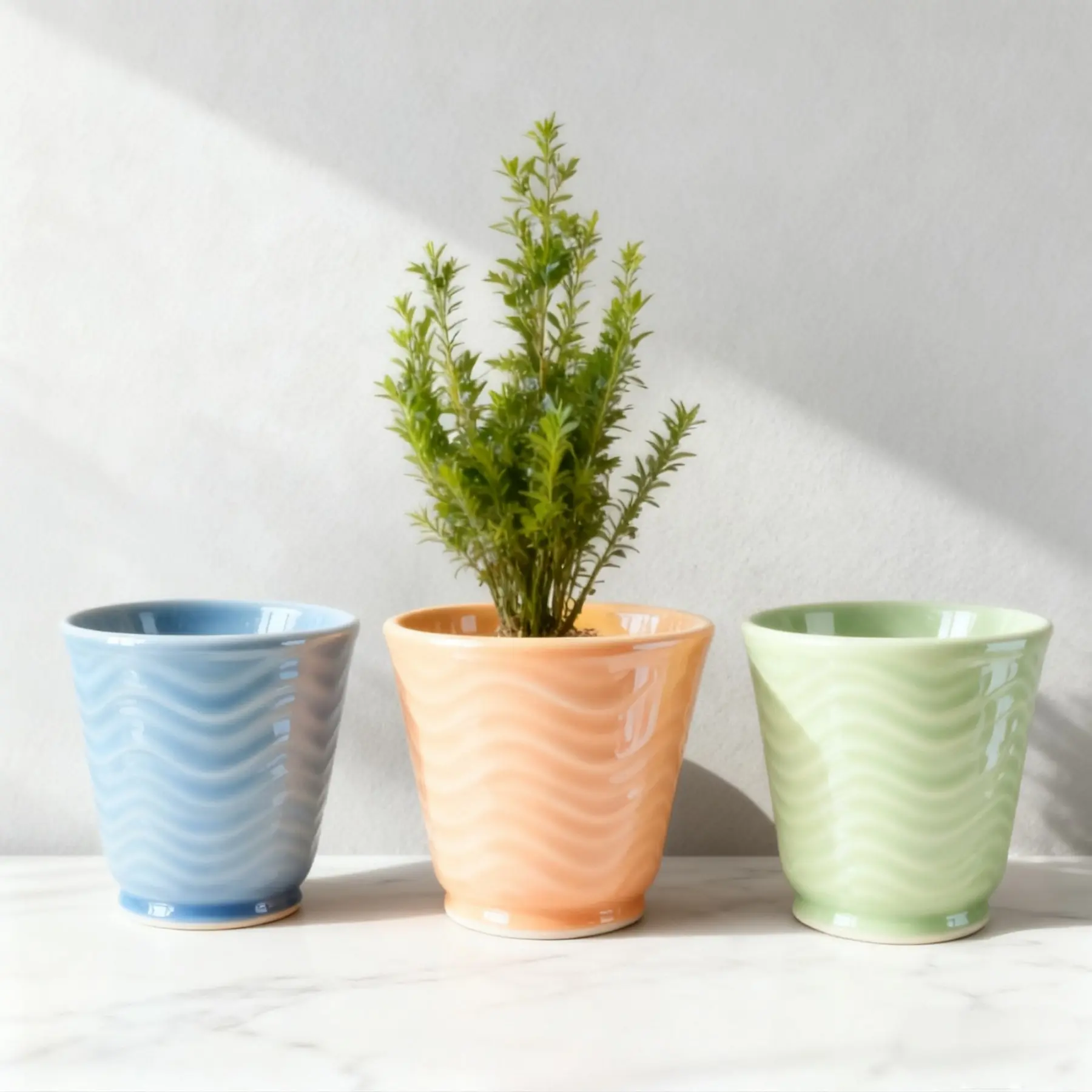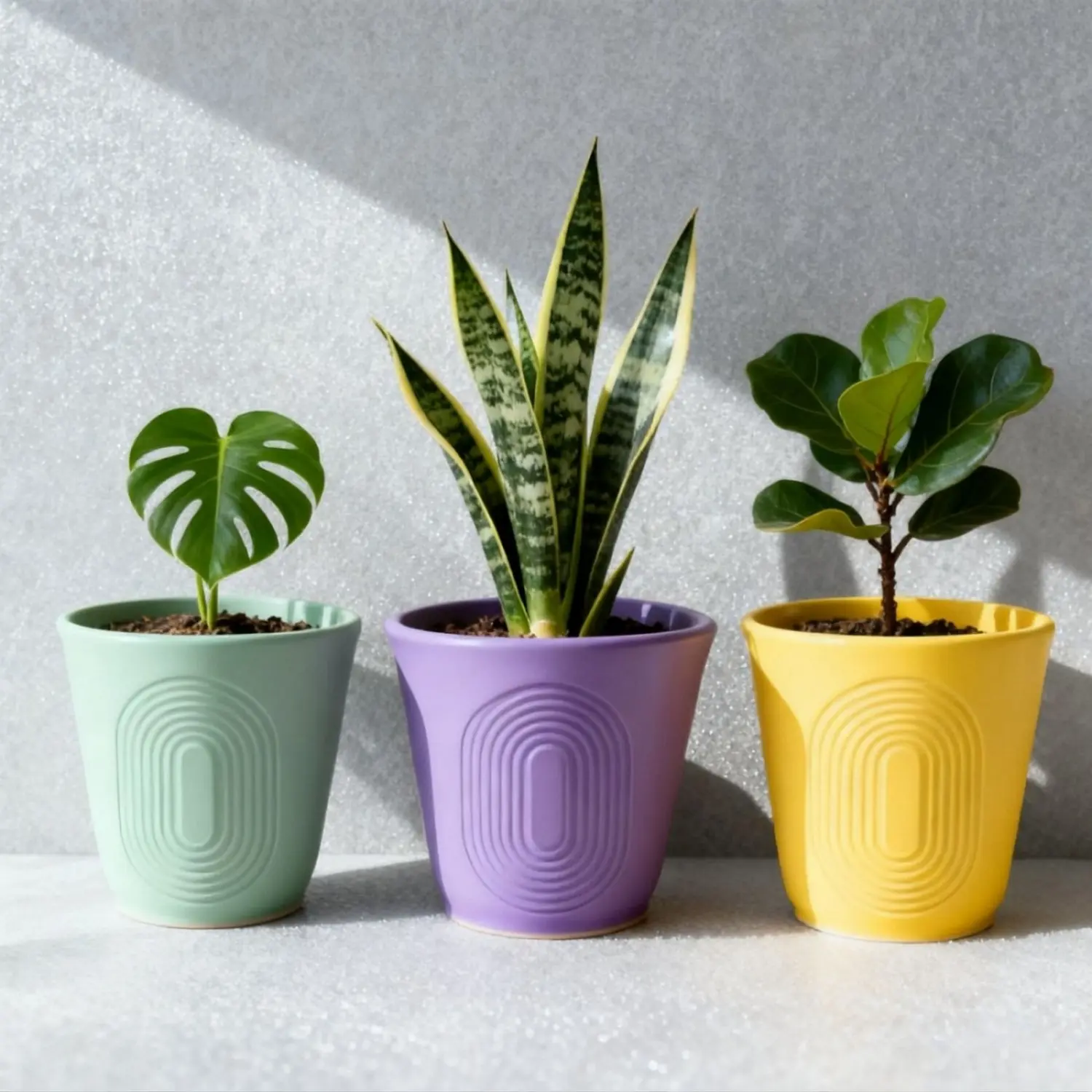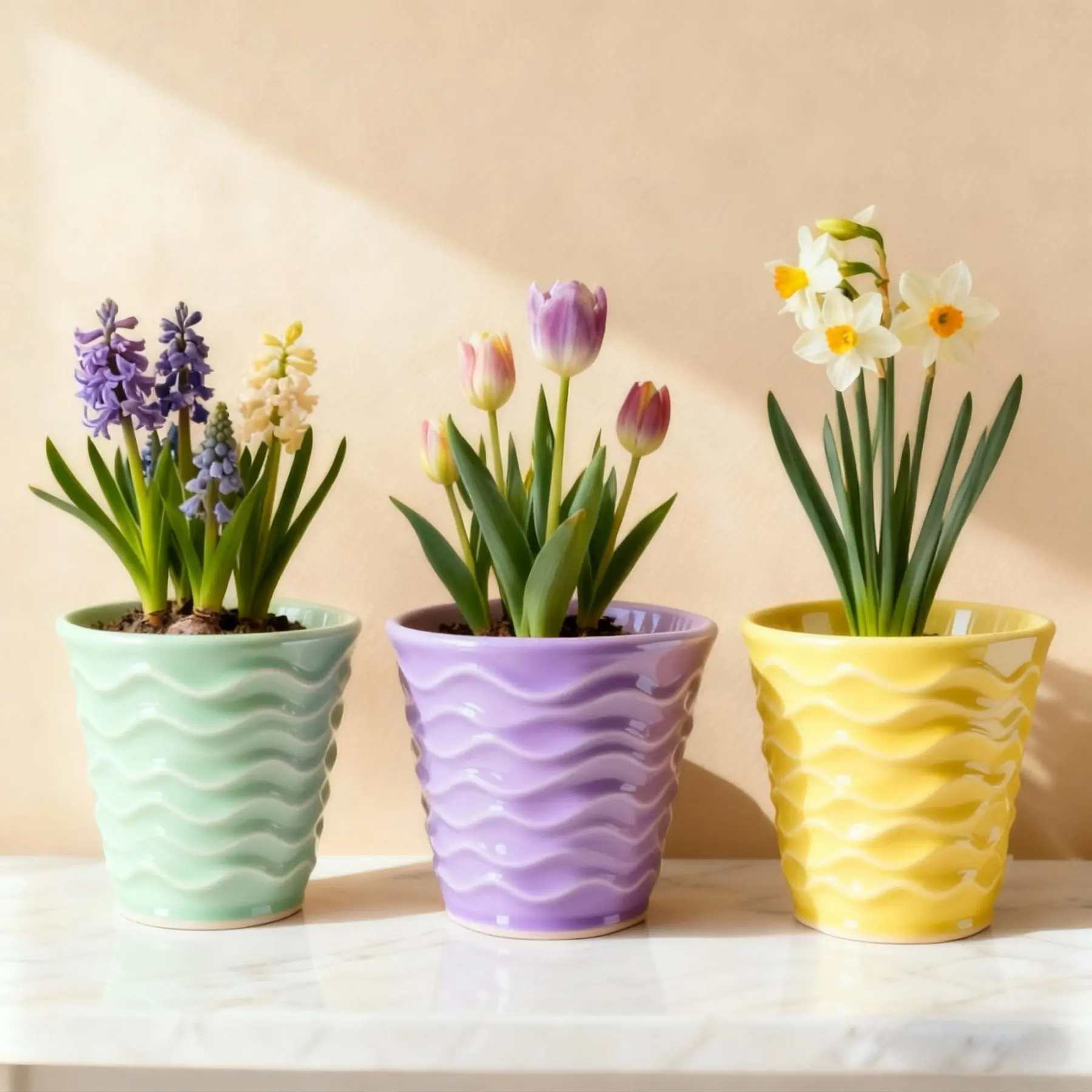
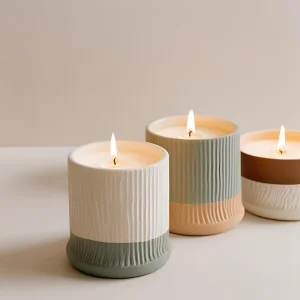
Explore our foundational range of high-durability decorative ceramic candle holders, planters, and seasonal tabletop designs built for global commercial imports.


Executive Summary: The shifting landscape of commercial interior design, driven by biophilic design paradigms and green building certifications (such as WELL and LEED), has triggered an unprecedented surge in global demand for industrial-grade, cost-effective indoor plant planters. This whitepaper analyzes manufacturing methodologies, materials technology, and sustainable supply-chain architecture required by large-scale enterprise buyers.
For volume purchasers—ranging from international home decor retail chains to corporate real estate developers and plantscape specialists—sourcing indoor planters involves complex multi-variable optimization. Crucial procurement dimensions include unit economics, physical durability, dimensional consistency, and aesthetic alignment with fast-changing consumer styles.
When evaluated under the Google Quality Rater guidelines for Expertise and Trustworthiness (E-E-A-T), commercial B2B procurement demands verified performance metadata. Factories must demonstrate stable material composition, thermal shock resistance (critical for climates with extreme winter shipping windows), and glaze non-toxicity. Enterprise procurement offices look past simple price-per-unit models to evaluate Total Cost of Ownership (TCO), integrating product failure rates, shipping volumetric efficiency, and structural breakage insurance into their operational formulas.
Modern manufacturing ecosystems must address carbon-neutral production pathways and resource stewardship. As environmental, social, and governance (ESG) mandates influence international procurement protocols, leading ceramic flower pot factories are transitioning to next-generation kiln technologies.
Value Deco Limited actively leads this shift by implementing manufacturing workflows designed to withstand strict EU carbon border adjustment taxes and North American eco-label audits. By standardizing clean manufacturing processes, high-volume production remains cost-effective without sacrificing compliance.
A leading manufacturer and supply chain partner specialized in high-performance ceramics, home decorations, and seasonal horticultural accents.
Value Deco Limited is a premier global supplier of high-quality ceramic pots and interior accessories based in China. With over 12 years of industry experience, we have cultivated a robust manufacturing network delivering Flower Pots, Vases, Candle Holders, and Dinnerware designed to target specific retail consumer trends. Our dual-division architecture provides dedicated, streamlined sourcing for specialized buyers.
Value Deco - Flower Pots Division: Sub-Website: www.valuedeco.com
Pride Deco - Home & Garden Décor Division: Sub-Website: www.pridedeco.com
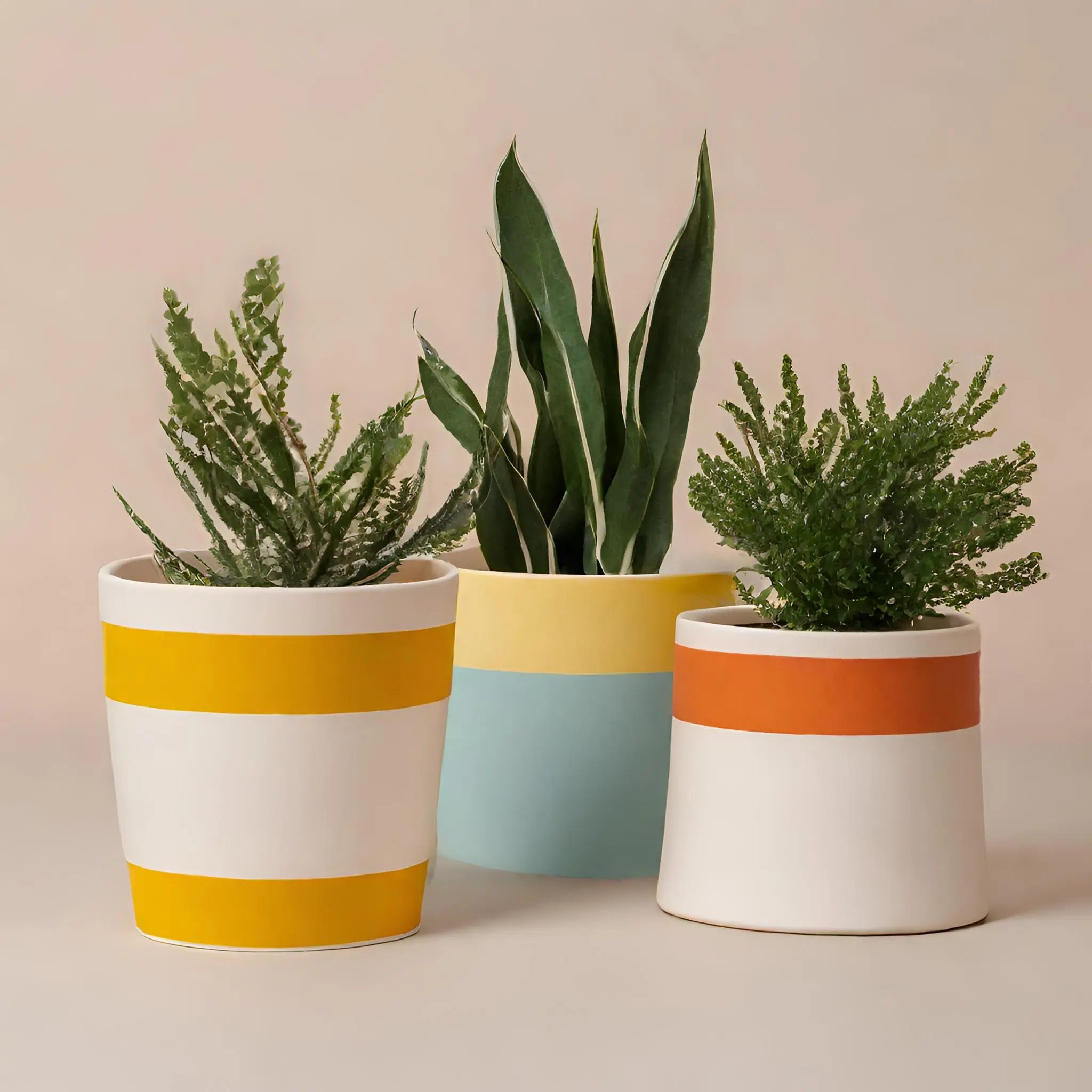
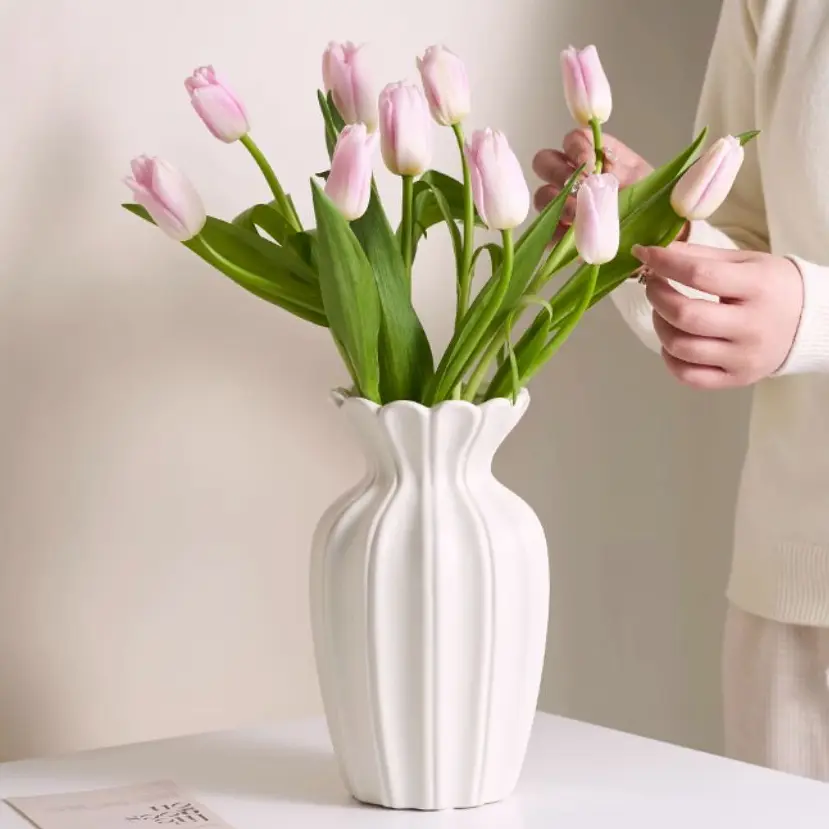


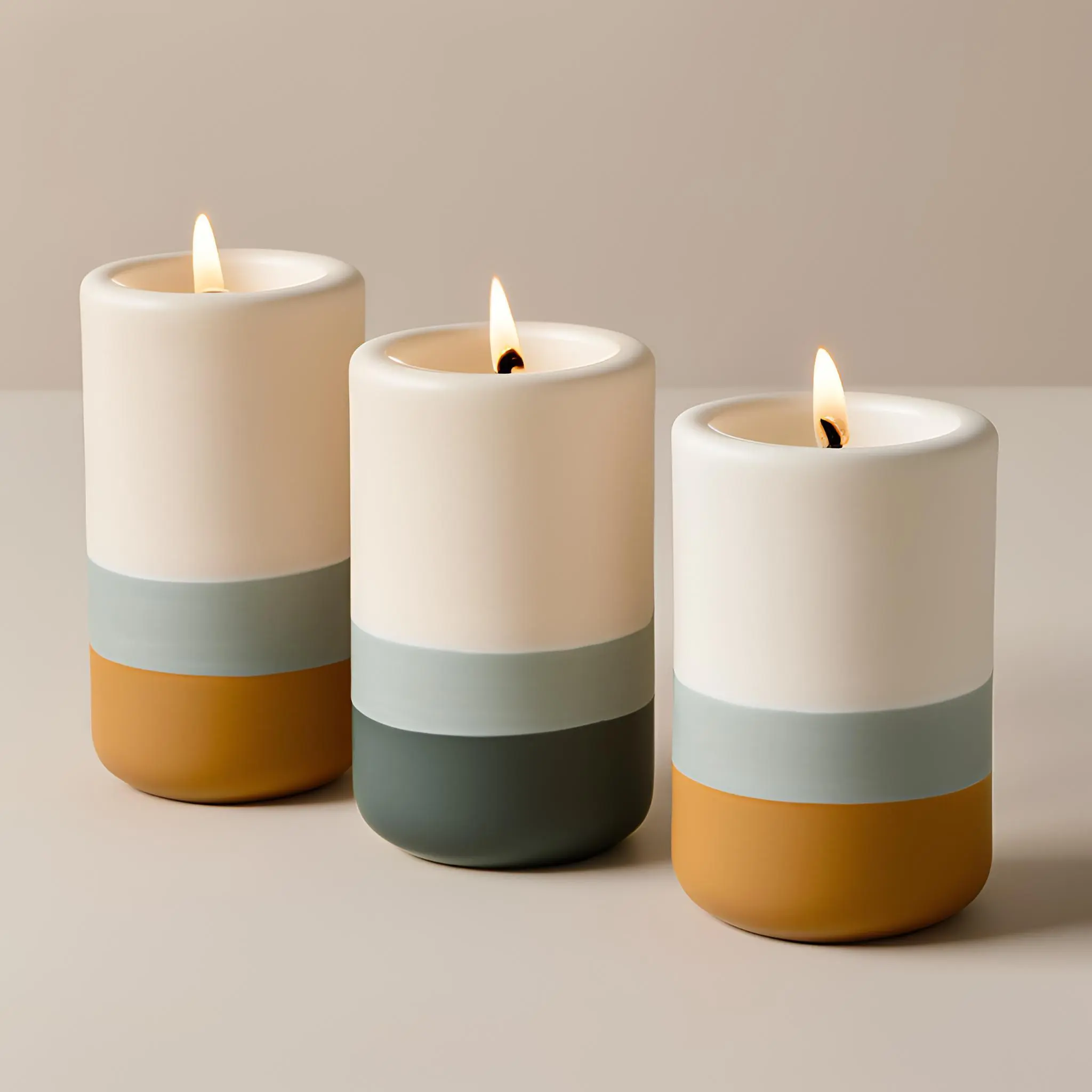

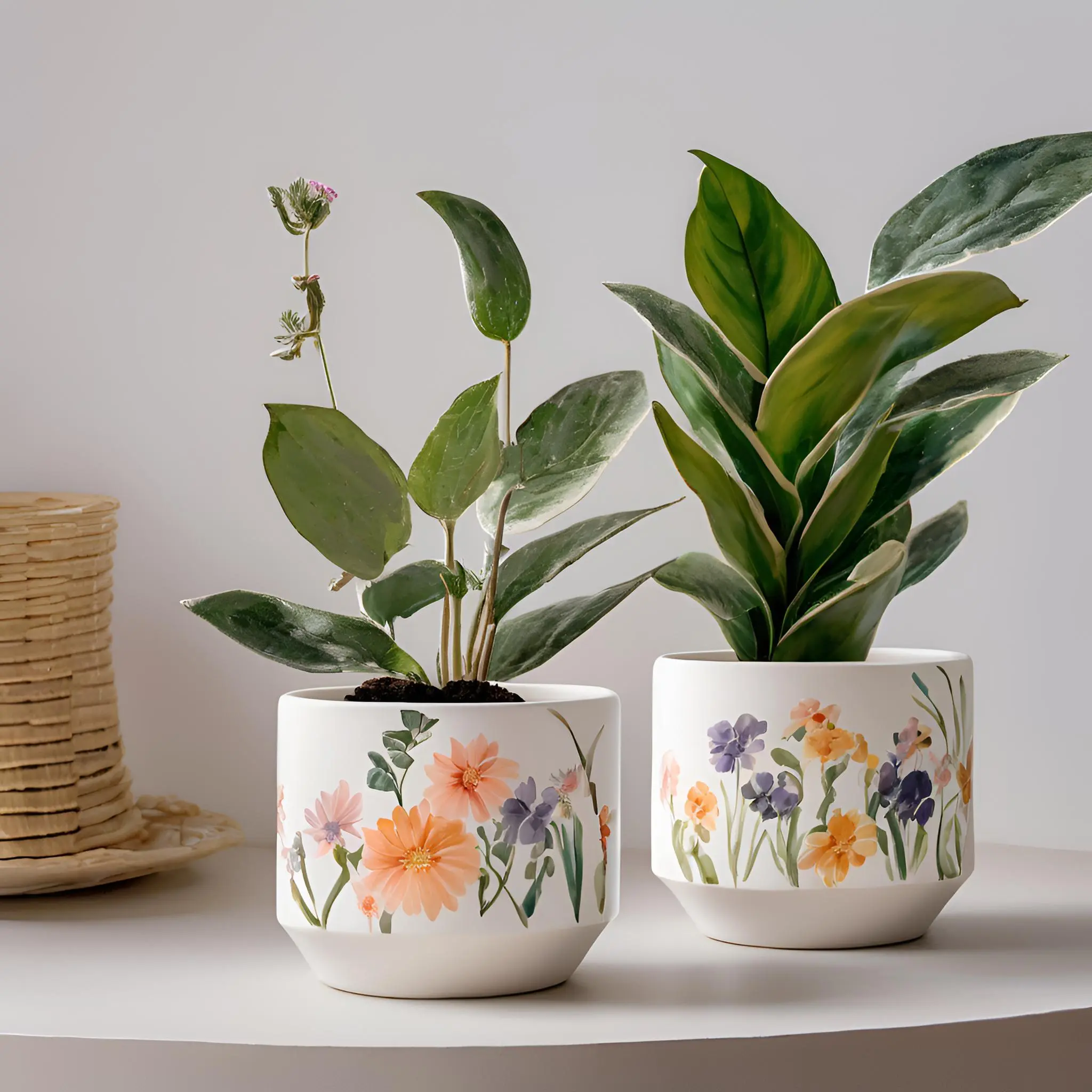
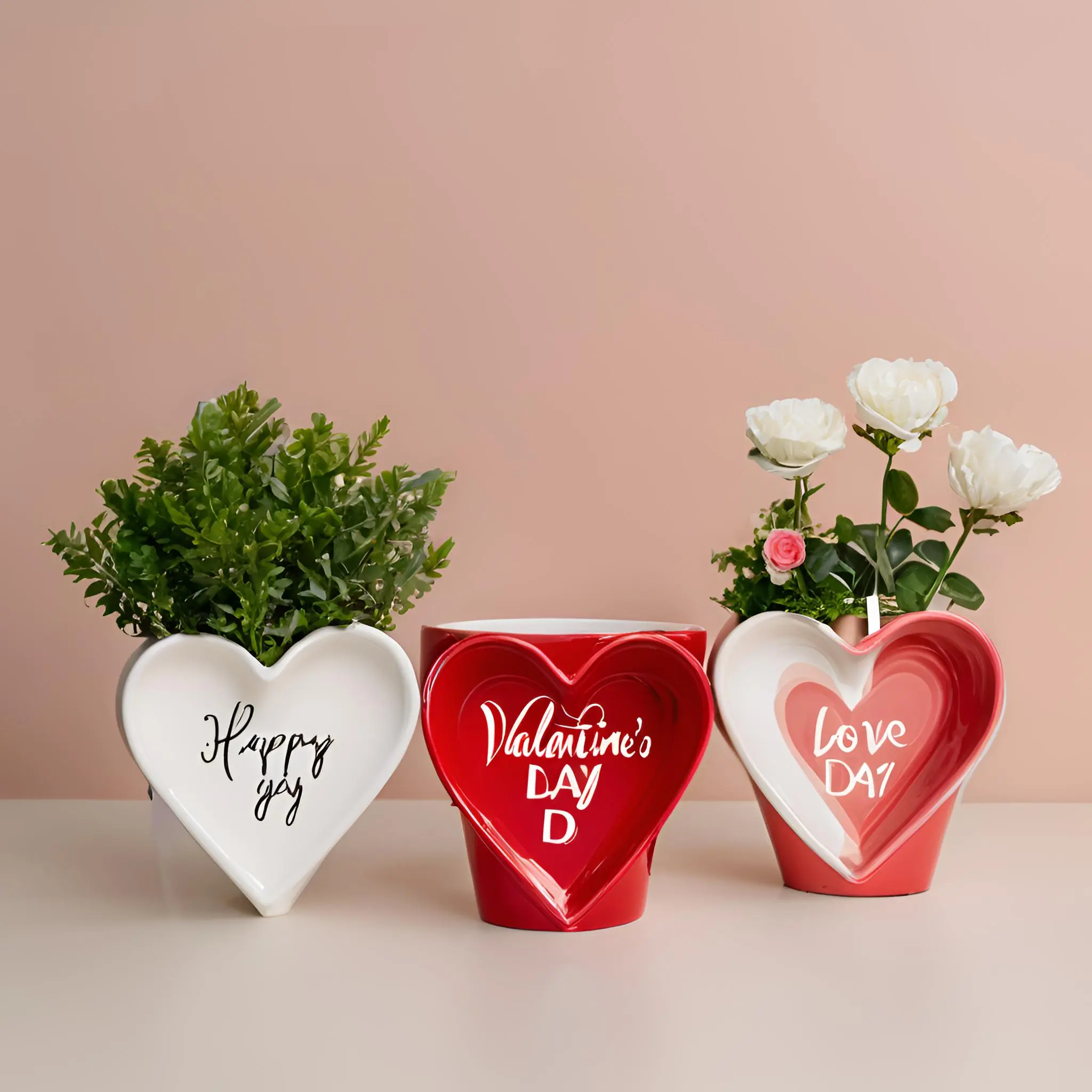
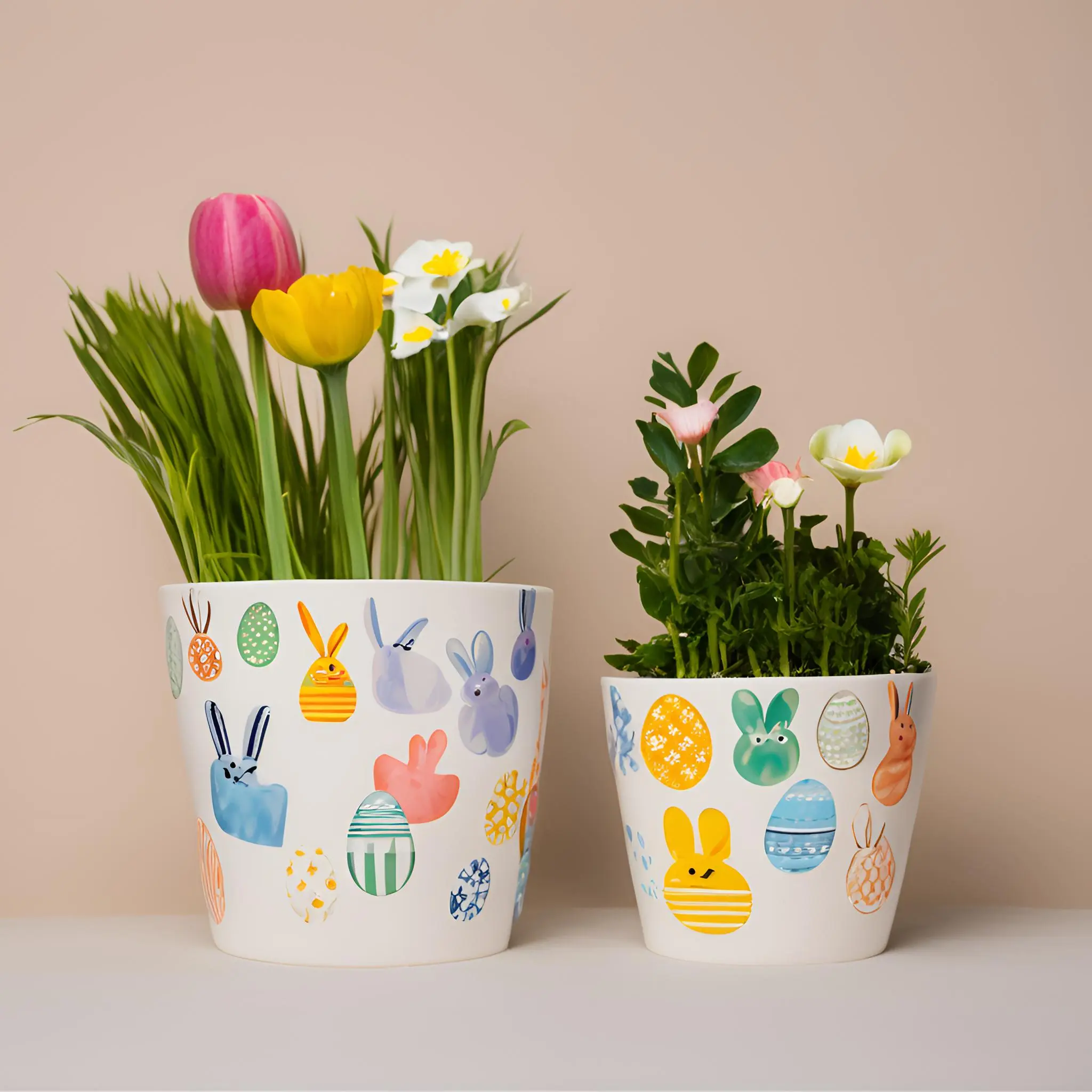
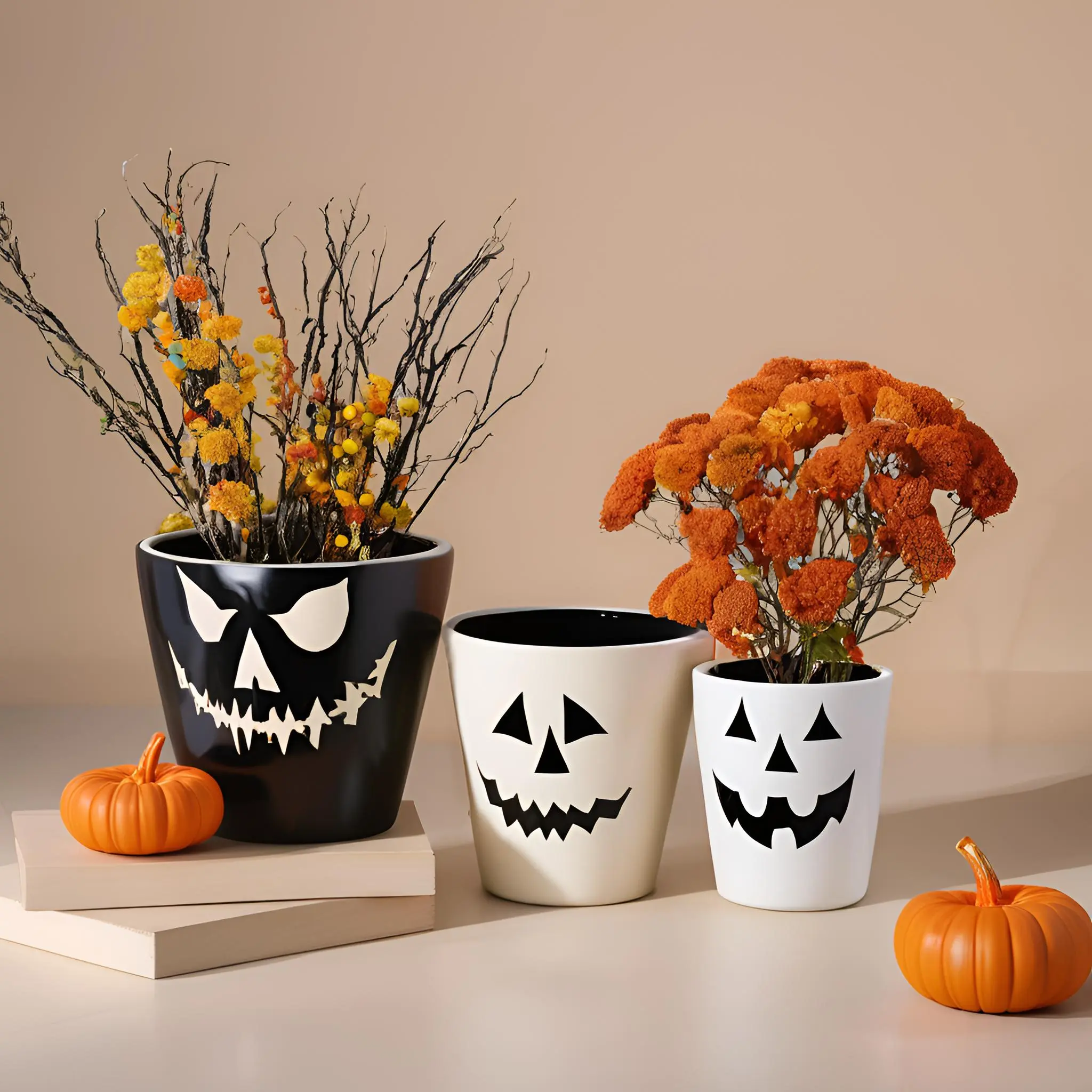
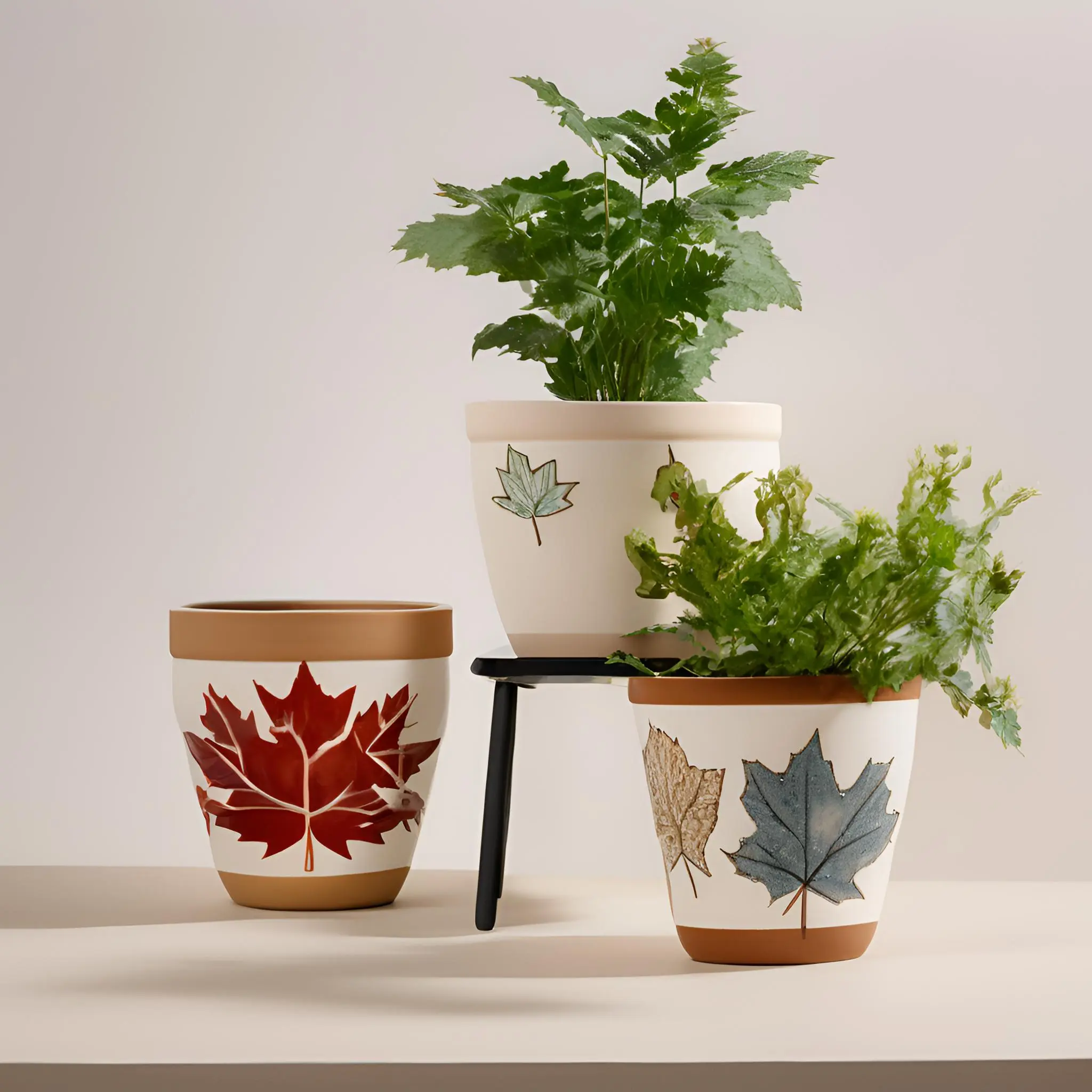
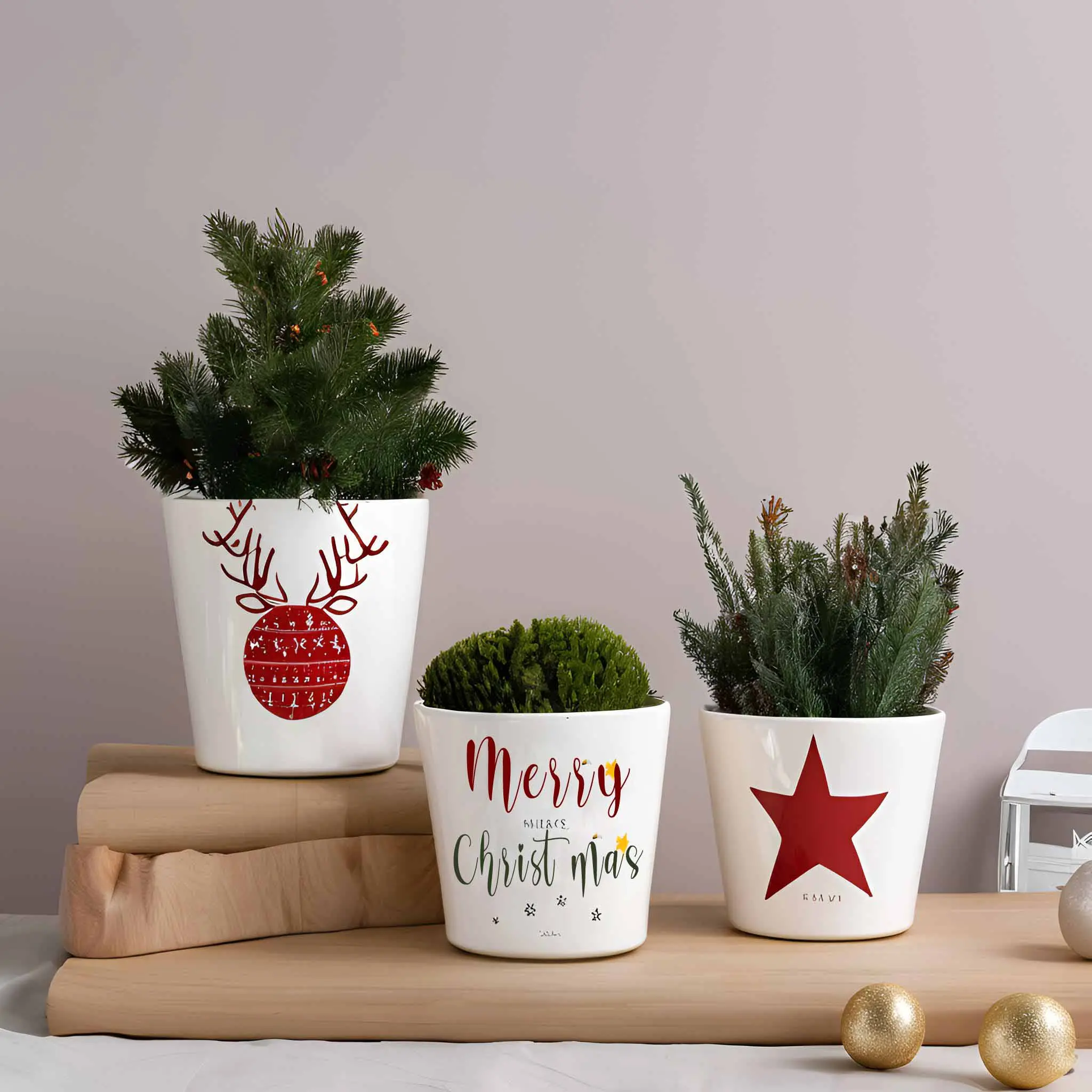
The future of plant pot manufacturing lies at the intersection of material science and automated form-factor control. Indoor plant pots are not merely aesthetic shells; they are biological containment systems that regulate oxygen transmission, soil hydration levels, and ambient temperature fluctuation.
Our factory engineering team focuses on three core technological frontiers to maintain competitive advantages:
Factory Innovation Note: Continuous monitoring systems track kiln firing cycles in real-time, matching moisture evaporation rates with optimized temperature steps to prevent warping in large-diameter models.
Understanding international logistics paths is crucial for optimization. Distributors in North America, Western Europe, and Japan navigate unique shipping, customs compliance, and port handling constraints. The physical dimensions and weight of ceramic plant containers make freight space utilization a primary cost driver.
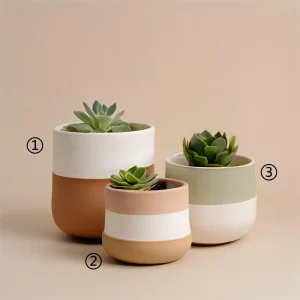
To address this, our design teams employ nested packaging systems during the R&D phase. Planters are designed to nest inside larger models, increasing carton densities and reducing total shipping volumes by 35% on average. This nesting optimization directly translates into container utilization savings for high-volume B2B customers.
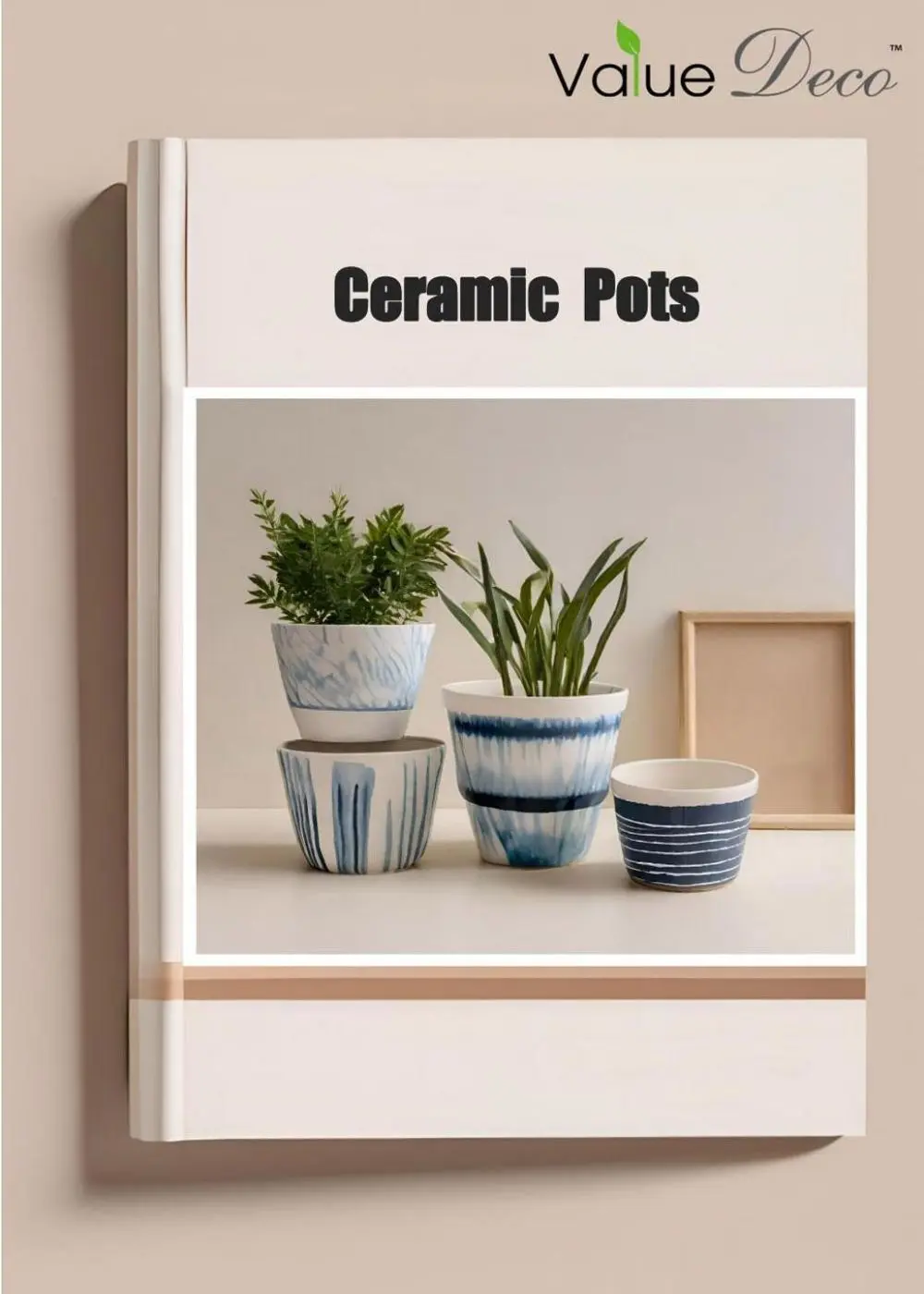
Direct download-ready product portfolios capturing specialized collections from glazed minimalism to textured natural finishes.
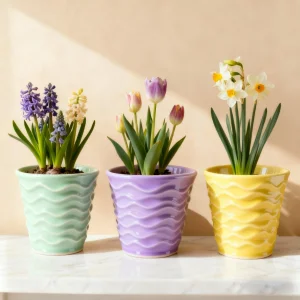
Freshly extruded and glazed textures developed by our in-house B2B product development team.
Selling products in international markets requires complying with strict local safety and supply chain transparency standards. B2B importers must verify that products pass targeted laboratory examinations to prevent costly product recalls.
Our factories comply with global verification protocols:
Compliance Insight: By working with certified material formulations, we ensure all components meet the chemical and environmental criteria of European REACH regulations.
Explore our secondary collection of resin accents, minimalist vases, garden ornaments, and contemporary ceramic pots designed for retail environments.