High-durability stoneware, glazed earthenware, and specialty seasonal items designed for global distribution and B2B sourcing.
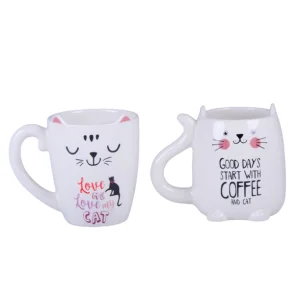
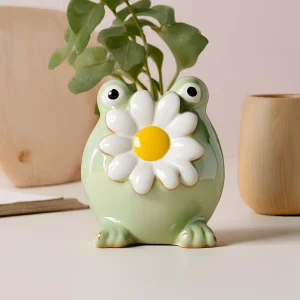
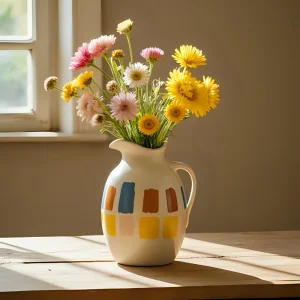
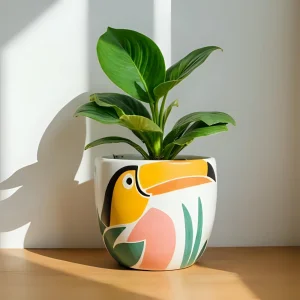

The global coffee culture has transitioned from a daily caffeine routine into an elevated culinary art. Among this shifting paradigm, the role of specialized dinnerware—specifically espresso cups—has gained substantial traction. In the commercial B2B landscape, an espresso cup is not merely a vessel; it is a critical instrument of thermal dynamics, crema retention, and tactile brand communication. For coffee chains, boutique roasteries, and hospitality giants, sourcing premium yet cost-effective products from a verified cheap espresso cups factory is the cornerstone of scaling operations without eroding margins.
Material science dictates the sensory perception of an espresso. Professional baristas and coffee shop developers look for specific attributes when identifying manufacturing partners. Earthenware, stoneware, and high-fired porcelain each offer different thermal profiles. High-fired porcelain, for instance, fired at temperatures exceeding 1300°C, offers unmatched density, preventing heat dissipation. At the same time, specialized factories leverage regional clay advantages to design thick-walled, egg-shaped bases that preserve the structure of the crema—the golden-brown emulsion of oils that carries the espresso's aroma.
Information Gain: Commercial buyer preferences have pivoted toward thick-walled, round-bottomed vessels. This specific curvature prevents the espresso shot from breaking apart during extraction, enhancing the tactile mouthfeel of the coffee and ensuring a consistent taste profile.
Enterprise-level procurement officers face a multi-faceted matrix of challenges when importing bulk coffee dinnerware. Chief among these is maintaining high durability and chip-resistance while sourcing at a competitive unit cost. In high-traffic commercial environments, coffee cups undergo rigorous thermal shock—rapidly shifting from cold dishwashing cycles to hot espresso extraction. If a factory lacks modern production control, issues such as micro-cracking, crazing (crackling of the glaze), and fading of custom logos will emerge within weeks.
Furthermore, food safety compliance is non-negotiable. Leading importing countries enforce strict limits on lead and cadmium release from ceramic dinnerware. Prominent manufacturing complexes in China have adapted to this by using advanced lead-free glazes and third-party laboratory verification (such as SGS, FDA, and LFGB certifications). A reliable cheap espresso cups factory must provide transparent documentation verifying that its raw materials and glazes comply with global food contact regulations.
The competitive advantage of China's ceramic manufacturing sector lies in the integration of industrial automation and local raw material abundance. Known as Factory 4.0, these modern production facilities have transcended manual molding techniques. Automated dry pressing machines, robotic glaze sprayers, and computerized tunnel kilns ensure high dimensional accuracy across thousands of production runs.
This high-tech infrastructure allows factories to keep unit costs low without sacrificing performance. Automated sorting systems detect micro-structural faults before packaging, minimizing the waste that traditionally raised overall unit prices. By centralizing raw clay processing, glaze synthesis, and packaging operations, Chinese suppliers offer a streamlined supply chain that buffers against fluctuating material prices and logistics challenges.
When selecting a long-term ceramic manufacturer, B2B procurement managers rely on established indicators of expertise and transparency. Highly authoritative suppliers display clear manufacturing processes, verify their ISO certifications, and showcase past OEM projects. This transparency is crucial for ensuring the reliability of high-volume imports.
A high-standard manufacturing process involves five main phases:
Established 2012 | Exporting Worldwide
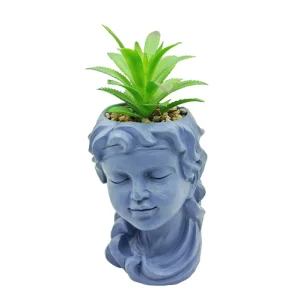
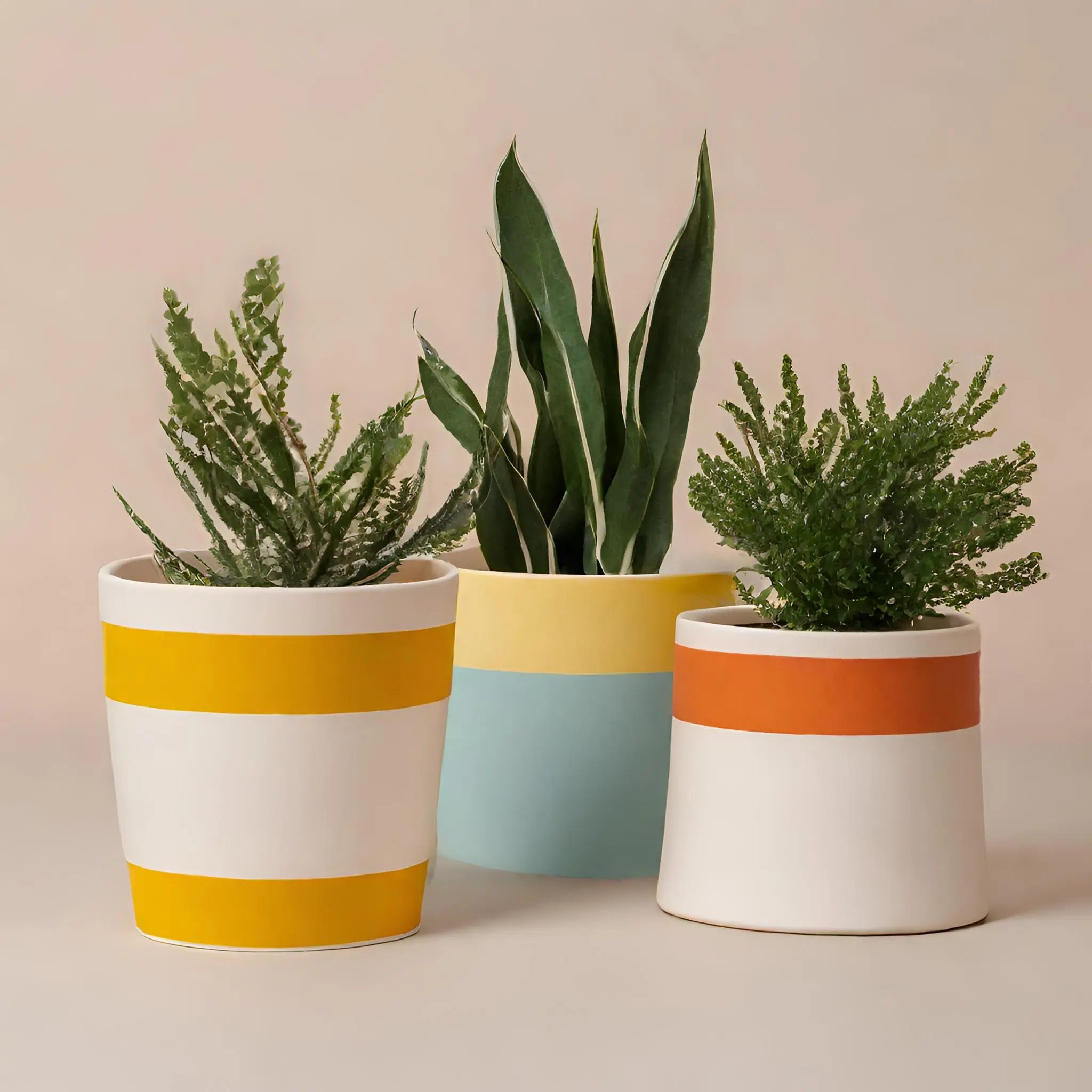
Value Deco Limited is a leading supplier of high-quality ceramic dinnerware and decorative pots based in China. With over 12 years of experience in the decoration and tableware industry, we have built a reputation for offering a diverse range of Flower Pots, Vases, Candle Holders, Dinnerware, and Garden Decors.
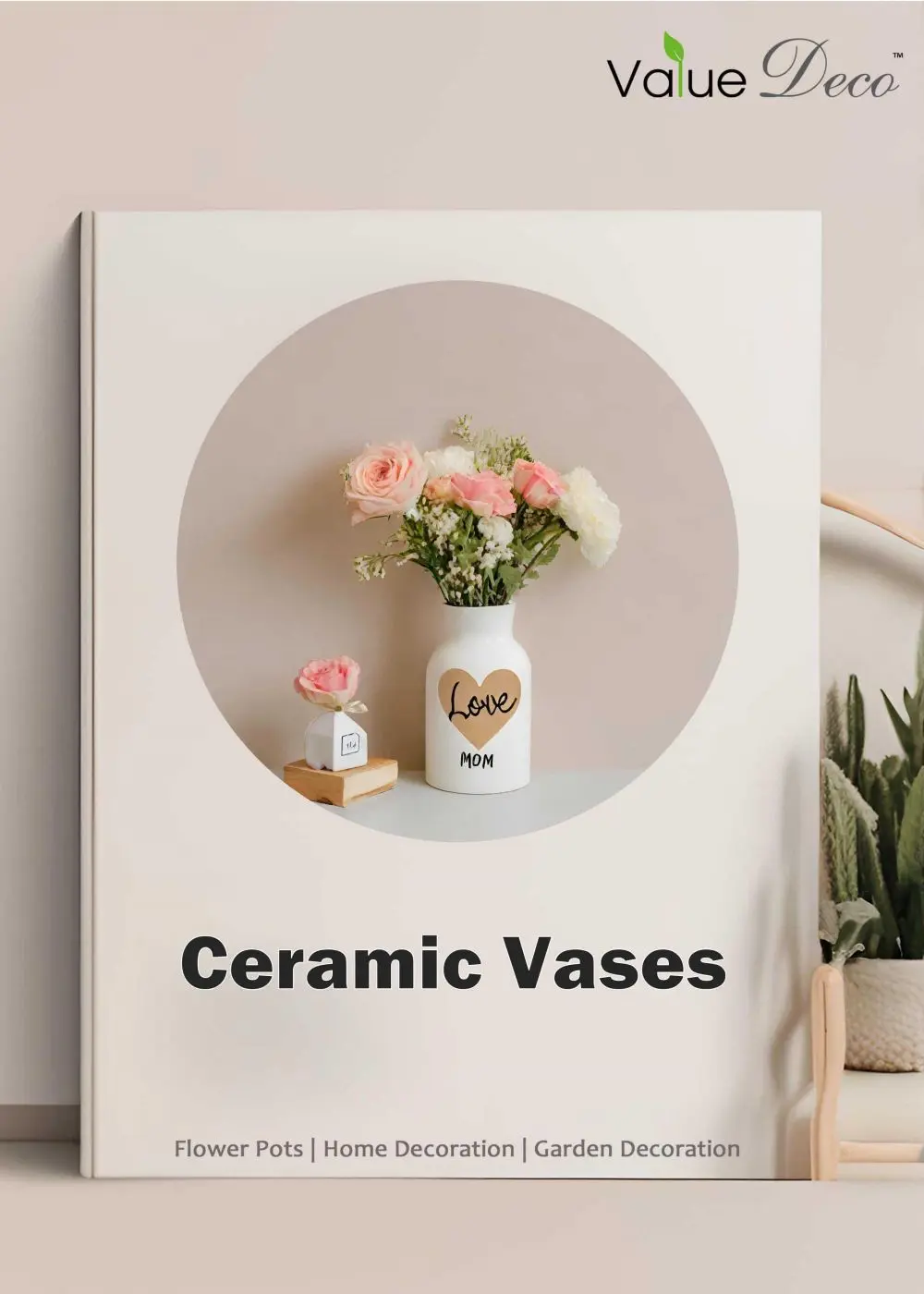
Our products are designed to meet current design trends, ensuring they are functional while elevating the aesthetic appeal of any commercial or residential space. Our specialized divisions are structured to streamline sourcing:
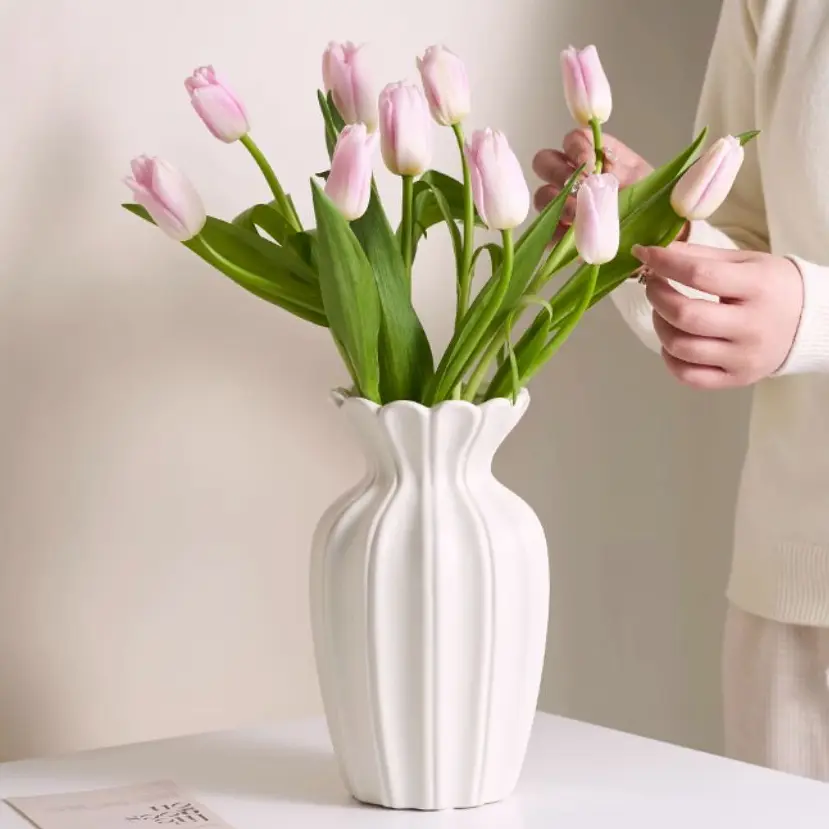
From fine porcelain espresso sets to handcrafted earthenware, we supply multi-use solutions tailored to global retail requirements.
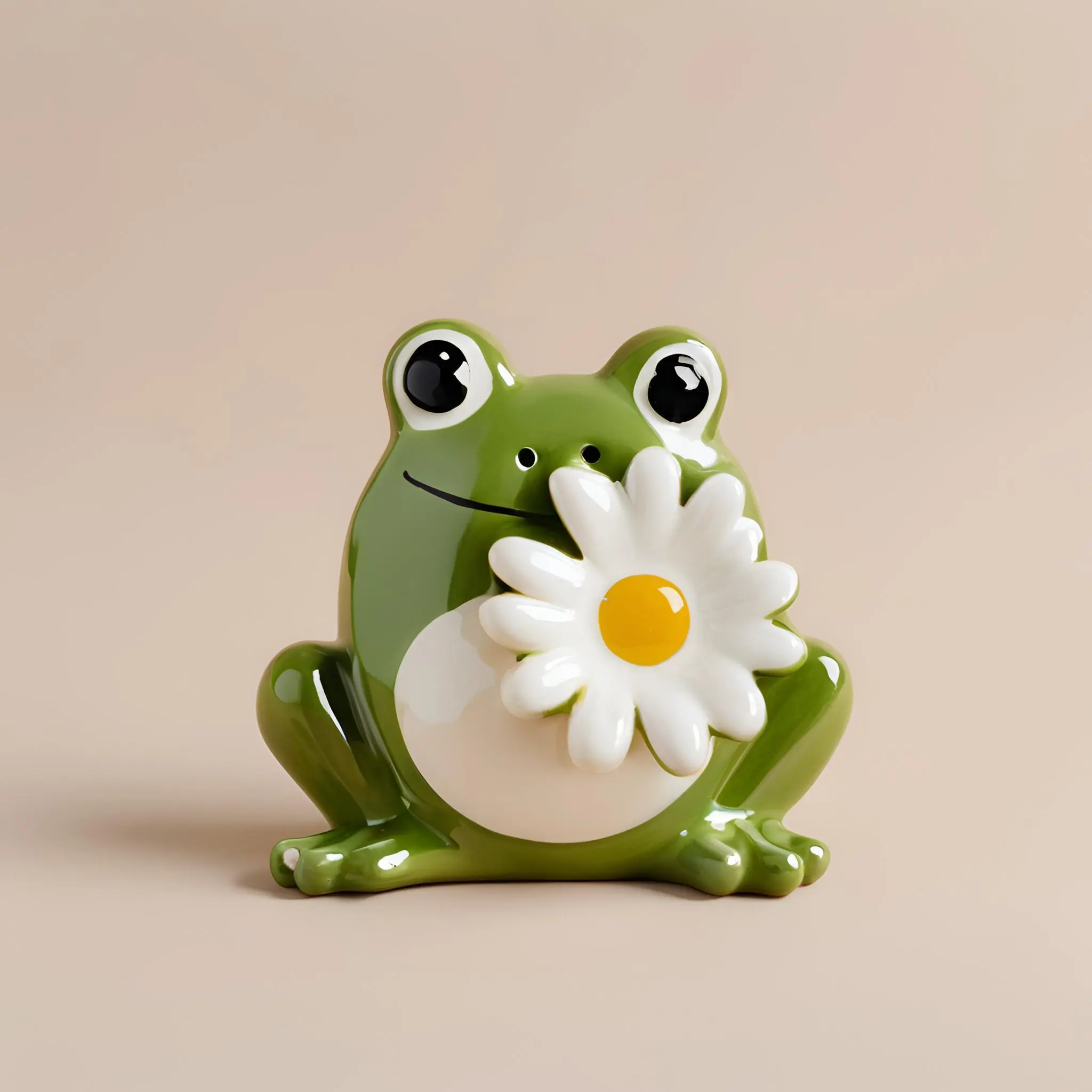

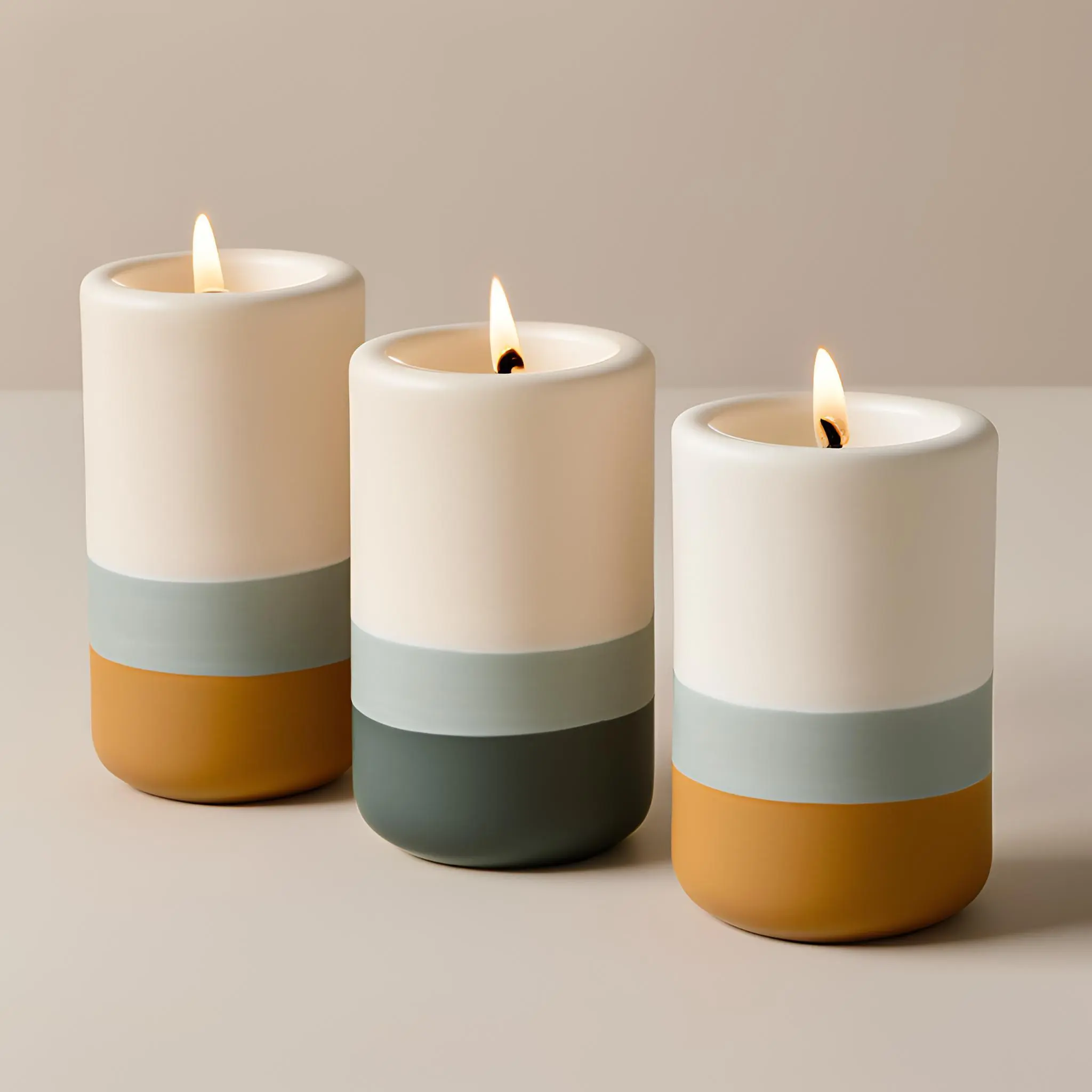

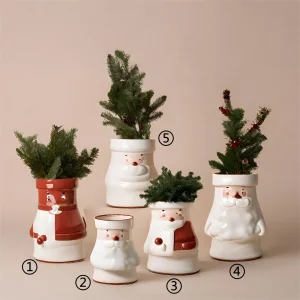
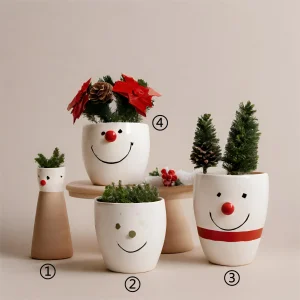
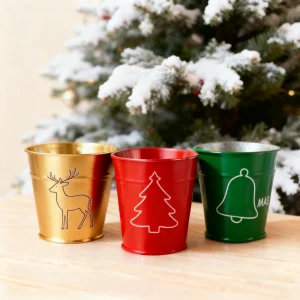
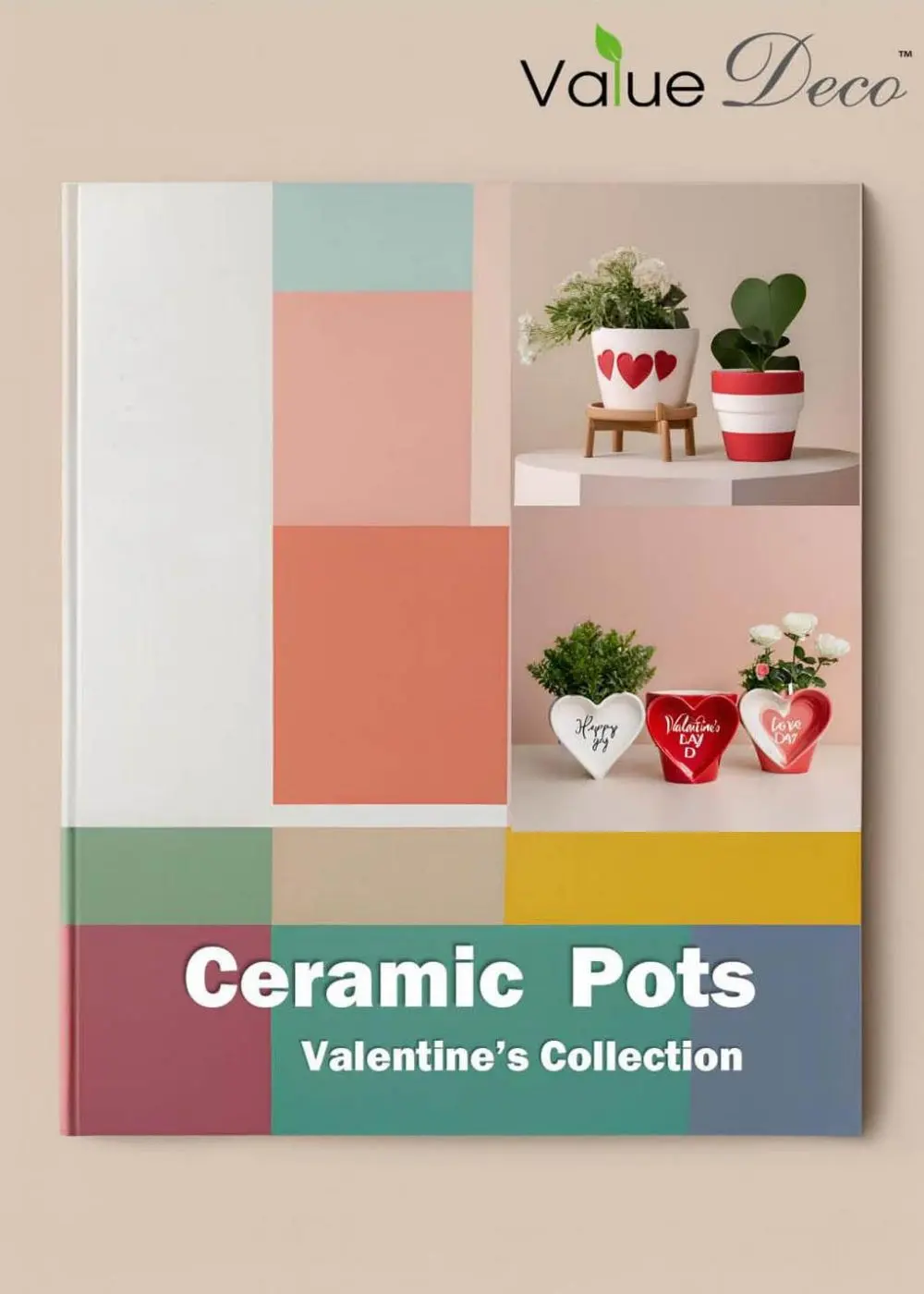
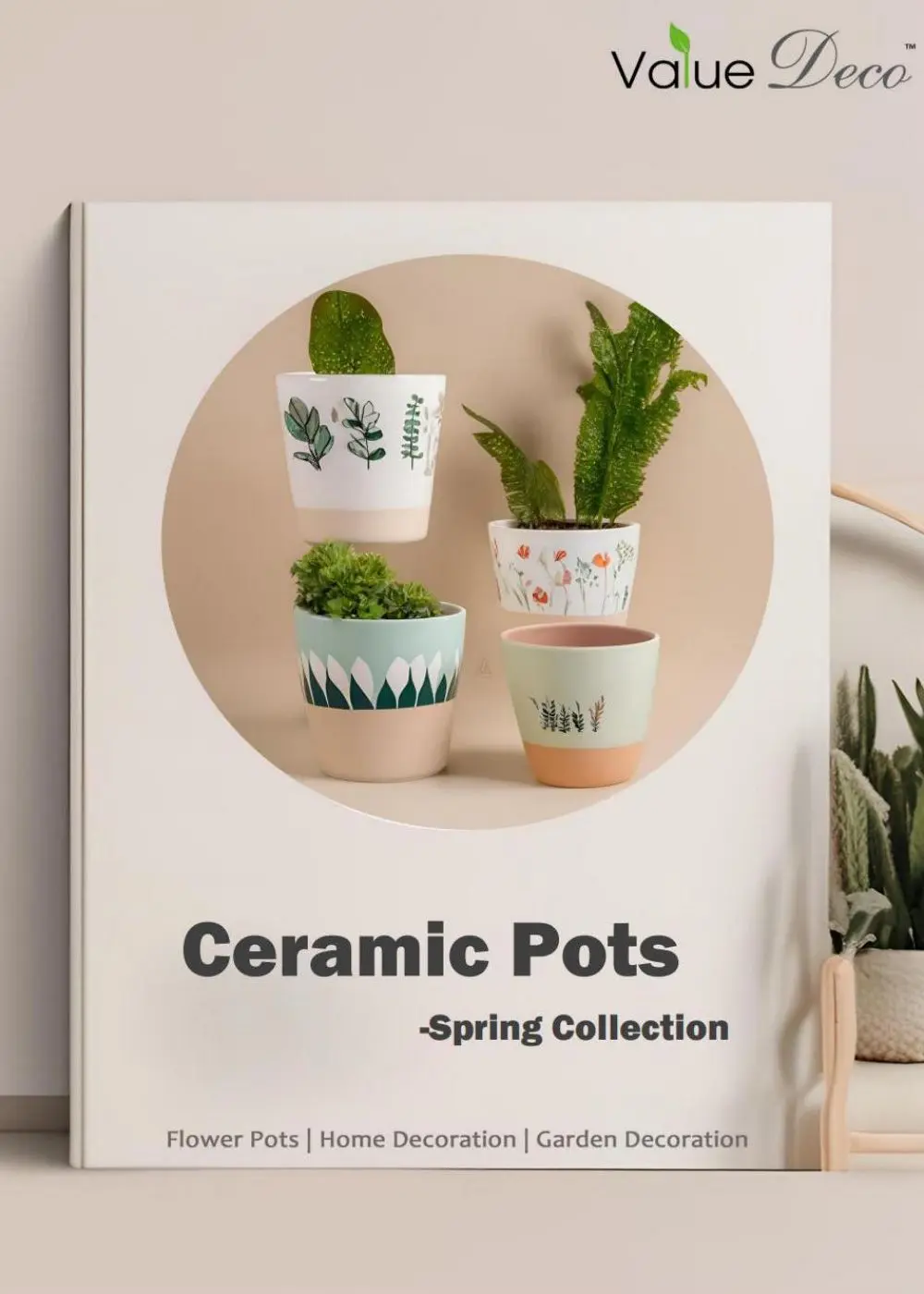
Maximize retail turnover with themed collections customized for high-demand holiday shopping seasons.
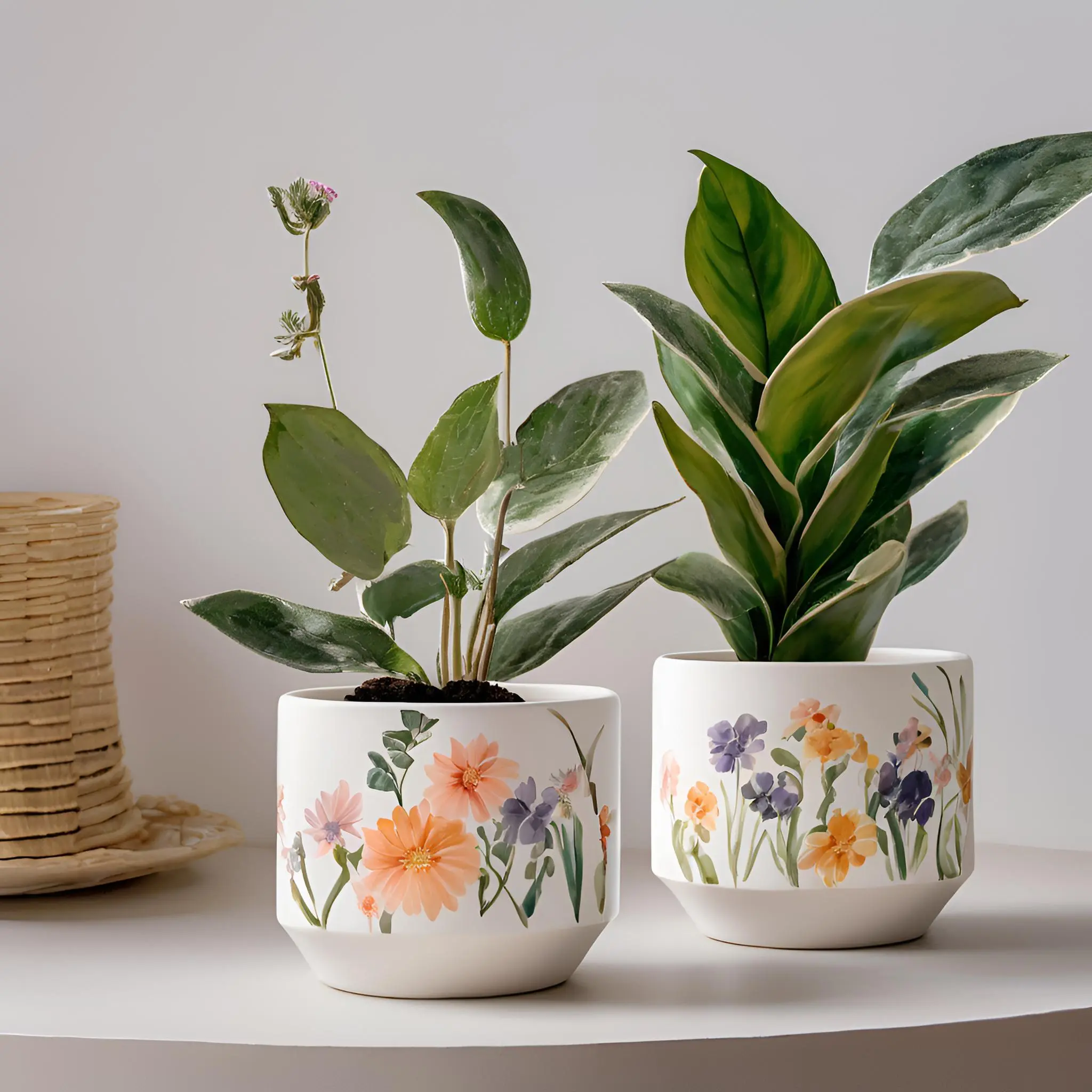
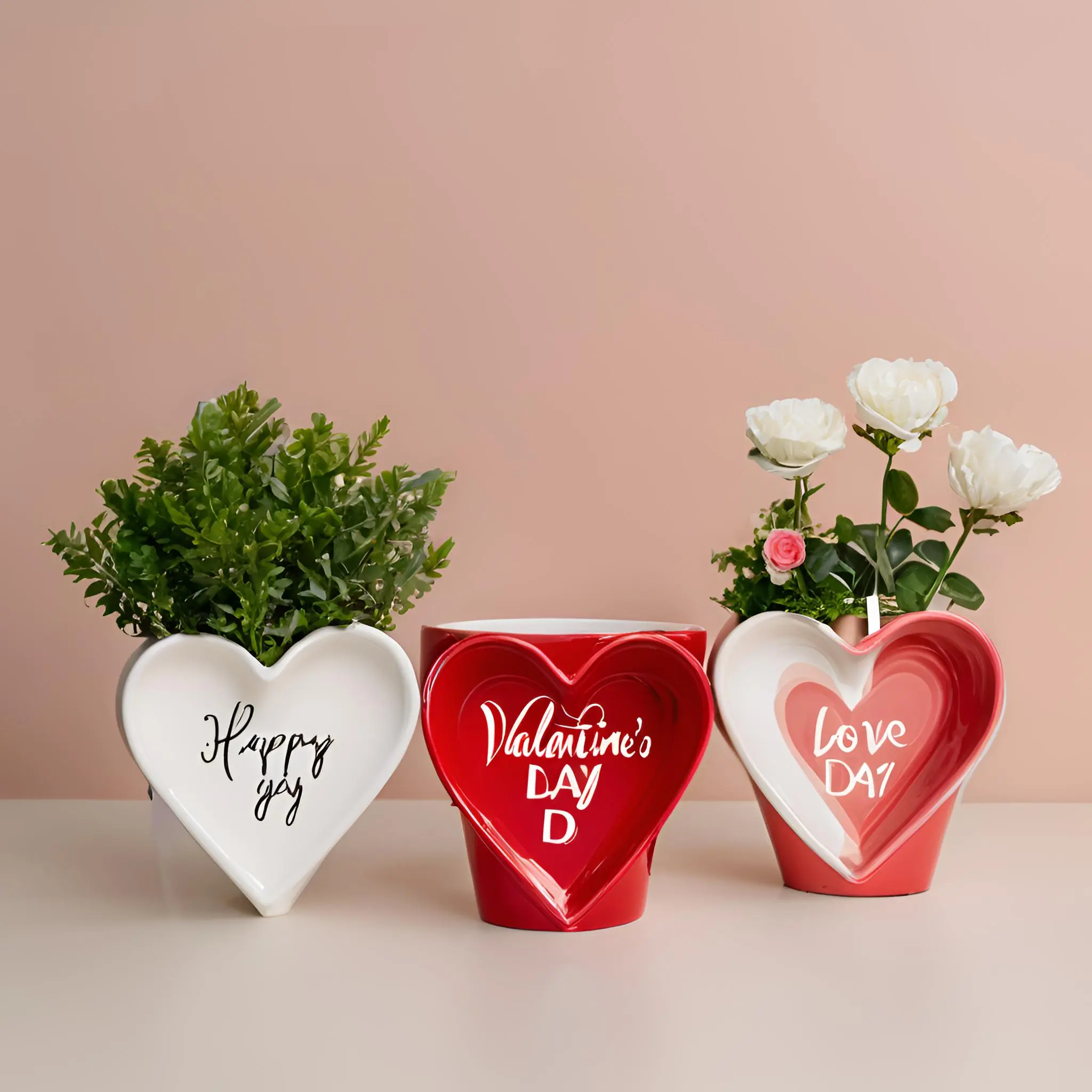
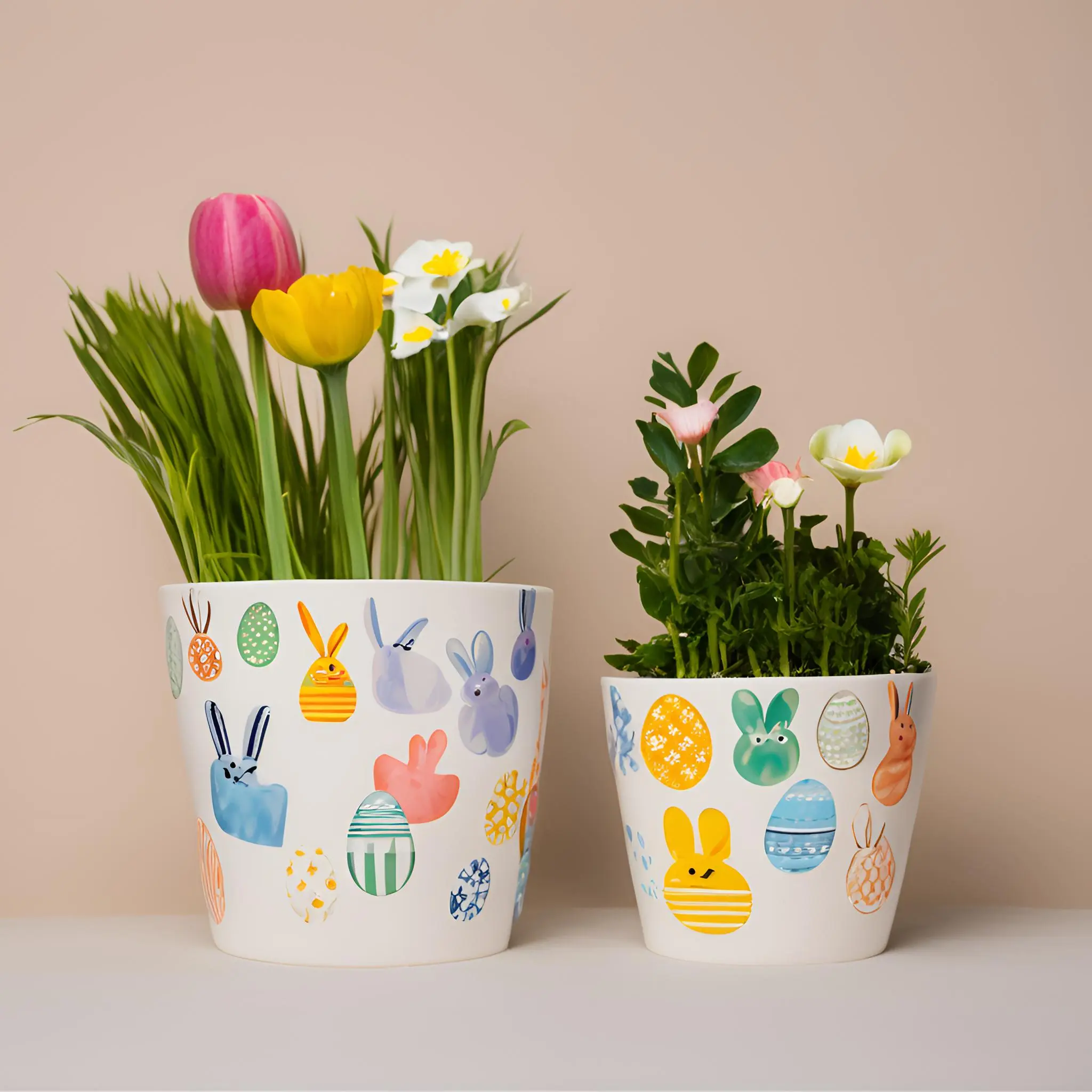
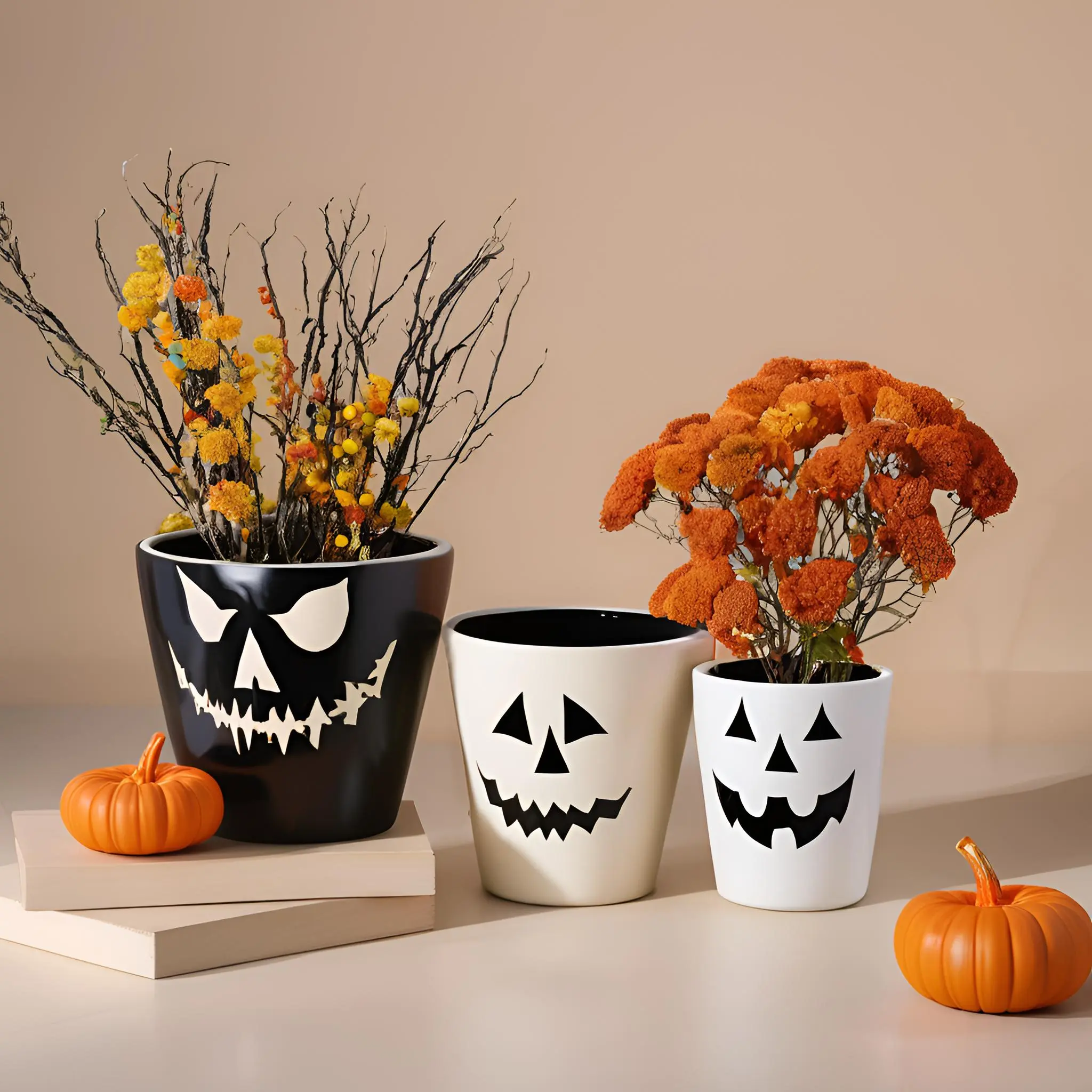
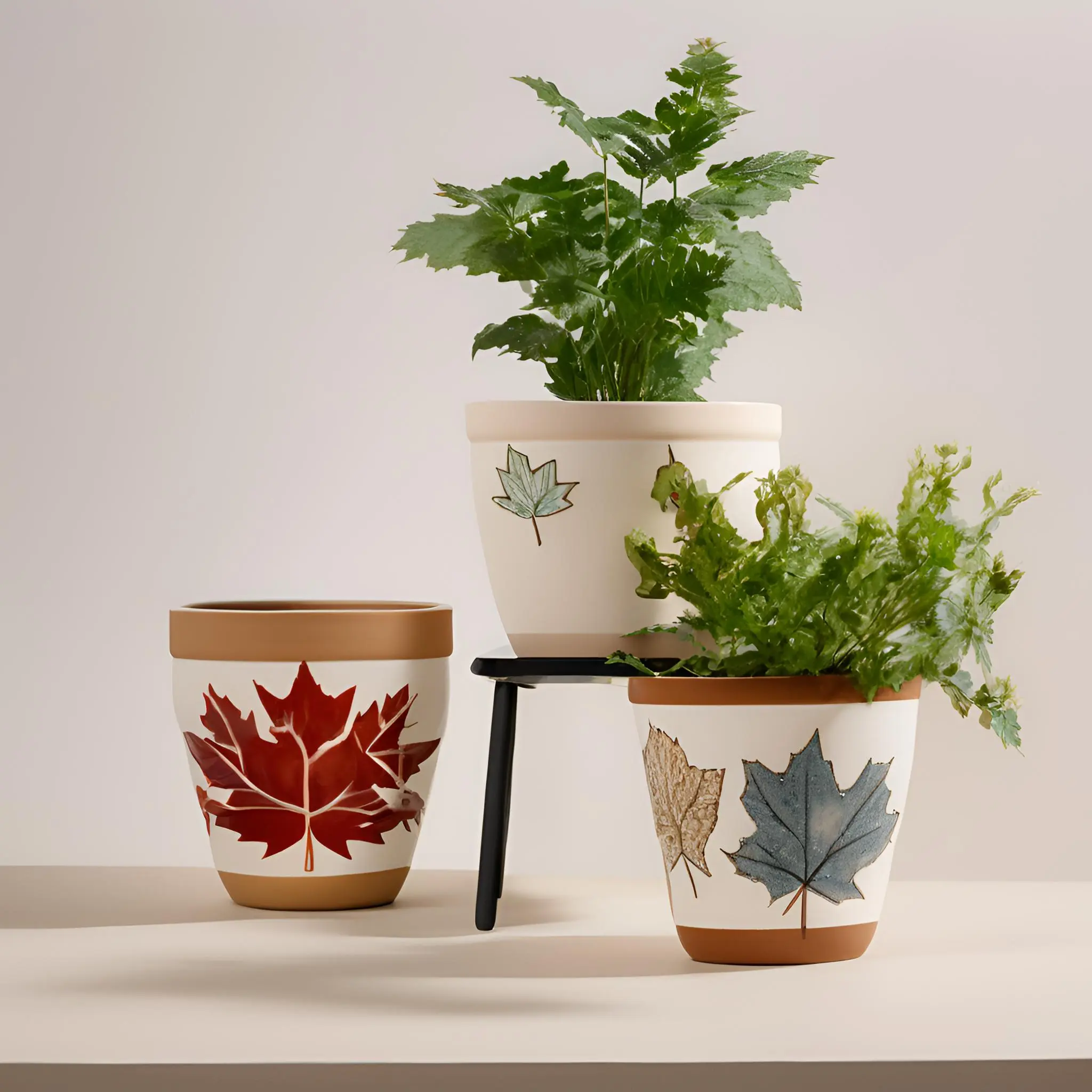
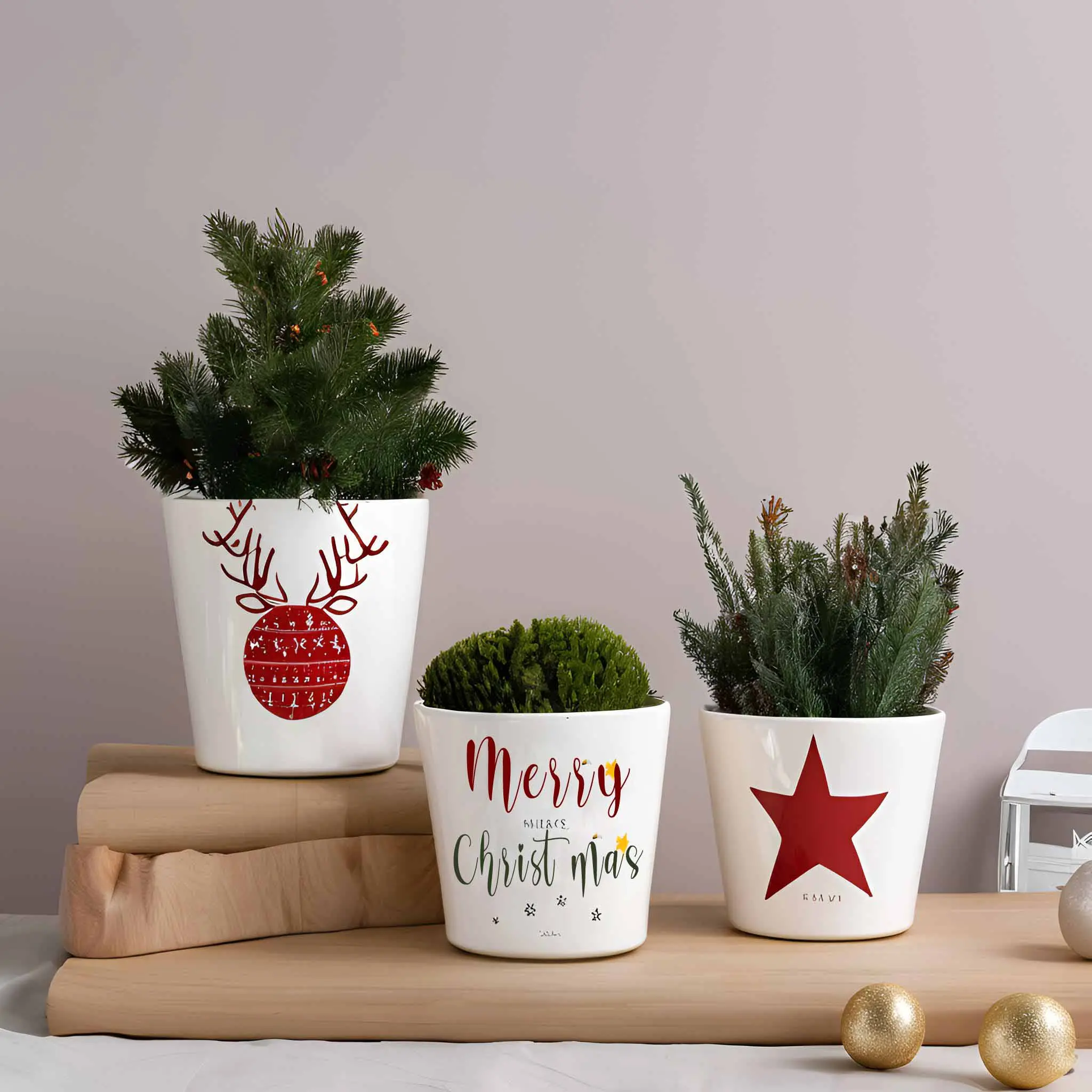
Download our digital catalogs and speak with our export coordinators to start planning your next product selection.
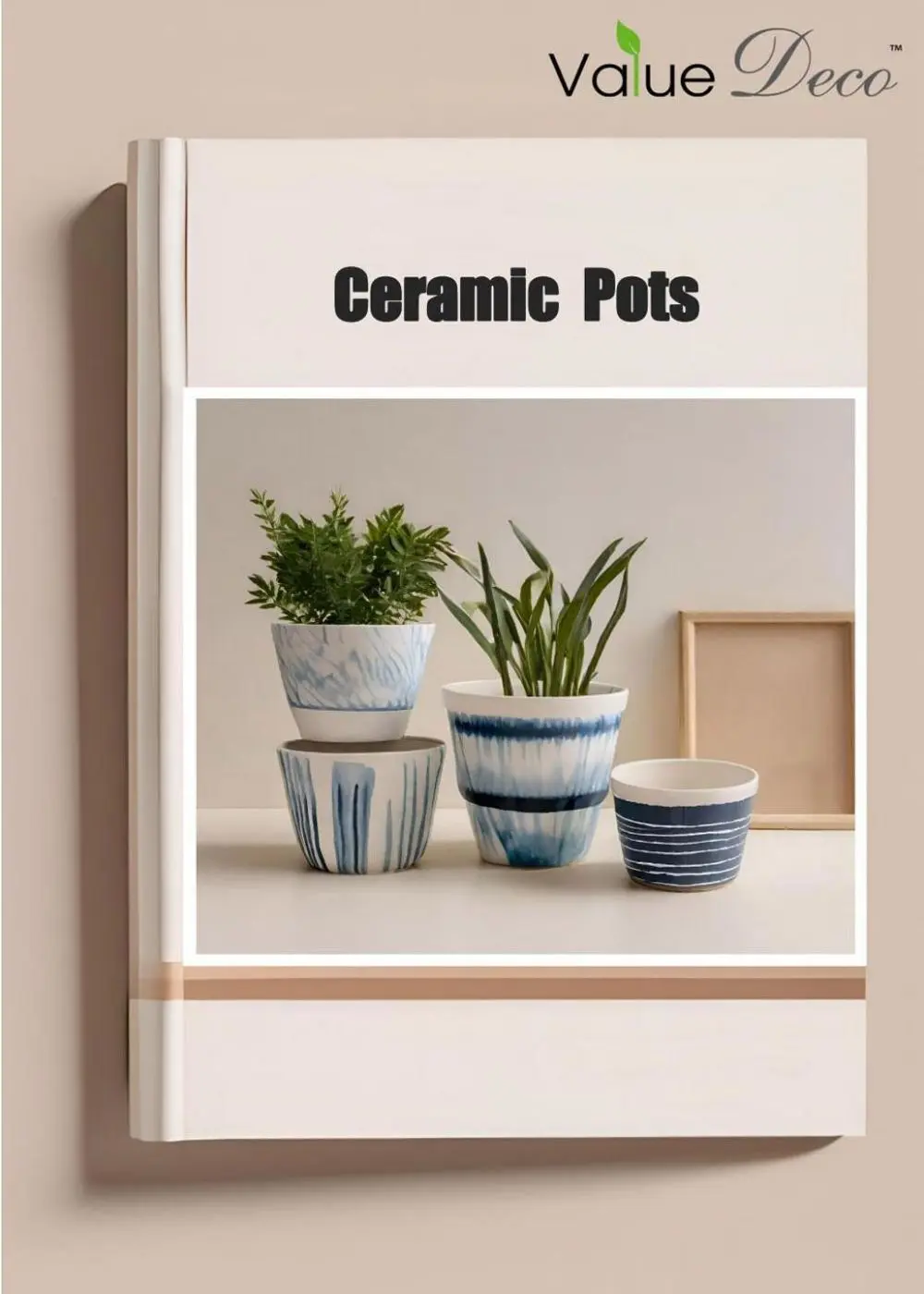
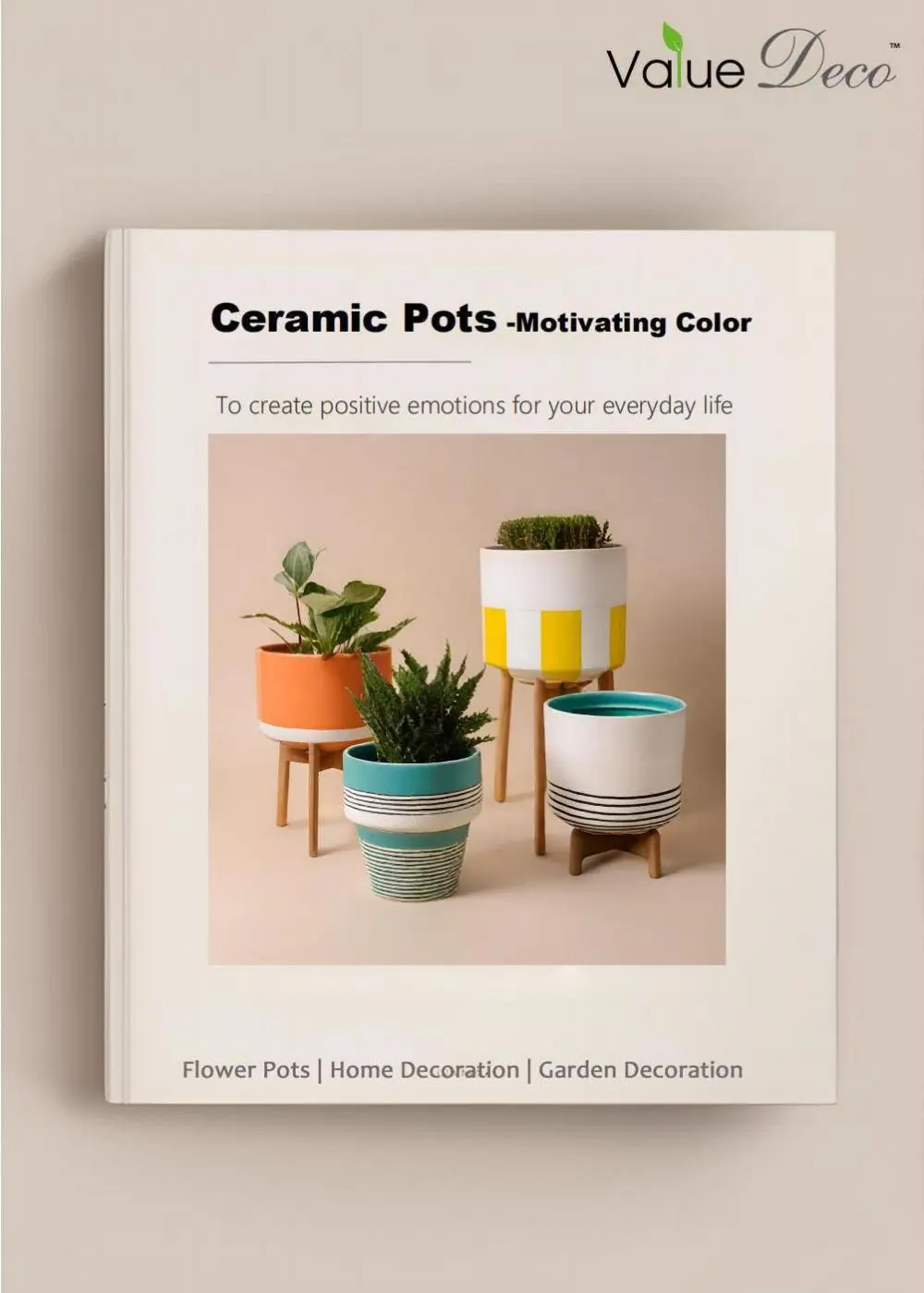
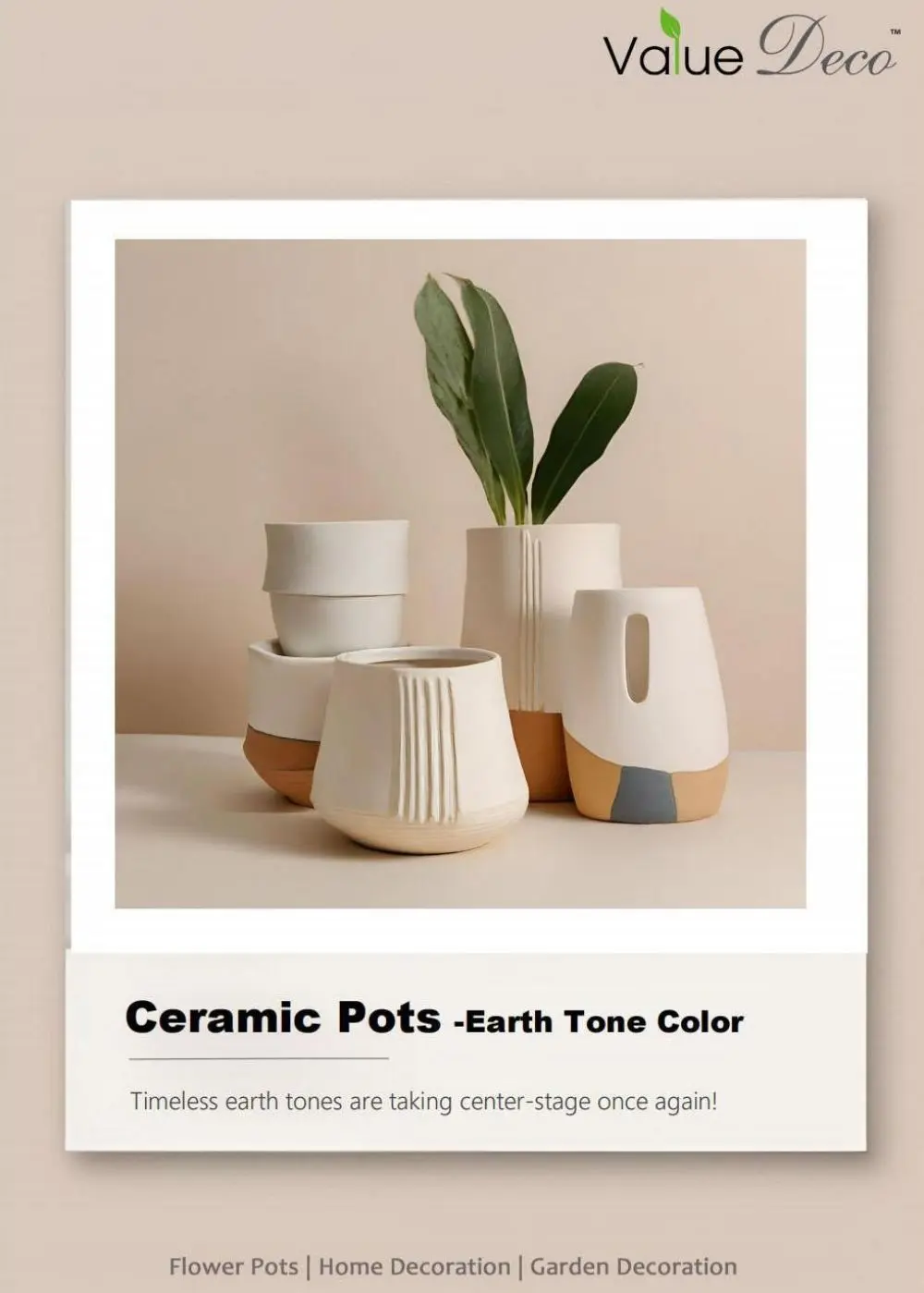
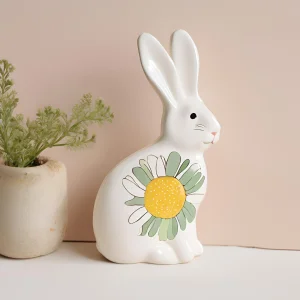
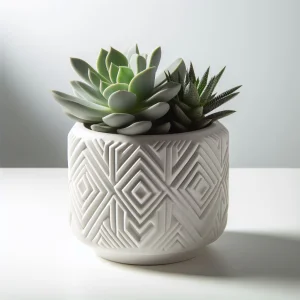
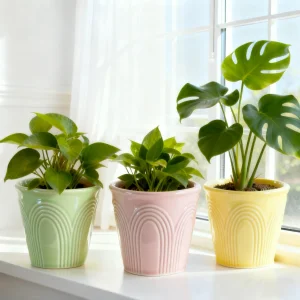
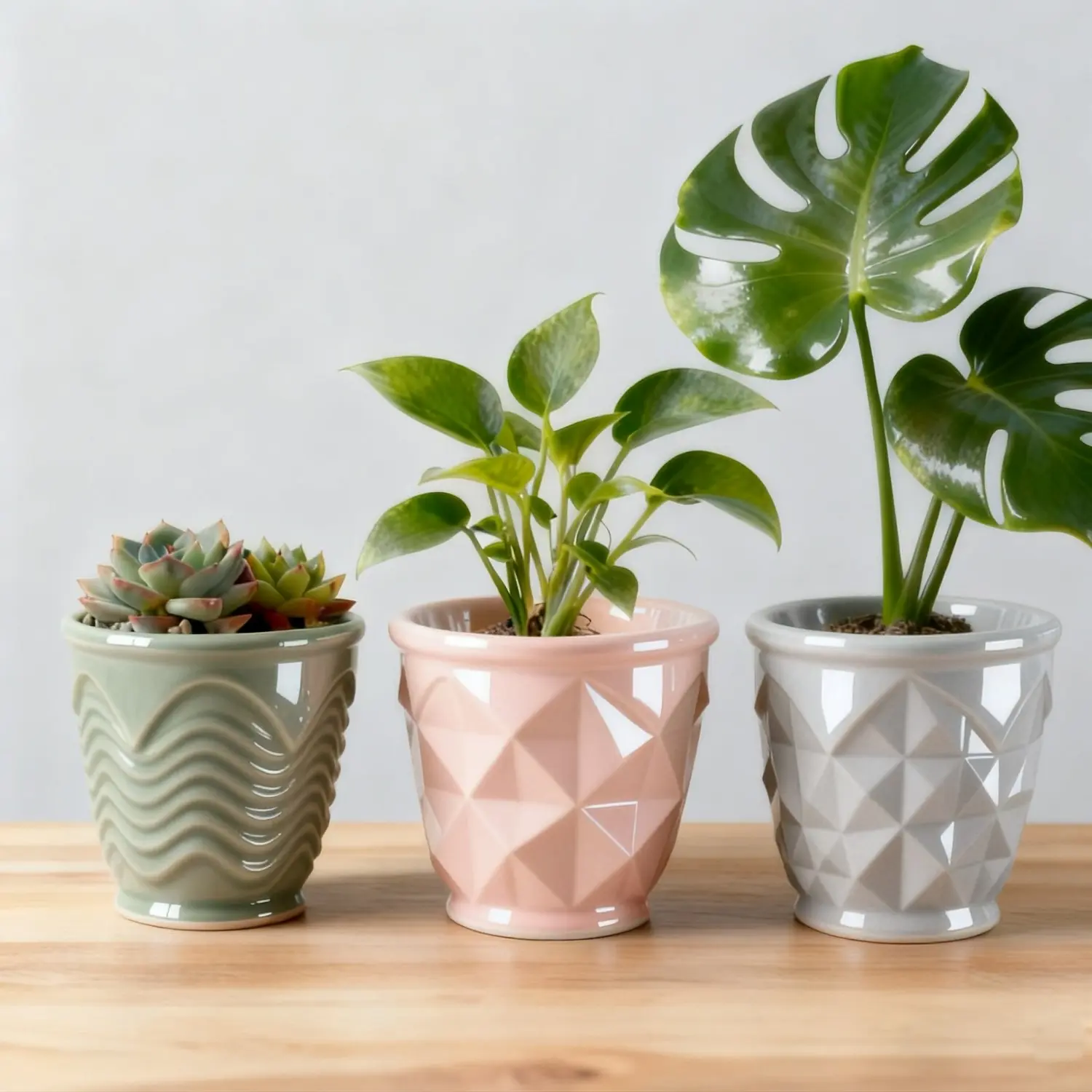
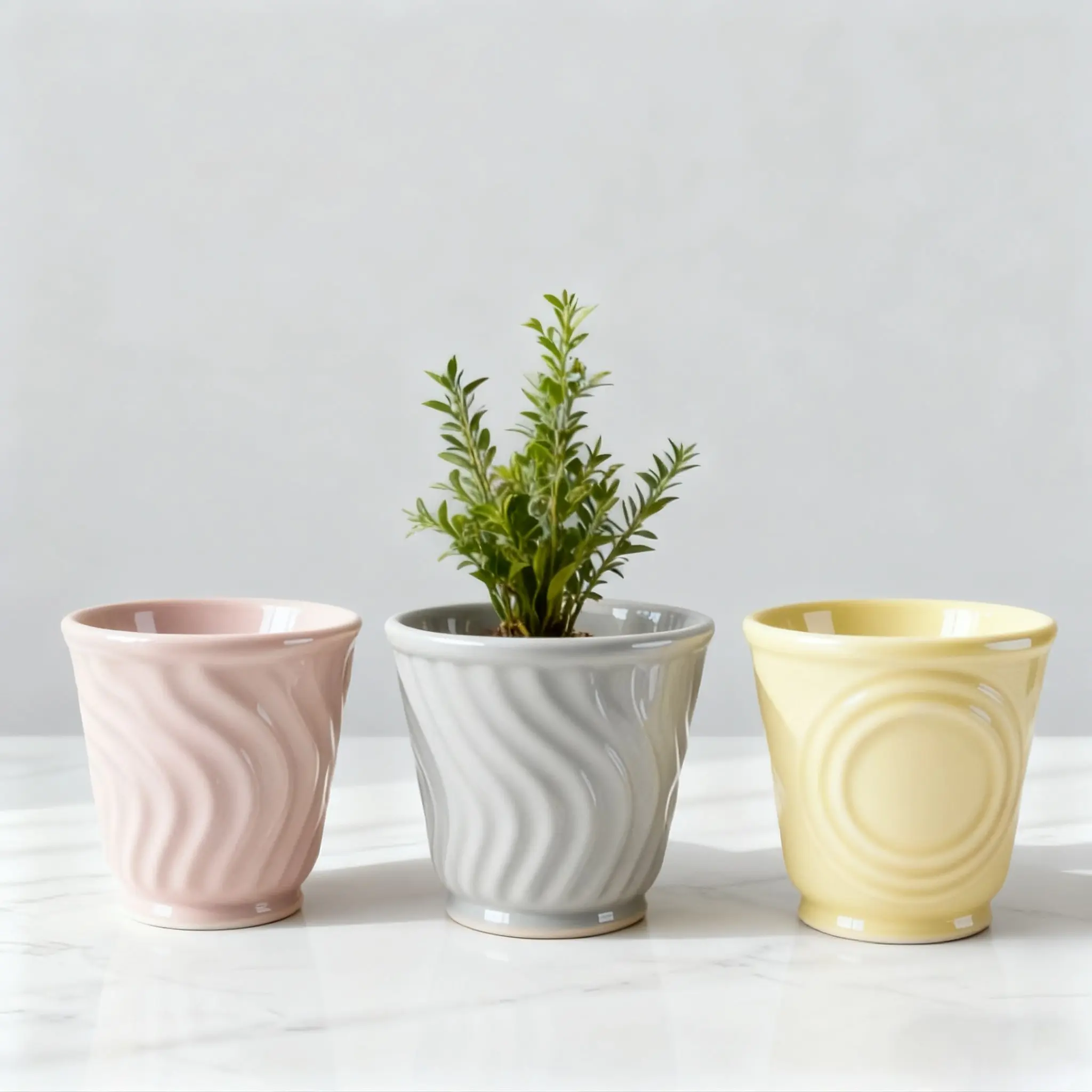
Featuring debossed details, pastel wave patterns, and geometric surface glazes designed for modern home styling.
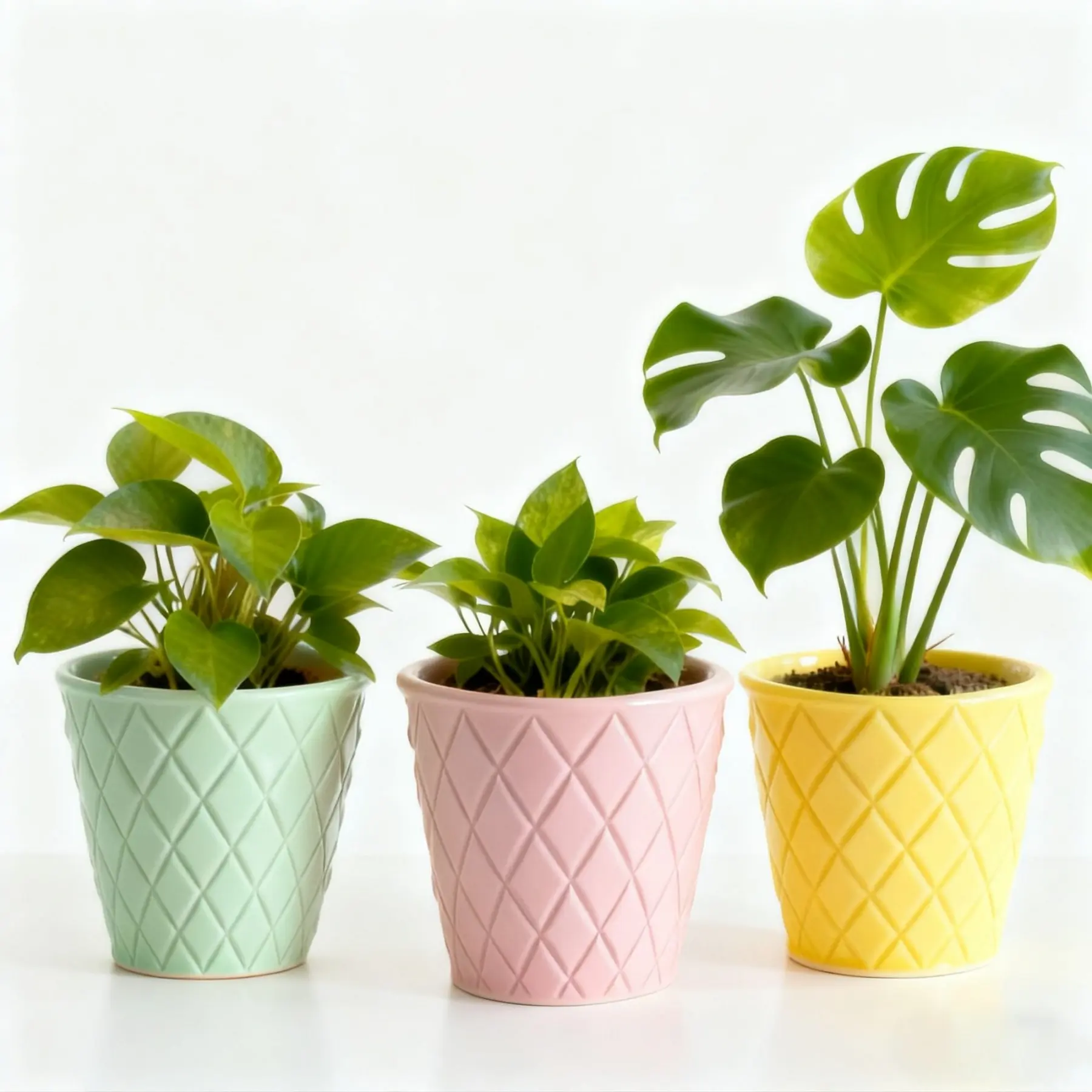
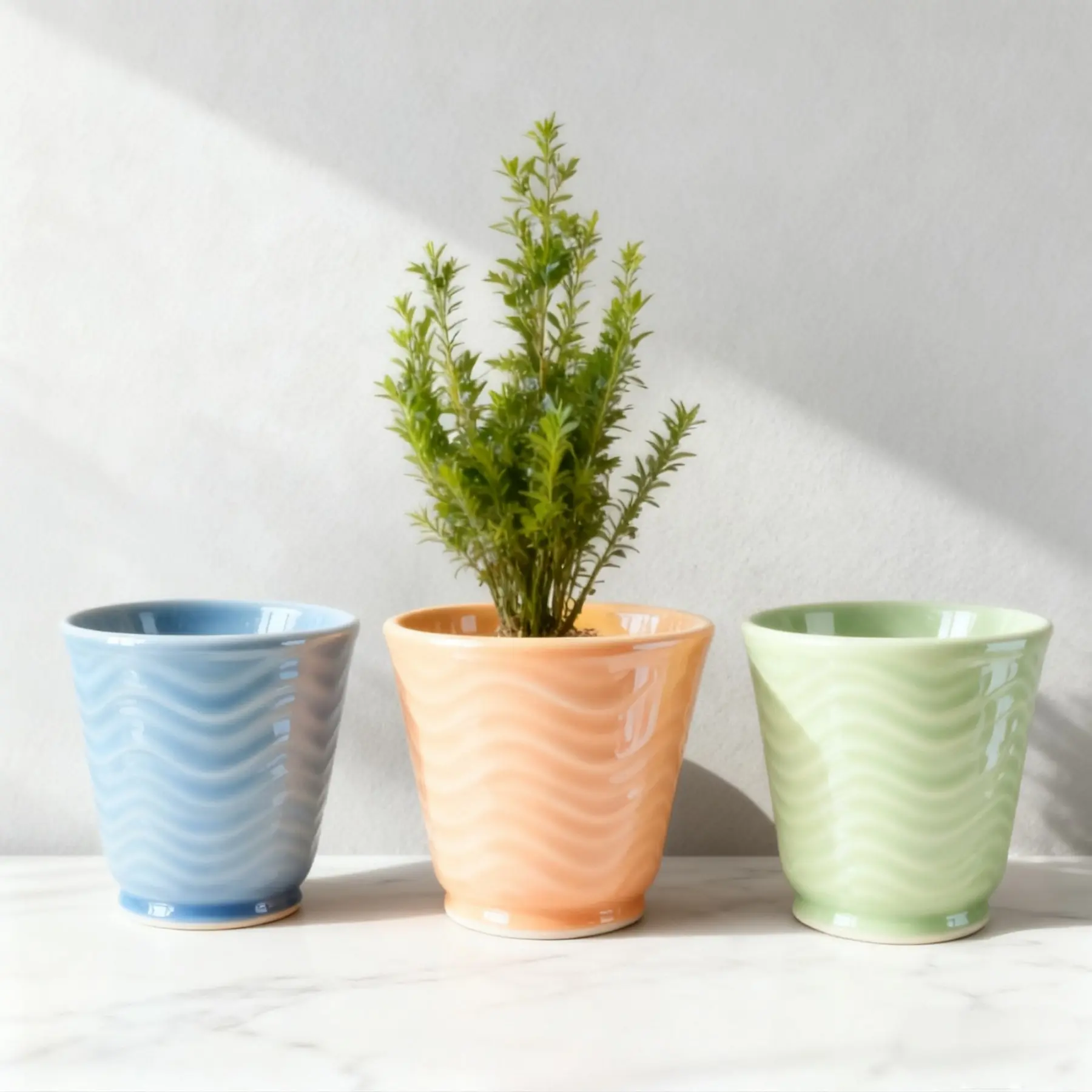
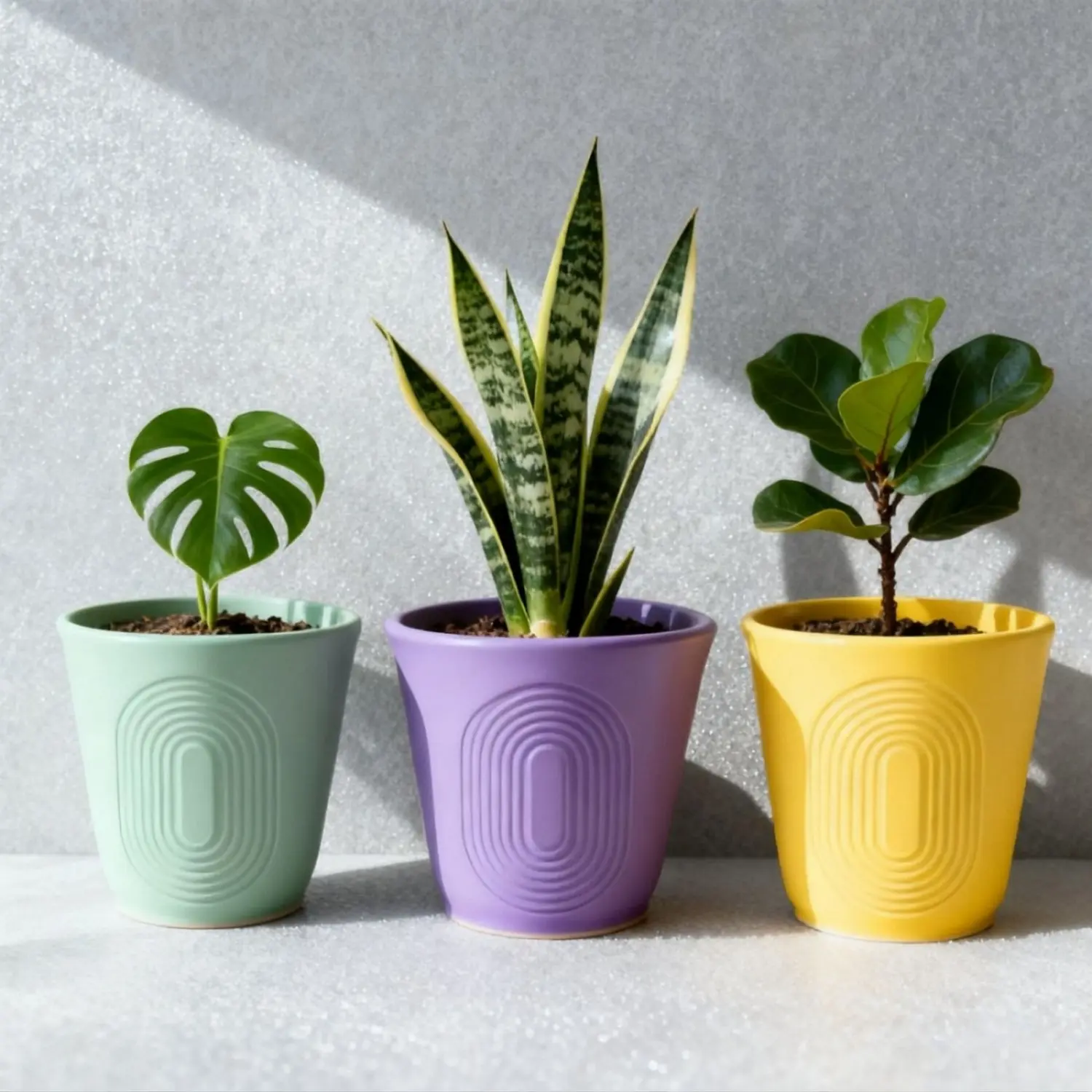
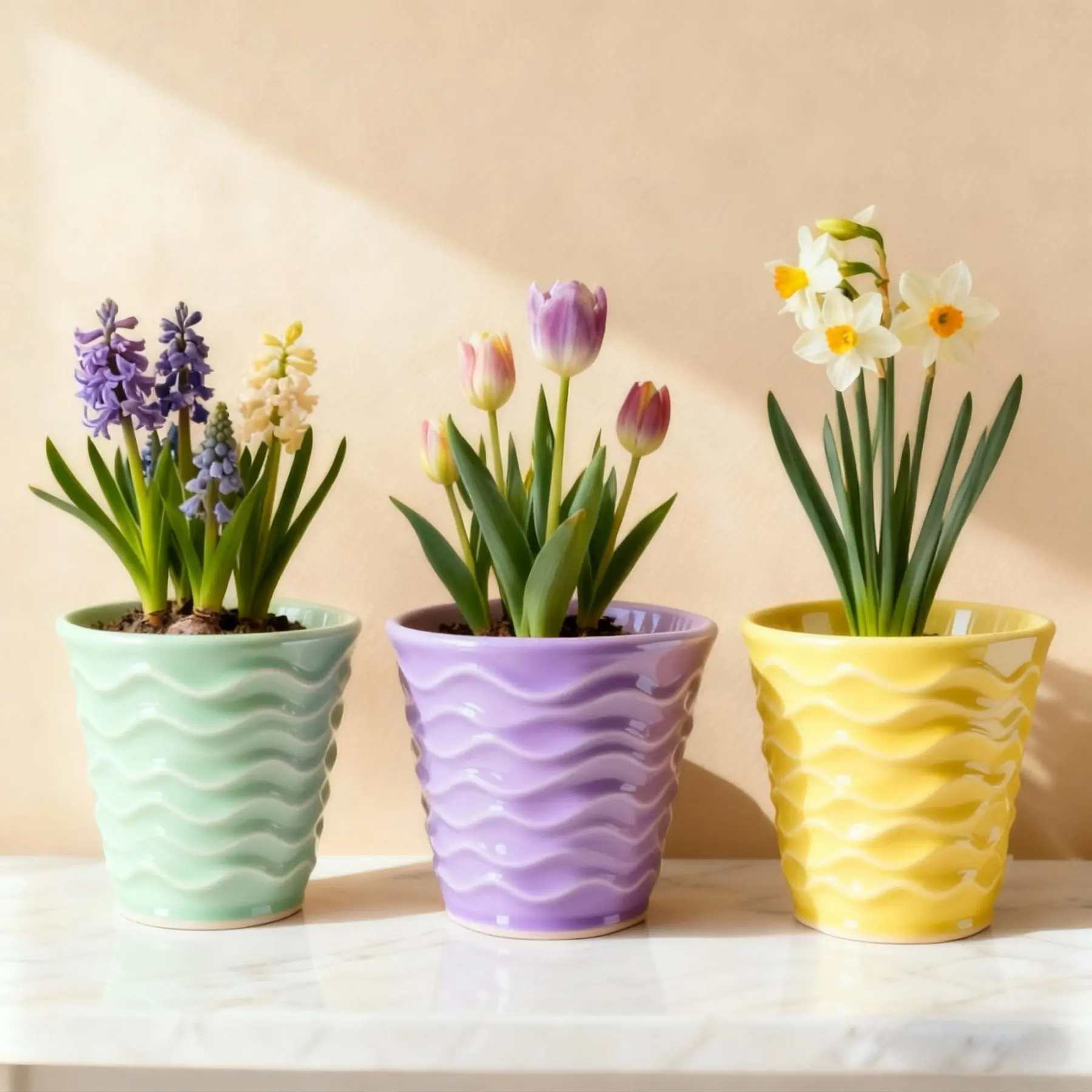
Answers to common B2B procurement queries, material standards, and custom manufacturing requirements.
Standard single shot espresso cups hold between 2 to 3 fluid ounces (60ml to 90ml). For double shots (doppio), the capacity ranges from 3.5 to 4.5 ounces (100ml to 135ml). This size provides sufficient volume for extraction while maintaining the density and heat retention of the shot.
High-fired porcelain (fired above 1300°C) is denser, non-porous, and features greater thermal mass. This allows the cup to absorb and hold heat, preventing temperature drops that can affect the extraction flavor. Porcelain is also more resistant to chipping in high-volume, commercial dishwashing environments.
Yes. All dinnerware and ceramic mugs manufactured in our facilities use high-grade, lead-free glazes. We conform to international safety regulations including FDA, LFGB, and California Proposition 65. Sourcing documentations are available upon bulk contract confirmation.
For standard molds with custom logo printing, the MOQ is 1,000 units. For completely custom shapes (OEM molds) and pantone colors, the MOQ begins at 3,000 units, allowing us to optimize setup times and keep costs competitive.
An egg-shaped or curved base helps guide the espresso stream smoothly along the curves of the cup. This prevents turbulences that can break up the crema, ensuring a rich texture and maintaining the visual presentation of the extraction.
We use high-temperature decal firing or in-glaze printing methods. The print is sealed beneath a protective layer at over 800°C, rendering it resistant to dishwasher detergents and preventing fading or peeling over time.
Yes. We offer complete custom packaging options, including corrugated craft boxes, printed color gift boxes, molded pulp inserts, and protective foam structures. This ensures products are ready for retail shelves and well-protected during international shipping.
Production typically takes 35 to 45 days after deposit confirmation and sample approval. Shipping times vary depending on the destination port, generally taking 15 to 25 days to Western ports via sea freight.
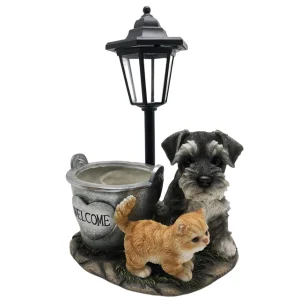
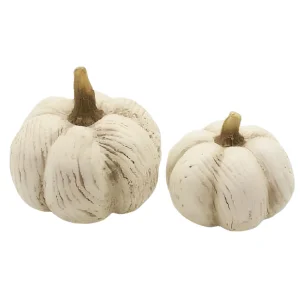
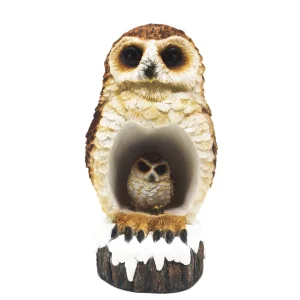
Expand your inventory with our seasonal collections, featuring festive holiday designs and weather-resistant garden elements.