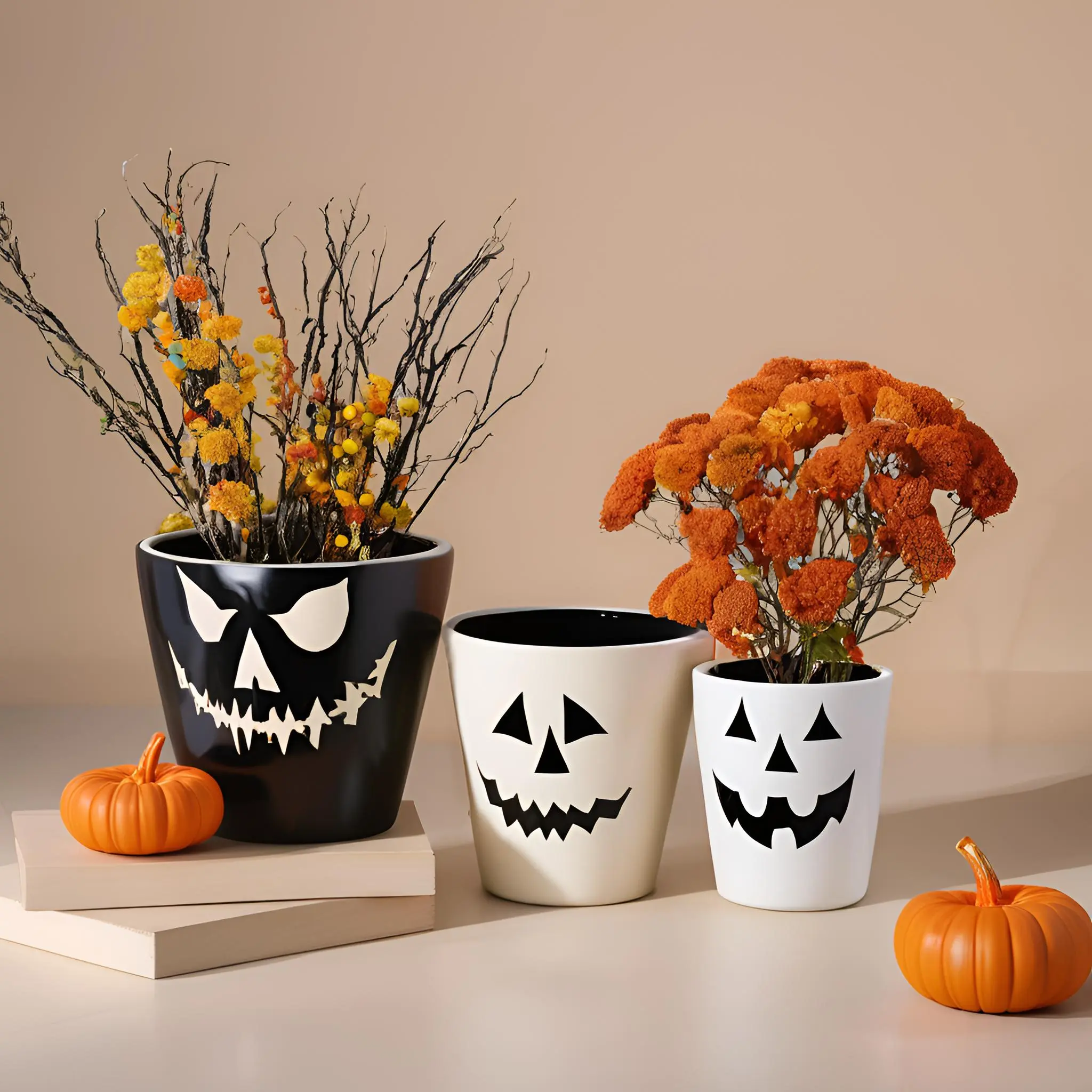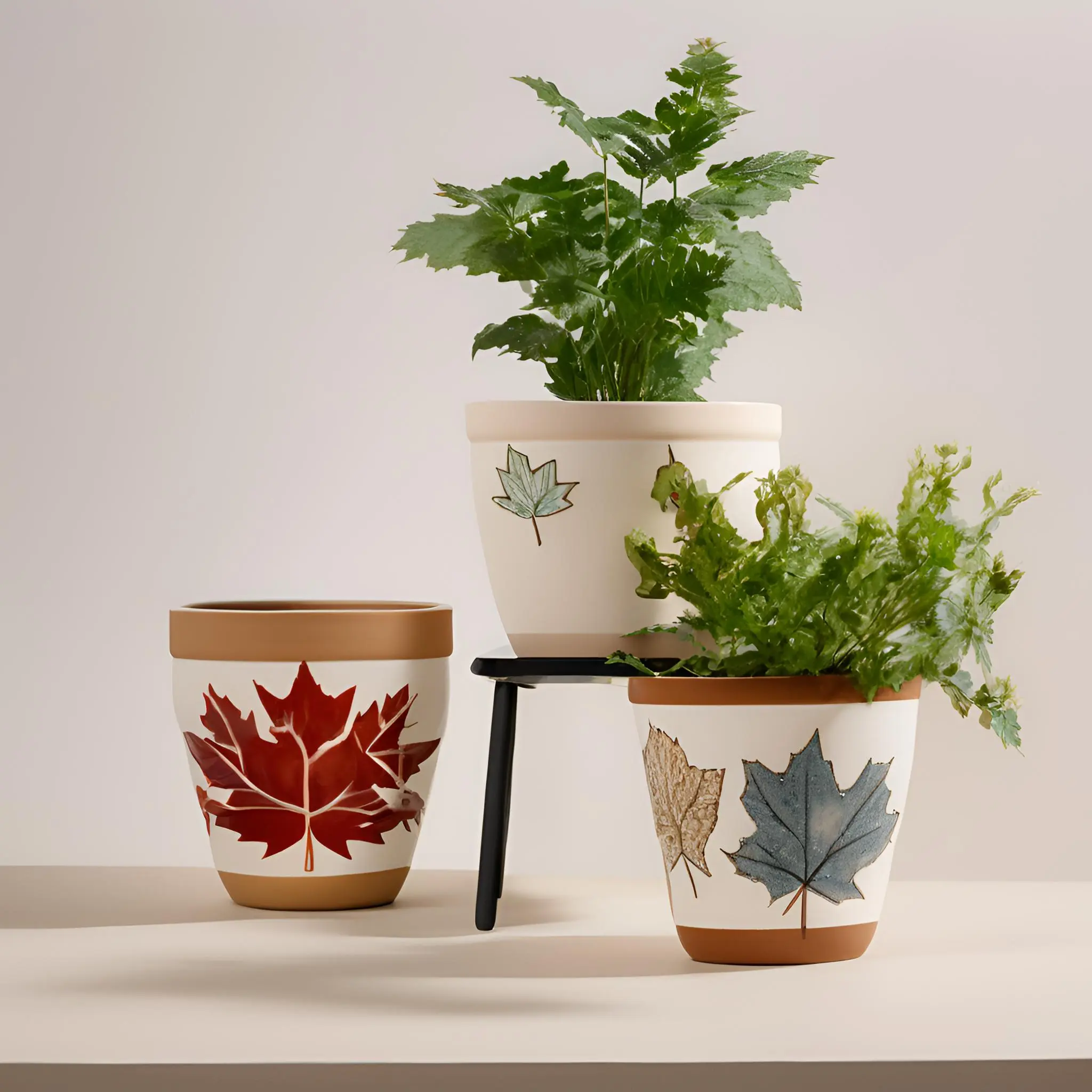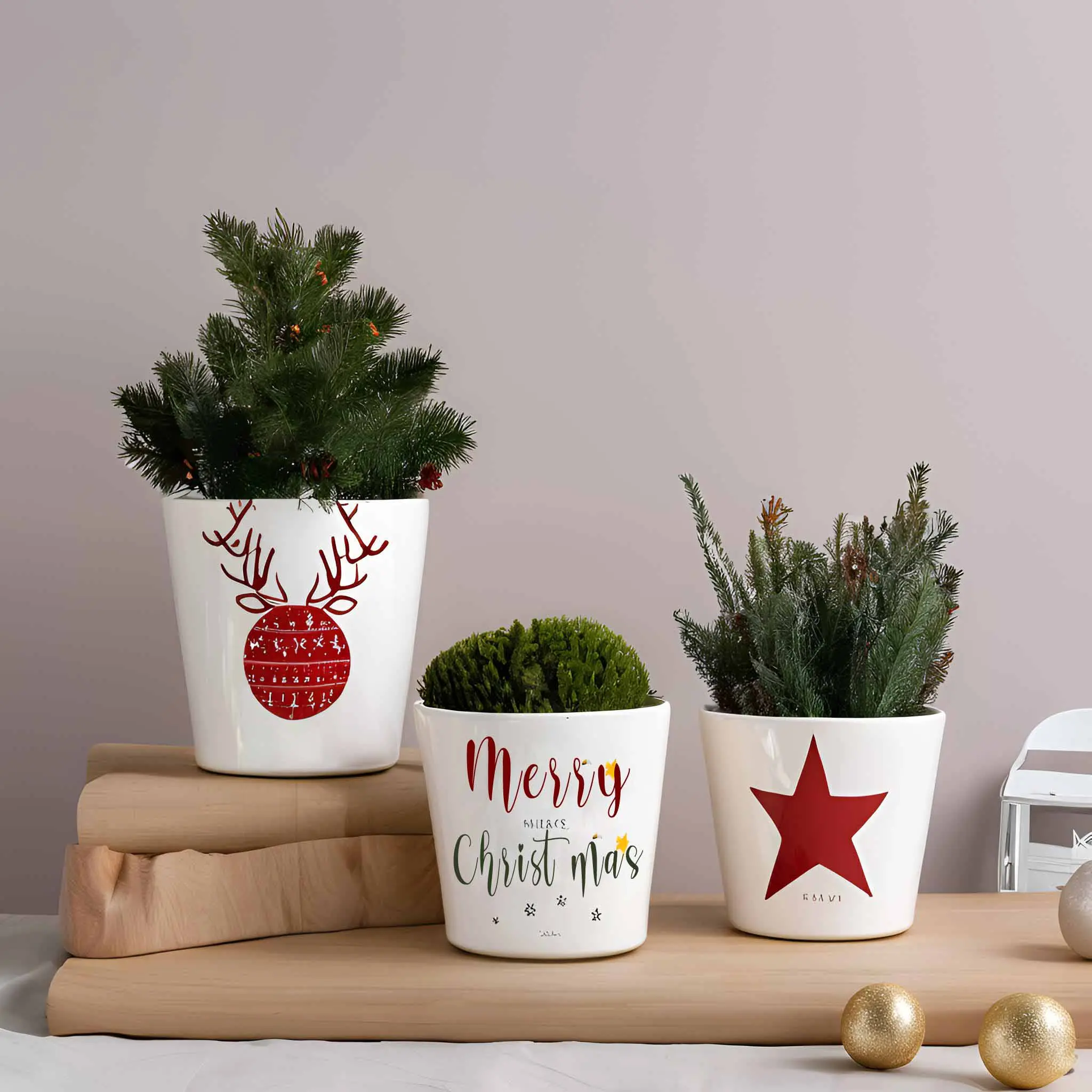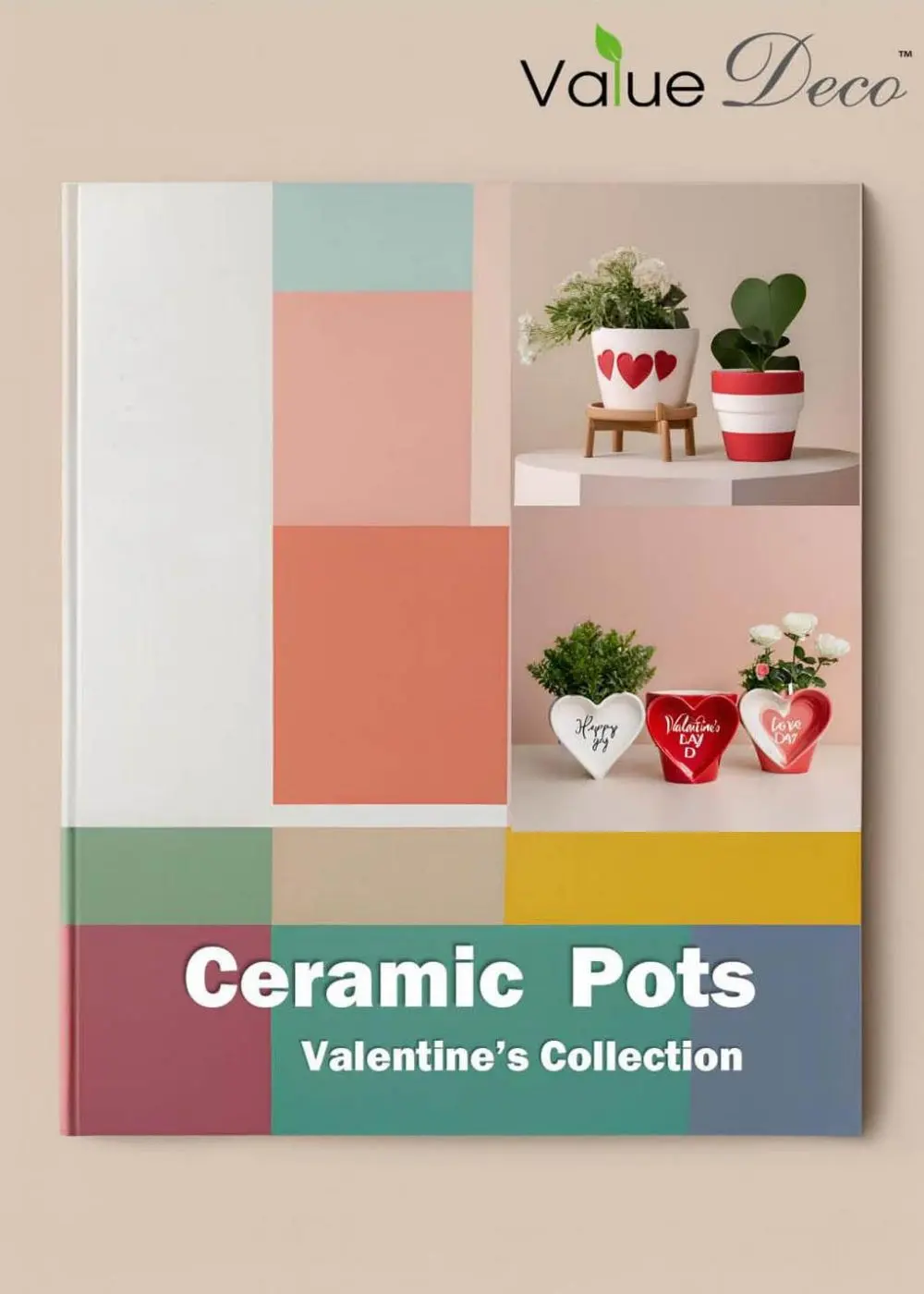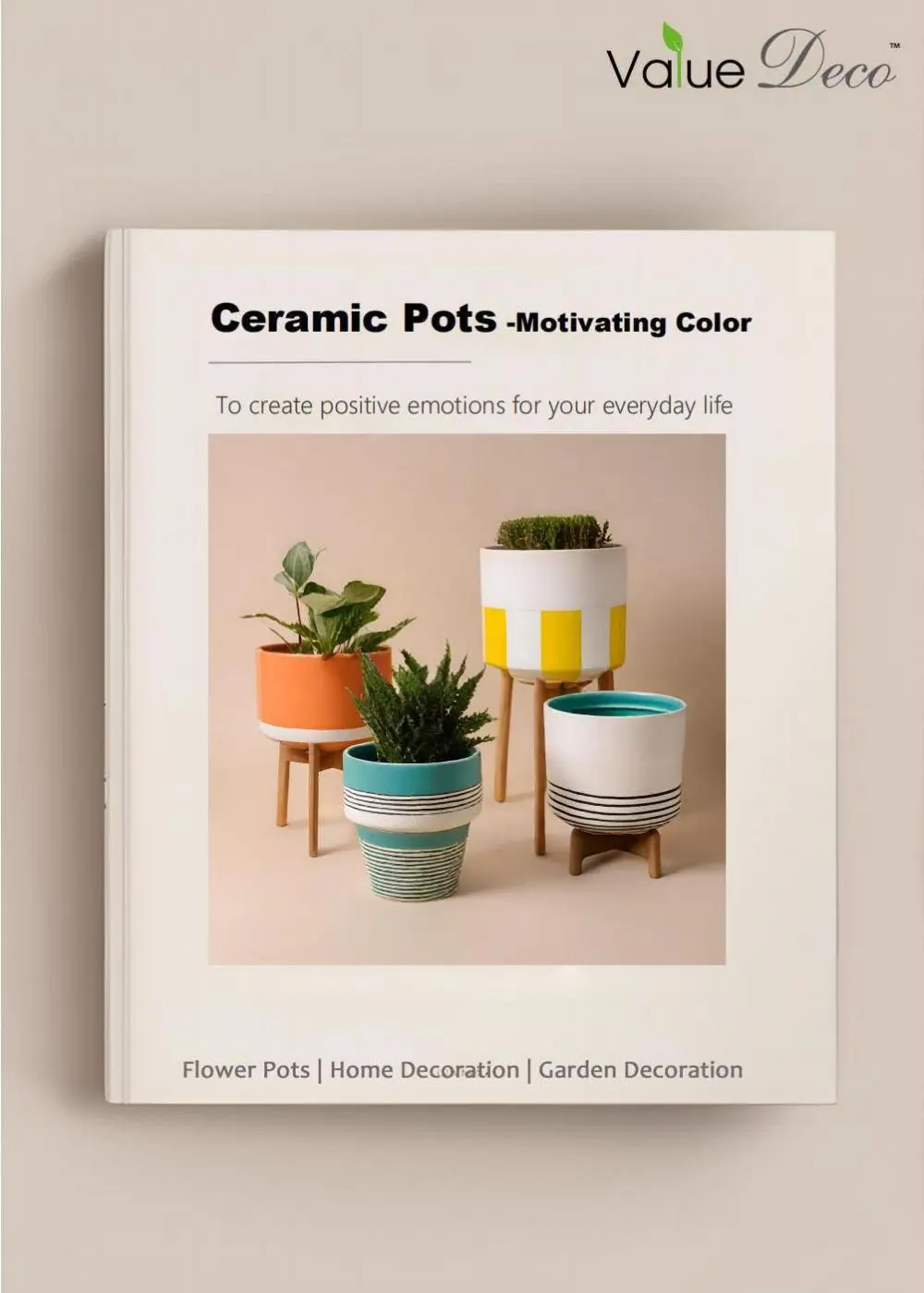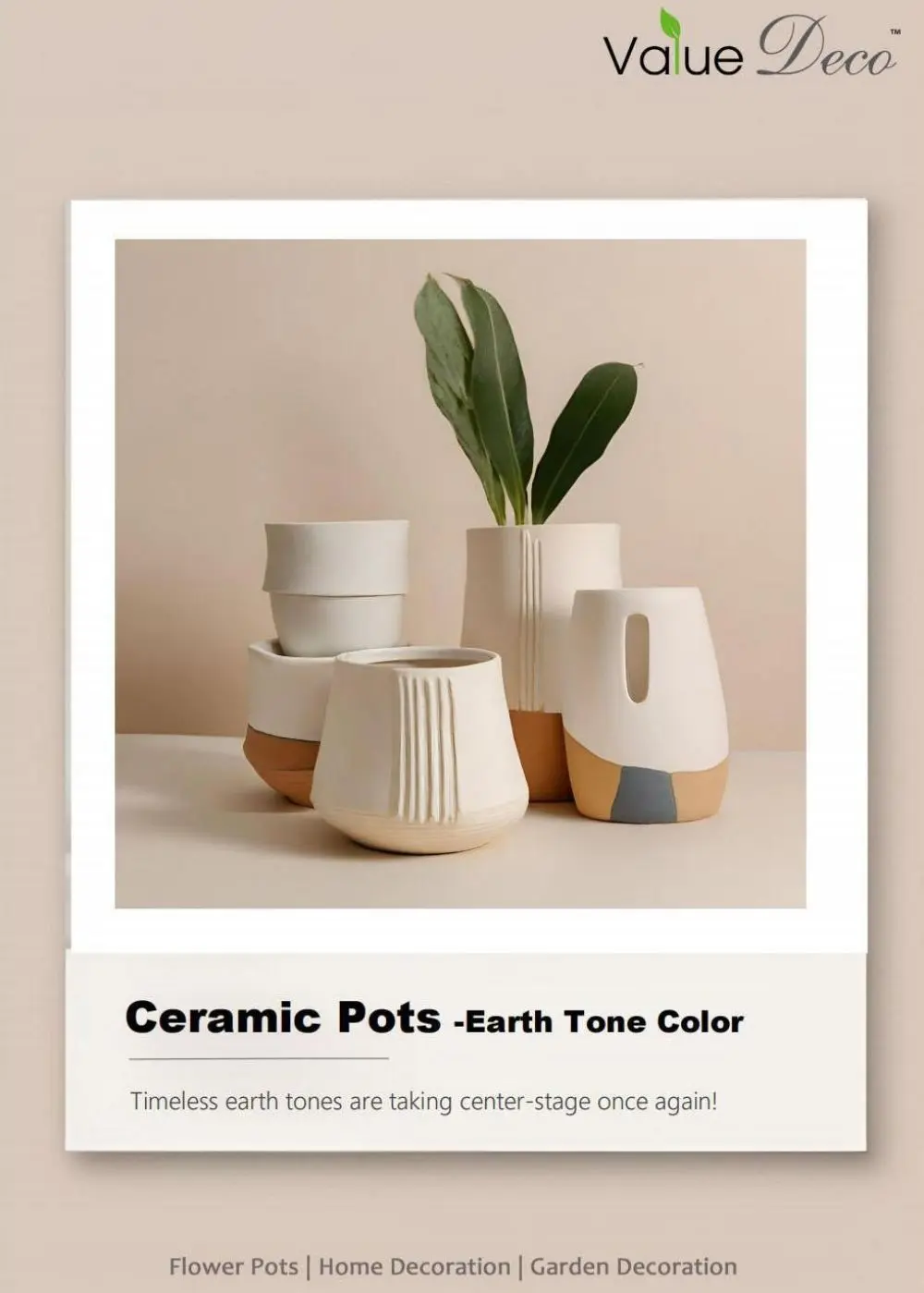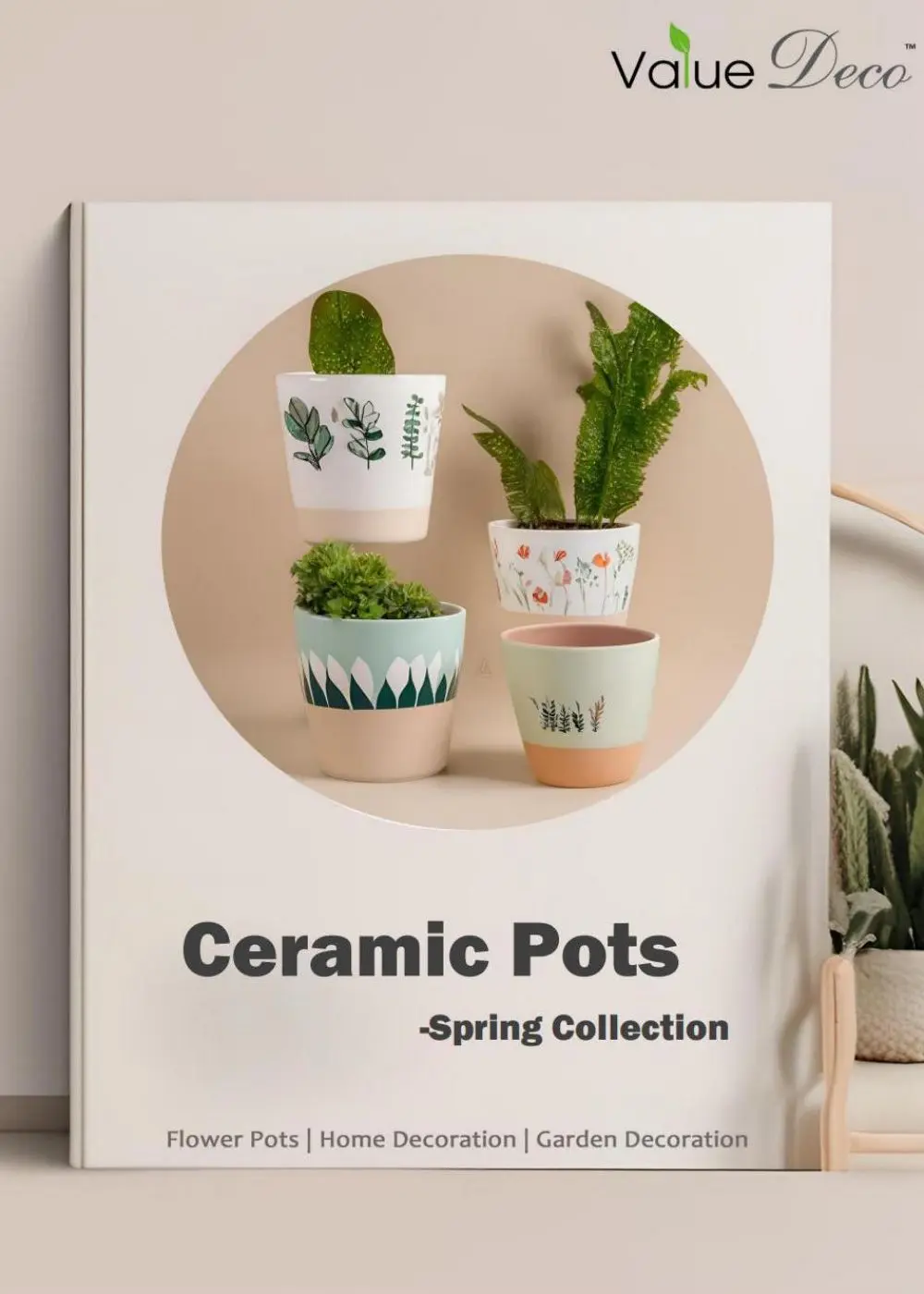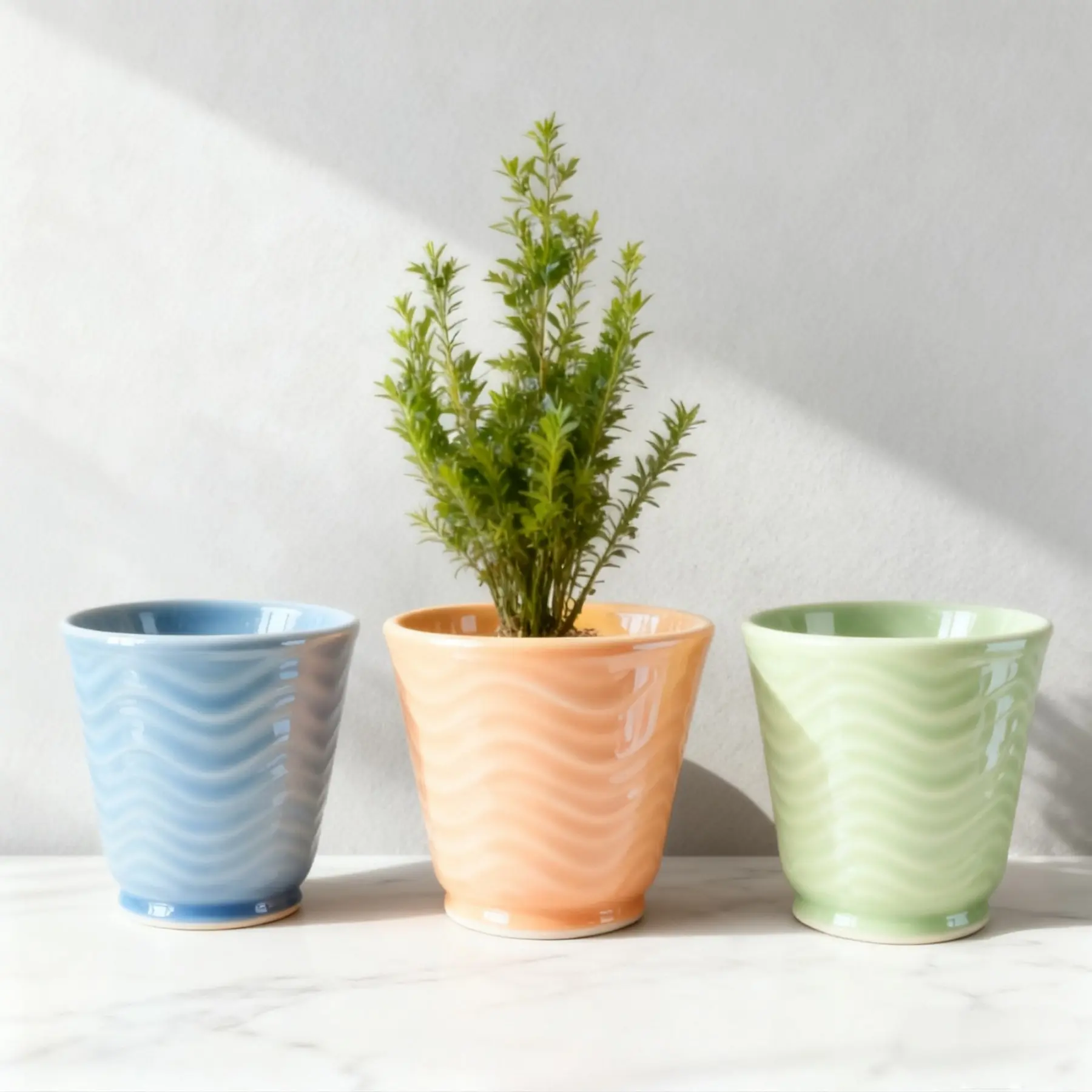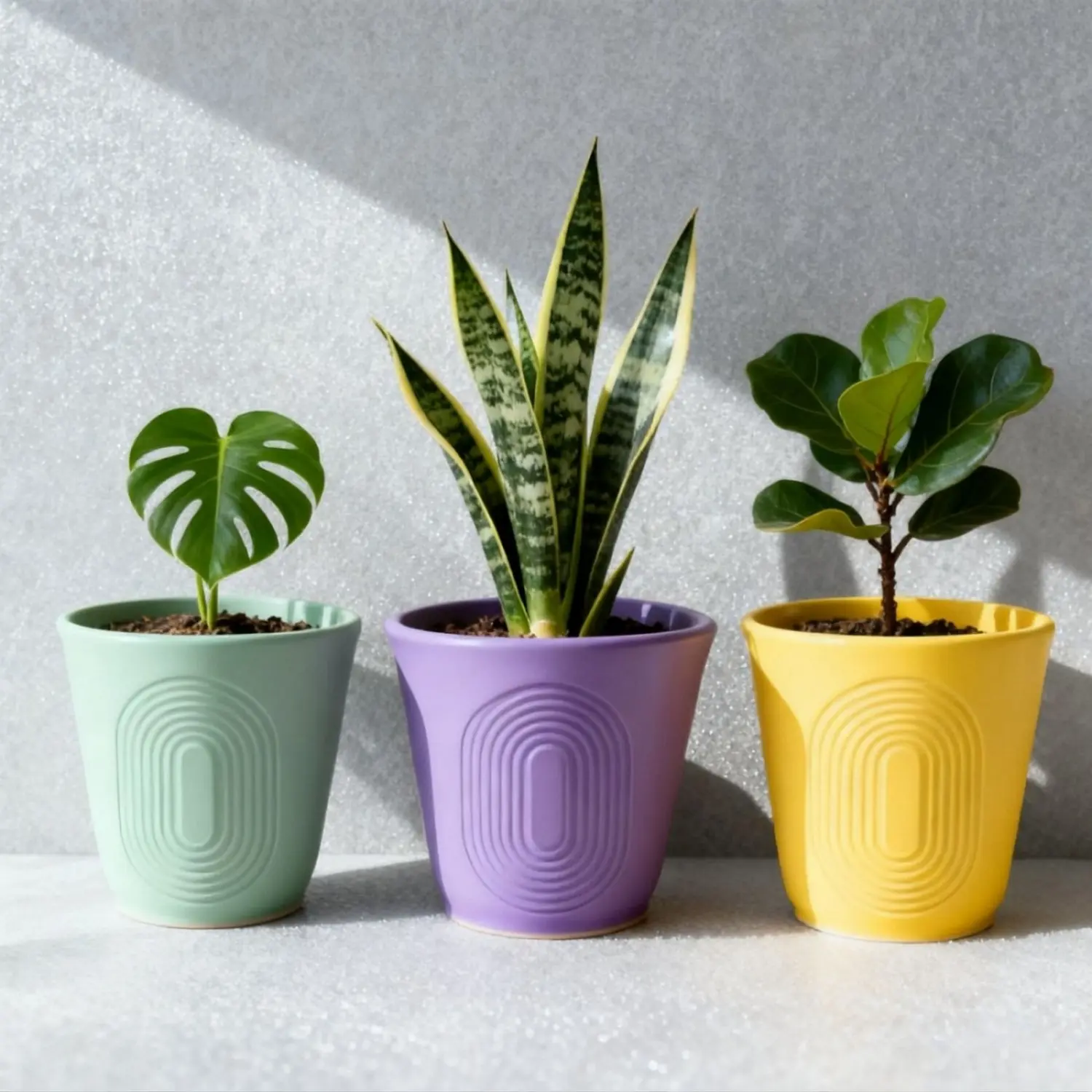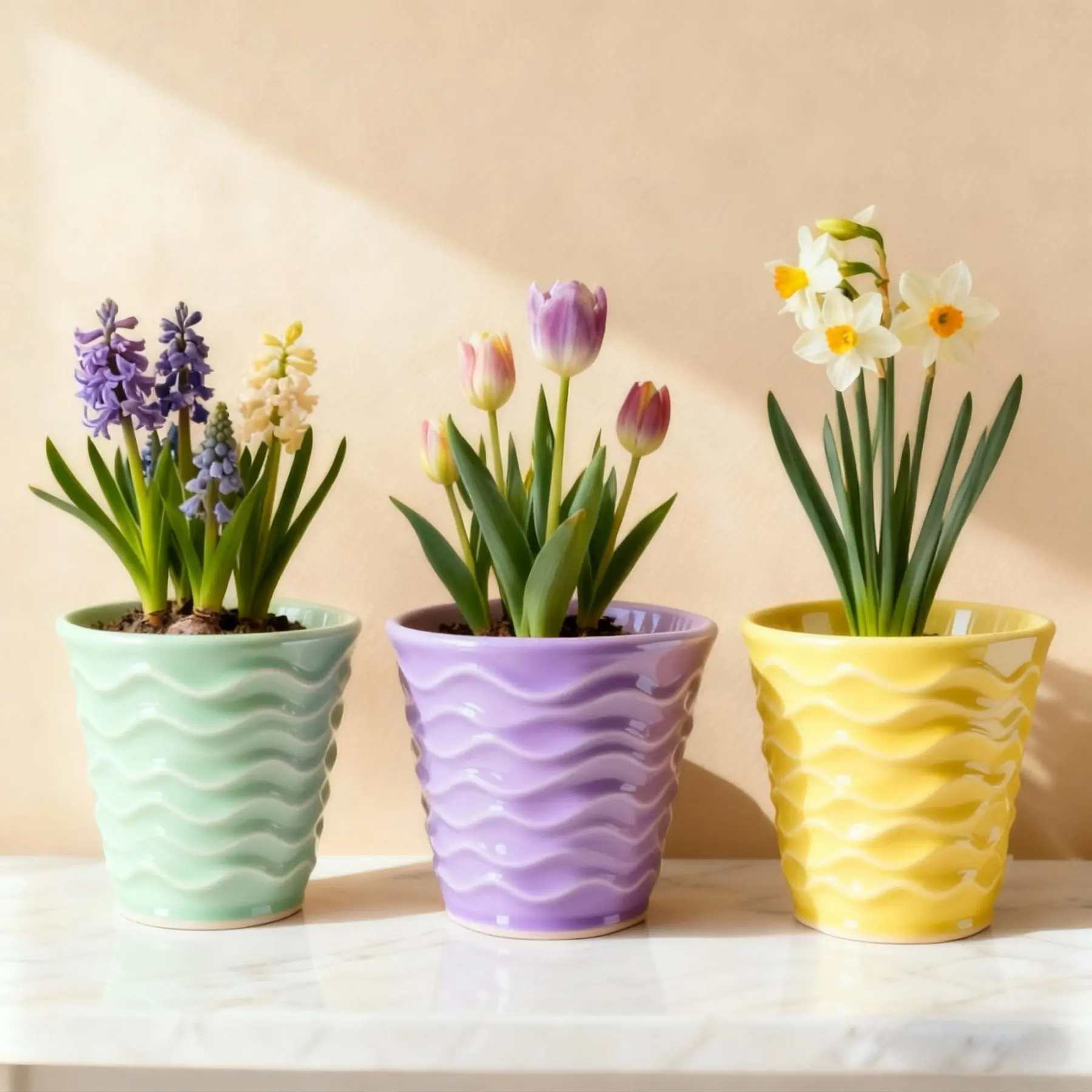
Explore our elite high-yield manufacturing selections engineered for global distributors and bulk retail operators.
The worldwide holiday decoration sector is undergoing a massive structural shift. Historically driven by seasonal craft workshops, the modern production of Christmas centerpieces, tabletop ceramic floral vases, and holiday planters is now dominated by advanced, industrialized manufacturing clusters. Commercial buyers—including international home decor brands, multinational retail supermarkets, and high-volume e-commerce merchants—face mounting pressures to source cost-competitive, structurally sound, and aesthetically modern holiday configurations. When sourcing cheap Christmas centerpiece manufacturers and factories, enterprise buyers must balance unit economics with stringent environmental regulations and strict lead-time windows.
Global consumer demand for holiday centerpieces is heavily centered around versatility and ecological sustainability. Gone are the days when single-use plastics dominated the seasonal table settings. Modern corporate social responsibility (CSR) guidelines dictate that materials must favor renewable sources. High-durability stoneware, earthenware, premium terracotta, and mineral-filled composite resins have emerged as the industry standards. Production centers in Southeast Asia and East Asia, particularly those utilizing standardized automated glazing lines and computerized tunnel kilns, have positioned themselves as the leading hubs to fulfill these high-volume commercial needs without inflating manufacturing overhead.
Furthermore, global shipping routes require centerpieces to be designed with transport physics in mind. Experienced manufacturers engineer products that nest together easily or are lightweight without compromising structural integrity. This prevents costly breakage during container transit and reduces secondary packing volumes. As a result, the commercial viability of a Christmas manufacturer is no longer determined solely by the raw unit cost, but by their overall logistic efficiency, design prototyping speed, and scalability during peak production seasons.
Statistical parameters demonstrating our supply capacity and global market footprint.
Successful holiday retail operations depend on meticulous supply chain timing. A typical retail procurement cycle for Christmas centerpieces and holiday home accents begins roughly 9 to 12 months before the products hit the shelves. For mass-market importers, securing manufacturing slots with reliable factories during Q1 and Q2 is critical. This timeline ensures that shipping containers arrive at destination ports by August or September, ready to feed downstream retail distribution networks ahead of the traditional holiday shopping kickoff in early November.
Tiered pricing models allow buyers to balance shipping costs with production discounts. Our factories optimize raw material purchase cycles when orders exceed minimum batch thresholds, directly lowering the per-unit cost.
Any delay in Christmas decoration production can ruin seasonal sales. Modern manufacturing Execution Systems (MES) track every phase—from clay preparation and slip casting to firing and final inspection—ensuring on-time delivery.
Utilizing high-speed 3D CAD modeling and digital clay printing, we convert concept sketches into tactile physical samples in under 7 days, cutting weeks off the traditional product development cycle.
Logistical consolidation also plays an important role. Many enterprise purchasers source a mix of products: ceramic pots, vases, candle holders, and seasonal figurines. Working with a versatile manufacturer capable of producing diverse substrates (ceramic, terracotta, resin, glass) under one roof simplifies QA inspection, minimizes freight billing complexities, and allows for mixed-load container shipments that drastically lower inventory storage overhead.
Your Integrated Ceramic & Home Decor Manufacturing Partner
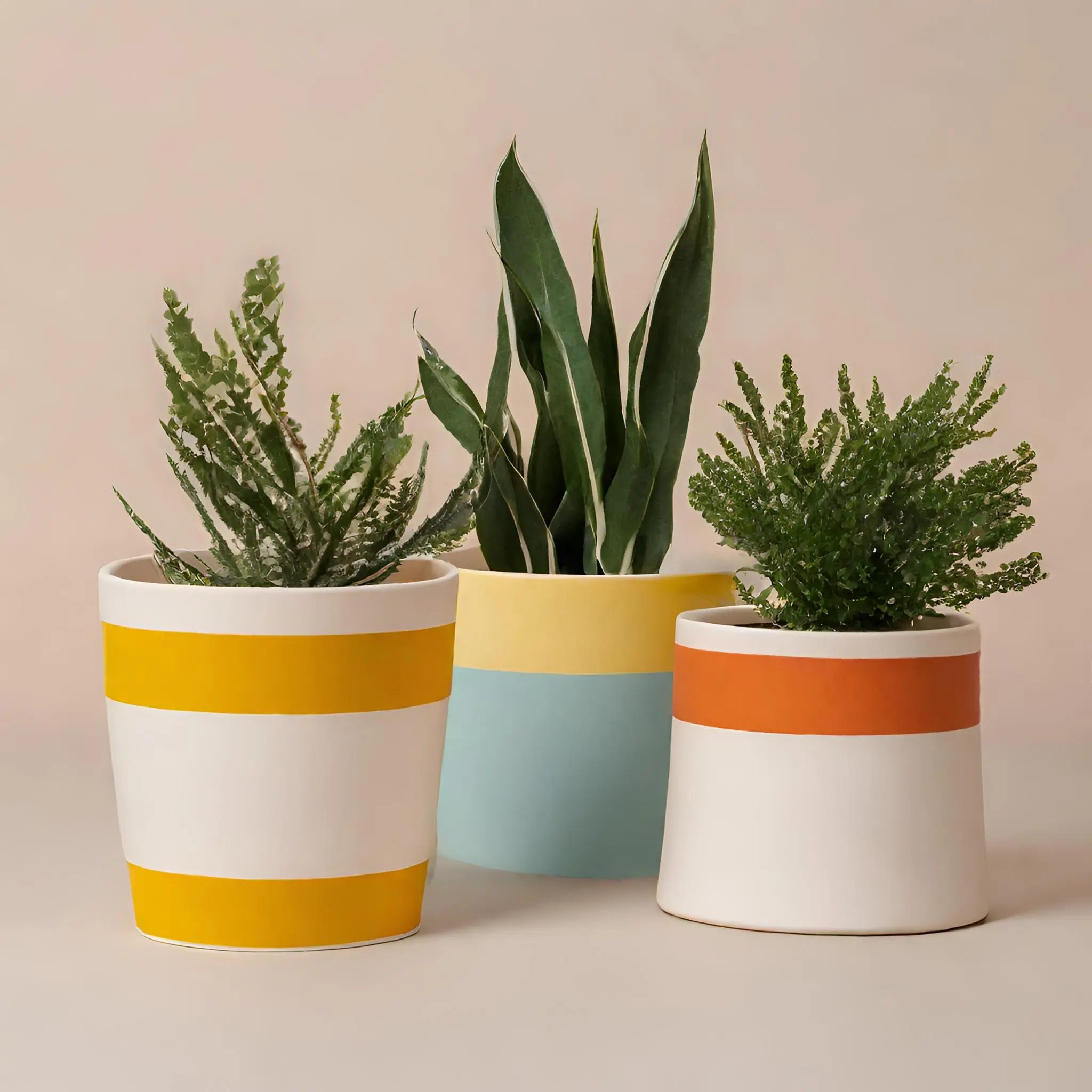
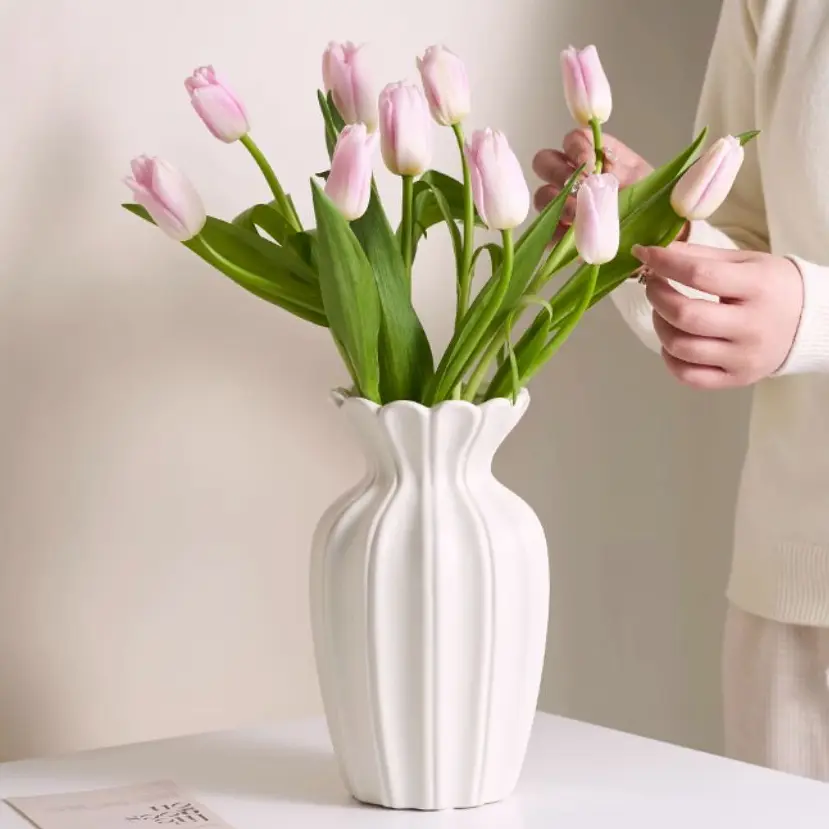
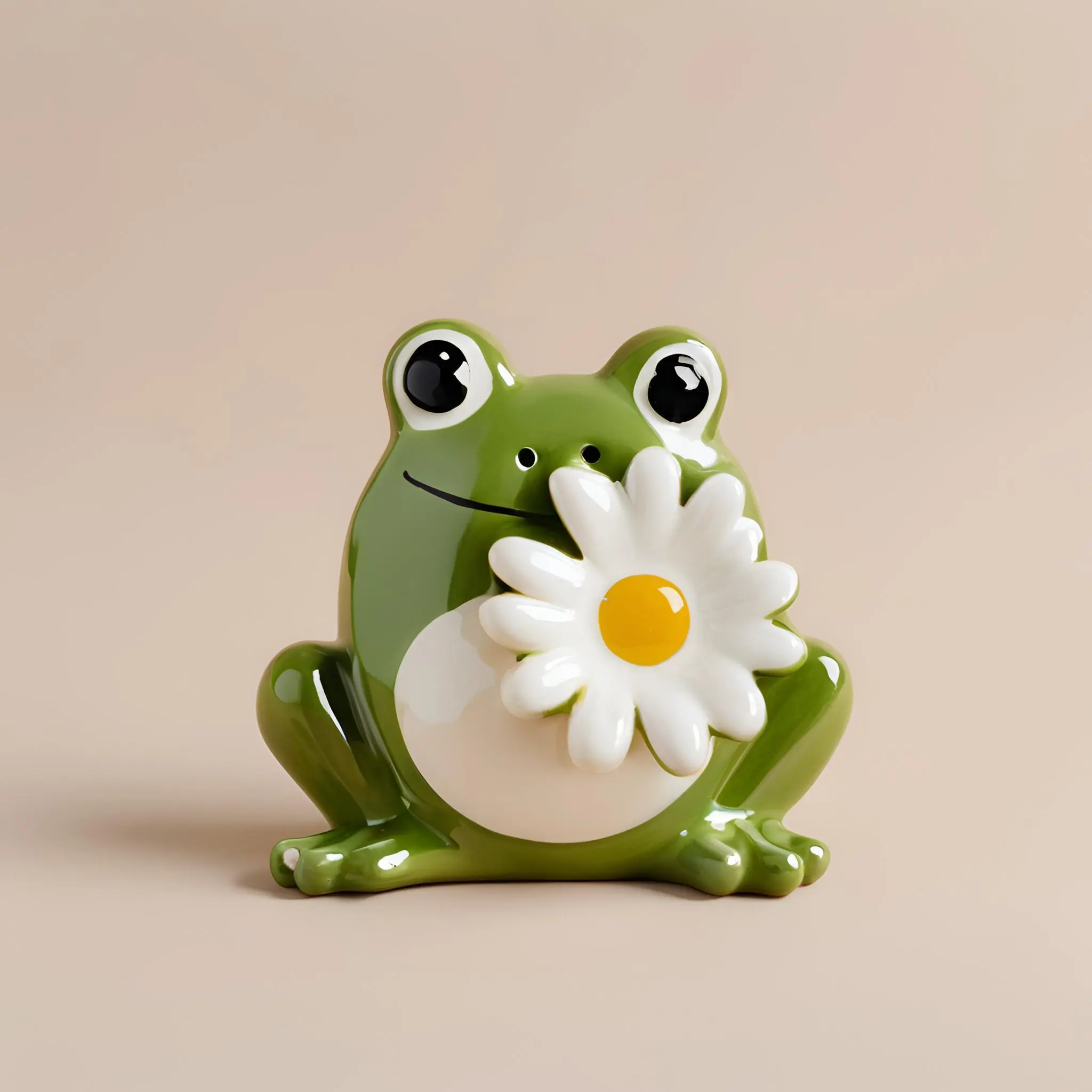
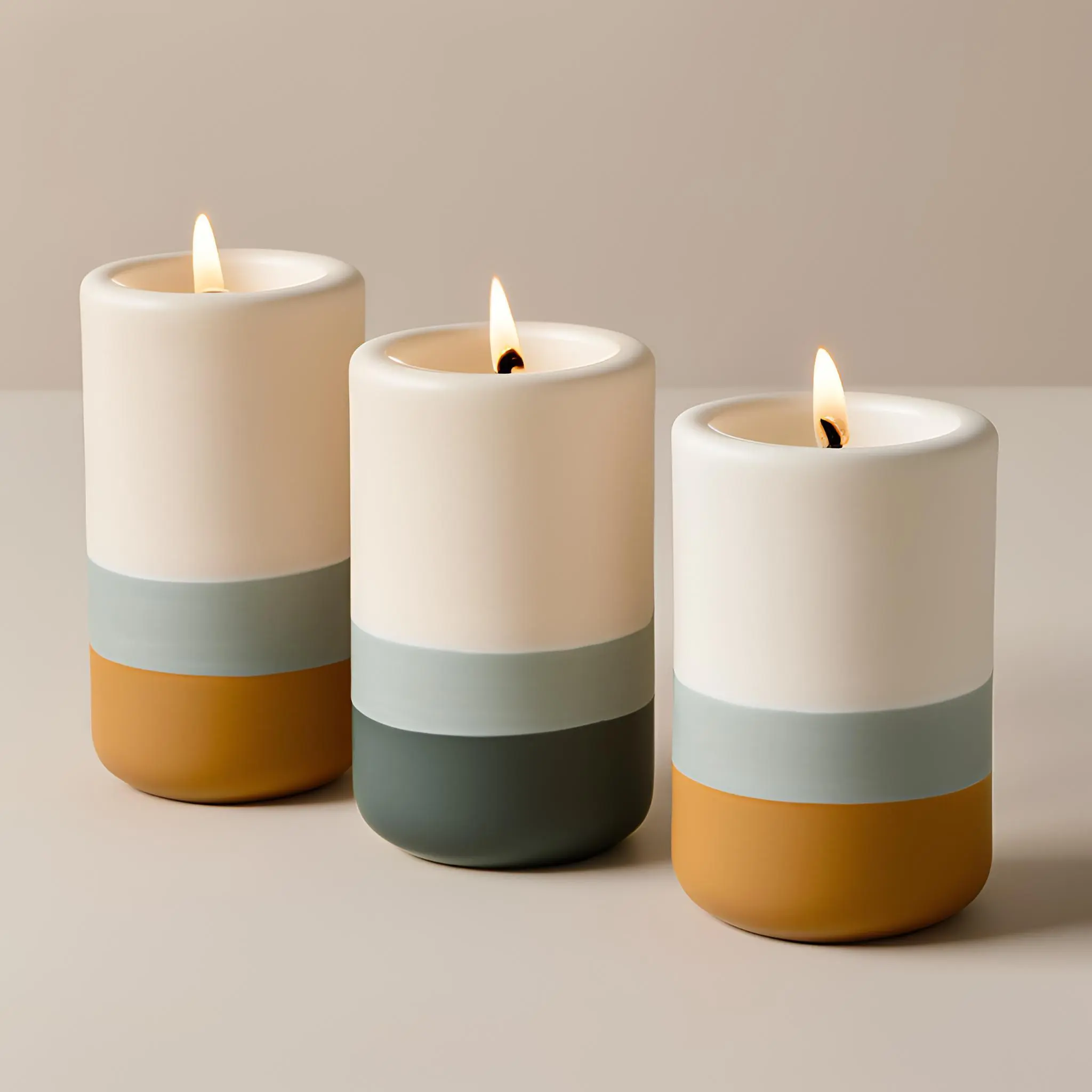
Value Deco Limited is a leading manufacturer and supplier of high-quality ceramic pots and seasonal home accents based in China. With over 12 years of industry experience, we have established ourselves as a reliable source for a diverse range of Flower Pots, Flower Vases, Candle Holders, Home Decoration, Garden Accents, and Premium Dinnerware. Our products are carefully designed to keep pace with changing market trends, ensuring that they serve a practical purpose while enhancing the visual appeal of any space.
To provide specialized service to our global client base, we operate two dedicated divisions:
Get in touch with our commercial sales team today to request custom catalogs, sample pricing, and factory audit credentials.
Learn More & Contact UsDirect access to our primary manufacturing pipelines across diverse designs and seasonal categories.
The manufacturing process for high-quality, competitively priced Christmas centerpieces requires balancing clay formulation, kiln efficiency, and decoration chemistry. Low-quality clay bodies with high impurity levels often warp or crack when fired at high speeds, raising manufacturing waste rates. Our manufacturing lines run on refined, micro-filtered kaolin clay combined with calcined minerals. This composition increases the material's thermal shock resistance, allowing our automated tunnel kilns to run faster while maintaining a low rate of physical deformation.
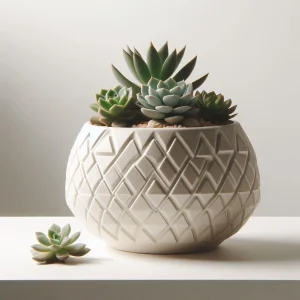
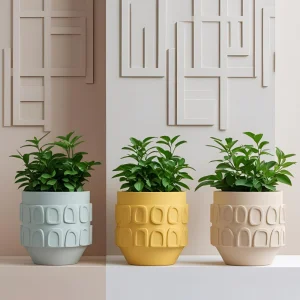
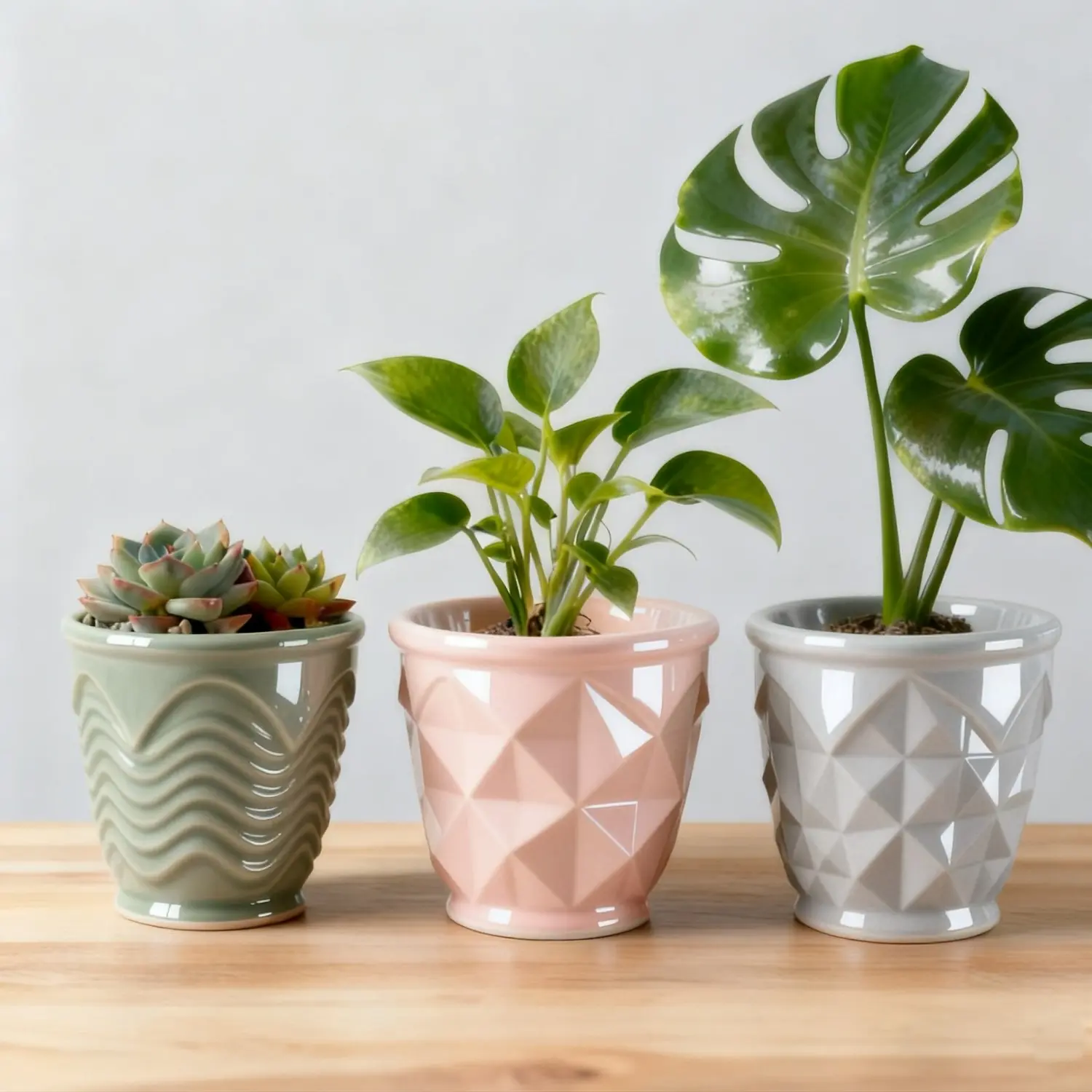
At the center of our digital production strategy is the integration of AI-driven design analysis and structural simulations. Before producing custom plaster molds, our technical team uses finite element analysis (FEA) software to simulate stresses that occur during drying and firing. This step allows us to optimize wall thicknesses and reinforcement ribs on complex geometric items, like our Geometric Patterned Ceramic Vases. The result is a robust ceramic shape that uses less raw material and fires more efficiently.
In addition, our surface treatment technologies have evolved to support eco-friendly commercial standards. We use lead-free, non-toxic glazes that cure at lower temperatures (between 1050°C and 1180°C) without losing color vibrance or scratch resistance. Our physical vapor deposition (PVD) metallic plating and reactive glaze formulations recreate traditional gold, silver, and copper finishes without the hazardous chemical runoff associated with older electroplating methods. By combining these environmental safeguards with automated manufacturing, we deliver premium festive centerpieces that comply with strict global import laws.
Importing ceramic products requires strict attention to international customs rules, product safety laws, and environmental policies. For North American and European buyers, navigating regional anti-dumping duties (ADD) on Chinese ceramic wares is a key consideration. Value Deco Limited actively manages import risks by implementing structured trade compliance audits and using verified manufacturing partners. We also maintain clean custom classifications and follow clear country-of-origin labeling protocols to avoid delays at international ports.
Our quality control system uses the international AQL 1.5 standard for major defects and the AQL 4.0 standard for minor cosmetic flaws. Our certified quality assurance teams inspect every batch of products, from clay preparation to final packaging. Our factories carry key international credentials, including BSCI (Business Social Compliance Initiative) and SMETA (Sedex Members Ethical Trade Audit). This ensures that all items are manufactured in safe, fair, and legally compliant working environments, protecting our corporate clients' brand reputations.
To support smooth, localized product distribution, we offer customized logistics services. These include drop-shipping options for regional distribution centers, custom retail-ready packaging with barcodes (UPC/EAN), and drop-test certified boxes (ISTA 1A/3A standards) designed to protect delicate ceramic ware during the final shipping leg to the customer's door.
Answers to key technical, logistical, and commercial inquiries for global volume buyers.
Expand your inventory with our top-selling decorative vessels and holiday accent figurines.