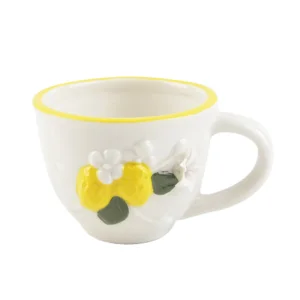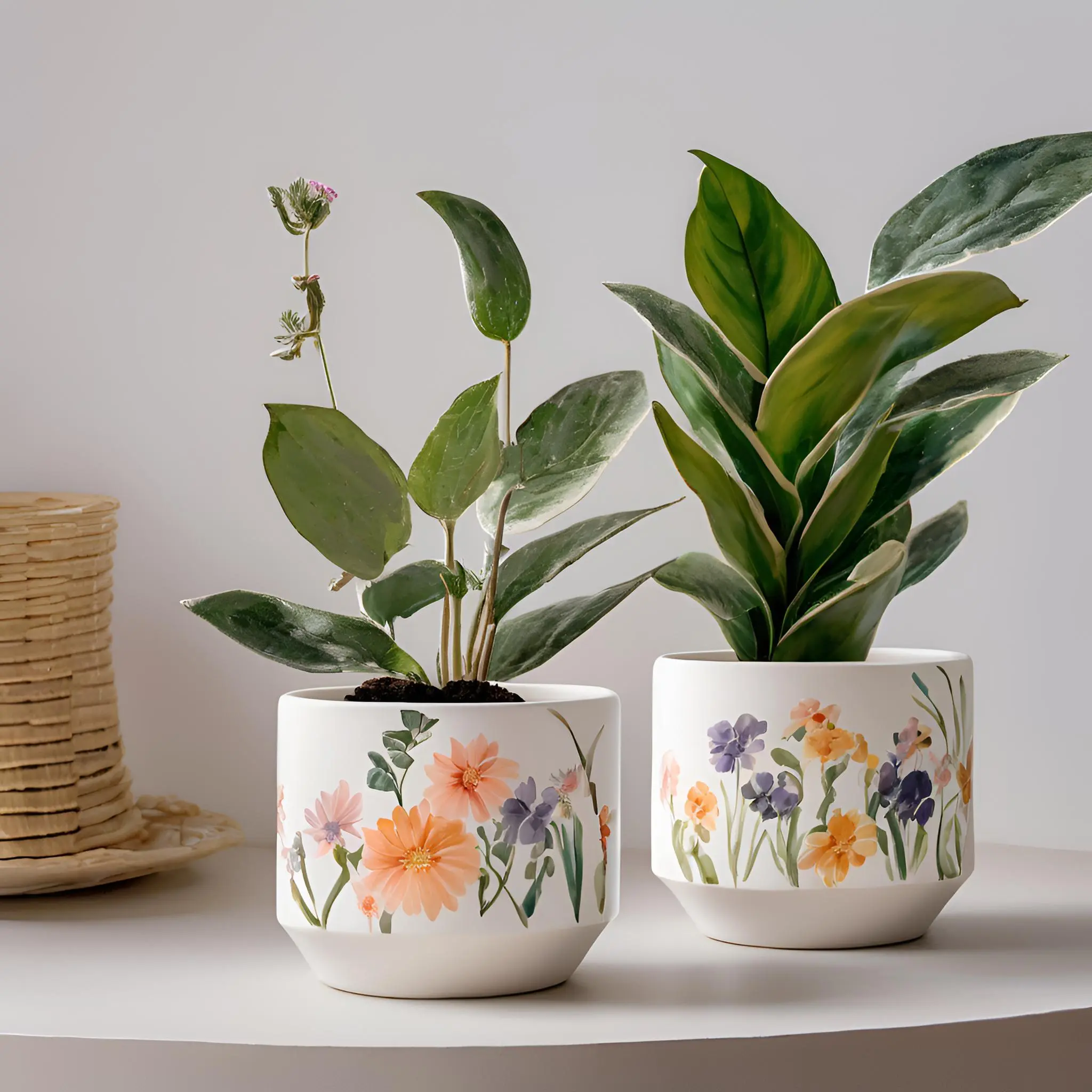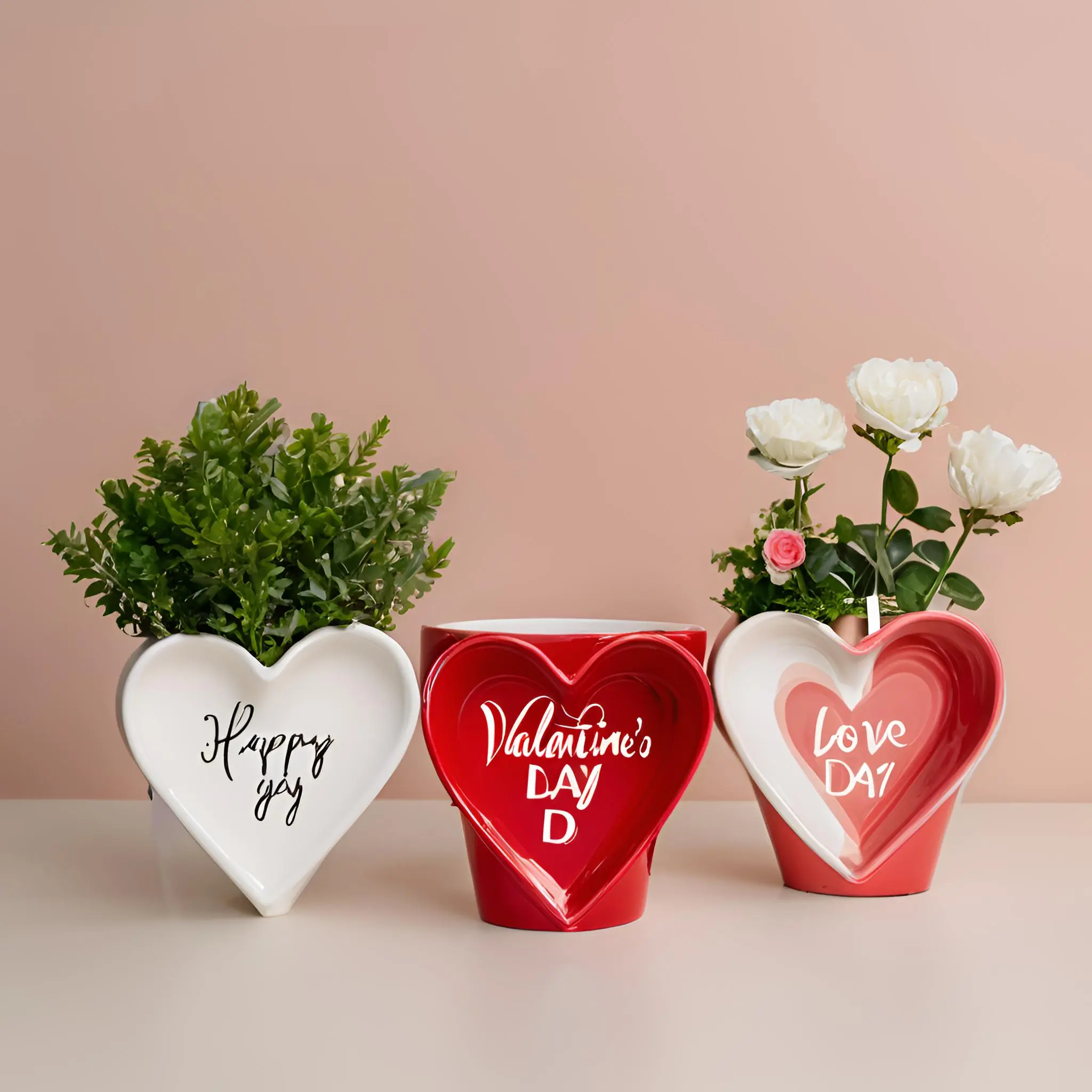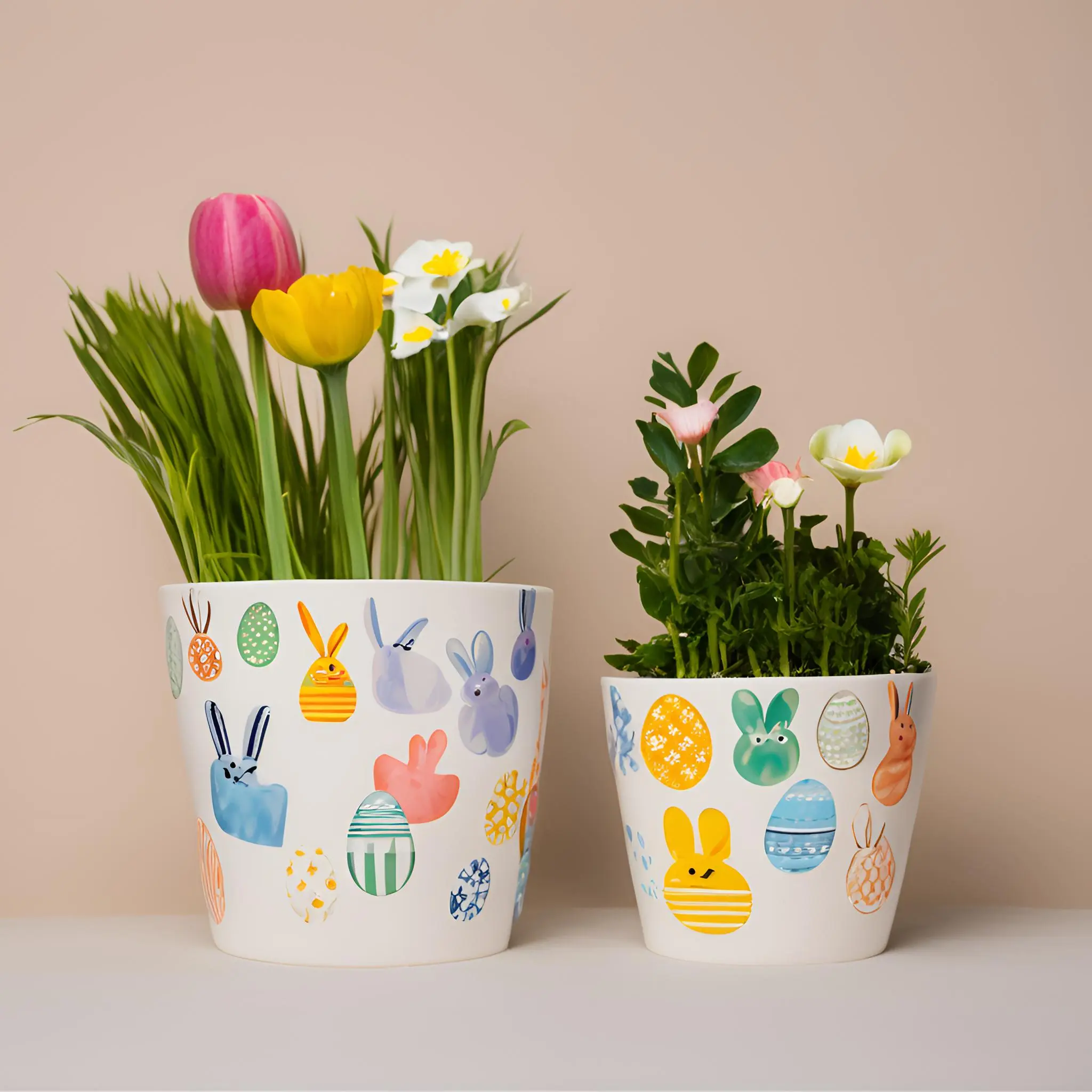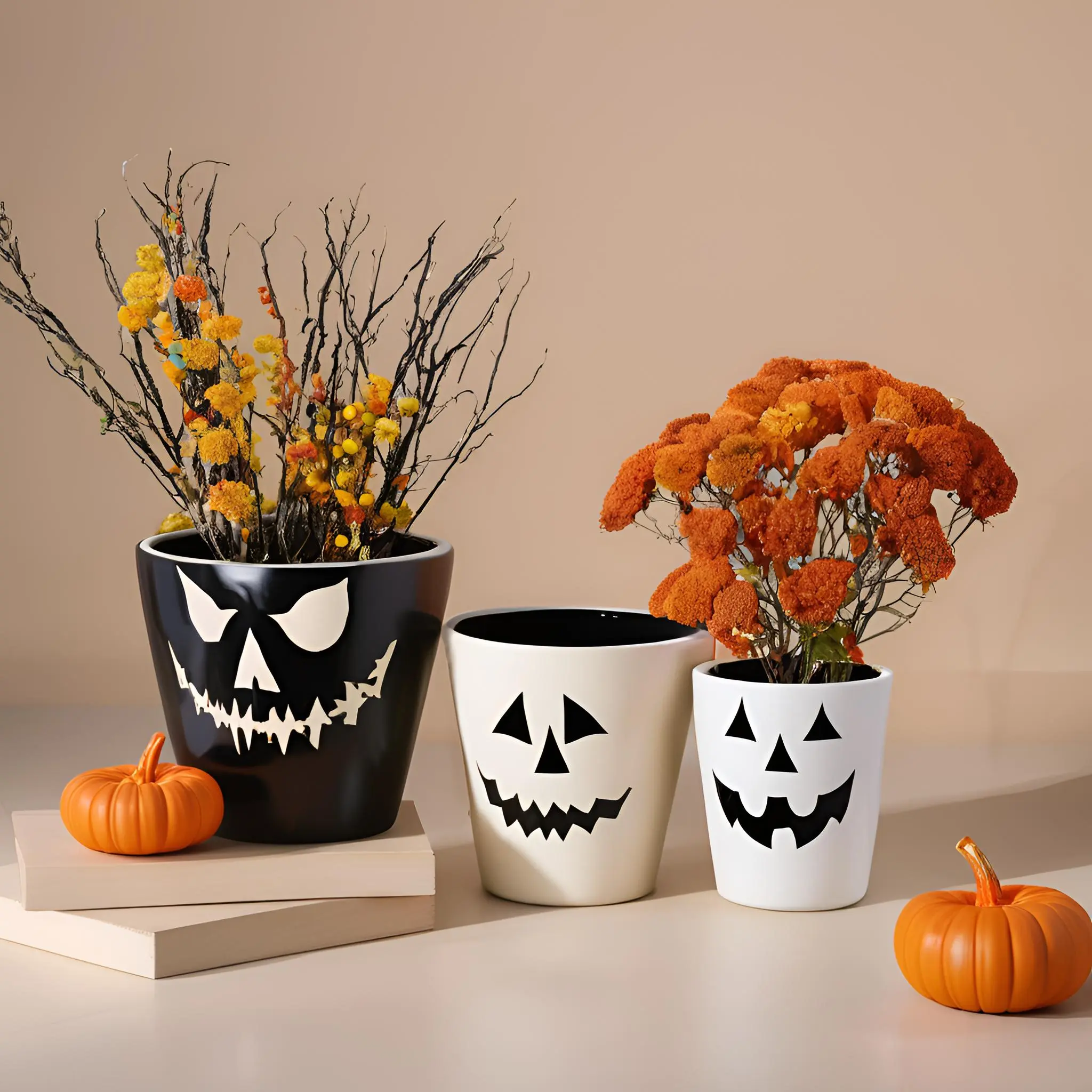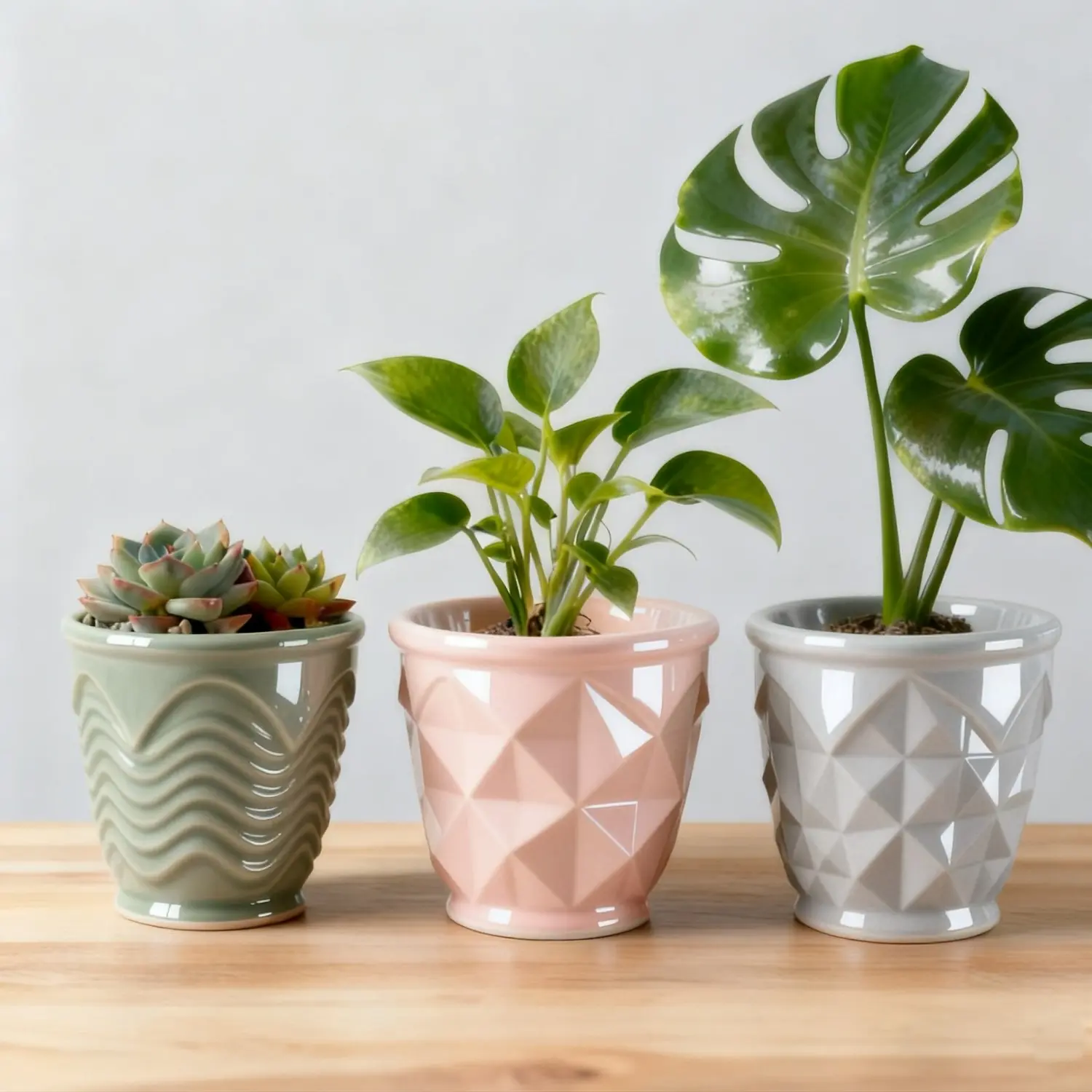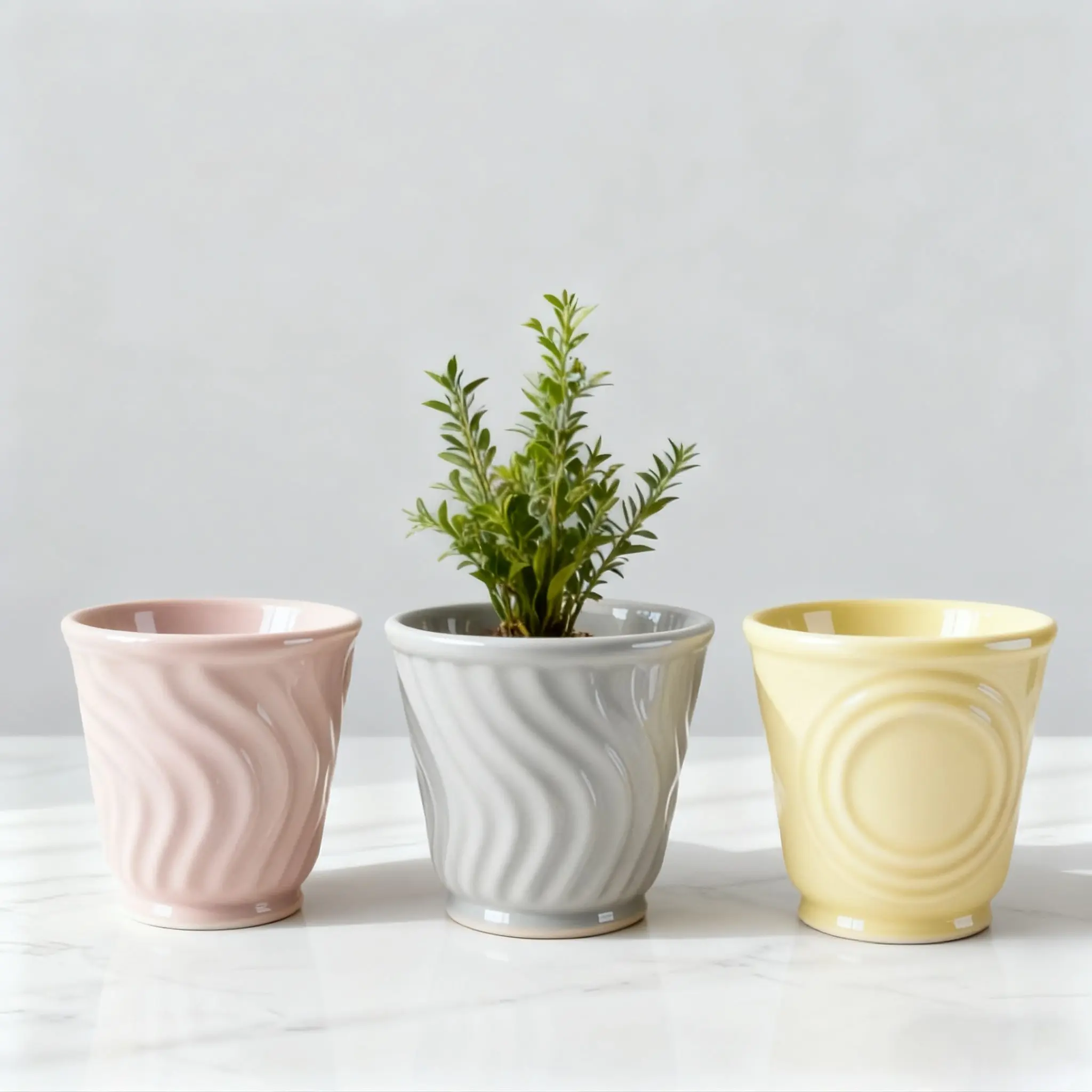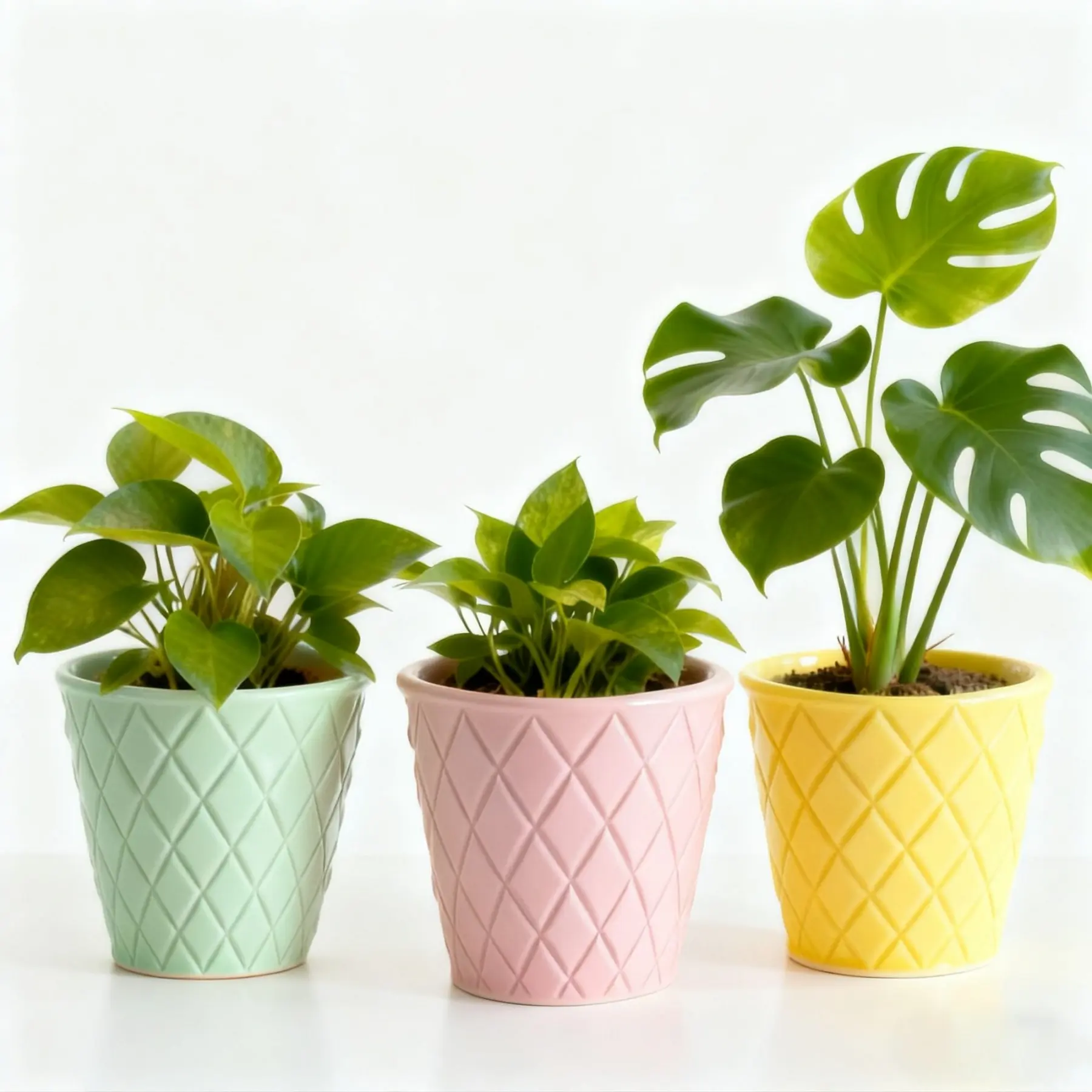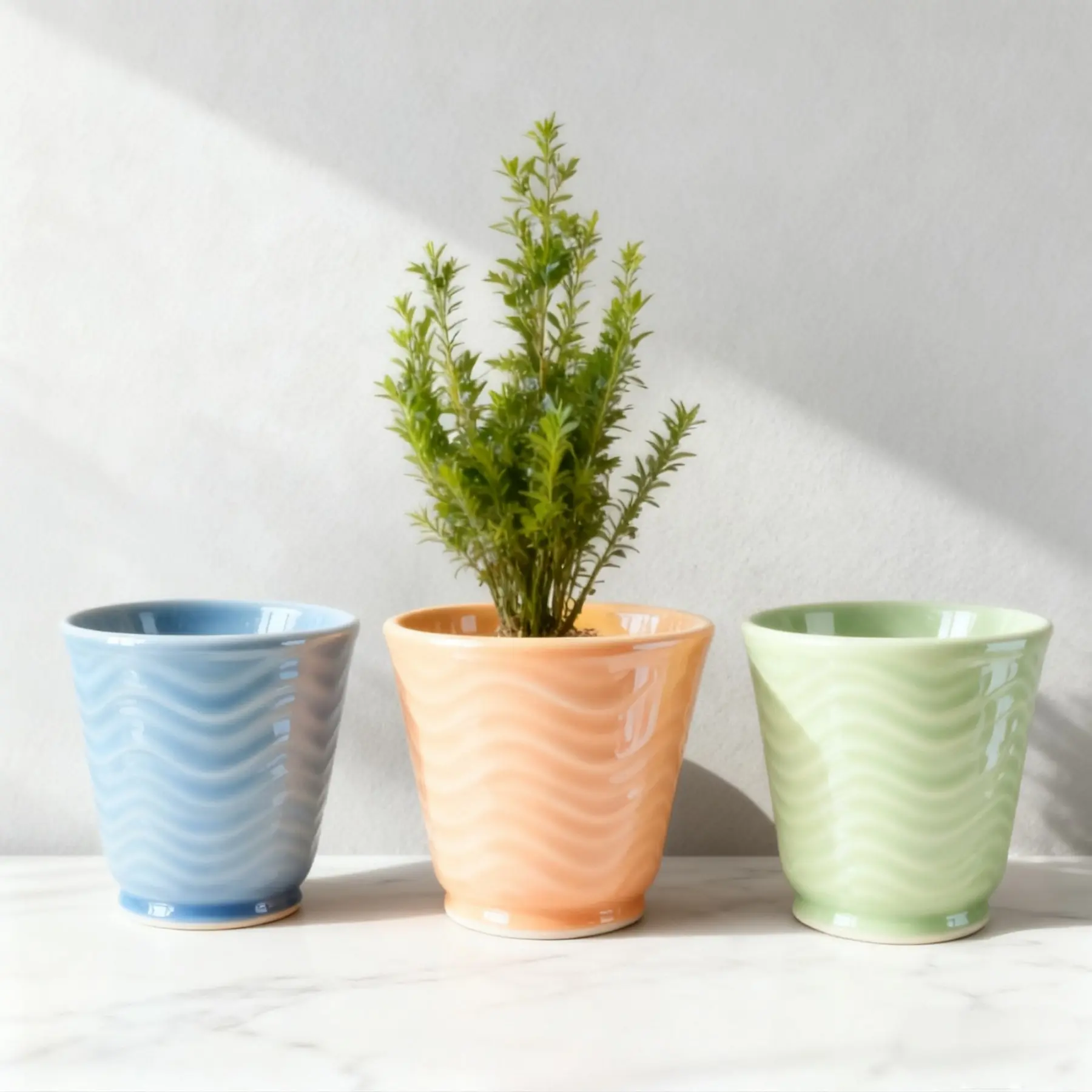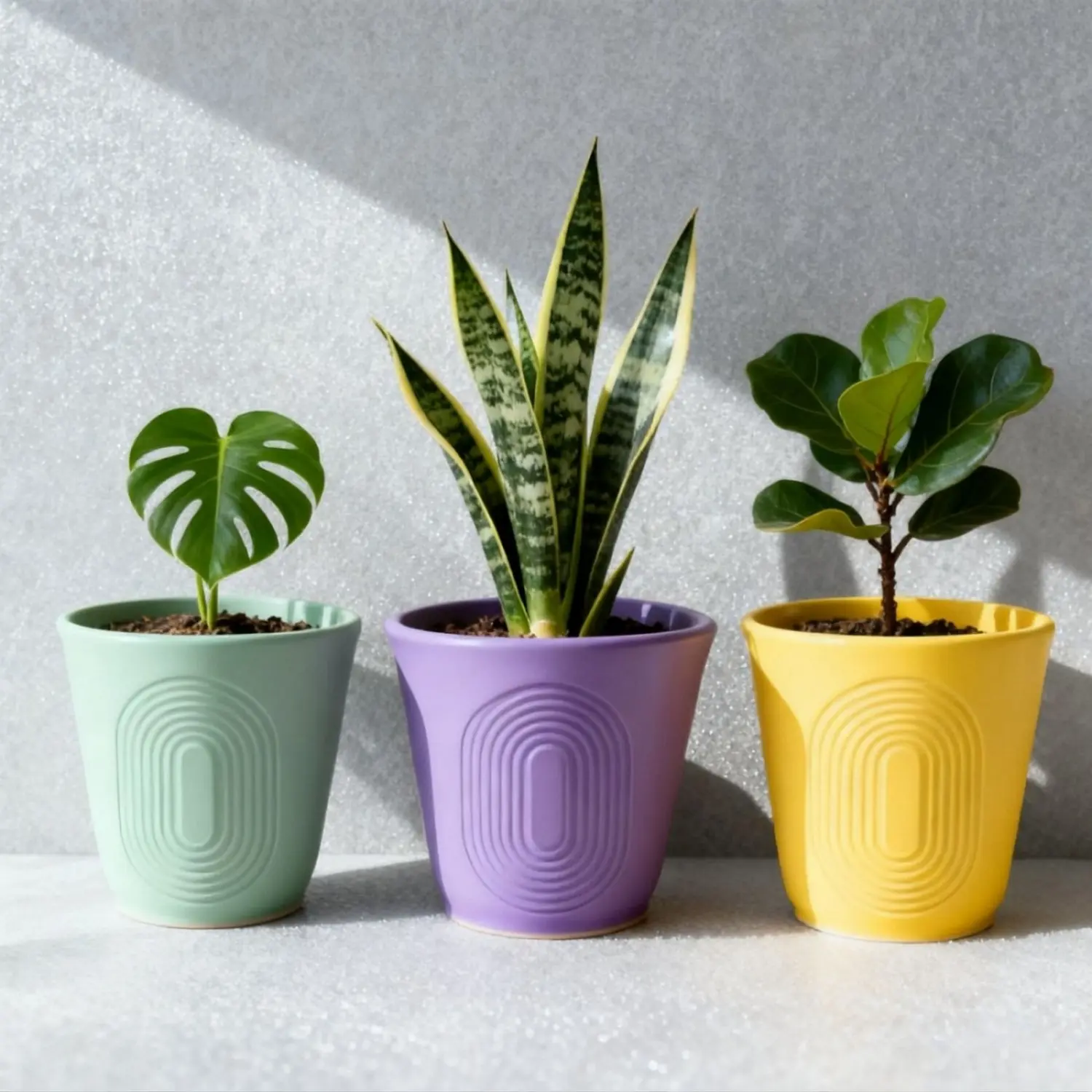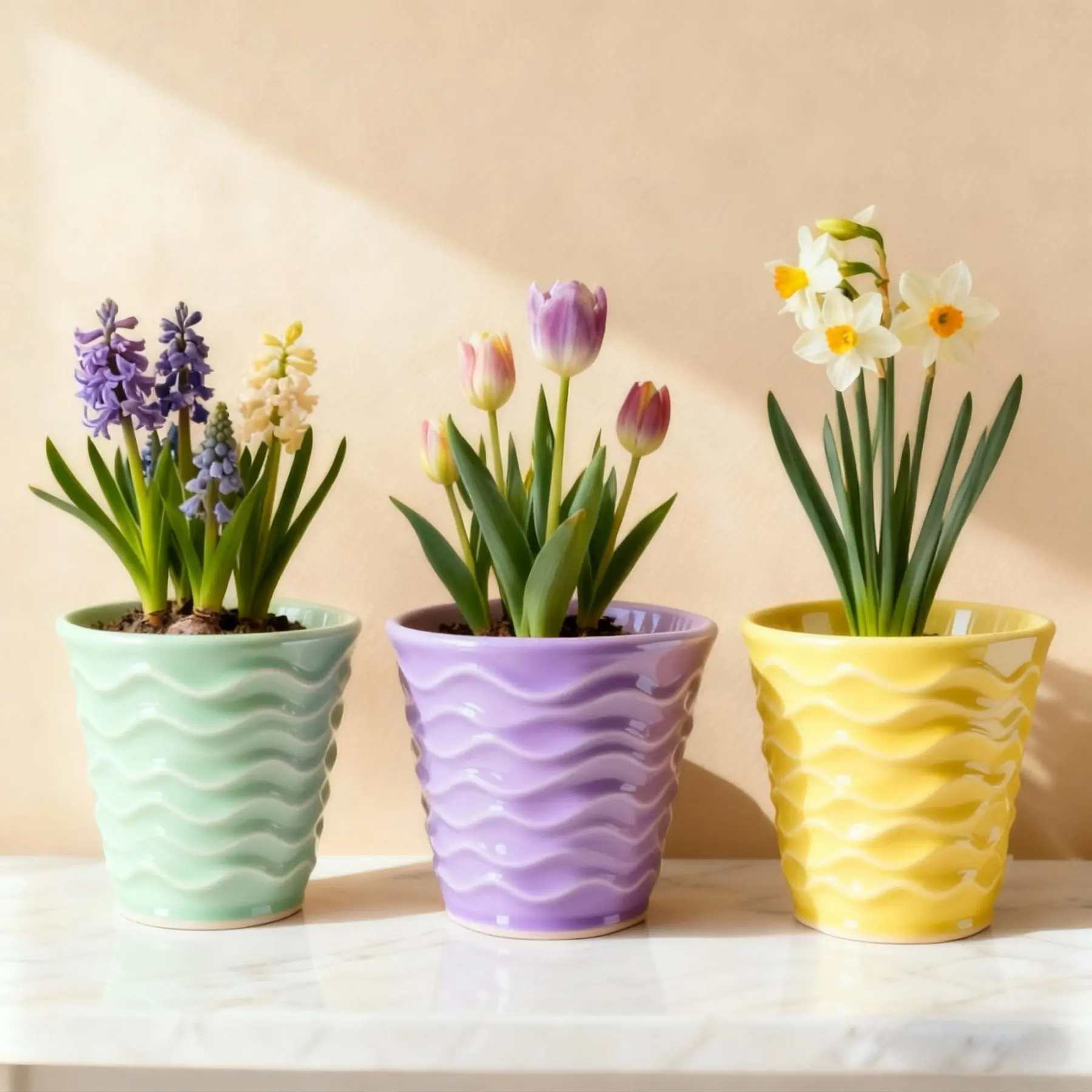
Explore our diverse high-durability products constructed to meet global quality standards.
In the highly competitive global retail and hospitality markets, identifying a reliable cheap ceramic bowl supplier who maintains high standards of safety, style, and durability is critical. In ceramic production, "cheap" does not refer to reduced material quality or cutting corners. Rather, it signifies structural efficiency within the supply chain, advanced factory automation, localized raw material sourcing, and optimal thermo-mechanical manufacturing processes. Importers, wholesalers, and hospitality buyers require manufacturing partners capable of balancing affordability with strict regulatory compliance.
Ceramic bowls serve diverse operational contexts, from high-temperature commercial ovens in restaurants to elegant settings in home decor retail. Each application demands specific physical attributes. For instance, thermal shock resistance is essential for dinnerware transitioning between hot foods and wash cycles, while glaze density is key to preventing surface scratching in high-traffic settings. Understanding the microstructural properties of materials, from earthenware to high-fired stoneware and porcelain, allows purchasing directors to write precise specifications that avoid product failures.
“Information Gain Advantage: Modern commercial ceramic manufacturing uses specialized raw materials like kaolin clay blended with precise amounts of silica and feldspar. This mixture is fired at temperatures exceeding 1,200°C to achieve optimal vitrification. This ensures a non-porous structure that resists moisture absorption and bacterial growth.”
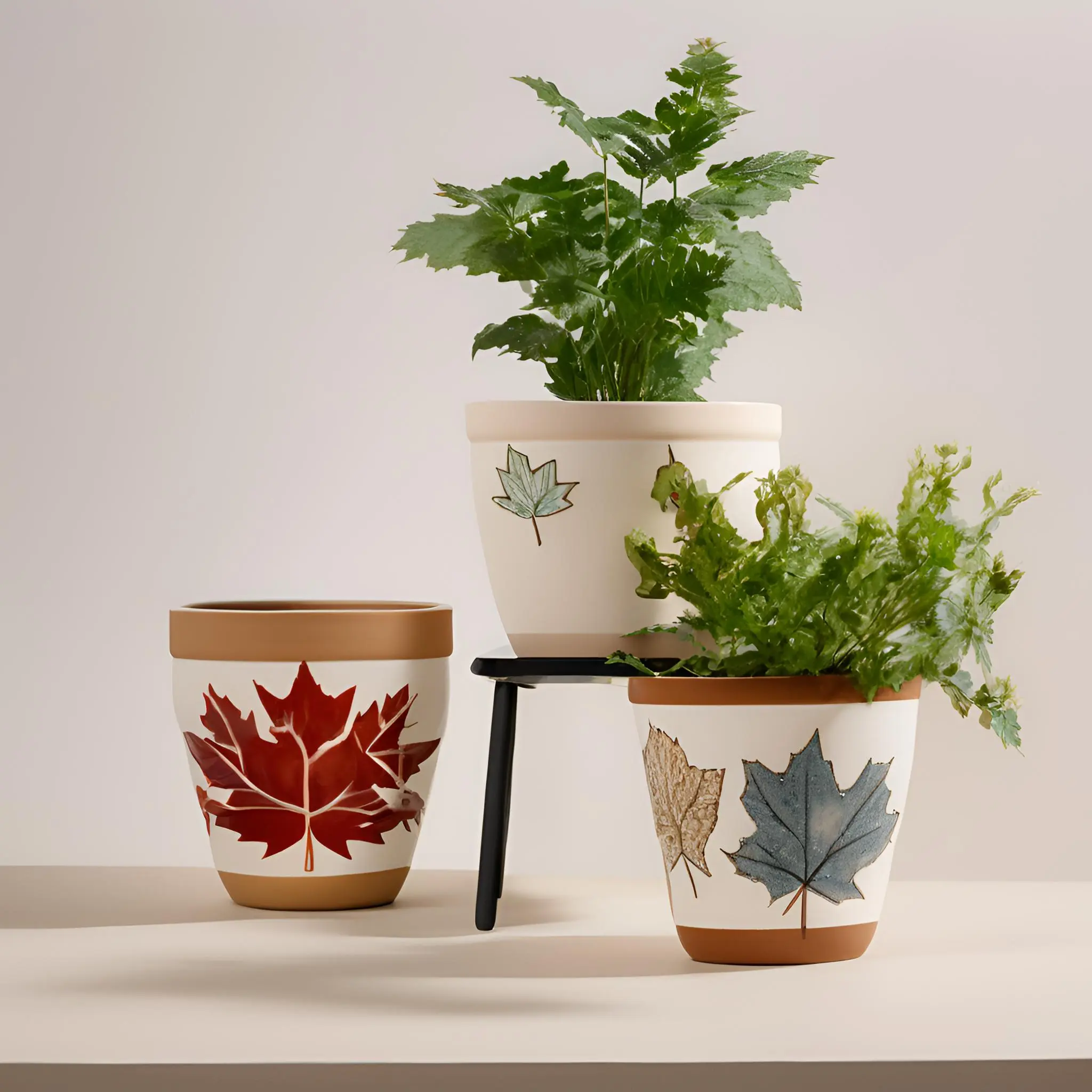
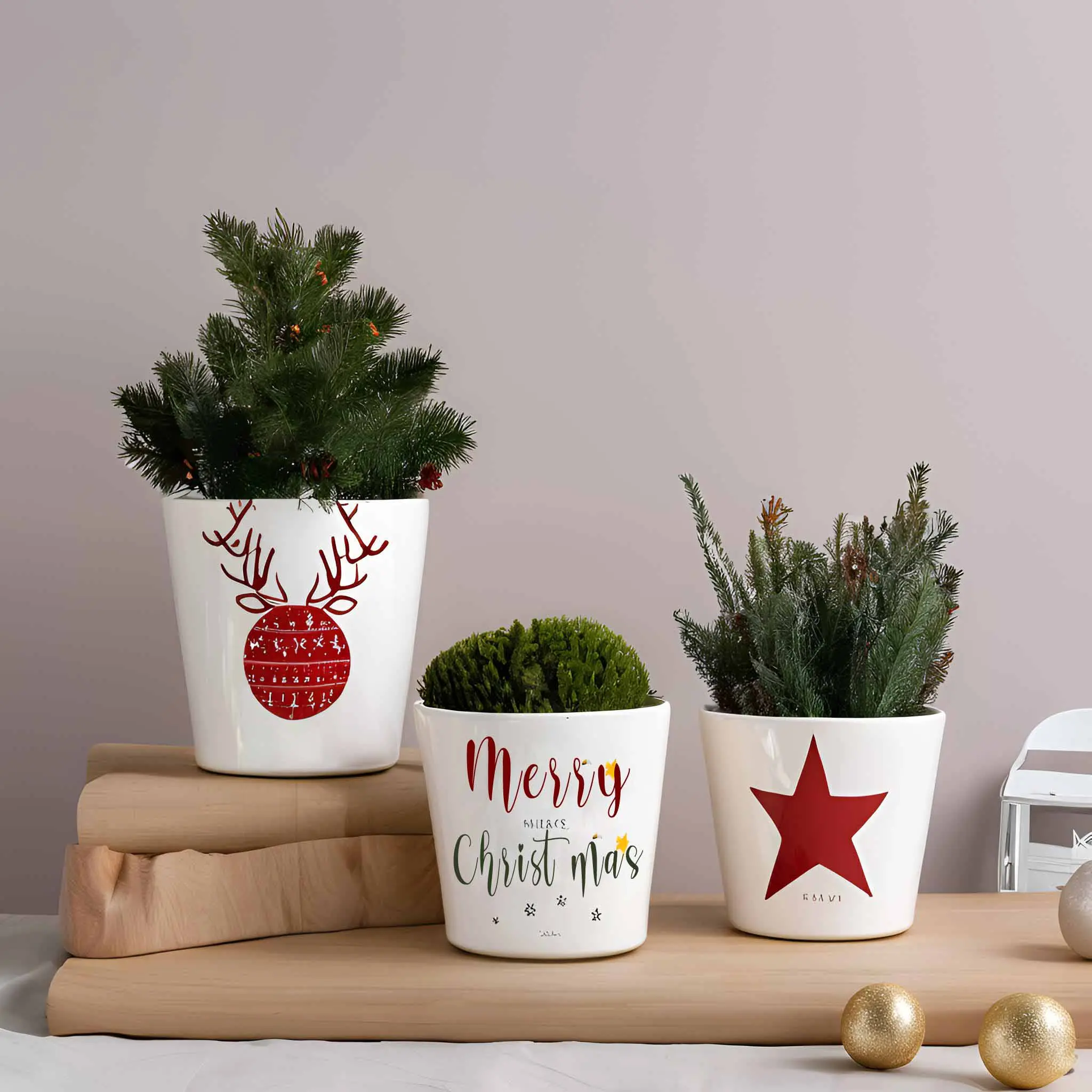
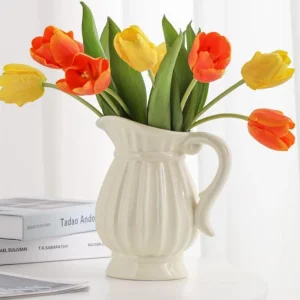
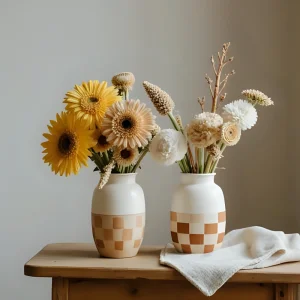
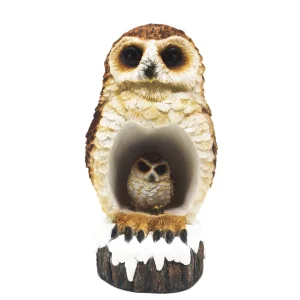
Diverse product selections engineered to serve both functional requirements and decorative aesthetics.
The concentration of ceramic manufacturing in China, particularly in historic clusters like Chaozhou, Dehua, and Liling, yields unmatched competitive advantages. These regions house robust, integrated supply chain networks. Raw material processing, glaze chemistry labs, automated kiln engineering, and packaging facilities operate adjacent to one another. This geographical proximity reduces transit times and transport costs for raw materials, passing significant savings down to global buyers seeking a cost-effective ceramic bowl factory.
Modern Chinese ceramic factories utilize automated roller hearth kilns and continuous shuttle kilns heated with natural gas. These systems utilize heat-recovery mechanisms, ducting exhaust heat back into pre-heating chambers. This reduces fuel consumption by up to 30% compared to older designs. Computerized temperature control maintains a stable heat profile across the firing cycle, drastically lowering defects such as warping, bloating, or uneven glaze melt. High yield rates allow factories to reduce unit prices without sacrificing material integrity.
A key capability of Chinese ceramic factories is rapid prototyping through advanced technology. Using CAD modeling and 3D-printed master molds, manufacturers can move from a design concept to a physical sample in as little as 5 to 7 days. Whether your market demands relief detailing, reactive glazes, underglaze decals, or custom geometric profiles, factories can scale production rapidly. This agility supports high-volume retail product launches and tight promotional timelines.
B2B importers face stringent legal requirements regarding food contact materials. Ceramics must comply with toxicological thresholds for heavy metal leaching, specifically lead and cadmium. Failure to meet these criteria can lead to border rejections, costly recalls, and brand damage. A professional cheap ceramic bowl supplier operates robust in-house laboratory testing alongside independent third-party verification to meet global standards.
To guarantee compliance, our quality control team follows strict testing protocols throughout the production run. This starts with testing incoming raw clay lots using X-ray fluorescence (XRF) to check chemical composition. We also perform daily thermal shock tests, heating samples to 180°C and plunging them into cold water to verify structural integrity. Additionally, we run automated diagnostic tests to confirm dishwasher and microwave compatibility, ensuring our products stand up to heavy daily use in commercial settings.
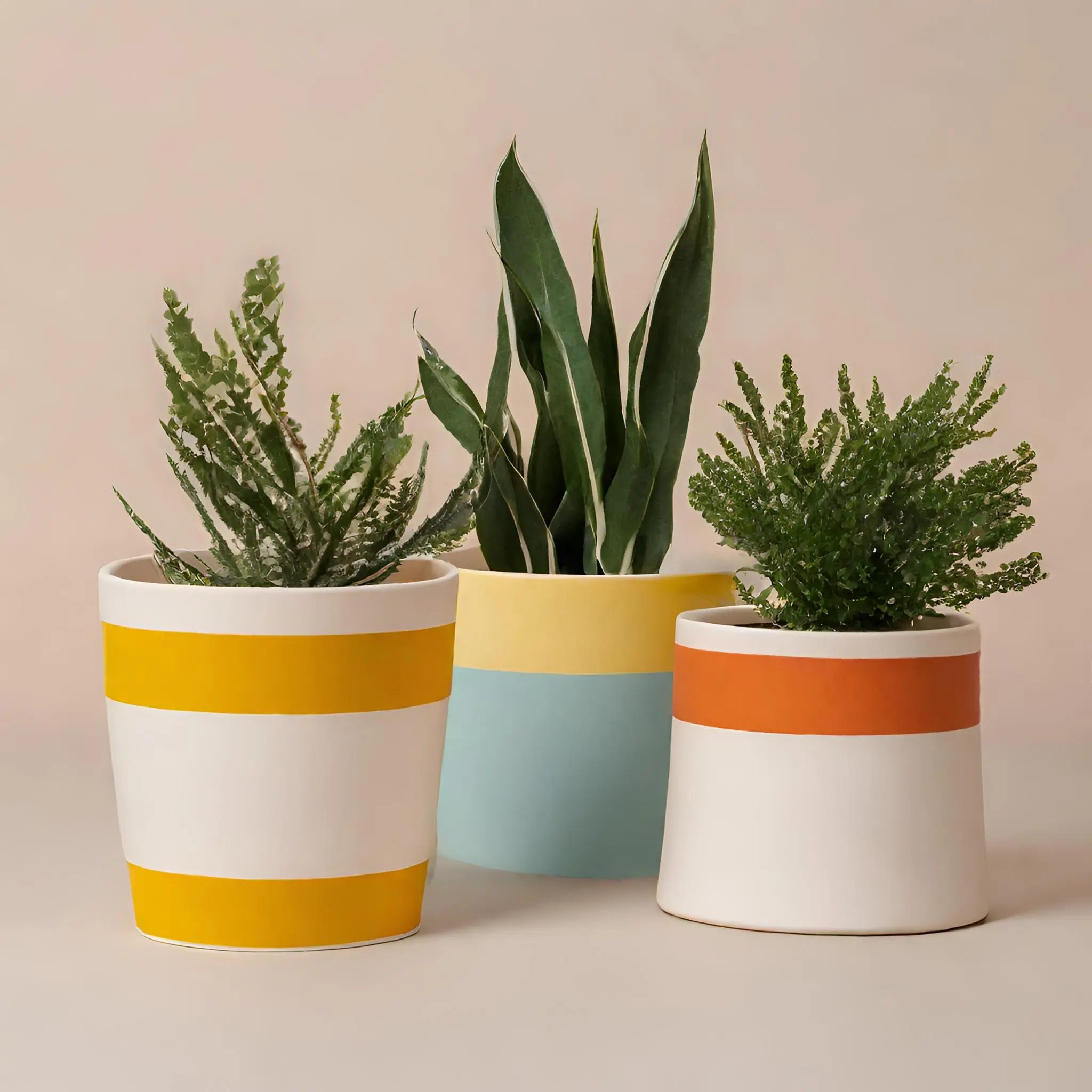
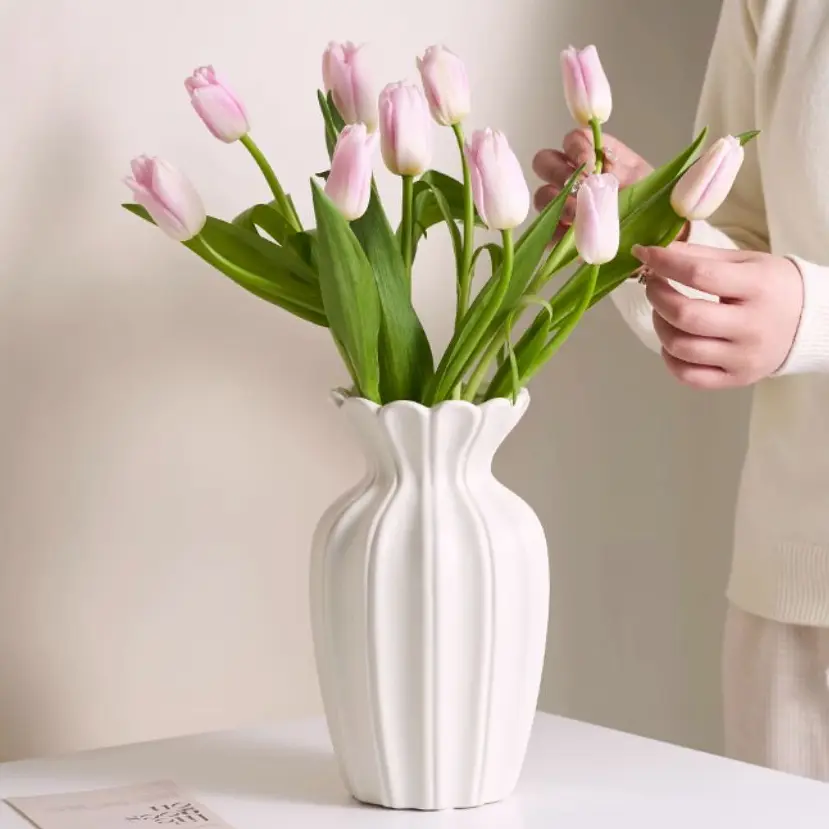
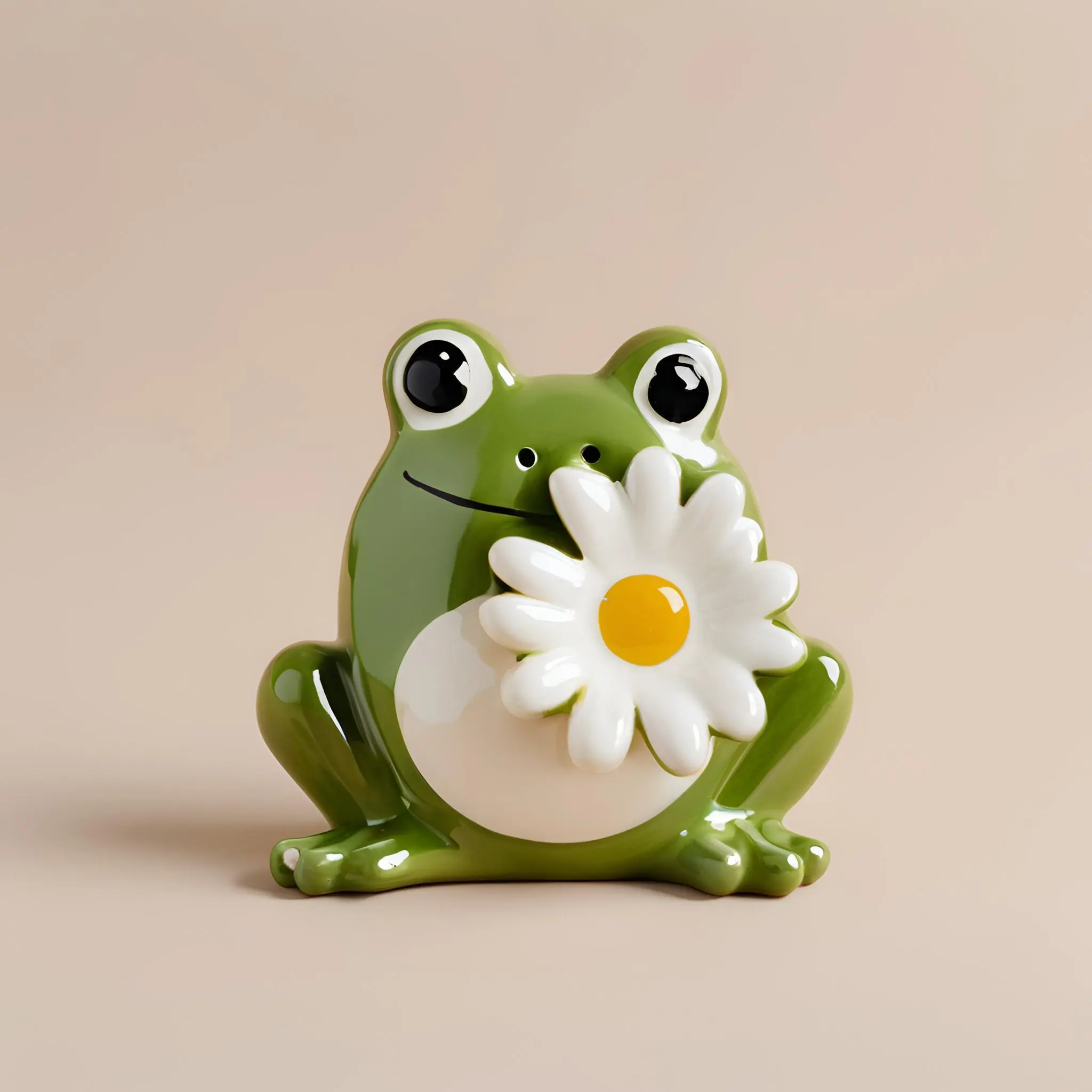
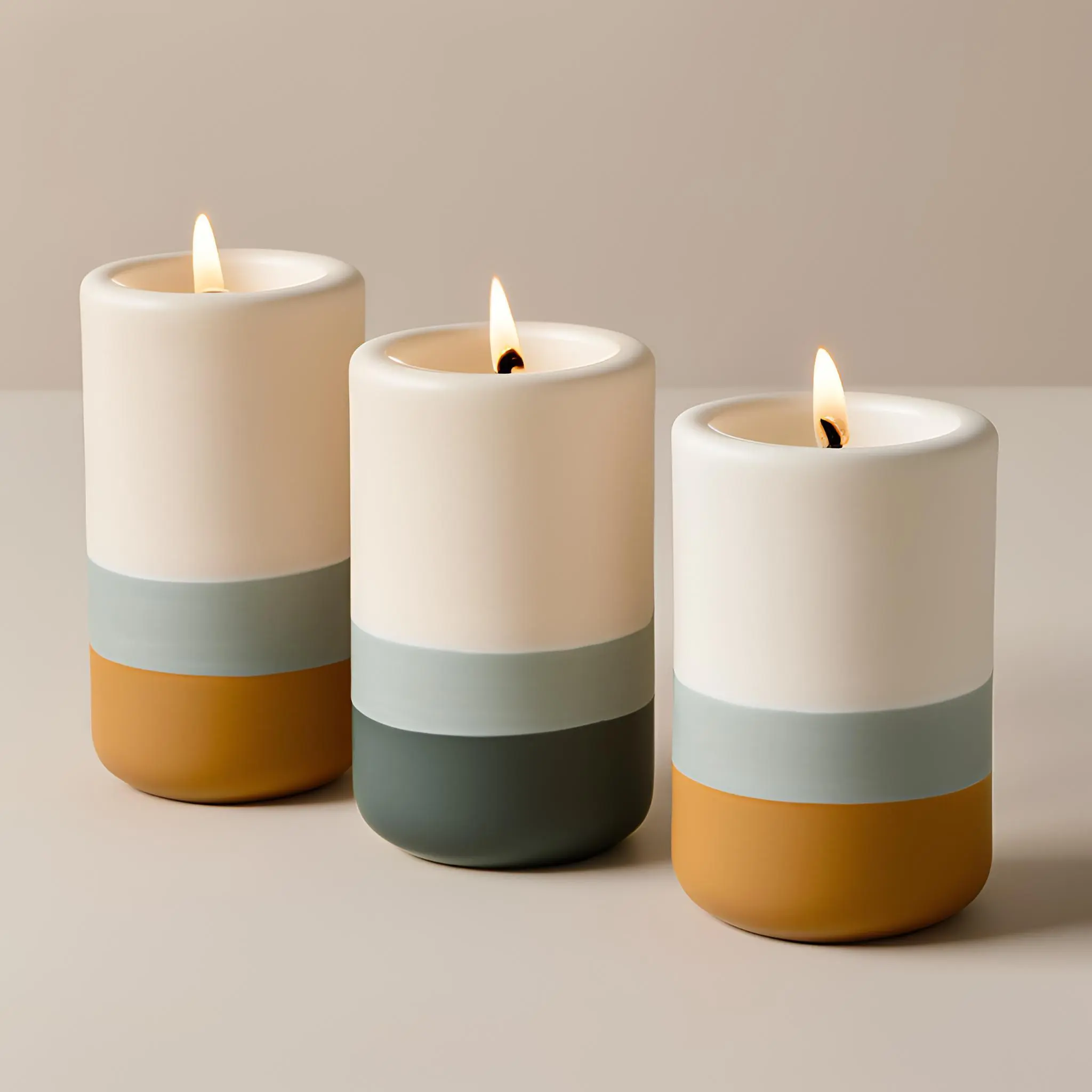
Value Deco Limited is a leading supplier of high-quality ceramic pots based in China. With over 12 years of experience in the decoration industry, we have built a strong reputation for offering a diverse range of Flower Pots, Flower Vases, Candle Holders, Home Decoration, Garden Decoration, and Dinnerware, suitable for various seasons and applications. Our products are designed to align with trending designs, ensuring that they not only serve a functional purpose but also enhance the aesthetic appeal of any space.
Value Deco - Flower Pots Division:
Sub-Website for Flower Pots: www.valuedeco.com
Pride Deco - Home & Garden Décor Division:
Sub-Website for Home Decor, Candle holders, Dinnerware, Garden Decor: www.pridedeco.com
Global ceramic procurement has transitioned from simple, transactional purchasing to strategic, long-term partnerships. Procurement professionals must navigate shifting tariffs, optimize container space to reduce ocean freight costs, and manage inventory velocity. A key focus is maximizing container load factors. Since ceramics are heavy and dense, packing configurations must optimize volumetric efficiency while preventing shipping breakage. Experienced exporters mitigate transit hazards by using ISTA-certified packaging designs and customized palletization.
Sustainable production is reshaping the ceramics industry. Consumers are seeking eco-friendly alternatives to single-use plastics, driving demand for durable, reusable ceramic items. Consequently, commercial buyers look for manufacturers that prioritize environmental responsibility. This includes utilizing closed-loop water filtration systems that recycle clay sludge, sourcing energy from natural gas, and using lead-free glazes. Implementing these green manufacturing processes helps brands align with consumer expectations for sustainable products.
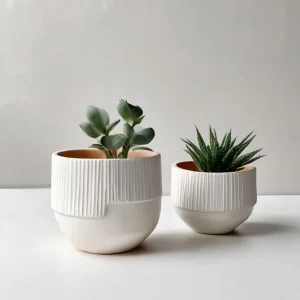
Contemporary product designs lean heavily toward earthy tones, matte surfaces, and reactive glazes that evoke a hand-crafted look. Rather than uniform high-gloss finishes, buyers prefer organic shapes with subtle surface textures, such as vertical ridges and wavy embossed patterns. These designs are highly popular in retail markets and specialty coffee shops. Using advanced industrial manufacturing to replicate these artisanal glazes allows factories to deliver high-end designs at scale and at competitive prices.
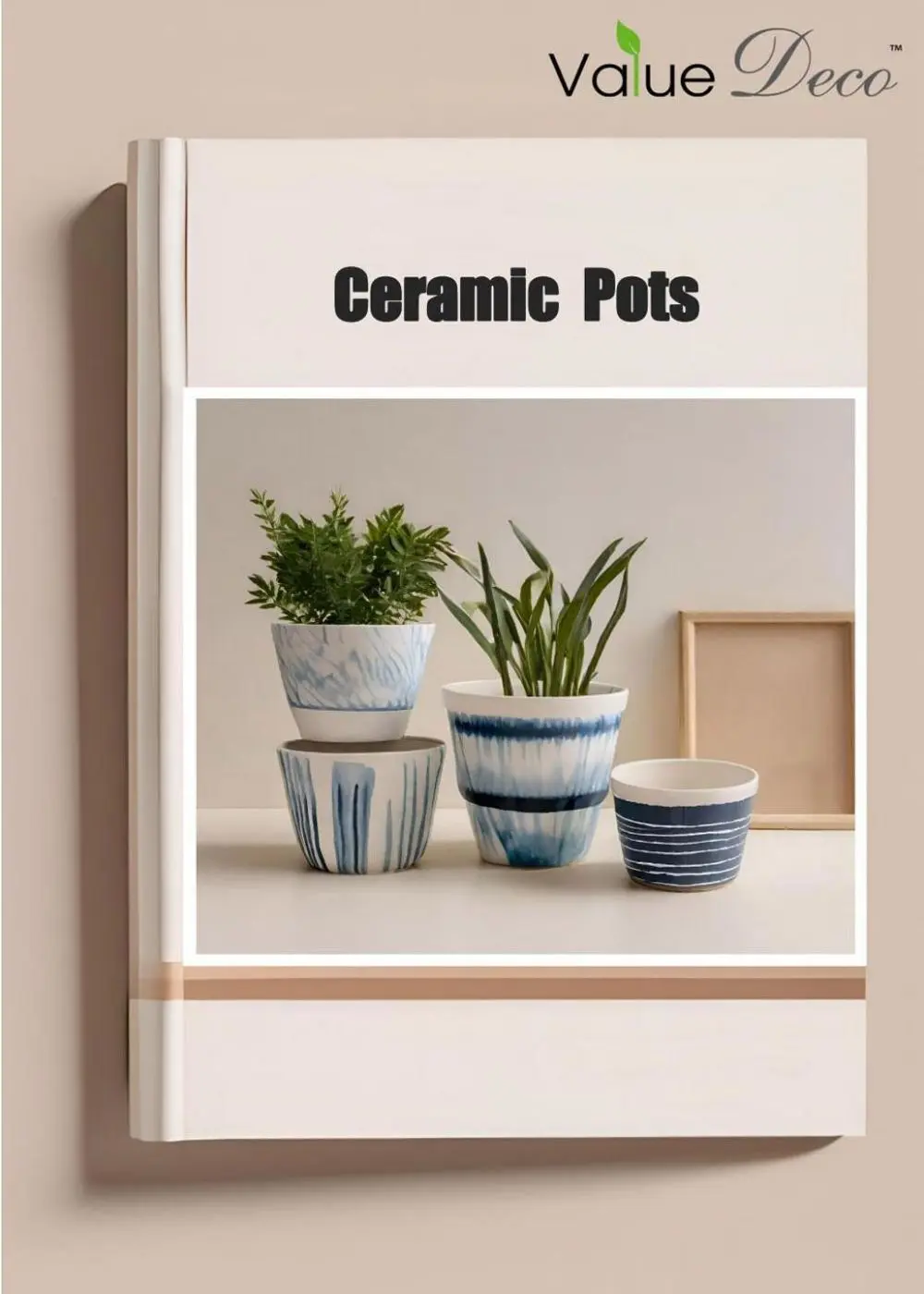
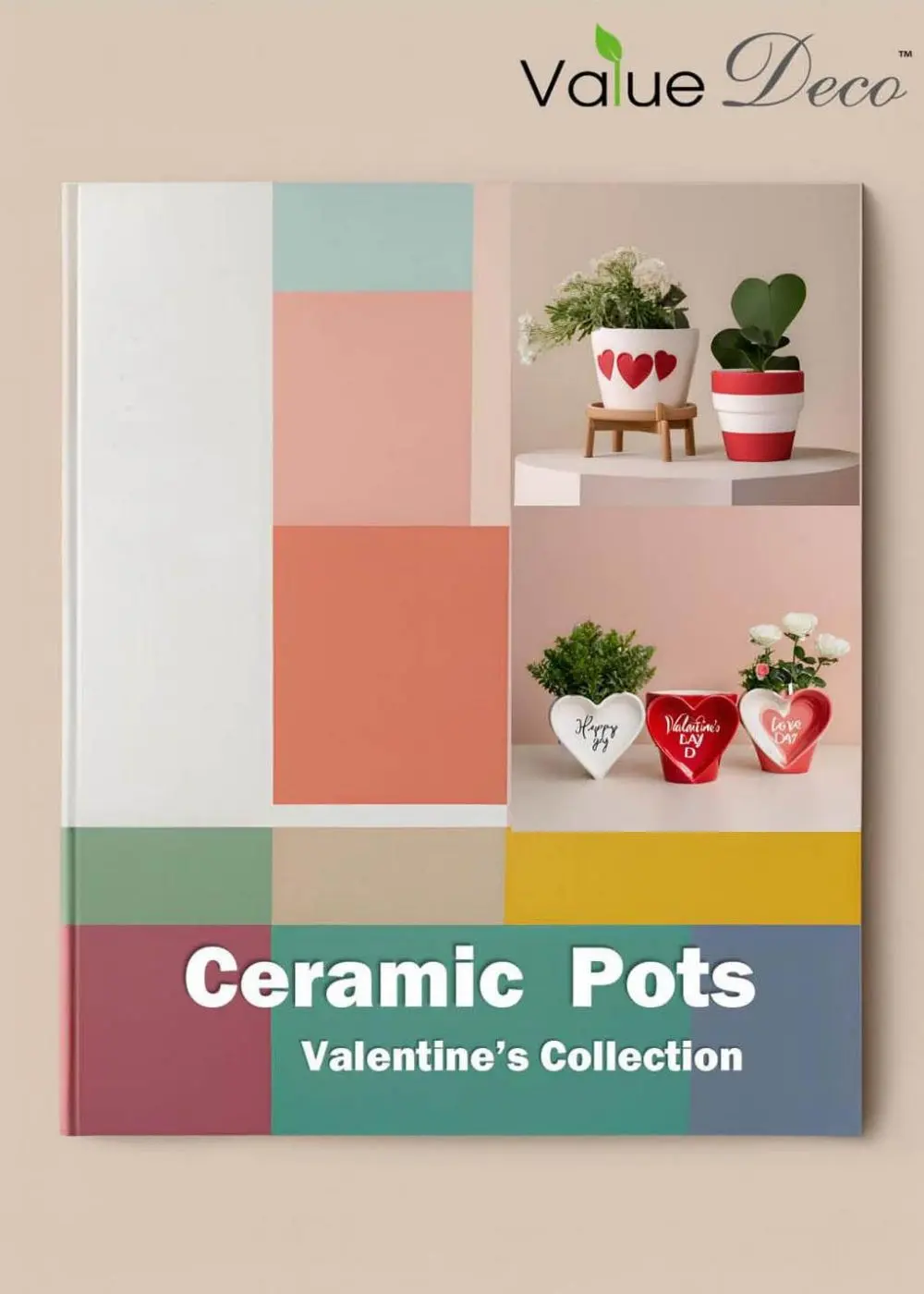
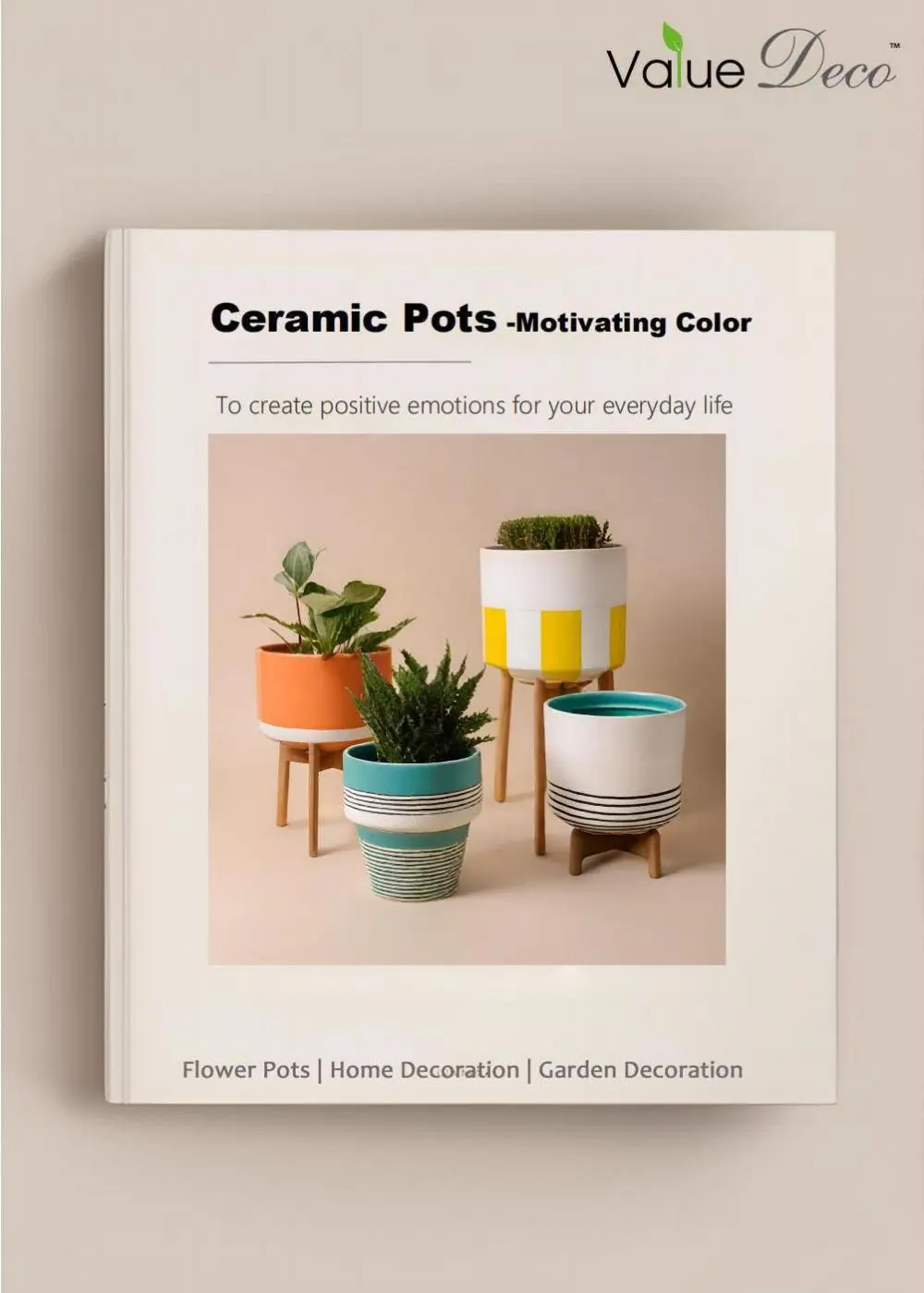
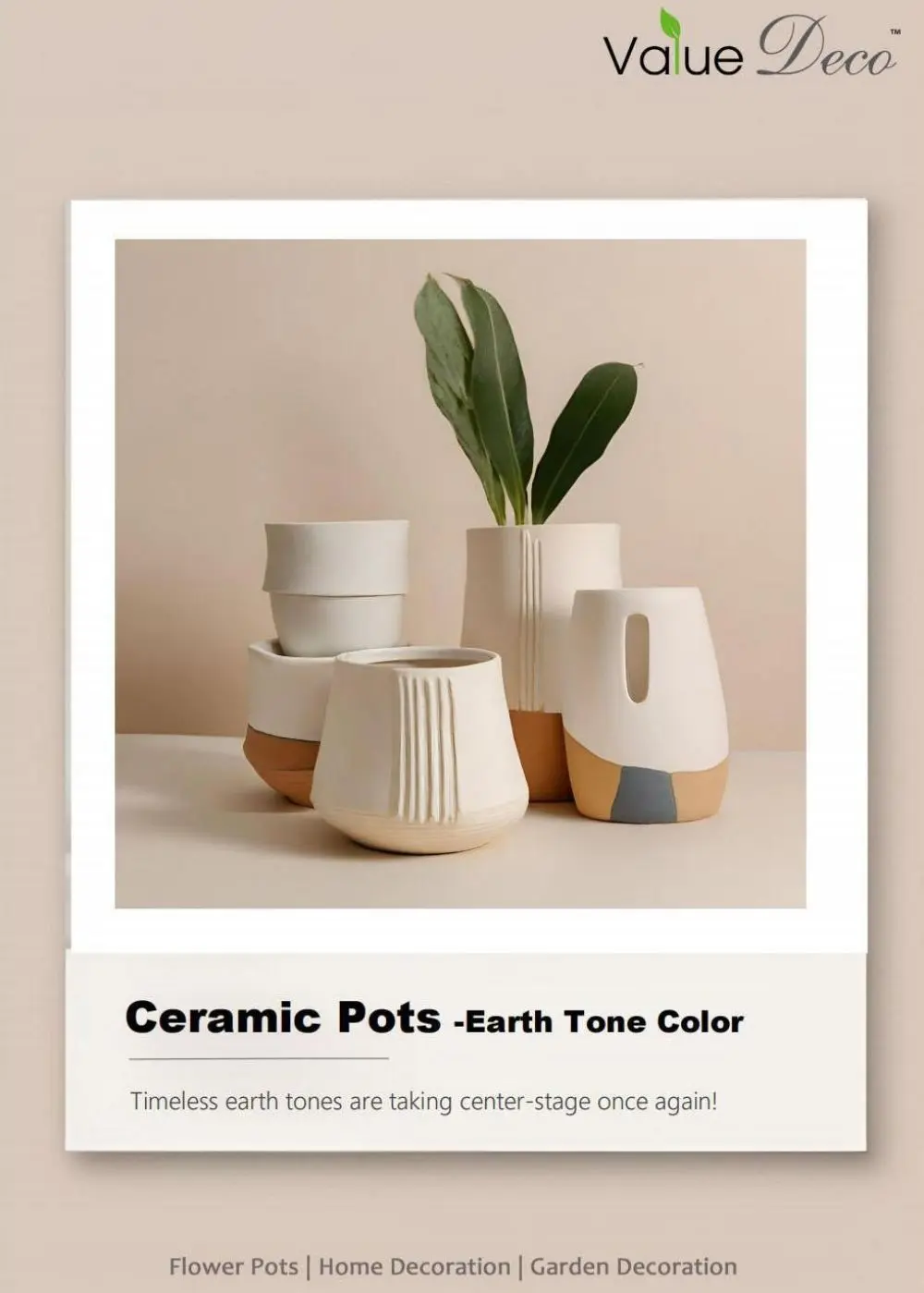
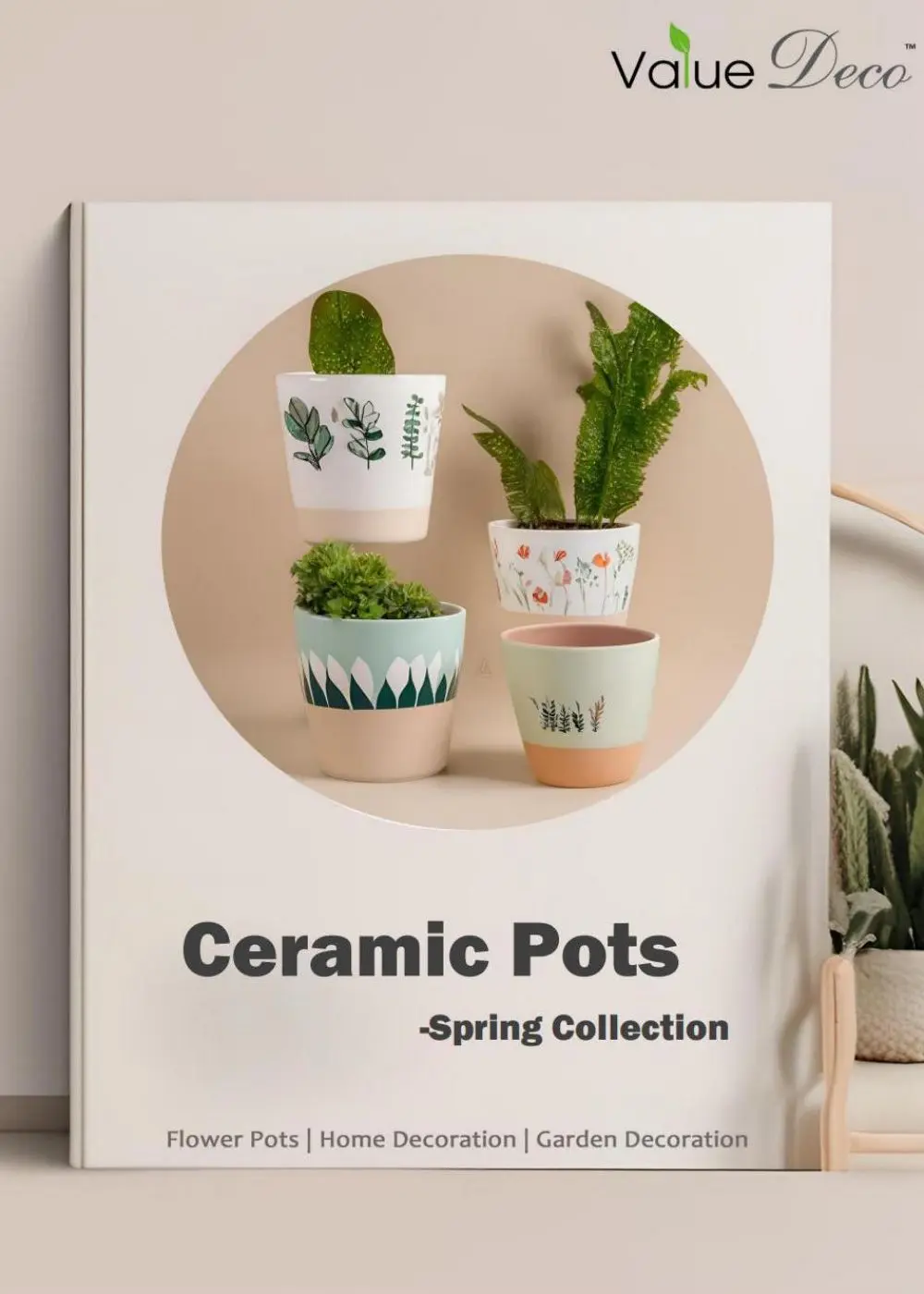
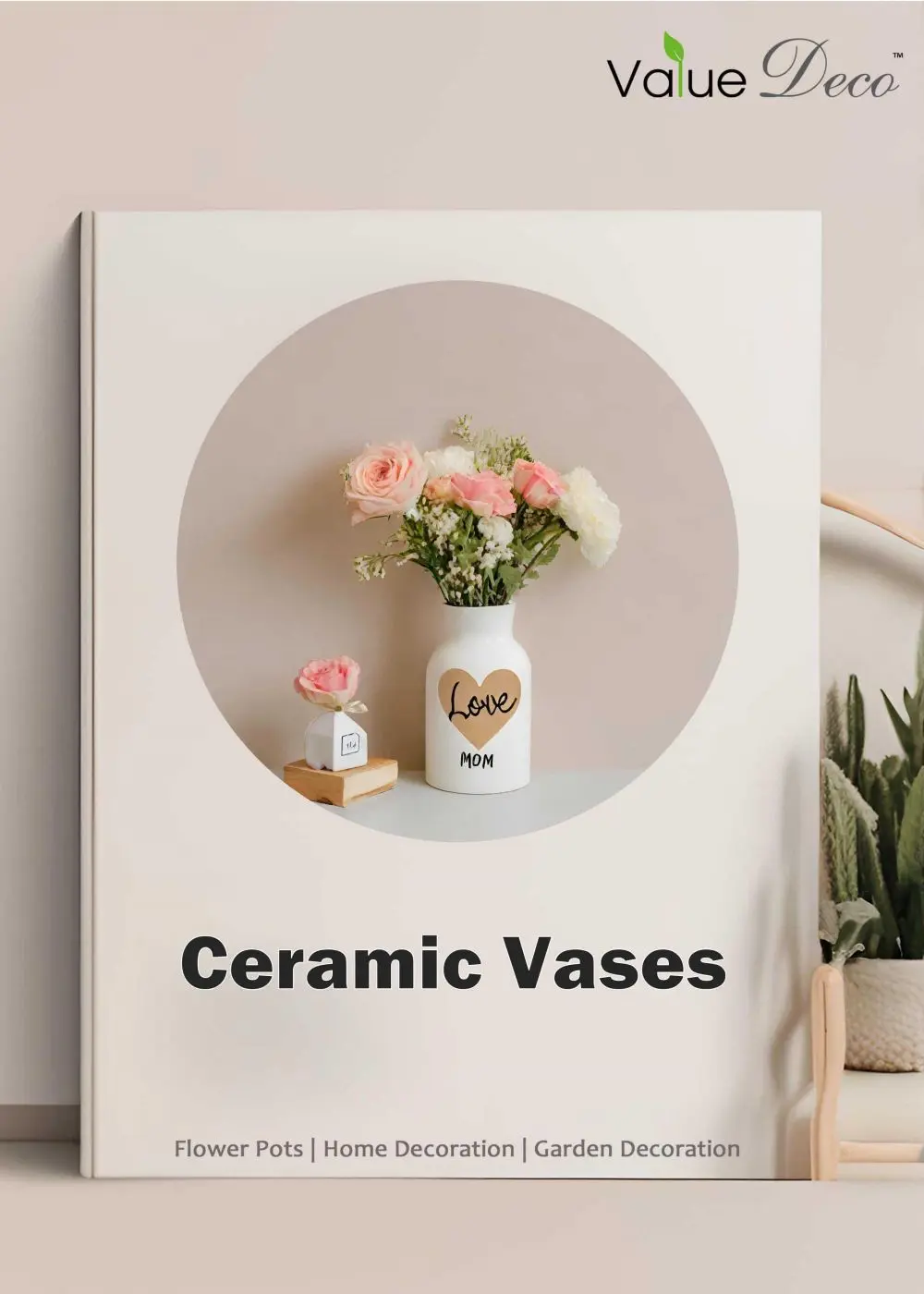
Browse through our downloadable brochures outlining product dimensions, specifications, and customization ranges.
Our quality control team samples products from every kiln cycle to test for food safety. These samples are sent to accredited laboratories (such as SGS or Intertek) to confirm compliance with FDA, California Proposition 65, and LFGB migration limits for lead and cadmium. We run chemical leach tests using 4% acetic acid to simulate long-term exposure to acidic foods, ensuring our glazes are completely inert and food-safe.
For custom shapes or specific reactive glaze designs, our standard MOQ ranges from 1,000 to 3,000 units per style, depending on the product size and shape. Higher volume runs optimize raw material preparation and kiln efficiency, which helps minimize unit costs. We can also accommodate smaller batch sizes for established catalog designs.
We use ISTA-standard drop-tested packaging to minimize breakage. Items are packed with molded pulp inserts, high-density corrugated dividers, and bubble wrap. Pallets are securely shrink-wrapped with heavy-duty edge protectors. These steps ensure cargo remains stable and protected throughout transit, from factory loading to ocean freight handling.
Standard production lead times range from 45 to 60 days after sample approval and deposit confirmation. This allows time for clay preparation, molding, drying, glazing, firing, and final quality control checks. During peak shipping periods like Q3, we recommend planning orders ahead of time to account for seasonal ocean freight delays.
Yes. Our ceramics are fired at temperatures above 1,200°C to achieve a fully vitrified, non-porous structure. This makes them highly durable and resistant to water absorption. They are designed to withstand thermal expansion and contraction, making them safe for commercial dishwashers and high-powered microwave ovens without cracking or crazing.
Select from our wide range of decorative and functional ceramic wares designed for international markets.