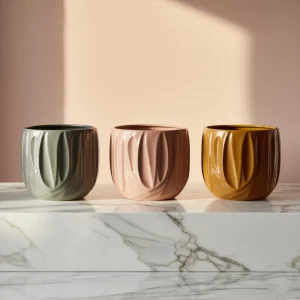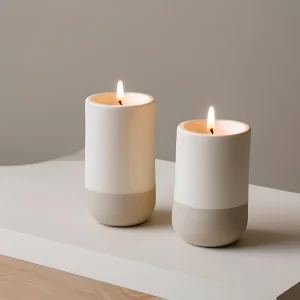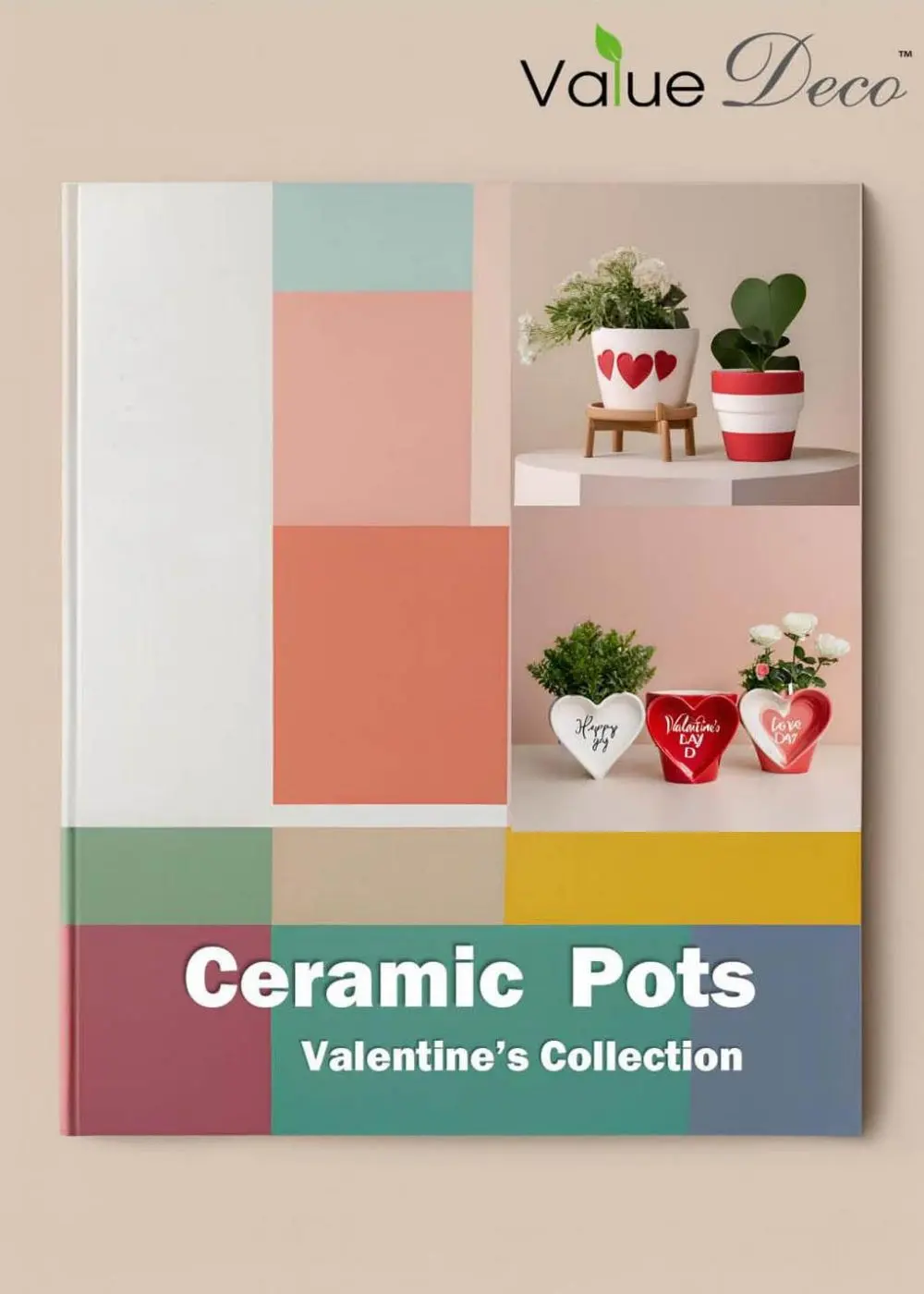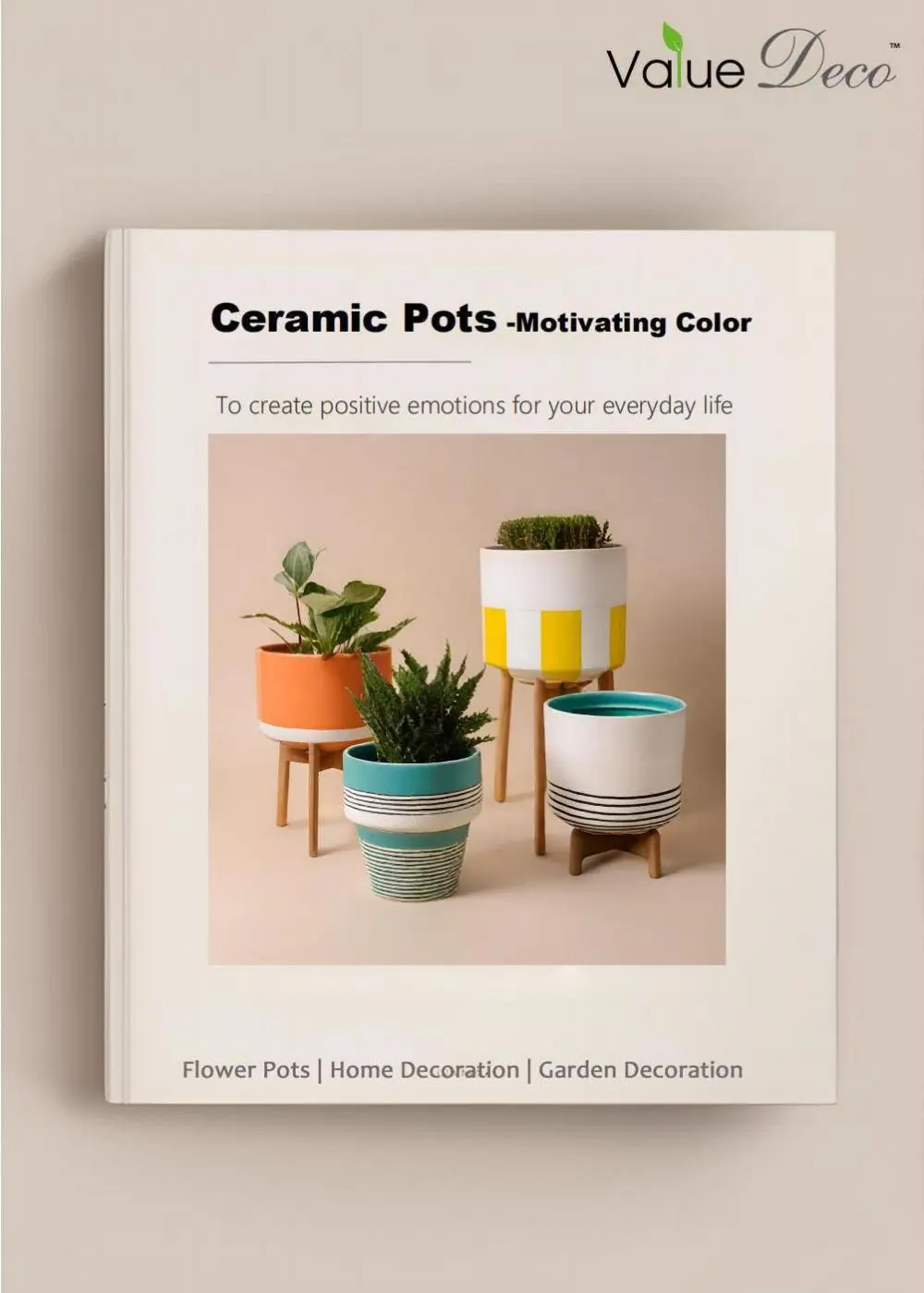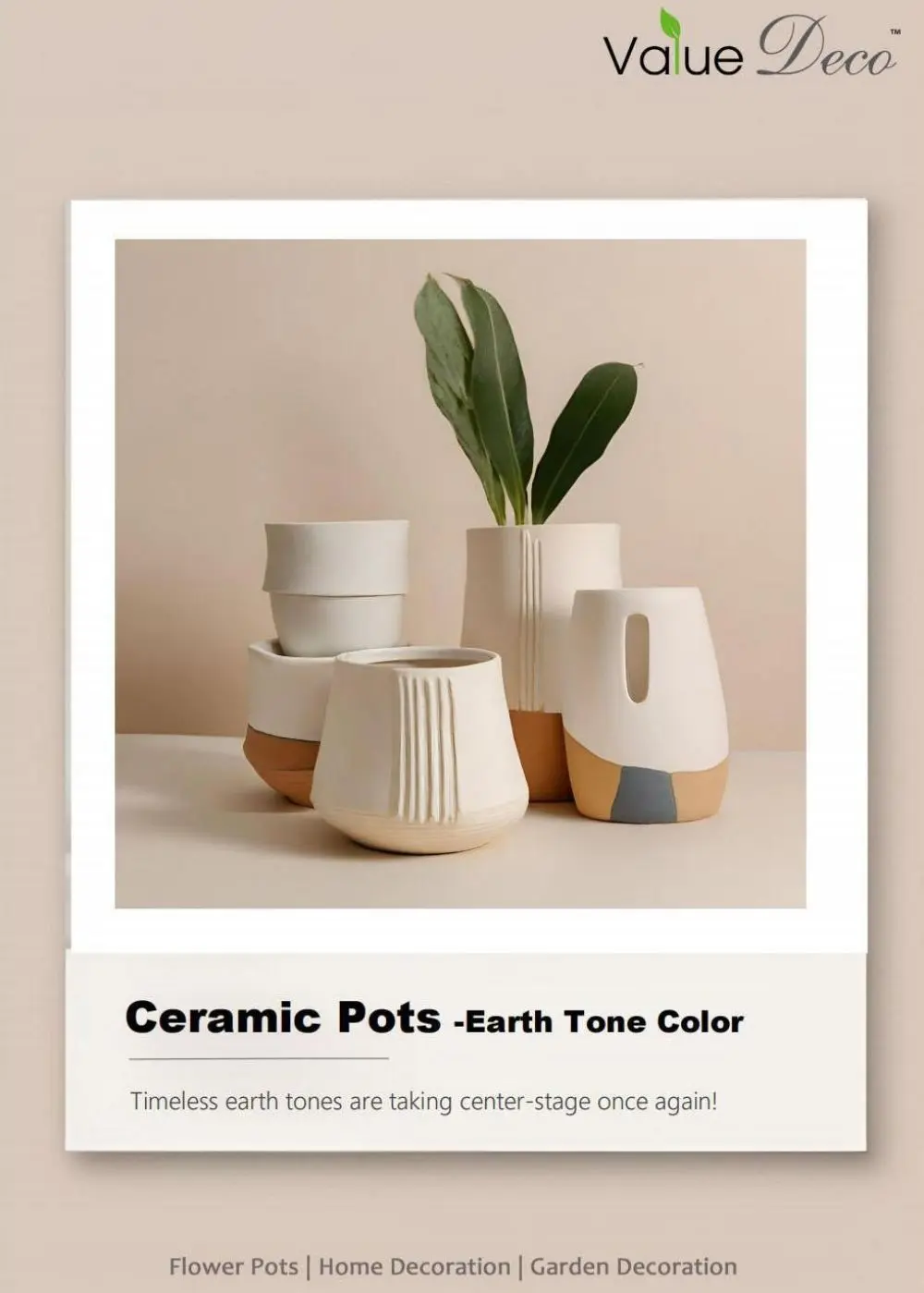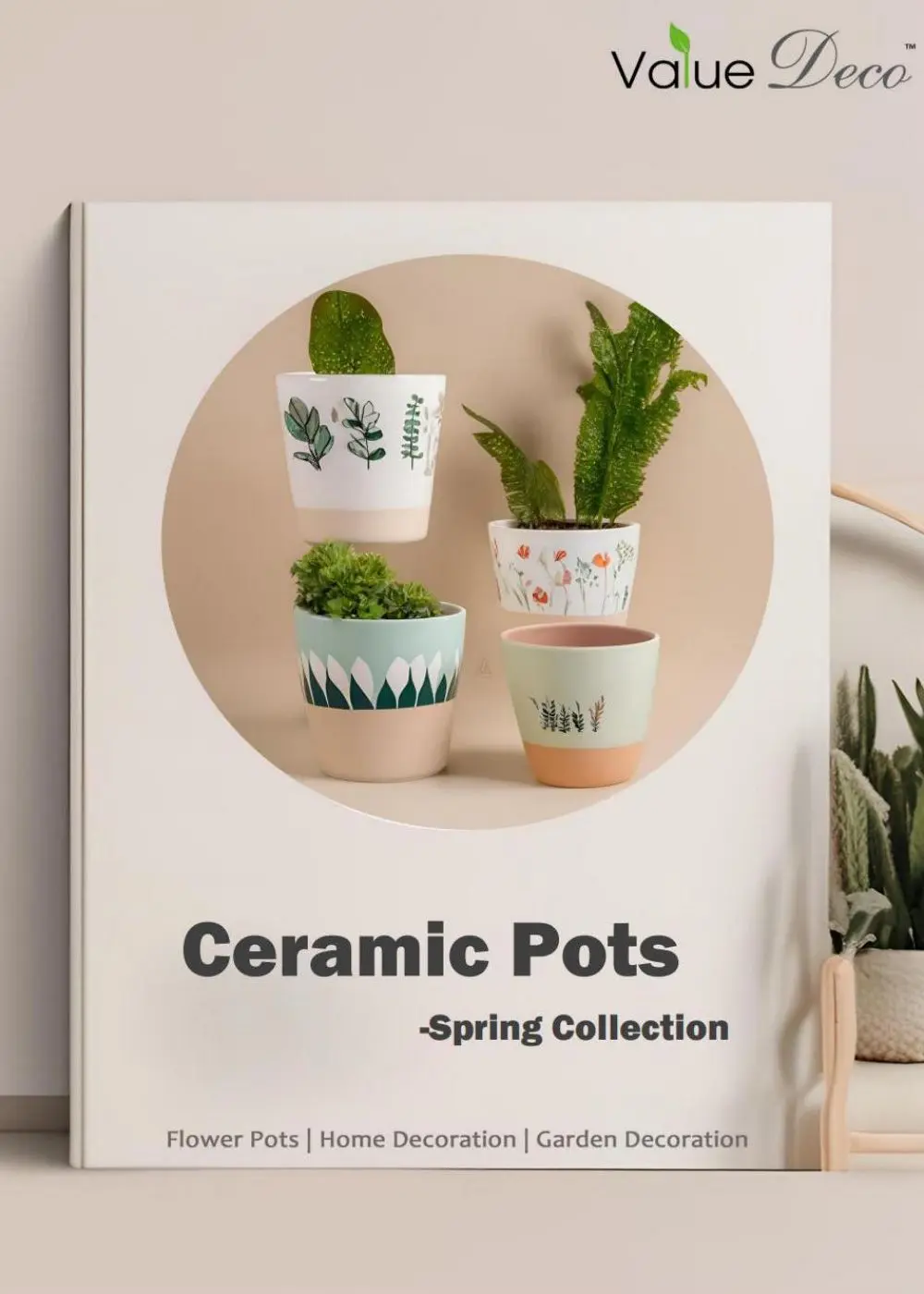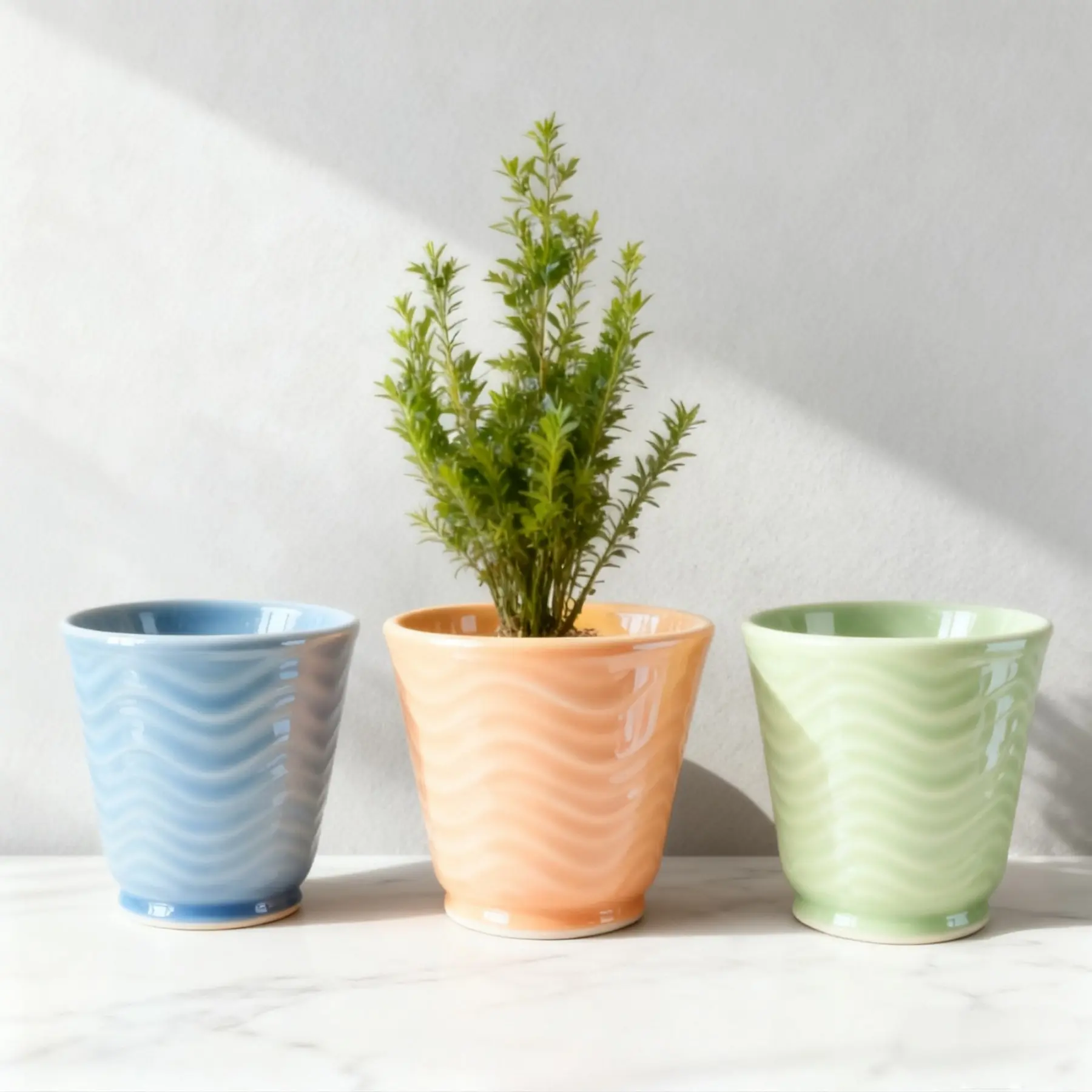
Explore our premium select models optimized for structural stability and high-end thermal resistance in decorative environments.
The global B2B market for candles and matching candle holders has experienced a monumental shift in purchasing mechanics. Sourcing managers are no longer evaluating options based strictly on unit prices; instead, the focus has shifted toward total cost of ownership (TCO), systemic safety, regulatory compliance, and material synergy. "Cheap candles for candle holders" represents a strategic segment: utility-focused, high-volume production items engineered specifically to optimize performance when paired with diverse materials such as ceramic, glass, and metal holders.
At a macro scale, the growth of hospitality, wellness, and seasonal home design has placed tremendous pressure on manufacturing plants. Factories must balance the demand for low-cost paraffin and soy wax alternatives with rising regulatory scrutiny regarding indoor air quality, particulate emissions, and fire hazard control. By examining the physical and chemical interactions between the candle body and its surrounding vessel, modern manufacturers can reduce defect rates, eliminate shipping losses, and deliver competitive pricing structures without compromising consumer trust.
"Optimizing thermal output and controlling the heat dissipation coefficient of vessels is the defining boundary between premium industrial execution and safety-liability failures in modern decorative supply chains."
Understanding structural limitations and wax formulations is key. While paraffin remains the most cost-effective solution for retail-level volume sales, the emergence of hybrid soy, palm, and synthetic stearin formulations has changed how wicks are engineered. When importing high-volume container shipments from overseas, a minor discrepancy in candle diameter or wick position can lead to uneven burn profiles, thermal shock fractures in ceramic or glass holders, and catastrophic property claims.
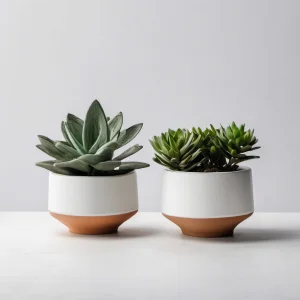
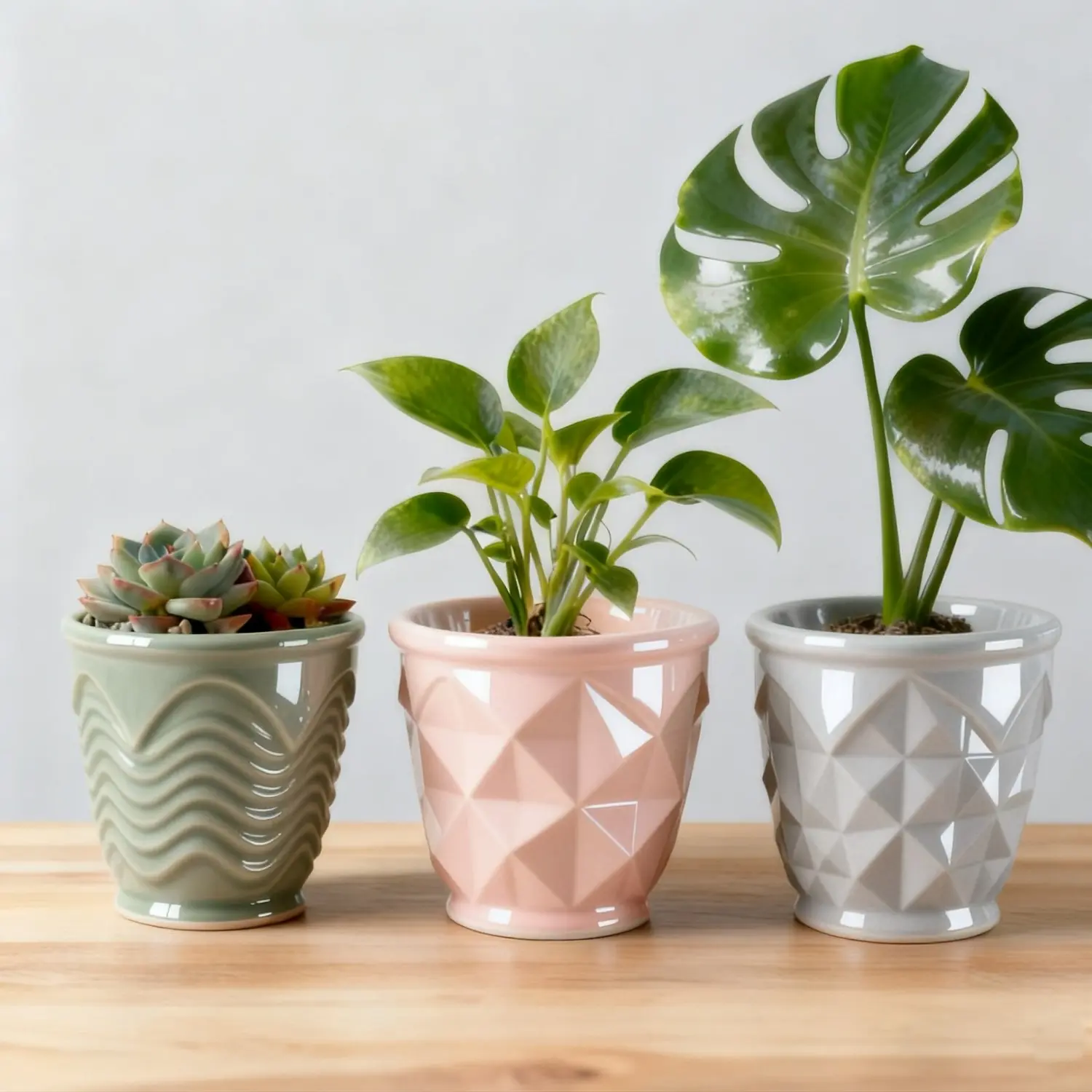
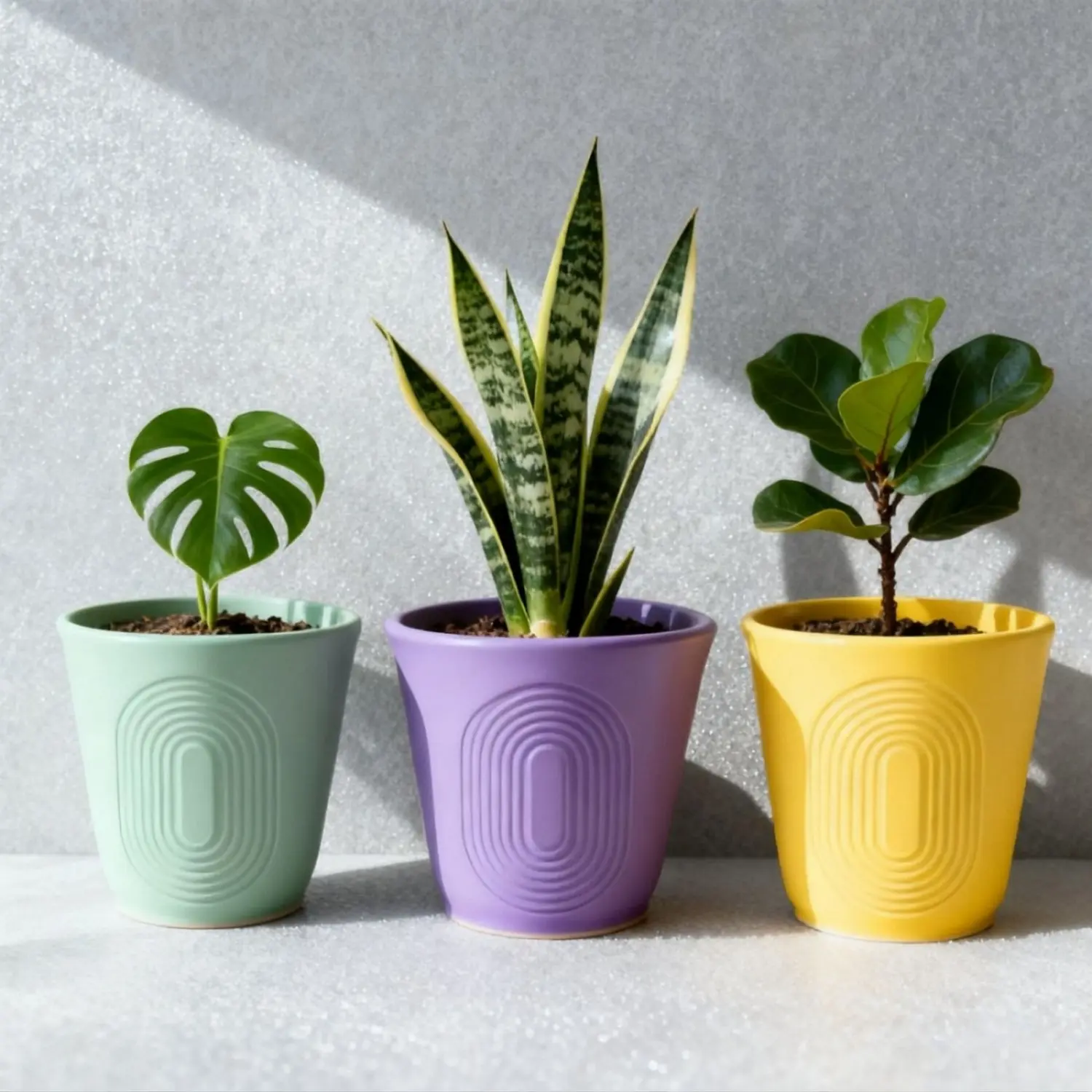
Explore our core business segments specializing in commercial grade homeware, horticultural vessels, and functional decorative holders.


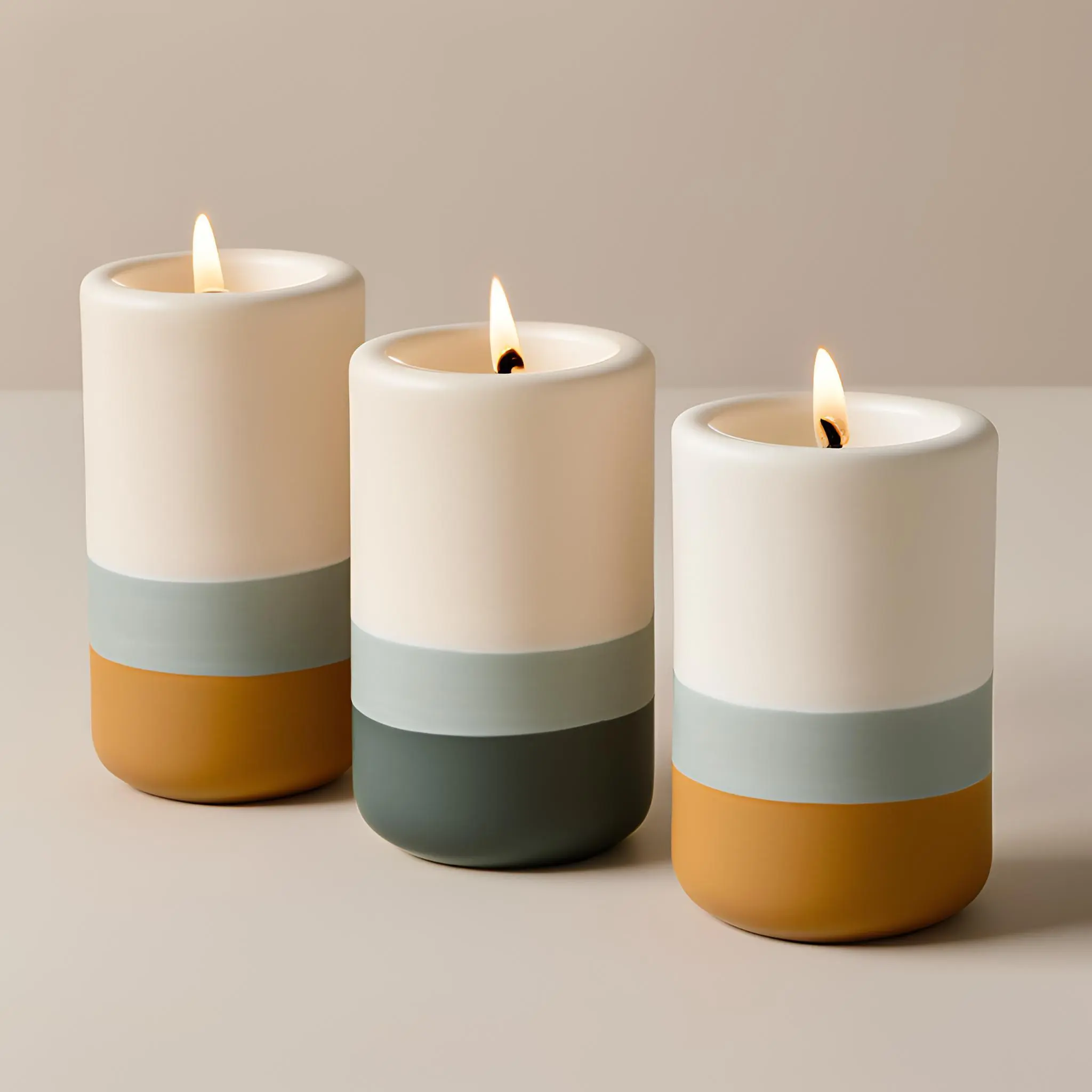

From an engineering standpoint, a candle is a liquid fuel gasification and combustion system. When cheap utility candles are placed inside ceramic or stoneware holders, several mechanical parameters must align:
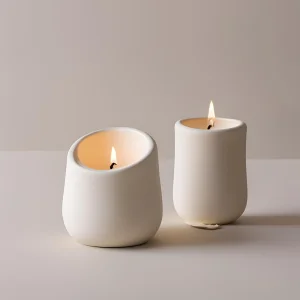
The interaction between cheap replacement candles (usually tealights or small pillars) and custom-designed ceramic holders requires strict control over dimensions. A candle that is slightly too wide for its recess leaves no room for wax overflow, causing molten wax to run down the sides of the holder, damaging the finish and posing a fire hazard. Conversely, a candle that is too small can slide around, throwing the flame off-center and heating one wall of the holder to dangerous temperatures.
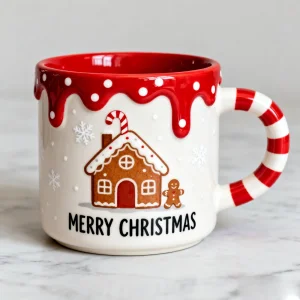
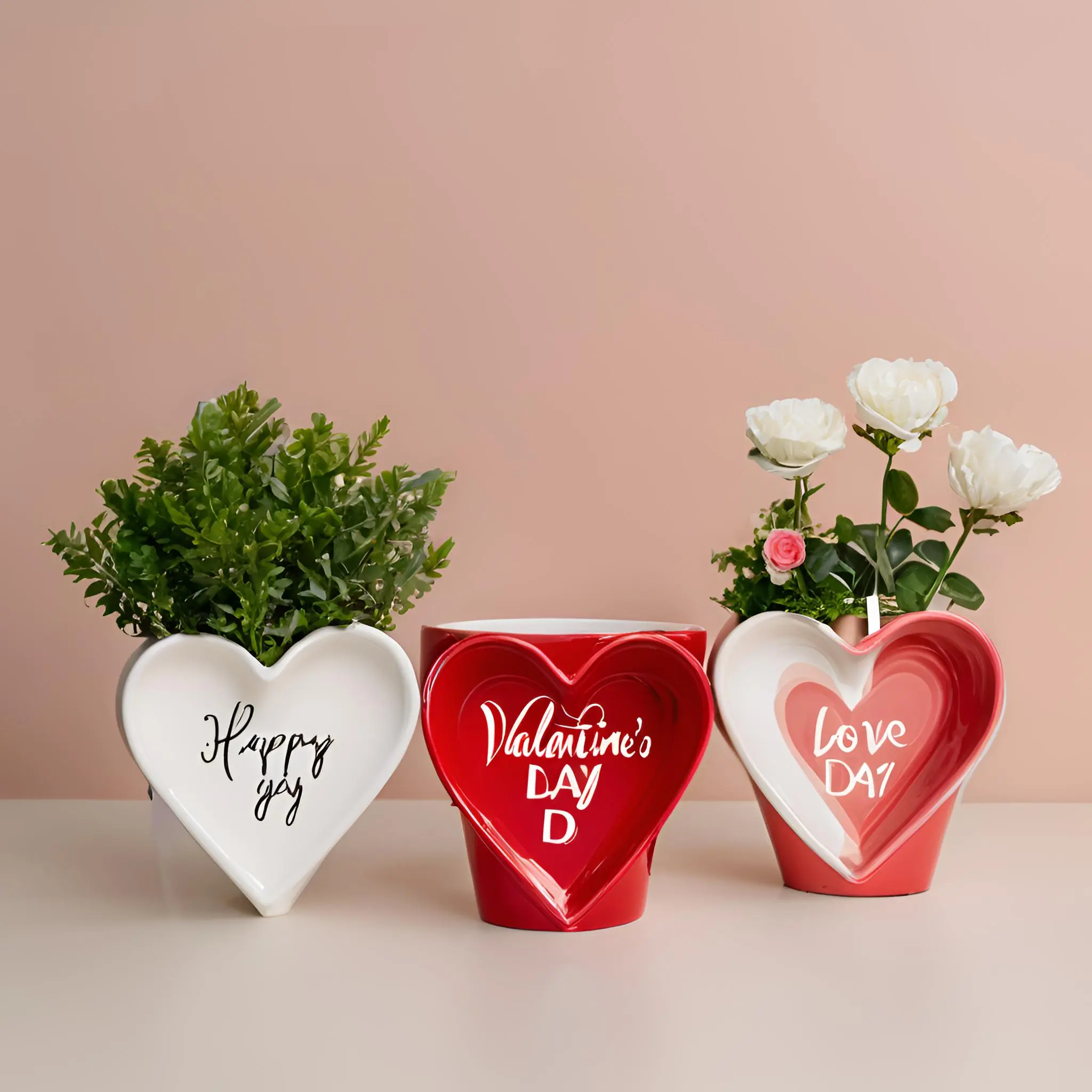
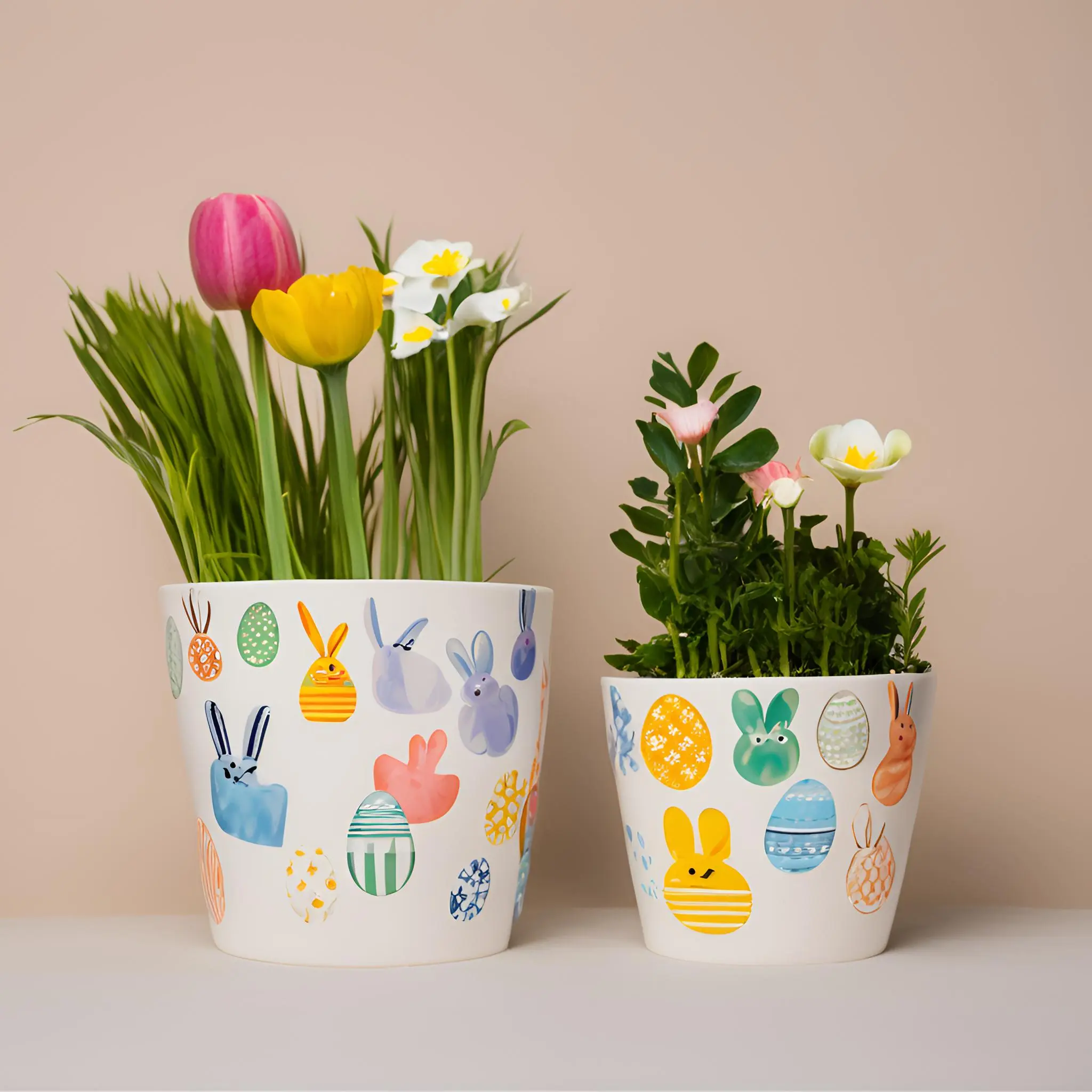
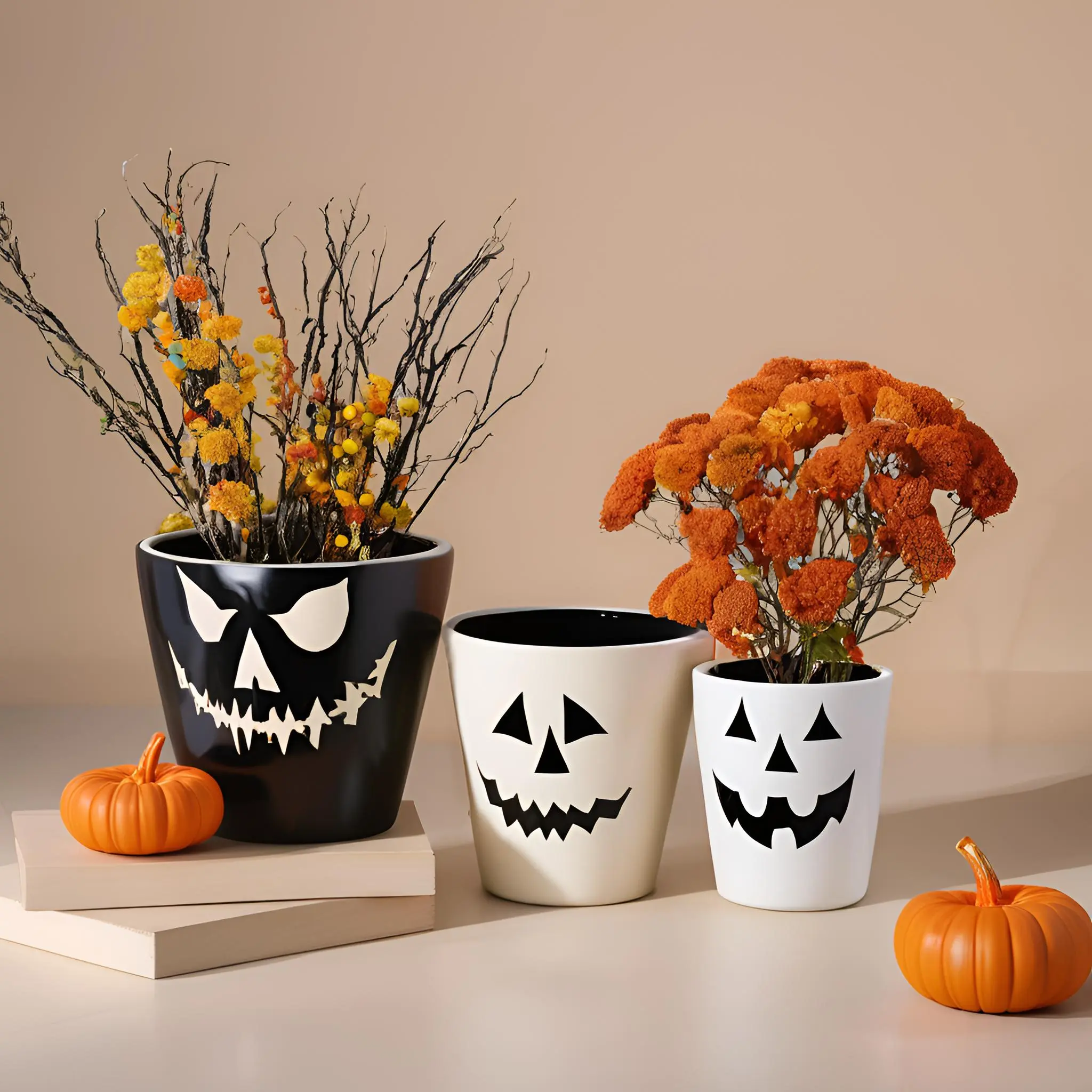
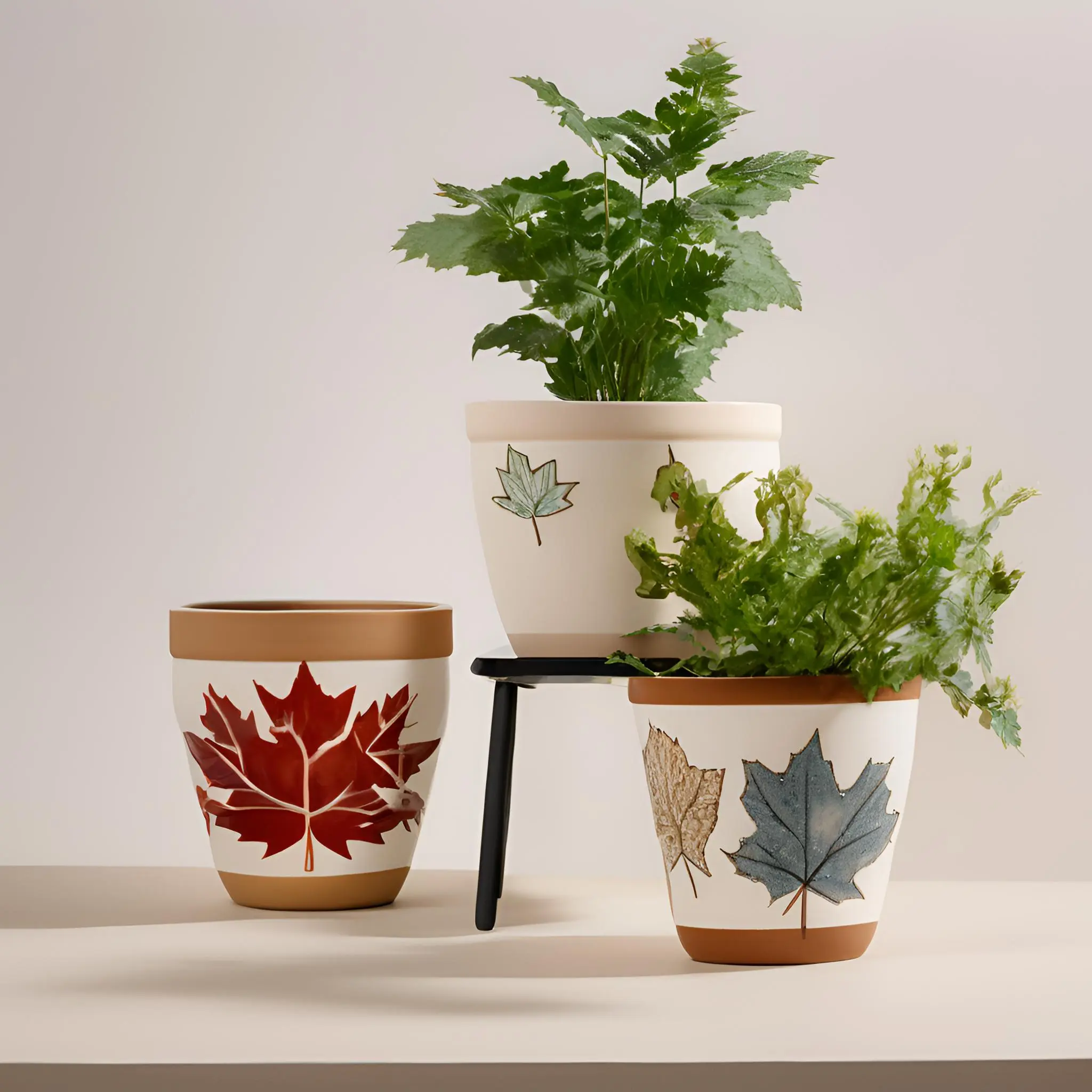
Tailored seasonal collections produced at scale to meet global peak holiday retail demand calendars.
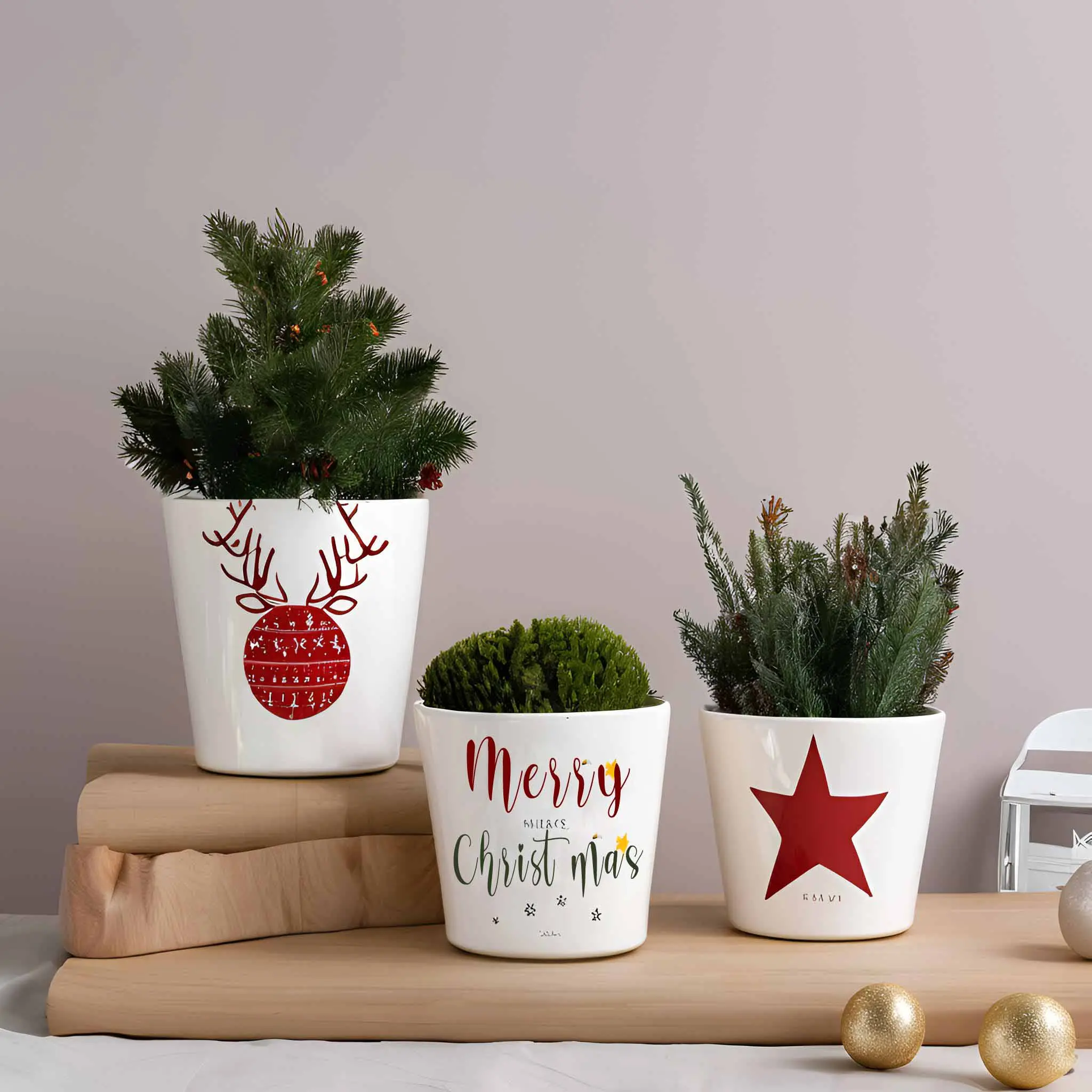
Managing high-volume purchase contracts requires mitigating raw material price volatility. For bulk candle imports, the cost of wax (derived from crude oil or plant-based harvests) remains a primary variable. To hedge against these fluctuations, factories must implement optimized logistics packaging and automated production lines to maintain lower unit costs.
For international retail chains, the coordination between the candle manufacturer and the ceramic vessel factory is critical. A delay in matching the shipments of candles and their custom-designed ceramic holders can lead to extensive warehousing fees and missed seasonal retail windows. Value Deco Limited addresses this vulnerability by acting as a streamlined, single-source manufacturing and assembly partner. We produce the ceramic vessels and source high-quality, cost-efficient wax inserts to match perfectly, shipping them as a unified package to minimize logistics costs and container space requirements.
"Procurement managers who source candles and holders from separate vendors experience a 14% higher structural assembly failure rate at retail level compared to unified production solutions."
Additionally, sea transport conditions must be monitored. Container shipments passing through tropical routes can reach interior temperatures of up to 60°C. Inexpensive candles with low melting points (e.g., standard soy wax without hardening additives) can soften, warp, or completely melt inside their packaging, ruining the shipment. Our chemical research team ensures all wax formulations destiné for warm shipping channels are stabilized with high-purity stearic acid to maintain dimensional integrity up to 65°C.
Your One-Stop Purchasing Destination for Decoration Category!
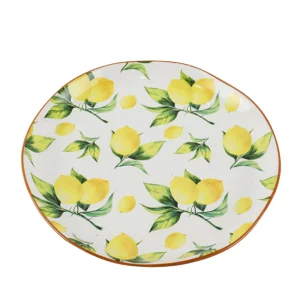
Value Deco Limited is a leading supplier of high-quality ceramic pots based in China. With over 12 years of experience in the decoration industry, we have built a strong reputation for offering a diverse range of Flower Pots, Flower Vases, Candle Holders, Home Decoration, Garden Decoration, and Dinnerware, suitable for various seasons and applications. Our products are designed to meet trending designs, ensuring that they not only serve a functional purpose but also enhance the aesthetic appeal of any space.
Value Deco-Flower Pots Division:
Sub-Website for Flower Pots: www.valuedeco.com
Pride Deco-Home & Garden Décor Division:
Sub-Website for Home Decor, Candle holder, Dinnerware, Garden Decor: www.pridedeco.com
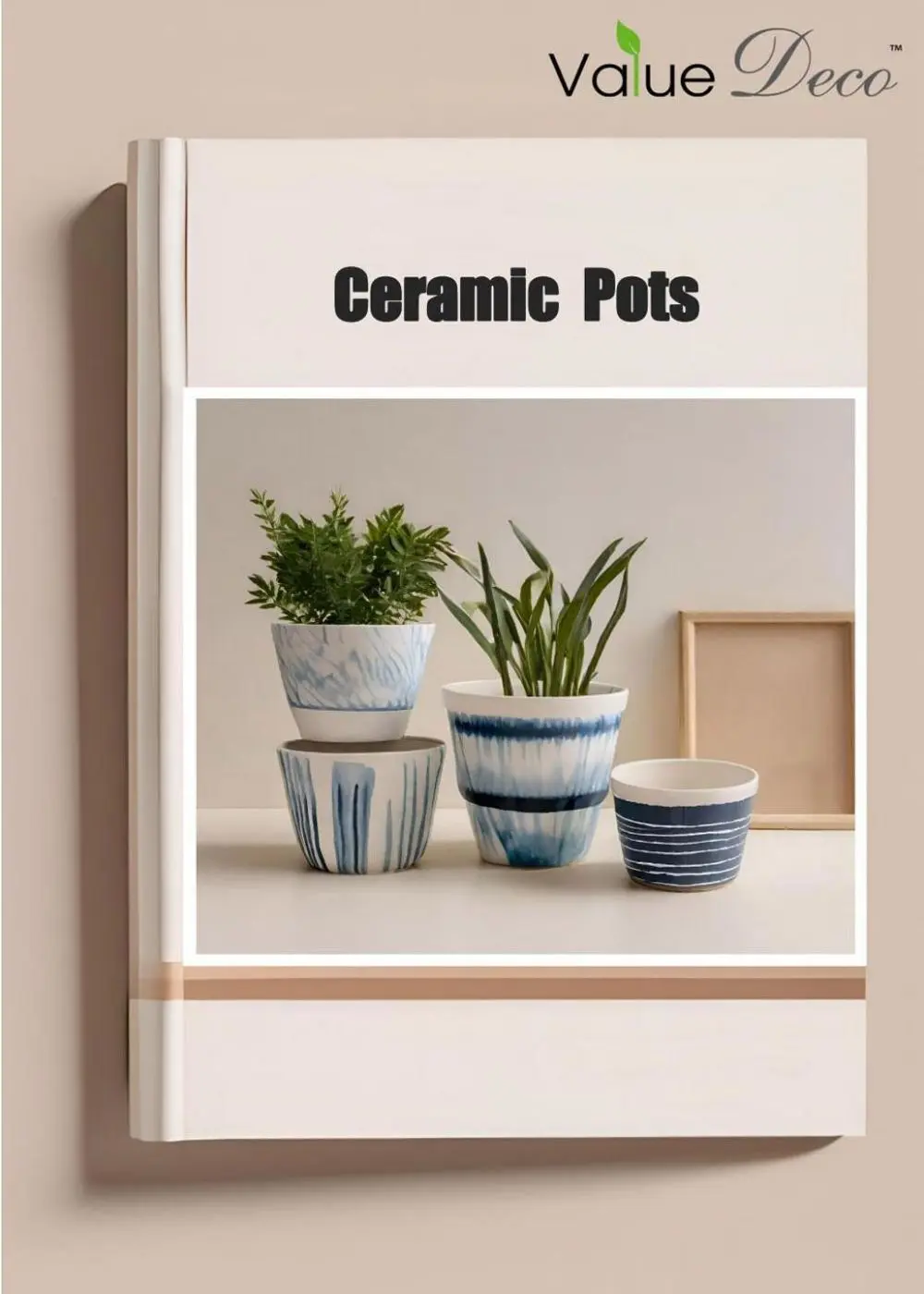
Browse through our structured wholesale catalogs detailing physical properties, glaze formulas, and packaging specifications.
Operating within international consumer spaces requires adhering to strict safety codes. For candles and matching ceramic or glass candle holders, compliance is divided into fire-safety metrics and chemical limitations:
Furthermore, our production sites operate under strict ISO 9001:2015 Quality Management Systems and are audited according to BSCI guidelines. This guarantees that every order fulfills not only product performance specifications but also ethical and environmental criteria demanded by Tier-1 global retailers.
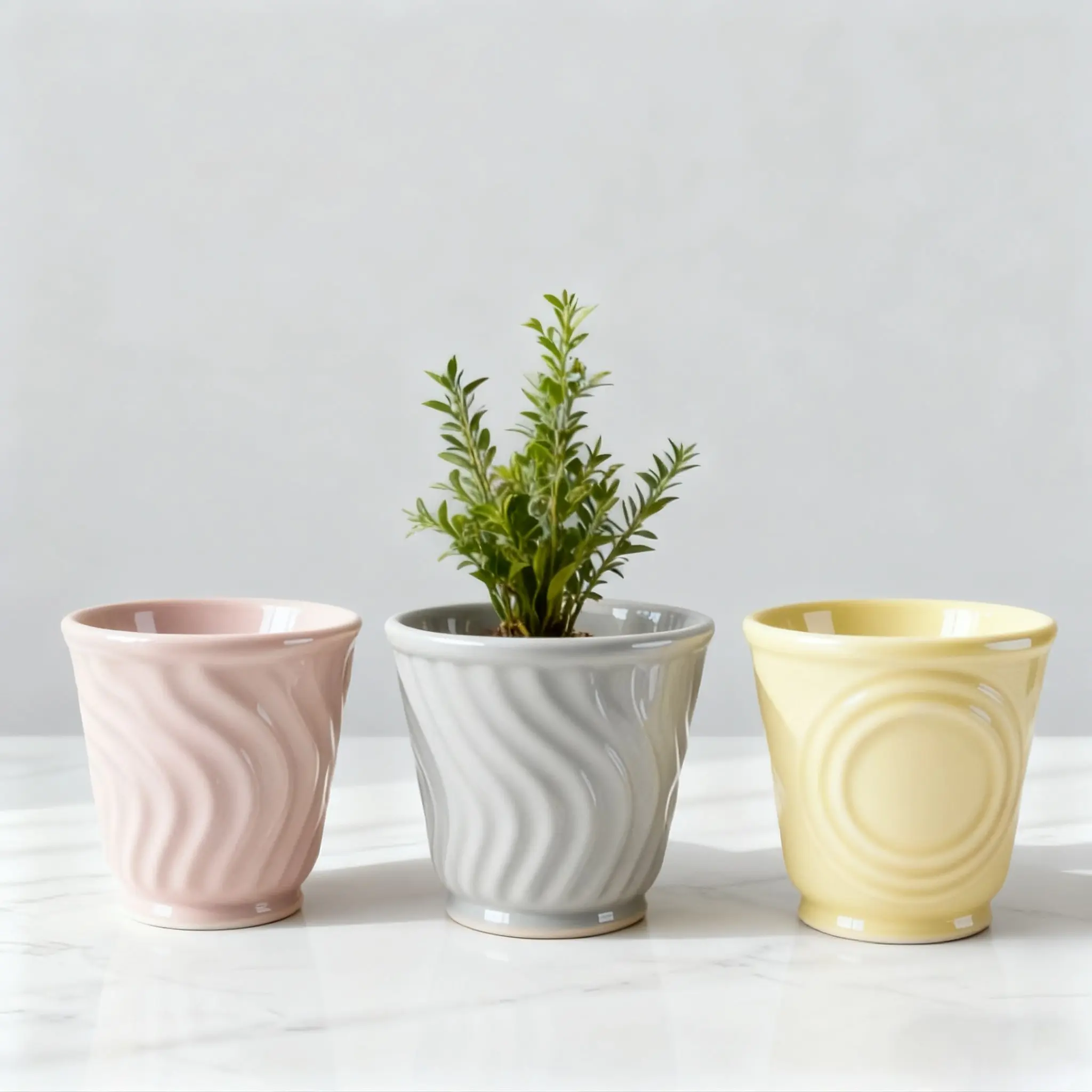
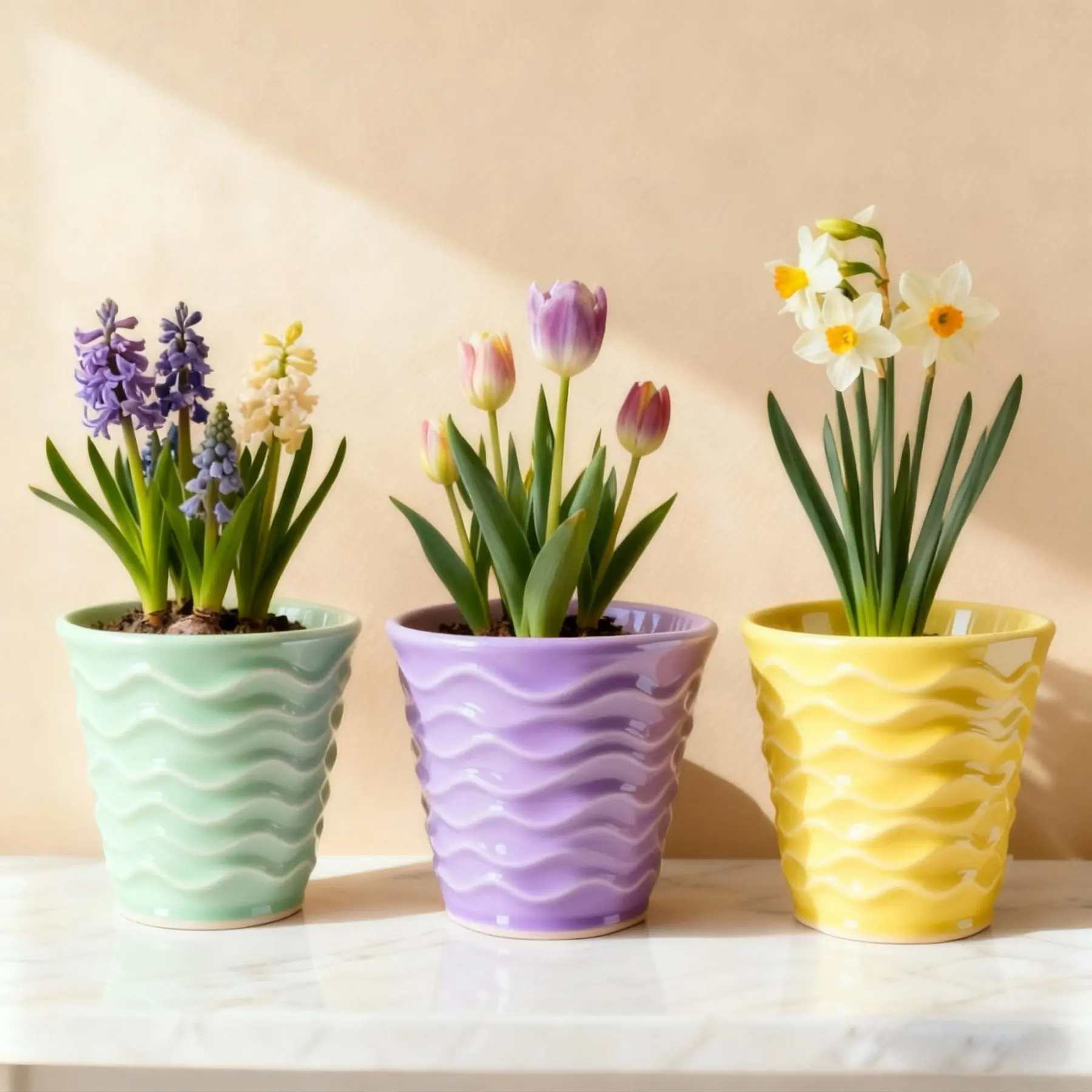
Our research and design department regularly publishes trending surface textures and geometric profiles suited for modern interiors.
Looking forward, the industry is transitioning rapidly toward plant-based soy, rapeseed, and beeswax formulations. Consumer demand for sustainable packaging and clean burning properties is pushing manufacturers to refine their operations. Over the next five years, raw material sourcing will prioritize low-impact, biodegradable options.
Simultaneously, manufacturing technology is advancing:
Addressing core technical questions from sourcing procurement managers, commercial buyers, and supply chain analysts.
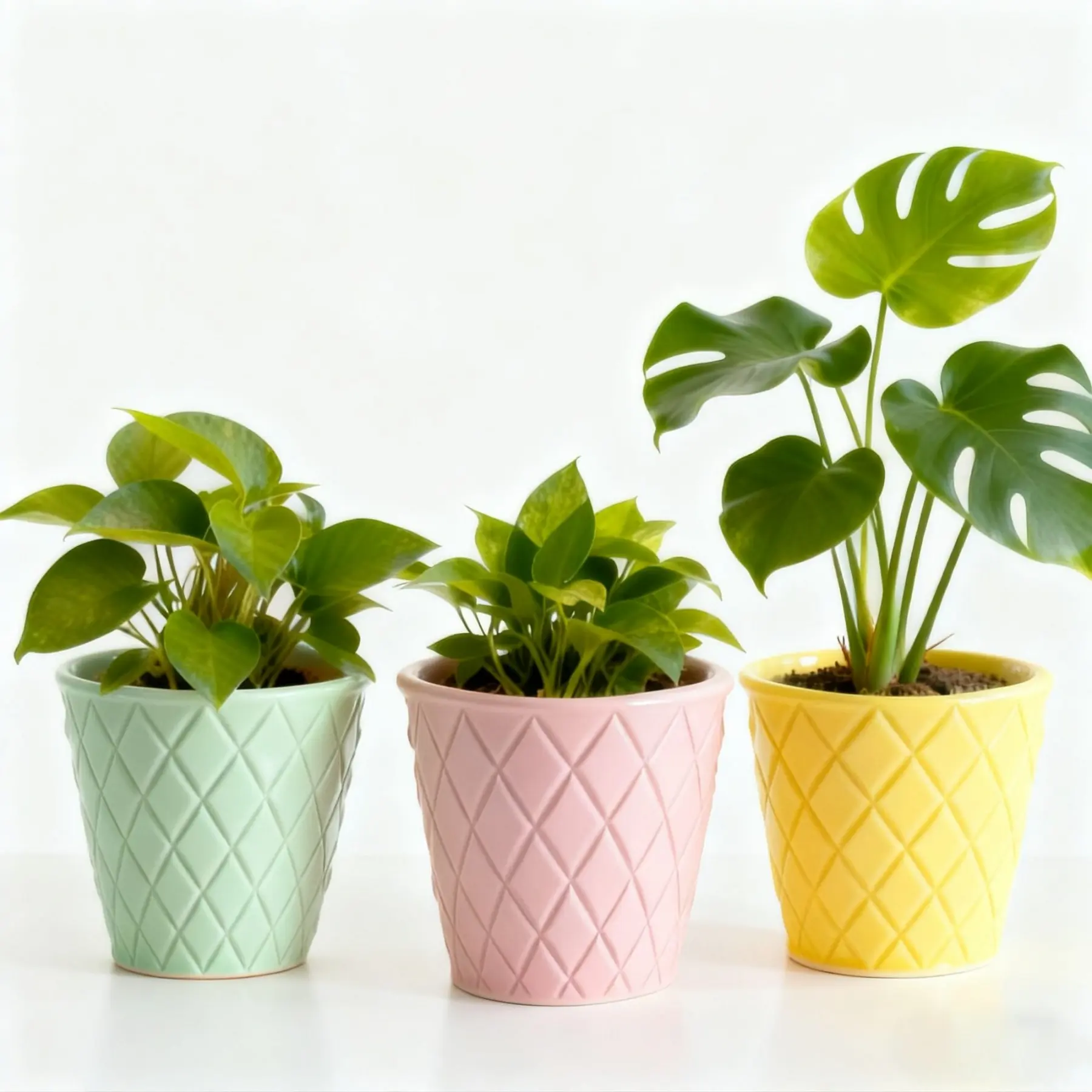
Explore the second half of our high-demand inventory, optimized for multi-market retail distribution networks.