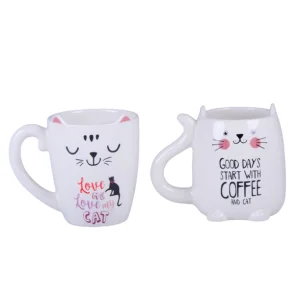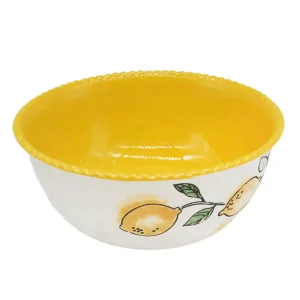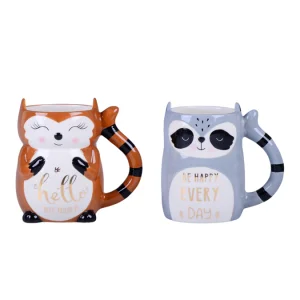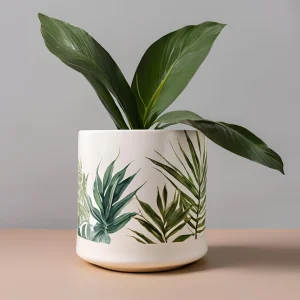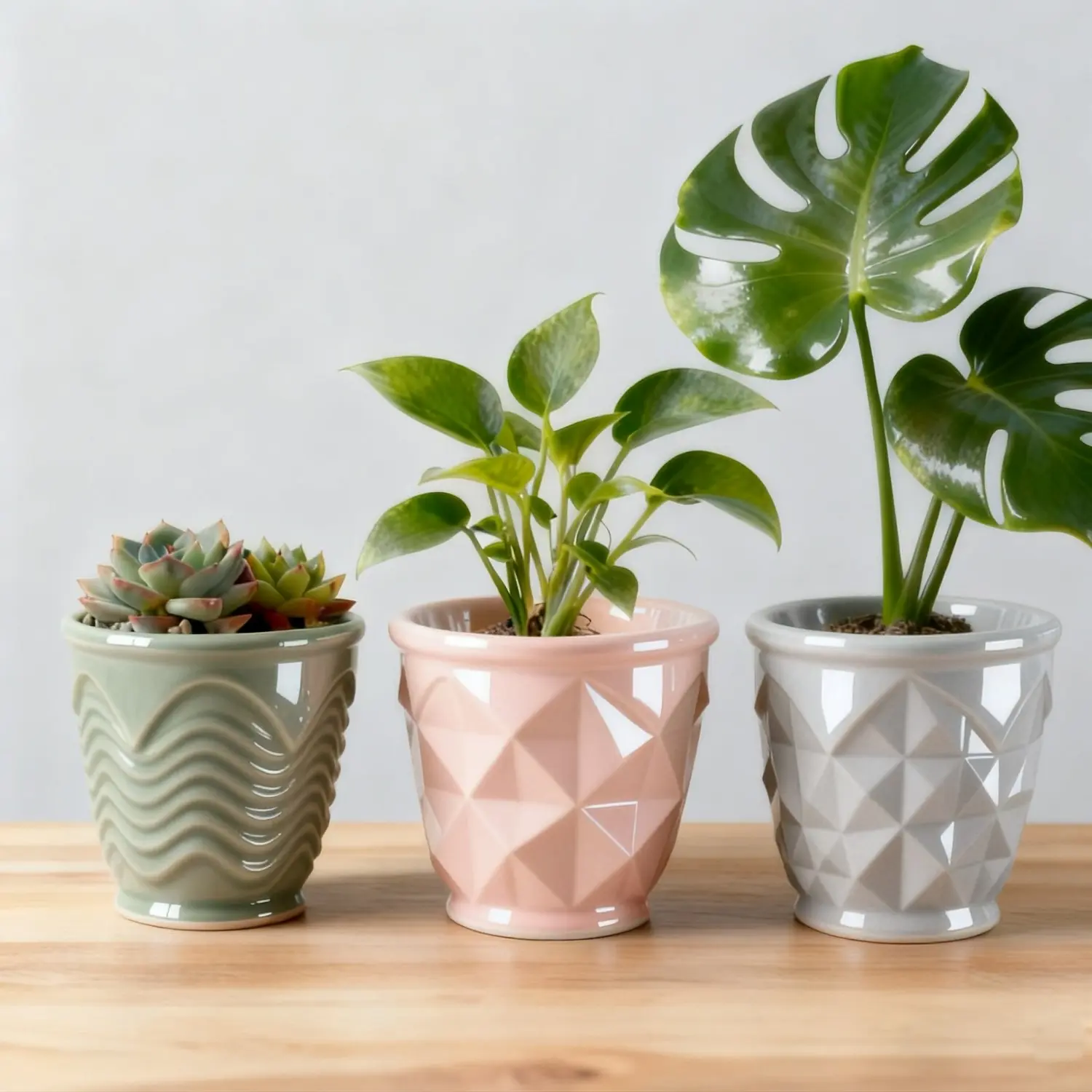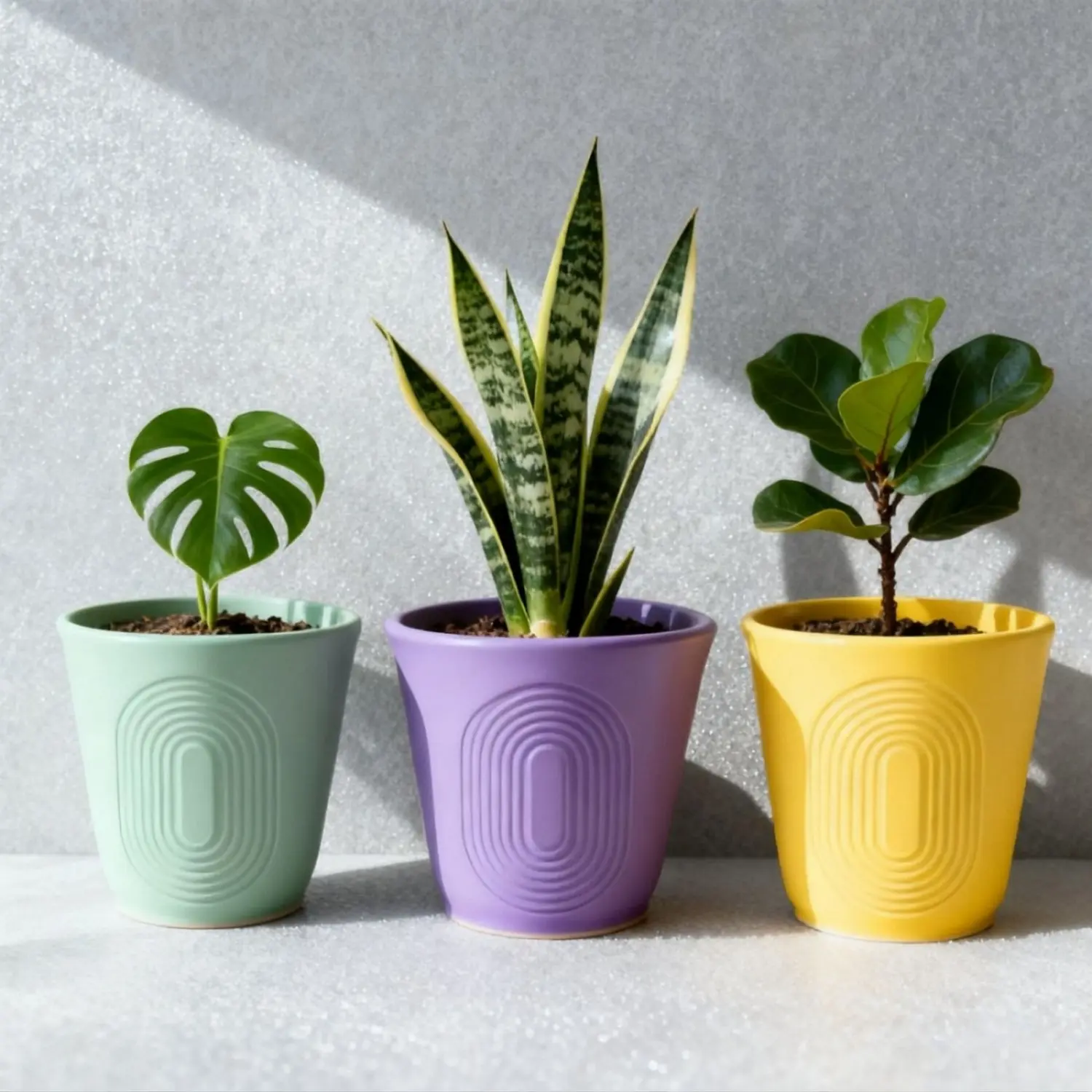
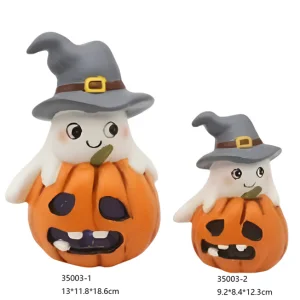
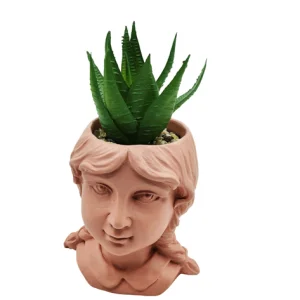
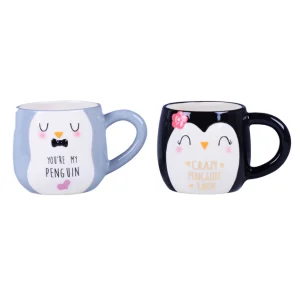
Explore our premium factory-direct selections featuring custom glazes, unique holiday motifs, and structural planter designs.
The global market for horticultural containers, specifically custom-engineered bonsai pots, has transitioned from a niche hobbyist segment to a high-volume, industrialized B2B category. As green urban planning, commercial indoor botanical styling, and online gardening retail networks expand across North America, Europe, and the Asia-Pacific region, the demand for durable, aesthetically versatile, and cost-effective bonsai pots has grown exponentially.
For international distributors, chain retailers, and botanical institutions, finding a reliable, high-volume cheap bonsai pots manufacturer is essential for maintaining competitive price points without compromising quality. A container’s primary function is to support long-term biological root vitality; therefore, the engineering of commercial-grade bonsai pots must incorporate specific structural attributes: precise drainage systems, optimal frost resistance, structural stability to prevent tipping, and micro-porosity to regulate soil aeration.
Historically, hand-thrown Yixing clay containers from China set the standard for high-end collectors. However, modern commercial procurement demands a fusion of traditional aesthetic qualities with industrialized manufacturing processes. Advanced production lines can now replicate classic rough-textured, unglazed surfaces or vibrant glossy run-glazes at a fraction of the cost, making large-scale retail distribution commercially viable.
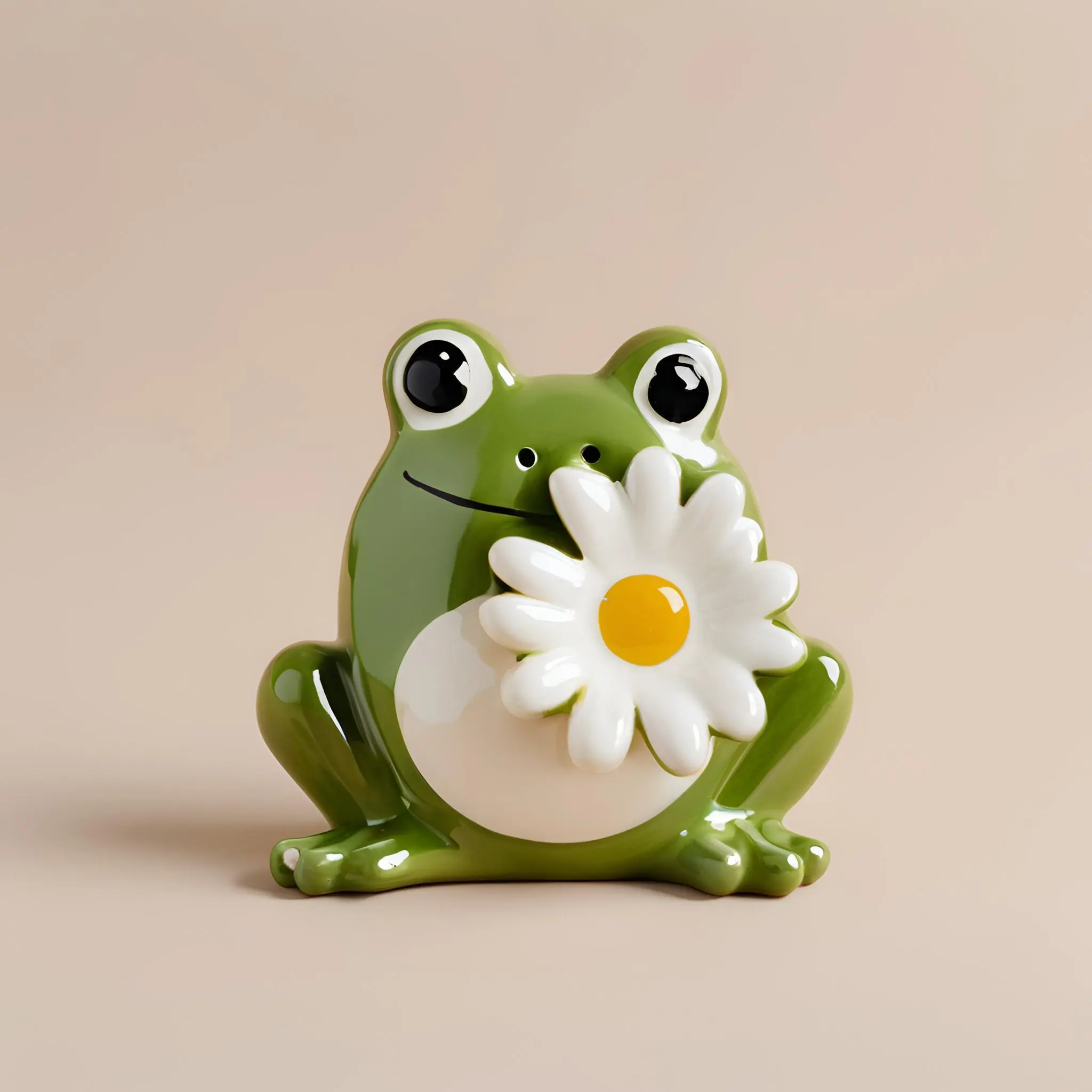
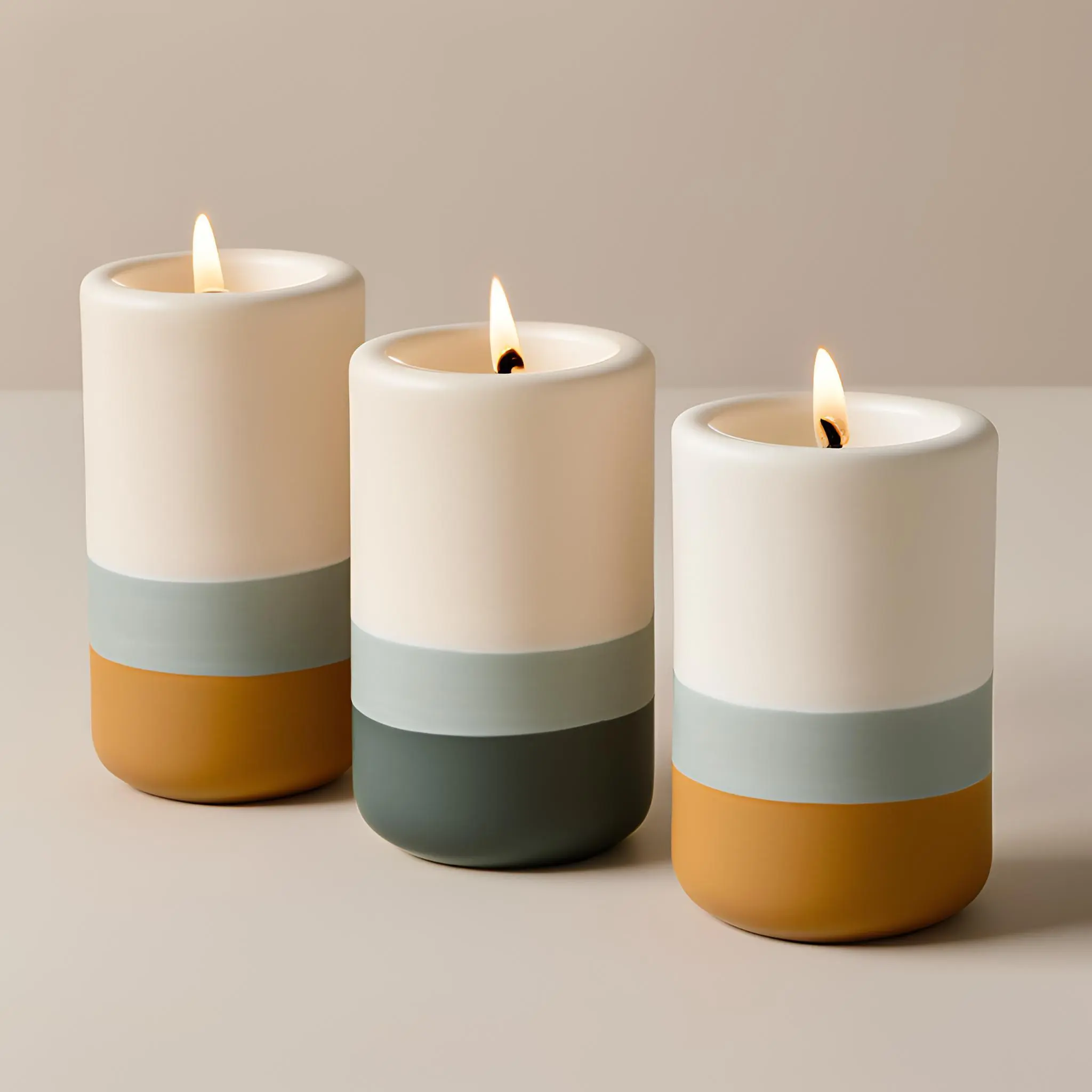
Comprehensive design catalogs spanning indoor planters, sculptural vases, dinnerware, and seasonal decorations.
Bonsai pots are not merely decorative flower pots; they are highly specialized biological containment vessels. Cultivating a miniature tree requires a container that facilitates controlled root restriction. Therefore, cheap bonsai pots manufacturers must understand the physical and chemical requirements of root morphology:
High-fired stoneware and unglazed earthenware maintain microscopic pore pathways. This allows gas exchange at the root boundary, preventing root rot (anaerobic bacterial growth) and aiding air-pruning of roots.
Thick-walled clay bodies act as thermal insulation barriers. In winter, they shield delicate roots from flash freezes, and in summer, they prevent soil moisture from drying out too quickly under direct UV exposure.
For outdoor bonsai species in temperate regions (USA Zone 5-7), pots must survive freeze-thaw cycles. Factories utilize clay bodies with water absorption rates of less than 1% to prevent structural splitting.
For buyers targeting retail shelves, balancing these biological needs with price efficiency is critical. Modern Chinese manufacturers achieve this by optimizing the raw clay composition. By mixing secondary clays with refractory materials, they produce pots that undergo high-temperature firing (typically between 1200°C and 1280°C) inside computerized tunnel kilns, guaranteeing low water absorption and outstanding durability at an affordable unit cost.
B2B buyers comparing worldwide sourcing destinations consistently find that Chinese factories offer unmatched efficiency and cost structures. This advantage is not simply a matter of labor rates; rather, it is the result of highly specialized geographic manufacturing clusters, raw material vertical integration, and advanced logistics infrastructure.
For example, in key ceramic hubs like Chaozhou, Dehua, and Yixing, raw clay suppliers, glaze chemists, packaging manufacturers, and freight forwarders operate in close proximity. This localized industrial concentration reduces internal transportation times and raw material transit costs. The efficiency translates directly into a lower unit cost for bulk buyers searching for cheap bonsai pots.
Furthermore, Chinese ceramic factories have heavily invested in environmental and process modernization. Traditional coal-fired kilns have been replaced with continuous gas-fired tunnel kilns and automated high-pressure casting machines. These technologies ensure color consistency across large runs, reduce firing defects to less than 1.5%, and allow factories to process high-volume OEM/ODM projects with brief lead times.
Value Deco Limited is a leading supplier of high-quality ceramic pots based in China. With over 12 years of experience in the decoration industry, we have built a strong reputation for offering a diverse range of Flower Pots, Flower Vases, Candle Holders, Home Decoration, Garden Decoration, and Dinnerware, suitable for various seasons and applications. Our products are designed to meet current design trends, ensuring that they not only serve a functional purpose but also enhance the aesthetic appeal of any space.
Value Deco - Flower Pots Division:
Sub-Website for Flower Pots: www.valuedeco.com
Pride Deco - Home & Garden Décor Division:
Sub-Website for Home Decor, Candle Holders, Dinnerware, Garden Decor: www.pridedeco.com
Access our downloadable collections highlighting seasonal glazes, terracotta materials, and modern minimalist trends.
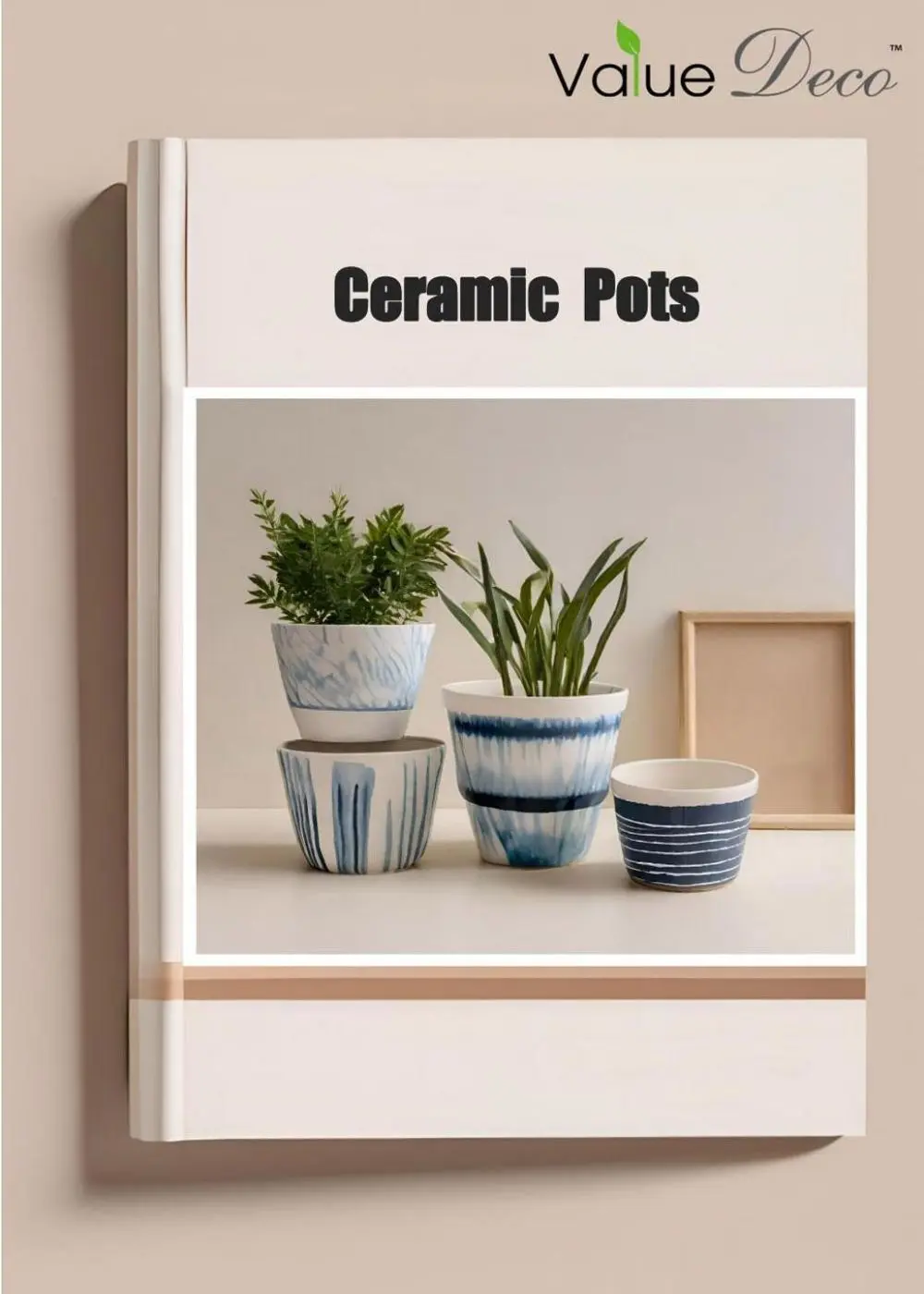
Comprehensive collection of classic and contemporary ceramic planters for nursery operations and retail stores.
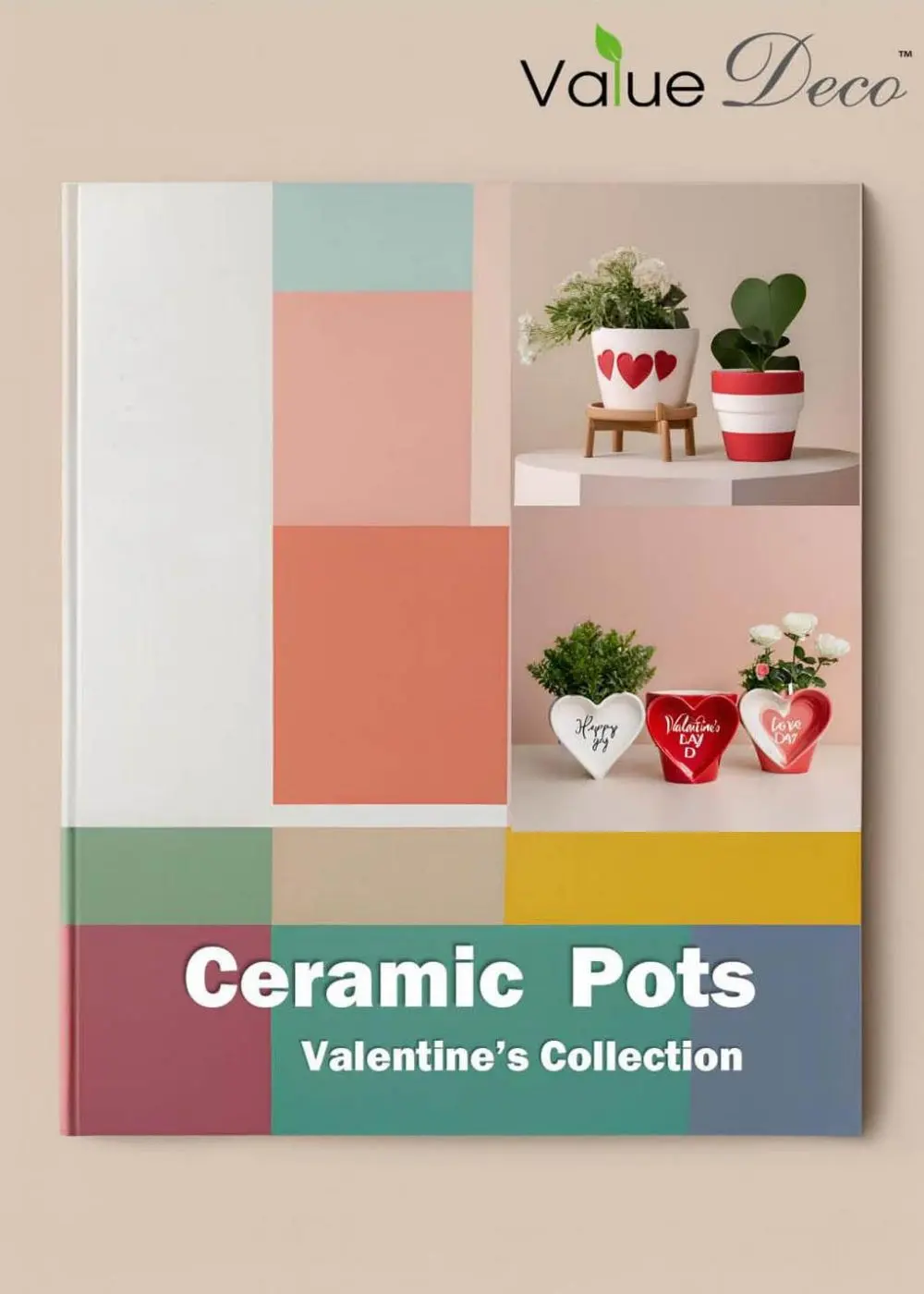
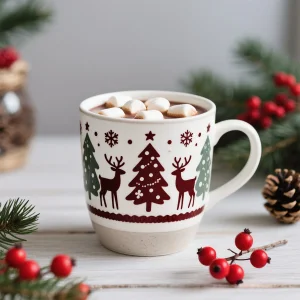
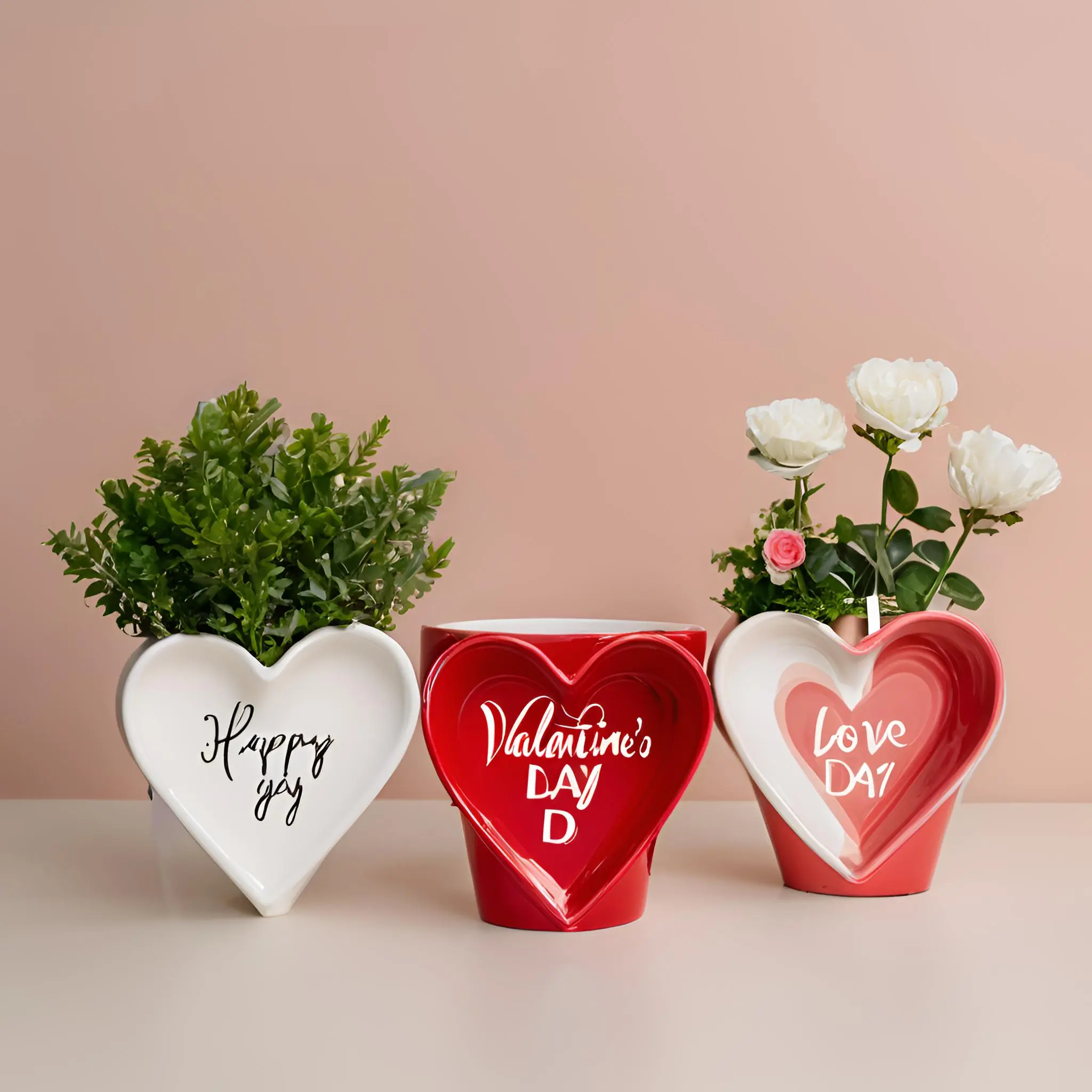
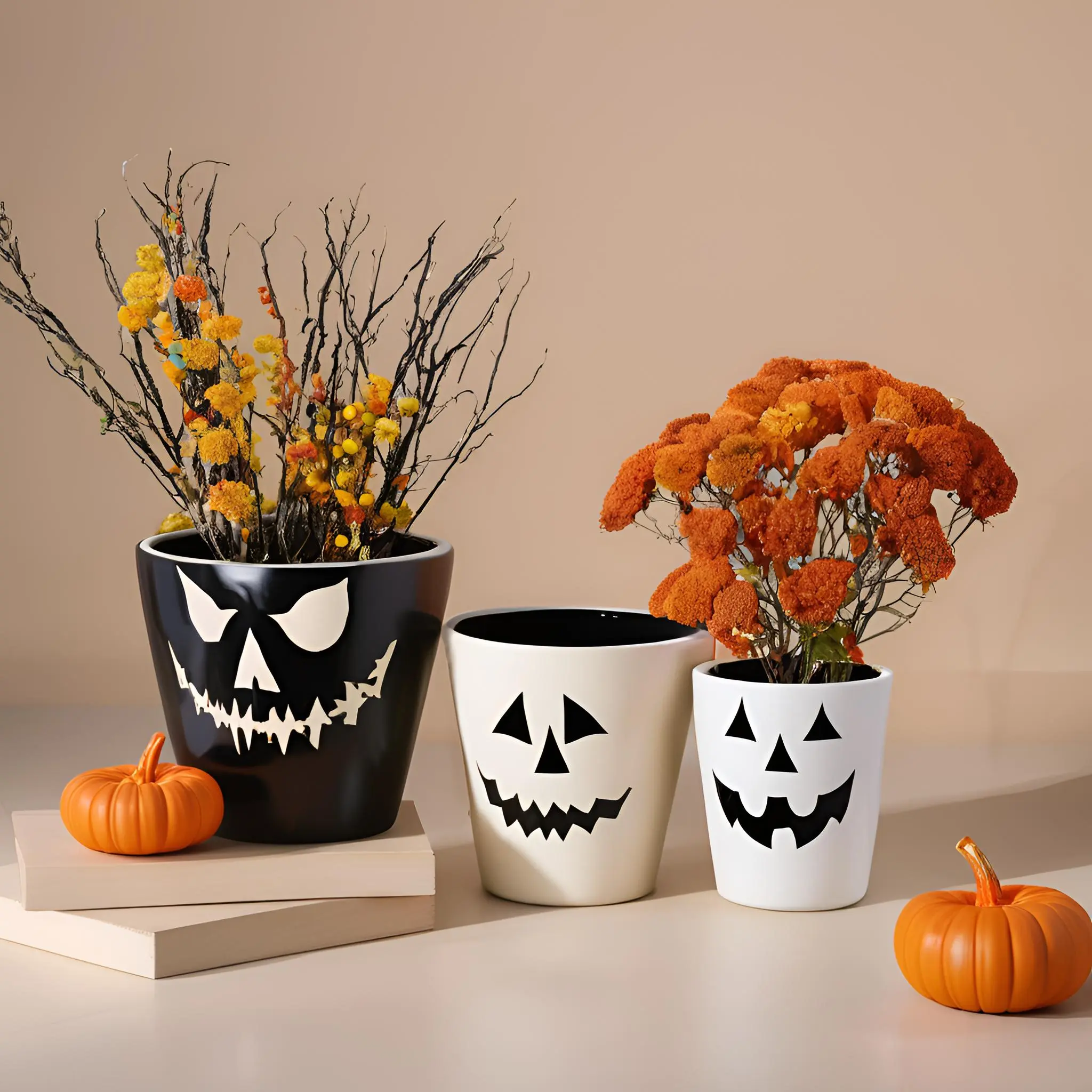
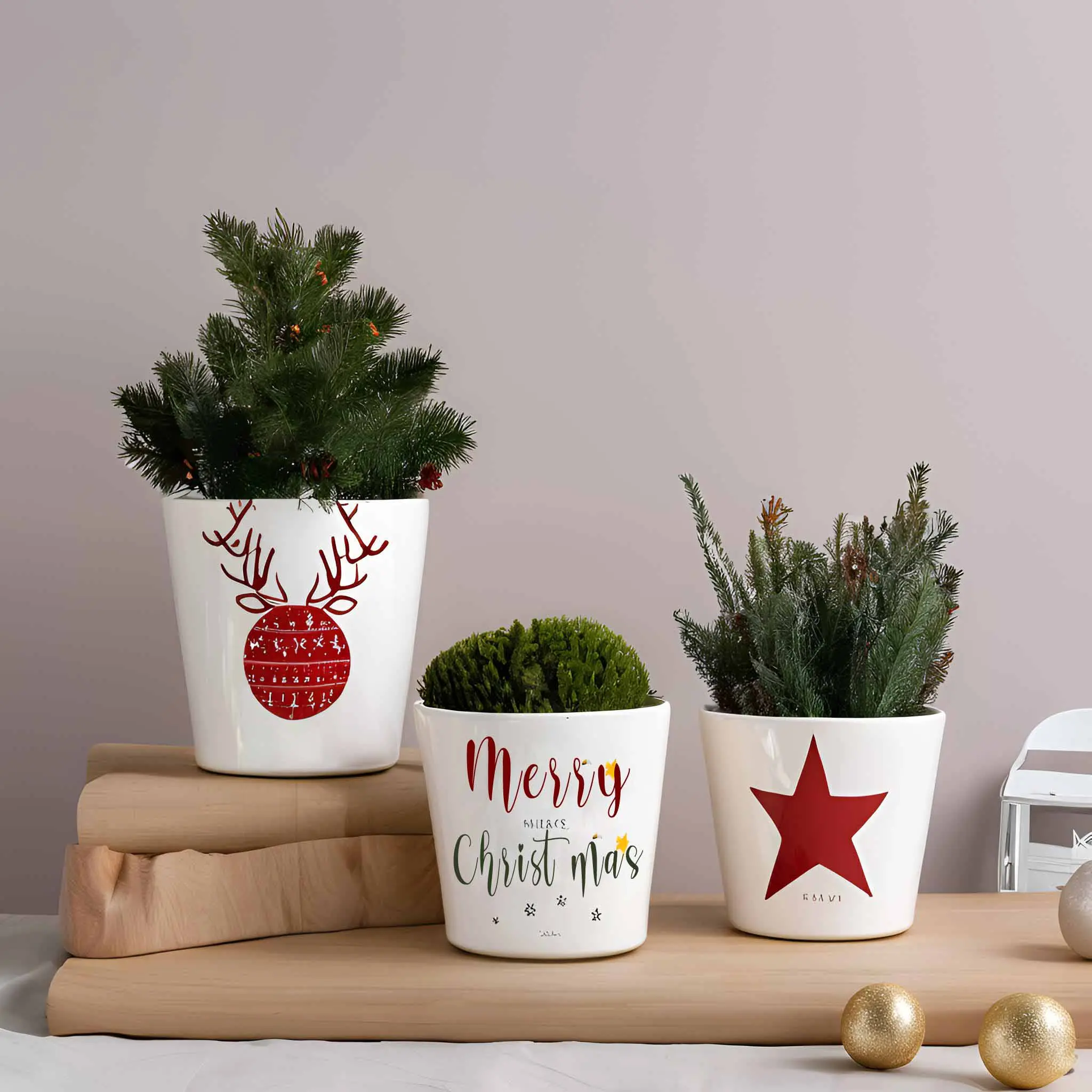
Specially designed holiday-themed planters featuring vibrant red, pink, and heart-shaped glaze motifs.
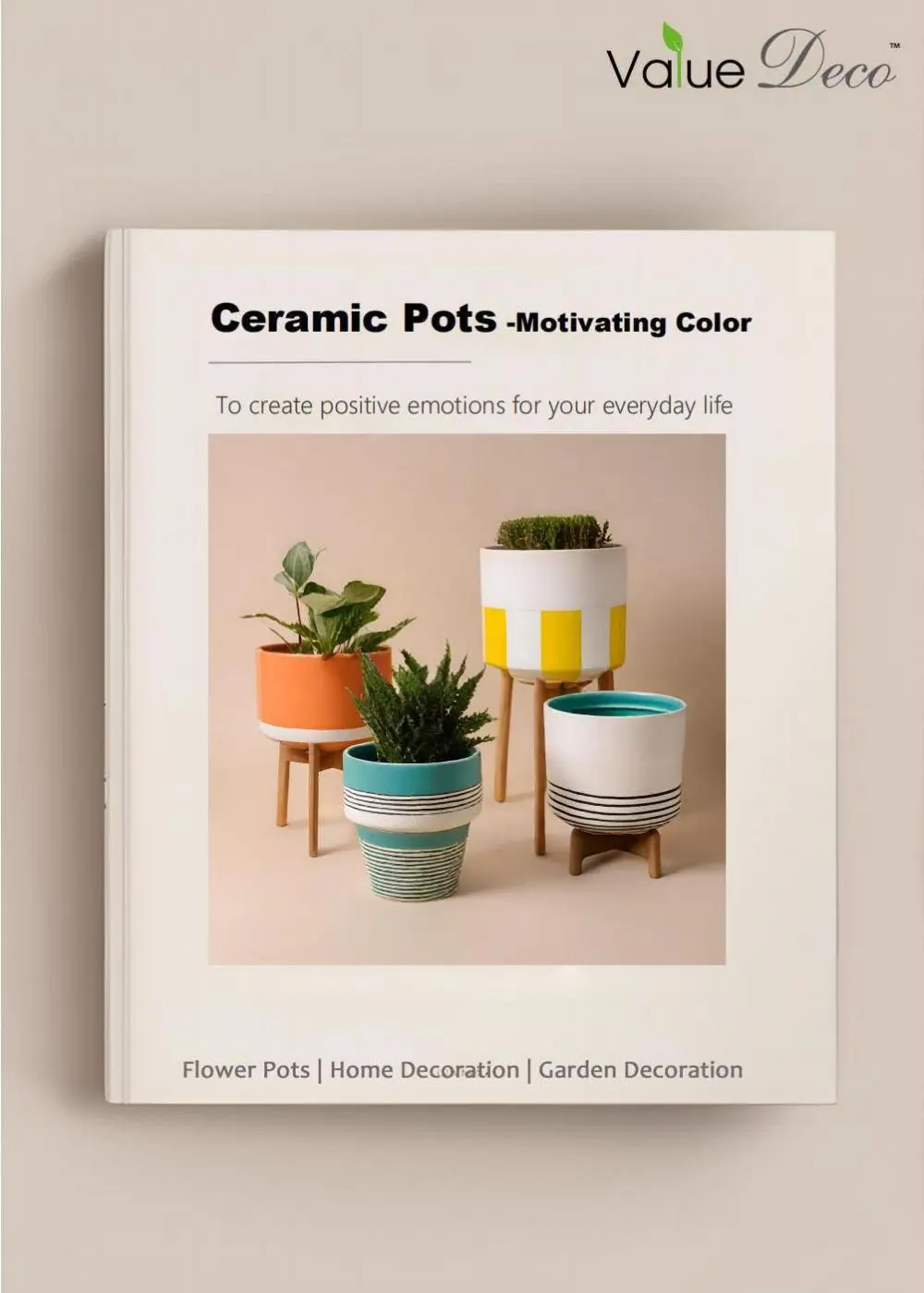
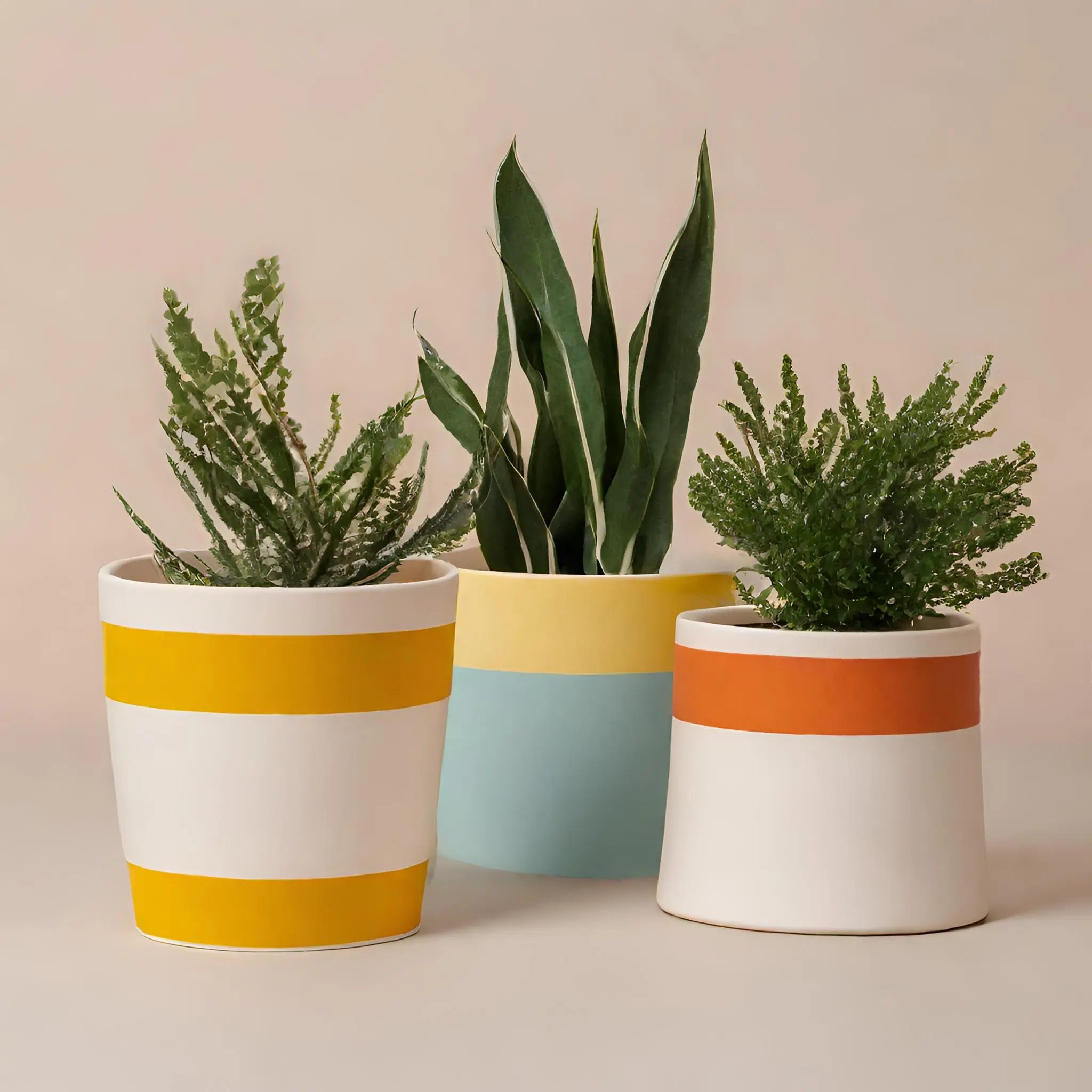
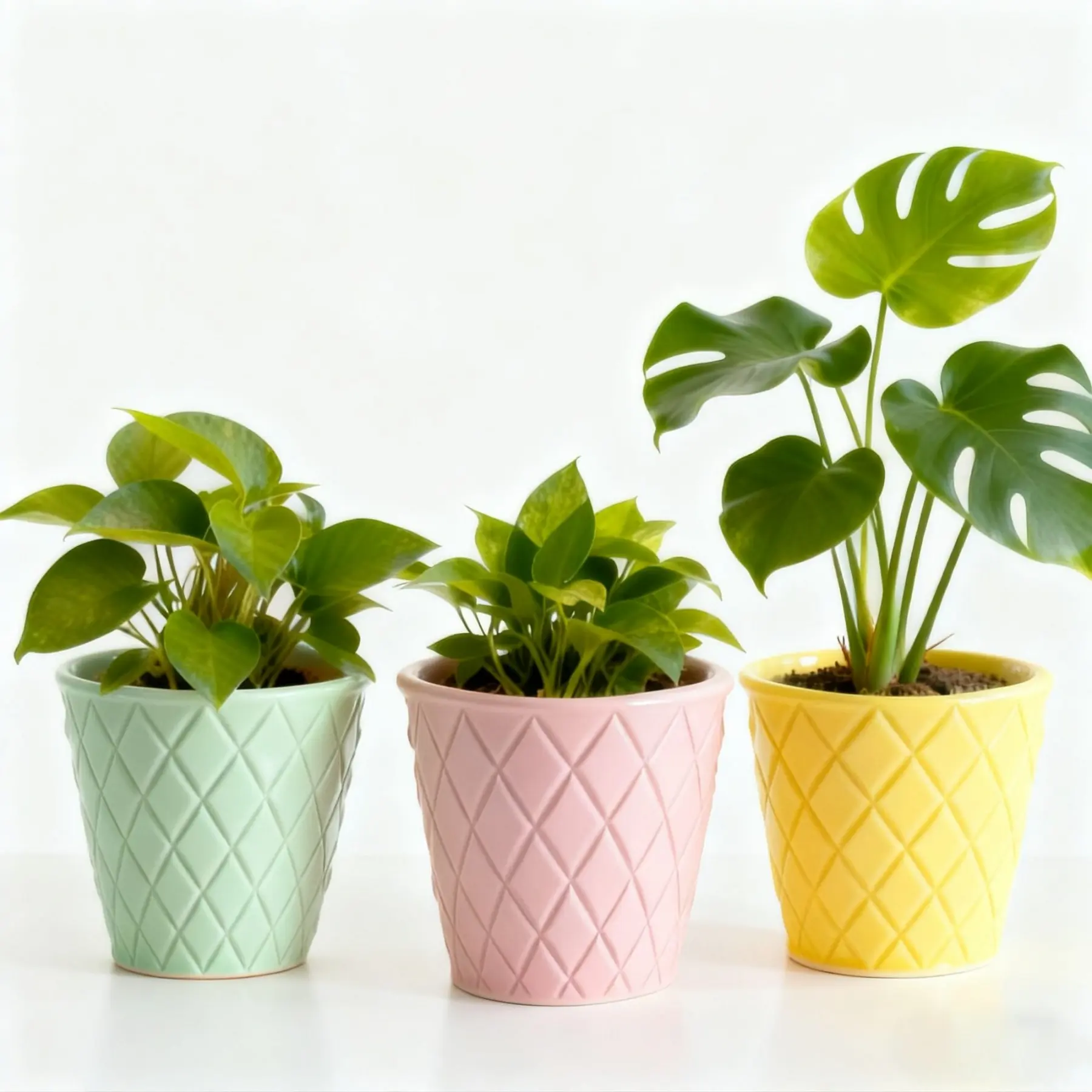
Energetic color schemes and bright, glossy glazes tailored to modern apartment decor aesthetics.
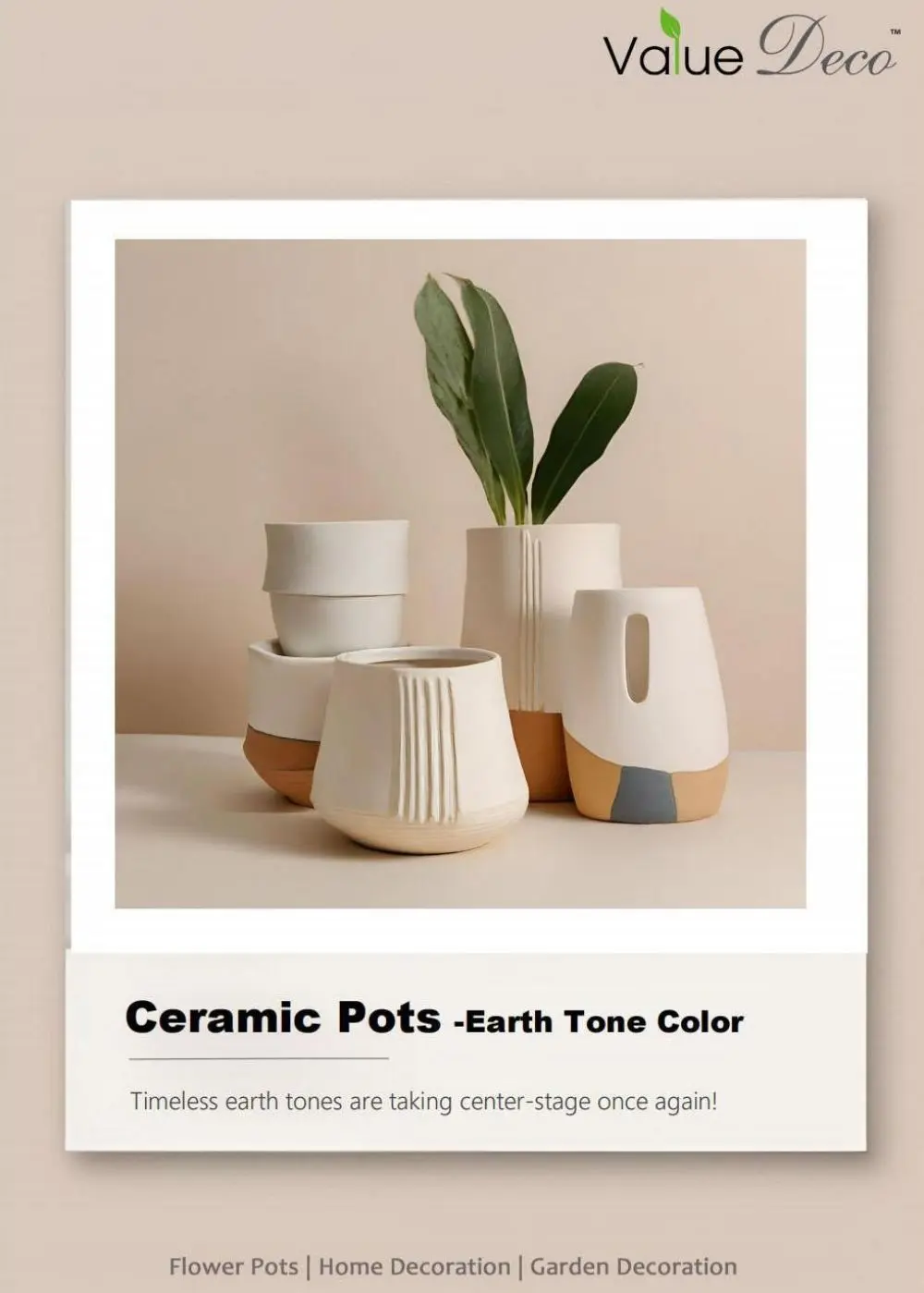
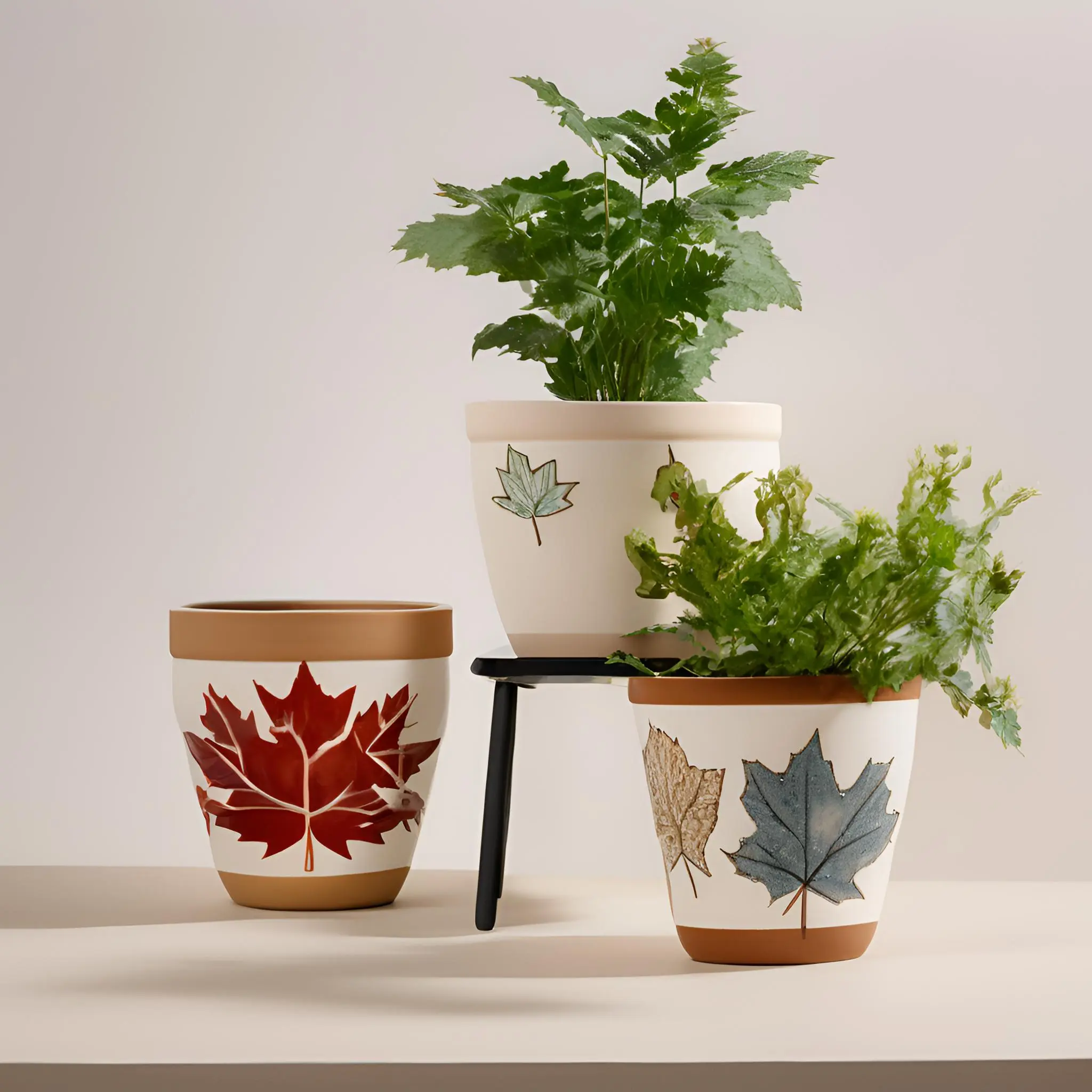
Earthy brown, beige, and terracotta glazes suited for traditional and indoor bonsai displays.
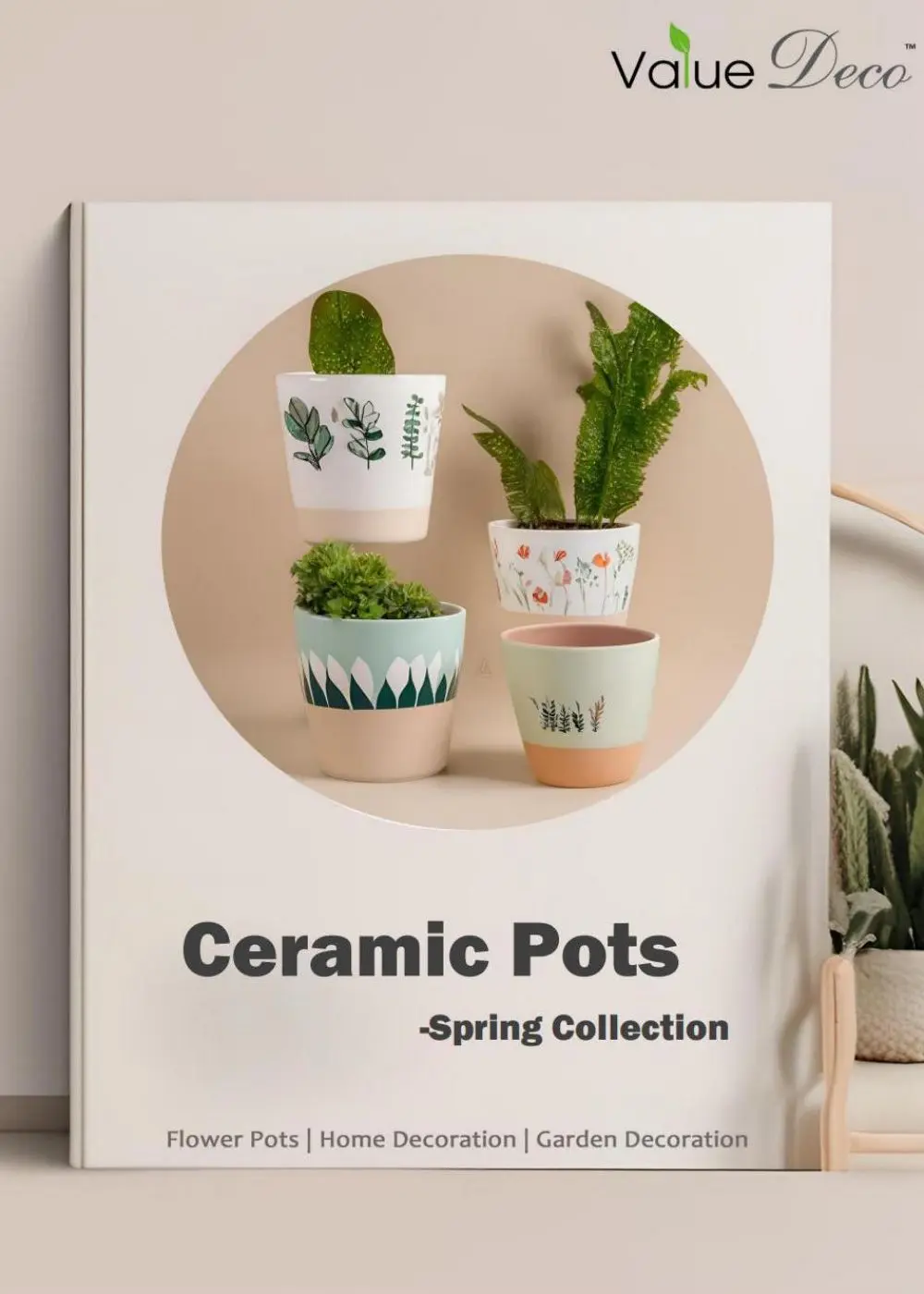
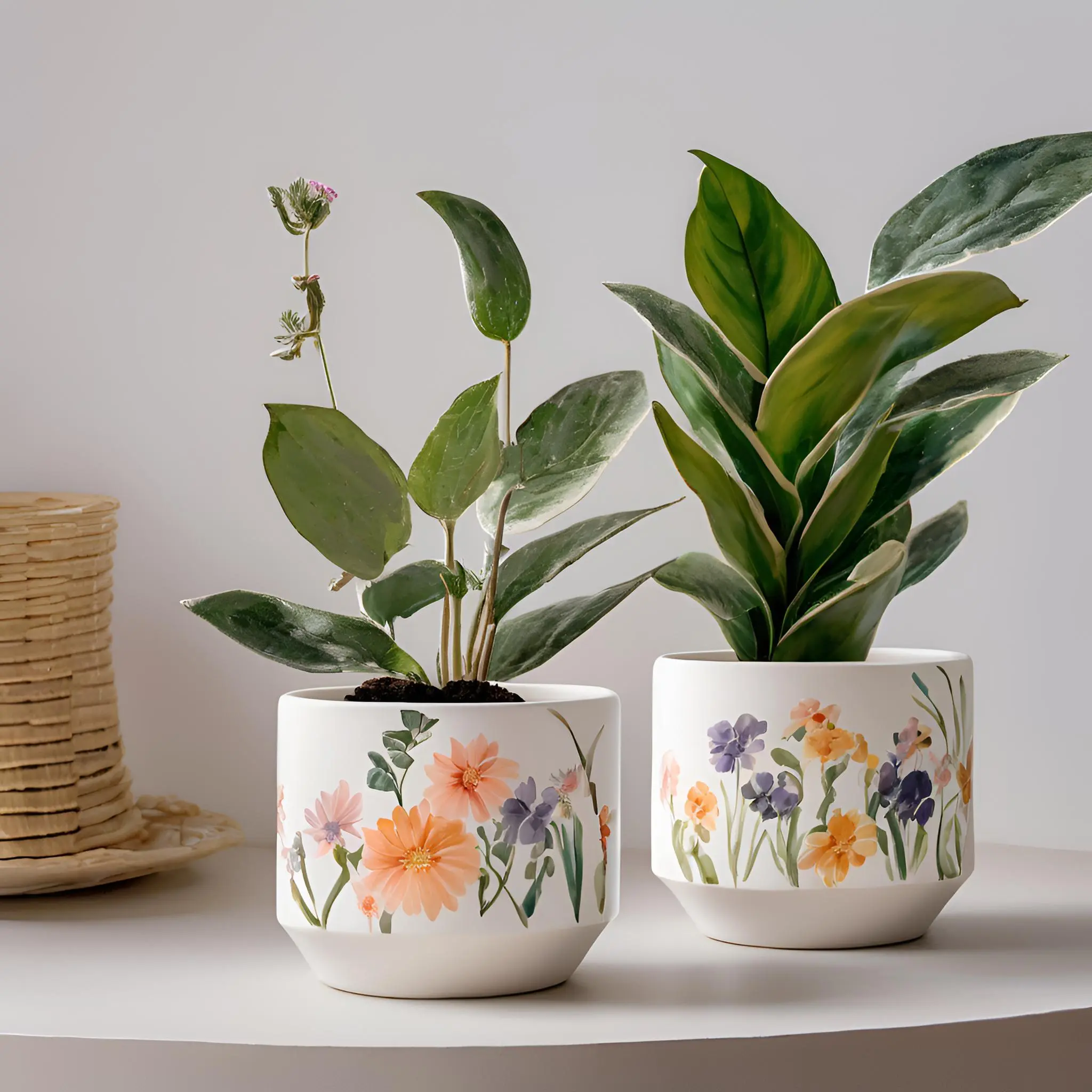
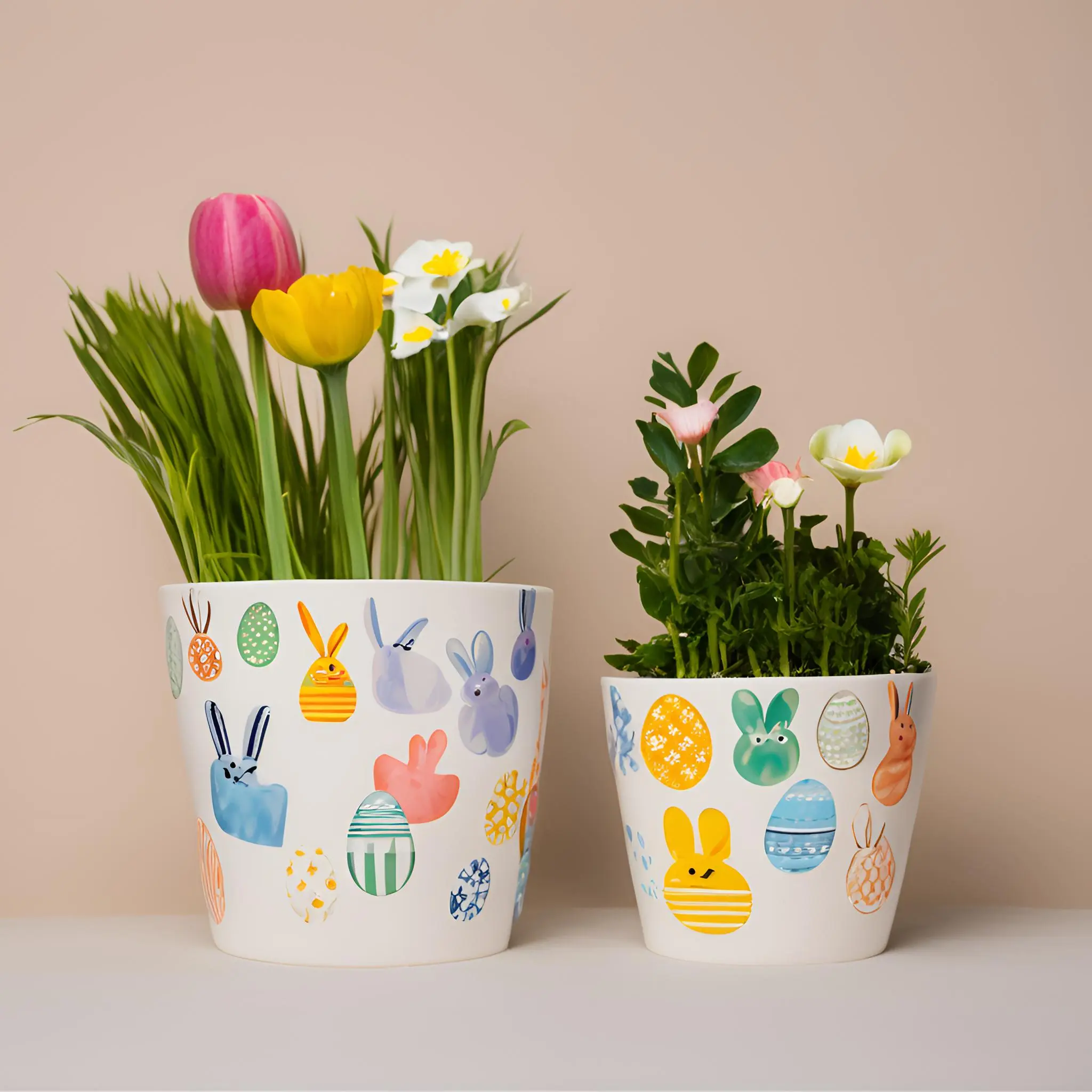
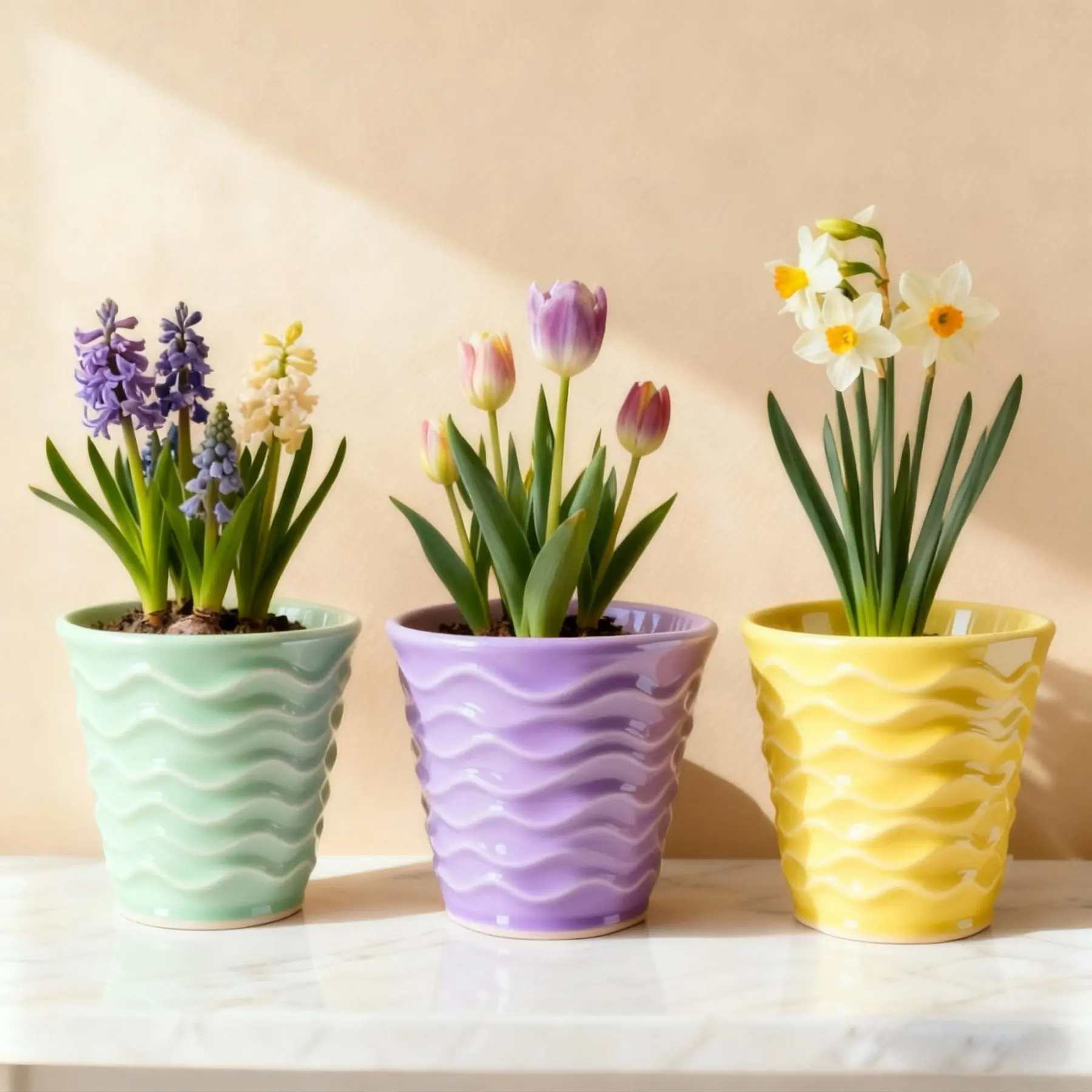
Fresh pastels and floral accents designed for springtime seasonal promotions.
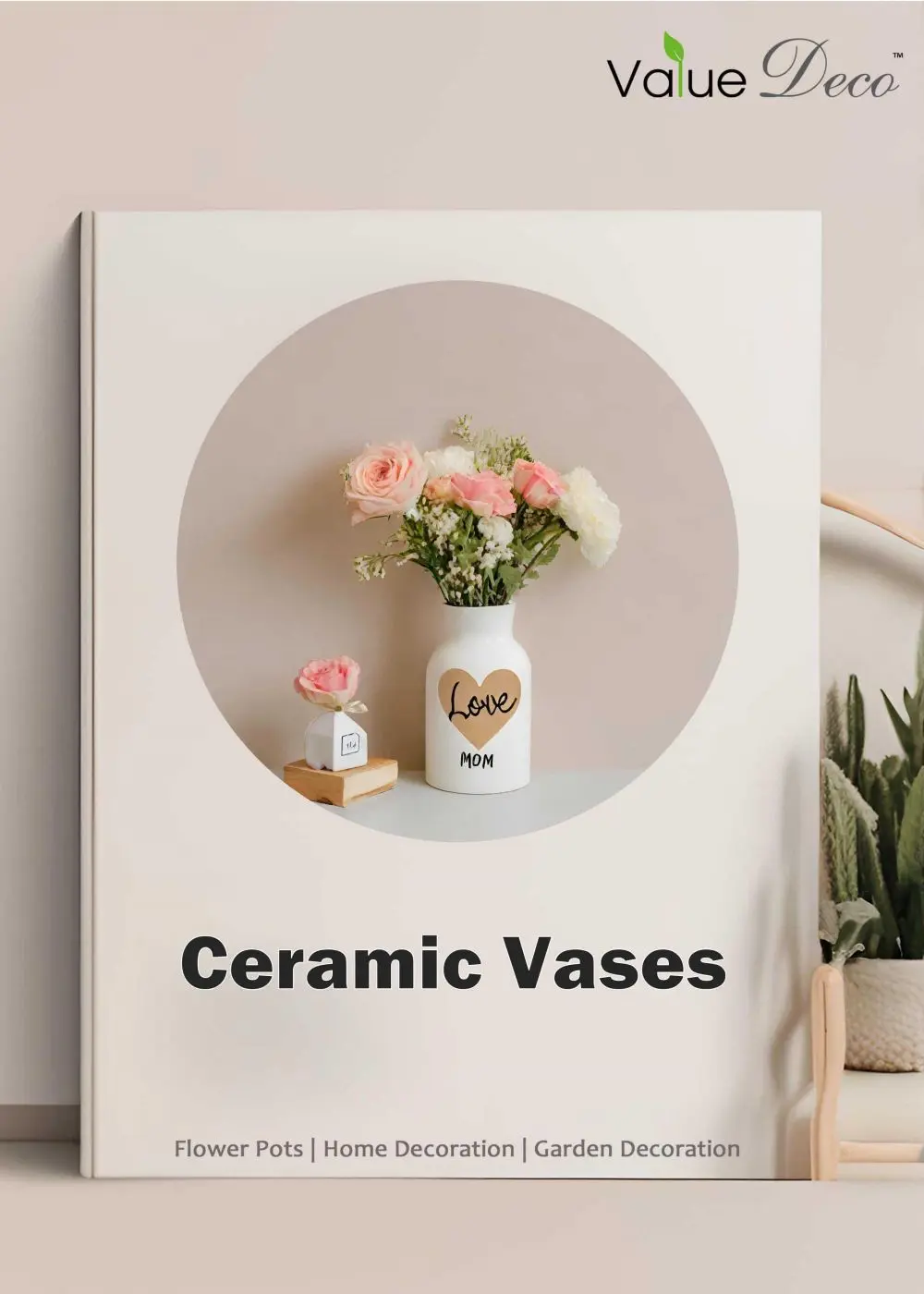
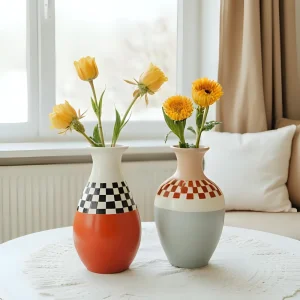
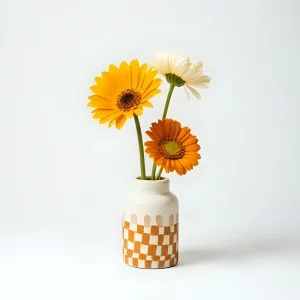
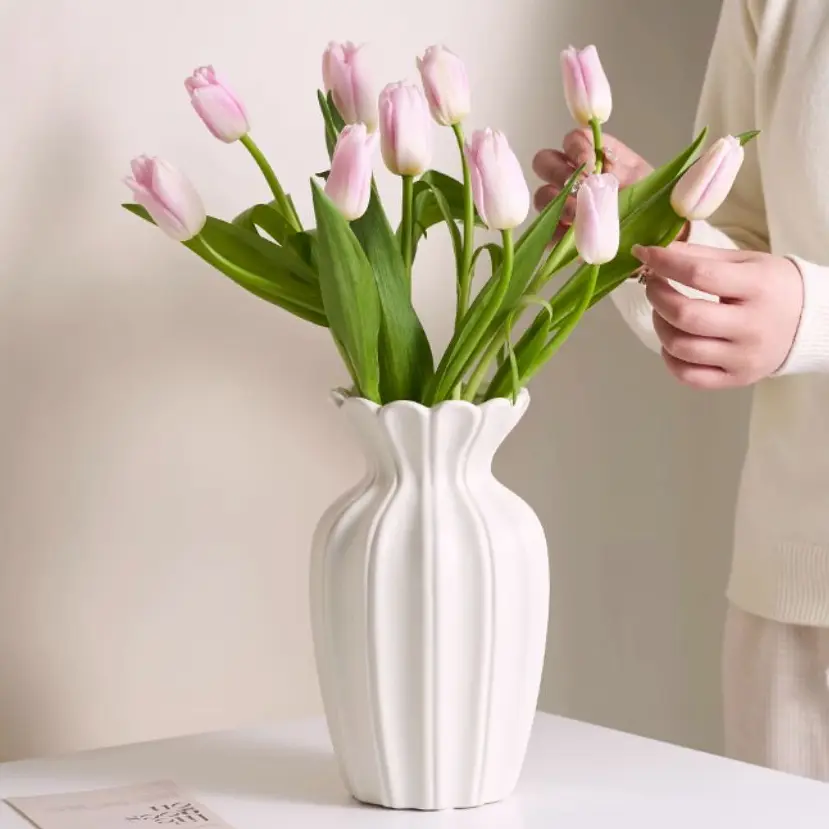
Elegant table vases, centerpieces, and structural flower arrangements for home interiors.
Sourcing bonsai pots in volume requires attention to detail. Procurement managers must establish clear specifications to ensure product performance, packaging safety, and freight cost efficiency. The following checklist details the key parameters managed during the B2B order lifecycle:
A. Sizing and Proportions: Standard plant pots are typically deep, but bonsai pots are shallow, requiring a wider base to accommodate shallow root systems. Factories must design these containers to scale, maintaining correct proportion ratios (typically a length equal to 2/3 of the tree height, and a depth equal to the trunk diameter).
B. Drainage and Wiring Holes: Adequate drainage is essential for bonsai survival. Standard pots require large primary drainage holes alongside secondary wire holes (typically 2-4mm in diameter) to secure the tree's root ball to the container frame.
C. Freight Optimization (Nesting & Volume): Shipping heavy, fragile ceramics globally can generate high freight costs. Professional manufacturers mitigate this by designing nested pot sets (where smaller sizes fit inside larger ones), which significantly increases container loading efficiency and reduces shipping costs per unit.
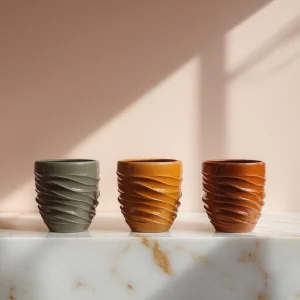
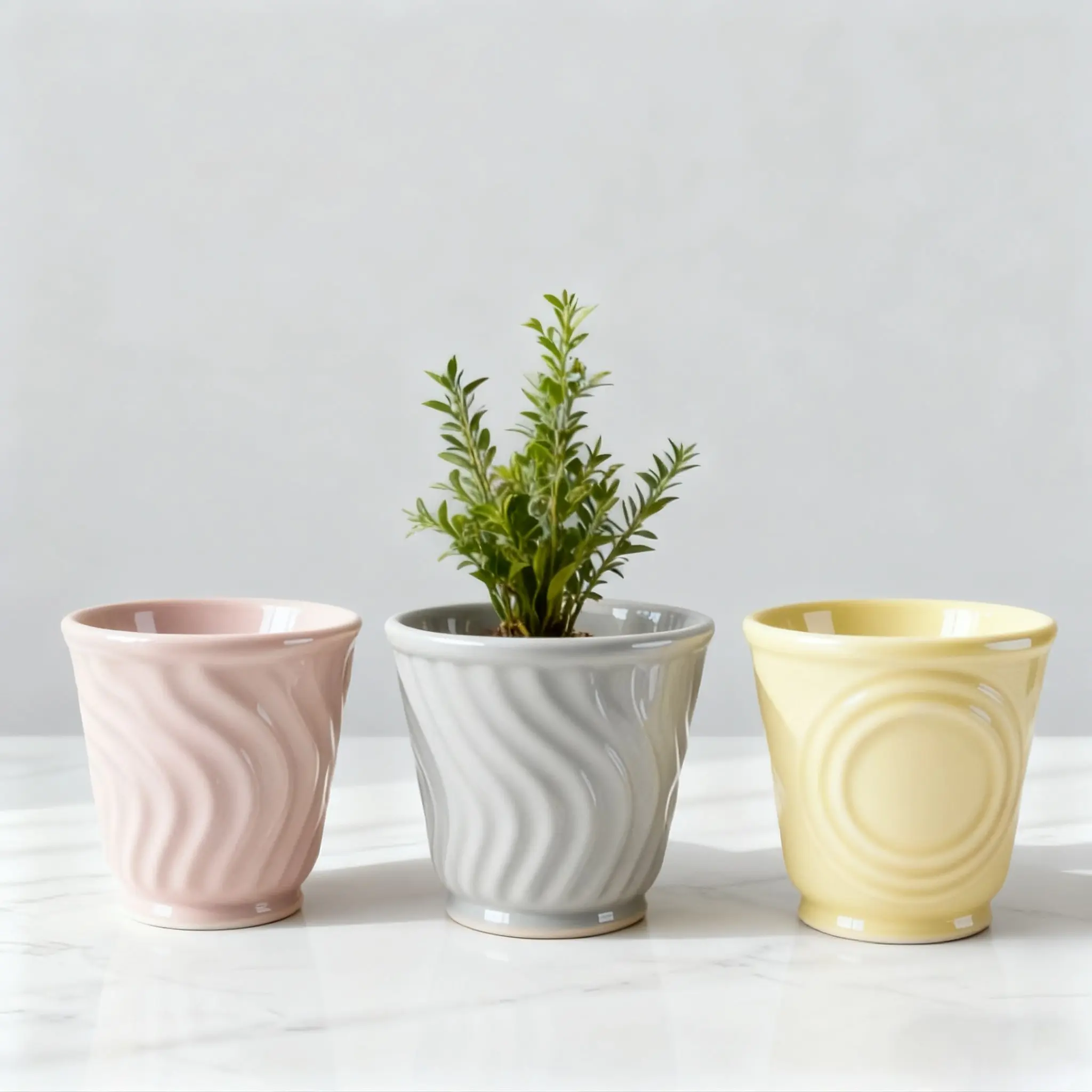
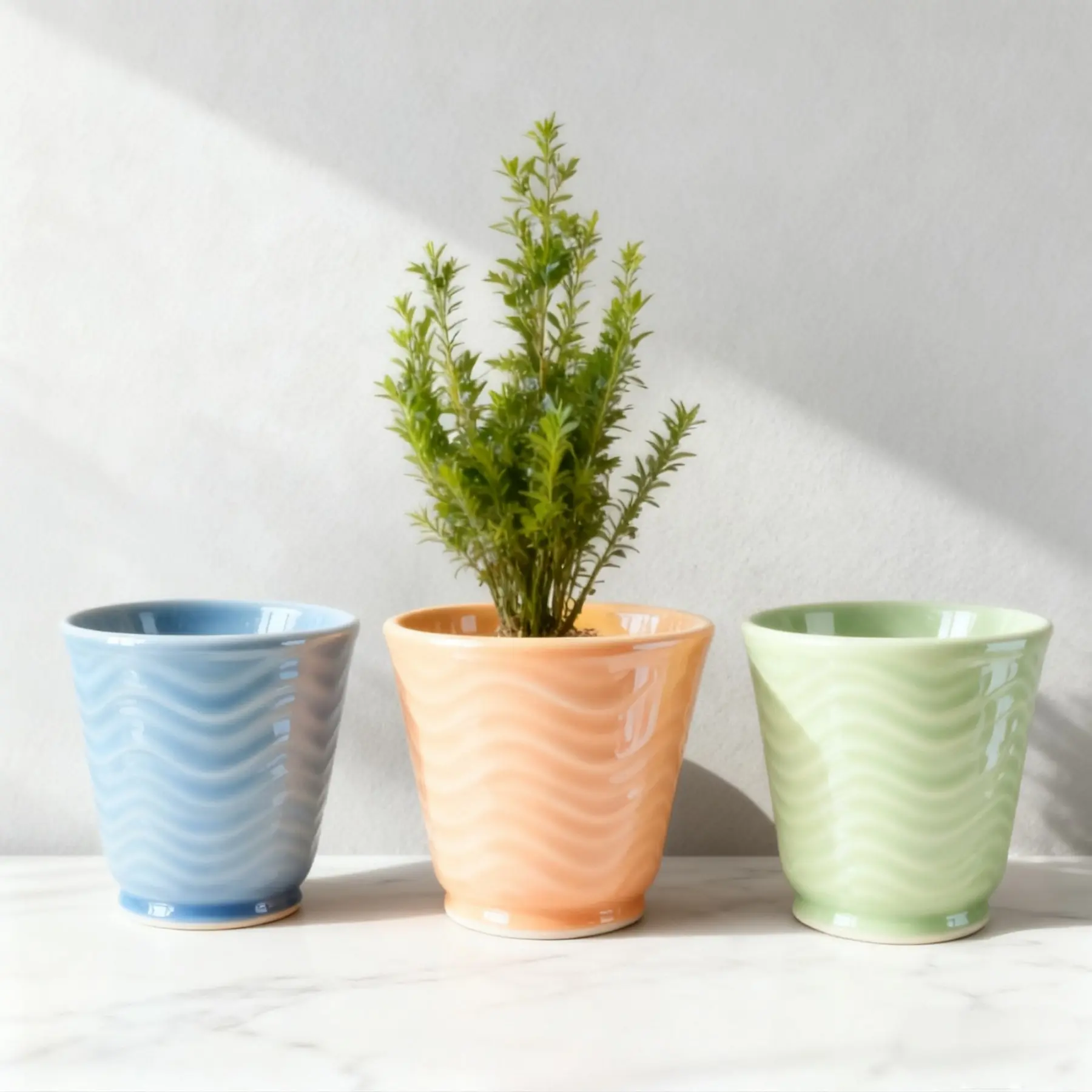
Discover our newly introduced collections featuring wavy patterns, embossed details, and elegant pastel finishes.
Managing international imports requires a clear understanding of production capabilities, shipping, and quality assurance. Below, we address key questions for volume purchasers sourcing from Chinese ceramic factories:
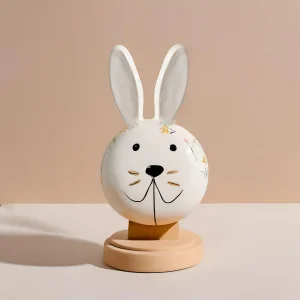
Explore more decorative solutions, including glossy ceramic tableware, animal designs, and textured plant pots.