




Executive Summary: Optimizing the Global Sourcing of Bird Feeders
In the highly competitive outdoor living and garden accessories market, securing a reliable, cost-effective, and quality-driven cheap bird feeder manufacturer is essential for retailers, e-commerce giants, and specialty distributors. As consumer interest in backyard bird sanctuaries, wildlife observation, and sustainable garden landscaping peaks, global B2B procurement demands have shifted. Modern buyers seek not just low cost, but exceptional E-E-A-T (Experience, Expertise, Authoritativeness, and Trustworthiness) parameters, structural durability, environmental compliance, and high information gain to drive their product development lifecycle.
This whitepaper outlines the structural landscape of manufacturing bird feeders, analyzing the logistical synergies, materials science, and supply chain efficiencies achieved by leveraging China-based manufacturing hubs. We present actionable insights for sourcing departments to evaluate manufacturer capabilities, ensure local market compliance, and capitalize on emerging eco-friendly and smart hardware trends.
Section 1: Sourcing Strategy for Global Enterprise Purchasing Agents
Purchasing agents overseeing garden and bird care categories must balance margin targets with performance indicators. When screening a bird feeder manufacturer, sourcing operations require a systematic approach to quality assurance, testing validation, and shipping security.
Key Sourcing Requirements & Metrics
- Customization (OEM/ODM Capability): The ability to translate 2D conceptual designs and 3D CAD files into functional physical prototypes within 7 to 15 days is a critical differentiator. Modern tooling shops allow rapid iteration on custom perches, feeding ports, and squirrel-guard mechanisms.
- Flexible Minimum Order Quantities (MOQ): High-volume container orders (FCL) achieve the best economies of scale. However, manufacturers offering scalable MOQ options (starting from 500 to 1,000 units per SKU) enable testing of new catalog designs without excessive inventory risk.
- Integrated Packaging & ISTA Drop Testing: Garden ornaments, particularly ceramic and glass-reinforced assemblies, are prone to transit damage. Reliable manufacturers provide customized drop-tested packaging (ISTA 3A or 6-Amazon.com standard) featuring high-density EPE foam inserts to ensure zero transit breakage.
Section 2: The Chinese Supply Chain Advantage
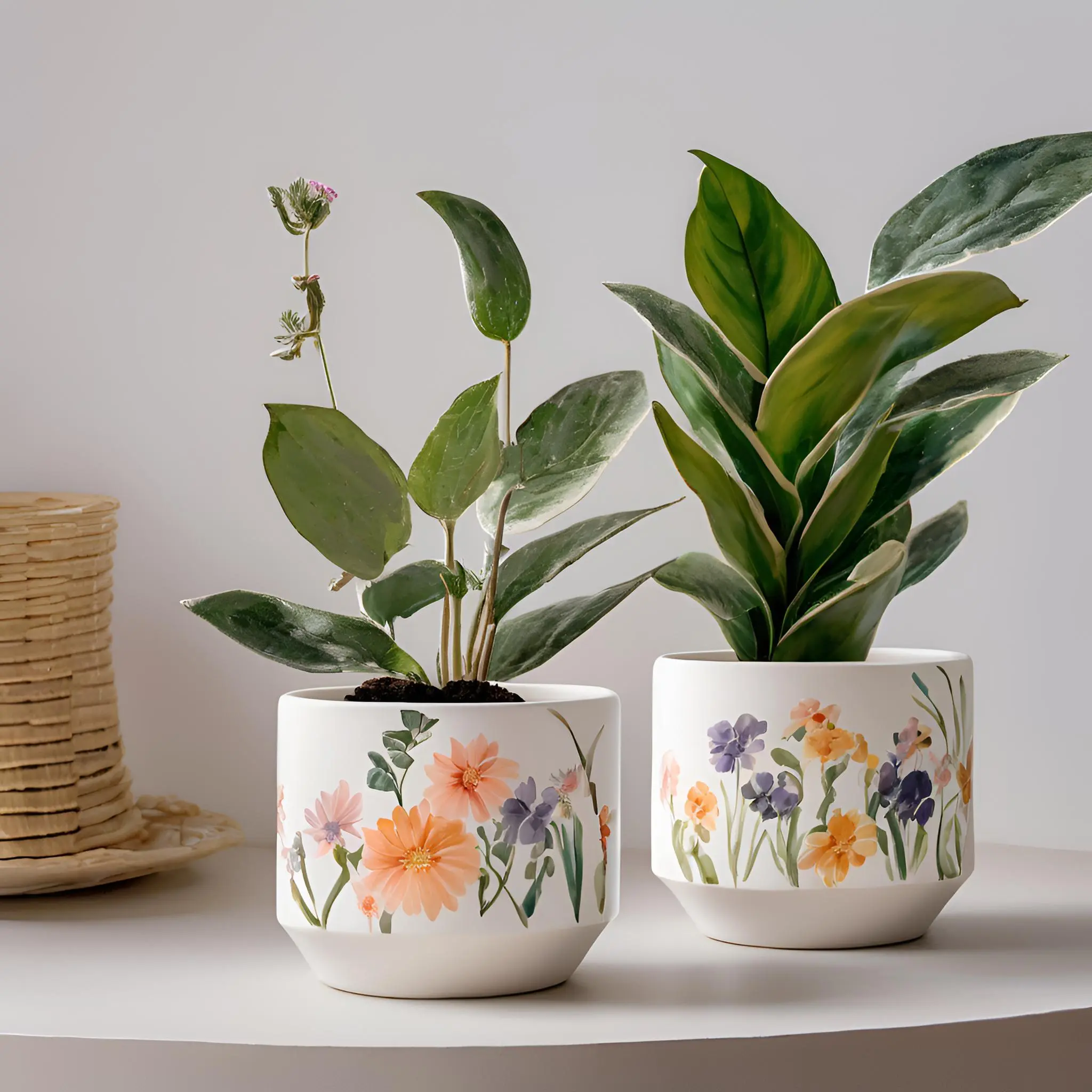
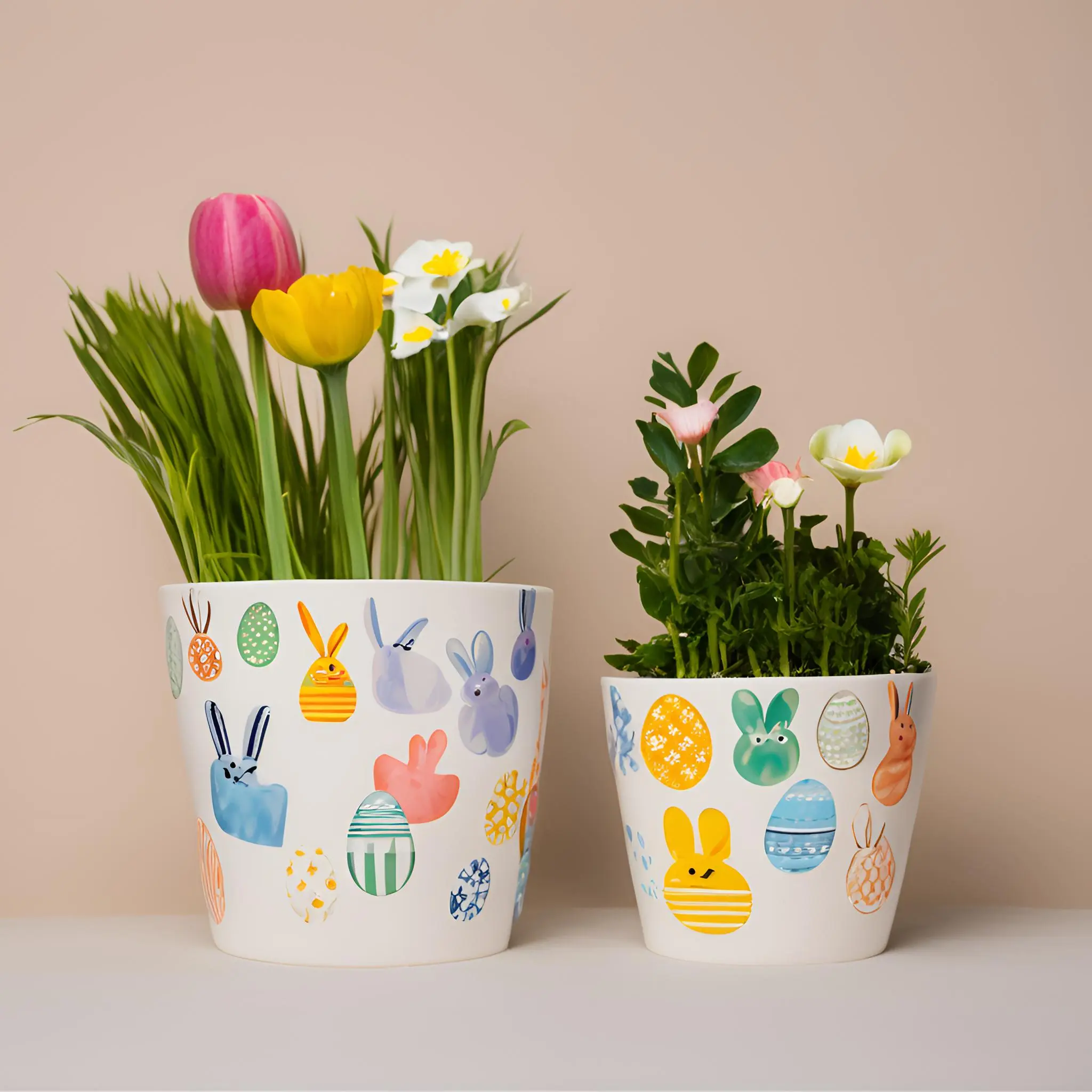
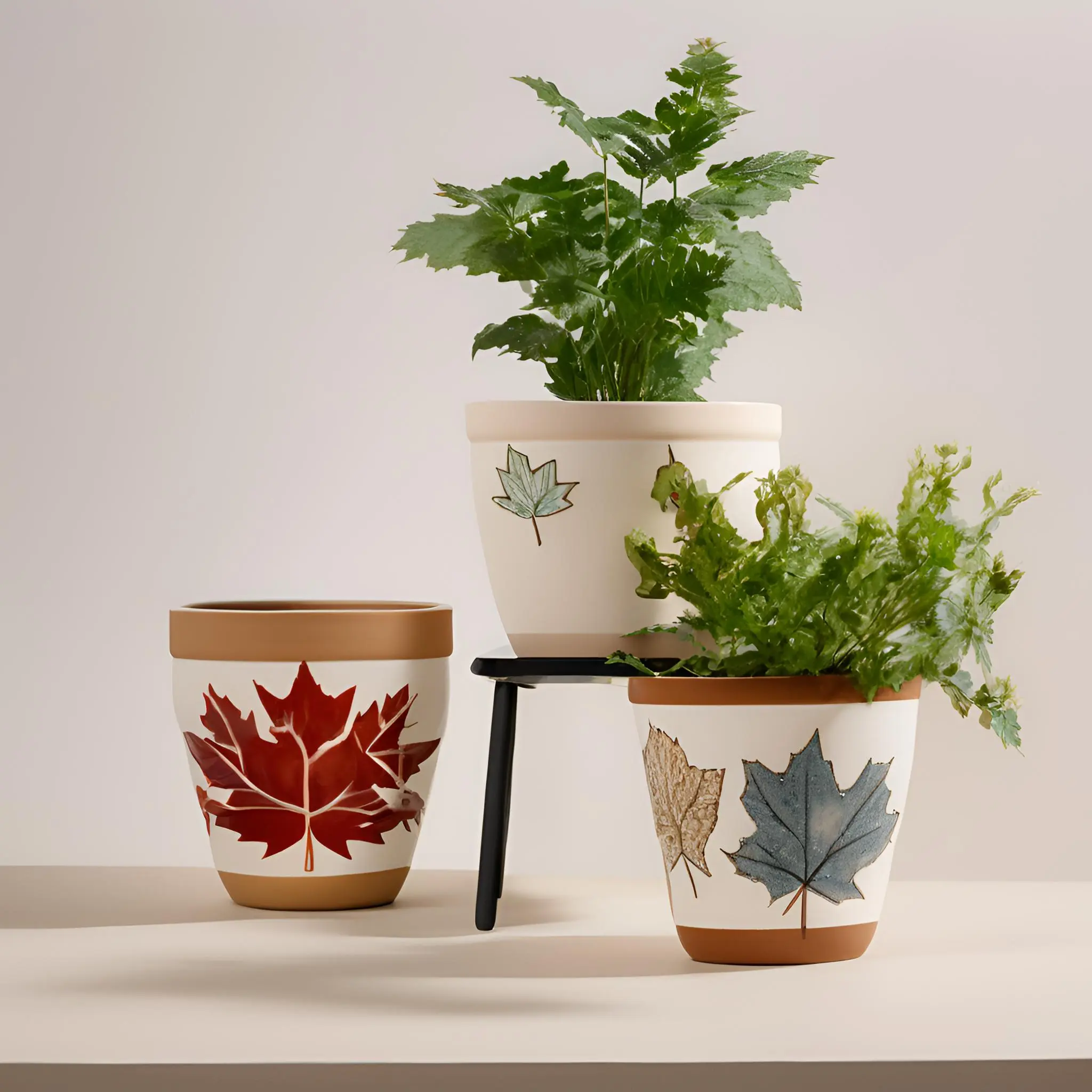
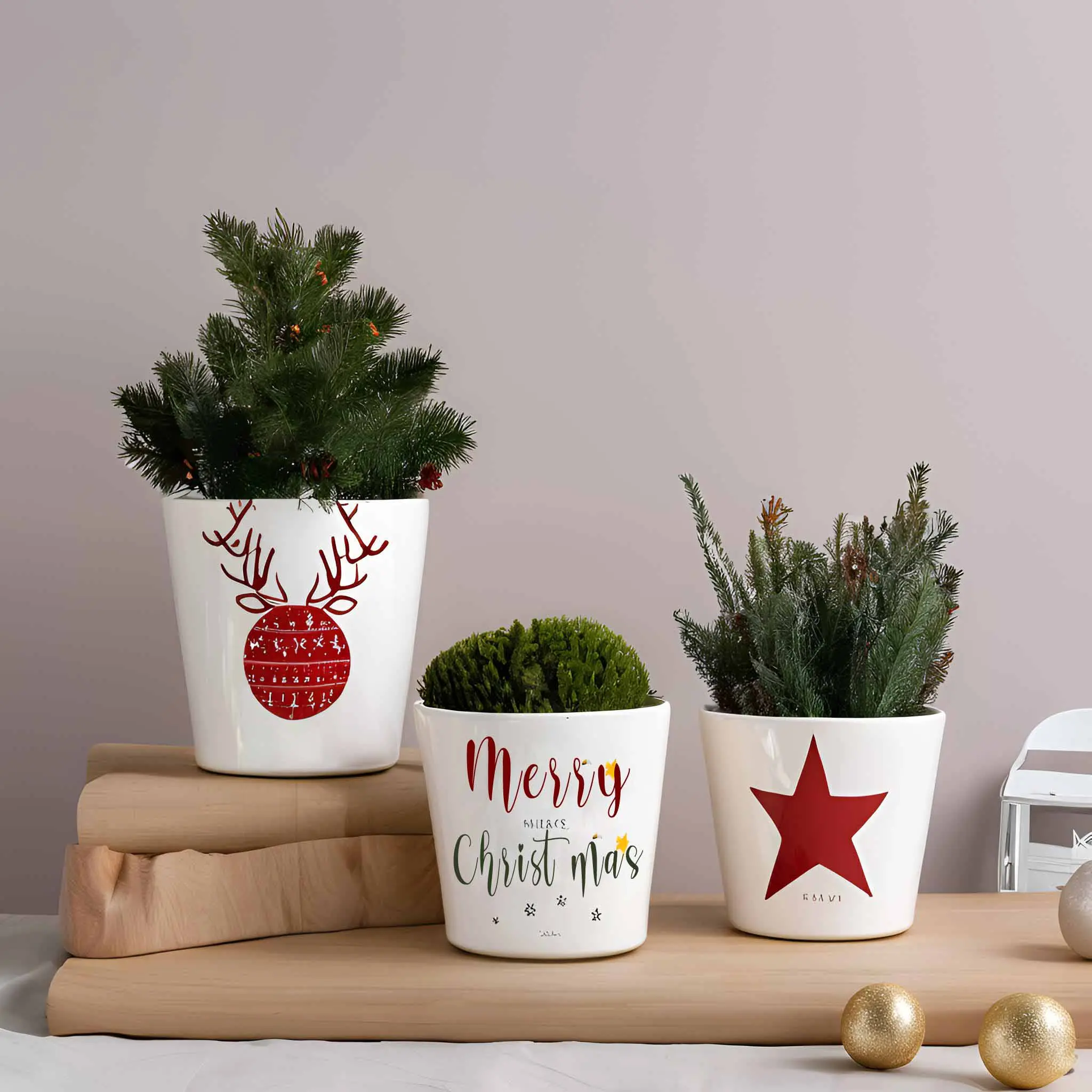
The manufacturing ecosystem in China offers unparalleled structural advantages in the production of high-volume garden ware, decorative planters, and bird care hardware. Industrial clusters in Fujian (Dehua and Quanzhou) represent the pinnacle of material refinement, combining traditional craftsmanship with modern automated manufacturing plants.
Raw Material Integration & Cost Control
By operating inside these centralized manufacturing zones, factories can access raw stoneware, kaolin clay, rust-resistant powder-coated iron, and food-grade plastics at highly competitive localized pricing. This geographical integration significantly minimizes inner-province logistics overheads. The resulting cost savings are passed directly to international buyers, delivering the coveted cheap bird feeder manufacturer pricing without compromising structural integrity or finishes.
Advanced Surface Finishing and Kiln Technology
Using computerized high-temperature tunnel kilns, Chinese manufacturers achieve uniform heat distribution during firing. This ensures optimal vitrification of ceramic components, making them frost-proof and weather-resistant. Additionally, advanced lead-free glazes are applied via automated spray systems, achieving a durable, non-toxic finish that is safe for birds and resistant to degradation from UV rays.
Section 3: Environmental Standards, Regulatory Compliance & Certifications
Compliance is paramount in today's global trade landscape. Importing products into regions such as the North American market (FDA, EPA, Lacey Act) and the European Union (REACH, RoHS) demands that manufacturing facilities meet rigorous compliance and safety protocols.
Material Safety & Glaze Integrity
Glazes, colorants, and composite materials must undergo strict chemical testing. Ceramic surfaces used in bird baths and feeders must be verified lead-and-cadmium-free, using FDA-approved coatings to ensure avian safety.
Ethical Factory Audits
A reputable export manufacturer maintains active memberships in recognized compliance systems. Regular audits (BSCI, Sedex 4-pillar, and SMETA) ensure ethical labor practices, occupational safety, and fair working environments.
Traceable Raw Materials
For wood-composite or bamboo fiber products, suppliers must hold FSC certification, assuring international customs authorities that materials are sourced from sustainably managed forests.
Section 4: Industry Trends Shaping the Future of Wild Bird Care
The wild bird feeding sector is evolving, moving away from single-season, disposable items towards durable, technologically integrated, and environmentally conscious products. Sourcing departments can capture high information gain by adapting their catalog layouts to reflect these design innovations:
- Eco-Centric, Biodegradable Materials: There is a growing demand for planters and feeders constructed from wheat straw composites, bamboo powder, and post-consumer recycled plastics.
- Smart IoT Feeder Integrations: The rise of camera-enabled, Wi-Fi-connected bird feeders has created a lucrative niche market. Manufacturers now offer custom housing compartments that seamlessly fit modular camera hardware.
- Avian-Centric Ergonomics: Premium designs focus on species-specific perches, easy-clean removable trays that prevent mold growth, and optimized drainage holes to keep seeds dry.