Why are Fake Flowers And Vase arrangements appearing on office desks, hotel counters, and small apartment shelves? The answer combines convenience, design, and changing consumer habits. Grand View Research estimated the global artificial flowers market at approximately USD 1.9 billion in 2023. Its report projects a compound annual growth rate of about 5.7% from 2024 to 2030. These figures suggest steady demand, not a passing decoration trend. Still, market estimates differ because some reports include artificial plants, seasonal ornaments, or wholesale products. The numbers are useful, but not perfectly comparable.
A vase makes the product feel complete. It gives silk peonies, polyester eucalyptus, and preserved-looking branches a visible home. Interior stylist and floral designer Michael Skaff, AIFD, has expressed a practical design principle: “A flower arrangement should create an emotional response, not merely fill space.” That idea helps explain the appeal. Fake Flowers And Vase products offer color without watering, fallen petals, or weekly replacement costs. They can sit beside a sunny window, even when nobody remembers them. That matters in busy homes and commercial spaces.
The environmental argument needs care. Reusing one durable arrangement may reduce repeated purchases, yet synthetic materials can be difficult to recycle. Quality also varies sharply. Cheap petals may shine under bright lighting, while better designs show irregular edges and layered tones. Consumers often value perfection, but natural-looking imperfection can feel more believable. Perhaps that is the real attraction: controlled nature, with just enough visual warmth to make an empty corner feel lived in.
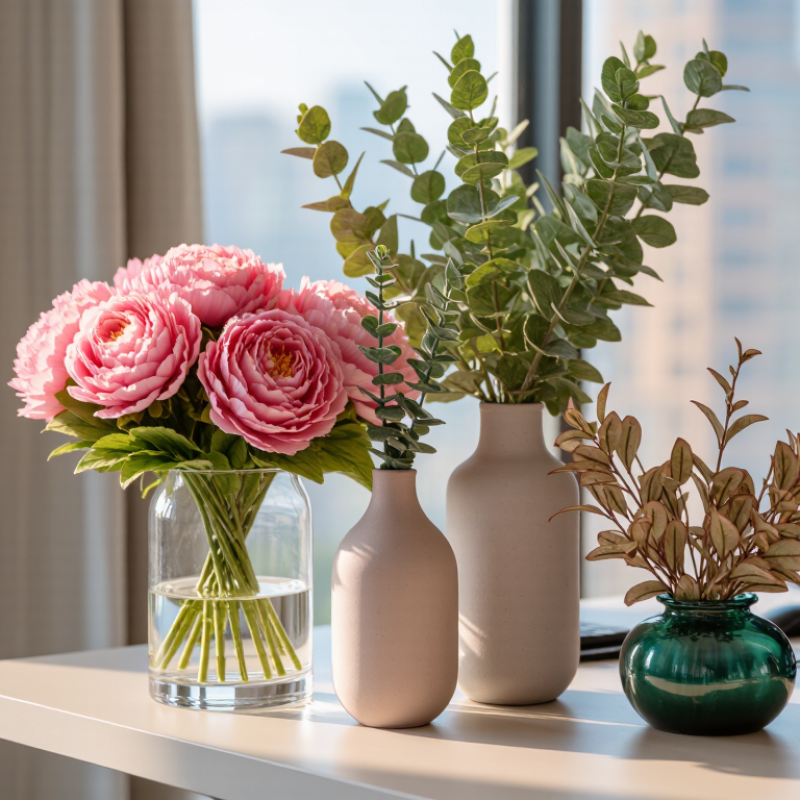
Definition and History of Fake Flowers and Decorative Vases
Why Are Fake Flowers and Vases So Popular?
Definition and History of Fake Flowers and Decorative Vases
Fake flowers are manufactured botanical decorations made from silk, polyester, paper, foam, or plastic. They imitate real petals, leaves, and stems without needing sunlight or water. Decorative vases are containers designed to display flowers while adding shape, color, and texture to a room.
Their history is older than many people expect. Ancient Egyptians used crafted plant forms in rituals and interiors. Chinese artisans later developed silk flowers, while Victorian makers created wax and fabric arrangements. These objects were not merely substitutes. They expressed status, seasonal taste, and domestic creativity.
Modern demand reflects convenience and interior styling. Grand View Research estimated the global artificial flowers market at USD 1.74 billion in 2022. Its report projects a 5.3% compound annual growth rate from 2023 to 2030. IMARC Group also valued the global home décor market at USD 747.75 billion in 2023. Decorative vases benefit from this broader interest in personal spaces. Yet “lifelike” remains subjective. Some arrangements look beautiful from across the room, but artificial leaves can appear too glossy up close.
Tips: Choose flowers with varied heights and matte surfaces. Use a vase with enough weight to prevent tipping. Dust stems gently with a soft brush. A small imperfection can make the arrangement feel less manufactured.
Key Reasons People Choose Artificial Floral Arrangements
Fake flowers and vases remain popular because they solve practical problems without demanding daily care. A fresh bouquet may wilt within a week, especially beside a sunny window or warm radiator. Artificial stems keep their color for months, while a stable vase adds shape to shelves, desks, and narrow entryways. No watering required.
Grand View Research valued the global artificial flowers market at approximately US$1.6 billion in 2023. It also projects about 5.7% annual growth from 2024 to 2030. IMARC Group’s 2024 industry analysis similarly identifies home decoration and online retail as important demand channels. These estimates are not identical. Definitions vary. Still, both reports indicate sustained consumer interest rather than a short-lived décor fad. Low maintenance, repeat usability, and easy delivery help explain that pattern.
In styling practice, realistic arrangements work best when their imperfections are managed. A slightly uneven stem can look more natural than a perfectly symmetrical bouquet. Dust, however, quickly reveals poor maintenance. I recommend a soft brush, a weighted vase, and stems with varied heights. Neutral ceramics suit small rooms, while transparent glass shows water-like stones without actual water. The result feels calm, but not always convincing. Overfilled arrangements can appear artificial, particularly under cool LED lighting. People also choose them for emotional reasons: a familiar color beside a bed can make an impersonal room feel occupied. That small effect is easy to underestimate.
Why Are Fake Flowers and Vases So Popular?
Key practical reasons people choose artificial floral arrangements
Artificial flowers appeal to people who want a long-lasting decorative display without regular watering or frequent replacement.
Fresh-cut flowers commonly last about 7–14 days in a vase, while well-maintained artificial arrangements can remain visually useful for several years indoors.
Artificial flowers also produce no pollen and are available throughout the year.
Reference benchmarks: fresh-cut flower vase life is typically 7–14 days; the artificial-flower figure represents a conservative three-year indoor display period. Actual results vary according to flower type, material quality, sunlight, dust, and care.
How Fake Flowers and Vases Enhance Interior Spaces
Why Are Fake Flowers and Vases So Popular?
Artificial flowers can make a room feel finished without demanding daily care. Their value becomes clearer when they are chosen as interior elements, not simple substitutes for fresh blooms. A tall arrangement can draw the eye upward in a narrow entryway. A low ceramic vase can soften a hard coffee table. Interior stylists often use contrast, scale, and repeated colors to connect furniture with curtains, artwork, and rugs. The effect is quiet, but noticeable.
Industry data supports this growing interest. Grand View Research estimated the global artificial flowers market at approximately USD 1.6 billion in 2023, with continued growth expected through 2030. This suggests more households are treating faux botanicals as practical decorative products. They offer stable color, fewer maintenance demands, and seasonal flexibility. Still, they are not automatically convincing. Dust, overly bright petals, and awkward stems can make a room look artificial. That part deserves more attention.
Tips: Choose flowers with varied heights and slightly imperfect shapes. Match the vase to the room’s visual weight. Use matte finishes in calm spaces and stronger textures in plain rooms. Keep arrangements away from direct sunlight when possible. Rotate them occasionally. A little change helps.
A useful test is simple: step back and view the arrangement from the doorway. If it dominates the room, reduce the number of stems. If it disappears, raise the vase or add one stronger shape. According to the National Association of Realtors’ 2023 Remodeling Impact Report, 81% of buyers’ agents said staging helped buyers visualize a property. Even small decorative details can influence that first impression.
Materials, Styles, and Factors That Shape Their Popularity
Why Are Fake Flowers and Vases So Popular?
Fake flowers and vases now support flexible, low-maintenance interiors.
Grand View Research projects the artificial flowers market to grow about 5.7% annually from 2023 to 2030.
Market estimates vary by product definition. Still, the direction is clear. Renters, hospitality spaces, and busy households want color without watering or seasonal replacement.
Material choice shapes appearance, lifespan, and perceived value. Polyester petals hold sharp folds, while polyethylene can create softer, natural-looking surfaces. Latex adds flexibility but may age poorly under heat and sunlight.
Clear glass amplifies stems and daylight. Ceramic adds weight, texture, and a quieter presence. Metal suits structured arrangements, while resin offers lighter handling. Its finish can feel less authentic.
Style also drives demand. Minimal interiors favor single stems, pale ceramics, and restrained shapes. Cottage-inspired rooms use crowded blooms, ribbed glass, and uneven heights.
Mordor Intelligence’s 2024 market analysis identifies residential use and online retail as important growth drivers. Yet popularity has a weak point. Some low-cost stems look convincing online but reveal glossy plastic beside a window. Buyers should check UV guidance, material labels, washable construction, and vase proportion. Sustainability remains complicated. Artificial flowers last longer, but mixed materials can make recycling difficult.
Care, Sustainability, and Everyday Uses of Artificial Decor
Fake flowers and vases remain popular because they offer color without daily watering. In my experience, a small arrangement brightens a dark hallway where living plants struggle. Artificial stems also suit busy homes, rental rooms, and offices with limited sunlight. Their value depends on construction, not just appearance. Dense fabric petals, flexible wire, and a stable vase usually look more convincing. Cheap pieces can fade near a sunny window. They may also collect dust quickly.
Care is simple but not careless. I use a soft paintbrush around the petals and a dry cloth on the vase every week. For washable materials, lukewarm water and mild soap work better than harsh cleaners. I let each stem dry completely before returning it to the arrangement. This prevents damp smells and protects metal parts from rust. Still, “maintenance-free” is an imperfect claim. Dust, bent stems, and loose petals need attention.
Sustainability requires a more honest view. Reusable artificial flowers can replace repeated purchases of short-lived bouquets, especially for seasonal displays. However, synthetic fabrics and plastic components are not automatically green. I look for durable pieces, repairable parts, and less packaging. Reusing one vase for dried flowers, brushes, or kitchen utensils extends its usefulness. Mixed materials may be difficult to recycle, so donating or repurposing them is often more practical. A vase holding dried herbs today may hold brushes tomorrow.
Conclusion
Fake flowers and decorative vases have evolved from simple imitations into versatile elements of modern interior design. Their lasting popularity comes from the ability to bring color, texture, and a natural feeling into a room without the regular watering, pruning, or seasonal replacement required by living plants. A carefully arranged Fake Flowers And Vase display can brighten bedrooms, living rooms, offices, entryways, and event spaces while remaining attractive throughout the year.
Their appeal is also shaped by variety and convenience. Artificial flowers may be made from fabric, plastic, paper, or other durable materials, while vases are available in glass, ceramic, metal, wood, and more. Different shapes, colors, finishes, and floral styles allow people to match many decorating preferences. With occasional dusting and gentle cleaning, these arrangements are easy to maintain and useful for everyday decoration, celebrations, gifts, and temporary displays. Choosing durable materials and reusing arrangements can also support more mindful and sustainable decorating habits.