
Antique Christmas Ornaments continue to attract collectors, decorators, and families seeking more than seasonal decoration. Their appeal often begins with touch: a cool glass surface, a faded painted face, or a small metal cap dulled by decades of storage. Each mark can suggest a past celebration. A hand-painted bauble may have hung beside a candlelit tree in the 1930s. A cardboard angel may carry the softness of repeated handling. These objects make Christmas feel personal, even when their original owners are unknown.
Their popularity also reflects craftsmanship and cultural history. Older ornaments often show techniques that mass production has replaced, including molded glass, spun cotton, hand-coloring, and delicate wirework. Collectors examine paint quality, construction, labels, and overall condition before assigning importance. Provenance helps, but it is not always available. That uncertainty matters. Not every old ornament is rare. Not every damaged piece is worthless. Some collectors value honest wear more than perfect preservation. Others prefer documented examples from respected makers or museum collections.
Nostalgia can mislead us.
People may pay for a memory rather than an object’s market value. Prices can change with fashion, supply, and seasonal demand. Responsible collecting therefore requires careful research and realistic expectations. It also requires safe storage, since brittle glass, old finishes, and fragile fibers can deteriorate quickly. The strongest reason for their popularity may be simpler: Antique Christmas Ornaments connect visible history with lived experience. They invite questions about who owned them, where they traveled, and why someone kept them. The answers may remain incomplete. That is part of their charm.
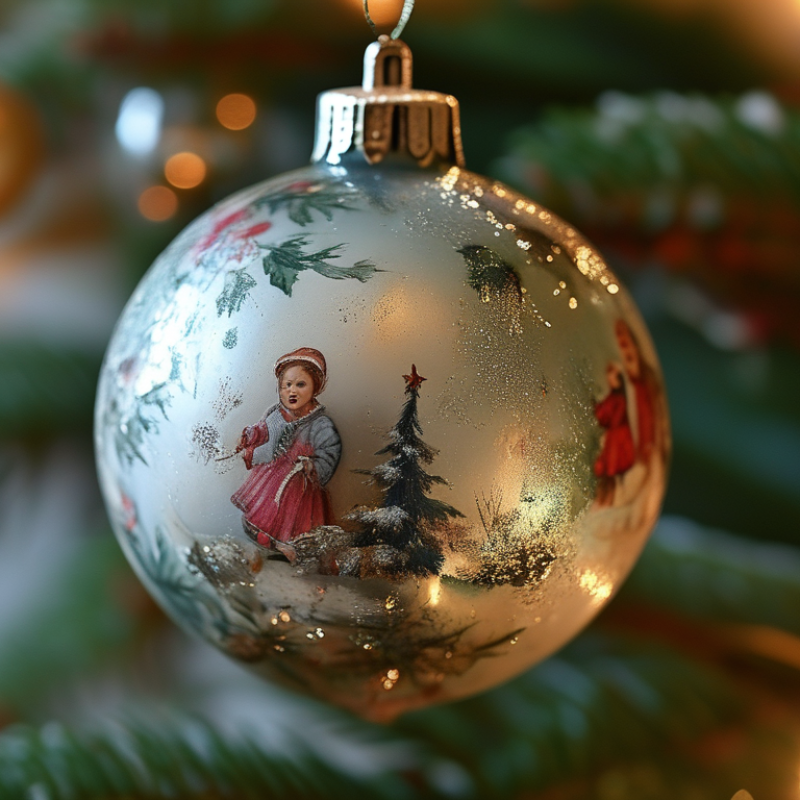
Antique Christmas ornaments became popular through changing European winter customs. In sixteenth-century German-speaking regions, families decorated evergreen trees with apples, nuts, wafers, and candles. These objects symbolized hope, harvest, and spiritual renewal. The tradition gradually moved beyond private homes.
By the nineteenth century, handmade glass ornaments transformed Christmas decoration. Skilled glassworkers shaped thin ornaments over small flames, then added silvering, paint, and delicate caps. Round baubles, fruits, animals, and tiny houses reflected the era’s fascination with nature and domestic life. Trade networks carried these decorations across Europe and North America. Their popularity grew because they were festive, reusable, and visually impressive. Some surviving pieces still show uneven paint or slight air bubbles. That imperfection is part of their evidence, not a defect. Yet, age alone does not prove authenticity. Materials, construction, wear, and documented ownership should be examined together.
Tips: Handle old ornaments with clean, dry hands. Store each piece in acid-free tissue and a sturdy divided box. Photograph fragile details before moving them. Avoid aggressive cleaning, because original paint may disappear quickly. A qualified museum conservator can assess uncertain materials more reliably than online guesses. Remember that “antique” has different meanings in different markets. Even careful collectors can misread a repaired cap or modern imitation.
They combine decoration, craftsmanship, and visible history. Hand-blown glass, painted wood, pressed paper, and thin metal feel distinctive. Tiny bubbles and uneven surfaces may show handmade production.
Common materials include hand-blown glass, pressed paper, painted wood, and thin metal. Glass may contain small bubbles. Paper pieces may fold into stars or lanterns.
No. Uneven surfaces can reflect handmade work, later damage, or poor storage. I once treated every flaw as proof. That judgment was too simple.
Inspect the cap, hanger, seams, paint, underside, and repaired edges. Photograph every angle. Record measurements and damage. Avoid aggressive polishing.
No. Rarity should be supported by reliable records or specialist assessment. A rare ornament with a repaired cap may sell below a common piece in excellent condition.
Consider age, condition, craftsmanship, provenance, materials, and current demand. Compare completed sales, not optimistic listings. Prices change.
Use soft wrapping and stable temperatures. Handle pieces with clean, dry hands. Keep them away from heat and crowded branches. Carelessness happens.
They encourage deep red, aged gold, forest green, and soft ivory palettes. Designers often combine old glass with linen ribbons, wood, and simple lighting.
Restoration requires restraint. Aggressive repairs may remove original paint, materials, or signs of age. Place older pieces at eye level and use newer ornaments for balance. Perfect matching is unnecessary.
Antique Christmas Ornaments remain popular because they combine history, artistry, and personal meaning. Their origins can be traced through earlier holiday traditions, when ornaments were handmade from materials such as glass, wood, paper, metal, and natural elements. Distinctive shapes, delicate details, hand-painted patterns, and traditional craftsmanship give each piece a character that modern decorations often struggle to reproduce. These ornaments also reflect the cultural customs and changing design preferences of the periods in which they were created.
Beyond their appearance, Antique Christmas Ornaments carry emotional associations with family gatherings, childhood memories, and seasonal celebrations passed down through generations. Their age, rarity, condition, and craftsmanship can make them appealing to collectors, while limited examples may attract strong interest in the decorative market. At the same time, antique styles continue to influence contemporary Christmas décor through nostalgic colors, classic motifs, handcrafted textures, and vintage-inspired displays. This lasting influence allows people to enjoy both the historical charm and the warm, personal atmosphere these ornaments bring to the holiday season.
