
What Are the Top 10 Vintage Xmas Decorations?

Time:2026-09-09 Author:Madeline
0%

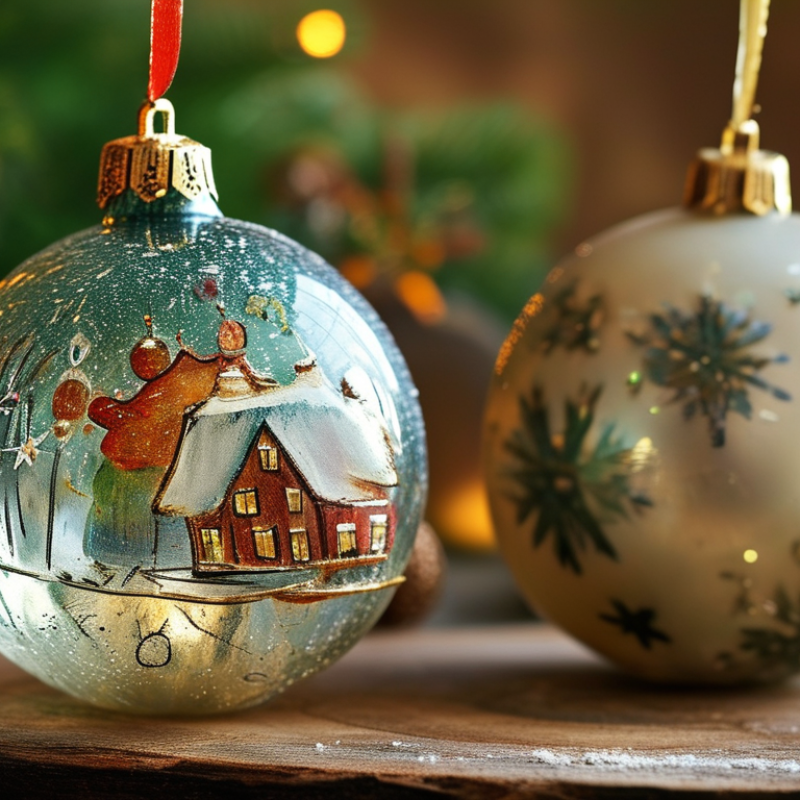
Vintage Xmas Decorations carry more than seasonal charm. They preserve the colors, textures, and small imperfections of Christmases past. A hand-painted glass bauble may show a faded edge. A wooden angel might lean slightly on its base. These details often make older pieces feel genuinely personal.

This guide explores ten classic decorations that collectors, designers, and longtime holiday hosts continue to appreciate. Each choice reflects recognizable craftsmanship, historical character, and practical decorating value. We will consider glass ornaments, paper designs, ceramic figures, tinsel, stockings, and traditional tree toppers. Their materials, condition, and original construction can help identify authentic examples. Experience matters here, but it does not make every opinion certain.

Beauty is personal.

Some decorations were mass-produced, while others came from skilled local makers. A scratched finish does not always reduce their appeal. However, fragile materials require careful storage, gentle handling, and realistic expectations. Old electrical decorations deserve particular caution, especially when wiring appears brittle or altered. I have found that the most memorable display is rarely the most expensive one. A modest ornament, placed near warm lights and natural greenery, can create stronger emotion than a perfect collection.

Not every vintage piece needs restoration. Sometimes, repair removes the very history people value. This list offers a thoughtful starting point, not a rigid ranking. It invites you to notice craftsmanship, family memories, and the quiet atmosphere each decoration brings to a room.
What Are the Top 10 Vintage Xmas Decorations?

Defining Vintage Christmas Decorations and Their Historical Appeal

What Are the Top 10 Vintage Xmas Decorations?

Vintage Christmas decorations are more than old objects with fading color. In collecting practice, “vintage” usually describes pieces from roughly 20 to 100 years ago. Their value depends on age, material, condition, craftsmanship, and family history. A handmade ornament may matter more emotionally than an expensive one. That distinction is easy to forget.

The ten most memorable types include glass baubles, molded plastic ornaments, paper chains, folded paper stars, wooden figures, candle holders, bead garlands, metallic tinsel, ceramic table pieces, and hand-painted tree toppers. Each reflects a different period and household tradition. Glass baubles often show tiny bubbles or uneven paint, proving they were shaped by hand. Paper decorations feel humble. That is their charm. Wooden figures can carry scratches from decades of careful storage, while old tinsel catches light with a softer, less uniform shine.

Their historical appeal comes from visible change. Postwar homes favored cheerful colors and affordable molded materials. Earlier households often used paper, fruit, candles, and natural greenery. Collectors should inspect wiring, brittle surfaces, peeling paint, and unknown coatings before display. Old electrical decorations need professional assessment, not guesswork. I have found that “perfect” pieces can feel strangely empty. A slightly crooked star, preserved in tissue paper, often tells the stronger story. Still, age alone does not prove authenticity. Records, construction details, and honest condition notes matter. unerquicklich

The Top 10 Vintage Christmas Decorations to Know

The top 10 vintage Christmas decorations bring warmth, texture, and visible history indoors. Hand-blown glass baubles catch candlelight beautifully, while silvered reflector ornaments create small pools of color. Paper chains add cheerful rhythm above a doorway. Spun-cotton figures, often shaped like snowmen or children, give the tree a soft, handmade character. I especially value old ceramic tree ornaments because their tiny painted details reward close viewing. They are not always perfect. That is part of their charm.

Wooden ornaments offer a quieter, natural contrast to shiny glass. Embroidered stockings add family storytelling, especially when their stitches show slight unevenness. Tinsel icicles create movement, but older metallic strands may shed easily, so handle them gently. Wire-frame bells bring a delicate outline to windows or mantels. A vintage angel topper completes the traditional tree shape and draws attention upward. These pieces work best when their colors repeat, rather than compete.

Before displaying older decorations, inspect hooks, seams, paint, and electrical cords. Replace damaged wiring through a qualified professional, and keep fragile materials away from heat and dampness. Conservation guidance generally favors soft wrapping, stable temperatures, and limited direct sunlight. I once placed a delicate paper ornament near a bright window; its color faded noticeably within one season. That mistake changed my approach. Now, I rotate vulnerable pieces and leave room for their imperfections. A slightly crooked paper chain can feel more authentic than a flawless reproduction.

The Top 10 Vintage Christmas Decorations to Know

This chart presents ten classic Christmas decoration types and the approximate year when each became widely known or commercially popular. The dates are historical estimates and refer to decoration styles rather than companies or brands.

Materials, Designs, and Traditions Behind Each Decoration

Vintage Christmas decorations reveal household skills, available materials, and changing seasonal traditions. In careful restoration work, I examine construction before judging beauty.

Glass baubles are shaped from thin glass and often painted by hand. Their round designs reflect early fascination with fragile tree ornaments. Paper chains use folded strips, paste, and children’s patience. They turn simple materials into bright room garlands. Tinsel, traditionally made from thin metal, catches candlelight with a sharp, silvery shimmer. It can tarnish beautifully, though excessive handling causes damage. Candle holders bring warmth and ceremony, but modern electric lights are safer around dry branches.

Stockings combine fabric, embroidery, and family storytelling. Their designs often show names, animals, or uneven handmade stitches. That irregularity matters. Wooden soldiers and animals represent carving traditions, while their bold colors suit a child’s eye. Door wreaths use evergreen branches, cones, berries, or dried fruit. Their circular shape suggests welcome and continuity. Popcorn garlands add a humble, edible material to the tree, often made during shared family evenings.

Ceramic village pieces create miniature winter landscapes through molded clay and painted windows. Small flaws can prove hand finishing rather than poor value. A star or angel tree topper completes the display, using wire, paper, wood, or fabric. I avoid assuming every old coating is harmless, especially when paint is peeling. Tradition deserves respect, but preservation sometimes requires restraint.

What Are the Top 10 Vintage Xmas Decorations? Materials, Designs, and Traditions Behind Each Decoration

No. Vintage Decoration Common Vintage Era Traditional Materials Distinctive Design Features Tradition and Historical Meaning Practical Care Notes
1 Shiny-Brite-Style Glass Baubles 1930s–1960s Molded glass, silvered interiors, painted finishes, and metal caps Round or indented shapes with striped, frosted, speckled, or reflective surfaces Glass ornaments became widely popular in Christmas trees during the late nineteenth and early twentieth centuries. Bright reflective surfaces were valued as an affordable way to add sparkle by candlelight and later by electric lights. Store individually in acid-free tissue or padded dividers. Keep away from sudden temperature changes and handle by the cap rather than the glass.
2 Hand-Painted Figural Ornaments Early 1900s–1960s Pressed or blown glass, paint, mica, wire, and paper labels Small representations of birds, fruits, vegetables, musical instruments, toys, and household objects Figural ornaments turned the Christmas tree into a display of everyday life and seasonal storytelling. Fruit and bird forms also echoed older European decorative customs. Avoid abrasive cleaning. Wrap painted pieces separately, and keep loose glitter or mica away from moisture.
3 Glass Icicles Late 1800s–1950s Thin blown glass, clear or tinted coating, and metal hanging loops Long, tapered forms with irregular ripples intended to imitate frozen icicles Icicle ornaments represented winter weather and helped create a shimmering, snow-covered appearance on indoor trees. Use sturdy divided storage because the narrow glass is fragile. Do not place them where branches are frequently touched.
4 Putz-Style Cardboard Houses 1890s–1940s Cardboard, colored paper, glass or mica glitter, clay, and sometimes small electric lights Tiny cottages, churches, shops, or castles with painted windows, snowy roofs, and glittered landscapes These miniature buildings were commonly arranged beneath or around Christmas trees, creating small holiday villages. The word “Putz” is associated with decorative nativity and Christmas displays in German-American traditions. Keep completely dry and protect from crushing. Use only low-heat lighting designed for safe display near paper objects.
5 Wax and Beeswax Figures 1800s–Early 1900s Beeswax or paraffin wax, cotton wicks, wire, fabric, and small painted details Angels, shepherds, children, animals, and candle ornaments with soft translucent surfaces Wax decorations were connected to candlelit Christmas trees and nativity displays. Beeswax was especially valued for its warm color and natural fragrance. Keep away from heat, direct sunlight, and warm storage areas. Never burn an antique wax ornament unless it was specifically made for safe use.
6 Wooden Nutcrackers and Folk Figures 1800s–Mid-1900s Carved or turned wood, natural pigments, fabric, felt, leather, and metal details Soldiers, kings, miners, animals, and regional folk characters with painted faces and articulated parts Wooden figures reflect Central European folk-art traditions. Nutcrackers were associated with good fortune and protection, while soldier figures were often used as guardians in holiday displays. Dust with a soft, dry brush. Avoid water, strong cleaners, and high humidity, which can damage paint and encourage wood movement.
7 Pressed-Paper and Papier-Mâché Ornaments Late 1800s–1930s Paper pulp, cardboard, glue, paint, mica, foil, and textile trims Lightweight stars, angels, animals, bells, and fruit with dimensional molded details Paper-based ornaments offered a less expensive alternative to glass and were easy to produce in varied shapes. Their handmade appearance suited family-crafted Christmas decorations. Protect from moisture, pests, and pressure. Store flat or in rigid boxes with acid-free tissue between pieces.
8 Tinsel and Lametta Garlands 1890s–1960s Historically silver, later aluminum or other lightweight metallic strips Fine hanging strands that drape over branches and reflect light with a shimmering effect Tinsel was used to imitate the glint of icicles and candlelight. Early silver versions were valued for their bright appearance, while later versions were lighter and easier to produce. Handle gently to prevent tangling. Keep older silver tinsel dry because tarnish can darken the metal surface.
9 Beaded and Popcorn Garlands Late 1800s–1950s Thread, wooden or glass beads, dried popcorn, cranberries, paper, and needlework supplies Long strands arranged in loops or spirals, often combining simple repeating colors and textures Garland-making was a popular family activity. Popcorn and fruit garlands also reflected older practices of decorating trees with edible materials before mass-produced ornaments became common. Natural garlands are best treated as temporary decorations. For preserved vintage examples, avoid humidity and store in sealed, pest-resistant containers.
10 Vintage Tree Toppers Late 1800s–1970s Glass, pressed paper, cardboard, wire, fabric, foil, and molded plastic Angels, stars, finials, and spires designed to sit above the highest branch Tree toppers commonly symbolize the angel announcing the birth of Christ or the star associated with the Nativity. They also provide a visual finishing point for the tree. Check the attachment point before display. Support heavy toppers securely and keep electrical wiring away from damaged or heat-sensitive materials.

How to Identify, Display, and Preserve Vintage Christmas Décor

Vintage Christmas décor becomes valuable through age, design, condition, and documented history. The most sought-after pieces often include molded glass ornaments, hand-painted baubles, paper honeycomb figures, wooden nutcrackers, bottle-brush trees, spun-cotton figures, aluminum trees, ceramic village houses, silvered garlands, and early electric lights.

Identification requires patience. Examine seams, paint wear, fasteners, and the material’s natural aging. Genuine older glass may show slight bubbles or uneven coloring. Paper decorations often have soft folds and gentle fading. Check the underside of ceramic pieces for marks, but never rely on markings alone. Compare construction with trusted museum collections or specialist catalogs. I once mistook a clever reproduction for an older ornament. It looked perfect. That mistake changed how carefully I inspect details.

Display fragile pieces away from fireplaces, windows, damp walls, and busy walkways. Use padded trays, sturdy hooks, and low-heat lighting. Avoid placing heavy ornaments on thin branches. Vintage electrical decorations need professional inspection before use, especially when cords feel brittle or plugs appear loose. I prefer modern lighting near delicate pieces. It is less authentic, but safer.

Preservation begins with gentle cleaning. Dust with a soft brush instead of using water or household chemicals. Wrap ornaments individually in acid-free tissue, then store them in a dry, stable room. Avoid sealed plastic bags, which can trap moisture. Keep paper décor flat when possible, and support weak folds with archival materials. Photograph each item before storage, noting damage and repairs. My records are imperfect, yet they prevent rushed handling and make future care more reliable.

FAQS

: What makes a Christmas decoration “vintage”?

: “Vintage” usually means an item made about 20 to 100 years ago. Age alone does not prove authenticity.

Which vintage decorations are especially popular?

Popular types include glass baubles, paper chains, wooden figures, ceramic pieces, bead garlands, and tree toppers.

Why do old glass ornaments look different?

Hand-shaped glass may show tiny bubbles, uneven paint, or small surface marks. These details suggest traditional craftsmanship.

Do imperfect decorations have more emotional value?

Often, yes. A crooked star or scratched wooden figure may preserve a stronger family story than a flawless piece.

How should I check an old decoration before display?

Inspect hooks, seams, peeling paint, brittle areas, unknown coatings, and electrical cords. Do not rely on guesswork.

Are old electrical decorations safe to use?

Damaged wiring needs assessment by a qualified professional. Avoid using uncertain electrical items until they are checked.

How can I protect fragile paper and metallic decorations?

Keep them away from heat, dampness, and strong sunlight. Store them in soft wrapping with stable temperatures.

Can vintage decorations fade over time?

Yes. Direct sunlight can noticeably fade paper and painted surfaces within one season. Rotating delicate pieces helps.

How should different decorations work together?

Repeat a few colors across glass, paper, wood, and fabric. Too many competing colors can make the display feel restless.

What details help confirm a decoration’s history?

Records, construction methods, materials, condition notes, and family ownership history can provide useful evidence. Certainty may remain impossible.

Conclusion

Vintage Xmas Decorations capture the warmth, craftsmanship, and imagination of Christmas celebrations from earlier generations. More than simple seasonal ornaments, they reflect changing traditions, household customs, and the materials available in different eras. Their historical appeal comes from distinctive designs such as hand-painted baubles, glass ornaments, wooden figures, paper garlands, candle holders, fabric stockings, metal bells, ceramic scenes, colorful lights, and miniature village displays.

This guide explores the top ten vintage decorations and explains the stories behind their materials, colors, shapes, and traditional uses. It also offers practical advice for identifying authentic older pieces by examining construction, wear, detailing, and age-related features. To preserve their charm, collectors should display them away from moisture, direct sunlight, heat, and crowded spaces, while storing fragile items in protective wrapping after the holidays. Whether inherited from family or discovered secondhand, Vintage Xmas Decorations can add character, nostalgia, and a meaningful sense of continuity to modern celebrations.

Madeline

Madeline

Madeline is a dedicated marketing professional with a wealth of expertise in our company's core offerings. With a keen understanding of the industry, she brings a unique perspective to her role, consistently delivering high-quality content that highlights the superior aspects of our products. As......