
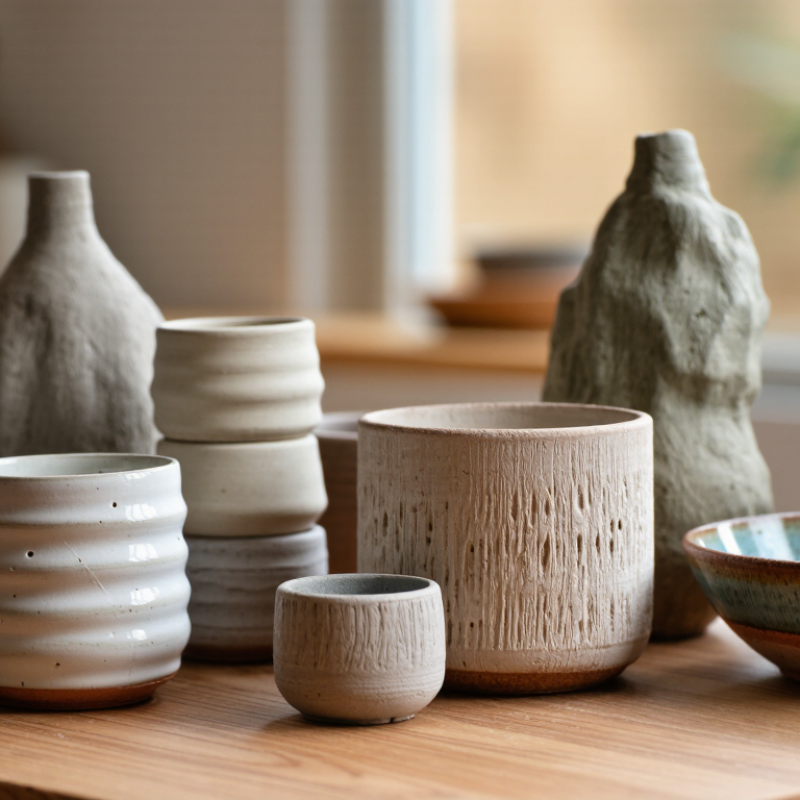
Clay And Pottery products are entering 2026 with stronger design expectations and sharper customer scrutiny. Buyers want useful objects, but they also want visible human touch. A hand-thrown mug, a textured planter, or a sculptural vase can communicate origin more clearly than polished product photography.
Industry data supports this shift, although the categories are not perfectly measured. Grand View Research estimates the global ceramics market reached approximately USD 407.7 billion in 2024, with continued growth projected through 2030. Its figures include construction and advanced ceramics, not only studio pottery. That distinction matters. Mordor Intelligence also forecasts steady expansion across ceramic products, driven by home decoration, hospitality, and sustainable material preferences. These reports suggest opportunity, but they should not be treated as direct sales evidence for every potter.
Ceramic artist and educator Simon Leach often stresses the importance of making pottery useful, personal, and honest. His practical teaching reflects a wider principle: “Good pottery should invite people to use it.” The wording may sound simple. It is not. Products for 2026 will likely combine tactile surfaces, restrained colors, durable glazes, and adaptable forms. Think stackable cups beside a sunlit kitchen window. Think planters designed for small apartments, not imaginary showrooms.
Some predictions will miss. Consumer taste changes quickly. Even sustainable clay claims require careful sourcing and transparent production details. This introduction examines the leading Clay And Pottery products for 2026, comparing function, craftsmanship, material choices, visual appeal, and realistic market relevance.
What Are the Top Clay and Pottery Products in 2026?
Clay is a natural, workable earth material containing fine mineral particles. It becomes firm after drying and permanently hard after firing. Pottery refers to objects shaped from clay and fired in a kiln. The difference is simple but important: clay is the raw material, while pottery is the finished craft. The boundary is not perfectly fixed. Some makers use “pottery” for nearly all ceramic objects, which can confuse beginners.
In 2026, practical products remain popular because they combine daily use with visible craftsmanship. Stoneware mugs, serving bowls, and cooking dishes offer strength and moderate heat resistance. Earthenware planters and terracotta vessels provide warm color and useful drainage. Porcelain tableware appears refined and feels light, although it needs careful handling. Ceramic tiles, sculptural wall pieces, and hand-built vases also attract buyers seeking texture rather than uniform factory surfaces.
Each category has different limits. Earthenware is porous unless glazed, while stoneware usually absorbs less moisture after proper firing. Porcelain can be highly durable, but producing it demands precise temperature control. I have found that a slightly uneven rim can reveal genuine handwork, yet poor firing may cause cracks or weak glaze. That distinction matters. Product descriptions should state the clay type, firing method, glaze safety, and care instructions. Terms like “premium” mean little without evidence. Even experienced makers sometimes overlook how thickness, moisture, and kiln placement change the final result.
Tableware, indoor planters, decorative tiles, and small sculptural pieces remain strong clay categories in 2026. Fortune Business Insights estimates the global ceramic tableware market at about USD 45 billion in 2023, with steady growth through 2032. Buyers increasingly want durable bowls, textured mugs, and handmade-looking surfaces for daily use. Texture still matters. Practical studio experience shows that uneven glazes can create visual appeal, but they also increase quality-control risks.
Sustainability is reshaping product design and manufacturing decisions. A 2024 Grand View Research outlook identifies energy efficiency, material innovation, and lower production waste as major ceramics-market drivers. Manufacturers are testing recycled clay, thinner forms, and electric kiln systems to reduce resource use. However, recycled content can affect strength, color, and firing behavior. Numbers need context. A smaller carbon footprint means little if products crack quickly or require excessive replacement.
Digital customization is another important factor. Market reports from Research and Markets highlight growing demand for personalized home décor and online ceramic purchases. This supports made-to-order planters, engraved tableware, and limited-run wall pieces. Buyers still inspect weight, glaze consistency, food-contact safety, and packaging protection before purchasing. Some product descriptions overpromise sustainability without showing measurable evidence. That weakness deserves more attention in 2026. Reliable sellers should publish material details, firing temperatures, testing information, and realistic care instructions.
In 2026, functional clay products are moving beyond decoration. Mugs, serving bowls, baking dishes, and storage jars fit daily routines better. Grand View Research forecasts the global ceramic tableware market to grow at about 6.3% annually from 2024 to 2030. That growth reflects steady household replacement, hospitality demand, and interest in durable kitchenware.
A useful clay mug should feel balanced, not merely attractive. Its handle needs enough clearance for larger fingers. A bowl should stack securely and hold heat without becoming uncomfortable. For baking dishes, resistance to thermal shock matters greatly. Consumers should check glaze quality, food-contact compliance, and clear care instructions. Dishwasher and microwave suitability also improve practical value. Small details matter.
Handmade variation adds character, but it can create uneven rims or slight capacity differences. That is not always a defect. Still, sellers should inspect every piece carefully. The OECD’s work on sustainable consumption supports longer product lifecycles, while circular-economy research continues to emphasize repair, reuse, and material efficiency. Clay products can support these goals when they remain usable for years. Yet ceramics are not automatically sustainable; firing energy, packaging, and breakage deserve honest attention. A thick, well-finished bowl may serve daily meals for a decade. That is the real test.
| Product Category | Typical Clay Body | Common Everyday Use | Typical Capacity or Size | Firing Range | Water Absorption | Practical Features | Care Guidance |
|---|---|---|---|---|---|---|---|
| Stoneware Mugs | Stoneware clay | Coffee, tea, cocoa and other hot drinks | 300–450 ml | 1,200–1,300°C | Usually below 3% | Durable walls, good heat retention and comfortable handles | Dishwasher and microwave use are common when glaze instructions allow |
| Stackable Dinner Plates | Stoneware or porcelain | Serving main courses, salads and shared dishes | 25–28 cm diameter | 1,200–1,400°C | Usually below 1–3% | Flat profile, stable foot ring and efficient cupboard storage | Use non-abrasive cleaners; avoid sudden temperature changes |
| Breakfast Bowls | Stoneware clay | Cereal, oatmeal, soup, rice and desserts | 500–750 ml | 1,200–1,300°C | Usually below 3% | Wide rim, stable base and sufficient depth for liquid foods | Dishwasher-safe finishes are preferred for daily use |
| Food Storage Jars | Glazed stoneware | Storing salt, flour, coffee, tea and dry ingredients | 500 ml–2 L | 1,180–1,300°C | Usually below 3% | Opaque body protects contents from light; fitted lids help limit moisture | Dry completely before refilling; inspect lids and seals regularly |
| Serving Platters | Stoneware or porcelain | Serving roasted foods, vegetables, bread and appetizers | 30–40 cm length | 1,200–1,400°C | Usually below 1–3% | Raised edges reduce spills and broad surfaces improve presentation | Allow hot pieces to cool before washing or stacking |
| Berry and Produce Colanders | Unglazed or partially glazed stoneware | Rinsing berries, herbs, vegetables and small fruits | 1–2 L | 1,180–1,300°C | Below 3% when vitrified | Drainage holes, wide opening and weight that resists tipping | Rinse promptly and dry fully to reduce staining |
| Pour-Over Coffee Drippers | High-fired stoneware or porcelain | Manual brewing of filtered coffee | 300–700 ml | 1,200–1,400°C | Usually below 1–3% | Heat-stable form, ribbed interior and controlled drainage opening | Rinse after use; avoid thermal shock from boiling water on a cold piece |
| Soap Dishes and Bathroom Trays | Stoneware or earthenware with waterproof glaze | Holding bar soap, sponges and bathroom accessories | 10–15 cm length | 1,000–1,300°C | Varies by clay and glaze | Drainage channels or raised ridges keep soap above standing water | Empty and rinse regularly to prevent residue buildup |
| Indoor Herb Planters | Terracotta or stoneware | Growing basil, mint, chives and small houseplants | 12–20 cm diameter | 1,000–1,300°C | Terracotta: often 5–15%; stoneware: usually below 3% | Drainage hole, matching saucer and stable base for windowsills | Prevent water from remaining in the saucer for long periods |
| Utensil Holders | Stoneware or glazed earthenware | Organizing cooking tools, brushes and cutlery | 1–2 L | 1,050–1,300°C | Varies by clay and glaze | Heavy base, wide opening and easy-to-clean glazed interior | Wipe spills quickly; use a soft brush around the base |
Note: Firing temperatures and water-absorption values vary according to the clay body, glaze formula and kiln schedule. Always follow the maker’s care instructions for microwave, oven and dishwasher use.
In 2026, decorative pottery is moving toward tactile surfaces, sculptural silhouettes, and quieter colors. Studio observations show growing interest in hand-carved vases, irregular bowls, and wall pieces shaped like leaves or shells. Matte clay bodies often pair with soft sand, charcoal, moss, and muted terracotta glazes. These colors work well in natural-light interiors. Small artistic vessels are also becoming display objects, even when they hold nothing. Their value comes from texture, balance, and visible making.
Tips: Check the rim, base, and glaze consistency before buying. A stable base matters. Look for food-safe certification when using pottery for meals. Slight variation can show craftsmanship, but deep cracks or sharp edges suggest poor quality. Natural clay may also absorb moisture, so decorative pieces need suitable placement.
Another leading trend is controlled imperfection. Makers are leaving finger marks, gentle asymmetry, and uneven glaze movement visible. This approach feels warmer than factory-perfect decoration. However, not every flaw looks intentional. I have seen attractive cups lose their appeal because rough edges were uncomfortable in the hand. Better pieces combine artistic freedom with practical testing. Sustainable production is gaining attention too, including recycled clay, local materials, and lower-waste packaging. Experimental finishes will appear more often, though some may age unpredictably. That uncertainty deserves honest labeling and careful care instructions.
Leading decorative and artistic pottery trends by projected consumer interest
Sculptural vases and organically shaped vessels lead the 2026 trend outlook, followed by handmade tableware and textured planters. The index is a comparative 2026 trend score based on visible design preferences including organic forms, tactile surfaces, earthy colors, multifunctional use, and handcrafted appeal.
In 2026, clay and pottery products are becoming more practical, not merely decorative. Market research estimates that the global ceramic tableware market will grow at about 4% annually through 2030. That growth reflects demand for durable plates, handmade mugs, plant pots, tiles, and low-waste home products. Choose pieces for their use. A dense, evenly glazed mug should feel balanced and show no hairline cracks. For cookware, check whether the clay body is designed for direct heat. Decorative pottery may fail under sudden temperature changes.
Use pottery gently. Place a cork or fabric pad beneath planters and vases to protect wooden surfaces. Let wet clay products dry naturally before washing or storing them. Never pour boiling liquid into a cold ceramic vessel. I learned this the hard way. A small thermal shock can create an invisible fracture. The U.S. Geological Survey’s Minerals Yearbook identifies common clay as a major industrial mineral, supporting the importance of consistent material testing.
Maintenance depends on the finish. Wipe unglazed pottery with a soft, dry brush, because porous surfaces absorb oils and odors. Wash glazed tableware with mild detergent and inspect rims regularly. The International Organization for Standardization recommends testing ceramic articles for durability and safety, but household use remains imperfect. Handcrafted pieces may vary slightly in size, color, and absorption. That is part of their character, but it also demands careful handling. Recheck damaged items before continued use.
Clay is the raw earth material. Pottery is clay shaped and hardened in a kiln. The boundary can blur.
Stoneware mugs, serving bowls, and cooking dishes remain practical choices. Planters, terracotta vessels, tiles, and hand-built vases also attract buyers.
Look for a balanced shape and comfortable handle clearance. Check the glaze, care instructions, and microwave suitability. Small details matter.
It should stack securely and hold heat without becoming uncomfortable. A thick, well-finished bowl may serve daily meals for years.
Earthenware is porous unless glazed. Stoneware usually absorbs less moisture. Porcelain feels light and refined, but it needs careful handling.
Check the rim, surface, glaze, and base for serious cracks. Slight unevenness can show genuine handwork. It is not always a defect.
Product details should name the clay type, firing method, glaze safety, and care instructions. “Premium” alone proves very little.
No. Long use supports sustainability, but firing energy, packaging, and breakage still matter. This point is easy to overlook.
Thermal-shock resistance matters greatly. Confirm its care instructions and heating suitability. Sudden temperature changes can cause damage.
Temperature, thickness, moisture, and kiln placement influence the final result. Poor firing may create cracks or weak glaze. Even experts sometimes miss this.
This guide explores Clay And Pottery by explaining their definitions, key differences, and main categories, including earthenware, stoneware, porcelain, and handmade ceramic pieces. It examines the factors shaping products in 2026, such as sustainable materials, thoughtful craftsmanship, multifunctional design, improved durability, and growing interest in personalized home décor. Readers will discover popular functional products for daily life, including mugs, bowls, plates, storage vessels, planters, and serving pieces designed for comfort and practicality.
The article also highlights leading decorative and artistic trends, from natural textures and soft earth tones to sculptural forms, expressive glazing, and distinctive handcrafted details. It offers practical advice on selecting suitable pieces based on purpose, quality, size, and care requirements, while explaining how to use and maintain them safely. With the right choices and regular maintenance, Clay And Pottery products can bring lasting usefulness, visual warmth, and creative character to everyday spaces.
