Top Home Deco Trends in China for Global Buyers?

Time:2026-08-15 Author:Oliver
0%

In recent years, the Home Deco market in China has emerged as a beacon for global buyers seeking inspiration and innovation. Industry expert Li Wei, a notable figure in the Home Deco field, emphasizes, “Chinese design blends tradition with modernity, captivating a worldwide audience.” This reflects the unique essence of Home Deco in contemporary spaces.

China's Home Deco trends are diverse, reflecting both local and international influences. Elements such as sustainable materials and minimalist aesthetics have gained traction. However, balancing these trends with cultural authenticity remains a challenge. Many designers strive to create a resonance between modern design and China’s rich heritage.

Shifting consumer preferences mean that brands must adapt quickly. Global buyers should keep an eye on the evolving landscape. Understanding local craftsmanship can enhance the appeal of Home Deco products. Yet, there’s a risk of overlooking the delicate balance between global appeal and local identity. Embracing this complexity is key to thriving in the Home Deco sector.
Top Home Deco Trends in China for Global Buyers?

Emerging Color Palettes in Chinese Home Décor for Global Buyers

Emerging color palettes in Chinese home décor are captivating global buyers. The harmony of traditional and modern aesthetics creates unique atmospheres. Soft pastels like sage green and blush pink are becoming popular. These colors evoke calmness and serenity in living spaces.

In contrast, bold hues like deep indigo and vibrant yellow attract those seeking drama. These striking colors can act as focal points in minimalist designs. Texturing also plays a pivotal role. Combining matte finishes with glossy accents adds depth. The interplay of color and texture invites engagement and reflection.

Color choices often reflect cultural significance. For instance, red symbolizes good fortune and is often used in festivals. However, it may not resonate with all tastes. Considering local context and personal preference is crucial. This is where the challenge lies. Balancing tradition with personal expression can lead to remarkable results. The evolving nature of these palettes ensures there is always room for interpretation.

Innovative Material Trends in China's Home Décor Market

In recent years, China's home décor market has witnessed a surge in innovative materials. The shift towards sustainability is driving this change. Many designers are exploring eco-friendly options, such as bamboo and recycled plastics. This pursuit leads to a refreshing array of products that blend style with environmental consciousness.

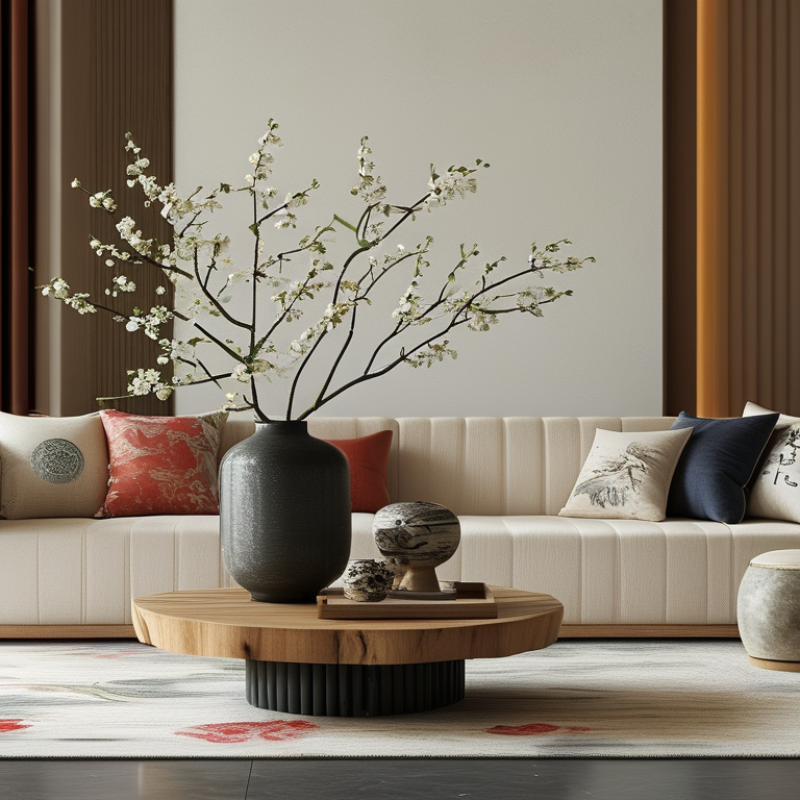
Natural materials are gaining traction. Stone and wood features are increasingly popular in modern Chinese homes. They add warmth and texture, enhancing the overall atmosphere. Yet, sourcing these materials responsibly remains a challenge. Designers must reflect on the environmental impact of their choices.

Moreover, smart technologies integrate seamlessly into home décor. Think of furniture embedded with charging ports. Such designs cater to the tech-savvy consumer. However, not all innovations resonate well. Some products lose their charm under complex functionalities. It’s vital for designers to balance practicality with aesthetic appeal.

Popular Furniture Styles Influencing Home Décor Trends in China

In recent years, Chinese home décor trends have shifted toward a blend of traditional and modern styles. European-inspired minimalism competes with vibrant, local aesthetics. Within this context, wooden furniture plays a pivotal role. It offers authenticity and warmth, making spaces feel inviting. Many homes now feature intricate wood carvings that reflect local craftsmanship. The demand for sustainable materials is rising too, pulling consumers towards eco-friendly options.

Another rising trend is the use of bold colors. Bright hues, such as teal or mustard, inject personality into living rooms and bedrooms. While many may hesitate to adopt such daring choices, these colors can create focal points that draw the eye. Additionally, the incorporation of multifunctional furniture is gaining traction. Items like foldable tables and expandable sofas are practical solutions for urban living. This trend reflects a shift toward optimizing smaller spaces while maintaining style.

However, not every choice resonates with every buyer. Some may find that traditional styles clash with modern aesthetics. Balancing these elements requires thoughtful curation. It’s essential to evaluate how different pieces interact. Personal taste often diverges. What looks appealing to one may seem cluttered to another. The journey towards creating a harmonious space can be complicated, but it reflects a rich tapestry of cultural influences.

Cultural Influences Shaping Chinese Home Décor Trends for International Consumers

Chinese home décor is deeply influenced by a rich tapestry of cultural elements. Traditional styles, like Feng Shui, guide furniture placements and color choices, creating harmony in the living space. Many seek balance, not just visually, but energetically.

Modern trends incorporate ancient philosophies with contemporary aesthetics. For instance, minimalist designs often contrast with elaborate decorative pieces, showcasing China's diverse heritage. International consumers appreciate attention to local craftsmanship, which reflects regional artistry. However, there are challenges in striking a balance between cultural authenticity and global appeal.

While embracing these trends, it’s crucial to consider sustainability. Eco-friendly materials are increasingly favored. Yet, sourcing locally can sometimes clash with global market demands. The push for unique, culturally-rooted designs may lead to over-commercialization, risking authenticity. Thus, navigating these influences presents an ongoing reflection for both designers and buyers.

Sustainable Practices in China’s Home Décor Industry for Global Shoppers

China's home décor industry is witnessing a significant shift towards sustainable practices. Recent reports indicate that over 70% of consumers prefer eco-friendly products. This trend is vital for global shoppers looking for responsible sourcing. Sustainability now influences material choices, production methods, and overall design.

Natural materials are becoming increasingly popular. Bamboo, cork, and recycled metals dominate the market. These materials offer durability while minimizing environmental impact. Moreover, many manufacturers are exploring biodegradable options. This aligns with a growing consumer demand for products that are both stylish and sustainable. The industry is gradually moving away from synthetic materials, which often haunt the environment long after their lifecycle ends.

Challenges remain, however. Supply chains can be complex, making it hard to ensure sustainability at every level. Some companies struggle to verify the eco-friendliness of their supply sources. Additionally, pricing remains a concern. Higher costs can deter budget-conscious consumers. Despite these obstacles, the push for sustainable practices signifies a promising future for the home décor market in China.

FAQS

: What materials are trending in China's home décor market?

: Eco-friendly materials like bamboo and recycled plastics are trending. Natural materials, such as stone and wood, are also popular.

Why is sustainability important in home décor?

Sustainability minimizes environmental impact. It promotes eco-friendly choices that benefit the planet.

How do cultural elements influence home décor in China?

Traditional elements shape styles, like furniture placements guided by Feng Shui for harmony.

What challenges do designers face in sourcing materials?

Responsible sourcing remains a challenge. Designers need to consider the environmental impact of their choices.

How are smart technologies being integrated into home décor?

Designers are embedding technologies, such as charging ports in furniture, for tech-savvy consumers.

Can innovative designs lose appeal?

Yes, some designs with complex functionalities may lose their charm. Balancing practicality and aesthetics is key.

How do international consumers view Chinese craftsmanship?

They appreciate local craftsmanship and regional artistry. But balancing authenticity with global appeal can be tricky.

What tension exists in eco-friendly sourcing?

Sourcing locally sometimes conflicts with global market demands. Unique designs risk over-commercialization.

What reflections should designers consider?

Designers need to reflect on cultural authenticity versus market trends. Striking this balance is vital for true representation.

How does minimalism play a role in home décor?

Minimalism contrasts with elaborate designs, showcasing China's diverse heritage. It represents a modern take on traditional styles.

Conclusion

The article "Top Home Deco Trends in China for Global Buyers" explores the evolving landscape of home décor in China, tailored for international consumers. It highlights emerging color palettes that reflect both contemporary preferences and traditional aesthetics, making them appealing to a global audience. Innovative materials are also at the forefront, with Chinese designers incorporating sustainable and environmentally friendly options into their creations, aligning with global trends toward sustainable living.

Furthermore, the article discusses popular furniture styles that are influencing the home deco market, showcasing how cultural elements shape these trends. By understanding the cultural influences that define Chinese home décor, global buyers can appreciate the unique blend of tradition and modernity. Overall, the focus on sustainability and innovation signifies a noteworthy shift in China's home deco industry, offering exciting opportunities for international shoppers seeking distinctive and meaningful décor solutions.

Oliver

Oliver

Oliver is a seasoned marketing professional with a wealth of expertise in driving brand awareness and engagement. With a deep understanding of our company's product offerings, he consistently delivers high-quality content that enriches our professional blog. His insights not only shed light on......