How to Choose the Best Garden Pots for Your Plants?

Time:2026-08-05 Author:Madeline
0%

Choosing the right garden pots is crucial for plant health and aesthetics. According to expert horticulturist Dr. Emily Green, “The right pot can transform a plant's potential.” Garden pots come in various materials, sizes, and styles, each impacting how well plants grow.

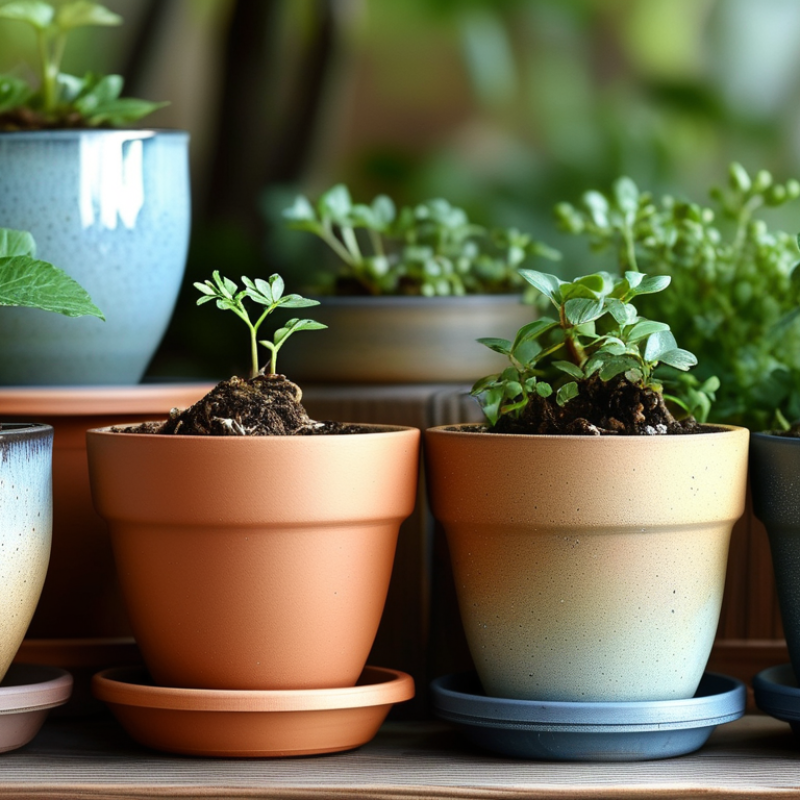
When selecting garden pots, consider drainage. Well-drained pots prevent root rot and ensure proper water flow. Materials like terracotta allow for evaporation, keeping roots comfortable. On the other hand, plastic pots are often lighter and easier to manage but may retain moisture more than desired.

A plant's growth can reflect the pot's quality. Opting for decorative pots can enhance a garden's appeal, but beauty shouldn't compromise functionality. It's essential to reflect on your choices. Not all beautiful pots are suitable for every plant. Understanding the balance between aesthetics and practicality can lead to thriving plants in your garden.
How to Choose the Best Garden Pots for Your Plants?

Understanding Different Types of Garden Pots Available in the Market

When selecting garden pots, understanding the types available is crucial. Common options include terracotta, ceramic, plastic, and metal. Each type comes with its own benefits and drawbacks. According to a report from the National Gardening Association, nearly 50% of gardeners choose plastic pots for their affordability and lightweight nature. However, they can lack breathability, affecting plant health.

Ceramic pots offer aesthetic appeal but can be heavy and expensive. They retain moisture well, making them suitable for plants that prefer consistent watering. Terracotta, with its porous nature, promotes air circulation but may dry out faster. Metal pots, while durable, can heat up quickly in direct sun, potentially harming plants.

Tip: Always consider drainage. Pots without proper drainage holes can lead to root rot. It’s often a mistake to assume sizable pots will retain enough moisture. Monitor your plant's needs closely. A well-chosen pot can significantly impact growth and health. Don't overlook how size affects plant development. A pot that is too small restricts roots, while a pot that is too large may lead to over-watering.

Assessing Material Options: Clay, Plastic, Metal, and Biodegradable Choices

Choosing the right material for your garden pots is essential for plant health. Clay pots are traditional and have an aesthetic charm. They provide breathability, allowing roots to breathe. However, they can dry out quickly. If you forget to water, your plants may struggle.

Plastic pots are lightweight and often more affordable. They retain moisture better than clay, which can be a plus for busy gardeners. However, they may not offer the same drainage benefits. Metal pots are striking but can heat up quickly in the sun. This can harm plant roots.

Biodegradable options are gaining popularity. Made from materials like bamboo or recycled paper, they are eco-friendly. However, they break down over time. You might need to replace them more often. Assessing your plant's needs and the pot's material will help in making the right choice. Each material has its pros and cons, and understanding them is key.

How to Choose the Best Garden Pots for Your Plants?

Material Pros Cons Best For
Clay Natural material, breathable, good drainage Heavy, can crack in freezing temperatures Succulents, cacti, and Mediterranean plants
Plastic Lightweight, durable, comes in various colors Less breathable, can degrade in sunlight Annuals, herbs, and indoor plants
Metal Stylish, durable, can be recycled Conducts heat, can rust or corrode Modern garden designs, ornamental plants
Biodegradable Eco-friendly, improves soil as they decompose Short lifespan, may not hold moisture well Seedlings, young plants, and eco-conscious gardeners

Evaluating Size and Shape for Optimal Plant Growth and Aesthetics

Choosing the right size and shape of garden pots is crucial for plant health. Research shows that plants in appropriately sized pots grow 30% better than those in too-small containers. This increase in growth is often due to enhanced root development and aeration. A pot that is too small restricts root expansion, leading to stress. Conversely, overly large pots can retain excess moisture, increasing the risk of root rot.

The shape of the pot matters too. Wide pots encourage lateral root spread, while tall pots promote deep rooting. For example, herbs like basil prefer wide pots, while tomatoes thrive in taller ones. Choosing the right shape can impact the plant's ability to access nutrients and water.

Tips: Always consider the eventual size of your plant. If you're unsure, opt for a slightly larger pot than you think you'll need. Drainage holes are essential; without them, water can accumulate, leading to soggy soil. Lastly, don’t hesitate to experiment with different pot shapes. What works for one plant may not work for another, and finding the right balance can take time.

Considering Drainage and Ventilation Features for Plant Health

Choosing garden pots goes beyond aesthetics. Drainage and ventilation are vital for plant health. Pots without proper drainage can hold water, leading to root rot. Plants thrive in well-draining soil, where excess water can escape. Ensure your pots have drainage holes at the bottom. This feature prevents water from pooling and supports healthy roots.

Ventilation is equally important. It allows roots to breathe, promoting vigorous growth. Terracotta pots naturally provide excellent air circulation. They slowly release moisture, creating a balanced environment. However, plastic containers may trap heat and moisture, which can discourage root health. Choosing pots made from breathable materials offers a better solution.

Consider the size of your pots as well. A small pot may not allow roots to expand. Roots need space to grow and access nutrients. Larger pots can hold more soil, but also may retain too much moisture if not monitored. Make a choice that matches your plant's growth needs. Reflect on your choices regularly; this will ensure your plants thrive.

Choosing Decorative vs. Functional Pots: Balancing Style and Sustainability

When selecting garden pots, the balance between decorative appeal and functional needs is crucial. Decorative pots can enhance the aesthetics of your garden or home. They come in various shapes, colors, and textures. However, beauty should not compromise plant health. A beautiful pot may lack drainage, which can harm your plants. Always consider how the design impacts growth.

Functional pots prioritize the needs of your plants. They often feature adequate drainage holes and breathable materials. These elements are essential to prevent root rot. Sometimes, functional pots may lack visual charm. Finding pots that marry both attributes can be challenging. Look for designs that blend aesthetics with practicality.

Reassess your choices periodically. You might find a pot that looks good today does not suit your plants’ needs over time. Sustainability should also guide your decisions. Choosing eco-friendly materials can sometimes mean sacrificing certain designs. Reflect on how your choices affect plants and the environment. Finding the perfect pot can take time, but it's worth the effort.

FAQS

: What type of pot is best for breathability and plant health?

: Clay pots are traditional and allow roots to breathe well. However, they dry out quickly.

How do plastic pots compare to clay pots?

Plastic pots are lighter and retain moisture better, but lack good drainage compared to clay.

What are the pros and cons of using metal pots?

Metal pots are visually appealing but can heat up in the sun, which may harm the roots.

What should I consider when choosing pot size?

The right pot size is crucial. Those that are too small can restrict growth, while large pots may retain excess moisture.

How does pot shape affect plant growth?

Wide pots encourage lateral growth, which benefits some plants, while tall pots support deep rooting for others.

Why is drainage important in garden pots?

Proper drainage prevents root rot by allowing excess water to escape, which is essential for healthy roots.

Are biodegradable pots a good choice?

Biodegradable pots are eco-friendly but break down over time. You may need to replace them more frequently.

How can I ensure proper ventilation for my plants?

Choosing breathable materials like terracotta pots promotes air circulation and healthier root growth.

What happens if I forget to consider a plant's eventual size?

Ignoring size can lead to stunted growth or unhealthy plants, as roots may struggle for space.

Should I regularly assess my pot choices?

Yes, reflecting on your choices helps ensure plants thrive as their needs evolve.

Conclusion

When selecting the best garden pots for your plants, it is essential to understand the various types available in the market. Options range from traditional clay and modern plastic to durable metal and eco-friendly biodegradable pots. Each material has distinct characteristics that can affect plant health and growth. Additionally, evaluating the size and shape of garden pots is crucial, as these factors directly influence the aesthetics of your space and the well-being of the plants.

Moreover, incorporating proper drainage and ventilation features in your garden pots ensures that your plants receive the right conditions for thriving. Finding a balance between decorative and functional pots can enhance your garden's visual appeal while supporting sustainability. Ultimately, making informed choices about garden pots allows you to create an environment where your plants can flourish.

Madeline

Madeline

Madeline is a dedicated marketing professional with a wealth of expertise in our company's core offerings. With a keen understanding of the industry, she brings a unique perspective to her role, consistently delivering high-quality content that highlights the superior aspects of our products. As......