
Choosing the right pottery glaze can significantly impact your ceramic pieces. Pottery glaze is not just a functional coating; it shapes the aesthetics and durability of your work. With countless glaze options available, making an informed decision can be overwhelming.
Understanding the properties of various pottery glazes is essential. Each glaze behaves differently during the firing process. Some glazes can produce vibrant colors while others provide a subtle sheen. It’s crucial to consider the type of clay and firing temperature, as these factors directly influence the final outcome. Additionally, the interaction between glaze and clay body can result in unexpected effects.
Experimentation plays a big role in developing your glazing style. However, mistakes can happen, leading to unpredictable results. Reflecting on these experiences can help refine your choices. Remember that pottery glaze can change dramatically under different lighting conditions too. Be prepared to embrace the beauty of imperfections in your work.
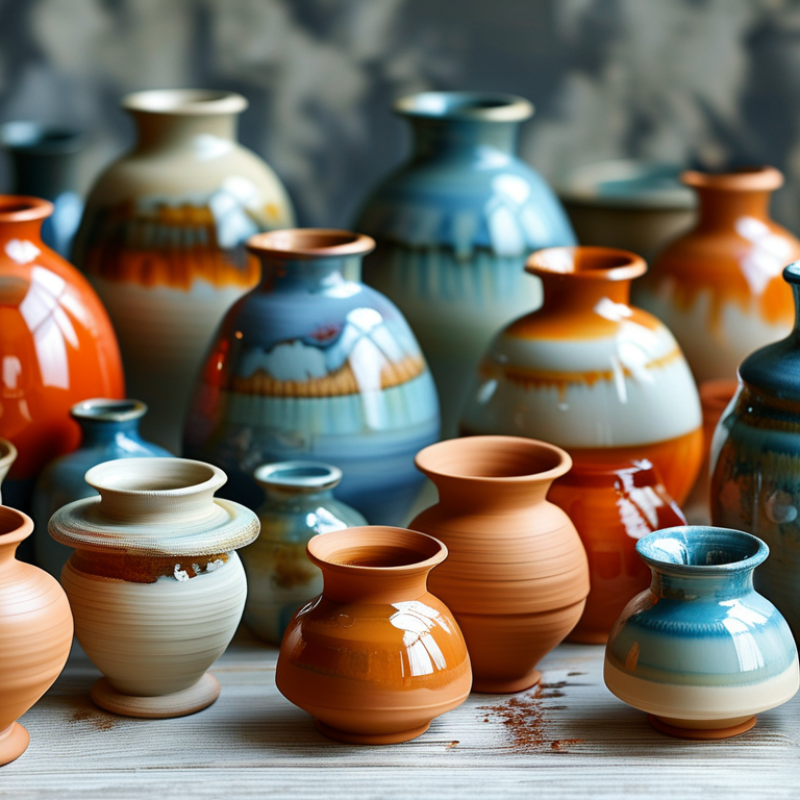
When selecting pottery glazes, understanding the different types is crucial for achieving the desired finish. There are several primary categories: glossy, matte, and satin. Glossy glazes offer a shiny, reflective finish. They are ideal for vibrant colors but may highlight imperfections. Matte glazes, on the other hand, provide a soft, muted look. They can obscure surface flaws but often require careful application to avoid unevenness.
Industry reports show that about 70% of ceramic artists prefer glossy finishes for their pieces. However, this preference comes with drawbacks. Glossy finishes can be prone to scratches and fingerprints. Matte finishes are gaining traction, especially for contemporary designs. Yet, their vulnerability to stains and difficulty in maintenance require cautious consideration.
Understanding the nuances of glaze interaction is essential. For instance, combining glazes can result in unexpected effects. While layering different types can enhance aesthetics, it may also lead to issues with adhesion or melting. Each type of glaze interacts uniquely with clay bodies and firing temperatures. Artists must experiment and document their processes for consistent results. Balancing creativity with technical knowledge is vital for selecting the right glaze for your projects.
Choosing the right glaze for your pottery involves various factors. The finish you desire can significantly influence your selection. Glossy glazes reflect light beautifully. Matte glazes provide a more subdued look, which can be quite elegant. Consider your pottery's purpose. Functional pieces may require food-safe glazes. Decorative items might allow for more creativity with color and texture.
Texture and interaction also play a crucial role. Some glazes create stunning effects when layered. Experiment with different combinations. Each result can surprise you. Be mindful of how your chosen glaze reacts during the firing process. Some may shift dramatically in hue, while others remain stable. It’s vital to test small samples before committing to larger projects.
The color palette you envision is equally essential. Natural tones can harmonize with organic forms. Bright colors can make statements. However, the interplay between clay body and glaze can lead to unexpected outcomes. It’s wise to document your process. This way, you can revisit successful combinations in future work. Trust your instincts and be open to change. Pottery is as much about the journey of discovery as it is about the final piece.
Testing glaze compatibility with clay bodies is crucial for successful pottery. A mismatch can lead to defects and unexpected results. Begin by selecting a few representative clay samples. This helps ensure a range of compatibility tests.
Next, create small test tiles. Apply your chosen glazes to these tiles. Be mindful when firing. Different firing temperatures affect how glazes bond with clay. After firing, evaluate the results. Look for crazing, shivering, or discoloration. These flaws indicate compatibility issues.
It's important to document each test. Take notes on glaze behavior and appearance. Over time, you'll develop a clearer understanding of what works. This process reveals the nuances of your materials. Embrace failures as learning experiences. Each misstep can lead to insights. Remember, the journey of discovering glaze and clay interaction is as valuable as the final product.
Choosing the right pottery glaze can transform an ordinary piece into something extraordinary. To achieve the desired color and finish, understanding glaze chemistry is crucial. According to a 2021 ceramics industry report, about 30% of ceramic artists face challenges in achieving consistent results with their glazes. This often stems from variations in kiln temperatures and the application method. Even slight changes can lead to unexpected outcomes. Testing small batches will help in understanding how your glaze behaves under different conditions.
The interaction between the clay body and glaze also influences the final appearance. Research indicates that around 25% of artists report that their glazes look significantly different after firing. For richer colors and vibrant finishes, consider using stains or oxides mixed into the glaze. These additives can enhance the visual effect, but may require further testing for the right balance.
Do not overlook the impact of environmental factors, such as humidity and air quality, on glaze application. An article in the "Journal of Ceramic Science" notes that these elements can cause variations, leading artists to re-evaluate their techniques. Keeping a detailed log of each experiment can assist in tracking these inconsistencies and refining future projects. Embrace both the successes and failures along the way; each piece is a learning opportunity.
When applying pottery glazes, proper technique is crucial for achieving the desired finish. According to research by the American Ceramic Society, the right application method can significantly affect the glaze's performance. Brushing, dipping, and spraying are popular methods, each with unique outcomes. Brushing offers precision, while dipping provides an even coat. However, applying glaze can be tricky. Uneven application may lead to unwanted texture or discoloration.
Firing is another vital step. The firing temperature and atmosphere can influence the glaze’s final appearance. A study found that glazes fired in oxidation yielded brighter colors than those in reduction environments. Monitoring kiln temperatures is essential, as too high may cause the glaze to run or become overly glossy. Conversely, too low can lead to underdeveloped colors. Adjusting these factors requires knowledge and practice.
An ideal glaze application combines technique and experimentation. Some potters note that trial and error is part of the learning curve. Documenting results helps improve future applications. Being open to imperfections can lead to surprising innovations. Embracing small flaws may enhance your artistic voice.
: Consider the finish you want. Glossy glazes are reflective, while matte finishes are elegant.
Use food-safe glazes for functional pieces. Decorative items offer more creative choices.
Yes, layering glazes can create stunning effects. Experiment to discover unique combinations.
Some glazes change color dramatically during firing. Always test small samples first.
Think about your color palette. Natural tones suit organic shapes, while bright colors make bold statements.
Create small test tiles with selected glazes. Note results after firing for compatibility insights.
Check for crazing, shivering, or discoloration. These issues indicate potential compatibility problems.
Keeping notes helps track glaze behavior. It aids in remembering successful combinations for future projects.
Embrace failures. They can provide valuable lessons and improve your understanding of materials.
Yes, the discovery process enriches your experience. Enjoy both the journey and the final product.
Choosing the right pottery glaze is crucial for achieving the desired aesthetic and functional qualities in your ceramic pieces. Understanding the different types of pottery glazes, such as earthenware, stoneware, and porcelain glazes, is essential. Factors such as firing temperature, texture, and color impact should be considered when selecting a glaze that complements your clay body. Testing glaze compatibility is vital to ensure the glaze adheres properly and reacts well with the clay.
To attain the desired color and finish, it's important to experiment with layering and application techniques. Best practices for applying and firing pottery glazes include proper surface preparation, even application, and understanding the kiln atmosphere. By following these essential tips, you can enhance your pottery projects and achieve stunning results with your chosen pottery glaze.
