As gardening becomes increasingly popular, selecting the right "Planters For Garden" is essential. Experts like Sarah Green, a horticulturist with over a decade of experience, emphasize that the right choice can profoundly impact plant growth. She states, “Choosing the best planters is more than just aesthetics; it’s about creating an ecosystem for healthy plants.”
In 2026, the market for garden planters will offer a myriad of options. With eco-friendly materials and innovative designs, the choices can be overwhelming. From vertical planters to self-watering pots, each type caters to different gardening styles and spaces. Selecting a planter involves considering factors such as size, material, and drainage.
Reflecting on choices can lead to better investments in your gardening journey. Many gardeners find themselves regretting hasty decisions based purely on visual appeal. Understanding your plants’ needs is vital for long-term success. Therefore, it’s crucial to blend personal style with practical functionality when choosing planters for your garden.
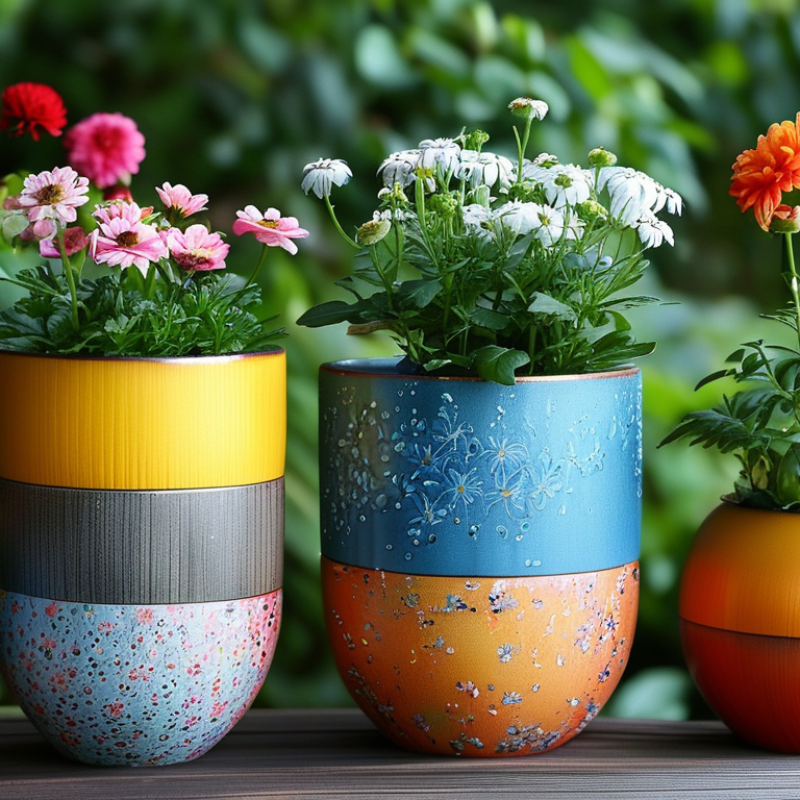
Best Materials for Garden Planters in 2026
Choosing the right materials for garden planters is essential for a thriving garden in 2026. Several options exist, each with unique benefits.
Wood is a classic choice, offering natural insulation and aesthetics. However, it requires regular maintenance to prevent rot and pests. Consider cedar or redwood for enhanced durability.
Stone and ceramic planters provide excellent stability and insulation, but their weight can be burdensome.
Metal planters, such as stainless steel or galvanized steel, are modern and durable. They are resistant to rust and can withstand harsh weather. However, be cautious, as metal can heat up quickly under direct sunlight.
Plastic planters are lightweight and inexpensive, making them popular. They are easy to move around but may not be as eco-friendly as other options.
When selecting materials, think about your climate and plant needs. Some materials retain moisture better than others. Ensure your planters have proper drainage to prevent root rot. The right choice can lead to a healthier, more vibrant garden. Keep in mind that aesthetic appeal matters too. Your garden should not only be functional but visually pleasing as well.
Key Features to Consider When Choosing Garden Planters
When selecting garden planters, consider material and size. Different materials offer varying benefits.
Plastic planters are lightweight and budget-friendly. However, ceramic planters provide better insulation for roots. According to a recent industry report, 45% of gardeners prefer durable materials that withstand weather changes. Choose sizes based on the types of plants you intend to grow. Larger plants need more space to thrive.
Drainage is another key feature. Good drainage prevents root rot, a common issue in gardening.
Look for planters with drainage holes. If there aren’t any, consider modifying them. The same industry report shows that over 70% of successful gardeners prioritize proper drainage in their choices.
Additionally, consider the aesthetics of your planters. The visual appeal of your garden can enhance your outdoor space. Research indicates that gardens with well-chosen planters can increase the overall beauty of a property. However, it’s essential to balance aesthetics with functionality. A beautiful planter that fails to support plant health is ultimately a poor choice. Reflect on these aspects to ensure your garden remains vibrant and productive.
Top Garden Planter Styles for Various Plant Types
Choosing the right planter style can significantly impact your garden’s health and aesthetics. For small herbs and seedlings, consider compact, vertical planters. They use minimal space and allow for easy access to your plants. These planters often feature multiple tiers, which promote drainage and keep roots healthy. Use lightweight soils to avoid overloading the structure.
For larger plants, like vegetables or flowering shrubs, opt for wide, deep containers. They offer ample room for root growth and can hold more water. Ensure these planters have sufficient drainage holes to prevent root rot. Wooden or stone planters can lend a rustic charm, while ceramic pots add a touch of elegance. However, be cautious with materials that retain heat too much, as they may stress your plants.
Lastly, consider self-watering planters for those who lead busy lives. They can reduce maintenance time, but it's essential to monitor moisture levels. Over-reliance on these systems might lead you to neglect checking your plants regularly. Reflect on your gardening habits to determine which style suits you best. A well-chosen planter style not only supports plant health but also enhances the beauty of your garden space.
Best Planters For Garden in 2026
Choosing the right planter can enhance the growth of your plants. Below is a bar chart representing the most popular planter styles in 2026 for various plant types.
Environmental Factors Impacting Planter Selection
Choosing the right planter for your garden involves careful consideration of environmental factors. The suitability of materials, sizes, and designs varies based on climate, soil type, and sunlight exposure. For instance, a study by the American Society of Horticultural Science shows that planters made from clay and ceramic materials are better for regions with high humidity. They help regulate moisture levels effectively.
In contrast, plastic planters are lightweight and may not retain moisture well in dry climates. According to the National Gardening Association, over 70% of gardeners prioritize drainage when selecting planters. This aspect is critical, especially in areas prone to heavy rainfall. Poor drainage can lead to root rot and health issues for plants.
Soil quality also plays a significant role. Different plants require varying soil compositions. Research from the Royal Horticultural Society emphasizes the importance of soil interaction with the planter material. Metal planters, for instance, can heat up quickly, impacting the soil temperature. While they offer a modern look, they may not be suitable for delicate plants. Understanding these factors is essential for creating a thriving garden atmosphere.
Best Planters For Garden in 2026: How to Choose the Right One? - Environmental Factors Impacting Planter Selection
| Planter Type |
Material |
Size (Liters) |
Drainage Type |
Weather Resistance |
Eco-Friendly Rating |
| Vertical Planter |
Recycled Plastic |
20 |
Built-in |
UV Resistant |
4.5/5 |
| Hanging Planter |
Ceramic |
10 |
Perforated |
Frost Resistant |
4/5 |
| Raised Bed Planter |
Wood |
30 |
Self-Watering |
Rot Resistant |
5/5 |
| Wall Planter |
Metal |
15 |
Direct Draining |
Rust Resistant |
3.5/5 |
| Classic Pot |
Terracotta |
5 |
Holes |
Heat Resistant |
4/5 |
Budgeting for Quality Planters: A 2026 Perspective
When budgeting for quality planters in 2026, it's important to focus on durability and functionality. Recent industry reports show that 67% of gardeners prefer materials that withstand weather changes. Choosing the right material can significantly impact your long-term investment. Clay pots may crack in extreme conditions, while plastic planters may fade over time.
Think about your garden's layout and plant needs. Consider large planters for vegetables and smaller containers for herbs. A study noted that well-chosen planters can increase plant growth by up to 30%. This highlights how essential it is to prioritize quality over cost. It’s tempting to go for cheaper options, but they often lead to more losses.
Finding the balance between price and quality can be challenging. Planters that are eco-friendly often come at a premium. Yet, they provide better drainage and aeration, ensuring healthier plants. Keep an eye on promotions or bulk-buy discounts to maximize your budget.
Remember to check reviews before purchasing. Authentic feedback can reveal hidden issues. Understanding these factors can guide you in making informed choices for a flourishing garden in 2026.
FAQS
: Compact, vertical planters are ideal. They maximize space and provide easy access.
Sufficient drainage holes prevent root rot. Healthy roots need proper water flow.
Wide, deep containers made from wood or stone offer durability and charm.
They reduce maintenance time. However, routine moisture checks are still essential.
Focus on durability and functionality. Quality materials yield better long-term results.
Yes, they enhance drainage and aeration. This promotes healthier plant growth.
Watch for promotions and bulk discounts. This can help maximize your budget.
Cheaper options can lead to losses. Quality matters more for successful gardening.
Authentic feedback reveals hidden issues, helping you make informed decisions.
Yes, understanding your habits helps in selecting the right planter style.
Conclusion
In selecting the best planters for garden in 2026, it's essential to consider various factors that influence your choice and the overall health of your plants. The materials used for garden planters play a significant role in determining durability and aesthetic appeal; options range from wood to ceramic and recycled plastics. Key features like drainage, size, and weight should also be assessed to ensure they align with your gardening style and the specific needs of your plants.
Additionally, the contemporary styles of garden planters cater to various plant types, offering unique designs that enhance the beauty of any garden. Environmental factors, such as climate and sunlight exposure, can further impact which planters are suitable for your gardening space. Lastly, budgeting for quality planters is crucial, as investing in durable options can lead to long-term benefits. By carefully evaluating these aspects, you can make an informed decision about the best planters for garden in 2026, ensuring your plants thrive beautifully.